

Table of Contents
- Historical Background
- Religious and Cultural Significance
- Artistic and Architectural Features
- Visitor Information
- Community Role & Preservation
- Frequently Asked Questions (FAQ)
- Visual Highlights
- Related Links
- Conclusion & Call to Action
- References
Historical Background
Origins and Foundation
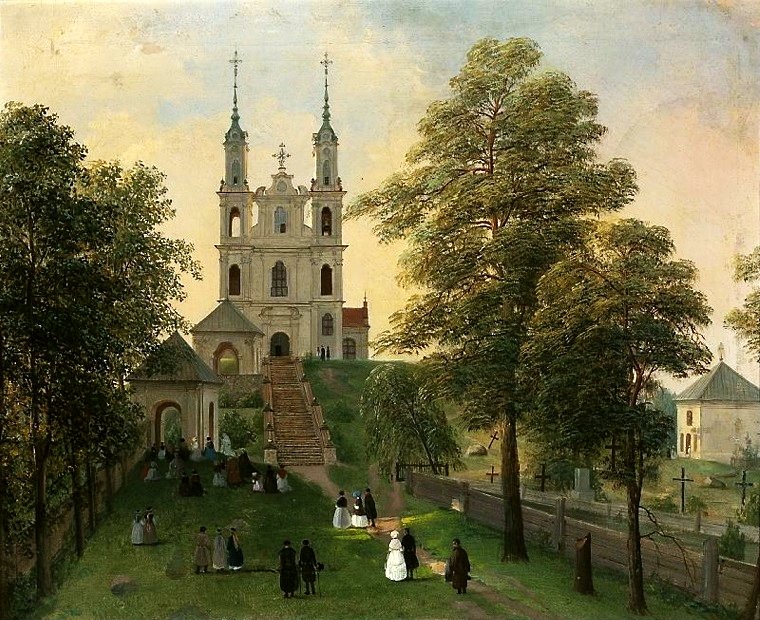
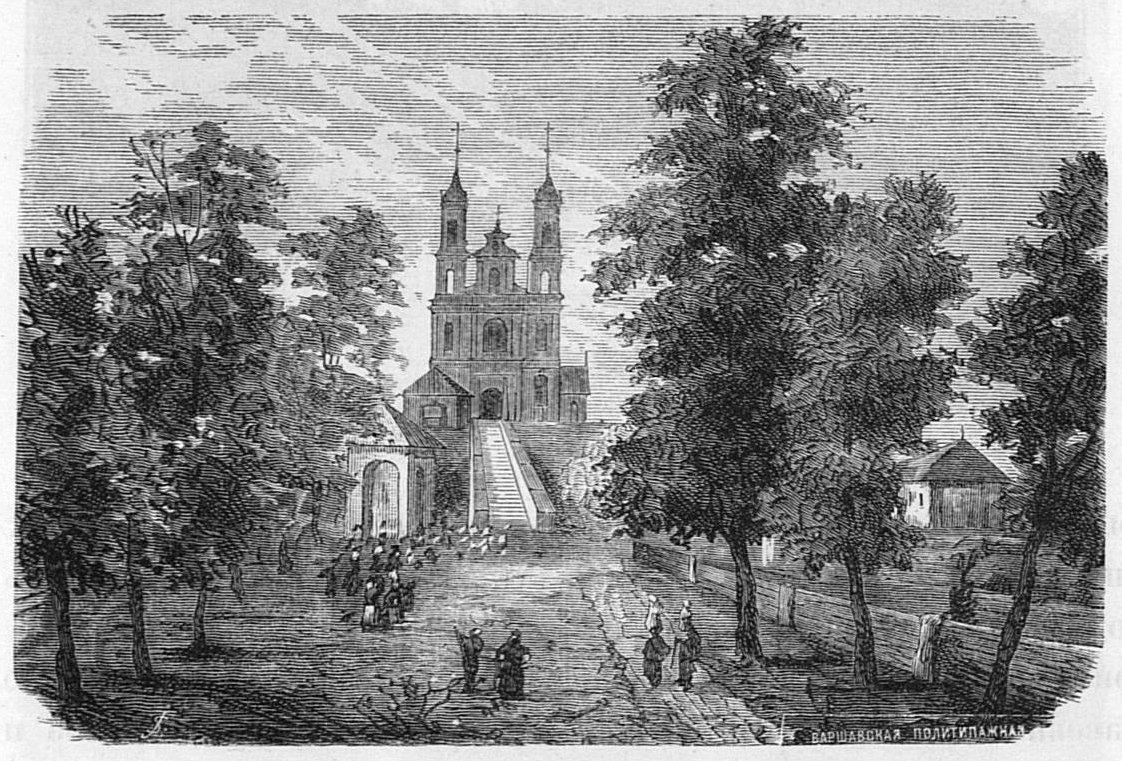
The Church of the Discovery of the Holy Cross was established in the 17th century, a period of fervent Catholic Counter-Reformation. Founded in 1662 by Bishop Jerzy Biallozor, it was part of a broader initiative to strengthen Catholic faith in the Grand Duchy of Lithuania. The church, along with its surrounding Calvary complex, was designed as a local pilgrimage route, meticulously recreating Christ’s Passion journey in Jerusalem. Consecrated in 1669, the church quickly rose to prominence, drawing pilgrims from across the region. (Vilnensis Parish).
Architectural Evolution
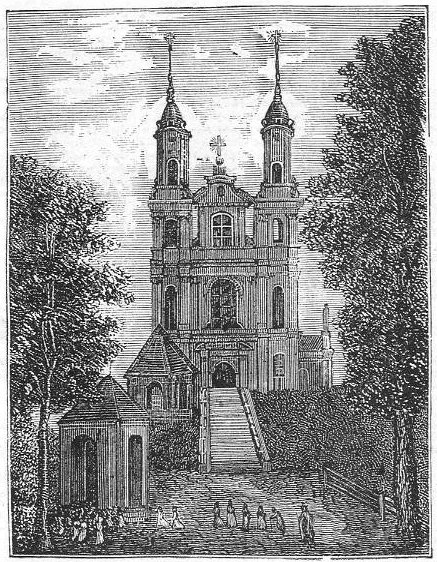
Originally conceived in the Baroque style, the church features a single nave, a high altar, and elaborate stucco work. The complex expanded over time, with the addition of numerous chapels and a bell tower in the 18th century, and further artistic embellishments in the 19th century. The Soviet era inflicted significant damage, leading to the demolition of many Calvary chapels and the church’s repurposing for secular use. Restoration efforts commenced in the late 1980s, culminating in its reconsecration and the gradual reconstruction of the Calvary stations. (Vilnensis Parish).
Religious and Cultural Significance
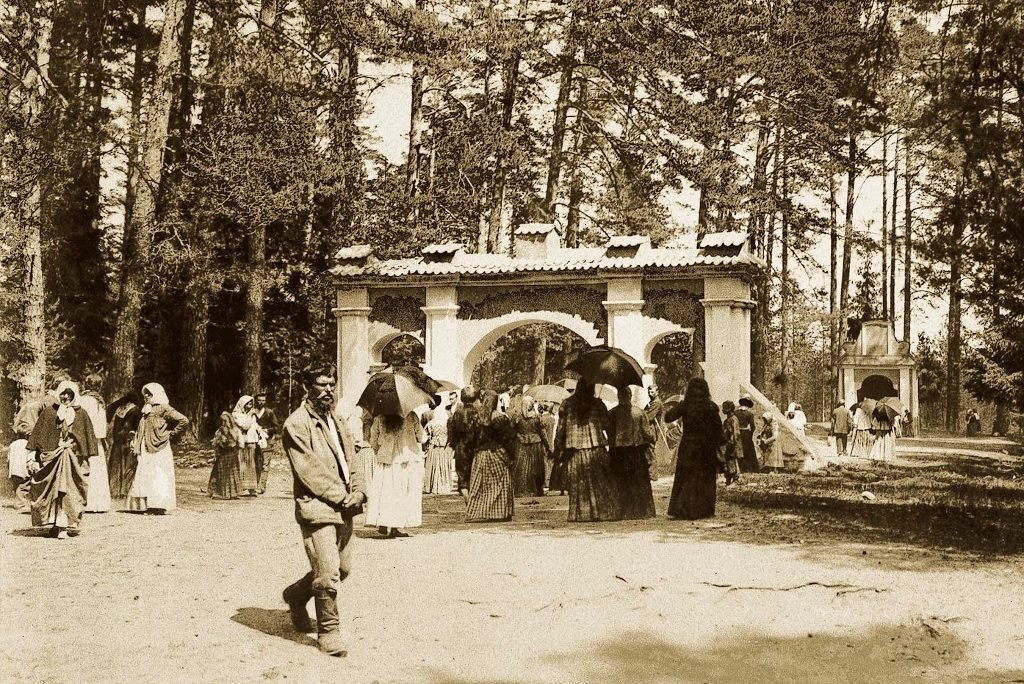
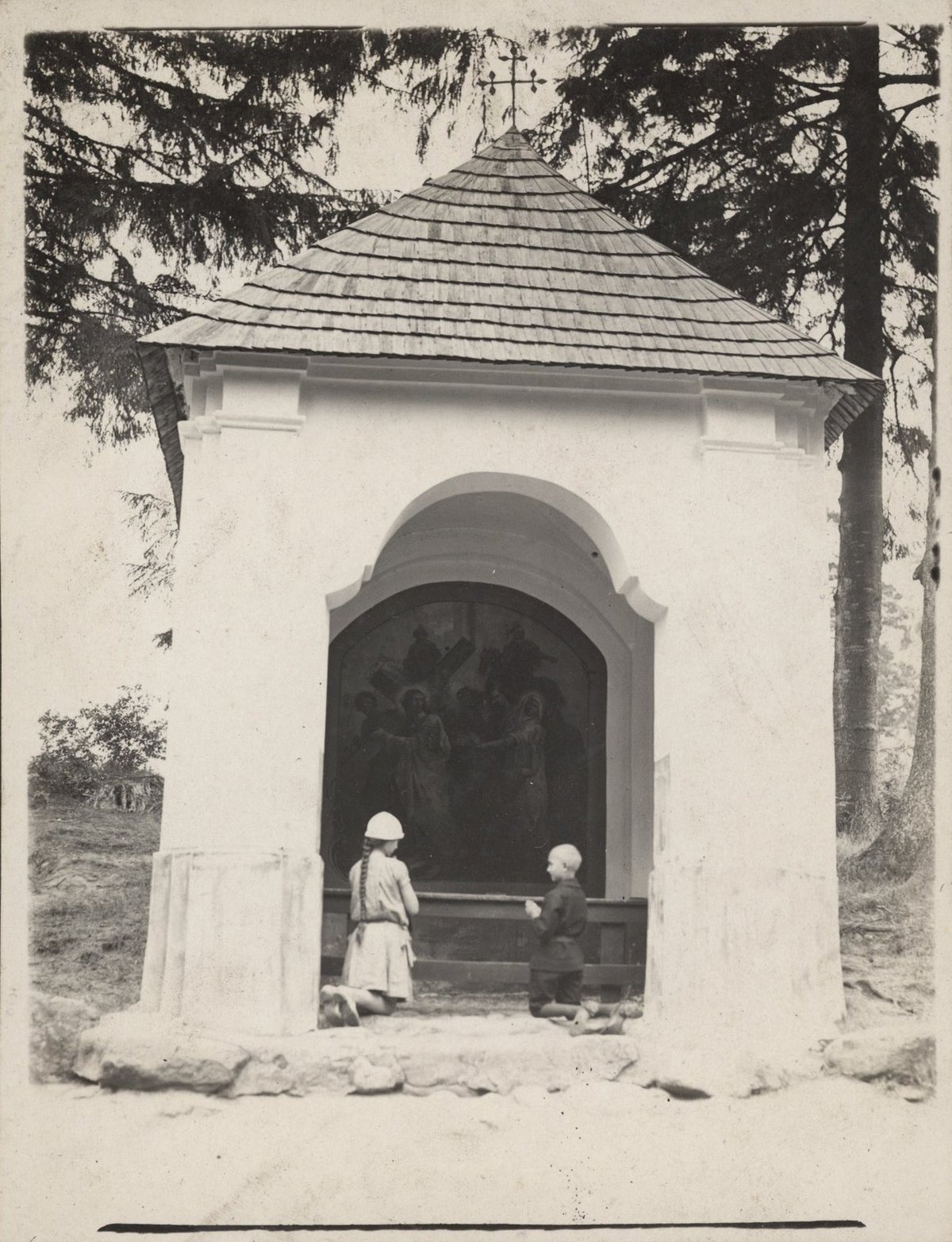
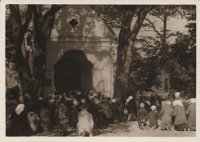
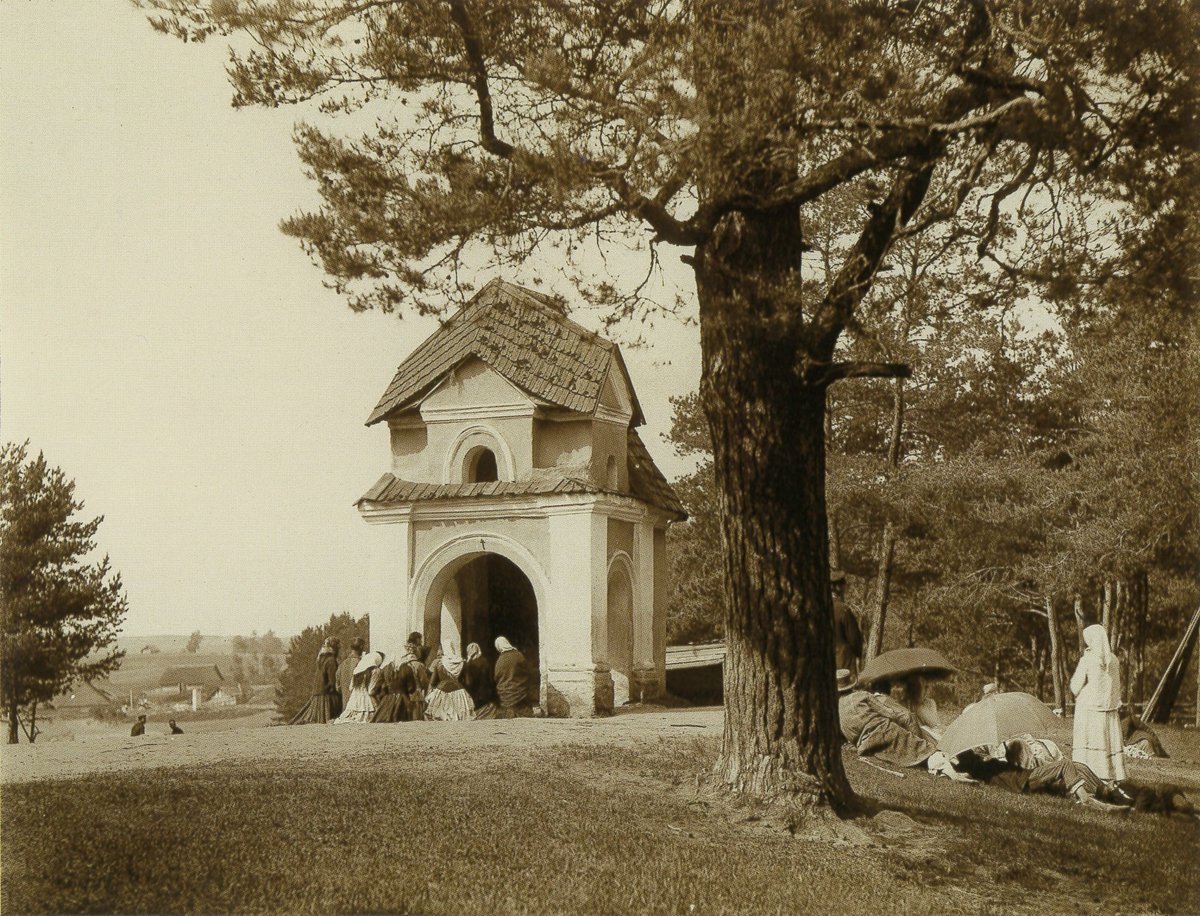
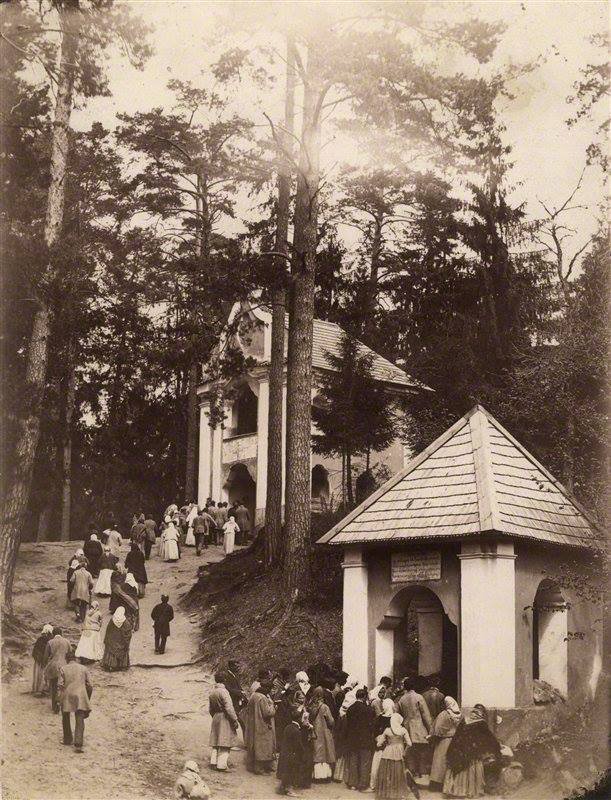
As the centerpiece of Vilnius Calvary, the church is one of Lithuania’s most important pilgrimage sites. Its 35 stations, stretching over 7 kilometers, symbolize Christ’s Passion and provide a sanctuary for prayer and contemplation. The annual Feast of the Discovery of the Holy Cross on May 3rd attracts thousands for processions and liturgical celebrations. More than just a religious site, the church stands as a symbol of Lithuanian endurance and identity, having weathered centuries of adversity to emerge as a beacon of cultural heritage. (True Lithuania; Go Vilnius).
Artistic and Architectural Features
Baroque Splendor
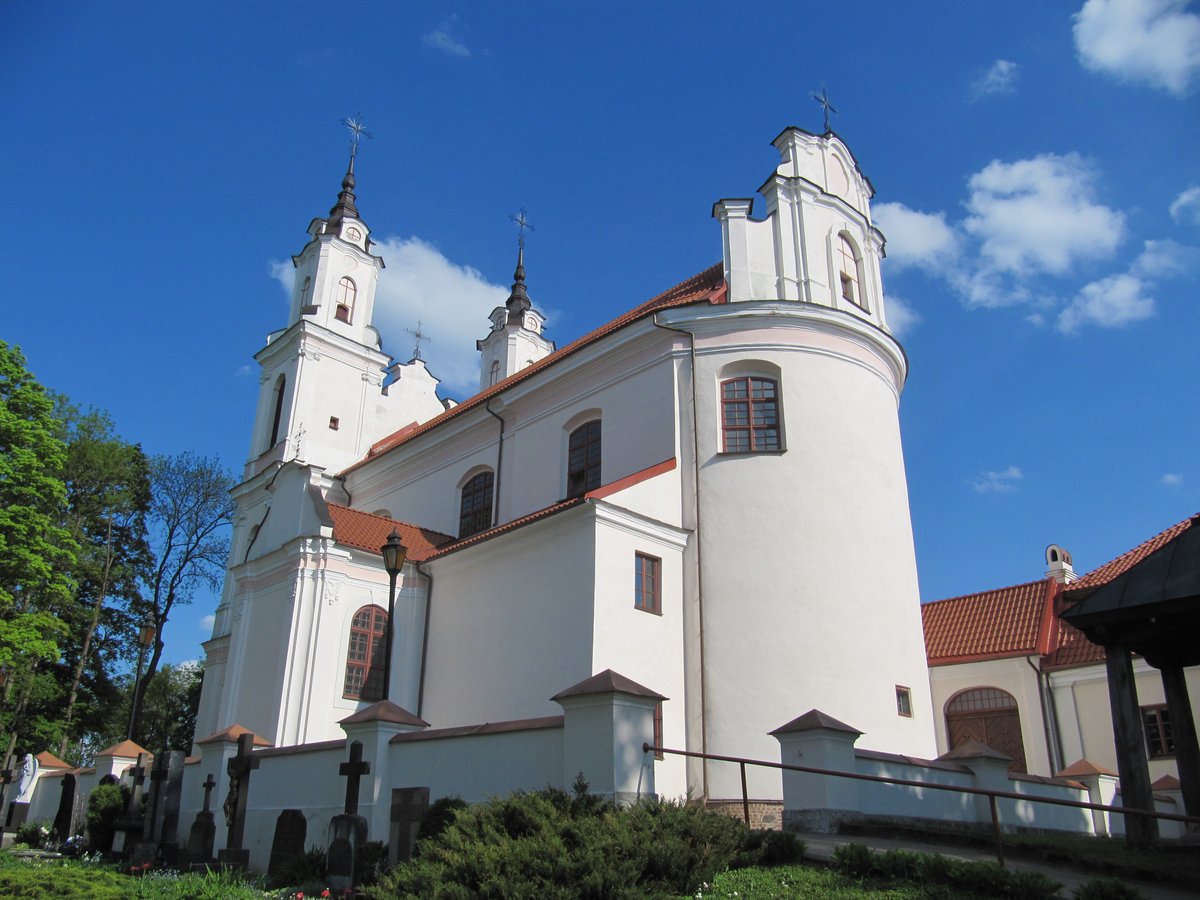
The church's façade is a Baroque masterpiece, adorned with pilasters, decorative cornices, and a prominent bell tower. Inside, visitors will find a richly decorated sanctuary featuring a main altar dedicated to the Holy Cross, side altars with saintly sculptures, and vaulted ceilings adorned with biblical frescoes. Notably, three stations of the Calvary are integrated into the church’s structure: Stations 31 and 33 are on the exterior, while Station 32 (the Crucifixion) forms the main altar.
Monastic Complex
Adjacent to the church stands a former Dominican monastery, which includes a refectory and an ornate sacristy (added in 1793) boasting intricate stucco work. The complex’s design facilitates both worship and pilgrimage, and its restoration has recaptured much of its former splendor.
Calvary Stations and Natural Setting
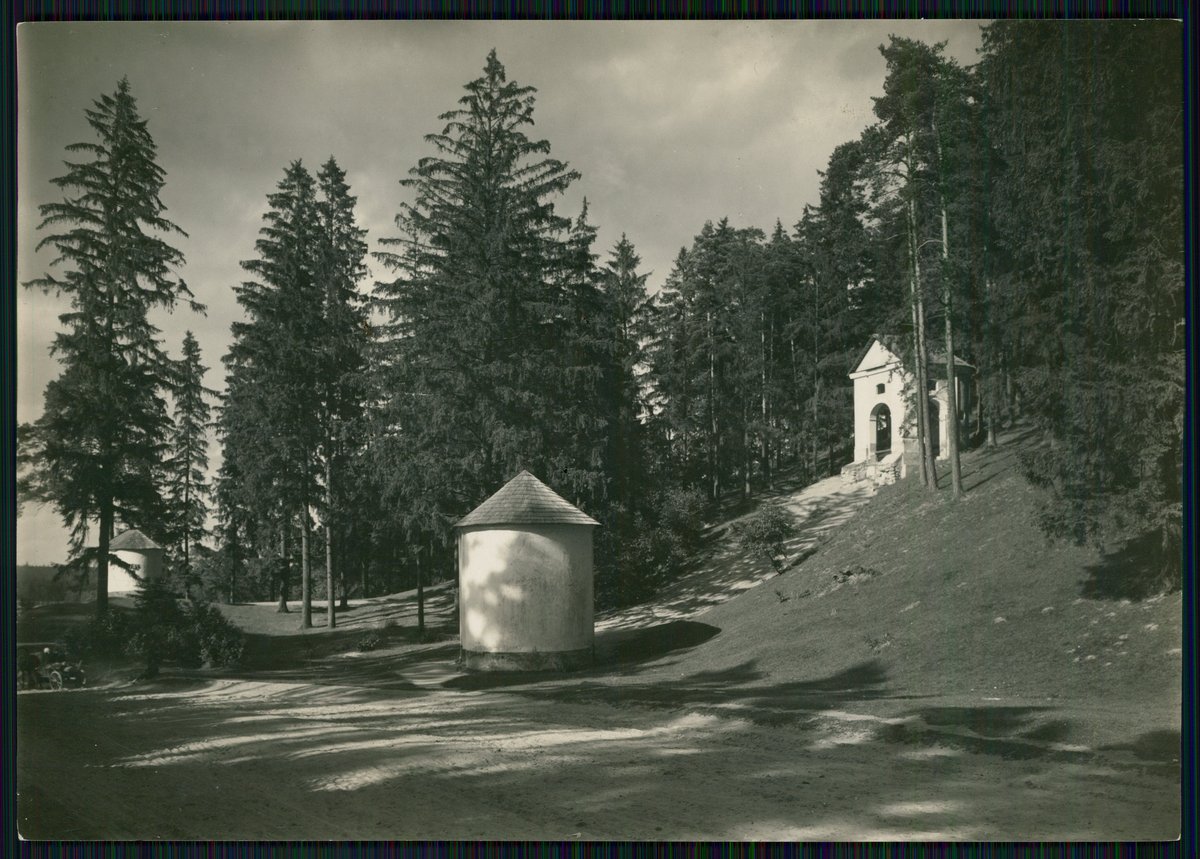
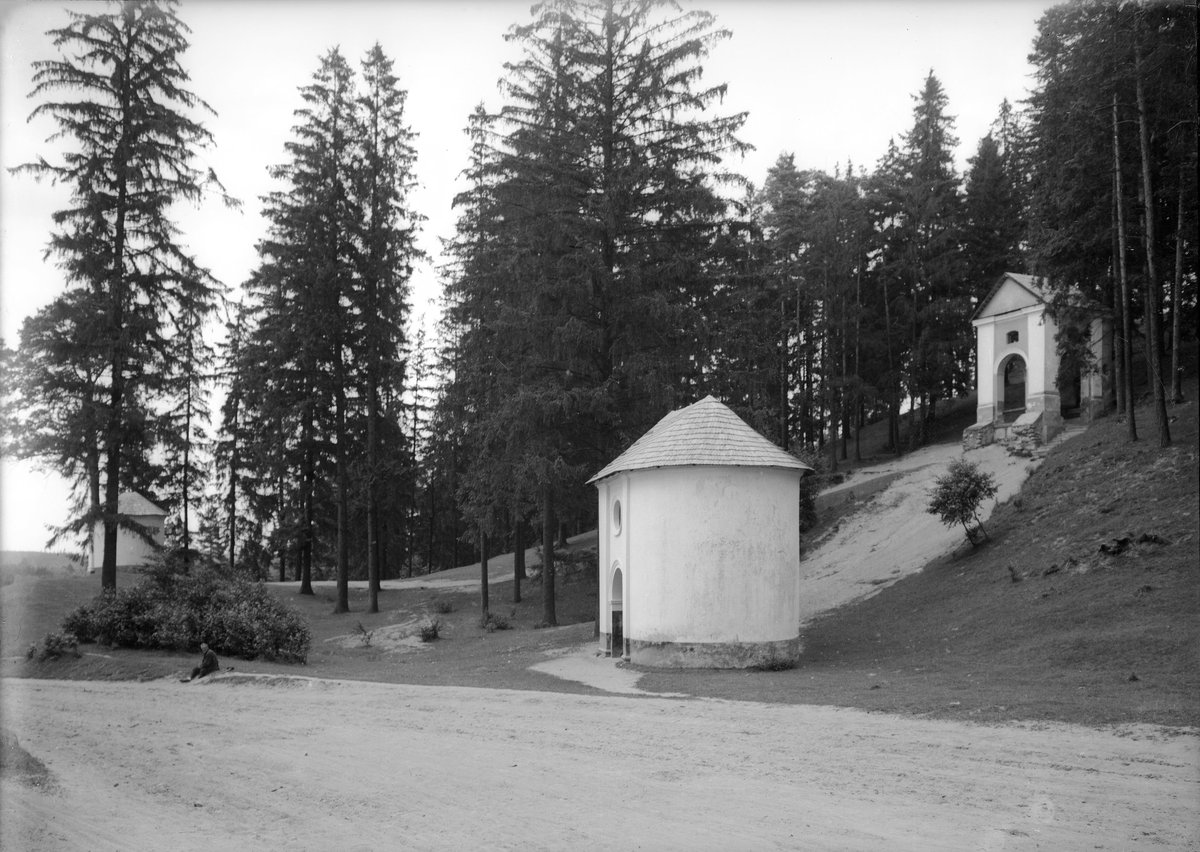
The Calvary chapels, reconstructed in recent decades, are harmoniously situated within Verkiai Regional Park. Hills named Golgota, Marija, Sionas, and Mount of Olives, along with the Cedronas stream, evoke the sacred geography of Jerusalem.
Visitor Information
Visiting Hours & Tickets
- Opening Hours Daily from 9:00 AM to 6:00 PM. Hours may vary during religious holidays; please check the official website for the latest updates.
- Admission Entry is free; donations are gratefully accepted to support restoration and maintenance efforts.
- Guided Tours Available by prior arrangement, particularly during peak seasons or special events.
Guided Tours & Accessibility
- Tours Expert guides offer insights into the church’s architecture, history, and spiritual significance.
- Accessibility The church and much of the Calvary route are accessible, with ramps and resting areas available. Some outdoor stations have uneven terrain; the shorter 2 km Mažosios Kalvarijos route is recommended for visitors with limited mobility. (Go Vilnius).
How to Get There
- By Public Transport Buses 2, 10, and 48 serve stops near Kalvarijų street; the church is a short walk from these stops.
- By Car Parking is available nearby.
- On Foot/Bike The site is accessible from central Vilnius and offers scenic walking and cycling routes through Verkiai Regional Park.
Nearby Attractions
- Verkiai Regional Park Offers walking trails, natural beauty, and historic sites.
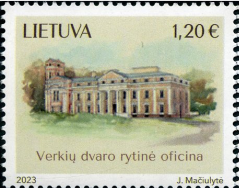
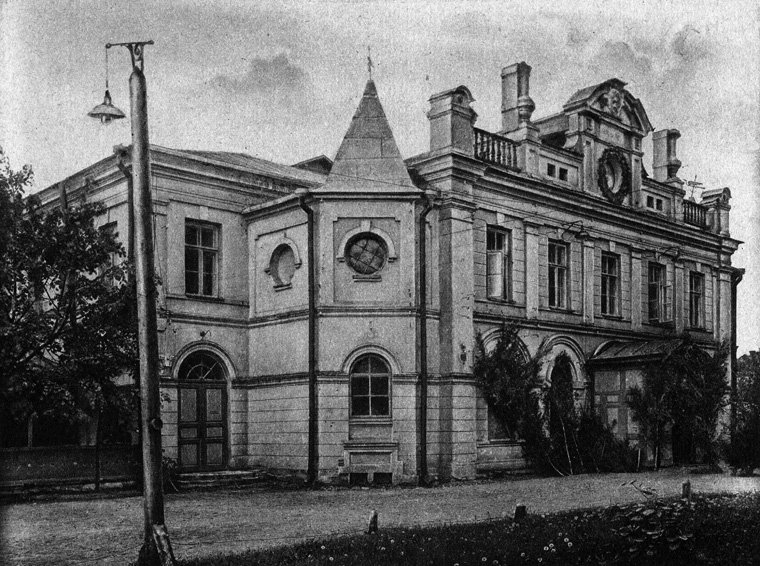
- Verkiai Palace Located a short distance away, this palace is a fine example of Lithuanian classical architecture.
- Vilnius Old Town A UNESCO World Heritage Site, easily reachable by public transport.
Events & Special Services
- Feast Days The annual Feast of the Discovery of the Holy Cross (May 3rd) and Holy Week processions are significant events.
- Masses Regular Catholic services are held; check the parish schedule for times.
- Concerts The church occasionally hosts sacred music performances.
Community Role & Preservation
The church remains an active parish center, offering regular Mass, sacraments, pastoral care, and community outreach. Restoration work continues, focusing on structural integrity, artwork conservation, and enhancing visitor accessibility. The site is recognized as a national cultural monument, supported by both church and state.
Frequently Asked Questions (FAQ)
Q: What are the visiting hours? A: Daily from 9:00 AM to 6:00 PM; check for holiday variations.
Q: Is there an entrance fee? A: No, entry is free, but donations are appreciated.
Q: Are guided tours available? A: Yes, tours can be arranged via the parish website.
Q: Is the site accessible for visitors with disabilities? A: The main areas are accessible; some outdoor stations may present challenges.
Q: How can I get there using public transport? A: Buses 2, 10, and 48 stop nearby.
Q: Can I take photographs? A: Photography is generally allowed, but discretion is advised during services.
Q: Are there special services or events for visitors? A: Yes, particularly during Holy Week and the Feast of the Discovery of the Holy Cross.
Q: Is there a dress code? A: Modest attire is recommended, especially during services.
Visual Highlights
- Baroque façade and twin bell towers
- Ornate main altar and side chapels
- Restored Calvary chapels set in parkland
- Interior frescoes and stucco work
- Venerated relics, including the True Cross
Find images and virtual tours on the Vilnensis Parish website and Go Vilnius.
Related Links
- Vilnensis Parish: Official Site
- Go Vilnius: Verkiai Regional Park
- True Lithuania: Religious Sites
- Vilnius Tourism
- Verkiai Regional Park
Conclusion & Call to Action
The Church of the Discovery of the Holy Cross is a remarkable fusion of Baroque artistry, spiritual tradition, and Lithuanian resilience. With free entry, generous visiting hours, and a wealth of historical and religious treasures, it is an essential stop in Vilnius for both spiritual seekers and cultural explorers. Plan your visit, attend a special event, or simply take time to reflect amid the church's tranquil surroundings. For audio guides, maps, and up-to-date information, download the Audiala app and follow us on social media for the latest news on Vilnius’s cultural heritage.