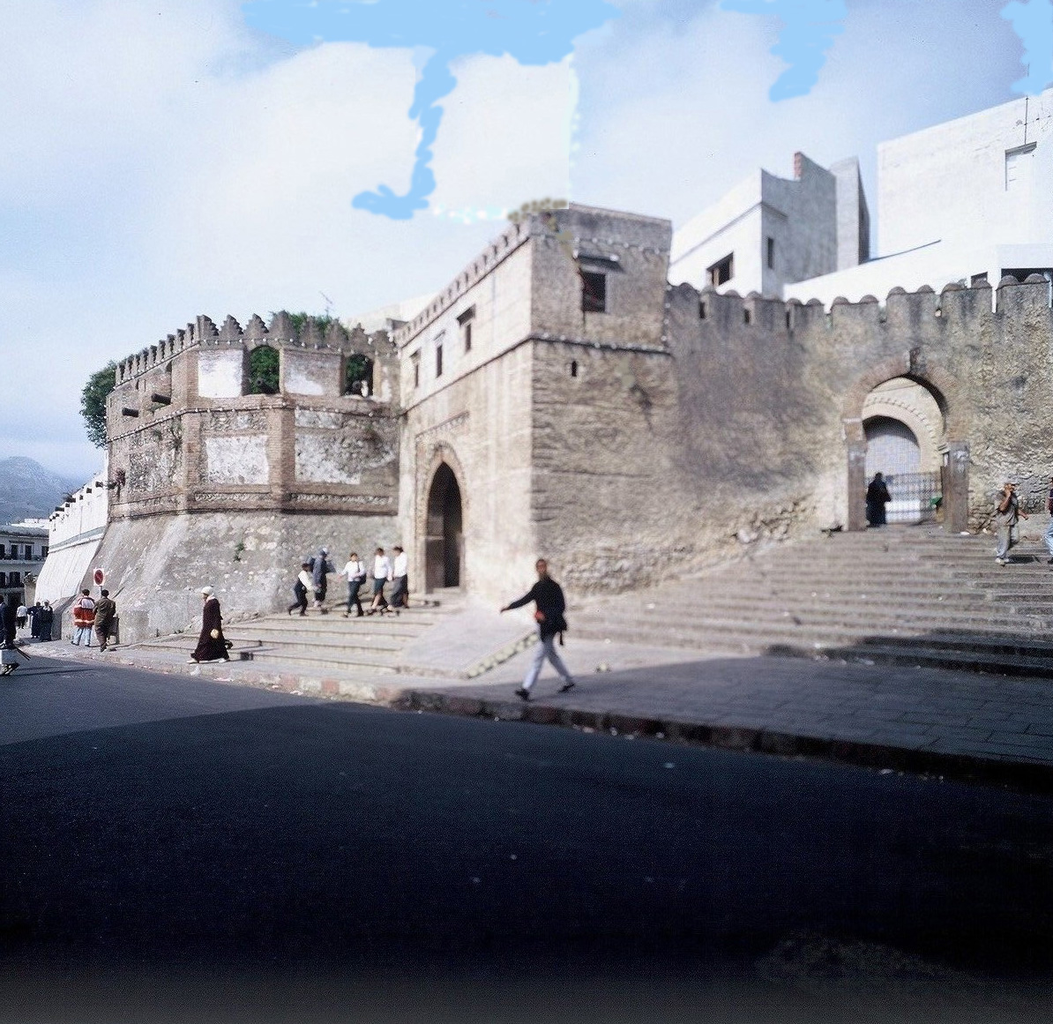
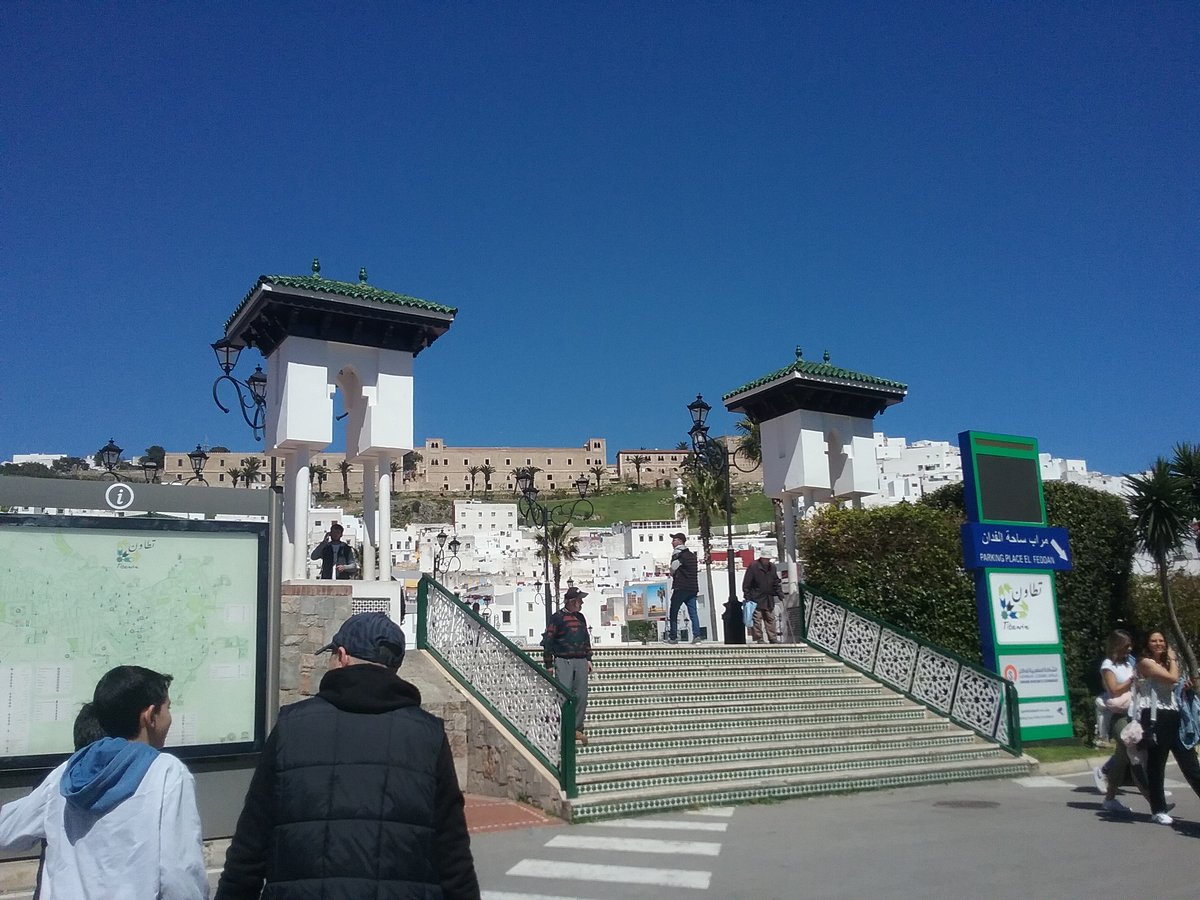
{'date': '14/06/2025', 'task': {'model': 'gpt-4.1-mini', 'query': 'Comprehensive guide to visiting Bab Rouah (Tetouan), Tétouan, Morocco: history, significance, visitor tips, and everything tourists need to know for a memorable experience.', 'verbose': False, 'guidelines': ["Keyword Research: Identify relevant keywords that potential visitors are likely to search for, such as '[Monument Name] visiting hours,' '[Monument Name] tickets,' and '[City] historical sites.' Use these keywords strategically throughout the article, including in the title, headers, and body text, but avoid keyword stuffing.", 'Engaging and Informative Title: Craft a title that is both SEO-friendly and compelling to encourage clicks. Include the main keyword and make it clear what the article will cover.', 'Structured Content: Use headings (H1, H2, H3) to organize the content effectively. This helps with SEO and makes the article easier for readers to navigate. Include an introduction that hooks the reader, a detailed body that covers all relevant aspects, and a conclusion that summarizes the key points.', 'Comprehensive Coverage: Address common questions and topics of interest such as the history of the monument, its cultural significance, visitor information (e.g., ticket prices, opening hours), travel tips, nearby attractions, and accessibility. Include sections that might be unique to the monument, like special events, guided tours, and photographic spots.', 'Quality Content: Ensure the content is well-researched, accurate, and provides real value to readers. Use reliable sources and provide factual information. Write in a clear, engaging, and accessible style. Consider your audience and use language that is appropriate for those likely to visit the monument.', 'Visuals and Media: Incorporate high-quality images or videos of the monument. These should be optimized for the web (correct sizing, alt tags with keywords). Consider interactive elements like virtual tours or maps.', 'Internal and External Links: Include links to other related articles on your site to encourage deeper engagement (internal links). Link to official websites for the monument or credible sources for further reading (external links).', 'FAQ: Incorporate FAQ sections to target voice search queries and featured snippets', 'Visit and Stay Up to Date: End the article with a call to action, such as encouraging readers to download our mobile app Audiala, check out other related posts, or follow on social media for more updates.'], 'max_sections': 4, 'publish_formats': {'pdf': False, 'docx': False, 'markdown': True}, 'follow_guidelines': True}, 'title': 'Comprehensive Guide to Visiting Bab Rouah (Tetouan), Tétouan, Morocco', 'report': '# テトゥアンのバブ・ルア訪問ガイド:営業時間、チケット、歴史的史跡\n\n#### 日付: 14/06/2025\n\n## はじめに:テトゥアンの遺産におけるバブ・ルアの場所\n\n地中海沿岸の近く、モロッコ北部にあるテトゥアンは、アンダルシアとモロッコの遺産のユニークな融合で知られています。この融合は、ユネスコ世界遺産に登録されているメディナ(旧市街)に最も顕著に現れており、建築の壮麗さと活気ある文化の生きた博物館となっています。メディナの歴史的な門の中で、バブ・ルア、すなわち「風の門」は、実用的な通路として、またテトゥアンの物語豊かな過去とダイナミックな現在を結ぶ象徴的な架け橋として際立っています。\n\nバブ・ルアは、職人の街区、活気あふれるスーク(市場)、歴史的史跡に囲まれたメディナの迷宮のような中心部へと訪問者を歓迎します。このガイドは、バブ・ルアの重要性、訪問のためのロジスティクス、近くの観光スポット、そしてテトゥアンでの体験を豊かにするための実用的な旅行のヒントについて包括的な概要を提供します。\n\n詳細とバーチャル探検については、
Visit and Do、
Adam Vanecko Traveller、
UNESCO World Heritage Centreのような権威ある情報源が貴重な視点を提供しています。\n\n---\n\n## 目次\n\n-
はじめに:テトゥアンの遺産におけるバブ・ルアの場所\n-
歴史的背景と重要性\n-
バブ・ルアの建築的特徴\n-
営業時間、チケット、アクセシビリティ\n-
ツアーと特別イベント\n-
文化的・都市的重要性\n-
近くの観光スポット\n-
保存とユネスコ登録\n-
旅行のヒントと訪問者情報\n-
よくある質問 (FAQ)\n-
ビジュアルギャラリー\n-
行動喚起\n-
参考文献\n\n---\n\n## 歴史的背景と重要性\n\nテトゥアンの起源は8世紀に遡りますが、今日見られるメディナは、15世紀後半に イスパニアから追放されたアンダルシア難民によって形成されました。この都市のメディナは、いくつかの記念碑的な門が点在する城壁に囲まれており、それぞれに独自の物語があります。バブ・ルア、「風の門」は、最も重要な門の一つであり、防御と行政の機能の両方を果たし、商業と旅行を容易にするために建設されました(
Adam Vanecko Traveller)。\n\nバブ・ルアは、バブ・エル・オクラーのような門に比べて新しいものですが、テトゥアンのメディナの建築様式と調和しており、文化の交差点であり、芸術的・経済的交流の中心としての都市のアイデンティティを反映しています(
Visit and Do)。\n\n---\n\n## バブ・ルアの建築的特徴\n\nバブ・ルアは、テトゥアンのメディナの多くを特徴づけるイスパノ・ムーア様式の典型です。地元の石と石灰で造られており、馬蹄形のアーチ、堅牢な石造り、そして微妙な幾何学模様は、防御的な意図と芸術的な洗練の両方を反映しています(
Visit and Do)。門のファサードにあるアラビア文字の碑文と彫刻された模様は、アンダルシアの遺産への敬意を表しています。\n\n門の戦略的な場所は、エル・メシュワール広場のような主要な広場へのアクセスを提供し、メディナの主要な動脈や公共スペースとシームレスに統合されています。その向きは、密集した都市構造にとって実用的な特徴である自然換気も可能にしています(
Adam Vanecko Traveller)。\n\n---\n\n## 営業時間、チケット、アクセシビリティ\n\n-
営業時間: バブ・ルアは、24時間アクセス可能な公共の門です。安全のため、できれば日中(午前8時から午後6時頃)の訪問をお勧めします。\n-
チケット: バブ・ルアやメディナへの入場に料金やチケットは必要ありません。\n-
アクセシビリティ: 門の広いデザインは、古い門よりも移動に制約のある訪問者にとってより配慮されています。しかし、メディナの狭く不均一な通りは困難を伴う可能性があります。アクセス可能なルートについては、現地のガイドに相談してください(
Bewildered in Morocco)。\n\n---\n\n## ツアーと特別イベント\n\nバブ・ルアは、メディナのツアーの人気の出発点です。多くの現地の旅行代理店や公式観光案内所は、歴史的な解説と職人の街区や博物館への訪問を組み合わせたツアーを提供しています。門とその周辺の広場では、特に祭りや街全体の祝典の際には、文化イベントが開催されることがあります(
Visit and Do)。\n\n---\n\n## 文化的・都市的重要性\n\nバブ・ルアは単なる建築遺物ではなく、テトゥアンの開放性と回復力を示す生きたシンボルです。玄関として、それは現代都市から歴史的なメディナへの移行を体現しており、地元住民の日常のリズムにおいて常に存在するものとなっています。特に公共イベントや宗教行列の際には、好まれる待ち合わせ場所であり、コミュニティの文化的生活において重要な役割を果たしています(
Morocco Travel Blog)。\n\n王宮やハッサン2世広場のようなランドマークとの近さも、都市活動の中心としてのその地位を確固たるものにしています。\n\n---\n\n## 近くの観光スポット\n\nバブ・ルアから、訪問者は以下のような主要な観光スポットに簡単にアクセスできます。\n\n-
王宮とハッサン2世広場: テトゥアンの市民生活の中心にある象徴的な建造物。\n-
モスク・エル・カビール(ジャマア・エル・カビル): 非イスラム教徒は内部に入ることはできませんが、モスクのミナレットは建築上のハイライトです。\n-
職人の街区: 伝統工芸品、陶器、織物を生産する工房を探索してください。\n-
テトゥアンのカスバ: 都市の防御の歴史を反映した14世紀の要塞。\n-
民族誌博物館と考古学博物館: この地域の歴史と文化へのより深い洞察を提供します(
Adam Vanecko Traveller)。\n\n---\n\n## 保存とユネスコ登録\n\nテトゥアンのメディナ、バブ・ルアを含む地域は、1997年にユネスコ世界遺産に登録されました。継続的な保存活動は、その建築的・文化的遺産の真正性を維持しており、住民と訪問者の両方が都市のユニークな遺産を評価できるようにしています(
UNESCO World Heritage Centre)。\n\n---\n\n## 旅行のヒントと訪問者情報\n\n-
アクセス: バブ・ルアは、市内中心部から徒歩またはタクシーでアクセスできます。ローカルバスもメディナ地域に運行しています(
Evendo)。\n-
訪問に最適な時期: 春(3月~5月)と秋(9月~11月)が最も快適な季節です。写真撮影には、午前中または午後の遅い時間が、混雑を避け、光を最大限に活用するのに理想的です(
Malika in Morocco)。\n-
持ち物: 控えめな服装、快適なウォーキングシューズ、日焼け止め、水をお勧めします。写真を撮る前に必ず許可を得てください。\n-
アメニティ: カフェ、レストラン、ショップが近くにありますが、メディナ内の公衆トイレは限られています。\n-
言語: アラビア語とスペイン語が広く話されており、フランス語と英語も多少通じます。\n\n---\n\n## よくある質問 (FAQ)\n\n
Q: バブ・ルアの営業時間について教えてください。\nA: バブ・ルアは24時間年中無休でアクセス可能ですが、日中(午前8時~午後6時)の訪問が最も安全で快適です。\n\n
Q: バブ・ルアへの入場料やチケットは必要ですか?\nA: いいえ、バブ・ルアは無料でアクセスできます。\n\n
Q: ガイド付きツアーはありますか?\nA: はい、多くのツアーがバブ・ルアから始まります。事前予約をお勧めします。\n\n
Q: バブ・ルアは障害のある方でもアクセスできますか?\nA: 門は古い門よりも広くアクセスしやすいですが、メディナの通りは車椅子での移動が困難な場合があります。\n\n
Q: バブ・ルアを訪れるのに最適な時間はいつですか?\nA: 早朝と午後の遅い時間は、気温が涼しく、混雑が少ないです。\n\n---\n\n## ビジュアルギャラリー\n\n\n
バブ・ルアの象徴的な馬蹄形アーチ、イスパノ・ムーア様式を披露\n\n\n
バブ・ルアにある彫刻された幾何学模様とアラビア文字の碑文のクローズアップ\n\n---\n\n## 行動喚起\n\nバブ・ルアとテトゥアンのメディナの驚異を発見する準備はできましたか?ガイド付きツアー、イベント情報、パーソナルな旅行のヒントについては、Audialaアプリをダウンロードしてください。最新のインスピレーションと文化的なハイライトについては、ソーシャルメディアでフォローしてください。#BabRouahTetouan であなたの体験を共有し、好奇心旺盛な旅行者のコミュニティに参加してください!\n\n-
Audialaをダウンロード: App Store |
Google Play\n-
Instagram: @AudialaTravel\n-
Facebook: Audiala Travel\n\n---\n\n## 参考文献\n\n-
UNESCO World Heritage Centre\n-
Adam Vanecko Traveller\n-
Visit and Do\n-
Morocco Travel Blog\n-
Malika in Morocco\n-
Bewildered in Morocco\n-
Evendo\n\n', 'headers': {'date': '日付', 'title': 'テトゥアンのバブ・ルア訪問ガイド:営業時間、チケット、歴史的史跡', 'conclusion': 'バブ・ルア訪問と旅行のヒントに関する要点のまとめ', 'references': 'より詳しい情報のための参考文献と公式情報源', 'introduction': 'バブ・ルアの導入とそのテトゥアンにおける重要性', 'table_of_contents': '目次(歴史、訪問者情報、近くの観光スポットを含む)'}, 'sources': ['- Exploring Tétouan’s Historic Gates: Visiting Hours, Tickets, and Cultural Insights
https://whc.unesco.org/en/list/837', '- Bab Rouah Visiting Hours, Tickets, and Historical Guide to Tétouan’s Iconic Gate, Adam Vanecko Traveller
https://adamvaneckotraveller.sk/morocco/tetouan-andalusia-in-morocco/', '- Visit and Do - What to See in Tétouan
https://www.visitanddo.com/en/what-see-in-tetuan/', '- Bab Rouah Tétouan: Visiting Hours, Tickets, and Historical Significance, Morocco Travel Blog
https://moroccotravelblog.com/2019/04/16/tetouan-moroccos-little-jerusalem/', "- Bab Rouah Visiting Hours, Tickets, and Tips for Exploring Tetouan's Historic Medina Gate, Malika in Morocco
https://www.malika-in-morocco.com/post/ultimate-travel-guide-to-tetouan", '- Bewildered in Morocco - Morocco Travel Tips 2025
https://bewilderedinmorocco.com/morocco-travel-tips-2025-essential-guide/'], 'sections': ['Historical Background of Tétouan and Its Gates', 'Bab Rouah: History and Architectural Features', 'Cultural and Social Significance', 'Visiting Bab Rouah: What to Expect and Practical Visitor Tips'], 'conclusion': 'バブ・ルアは、テトゥアンの豊かな文化タペストリーと歴史的進化のダイナミックな証として立っています。物理的な入り口と象徴的なポータルとして、それは都市のユニークなアンダルシア・モロッコ遺産を反映しており、防御建築の創意工夫とコミュニティ生活の暖かさを融合させています。バブ・ルアを通過する訪問者は、単にメディナへのアクセスを得るだけでなく、数世紀にわたる異文化交流と回復力の物語を語る、活気ある市場、職人の仕事場、歴史的史跡の生きたモザイクへと足を踏み入れます。\n\n門の無料かつ柔軟なアクセスと、王宮、カスバ、賑やかなスークなどの主要な観光スポットとの近さにより、テトゥアンの 1000 年の歴史と文化遺産を探索する理想的な出発点となっています。メディナの狭く、石畳の道は一部の訪問者にとって困難をもたらすかもしれませんが、慎重な計画、地元の慣習の遵守、ガイド付きツアーの利用は、体験を大幅に豊かにすることができます。さらに、文化イベントの開催から日常の社会的交流の促進まで、コミュニティ生活におけるバブ・ルアの役割は、都市構造内でのその継続的な関連性を強調しています。\n\nユネスコ世界遺産登録によって支援されている保存活動は、バブ・ルアとその周辺のメディナが将来の世代を刺激し教育し続けることを保証します。旅行者は、敬意と好奇心を持って訪問に臨み、この驚くべきモロッコの街を定義する本物の雰囲気を受け入れ、生きた伝統に触れることが奨励されます。\n\n訪問を最大限に活用するために、Audialaアプリなどの追加リソースを検討してください。ガイド付きツアーや最新のイベント情報については、ソーシャルメディアチャンネルで最新情報やインサイダーのヒントを入手し、バブ・ルアとテトゥアンのメディナの豊かな遺産に完全に没頭してください。\n\n詳細情報と計画については、
UNESCO World Heritage Centre、
Visit and Do、
Adam Vanecko Travellerなどの権威ある情報源を参照してください。これらは、この並外れたモロッコのランドマークに関する包括的な洞察と最新情報を提供しています。', 'introduction': '地中海沿岸近くのモロッコ北部に位置する魅力的な都市テトゥアンは、アンダルシアとモロッコの遺産が豊かに融合しており、その歴史的なメディナに最も鮮やかに保存されています。ユネスコ世界遺産に登録されているメディナは、古代の城壁に囲まれ、その中にはいくつかの記念碑的な門があります。その中でも、テトゥアンの「風の門」として親しまれるバブ・ルアは、重要な文化的・建築的ランドマークとして際立っています。この門は、メディナの中心部への主要なアクセスポイントとして機能するだけでなく、テトゥアンの歴史的な回復力を体現しており、過去の防御的な必要性とコミュニティの歓迎的な精神を融合させています。バブ・ルアを訪れる人々は、馬蹄形のアーチや彫刻された幾何学模様のようなイスパノ・ムーア建築の特徴と、日常の生活、市場、文化的な祝典が pulsating する活気ある都市環境との調和のとれた融合を体験できます。\n\n15世紀から16世紀にかけての古い門とは異なり、バブ・ルアは歴史的な深みと現代の都市のダイナミクスを反映しており、テトゥアンの豊かな過去と現代の文化的な活気を橋渡しする玄関として機能しています。年間を通じて開放され、自由にアクセスできるバブ・ルアは、旅行者がメディナの迷宮のような路地、賑やかなスーク、職人の街区を探索するのを奨励し、都市のアイデンティティを形作るアンダルシアの遺産の本格的な glimpse を提供します。歴史愛好家、建築愛好家、あるいは好奇心旺盛な旅行者であっても、バブ・ルアの歴史的重要性、建築的特徴、営業時間、アクセシビリティを理解することは、テトゥアンの魅惑的なメディナを旅する上であなたの旅を豊かにするでしょう。\n\nこの包括的なガイドは、バブ・ルアへの訪問を効果的に計画するための不可欠な情報、実用的なヒント、文化的な洞察をまとめたものです。詳細とバーチャル探検については、
Visit and Do、
Adam Vanecko Traveller、
UNESCO World Heritage Centreのような情報源は、貴重な視点と最新情報を提供し、この驚くべきモロッコの玄関の充実した豊かな体験を保証します。', 'research_data': [{'Exploring Tétouan’s Historic Gates: Visiting Hours, Tickets, and Cultural Insights': '## Discover Tétouan’s Historic Gates: A Visitor’s Guide to Hours, Tickets, and Cultural Heritage\n\nTétouan, nestled in northern Morocco near the Mediterranean, is a vibrant city rich in history and culture. Famous for its well-preserved medina—designated as a UNESCO World Heritage Site—Tétouan offers visitors a unique glimpse into centuries of Andalusian and Moroccan traditions. For travelers interested in exploring Tétouan’s historic gates, this guide provides essential information on visiting hours, ticketing, cultural insights, and practical tips to make the most of your journey.\n\n### Introduction: Why Visit Tétouan’s Gates?\n\nThe gates of Tétouan are more than architectural marvels; they are gateways into the city’s soul, reflecting its rich past and cultural fusion. Whether you're a history buff, an architecture enthusiast, or a curious traveler, exploring these monumental portals offers immersive experiences that connect you to the city's Andalusian-Moroccan heritage. Planning your visit with knowledge of ticketing, opening times, and nearby attractions ensures a rewarding and hassle-free adventure.\n\n### Historical Background and Significance\n\nTétouan’s origins date back to the 8th century CE, gaining prominence after the late 15th century when Andalusian refugees shaped its urban and cultural landscape. The medina is encircled by formidable walls approximately 5 km long, pierced by seven main gates built between the 15th and 18th centuries. These gates—such as Bab Al Okla, Bab Saida, and Bab Rouah—functioned as defensive structures, trade checkpoints, and ceremonial entrances, embodying a blend of Moorish and Andalusian architectural styles.\n\n### Visiting Hours and Tickets\n\nMost of Tétouan’s historic gates, including Bab Rouah and Bab Al Okla, are open to the public free of charge as they form part of the city’s open-air heritage. Visitors can access the medina through these gates daily from sunrise to sunset. However, for specific cultural events or exhibitions sometimes held within or near the gates, ticketing and visiting hours may vary. It is advisable to check with local tourist offices or official websites ahead of your visit.\n\n### Guided Tours and Special Events\n\nGuided tours of Tétouan’s medina often start at the gates, providing insightful commentary on their history, architecture, and role in city life. Tours can be booked through local agencies or the official tourist office and may include visits to nearby attractions such as the Archaeological Museum and artisan quarters. The gates occasionally host cultural events, art exhibitions, and festivals, especially during Moroccan holidays or city celebrations, offering visitors unique experiences.\n\n### Accessibility and Travel Tips\n\nThe gates and surrounding medina areas feature cobblestone streets and narrow alleys, which may present challenges for visitors with mobility issues. Comfortable walking shoes are recommended. Early morning or late afternoon visits are ideal for avoiding crowds and capturing the gates in the best natural light—perfect for photography enthusiasts.\n\n### Notable Gates and Architectural Highlights\n\n-
Bab Al Okla: Dating from the 15th century, this gate combines robust defensive features with intricate Moorish tilework and horseshoe arches.\n-
Bab Saida: Known for its southern medina access, it is surrounded by lively markets.\n-
Bab Rouah: Also called the "Gate of the Winds," it features angled chambers and a fluted dome, symbolizing protection and openness.\n\nEach gate serves as a cultural marker and offers excellent photo opportunities, especially when illuminated at night.\n\n### Nearby Attractions to Explore\n\nClose to the gates, visitors can explore:\n- The Archaeological Museum, showcasing artifacts that narrate Tétouan’s diverse history.\n- Artisan quarters where traditional crafts like tile-making and leatherwork continue.\n- Public squares like Place Moulay El Mehdi, perfect for soaking up local life.\n\n### Preservation Efforts and UNESCO Recognition\n\nInscribed as a UNESCO World Heritage Site in 1985, Tétouan’s medina and its gates are protected and conserved to maintain their authenticity. Preservation initiatives ensure that these monumental structures continue to inspire both residents and visitors, preserving the city’s unique cultural identity.\n\n### Frequently Asked Questions (FAQ)\n\n
Q: Are there entrance fees to visit Tétouan’s gates?\nA: No, access to the gates and medina is generally free. However, some special exhibitions or events may require tickets.\n\n
Q: What are the best times to visit the gates?\nA: Early mornings or late afternoons offer cooler temperatures, fewer crowds, and beautiful lighting for photography.\n\n
Q: Are guided tours available?\nA: Yes, many local operators offer guided tours starting at the gates, providing in-depth historical and cultural insights.\n\n
Q: Is the medina wheelchair accessible?\nA: The medina’s narrow, uneven streets can be challenging for wheelchairs; visitors with mobility concerns should plan accordingly.\n\n### Enhance Your Visit: Multimedia and Maps\n\nFor a richer experience, consider downloading interactive maps and virtual tours available through local tourism websites and mobile apps. Photos and videos of the gates can help familiarize you with their layout and design before your trip.\n\n### Call to Action\n\nReady to explore Tétouan’s historic gates? Download the Audiala mobile app for up-to-date visiting hours, guided tour bookings, and insider tips. Follow our social media channels for the latest events and travel inspiration. Dive into Tétouan’s captivating blend of history and culture—your gateway to unforgettable Moroccan adventures starts here!\n\n---\n\nFor more detailed history and visitor information, visit the
UNESCO World Heritage Centre, explore
moroccopass.com’s guide to Bab Al Okla, and learn about
Bab Rouah’s architectural features on Visit Rabat.'}, {'Bab Rouah Visiting Hours, Tickets, and Historical Guide to Tétouan’s Iconic Gate': '## Historical Background of Bab Rouah\n\nBab Rouah is one of the principal gates of the medina of Tétouan, a city in northern Morocco renowned for its unique blend of Moroccan and Andalusian architecture. The medina itself, inscribed as a UNESCO World Heritage Site in 1997, is encircled by approximately 5 kilometers of defensive walls punctuated by seven historic gates, including Bab Rouah (
adamvaneckotraveller.sk). The name "Bab Rouah" translates to "Gate of the Winds," a title that reflects both its orientation and its historical role as a point of entry and ventilation for the old city.\n\nThe origins of Tétouan’s medina date back to the 8th century, but the city’s current form was largely shaped in the late 15th and early 16th centuries, following the influx of Andalusian refugees expelled from Spain after the Reconquista (
visitanddo.com). These settlers brought with them their architectural traditions, which are evident throughout the medina and its gates. Bab Rouah, like the other gates, was constructed as part of the city’s fortifications, serving both defensive and administrative functions.\n\nDuring the 18th century, the medina’s walls and gates, including Bab Rouah, were reinforced and expanded to protect the city from external threats and to regulate the flow of people and goods. The gates were strategically placed to connect the medina with key trade routes and surrounding regions, making Bab Rouah a vital access point for merchants, travelers, and residents alike (
adamvaneckotraveller.sk).\n\n## Architectural Features of Bab Rouah\n\n### Structural Design\n\nBab Rouah exemplifies the Hispano-Moorish architectural style that characterizes much of Tétouan’s medina. The gate is constructed from locally sourced stone and lime, with thick walls designed to withstand both attacks and the passage of time. The archway of Bab Rouah is typically horseshoe-shaped, a hallmark of Moorish architecture, and is framed by robust masonry that emphasizes both strength and aesthetic harmony (
visitanddo.com).\n\nThe gate’s façade is relatively austere compared to some of Morocco’s more ornate city gates, reflecting the practical defensive priorities of Tétouan’s builders. However, subtle decorative elements can be observed, such as carved geometric patterns and inscriptions in Arabic script, which often invoke blessings or commemorate the gate’s construction. These details are a testament to the Andalusian influence that permeates the medina’s built environment (
nabeelrashid.com).\n\n### Integration with the Medina\n\nBab Rouah is strategically positioned to provide access from the main square (Place El Mechouar) into the heart of the medina. The gate opens onto a network of main and secondary streets, with the principal thoroughfares connecting Bab Rouah to other gates and public spaces, such as markets, mosques, and artisan quarters (
adamvaneckotraveller.sk). This layout reflects the medina’s strict urban planning, which was designed to facilitate both commerce and community life while maintaining security.\n\nThe gate’s placement also allows for natural ventilation and light to penetrate the dense urban fabric of the medina, contributing to the comfort and health of its inhabitants. The orientation of Bab Rouah, facing prevailing winds, is a deliberate feature that underscores the practical ingenuity of Tétouan’s architects.\n\n### Defensive and Symbolic Elements\n\nAs a defensive structure, Bab Rouah was originally equipped with heavy wooden doors reinforced with metal studs, which could be closed in times of danger. The gate’s flanking towers provided vantage points for guards, allowing them to monitor traffic and defend the city if necessary. While the military function of Bab Rouah has diminished over time, its imposing presence continues to symbolize the resilience and autonomy of Tétouan’s historic community (
visitanddo.com).\n\nIn addition to its defensive role, Bab Rouah served as a ceremonial gateway, marking the transition from the bustling commercial life of the medina to the more tranquil residential quarters. The gate’s architecture thus embodies both the protective and welcoming aspects of Tétouan’s urban identity.\n\n## Cultural and Urban Significance\n\n### Gateway to the Medina’s Heritage\n\nBab Rouah is more than just an architectural relic; it is a living portal into the daily rhythms and traditions of Tétouan. Entering through Bab Rouah, visitors are immediately immersed in the medina’s labyrinthine streets, where whitewashed houses, vibrant souks, and artisan workshops evoke centuries of cultural exchange between Morocco and Andalusia (
visitanddo.com). The gate is a favored starting point for guided tours, offering a tangible link between the city’s past and present.\n\n### Symbol of Andalusian Legacy\n\nThe design and function of Bab Rouah reflect the enduring legacy of the Andalusian refugees who rebuilt Tétouan in their own image. The gate’s architectural motifs, urban integration, and communal significance all bear witness to the fusion of Spanish and Moroccan influences that define the city’s character (
nabeelrashid.com). This heritage is celebrated in local festivals, music, and crafts, making Bab Rouah a focal point for cultural pride and continuity.\n\n### Role in Contemporary Urban Life\n\nToday, Bab Rouah remains a vital artery for both residents and visitors. The gate facilitates access to key attractions within the medina, including the bustling souks, the Kasbah, and various museums. Its proximity to major squares and public spaces ensures that Bab Rouah is always animated by the flow of people, goods, and ideas (
adamvaneckotraveller.sk). The area around the gate is often used for community gatherings, street performances, and cultural events, reinforcing its status as a social and symbolic landmark.\n\n## Practical Visitor Information\n\n### Bab Rouah Visiting Hours and Tickets\n\nBab Rouah is an open public gate and does not require tickets or an entry fee to visit. It is accessible 24 hours a day, making it easy for visitors to explore at their convenience. However, for safety and optimal experience, it is recommended to visit during daylight hours, typically between 8:00 AM and 6:00 PM.\n\n### Guided Tours and Special Events\n\nMany local tour operators offer guided walking tours that begin or include Bab Rouah, providing rich historical context and architectural insights. These tours often cover the medina’s key sites, including the Kasbah and main souks. Additionally, Bab Rouah is sometimes a focal point during cultural festivals and events in Tétouan, such as Andalusian music concerts and traditional craft fairs. Visitors are encouraged to check local event calendars for up-to-date information.\n\n### Access and Navigation\n\nBab Rouah is easily accessible from the main avenues of Tétouan, particularly Avenue Mohamed V and Place El Mechouar. The gate serves as a primary entry point for those wishing to explore the medina on foot. Visitors are advised to wear comfortable shoes, as the medina’s streets are narrow and often uneven (
bewilderedinmorocco.com). It is recommended to hire a local guide, especially for first-time visitors, to fully appreciate the historical and architectural nuances of Bab Rouah and its surroundings.\n\n### Safety and Etiquette\n\nThe area around Bab Rouah is generally safe, but as with any busy urban environment, visitors should remain vigilant against petty theft and keep valuables secure. Respect for local customs is important; modest dress is advised, and photography should be conducted with sensitivity, particularly when capturing images of local residents (
bewilderedinmorocco.com).\n\n### Best Times to Visit\n\nThe medina, including Bab Rouah, is most vibrant in the mornings and late afternoons, when markets are active and the light is ideal for photography. Visiting during local festivals or cultural events can provide additional insight into the gate’s role in community life. However, during the midday heat, the area can become less comfortable, so planning visits for cooler parts of the day is advisable.\n\n### Nearby Attractions\n\nFrom Bab Rouah, visitors can easily reach several of Tétouan’s key attractions, including:\n\n- The Kasbah of Tétouan, a 14th-century fortress reflecting the city’s defensive heritage (
visitanddo.com).\n- The Royal Palace at Hassan II Square, a striking example of Hispano-Moorish architecture.\n- The bustling souks, where traditional crafts such as textiles, ceramics, and leatherwork are produced and sold.\n- The Archaeological Museum and the Ethnographic Museum, both within walking distance, offering deeper insights into the region’s history and culture (
adamvaneckotraveller.sk).\n\n### Visitor Amenities\n\nFacilities near Bab Rouah include cafés, restaurants, and shops catering to both locals and tourists. Public restrooms are available in some nearby establishments, but it is advisable to plan ahead, as amenities within the medina can be limited. ATMs and currency exchange services are accessible in the vicinity of the main squares (
bewilderedinmorocco.com).\n\n### Accessibility Considerations\n\nWhile Bab Rouah itself is accessible, the medina’s narrow and sometimes steep streets may pose challenges for visitors with mobility impairments. It is recommended to consult with local guides or tour operators regarding accessible routes and support services.\n\n## Frequently Asked Questions (FAQ)\n\n
Q: What are Bab Rouah visiting hours? \nA: Bab Rouah is open 24/7 as it is an open gate, but visiting during daylight hours (8:00 AM to 6:00 PM) is recommended for safety and visibility.\n\n
Q: Is there an entry fee or tickets required to visit Bab Rouah? \nA: No, Bab Rouah is freely accessible with no ticket or entry fee.\n\n
Q: Are guided tours available for Bab Rouah and the medina? \nA: Yes, many local guides offer walking tours that include Bab Rouah and other key sites in the medina.\n\n
Q: What is the best time of day to visit Bab Rouah? \nA: Early mornings and late afternoons are ideal for vibrant market activity and favorable lighting.\n\n
Q: Can I take photographs at Bab Rouah? \nA: Yes, photography is allowed but visitors should be respectful of local customs and people.\n\n
Q: Is Bab Rouah accessible for visitors with mobility issues? \nA: The gate is accessible, but the medina’s streets may be challenging; consulting local guides is advised.\n\n## Visual Gallery\n\n

\n
Image: The iconic horseshoe-shaped archway of Bab Rouah, showcasing Hispano-Moorish design.\n\n

\n
Image: Close-up of the carved geometric patterns and Arabic inscriptions on Bab Rouah.\n\n## Explore More on Tétouan Historical Sites\n\n-
Discover the Medina of Tétouan: A UNESCO World Heritage Site \n-
Guide to Moroccan Historical Sites: From Gates to Kasbahs \n-
Top Travel Tips for Visiting Tétouan\n\n---\n\n## Stay Connected and Plan Your Visit\n\nReady to explore Bab Rouah and Tétouan’s rich history? Download the Audiala app for personalized travel guides, up-to-date event schedules, and exclusive tours. Follow us on social media for the latest updates and insider tips to make the most of your visit.\n\n-
Download Audiala: App Store |
Google Play\n-
Follow on Instagram: @AudialaTravel\n-
Like on Facebook: Audiala Travel\n\nFor further details on Bab Rouah and the medina of Tétouan, consult the following resources: \n-
Adam Vanecko Traveller \n-
Visit and Do \n-
Nabeel Rashid \n-
Bewildered in Morocco'}, {'Bab Rouah Tétouan: Visiting Hours, Tickets, and Historical Significance': '## Introduction\nBab Rouah, known as the “Gate of the Winds,” is a prominent historical and cultural landmark in Tétouan, Morocco. Serving as a key gateway to the UNESCO-listed medina, Bab Rouah blends rich heritage with vibrant community life. This article explores Bab Rouah’s cultural and social significance, practical visiting information including visiting hours and ticketing, travel tips, nearby attractions, and more, making it an essential guide for visitors interested in Tétouan’s urban identity and history.\n\n## Bab Rouah’s Role in Tétouan’s Urban Identity\nBab Rouah is one of the main entry points into Tétouan’s medina, located next to the Royal Palace and the bustling Place Hassan II. Despite being a relatively recent construction compared to other historic gates, its striking architecture and strategic location make it a focal point for tourists and locals alike (
Visitanddo). The gate marks the transition from the modern city to the intricate maze of the medina, symbolizing Tétouan’s openness to cultural influences while preserving its historic roots.\n\n## Visiting Bab Rouah: Hours, Tickets, and Accessibility\n-
Visiting Hours: Bab Rouah itself is an open city gate accessible 24/7 as part of the medina’s perimeter. However, nearby landmarks such as the Royal Palace and artisan cooperatives have specific visiting hours, usually from 9:00 AM to 5:00 PM daily.\n-
Tickets and Entry Fees: Access through Bab Rouah to the medina is free, as it is a public entrance. Some cultural sites within the medina may require tickets; for example, guided tours often include entrance fees.\n-
Accessibility: Bab Rouah’s wide design accommodates larger crowds and is more accessible for visitors with mobility needs compared to older gates. Its proximity to transportation hubs and landmarks enhances access.\n-
Guided Tours: Many local tour operators offer guided walking tours starting at Bab Rouah, providing historical context and cultural insights. Booking in advance is recommended, especially during peak tourist seasons.\n\n## Cultural Symbolism and Community Life\n### Symbol of Protection and Welcome\nIn Moroccan tradition, city gates ("bab") symbolize protection and hospitality (
Visitanddo). Bab Rouah welcomes visitors into Tétouan’s vibrant medina, reflecting the city’s openness to new ideas and its connection to Mediterranean winds.\n\n### Social Gathering Point\nBab Rouah’s location near the Royal Palace and Place Hassan II makes it a lively meeting spot. The square hosts public events, markets, and celebrations, making the gate a living part of Tétouan’s social fabric (
MoroccoTravelBlog).\n\n## Intercultural Influences and Historical Layers\nTétouan’s medina is famed for its Andalusian heritage, earning nicknames such as "Little Jerusalem" due to its multicultural past (
MoroccoTravelBlog). Bab Rouah sits amid Spanish-influenced architecture and cultural elements, including bilingual street signs and Andalusian cuisine.\n\n## Religious and Artistic Significance\nNearby, the Grand Mosque (Jamaa El Kbir) and artisan cooperatives highlight the medina’s spiritual and artistic life. While non-Muslims cannot enter the mosque, its minaret is visible from Bab Rouah, and artisan workshops showcase Tétouan’s rich craftsmanship (
TheFlyawayGirl).\n\n## Economic and Commercial Importance\nBab Rouah opens onto vibrant souks such as the jewelry quarter and Souk El Hout Al Kadim, key centers for traditional crafts and fresh produce (
TheFlyawayGirl). Artisan cooperatives nearby, like Ensemble Artisanal, support local economies and fair trade practices, especially benefiting women and marginalized groups (
MoroccoTravelBlog).\n\n## Rituals, Festivals, and Daily Practices\nBab Rouah serves as an orientation point for religious pilgrimages and hosts processions during Islamic festivals such as Eid al-Adha (
MoroccoTravelBlog). Daily, it marks a transition for residents moving between the modern city and traditional medina, facilitating social interactions and community life.\n\n## Preservation, Tourism, and Contemporary Relevance\nBab Rouah exemplifies Tétouan’s efforts to preserve heritage while accommodating urban growth (
Visitanddo). It is a popular starting point for guided tours and cultural exchange, contributing to the local economy and promoting intercultural understanding (
TheFlyawayGirl).\n\n## Nearby Attractions and Travel Tips\n-
Nearby Landmarks: Royal Palace, Place Hassan II, Grand Mosque, artisan workshops, and the National Institute of Fine Arts.\n-
Getting There: Bab Rouah is accessible via local buses and taxis; the gate is close to central transport hubs.\n-
Best Times to Visit: Early mornings and late afternoons offer pleasant weather and fewer crowds.\n-
Photography Spots: The gate’s façade and surrounding squares provide excellent photo opportunities.\n\n## FAQ\n
Q: What are Bab Rouah’s visiting hours?\nA: Bab Rouah is open 24/7 as a public gate; nearby sites have specific hours, usually 9 AM–5 PM.\n\n
Q: Is there an entrance fee to Bab Rouah or the medina?\nA: Entrance through Bab Rouah is free; some attractions inside the medina may charge fees.\n\n
Q: Are guided tours available?\nA: Yes, many tours start at Bab Rouah. Advance booking is recommended.\n\n
Q: Is Bab Rouah accessible for people with disabilities?\nA: Yes, its wide design and location make it more accessible than older gates.\n\n
Q: What are the best times to visit Bab Rouah?\nA: Early morning or late afternoon to avoid crowds and enjoy cooler temperatures.\n\n## Conclusion\nBab Rouah stands as a dynamic symbol of Tétouan’s rich heritage, vibrant community, and evolving urban identity. Whether you are interested in history, culture, shopping, or simply exploring the medina, Bab Rouah is a gateway worth visiting. Plan your visit considering the practical tips shared here to fully experience the “Gate of the Winds” and all it has to offer.\n\n## Call to Action\nReady to explore Bab Rouah and the medina of Tétouan? Download the Audiala app for guided tours, insider tips, and the latest updates on Tétouan’s historical sites. Follow our social media channels for more travel inspiration and share your experiences with #BabRouahTétouan!', {'Bab Rouah Visiting Hours, Tickets, and Tips for Exploring Tetouan's Historic Medina Gate': '## Introduction\n\nBab Rouah, known as the "Gate of the Winds," is a unique and essential entry point to the historic medina of Tetouan, Morocco. Whether you're a history enthusiast, culture seeker, or casual traveler, this guide covers everything you need to know about visiting Bab Rouah, including its visiting hours, ticket information, and practical tips to enhance your experience.\n\n## Historical and Cultural Context of Bab Rouah\n\nBab Rouah, also known as the "Gate of the Winds," is the eighth and most recent gate of the Medina of Tetouan, Morocco (
visitanddo.com). Unlike the other historic gates, which date back to the 15th and 16th centuries and are deeply intertwined with the city’s Andalusian and Moorish heritage, Bab Rouah stands out for its contemporary origins. Many locals do not always recognize it as a traditional medina gate due to its recent construction, yet it plays a significant role in the evolving urban landscape of Tetouan.\n\nThe medina itself is a UNESCO World Heritage Site, celebrated for its remarkably preserved Hispano-Moorish architecture and its role as a cultural crossroads between North Africa and Andalusia (
malika-in-morocco.com). The gates of the medina, or "bab" in Arabic, historically served as points of protection, identity, and welcome, symbolizing the city’s openness and resilience. Bab Rouah, while newer, continues this tradition by providing access to the medina and facilitating the flow of people and commerce.\n\n## Bab Rouah Visiting Hours and Tickets\n\n-
Visiting Hours: Bab Rouah is accessible to visitors year-round, typically from dawn until dusk, aligning with the medina's general opening hours. Since it is a city gate rather than a museum, there are no strict opening or closing times. Early morning and late afternoon visits are recommended for the best experience.\n-
Tickets: There is no entry fee or ticket required to pass through Bab Rouah or to explore the medina (
evendo.com). Visitors can freely enter and exit at any time during visiting hours.\n-
Special Events and Guided Tours: As of June 2025, there are no official guided tours dedicated solely to Bab Rouah. However, many general guided tours of the Tetouan medina include information about Bab Rouah and other historic gates. Check with local tour operators or your accommodation for current offerings.\n\n## What Visitors Can Expect at Bab Rouah\n\n### Location and Setting\n\nBab Rouah is situated on the periphery of Tetouan’s medina, seamlessly connecting the old city with newer urban developments. Its location makes it a practical entry point for visitors who wish to explore the medina’s labyrinthine streets without the congestion often found at the more historic gates (
visitanddo.com). The area around Bab Rouah is less touristy, offering a more authentic glimpse into daily life in Tetouan.\n\nUpon passing through Bab Rouah, visitors are immediately immersed in the vibrant atmosphere of the medina. Expect to encounter narrow, winding alleys lined with whitewashed buildings, bustling souks, and the sounds of local commerce. The medina’s unique blend of Andalusian and Moroccan influences is evident in the architecture, with intricate tilework, carved wooden doors, and graceful arches (
malika-in-morocco.com).\n\n### Architectural Features\n\nWhile Bab Rouah lacks the centuries-old patina of gates like Bab el Okla or Bab Mqabar, it is designed to harmonize with the medina’s aesthetic. The gate’s structure is solid and functional, with subtle decorative elements that echo the motifs found throughout Tetouan’s historic core. Its relatively understated appearance makes it easy to overlook, but it serves as a practical and symbolic threshold between the old and new parts of the city (
visitanddo.com).\n\n### Atmosphere and Local Life\n\nThe area surrounding Bab Rouah is characterized by a lively, local ambiance. Unlike the more touristic sections of the medina, this gate is frequented primarily by residents going about their daily routines. Visitors can observe authentic scenes of Tetouani life—children playing, artisans at work, and merchants selling fresh produce and traditional goods. The absence of large tourist crowds allows for a more relaxed and immersive experience.\n\n### Access to Key Attractions\n\nEntering through Bab Rouah provides convenient access to several notable districts within the medina. From here, visitors can easily reach the artisan quarters, traditional markets, and residential neighborhoods that showcase Tetouan’s multicultural heritage. The medina’s compact size means that major sites, such as the Ethnography Museum (housed in Bab el Okla) and the bustling souks, are within a short walking distance (
malika-in-morocco.com).\n\n## Practical Visitor Tips for Bab Rouah\n\n### Getting There\n\n-
On Foot: Bab Rouah is accessible from various points in Tetouan. If you are staying in the city center or near Place Hassan II, it is a pleasant 10–15 minute walk to the gate. The route takes you through lively neighborhoods and offers a gradual introduction to the medina’s atmosphere (
evendo.com).\n-
By Taxi: Shared "grand taxis" and private taxis are readily available throughout Tetouan. Simply inform the driver you wish to go to Bab Rouah or the medina, and confirm the fare before departure. The ride from most central locations should take less than 15 minutes (
evendo.com).\n-
By Public Transport: Local buses serve the medina area, though routes and schedules may vary. Ask locals or your accommodation for the best bus to reach Bab Rouah.\n\n### Best Time to Visit\n\n-
Season: The most comfortable months for exploring Tetouan and its medina are spring (March–May) and autumn (September–November), when temperatures range from 20–25°C (68–77°F) (
malika-in-morocco.com). Summers can be hot, with highs above 30°C (86°F), while winters are mild but can be rainy.\n-
Time of Day: Early mornings and late afternoons are ideal for visiting Bab Rouah, as the light is softer for photography and the medina is less crowded.\n\n### What to Wear and Bring\n\n-
Dress Code: Modest clothing is recommended out of respect for local customs. Lightweight, breathable fabrics are ideal for the climate. Comfortable walking shoes are essential due to the medina’s uneven cobblestone streets.\n-
Essentials: Bring a hat, sunscreen, and water, especially during warmer months. A camera is highly recommended to capture the medina’s unique architecture and street scenes.\n\n### Safety and Etiquette\n\n-
Personal Safety: Tetouan is generally safe for tourists, but standard precautions apply. Keep valuables secure and be mindful of your surroundings, especially in crowded areas.\n-
Photography: Always ask permission before photographing people, particularly in residential areas or at religious sites.\n-
Interactions: Friendly greetings and polite bargaining are part of the local culture. A simple “Salam Alaikum” (peace be upon you) is appreciated.\n\n### Navigating the Medina\n\n-
Maps and Guides: The medina’s layout can be confusing for first-time visitors. Consider hiring a local guide for a more informative and stress-free experience (
malika-in-morocco.com). Alternatively, use offline maps or navigation apps.\n-
Language: Arabic and Spanish are widely spoken, with some French and limited English. Basic phrases in Arabic or French can be helpful.\n\n### Facilities and Amenities\n\n-
Restrooms: Public restrooms are limited within the medina. Many cafes and restaurants allow customers to use their facilities.\n-
Food and Drink: Numerous small eateries and street vendors near Bab Rouah offer traditional Moroccan snacks, mint tea, and fresh juices. For a more substantial meal, head deeper into the medina or to the nearby Ensanche district for a mix of Moroccan and Spanish cuisine (
trek.zone).\n-
Shopping: The markets near Bab Rouah are less commercialized than those at the main gates, making them ideal for purchasing authentic handicrafts, textiles, and spices at reasonable prices.\n\n### Accessibility\n\n-
Mobility: The medina’s narrow, uneven streets can be challenging for those with limited mobility. Bab Rouah’s recent construction means it may be slightly more accessible than older gates, but assistance may still be required for wheelchairs or strollers.\n\n### Local Experiences\n\n-
Cultural Events: While Bab Rouah itself is not a focal point for festivals, the medina hosts various cultural events throughout the year, including music performances and artisan fairs. Check local listings or ask at your accommodation for current events.\n-
Community Engagement: The area around Bab Rouah is less frequented by tourists, offering opportunities for genuine interactions with locals. Many residents are happy to share stories about the medina’s history and daily life.\n\n### Sustainability and Responsible Tourism\n\n-
Support Local Businesses: Purchase goods from local artisans and eat at family-run establishments to contribute to the community’s economy.\n-
Respect the Environment: Dispose of waste properly and minimize plastic use. The medina’s narrow streets make litter particularly noticeable.\n\n## Frequently Asked Questions (FAQ)\n\n
Q: What are Bab Rouah's visiting hours?\nA: Bab Rouah is open year-round from dawn to dusk, as it is a city gate with no strict closing times.\n\n
Q: Is there an entry fee or ticket required?\nA: No, entry through Bab Rouah and the medina is free of charge.\n\n
Q: When is the best time to visit Bab Rouah?\nA: Spring (March–May) and autumn (September–November) offer the most comfortable weather, with early mornings and late afternoons ideal for fewer crowds and better light.\n\n
Q: Are guided tours available for Bab Rouah?\nA: There are no official tours exclusively for Bab Rouah, but many medina tours include this gate. Check with local guides or your accommodation.\n\n## Visuals and Additional Resources\n\nConsider viewing high-quality images and virtual tours of Bab Rouah and the Tetouan medina on
Visit and Do and
Malika in Morocco.\n\n## Conclusion\n\nBab Rouah offers visitors a unique and less crowded gateway into Tetouan’s rich cultural and historical medina. With no entry fees and easy accessibility, it’s an excellent starting point to explore local life, architecture, and markets. For a smoother visit, plan your trip around the best seasons and times, dress modestly, and embrace the vibrant atmosphere.\n\nFor more travel tips and detailed guides on Tetouan and Moroccan heritage, be sure to download the Audiala app, explore our related articles on Moroccan culture, and follow us on social media for the latest updates and insider advice.'}], 'table_of_contents': '- Introduction: Bab Rouah’s Place in Tetouan’s Heritage\n- Historical Background and Significance\n- Architectural Features of Bab Rouah\n- Visiting Hours, Tickets, and Accessibility\n- Guided Tours and Special Events\n- Cultural and Urban Significance\n- Nearby Attractions\n- Preservation and UNESCO Status\n- Travel Tips and Visitor Information\n- Frequently Asked Questions (FAQ)\n- Visual Gallery\n- Call to Action\n- References'}, 'initial_research': '# Comprehensive Guide to Visiting Bab Rouah (Tetouan), Tétouan, Morocco\n\n## Abstract\n\nBab Rouah, also known as the "Gate of the Winds," is one of the most significant and visually striking entrances to the historic medina of Tétouan, Morocco. This report provides an in-depth exploration of Bab Rouah’s history, architectural features, cultural significance, and practical visitor information. Drawing on a range of authoritative sources, it situates Bab Rouah within the broader context of Tétouan’s UNESCO-listed medina and offers actionable tips for travelers seeking an authentic and memorable experience in this northern Moroccan city.\n\n---\n\n## Table of Contents\n\n1. Introduction\n2. Historical Background of Tétouan and Its Gates\n3. Bab Rouah: History and Architectural Features\n4. Cultural and Social Significance\n5. Visiting Bab Rouah: What to Expect\n6. Practical Visitor Tips\n7. Integrating Bab Rouah into Your Tétouan Itinerary\n8. Conclusion\n9. References\n\n---\n\n## 1. Introduction\n\nTétouan, often referred to as "The White Dove," is a city that stands at the crossroads of Mediterranean and Andalusian cultures. Its medina, a UNESCO World Heritage Site, is renowned for its labyrinthine streets, whitewashed buildings, and a network of historic gates that once controlled access to the city. Among these, Bab Rouah occupies a unique place, both as a relatively recent addition and as a symbolic threshold between the royal and civic spheres of Tétouan. This guide aims to equip travelers with a comprehensive understanding of Bab Rouah, ensuring a visit that is both informed and enriching.\n\n---\n\n## 2. Historical Background of Tétouan and Its Gates\n\n### 2.1. The City of Tétouan\n\nTétouan’s origins trace back to the 3rd century BCE, when it was founded as Tamouda, an Amazigh (Berber) settlement. The city was destroyed by the Romans in 42 CE, revived in the 14th century by the Merenid Sultan Abu Thabit, and flourished after 1484 with the arrival of Andalusian refugees fleeing the fall of Granada. These refugees brought with them architectural and artistic traditions that shaped Tétouan’s medina into the whitewashed, Hispano-Moorish city seen today. Tétouan later served as the capital of the Spanish protectorate in Morocco from 1913 until independence in 1956, further enriching its cultural tapestry (
Malika in Morocco).\n\n### 2.2. The Gates of Tétouan\n\nHistorically, the medina of Tétouan was fortified with seven main gates (bab in Arabic), each serving as a controlled entry point and a symbol of the city’s defensive and administrative organization. These gates include Bab el Oqla, Bab Nouader, Bab Rmouz, Bab Mkabar, Bab el Saida, Bab el Okla, and Bab el Oued. Each gate has its own story, architectural style, and connection to the neighborhoods it serves (
Morocco Travel Blog;
Visitanddo).\n\nBab Rouah, however, stands apart as the eighth and most recent gate, constructed in the 17th century, well after the original seven. Its location and design reflect the evolving needs and aspirations of Tétouan as it expanded and modernized (
Archnet).\n\n---\n\n## 3. Bab Rouah: History and Architectural Features\n\n### 3.1. Historical Context\n\nBab Rouah, meaning "Gate of the Winds," was constructed in the 17th century, a period marked by urban growth and increased interaction between Tétouan’s medina and the surrounding districts. Unlike the original seven gates, which were integral to the city’s medieval fortifications, Bab Rouah was added later to facilitate access between the Terrafin neighborhood and the Place El Mechouar, the grand square in front of the Royal Palace (
Archnet).\n\nThe gate’s relatively recent construction reflects Tétouan’s adaptation to new political and social realities, including the growing importance of the royal presence and the need for more direct routes between civic and administrative centers.\n\n### 3.2. Architectural Features\n\nBab Rouah is distinguished by its impressive and harmonious design, which blends traditional Moroccan and Andalusian architectural elements. The gate is characterized by:\n\n-
Grand Archway: The entrance is marked by a large, horseshoe-shaped arch, a hallmark of Moorish architecture.\n-
Decorative Tilework: Intricate zellij (mosaic tilework) and carved plasterwork adorn the façade, reflecting the craftsmanship of Tétouan’s artisans.\n-
Symmetry and Proportion: The gate’s proportions are balanced, with flanking walls and decorative motifs that create a sense of grandeur and welcome.\n-
Strategic Location: Situated next to the Royal Palace, Bab Rouah serves as a ceremonial and functional threshold, linking the medina’s bustling streets with the formal spaces of royal and civic authority (
Visitanddo).\n\n### 3.3. The Name: "Gate of the Winds"\n\nThe name "Bab Rouah" (باب الروح) translates to "Gate of the Winds," evoking both the literal breezes that sweep through the city and the metaphorical currents of change and openness that the gate represents. This poetic designation underscores the gate’s role as a point of transition and encounter.\n\n---\n\n## 4. Cultural and Social Significance\n\n### 4.1. Symbolic Role\n\nBab Rouah is more than just an architectural feature; it is a symbol of Tétouan’s openness and adaptability. Its position next to the Royal Palace and Place El Mechouar makes it a focal point for civic life, public ceremonies, and the daily rhythms of the city. The gate embodies the intersection of tradition and modernity, linking the historic medina with newer urban developments (
Archnet).\n\n### 4.2. Connection to the Royal Palace\n\nThe proximity of Bab Rouah to the Royal Palace is significant. The Place El Mechouar, the square in front of the palace, has historically served as a site for official gatherings, public announcements, and celebrations. Bab Rouah thus functions as a gateway not only to the medina but also to the heart of Tétouan’s political and cultural life (
Malika in Morocco).\n\n### 4.3. Integration with the Medina\n\nPassing through Bab Rouah, visitors enter a world of narrow, winding streets filled with the sights, sounds, and scents of daily life. The gate opens onto the jewelry souk (Souk El Hout) and the bustling flea market at Ghersa K’Bira, offering immediate immersion in the medina’s vibrant commerce and community (
Away With The Steiners).\n\n---\n\n## 5. Visiting Bab Rouah: What to Expect\n\n### 5.1. Location and Access\n\nBab Rouah is located on the southern edge of Tétouan’s medina, adjacent to the Royal Palace and Place El Mechouar. The gate is easily accessible on foot from the city’s main avenues and is a natural starting point for exploring both the medina and the surrounding neighborhoods.\n\n-
Address: Bab Rouah, Place El Mechouar, Tétouan, Morocco\n-
Coordinates: Approx. 35.5740° N, 5.3680° W\n\n### 5.2. Immediate Surroundings\n\n-
Place El Mechouar: A grand plaza flanked by the Royal Palace and the Pasha Mosque, often animated by public events and gatherings.\n-
Souk El Hout: The jewelry market, located to the right as you enter the medina through Bab Rouah, is renowned for its gold and silver artisans.\n-
Ghersa K’Bira: A lively square hosting a flea market, where locals trade everything from antiques to household goods (
Away With The Steiners).\n\n### 5.3. Atmosphere\n\nThe area around Bab Rouah is a microcosm of Tétouan’s diversity. Here, the formal elegance of the palace square gives way to the organic bustle of the medina. The contrast between the stately architecture of the gate and the lively street life beyond creates a dynamic and photogenic environment.\n\n---\n\n## 6. Practical Visitor Tips\n\n### 6.1. Best Time to Visit\n\n-
Season: The best times to visit Tétouan are during the spring (March–May) and autumn (September–November), when temperatures are mild and the city is less crowded. June is also favorable, with warm but not oppressive weather and fewer tourists than in the peak summer months (
Malika in Morocco;
Global Highlights).\n-
Time of Day: Mornings and late afternoons are ideal for exploring the medina, as midday can be hot and some shops may close for lunch or prayer.\n\n### 6.2. Dress Code and Cultural Sensitivity\n\n-
Attire: Dress modestly, covering shoulders and knees, especially when visiting religious or royal sites. Light, breathable fabrics are recommended for the warm climate (
Bewildered in Morocco).\n-
Behavior: Be respectful when photographing people, especially in the medina. Always ask permission before taking close-up shots of vendors or locals.\n\n### 6.3. Safety and Navigation\n\n-
Safety: Tétouan is generally safe for tourists, but as in any busy urban area, keep an eye on your belongings and be cautious in crowded markets.\n-
Navigation: The medina’s narrow streets can be confusing. Consider hiring a local guide or arranging for your accommodation to provide directions or meet you at the gate (
Malika in Morocco).\n\n### 6.4. Currency and Payments\n\n-
Currency: The Moroccan Dirham (MAD) is the local currency. Most transactions in the medina are cash-based, so carry small denominations for purchases (
Bewildered in Morocco).\n-
ATMs: Available in the Ville Nouvelle (New Town) and near major squares.\n\n### 6.5. Connectivity\n\n-
SIM Cards: Local SIM cards with data are affordable and recommended for navigation and communication, especially if you plan to explore beyond the city center (
Bewildered in Morocco).\n\n### 6.6. Food and Refreshments\n\n-
Nearby Cafés: The area around Place El Mechouar and Avenue Mohammed V offers a range of cafés and restaurants, from traditional Moroccan tea houses to Spanish-influenced eateries.\n-
Local Specialties: Try Moroccan mint tea, tagine, couscous, and Andalusian-inspired pastries (
Journeys Junkie).\n\n### 6.7. Events and Festivals\n\n-
Cultural Events: Tétouan hosts various festivals and art exhibitions, especially in spring and autumn. Check local listings for events coinciding with your visit (
Tourist Places Guide).\n\n---\n\n## 7. Integrating Bab Rouah into Your Tétouan Itinerary\n\n### 7.1. Suggested Walking Route\n\n1.
Start at Bab Rouah: Enter the medina through the gate, taking time to appreciate its architecture and the view of the Royal Palace.\n2.
Explore Souk El Hout: Browse the jewelry market and observe local artisans at work.\n3.
Visit Ghersa K’Bira: Experience the flea market and interact with vendors.\n4.
Wander the Medina: Continue into the heart of the medina, exploring its Andalusian, Jewish, and Berber quarters.\n5.
Pause at Place El Mechouar: Return to the square for people-watching or a coffee break.\n6.
Extend to Ville Nouvelle: Walk up Avenue Mohammed V to see the Spanish colonial architecture and the Iglesia de Nuestra Señora de las Victorias (
Malika in Morocco).\n\n### 7.2. Nearby Attractions\n\n-
Royal Palace: While not open to the public, the palace’s exterior and the surrounding square are worth a visit.\n-
Pasha Mosque: A striking example of Moroccan religious architecture.\n-
Tetouan Center of Modern Art: Located near Bab Rmouz, this museum offers free entry and showcases local and national artists (
Morocco Travel Blog).\n-
Feddan Park: A large public park with panoramic views of the medina and the Rif Mountains (
Away With The Steiners).\n\n### 7.3. Day Trips\n\n-
Martil Beach: Just 10 km from Tétouan, ideal for a seaside escape.\n-
Chefchaouen: The famous "Blue City" is about an hour’s drive away and makes for a memorable day trip (
Malika in Morocco).\n\n---\n\n## 8. Conclusion\n\nBab Rouah stands as a testament to Tétouan’s layered history, architectural splendor, and enduring vitality. As the "Gate of the Winds," it invites visitors to step into a world where past and present converge, offering a gateway not only to the medina but to the soul of the city itself. Whether you are an architecture enthusiast, a history buff, or a curious traveler, Bab Rouah provides a compelling starting point for exploring the richness of Tétouan. By approaching your visit with cultural sensitivity, practical preparation, and a spirit of discovery, you are sure to leave with lasting memories and a deeper appreciation for this remarkable Moroccan city.\n\n---\n\n## 9. References\n\n-
Archnet\n-
Morocco Travel Blog\n-
Visitanddo\n-
Malika in Morocco\n-
Away With The Steiners\n-
Bewildered in Morocco\n-
Journeys Junkie\n-
Tourist Places Guide\n-
Global Highlights\n\n---\n\n
This report was prepared on June 14, 2025, and reflects the most current information available at the time of writing.', 'table_of_contents': '- Introduction\n- Historical Background and Significance\n- Architectural Features of Bab Rouah\n - Structural Design\n - Integration with the Medina\n - Defensive and Symbolic Elements\n- Visiting Hours and Tickets\n- Guided Tours and Special Events\n- Accessibility and Travel Tips\n- Cultural and Urban Significance\n - Gateway to the Medina’s Heritage\n - Symbol of Andalusian Legacy\n - Role in Contemporary Urban Life\n- Nearby Attractions to Explore\n- Preservation Efforts and UNESCO Recognition\n- Rituals, Festivals, and Daily Practices\n- Practical Visitor Information\n- Frequently Asked Questions (FAQ)\n- Visual Gallery\n- Call to Action'}