
Contents
- Historical Background & Significance
- Key Attractions and Features
- Visitor Information (Hours, Tickets, Accessibility)
- Travel Tips & Nearby Sites
- Frequently Asked Questions
- Visuals and Media
- Summary & Recommendations
- Sources
Historical Background & Significance
Origins and Development
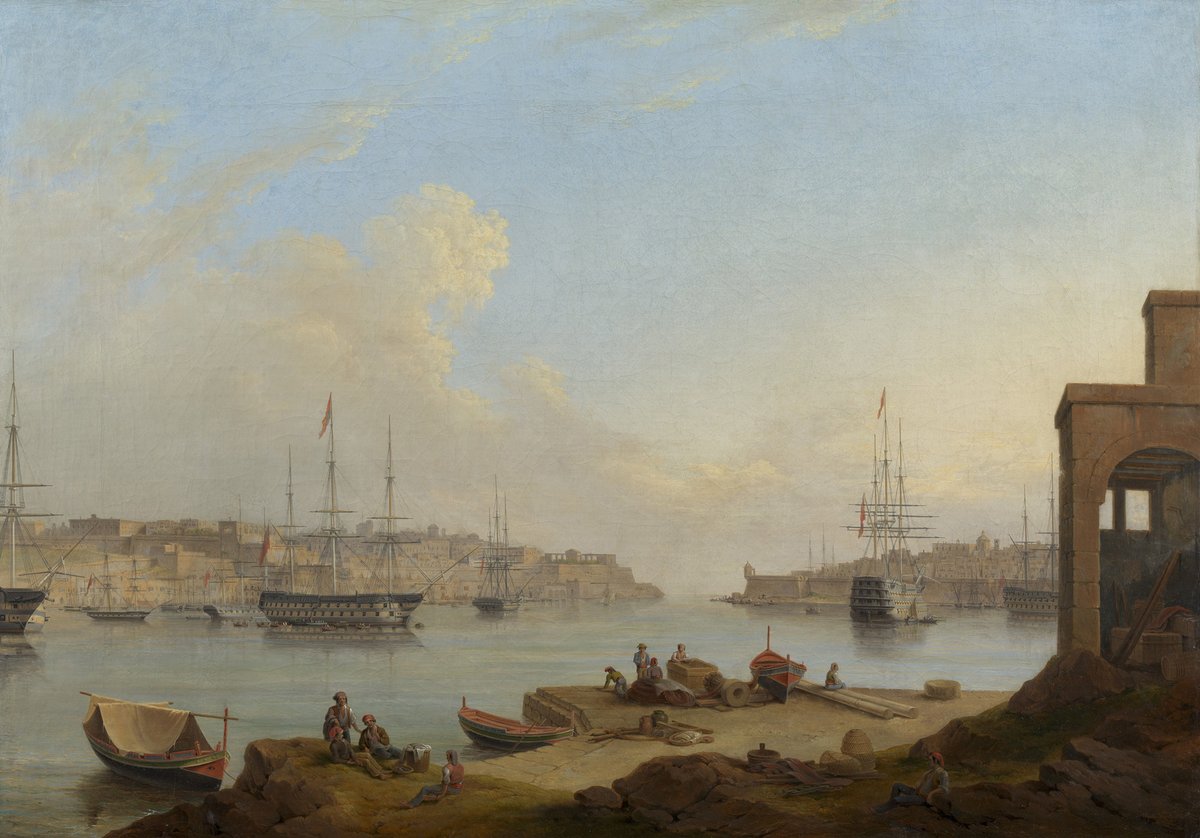
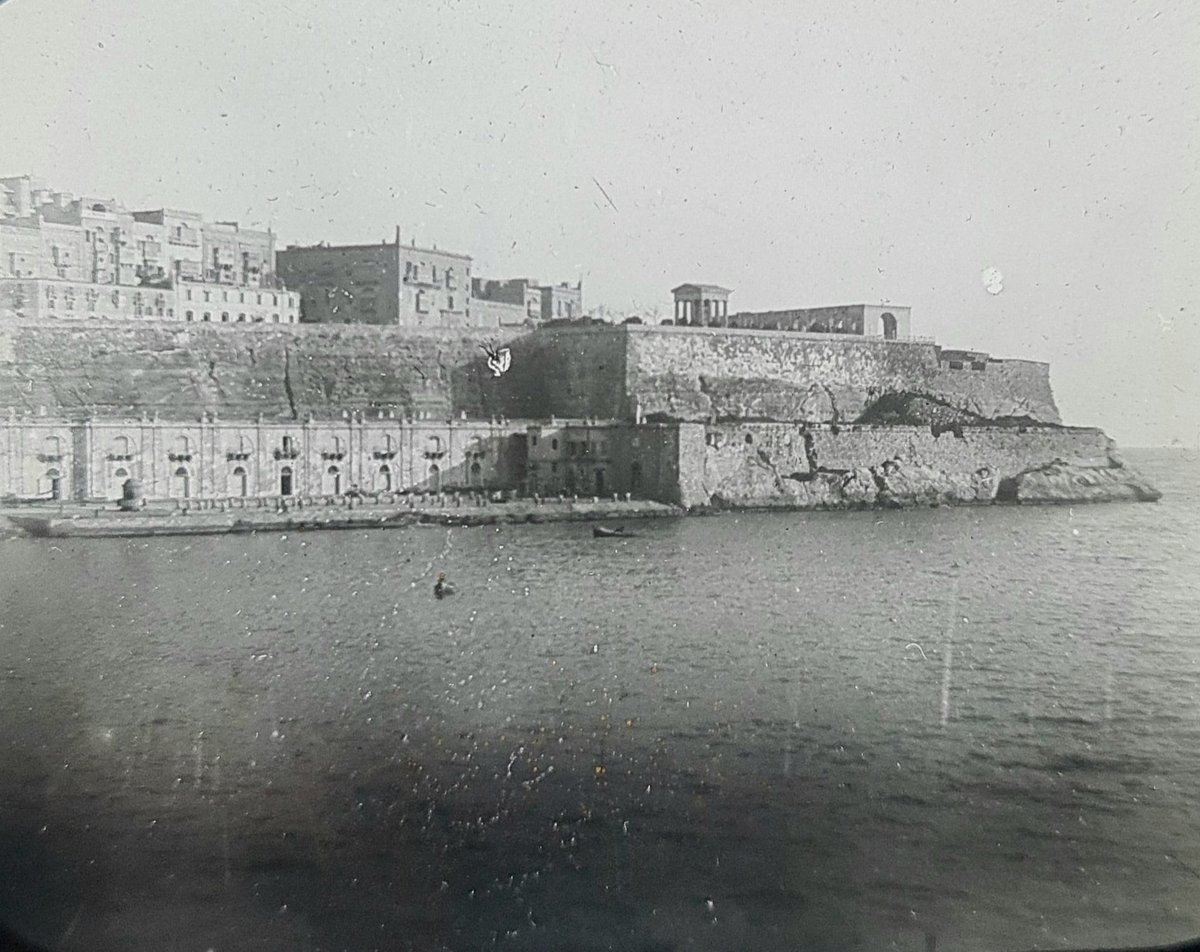
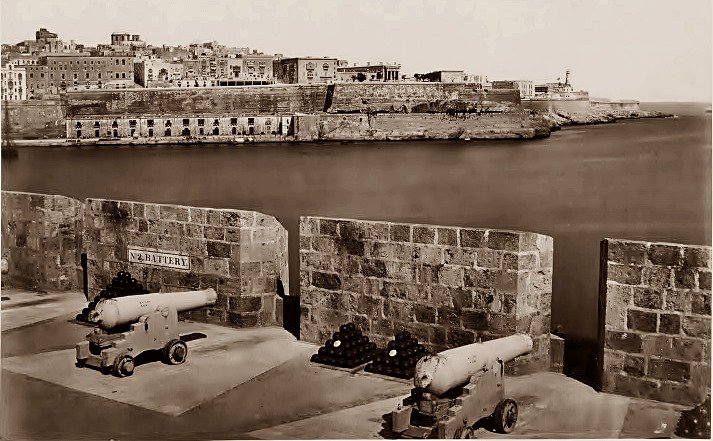
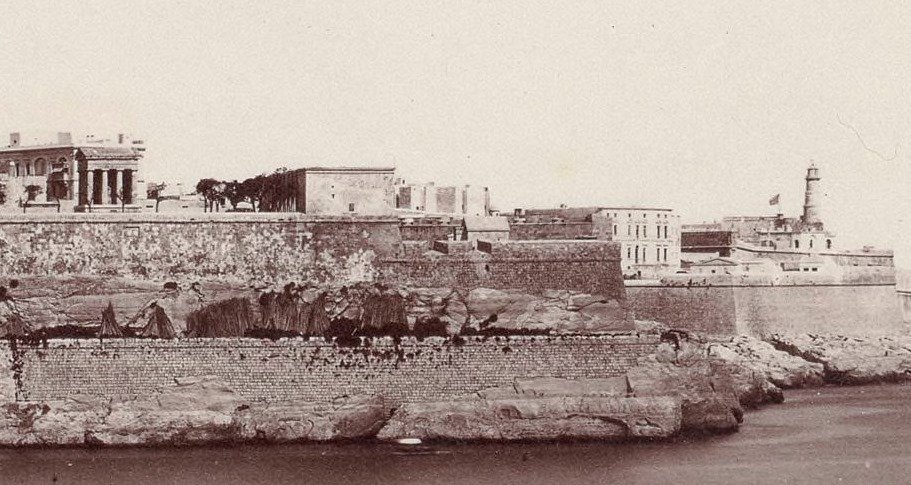
The Lower Barrakka Gardens were established in the 19th century, complementing the earlier Upper Barrakka Gardens, which date back to the 17th century and were originally reserved for the Knights of St. John (Holidify). The Lower Gardens were designed as a public space, offering respite and recreation for both locals and visitors. Their location atop St. Christopher’s Bastion was strategically chosen to maximize views over the Grand Harbour and the entrance to Valletta’s historic port.
The Monument to Sir Alexander Ball
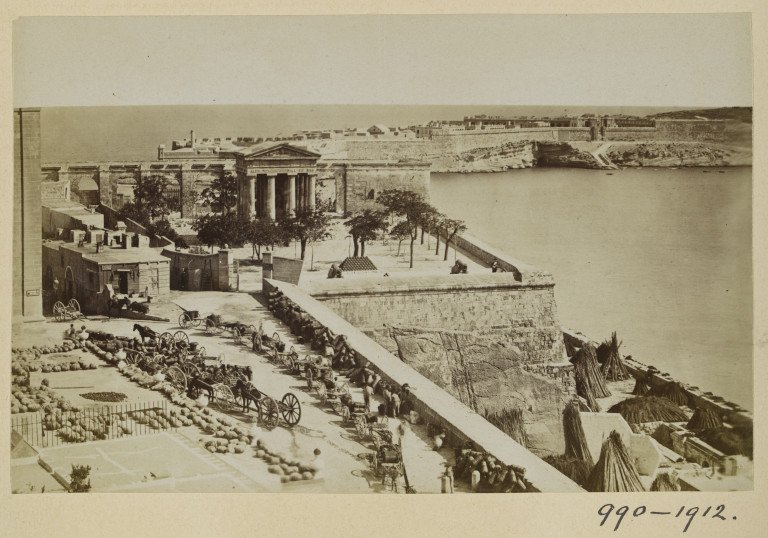
A defining feature of the gardens is the neoclassical monument dedicated to Sir Alexander Ball, a British admiral and the first Civil Commissioner of Malta. Ball played a pivotal role in Malta’s transition from French to British rule in the early 19th century. The monument, constructed in 1810, takes the form of a Greek temple and stands as a testament to Ball’s enduring legacy and the island’s complex colonial history (Free City Guides; Wikipedia).
Commemorative Plaques and Memorials
The gardens also feature several commemorative plaques and statues, honoring significant historical events and figures. These include tributes to the Hungarian Revolution of 1956, the Prague Spring, Giuseppe Garibaldi, and the 50th anniversary of the European Union. Such memorials reflect Malta’s broader connections to European and global history (Wikipedia).
A Symbol of Peace and Reflection
Unlike the more frequented Upper Barrakka Gardens, the Lower Barrakka Gardens are celebrated for their tranquility and contemplative atmosphere. They serve as a peaceful haven for locals seeking respite from the city’s hustle and for tourists wishing to absorb Valletta’s maritime heritage in a serene setting (Malta Uncovered; Fittex.mt).
Architectural and Natural Harmony
The gardens are a showcase of neoclassical architecture harmoniously integrated with Mediterranean flora. Shaded pathways, stone benches, and carefully arranged flower beds create a visually pleasing environment. Olive and palm trees, along with vibrant seasonal flowers, attract various bird species, making the gardens a delight for nature lovers and birdwatchers (Fittex.mt).
Panoramic Views and Photographic Opportunities
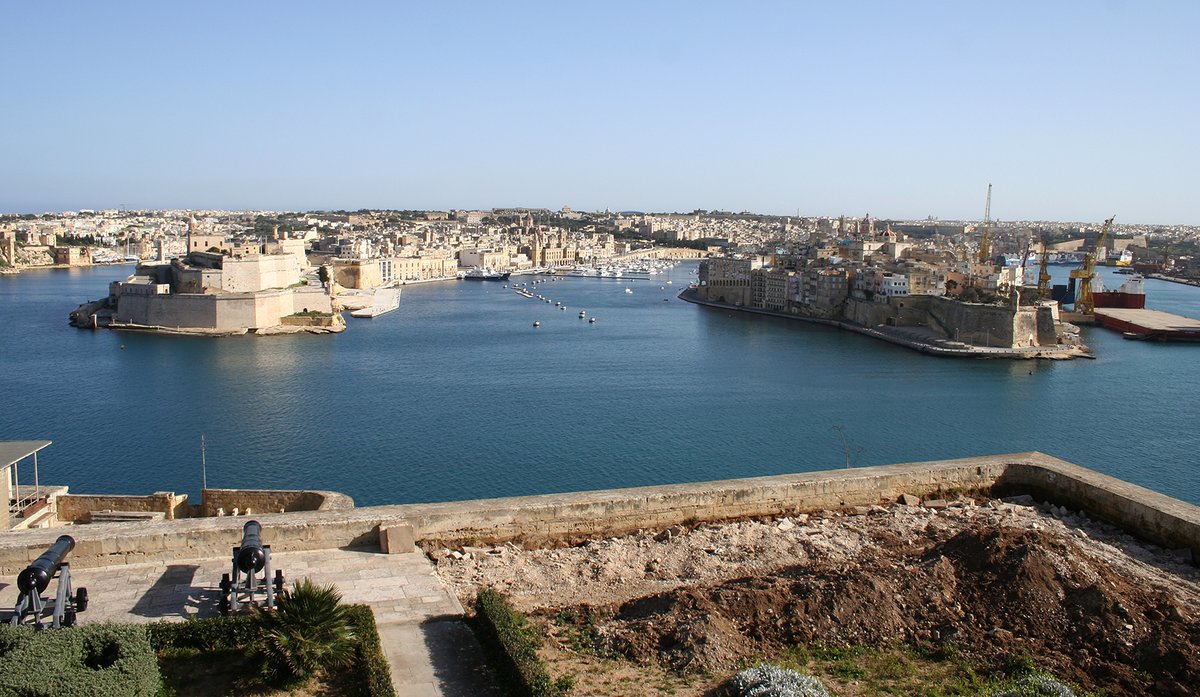
The Lower Barrakka Gardens are renowned for their sweeping views of the Grand Harbour, the Valletta Breakwater, Fort Ricasoli, Fort St. Angelo, and the historic Three Cities (Vittoriosa, Senglea, and Cospicua). The gardens’ elevated position makes them one of the best vantage points in Valletta for ship-watching, especially as cruise liners and traditional Maltese boats navigate the harbor (Malta Uncovered; Free City Guides).
Key Attractions and Features
1. The Neoclassical Temple (Monument to Sir Alexander Ball)
- Description A Greek-style temple built in 1810, dedicated to Sir Alexander Ball.
- Significance Symbolizes Malta’s gratitude to Ball for his leadership during the transition to British rule.
- Photographic Value The temple’s columns and symmetry make it a popular subject for photography (Free City Guides).
2. Commemorative Plaques and Statues
- Details Plaques commemorate European historical events and figures, reflecting Malta’s international ties.
- Notable Figures Giuseppe Garibaldi, events like the Hungarian Revolution and the Prague Spring (Wikipedia).
3. Mediterranean Flora and Fauna
- Plant Life Olive trees, palm trees, and a variety of colorful flowers.
- Wildlife The gardens attract several bird species, enhancing the tranquil ambiance (Fittex.mt).
4. The Siege Bell War Memorial
- Location Just across from the gardens.
- Description A belfry in the form of a neoclassical temple, housing a massive bronze bell.
- Historical Context Erected in 1992 to honor the 7,000 service personnel and civilians who died during the Siege of Malta in World War II.
- Daily Ritual The bell chimes every day at noon in remembrance (Malta Uncovered).
5. Proximity to Other Attractions
- Fort St. Elmo A 10-minute walk along the coast leads to this restored fort, home to the National War Museum (Fittex.mt).
- The Malta Experience An adjacent building houses this multimedia show providing insights into Malta’s history.
Visitor Information
Location and Access
- Address The gardens are accessed via a gate where St. Christopher’s Street meets Lvant, on the eastern edge of Valletta (Free City Guides).
- GPS Coordinates 35°53′51″N 14°31′4″E (Wikipedia).
- Proximity Approximately a 10-minute walk from the Upper Barrakka Gardens; easily accessible from Valletta’s city center (Fittex.mt).
Opening Hours and Admission
- Hours Open daily from 7:00 AM to 10:00 PM (Malta Uncovered; Free City Guides).
- Admission Free entry for all visitors.
Facilities
- Restrooms Public restroom facilities are available within the gardens (Fittex.mt).
- Accessibility The gardens are wheelchair accessible, making them suitable for visitors with mobility needs.
- Refreshments A kiosk at the entrance offers water, soft drinks, hot beverages, local pastries (including the famous Maltese pastizzi), and ice cream (Fittex.mt).
Atmosphere and Crowd Levels
- Tranquility The Lower Barrakka Gardens are generally quieter and less crowded than the Upper Barrakka Gardens, providing a more relaxed and intimate experience (Malta Uncovered).
- Local Use Popular with both locals and tourists, especially those seeking a peaceful spot to read, reflect, or enjoy the views.
Best Times to Visit
- Season Spring and autumn offer milder weather and fewer crowds, making these seasons ideal for visiting (Malta Fans).
- Time of Day Early morning or late afternoon provides softer light for photography and cooler temperatures. After dark, the harbor lights create a magical atmosphere (Free City Guides).
Getting There
- On Foot Valletta is a compact city; the gardens are easily reached by walking from the city center or from the Upper Barrakka Gardens.
- By Bus Valletta’s main bus terminal is within walking distance.
- By Car Parking in Valletta can be challenging; public transport or walking is recommended (Malta Info Guide).
Travel Tips & Nearby Sites
- Combine with Other Attractions Pair your visit with the Upper Barrakka Gardens, the Siege Bell Memorial, and Fort St. Elmo for a comprehensive exploration of Valletta’s eastern bastions.
- Pack Light Bring a camera, a water bottle, and perhaps a book or sketchpad to make the most of the gardens’ relaxing environment.
- Dress Comfortably Wear comfortable shoes for walking, and consider a hat or sunscreen during sunny months.
- Enjoy Local Snacks Sample Maltese pastries from the kiosk for an authentic taste of local cuisine (Fittex.mt).
- Respect the Space The gardens are a place of reflection and relaxation; maintain a quiet demeanor and dispose of litter responsibly.
- Accessibility The gardens are suitable for visitors of all ages and abilities, including families with children and those with mobility challenges.
Preservation and Community Role
The Lower Barrakka Gardens are meticulously maintained by local gardeners, ensuring that the flora remains vibrant and the pathways clean. The gardens are cherished by the community as a green lung within the city, offering a space for social interaction, contemplation, and cultural events (Fittex.mt).
Summary & Recommendations
The Lower Barrakka Gardens stand as a testament to Valletta’s ability to blend history, nature, and culture into a harmonious whole. Their neoclassical architecture, panoramic views, and tranquil ambiance make them an essential stop for any visitor to Malta’s capital. Whether you seek a quiet place to reflect, a scenic spot for photography, or a vantage point to appreciate Malta’s maritime heritage, the Lower Barrakka Gardens deliver a uniquely memorable experience.
Based on the evidence, the Lower Barrakka Gardens are not only a hidden gem for those seeking respite from the city’s busier attractions but also a vital link to Malta’s historical and cultural narrative. Their accessibility, free admission, and thoughtful amenities further enhance their appeal, making them a must-visit for travelers of all interests and backgrounds. To enrich your visit, consider downloading the Audiala app for audio guides and updates on local events.