
Historical Overview
Origins and Construction (1898–1902)
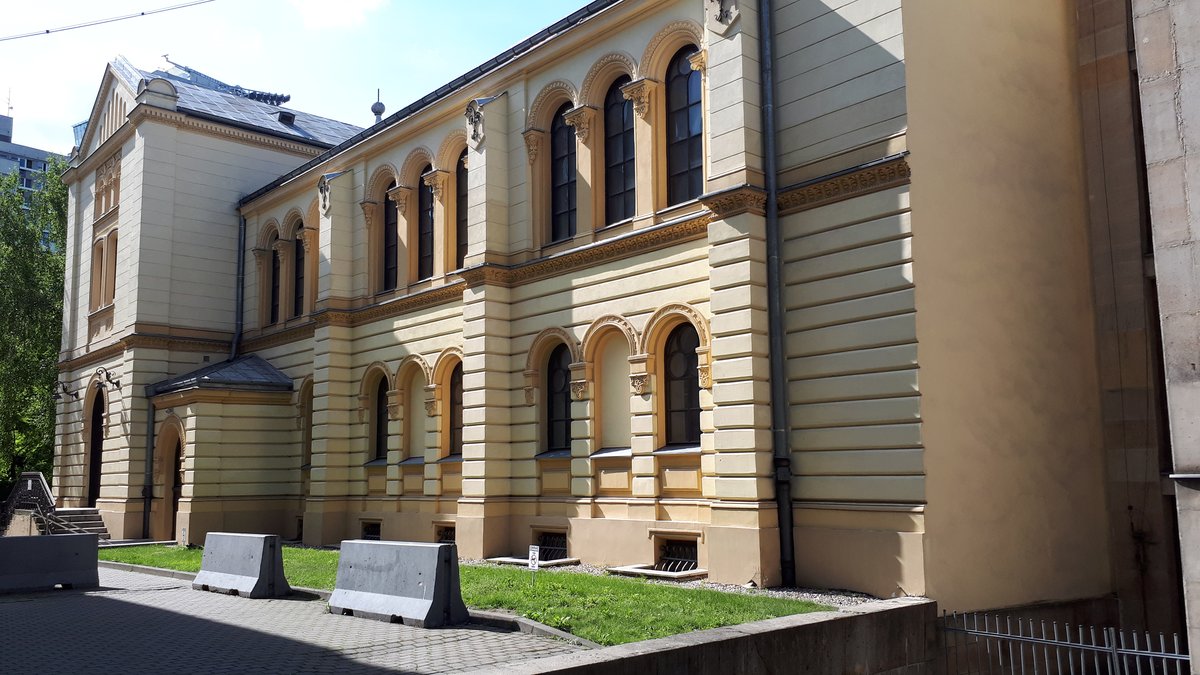
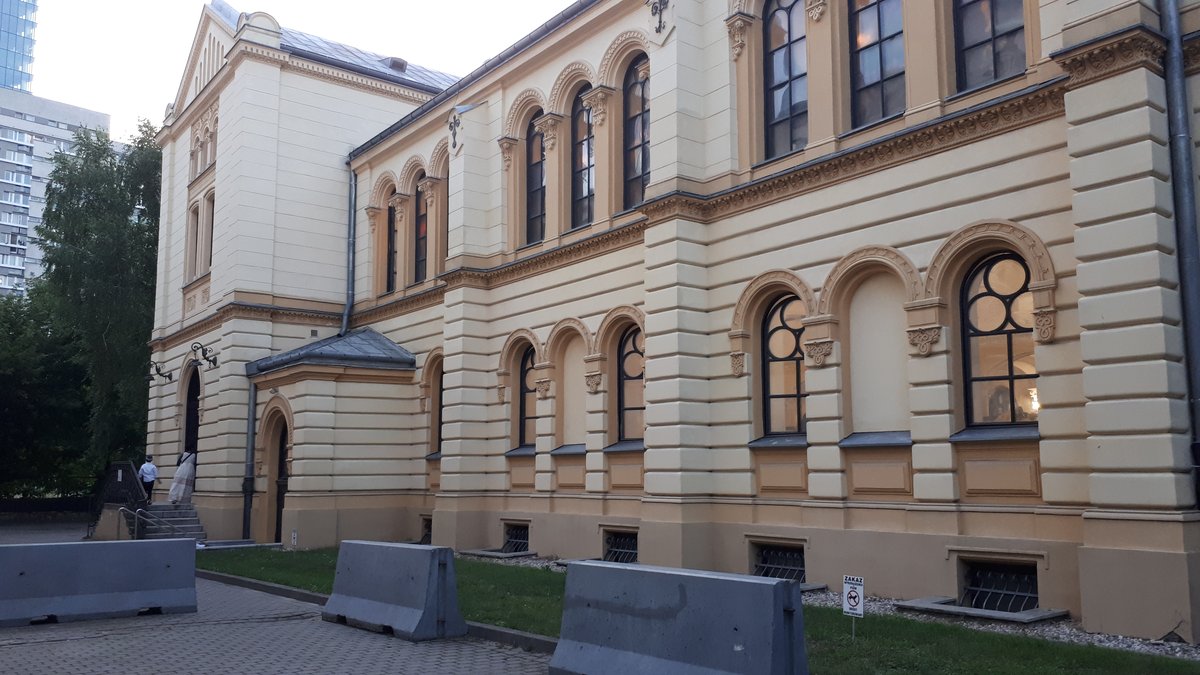
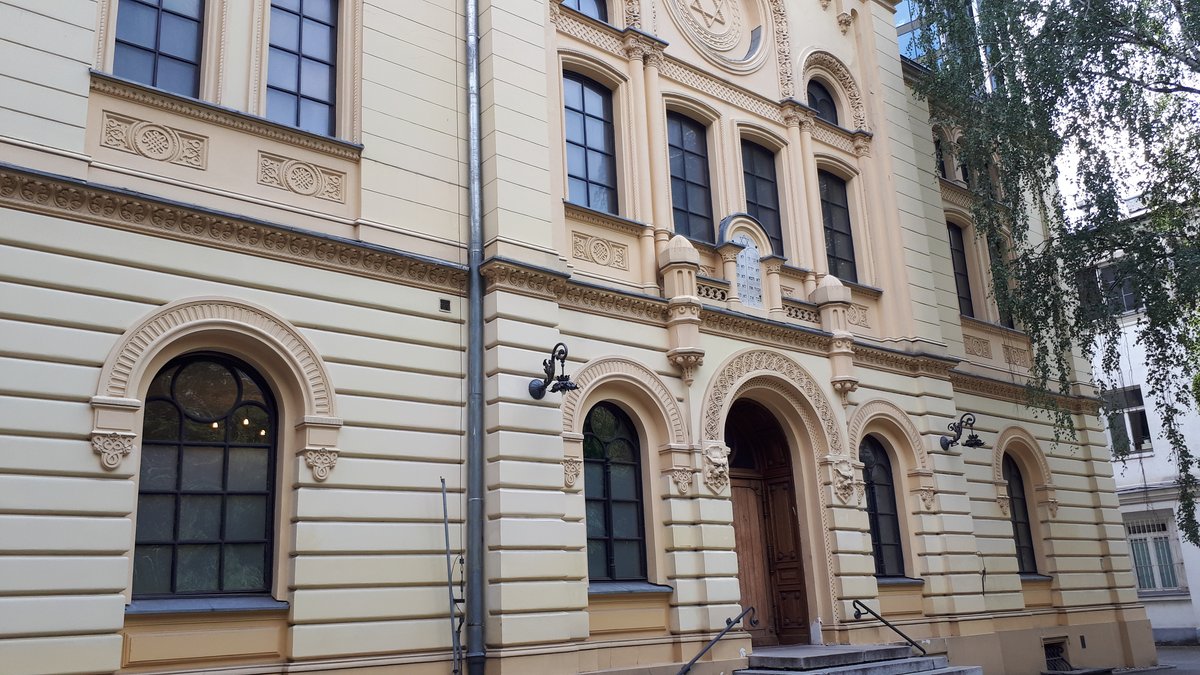
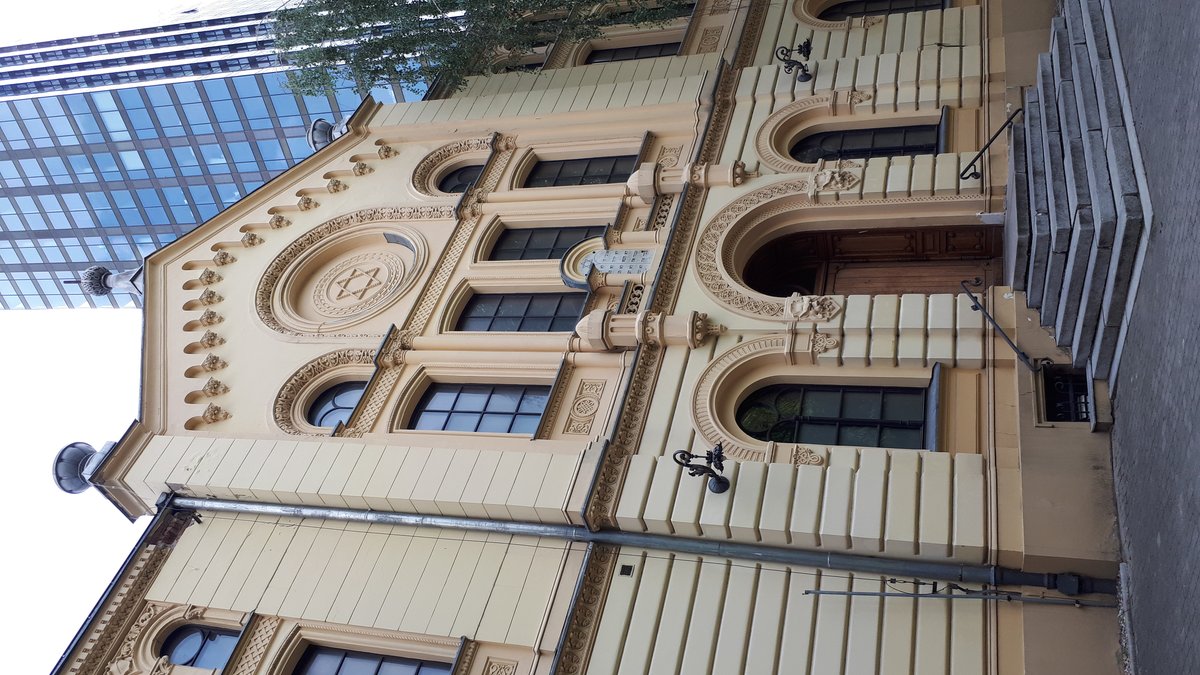
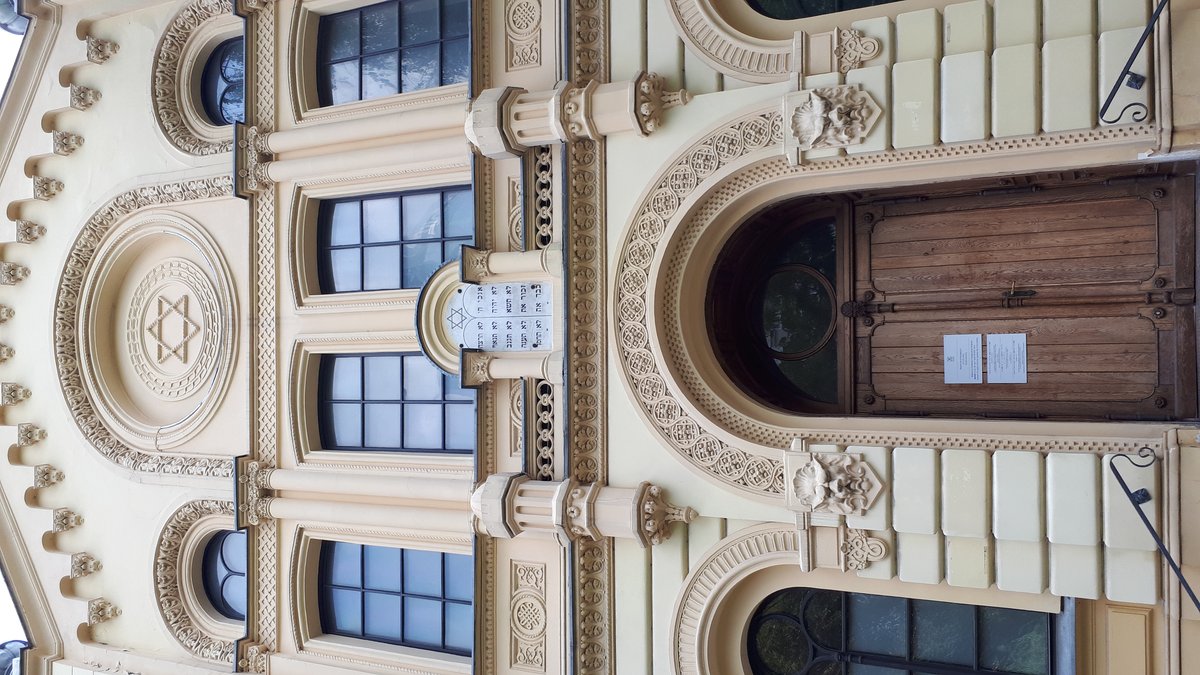
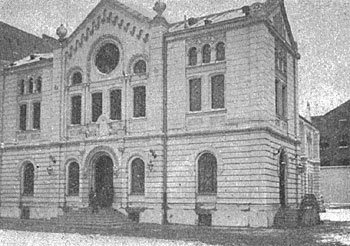
The Nożyk Synagogue was established by the Nożyk family, prominent Jewish philanthropists, with construction starting in 1898 and completion in 1902. Designed by architect Leandro Marconi (with some sources crediting Karol Kozłowski), it was one of pre-war Warsaw’s largest synagogues, able to accommodate approximately 600 worshippers. Its freestanding Neo-Romanesque design, unusual for its time, features a symmetrical façade, rounded arches, decorative brickwork, and richly adorned interiors (POLIN Museum; Jewish Historical Institute; National Library of Israel).
Interwar Years and Wartime Survival
During the interwar period, the synagogue was a thriving center for religious life, education, and community gatherings. Its renowned cantorial music and association with leading rabbis made it a focal point for Warsaw’s Jewish community (Jewish Virtual Library). During Nazi occupation in World War II, the synagogue was desecrated and used as a stable and storage facility, but its structure survived—a fate that befell very few synagogues in Warsaw (Yad Vashem; History Hit).
Postwar Restoration and Modern Role
Following the war, the Nożyk Synagogue was the only pre-war Jewish house of worship to remain standing in Warsaw. Restoration began soon after the war, culminating in a major renovation completed in 1983, coinciding with the 50th anniversary of the Warsaw Ghetto Uprising. Today, it continues to serve as the heart of Jewish religious and cultural life in the city, hosting daily prayers, cultural events, and educational programs. The synagogue is registered as a Polish national monument and a critical site for intercultural dialogue (Jewish Heritage Europe; Warsaw Insider).
Architectural Features
- Neo-Romanesque Style The synagogue’s exterior is characterized by symmetrical design, robust masonry, and horseshoe arches. Byzantine and Moorish influences are evident in the ornamental stucco, stained glass, and geometric motifs (whiteMAD).
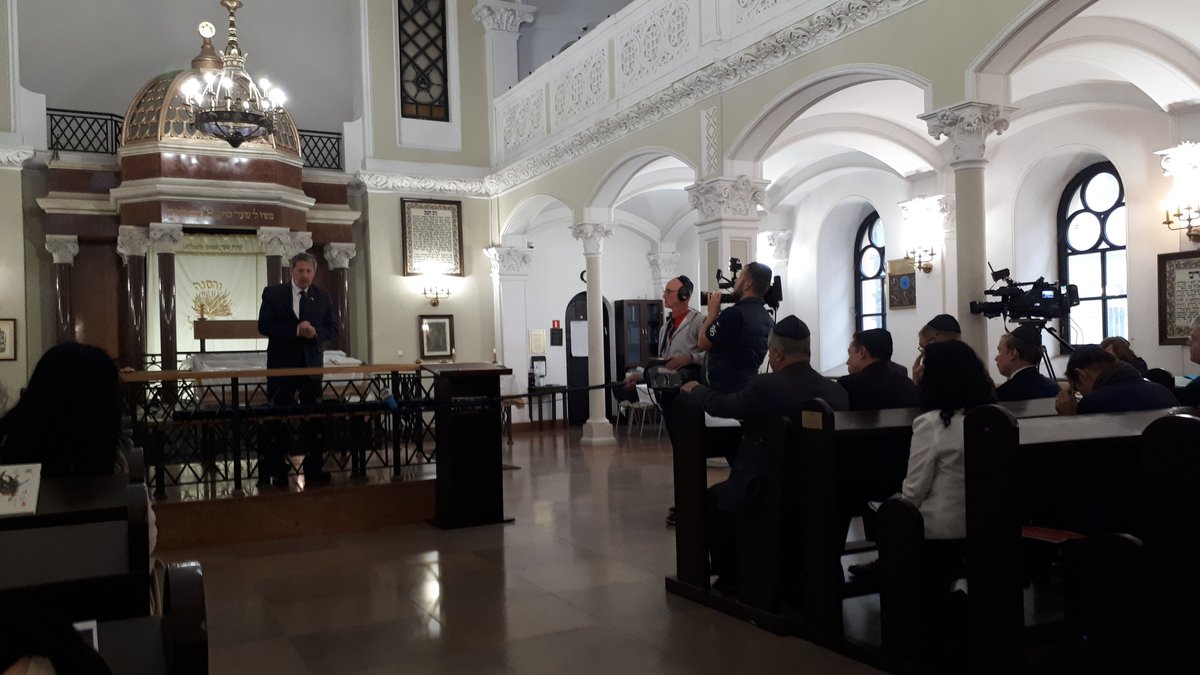
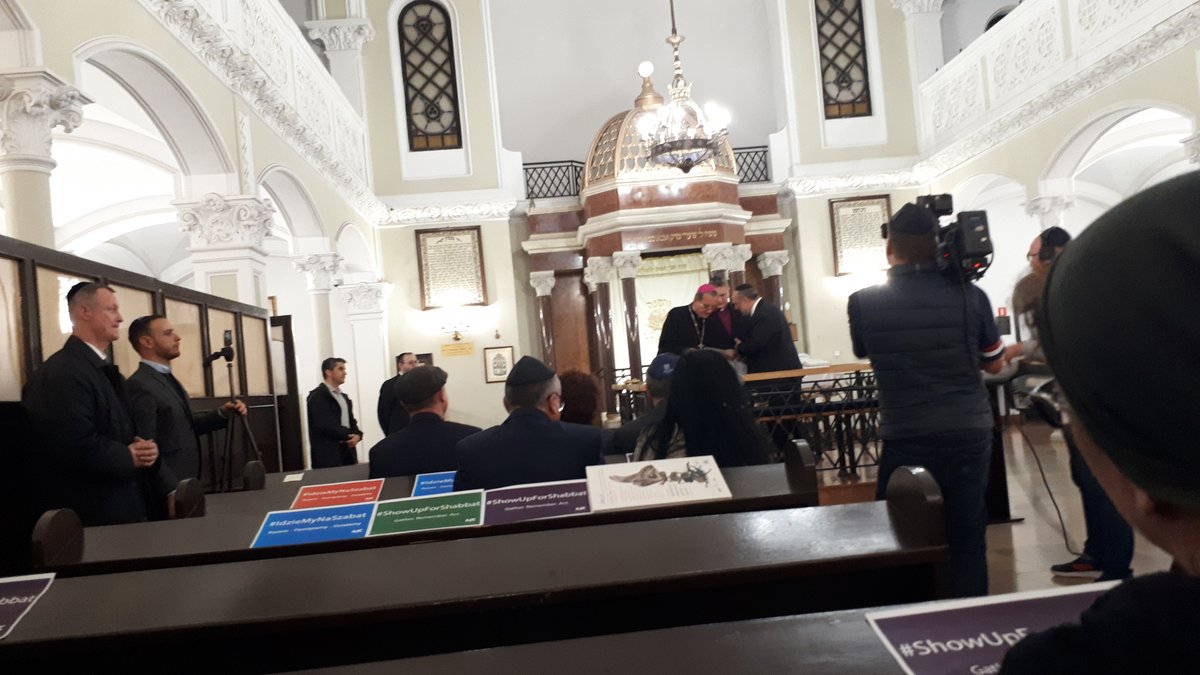
- Main Hall The rectangular prayer hall features a central bimah, a marble-pillared aron hakodesh (Torah ark), and a women’s gallery in accordance with Orthodox tradition. The aron hakodesh is inscribed with Psalm 118:19 and crowned by an ornate metal dome (National Library of Israel).
- Restoration Postwar repairs and a comprehensive restoration (1977–1983) returned the synagogue to its former glory, with ongoing renovations supported by the City of Warsaw (whiteMAD).
- Symbolism The Ner Tamid (eternal light) burns continuously, and the orientation towards Jerusalem reflects traditional Jewish customs.
Cultural and Community Significance
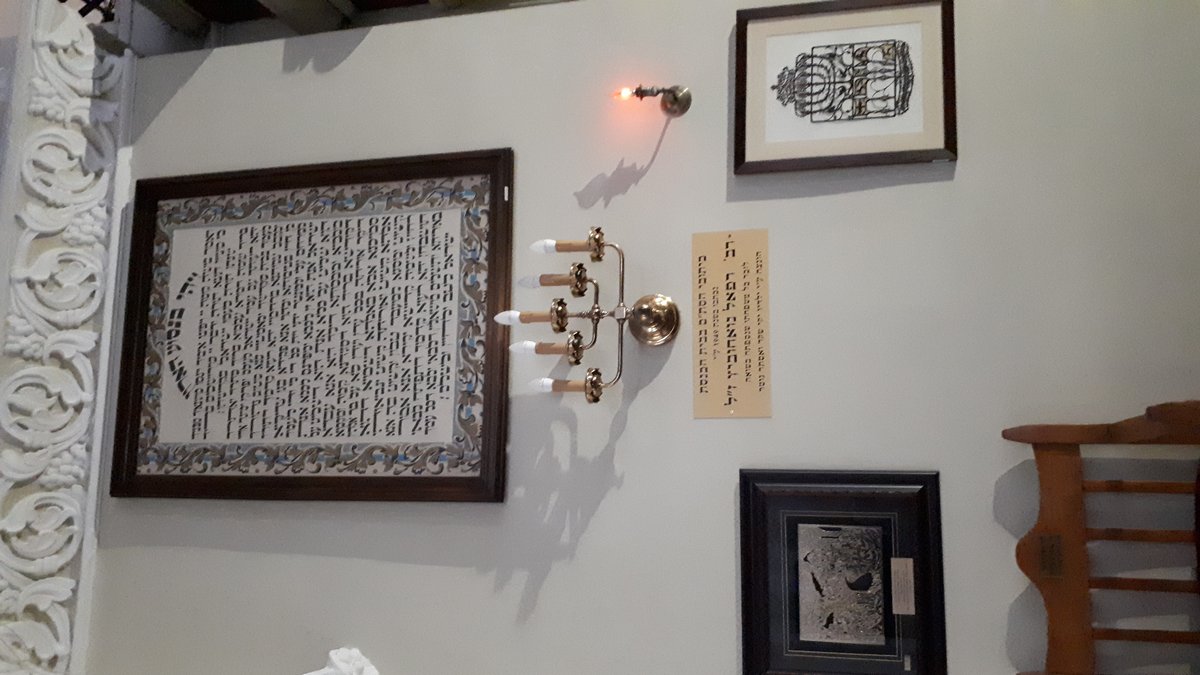
- Jewish Life & Memory The synagogue is a living center for prayer, community events, and commemorations such as the annual Singer Festival. It honors the memory of its founders and Holocaust victims through plaques and ceremonies (Jewish Historical Institute).
- Education & Dialogue Guided tours, lectures, and cultural programs foster understanding of Jewish traditions and the history of Warsaw’s Jewish community (Warsaw City Tours).
- Monument Status Listed in the register of Polish monuments, Nożyk Synagogue is a vital witness to Warsaw’s multicultural heritage, standing resilient despite the challenges of the 20th and 21st centuries (whiteMAD).
Visitor Information
Location & Access
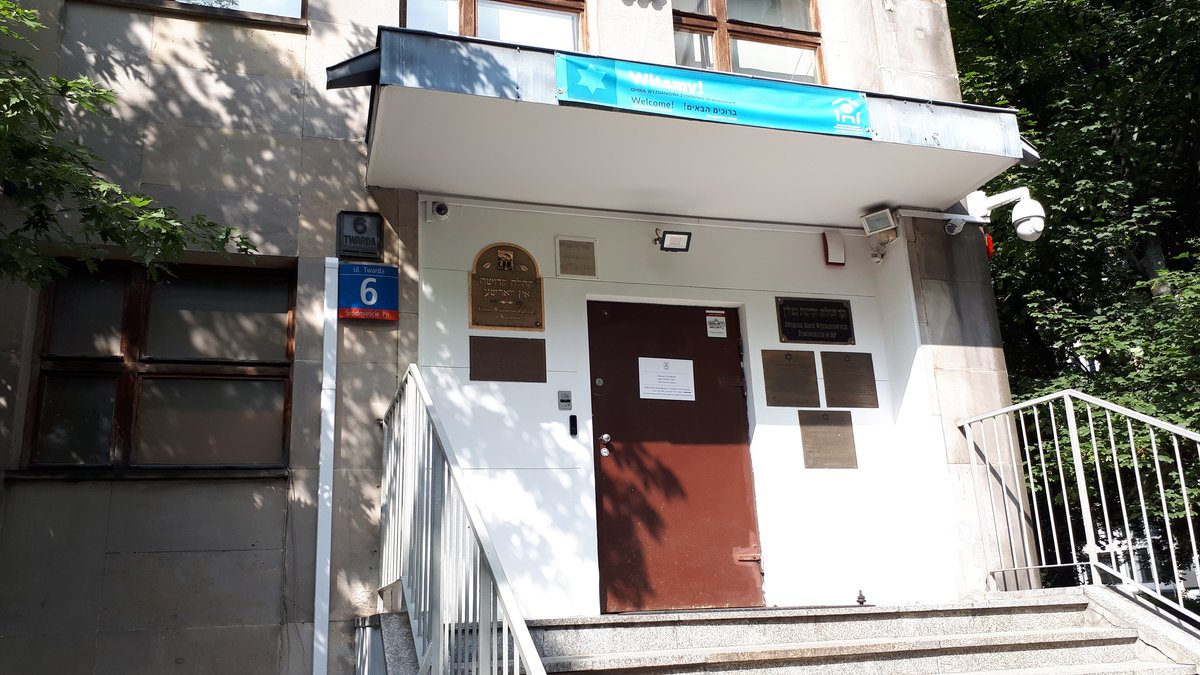
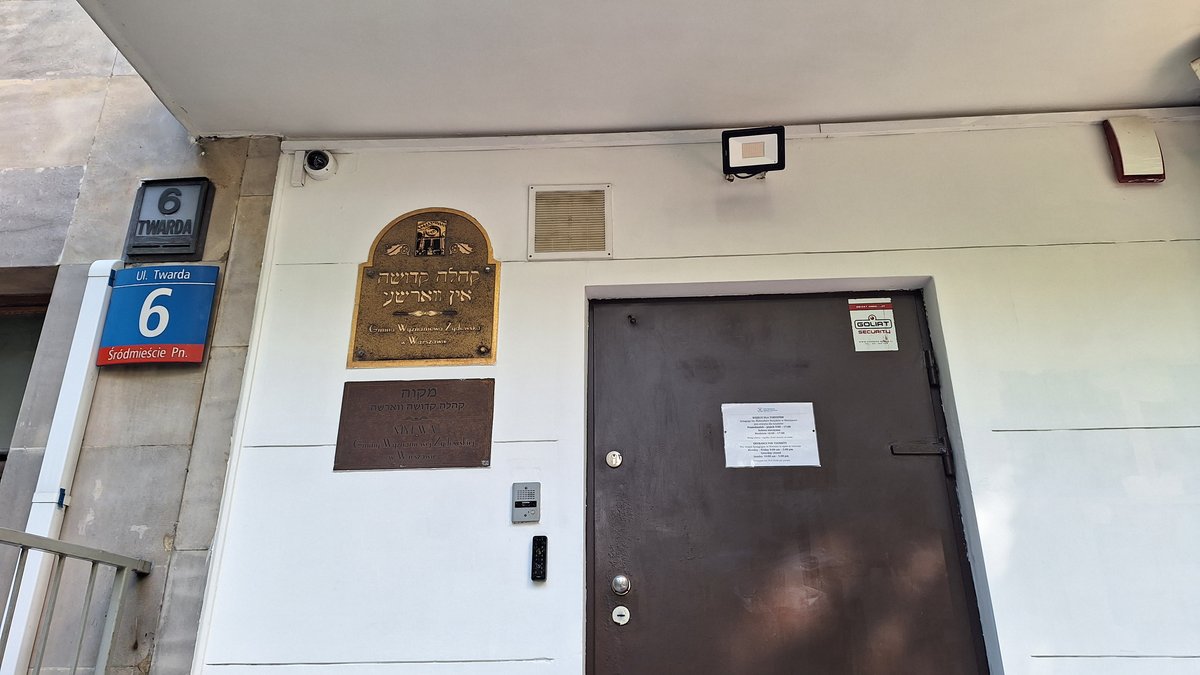
- Address 6 Twarda Street, Warsaw’s Śródmieście district (official website).
- Public Transport Accessible via Metro Line 1 (Rondo ONZ station), trams (22, 24), and buses (175). The entrance from Grzybowska Street (between 5 and 5a) is the most commonly used (folkways.today; gombinsociety.org).
- Accessibility The synagogue is mostly accessible for visitors with limited mobility, with ramps and designated areas. Some historic areas have steps; contact the synagogue in advance for assistance.
Visiting Hours
- Sunday–Thursday 10:00 a.m. – 5:00 p.m.
- Friday 10:00 a.m. – 5:00 p.m. (early closures in winter possible)
- Saturday (Shabbat) & Jewish Holidays Closed
- Lunch Break 12:30 p.m. – 1:00 p.m.
Check ahead for holiday schedules (warsawcitytours.pl).
Admission and Booking
- Admission Fee 10–20 PLN (approx. $2.50–$5.00 USD), cash only. Voluntary donations are appreciated (folkways.today).
- Booking Individuals may visit during opening hours without reservation. Groups should book in advance for guided tours or special access (gombinsociety.org).
Security
All visitors undergo a security check. Large bags may be prohibited. Respectful cooperation ensures a safe visit (folkways.today).
Dress Code and Etiquette
- Dress Modestly Shoulders and knees covered. Men must cover their heads (kippah provided at the entrance). Women should avoid revealing attire (PaulMarina Synagogue Etiquette).
- Behavior Maintain silence, silence mobile phones, and avoid eating or drinking inside. Photography is generally permitted, but always ask for permission, especially during services.
Facilities
- Restrooms Located in the basement (gombinsociety.org).
- Kosher Snacks Vending machines near the entrance.
- Mikveh Available by advance arrangement.
- Prayer Hall Accessibility Contact ahead for mobility accommodations.
Religious Services and Events
- Prayer Services
- Weekdays: Shacharit (7:15 a.m. Mon–Fri, 8:30 a.m. Sun/holidays)
- Shabbat/Jewish Holidays: Traditional Orthodox services (gombinsociety.org)
- Cultural Events The synagogue regularly hosts concerts, exhibitions, and educational programs (warsawcitytours.pl; Warsaw Insider).
Guided Tours
- Arrangements Groups should book in advance. Tours highlight history, architecture, and Jewish Warsaw, and can often be arranged in English and other languages (gombinsociety.org; folkways.today).
Nearby Jewish Heritage Sites
- Jewish Cemetery on Okopowa Street One of Europe’s largest Jewish cemeteries (gombinsociety.org).
- POLIN Museum of the History of Polish Jews A major museum exploring the millennium of Jewish life in Poland.
- Ghetto Memorials and Remnants Including the Warsaw Ghetto Walls and Umschlagplatz.
Dining options nearby include kosher and Israeli restaurants such as Shawarma Jaffa Tel Aviv (folkways.today).
FAQs
Are tickets required? Yes, an admission fee of 10–20 PLN applies; cash only.
Is the synagogue wheelchair accessible? The main prayer hall has steps; contact the synagogue in advance for assistance.
Can I visit during Shabbat or Jewish holidays? No, the synagogue is closed to visitors at these times.
Is photography allowed? Generally yes, but ask permission, especially during services.
Do I need to cover my head? Yes, men must cover their heads (kippot available).
Contact Information
- Address 6 Twarda Street, 00-105 Warsaw, Poland
- Office +48 22 652 28 05 (10:00–16:00)
- Guard +48 22 620 43 24
- Group Reservations +48 502 400 849 or [email protected]
- Official Website warszawa.jewish.org.pl
Summary & Recommendations
Visiting the Nożyk Synagogue offers a profound connection to Warsaw’s Jewish past and present. Respect opening hours, dress codes, and etiquette to ensure a meaningful experience. Combine your visit with nearby Jewish heritage sites for a deeper understanding of the city’s history. For updates, guided tours, and digital resources, download the Audiala app and follow related channels.
Sources
- POLIN Museum
- Jewish Virtual Library
- whiteMAD
- Warsaw City Tours
- Jewish Heritage Europe
- Warsaw Insider
- folkways.today
- Jewish Historical Institute
- gombinsociety.org