
{'date': '2025年6月14日', 'task': {'model': 'gpt-4.1-mini', 'query': 'Comprehensive guide to visiting Powązki Military Cemetery, Warsaw, Poland: history, significance, visitor tips, and everything tourists need to know for a memorable experience.', 'verbose': False, 'guidelines': ["Keyword Research: Identify relevant keywords that potential visitors are likely to search for, such as '[Monument Name] visiting hours,' '[Monument Name] tickets,' and '[City] historical sites.' Use these keywords strategically throughout the article, including in the title, headers, and body text, but avoid keyword stuffing.", 'Engaging and Informative Title: Craft a title that is both SEO-friendly and compelling to encourage clicks. Include the main keyword and make it clear what the article will cover.', 'Structured Content: Use headings (H1, H2, H3) to organize the content effectively. This helps with SEO and makes the article easier for readers to navigate. Include an introduction that hooks the reader, a detailed body that covers all relevant aspects, and a conclusion that summarizes the key points.', 'Comprehensive Coverage: Address common questions and topics of interest such as the history of the monument, its cultural significance, visitor information (e.g., ticket prices, opening hours), travel tips, nearby attractions, and accessibility. Include sections that might be unique to the monument, like special events, guided tours, and photographic spots.', 'Quality Content: Ensure the content is well-researched, accurate, and provides real value to readers. Use reliable sources and provide factual information. Write in a clear, engaging, and accessible style. Consider your audience and use language that is appropriate for those likely to visit the monument.', 'Visuals and Media: Incorporate high-quality images or videos of the monument. These should be optimized for the web (correct sizing, alt tags with keywords). Consider interactive elements like virtual tours or maps.', 'Internal and External Links: Include links to other related articles on your site to encourage deeper engagement (internal links). Link to official websites for the monument or credible sources for further reading (external links).', 'FAQ: Incorporate FAQ sections to target voice search queries and featured snippets', 'Visit and Stay Up to Date: End the article with a call to action, such as encouraging readers to download our mobile app Audiala, check out other related posts, or follow on social media for more updates.'], 'max_sections': 4, 'publish_formats': {'pdf': False, 'docx': False, 'markdown': True}, 'follow_guidelines': True}, 'title': 'Powązki Military Cemetery, Warsaw: A Comprehensive Visitor’s Guide', 'report': '# Powązki Military Cemetery Warsaw: Visiting Hours, Tickets, and Comprehensive Visitor Guide\n#### Date: 14/06/2025\n\n---\n\n## Introduction: The Legacy of Powązki Military Cemetery\n\nPowązki Military Cemetery (Cmentarz Wojskowy na Powązkach) is one of Poland’s most honored sites of remembrance, located in Warsaw’s Żoliborz district. Established in 1912 during the era of partition, the cemetery has evolved from its original role as a burial ground for Tsarist Russian soldiers into Poland’s national necropolis. Today, Powązki is a revered memorial for soldiers, resistance fighters, statesmen, artists, and victims of oppression—serving as a poignant chronicle of the nation’s turbulent 19th and 20th centuries. Its grounds are not only a resting place for heroes and martyrs but also an open-air gallery of Polish funerary art and national symbolism. The cemetery’s 24 hectares house approximately 180 sections, making it a cornerstone of Warsaw’s historical landscape. (Wikipedia: Powązki Military Cemetery, ekompas.pl, Warsaw Institute)\n\n---\n\n## Contents\n\n- Origins and Early Development\n- Interwar Period and Early Burials\n- World War II and the Warsaw Uprising\n- Postwar Period and the “Łączka” Section\n- Notable Burials and Memorials\n- Architectural and Artistic Features\n- Visiting Information: Hours, Tickets, and Accessibility\n- Guided Tours and Special Events\n- Visitor Etiquette and Tips\n- Nearby Attractions\n- Frequently Asked Questions (FAQ)\n- Summary and Final Thoughts\n- References\n\n---\n\n## Origins and Early Development\n\nPowązki Military Cemetery was established in 1912 as an annex to the historic Catholic Powązki Cemetery (dating back to 1790). Its initial purpose was to serve as a burial ground for Russian soldiers stationed in Warsaw during the partition period. After Poland regained its independence in 1918, the cemetery was redefined as a national necropolis, dedicated to soldiers and citizens who contributed to the newly sovereign state. This transformation marked the beginning of Powązki’s enduring role as a site of public memory and national identity. (Wikipedia: Powązki Military Cemetery, ekompas.pl)\n\n---\n\n## Interwar Period and Early Burials\n\nIn the years between the World Wars, Powązki Military Cemetery became the final resting place for veterans of Poland’s struggles for independence, including those who fought in the Greater Poland Uprising, Polish–Soviet War, and the Polish–Ukrainian War. These burials reflected the diversity and sacrifice of the nation’s defenders, encompassing soldiers, officers, and civilians from various backgrounds. (ekompas.pl)\n\n---\n\n## World War II and the Warsaw Uprising\n\nThe most significant chapter in Powązki’s history is entwined with the tragedy and heroism of World War II. The cemetery holds the graves of hundreds of soldiers, resistance members, and civilians who perished in the Warsaw Uprising of 1944—Europe’s largest urban resistance operation. The Gloria Victis ("Glory to the Vanquished") Monument, erected in 1946, stands as the focal point for annual commemorations, especially the “W-Hour” event held every August 1st. Even during the communist period, when open commemoration was discouraged, the cemetery remained a site of silent defiance and patriotic remembrance. (Warsaw Institute, Wikipedia: Powązki Military Cemetery)\n\n---\n\n## Postwar Period and the “Łączka” Section\n\nFollowing World War II, Powązki Military Cemetery also became a burial site for victims of Stalinist repression. The “Łączka” (“the Meadow”) section, in particular, contains mass graves of anti-communist resistance fighters—known as the “Cursed Soldiers”—secretly buried between 1948 and 1956. For decades, these graves were unmarked and forgotten, only to be rediscovered and commemorated in the 1990s. Today, ongoing exhumations and identification efforts continue, and the “Łączka” serves as a national symbol of remembrance for those who fought for freedom in postwar Poland. (ekompas.pl)\n\n---\n\n## Notable Burials and Memorials\n\nPowązki Military Cemetery is the final resting place for a remarkable array of individuals:\n\n- 19th-Century Uprising Veterans: Soldiers from the November (1830–1831) and January (1863–1864) uprisings.\n- Victims of the Katyn Massacre: Polish officers murdered by the Soviet NKVD in 1940 are memorialized here.\n- 2010 Smolensk Air Disaster Victims: Several officials from the tragic presidential plane crash are interred, with a dedicated monument.\n- Prominent Figures: Mirosław Hermaszewski (the only Polish astronaut), General August Emil Fieldorf “Nil,” and Captain Witold Pilecki—both key resistance leaders—are commemorated, especially in the “Łączka” section.\n\nMonuments and symbolic graves also pay tribute to the anonymous and missing, ensuring that the memory of all who sacrificed for Poland endures. (Find a Grave, Nobel Peace Summit)\n\n---\n\n## Architectural and Artistic Features\n\nSpanning 24 hectares and divided into around 180 sections, the cemetery blends traditional and modern styles. Monuments and tombstones were designed by some of Poland’s leading sculptors and architects, featuring motifs from neoclassical to modernist. The Gloria Victis Monument and the white granite Smolensk Disaster Memorial are among its most striking features. The landscaped setting, tree-lined avenues, and seasonal plantings create a reflective, solemn atmosphere. (Nobel Peace Summit)\n\n---\n\n## Visiting Information: Hours, Tickets, and Accessibility\n\n### Visiting Hours\n- Open daily:\n - April–September: 8:00 AM – 6:00 PM\n - October–March: 8:00 AM – 4:00 PM\n- Hours may vary on public holidays; check current schedules before visiting.\n\n### Admission and Tickets\n- Free entry for all visitors.\n- No tickets are required for individual visits.\n\n### Location & Directions\n- Address: ul. Powązkowska 43/45, Żoliborz, Warsaw\n- Public transport: Easily reached by several tram and bus lines. The “Powązki-Cmentarz Wojskowy” tram stop is adjacent to the entrance.\n- Parking: Limited parking is available nearby.\n\n### Accessibility\n- Main avenues are paved and generally suitable for wheelchairs and strollers, though some older sections may have uneven terrain.\n- Benches and rest areas are available throughout the grounds.\n\n(Warsaw In Your Pocket, WarsawTour)\n\n---\n\n## Guided Tours and Special Events\n\n- Guided tours: Available in several languages from local operators and cultural institutions. Tours highlight the cemetery’s history, notable burials, and symbolic monuments.\n- Commemorative events: Major events include:\n - All Saints’ Day (November 1): Thousands of candles and visitors create a sea of light in tribute.\n - Warsaw Uprising Anniversary (August 1): “W-Hour” ceremonies around the Gloria Victis Monument.\n- Advance booking: Recommended for guided tours, especially during peak commemorative dates.\n\n(Over the Planet)\n\n---\n\n## Visitor Etiquette and Tips\n\n- Maintain silence and respect at all times.\n- Dress modestly, especially if attending commemorative events.\n- Stay on designated paths; do not walk on graves.\n- Photography is permitted, but avoid photographing mourners or active ceremonies.\n- Lighting a candle or leaving flowers is a traditional gesture of respect.\n\n---\n\n## Nearby Attractions\n\nWhile at Powązki Military Cemetery, visitors are encouraged to explore other key sites in Warsaw:\n- Warsaw Uprising Museum\n- Old Powązki Cemetery (historic graves and funerary art)\n- POLIN Museum of the History of Polish Jews\n- Old Town Warsaw\n\nThese locations provide further context to the stories and history preserved at Powązki.\n\n---\n\n## Frequently Asked Questions (FAQ)\n\nQ: What are the Powązki Military Cemetery visiting hours? \nA: Open daily, 8:00 AM–6:00 PM (April–September), 8:00 AM–4:00 PM (October–March). Check for holiday changes.\n\nQ: Is there an entrance fee or do I need tickets? \nA: No, admission is free.\n\nQ: Is the cemetery wheelchair accessible? \nA: Main paths are accessible, but some sections may be uneven.\n\nQ: Are guided tours available? \nA: Yes, in several languages, often including other Warsaw historical sites.\n\nQ: Can I take photographs? \nA: Yes, but please be respectful and avoid photographing mourners or ceremonies.\n\nQ: What is the best time to visit? \nA: All Saints’ Day (for atmosphere), or weekday mornings for a quieter experience.\n\n---\n\n## Summary and Final Thoughts\n\nPowązki Military Cemetery is a powerful symbol of Poland’s resilience, sacrifice, and cultural legacy. Its grounds bear witness to the nation’s most pivotal moments—from uprisings and wars to periods of oppression and renewal. Whether you are a history buff, a cultural traveler, or simply wish to pay your respects, visiting Powązki offers a moving and enlightening experience. With free admission, accessible location, and the option of guided tours, the cemetery is welcoming to all. Annual commemorations, community initiatives, and ongoing conservation ensure that this vital site remains a living monument to the Polish spirit. To deepen your understanding, pair your visit with nearby historic sites and consider using audio guides available through platforms like Audiala.\n\n(ekompas.pl, Warsaw Institute, WarsawTour)\n\n---\n\n## References\n\n- Wikipedia: Powązki Military Cemetery\n- ekompas.pl\n- Warsaw Institute\n- Warsaw In Your Pocket\n- Find a Grave\n- Nobel Peace Summit\n- WarsawTour\n- Mazovia Regional Studies\n- warrelics.eu\n- Over the Planet\n\n---\n\n', 'headers': {'date': 'Date', 'title': 'Powązki Military Cemetery Warsaw Visiting Hours Tickets and Visitor Guide', 'conclusion': 'Summary of key visitor information and final thoughts on Powązki Military Cemetery Warsaw', 'references': 'References and links to official websites and credible sources', 'introduction': 'Introduction to Powązki Military Cemetery Warsaw and its historical significance', 'table_of_contents': 'Contents including visiting hours tickets history cultural significance travel tips nearby attractions accessibility and special events'}, 'sources': ['- Powązki Military Cemetery: A Historical and Visitor’s Guide to One of Warsaw’s Most Revered Historical Sites https://en.wikipedia.org/wiki/Powązki_Military_Cemetery, ekompas.pl https://ekompas.pl/en/military-powazki-cemetery-a-national-memorial-site-in-warsaw/, Warsaw Institute https://warsawinstitute.org/warsaw-uprising-fight-remembrance/', '- Powązki Military Cemetery Visiting Guide: History, Significance, and Practical Tips for Warsaw Historical Sites https://www.inyourpocket.com/warsaw/sightseeing/cemeteries, WarsawTour https://warsawtour.pl/en/powazki-military-cemetery/', '- Powązki Military Cemetery Visiting Hours, Tickets & Guide to Warsaw’s Historic Site https://mazowszestudiaregionalne.pl/en/powazki-military-cemetery-in-warsaw/, warrelics.eu https://www.warrelics.eu/forum/polish-armed-forces-west-polskie-si-y-zbrojne-na-zachodzie-1939-1947/polish-military-cemeteries-680941/, Over the Planet https://www.overtheplanet.com/en-US/unique-experiences-with-world-war-ii-warsaw-private-tour-with-military-cemetery.a107882'], 'sections': ['Historical Overview', 'Cultural and National Significance', 'Visiting Powązki Military Cemetery', 'Cultural Practices and Events'], 'conclusion': 'Powązki Military Cemetery remains an enduring symbol of Poland’s resilience, sacrifice, and cultural heritage. Its grounds encapsulate the profound narratives of military valor, tragic loss, and national revival—from its origins under foreign occupation, the sacrifices of uprisings and wars, to its role as a sanctuary for victims of totalitarian oppression. The cemetery’s artistic monuments and carefully preserved graves offer a moving testament to the individuals who shaped Polish history, including celebrated heroes of the Warsaw Uprising, victims of Stalinist purges, and notable figures from diverse walks of life.\n\nVisitors to Powązki Military Cemetery not only encounter a remarkable historical site but also participate in an ongoing dialogue of remembrance and respect that is central to Polish identity. With its free admission, accessible location, and availability of guided tours, the cemetery invites a wide audience to explore and reflect upon Poland’s complex past. Annual commemorations like All Saints’ Day and the Warsaw Uprising anniversary transform the cemetery into a vibrant space of national memory, while conservation efforts and community involvement ensure its legacy endures for future generations.\n\nFor anyone seeking to deepen their understanding of Warsaw’s historical landscape, Powązki Military Cemetery offers an invaluable, solemn, and richly layered experience. Plan your visit by checking current visiting hours and consider joining guided tours to fully appreciate the stories interwoven within this revered site. Enhance your journey through Poland’s history by exploring nearby landmarks and accessing audio guides via apps such as Audiala. Engage with this living monument to honor the sacrifices and achievements that continue to shape Poland today. (ekompas.pl, Warsaw Institute, WarsawTour)', 'introduction': 'Powązki Military Cemetery in Warsaw, known locally as Cmentarz Wojskowy na Powązkach, stands as one of Poland’s most sacred and historically rich sites. Established in 1912 during a period of foreign partition, the cemetery initially served as a burial ground for soldiers of the Tsarist Russian army. However, following Poland’s resurgence as an independent nation in 1918, it transformed into a national necropolis honoring Polish soldiers, resistance fighters, political leaders, artists, and cultural icons who shaped the nation’s destiny throughout the 20th and into the 21st century. Often regarded as the “Pantheon of Polish Glory,” Powązki Military Cemetery intertwines Poland’s military history, cultural heritage, and national memory within its 24 hectares and approximately 180 sections. Visitors can explore graves of those who fought in pivotal conflicts such as the Greater Poland Uprising, the Polish–Soviet War, and most notably the Warsaw Uprising of 1944, where thousands perished in one of Europe’s largest resistance efforts. The cemetery also solemnly commemorates victims of Stalinist repression in the infamous “Łączka” section and stands as a site of remembrance for tragedies like the Katyn Massacre and the 2010 Smolensk Air Disaster.\n\nBeyond its historical importance, the site serves as an open-air gallery of Polish funerary art, featuring monuments designed by renowned sculptors and architects, including the poignant Gloria Victis Monument and the contemporary Smolensk Disaster Memorial. Visitors to Powązki Military Cemetery benefit from practical amenities such as free admission, guided tours, and accessibility features, making it a profound yet accessible destination for history enthusiasts, cultural travelers, and those wishing to pay respects. Located in Warsaw’s Żoliborz district, it is conveniently reached by public transport and lies near other significant sites like the Warsaw Uprising Museum and Old Powązki Cemetery.\n\nThis comprehensive visitor’s guide will provide in-depth insights into the cemetery’s history, notable burials, artistic features, visiting hours, directions, and tips for a respectful and meaningful visit, ensuring you fully appreciate this cornerstone of Polish national identity and remembrance. (Wikipedia: Powązki Military Cemetery, ekompas.pl, Warsaw Institute, Warsaw In Your Pocket)', 'research_data': [{'Powązki Military Cemetery: A Historical and Visitor’s Guide to One of Warsaw’s Most Revered Historical Sites': '## Origins and Early Development\n\nPowązki Military Cemetery (Cmentarz Wojskowy na Powązkach) was established in 1912 in the Żoliborz district of Warsaw, initially as an annex to the Catholic Powązki Cemetery, which itself dates back to 1790 (Wikipedia: Powązki Military Cemetery). The original purpose of the military cemetery was to serve as a burial ground for soldiers of the Tsarist Russian army, reflecting the political reality of Warsaw under partition at the time (ekompas.pl). \n\nFollowing Poland’s regaining of independence in 1918, the cemetery’s role shifted dramatically. It became a state necropolis, dedicated to Polish soldiers and national heroes, regardless of faith or background. This transition marked the beginning of its enduring significance as a site of national memory and commemoration (Wikipedia: Powązki Military Cemetery).\n\n## Interwar Period and Early Burials\n\nDuring the interwar years, Powązki Military Cemetery became the final resting place for participants in key struggles for Polish sovereignty. Among those interred were veterans of the Greater Poland Uprising (1918–1919), the Polish–Soviet War (1919–1921), and the Polish–Ukrainian War (1918–1919) (ekompas.pl). The cemetery’s growing importance was reflected in the diversity of those buried within its grounds, including soldiers, officers, and civilians who contributed to the rebirth of the Polish state.\n\n## World War II and the Warsaw Uprising\n\nThe most profound chapter in the cemetery’s history unfolded during and after World War II. The Nazi occupation of Poland and the subsequent Warsaw Uprising of 1944 left an indelible mark on the site. Hundreds of soldiers, insurgents, and civilian victims of the Uprising—the largest resistance action in occupied Europe—are buried here (Wikipedia: Powązki Military Cemetery; Warsaw Institute). \n\nThe cemetery became a focal point for remembrance, especially for the Home Army (Armia Krajowa) fighters and other resistance members who perished during the Uprising. The annual commemoration of the “W-Hour” (the outbreak of the Uprising at 5:00 pm on August 1) is centered around the Gloria Victis (“Glory to the Vanquished”) Monument, erected in 1946 next to the graves of the insurgents (Warsaw Institute). Even during the communist era, when public commemoration was restricted, Varsovians would gather in silence at the cemetery to pay tribute to the fallen.\n\n## Postwar Period and the “Łączka” Section\n\nAfter World War II, the cemetery’s role as a national memorial deepened. It became the burial site for victims of Stalinist repression, particularly in the so-called “Ł” Section, or “Łączka” (“the Meadow”). Between 1948 and 1956, the communist authorities secretly buried the bodies of anti-communist resistance fighters—known as the “Cursed Soldiers”—in mass graves in this section (ekompas.pl). \n\nFor decades, “Łączka” remained unmarked and forgotten. Only in the 1990s did efforts begin to uncover, exhume, and properly commemorate these victims. Ongoing identification work continues to this day, and the site has become a powerful symbol of remembrance for those who continued to fight for Polish freedom after the official end of World War II.\n\n## Notable Burials and Memorials\n\nPowązki Military Cemetery is the final resting place for a wide array of individuals who shaped Polish history. Among the most prominent are:\n\n- Participants of the 19th-century uprisings: Soldiers from the November Uprising (1830–1831) and January Uprising (1863–1864) are buried here, reflecting the cemetery’s long-standing association with the struggle for independence (Find a Grave).\n- Victims of the Katyn Massacre: Polish officers murdered by the Soviet NKVD in 1940 are commemorated within the cemetery (Find a Grave).\n- Victims of the 2010 Smolensk Air Disaster: Several individuals who perished in the tragic presidential plane crash are interred here, and a dedicated monument commemorates the event (Nobel Peace Summit).\n- Mirosław Hermaszewski: The only Polish astronaut to have flown into space, symbolizing Poland’s achievements beyond its borders (ekompas.pl).\n- General August Emil Fieldorf “Nil” and Captain Witold Pilecki: Key figures in the anti-Nazi and anti-communist resistance, both executed by the communist regime and buried in the “Łączka” section (ekompas.pl).\n\n## Architectural and Artistic Features\n\nThe cemetery covers approximately 24 hectares and is divided into around 180 sections (Nobel Peace Summit). Its layout and monuments reflect the evolution of Polish funerary art and national symbolism. Many tombstones and memorials were designed by renowned Polish sculptors and architects, blending traditional and modern styles.\n\nThe Gloria Victis Monument, unveiled in 1946, is one of the most significant memorials, serving as the centerpiece for annual commemorations of the Warsaw Uprising (Warsaw Institute). The Smolensk Disaster Monument, crafted from white granite, stands as a contemporary addition, symbolizing national tragedy and resilience (Nobel Peace Summit).\n\n## Visiting Powązki Military Cemetery: Practical Information\n\n### Visiting Hours\nPowązki Military Cemetery is generally open daily from 8:00 AM to 6:00 PM during spring and summer months (April to September), and from 8:00 AM to 4:00 PM in autumn and winter (October to March). Hours may vary on public holidays, so it is advisable to check the official website or local tourist information before planning your visit.\n\n### Admission and Tickets\nEntrance to Powązki Military Cemetery is free of charge. There are no tickets required for individual visitors.\n\n### Directions and Accessibility\nLocated at Powązkowska Street in Warsaw’s Żoliborz district, the cemetery is easily accessible by public transport. Multiple tram and bus lines stop near Powązki Military Cemetery. For visitors driving, limited parking is available nearby.\n\nThe site is partially wheelchair accessible, but some older paths may be uneven. Visitors with mobility impairments are advised to check with visitor services for assistance.\n\n### Guided Tours and Special Events\nGuided tours focusing on the cemetery’s history, notable burials, and monuments are available through local tour operators and cultural institutions. Tours often include insights into Poland’s military history and the significance of the “Łączka” section.\n\nSpecial commemorative events are held annually, especially on All Saints’ Day (November 1) and the anniversary of the Warsaw Uprising (August 1). These events offer a unique opportunity to experience Powązki Military Cemetery’s role in national remembrance.\n\n### Nearby Attractions\nVisitors to Powązki Military Cemetery can also explore other Warsaw historical sites nearby, including the Warsaw Uprising Museum, the Żoliborz district’s historic architecture, and the Old Powązki Cemetery, known for its artistic tombstones and famous Polish cultural figures.\n\n## Photographic Opportunities\nPowązki Military Cemetery offers remarkable photographic subjects, from the intricate sculptures and monuments to seasonal landscapes within its expansive grounds. The Gloria Victis Monument and the Smolensk Disaster Monument are particularly popular spots for photography. Visitors are encouraged to be respectful when photographing graves and memorials.\n\n## Role in National Memory and Commemoration\n\nPowązki Military Cemetery is not merely a burial ground; it is a living site of national memory. Each year, thousands of visitors—locals and tourists alike—come to pay their respects, especially during key anniversaries such as All Saints’ Day (November 1) and the anniversary of the Warsaw Uprising (August 1) (ekompas.pl). \n\nDuring the communist era, the cemetery became a discreet yet powerful venue for expressing patriotic sentiment and resistance to official censorship of history (Warsaw Institute). Today, it continues to serve as a focal point for ceremonies, educational walks, and restoration initiatives, ensuring that the sacrifices of past generations are not forgotten.\n\n## Conservation and Community Involvement\n\nOngoing conservation efforts and community initiatives play a crucial role in preserving the unique character of Powązki Military Cemetery. Fundraising campaigns and volunteer projects support the restoration of historic graves and monuments, reflecting a broader societal commitment to safeguarding Poland’s heritage (ekompas.pl). \n\nThe cemetery’s evolving landscape—marked by both historical and contemporary memorials—serves as a testament to the enduring dialogue between Poland’s past and present.\n\n## Frequently Asked Questions (FAQs)\n\nQ: What are the visiting hours of Powązki Military Cemetery?\nA: The cemetery is typically open from 8:00 AM to 6:00 PM in spring and summer, and 8:00 AM to 4:00 PM in autumn and winter. It's best to verify current hours before your visit.\n\nQ: Is there an entrance fee or tickets required?\nA: No, entrance to Powązki Military Cemetery is free.\n\nQ: Are guided tours available at the cemetery?\nA: Yes, guided tours are offered by local tour operators and cultural organizations, focusing on the cemetery’s history and notable burials.\n\nQ: How can I get to Powązki Military Cemetery using public transport?\nA: Several tram and bus lines stop near the cemetery in Warsaw’s Żoliborz district. Check local transit maps for the best routes.\n\nQ: Is the cemetery accessible for visitors with disabilities?\nA: Partial accessibility is available, but some paths may be uneven. Contact visitor services for specific assistance.\n\nQ: What are some nearby attractions to visit along with Powązki Military Cemetery?\nA: The Warsaw Uprising Museum, Old Powązki Cemetery, and the historic Żoliborz district are nearby and worth visiting.\n\n## Conclusion\n\nPowązki Military Cemetery stands as one of Warsaw’s most significant historical sites, intertwining Poland’s military history, national memory, and artistic heritage. Whether you are a history enthusiast or a cultural traveler, planning your visit with knowledge of visiting hours, ticket information, and guided tours will enrich your experience. Download the Audiala app for guided audio tours and explore related posts on Warsaw’s rich heritage. Follow us on social media for updates on special events and exhibitions. Make your visit memorable and meaningful by engaging with Poland’s living history at Powązki Military Cemetery.'}, {'Powązki Military Cemetery Visiting Guide: History, Significance, and Practical Tips for Warsaw Historical Sites': '## Introduction: Discovering Powązki Military Cemetery – A Warsaw Historical Site\n\nPowązki Military Cemetery (Cmentarz Wojskowy na Powązkach) in Warsaw, Poland, is not only one of the nation’s most revered burial grounds but also a must-visit Warsaw historical site that offers visitors a profound glimpse into Poland’s turbulent past and rich cultural heritage. This guide covers everything you need to know about Powązki Military Cemetery visiting hours, tickets, historical significance, and practical tips to make your visit both meaningful and convenient.\n\n## Historical Context and Foundation\n\nEstablished in 1912, Powązki Military Cemetery initially served as a burial place for Russian Orthodox soldiers when Poland was under partition and Russian rule. After Poland regained independence in 1918, the cemetery evolved into the principal burial site for Polish soldiers, resistance fighters, and prominent figures who shaped the nation’s destiny throughout the 20th and 21st centuries (Warsaw In Your Pocket).\n\n## Symbol of National Identity and Remembrance\n\nOften called the “Pantheon of Polish Glory,” Powązki Military Cemetery is a place where Poland’s collective memory is preserved and honored. The cemetery holds the graves of presidents, prime ministers, generals, artists, writers, scientists, and countless unnamed soldiers and resistance fighters, reflecting the nation’s broad societal spectrum and its enduring struggle for sovereignty.\n\n## Memorialization of Key Historical Events\n\nThe cemetery is central to commemorating the Warsaw Uprising of 1944, where over 104,000 fighters and civilians lost their lives. The “Avenue of the Fallen” (Aleja Zasłużonych) is dedicated to distinguished individuals, while mass graves and memorials honor anonymous victims (WarsawTour). Monuments include:\n\n- The Katyn Massacre Memorial\n- The Smolensk Disaster Memorial\n- Monuments to the Home Army (Armia Krajowa) and Polish Underground State\n\n## Cultural Significance and Artistic Heritage\n\nPowązki Military Cemetery is also a treasure trove of Polish art and culture, featuring tombstones and mausoleums designed by renowned sculptors and architects. Graves of cultural icons like poet Krzysztof Kamil Baczyński and composer Witold Lutosławski attract admirers and scholars alike.\n\n## Visiting Powązki Military Cemetery: Hours, Tickets, and Accessibility\n\n- Visiting Hours: The cemetery is open to the public year-round, typically from 8:00 AM to 6:00 PM in summer and 8:00 AM to 4:00 PM in winter. Hours may vary on public holidays.\n- Tickets: Entry is generally free; however, guided tours and special exhibitions may require tickets. Advance booking is recommended during peak seasons.\n- Accessibility: The grounds are wheelchair accessible with paved paths, though some older sections may have uneven terrain.\n\n## Guided Tours and Special Events\n\nGuided tours in multiple languages are available, offering deeper insights into the cemetery’s history and notable graves. Annual commemorations include the Warsaw Uprising anniversary on August 1st and All Saints’ Day on November 1st, when thousands light candles creating a sea of light.\n\n## Nearby Attractions\n\nWhile visiting Powązki Military Cemetery, explore other Warsaw historical sites such as the Warsaw Uprising Museum, Old Town Market Square, and the Royal Castle, all within a short distance.\n\n## Visual and Interactive Resources\n\nVisitors can enhance their experience with available maps, digital guides, and virtual tours offered on official websites. Photos and videos showcasing the cemetery’s monuments and events provide additional context and engagement.\n\n## Frequently Asked Questions (FAQ)\n\nQ: Is there an entrance fee to Powązki Military Cemetery?\nA: Entry is free, but guided tours or special exhibitions may have a fee.\n\nQ: What are the best times to visit?\nA: Spring and autumn offer pleasant weather and fewer crowds; visiting during commemorations offers a unique experience.\n\nQ: Are dogs allowed in the cemetery?\nA: Typically, pets are not permitted to maintain the solemn atmosphere.\n\nQ: How can I get to Powązki Military Cemetery?\nA: The cemetery is accessible by public transport; several bus and tram lines stop nearby.\n\n## Summary and Call to Action\n\nPowązki Military Cemetery stands as a cornerstone of Polish national identity and a vibrant symbol of Poland’s past, present, and future. Whether you are interested in history, culture, or paying respects to heroes, this Warsaw historical site offers a profound and moving experience.\n\nPlan your visit by checking the latest Powązki Military Cemetery visiting hours and ticket information. Download the Audiala app for guided audio tours and explore related posts on Warsaw’s rich heritage. Follow us on social media for updates on special events and exhibitions. Make your visit memorable and meaningful by engaging with Poland’s living history at Powązki Military Cemetery.'}, {'Powązki Military Cemetery Visiting Hours, Tickets & Guide to Warsaw’s Historic Site': '# Powązki Military Cemetery Visiting Hours, Tickets & Guide to Warsaw’s Historic Site\n\n## Introduction\n\nPowązki Military Cemetery, known locally as Cmentarz Wojskowy na Powązkach, is one of Warsaw’s most revered historical sites. Established in 1912, this national necropolis holds the graves of soldiers, resistance fighters, political leaders, artists, and intellectuals who shaped Poland’s history. Whether you are interested in military history, art, or Polish culture, visiting Powązki Military Cemetery offers a profound and moving experience. This guide covers everything you need to know about Powązki Military Cemetery visiting hours, tickets, notable graves, and tips for your visit.\n\n## Historical Background of Powązki Military Cemetery\n\nPowązki Military Cemetery was originally created as a military burial ground but evolved into a resting place for a broad spectrum of Polish society. It is deeply connected to Poland’s 20th-century struggles, including the Polish-Soviet War, World War II, and the Warsaw Uprising of 1944. The cemetery honors heroes of these conflicts and victims of totalitarian regimes, with many symbolic graves for those whose bodies were never found (Mazovia Regional Studies).\n\n## Cultural and National Significance\n\nAs a symbol of Polish identity and collective memory, Powązki Military Cemetery holds annual commemorations on All Saints’ Day (November 1st) and the Warsaw Uprising anniversary (August 1st). It also serves as an open-air gallery of funerary art, showcasing styles from neoclassical to modernist, created by renowned Polish artists.\n\n## Notable Graves and Memorials\n\nThe cemetery is the final resting place of many prominent figures:\n\n- Warsaw Uprising Heroes: Commanders and soldiers with dedicated monuments.\n- Political Leaders and Intellectuals: Presidents, prime ministers, and influential thinkers.\n- Artists and Writers: Famous poets, actors, and musicians.\n- Symbolic Graves: Memorials for those missing or lost in conflict.\n\nKey sites include mass graves of Warsaw Uprising fighters and the monument to Katyn massacre victims (warrelics.eu).\n\n## Artistic and Architectural Features\n\nThe cemetery features a variety of artistic tombstones and monuments, from elaborate sculptures to simple crosses. Its landscape design—tree-lined avenues, lawns, and flowerbeds—creates a serene environment that complements the solemnity of the site (Mazovia Regional Studies).\n\n## Visiting Information\n\n### Powązki Military Cemetery Visiting Hours\n\nThe cemetery is generally open daily from early morning until dusk. Specific hours may vary during public holidays or commemorative events. Visitors should check the official website or local sources for updated hours before planning their visit.\n\n### Powązki Military Cemetery Tickets: Free Admission\n\nThere is no admission fee to visit the cemetery, making it accessible to all. No tickets are required.\n\n### Location and Access\n\nAddress: ul. Powązkowska 43/45, Wola district, Warsaw.\n\nThe cemetery is well connected by public transportation. The nearest tram stop is "Powązki-Cmentarz Wojskowy," served by several lines. Many guided tours include public transport tickets for convenience (Over the Planet).\n\n### Guided Tours\n\nGuided tours are highly recommended to gain deeper insights into the cemetery’s history and notable graves. Tours often combine Powązki Military Cemetery with other Warsaw historical sites, such as the Warsaw Uprising Museum. Some tours last around 4 hours and include expert guides and transport (Over the Planet).\n\n### Visitor Etiquette\n\n- Speak quietly and avoid disruptive behavior.\n- Dress modestly, especially during commemorations.\n- Do not walk on graves or disturb floral tributes and candles.\n- Photography is allowed but avoid photographing mourners or ceremonies.\n\n### Accessibility\n\nMain paths are paved and relatively flat, suitable for visitors with mobility challenges. Some older sections may have uneven terrain. Benches are available throughout for rest.\n\n### Facilities\n\nBasic amenities such as restrooms and an information kiosk are near the main entrance. Maps may be available, and guides can assist in locating graves.\n\n### Best Times to Visit\n\nAll Saints’ Day (November 1st) offers a unique and moving experience with thousands of candles lighting the cemetery. However, it can be crowded. For a quieter visit, weekdays or early mornings are preferable.\n\n## Tips for a Meaningful Visit\n\n- Plan ahead by researching notable graves and sections.\n- Join a guided tour to enrich your experience.\n- Allocate at least 1–2 hours to explore.\n- Respect local customs like lighting a candle or leaving flowers.\n- Combine your visit with nearby Warsaw historical sites, such as the Warsaw Uprising Museum.\n\n## Frequently Asked Questions (FAQ)\n\nQ: Are tickets required to visit Powązki Military Cemetery?\n\nA: No, admission is free, and tickets are not required.\n\nQ: What are the Powązki Military Cemetery visiting hours?\n\nA: The cemetery is open daily from early morning until dusk. Hours may vary on holidays.\n\nQ: Is Powązki Military Cemetery wheelchair accessible?\n\nA: Main avenues are paved and flat, suitable for wheelchairs, but some older sections may be uneven.\n\nQ: Are guided tours available?\n\nA: Yes, many tour operators offer guided tours, often including transport and visits to other Warsaw historical sites.\n\nQ: Can I take photographs inside the cemetery?\n\nA: Photography is generally allowed, but please be respectful and avoid capturing mourners or ceremonies.\n\n## Nearby Warsaw Historical Sites\n\nEnhance your visit by exploring other Warsaw historical sites nearby, including:\n\n- Warsaw Uprising Museum\n- Old Town Warsaw\n- POLIN Museum of the History of Polish Jews\n\nThese sites provide broader context to the stories remembered at Powązki Military Cemetery.\n\n## Additional Resources\n\nFor more detailed information, visit Mazovia Regional Studies and community forums like warrelics.eu.\n\n## Conclusion and Call to Action\n\nPowązki Military Cemetery is not just a burial ground but a profound symbol of Poland’s history, culture, and resilience. Whether you are a history enthusiast or a cultural traveler, planning your visit with knowledge of visiting hours, ticket information, and guided tours will enrich your experience. For the latest updates and to explore more Warsaw historical sites, consider downloading the Audiala app or following our social media channels. Immerse yourself in Warsaw’s past and pay tribute to the heroes who shaped the nation.\n\n---\n\nNote: For enhanced user experience, we recommend including high-quality images of the cemetery, such as the entrance, notable graves, and memorials, with alt text containing relevant keywords like “Powązki Military Cemetery entrance” and “Warsaw Uprising graves at Powązki Military Cemetery.” An interactive map or virtual tour links would further assist visitors in planning their trip.'}, {'draft title': 'Powązki Military Cemetery in Warsaw: Visiting Hours, Tickets, Cultural Traditions, and Historical Significance'}], 'table_of_contents': '- Origins and Early Development\n- Interwar Period and Early Burials\n- World War II and the Warsaw Uprising\n- Postwar Period and the “Łączka” Section\n- Notable Burials and Memorials\n- Architectural and Artistic Features\n- Visiting Powązki Military Cemetery: Practical Information\n - Visiting Hours\n - Admission and Tickets\n - Directions and Accessibility\n - Guided Tours and Special Events\n - Nearby Attractions\n- Photographic Opportunities\n- Role in National Memory and Commemoration\n- Conservation and Community Involvement\n- Frequently Asked Questions (FAQs)'}
序文:ポヴォンズキ軍人墓地の遺産
ポヴォンズキ軍人墓地(Cmentarz Wojskowy na Powązkach)は、ポーランドで最も尊敬される追悼の場の一つであり、ワルシャワのジュリボーシュ地区に位置しています。1912年に分割統治時代に設立されたこの墓地は、当初ツァーリズムロシア兵の墓地としての役割から、ポーランドの国立ネクロポリスへと発展しました。今日、ポヴォンズキは兵士、レジスタンス戦士、国家元首、芸術家、そして抑圧の犠牲者たちの崇敬される記念碑であり、19世紀と20世紀のポーランドの激動の歴史の感動的な記録として機能しています。その敷地は、英雄や殉教者の安息の場であるだけでなく、ポーランドの葬送芸術と国家象徴の野外ギャラリーでもあります。墓地の24ヘクタールには約180の区画があり、ワルシャワの歴史的景観の礎となっています。(Wikipedia: Powązki Military Cemetery, ekompas.pl, Warsaw Institute)
起源と初期の開発
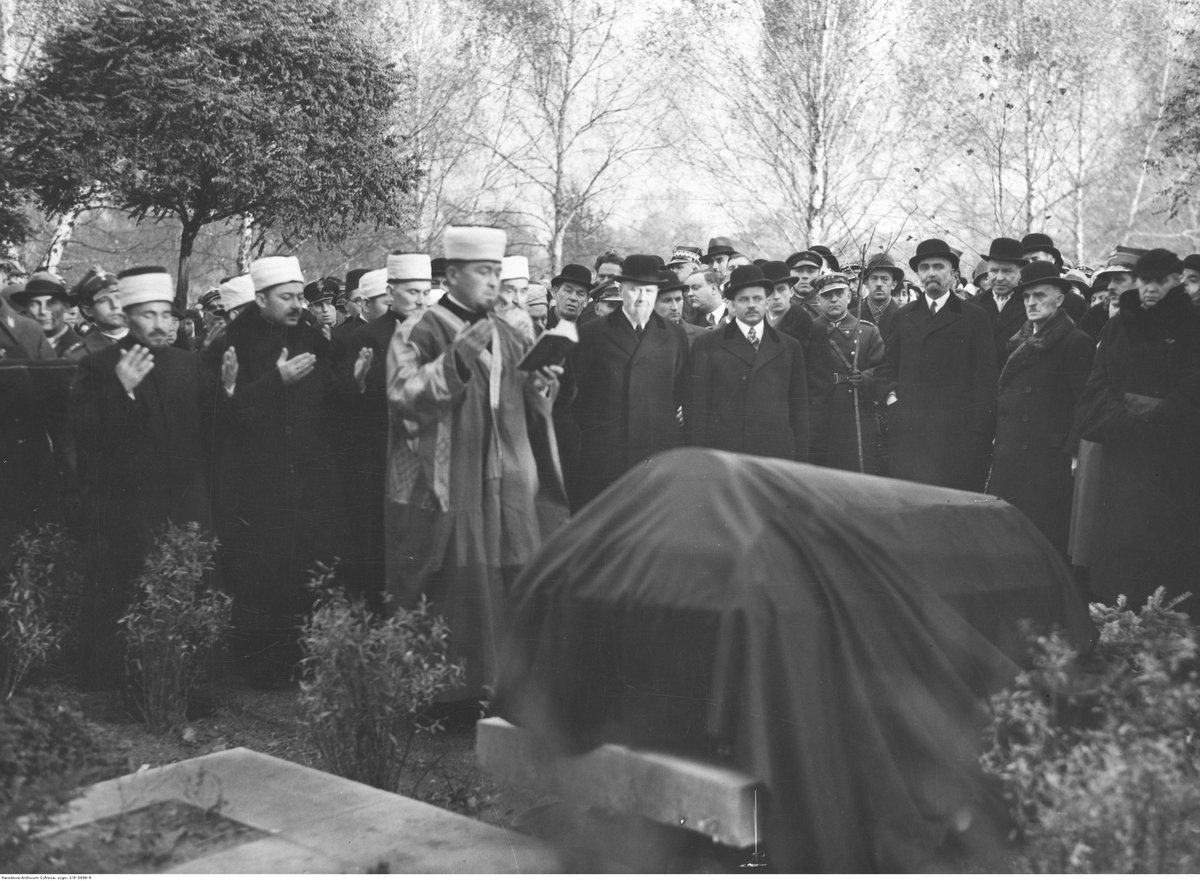
ポヴォンズキ軍人墓地は、1912年に歴史的なカトリック・ポヴォンズキ墓地(1790年設立)の付属墓地として設立されました。当初の目的は、分割統治時代のワルシャワに駐留していたロシア兵の墓地としてでした。1918年にポーランドが独立を回復した後、この墓地は新しく主権国家となった国家に貢献した兵士や市民のために捧げられた国立ネクロポリスとして再定義されました。この変革は、ポヴォンズキが公的記憶と国家アイデンティティの場としての永続的な役割を開始したことを示しています。(Wikipedia: Powązki Military Cemetery, ekompas.pl)
戦間期と初期の埋葬
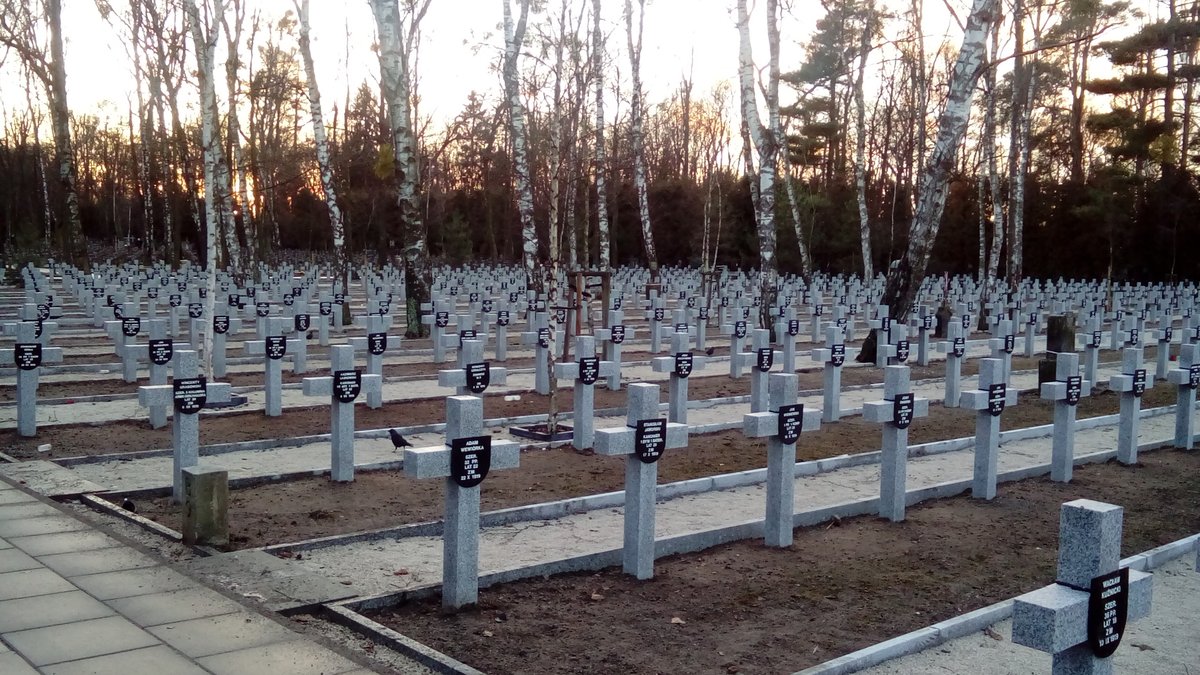
第一次世界大戦と第二次世界大戦の間、ポヴォンズキ軍人墓地は、ポーランドの独立闘争の参加者たちの最後の安息の地となりました。これには、大ポーランド蜂起、ポーランド・ソビエト戦争、ポーランド・ウクライナ戦争で戦った人々が含まれます。(ekompas.pl)これらの埋葬は、国家の防衛者たちの多様性と犠牲を反映し、さまざまな背景を持つ兵士、将校、民間人を受け入れました。
第二次世界大戦とワルシャワ蜂起
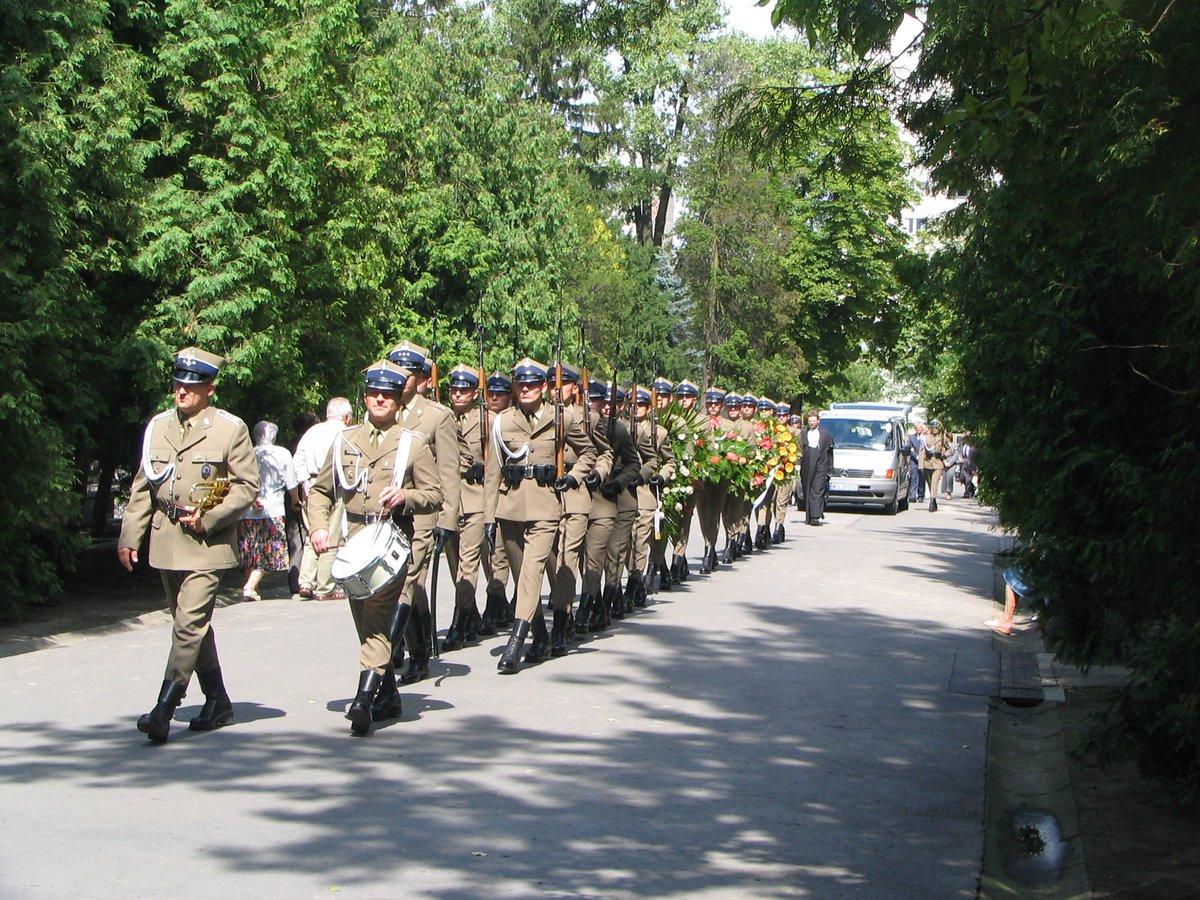
ポヴォンズキの歴史における最も重要な章は、第二次世界大戦の悲劇と英雄主義と結びついています。この墓地には、ヨーロッパで最大規模の都市抵抗作戦であった1944年のワルシャワ蜂起で命を落とした何百人もの兵士、レジスタンスメンバー、民間人の墓があります。「グロリア・ヴィクティス」(「敗者への栄光」)記念碑は1946年に建立され、特に毎年8月1日に行われる「Wアワー」の記念行事の中心となっています。共産主義時代、公然とした追悼が奨励されなかった時期でさえ、この墓地は静かな抵抗と愛国的な追悼の場であり続けました。(Warsaw Institute, Wikipedia: Powązki Military Cemetery)
戦後と「ラチュカ」区画
第二次世界大戦後、ポヴォンズキ軍人墓地はスターリニスト弾圧の犠牲者の埋葬地ともなりました。「ラチュカ」(「草原」)区画には、特に1948年から1956年の間に秘密裏に埋葬された反共産主義レジスタンス戦士、いわゆる「呪われた兵士」の集団埋葬地が含まれています。何十年もの間、これらの墓は标记がなく忘れられていましたが、1990年代になって再発見され、追悼されるようになりました。今日、発掘と身元確認の努力が続けられており、「ラチュカ」は戦後のポーランドで自由のために戦った人々への国家的な追悼のシンボルとなっています。(ekompas.pl)
著名な埋葬者と記念碑
ポヴォンズキ軍人墓地は、ポーランドの歴史を形作った驚くべき多様な個人たちの最後の安息の地です。
- 19世紀の蜂起の退役軍人11月蜂起(1830–1831)と1月蜂起(1863–1864)の兵士。
- カティンの森事件の犠牲者1940年にソビエトNKVDによって殺害されたポーランド将校がここに追悼されています。
- 2010年スモレンスク航空機事故の犠牲者悲劇的な大統領専用機墜落事故の複数の関係者が埋葬されており、記念碑が建てられています。
- 著名な人物ポーランド唯一の宇宙飛行士ミロスワフ・ヘルマシェフスキ、両者とも主要なレジスタンス指導者であったヤン・ラチュカ将軍「ニル」とカピタン・ヴィトルド・ピレツキは、特に「ラチュカ」区画で追悼されています。
記念碑や象徴的な墓は、名もなき人々や行方不明者への敬意も表しており、ポーランドのために犠牲となったすべての人々の記憶が enduring (永続する)ことを保証しています。(Find a Grave, Nobel Peace Summit)
建築と芸術的特徴
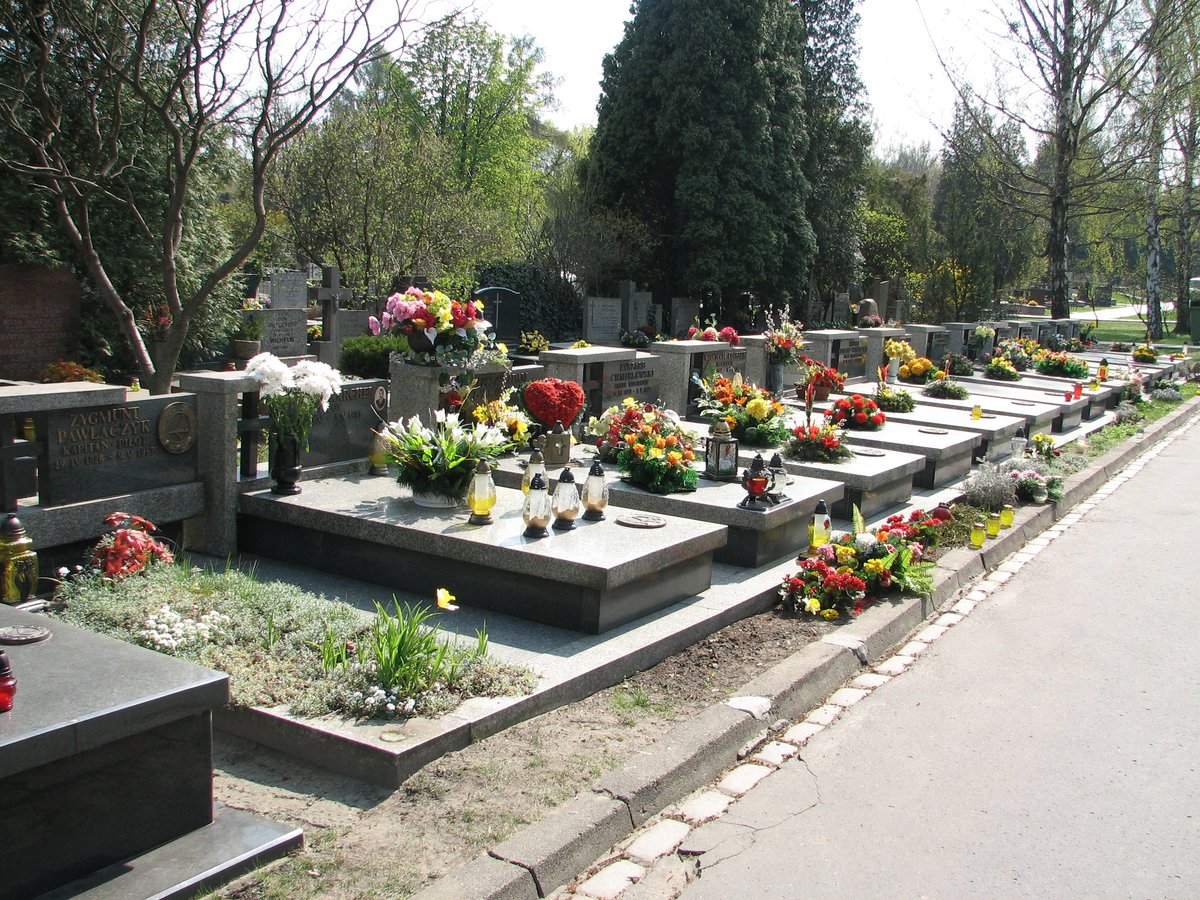
約24ヘクタールに広がり、約180の区画に分かれているこの墓地は、伝統的および現代的なスタイルを融合させています。記念碑や墓石は、ポーランドを代表する彫刻家や建築家によってデザインされており、新古典主義からモダニズムまでのモチーフを特徴としています。グロリア・ヴィクティス記念碑と白い花崗岩のスモレンスク悲劇記念碑は、最も印象的な特徴の一部です。景観の美しさ、並木道、季節ごとの植栽が、思慮深く荘厳な雰囲気を醸し出しています。(Nobel Peace Summit)
訪問情報:営業時間、チケット、アクセス
訪問時間
- 毎日開園:
- 4月~9月午前8時~午後6時
- 10月~3月午前8時~午後4時
- 祝日は営業時間が変更される場合があります。訪問前に最新のスケジュールをご確認ください。
入場とチケット
- 無料入場
- 個人での訪問にチケットは必要ありません。
場所とアクセス
- 住所:ul. Powązkowska 43/45, Żoliborz, Warsaw
- 公共交通機関複数の路面電車とバス路線で簡単にアクセスできます。「Powązki-Cmentarz Wojskowy」停留所が入り口の隣にあります。
- 駐車場近くに限られた駐車場があります。
アクセシビリティ
- 主要な通路は舗装されており、車椅子やベビーカーに適していますが、古い区画には不整地がある場合があります。
- 園内にはベンチと休憩場所があります。
(Warsaw In Your Pocket, WarsawTour)
ガイドツアーと特別イベント
- ガイドツアー地元のツアーオペレーターや文化団体が、いくつかの言語で利用可能です。ツアーでは、墓地の歴史、著名な埋葬者、象徴的な記念碑が紹介されます。
- 記念行事主要な行事には以下が含まれます:
- 諸聖人の日(11月1日)何千ものろうそくと訪問者が、追悼の光の海を作り出します。
- ワルシャワ蜂起記念日(8月1日)グロリア・ヴィクティス記念碑周辺での「Wアワー」式典。
- 事前予約特に記念日などのピーク時には、ガイドツアーの事前予約をお勧めします。
訪問者のエチケットとヒント
- 常に静粛と敬意を保ってください。
- (特に記念行事に参加する場合は) 控えめな服装をしてください。
- 指定された通路を歩き、墓地上を歩かないでください。
- 写真撮影は許可されていますが、遺族や進行中の式典を撮影することは避けてください。
- ろうそくに火を灯したり、花を供えたりすることは、敬意を表す伝統的なジェスチャーです。
近隣の観光スポット
ポヴォンズキ軍人墓地を訪れる際は、ワルシャワの他の主要な場所も探索することをお勧めします。
- ワルシャワ蜂起博物館
- 旧ポヴォンズキ墓地(歴史的な墓と葬送芸術)
- POLIN ポーランド・ユダヤ歴史博物館
- ワルシャワ旧市街
これらの場所は、ポヴォンズキに保存されている物語と歴史にさらなる文脈を提供します。
よくある質問(FAQ)
Q: ポヴォンズキ軍人墓地の開園時間は? A: 毎日開園。4月~9月は午前8時~午後6時、10月~3月は午前8時~午後4時。祝日の変更についてはご確認ください。
Q: 入場料やチケットは必要ですか? A: いいえ、入場は無料です。
Q: 墓地は車椅子でアクセスできますか? A: 主要な通路はアクセス可能ですが、一部の区画は不整地の場合があります。
Q: ガイドツアーはありますか? A: はい、いくつかの言語で利用可能で、ワルシャワの他の史跡も含まれることが多いです。
Q: 写真撮影はできますか? A: はい、ただし、遺族や式典の撮影は避けるなど、敬意を払ってください。
Q: 訪問に最適な時期はいつですか? A: 諸聖人の日(雰囲気のため)または、静かに過ごすための平日午前中です。