
Table of Contents
- Introduction
- Origins and Construction
- Architectural Features and Symbolism
- Historical Context and Colonial Influence
- Artistic and Cultural Significance
- Preservation and World Heritage Status
- Practical Visitor Information: Hours, Tickets, Accessibility
- Nearby Attractions in Hue
- Special Events and Photographic Highlights
- Visuals and Media
- FAQs
- Conclusion
Origins and Construction
As the final resting place of the twelfth Nguyen emperor, the Tomb of Khai Dinh represents a departure from the serene, nature-integrated designs of previous imperial tombs. Construction commenced in 1920 and concluded in 1931, six years after the emperor's passing. The selection of the site on the slope of Châu Chữ Mountain adhered to Vietnamese geomancy principles, aiming for harmony with the natural environment (Visit Vietnam).
The mausoleum is distinguished by its grandeur and its eclectic mix of Eastern and Western architectural styles. Notably, materials such as iron, steel, slate, and colored glass were imported from abroad, reflecting the era's cosmopolitan tastes and the pervasive influence of French colonialism (UNESCO).
Architectural Features and Symbolism
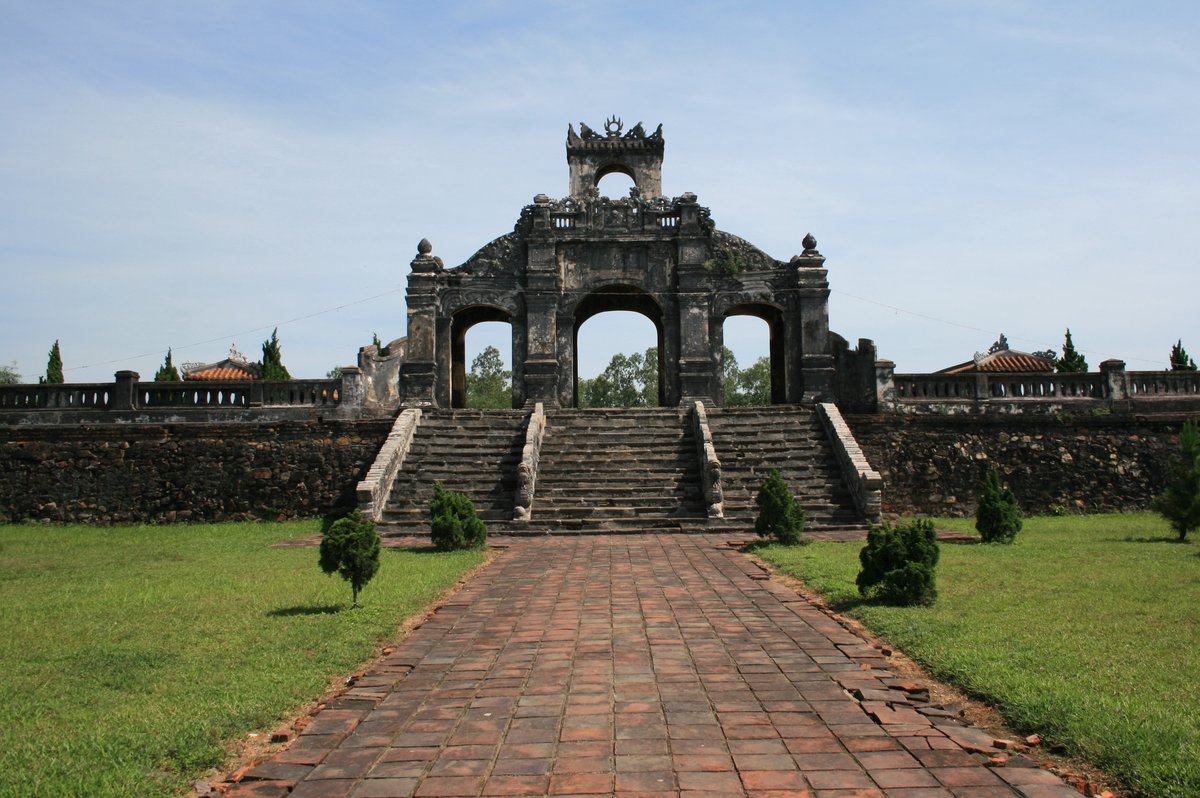
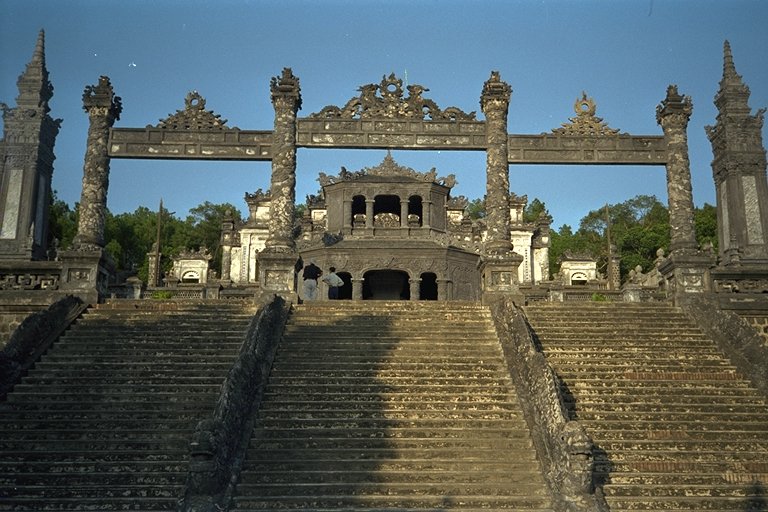
Ascending a majestic staircase of 127 steps, visitors are greeted by stone dragons, powerful symbols of imperial authority. The weathered, dark concrete exterior lends the tomb a somber, Gothic presence.
Inside, Thien Dinh Palace offers a dazzling display of intricate murals, vibrant mosaics, and gilded ornamentation. The ceiling prominently features a mural of nine dragons amidst swirling clouds, symbolizing the emperor’s divine right to rule. At the palace's core, a bronze statue of Khai Dinh sits enthroned above his sarcophagus, framed by opulent artistry. The use of reinforced concrete allowed for unprecedented decorative complexity, significantly distinguishing this tomb from its predecessors (Atlas Obscura). This amalgamation of Vietnamese and European elements serves as a testament to Khai Dinh's efforts to assert imperial legitimacy and embrace modernity within a colonial framework.
Historical Context and Colonial Influence
Emperor Khai Dinh’s reign occurred during the zenith of French colonial rule. Unlike his predecessors, Khai Dinh was perceived as a collaborator with the French, a perception reflected in both his legacy and the tomb’s architectural design. The mausoleum's construction, funded through increased taxation, was a point of controversy and contributed to Khai Dinh's complex public image. Nevertheless, the tomb endures as a monument to a transformative period in Vietnamese history (Lonely Planet).
Artistic and Cultural Significance
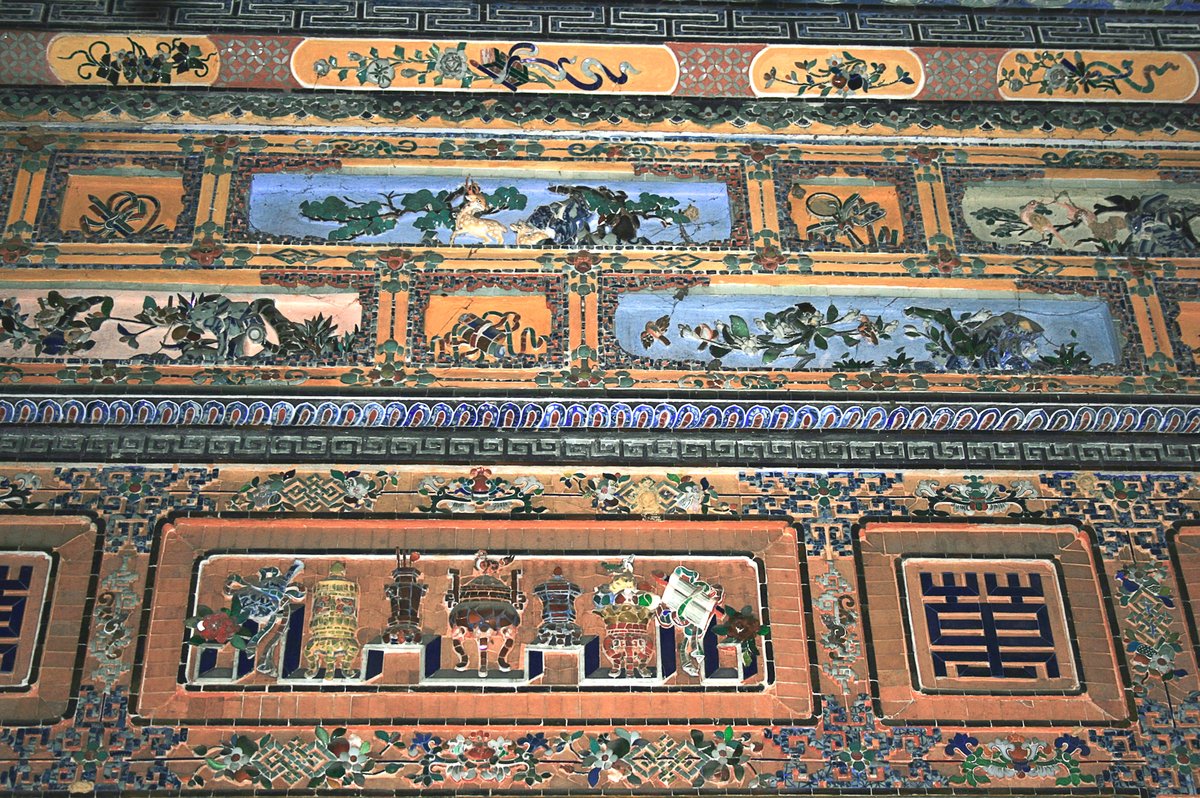
The tomb's artistic program, a collaborative effort by artisans from across Vietnam, skillfully combines regional styles and techniques. The mosaics, meticulously crafted from thousands of porcelain and glass shards, are considered masterpieces of Vietnamese decorative art. Motifs such as dragons and phoenixes symbolize imperial authority and rebirth, while the inclusion of Buddhist and Taoist elements reflects the era's religious syncretism (Vietnam Online).
Preservation and World Heritage Status
As part of the Complex of Hué Monuments, the Tomb of Khai Dinh has been recognized as a UNESCO World Heritage Site since 1993 (UNESCO). Ongoing preservation efforts address challenges such as humidity, biological growth, and visitor impact, aiming to ensure that this architectural treasure endures for future generations.
Practical Visitor Information: Hours, Tickets, Accessibility
- Visiting Hours Daily, 7:00 AM – 5:30 PM.
- Ticket Prices (2025) Adults 150,000 VND; Children (5–12 years) 30,000 VND; Under 5, free. Combination tickets for multiple imperial sites are available (Culture Pham Travel; Travellers With Time).
- Accessibility The site features numerous steep steps, making it challenging for visitors with mobility issues. Assistance is limited.
- Dress Code Shoulders and knees must be covered. Respectful attire is mandatory.
- Getting There Located 10 km from Hue’s center, the tomb is accessible by taxi, motorbike, bicycle, cyclo, or guided tour.
Nearby Attractions in Hue
To gain a deeper insight into Vietnam’s royal heritage, combine your visit with these other imperial tombs:\
- Tomb of Minh Mang\
- Tomb of Tu Duc\
- Imperial City (Hue Citadel)\
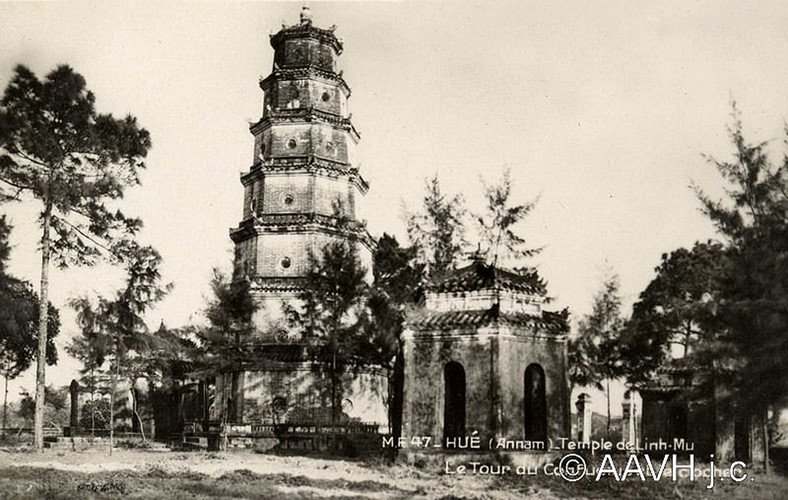
- Thien Mu Pagoda
Special Events and Photographic Highlights
Annual ceremonies are held to honor Emperor Khai Dinh’s spirit, integrating Confucian, Buddhist, and folk traditions. Photographers will find dramatic scenes along the dragon-guarded staircases and within Thien Dinh Palace, particularly during the golden hour.
Visuals and Media
- Image 1: Exterior view of Khai Dinh Tomb’s gray, castle-like façade (Alt: “Khai Dinh Tomb exterior view with gray concrete façade and staircase”)
- Image 2: Intricate interior mosaic of dragons and phoenixes (Alt: “Colorful porcelain mosaic of dragon and phoenix inside Khai Dinh Tomb”)
- Image 3: Stone statues in Bai Dinh Courtyard (Alt: “Life-sized stone statues in Bai Dinh Courtyard at Khai Dinh Tomb”)
- Image 4: Bronze statue of Khai Dinh beneath a gold-flecked canopy (Alt: “Bronze statue of Emperor Khai Dinh inside Thien Dinh Palace”)
Interactive Map of Hue Imperial Sites
Virtual Tour of Khai Dinh Tomb
Frequently Asked Questions (FAQs)
Q: What are the opening hours?
A: 7:00 AM – 5:30 PM, daily.
Q: How much are tickets?
A: Adults 150,000 VND; children (5–12) 30,000 VND; under 5 free. Combination tickets for multiple sites are also available.
Q: Is there a dress code?
A: Yes—shoulders and knees must be covered.
Q: Is the site accessible for those with mobility challenges?
A: Accessibility is limited due to many steep steps.
Q: How long does a visit typically take?
A: Plan for 1–2 hours for the tomb alone; longer if visiting other sites.
Q: Are guided tours available?
A: Yes, many local operators offer tours with transportation and expert commentary.
Conclusion
The Tomb of Khai Dinh stands as a unique testament to a pivotal era in Vietnamese history—a blend of tradition, innovation, and cross-cultural exchange. Its elaborate mosaics, dramatic staircases, and fusion of architectural styles offer a fascinating window into the complexities of imperial Vietnam during the colonial period. With clear visitor information and practical tips provided, you will be well-prepared to explore this UNESCO World Heritage Site and deepen your appreciation for Hue’s royal heritage.
For a richer experience, combine your visit with nearby sites, take advantage of guided tours or audio guides, and utilize digital resources like interactive maps and virtual tours. Plan your journey with confidence and immerse yourself in the extraordinary blend of art, history, and culture awaiting you at the Tomb of Khai Dinh.
References and Further Reading
- Vietnam Tourism
- UNESCO World Heritage
- Culture Pham Travel
- Travellers With Time
- Vietnam Online
- Atlas Obscura
- Asia King Travel – Khai Dinh Mausoleum
- TravelTriangle – Mausoleum of Emperor Khai Dinh