
Historical and Political Significance
Origins of Islamabad and the Secretariat
The Prime Minister’s Secretariat is deeply intertwined with the history of Islamabad. After Pakistan’s independence in 1947, Karachi served as the capital. By the late 1950s, due to strategic, climatic, and administrative reasons, a new capital was sought. In 1958, a commission was formed to find an appropriate site focusing on accessibility, defense, and climate. By 1959, the commission recommended an area northeast of Rawalpindi (Pride of Pakistan).
The city’s master plan was designed by Greek firm Doxiadis Associates, featuring a grid-based triangular layout pointing towards the Margalla Hills. Islamabad’s capital status was temporarily transferred to Rawalpindi in the early 1960s and then officially to Islamabad in 1966 after essential infrastructure was completed (Pride of Pakistan). The city was divided into eight zones, including administrative, diplomatic, residential, and green areas, with the Secretariat Complex as the core of the administrative zone.
Political Role
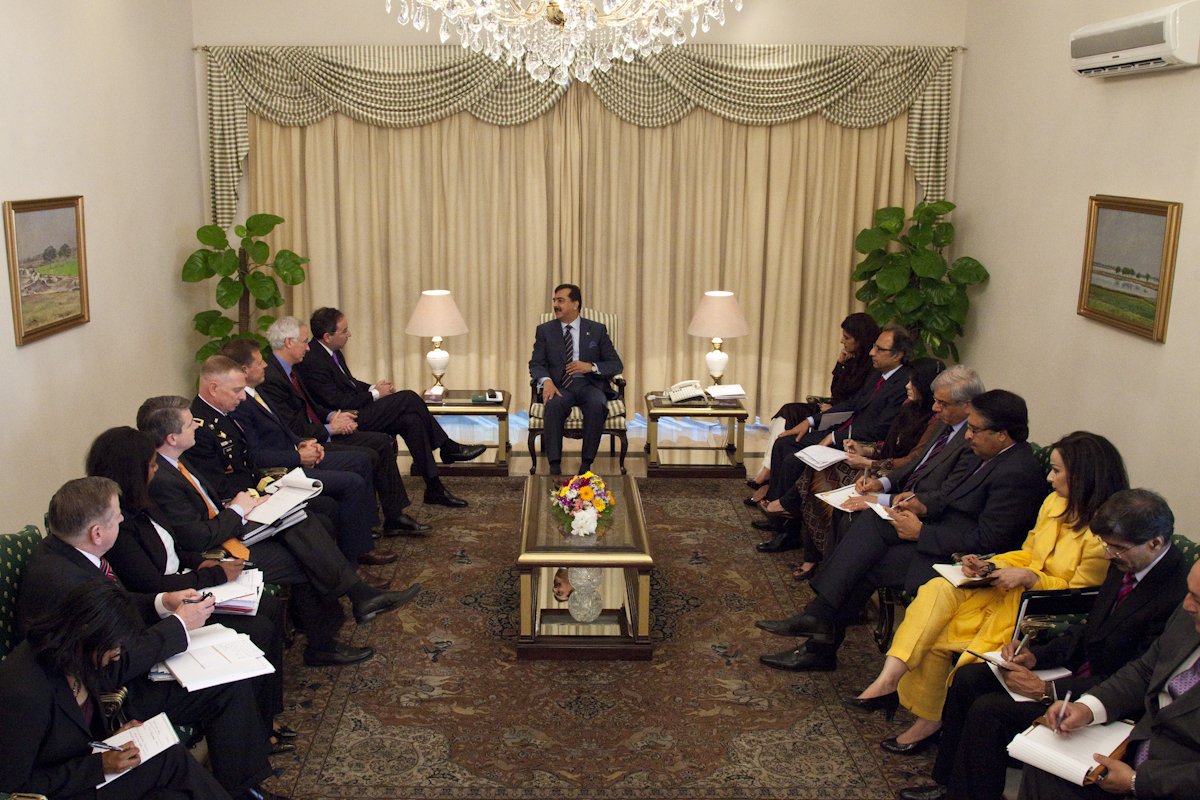
The Secretariat serves as the nerve center of Pakistan’s executive branch. From here, the Prime Minister oversees daily administration and policy implementation (World Atlas). It houses offices of the Prime Minister, senior advisors, bureaucrats, and facilities for cabinet meetings.
The Prime Minister, elected through parliamentary elections, appoints a federal cabinet of up to 50 members, all parliamentarians. Thus, the Secretariat functions as the operational headquarters for decisions on governance, economy, and foreign policy (World Atlas).
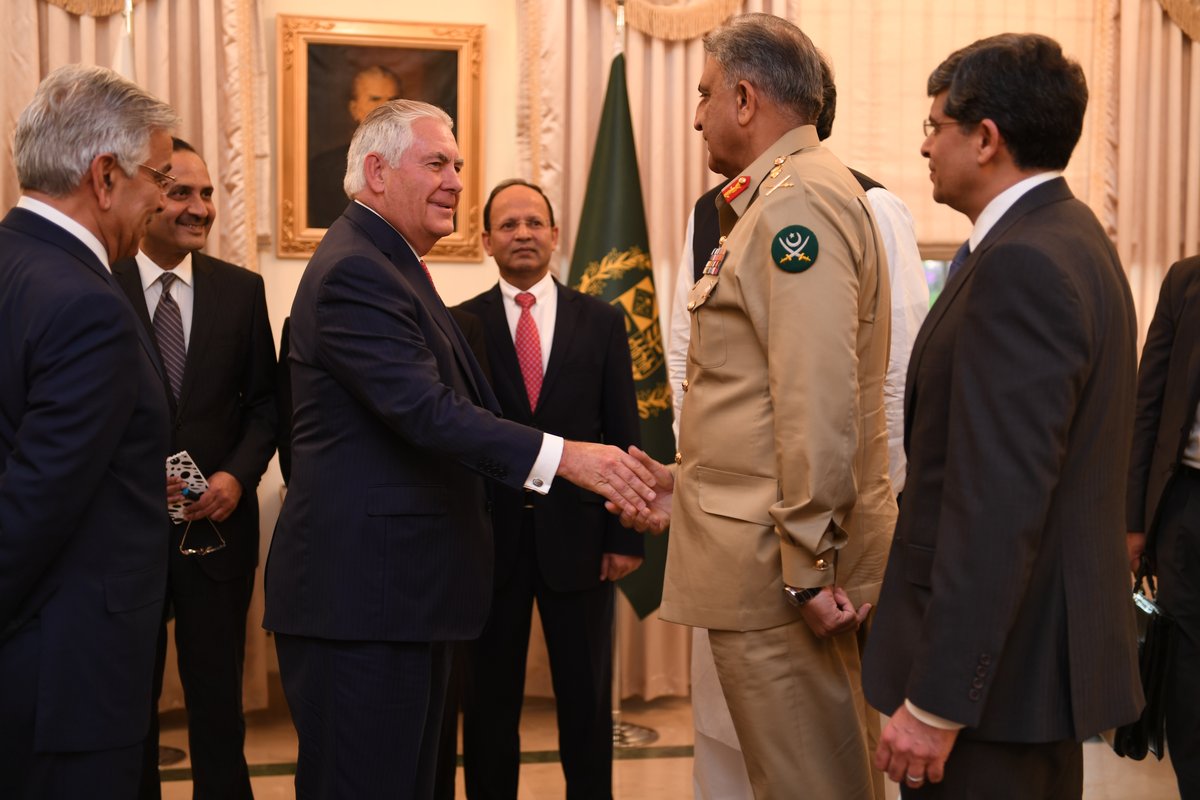
The Secretariat embodies federal authority and national unity. Situated near the National Assembly and Supreme Court, this triad reflects Pakistan's constitutional framework, a federal parliamentary republic with clear separation of powers (World Atlas). It hosts high-level meetings, state functions, and receptions for foreign dignitaries, emphasizing Islamabad’s role as a purpose-built capital centralizing political power.
Architectural Context
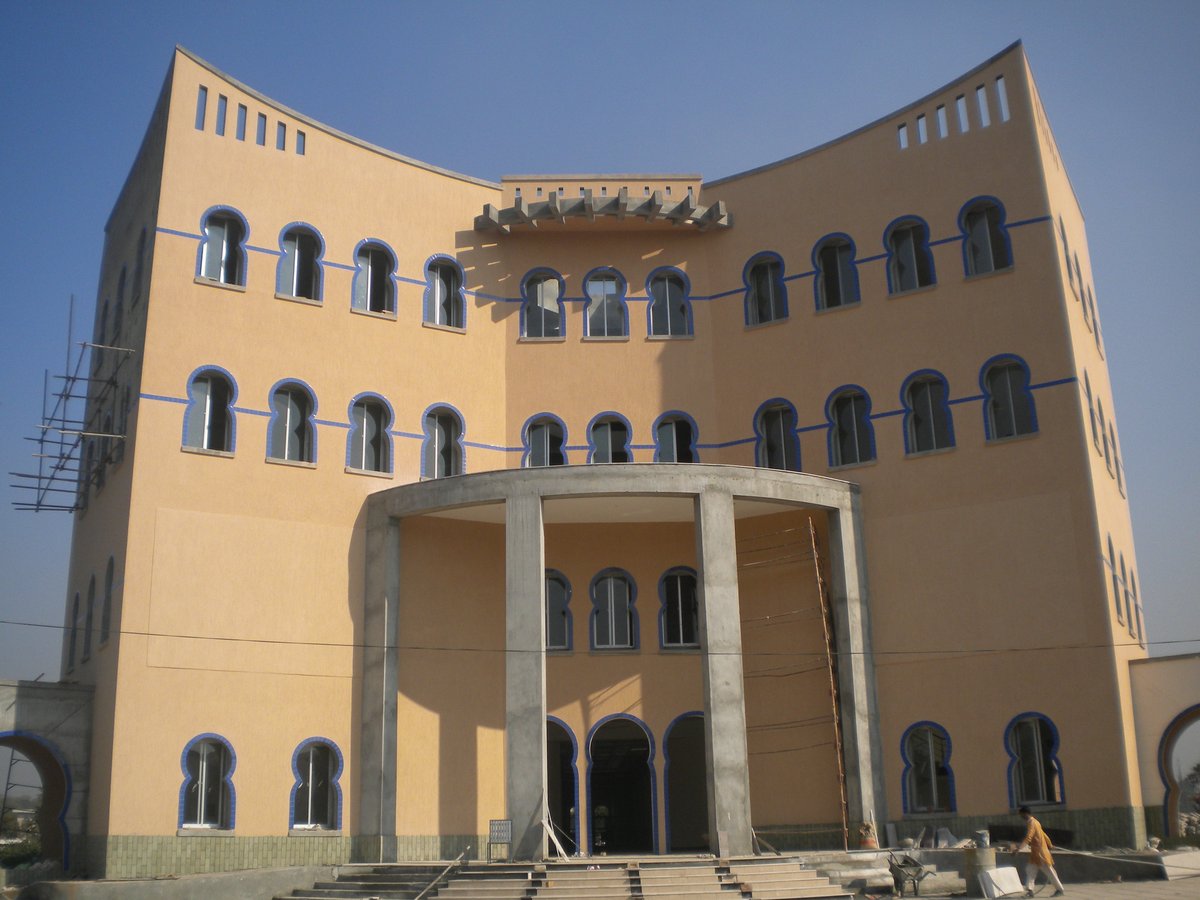
The Prime Minister’s Secretariat exemplifies Islamabad’s blend of modern and traditional architecture. Its design draws inspiration from Mughal architecture, with grand domes, arches, and intricate detailing, reflecting the region’s rich heritage (Pride of Pakistan). The Secretariat Complex was designed by renowned Italian architect Gio Ponti, underscoring the city’s international and modernist influences.
Located on Constitution Avenue, the Secretariat sits at the heart of Pakistan’s federal government, adjacent to landmarks including the National Assembly (designed by Edward Durell Stone) and the Supreme Court. This area is the political and administrative epicenter of Pakistan, symbolizing unity, governance, and progress (Graana.com, Mapcarta).
Visitor Information
Visiting Hours and Entry
- Official Visiting Hours Monday to Friday, 9:00 AM – 5:00 PM, aligned with federal government office timings (Establishment Division Office Timings).
- Public Holidays Closed on weekends and national holidays unless otherwise announced.
- Special Events Some exceptions may occur for open-house days, official tours, or special delegations.
Tickets and Access
- Tickets No tickets are required; public entry is not available for casual visits.
- Access Only by prior official request or invitation for government business, academic groups, or diplomatic delegations. Arrangements must be made well in advance through recognized channels (PID, apricottours.pk).
Entry Requirements and Security
- Identification Original government-issued photo ID (CNIC for Pakistanis, passport for foreigners) is mandatory.
- Security Expect multiple checkpoints, baggage screening, and personal escort within permitted areas. Prohibited items include cameras, weapons, large bags, and unauthorized electronics.
- Photography Permitted only from public areas around the building; strictly prohibited inside.
Accessibility
- The site provides ramps and accessible facilities for visitors with disabilities, though advance notice is recommended for interior visits.
- The Secretariat is reachable via Metrobus, taxis, and ride-hailing services. Parking is limited and subject to security inspection.
Dress Code and Conduct
- Formal business or national attire is required. Shorts, open-toed shoes, and casual wear are discouraged.
- All visitors must comply with instructions from security personnel and act respectfully in the formal environment.
Travel Tips
- Plan ahead: Arrange necessary permissions weeks before your intended visit.
- Visit during working days: Avoid weekends and public holidays.
- Carry all required documentation: Including original ID and permission letters.
- Confirm visiting hours: Especially during Ramadan or special events.
- Respect local customs and security regulations.
Nearby Attractions
The Secretariat’s central location allows easy access to a variety of cultural, historical, and recreational sites:
- Parliament House Next door, notable for its modern architecture and political history (Zameen.com).
- Supreme Court An architectural highlight of the Red Zone (Zameen.com).
- Faisal Mosque Pakistan’s iconic mosque, open to visitors outside prayer times (Global Visa Corp).
- Pakistan Monument National unity symbol with adjoining museum (Traveling.com.pk).
- Daman-e-Koh Hilltop viewpoint with panoramic city views.
- Saidpur Village Restored heritage site with dining and art spaces (Traveling.com.pk).
- National Art Gallery Pakistan’s top venue for visual arts.
- Lake View Park Popular for boating, picnics, and family activities.
- Islamabad Zoo and Japanese Children’s Park Family destinations near the Secretariat (check operational status).
Cultural Insights
- Urban Planning Islamabad’s cityscape, designed by Constantinos Doxiadis, integrates modernist order with Islamic motifs (Touristaguru.com).
- Local Cuisine Explore Blue Area, Saidpur Village, and Super Market for diverse dining.
- Language Urdu is widely spoken; English is common in official and tourist areas.
- Shopping Super Market (F-6), Jinnah Super Market (F-7), and Centaurus Mall offer handicrafts and souvenirs.
- Safety Islamabad is one of Pakistan’s safest cities, but security in the Red Zone is especially robust.
Frequently Asked Questions (FAQs)
Q: Can the general public visit the Secretariat? A: No, unless you have an official invitation or are part of an accredited group.
Q: Are there tickets or entry fees? A: No tickets or public entry fees are issued.
Q: How do I arrange a tour? A: Contact the Press Information Department or an authorized tour operator well in advance.
Q: Is photography allowed? A: Generally only for the exterior, from public areas.
Q: Is the building accessible to people with disabilities? A: Yes, but arrange any special requirements in advance.
Plan Your Visit: Summary Table
| Aspect | Details |
|---|---|
| Access | By appointment/invitation only; no casual public visits |
| Identification Required | CNIC (Pakistanis), Passport (foreigners) |
| Security | Multi-layered checks, escorted movement |
| Dress Code | Formal or national attire |
| Working Hours | Mon-Fri, 9:00 AM – 5:00 PM (Establishment Division Office Timings) |
| Prohibited Items | Cameras, weapons, large bags, unauthorized electronics |
| Facilities | Wheelchair access, restrooms, limited parking |
| Contact | PID or official government channels |
Conclusion
The Prime Minister’s Secretariat in Islamabad is a cornerstone of Pakistan’s political landscape and a testament to the nation’s blend of heritage and modernity. While access for the general public is limited, its architectural grandeur and proximity to other key landmarks make it an essential feature of any Islamabad itinerary. Plan ahead, observe all protocols, and explore the rich cultural offerings nearby to make your visit truly memorable.
Call to Action
For updates on visiting hours, guided tours, and cultural events, download the Audiala app, browse our related articles, and follow us on social media. Start planning your journey to the heart of Pakistan’s governance and heritage today!
References
- Pride of Pakistan
- World Atlas
- Graana.com
- VisitIslamabad.net
- Mapcarta
- Traveling.com.pk
- Establishment Division Office Timings
- PID
- Apricot Tours - Islamabad
- Zameen.com
- Global Visa Corp
- Touristaguru.com
- Wikipedia
- GPSmyCity