{'date': '04/07/2025', 'task': {'model': 'gpt-4.1-mini', 'query': 'Comprehensive guide to visiting Jewish Museum In Oslo, Oslo, Norway: history, significance, visitor tips, and everything tourists need to know for a memorable experience.', 'verbose': False, 'guidelines': ["Keyword Research: Identify relevant keywords that potential visitors are likely to search for, such as '[Monument Name] visiting hours,' '[Monument Name] tickets,' and '[City] historical sites.' Use these keywords strategically throughout the article, including in the title, headers, and body text, but avoid keyword stuffing.", 'Engaging and Informative Title: Craft a title that is both SEO-friendly and compelling to encourage clicks. Include the main keyword and make it clear what the article will cover.', 'Structured Content: Use headings (H1, H2, H3) to organize the content effectively. This helps with SEO and makes the article easier for readers to navigate. Include an introduction that hooks the reader, a detailed body that covers all relevant aspects, and a conclusion that summarizes the key points.', 'Comprehensive Coverage: Address common questions and topics of interest such as the history of the monument, its cultural significance, visitor information (e.g., ticket prices, opening hours), travel tips, nearby attractions, and accessibility. Include sections that might be unique to the monument, like special events, guided tours, and photographic spots.', 'Quality Content: Ensure the content is well-researched, accurate, and provides real value to readers. Use reliable sources and provide factual information. Write in a clear, engaging, and accessible style. Consider your audience and use language that is appropriate for those likely to visit the monument.', 'Visuals and Media: Incorporate high-quality images or videos of the monument. These should be optimized for the web (correct sizing, alt tags with keywords). Consider interactive elements like virtual tours or maps.', 'Internal and External Links: Include links to other related articles on your site to encourage deeper engagement (internal links). Link to official websites for the monument or credible sources for further reading (external links).', 'FAQ: Incorporate FAQ sections to target voice search queries and featured snippets', 'Visit and Stay Up to Date: End the article with a call to action, such as encouraging readers to download our mobile app Audiala, check out other related posts, or follow on social media for more updates.'], 'max_sections': 4, 'publish_formats': {'pdf': False, 'docx': False, 'markdown': True}, 'follow_guidelines': True}, 'title': 'A Comprehensive Guide to Visiting the Jewish Museum in Oslo, Norway', 'report': '# ユダヤ博物館オスロ:開館時間、チケット、オスロのユダヤ人遺産を巡る完全ガイド\n\n#### 日付:2025年4月7日\n\n## はじめに\n\nオスロ・ユダヤ博物館(Jødisk Museum i Oslo)は、ノルウェーの首都における歴史、追悼、文化交流の重要な中心地です。 1892年に建てられた元シナゴーグ(カルメイヤーズ・ゲート 15B)にあり、19世紀から現代までのノルウェー系ユダヤ人の道のりを記録しています。特にホロコーストにおける彼らの統合、課題、そして回復力に光を当てています。この包括的なガイドは、訪問者が歴史的背景、最新の開館時間、チケットの詳細、アクセス、展示、教育プログラム、近隣の観光スポット、そして実用的な旅行のヒントまで、充実した訪問に必要なすべてを提供します。\n\n最新情報については、常にオスロ・ユダヤ博物館公式サイトおよび信頼できる旅行情報源(Jewish Museum Oslo Visiting Hours, Tickets & Visitor Guide;AEJM - Oslo Jewish Museum;Visit Norway)をご確認ください。\n\n---\n\n## 目次\n\n- はじめに\n- 歴史的概観\n - ユダヤ人の入植と法改正\n - コミュニティの成長とシナゴーグの設立\n - 第二次世界大戦以前のユダヤ人の生活\n - ホロコーストがオスロに与えた影響\n- 訪問の計画\n - 開館時間とチケット情報\n - アクセシビリティ機能\n - ガイドツアーの予約とイベントへの参加\n- 博物館の見どころ\n - 常設展\n - 企画展とイベント\n - コレクションとアーカイブ\n- 教育プログラムと研究\n- 来館者の体験\n - アメニティと施設\n - 場所とアクセス\n - 文化的配慮と来館者のエチケット\n- オスロの近隣観光スポット\n- 実用的な旅行のヒント\n- よくある質問 (FAQ)\n- 結論と行動喚起\n- 参考文献\n\n---\n\n## 歴史的概観\n\n### ユダヤ人の入植と法改正\n\nノルウェーのユダヤ人の歴史は、他の多くのヨーロッパ諸国よりも遅れて始まりました。1814年のノルウェー憲法に定められた「ユダヤ人条項」は、1851年に廃止されるまでユダヤ人の入国を禁止していました。これにより、合法的な入植への道が開かれました(jguideeurope.org)。オスロで最初のユダヤ人会衆が設立されたのは1892年で、わずか29名の会員でした。\n\n### コミュニティの成長とシナゴーグの設立\n\n1851年以降、ロシアやバルト諸国出身のユダヤ人家族の多くがオスロ、特にカルメイヤーズ・ゲートやグルーネルロッカ地域に入植しました(whichmuseum.com)。1920年までにコミュニティは成長し、1921年にはカルメイヤーズ・ゲートのシナゴーグが建設されました(visitnorway.com)。このシナゴーグは、礼拝、教育、文化生活の中心となりました。\n\n### 第二次世界大戦以前のユダヤ人の生活\n\n20世紀初頭、オスロのユダヤ人コミュニティは活気に満ちており、定期刊行物を発行し、宗教生活と文化生活を支える機関を設立しました(jguideeurope.org)。1930年までには、ノルウェーには約850人のユダヤ人が住んでおり、そのほとんどがオスロにいました。シナゴーグは、精神的な故郷であると同時に、社交や教育のハブとしても機能しました。\n\n### ホロコーストがオスロに与えた影響\n\n第二次世界大戦は、悲劇的な時代をもたらしました。ナチス占領下ではシナゴーグは閉鎖され、1942年には数百人のノルウェー系ユダヤ人が国外追放されました。そのうち、祖国に帰還できた者はほとんどいませんでした(en.wikipedia.org)。多くの人々がノルウェーの抵抗組織の助けを借りてスウェーデンに逃れましたが、コミュニティは永遠に変わってしまいました。\n\n---\n\n## 訪問の計画\n\n### 開館時間とチケット情報\n\n- 開館時間: \n 火曜日~日曜日:午前11時~午後4時 \n 月曜日:休館 \n (主要な祝日は休館。最新情報は公式サイトでご確認ください。)\n\n- チケット: \n 大人:約100クローネ \n 学生/シニア/団体:割引料金あり \n 18歳未満:無料 \n オンラインまたは入口で購入可能。オスロパス(Oslo Pass)で無料または割引になる場合があります(オスロパス情報)。\n\n### アクセシビリティ機能\n\n博物館は、ユニバーサルデザインを重視しています:\n\n- 車椅子用スロープとエレベーターが全公共フロアに完備されています。\n- アクセシブルなトイレがあります。\n- 展示テキストはノルウェー語と英語で提供されています。\n- 要に応じて支援が利用可能です。特別なニーズがある場合は、事前にご連絡ください。\n\n### ガイドツアーの予約とイベントへの参加\n\n- ガイドツアー: \n 週末に実施、または平日の予約制。ノルウェー語と英語で利用可能。\n- 特別イベント: \n 定期的な講演会、ワークショップ、文化イベント。詳細は博物館カレンダーでご確認ください。\n\n---\n\n## 博物館の見どころ\n\n### 常設展\n\n#### ユダヤの暦\nユダヤの暦を巡るインタラクティブな旅。祝日、儀式、伝統を紹介。マルチメディア展示は全年齢層に対応します(AEJM - Oslo Jewish Museum)。\n\n#### 私たちを生命の中に覚えて – ノルウェーのユダヤ人 1940-1945\n戦争中のノルウェー系ユダヤ人に関する個人的な物語、遺物、写真を紹介する移動展(AEJM - Oslo Jewish Museum)。\n\n#### シュテトル – 失われた世界\n東ヨーロッパのユダヤ人コミュニティ、移住の理由、そしてノルウェーのユダヤ人人口とのつながりを探ります(AEJM - Oslo Jewish Museum)。\n\n### 企画展とイベント\n\n定期的に開催される芸術、文化、または時事問題に関する展覧会、講演会、映画上映、祝日のお祝い。今後のプログラムの詳細は公式サイトをご覧ください。\n\n### コレクションとアーカイブ\n\n- 3,000点近くの遺物がデジタル化され、保存と研究のために整理されています。\n- 儀式用具、テキスタイル、家庭用品、写真、個人的な持ち物。\n- アーカイブには、モザイク会衆(The Mosaic Congregation)および個人の寄贈者からの記録が含まれています(AEJM - Oslo Jewish Museum)。\n\n---\n\n## 教育プログラムと研究\n\n- 学校訪問: 年齢に合わせた、カリキュラムに沿ったプログラム。\n- ワークショップ: ユダヤ文化と歴史に関する実践的な学習。\n- 研究アクセス: 研究者はコレクションやアーカイブへのアクセスをリクエストできます(AEJM - Oslo Jewish Museum)。\n- コミュニティエンゲージメント: 地域機関との協力、反ユダヤ主義との戦い、理解の促進。\n\n---\n\n## 来館者の体験\n\n### アメニティと施設\n\n- ギフトショップ: 書籍、ユダヤ教関連グッズ、お土産。\n- トイレ: アクセシブルな施設があります。\n- 言語: ノルウェー語と英語。\n\n### 場所とアクセス\n\n- 住所: Calmeyers gate 15B, 0183 Oslo\n- 公共交通機関: \n - トラム12番または13番でストールトールヴェ(Stortorvet)へ\n - オスロ中央駅(Oslo Central Station)から徒歩10~15分 \n - バスや地下鉄も利用可能\n- 駐車場: 限られています。公共交通機関の利用を推奨します。\n- 周辺地区: カフェ、レストラン、グルーネルロッカ、アーケシュフース城塞、その他の文化施設に近いです。\n\n### 文化的配慮と来館者のエチケット\n\n- 写真撮影: ほとんどのエリアで可能(フラッシュ不可)。ただし、デリケートな展示物には制限がある場合があります。\n- 服装規定: 記念碑や宗教行事の場では、控えめな服装が推奨されます。\n- 振る舞い: 記念碑的な空間では静かな配慮をお願いします。展示エリアでの飲食は禁止されています。\n\n---\n\n## オスロの近隣観光スポット\n\n- オスロ大聖堂(Oslo Cathedral)\n- 国立美術館(National Gallery)\n- グルーネルロッカ地区(Grünerløkka district)\n- ホロコーストセンター(Holocaust Center)\n- ノルウェー文化史博物館(Norwegian Museum of Cultural History)\n\n博物館訪問と合わせて、オスロの史跡を巡るウォーキングツアー(Oslo Photo Tour)を楽しんだり、オスロパスを利用して複数の観光スポットの割引や無料入場を活用したりできます。\n\n---\n\n## 実用的な旅行のヒント\n\n- 事前計画: 開館時間とイベントスケジュールを再確認してください(Jewish Museum Oslo Visiting Hours)。\n- オスロパス: 入場料と公共交通機関の費用を節約できます(Oslo Pass Information)。\n- ビジターセンター: 地図やパーソナルなヒントについては、オスロ中央駅のオスロ・ビジターセンター(Østbanehallen)へお越しください(Oslo Visitor Centre)。\n- 時間の確保: 十分な体験には1~2時間を見積もりましょう。\n- 空間への配慮: 博物館が追悼の場であることを忘れないでください。\n\n---\n\n## よくある質問 (FAQ)\n\nQ: オスロ・ユダヤ博物館の開館時間は? \nA: 火曜日~日曜日、午前11時~午後4時。月曜日は休館。祝日の変更にご注意ください。\n\nQ: チケットはどうすれば買えますか? \nA: チケットは現地または博物館ウェブサイトで購入できます。オスロパスも利用可能です。\n\nQ: 博物館は車椅子で利用できますか? \nA: はい、全フロアに段差がなく、エレベーターとアクセシブルなトイレがあります。\n\nQ: ガイドツアーはありますか? \nA: はい、英語とノルウェー語で提供され、要予約です。\n\nQ: 写真撮影はできますか? \nA: ほとんどのエリアでフラッシュなしの撮影が許可されていますが、一部の展示では制限があります。\n\nQ: ワークショップや特別イベントはありますか? \nA: はい、最新の催し物については、博物館のオンラインカレンダーをご確認ください。\n\n---\n\n## 結論と行動喚起\n\nオスロ・ユダヤ博物館は、ノルウェーのユダヤ人コミュニティの歴史、伝統、そして回復力に触れる没入的で教育的な旅を提供します。アクセスしやすい設備、魅力的な展示、そして中心的なロケーションにより、オスロの多様な遺産を理解しようとするすべての人にとって必見の場所です。最新の開館時間とチケット情報は公式サイトで確認し、ガイドツアーへの参加を検討し、オスロパスを最大限に活用して、より価値のある訪問にしましょう。\n\nAudialaアプリをダウンロードしてガイド付きオーディオツアーを体験し、博物館のソーシャルメディアをフォローして展示やイベントの最新情報を見つけましょう。さらに詳しい旅行のヒントや文化的な洞察については、オスロの博物館やユダヤ人遺産に関する関連投稿をご覧ください。\n\nオスロ・ユダヤ博物館で、意味のある、そして記憶に残る訪問をお待ちしております。\n\n---\n\n推奨ビジュアル:\n- カルメディアーズ・ゲートにあるオスロ・ユダヤ博物館の外観(alt text:「オスロ・ユダヤ博物館、カリメイヤーズ・ゲートの入り口」)\n- トーラーの巻物やホロコースト記念室を含む展示のハイライト(alt text 例:「オスロ・ユダヤ博物館に展示されているユダヤ教の儀式用トーラーの巻物」)\n- 博物館の場所と最寄りの公共交通機関を示す地図(alt text:「オスロ・ユダヤ博物館の場所と最寄りのトラム停を示す地図」)\n\n---\n\n## 参考文献\n\n- Visiting the Oslo Jewish Museum: History, Tickets, and Travel Tips, 2024, JGuide Europe (jguideeurope.org)\n- The Jewish Museum Oslo: Visiting Hours, Tickets, and Cultural Significance of Oslo’s Historical Site, 2024, Oslo Photo Tour (oslophototour.com)\n- Visiting the Oslo Jewish Museum: Exhibitions, Hours, Tickets, and More, 2024, AEJM Oslo Jewish Museum (aejm.org)\n- Jewish Museum Oslo Visiting Hours, Tickets & Visitor Guide to Oslo Historical Sites, 2024, WhichMuseum (whichmuseum.com)\n- Jewish Museum in Oslo, 2024, Wikipedia (en.wikipedia.org)\n- Oslo Jewish Museum, 2024, Visit Norway (visitnorway.com)\n\n---\n\n', 'headers': {'date': '日付', 'title': 'オスロ・ユダヤ博物館:開館時間、チケット、オスロの歴史的史跡を巡るガイド', 'conclusion': 'オスロ・ユダヤ博物館訪問に関する主要なポイントの要約、旅行のヒントと推奨事項', 'references': '公式博物館ウェブサイトやさらなる情報源を含む参考文献', 'introduction': 'オスロ・ユダヤ博物館の概要、その歴史と文化的重要性を包括的に解説', 'table_of_contents': '開館時間、チケット、ガイドツアー、近隣の観光スポット、アクセス可能性など、セクションごとの目次'}, 'sources': ['- Visiting the Oslo Jewish Museum: History, Tickets, and Travel Tips, 2024, JGuide Europe https://jguideeurope.org/en/region/norway/oslo/', '- The Jewish Museum Oslo: Visiting Hours, Tickets, and Cultural Significance of Oslo’s Historical Site, 2024, Oslo Photo Tour https://oslophototour.com/tours/jewish-oslo-tour/', '- Visiting the Oslo Jewish Museum: Exhibitions, Hours, Tickets, and More, 2024, AEJM Oslo Jewish Museum https://www.aejm.org/members/oslo-jewish-museum/', '- Jewish Museum Oslo Visiting Hours, Tickets & Visitor Guide to Oslo Historical Sites, 2024, WhichMuseum https://whichmuseum.com/museum/oslo-jewish-museum-25141/opening-hours', '- Jewish Museum in Oslo, 2024, Wikipedia https://en.wikipedia.org/wiki/Jewish_Museum_in_Oslo', '- Oslo Jewish Museum, 2024, Visit Norway https://www.visitnorway.com/listings/oslo-jewish-museum/618/'], 'sections': ['Historical Background', 'Cultural Significance', 'Exhibitions and Collections', 'Visitor Experience'], 'conclusion': 'Visiting the Oslo Jewish Museum offers a profound opportunity to engage with the rich tapestry of Jewish history and culture in Norway, set against the backdrop of a historic synagogue and the evolving narrative of Oslo’s Jewish community. The museum not only commemorates the resilience and contributions of Norwegian Jews but also educates visitors through thoughtfully curated permanent and temporary exhibitions, interactive displays, and personal stories that bring history to life. Its commitment to accessibility, educational programming, and community engagement ensures a welcoming environment for all visitors, including families, scholars, and cultural tourists. Located centrally with convenient public transport access and surrounded by other cultural landmarks, the museum fits seamlessly into a broader exploration of Oslo’s heritage. Whether you are drawn by the evocative Holocaust memorials, the celebration of Jewish traditions in “The Jewish Year,” or the insightful depictions of immigrant experiences in “The Shtetl – A Lost World,” the museum provides a reflective and enriching experience. To maximize your visit, consider guided tours or attend one of the museum’s special events and workshops. For practical planning, remember the museum’s standard visiting hours (Tuesday to Sunday, 11:00 AM to 4:00 PM), ticket options, and accessibility accommodations. Stay informed about upcoming exhibitions and community events by following the museum’s official channels and downloading helpful tools like the Audiala app for self-guided audio tours. Embrace the chance to explore this vital cultural institution and deepen your understanding of Oslo’s Jewish heritage. For further information and to keep updated, visit the official Oslo Jewish Museum website and related resources (AEJM - Oslo Jewish Museum; Jewish Museum Oslo Visiting Hours, Tickets & Visitor Guide; Visit Norway).', 'introduction': 'The Oslo Jewish Museum stands as a poignant and enriching cultural landmark in the heart of Norway’s capital, offering visitors a deep dive into the history, culture, and resilience of Oslo’s Jewish community. Established within a historic synagogue building at Calmeyers gate 15B, the museum captures the vibrant journey of Jewish life in Norway—from the first legal settlements in the mid-19th century following the repeal of exclusionary laws, through the community’s growth and integration, and the harrowing experiences of the Holocaust, to the present day. This comprehensive guide aims to provide prospective visitors with essential information on visiting hours, ticketing, accessibility, exhibitions, and practical travel tips, while also highlighting the museum’s role in education, commemoration, and cultural dialogue. Whether you are a history enthusiast, cultural explorer, or a family seeking an educational outing, the Oslo Jewish Museum offers a meaningful experience enriched by interactive exhibits, personal testimonies, and a dynamic program of special events. For those planning their visit, details such as the museum’s opening hours—generally Tuesday through Sunday from 11:00 AM to 4:00 PM—ticket prices (approximately NOK 100 for adults with discounts available), and accessibility features are clearly outlined to ensure a comfortable visit. The museum’s permanent exhibitions, including “The Jewish Year,” “Remember Us Unto Life – Jews in Norway 1940–1945,” and “The Shtetl – A Lost World,” provide immersive insight into Jewish traditions, the Norwegian Jewish community’s history, and the broader diaspora experience. Complemented by temporary exhibitions and cultural events, the museum fosters intercultural understanding and remembrance. Its central location, close to other notable Oslo landmarks such as Akershus Fortress and Grünerløkka, makes it a convenient and enriching stop on any cultural itinerary. For the most updated visitor information and to plan your visit effectively, consult the official Oslo Jewish Museum website and related resources (Jewish Museum Oslo Visiting Hours, Tickets & Visitor Guide; AEJM - Oslo Jewish Museum; Visit Norway).', 'research_data': [{'Visiting the Oslo Jewish Museum: History, Tickets, and Travel Tips': '## Introduction\n\nDiscover the rich history and vibrant culture of Oslo's Jewish community at the Oslo Jewish Museum, a key historical site that offers profound insights into Jewish life in Norway. This guide provides essential visitor information, historical background, and travel tips to enhance your museum experience.\n\n## Historical Background\n\n### Early Jewish Presence and Legal Barriers in Norway\n\nThe Jewish presence in Norway is relatively recent compared to other European countries. For much of its history, Norway was closed to Jews: the 1814 Norwegian Constitution explicitly prohibited Jews from entering the country. This exclusionary clause, known as the "Jewish clause," was not repealed until 1851, after which Jews were legally permitted to settle in Norway (jguideeurope.org). The first organized Jewish community in Oslo was recognized in 1892, comprising just 29 members. This small but determined group laid the foundation for Jewish life in the Norwegian capital.\n\n### Growth of the Jewish Community and Synagogue Establishment\n\nFollowing the repeal of the exclusion law, Jewish immigration to Norway increased, particularly from the Russian Empire and the Baltic states. Many Jewish families settled in Oslo, especially in the Calmeyers gate and Grünerløkka neighborhoods (whichmuseum.com). By 1920, the community had grown enough to warrant the establishment of two synagogues, reflecting both the growth and internal diversity of Oslo’s Jewish population. The synagogue at Calmeyers gate 15B, built in 1921, became a central hub for religious and communal life (visitnorway.com).\n\n### Jewish Life and Integration in Pre-War Oslo\n\nIn the early 20th century, Jewish cultural activity flourished in Oslo. The community published periodicals such as "Israelitin" (1909) and "Ha-Tikvah" (1929), and established social, educational, and religious institutions. By 1930, the Jewish population in Norway numbered approximately 852 individuals (jguideeurope.org). The Calmeyers gate synagogue was not only a place of worship but also a center for social gatherings, education, and the preservation of Jewish traditions in a predominantly Lutheran society.\n\n### The Holocaust and Its Impact on Oslo’s Jews\n\nThe Nazi occupation of Norway during World War II marked a tragic chapter in the history of Oslo’s Jewish community. In 1942, the synagogue at Calmeyers gate was closed, and the Jewish population faced persecution, deportation, and murder. More than half of Norway’s Jews managed to escape to Sweden, aided by Norwegian resistance networks, but the remainder were deported to concentration camps, where most perished (en.wikipedia.org).\n\n## Visiting the Oslo Jewish Museum\n\n### Opening Hours\nThe Oslo Jewish Museum is open to visitors Tuesday through Sunday, from 11:00 AM to 4:00 PM. It is closed on Mondays and public holidays. Be sure to check the official website for any seasonal changes or special closures.\n\n### Tickets and Admission\nTickets can be purchased online through the official Oslo Jewish Museum website or at the museum entrance. General admission is NOK 100, with discounted rates available for students, seniors, and groups. Children under 18 enter free.\n\n### Accessibility\nThe museum is wheelchair accessible, with ramps and elevators available to ensure all visitors can enjoy the exhibits comfortably. Assistance is offered upon request.\n\n### Guided Tours and Special Events\nGuided tours are available on weekends and by appointment on weekdays. These tours offer in-depth insights into the museum’s exhibits and the history of Oslo’s Jewish community. The museum also hosts regular special events, lectures, and temporary exhibitions.\n\n### Photographic Opportunities\nVisitors are welcome to take photos in designated areas inside the museum. The historic synagogue building and its beautifully preserved interior offer excellent photographic spots.\n\n## Travel Tips and Nearby Attractions\n\n### Getting There\nThe museum is located at Calmeyers gate 15B, in the heart of Oslo. It is easily accessible by public transport, with nearby tram and bus stops. Parking is limited in the area, so public transit or walking is recommended.\n\n### Nearby Cafes and Landmarks\nAfter your visit, enjoy a coffee or light meal at one of the cozy cafes in the Grünerløkka neighborhood nearby. Other historical sites worth visiting include the Holocaust Center and the Norwegian Museum of Cultural History.\n\n## Frequently Asked Questions (FAQ)\n\nQ: What are the Oslo Jewish Museum visiting hours? \nA: The museum is open Tuesday to Sunday, 11:00 AM to 4:00 PM, and closed on Mondays.\n\nQ: Are tickets required? \nA: Yes, tickets are required and can be bought online or at the museum.\n\nQ: Is the museum wheelchair accessible? \nA: Yes, the museum is fully accessible to visitors with mobility challenges.\n\nQ: Are guided tours available? \nA: Guided tours are offered on weekends and by appointment during the week.\n\n## Call to Action\nPlan your visit today to explore the captivating history of Oslo’s Jewish community at the Oslo Jewish Museum. Download the Audiala app for self-guided audio tours, explore related posts on Oslo’s cultural heritage, and follow us on social media for the latest updates and events.\n\n---\n\nImage alt tags example: "Exterior view of Oslo Jewish Museum, historical synagogue building"; "Interior of Oslo Jewish Museum showing synagogue architecture"; "Visitors at Oslo Jewish Museum guided tour".'}, {'The Jewish Museum Oslo: Visiting Hours, Tickets, and Cultural Significance of Oslo’s Historical Site': "## The Jewish Museum Oslo: Visiting Hours, Tickets, and Cultural Significance of Oslo’s Historical Site\n\n### Introduction\n\nLocated in the heart of Oslo, the Jewish Museum is a key historical site that preserves and presents the rich heritage of Norway's Jewish community. This article offers an engaging overview of the museum’s cultural significance, practical visitor information—including visiting hours and ticket details—and nearby attractions, making it an essential guide for anyone interested in Oslo’s diverse history.\n\n### Visiting Hours and Tickets\n\nThe Jewish Museum Oslo welcomes visitors Tuesday through Sunday, typically from 11:00 AM to 4:00 PM. It is closed on Mondays and during major holidays. Tickets are affordably priced, with standard admission around 100 NOK, and discounted rates for students, seniors, and children. Entrance is often free on designated cultural heritage days. Visitors can purchase tickets onsite or book in advance through the museum’s official website Jewish Museum Oslo Official Site.\n\n### How to Get There\n\nThe museum is centrally located near major Oslo landmarks such as Akershus Fortress and the city center, making it easily accessible by public transport. Visitors can take tram lines 12 or 13 to the nearby Stortorvet stop or enjoy a scenic walking route through Oslo’s historic streets. For those driving, limited parking is available in the surrounding area.\n\n### Cultural Significance\n\n#### Preserving Jewish Heritage in Norway\n\nHoused in a former synagogue, the Jewish Museum Oslo serves as a vital institution dedicated to documenting and sharing the history of Jewish life in Norway. Despite a relatively small Jewish population today—approximately 1,500 individuals—the community’s story dates back to the mid-19th century when the first Jewish family settled in Oslo (Oslo Photo Tour).\n\nThe museum’s exhibitions explore themes of immigration, integration, and resilience, highlighting the community’s contributions and challenges, including the dark period of the Nazi occupation.\n\n#### Commemoration of the Holocaust\n\nA poignant feature of the museum is its commitment to Holocaust remembrance. Over 770 Norwegian Jews were deported during World War II, with only a few survivors. Through personal stories, artifacts, and multimedia displays, the museum sensitively conveys this tragic history (Tours by Locals).\n\nThe museum also ties into broader city memorials such as the Stolpersteine project, which honors victims with brass plaques embedded in Oslo’s sidewalks (Oslo Photo Tour). These sites often feature in guided tours, enriching the visitor experience.\n\n#### Education and Community Engagement\n\nEducational programs play a central role at the museum, targeting schools, universities, and the general public to promote intercultural understanding and combat prejudice. Interactive exhibits and personal testimonies help visitors connect deeply with the material. The museum’s outreach extends beyond its walls through collaborations with local institutions (Tours by Locals).\n\n#### A Living Center for Jewish Culture\n\nBeyond its exhibitions, the museum hosts cultural events including lectures, film screenings, and celebrations of Jewish holidays, strengthening community ties and inviting the public to explore Jewish traditions.\n\n### Nearby Attractions and Guided Tours\n\nVisitors can enrich their experience by exploring nearby Jewish heritage sites such as Oslo’s oldest synagogue and the Jewish cemetery. Many guided tours incorporate the museum alongside these landmarks and other Oslo historical sites, offering comprehensive narratives (Oslo Photo Tour).\n\n### Accessibility and Visitor Experience\n\nThe museum prioritizes accessibility with wheelchair access and multilingual materials in Norwegian and English. Its intimate size ensures a personal and reflective visit, with many guests noting the emotional impact of the exhibits (Tours by Locals).\n\n### Visual and Interactive Elements\n\nVisitors can explore high-quality photographs and multimedia presentations within the museum that enhance storytelling. Additionally, virtual tours and maps are available online to help plan visits and navigate the museum’s urban context.\n\n### FAQ\n\nQ: What are the Jewish Museum Oslo visiting hours? \nA: The museum is open Tuesday to Sunday from 11:00 AM to 4:00 PM and closed on Mondays.\n\nQ: How much do tickets cost? \nA: Standard tickets are around 100 NOK, with discounts available for students, seniors, and children.\n\nQ: Is the museum wheelchair accessible? \nA: Yes, the museum offers full wheelchair access.\n\nQ: Are guided tours available? \nA: Yes, several guided tours include the Jewish Museum as part of Jewish Oslo heritage tours.\n\nQ: Where is the museum located? \nA: It is centrally located in Oslo near Akershus Fortress and the city center.\n\n### Conclusion and Call to Action\n\nThe Jewish Museum Oslo is more than a historical site—it is a dynamic institution that educates, commemorates, and fosters intercultural dialogue. Whether you’re a history enthusiast, a cultural explorer, or a visitor seeking to understand Oslo’s diverse narratives, the museum offers a meaningful experience.\n\nPlan your visit today by checking the latest details on visiting hours and tickets at the official Jewish Museum Oslo website. For more insights and related content, download the Audiala app and follow us on social media to stay updated about Oslo’s cultural landmarks and tours.'}, {'Visiting the Oslo Jewish Museum: Exhibitions, Hours, Tickets, and More': '## Introduction\n\nThe Oslo Jewish Museum offers a unique window into Jewish history, culture, and community life in Norway. Located in the heart of Oslo, the museum combines engaging permanent exhibitions with dynamic temporary displays, cultural events, and educational programs. Whether you are interested in history, art, or cultural heritage, this museum provides a meaningful and immersive experience. This article will guide you through the museum’s exhibitions, visiting hours, ticket information, accessibility, and practical tips to help you plan your visit.\n\n## Permanent Exhibitions\n\n### The Jewish Year\n\nOne of the core permanent exhibitions at the Jewish Museum in Oslo is “The Jewish Year.” This interactive display offers visitors an immersive journey through the Jewish calendar, highlighting the main holidays and their significance within Jewish tradition. The exhibition is designed to engage all ages, incorporating multimedia elements such as games, videos, music, and literature. Through these interactive features, visitors can explore the rituals, symbols, and stories associated with holidays like Passover, Hanukkah, Rosh Hashanah, and Yom Kippur. The exhibition’s hands-on approach makes it particularly appealing for families and school groups, providing both educational content and a sensory experience that brings Jewish cultural traditions to life (AEJM - Oslo Jewish Museum).\n\n### Remember Us Unto Life – Jews in Norway 1940–1945\n\nThis powerful Holocaust exhibition, “Remember Us Unto Life – Jews in Norway 1940–1945,” focuses on the experiences of Norwegian Jews during World War II. Through personal stories, original belongings, and evocative photographs, the exhibition documents the lives and fates of individuals who were murdered, those who managed to escape, and the Norwegians who risked their lives to help them. The narrative is deeply personal, emphasizing individual testimonies and artifacts to humanize the broader historical tragedy. The exhibition also addresses the mechanisms of persecution, deportation, and survival, offering a nuanced perspective on Norway’s wartime history and the resilience of its Jewish community (AEJM - Oslo Jewish Museum).\n\n### The Shtetl – A Lost World\n\n“The Shtetl – A Lost World” explores the shtetls—small towns with predominantly Jewish populations in the former Tsarist Russia. This exhibition delves into the reasons behind Jewish emigration from these areas to Norway, examining the cultural, social, and economic life left behind. Through artifacts, photographs, and personal narratives, visitors gain insight into the vibrant communities that once flourished in Eastern Europe and the challenges faced by those who sought new lives in Norway. The exhibition contextualizes the broader Jewish diaspora and highlights the enduring connections between Norwegian Jews and their Eastern European heritage (AEJM - Oslo Jewish Museum).\n\n## Temporary Exhibitions and Cultural Events\n\nIn addition to its permanent displays, the Jewish Museum in Oslo regularly hosts temporary exhibitions and cultural events. These may include art installations, historical retrospectives, and thematic displays that explore various aspects of Jewish life, identity, and history. The museum’s programming is dynamic, often reflecting contemporary issues or commemorating significant anniversaries. Cultural events such as lectures, film screenings, and workshops further enrich the visitor experience, fostering dialogue and community engagement. Visitors interested in current or upcoming exhibitions and events should check the museum’s official website or contact the museum directly for the most up-to-date information (AEJM - Oslo Jewish Museum).\n\n## Collections Overview\n\n### Artifacts and Documentation\n\nAs of late 2022, the Jewish Museum in Oslo has documented and registered close to 3,000 artifacts, comprising approximately 1,000 unique units or museum numbers. All items are digitized, ensuring both preservation and accessibility for research and educational purposes. The collection includes ritual objects, household items, textiles, photographs, and personal belongings that reflect the religious, cultural, and everyday life of Norwegian Jews across generations (AEJM - Oslo Jewish Museum).\n\n### Archival Holdings\n\nThe museum is the custodian of significant archival materials, including the correspondence of The Mosaic Congregation (the main Jewish congregation in Oslo) and the private archives of several Jewish organizations and individuals. These archives are partially organized and cataloged, providing a valuable resource for researchers interested in the history of Jewish life in Norway. The archival collection offers insights into community organization, religious practice, migration, and the impact of historical events on Norwegian Jews.\n\n### Digitization and Accessibility\n\nA notable feature of the museum’s collection management is its commitment to digitization. By digitizing artifacts and documents, the museum not only safeguards its holdings but also makes them accessible to a wider audience, including scholars, educators, and the general public. This approach aligns with contemporary museum practices and enhances the museum’s role as a center for research and education.\n\n## Educational Programs\n\nThe Jewish Museum in Oslo places a strong emphasis on education, offering a range of programs tailored to different audiences. These include guided tours, workshops, and school visits that are designed to deepen understanding of Jewish history, culture, and religious practice. The museum’s educational initiatives often leverage its exhibitions and collections, providing hands-on learning experiences that foster empathy, critical thinking, and intercultural awareness. Special programs are available for both children and adults, and the museum collaborates with local schools and community organizations to promote Holocaust education and combat antisemitism (AEJM - Oslo Jewish Museum).\n\n## Research and Community Engagement\n\nThe museum maintains an active research department, supporting scholarly work on topics related to Jewish history in Norway and the broader Scandinavian context. Researchers can access the museum’s collections and archives by appointment, and the museum occasionally publishes research findings or hosts academic conferences. Community engagement is also central to the museum’s mission, with regular cultural events, commemorations, and partnerships with other institutions aimed at strengthening Jewish identity and promoting intercultural dialogue.\n\n## Visitor Experience and Practical Information\n\n### Visiting Hours and Ticket Prices\n\nThe Oslo Jewish Museum is typically open Tuesday through Sunday, with visiting hours from 11:00 AM to 4:00 PM. It is closed on Mondays and certain public holidays. Tickets are affordably priced to encourage broad access: adult admission is around NOK 100, with discounts available for students, seniors, and children. Admission may be free for children under a certain age and for museum members. Visitors are encouraged to check the official website for the most current Oslo Jewish Museum visiting hours and ticket prices before planning their visit.\n\n### Location and Getting There\n\nThe museum is centrally located in Oslo, making it easily accessible by public transport, taxi, or on foot for visitors exploring Oslo historical sites. The address is Calmeyers gate 15b, a historic area rich in cultural heritage. Nearby attractions include the Oslo City Hall, Akershus Fortress, and the National Museum, allowing visitors to combine their museum visit with a broader exploration of Oslo’s history and culture.\n\n### Accessibility\n\nThe museum is committed to providing an accessible experience for all visitors. The historic building has been adapted to meet modern accessibility standards, including wheelchair access to most exhibition areas. Visitors with mobility needs or other special requirements are encouraged to contact the museum in advance to arrange any specific accommodations. Exhibition texts and materials are available in both Norwegian and English, and guided tours can be arranged in multiple languages upon request.\n\n### Guided Tours and Special Events\n\nThe museum offers guided tours tailored for different visitor groups, including families, school groups, and adult learners. These tours provide deeper insights into the exhibitions and are often led by knowledgeable staff or guest experts. In addition, the museum hosts special cultural events, commemorations, and workshops throughout the year. Visitors interested in these offerings should consult the museum’s website for schedules and booking information.\n\n### Visuals and Media\n\nTo enhance visitor engagement, the museum features multimedia displays and interactive elements within its exhibitions. Online, visitors can find virtual tours and image galleries on the museum’s official page, allowing a preview or follow-up experience from home. High-quality images with descriptive alt text are used throughout the museum’s digital presence to improve accessibility and SEO.\n\n## FAQ – Frequently Asked Questions\n\nQ: What are the Oslo Jewish Museum visiting hours? \nA: The museum is generally open Tuesday to Sunday, 11:00 AM to 4:00 PM; closed Mondays and select holidays. Check the official website for updates.\n\nQ: How much are tickets to the Oslo Jewish Museum? \nA: Adult tickets cost about NOK 100, with discounts for students, seniors, and free admission for young children and members. Verify prices on the website before visiting.\n\nQ: Is the Oslo Jewish Museum wheelchair accessible? \nA: Yes, most exhibition areas are wheelchair accessible. Contact the museum in advance for specific accommodation requests.\n\nQ: Are guided tours available? \nA: Yes, guided tours can be booked in multiple languages for groups and individuals.\n\nQ: How do I get to the museum? \nA: The museum is centrally located at Calmeyers gate 15b, accessible by public transport, taxi, or on foot from major Oslo landmarks.\n\n## Future Developments\n\nThe museum is actively involved in restoring the historic synagogue at Calmeyers gate 15b, with plans to transform it into a comprehensive museum and cultural center. This expansion will enhance exhibition space, cultural programming, and educational outreach, reinforcing the museum’s role in preserving and celebrating Jewish heritage in Oslo (AEJM - Oslo Jewish Museum).\n\n## Conclusion and Call to Action\n\nVisiting the Oslo Jewish Museum offers a rich, educational, and moving experience that connects visitors to Jewish heritage and history in Norway. To make the most of your visit, check the museum’s official website for the latest visiting hours, ticket information, and special events. Consider joining a guided tour to deepen your understanding or participate in workshops and cultural programs. For more enriching cultural explorations, explore related articles on our site about Oslo historical sites and Jewish heritage in Scandinavia. \n\nStay connected by following the museum’s social media channels and download the Audiala app for audio guides and interactive experiences during your visit. Plan your visit today and discover the vibrant stories that the Oslo Jewish Museum has to offer.\n\n---\n\nFor more detailed information on exhibitions, collections, and visitor services, consult the Oslo Jewish Museum’s official page on the AEJM website.'}, {'Jewish Museum Oslo Visiting Hours, Tickets & Visitor Guide to Oslo Historical Sites': '## Introduction\n\nWelcome to your comprehensive visitor guide to the Jewish Museum Oslo. Whether you are a history enthusiast, a cultural explorer, or planning a family outing, this guide covers everything you need to know about visiting the museum. From Jewish Museum Oslo visiting hours and ticket information to accessibility, exhibitions, and nearby Oslo historical sites, you’ll find practical tips and key highlights to make your visit memorable.\n\n## Location and Accessibility\n\nThe Jewish Museum in Oslo (Jødisk Museum i Oslo) is centrally located at Calmeyers gate 15B, 0183 Oslo, in the historic district of St. Hanshaugen. The museum is easily accessible by public transportation. Visitors can take the tram, bus, or metro to nearby stops such as Stortorvet or Grønland, both within a 10-minute walk. For those arriving by train, Oslo Central Station (Oslo S) is approximately a 15-minute walk from the museum. The area is pedestrian-friendly, and there are several parking garages nearby for those arriving by car, though public transport is recommended due to limited street parking in central Oslo.\n\n## Jewish Museum Oslo Visiting Hours and Tickets\n\n### Opening Hours\n\nThe Jewish Museum Oslo typically operates with the following visiting hours:\n\n- Tuesday–Sunday: 10:00–16:00 \n- Monday: Closed\n\nPlease note that opening hours may vary on public holidays and during special events. Visitors are strongly encouraged to check the museum’s official website or contact the museum directly before their visit to confirm current hours and ticket availability. Visit Jewish Museum Oslo Opening Hours for updated information.\n\n### Ticket Prices and How to Buy\n\nAdmission fees are modest:\n\n- Adults: NOK 60\n- Students, seniors, and children: Reduced rates available\n- Children under 6: Free entry\n\nThe museum is included in the Oslo Pass, which grants free or discounted entry to many of Oslo’s museums and attractions, as well as unlimited use of public transportation. Purchase the Oslo Pass and learn more at Oslo Pass Information.\n\nTickets can be purchased on-site or online via the museum’s official website. For group visits and special events, advance booking is recommended to ensure entry.\n\n## Museum Layout and Facilities\n\nThe museum is housed in a former synagogue, a building of significant historical value to Oslo’s Jewish community. The interior is thoughtfully designed to balance preservation with modern exhibition standards. The museum is spread over several floors, with permanent and temporary exhibition spaces, a small gift shop, and accessible restrooms.\n\n- Accessibility: The museum is committed to accessibility. There is step-free access at the entrance, and an elevator serves all public floors. Wheelchair-accessible restrooms are available. Visitors with specific needs are encouraged to contact the museum in advance for assistance.\n- Languages: Exhibitions and information panels are presented in both Norwegian and English, making the content accessible to international visitors. Guided tours in English are available by prior arrangement.\n\n## Exhibitions and Visitor Experience\n\n### Permanent Exhibitions\n\nThe core exhibition traces the history of Jews in Norway from the 19th century to the present, with a particular focus on the Oslo Jewish community. Artifacts, photographs, personal stories, and multimedia installations provide a nuanced understanding of Jewish life, religious traditions, and the challenges faced during periods of persecution, especially during World War II.\n\nKey highlights include:\n\n- Synagogue Artifacts: Ritual objects, Torah scrolls, and ceremonial textiles from the original synagogue.\n- Personal Testimonies: Audio and video interviews with survivors and descendants, offering firsthand accounts of Jewish life in Norway.\n- Holocaust Memorial Room: A dedicated space commemorating Norwegian Jews who were deported and murdered during the Holocaust, with names and stories displayed for reflection.\n\n### Temporary Exhibitions\n\nThe museum regularly hosts temporary exhibitions on topics such as Jewish art, culture, and contemporary issues. These exhibitions often feature collaborations with local and international artists, historians, and cultural institutions, providing fresh perspectives and encouraging dialogue.\n\n### Interactive and Educational Elements\n\n- Digital Displays: Touchscreens and interactive maps allow visitors to explore Oslo’s Jewish heritage sites and learn about key historical events.\n- Children’s Activities: The museum offers educational materials and activity booklets for younger visitors, making it a family-friendly destination.\n- Workshops and Lectures: Regularly scheduled events include lectures, film screenings, and workshops on Jewish culture, history, and religious practices. Check the museum’s calendar for upcoming events.\n\n## Cultural Sensitivity and Visitor Etiquette\n\nThe Jewish Museum in Oslo is both a cultural institution and a site of remembrance. Visitors are encouraged to approach the exhibits with respect and sensitivity, particularly in areas dedicated to Holocaust remembrance and religious artifacts.\n\n- Photography: Non-flash photography is generally permitted in most exhibition areas, but restrictions may apply in certain sections. Always check signage or ask staff before taking photos.\n- Dress Code: There is no formal dress code, but visitors are encouraged to dress modestly, especially when attending special events or religious commemorations.\n- Behavior: Quiet reflection is encouraged in memorial areas. Food and drink are not permitted in exhibition spaces.\n\n## Guided Tours and Group Visits\n\nGuided tours are available for individuals, families, and groups. Tours provide in-depth insights into the exhibitions and the broader context of Jewish history in Norway. Advance booking is recommended, especially for groups or during busy periods. Tours can be tailored to specific interests, such as religious traditions, Holocaust history, or Jewish contributions to Norwegian society.\n\nSchool groups are welcomed, and the museum offers age-appropriate educational programs aligned with the Norwegian curriculum. Teachers are encouraged to contact the museum in advance to arrange customized visits.\n\n## Amenities and Nearby Attractions\n\n- Gift Shop: The museum shop offers a selection of books, Judaica, souvenirs, and educational materials related to Jewish history and culture.\n- Restrooms: Clean and accessible restrooms are available on site.\n- Cafés and Restaurants: While the museum does not have an on-site café, there are numerous dining options in the surrounding neighborhood, ranging from casual bakeries to international cuisine.\n\nNearby attractions include the Oslo Cathedral, the National Gallery, and the bustling Grünerløkka district, making it easy to combine a visit to the Jewish Museum with other cultural experiences in Oslo.\n\n## Practical Tips for a Memorable Visit\n\n1. Plan Ahead: Check opening hours and consider booking tickets or tours in advance, especially during weekends and holidays (Jewish Museum Oslo Visiting Hours).\n2. Use the Oslo Pass: Save on admission and transportation by purchasing the Oslo Pass (Oslo Pass Information).\n3. Visit the Oslo Visitor Centre: For maps, personalized recommendations, and Oslo Pass purchases, stop by the Oslo Visitor Centre at Østbanehallen, adjacent to Oslo Central Station (Oslo Visitor Centre).\n4. Allow Sufficient Time: Allocate at least 1–2 hours to fully experience the exhibitions and participate in any available tours or activities.\n5. Respect the Space: Remember that the museum is a place of remembrance as well as education. Maintain a respectful demeanor, especially in memorial areas.\n\n## Frequently Asked Questions (FAQ)\n\nWhat are the Jewish Museum Oslo opening hours? \nThe museum is open Tuesday to Sunday from 10:00 to 16:00 and closed on Mondays. Check the official website for holiday variations.\n\nHow do I buy tickets for the Jewish Museum Oslo? \nTickets can be bought on-site or online via the museum’s official website. The Oslo Pass also grants access to the museum.\n\nIs the Jewish Museum in Oslo wheelchair accessible? \nYes, the museum provides step-free access, an elevator to all public floors, and wheelchair-accessible restrooms.\n\nAre guided tours available? \nYes, guided tours in English and Norwegian are available by appointment and are recommended for groups.\n\nCan I take photographs inside the museum? \nNon-flash photography is allowed in most areas, but some sections may have restrictions. Always check signage or ask staff.\n\nAre there any special events or workshops? \nThe museum hosts regular workshops, lectures, and film screenings. Visit the museum’s calendar online for upcoming events.\n\n## Conclusion and Call to Action\n\nThe Jewish Museum Oslo offers a deeply enriching experience for visitors interested in Jewish history, culture, and Oslo’s historical sites. By planning your visit with the provided tips on visiting hours, tickets, and accessibility, you can fully appreciate the museum’s exhibitions and programs.\n\nTo stay updated on special events and new exhibitions, we encourage you to download the Audiala app and follow the Jewish Museum Oslo on social media. For additional cultural insights and travel tips, explore related posts on our site about Oslo’s museums and heritage.\n\n---\n\nSuggested Visuals:\n- A high-quality exterior photo of the Jewish Museum Oslo (alt text: "Jewish Museum Oslo entrance at Calmeyers gate")\n- Images of key permanent exhibition artifacts such as Torah scrolls and Holocaust Memorial Room (alt text examples: "Jewish ritual Torah scrolls on display at Jewish Museum Oslo")\n- Map highlighting the museum location relative to Oslo Central Station and nearby tram stops (alt text: "Map showing Jewish Museum Oslo location and nearby public transportation")\n\nInternal Links:\n- Link to related articles on Oslo museums and cultural sites within your website to encourage visitor engagement.\n\nExternal Links:\n- To the official Jewish Museum Oslo website (please add exact URL if available), Oslo Pass, and Oslo Visitor Centre for authoritative information.'}], 'table_of_contents': '- Introduction\n- Historical Background\n - Early Jewish Presence and Legal Barriers in Norway\n - Growth of the Jewish Community and Synagogue Establishment\n - Jewish Life and Integration in Pre-War Oslo\n - The Holocaust and Its Impact on Oslo’s Jews\n- Visiting the Oslo Jewish Museum\n - Opening Hours\n - Tickets and Admission\n - Accessibility\n - Guided Tours and Special Events\n - Photographic Opportunities\n- Exhibitions\n - Permanent Exhibitions\n - The Jewish Year\n - Remember Us Unto Life – Jews in Norway 1940–1945\n - The Shtetl – A Lost World\n - Temporary Exhibitions and Cultural Events\n- Collections Overview\n - Artifacts and Documentation\n - Archival Holdings\n - Digitization and Accessibility\n- Educational Programs\n- Research and Community Engagement\n- Travel Tips and Nearby Attractions\n - Getting There\n - Nearby Cafes and Landmarks\n- Cultural Sensitivity and Visitor Etiquette\n- Guided Tours and Group Visits\n- Amenities and Nearby Attractions\n- Practical Tips for a Memorable Visit\n- Frequently Asked Questions (FAQ)\n- Conclusion and Call to Action'}, 'initial_research': '# A Comprehensive Guide to Visiting the Jewish Museum in Oslo, Norway\n\n## Abstract\n\nThis report provides an in-depth, journalistic, and unbiased guide to the Jewish Museum in Oslo, Norway. It covers the museum’s historical context, cultural significance, exhibitions, visitor experience, and practical tips for tourists. Drawing on authoritative sources, the report aims to equip travelers with all the necessary information for a meaningful and respectful visit to one of Oslo’s most important cultural institutions.\n\n---\n\n## Table of Contents\n\n1. Introduction\n2. Historical Background\n3. Cultural Significance\n4. Museum Location and Setting\n5. Exhibitions and Collections\n - Permanent Exhibitions\n - Temporary and Special Exhibitions\n6. Visitor Experience\n - Atmosphere and Layout\n - Accessibility and Facilities\n - Staff and Interpretation\n7. Practical Visitor Information\n - Opening Hours\n - Admission and Tickets\n - Getting There\n - Nearby Attractions\n8. Tips for a Respectful and Memorable Visit\n9. Conclusion\n10. References\n\n---\n\n## Introduction\n\nThe Jewish Museum in Oslo stands as a testament to the resilience, contributions, and cultural heritage of Norway’s Jewish community. Located in the heart of Oslo, this museum offers a unique window into the Jewish experience in Norway, from early immigration in the 19th century to the present day. For travelers seeking a deeper understanding of Norwegian history, minority cultures, and the impact of World War II, the Jewish Museum is an essential stop.\n\n---\n\n## Historical Background\n\n### Jewish Presence in Norway\n\nThe history of Jews in Norway is marked by both adversity and perseverance. The first Jews arrived after the 1491 expulsion from Spain, but their presence was short-lived; in 1687, Jews were expelled from Norway, and this prohibition was later enshrined in the 1814 Norwegian Constitution. It was not until 1851, following a campaign led by the writer Henrik Wergeland, that the anti-Jewish clause was removed, allowing Jews to settle in Norway once again (Totally Jewish Travel).\n\nThe first synagogue was established in 1861 in Kristiania (now Oslo), and the Jewish community, though small, became active and vibrant. Today, approximately 1,400 Jews live in Norway, with about 870 belonging to the communities in Oslo and Trondheim.\n\n### The Museum’s Origins\n\nThe Jewish Museum in Oslo was officially opened in 2008. Its location is historically significant: it occupies a former synagogue at Calmeyers gate 15B, in a neighborhood where many Jewish immigrants settled from the mid-1800s onwards. The building itself served as a synagogue from 1921 until 1942, when the Nazi occupation of Norway led to the deportation and murder of a large portion of the Jewish population (WhichMuseum).\n\n---\n\n## Cultural Significance\n\nThe Jewish Museum in Oslo plays a crucial role in preserving and conveying the history, traditions, and experiences of Norway’s Jewish minority. Its mission is to collect, preserve, research, and disseminate knowledge about Jewish life in Norway, including religious practices, cultural integration, and the community’s contributions to Norwegian society (WhichMuseum).\n\nThe museum is not only a repository of artifacts and documents but also a living center for education and dialogue. It addresses themes of identity, tolerance, and the dangers of prejudice, making it relevant to both Jewish and non-Jewish visitors.\n\n---\n\n## Museum Location and Setting\n\n### Address and Neighborhood\n\n- Address: Calmeyers gate 15B, Oslo, Norway\n\nThe museum is situated in central Oslo, in a historically Jewish neighborhood. This area was home to many Jewish immigrants in the 19th and early 20th centuries, adding an authentic layer to the museum’s narrative (Visit Norway).\n\n### The Building\n\nThe museum’s home is a former synagogue, which adds architectural and emotional resonance to the visitor experience. The understated exterior can make the museum slightly challenging to locate, but its historical significance is palpable upon entry (WhichMuseum).\n\n---\n\n## Exhibitions and Collections\n\n### Permanent Exhibitions\n\nThe Jewish Museum in Oslo features several core exhibitions that together provide a comprehensive overview of Jewish life in Norway:\n\n#### 1. “Remember Us for Life – Jewish Destinies 1940–1945”\n\nThis exhibition was inaugurated to mark the 70th anniversary of the deportation of Jews from Norway during World War II. It focuses on the personal stories and fates of individuals and families affected by the Holocaust. Through photographs, artifacts, and testimonies, visitors gain insight into the impact of Nazi occupation on Norwegian Jews (Visit Norway).\n\n#### 2. “The Jewish Year – For Everything There is a Season”\n\nAn interactive and child-friendly exhibition, this display explores Jewish feasts and holidays throughout the year. It is designed to engage visitors of all ages, offering hands-on experiences and explanations of Jewish traditions and rituals (Visit Norway).\n\n#### 3. “Shtetl – A World That Was”\n\nThis exhibition tells the story of the shtetls—Jewish villages in the former Russian Empire—and the culture that Jewish immigrants brought with them to Norway. It provides context for the origins of Norway’s Jewish community and highlights the continuity and adaptation of cultural traditions (Visit Norway).\n\n#### 4. “Jewish Health”\n\nThis exhibit examines the role of sports and physical activity as arenas for integration and performance within the Jewish minority. It sheds light on lesser-known aspects of Jewish life in Norway (WhichMuseum).\n\n### Temporary and Special Exhibitions\n\nThe museum periodically hosts temporary exhibitions and events, often focusing on contemporary issues, art, or specific historical anniversaries. The first exhibition at the museum’s opening in 2008, “Freedom won not only once,” highlighted Jewish artists in Norway and the community’s resistance during World War II (WhichMuseum).\n\n### Collections and Archives\n\nThe museum continues to expand its collection of photographs, artifacts, and documents. It manages a unique documentation archive of Norwegian Jewish culture and history, serving as a valuable resource for researchers and the general public (Visit Norway).\n\n---\n\n## Visitor Experience\n\n### Atmosphere and Layout\n\nDespite its relatively small size, the Jewish Museum in Oslo offers a rich and intimate experience. The exhibits are thoughtfully curated, with a focus on personal stories and tangible artifacts that bring history to life. The museum’s compact layout allows visitors to explore thoroughly in about an hour, though those with a deeper interest may wish to linger longer (WhichMuseum).\n\n### Accessibility and Facilities\n\n- Language: Exhibitions are subtitled in both Norwegian and English, though some visitors have noted that additional English translations would be beneficial for international tourists (WhichMuseum).\n- Facilities: While detailed information about on-site facilities is limited, the museum’s central location ensures easy access to nearby amenities, including cafes and public transportation.\n\n### Staff and Interpretation\n\nVisitors consistently praise the museum staff for their knowledge, helpfulness, and willingness to answer questions. Guided tours may be available upon request, and the staff’s expertise enhances the educational value of the visit (WhichMuseum).\n\n---\n\n## Practical Visitor Information\n\n### Opening Hours\n\nThe museum’s opening hours may vary by season and are subject to change on Jewish holidays. As of July 2025, the typical summer hours are:\n\n- Monday–Saturday: 9:00–17:00\n- Sunday: 10:00–16:00\n\nNote: It is strongly recommended to check the museum’s official website or contact them directly before your visit, as hours may change for holidays or special events (VisitOSLO).\n\n### Admission and Tickets\n\n- Admission: The museum charges a modest entrance fee. While exact prices are not specified in the available sources, the cost is generally in line with other Oslo museums.\n- Booking: For groups or guided tours, advance booking is recommended. Individual visitors can typically purchase tickets at the door.\n\n### Getting There\n\n- Address: Calmeyers gate 15B, Oslo\n- Public Transport: The museum is centrally located and easily accessible by tram, bus, or on foot from Oslo’s main attractions.\n- Walking Tours: The museum is included in several self-guided and guided walking tours of Oslo, such as those offered by GPSmyCity and local tour operators (GPSmyCity).\n\n### Nearby Attractions\n\nThe Jewish Museum’s central location makes it convenient to combine with visits to other key Oslo sites, including:\n\n- Akershus Fortress\n- Oslo City Museum\n- Nobel Peace Center\n- Astrup Fearnley Museum of Modern Art\n- Historical Museum\n\nThese attractions provide additional context for understanding Oslo’s diverse history and cultural landscape (WhichMuseum).\n\n---\n\n## Tips for a Respectful and Memorable Visit\n\n1. Learn Before You Go: Familiarize yourself with the basics of Jewish history in Norway to enhance your appreciation of the exhibits.\n2. Observe Museum Etiquette: As the museum is housed in a former synagogue and deals with sensitive historical topics, visitors are encouraged to behave respectfully.\n3. Ask Questions: The staff are knowledgeable and eager to share insights—don’t hesitate to engage with them.\n4. Check for Special Events: The museum occasionally hosts lectures, temporary exhibitions, and commemorative events. Check the website or inquire in advance.\n5. Photography: Always ask for permission before taking photos, especially in sensitive areas.\n6. Combine with Other Jewish Heritage Sites: Consider visiting the nearby synagogue, the first Jewish cemetery in Norway, and Stolperstein memorials for a fuller understanding of Jewish Oslo (Oslo Photo Tour).\n7. Accessibility: If you have mobility needs, contact the museum in advance to inquire about accessibility options.\n8. Language: While most exhibits are in Norwegian and English, some content may be more accessible to Norwegian speakers. Guided tours in English can be arranged.\n9. Plan for Weather: Oslo’s weather in July is generally mild and pleasant, with average highs of 22°C (72°F) and long daylight hours, making it an ideal time for museum visits and walking tours (Global Highlights).\n\n---\n\n## Conclusion\n\nThe Jewish Museum in Oslo is a vital institution for understanding both the Jewish experience and the broader narrative of Norwegian history. Its exhibitions are thoughtfully curated, its staff are knowledgeable, and its setting in a former synagogue adds depth to the visitor experience. While the museum is compact, it offers a powerful and moving journey through the triumphs and tragedies of Norway’s Jewish community.\n\nFor tourists, the museum provides not only historical insight but also an opportunity for reflection on themes of tolerance, identity, and resilience. Whether you are a history enthusiast, a student of culture, or simply a curious traveler, a visit to the Jewish Museum in Oslo is both enlightening and memorable.\n\n---\n\n## References\n\n- Visit Norway - Oslo Jewish Museum\n- WhichMuseum - Oslo Jewish Museum\n- Totally Jewish Travel - Jewish History in Oslo\n- GPSmyCity - Oslo Jewish Museum\n- Oslo Photo Tour - Jewish Oslo Tour\n- VisitOSLO - Oslo Jewish Museum\n- Global Highlights - Oslo Weather in July\n\n---\n\nReport prepared on July 4, 2025.', 'table_of_contents': '- Introduction\n- Historical Background\n - Early Jewish Presence and Legal Barriers in Norway\n - Growth of the Jewish Community and Synagogue Establishment\n - Jewish Life and Integration in Pre-War Oslo\n - The Holocaust and Its Impact on Oslo’s Jews\n- Visiting the Oslo Jewish Museum\n - Opening Hours\n - Tickets and Admission\n - Accessibility\n - Guided Tours and Special Events\n - Photographic Opportunities\n- Exhibitions\n - Permanent Exhibitions\n - The Jewish Year\n - Remember Us Unto Life – Jews in Norway 1940–1945\n - The Shtetl – A Lost World\n - Temporary Exhibitions and Cultural Events\n- Collections Overview\n - Artifacts and Documentation\n - Archival Holdings\n - Digitization and Accessibility\n- Educational Programs\n- Research and Community Engagement\n- Travel Tips and Nearby Attractions\n - Getting There\n - Nearby Cafes and Landmarks\n- Cultural Sensitivity and Visitor Etiquette\n- Guided Tours and Group Visits\n- Amenities and Nearby Attractions\n- Practical Tips for a Memorable Visit\n- Frequently Asked Questions (FAQ)\n- Conclusion and Call to Action'}
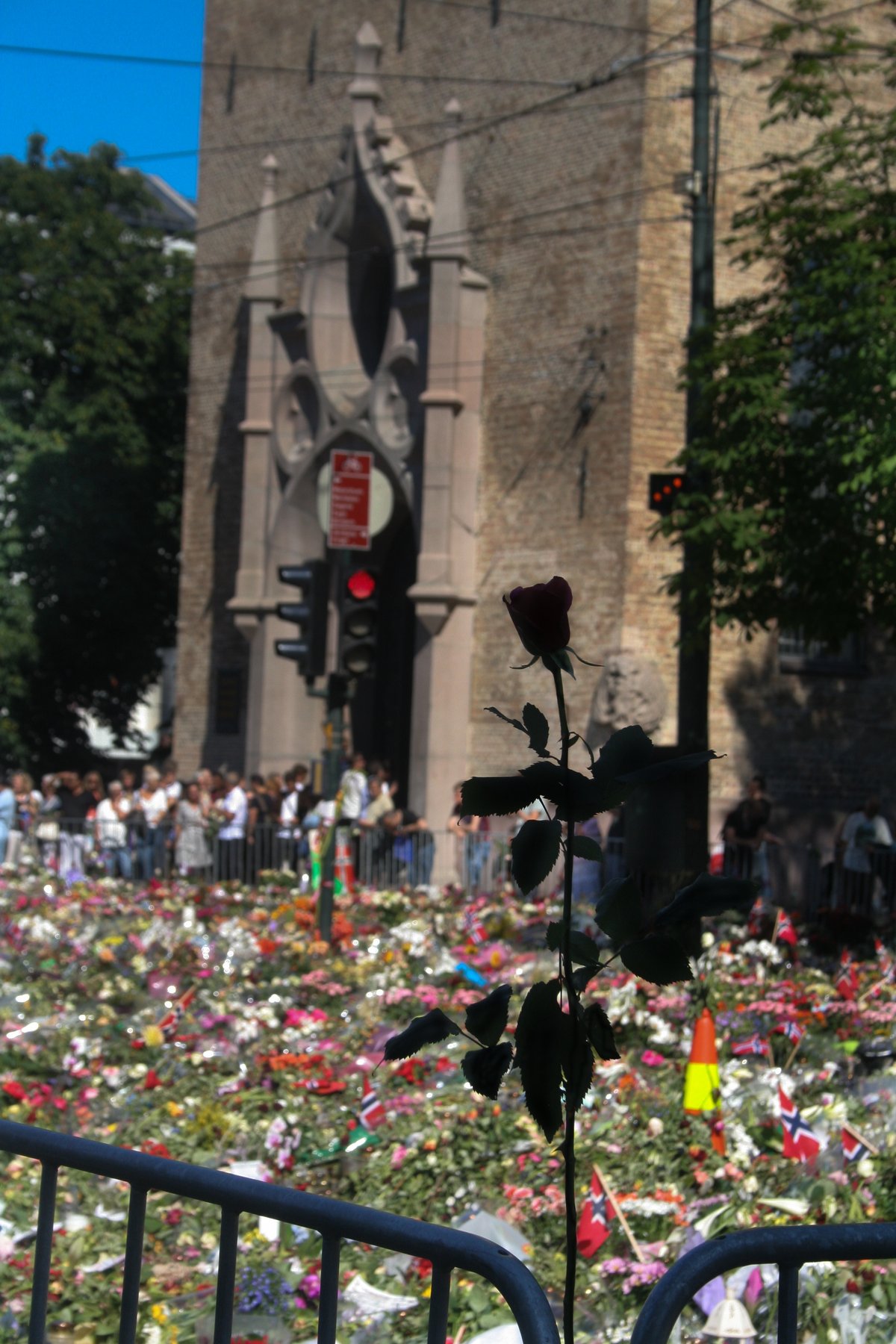
More in オスロ.
発見すべき120スポット — いくつかは組み合わせる価値があります。

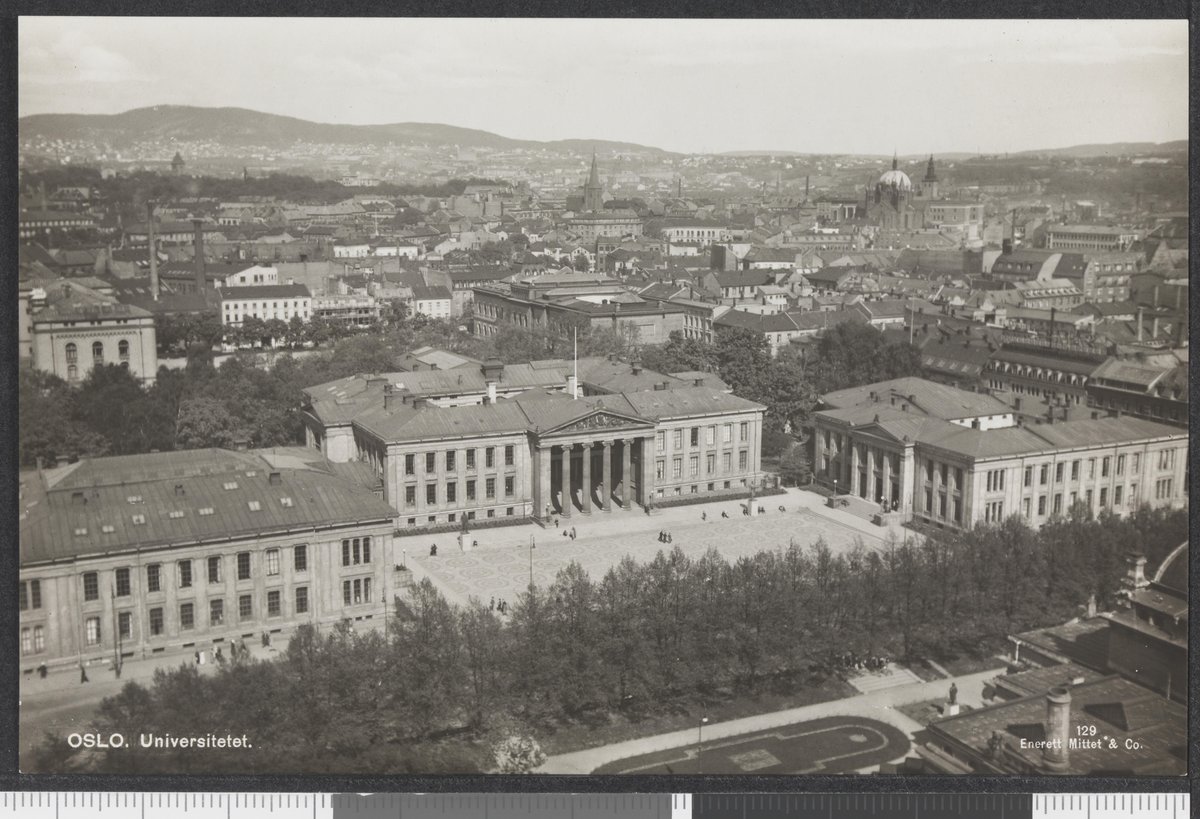
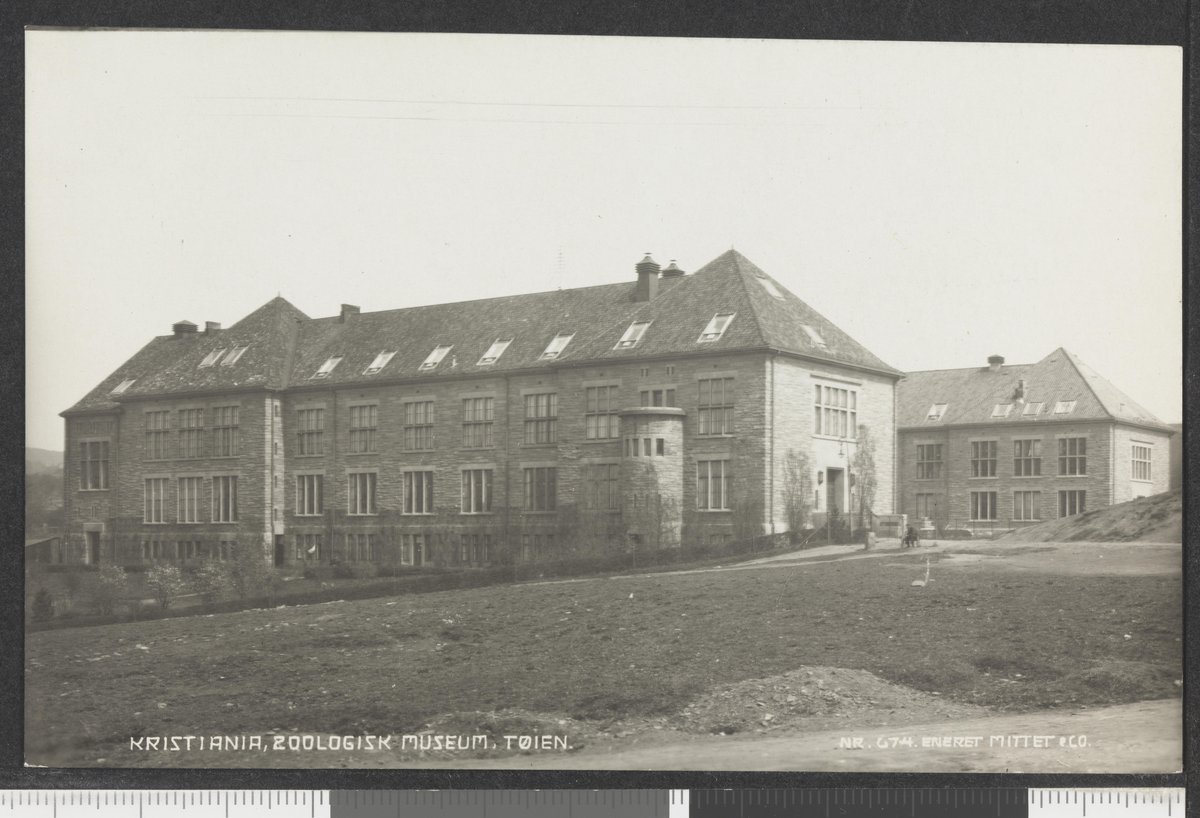

続きから読む
保存した場所と最近読んだ場所。この端末にのみ保存されます。