
2. Historical Context
The 2010–2011 Canterbury Earthquakes
On 4 September 2010, a magnitude 7.1 earthquake struck near Christchurch, causing significant damage but no direct fatalities. However, the city’s ordeal was far from over. On 22 February 2011, at 12:51 p.m., a shallow, magnitude 6.3 earthquake occurred just 10 kilometers from the city center. Despite being lower in magnitude, its proximity and shallowness resulted in catastrophic destruction. The quake claimed 185 lives, injured thousands, and left tens of thousands homeless. It remains one of New Zealand’s deadliest natural disasters (Resilience Rising Global).
The Impact on Christchurch
The 2011 earthquake caused the greatest ground acceleration ever recorded in New Zealand, leading to the collapse of many buildings, particularly those already weakened by the 2010 quake. The city’s historic architecture, infrastructure, and sense of security were profoundly affected. The trauma extended beyond physical damage, deeply impacting the social and cultural fabric of Christchurch (NZHistory).
3. The Memorial: Purpose and Significance
National and Cultural Importance
The Canterbury Earthquake National Memorial is one of only two national disaster memorials in New Zealand, the other being the Tangiwai National Memorial in Wellington. Its establishment was a key project in the Christchurch Central Recovery Plan, reflecting the event’s significance in the nation’s history (Wikipedia). The memorial honors:
- The 185 individuals who lost their lives
- Those who were seriously injured
- Survivors and their families
- The shared trauma and the support received during the response and recovery
It serves as a focal point for annual commemorations and as a space for personal reflection and community gatherings (Ministry for Culture and Heritage).
The Name "Oi Manawa"
The memorial’s Māori name, Oi Manawa, was gifted by Te Rūnanga o Ngāi Tahu, the principal iwi (tribe) of the South Island. "Oi Manawa" translates to "tremor or quivering of the heart," symbolizing both the physical shaking of the earthquake and the emotional impact on the community. The name encapsulates the trauma, resilience, and ongoing journey of healing (Resilience Rising Global).
4. Design and Architecture
Site Layout and Features
The memorial is situated on both banks of the Ōtākaro/Avon River, downstream from the Montreal Street bridge in central Christchurch. The location was chosen for its accessibility and its tranquil, natural setting, which aligns with the community’s desire for a peaceful and beautiful space for remembrance (Ministry for Culture and Heritage).
Key Features:
- South Bank The main memorial wall, a 111-meter-long structure inscribed with the names of the 185 victims.
- North Bank A reflective space with benches, landscaping, and views across the river to the memorial wall.
- Montreal Street Bridge Connects the two banks, allowing visitors to experience both aspects of the memorial.
The Memorial Wall
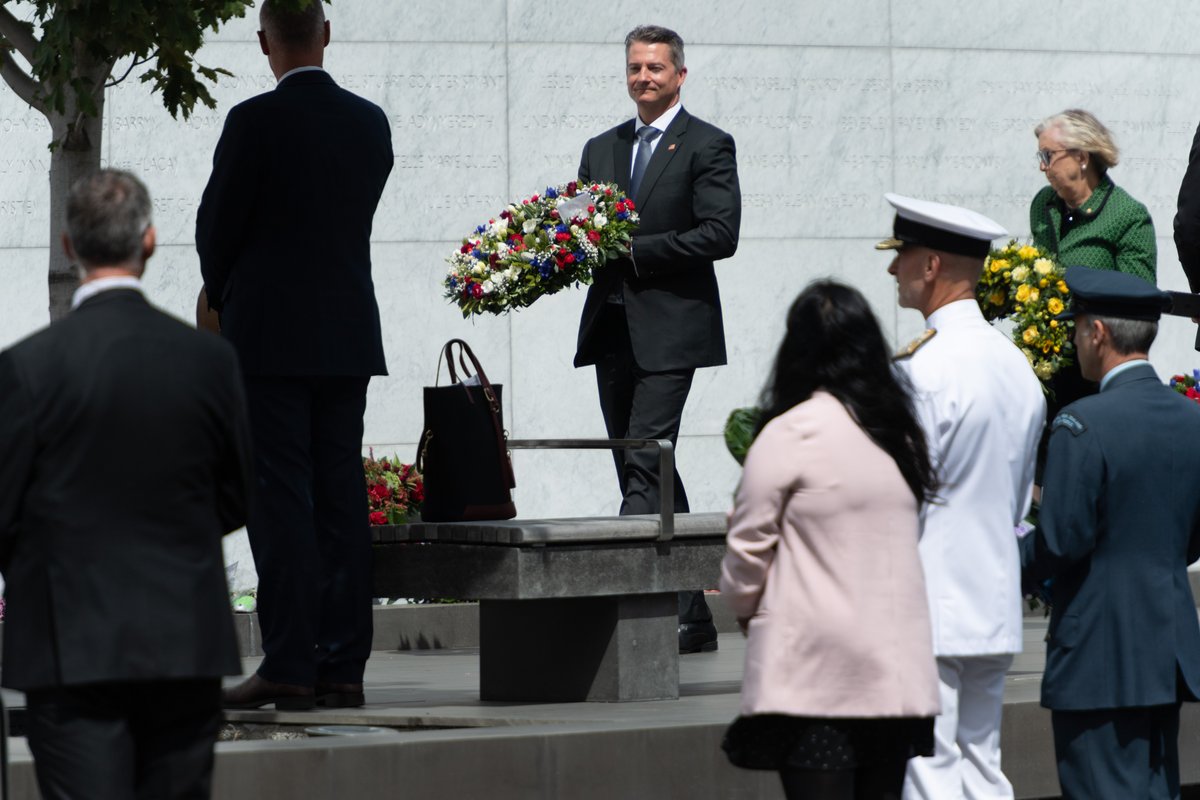
The memorial wall is the centerpiece, constructed from pale stone and etched with the names of those who perished. The design is intentionally understated, inviting quiet contemplation and personal connection. The wall’s length and placement along the riverbank create a sense of continuity and flow, symbolizing the ongoing journey of remembrance (Holidify).
Reflective Spaces
On the north bank, landscaped gardens and seating areas provide a serene environment for reflection. The integration of water and greenery was a direct response to feedback from those most affected by the disaster, emphasizing the importance of peace and natural beauty in the healing process (Ministry for Culture and Heritage).
Integration with the Avon River
The memorial’s riverside setting is both symbolic and practical. The river represents life, continuity, and renewal, while its gentle flow offers a calming backdrop for visitors. The site’s design encourages movement between the two banks, fostering a sense of connection and unity.
Architectural Vision
The memorial was designed by Slovenian architect Grega Vezjak, whose concept was selected from over 330 international submissions. The design was praised for its evocative and powerful expression of loss and remembrance, as well as its sensitivity to the needs of the bereaved and the wider community (NZHistory).
5. Visiting the Memorial
Location and Accessibility
- Address Corner of Cambridge Terrace and Montreal Street, Christchurch Central, Christchurch 8013, New Zealand
- Setting Both sides of the Ōtākaro/Avon River, accessible via the Montreal Street bridge
The memorial is centrally located, making it easily accessible on foot, by bicycle, or via public transport. Its proximity to other key attractions in Christchurch makes it a natural inclusion in walking tours and city explorations (GPSmyCity).
Opening Hours and Entry
- Open 24 hours a day, year-round
- Entry Fee Free
The memorial is an open public space, accessible at all times. There are no barriers or gates, reflecting its role as a community resource and place of ongoing remembrance (Holidify).
Facilities and Amenities
- Seating Benches are available on the north bank for quiet reflection.
- Landscaping The site features native plantings and well-maintained pathways.
- No Onsite Restrooms Public toilets are available nearby in the city center.
- No Commercial Facilities The memorial is a non-commercial space; food and drink are not sold onsite.
Accessibility for All Visitors
- Mobility Access Ramps and level pathways provide access for wheelchairs and those with limited mobility. A dedicated mobility carpark is planned near the south bank ramp on Oxford Terrace (Ministry for Culture and Heritage).
- Public Transport The memorial is a short walk (two blocks) from the Christchurch Bus Interchange, the city’s main public transport hub.
6. What to Expect During Your Visit
Atmosphere and Etiquette
The memorial is a place of quiet reflection. Visitors are encouraged to maintain a respectful demeanor, speak softly, and avoid disruptive behavior. Photography is permitted, but discretion is advised, especially during commemorative events or when others are present in mourning.
Annual Commemorations and Events
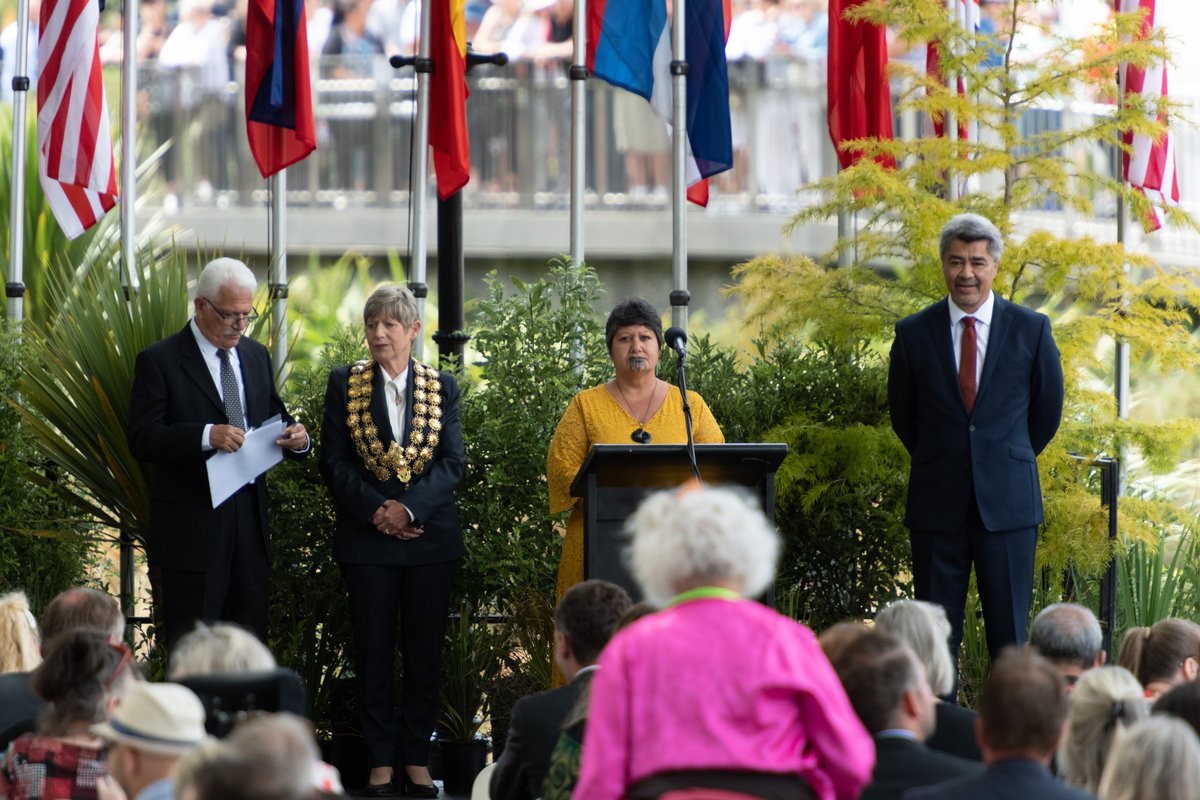
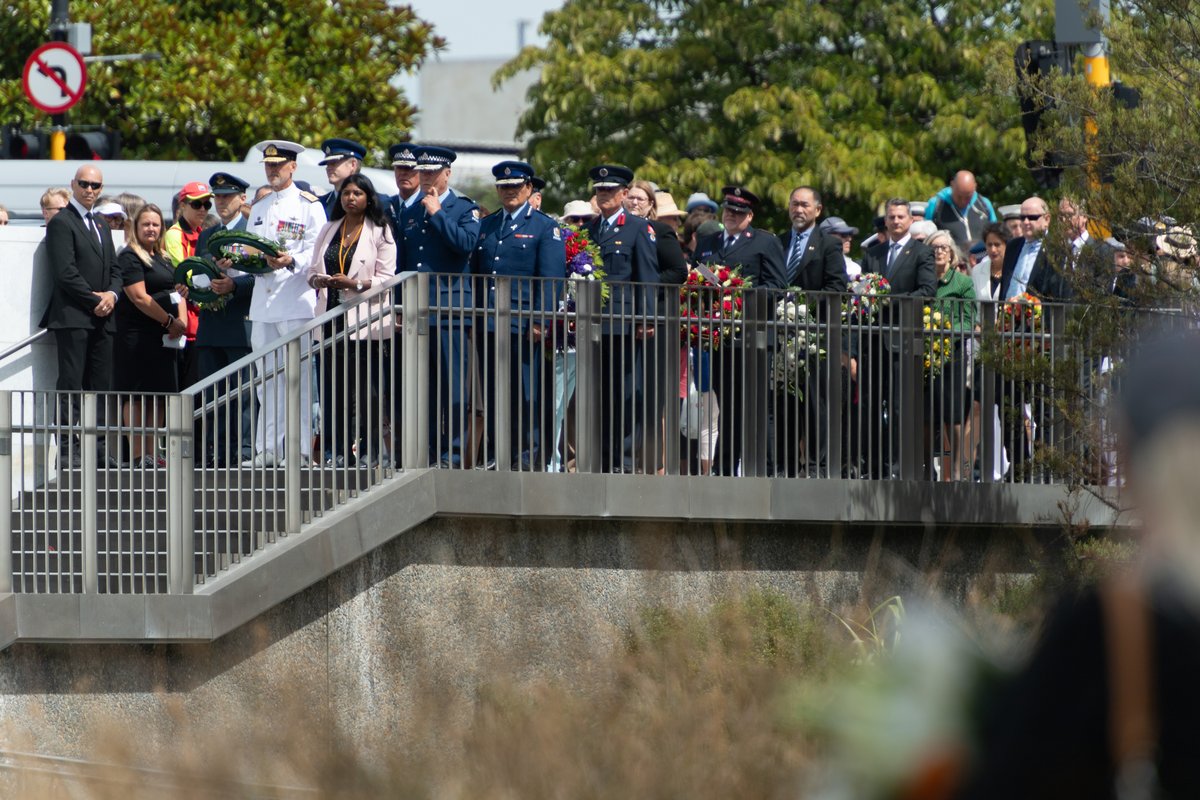
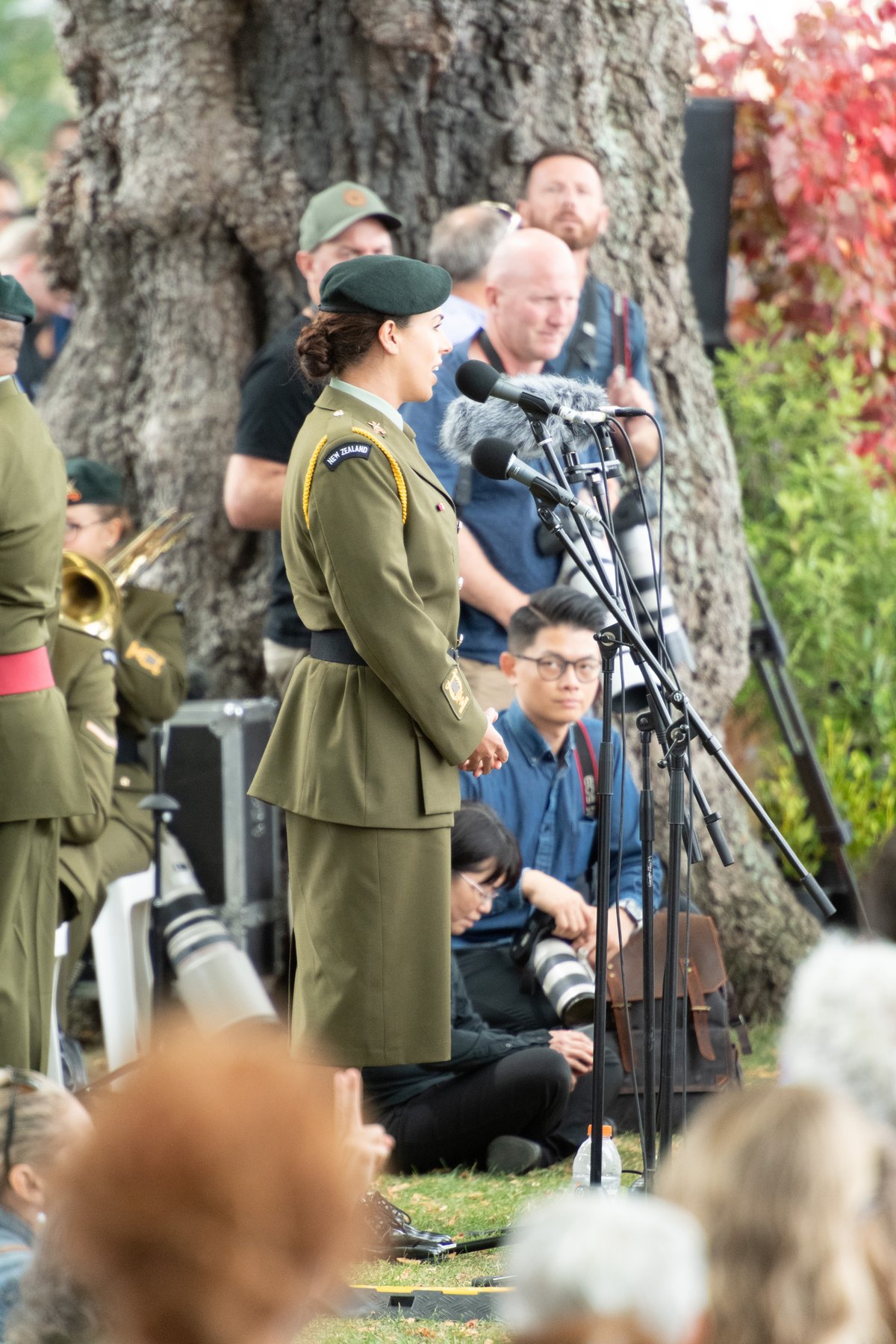
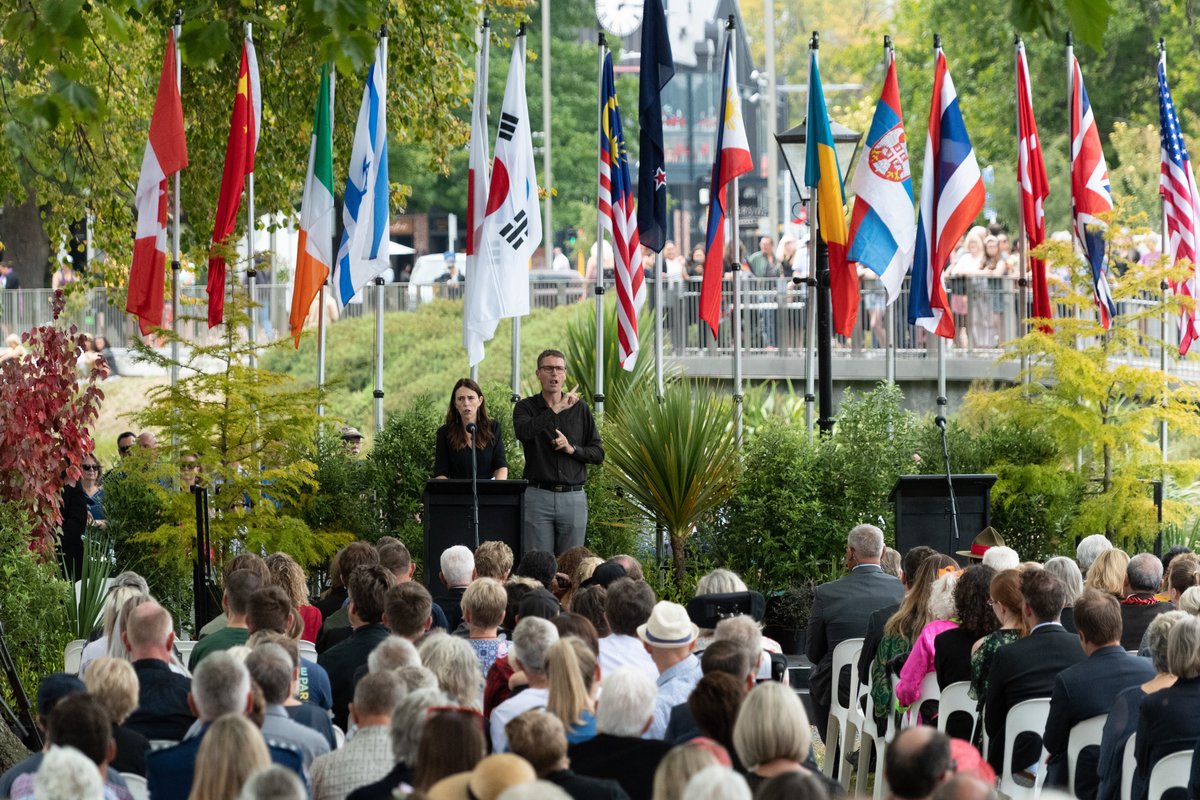
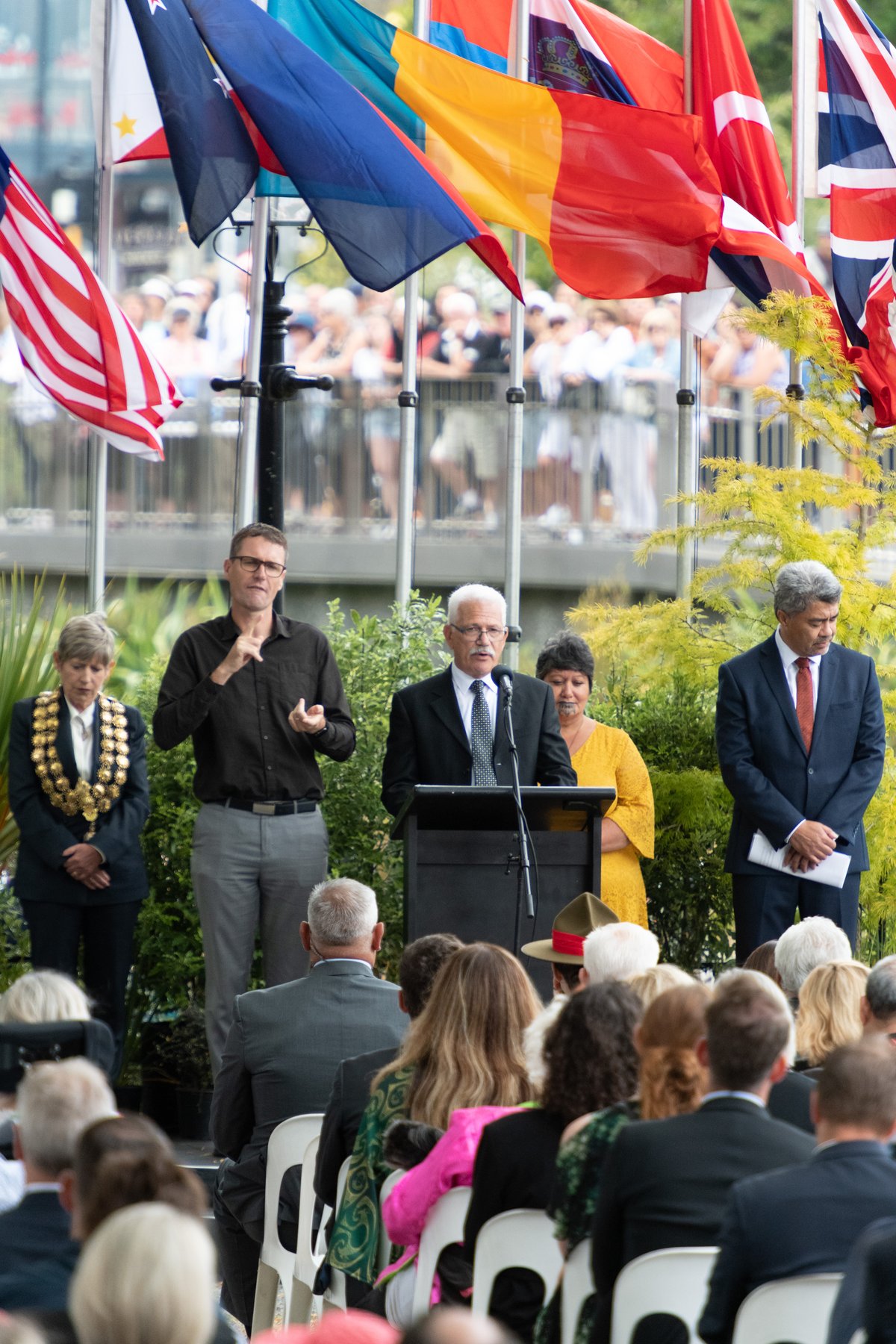
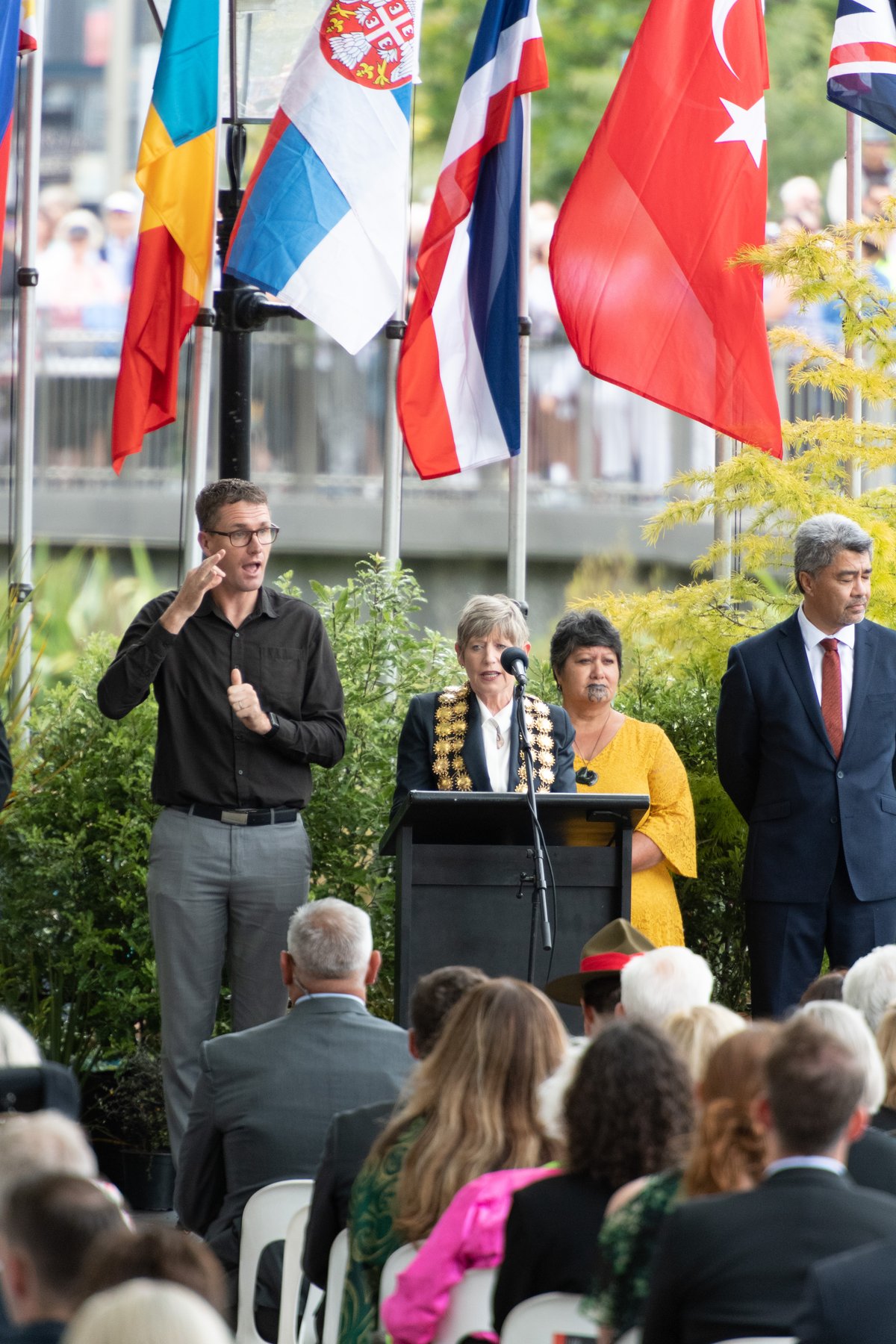
The most significant annual event is the civic service held on 22 February, marking the anniversary of the 2011 earthquake. The ceremony typically includes:
- A minute of silence at 12:51 p.m., the exact time of the quake
- The reading aloud of the names of the 185 victims, with the HMNZS Canterbury bell tolled for each name
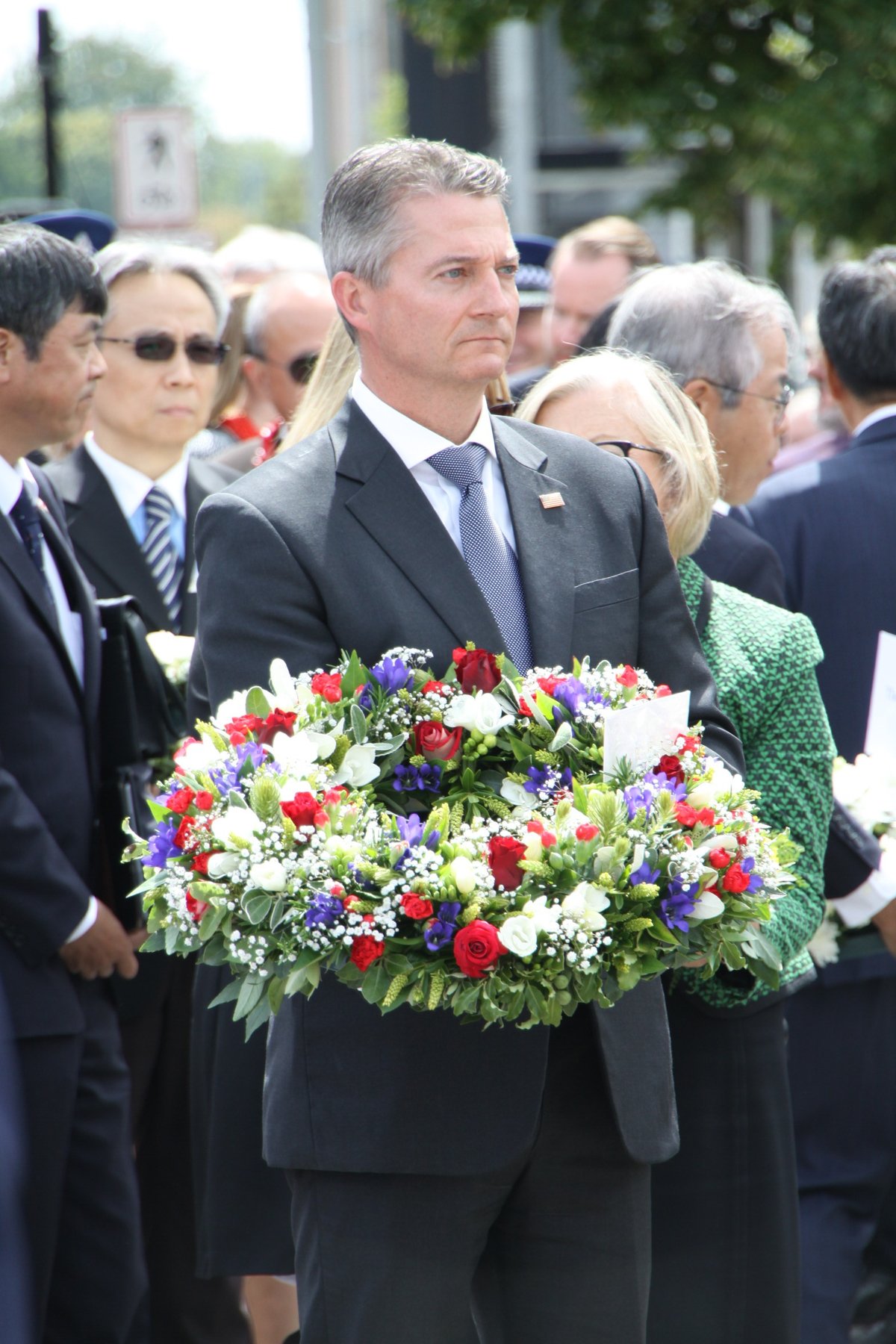
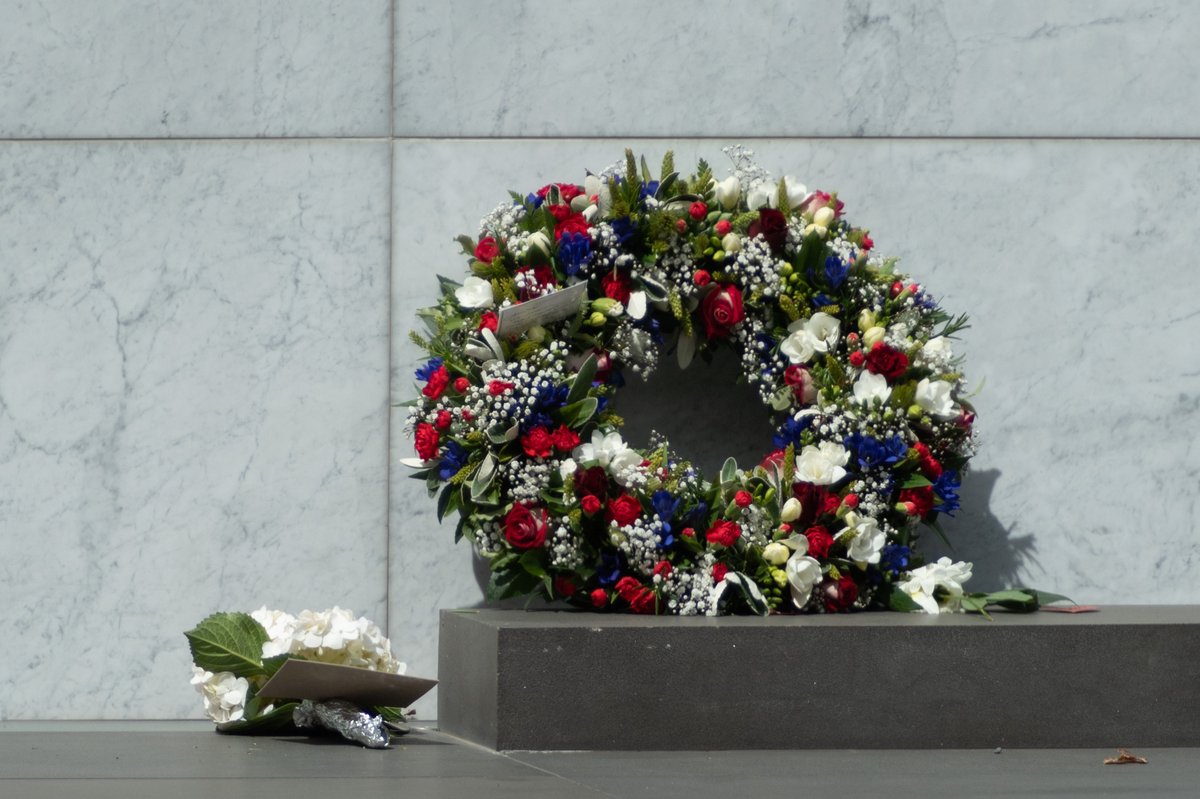
- Wreath-laying by the Mayor and community members
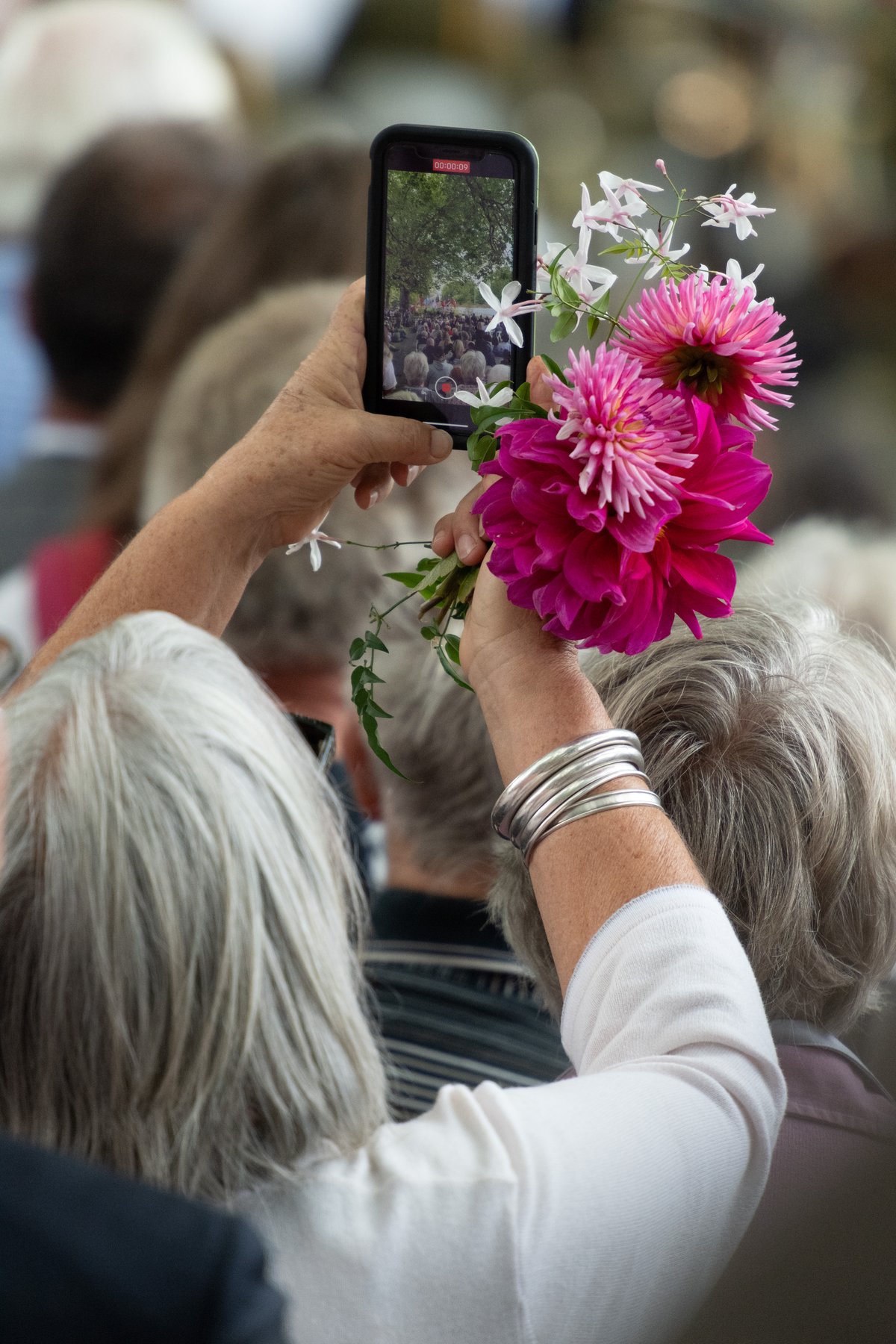
- Opportunities for the public to lay floral tributes
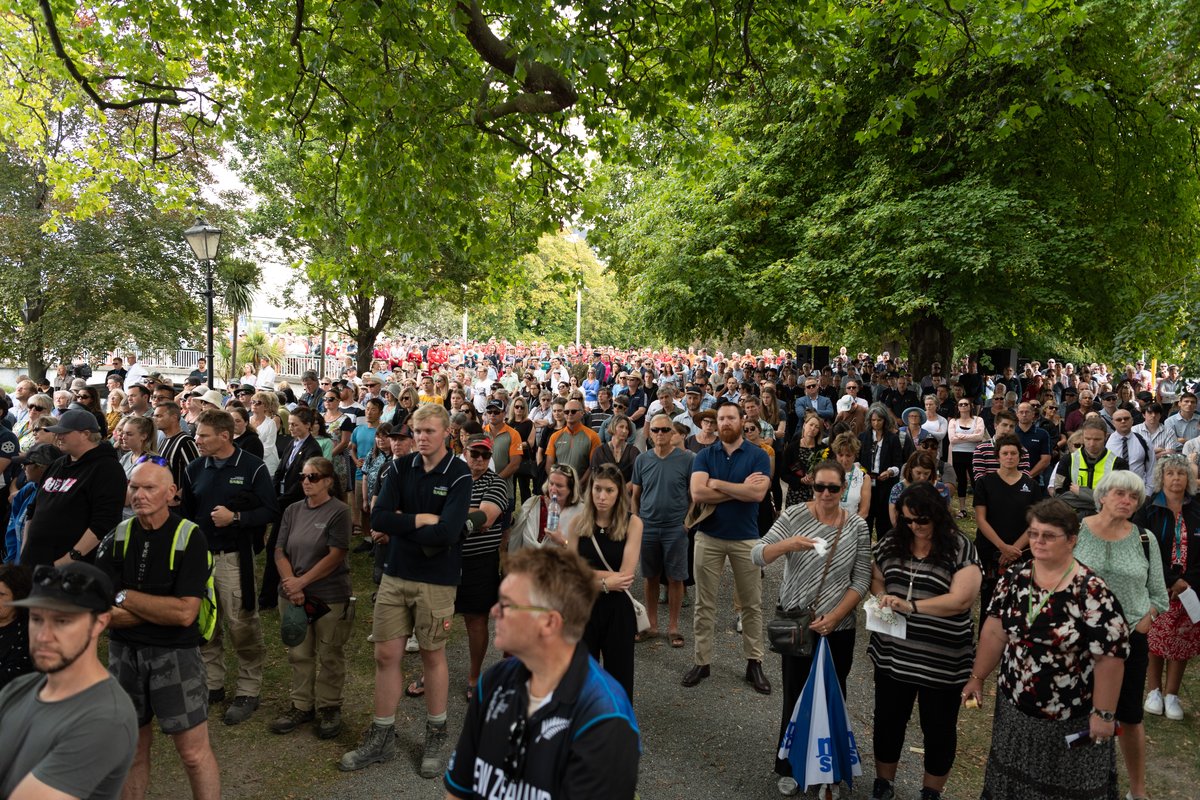
These events draw large crowds and may involve road closures and increased security. Visitors planning to attend should arrive early and be prepared for a solemn, emotionally charged atmosphere (Christchurch City Libraries).
Nearby Related Sites
- 185 Empty White Chairs An unofficial memorial created by artist Peter Majendie, featuring 185 white chairs symbolizing each life lost. Originally installed in 2012, it remains a powerful visual tribute (Nomadasaurus).
- CTV Memorial Located at the former Canterbury Television building site, this memorial honors the 115 people who died there, the single largest loss of life in the disaster.
- Quake City An interactive museum and exhibition space dedicated to the earthquakes, their impact, and the city’s recovery (Ministry for Culture and Heritage).
7. Cultural Insights and Community Involvement
Māori Involvement and Blessings
Te Rūnanga o Ngāi Tahu played a central role in the memorial’s development, gifting its Māori name and performing blessings at the site and other locations where lives were lost. This partnership reflects the importance of biculturalism in New Zealand’s national identity and the recognition of Māori perspectives in collective mourning and healing (Resilience Rising Global).
Community Healing and Resilience
The memorial is not only a site of grief but also a testament to the resilience and solidarity of Christchurch’s people. It acknowledges the support received from across New Zealand and the world during the response and recovery phases. The design process incorporated extensive community consultation, ensuring the memorial met the needs of those most affected (Ministry for Culture and Heritage).
8. Practical Tips for Visitors
Getting There
- By Foot The memorial is within easy walking distance of Cathedral Square and other central city attractions.
- By Public Transport From the Bus Interchange, walk west along Lichfield Street and Oxford Terrace.
- By Car Street parking and carpark buildings are available nearby, including on Cashel Street and adjacent to the Bus Interchange on Lichfield Street.
Parking and Public Transport
- Mobility Parking A dedicated space is planned near the south bank ramp.
- General Parking Paid street parking and public carparks are available within a short walk.
Suggested Duration and Best Times to Visit
- Recommended Visit Duration 30–60 minutes, allowing time for reflection and reading the names on the memorial wall (MakeMyTrip).
- Best Times Early morning or late afternoon for a quieter experience; midday for optimal lighting and activity. Avoid major commemorative dates if seeking solitude.
Safety and Respectful Conduct
- Behavior Maintain a quiet, respectful demeanor. Avoid loud conversations, running, or disruptive activities.
- Children Children are welcome but should be supervised and guided in appropriate behavior.
- Pets Not permitted, except for service animals.
9. Additional Resources and Further Exploration
- CEISMIC A digital archive of earthquake-related materials, led by the University of Canterbury.
- EQ Recovery Learning Insights and lessons from the Canterbury earthquakes.
- Te Ara – The Encyclopedia of New Zealand Information on New Zealand’s seismic history.
- GNS Science Geoscience research and earthquake monitoring.
- Quake City Museum exhibition at 299 Durham Street North, Christchurch Central (Ministry for Culture and Heritage).
10. Conclusion
The Canterbury Earthquake National Memorial is a site of profound national and local significance. Its understated design, riverside setting, and integration of Māori and community perspectives make it a model of contemporary memorial architecture. For visitors, it offers a unique opportunity to engage with New Zealand’s recent history, honor the memory of those lost, and reflect on the resilience of Christchurch’s people.
A visit to Oi Manawa is not only an act of remembrance but also a chance to witness the enduring spirit of a city that has rebuilt itself with courage and compassion. Whether attending a public commemoration or seeking a quiet moment of reflection, travelers will find the memorial a moving and essential part of any Christchurch itinerary.