Table of Contents
- Introduction
- Historical Development
- Visitor Information
- Architectural and Cultural Heritage
- LMU’s Role in Munich’s Urban Life
- Nearby Attractions
- Visitor FAQs
- Conclusion and Planning Tips
- Sources
Historical Development
Founding and Early Years (1472–1800)
LMU began as the University of Ingolstadt in 1472, founded by Duke Ludwig IX. Originally focused on philosophy, theology, law, and medicine, the university distinguished itself by embracing secular as well as ecclesiastical studies. By the late 15th century, it was already attracting prominent scholars and was a center for Renaissance humanism (LMU official history).
Relocation and Expansion (1800–1826)
The university moved to Landshut in 1800 due to the Napoleonic Wars, occupying a former Dominican monastery. In 1826, King Ludwig I relocated the institution to Munich, naming it Ludwig-Maximilians-Universität München in honor of both himself and King Maximilian I Joseph. This move established LMU as a central pillar of Bavarian education and culture (alluniversity.info).
19th Century Growth and Innovation
LMU flourished in the 19th century, expanding its faculties and research institutes. Architect Friedrich von Gärtner designed the iconic neoclassical main building, which remains a symbol of academic prestige. Groundbreaking research, such as Max von Pettenkofer’s Institute of Hygiene, contributed to the university's growing reputation (LMU timeline).
The 20th Century: Challenge and Renewal
World Wars and the White Rose
During the Nazi era, LMU became both a site of conformity and of heroic resistance. The White Rose group, led by Hans and Sophie Scholl, courageously distributed anti-Nazi leaflets on campus, a legacy commemorated at Geschwister-Scholl-Platz (LMU timeline).
Reconstruction and Revival
World War II caused heavy damage to LMU and Munich. The university was rebuilt and reopened in 1946, quickly reestablishing itself as a leader in higher education and research (alluniversity.info).
Modern Era: Academic Excellence and Global Impact
Today, LMU is recognized as a “University of Excellence” and consistently ranks among the world’s top universities. It is home to numerous Nobel laureates, innovative faculties, and a highly international student body (mygermanuniversity.com, Times Higher Education). LMU actively partners with over 600 institutions worldwide, leading interdisciplinary research across the sciences and humanities.
Visitor Information
Visiting Hours and Campus Tours
- General Opening Hours Monday to Friday, 8:00 AM to 6:00 PM (public spaces and main building).
- Guided Tours Offered regularly in German and English. Bookings are available through the LMU visitor center or official website. Tours cover history, architecture, and the White Rose legacy (LMU Munich Visiting Guide).
- Self-Guided Tours Purchase the official picture book or access virtual tours online (LMU shop).
Tickets and Accessibility
- Admission Free for public areas; special exhibitions or events may require tickets.
- Accessibility Wheelchair ramps, elevators, tactile guidance systems, and accessible restrooms are available in major buildings, including the Biomedical Center (BMC architecture).
Getting There
- Public Transport The Universität U-Bahn station (U3, U6) is directly beneath Ludwigstraße, providing immediate access to the main campus (Wikipedia: Universität station ).
- By Bicycle Dedicated bike paths throughout Maxvorstadt.
- Car Parking Limited; public transport is recommended.
Best Times to Visit
- Spring & Autumn Pleasant weather for walking tours and campus exploration.
- Summer Events Lively festivals, open-air concerts, and student gatherings (Munich Events Calendar).
Campus Layout and Key Sites
- Main Building (Geschwister-Scholl-Platz) Neoclassical architecture, historical significance, and the White Rose memorial.
- Biomedical Center (BMC) Modern research and teaching complex with full accessibility (BMC architecture).
- Grosshadern Campus Home to LMU Klinikum and cutting-edge medical research (Grosshadern LMU Clinic Campus).
- Courtyards & Law Library Notable for their ambience and architectural detail.
Amenities & Services
- Cafés & Dining Numerous student cafés and restaurants along Ludwigstraße and Schellingstraße, offering affordable meals and snacks.
- Bookshops Academic and general-interest bookstores are located nearby.
- Wi-Fi Free access throughout the campus (Collegedunia).
- Restrooms & Accessibility Facilities are available in main buildings and are accessible.
Architectural and Cultural Heritage
LMU Munich’s campus is a harmonious mix of neoclassical masterpieces and modern facilities. The main building, designed by Friedrich von Gärtner, is an architectural highlight, while the Biomedical Center exemplifies state-of-the-art research infrastructure. The White Rose memorial and numerous commemorative plaques reflect LMU’s pivotal role in European intellectual and political history (mygermanuniversity.com).
LMU’s Place in Munich’s Urban Life
Situated in the Maxvorstadt district, LMU is integral to Munich’s identity as a cosmopolitan city of learning, innovation, and culture. Its location connects students and visitors to museums, art galleries, libraries, and lively green spaces like the Englischer Garten (Munich Travel). The university’s community events and festivals foster a dynamic atmosphere of public engagement (kingshotels.de).
Nearby Attractions
- Englischer Garten Expansive parkland, beer gardens, and the Eisbachwelle surf spot (Treksplorer).
- Odeonsplatz Historic square with the Feldherrnhalle and Theatinerkirche.
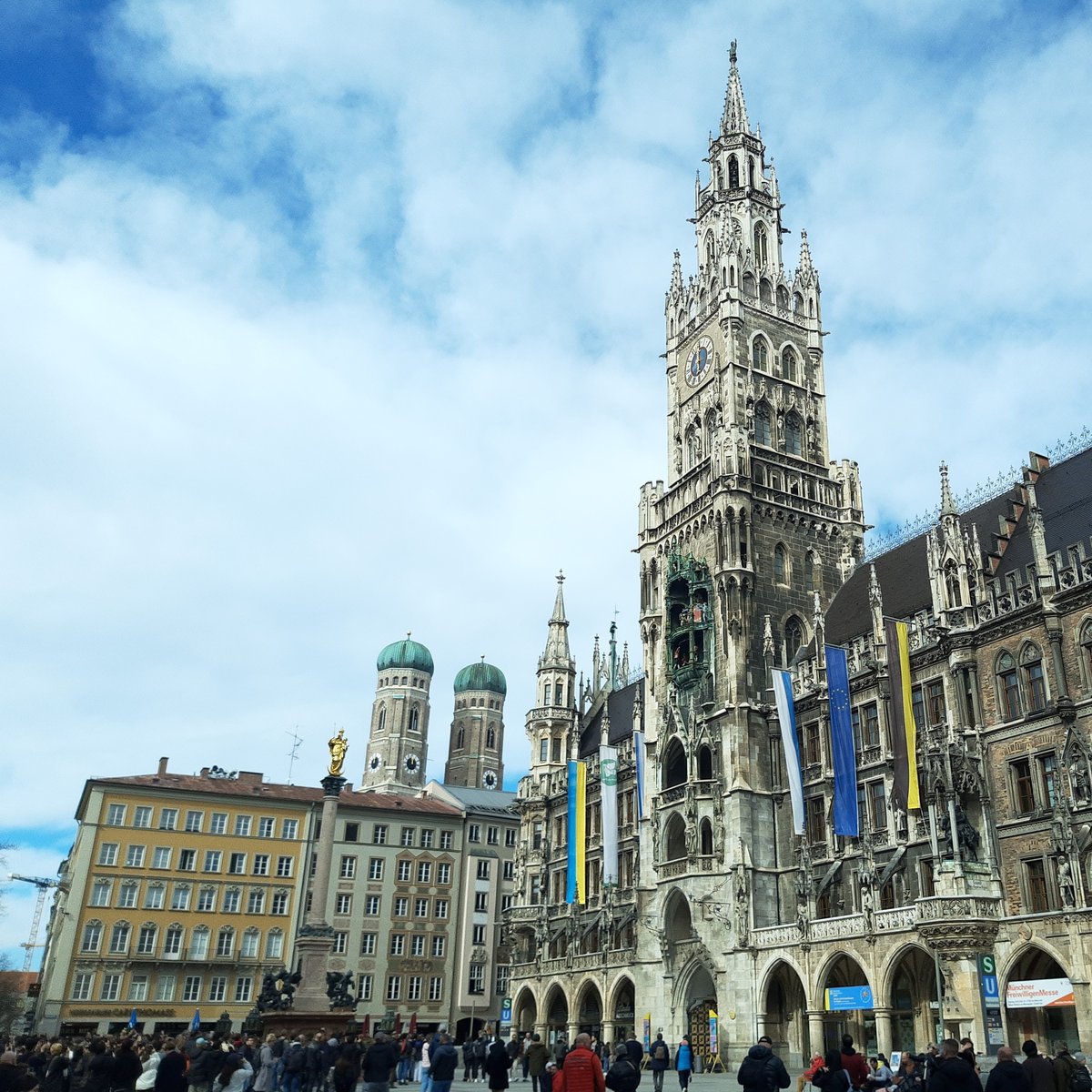
- Marienplatz Munich’s main square, easily reached by U-Bahn.
- Museums Alte Pinakothek, Neue Pinakothek, and Museum Brandhorst, all within walking distance.
Visitor FAQs
What are LMU Munich’s visiting hours? Public areas are open Monday–Friday, 8:00 AM to 6:00 PM.
Are guided tours available? Yes, in German and English. Book via the LMU website or visitor center.
Is there an admission fee? General campus access is free. Special events or exhibitions may require tickets.
Is the campus wheelchair accessible? Yes. Major buildings are equipped with ramps, elevators, and accessible restrooms.
How do I get to LMU Munich? Take the U-Bahn (lines U3/U6) to Universität station. Bicycle and bus routes also serve the area.
Are there cafés and amenities nearby? Yes. Numerous cafés, restaurants, bookstores, and public Wi-Fi are available.
What are the best times to visit? Spring and autumn for pleasant weather; summer for festivals and events.
Can I attend a lecture or event? Many public lectures and events are open to visitors. Check the LMU website for listings.
Conclusion and Planning Tips
Visiting Ludwig-Maximilians-Universität München offers a unique journey through centuries of academic tradition, architectural beauty, and vibrant student life. Free admission to public spaces, accessible facilities, and convenient public transport make LMU an inviting destination for all. Use digital tools like the Audiala app to enhance your visit with guided tours and interactive maps.
Whether you’re strolling through the neoclassical colonnades, reflecting on the history of the White Rose, or exploring nearby Munich landmarks, LMU provides an enriching and memorable experience at the heart of one of Europe’s most dynamic cities.
Sources and Further Reading
- LMU official history
- alluniversity.info
- LMU Munich Visiting Guide
- mygermanuniversity.com
- Times Higher Education
- LMU shop
- Munich Travel
- BMC architecture
- Grosshadern LMU Clinic Campus
- Wikipedia: Universität station (Munich U-Bahn)
- Treksplorer
- Collegedunia
- ABC Study Links
- Munich Events Calendar
- kingshotels.de
- Visiting the Frauenkirche Munich