Table of Contents
- Introduction
- History and Cultural Significance
- Visiting Information
- Nearby Attractions
- Ethical Visiting and Responsible Tourism
- Practical Tips for Visitors
- Frequently Asked Questions (FAQs)
- Conclusion and Resources
History and Cultural Significance
The Setting: Beyazıt Square and Istanbul University
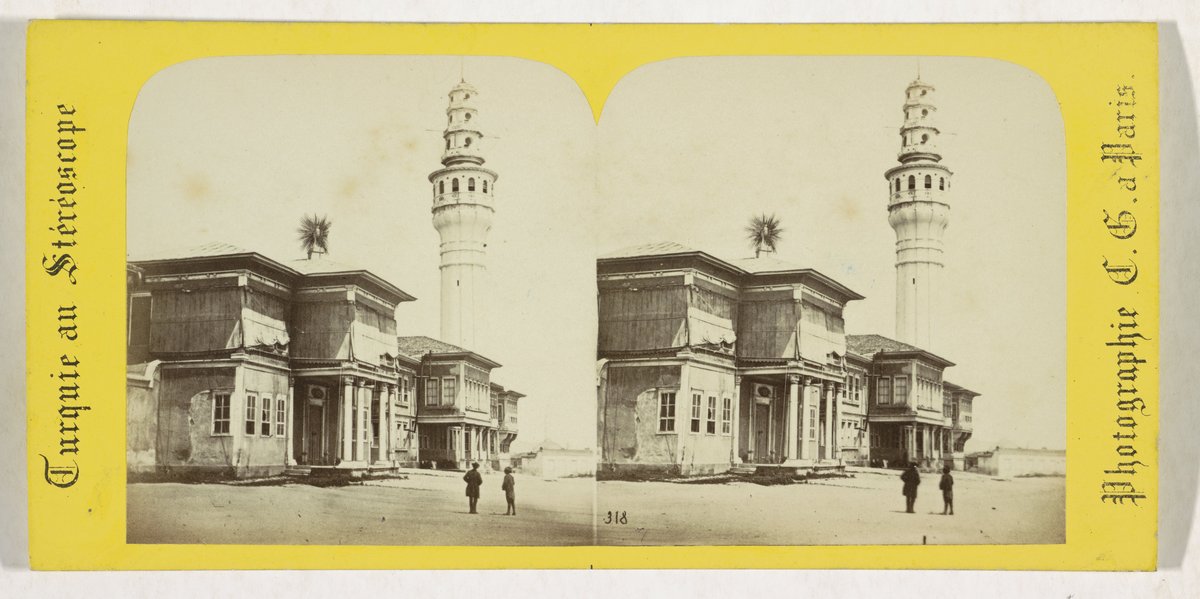
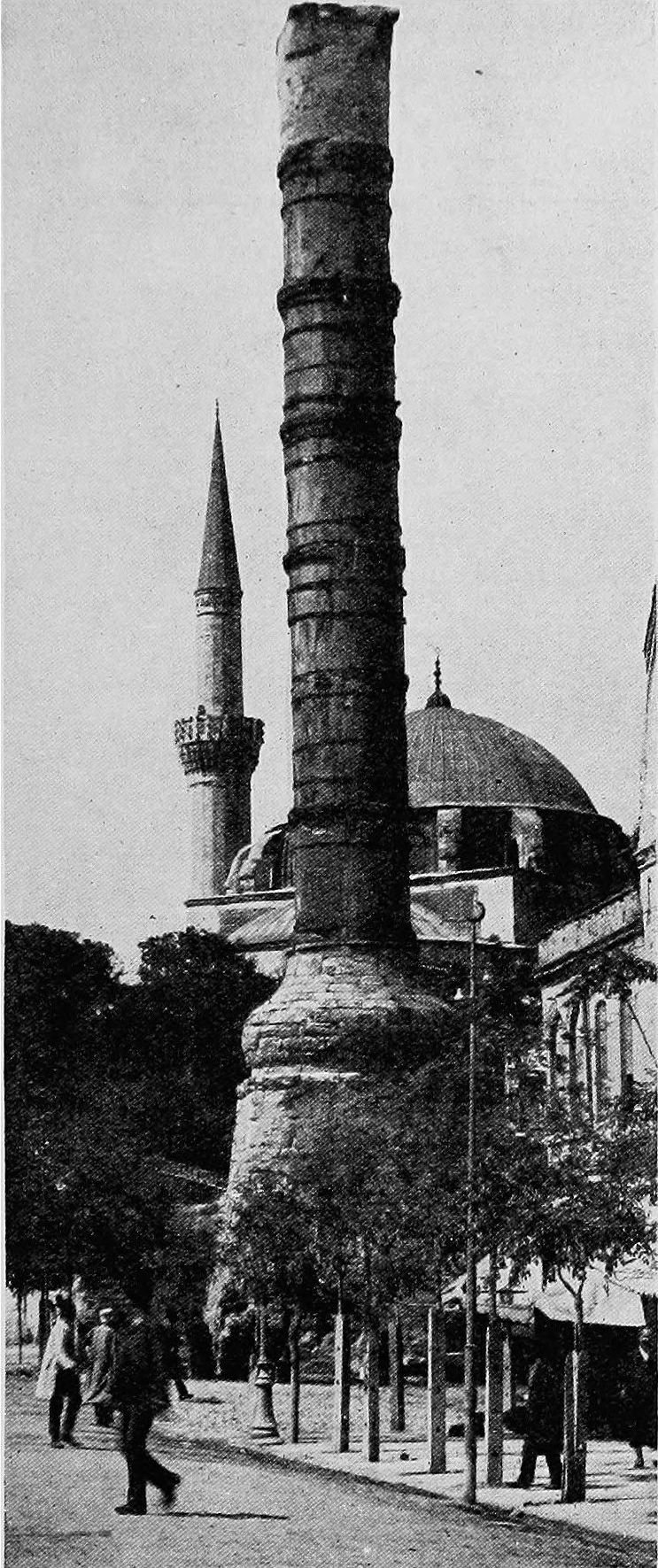
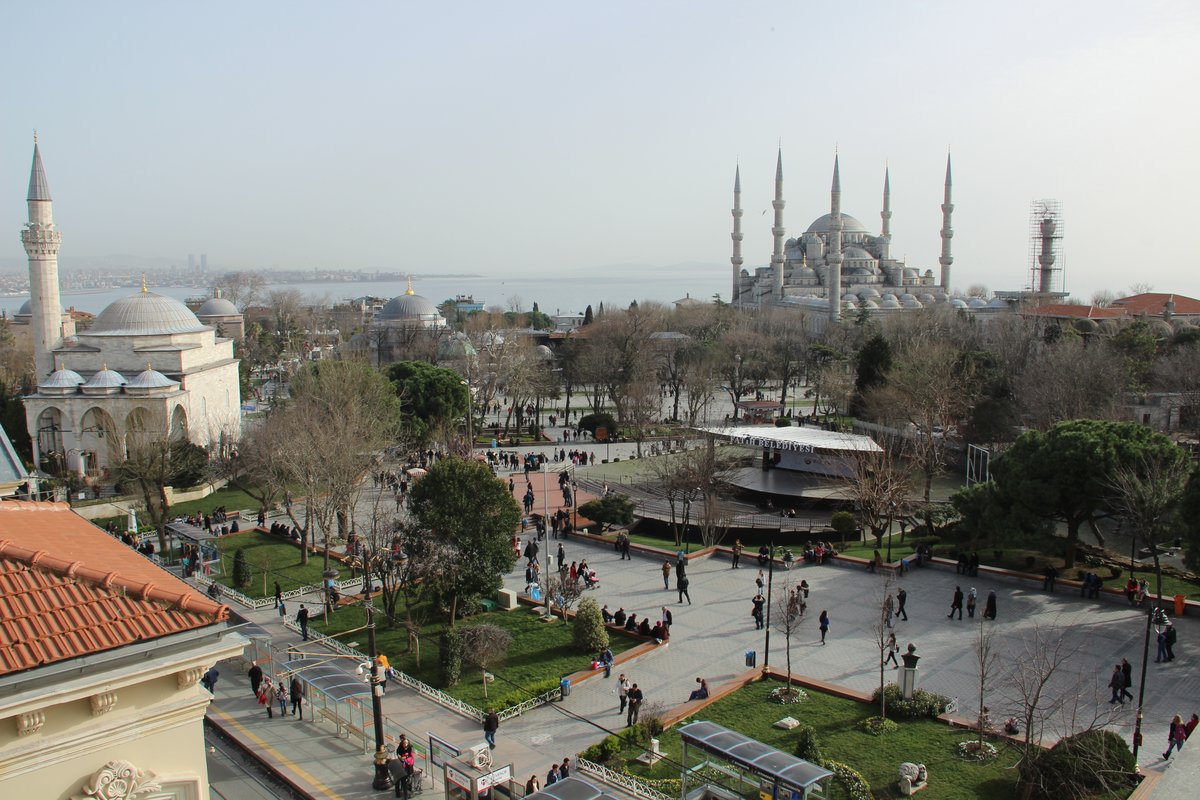
Beyazıt Square (Beyazıt Meydanı)—originally the Forum of Theodosius in Byzantine times—became the heart of Ottoman Istanbul and, later, a key site for Turkey’s modern political and academic life. The square’s centerpiece, Istanbul University’s historic main gate, has long symbolized intellectual pursuit and public assembly (dalanhotel.com; gezibilen.com).
The 1978 Beyazıt Massacre: Events and Impact
On March 16, 1978, during a period marked by violent clashes between opposing political groups, a bomb exploded at the university entrance, followed by gunfire targeting left-wing students. Seven students were killed and 41 injured in this tragic attack. The massacre, reportedly orchestrated by far-right militants, remains a powerful symbol of Turkey’s struggles with political violence and the ongoing quest for justice (everything.explained.today). Despite legal proceedings, many questions remain unresolved, and the site continues to serve as a place of remembrance and reflection.
Visiting Information
Visiting Hours and Tickets
- Beyazıt Square Open to the public 24/7.
- Nearby Sites (e.g., Beyazıt Mosque, Istanbul University) Typically open 9:00 AM–5:00 PM. Always check official websites for updates.
- Admission Access to the square is free. Entry fees may apply for museums or guided tours.
Accessibility and Transportation
- Getting There Beyazıt-Kapalıçarşı Metro Station (M1 line) is adjacent to the square; numerous tram and bus lines also serve the area.
- Accessibility The square is largely pedestrian-friendly and features ramps for wheelchair users, though some historic sites may have uneven surfaces.
Nearby Attractions
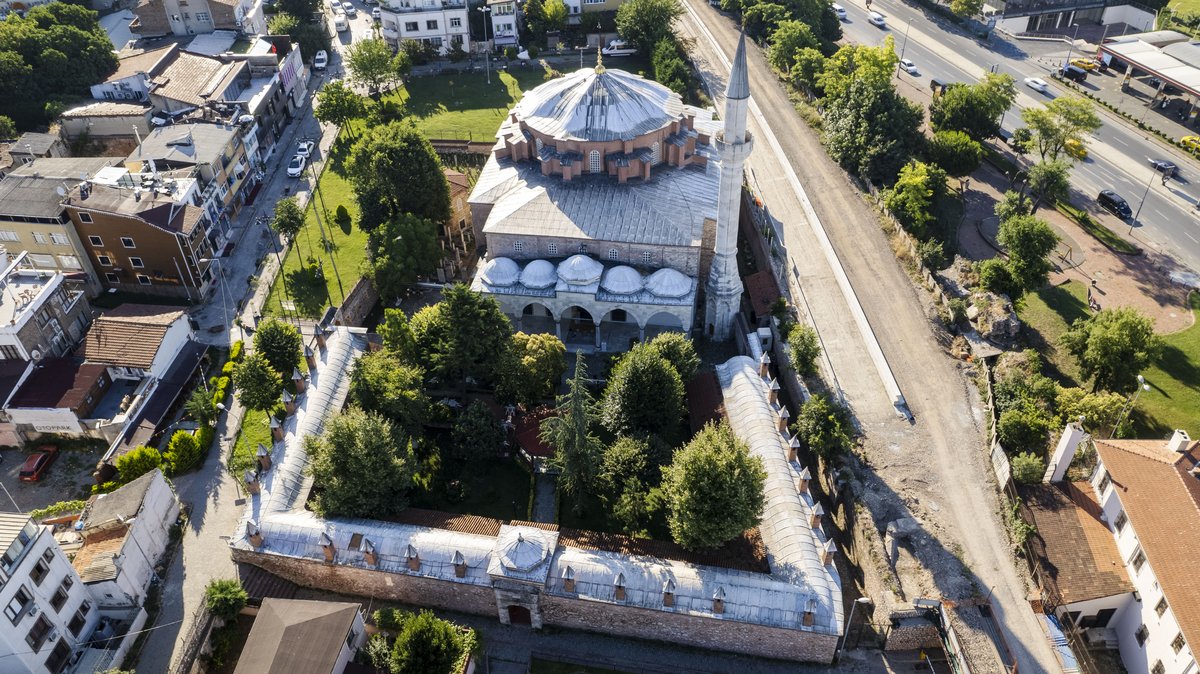
- Beyazıt Mosque A masterpiece of Ottoman architecture from the early 16th century.
- Istanbul University Visit the historic gate and attend public events or exhibitions.
- Grand Bazaar One of the world’s oldest and largest covered markets, just steps away.
- Museum of Turkish and Islamic Arts Showcasing artifacts from across the Islamic world.
- Süleymaniye Mosque Another iconic site within walking distance.
Ethical Visiting and Responsible Tourism
Understanding Memory and Narrative
Sites like Beyazıt Square are more than tourist stops—they are contested spaces of memory and identity. Narratives about events like the massacre are shaped by politics, social forces, and collective memory (Cambridge.org). Approach with openness and seek diverse perspectives.
Respectful Conduct and Photography
- Behavior Maintain a quiet, respectful demeanor, especially at memorial plaques or gatherings.
- Attire Dress modestly, particularly when entering mosques or university grounds (PromptGuides).
- Photography Follow posted rules; avoid taking selfies at memorials. Share images with context to avoid sensationalism (CNN).
Community Engagement and Avoiding Exploitative Tourism
- Support Local Guides Choose tours led by locals or university-affiliated historians (Istanbul Investments).
- Purchasing Buy from local vendors, especially those supporting memorial upkeep.
- Dark Tourism Caution Reflect on your motivations and avoid treating tragedy as entertainment (Cambridge.org).
- Accessibility Respect all visitors’ needs—many sites are improving facilities for inclusivity (UNWTO).
Practical Tips for Visitors
- Best Time to Visit Early mornings or weekdays for a quieter experience.
- Commemorative Events Attend annual memorials on March 16, observing local customs.
- Travel Light The area can be busy; small groups are preferable.
- Stay Informed Use reputable sources for historical context and check for current events before visiting.
Frequently Asked Questions (FAQs)
Q: Is there an entrance fee for Beyazıt Square? A: No, the square is free to access. Some museums or guided tours may have fees.
Q: Are guided tours available? A: Yes, book in advance with local operators or university-affiliated guides.
Q: Is the area safe? A: Generally safe during the day. Standard precautions are advised after dark.
Q: Is the site accessible for disabled visitors? A: Yes, ramps and paved paths are available, though some historic buildings may have limited access.
Q: Can I take photographs? A: Yes, but follow posted rules and be sensitive when photographing memorials.
Conclusion and Resources
A visit to Beyazıt Square is an opportunity to engage deeply with Istanbul’s layered history, to reflect on the tragedies and triumphs that have shaped modern Turkey, and to practice responsible, ethical tourism. Use resources like the Audiala app for self-guided tours and up-to-date information, and consider supporting local initiatives that preserve the square’s memory and significance.
For further reading and updates, consult the UNWTO’s ethical tourism guidelines and explore detailed accounts on everything.explained.today.
Sources
- Visiting Beyazıt Square, Istanbul: History, Hours, and Tips, 2025, (dalanhotel.com)
- Exploring the Beyazıt Massacre: Historical Significance and Visitor Information for Istanbul’s Iconic Site, 2025, (everything.explained.today)
- Visiting the Beyazıt Massacre Site: A Guide to History, Tickets, and Travel Tips, 2025, (official Istanbul tourism website)
- Visiting Beyazıt Square: Ethical Tourism, Hours, Tickets, and Historical Insights, 2025, (Cambridge.org)
- UNWTO Ethics, Culture, and Social Responsibility, 2025, (UNWTO)
- Istanbul Investments: Top 15 Things to See and Do in Fatih Istanbul, 2025, (Istanbul Investments)