
ビザンツ起源
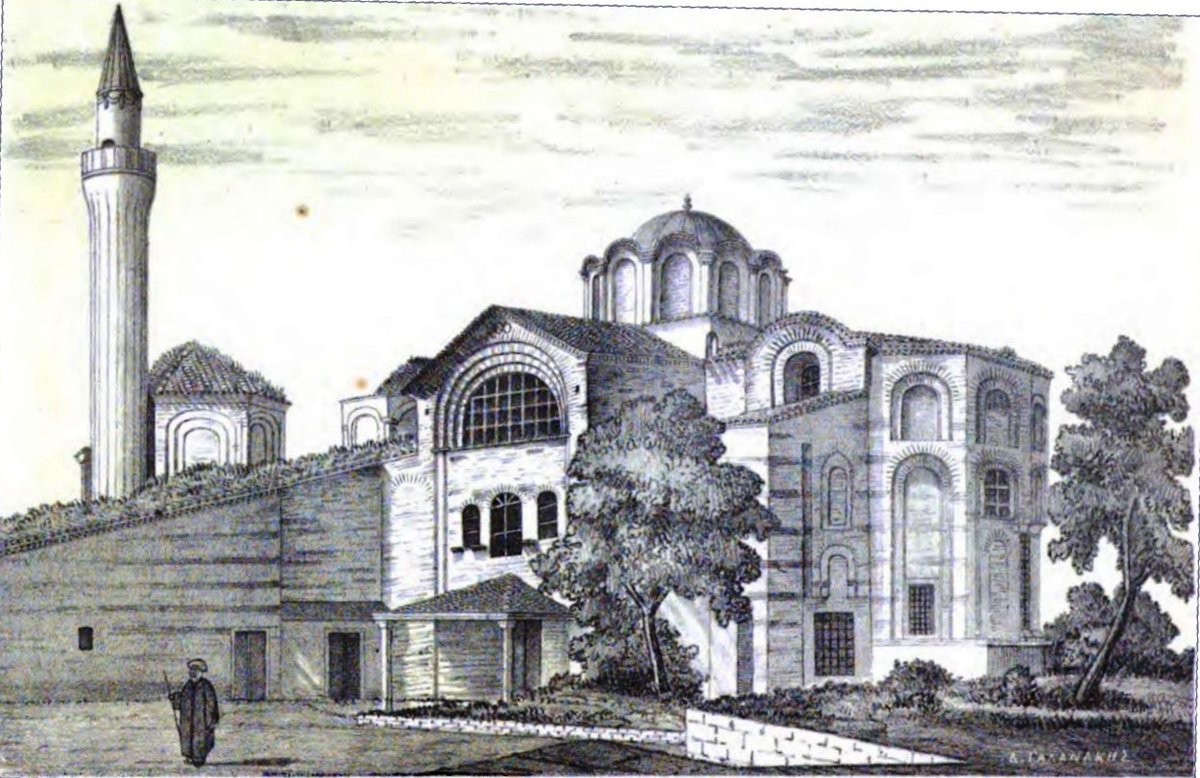
エスキ・イマレット・モスクは、1081年から1087年の間にアンナ・ダラセナによって「クリストス・パンテポプテス」(「すべてを見通すキリスト」)修道院として建設されました。イスタンブールで現存する11世紀の教会としては数少ない、ほぼ完全な形を保っていることから、中世ビザンツ建築と宗教的伝統を理解する上で貴重な手がかりとなります(Trek Zone、Wikipedia FR)。
修道院生活
当初は女子修道院として機能し、貴族の女性たちの隠遁の場であり、祈り、学習、慈善活動の中心でした。その場所は、金角湾を見下ろす、著名でありながらも静かな環境を提供していました。
ラテン期および後ビザンツ期
ラテン帝国による占領期(1204〜1261年)には、修道院はローマ・カトリック教会に転用されましたが、ビザンツ帝国による再征服後に正教会に戻されました。パレオロゴス朝時代には、外陣(エキソナルテックス)などの増築が行われました。
オスマン帝国への改宗
1453年のオスマン帝国による征服後、この教会はモスクに転用され、隣接する建物はザヴィーヤ(イスラーム教の修行場)、マドラサ(イスラーム学校)、イマレット(炊き出し場)として使用されました。「エスキ・イマレット」という現在の名前は、「古い炊き出し場モスク」を意味します(イスタンブール考古学博物館)。
建築的進化
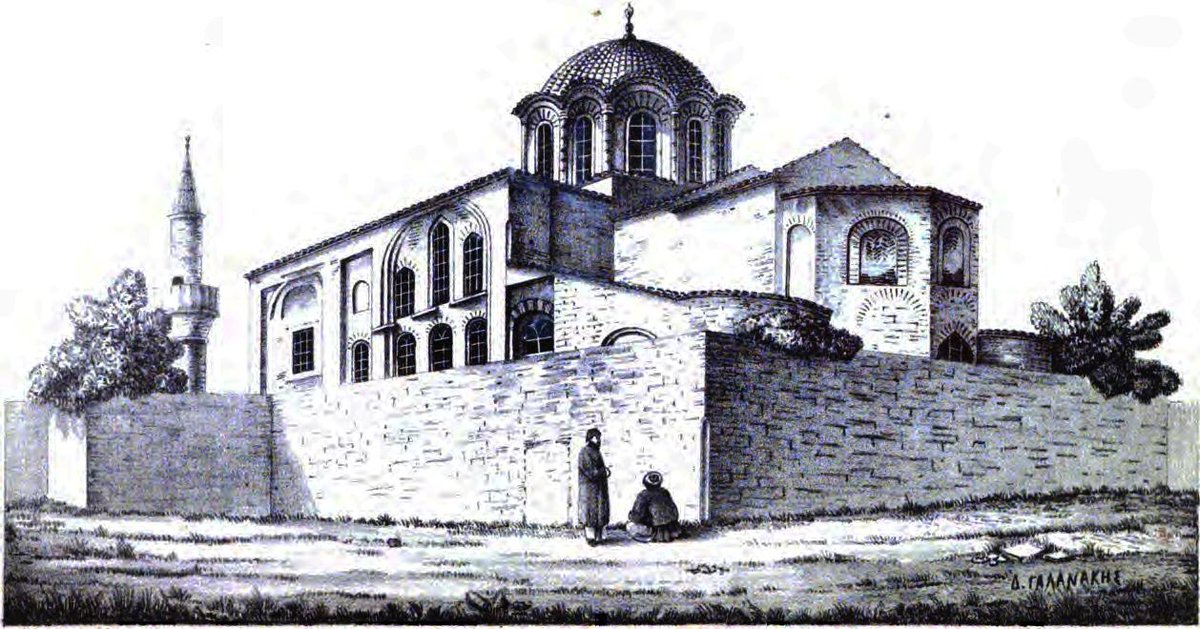
このモスクは、十字架 quadrados の平面図、オリジナルのレンガ造り、独特な屋根構造を保持していますが、オスマン帝国による改築では、エンタブラチュアの再構成、ミフラーブやミンバルなどの礼拝要素の追加、キリスト教のイコンを覆うなどの変更が加えられました。1970年代および最近の修復作業により、この珍しい建築的融合が保存されています(Kultur Envanteri)。
訪問情報
開館時間
- 通常時間 毎日午前9時から午後5時または6時まで開館しています。
- 制限 1日5回の礼拝時間中、特に金曜日の正午(ジュムア)の礼拝中は、非イスラム教徒の訪問は制限されます。ラマダン期間中や宗教的な祝日には、アクセスがさらに制限される場合があります(Wander-Lush)。
- 事前確認 訪問前に、現地の礼拝時間や祝祭日による休館の可能性を常に確認してください。
入場とチケット
- 入場 すべての訪問者に無料で入場できます。維持管理のための寄付を歓迎します(Fodor’s)。
- チケット不要 トルコのほとんどのアクティブなモスクと同様に、チケットは必要ありません。
アクセス
- 物理的アクセス モスクは急な丘の上にあり、狭く、時には不均一な通りに位置しています。車椅子でのアクセスは限られています。移動に困難のある方は、それに応じて計画してください(Kultur Envanteri)。
- 設備 主要な観光インフラや障害者向けの専用設備はありません。
服装規定とマナー
- 控えめな服装 男性は長ズボンを着用してください。女性は髪、腕、脚を覆う必要があります。入り口でスカーフが提供される場合があります(Forbes)。
- 靴 入場前に靴を脱いでください。靴棚が用意されています。
- 行動 静かにし、礼拝者の前で立たないでください。礼拝中の人々を撮影しないでください(Fodor’s)。
エスキ・イマレット・モスクへの行き方
- 住所 Zeyrek, Fatih, Istanbul.
- 公共交通機関 トラムT1(CemberlitasまたはSultanahmetで下車、その後徒歩約15〜20分)、またはファティ地区行きのいくつかのバス。
- タクシー タクシーは利用可能ですが、住宅街が密集しているため駐車スペースは限られています。
- ナビゲーション 迷路のような地域なので、GPSまたは信頼できる地図アプリを使用してください。
ガイドツアーとオーディオガイド
- ガイドツアー 一部の現地のオペレーターは、ビザンツまたはオスマン遺産ツアーにこのモスクを含んでいます。
- オーディオガイド Audialaアプリは、没入型オーディオツアーと最新の訪問者情報を提供します(Audiala Audio Guide App)。
建築的・文化的ハイライト
中世ビザンツの特徴
- 十字架 quadrados の平面図 中央のドームを4本の柱で支え、クローバー型をした礼拝堂を備えた中心構造。
- 沈み込みレンガ造り レンガと厚いモルタルの交互の層が、コンスタンティノープルで最も古い現存する例であるユニークな質感を作り出しています。
- 屋根 元のタイルのドームは1970年代に修復されました。
オスマン帝国による改築
- ドームと礼拝要素 ドームが再形成され、ミフラーブとミンバルが追加され、キリスト教のイコンがイスラーム礼拝のために覆われました。
- イマレットとコミュニティの役割 併設された炊き出し所は、オスマン帝国の社会福祉にとって不可欠でした。
装飾モチーフ
- 外観 太陽の光線、メアンダー、クレジットカードワークなど、都市としては珍しいもの。
- 内装 残存する大理石のモールディングとコーニス。ビザンツのモザイクのかけらが、上部ギャラリーでまだ見える可能性があります。
訪問者のための実用的なヒント
- 訪問に最適な時期 平日の午前中または午後の遅い時間、礼拝時間を避けてください。
- 持参するもの 控えめな服装、女性用のスカーフ、脱ぎやすい靴、翻訳アプリ(英語の表示は限られています)。
- 写真撮影 建築写真は許可されますが、礼拝中の人々を撮影したり、フラッシュを使用したりするのは避けてください。
- 安全性 日中は安全な地域です。個人的な持ち物には通常の注意を払うことをお勧めします(Istanbul Tips)。
周辺の観光スポット
- ゼイレック・モスク 1キロメートル未満の距離にある、もう一つの主要なビザンツ記念碑。
- ファティ・モスク複合施設 オスマン帝国の大モスクで、スルタン・メフメト2世の墓所もあります。
- バラット地区 教会やシナゴーグのある、カラフルで歴史的な地区。
- 地元の市場と飲食店 近くの店で本物のトルコ料理を味わってください。
よくある質問(FAQ)
Q: 入場料はかかりますか? A: いいえ、入場は無料です。
Q: 開館時間はどうなっていますか? A: 通常、午前9時から午後5時または6時まで開館していますが、礼拝時間中は除きます。
Q: 写真撮影はできますか? A: はい、ただし礼拝中の人々を撮影したり、フラッシュを使用したりすることは避けてください。
Q: モスクは障害者でもアクセスできますか? A: 急な地形と狭い通りにより、アクセスは限られています。
Q: ガイドツアーはありますか? A: 一部の現地のオペレーターが遺産ツアーにモスクを含んでおり、Audialaアプリがオーディオガイドを提供しています。
ビジュアルリソース
キャプション: エスキ・イマレット・モスクは、珍しいビザンツのレンガ造りと後年のオスマン様式による改築を示しています。
地図で表示 バーチャルツアー
もっと知る
エスキ・イマレット・モスクは、クリストス・パンテポプテス修道院としてのビザンツ起源から、オスマン時代および現代における礼拝と慈善の場としての永続的な役割まで、イスタンブールの発展する精神的・建築的景観を凝縮しています。そのユニークな建築的特徴、静かな環境、そして継続的なコミュニティの役割は、イスタンブールの多文化遺産への深い理解を求める人々にとって理想的な目的地となっています。
最新のリソース(Audialaアプリや信頼できる旅行プラットフォームなど)を活用して、この隠れた名所の訪問を計画してください。東西が出会い、歴史が息づく場所を探索する機会を最大限に活かしましょう。
情報源と参考資料
- Trek Zone
- Wikipedia FR
- イスタンブール考古学博物館
- Forbes - イスタンブールモスクエチケットガイド
- Istanbul Tips - 観光および訪問者情報
- Audiala Audio Guide App
- Kultur Envanteri - トルコ文化インベントリ
- Wander-Lush - イスタンブール旅行のヒント
Audiala2025## Historical and Religious Context
Byzantine Origins and Christian Heritage
The Eski Imaret Mosque, located in Istanbul’s Fatih district, is a remarkable example of the city’s layered religious and cultural history. Originally constructed as a Byzantine church, it is widely identified with the Monastery of Christ Pantepoptes, meaning “Christ the All-Seeing.” This monastery was established in the late 11th century, likely during the reign of Empress Anna Dalassene, mother of Emperor Alexios I Komnenos. The church was part of a larger monastic complex that played a significant role in the religious and social life of Byzantine Constantinople (Trek Zone, Byzantium 1200).
The church’s dedication to Christ Pantepoptes reflects the theological emphasis on Christ’s omniscience and the Byzantine tradition of monastic piety. The monastery served as a center for prayer, learning, and charitable activities, embodying the spiritual and communal ideals of Eastern Orthodox Christianity.
Ottoman Transformation and Islamic Significance
Following the Ottoman conquest of Constantinople in 1453, the city’s religious landscape underwent profound changes. Many Byzantine churches were converted into mosques to serve the needs of the growing Muslim population. The Monastery of Christ Pantepoptes was transformed into the Eski Imaret Mosque, with “Eski Imaret” meaning “Old Soup Kitchen” in Turkish. The name references its use as an imaret—a charitable institution providing food to the poor—during the early Ottoman period (Trek Zone, Ottoman History Podcast).
This conversion reflects the Ottoman policy of repurposing existing religious structures to integrate them into the Islamic urban fabric. The mosque became a focal point for the local Muslim community, serving both religious and social functions. The imaret attached to the mosque underscores the Islamic emphasis on charity (zakat) and communal welfare, illustrating how the site continued to be a center of social support and religious life.
Architectural Syncretism and Symbolism
The Eski Imaret Mosque is a striking example of architectural syncretism, blending Byzantine and Ottoman elements. The original church featured a cross-in-square plan, a hallmark of middle Byzantine architecture, with a central dome supported by four columns. The Ottomans adapted the structure for Islamic worship, adding features such as a mihrab (prayer niche) oriented towards Mecca and a minbar (pulpit) for sermons.
This architectural layering is symbolic of Istanbul’s role as a crossroads of civilizations. The mosque’s fabric preserves traces of its Christian past—such as brickwork patterns and window arrangements—while also embodying the aesthetics and liturgical requirements of Islam. This coexistence of styles serves as a tangible reminder of the city’s multicultural heritage and the ways in which sacred spaces can be reinterpreted across religious traditions (Trek Zone, Istanbul Archaeology Museums).
Practical Visitor Information
Eski Imaret Mosque Visiting Hours and Tickets
The Eski Imaret Mosque is open to visitors daily from 9:00 AM to 6:00 PM. Entrance to the mosque is free of charge, reflecting its status as an active place of worship. Visitors are welcome outside of prayer times; however, it is recommended to avoid visiting during the five daily prayers, especially the Friday midday congregational prayer.
Guided Tours and Accessibility
Guided tours focusing on the historical, architectural, and cultural significance of the Eski Imaret Mosque are available through local tour operators and cultural heritage organizations. These tours often include nearby historical sites, providing a comprehensive understanding of Istanbul's rich past.
The mosque is accessible via public transportation, with several tram and bus stops within walking distance. While the mosque has steps at the entrance, there is limited wheelchair access; visitors with mobility needs should contact local tourist information centers for assistance.
Nearby Attractions
Located in the historic Fatih district, visitors can easily explore other significant sites such as the Zeyrek Mosque, the Chora Church, and the ancient city walls of Constantinople. The area also features traditional markets and eateries offering authentic Turkish cuisine.
Cultural Importance in the Urban Fabric
Community Role and Social Functions
Throughout its history, the Eski Imaret Mosque has played a vital role in the social and cultural life of its neighborhood. As an imaret, it provided daily meals to the poor, travelers, and students, reflecting the Ottoman commitment to public welfare. These charitable activities were often funded by waqf (endowments), which ensured the sustainability of the mosque’s social services.
Today, the mosque continues to function as a place of worship and community gathering. It hosts daily prayers, Friday congregational prayers, and religious festivals such as Ramadan and Eid. The mosque’s enduring presence fosters a sense of continuity and belonging among local residents, linking them to centuries of spiritual and communal tradition.
Preservation of Heritage and Identity
The Eski Imaret Mosque is a protected historical monument, recognized for its architectural and cultural significance. Its preservation is crucial for understanding the evolution of Istanbul’s religious landscape and the interactions between Christian and Islamic civilizations. The mosque stands as a testament to the city’s ability to absorb and reinterpret diverse cultural influences, contributing to Istanbul’s unique identity as a bridge between East and West.
The site also serves as an educational resource, attracting scholars, students, and tourists interested in Byzantine and Ottoman history. Guided tours and informational materials help visitors appreciate the mosque’s layered past and its role in shaping the city’s cultural memory.
Religious Practices and Visitor Experience
Islamic Rituals and Etiquette
As an active mosque, Eski Imaret is governed by Islamic norms of worship and conduct. Visitors are expected to observe mosque etiquette, which includes dressing modestly, removing shoes before entering the prayer hall, and maintaining a respectful demeanor. Women are advised to cover their heads with a scarf, and both men and women should avoid wearing shorts or sleeveless tops (Turkey Travel Planner).
Non-Muslim visitors are welcome outside of prayer times, but it is important to avoid visiting during the five daily prayers, especially the midday Friday prayer, which is the most significant congregational gathering of the week. Photography is generally permitted, but visitors should refrain from photographing worshippers without permission and avoid using flash.
Interfaith Dialogue and Cultural Exchange
The Eski Imaret Mosque’s dual heritage as both a church and a mosque makes it a powerful symbol of interfaith dialogue. Its history encourages reflection on the shared values and artistic achievements of Christianity and Islam. The site offers opportunities for cultural exchange, fostering mutual understanding and respect among visitors of different backgrounds.
Educational programs, exhibitions, and community events held at or near the mosque often highlight themes of coexistence and tolerance. These initiatives contribute to Istanbul’s reputation as a city where diverse religious traditions have coexisted for centuries.
Symbolic and Artistic Features
Byzantine Mosaics and Ottoman Additions
While much of the original Byzantine decoration has been lost or covered during the mosque’s conversion, traces of mosaics and frescoes may still be visible in certain areas, particularly in the upper galleries or hidden corners. These remnants offer valuable insights into the artistic traditions of the Byzantine era and the ways in which sacred art was adapted for new religious contexts.
Ottoman modifications, such as the addition of Islamic calligraphy, geometric patterns, and stained glass windows, reflect the aesthetic preferences of the period and the theological emphasis on aniconism in Islamic art. The interplay between these artistic elements creates a unique visual experience, inviting contemplation of the mosque’s complex history.
The Mosque as a Living Monument
The Eski Imaret Mosque is not merely a relic of the past but a living monument that continues to evolve. Its ongoing use for worship and community activities ensures that it remains relevant to contemporary life while preserving the memory of earlier generations. The mosque’s ability to adapt to changing social and religious needs is a testament to the resilience and creativity of Istanbul’s inhabitants.
Broader Significance in Istanbul’s Sacred Landscape
Part of a Network of Converted Churches
Eski Imaret Mosque is one of several former Byzantine churches in Istanbul that have been converted into mosques, including the Zeyrek Mosque (Monastery of the Pantokrator), Fethiye Mosque (Pammakaristos Church), and Kalenderhane Mosque (Trek Zone). Together, these sites illustrate the city’s transformation from a center of Eastern Orthodox Christianity to the heart of the Ottoman Islamic world.
This network of sacred sites provides a unique opportunity for visitors to trace the city’s religious evolution and to appreciate the ways in which architecture, art, and ritual have been adapted across centuries.
Contribution to Istanbul’s UNESCO World Heritage Status
The historical and architectural value of the Eski Imaret Mosque contributes to Istanbul’s designation as a UNESCO World Heritage Site. The mosque’s preservation is integral to safeguarding the city’s rich cultural legacy for future generations. Its inclusion in heritage tours and academic research underscores its importance as a symbol of Istanbul’s enduring spiritual and cultural vitality.
Frequently Asked Questions (FAQ)
What are the opening hours of Eski Imaret Mosque? The mosque is open daily from 9:00 AM to 6:00 PM.
Is there an entrance fee or tickets required? No, entrance to the Eski Imaret Mosque is free.
Are guided tours available? Yes, guided tours can be arranged through local tour operators and cultural organizations.
Is photography allowed inside the mosque? Photography is generally permitted outside of prayer times. Please avoid photographing worshippers without permission and do not use flash.
What is the best time to visit? Visiting outside of prayer times, especially avoiding Friday midday prayers, is recommended for a peaceful experience.
Is the mosque accessible for visitors with disabilities? There is limited wheelchair access; visitors are advised to check with local tourist centers for assistance.
Call to Action
Plan your visit today to experience the rich history and cultural heritage of the Eski Imaret Mosque. For more detailed visitor guides, nearby attractions, and up-to-date travel tips, download the Audiala mobile app and follow us on social media. Explore related articles on Istanbul’s historical sites, and follow our social media channels for the latest updates and exclusive content.
Audiala2025## Eski Imaret Mosque: A Historical and Cultural Treasure in Istanbul – Visiting Hours, Tickets, and Visitor Guide
Historical and Religious Context
Byzantine Origins and Christian Heritage
The Eski Imaret Mosque, located in Istanbul’s Fatih district, is a remarkable example of the city’s layered religious and cultural history. Originally constructed as a Byzantine church, it is widely identified with the Monastery of Christ Pantepoptes, meaning “Christ the All-Seeing.” This monastery was established in the late 11th century, likely during the reign of Empress Anna Dalassene, mother of Emperor Alexios I Komnenos. The church was part of a larger monastic complex that played a significant role in the religious and social life of Byzantine Constantinople (Trek Zone, Byzantium 1200).
The church’s dedication to Christ Pantepoptes reflects the theological emphasis on Christ’s omniscience and the Byzantine tradition of monastic piety. The monastery served as a center for prayer, learning, and charitable activities, embodying the spiritual and communal ideals of Eastern Orthodox Christianity.
Ottoman Transformation and Islamic Significance
Following the Ottoman conquest of Constantinople in 1453, the city’s religious landscape underwent profound changes. Many Byzantine churches were converted into mosques to serve the needs of the growing Muslim population. The Monastery of Christ Pantepoptes was transformed into the Eski Imaret Mosque, with “Eski Imaret” meaning “Old Soup Kitchen” in Turkish. The name references its use as an imaret—a charitable institution providing food to the poor—during the early Ottoman period (Trek Zone, Ottoman History Podcast).
This conversion reflects the Ottoman policy of repurposing existing religious structures to integrate them into the Islamic urban fabric. The mosque became a focal point for the local Muslim community, serving both religious and social functions. The imaret attached to the mosque underscores the Islamic emphasis on charity (zakat) and communal welfare, illustrating how the site continued to be a center of social support and religious life.
Architectural Syncretism and Symbolism
The Eski Imaret Mosque is a striking example of architectural syncretism, blending Byzantine and Ottoman elements. The original church featured a cross-in-square plan, a hallmark of middle Byzantine architecture, with a central dome supported by four columns. The Ottomans adapted the structure for Islamic worship, adding features such as a mihrab (prayer niche) oriented towards Mecca and a minbar (pulpit) for sermons.
This architectural layering is symbolic of Istanbul’s role as a crossroads of civilizations. The mosque’s fabric preserves traces of its Christian past—such as brickwork patterns and window arrangements—while also embodying the aesthetics and liturgical requirements of Islam. This coexistence of styles serves as a tangible reminder of the city’s multicultural heritage and the ways in which sacred spaces can be reinterpreted across religious traditions (Trek Zone, Istanbul Archaeology Museums).
Practical Visitor Information
Eski Imaret Mosque Visiting Hours and Tickets
The Eski Imaret Mosque is open to visitors daily from 9:00 AM to 6:00 PM. Entrance to the mosque is free of charge, reflecting its status as an active place of worship. Visitors are welcome outside of prayer times; however, it is recommended to avoid visiting during the five daily prayers, especially the Friday midday congregational prayer.
Guided Tours and Accessibility
Guided tours focusing on the historical, architectural, and cultural significance of the Eski Imaret Mosque are available through local tour operators and cultural heritage organizations. These tours often include nearby historical sites, providing a comprehensive understanding of Istanbul's rich past.
The mosque is accessible via public transportation, with several tram and bus stops within walking distance. While the mosque has steps at the entrance, there is limited wheelchair access; visitors with mobility needs should contact local tourist information centers for assistance.
Nearby Attractions
Located in the historic Fatih district, visitors can easily explore other significant sites such as the Zeyrek Mosque, the Chora Church, and the ancient city walls of Constantinople. The area also features traditional markets and eateries offering authentic Turkish cuisine.
Cultural Importance in the Urban Fabric
Community Role and Social Functions
Throughout its history, the Eski Imaret Mosque has played a vital role in the social and cultural life of its neighborhood. As an imaret, it provided daily meals to the poor, travelers, and students, reflecting the Ottoman commitment to public welfare. These charitable activities were often funded by waqf (endowments), which ensured the sustainability of the mosque’s social services.
Today, the mosque continues to function as a place of worship and community gathering. It hosts daily prayers, Friday congregational prayers, and religious festivals such as Ramadan and Eid. The mosque’s enduring presence fosters a sense of continuity and belonging among local residents, linking them to centuries of spiritual and communal tradition.
Preservation of Heritage and Identity
The Eski Imaret Mosque is a protected historical monument, recognized for its architectural and cultural significance. Its preservation is crucial for understanding the evolution of Istanbul’s religious landscape and the interactions between Christian and Islamic civilizations. The mosque stands as a testament to the city’s ability to absorb and reinterpret diverse cultural influences, contributing to Istanbul’s unique identity as a bridge between East and West.
The site also serves as an educational resource, attracting scholars, students, and tourists interested in Byzantine and Ottoman history. Guided tours and informational materials help visitors appreciate the mosque’s layered past and its role in shaping the city’s cultural memory.
Religious Practices and Visitor Experience
Islamic Rituals and Etiquette
As an active mosque, Eski Imaret is governed by Islamic norms of worship and conduct. Visitors are expected to observe mosque etiquette, which includes dressing modestly, removing shoes before entering the prayer hall, and maintaining a respectful demeanor. Women are advised to cover their heads with a scarf, and both men and women should avoid wearing shorts or sleeveless tops (Turkey Travel Planner).
Non-Muslim visitors are welcome outside of prayer times, but it is important to avoid visiting during the five daily prayers, especially the midday Friday prayer, which is the most significant congregational gathering of the week. Photography is generally permitted, but visitors should refrain from photographing worshippers without permission and avoid using flash.
Interfaith Dialogue and Cultural Exchange
The Eski Imaret Mosque’s dual heritage as both a church and a mosque makes it a powerful symbol of interfaith dialogue. Its history encourages reflection on the shared values and artistic achievements of Christianity and Islam. The site offers opportunities for cultural exchange, fostering mutual understanding and respect among visitors of different backgrounds.
Educational programs, exhibitions, and community events held at or near the mosque often highlight themes of coexistence and tolerance. These initiatives contribute to Istanbul’s reputation as a city where diverse religious traditions have coexisted for centuries.
Symbolic and Artistic Features
Byzantine Mosaics and Ottoman Additions
While much of the original Byzantine decoration has been lost or covered during the mosque’s conversion, traces of mosaics and frescoes may still be visible in certain areas, particularly in the upper galleries or hidden corners. These remnants offer valuable insights into the artistic traditions of the Byzantine era and the ways in which sacred art was adapted for new religious contexts.
Ottoman modifications, such as the addition of Islamic calligraphy, geometric patterns, and stained glass windows, reflect the aesthetic preferences of the period and the theological emphasis on aniconism in Islamic art. The interplay between these artistic elements creates a unique visual experience, inviting contemplation of the mosque’s complex history.
The Mosque as a Living Monument
The Eski Imaret Mosque is not merely a relic of the past but a living monument that continues to evolve. Its ongoing use for worship and community activities ensures that it remains relevant to contemporary life while preserving the memory of earlier generations. The mosque’s ability to adapt to changing social and religious needs is a testament to the resilience and creativity of Istanbul’s inhabitants.
Broader Significance in Istanbul’s Sacred Landscape
Part of a Network of Converted Churches
Eski Imaret Mosque is one of several former Byzantine churches in Istanbul that have been converted into mosques, including the Zeyrek Mosque (Monastery of the Pantokrator), Fethiye Mosque (Pammakaristos Church), and Kalenderhane Mosque (Trek Zone). Together, these sites illustrate the city’s transformation from a center of Eastern Orthodox Christianity to the heart of the Ottoman Islamic world.
This network of sacred sites provides a unique opportunity for visitors to trace the city’s religious evolution and to appreciate the ways in which architecture, art, and ritual have been adapted across centuries.
Contribution to Istanbul’s UNESCO World Heritage Status
The historical and architectural value of the Eski Imaret Mosque contributes to Istanbul’s designation as a UNESCO World Heritage Site. The mosque’s preservation is integral to safeguarding the city’s rich cultural legacy for future generations. Its inclusion in heritage tours and academic research underscores its importance as a symbol of Istanbul’s enduring spiritual and cultural vitality.
Frequently Asked Questions (FAQ)
What are the opening hours of Eski Imaret Mosque? The mosque is open daily from 9:00 AM to 6:00 PM.
Is there an entrance fee or tickets required? No, entrance to the Eski Imaret Mosque is free.
Are guided tours available? Yes, guided tours can be arranged through local tour operators and cultural organizations.
Is photography allowed inside the mosque? Photography is generally permitted outside of prayer times. Please avoid photographing worshippers without permission and do not use flash.
What is the best time to visit? Visiting outside of prayer times, especially avoiding Friday midday prayers, is recommended for a peaceful experience.
Is the mosque accessible for visitors with disabilities? There is limited wheelchair access; visitors are advised to check with local tourist centers for assistance.
Call to Action
Plan your visit today to experience the rich history and cultural heritage of the Eski Imaret Mosque. For more detailed visitor guides, nearby attractions, and up-to-date travel tips, download the Audiala mobile app Audiala2025. Explore related articles on Istanbul’s historical sites, and follow our social media channels for the latest updates and exclusive content.