
Historical Context and Urban Renewal
The University of the Basque Country: A Brief Overview
The University of the Basque Country (UPV/EHU) is the principal public university in the Basque Autonomous Community, with campuses in Bizkaia, Gipuzkoa, and Álava. Its roots trace back to the University of Bilbao, founded in 1968, and it officially became the University of the Basque Country in 1980. Today, it is recognized as one of Spain’s foremost universities, offering 78 degrees and serving over 48,000 students (wikipedia.org).
The Need for a New Paraninfo
As the university expanded, the need arose for a central, emblematic building in Bilbao to serve as a hub for academic, cultural, and social events. The Paraninfo (a term used in Spain for a university’s main ceremonial hall or auditorium) was envisioned as a space that would not only host university functions but also integrate with the city’s dynamic cultural landscape.
Urban Renewal and the Abandoibarra Project
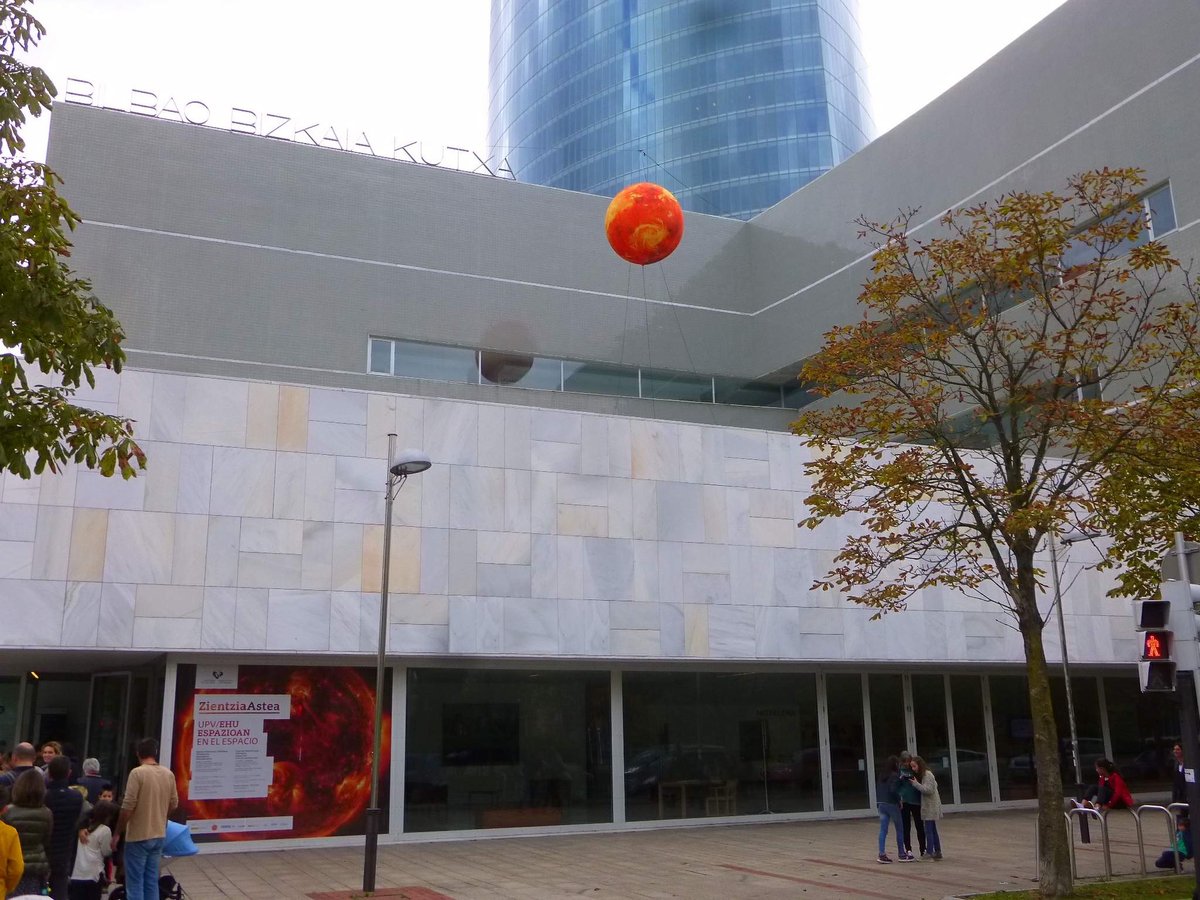
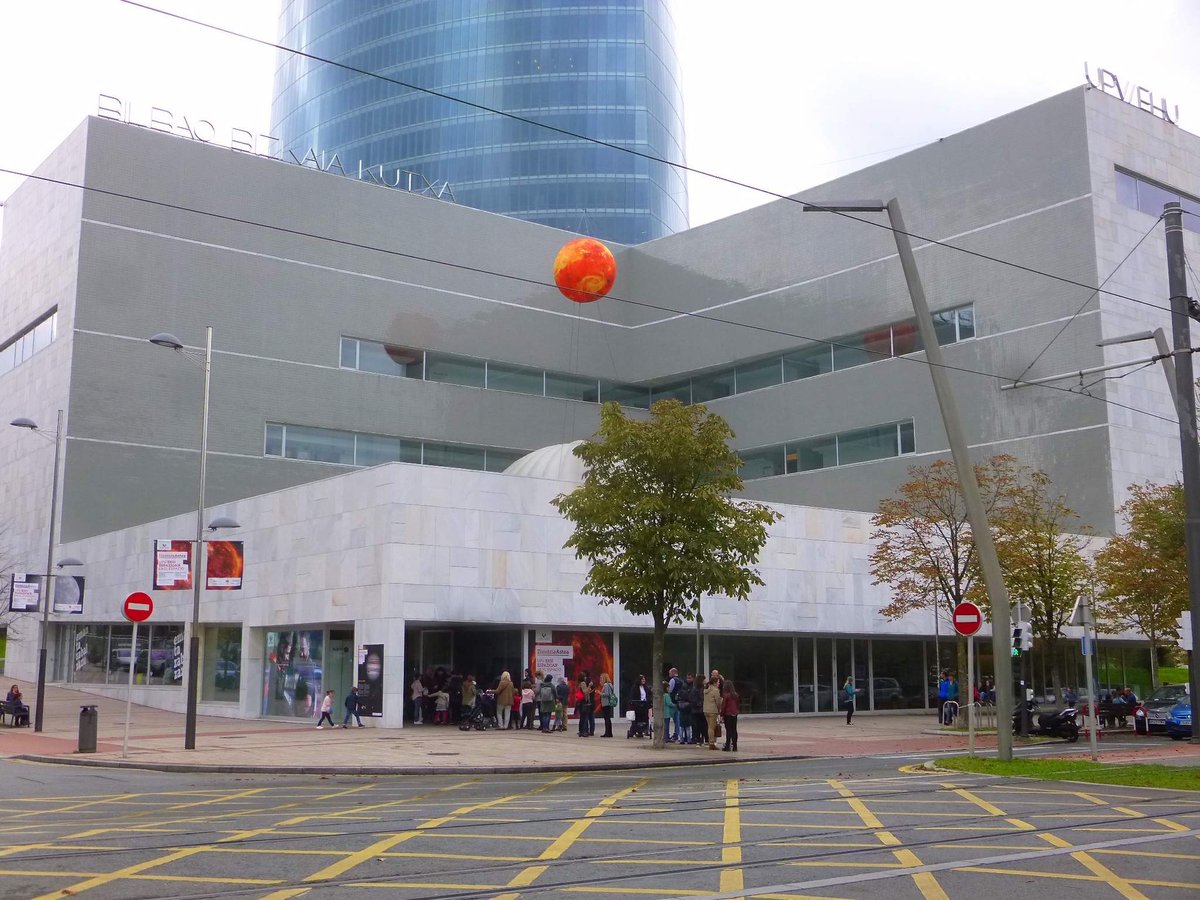
The Paraninfo de la Universidad del País Vasco, situated in Bilbao’s Abandoibarra district, was designed by the acclaimed Spanish architect Álvaro Siza Vieira in collaboration with Juan Miguel Otxotorena. Serving as the main auditorium and ceremonial hall for the University of the Basque Country, the building was completed in 2010, contributing significantly to the urban regeneration of the area (UPV/EHU Official Site).
Its strategic location near the Nervión River and the Guggenheim Museum emphasizes its role in Bilbao’s academic and cultural renaissance (ArchDaily). The area has been transformed from industrial wasteland into a showcase of modern architecture, home to the Guggenheim Museum, the Iberdrola Tower, and the Euskalduna Conference Centre. The Paraninfo’s construction was part of this broader urban renewal, symbolizing the fusion of tradition, education, and modernity (bilbaoturismo.net).
Significance in Bilbao’s Knowledge District Vision
Bilbao’s strategy emphasizes "knowledge districts" where education and research drive progress. The Paraninfo symbolizes this commitment, hosting international conferences, public lectures, and exhibitions. Its adaptable interior fosters collaboration among academia, businesses, and cultural organizations, reflecting modern urban planning trends (Urbact Good Practice Summary).
Architectural Significance
The Architect: Álvaro Siza Vieira
The Paraninfo was designed by Álvaro Siza Vieira, a renowned Portuguese architect and recipient of the Pritzker Architecture Prize in 1992. Siza is celebrated for his ability to harmonize modernist principles with local context, creating buildings that are both innovative and respectful of their surroundings (bilbaoturismo.net).
Design and Structure
- Inauguration The building was inaugurated on September 21, 2010 (es.wikipedia.org).
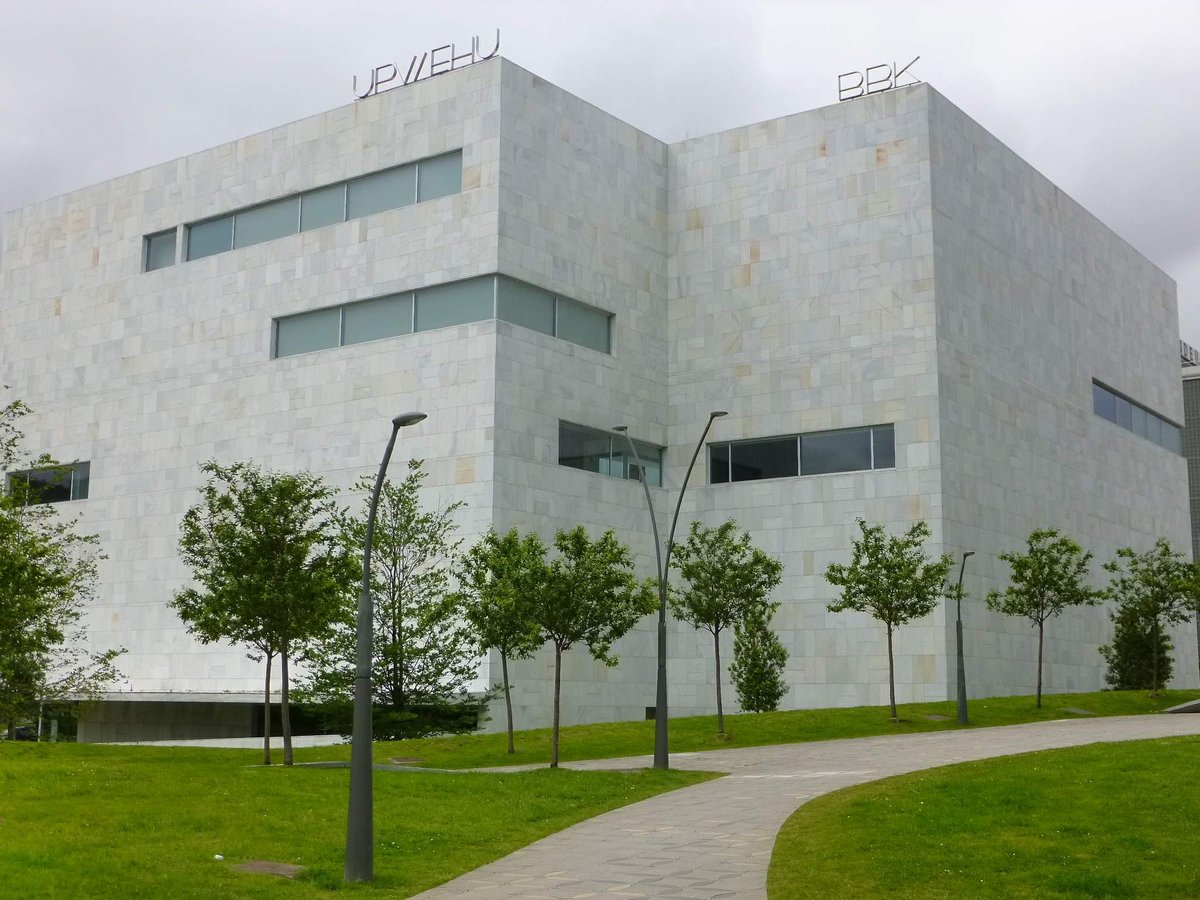
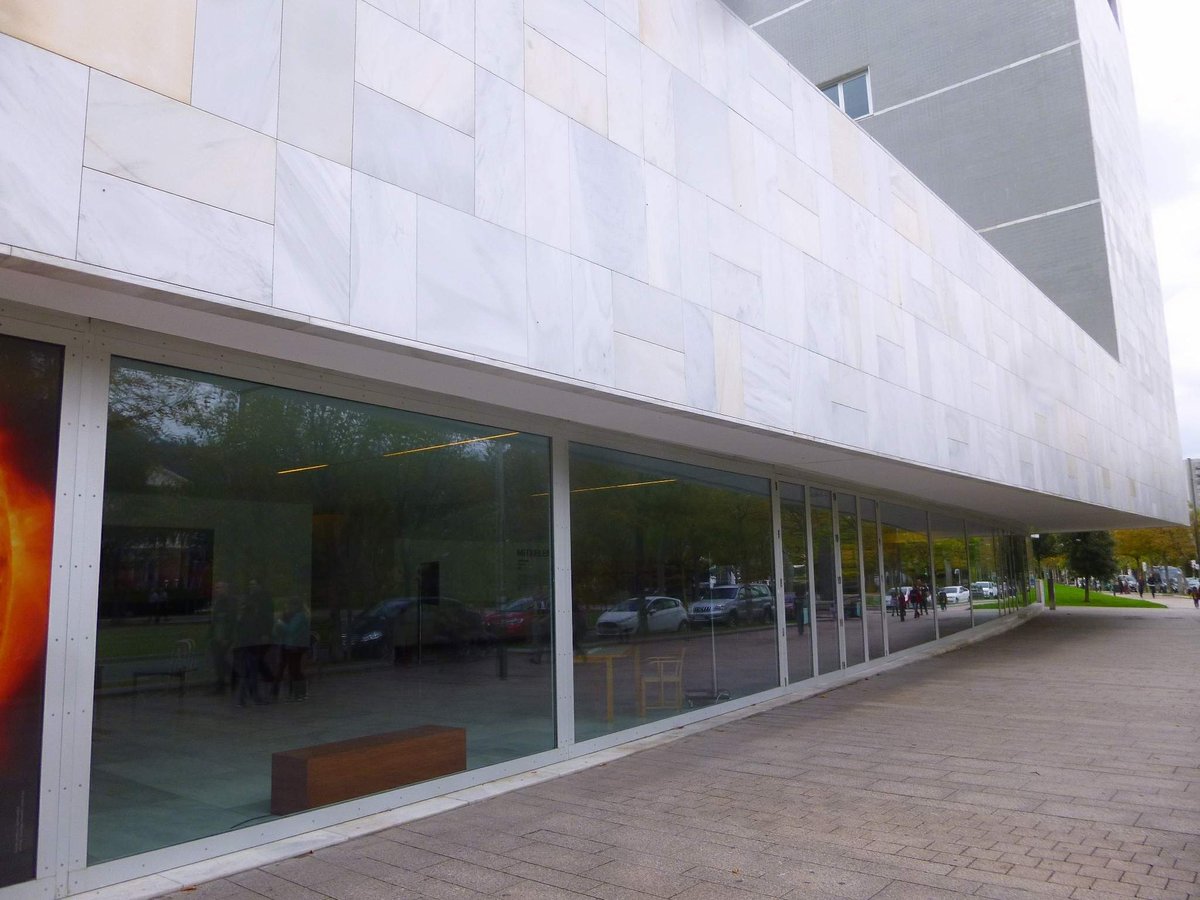
- Form and Materials The Paraninfo is characterized by its L-shaped structure, with a façade clad in handcrafted grey tiles and white marble, creating a striking yet serene presence amidst the architectural icons of Abandoibarra. Its monolithic silhouette, clad in pale limestone, resonates with regional traditions while projecting a modern identity. Cantilevered volumes and geometric planes create dynamic visual effects (Dezeen).
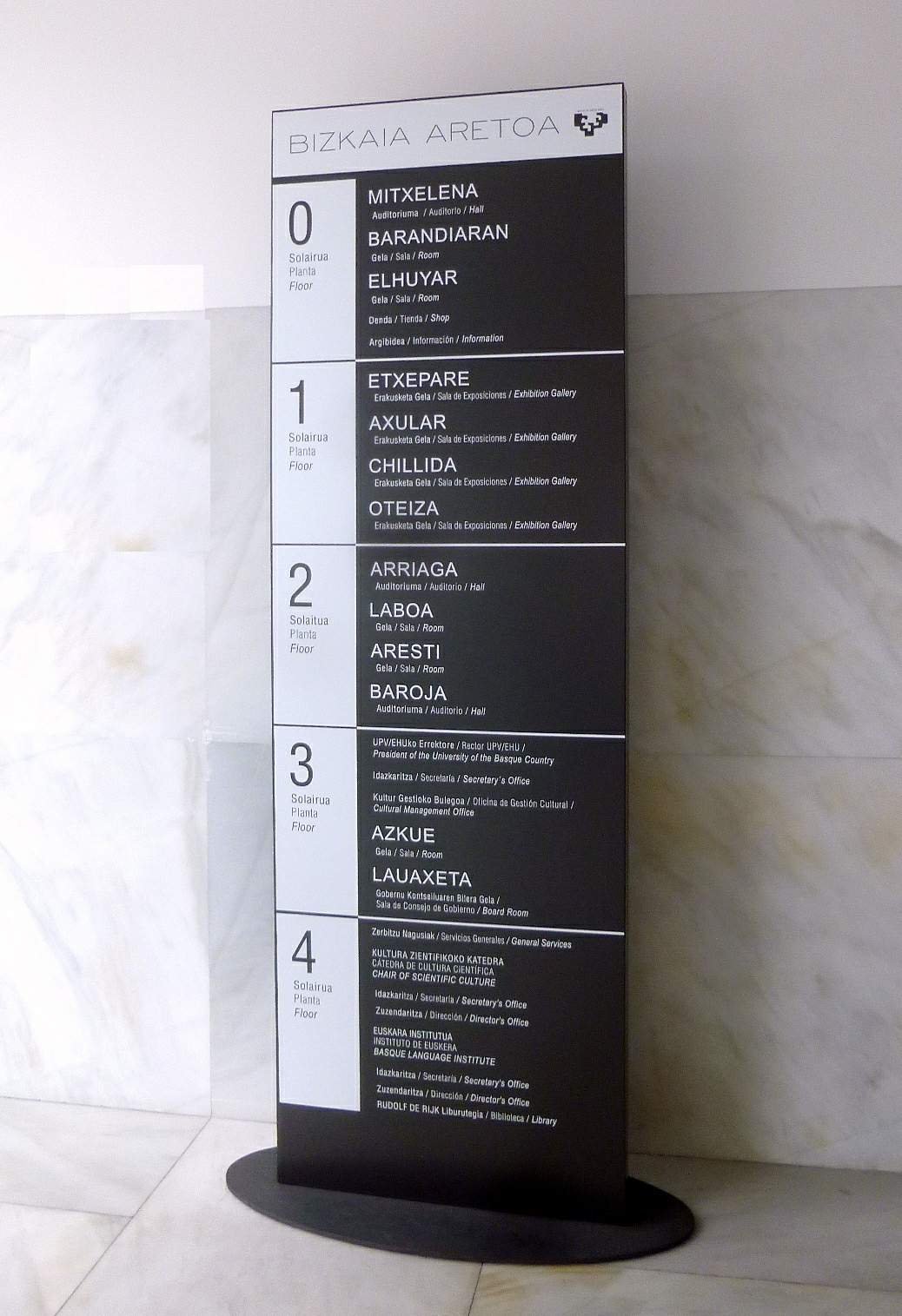
- Spatial Organization The building comprises six floors, with open-plan spaces designed to accommodate exhibitions, conferences, and academic ceremonies. The main auditoriums are located on the ground floor, while upper levels house meeting rooms, offices, and a unique rooftop garden (bilbaoturismo.net; ilovebilbao.com). A central atrium floods the interior with natural light, while open staircases and wide corridors encourage social interaction and community building (ArchDaily).
- Secret Garden One of the building’s most distinctive features is a landscaped terrace on the first floor, offering panoramic views of the Nervión River, Mount Artxanda, and the surrounding cityscape—a hidden gem for visitors (ilovebilbao.com).
Architectural Context
The Paraninfo stands in dialogue with neighboring landmarks:
- Guggenheim Museum (Frank Gehry)
- Iberdrola Tower (César Pelli)
- University of Deusto Library (Rafael Moneo)
Despite the competition, Siza’s design achieves a balance of prominence and tranquility, making it a focal point without overwhelming its environment (ilovebilbao.com). The open plaza and forecourt enhance the building’s relationship with the city, inviting both students and the public to engage with its spaces (Dezeen; ArchDaily).
Sustainability and Environmental Considerations
Passive design elements such as thick limestone walls for thermal mass, deep window reveals, and natural ventilation enhance energy efficiency and occupant comfort (Dezeen). Landscaping with native plants supports local biodiversity and complements the nearby river and parks (UPV/EHU Campus).
Symbolism and Cultural Significance
Reflecting Basque innovation and resilience, the Paraninfo’s architectural language connects with local heritage and fosters openness and inclusivity. Integrated artworks by Basque artists and active cultural programming position the building as a vital community hub (UPV/EHU Cultural Activities). The building’s design is rich in symbolism, featuring the university’s emblem inspired by the Tree of Guernica, created by renowned Basque sculptor Eduardo Chillida. This motif reflects the institution’s deep connection to Basque heritage and autonomy (University of the Basque Country).
Visitor Information, Facilities, and Events
Visiting Hours and Tickets
The Paraninfo’s public areas are typically open during university hours, from Monday to Friday, 9:00 AM to 8:00 PM, and Saturdays from 10:00 AM to 2:00 PM. It is closed on Sundays and public holidays. During special events such as conferences, exhibitions, or cultural programs, hours may extend into evenings and weekends. Entry to the building and the terrace garden is generally free of charge. However, some special exhibitions or events may require tickets or advance registration.
For the latest information on visiting hours and ticket availability, please check the official Paraninfo website.
Guided Tours and Special Events
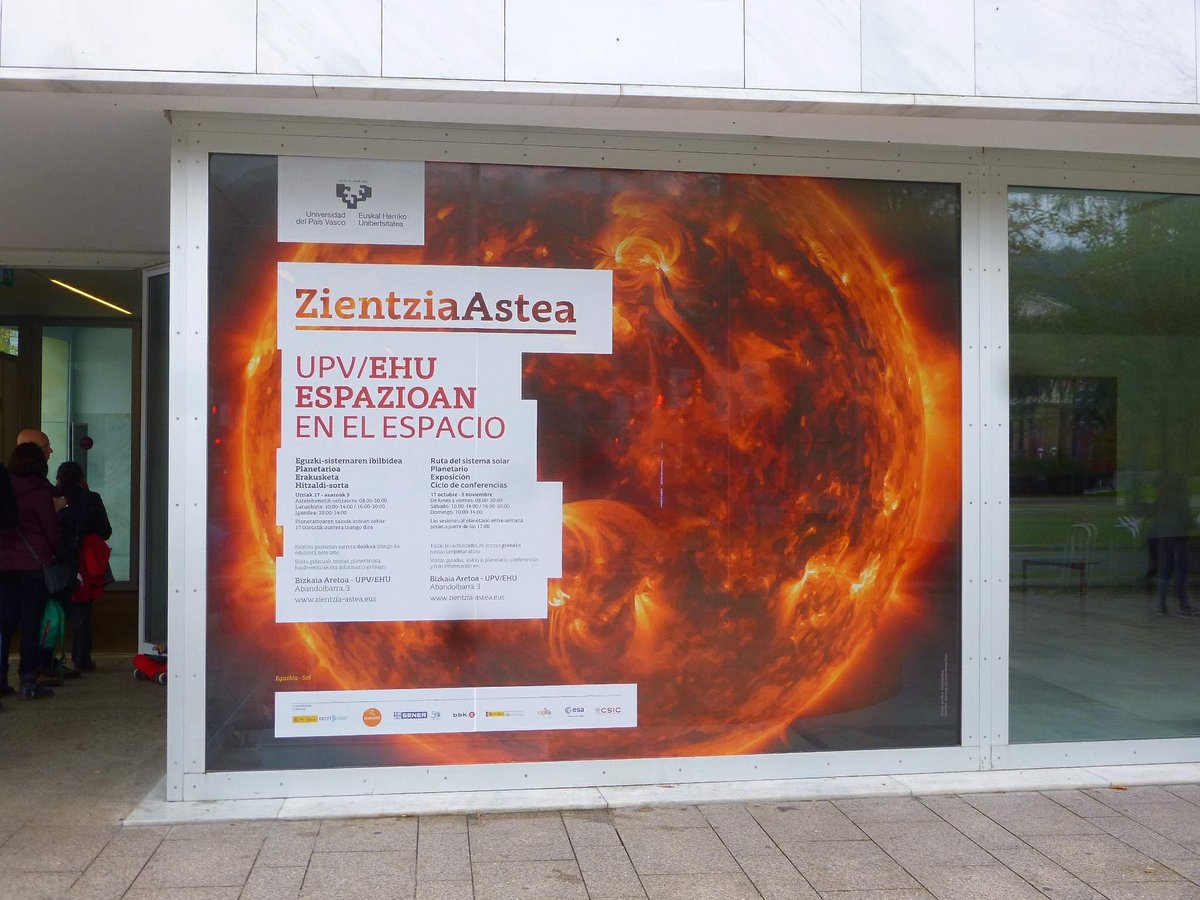
Guided tours focusing on the architectural and cultural significance of the Paraninfo are available in multiple languages and can be booked online (UPV/EHU Visit Info). The Paraninfo hosts a rich calendar of exhibitions, conferences, cultural events, and academic ceremonies, fostering interdisciplinary dialogue and networking (Arquitectura Viva).
Facilities and Amenities
- Auditorium The main auditorium seats 275 and is equipped with multimedia systems, simultaneous translation, and induction loops for hearing accessibility. It seats up to 400, equipped with advanced acoustics and audiovisual systems, adaptable for ceremonies, concerts, and conferences (UPV/EHU Events).
- Exhibition Spaces & Meeting Rooms Multiple halls host art exhibitions, academic symposia, and cultural events. The Council Chamber and Rector’s office are located on the upper floors. These are spaces for exhibitions, academic symposia, and cultural events.
- University Shop Offering books, merchandise, and souvenirs.
- Rooftop Terrace and Garden A 1,162.5 m² landscaped terrace provides panoramic views and a tranquil retreat, accessible via elevators and stairs. This offers 1,162.5 m² of space with panoramic views, and is accessible.
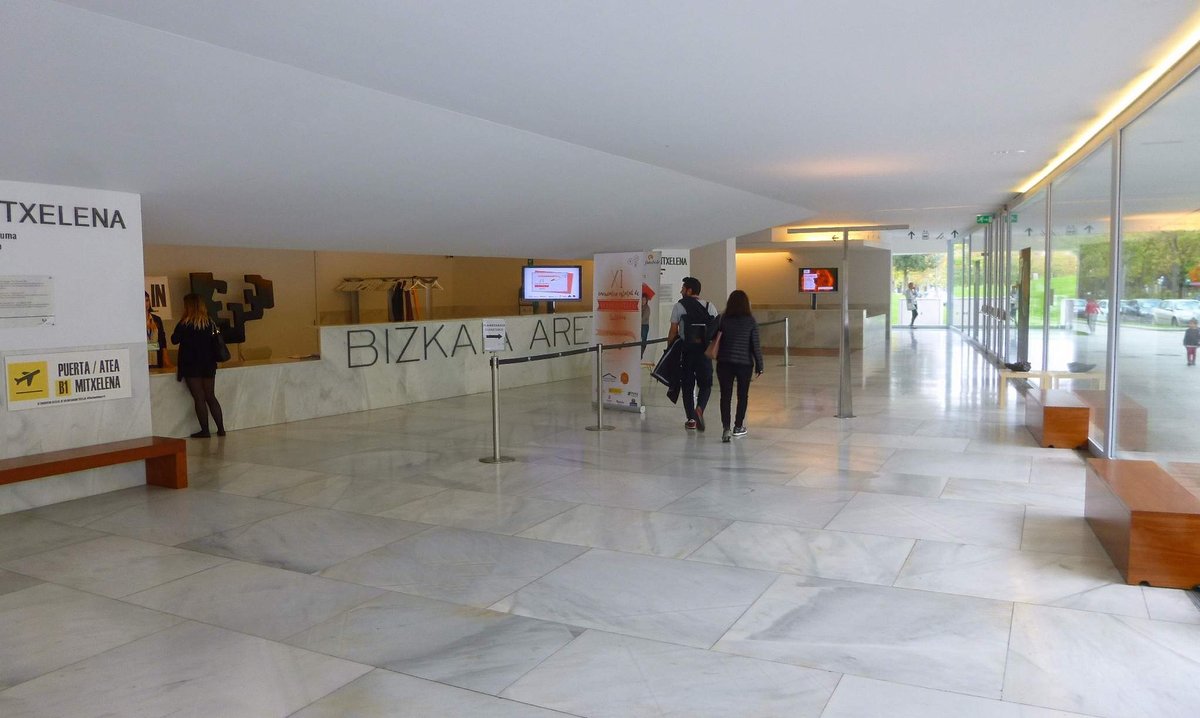
- Visitor Services Information desk, free Wi-Fi, cloakroom, and security.
Accessibility
The Paraninfo is fully accessible, featuring ramps, elevators, and accessible restrooms. Signage is provided in Basque and Spanish, with English materials available upon request. It has step-free entrances, elevators, wide corridors, and accessible restrooms on all public floors. Induction loops, tactile guides, and high-contrast signage are available for visitors with disabilities.
Practical Visitor Information and Nearby Attractions
Getting There
- Location Avenida Abandoibarra, 3, Bilbao, Spain.
- Public Transport The Paraninfo is easily accessible via Bilbao’s efficient metro, tram, and bus networks. The nearest tram stop is Guggenheim. Nearby metro stations include Abando and Moyúa.
- Walking and Cycling The area is ideal for pedestrians and cyclists, with dedicated paths along the river and through the city’s green spaces. Bicycle parking is available.
Nearby Attractions
Visitors can complement their Paraninfo visit with nearby attractions such as:
- Guggenheim Museum Bilbao World-famous for its architecture and contemporary art collections, just a short walk away.
- Iberdrola Tower An architectural icon of Bilbao.
- Deusto University Library Another notable cultural site.
- Azkuna Zentroa A cultural center housed in a former wine warehouse, redesigned by Philippe Starck (nicolos-reiseblog.de).
- Museum of Fine Arts Offers a comprehensive overview of Spanish and Basque art.
- Plaza Moyúa The heart of Bilbao’s modern district, surrounded by elegant buildings and shops.
- Abandoibarra Riverside Promenade Perfect for leisurely strolls with views of the city’s modern architecture.
Visitor Experience and Tips
- Explore the Architecture Take time to appreciate the building’s exterior and interior design, noting the interplay of light, materials, and space.
- Visit the Rooftop Garden Don’t miss the first-floor terrace, which offers some of the best views of Bilbao’s skyline and river (ilovebilbao.com).
- Attend an Event Check the university’s calendar for public lectures, exhibitions, or cultural events during your visit.
- Combine Your Visit Pair your Paraninfo visit with nearby attractions like the Guggenheim Museum or Doña Casilda Park for a full-day cultural experience.
- Photography Photography is generally permitted in public areas, but restrictions may apply during certain events or exhibitions.
- Language Many events are bilingual; English materials are often provided for major exhibitions.
- Arrive Early Especially during popular events or exhibitions.
- Check Online Confirm hours and event details before your visit.
Frequently Asked Questions (FAQ)
Q: What are the Paraninfo de la Universidad del País Vasco visiting hours? A: Monday to Friday, 9:00 AM – 8:00 PM; Saturday, 10:00 AM – 2:00 PM; closed Sundays and public holidays. Hours may vary during special events.
Q: Is there an entrance fee? A: General admission to public areas and the terrace is free. Some special exhibitions or events may require tickets or prior registration.
Q: Are guided tours available? A: Yes, guided tours focusing on architecture and culture are offered in Basque, Spanish, and English. Book online or at the visitor center.
Q: Is the Paraninfo accessible for visitors with disabilities? A: Yes, the building is fully accessible, featuring ramps, elevators, induction loops, and accessible restrooms.
Q: Can I take photos inside? A: Photography is generally allowed in public areas and on the terrace, but photography may be restricted during certain events or exhibitions.
Q: How do I get there by public transport? A: The building is easily accessible via Bilbao’s tram (Guggenheim stop), metro (Abando, Moyúa), and local buses.
Conclusion
The Paraninfo de la Universidad del País Vasco is a must-visit destination for anyone interested in Bilbao’s rich blend of culture, architecture, and academic excellence. Whether you come to admire its unique design, attend a conference, explore exhibitions, or participate in university events, the Paraninfo offers a welcoming and enriching experience. It stands as a testament to Bilbao’s dynamic evolution—an architectural, academic, and cultural beacon at the heart of the city. More than a university ceremonial hall, it embodies the vision of a modern knowledge district where education, innovation, and community converge. Its striking design by Álvaro Siza Vieira harmonizes modern architectural elements with Basque cultural symbolism, creating a space that is at once welcoming, functional, and emblematic of regional identity (ArchDaily; Urbact Good Practice Summary).
Visitors can enjoy inspiring design, panoramic terraces, enriching events, and easy access to the city’s top attractions. Before visiting, consult the UPV/EHU Paraninfo events calendar for the latest information on visiting hours and special events. To enhance your visit, consider downloading the Audiala app for insider tips and real-time updates, and follow us on social media to stay connected with Bilbao’s vibrant academic and cultural scene.
Sources and Further Reading
- Visiting the Paraninfo de la Universidad del País Vasco: History, Urban Renewal, and Practical Visitor Information, 2025
- Architectural Significance and Design Features, 2025, ArchDaily, Dezeen
- Visiting Paraninfo de la Universidad del País Vasco: Hours, Tickets, Accessibility & Attractions in Bilbao, 2025, Bilbao Tourism
- Paraninfo de la Universidad del País Vasco: Visiting Hours, Tickets, Cultural and Academic Highlights in Bilbao, 2025, University of the Basque Country, Arquitectura Viva, Bilbao Ría 2000