{'date': '15/06/2025', 'task': {'model': 'gpt-4.1-mini', 'query': 'Comprehensive guide to visiting Håga Kurgan, Uppsala, Sweden: history, significance, visitor tips, and everything tourists need to know for a memorable experience.', 'verbose': False, 'guidelines': ["Keyword Research: Identify relevant keywords that potential visitors are likely to search for, such as '[Monument Name] visiting hours,' '[Monument Name] tickets,' and '[City] historical sites.' Use these keywords strategically throughout the article, including in the title, headers, and body text, but avoid keyword stuffing.", 'Engaging and Informative Title: Craft a title that is both SEO-friendly and compelling to encourage clicks. Include the main keyword and make it clear what the article will cover.', 'Structured Content: Use headings (H1, H2, H3) to organize the content effectively. This helps with SEO and makes the article easier for readers to navigate. Include an introduction that hooks the reader, a detailed body that covers all relevant aspects, and a conclusion that summarizes the key points.', 'Comprehensive Coverage: Address common questions and topics of interest such as the history of the monument, its cultural significance, visitor information (e.g., ticket prices, opening hours), travel tips, nearby attractions, and accessibility. Include sections that might be unique to the monument, like special events, guided tours, and photographic spots.', 'Quality Content: Ensure the content is well-researched, accurate, and provides real value to readers. Use reliable sources and provide factual information. Write in a clear, engaging, and accessible style. Consider your audience and use language that is appropriate for those likely to visit the monument.', 'Visuals and Media: Incorporate high-quality images or videos of the monument. These should be optimized for the web (correct sizing, alt tags with keywords). Consider interactive elements like virtual tours or maps.', 'Internal and External Links: Include links to other related articles on your site to encourage deeper engagement (internal links). Link to official websites for the monument or credible sources for further reading (external links).', 'FAQ: Incorporate FAQ sections to target voice search queries and featured snippets', 'Visit and Stay Up to Date: End the article with a call to action, such as encouraging readers to download our mobile app Audiala, check out other related posts, or follow on social media for more updates.'], 'max_sections': 4, 'publish_formats': {'pdf': False, 'docx': False, 'markdown': True}, 'follow_guidelines': True}, 'title': 'A Comprehensive Guide to Visiting Håga Kurgan, Uppsala, Sweden', 'report': '# Håga Kurgan Visiting Hours, Tickets, and Guide to Uppsala’s Historical Sites\n\n#### Date: 15/06/2025\n\n---\n\n## Introduction: Unveiling Håga Kurgan’s Legacy\n\nJust west of Uppsala, Sweden, Håga Kurgan—also known as Hågahögen or King Björn’s Mound—stands as a monumental legacy of the Nordic Bronze Age. Erected around 1000 BCE, this burial mound testifies to the sophisticated social structures, ritual practices, and far-reaching cultural connections of the Mälar Valley’s ancient inhabitants. Rising nearly 7 meters high and stretching about 50 meters in diameter, Håga Kurgan is distinguished by its rich archaeological finds, including cremated remains of a high-status chieftain, gold and bronze artifacts, and traces of complex ceremonies. The site provides a rare, tangible link to Sweden’s prehistoric past and remains a cornerstone for understanding the region’s early development (Heritage Daily; Living Nomads).\n\nNestled within the scenic Hågadalen-Nåsten Nature Reserve, Håga Kurgan offers a unique blend of archaeological intrigue and natural beauty. The site is free to visit, accessible year-round during daylight hours, and features interpretive signage and maintained trails. Its proximity to other significant sites—including Gamla Uppsala and Uppsala Cathedral—makes it an essential stop for those exploring Sweden’s rich historical tapestry (Destination Uppsala; Ecksplorer).\n\nThis comprehensive guide details the history, archaeological highlights, practical visitor information, accessibility, nearby attractions, and tips for making the most of your Håga Kurgan visit.\n\n---\n\n## Contents\n\n- Historical Background\n - Origins and Construction\n - Ritual and Social Significance\n - Mälar Valley and Scandinavian Bronze Age Context\n- Archaeological Excavations and Discoveries\n- Visitor Information\n - Location and Access\n - Visiting Hours and Tickets\n - Accessibility\n - Guided Tours and Events\n - Visitor Tips\n- Nearby Attractions\n- Cultural and Mythological Legacy\n- Educational Opportunities\n- Events and Seasonal Highlights\n- Frequently Asked Questions (FAQs)\n- Visual and Interactive Resources\n- Plan Your Visit\n\n---\n\n## Historical Background\n\n### Origins and Construction\n\nHåga Kurgan was constructed around 1000 BCE during the Nordic Bronze Age. The mound’s impressive size—7 meters tall and 45–50 meters in diameter—reflects the power and organizational capacity of the society that built it. Strategically located on a headland overlooking ancient routes, Håga Kurgan likely served as a focal point for trade and ritual in the Mälar Valley (Heritage Daily).\n\n### Ritual and Social Significance\n\nThe site functioned as more than a burial place; archaeological evidence points to ritual activities, including human sacrifice and ceremonial feasting. Cultic enclosures and secondary graves suggest ongoing veneration and use of the site long after the original burial.\n\n### Cultural Context in the Mälar Valley\n\nPart of a broader complex that included settlements and defensive structures like the Predikstolen hillfort, Håga Kurgan was central to networks of exchange and power in Bronze Age Scandinavia.\n\n---\n\n## Archaeological Excavations and Discoveries\n\n#### Excavation History\n\nThe first major excavation (1902–1903), led by Oscar Almgren, revealed a timber burial chamber containing cremated remains, gold diadems, bronze weapons, and imported goods. Almgren’s meticulous stratigraphic methods set a standard in Swedish archaeology. Later research has identified evidence of early iron production in the area, further attesting to the region’s significance.\n\n#### Grave Goods\n\nKey finds include:\n- Gold artifacts: A large neck ring (torc), spirals, and wire—one of Sweden’s largest Bronze Age gold hoards.\n- Bronze weapons and tools: Swords, axes, razors.\n- Ceramic vessels and amber beads: Indicating extensive trade.\n\nThese discoveries underscore the chieftain’s status and the region’s connections with distant cultures (Living Nomads).\n\n---\n\n## Visitor Information\n\n### Location and Access\n\n- Address: About 3 km west of Uppsala city center.\n- Getting There: Easily reached by car, bicycle, or public transport. Buses #2 or #30 from Uppsala Central Station stop near the reserve entrance. There is ample parking at reserve edges (ambereverywhere.com).\n\n### Visiting Hours and Tickets\n\n- Hours: Open year-round from dawn to dusk (outdoor site).\n- Tickets: Free admission; no tickets required.\n- Guided Tours: Available seasonally; book through local tourism offices or online platforms (destinationuppsala.se).\n\n### Accessibility\n\n- Main trails are flat and suitable for wheelchairs and strollers; some side paths and the area around the mound are uneven.\n- For detailed accessibility information, consult Uppsala.se.\n\n---\n\n## Site Experience and Interpretation\n\n### Interpretive Resources\n\n- On-site signage (Swedish and English) explains the mound’s history and archaeological significance.\n- No visitor center at the mound, but many finds are displayed at the Swedish History Museum (Stockholm) and Gustavianum (Uppsala University).\n\n### Trails and Nature\n\n- The Hågadalen-Nåsten Nature Reserve features open meadows, woodlands, and a small river. Trails are well-marked and suitable for all fitness levels.\n- The reserve is rich in wildlife and seasonal flora—ideal for birdwatching and photography.\n\n### Amenities\n\n- Picnic areas available; no restrooms or cafés at the site itself. Facilities are found at reserve entrances or in nearby neighborhoods.\n\n---\n\n## Nearby Attractions\n\n- Gamla Uppsala: Home to royal mounds and the Gamla Uppsala Museum.\n- Uppsala Cathedral: Sweden’s largest church, located in the city center.\n- Predikstolen Hillfort: Ancient fortification near Håga.\n- Uppsala Castle: Renaissance-era castle with panoramic views.\n\n---\n\n## Cultural and Mythological Legacy\n\nHåga Kurgan is entwined with local legend, especially the saga of King Björn. It remains a symbol of Sweden’s ancient heritage, inspiring ongoing archaeological research and community events.\n\n---\n\n## Educational Opportunities\n\n- Self-guided walks: Marked trails and educational panels.\n- School and university visits: Håga Kurgan serves as a key site for history and archaeology curricula.\n- Museum links: Artifacts from Håga Kurgan can be explored further at the Swedish History Museum and Uppsala University’s Gustavianum.\n\n---\n\n## Events and Seasonal Highlights\n\n- Uppsala’s summer calendar features festivals, historical reenactments, and guided walks, especially at nearby Gamla Uppsala (destinationuppsala.se).\n- The reserve is popular for berry and mushroom picking in season.\n\n---\n\n## Visitor Tips\n\n- Wear comfortable walking shoes.\n- Bring water, snacks, and weather-appropriate clothing.\n- Dogs are allowed on leash.\n- Stay on marked paths and do not climb the mound.\n- Early mornings and late afternoons offer the best light for photography.\n\n---\n\n## Frequently Asked Questions (FAQs)\n\nQ: What are Håga Kurgan’s opening hours? \nA: The site is open daily, year-round, during daylight hours.\n\nQ: Is there an entrance fee? \nA: No, admission is free.\n\nQ: Are guided tours available? \nA: Yes, especially in summer. Book through local tourism offices.\n\nQ: Is the site accessible for wheelchairs? \nA: Main trails are accessible, though some areas are uneven.\n\nQ: Can I climb the mound? \nA: No, to preserve the site, climbing is not permitted.\n\nQ: Are dogs allowed? \nA: Yes, but must be leashed.\n\n---\n\n## Visual and Interactive Resources\n\n- Interactive maps and virtual tours available on local tourism websites.\n- Images: “Håga Kurgan Bronze Age burial mound in Uppsala.”\n- Downloadable audio guides via the Audiala app.\n\n---\n\n## Plan Your Visit\n\n- For up-to-date visitor information, see Destination Uppsala.\n- Download the Audiala app for self-guided audio tours and exclusive content.\n- Combine your trip with visits to Gamla Uppsala, Uppsala Cathedral, and the city’s museums for a comprehensive historical experience.\n\n---\n\n## Summary and Recommendations\n\nHåga Kurgan stands as a testament to Sweden’s Bronze Age past—an archaeological and cultural landmark offering insight into ancient rituals, social hierarchies, and regional connections. Its impressive size, well-preserved burial chamber, and extraordinary grave goods such as gold torcs and bronze weapons highlight its importance as the resting place of an elite individual and as a focal point of ancient power in the Mälar Valley. Beyond archaeology, the mound is imbued with mythological significance, notably linked to Viking Age legends like King Björn, enriching its cultural resonance.\n\nToday, Håga Kurgan is not only a protected archaeological treasure but also a welcoming destination for history enthusiasts, nature lovers, and families. Its integration within the Hågadalen-Nåsten Nature Reserve provides a serene environment for exploration, photography, and outdoor activities. The site’s accessibility, free admission, and availability of guided tours during peak seasons make it an accessible and educational experience. Nearby attractions such as Gamla Uppsala and Uppsala Cathedral complement the visit, allowing for a comprehensive journey through Sweden’s ancient and medieval past (Living Nomads; Destination Uppsala).\n\nFor those planning a visit, it is recommended to come during daylight hours, preferably in late spring or summer when the natural surroundings are at their most vibrant. Visitors are encouraged to respect the site by staying on marked paths and refraining from climbing the mound to preserve this invaluable cultural landmark. To enhance your experience, consider booking a guided tour or using digital resources like the Audiala app for self-guided audio tours. Following local tourism websites and social media channels will keep you updated on events and new research findings.\n\nEmbrace the opportunity to connect with Sweden’s distant past at Håga Kurgan — a monumental symbol of ancient power, ritual, and community that continues to inspire and educate visitors today. Plan your visit and explore more about Uppsala’s fascinating archaeological landscape through trusted sources and local expertise.\n\n---\n\n## Sources and Further Reading\n\n- New Light Cast on Scandinavia’s Most Important Bronze Age Site, 2018, Heritage Daily\n- What to Do in Uppsala, 2021, Living Nomads\n- Visit Håga Kurgan, Destination Uppsala\n- Uppsala: The Hidden Gem Just North of Stockholm That’s Worth a Visit, Ecksplorer\n- Uppsala Municipality Official Website\n- Amber Everywhere: What to See in Uppsala\n- Archaeology.org: Sweden, Gamla Uppsala\n\n---\n\n', 'headers': {'date': 'Date', 'title': 'Haga Kurgan Visiting Hours Tickets and Guide to Uppsala Historical Sites', 'conclusion': 'Summary and Visitor Recommendations for Haga Kurgan', 'references': 'Sources and Further Reading', 'introduction': 'Introduction to Haga Kurgan and Its Historical Significance', 'table_of_contents': 'Contents Overview'}, 'sources': ['- New Light Cast on Scandinavia’s Most Important Bronze Age Site, 2018, Heritage Daily https://www.heritagedaily.com/2018/10/new-light-cast-on-scandinavias-most-important-bronze-age-site/121861', '- What to Do in Uppsala, 2021, Living Nomads https://livingnomads.com/2021/09/what-to-do-in-uppsala/', '- Visit Håga Kurgan, Destination Uppsala https://www.destinationuppsala.se/en/activities/hagahogen/', '- Uppsala: The Hidden Gem Just North of Stockholm That’s Worth a Visit, Ecksplorer https://www.ecksplorer.com/blog/uppsala-the-hidden-gem-just-north-of-stockholm-thats-worth-a-visit'], 'sections': ['Historical Background', 'Archaeological Significance', 'Visitor Experience', 'Cultural and Educational Insights'], 'conclusion': 'Håga Kurgan stands as a testament to Sweden’s rich Bronze Age heritage, offering visitors a unique window into prehistoric social structures, ritual life, and long-distance cultural connections. Its impressive size, well-preserved burial chamber, and extraordinary grave goods such as gold torcs and bronze weapons highlight its importance as the resting place of an elite individual and as a focal point of ancient power in the Mälar Valley. Beyond archaeology, the mound is imbued with mythological significance, notably linked to Viking Age legends like King Björn, enriching its cultural resonance.\n\nToday, Håga Kurgan is not only a protected archaeological treasure but also a welcoming destination for history enthusiasts, nature lovers, and families. Its integration within the Hågadalen-Nåsten Nature Reserve provides a serene environment for exploration, photography, and outdoor activities. The site’s accessibility, free admission, and availability of guided tours during peak seasons make it an accessible and educational experience. Nearby attractions such as Gamla Uppsala and Uppsala Cathedral complement the visit, allowing for a comprehensive journey through Sweden’s ancient and medieval past (Living Nomads; Destination Uppsala).\n\nFor those planning a visit, it is recommended to come during daylight hours, preferably in late spring or summer when the natural surroundings are at their most vibrant. Visitors are encouraged to respect the site by staying on marked paths and refraining from climbing the mound to preserve this invaluable cultural landmark. To enhance your experience, consider booking a guided tour or using digital resources like the Audiala app for self-guided audio tours. Following local tourism websites and social media channels will keep you updated on events and new research findings.\n\nEmbrace the opportunity to connect with Sweden’s distant past at Håga Kurgan — a monumental symbol of ancient power, ritual, and community that continues to inspire and educate visitors today. Plan your visit and explore more about Uppsala’s fascinating archaeological landscape through trusted sources and local expertise.', 'introduction': 'Situated just a few kilometers west of central Uppsala, Sweden, Håga Kurgan (also known as Hågahögen or King Björn’s Mound) stands as one of Scandinavia’s most remarkable Bronze Age monuments and a must-visit historical site. Dating back to approximately 1000 BCE, this monumental burial mound not only reflects the sophisticated social hierarchies and ritual practices of the Nordic Bronze Age but also offers a tangible connection to the ancient cultural heritage that shaped the Mälar Valley region. At about 7 meters in height and spanning nearly 50 meters in diameter, Håga Kurgan is renowned for its rich archaeological finds, including cremated human remains of a high-status chieftain, extensive gold and bronze artifacts, and evidence of complex ritual activities such as human sacrifice, underscoring its role as a ceremonial and political center (Heritage Daily; Living Nomads).\n\nNestled within the scenic Hågadalen-Nåsten Nature Reserve, Håga Kurgan offers visitors an immersive experience combining rich archaeological context with beautiful natural surroundings. The site is easily accessible by various means of transport and is free to visit year-round during daylight hours, with well-maintained trails and interpretive signage enhancing the educational value of the visit. Seasonal guided tours and cultural events provide further insight into the mound’s historical significance and local traditions. Its proximity to other significant sites such as Gamla Uppsala, the Viking Age royal and religious center, as well as Uppsala Cathedral, makes Håga Kurgan an integral part of exploring Uppsala’s layered historical landscape (Destination Uppsala; Ecksplorer).\n\nThis comprehensive guide will walk you through the history, archaeological significance, visitor information including hours and ticketing, accessibility, nearby attractions, and tips to make the most of your visit to Håga Kurgan — one of Uppsala’s premier historical sites that beautifully bridges Sweden’s ancient past with its vibrant present.', 'research_data': [{'Visiting Håga Kurgan: History, Tickets, and Uppsala’s Top Historical Site': '## Welcome to Håga Kurgan: A Must-Visit Uppsala Historical Site\n\nLocated just three kilometers west of central Uppsala, Sweden, Håga Kurgan (also known as Hågahögen or King Björn's Mound) is one of Scandinavia’s most impressive Bronze Age monuments. This article will guide you through the rich history of Håga Kurgan, provide essential visitor information including visiting hours and ticket details, and highlight why it's a top destination among Uppsala historical sites.\n\n\nImage: The iconic Håga Kurgan mound, a centerpiece of Uppsala's ancient heritage.\n\n---\n\n## Historical Background\n\n### Origins and Construction of Håga Kurgan\n\nConstructed around 1000 BCE during the Nordic Bronze Age, Håga Kurgan is a massive burial mound standing about 7 meters high and spanning 45–50 meters in diameter. Situated on a strategic headland overlooking ancient maritime routes, it was likely central to Bronze Age trade and ritual life in the Mälar Valley region (Heritage Daily). The mound contains the cremated remains of a male chieftain along with a remarkable collection of gold and bronze artifacts, making it Scandinavia’s richest Bronze Age grave in terms of gold finds.\n\n### Ritual and Social Significance\n\nArchaeological findings reveal that Håga was more than a burial site. Nearby cultic enclosures indicate long-term ritual usage, including evidence of human sacrifice and possibly ritual cannibalism. These discoveries highlight Håga’s importance as a ceremonial center and a symbol of elite power during the Bronze Age.\n\n### Context within the Mälar Valley and Scandinavian Bronze Age\n\nHåga Kurgan was part of a larger complex that included settlements and defensive structures like the nearby Predikstolen hillfort. Its location facilitated trade and cultural exchange across Scandinavia and beyond, underscoring its role in the elite ruling system of the region.\n\n---\n\n## Visiting Håga Kurgan: Practical Information\n\n### Location and Access\n\n- Address: Approximately 3 km west of Uppsala city center, Sweden\n- Getting There: Easily accessible by car, bike, or public transport from Uppsala. Parking is available nearby.\n\n### Visiting Hours and Tickets\n\n- Opening Hours: Open year-round; recommended visiting hours are 9:00 AM to 6:00 PM (April to October). Winter hours may vary.\n- Tickets: Admission is free for the outdoor site. Guided tours and access to nearby museums may require tickets.\n- Guided Tours: Available seasonally through Uppsala tourism and local guides. Advance booking recommended.\n\n### Accessibility\n\nThe site is accessible with well-maintained paths suitable for most visitors. Some uneven terrain around the mound may pose challenges for wheelchair users.\n\n### Nearby Attractions\n\n- Gamla Uppsala: A significant Viking Age royal and religious site located about 5 km east.\n- Uppsala Cathedral: Historic cathedral in central Uppsala.\n- Predikstolen Hillfort: Ancient fortification near Håga.\n\n---\n\n## Archaeological Discoveries and Continuing Research\n\nThe 1902–1903 excavations uncovered Håga’s complex construction and extraordinary grave goods, including gold diadems and bronze vessels. Recent studies have revealed some of the earliest evidence of iron production in Sweden nearby, indicating the region’s long-standing significance. Ongoing research continues to reveal the full extent of the Håga complex.\n\n---\n\n## Cultural and Mythological Legacy\n\nHåga Kurgan is enveloped in legend, notably connected to the Viking Age King Björn. It remains a powerful symbol of Sweden’s ancient cultural heritage, inspiring both scholarly study and public fascination.\n\n---\n\n## Frequently Asked Questions (FAQs)\n\nQ: What are Håga Kurgan’s visiting hours?\nA: The site is open year-round, with best visiting hours from 9:00 AM to 6:00 PM during spring to autumn. Check local listings for winter hours.\n\nQ: Do I need tickets to visit Håga Kurgan?\nA: Admission to the mound itself is free. Tickets may be required for guided tours or museum visits nearby.\n\nQ: Is Håga Kurgan accessible for people with disabilities?\nA: The site has accessible paths, but some areas around the mound have uneven terrain. Visitors with mobility concerns should inquire ahead.\n\nQ: Are there guided tours available?\nA: Yes, guided tours are offered seasonally by Uppsala tourism agencies and local guides. Booking in advance is advised.\n\nQ: What other Uppsala historical sites can I visit nearby?\nA: Gamla Uppsala, Uppsala Cathedral, and Predikstolen hillfort are notable sites within a short distance.\n\n---\n\n## Plan Your Visit and Explore More\n\nExperience the rich history and archaeological marvels of Håga Kurgan during your trip to Uppsala. For detailed visitor information, including up-to-date visiting hours and tour bookings, visit the Uppsala Tourism Official Site and the Swedish National Heritage Board.\n\nTo enhance your visit, consider downloading the Audiala app for guided audio tours and explore related articles on Scandinavian Bronze Age sites on our website.\n\nFollow us on social media for the latest updates and upcoming events at Håga Kurgan and other Uppsala historical sites.\n\n---\n\n## Summary of Key Facts\n\n- Date of Construction: Circa 1000 BCE (Bronze Age Period IV)\n- Dimensions: Approximately 7 meters high, 45–50 meters in diameter\n- Location: 3 km west of Uppsala, Sweden\n- Burial Contents: Cremated remains of a male chieftain, gold and bronze artifacts\n- Ritual Features: Evidence of human sacrifice, cultic enclosures\n- Archaeological Significance: Scandinavia’s richest Bronze Age gold grave; early evidence of iron production\n- Cultural Legacy: Precursor to Gamla Uppsala; associated with Viking Age King Björn\n\nFor further reading and detailed archaeological reports, see Uppsala University’s news release and the book Bronze Age Håga and the Viking King Björn.'}, {'Visiting Håga Kurgan: Exploring Uppsala’s Ancient Burial Mound and Historical Site': '## Introduction\n\nDiscover Håga Kurgan, one of Uppsala’s most remarkable prehistoric burial mounds and a must-visit Uppsala historical site. This ancient Nordic Bronze Age monument offers visitors a unique glimpse into Sweden’s distant past, combining archaeological significance with beautiful natural surroundings. In this article, we’ll guide you through the archaeological background, excavation history, notable artifacts, and practical visitor information including Håga Kurgan visiting hours, ticket details, accessibility, and nearby attractions.\n\n## Archaeological Context and Discovery\n\nHåga Kurgan, also known as Hågahögen or King Björn's Mound, is located within the Hågadalen-Nåsten nature reserve on Uppsala’s western outskirts. This prehistoric burial mound dates back to the Nordic Bronze Age (circa 1400–1100 BCE), predating the more famous Iron Age mounds at Gamla Uppsala. Standing approximately 7 meters tall and 45 meters across, its size attests to the high status of the individual buried here, likely a chieftain or local ruler. The mound was constructed by piling earth and stones, a process that showcased the community’s social organization and resources.\n\n## Excavation History and Methodology\n\nThe first major excavation took place between 1902 and 1903 under the direction of Swedish archaeologist Oscar Almgren. His careful, stratigraphic excavation uncovered a timber burial chamber containing cremated human remains surrounded by a stone circle beneath the earthen mound. Almgren’s meticulous recording set a high archaeological standard in Sweden and revealed the complex, multi-stage construction and ritual practices associated with the mound.\n\n## Grave Goods and Material Culture\n\nHåga Kurgan is renowned for its extraordinary grave goods, among the richest Bronze Age finds in Scandinavia. Key artifacts include:\n\n- Gold objects: A large gold neck ring (torc), gold spirals, and gold wire totaling around 600 grams, one of Sweden’s largest Bronze Age gold hoards.\n- Bronze weapons and tools: Swords, axes, and razors highlighting the martial status and metallurgical expertise of the time.\n- Ceramic vessels: Pottery fragments likely used for funerary feasting or offerings.\n- Amber beads: Signifying long-distance trade, as amber was a highly valued material across Europe.\n\nThese items indicate the buried individual’s elite status and the extensive trade networks that connected Bronze Age Scandinavia with Central Europe.\n\n## Social and Ritual Significance\n\nThe monumental scale and rich artifacts reflect a hierarchical society with powerful leaders. The cremation burial and lavish goods suggest beliefs in an afterlife where social status endured. The mound’s prominent landscape position served as a lasting symbol of power and community identity. Subsequent smaller graves and votive deposits nearby indicate the site remained a ritual focal point long after the initial burial.\n\n## Comparative Analysis with Other Scandinavian Burial Mounds\n\nWhile larger and more numerous royal mounds exist at Gamla Uppsala, they date from the Iron Age and reflect different social contexts. Håga Kurgan’s Bronze Age origin places it among the earliest monumental burials in Sweden, comparable to barrows in southern Scandinavia and northern Germany. Its rich gold and imported bronze grave goods highlight the elite’s participation in a broad northern European prestige network.\n\n## Preservation and Current Archaeological Research\n\nHåga Kurgan remains exceptionally well-preserved within a protected nature reserve. Conservation efforts include monitoring for erosion and balancing visitor access. Modern, non-invasive archaeological methods such as ground-penetrating radar and aerial photography continue to reveal additional features around the mound, deepening our understanding of this ritual landscape. Ongoing studies of grave goods and human remains provide insights into material origins and social dynamics.\n\n## Visitor Information: Visiting Hours, Tickets, and Accessibility\n\n- Visiting Hours: The Hågadalen-Nåsten nature reserve, including Håga Kurgan, is open year-round from dawn to dusk. There is no specific ticket or entrance fee required to visit the mound.\n- Tickets: Access to Håga Kurgan is free of charge, making it an accessible attraction for all visitors.\n- Guided Tours and Special Events: Guided tours are occasionally offered, especially during summer months, often organized through local tourism offices or the Gamla Uppsala Museum. Check local listings or tourist information centers in Uppsala for current schedules.\n- Accessibility: The site is accessible by well-maintained walking and cycling paths suitable for most visitors. However, the terrain includes natural trails and some uneven ground; wheelchair users or visitors with limited mobility should contact local tourist services for detailed accessibility advice.\n\n## How to Get There\n\nHåga Kurgan is located about 2.5 km west of Uppsala Central Station. Visitors can reach it by:\n\n- Walking or cycling via scenic trails through the Hågadalen-Nåsten nature reserve.\n- Taking local bus routes #1 or #2 to the Håga stop, followed by a short walk to the mound.\n\n## Nearby Attractions\n\nExtend your visit with nearby historical and cultural sites:\n\n- Gamla Uppsala Museum: Located a few kilometers east, offering exhibits on the region’s archaeological heritage.\n- Gamla Uppsala Royal Mounds: Larger Iron Age burial mounds accessible for exploration.\n- Uppsala Cathedral and City Center: Rich in medieval history and vibrant cultural life.\n\n## Visiting Håga Kurgan: Tips and Guidelines\n\n- Please stay on marked paths and avoid climbing the mound to help preserve this ancient site.\n- Bring comfortable walking shoes and weather-appropriate clothing.\n- Photography is welcome; capture the scenic landscape and the mound’s impressive profile.\n- Picnic areas are available within the nature reserve, but no on-site visitor center or restrooms exist at the mound itself.\n\n## Frequently Asked Questions (FAQ)\n\nQ: What are Håga Kurgan’s opening hours?\nA: The nature reserve is open daily from dawn to dusk, year-round.\n\nQ: Is there an entrance fee or ticket required?\nA: No, visiting Håga Kurgan is free of charge.\n\nQ: Can I climb the mound?\nA: No, visitors are asked not to climb the mound to help protect it.\n\nQ: Are guided tours available?\nA: Guided tours are occasionally available, especially in summer. Check local tourism resources or the Gamla Uppsala Museum for details.\n\nQ: Is the site wheelchair accessible?\nA: The paths are generally well-maintained but include natural terrain. Visitors with mobility issues should seek specific accessibility information from Uppsala tourist offices.\n\n## Visual and Interactive Resources\n\nFor a virtual experience, interactive maps and aerial views are available on local tourism websites. High-quality images of Håga Kurgan with SEO-optimized alt tags such as "Håga Kurgan ancient burial mound in Uppsala" enhance your online exploration before visiting.\n\n## Conclusion\n\nHåga Kurgan is a captivating Uppsala historical site that offers a tangible connection to Bronze Age Scandinavia’s social and ritual world. Its impressive scale, rich grave goods, and preserved landscape make it a rewarding destination for history enthusiasts, families, and nature lovers alike. Plan your visit today to experience this ancient monument firsthand.\n\nFor more historical site guides and updates, download the Audiala app for self-guided audio tours and explore our related articles on Scandinavian archaeology, and follow us on social media to stay connected with Sweden’s rich cultural heritage.'}, {"Visiting Håga Kurgan: Hours, Tickets, and Exploring Uppsala's Historic Bronze Age Mound": '## Visiting Håga Kurgan: Hours, Tickets, and Exploring Uppsala's Historic Bronze Age Mound\n\nHåga Kurgan, also known as the Håga Mound, is one of Uppsala's most remarkable historical sites, offering visitors a unique glimpse into Sweden's Bronze Age heritage. Situated within the scenic Hågadalen-Nåsten Nature Reserve, this ancient burial mound not only fascinates history enthusiasts but also nature lovers. In this guide, you'll find essential information on visiting hours, tickets, accessibility, guided tours, and tips for making the most of your trip to this iconic Uppsala historical site.\n\n## Getting to Håga Kurgan\n\nLocated southwest of Uppsala’s city center, Håga Kurgan is easily accessible by car, bicycle, or public transport. Visitors can take local buses from Uppsala Central Station, which stop near the entrance to the nature reserve. For those driving, several car parks are available at the reserve’s edges, with clear signage directing you to the site (ambereverywhere.com). Cycling is a popular, eco-friendly option, with dedicated bike paths from the city center providing a scenic route.\n\n## Visiting Hours and Tickets\n\nHåga Kurgan is open year-round and free to visit, making it an accessible destination for all. As an outdoor archaeological site within a nature reserve, there are no official opening hours or ticket requirements. However, visitors are advised to visit during daylight hours for safety and the best experience. Nearby facilities, such as the Gamla Uppsala Museum, have set opening hours and may require tickets for entry (destinationuppsala.se).\n\n## Site Layout, Accessibility, and Trails\n\nHåga Kurgan sits at the heart of the 17-square-kilometer Hågadalen-Nåsten Nature Reserve. The mound itself rises about 7 meters (23 feet) high with a diameter of 45 meters (148 feet), making it one of the largest and best-preserved Bronze Age burial mounds in Sweden (destinationuppsala.se). The reserve features open meadows, woodlands, and a small river, creating a tranquil environment.\n\nVisitors can enjoy a network of well-maintained, mostly flat hiking trails suitable for all ages and fitness levels. These trails provide easy access to the mound and other points of interest. The main paths are stroller- and wheelchair-friendly, though some side trails may be uneven or muddy after rain. Proper footwear is recommended, especially in wet or cold conditions (ambereverywhere.com).\n\n## Interpretive Resources and Guided Tours\n\nWhile there is no dedicated visitor center at Håga Kurgan, interpretive signage in Swedish and English offers valuable archaeological and historical insights at the site. These panels explain the mound’s construction, significance, and findings from excavations.\n\nFor those interested in a richer experience, guided tours of the Hågadalen-Nåsten Nature Reserve are available during summer months. These tours focus on both the natural environment and cultural history and can be booked through local tourism offices or online platforms. Additionally, downloadable audio guides and mobile apps provide self-guided walking routes with detailed information about the mound and surrounding landscape (destinationuppsala.se).\n\n## What to Expect During Your Visit\n\n### The Mound and Its Historical Significance\n\nDating back to around 1000 BCE, Håga Kurgan is believed to be the burial site of a high-status chieftain sometimes called the “King of Håga.” Archaeological excavations have uncovered bronze artifacts, gold jewelry, and imported goods reflecting the mound's importance and extensive trade networks (destinationuppsala.se).\n\nVisitors are welcome to walk around the base of the mound to appreciate its impressive scale and construction. Climbing the mound is prohibited to preserve its integrity, but surrounding trails offer excellent photographic spots and peaceful areas for reflection.\n\n### Nature and Wildlife\n\nThe Hågadalen-Nåsten Nature Reserve is rich in biodiversity. Birdwatchers can spot various woodpeckers, songbirds, and small mammals. Wildflowers bloom in abundance during late spring and early summer, with June being an especially beautiful time to visit (ambereverywhere.com). The reserve also attracts mushroom and berry pickers during the appropriate seasons.\n\n### Activities and Amenities\n\nIdeal for hiking, birdwatching, and photography, the reserve offers several picnic areas but has no cafés or restaurants onsite. Visitors should bring their own food and water. Restrooms are not available at the mound but can be found near reserve entrances or in nearby residential areas. Dining options are plentiful in Uppsala city center and Gamla Uppsala (destinationuppsala.se).\n\n## Practical Tips for Visitors\n\n- Best Time to Visit: June offers long daylight hours, mild weather, and vibrant flora. Early mornings and late afternoons provide the best light for photography and a tranquil atmosphere.\n- What to Bring: Comfortable walking shoes, weather-appropriate clothing, water, snacks or a picnic, a camera, and binoculars for birdwatching.\n- Accessibility: Main trails around the mound are mostly flat and suitable for wheelchairs, though some paths may be uneven after rain.\n- Respect the Site: As a protected ancient burial ground, do not climb on the mound or disturb features. Dogs are allowed but must be kept on a leash.\n- Combine with Other Uppsala Historical Sites: Consider visiting Gamla Uppsala Museum nearby for Viking and Vendel-era history, enriching your understanding of the region (archaeology.org).\n\n## Events and Seasonal Highlights\n\nWhile Håga Kurgan itself does not host regular events, the wider Uppsala area is vibrant in June with festivals, historical reenactments, and outdoor activities. The Historical Days at Gamla Uppsala, featuring markets, guided tours, and Viking-related activities, are especially popular and offer additional context to your visit (destinationuppsala.se).\n\n## Safety and Conservation\n\nVisitors should stay on marked trails to protect sensitive archaeological and ecological sites. Littering is prohibited. The Swedish "Allemansrätten" (right of public access) encourages respect for nature and cultural heritage. The reserve is safe and welcoming for all visitors (destinationuppsala.se).\n\n## Frequently Asked Questions (FAQ)\n\nQ: Are there any entrance fees or tickets required to visit Håga Kurgan?\nA: No, the site is free and open year-round with no ticket or entrance fees.\n\nQ: What are the official visiting hours for Håga Kurgan?\nA: As an outdoor site within a nature reserve, it is accessible any time during daylight hours.\n\nQ: Is Håga Kurgan wheelchair accessible?\nA: Main trails around the mound are mostly flat and suitable for wheelchairs, though some paths may be uneven.\n\nQ: Are guided tours available?\nA: Yes, guided tours are offered seasonally, especially in summer, and can be booked through local tourist offices.\n\nQ: Can I climb the mound?\nA: Climbing is not permitted to preserve the site.\n\nQ: Are dogs allowed?\nA: Yes, dogs are welcome but must be kept on a leash.\n\n## Conclusion\n\nA visit to Håga Kurgan combines rich historical intrigue with the serene beauty of Uppsala’s natural landscape. Whether you’re interested in Sweden’s Bronze Age past, birdwatching, or simply enjoying peaceful hikes, Håga Kurgan offers a rewarding experience. Plan your visit during daylight hours, take advantage of guided tours and interpretive resources, and consider pairing your trip with nearby Uppsala historical sites for a comprehensive cultural outing.\n\n## Call to Action\n\nReady to explore Håga Kurgan? Download the Audiala app for self-guided audio tours and maps to enhance your visit. Check out our related articles on Uppsala historical sites and follow us on social media for the latest updates and tips on exploring Sweden’s ancient heritage!\n\n---\n\nImages and Media Suggestions:\n- Include photos of Håga Kurgan with alt text such as "Håga Kurgan Bronze Age burial mound in Uppsala"\n- Map embed showing the location of Håga Kurgan within Hågadalen-Nåsten Nature Reserve\n- Links to virtual tours or downloadable audio guides for enhanced visitor engagement\n\nInternal Links Suggestions:\n- Link to related articles on Uppsala historical sites and Gamla Uppsala Museum\n- Link to hiking and nature articles within the hosting site'}, {'Håga Kurgan Visiting Hours, Tickets, and Historical Insights in Uppsala': '## Håga Kurgan Visiting Hours, Tickets, and Historical Insights in Uppsala\n\n### Historical and Archaeological Significance\n\nThe Håga Kurgan, also known as Hågahögen, is one of Sweden’s most important Bronze Age burial mounds, dating back to approximately 1000 BCE. Located just west of Uppsala, this monumental mound stands about 7 meters high and 45 meters in diameter, making it one of the largest and best-preserved burial mounds in Scandinavia (Living Nomads). Archaeological excavations have revealed that the mound was constructed for a high-status individual, possibly a chieftain or king, as evidenced by the rich grave goods found within, including gold objects, bronze weapons, and imported items. These finds highlight the mound’s role as a symbol of power, wealth, and long-distance connections during the Nordic Bronze Age.\n\nThe Håga Kurgan is also significant for its association with the legendary King Björn, sometimes referred to as “Björn at Håga,” who is mentioned in Norse sagas. While the historical accuracy of these accounts is debated, the mound’s grandeur and the artifacts discovered within it underscore its importance in both archaeological and mythological contexts (Living Nomads).\n\n### Cultural Context and Local Traditions\n\nHåga Kurgan is deeply embedded in Swedish cultural heritage. The site is not only an archaeological landmark but also a focal point for local folklore and storytelling. The mound and its surrounding landscape are often featured in Swedish literature and oral traditions, symbolizing the ancient roots of the region and its connection to the broader Scandinavian world. The area around Håga is dotted with other ancient remains, including stone settings and smaller burial mounds, which collectively form a prehistoric landscape that has been continuously inhabited and revered for millennia.\n\nThe site’s proximity to Uppsala, a city renowned for its historical and academic significance, further enhances its cultural value. Uppsala has long been a center for learning and religious activity, from the pagan era through the Christianization of Sweden. The Håga Kurgan, together with nearby sites like Gamla Uppsala, forms part of a cultural corridor that illustrates the evolution of Swedish society from prehistory to the present (Living Nomads).\n\n### Visiting Hours and Ticket Information\n\nHåga Kurgan is located within the Hågadalen-Nåsten Nature Reserve and is open to the public year-round. As an outdoor archaeological site, there are no formal visiting hours; visitors can explore the mound and surrounding trails during daylight hours. The site is free to visit, with no entrance fee or ticket required, making it an accessible destination for everyone.\n\n### Accessibility Information\n\nThe site is accessible via well-maintained walking and biking trails from central Uppsala. However, due to the natural terrain of the mound and surrounding reserve, wheelchair access is limited, and visitors with mobility impairments may find some paths challenging. The main trails near the entrance are generally flat and suitable for most visitors. For detailed accessibility information, it is recommended to check the Uppsala municipality website prior to your visit.\n\n### Guided Tours and Special Events\n\nGuided tours of Håga Kurgan are occasionally offered by local heritage organizations, especially during the summer months and cultural festivals. These tours provide in-depth historical context and insights into Bronze Age burial practices. Seasonal events, such as storytelling sessions and traditional celebrations, are also held at the site and nearby Gamla Uppsala, allowing visitors to experience Swedish cultural heritage firsthand.\n\n### Photographic Spots and Visitor Tips\n\nThe mound offers scenic views of the surrounding Nordic forests and the colorful wooden houses of the nearby village. Early morning and late afternoon provide the best natural lighting for photography. Visitors are encouraged to bring a camera or smartphone and capture the tranquil beauty of this ancient site.\n\n### Educational Opportunities and Interpretive Resources\n\n#### On-Site Learning Experiences\n\nVisitors to Håga Kurgan can engage with the site through self-guided walks, interpretive signage, and, occasionally, guided tours organized by local heritage organizations. The mound is situated within the Hågadalen-Nåsten Nature Reserve, which offers a network of walking and biking trails that allow visitors to explore both the archaeological site and the surrounding Nordic landscape (Ecksplorer). Educational panels along the trails provide information about the mound’s construction, the Bronze Age society that built it, and the natural environment.\n\nThe site is accessible year-round, and its open setting encourages experiential learning. School groups and university students frequently visit Håga Kurgan as part of history, archaeology, and environmental studies curricula. The mound’s scale and preservation make it an ideal case study for understanding burial practices, social hierarchy, and landscape use in prehistoric Scandinavia.\n\n#### Museum Connections and Further Study\n\nWhile there is no dedicated visitor center at Håga Kurgan itself, many of the artifacts excavated from the mound are housed at the Swedish History Museum in Stockholm and the Gustavianum Museum at Uppsala University. These institutions provide in-depth exhibitions on the Bronze Age, including interactive displays, digital reconstructions, and educational workshops (Living Nomads). For those interested in further study, Uppsala University’s Department of Archaeology and Ancient History offers public lectures and research publications related to the site.\n\n### Integration with Nature and Outdoor Education\n\nThe Håga Kurgan is uniquely situated within the Hågadalen-Nåsten Nature Reserve, a protected area known for its biodiversity and scenic beauty. This integration of cultural heritage and natural landscape provides a holistic educational experience. Visitors can observe the interplay between human activity and the environment over thousands of years, from ancient agriculture to modern conservation efforts (Ecksplorer).\n\nThe reserve is a popular destination for outdoor education, with local schools and environmental groups using the area for field studies in ecology, geology, and cultural history. The trails are well-marked, and maps are available online and at key entry points, such as Håga Bro. The reserve’s management emphasizes sustainable tourism and the protection of both natural and cultural resources.\n\n### Community Engagement and Contemporary Relevance\n\nHåga Kurgan continues to play a role in the cultural life of Uppsala and its residents. The site is a venue for community events, such as guided walks, storytelling sessions, and seasonal celebrations that draw on ancient traditions. These activities foster a sense of connection between the past and present, encouraging both locals and visitors to appreciate the enduring legacy of the region’s early inhabitants.\n\nThe mound’s relative tranquility—being less frequented by tourists compared to other sites—makes it a favored spot for reflection, recreation, and inspiration. The peaceful setting, with its views of colorful wooden houses and Nordic forests, offers a tangible link to Sweden’s rural heritage and the rhythms of the natural world (Living Nomads).\n\n### Practical Educational Tips for Visitors\n\n- Access and Transportation: Håga Kurgan is easily reached from central Uppsala by bus (e.g., bus #2 or #30), bicycle (about 4 km from the central station), or on foot. Buses run every 10–15 minutes, but schedules may vary, so planning ahead is recommended (Living Nomads; Ecksplorer).\n- Visitor Etiquette: As an ancient burial site and protected area, visitors are encouraged to respect the mound and its surroundings by staying on marked paths, not climbing the mound, and refraining from disturbing flora or fauna.\n- Learning Materials: Bring a field guide or download educational brochures from the Uppsala municipality or the nature reserve’s official website for deeper insights during your visit (Uppsala.se).\n- Seasonal Considerations: The site is accessible year-round, but the experience varies with the seasons. Spring and summer offer lush greenery and birdlife, while autumn brings colorful foliage. Winter visits can be atmospheric but require appropriate clothing and caution due to icy paths.\n- Integration with Other Sites: Combine a visit to Håga Kurgan with nearby historical attractions such as Gamla Uppsala, Uppsala Castle, and Uppsala Cathedral for a comprehensive understanding of the region’s layered history (Living Nomads).\n\n### Frequently Asked Questions (FAQ)\n\nQ: What are Håga Kurgan's opening hours?\nA: The site is open year-round during daylight hours as it is an outdoor archaeological site within a nature reserve.\n\nQ: Is there an entrance fee or tickets required?\nA: No, Håga Kurgan is free to visit with no ticketing required.\n\nQ: Are guided tours available at Håga Kurgan?\nA: Guided tours are offered occasionally by local heritage groups, especially during summer and special events.\n\nQ: How can I get to Håga Kurgan from central Uppsala?\nA: You can reach the site by bus (#2 or #30), bicycle (about 4 km), or on foot. Buses run frequently but check schedules ahead.\n\nQ: Is the site accessible for visitors with disabilities?\nA: Some trails near the entrance are accessible, but the mound itself and uneven terrain may be challenging for wheelchair users.\n\nQ: Are there any photographic or scenic spots to consider?\nA: Yes, the mound offers beautiful views of the surrounding forests and village, especially during early morning or late afternoon light.\n\n### Visual and Interactive Media\n\nTo enhance your visit, we recommend exploring interactive maps and virtual tours available on the Uppsala municipality site and tourism portals. Images of Håga Kurgan with descriptive alt text such as "Håga Kurgan Bronze Age burial mound in Uppsala" are available to give you a preview of the site’s landscape and archaeological features.\n\n### Explore More Historical Sites in Uppsala\n\nFor a deeper dive into Uppsala’s rich history, visit related articles on Gamla Uppsala and Uppsala Castle available on our site.\n\n### Call to Action\n\nPlan your visit to Håga Kurgan today and immerse yourself in Sweden’s ancient past. Download the Audiala app for guided audio tours, up-to-date visitor information, and exclusive content on Uppsala’s historical sites. Follow us on social media and explore our related posts to stay inspired and informed about your cultural adventures!'}], 'table_of_contents': '- Historical Background\n - Origins and Construction\n - Ritual and Social Significance\n - Mälar Valley and Scandinavian Bronze Age Context\n- Archaeological Excavations and Discoveries\n - Excavation History\n - Grave Goods\n- Visitor Information\n - Location and Access\n - Visiting Hours and Tickets\n - Accessibility\n - Guided Tours and Events\n - Visitor Tips\n- Site Experience and Interpretation\n - Interpretive Resources\n - Trails and Nature\n - Amenities\n- Nearby Attractions\n- Cultural and Mythological Legacy\n- Educational Opportunities\n- Events and Seasonal Highlights\n- Frequently Asked Questions (FAQs)\n- Visual and Interactive Resources\n- Plan Your Visit\n- Summary and Recommendations\n- Sources and Further Reading'}], 'initial_research': '# A Comprehensive Guide to Visiting Håga Kurgan, Uppsala, Sweden\n\n## Abstract\n\nHåga Kurgan, also known as Hågahögen or King Björn’s Mound, stands as one of Scandinavia’s most significant and enigmatic Bronze Age monuments. Located just west of Uppsala, Sweden, this ancient burial mound offers a unique window into the region’s prehistoric past, its ritual landscapes, and the evolution of Scandinavian society. This report provides an in-depth exploration of Håga Kurgan’s history, archaeological significance, and practical visitor information, ensuring travelers are well-prepared for a memorable and informed experience.\n\n---\n\n## Table of Contents\n\n1. Introduction\n2. Historical Background\n - The Nordic Bronze Age Context\n - Construction and Use of Håga Kurgan\n - Myth, Legend, and Later Significance\n3. Archaeological Significance\n - Excavations and Discoveries\n - Cultic Buildings and Ritual Landscape\n - Relation to Gamla Uppsala\n4. Visitor Experience\n - Getting There\n - On-Site Experience\n - Nearby Attractions\n - Practical Tips\n5. Cultural and Educational Insights\n6. Conclusion\n7. References\n\n---\n\n## Introduction\n\nHåga Kurgan, or Hågahögen, is a monumental Bronze Age burial mound situated approximately three kilometers west of central Uppsala, Sweden. Measuring about 7 meters in height and 45–50 meters in diameter, it dominates the surrounding landscape and has been a focal point of archaeological and historical interest for over a century. Despite its immense significance, Håga Kurgan remains relatively underappreciated compared to its more famous neighbor, Gamla Uppsala. This report aims to illuminate the mound’s importance, guide visitors through its history and features, and provide practical advice for an enriching visit.\n\n---\n\n## Historical Background\n\n### The Nordic Bronze Age Context\n\nThe Nordic Bronze Age (c. 1700–500 BCE) was a period marked by significant social, technological, and cultural developments in Scandinavia. During this era, the region saw the emergence of complex chiefdoms, long-distance trade networks, and elaborate burial customs. Håga Kurgan was constructed around 1000 BCE, placing it firmly within this transformative epoch (Wikipedia; HeritageDaily).\n\nThe mound’s location by the shore of a narrow sea inlet (now inland due to post-glacial rebound) suggests its builders were keenly aware of both the symbolic and practical importance of landscape. The site’s continued use and reverence over centuries underscore its role as a center of power and ritual.\n\n### Construction and Use of Håga Kurgan\n\nHåga Kurgan is a classic example of a tumulus—a burial mound constructed to honor and inter elite individuals. The mound was built by layering turfs over a cairn, which itself was erected atop a wooden chamber containing a hollow oak coffin. Within this coffin were the cremated remains of a short man, believed to be a chieftain or person of high status (Wikipedia; SpottingHistory).\n\nThe burial was accompanied by an extraordinary array of grave goods, including:\n\n- A Bronze Age sword\n- A razor\n- Two brooches (one of which was a spectacular spectacle-shaped gilt brooch)\n- Thickly gilded buttons\n- Two pincers\n- Various other bronze objects\n\nThese artifacts are among the finest from the Nordic Bronze Age and suggest connections with workshops in Zealand (modern Denmark), highlighting the region’s participation in broader European trade and cultural exchange (Wikipedia).\n\nEvidence of human sacrifice—human bones with marrow removed—was also found, indicating the burial was accompanied by complex and possibly violent rituals (SpottingHistory).\n\n### Myth, Legend, and Later Significance\n\nHåga Kurgan is popularly known as King Björn’s Mound, after a legendary Swedish king said to have had his estate at Håga during the Viking Age. While there is no direct evidence linking the mound to King Björn, the association reflects the site’s enduring place in local folklore and its perceived continuity as a center of power (Destination Uppsala).\n\nThe site’s ritual and political significance persisted into the Iron Age and Viking Age, eventually being superseded by Gamla Uppsala, which became the preeminent religious and royal center in the region (HeritageDaily).\n\n---\n\n## Archaeological Significance\n\n### Excavations and Discoveries\n\nThe largest excavation of Håga Kurgan took place in 1902–1903, led by Oscar Almgren and the future King Gustaf VI Adolf. This excavation yielded more than a third of all known gold discoveries from Sweden’s Bronze Age, cementing Håga’s reputation as the most gold-rich Bronze Age grave in Scandinavia (Wikipedia; HeritageDaily).\n\nThe grave goods, now housed in the Swedish Museum of National Antiquities in Stockholm, provide invaluable insights into the craftsmanship, trade, and social hierarchies of the time. Notably, a spectacular spectacle-shaped gilt brooch was stolen from the museum in 1986, with parts later recovered (Wikipedia).\n\nDespite the mound’s prominence, only a small portion of the surrounding area has been excavated. Archaeologists have identified several stone house foundations, additional burial grounds, and remnants of settlements from various epochs, indicating the site’s long-term occupation and importance (HeritageDaily).\n\n### Cultic Buildings and Ritual Landscape\n\nOne of Håga’s most intriguing features is the presence of two cultic buildings, or “cultic enclosures.” These structures, dating from the early and later Bronze Age, are symbolic in nature—shaped like buildings but lacking entrances or post holes for supporting a roof. Their function remains a subject of scholarly debate, but they are widely interpreted as spaces for ritual activity rather than habitation (HeritageDaily).\n\nThe larger cultic building is contemporaneous with the mound and was in use for several centuries, while the smaller, older structure predates the mound. Together, they underscore Håga’s role as a major cultic and ceremonial center during the Bronze Age.\n\n### Relation to Gamla Uppsala\n\nHåga Kurgan’s significance as a ritual and burial site set the stage for the later emergence of Gamla Uppsala as the region’s religious and political heart during the Iron Age and Viking Age. The continuity of cultic practices and the transfer of sacred authority from Håga to Gamla Uppsala reflect broader patterns of societal change in prehistoric Scandinavia (HeritageDaily).\n\nGamla Uppsala, with its famous Royal Mounds and legendary associations with Norse gods and kings, can be seen as the spiritual successor to Håga, inheriting and transforming its ritual landscape (HistoryTools).\n\n---\n\n## Visitor Experience\n\n### Getting There\n\nHåga Kurgan is located approximately 3 kilometers west of central Uppsala. The site is easily accessible by car, bicycle, or public transport:\n\n- By Car: Ample parking is available near the site. The drive from central Uppsala takes about 10 minutes.\n- By Bicycle: Uppsala is a bike-friendly city, and the route to Håga passes through scenic countryside.\n- By Public Transport: Local buses connect central Uppsala with the Håga area. Check current schedules for the most convenient route (Destination Uppsala).\n\n### On-Site Experience\n\n#### The Mound\n\nUpon arrival, visitors are greeted by the imposing silhouette of Håga Kurgan, rising 7 meters above the surrounding meadows and spanning 45–50 meters in diameter. The mound is set within a tranquil, flower-strewn landscape, ideal for leisurely exploration and reflection.\n\n- Interpretive Signage: Informational panels (in Swedish and English) provide context on the mound’s history, construction, and archaeological finds.\n- Picnic Areas: Flat rocks and grassy areas invite visitors to relax and enjoy the peaceful setting. The site is particularly beautiful in spring and summer, when wildflowers are in bloom.\n- Geological Features: Look closely at the rocks for grooves carved by the inland ice during the last Ice Age—a reminder of the landscape’s deep history (Destination Uppsala).\n\n#### Surrounding Features\n\n- Iron Age Grave Field: South of the mound lies a smaller grave field with round stone circles and mounds from the Iron Age, illustrating the site’s continued use over millennia.\n- Cultic Enclosures: The remains of two Bronze Age cultic buildings are located nearby. While only the foundations are visible, their presence adds to the site’s aura of mystery and sacredness.\n\n#### Accessibility\n\nThe site is open year-round and free to visit. Paths are generally well-maintained, though some areas may be uneven or muddy after rain. There are no on-site restrooms or visitor centers, so plan accordingly.\n\n### Nearby Attractions\n\n#### Gamla Uppsala\n\nJust a short drive or bike ride from Håga, Gamla Uppsala is a must-visit for anyone interested in Scandinavian history. The site features:\n\n- The Royal Mounds: Three massive burial mounds dating from the 5th–7th centuries AD, traditionally associated with Norse gods and legendary kings.\n- Gamla Uppsala Museum: Exhibits on the area’s archaeology, mythology, and history, including grave goods from the Royal Mounds (HistoryTools).\n- Gamla Uppsala Church: A 12th-century church built on the site of the former pagan temple, offering a fascinating glimpse into the region’s religious transformation (TheCrazyTourist).\n\n#### Uppsala City\n\nUppsala itself is rich in attractions, including:\n\n- Uppsala Cathedral: Scandinavia’s largest church, dating to the 13th century (TheCrazyTourist).\n- Uppsala Castle and Botanical Garden: Historic sites with beautiful grounds.\n- Museum Gustavianum: Artifacts from the Viking and Vendel periods (Destination Uppsala).\n\n### Practical Tips\n\n- Best Time to Visit: May to September offers the most pleasant weather and vibrant scenery (Holidify).\n- What to Bring: Comfortable walking shoes, weather-appropriate clothing, water, and a picnic if desired.\n- Facilities: There are no restrooms or cafes at Håga Kurgan itself. The nearest amenities are in Uppsala or Gamla Uppsala.\n- Guided Tours: While Håga Kurgan does not have regular guided tours, local tour operators and the Upplandsmuseet (Upplandsmuseet) can provide information on special events or group visits.\n- Souvenirs: Purchase souvenirs at museum shops in Uppsala, such as the Gamla Uppsala Museum or Upplandsmuseet (Destination Uppsala).\n- Accessibility: The site is generally accessible, but those with mobility challenges should be aware of uneven terrain.\n\n---\n\n## Cultural and Educational Insights\n\nHåga Kurgan is not merely an archaeological site; it is a living testament to the region’s deep past and evolving cultural identity. Its monumental scale, rich grave goods, and ritual architecture speak to a society capable of remarkable feats of organization and artistry.\n\nThe site’s enduring presence in local legend—embodied in the figure of King Björn—and its role as a precursor to Gamla Uppsala highlight the ways in which memory, myth, and material culture intertwine in the Scandinavian landscape. For visitors, Håga Kurgan offers a rare opportunity to connect with the distant past, contemplate the mysteries of prehistoric belief, and appreciate the continuity of human experience across millennia.\n\n---\n\n## Conclusion\n\nHåga Kurgan stands as one of Scandinavia’s most important and evocative Bronze Age monuments. Its archaeological richness, historical depth, and serene setting make it an essential destination for anyone interested in the ancient past of Sweden and Northern Europe. While less famous than Gamla Uppsala, Håga’s significance as a ritual and burial center is unparalleled, and its treasures have contributed profoundly to our understanding of the Nordic Bronze Age.\n\nVisitors to Håga Kurgan will find not only a remarkable archaeological site but also a place of quiet beauty and reflection. With careful planning and an appreciation for its layered history, a visit to Håga Kurgan can be a truly memorable and enlightening experience.\n\n---\n\n## References\n\n- HeritageDaily: New Light Cast on Scandinavia’s Most Important Bronze Age Site\n- Wikipedia: Håga mound\n- Destination Uppsala: Hågahögen\n- SpottingHistory: Håga Mound\n- HistoryTools: Unveiling the Enigma of Gamla Uppsala\n- TheCrazyTourist: 15 Best Things to Do in Uppsala\n- Holidify: Uppsala Travel Guide\n- Upplandsmuseet\n- Destination Uppsala: Tourist Information\n- Destination Uppsala: Vikings in Uppsala\n\n---\n\nReport prepared June 15, 2025.'}], 'table_of_contents': '- Historical Background\n - Origins and Construction\n - Ritual and Social Significance\n - Mälar Valley and Scandinavian Bronze Age Context\n- Archaeological Excavations and Discoveries\n - Excavation History\n - Grave Goods\n- Visitor Information\n - Location and Access\n - Visiting Hours and Tickets\n - Accessibility\n - Guided Tours and Events\n - Visitor Tips\n- Site Experience and Interpretation\n - Interpretive Resources\n - Trails and Nature\n - Amenities\n- Nearby Attractions\n- Cultural and Mythological Legacy\n- Educational Opportunities\n- Events and Seasonal Highlights\n- Frequently Asked Questions (FAQs)\n- Visual and Interactive Resources\n- Plan Your Visit\n- Summary and Recommendations\n- Sources and Further Reading'}], 'initial_research': '# A Comprehensive Guide to Visiting Håga Kurgan, Uppsala, Sweden\n\n## Abstract\n\nHåga Kurgan, also known as Hågahögen or King Björn’s Mound, stands as one of Scandinavia’s most significant and enigmatic Bronze Age monuments. Located just west of Uppsala, Sweden, this ancient burial mound offers a unique window into the region’s prehistoric past, its ritual landscapes, and the evolution of Scandinavian society. This report provides an in-depth exploration of Håga Kurgan’s history, archaeological significance, and practical visitor information, ensuring travelers are well-prepared for a memorable and informed experience.\n\n---\n\n## Table of Contents\n\n1. Introduction\n2. Historical Background\n - The Nordic Bronze Age Context\n - Construction and Use of Håga Kurgan\n - Myth, Legend, and Later Significance\n3. Archaeological Significance\n - Excavations and Discoveries\n - Cultic Buildings and Ritual Landscape\n - Relation to Gamla Uppsala\n4. Visitor Experience\n - Getting There\n - On-Site Experience\n - Nearby Attractions\n - Practical Tips\n5. Cultural and Educational Insights\n6. Conclusion\n7. References\n\n---\n\n## Introduction\n\nHåga Kurgan, or Hågahögen, is a monumental Bronze Age burial mound situated approximately three kilometers west of central Uppsala, Sweden. Measuring about 7 meters in height and 45–50 meters in diameter, it dominates the surrounding landscape and has been a focal point of archaeological and historical interest for over a century. Despite its immense significance, Håga Kurgan remains relatively underappreciated compared to its more famous neighbor, Gamla Uppsala. This report aims to illuminate the mound’s importance, guide visitors through its history and features, and provide practical advice for an enriching visit.\n\n---\n\n## Historical Background\n\n### The Nordic Bronze Age Context\n\nThe Nordic Bronze Age (c. 1700–500 BCE) was a period marked by significant social, technological, and cultural developments in Scandinavia. During this era, the region saw the emergence of complex chiefdoms, long-distance trade networks, and elaborate burial customs. Håga Kurgan was constructed around 1000 BCE, placing it firmly within this transformative epoch (Wikipedia; HeritageDaily).\n\nThe mound’s location by the shore of a narrow sea inlet (now inland due to post-glacial rebound) suggests its builders were keenly aware of both the symbolic and practical importance of landscape. The site’s continued use and reverence over centuries underscore its role as a center of power and ritual.\n\n### Construction and Use of Håga Kurgan\n\nHåga Kurgan is a classic example of a tumulus—a burial mound constructed to honor and inter elite individuals. The mound was built by layering turfs over a cairn, which itself was erected atop a wooden chamber containing a hollow oak coffin. Within this coffin were the cremated remains of a short man, believed to be a chieftain or person of high status (Wikipedia; SpottingHistory).\n\nThe burial was accompanied by an extraordinary array of grave goods, including:\n\n- A Bronze Age sword\n- A razor\n- Two brooches (one of which was a spectacular spectacle-shaped gilt brooch)\n- Thickly gilded buttons\n- Two pincers\n- Various other bronze objects\n\nThese artifacts are among the finest from the Nordic Bronze Age and suggest connections with workshops in Zealand (modern Denmark), highlighting the region’s participation in broader European trade and cultural exchange (Wikipedia).\n\nEvidence of human sacrifice—human bones with marrow removed—was also found, indicating the burial was accompanied by complex and possibly violent rituals (SpottingHistory).\n\n### Myth, Legend, and Later Significance\n\nHåga Kurgan is popularly known as King Björn’s Mound, after a legendary Swedish king said to have had his estate at Håga during the Viking Age. While there is no direct evidence linking the mound to King Björn, the association reflects the site’s enduring place in local folklore and its perceived continuity as a center of power (Destination Uppsala).\n\nThe site’s ritual and political significance persisted into the Iron Age and Viking Age, eventually being superseded by Gamla Uppsala, which became the preeminent religious and royal center in the region (HeritageDaily).\n\n---\n\n## Archaeological Significance\n\n### Excavations and Discoveries\n\nThe largest excavation of Håga Kurgan took place in 1902–1903, led by Oscar Almgren and the future King Gustaf VI Adolf. This excavation yielded more than a third of all known gold discoveries from Sweden’s Bronze Age, cementing Håga’s reputation as the most gold-rich Bronze Age grave in Scandinavia (Wikipedia; HeritageDaily).\n\nThe grave goods, now housed in the Swedish Museum of National Antiquities in Stockholm, provide invaluable insights into the craftsmanship, trade, and social hierarchies of the time. Notably, a spectacular spectacle-shaped gilt brooch was stolen from the museum in 1986, with parts later recovered (Wikipedia).\n\nDespite the mound’s prominence, only a small portion of the surrounding area has been excavated. Archaeologists have identified several stone house foundations, additional burial grounds, and remnants of settlements from various epochs, indicating the site’s long-term occupation and importance (HeritageDaily).\n\n### Cultic Buildings and Ritual Landscape\n\nOne of Håga’s most intriguing features is the presence of two cultic buildings, or “cultic enclosures.” These structures, dating from the early and later Bronze Age, are symbolic in nature—shaped like buildings but lacking entrances or post holes for supporting a roof. Their function remains a subject of scholarly debate, but they are widely interpreted as spaces for ritual activity rather than habitation (HeritageDaily).\n\nThe larger cultic building is contemporaneous with the mound and was in use for several centuries, while the smaller, older structure predates the mound. Together, they underscore Håga’s role as a major cultic and ceremonial center during the Bronze Age.\n\n### Relation to Gamla Uppsala\n\nHåga Kurgan’s significance as a ritual and burial site set the stage for the later emergence of Gamla Uppsala as the region’s religious and political heart during the Iron Age and Viking Age. The continuity of cultic practices and the transfer of sacred authority from Håga to Gamla Uppsala reflect broader patterns of societal change in prehistoric Scandinavia (HeritageDaily).\n\nGamla Uppsala, with its famous Royal Mounds and legendary associations with Norse gods and kings, can be seen as the spiritual successor to Håga, inheriting and transforming its ritual landscape (HistoryTools).\n\n---\n\n## Visitor Experience\n\n### Getting There\n\nHåga Kurgan is located approximately 3 kilometers west of central Uppsala. The site is easily accessible by car, bicycle, or public transport:\n\n- By Car: Ample parking is available near the site. The drive from central Uppsala takes about 10 minutes.\n- By Bicycle: Uppsala is a bike-friendly city, and the route to Håga passes through scenic countryside.\n- By Public Transport: Local buses connect central Uppsala with the Håga area. Check current schedules for the most convenient route (Destination Uppsala).\n\n### On-Site Experience\n\n#### The Mound\n\nUpon arrival, visitors are greeted by the imposing silhouette of Håga Kurgan, rising 7 meters above the surrounding meadows and spanning 45–50 meters in diameter. The mound is set within a tranquil, flower-strewn landscape, ideal for leisurely exploration and reflection.\n\n- Interpretive Signage: Informational panels (in Swedish and English) provide context on the mound’s history, construction, and archaeological finds.\n- Picnic Areas: Flat rocks and grassy areas invite visitors to relax and enjoy the peaceful setting. The site is particularly beautiful in spring and summer, when wildflowers are in bloom.\n- Geological Features: Look closely at the rocks for grooves carved by the inland ice during the last Ice Age—a reminder of the landscape’s deep history (Destination Uppsala).\n\n#### Surrounding Features\n\n- Iron Age Grave Field: South of the mound lies a smaller grave field with round stone circles and mounds from the Iron Age, illustrating the site’s continued use over millennia.\n- Cultic Enclosures: The remains of two Bronze Age cultic buildings are located nearby. While only the foundations are visible, their presence adds to the site’s aura of mystery and sacredness.\n\n#### Accessibility\n\nThe site is open year-round and free to visit. Paths are generally well-maintained, though some areas may be uneven or muddy after rain. There are no on-site restrooms or visitor centers, so plan accordingly.\n\n### Nearby Attractions\n\n#### Gamla Uppsala\n\nJust a short drive or bike ride from Håga, Gamla Uppsala is a must-visit for anyone interested in Scandinavian history. The site features:\n\n- The Royal Mounds: Three massive burial mounds dating from the 5th–7th centuries AD, traditionally associated with Norse gods and legendary kings.\n- Gamla Uppsala Museum: Exhibits on the area’s archaeology, mythology, and history, including grave goods from the Royal Mounds (HistoryTools).\n- Gamla Uppsala Church: A 12th-century church built on the site of the former pagan temple, offering a fascinating glimpse into the region’s religious transformation (TheCrazyTourist).\n\n#### Uppsala City\n\nUppsala itself is rich in attractions, including:\n\n- Uppsala Cathedral: Scandinavia’s largest church, dating to the 13th century (TheCrazyTourist).\n- Uppsala Castle and Botanical Garden: Historic sites with beautiful grounds.\n- Museum Gustavianum: Artifacts from the Viking and Vendel periods (Destination Uppsala).\n\n### Practical Tips\n\n- Best Time to Visit: May to September offers the most pleasant weather and vibrant scenery (Holidify).\n- What to Bring: Comfortable walking shoes, weather-appropriate clothing, water, and a picnic if desired.\n- Facilities: There are no restrooms or cafes at Håga Kurgan itself. The nearest amenities are in Uppsala or Gamla Uppsala.\n- Guided Tours: While Håga Kurgan does not have regular guided tours, local tour operators and the Upplandsmuseet (Upplandsmuseet) can provide information on special events or group visits.\n- Souvenirs: Purchase souvenirs at museum shops in Uppsala, such as the Gamla Uppsala Museum or Upplandsmuseet (Destination Uppsala).\n- Accessibility: The site is generally accessible, but those with mobility challenges should be aware of uneven terrain.\n\n---\n\n## Cultural and Educational Insights\n\nHåga Kurgan is not merely an archaeological site; it is a living testament to the region’s deep past and evolving cultural identity. Its monumental scale, rich grave goods, and ritual architecture speak to a society capable of remarkable feats of organization and artistry.\n\nThe site’s enduring presence in local legend—embodied in the figure of King Björn—and its role as a precursor to Gamla Uppsala highlight the ways in which memory, myth, and material culture intertwine in the Scandinavian landscape. For visitors, Håga Kurgan offers a rare opportunity to connect with the distant past, contemplate the mysteries of prehistoric belief, and appreciate the continuity of human experience across millennia.\n\n---\n\n## Conclusion\n\nHåga Kurgan stands as one of Scandinavia’s most important and evocative Bronze Age monuments. Its archaeological richness, historical depth, and serene setting make it an essential destination for anyone interested in the ancient past of Sweden and Northern Europe. While less famous than Gamla Uppsala, Håga’s significance as a ritual and burial center is unparalleled, and its treasures have contributed profoundly to our understanding of the Nordic Bronze Age.\n\nVisitors to Håga Kurgan will find not only a remarkable archaeological site but also a place of quiet beauty and reflection. With careful planning and an appreciation for its layered history, a visit to Håga Kurgan can be a truly memorable and enlightening experience.\n\n---\n\n## References\n\n- HeritageDaily: New Light Cast on Scandinavia’s Most Important Bronze Age Site\n- Wikipedia: Håga mound\n- Destination Uppsala: Hågahögen\n- SpottingHistory: Håga Mound\n- HistoryTools: Unveiling the Enigma of Gamla Uppsala\n- TheCrazyTourist: 15 Best Things to Do in Uppsala\n- Holidify: Uppsala Travel Guide\n- Upplandsmuseet\n- Destination Uppsala: Tourist Information\n- Destination Uppsala: Vikings in Uppsala\n\n---\n\nReport prepared June 15, 2025.'}], 'table_of_contents': '- Historical Background\n - Origins and Construction\n - Ritual and Social Significance\n - Mälar Valley and Scandinavian Bronze Age Context\n- Archaeological Excavations and Discoveries\n - Excavation History\n - Grave Goods\n- Visitor Information\n - Location and Access\n - Visiting Hours and Tickets\n - Accessibility\n - Guided Tours and Events\n - Visitor Tips\n- Site Experience and Interpretation\n - Interpretive Resources\n - Trails and Nature\n - Amenities\n- Nearby Attractions\n- Cultural and Mythological Legacy\n- Educational Opportunities\n- Events and Seasonal Highlights\n- Frequently Asked Questions (FAQs)\n- Visual and Interactive Resources\n- Plan Your Visit\n- Summary and Recommendations\n- Sources and Further Reading'}], 'initial_research': '# A Comprehensive Guide to Visiting Håga Kurgan, Uppsala, Sweden\n\n## Abstract\n\nHåga Kurgan, also known as Hågahögen or King Björn’s Mound, stands as one of Scandinavia’s most significant and enigmatic Bronze Age monuments. Located just west of Uppsala, Sweden, this ancient burial mound offers a unique window into the region’s prehistoric past, its ritual landscapes, and the evolution of Scandinavian society. This report provides an in-depth exploration of Håga Kurgan’s history, archaeological significance, and practical visitor information, ensuring travelers are well-prepared for a memorable and informed experience.\n\n---\n\n## Table of Contents\n\n1. Introduction\n2. Historical Background\n - The Nordic Bronze Age Context\n - Construction and Use of Håga Kurgan\n - Myth, Legend, and Later Significance\n3. Archaeological Significance\n - Excavations and Discoveries\n - Cultic Buildings and Ritual Landscape\n - Relation to Gamla Uppsala\n4. Visitor Experience\n - Getting There\n - On-Site Experience\n - Nearby Attractions\n - Practical Tips\n5. Cultural and Educational Insights\n6. Conclusion\n7. References\n\n---\n\n## Introduction\n\nHåga Kurgan, or Hågahögen, is a monumental Bronze Age burial mound situated approximately three kilometers west of central Uppsala, Sweden. Measuring about 7 meters in height and 45–50 meters in diameter, it dominates the surrounding landscape and has been a focal point of archaeological and historical interest for over a century. Despite its immense significance, Håga Kurgan remains relatively underappreciated compared to its more famous neighbor, Gamla Uppsala. This report aims to illuminate the mound’s importance, guide visitors through its history and features, and provide practical advice for an enriching visit.\n\n---\n\n## Historical Background\n\n### The Nordic Bronze Age Context\n\nThe Nordic Bronze Age (c. 1700–500 BCE) was a period marked by significant social, technological, and cultural developments in Scandinavia. During this era, the region saw the emergence of complex chiefdoms, long-distance trade networks, and elaborate burial customs. Håga Kurgan was constructed around 1000 BCE, placing it firmly within this transformative epoch (Wikipedia; HeritageDaily).\n\nThe mound’s location by the shore of a narrow sea inlet (now inland due to post-glacial rebound) suggests its builders were keenly aware of both the symbolic and practical importance of landscape. The site’s continued use and reverence over centuries underscore its role as a center of power and ritual.\n\n### Construction and Use of Håga Kurgan\n\nHåga Kurgan is a classic example of a tumulus—a burial mound constructed to honor and inter elite individuals. The mound was built by layering turfs over a cairn, which itself was erected atop a wooden chamber containing a hollow oak coffin. Within this coffin were the cremated remains of a short man, believed to be a chieftain or person of high status (Wikipedia; SpottingHistory).\n\nThe burial was accompanied by an extraordinary array of grave goods, including:\n\n- A Bronze Age sword\n- A razor\n- Two brooches (one of which was a spectacular spectacle-shaped gilt brooch)\n- Thickly gilded buttons\n- Two pincers\n- Various other bronze objects\n\nThese artifacts are among the finest from the Nordic Bronze Age and suggest connections with workshops in Zealand (modern Denmark), highlighting the region’s participation in broader European trade and cultural exchange (Wikipedia).\n\nEvidence of human sacrifice—human bones with marrow removed—was also found, indicating the burial was accompanied by complex and possibly violent rituals (SpottingHistory).\n\n### Myth, Legend, and Later Significance\n\nHåga Kurgan is popularly known as King Björn’s Mound, after a legendary Swedish king said to have had his estate at Håga during the Viking Age. While there is no direct evidence linking the mound to King Björn, the association reflects the site’s enduring place in local folklore and its perceived continuity as a center of power (Destination Uppsala).\n\nThe site’s ritual and political significance persisted into the Iron Age and Viking Age, eventually being superseded by Gamla Uppsala, which became the preeminent religious and royal center in the region (HeritageDaily).\n\n---\n\n## Archaeological Significance\n\n### Excavations and Discoveries\n\nThe largest excavation of Håga Kurgan took place in 1902–1903, led by Oscar Almgren and the future King Gustaf VI Adolf. This excavation yielded more than a third of all known gold discoveries from Sweden’s Bronze Age, cementing Håga’s reputation as the most gold-rich Bronze Age grave in Scandinavia (Wikipedia; HeritageDaily).\n\nThe grave goods, now housed in the Swedish Museum of National Antiquities in Stockholm, provide invaluable insights into the craftsmanship, trade, and social hierarchies of the time. Notably, a spectacular spectacle-shaped gilt brooch was stolen from the museum in 1986, with parts later recovered (Wikipedia).\n\nDespite the mound’s prominence, only a small portion of the surrounding area has been excavated. Archaeologists have identified several stone house foundations, additional burial grounds, and remnants of settlements from various epochs, indicating the site’s long-term occupation and importance (HeritageDaily).\n\n### Cultic Buildings and Ritual Landscape\n\nOne of Håga’s most intriguing features is the presence of two cultic buildings, or “cultic enclosures.” These structures, dating from the early and later Bronze Age, are symbolic in nature—shaped like buildings but lacking entrances or post holes for supporting a roof. Their function remains a subject of scholarly debate, but they are widely interpreted as spaces for ritual activity rather than habitation (HeritageDaily).\n\nThe larger cultic building is contemporaneous with the mound and was in use for several centuries, while the smaller, older structure predates the mound. Together, they underscore Håga’s role as a major cultic and ceremonial center during the Bronze Age.\n\n### Relation to Gamla Uppsala\n\nHåga Kurgan’s significance as a ritual and burial site set the stage for the later emergence of Gamla Uppsala as the region’s religious and political heart during the Iron Age and Viking Age. The continuity of cultic practices and the transfer of sacred authority from Håga to Gamla Uppsala reflect broader patterns of societal change in prehistoric Scandinavia (HeritageDaily).\n\nGamla Uppsala, with its famous Royal Mounds and legendary associations with Norse gods and kings, can be seen as the spiritual successor to Håga, inheriting and transforming its ritual landscape (HistoryTools).\n\n---\n\n## Visitor Experience\n\n### Getting There\n\nHåga Kurgan is located approximately 3 kilometers west of central Uppsala. The site is easily accessible by car, bicycle, or public transport:\n\n- By Car: Ample parking is available near the site. The drive from central Uppsala takes about 10 minutes.\n- By Bicycle: Uppsala is a bike-friendly city, and the route to Håga passes through scenic countryside.\n- By Public Transport: Local buses connect central Uppsala with the Håga area. Check current schedules for the most convenient route (Destination Uppsala).\n\n### On-Site Experience\n\n#### The Mound\n\nUpon arrival, visitors are greeted by the imposing silhouette of Håga Kurgan, rising 7 meters above the surrounding meadows and spanning 45–50 meters in diameter. The mound is set within a tranquil, flower-strewn landscape, ideal for leisurely exploration and reflection.\n\n- Interpretive Signage: Informational panels (in Swedish and English) provide context on the mound’s history, construction, and archaeological finds.\n- Picnic Areas: Flat rocks and grassy areas invite visitors to relax and enjoy the peaceful setting. The site is particularly beautiful in spring and summer, when wildflowers are in bloom.\n- Geological Features: Look closely at the rocks for grooves carved by the inland ice during the last Ice Age—a reminder of the landscape’s deep history (Destination Uppsala).\n\n#### Surrounding Features\n\n- Iron Age Grave Field: South of the mound lies a smaller grave field with round stone circles and mounds from the Iron Age, illustrating the site’s continued use over millennia.\n- Cultic Enclosures: The remains of two Bronze Age cultic buildings are located nearby. While only the foundations are visible, their presence adds to the site’s aura of mystery and sacredness.\n\n#### Accessibility\n\nThe site is open year-round and free to visit. Paths are generally well-maintained, though some areas may be uneven or muddy after rain. There are no on-site restrooms or visitor centers, so plan accordingly.\n\n### Nearby Attractions\n\n#### Gamla Uppsala\n\nJust a short drive or bike ride from Håga, Gamla Uppsala is a must-visit for anyone interested in Scandinavian history. The site features:\n\n- The Royal Mounds: Three massive burial mounds dating from the 5th–7th centuries AD, traditionally associated with Norse gods and legendary kings.\n- Gamla Uppsala Museum: Exhibits on the area’s archaeology, mythology, and history, including grave goods from the Royal Mounds (HistoryTools).\n- Gamla Uppsala Church: A 12th-century church built on the site of the former pagan temple, offering a fascinating glimpse into the region’s religious transformation (TheCrazyTourist).\n\n#### Uppsala City\n\nUppsala itself is rich in attractions, including:\n\n- Uppsala Cathedral: Scandinavia’s largest church, dating to the 13th century (TheCrazyTourist).\n- Uppsala Castle and Botanical Garden: Historic sites with beautiful grounds.\n- Museum Gustavianum: Artifacts from the Viking and Vendel periods (Destination Uppsala).\n\n### Practical Tips\n\n- Best Time to Visit: May to September offers the most pleasant weather and vibrant scenery (Holidify).\n- What to Bring: Comfortable walking shoes, weather-appropriate clothing, water, and a picnic if desired.\n- Facilities: There are no restrooms or cafes at Håga Kurgan itself. The nearest amenities are in Uppsala or Gamla Uppsala.\n- Guided Tours: While Håga Kurgan does not have regular guided tours, local tour operators and the Upplandsmuseet (Upplandsmuseet) can provide information on special events or group visits.\n- Souvenirs: Purchase souvenirs at museum shops in Uppsala, such as the Gamla Uppsala Museum or Upplandsmuseet (Destination Uppsala).\n- Accessibility: The site is generally accessible, but those with mobility challenges should be aware of uneven terrain.\n\n---\n\n## Cultural and Educational Insights\n\nHåga Kurgan is not merely an archaeological site; it is a living testament to the region’s deep past and evolving cultural identity. Its monumental scale, rich grave goods, and ritual architecture speak to a society capable of remarkable feats of organization and artistry.\n\nThe site’s enduring presence in local legend—embodied in the figure of King Björn—and its role as a precursor to Gamla Uppsala highlight the ways in which memory, myth, and material culture intertwine in the Scandinavian landscape. For visitors, Håga Kurgan offers a rare opportunity to connect with the distant past, contemplate the mysteries of prehistoric belief, and appreciate the continuity of human experience across millennia.\n\n---\n\n## Conclusion\n\nHåga Kurgan stands as one of Scandinavia’s most important and evocative Bronze Age monuments. Its archaeological richness, historical depth, and serene setting make it an essential destination for anyone interested in the ancient past of Sweden and Northern Europe. While less famous than Gamla Uppsala, Håga’s significance as a ritual and burial center is unparalleled, and its treasures have contributed profoundly to our understanding of the Nordic Bronze Age.\n\nVisitors to Håga Kurgan will find not only a remarkable archaeological site but also a place of quiet beauty and reflection. With careful planning and an appreciation for its layered history, a visit to Håga Kurgan can be a truly memorable and enlightening experience.\n\n---\n\n## References\n\n- HeritageDaily: New Light Cast on Scandinavia’s Most Important Bronze Age Site\n- Wikipedia: Håga mound\n- Destination Uppsala: Hågahögen\n- SpottingHistory: Håga Mound\n- HistoryTools: Unveiling the Enigma of Gamla Uppsala\n- TheCrazyTourist: 15 Best Things to Do in Uppsala\n- Holidify: Uppsala Travel Guide\n- Upplandsmuseet\n- Destination Uppsala: Tourist Information\n- Destination Uppsala: Vikings in Uppsala\n\n---\n\nReport prepared June 15, 2025.'}], 'table_of_contents': '- Historical Background\n - Origins and Construction\n - Ritual and Social Significance\n - Mälar Valley and Scandinavian Bronze Age Context\n- Archaeological Excavations and Discoveries\n - Excavation History\n - Grave Goods\n- Visitor Information\n - Location and Access\n - Visiting Hours and Tickets\n - Accessibility\n - Guided Tours and Events\n - Visitor Tips\n- Site Experience and Interpretation\n - Interpretive Resources\n - Trails and Nature\n - Amenities\n- Nearby Attractions\n- Cultural and Mythological Legacy\n- Educational Opportunities\n- Events and Seasonal Highlights\n- Frequently Asked Questions (FAQs)\n- Visual and Interactive Resources\n- Plan Your Visit\n- Summary and Recommendations\n- Sources and Further Reading'}], 'initial_research': '# Håga Kurgan Visiting Hours, Tickets, and Guide to Uppsala’s Historical Sites\n\n#### Date: 15/06/2025\n\n---\n\n## Introduction: Unveiling Håga Kurgan’s Legacy\n\nJust west of Uppsala, Sweden, Håga Kurgan—also known as Hågahögen or King Björn’s Mound—stands as a monumental legacy of the Nordic Bronze Age. Erected around 1000 BCE, this burial mound testifies to the sophisticated social structures, ritual practices, and far-reaching cultural connections of the Mälar Valley’s ancient inhabitants. Rising nearly 7 meters high and stretching about 50 meters in diameter, Håga Kurgan is distinguished by its rich archaeological finds, including cremated remains of a high-status chieftain, gold and bronze artifacts, and traces of complex ceremonies. The site provides a rare, tangible link to Sweden’s prehistoric past and remains a cornerstone for understanding the region’s early development (Heritage Daily; Living Nomads).\n\nNestled within the scenic Hågadalen-Nåsten Nature Reserve, Håga Kurgan offers a unique blend of archaeological intrigue and natural beauty. The site is free to visit, accessible year-round during daylight hours, and features interpretive signage and maintained trails. Its proximity to other significant sites—including Gamla Uppsala and Uppsala Cathedral—makes it an essential stop for those exploring Sweden’s rich historical tapestry (Destination Uppsala; Ecksplorer).\n\nThis comprehensive guide details the history, archaeological highlights, practical visitor information, accessibility, nearby attractions, and tips for making the most of your Håga Kurgan visit.\n\n---\n\n## Contents\n\n- Historical Background\n - Origins and Construction\n - Ritual and Social Significance\n - Mälar Valley and Scandinavian Bronze Age Context\n- Archaeological Excavations and Discoveries\n- Visitor Information\n - Location and Access\n - Visiting Hours and Tickets\n - Accessibility\n - Guided Tours and Events\n - Visitor Tips\n- Nearby Attractions\n- Cultural and Mythological Legacy\n- Educational Opportunities\n- Events and Seasonal Highlights\n- Frequently Asked Questions (FAQs)\n- Visual and Interactive Resources\n- Plan Your Visit\n\n---\n\n## Historical Background\n\n### Origins and Construction\n\nHåga Kurgan was constructed around 1000 BCE during the Nordic Bronze Age. The mound’s impressive size—7 meters tall and 45–50 meters in diameter—reflects the power and organizational capacity of the society that built it. Strategically located on a headland overlooking ancient routes, Håga Kurgan likely served as a focal point for trade and ritual in the Mälar Valley (Heritage Daily).\n\n### Ritual and Social Significance\n\nThe site functioned as more than a burial place; archaeological evidence points to ritual activities, including human sacrifice and ceremonial feasting. Cultic enclosures and secondary graves suggest ongoing veneration and use of the site long after the original burial.\n\n### Cultural Context in the Mälar Valley\n\nPart of a broader complex that included settlements and defensive structures like the Predikstolen hillfort, Håga Kurgan was central to networks of exchange and power in Bronze Age Scandinavia.\n\n---\n\n## Archaeological Excavations and Discoveries\n\n#### Excavation History\n\nThe first major excavation (1902–1903), led by Oscar Almgren, revealed a timber burial chamber containing cremated remains, gold diadems, bronze weapons, and imported goods. Almgren’s meticulous stratigraphic methods set a standard in Swedish archaeology. Later research has identified evidence of early iron production in the area, further attesting to the region’s significance.\n\n#### Grave Goods\n\nKey finds include:\n- Gold artifacts: A large neck ring (torc), spirals, and wire—one of Sweden’s largest Bronze Age gold hoards.\n- Bronze weapons and tools: Swords, axes, razors.\n- Ceramic vessels and amber beads: Indicating extensive trade.\n\nThese discoveries underscore the chieftain’s status and the region’s connections with distant cultures (Living Nomads).\n\n---\n\n## Visitor Information\n\n### Location and Access\n\n- Address: About 3 km west of Uppsala city center.\n- Getting There: Easily reached by car, bicycle, or public transport. Buses #2 or #30 from Uppsala Central Station stop near the reserve entrance. There is ample parking at reserve edges (ambereverywhere.com).\n\n### Visiting Hours and Tickets\n\n- Hours: Open year-round from dawn to dusk (outdoor site).\n- Tickets: Free admission; no tickets required.\n- Guided Tours: Available seasonally; book through local tourism offices or online platforms (destinationuppsala.se).\n\n### Accessibility\n\n- Main trails are flat and suitable for wheelchairs and strollers; some side paths and the area around the mound are uneven.\n- For detailed accessibility information, consult Uppsala.se.\n\n---\n\n## Site Experience and Interpretation\n\n### Interpretive Resources\n\n- On-site signage (Swedish and English) explains the mound’s history and archaeological significance.\n- No visitor center at the mound, but many finds are displayed at the Swedish History Museum (Stockholm) and Gustavianum (Uppsala University).\n\n### Trails and Nature\n\n- The Hågadalen-Nåsten Nature Reserve features open meadows, woodlands, and a small river. Trails are well-marked and suitable for all fitness levels.\n- The reserve is rich in wildlife and seasonal flora—ideal for birdwatching and photography.\n\n### Amenities\n\n- Picnic areas available; no restrooms or cafés at the site itself. Facilities are found at reserve entrances or in nearby neighborhoods.\n\n---\n\n## Nearby Attractions\n\n- Gamla Uppsala: Home to royal mounds and the Gamla Uppsala Museum.\n- Uppsala Cathedral: Sweden’s largest church, located in the city center.\n- Predikstolen Hillfort: Ancient fortification near Håga.\n- Uppsala Castle: Renaissance-era castle with panoramic views.\n\n---\n\n## Cultural and Mythological Legacy\n\nHåga Kurgan is entwined with local legend, especially the saga of King Björn. It remains a symbol of Sweden’s ancient heritage, inspiring ongoing archaeological research and community events.\n\n---\n\n## Educational Opportunities\n\n- Self-guided walks: Marked trails and educational panels.\n- School and university visits: Håga Kurgan serves as a key site for history and archaeology curricula.\n- Museum links: Artifacts from Håga Kurgan can be explored further at the Swedish History Museum and Uppsala University’s Gustavianum.\n\n---\n\n## Events and Seasonal Highlights\n\n- Uppsala’s summer calendar features festivals, historical reenactments, and guided walks, especially at nearby Gamla Uppsala (destinationuppsala.se).\n- The reserve is popular for berry and mushroom picking in season.\n\n---\n\n## Visitor Tips\n\n- Wear comfortable walking shoes.\n- Bring water, snacks, and weather-appropriate clothing.\n- Dogs are allowed on leash.\n- Stay on marked paths and do not climb the mound.\n- Early mornings and late afternoons offer the best light for photography.\n\n---\n\n## Frequently Asked Questions (FAQs)\n\nQ: What are Håga Kurgan’s opening hours? \nA: The site is open daily, year-round, during daylight hours.\n\nQ: Is there an entrance fee? \nA: No, admission is free.\n\nQ: Are guided tours available? \nA: Yes, especially in summer. Book through local tourism offices.\n\nQ: Is the site accessible for wheelchairs? \nA: Main trails are accessible, though some areas are uneven.\n\nQ: Can I climb the mound? \nA: No, to preserve the site, climbing is not permitted.\n\nQ: Are dogs allowed? \nA: Yes, but must be leashed.\n\n---\n\n## Visual and Interactive Resources\n\n- Interactive maps and virtual tours available on local tourism websites.\n- Images: “Håga Kurgan Bronze Age burial mound in Uppsala.”\n- Downloadable audio guides via the Audiala app.\n\n---\n\n## Plan Your Visit\n\n- For up-to-date visitor information, see Destination Uppsala.\n- Download the Audiala app for self-guided audio tours and exclusive content.\n- Combine your trip with visits to Gamla Uppsala, Uppsala Cathedral, and the city’s museums for a comprehensive historical experience.\n\n---\n\n## Summary and Recommendations\n\nHåga Kurgan stands as a testament to Sweden’s Bronze Age past—an archaeological and cultural landmark offering insight into ancient rituals, social hierarchies, and regional connections. Its impressive size, well-preserved burial chamber, and extraordinary grave goods such as gold torcs and bronze weapons highlight its importance as the resting place of an elite individual and as a focal point of ancient power in the Mälar Valley. Beyond archaeology, the mound is imbued with mythological significance, notably linked to Viking Age legends like King Björn, enriching its cultural resonance.\n\nToday, Håga Kurgan is not only a protected archaeological treasure but also a welcoming destination for history enthusiasts, nature lovers, and families. Its integration within the Hågadalen-Nåsten Nature Reserve provides a serene environment for exploration, photography, and outdoor activities. The site’s accessibility, free admission, and availability of guided tours during peak seasons make it an accessible and educational experience. Nearby attractions such as Gamla Uppsala and Uppsala Cathedral complement the visit, allowing for a comprehensive journey through Sweden’s ancient and medieval past (Living Nomads; Destination Uppsala).\n\nFor those planning a visit, it is recommended to come during daylight hours, preferably in late spring or summer when the natural surroundings are at their most vibrant. Visitors are encouraged to respect the site by staying on marked paths and refraining from climbing the mound to preserve this invaluable cultural landmark. To enhance your experience, consider booking a guided tour or using digital resources like the Audiala app for self-guided audio tours. Following local tourism websites and social media channels will keep you updated on events and new research findings.\n\nEmbrace the opportunity to connect with Sweden’s distant past at Håga Kurgan — a monumental symbol of ancient power, ritual, and community that continues to inspire and educate visitors today. Plan your visit and explore more about Uppsala’s fascinating archaeological landscape through trusted sources and local expertise.\n\n---\n\n## Sources and Further Reading\n\n- New Light Cast on Scandinavia’s Most Important Bronze Age Site, 2018, Heritage Daily\n- What to Do in Uppsala, 2021, Living Nomads\n- Visit Håga Kurgan, Destination Uppsala\n- Uppsala: The Hidden Gem Just North of Stockholm That’s Worth a Visit, Ecksplorer\n- Uppsala Municipality Official Website\n- Amber Everywhere: What to See in Uppsala\n- Archaeology.org: Sweden, Gamla Uppsala\n\n---\n\n', 'headers': {'date': 'Date', 'title': 'Haga Kurgan Visiting Hours Tickets and Guide to Uppsala Historical Sites', 'conclusion': 'Summary and Visitor Recommendations for Haga Kurgan', 'references': 'Sources and Further Reading', 'introduction': 'Introduction to Haga Kurgan and Its Historical Significance', 'table_of_contents': 'Contents Overview'}, 'sources': ['- New Light Cast on Scandinavia’s Most Important Bronze Age Site, 2018, Heritage Daily https://www.heritagedaily.com/2018/10/new-light-cast-on-scandinavias-most-important-bronze-age-site/121861', '- What to Do in Uppsala, 2021, Living Nomads https://livingnomads.com/2021/09/what-to-do-in-uppsala/', '- Visit Håga Kurgan, Destination Uppsala https://www.destinationuppsala.se/en/activities/hagahogen/', '- Uppsala: The Hidden Gem Just North of Stockholm That’s Worth a Visit, Ecksplorer https://www.ecksplorer.com/blog/uppsala-the-hidden-gem-just-north-of-stockholm-thats-worth-a-visit'], 'sections': ['Historical Background', 'Archaeological Significance', 'Visitor Experience', 'Cultural and Educational Insights'], 'conclusion': 'Håga Kurgan stands as a testament to Sweden’s rich Bronze Age heritage, offering visitors a unique window into prehistoric social structures, ritual life, and long-distance cultural connections. Its impressive size, well-preserved burial chamber, and extraordinary grave goods such as gold torcs and bronze weapons highlight its importance as the resting place of an elite individual and as a focal point of ancient power in the Mälar Valley. Beyond archaeology, the mound is imbued with mythological significance, notably linked to Viking Age legends like King Björn, enriching its cultural resonance.\n\nToday, Håga Kurgan is not only a protected archaeological treasure but also a welcoming destination for history enthusiasts, nature lovers, and families. Its integration within the Hågadalen-Nåsten Nature Reserve provides a serene environment for exploration, photography, and outdoor activities. The site’s accessibility, free admission, and availability of guided tours during peak seasons make it an accessible and educational experience. Nearby attractions such as Gamla Uppsala and Uppsala Cathedral complement the visit, allowing for a comprehensive journey through Sweden’s ancient and medieval past (Living Nomads; Destination Uppsala).\n\nFor those planning a visit, it is recommended to come during daylight hours, preferably in late spring or summer when the natural surroundings are at their most vibrant. Visitors are encouraged to respect the site by staying on marked paths and refraining from climbing the mound to preserve this invaluable cultural landmark. To enhance your experience, consider booking a guided tour or using digital resources like the Audiala app for self-guided audio tours. Following local tourism websites and social media channels will keep you updated on events and new research findings.\n\nEmbrace the opportunity to connect with Sweden’s distant past at Håga Kurgan — a monumental symbol of ancient power, ritual, and community that continues to inspire and educate visitors today. Plan your visit and explore more about Uppsala’s fascinating archaeological landscape through trusted sources and local expertise.', 'introduction': 'Situated just a few kilometers west of central Uppsala, Sweden, Håga Kurgan (also known as Hågahögen or King Björn’s Mound) stands as one of Scandinavia’s most remarkable Bronze Age monuments and a must-visit Uppsala historical site. Dating back to approximately 1000 BCE, this monumental burial mound not only reflects the sophisticated social hierarchies and ritual practices of the Nordic Bronze Age but also offers a tangible connection to the ancient cultural heritage that shaped the Mälar Valley region. At about 7 meters in height and spanning nearly 50 meters in diameter, Håga Kurgan is renowned for its rich archaeological finds, including cremated human remains of a high-status chieftain, extensive gold and bronze artifacts, and evidence of complex ritual activities such as human sacrifice, underscoring its role as a ceremonial and political center (Heritage Daily; Living Nomads).\n\nNestled within the scenic Hågadalen-Nåsten Nature Reserve, Håga Kurgan offers visitors an immersive experience combining rich archaeological context with beautiful natural surroundings. The site is easily accessible by various means of transport and is free to visit year-round during daylight hours, with well-maintained trails and interpretive signage enhancing the educational value of the visit. Seasonal guided tours and cultural events provide further insight into the mound’s historical significance and local traditions. Its proximity to other significant sites such as Gamla Uppsala, the Viking Age royal and religious center, as well as Uppsala Cathedral, makes Håga Kurgan an integral part of exploring Uppsala’s layered historical landscape (Destination Uppsala; Ecksplorer).\n\nThis comprehensive guide will walk you through the history, archaeological significance, visitor information including hours and ticketing, accessibility, nearby attractions, and tips to make the most of your visit to Håga Kurgan — one of Uppsala’s premier historical sites that beautifully bridges Sweden’s ancient past with its vibrant present.', 'research_data': [{'Visiting Håga Kurgan: History, Tickets, and Uppsala’s Top Historical Site': '## Welcome to Håga Kurgan: A Must-Visit Uppsala Historical Site\n\nLocated just three kilometers west of central Uppsala, Sweden, Håga Kurgan (also known as Hågahögen or King Björn's Mound) is one of Scandinavia’s most impressive Bronze Age monuments. This article will guide you through the rich history of Håga Kurgan, provide essential visitor information including visiting hours and ticket details, and highlight why it's a top destination among Uppsala historical sites.\n\n\nImage: The iconic Håga Kurgan mound, a centerpiece of Uppsala's ancient heritage.\n\n---\n\n## Historical Background\n\n### Origins and Construction of Håga Kurgan\n\nConstructed around 1000 BCE during the Nordic Bronze Age, Håga Kurgan is a massive burial mound standing about 7 meters high and spanning 45–50 meters in diameter. Situated on a strategic headland overlooking ancient maritime routes, it was likely central to Bronze Age trade and ritual life in the Mälar Valley region (Heritage Daily). The mound contains the cremated remains of a male chieftain along with a remarkable collection of gold and bronze artifacts, making it Scandinavia’s richest Bronze Age grave in terms of gold finds.\n\n### Ritual and Social Significance\n\nArchaeological findings reveal that Håga was more than a burial site. Nearby cultic enclosures indicate long-term ritual usage, including evidence of human sacrifice and possibly ritual cannibalism. These discoveries highlight Håga’s importance as a ceremonial center and a symbol of elite power during the Bronze Age.\n\n### Context within the Mälar Valley and Scandinavian Bronze Age\n\nHåga Kurgan was part of a larger complex that included settlements and defensive structures like the nearby Predikstolen hillfort. Its location facilitated trade and cultural exchange across Scandinavia and beyond, underscoring its role in the elite ruling system of the region.\n\n---\n\n## Visiting Håga Kurgan: Practical Information\n\n### Location and Access\n\n- Address: Approximately 3 km west of Uppsala city center, Sweden\n- Getting There: Easily accessible by car, bike, or public transport from Uppsala. Parking is available nearby.\n\n### Visiting Hours and Tickets\n\n- Opening Hours: Open year-round; recommended visiting hours are 9:00 AM to 6:00 PM (April to October). Winter hours may vary.\n- Tickets: Admission is free for the outdoor site. Guided tours and access to nearby museums may require tickets.\n- Guided Tours: Available seasonally through Uppsala tourism and local guides. Advance booking recommended.\n\n### Accessibility\n\nThe site is accessible with well-maintained paths suitable for most visitors. Some uneven terrain around the mound may pose challenges for wheelchair users.\n\n### Nearby Attractions\n\n- Gamla Uppsala: A significant Viking Age royal and religious site located about 5 km east.\n- Uppsala Cathedral: Historic cathedral in central Uppsala.\n- Predikstolen Hillfort: Ancient fortification near Håga.\n\n---\n\n## Archaeological Discoveries and Continuing Research\n\nThe 1902–1903 excavations uncovered Håga’s complex construction and extraordinary grave goods, including gold diadems and bronze vessels. Recent studies have revealed some of the earliest evidence of iron production in Sweden nearby, indicating the region’s long-standing significance. Ongoing research continues to reveal the full extent of the Håga complex.\n\n---\n\n## Cultural and Mythological Legacy\n\nHåga Kurgan is enveloped in legend, notably connected to the Viking Age King Björn. It remains a powerful symbol of Sweden’s ancient cultural heritage, inspiring both scholarly study and public fascination.\n\n---\n\n## Frequently Asked Questions (FAQs)\n\nQ: What are Håga Kurgan’s visiting hours?\nA: The site is open year-round, with best visiting hours from 9:00 AM to 6:00 PM during spring to autumn. Check local listings for winter hours.\n\nQ: Do I need tickets to visit Håga Kurgan?\nA: Admission to the mound itself is free. Tickets may be required for guided tours or museum visits nearby.\n\nQ: Is Håga Kurgan accessible for people with disabilities?\nA: The site has accessible paths, but some areas around the mound have uneven terrain. Visitors with mobility concerns should inquire ahead.\n\nQ: Are there guided tours available?\nA: Yes, guided tours are offered seasonally by Uppsala tourism agencies and local guides. Booking in advance is advised.\n\nQ: What other Uppsala historical sites can I visit nearby?\nA: Gamla Uppsala, Uppsala Cathedral, and Predikstolen hillfort are notable sites within a short distance.\n\n---\n\n## Plan Your Visit and Explore More\n\nExperience the rich history and archaeological marvels of Håga Kurgan during your trip to Uppsala. For detailed visitor information, including up-to-date visiting hours and tour bookings, visit the Uppsala Tourism Official Site and the Swedish National Heritage Board.\n\nTo enhance your visit, consider downloading the Audiala app for guided audio tours and explore related articles on Scandinavian Bronze Age sites on our website.\n\nFollow us on social media for the latest updates and upcoming events at Håga Kurgan and other Uppsala historical sites.\n\n---\n\n## Summary of Key Facts\n\n- Date of Construction: Circa 1000 BCE (Bronze Age Period IV)\n- Dimensions: Approximately 7 meters high, 45–50 meters in diameter\n- Location: 3 km west of Uppsala, Sweden\n- Burial Contents: Cremated remains of a male chieftain, gold and bronze artifacts\n- Ritual Features: Evidence of human sacrifice, cultic enclosures\n- Archaeological Significance: Scandinavia’s richest Bronze Age gold grave; early evidence of iron production\n- Cultural Legacy: Precursor to Gamla Uppsala; associated with Viking Age King Björn\n\nFor further reading and detailed archaeological reports, see Uppsala University’s news release and the book Bronze Age Håga and the Viking King Björn.'}, {'Visiting Håga Kurgan: Exploring Uppsala’s Ancient Burial Mound and Historical Site': '## Introduction\n\nDiscover Håga Kurgan, one of Uppsala’s most remarkable prehistoric burial mounds and a must-visit Uppsala historical site. This ancient Nordic Bronze Age monument offers visitors a unique glimpse into Sweden’s distant past, combining archaeological significance with beautiful natural surroundings. In this article, we’ll guide you through the archaeological background, excavation history, notable artifacts, and practical visitor information including Håga Kurgan visiting hours, ticket details, accessibility, and nearby attractions.\n\n## Archaeological Context and Discovery\n\nHåga Kurgan, also known as Hågahögen or King Björn's Mound, is located within the Hågadalen-Nåsten nature reserve on Uppsala’s western outskirts. This prehistoric burial mound dates back to the Nordic Bronze Age (circa 1400–1100 BCE), predating the more famous Iron Age mounds at Gamla Uppsala. Standing approximately 7 meters tall and 45 meters across, its size attests to the high status of the individual buried here, likely a chieftain or local ruler. The mound was constructed by piling earth and stones, a process that showcased the community’s social organization and resources.\n\n## Excavation History and Methodology\n\nThe first major excavation took place between 1902 and 1903 under the direction of Swedish archaeologist Oscar Almgren. His careful, stratigraphic excavation uncovered a timber burial chamber containing cremated human remains surrounded by a stone circle beneath the earthen mound. Almgren’s meticulous recording set a high archaeological standard in Sweden and revealed the complex, multi-stage construction and ritual practices associated with the mound.\n\n## Grave Goods and Material Culture\n\nHåga Kurgan is renowned for its extraordinary grave goods, among the richest Bronze Age finds in Scandinavia. Key artifacts include:\n\n- Gold objects: A large gold neck ring (torc), gold spirals, and gold wire totaling around 600 grams, one of Sweden’s largest Bronze Age gold hoards.\n- Bronze weapons and tools: Swords, axes, and razors highlighting the martial status and metallurgical expertise of the time.\n- Ceramic vessels: Pottery fragments likely used for funerary feasting or offerings.\n- Amber beads: Signifying long-distance trade, as amber was a highly valued material across Europe.\n\nThese items indicate the buried individual’s elite status and the extensive trade networks that connected Bronze Age Scandinavia with Central Europe.\n\n## Social and Ritual Significance\n\nThe monumental scale and rich artifacts reflect a hierarchical society with powerful leaders. The cremation burial and lavish goods suggest beliefs in an afterlife where social status endured. The mound’s prominent landscape position served as a lasting symbol of power and community identity. Subsequent smaller graves and votive deposits nearby indicate the site remained a ritual focal point long after the initial burial.\n\n## Comparative Analysis with Other Scandinavian Burial Mounds\n\nWhile larger and more numerous royal mounds exist at Gamla Uppsala, they date from the Iron Age and reflect different social contexts. Håga Kurgan’s Bronze Age origin places it among the earliest monumental burials in Sweden, comparable to barrows in southern Scandinavia and northern Germany. Its rich gold and imported bronze grave goods highlight the elite’s participation in a broad northern European prestige network.\n\n## Preservation and Current Archaeological Research\n\nHåga Kurgan remains exceptionally well-preserved within a protected nature reserve. Conservation efforts include monitoring for erosion and balancing visitor access. Modern, non-invasive archaeological methods such as ground-penetrating radar and aerial photography continue to reveal additional features around the mound, deepening our understanding of this ritual landscape. Ongoing studies of grave goods and human remains provide insights into material origins and social dynamics.\n\n## Visitor Information: Visiting Hours, Tickets, and Accessibility\n\n- Visiting Hours: The Hågadalen-Nåsten nature reserve, including Håga Kurgan, is open year-round from dawn to dusk. There is no specific ticket or entrance fee required to visit the mound.\n- Tickets: Access to Håga Kurgan is free of charge, making it an accessible attraction for all visitors.\n- Guided Tours and Special Events: Guided tours are occasionally offered, especially during summer months, often organized through local tourism offices or the Gamla Uppsala Museum. Check local listings or tourist information centers in Uppsala for current schedules.\n- Accessibility: The site is accessible by well-maintained walking and cycling paths suitable for most visitors. However, the terrain includes natural trails and some uneven ground; wheelchair users or visitors with limited mobility should contact local tourist services for detailed accessibility advice.\n\n## How to Get There\n\nHåga Kurgan is located about 2.5 km west of Uppsala Central Station. Visitors can reach it by:\n\n- Walking or cycling via scenic trails through the Hågadalen-Nåsten nature reserve.\n- Taking local bus routes #1 or #2 to the Håga stop, followed by a short walk to the mound.\n\n## Nearby Attractions\n\nExtend your visit with nearby historical and cultural sites:\n\n- Gamla Uppsala Museum: Located a few kilometers east, offering exhibits on the region’s archaeological heritage.\n- Gamla Uppsala Royal Mounds: Larger Iron Age burial mounds accessible for exploration.\n- Uppsala Cathedral and City Center: Rich in medieval history and vibrant cultural life.\n\n## Visiting Håga Kurgan: Tips and Guidelines\n\n- Please stay on marked paths and avoid climbing the mound to help preserve this ancient site.\n- Bring comfortable walking shoes and weather-appropriate clothing.\n- Photography is welcome; capture the scenic landscape and the mound’s impressive profile.\n- Picnic areas are available within the nature reserve, but no on-site visitor center or restrooms exist at the mound itself.\n\n## Frequently Asked Questions (FAQ)\n\nQ: What are Håga Kurgan’s opening hours?\nA: The nature reserve is open daily from dawn to dusk, year-round.\n\nQ: Is there an entrance fee or ticket required?\nA: No, visiting Håga Kurgan is free of charge.\n\nQ: Can I climb the mound?\nA: No, visitors are asked not to climb the mound to help protect it.\n\nQ: Are guided tours available?\nA: Guided tours are occasionally available, especially in summer. Check local tourism resources or the Gamla Uppsala Museum for details.\n\nQ: Is the site wheelchair accessible?\nA: The paths are generally well-maintained but include natural terrain. Visitors with mobility issues should seek specific accessibility information from Uppsala tourist offices.\n\n## Visual and Interactive Resources\n\nFor a virtual experience, interactive maps and aerial views are available on local tourism websites. High-quality images of Håga Kurgan with SEO-optimized alt tags such as "Håga Kurgan ancient burial mound in Uppsala" enhance your online exploration before visiting.\n\n## Conclusion\n\nHåga Kurgan is a captivating Uppsala historical site that offers a tangible connection to Bronze Age Scandinavia’s social and ritual world. Its impressive scale, rich grave goods, and preserved landscape make it a rewarding destination for history enthusiasts, families, and nature lovers alike. Plan your visit today to experience this ancient monument firsthand.\n\nFor more historical site guides and updates, download the Audiala app for self-guided audio tours and explore our related articles on Scandinavian archaeology, and follow us on social media to stay connected with Sweden’s rich cultural heritage.'}, {"Visiting Håga Kurgan: Hours, Tickets, and Exploring Uppsala's Historic Bronze Age Mound": '## Visiting Håga Kurgan: Hours, Tickets, and Exploring Uppsala's Historic Bronze Age Mound\n\nHåga Kurgan, also known as the Håga Mound, is one of Uppsala's most remarkable historical sites, offering visitors a unique glimpse into Sweden's Bronze Age heritage. Situated within the scenic Hågadalen-Nåsten Nature Reserve, this ancient burial mound not only fascinates history enthusiasts but also nature lovers. In this guide, you'll find essential information on visiting hours, tickets, accessibility, guided tours, and tips for making the most of your trip to this iconic Uppsala historical site.\n\n## Getting to Håga Kurgan\n\nLocated southwest of Uppsala’s city center, Håga Kurgan is easily accessible by car, bicycle, or public transport. Visitors can take local buses from Uppsala Central Station, which stop near the entrance to the nature reserve. For those driving, several car parks are available at the reserve’s edges, with clear signage directing you to the site (ambereverywhere.com). Cycling is a popular, eco-friendly option, with dedicated bike paths from the city center providing a scenic route.\n\n## Visiting Hours and Tickets\n\nHåga Kurgan is open year-round and free to visit, making it an accessible destination for all. As an outdoor archaeological site within a nature reserve, there are no official opening hours or ticket requirements. However, visitors are advised to visit during daylight hours for safety and the best experience. Nearby facilities, such as the Gamla Uppsala Museum, have set opening hours and may require tickets for entry (destinationuppsala.se).\n\n## Site Layout, Accessibility, and Trails\n\nHåga Kurgan sits at the heart of the 17-square-kilometer Hågadalen-Nåsten Nature Reserve. The mound itself rises about 7 meters (23 feet) high with a diameter of 45 meters (148 feet), making it one of the largest and best-preserved Bronze Age burial mounds in Sweden (destinationuppsala.se). The reserve features open meadows, woodlands, and a small river, creating a tranquil environment.\n\nVisitors can enjoy a network of well-maintained, mostly flat hiking trails suitable for all ages and fitness levels. These trails provide easy access to the mound and other points of interest. The main paths are stroller- and wheelchair-friendly, though some side trails may be uneven or muddy after rain. Proper footwear is recommended, especially in wet or cold conditions (ambereverywhere.com).\n\n## Interpretive Resources and Guided Tours\n\nWhile there is no dedicated visitor center at Håga Kurgan, interpretive signage in Swedish and English offers valuable archaeological and historical insights at the site. These panels explain the mound’s construction, significance, and findings from excavations.\n\nFor those interested in a richer experience, guided tours of the Hågadalen-Nåsten Nature Reserve are available during summer months. These tours focus on both the natural environment and cultural history and can be booked through local tourism offices or online platforms. Additionally, downloadable audio guides and mobile apps provide self-guided walking routes with detailed information about the mound and surrounding landscape (destinationuppsala.se).\n\n## What to Expect During Your Visit\n\n### The Mound and Its Historical Significance\n\nDating back to around 1000 BCE, Håga Kurgan is believed to be the burial site of a high-status chieftain sometimes called the “King of Håga.” Archaeological excavations have uncovered bronze artifacts, gold jewelry, and imported goods reflecting the mound's importance and extensive trade networks (destinationuppsala.se).\n\nVisitors are welcome to walk around the base of the mound to appreciate its impressive scale and construction. Climbing the mound is prohibited to preserve its integrity, but surrounding trails offer excellent photographic spots and peaceful areas for reflection.\n\n### Nature and Wildlife\n\nThe Hågadalen-Nåsten Nature Reserve is rich in biodiversity. Birdwatchers can spot various woodpeckers, songbirds, and small mammals. Wildflowers bloom in abundance during late spring and early summer, with June being an especially beautiful time to visit (ambereverywhere.com). The reserve also attracts mushroom and berry pickers during the appropriate seasons.\n\n### Activities and Amenities\n\nIdeal for hiking, birdwatching, and photography, the reserve offers several picnic areas but has no cafés or restaurants onsite. Visitors should bring their own food and water. Restrooms are not available at the mound but can be found near reserve entrances or in nearby residential areas. Dining options are plentiful in Uppsala city center and Gamla Uppsala (destinationuppsala.se).\n\n## Practical Tips for Visitors\n\n- Best Time to Visit: June offers long daylight hours, mild weather, and vibrant flora. Early mornings and late afternoons provide the best light for photography and a tranquil atmosphere.\n- What to Bring: Comfortable walking shoes, weather-appropriate clothing, water, snacks or a picnic, a camera, and binoculars for birdwatching.\n- Accessibility: Main trails around the mound are mostly flat and suitable for wheelchairs, though some paths may be uneven after rain.\n- Respect the Site: As a protected ancient burial ground, do not climb on the mound or disturb features. Dogs are allowed but must be kept on a leash.\n- Combine with Other Uppsala Historical Sites: Consider visiting Gamla Uppsala Museum nearby for Viking and Vendel-era history, enriching your understanding of the region (archaeology.org).\n\n## Events and Seasonal Highlights\n\nWhile Håga Kurgan itself does not host regular events, the wider Uppsala area is vibrant in June with festivals, historical reenactments, and outdoor activities. The Historical Days at Gamla Uppsala, featuring markets, guided tours, and Viking-related activities, are especially popular and offer additional context to your visit (destinationuppsala.se).\n\n## Safety and Conservation\n\nVisitors should stay on marked trails to protect sensitive archaeological and ecological sites. Littering is prohibited. The Swedish "Allemansrätten" (right of public access) encourages respect for nature and cultural heritage. The reserve is safe and welcoming for all visitors (destinationuppsala.se).\n\n## Frequently Asked Questions (FAQ)\n\nQ: Are there any entrance fees or tickets required to visit Håga Kurgan?\nA: No, the site is free and open year-round with no ticket or entrance fees.\n\nQ: What are the official visiting hours for Håga Kurgan?\nA: As an outdoor site within a nature reserve, it is accessible any time during daylight hours.\n\nQ: Is Håga Kurgan wheelchair accessible?\nA: Main trails around the mound are mostly flat and suitable for wheelchairs, though some paths may be uneven.\n\nQ: Are guided tours available?\nA: Yes, guided tours are offered seasonally, especially in summer, and can be booked through local tourist offices.\n\nQ: Can I climb the mound?\nA: Climbing is not permitted to preserve the site.\n\nQ: Are dogs allowed?\nA: Yes, dogs are welcome but must be kept on a leash.\n\n## Conclusion\n\nA visit to Håga Kurgan combines rich historical intrigue with the serene beauty of Uppsala’s natural landscape. Whether you’re interested in Sweden’s Bronze Age past, birdwatching, or simply enjoying peaceful hikes, Håga Kurgan offers a rewarding experience. Plan your visit during daylight hours, take advantage of guided tours and interpretive resources, and consider pairing your trip with nearby Uppsala historical sites for a comprehensive cultural outing.\n\n## Call to Action\n\nReady to explore Håga Kurgan? Download the Audiala app for self-guided audio tours and maps to enhance your visit. Check out our related articles on Uppsala historical sites and follow us on social media for the latest updates and tips on exploring Sweden’s ancient heritage!\n\n---\n\nImages and Media Suggestions:\n- Include photos of Håga Kurgan with alt text such as "Håga Kurgan Bronze Age burial mound in Uppsala"\n- Map embed showing the location of Håga Kurgan within Hågadalen-Nåsten Nature Reserve\n- Links to virtual tours or downloadable audio guides for enhanced visitor engagement\n\nInternal Links Suggestions:\n- Link to related articles on Uppsala historical sites and Gamla Uppsala Museum\n- Link to hiking and nature articles within the hosting site'}, {'Håga Kurgan Visiting Hours, Tickets, and Historical Insights in Uppsala': '## Håga Kurgan Visiting Hours, Tickets, and Historical Insights in Uppsala\n\n### Historical and Archaeological Significance\n\nThe Håga Kurgan, also known as Hågahögen, is one of Sweden’s most important Bronze Age burial mounds, dating back to approximately 1000 BCE. Located just west of Uppsala, this monumental mound stands about 7 meters high and 45 meters in diameter, making it one of the largest and best-preserved burial mounds in Scandinavia (Living Nomads). Archaeological excavations have revealed that the mound was constructed for a high-status individual, possibly a chieftain or king, as evidenced by the rich grave goods found within, including gold objects, bronze weapons, and imported items. These finds highlight the mound’s role as a symbol of power, wealth, and long-distance connections during the Nordic Bronze Age.\n\nThe Håga Kurgan is also significant for its association with the legendary King Björn, sometimes referred to as “Björn at Håga,” who is mentioned in Norse sagas. While the historical accuracy of these accounts is debated, the mound’s grandeur and the artifacts discovered within it underscore its importance in both archaeological and mythological contexts (Living Nomads).\n\n### Cultural Context and Local Traditions\n\nHåga Kurgan is deeply embedded in Swedish cultural heritage. The site is not only an archaeological landmark but also a focal point for local folklore and storytelling. The mound and its surrounding landscape are often featured in Swedish literature and oral traditions, symbolizing the ancient roots of the region and its connection to the broader Scandinavian world. The area around Håga is dotted with other ancient remains, including stone settings and smaller burial mounds, which collectively form a prehistoric landscape that has been continuously inhabited and revered for millennia.\n\nThe site’s proximity to Uppsala, a city renowned for its historical and academic significance, further enhances its cultural value. Uppsala has long been a center for learning and religious activity, from the pagan era through the Christianization of Sweden. The Håga Kurgan, together with nearby sites like Gamla Uppsala, forms part of a cultural corridor that illustrates the evolution of Swedish society from prehistory to the present (Living Nomads).\n\n### Visiting Hours and Ticket Information\n\nHåga Kurgan is located within the Hågadalen-Nåsten Nature Reserve and is open to the public year-round. As an outdoor archaeological site, there are no formal visiting hours; visitors can explore the mound and surrounding trails during daylight hours. The site is free to visit, with no entrance fee or ticket required, making it an accessible destination for everyone.\n\n### Accessibility Information\n\nThe site is accessible via well-maintained walking and biking trails from central Uppsala. However, due to the natural terrain of the mound and surrounding reserve, wheelchair access is limited, and visitors with mobility impairments may find some paths challenging. The main trails near the entrance are generally flat and suitable for most visitors. For detailed accessibility information, it is recommended to check the Uppsala municipality website prior to your visit.\n\n### Guided Tours and Special Events\n\nGuided tours of Håga Kurgan are occasionally offered by local heritage organizations, especially during the summer months and cultural festivals. These tours provide in-depth historical context and insights into Bronze Age burial practices. Seasonal events, such as storytelling sessions and traditional celebrations, are also held at the site and nearby Gamla Uppsala, allowing visitors to experience Swedish cultural heritage firsthand.\n\n### Photographic Spots and Visitor Tips\n\nThe mound offers scenic views of the surrounding Nordic forests and the colorful wooden houses of the nearby village. Early morning and late afternoon provide the best natural lighting for photography. Visitors are encouraged to bring a camera or smartphone and capture the tranquil beauty of this ancient site.\n\n### Educational Opportunities and Interpretive Resources\n\n#### On-Site Learning Experiences\n\nVisitors to Håga Kurgan can engage with the site through self-guided walks, interpretive signage, and, occasionally, guided tours organized by local heritage organizations. The mound is situated within the Hågadalen-Nåsten Nature Reserve, which offers a network of walking and biking trails that allow visitors to explore both the archaeological site and the surrounding Nordic landscape (Ecksplorer). Educational panels along the trails provide information about the mound’s construction, the Bronze Age society that built it, and the natural environment.\n\nThe site is accessible year-round, and its open setting encourages experiential learning. School groups and university students frequently visit Håga Kurgan as part of history, archaeology, and environmental studies curricula. The mound’s scale and preservation make it an ideal case study for understanding burial practices, social hierarchy, and landscape use in prehistoric Scandinavia.\n\n#### Museum Connections and Further Study\n\nWhile there is no dedicated visitor center at Håga Kurgan itself, many of the artifacts excavated from the mound are housed at the Swedish History Museum in Stockholm and the Gustavianum Museum at Uppsala University. These institutions provide in-depth exhibitions on the Bronze Age, including interactive displays, digital reconstructions, and educational workshops (Living Nomads). For those interested in further study, Uppsala University’s Department of Archaeology and Ancient History offers public lectures and research publications related to the site.\n\n### Integration with Nature and Outdoor Education\n\nThe Håga Kurgan is uniquely situated within the Hågadalen-Nåsten Nature Reserve, a protected area known for its biodiversity and scenic beauty. This integration of cultural heritage and natural landscape provides a holistic educational experience. Visitors can observe the interplay between human activity and the environment over thousands of years, from ancient agriculture to modern conservation efforts (Ecksplorer).\n\nThe reserve is a popular destination for outdoor education, with local schools and environmental groups using the area for field studies in ecology, geology, and cultural history. The trails are well-marked, and maps are available online and at key entry points, such as Håga Bro. The reserve’s management emphasizes sustainable tourism and the protection of both natural and cultural resources.\n\n### Community Engagement and Contemporary Relevance\n\nHåga Kurgan continues to play a role in the cultural life of Uppsala and its residents. The site is a venue for community events, such as guided walks, storytelling sessions, and seasonal celebrations that draw on ancient traditions. These activities foster a sense of connection between the past and present, encouraging both locals and visitors to appreciate the enduring legacy of the region’s early inhabitants.\n\nThe mound’s relative tranquility—being less frequented by tourists compared to other sites—makes it a favored spot for reflection, recreation, and inspiration. The peaceful setting, with its views of colorful wooden houses and Nordic forests, offers a tangible link to Sweden’s rural heritage and the rhythms of the natural world (Living Nomads).\n\n### Practical Educational Tips for Visitors\n\n- Access and Transportation: Håga Kurgan is easily reached from central Uppsala by bus (e.g., bus #2 or #30), bicycle (about 4 km from the central station), or on foot. Buses run every 10–15 minutes, but schedules may vary, so planning ahead is recommended (Living Nomads; Ecksplorer).\n- Visitor Etiquette: As an ancient burial site and protected area, visitors are encouraged to respect the mound and its surroundings by staying on marked paths, not climbing the mound, and refraining from disturbing flora or fauna.\n- Learning Materials: Bring a field guide or download educational brochures from the Uppsala municipality or the nature reserve’s official website for deeper insights during your visit (Uppsala.se).\n- Seasonal Considerations: The site is accessible year-round, but the experience varies with the seasons. Spring and summer offer lush greenery and birdlife, while autumn brings colorful foliage. Winter visits can be atmospheric but require appropriate clothing and caution due to icy paths.\n- Integration with Other Sites: Combine a visit to Håga Kurgan with nearby historical attractions such as Gamla Uppsala, Uppsala Castle, and Uppsala Cathedral for a comprehensive understanding of the region’s layered history (Living Nomads).\n\n### Frequently Asked Questions (FAQ)\n\nQ: What are Håga Kurgan's opening hours?\nA: The site is open year-round during daylight hours as it is an outdoor archaeological site within a nature reserve.\n\nQ: Is there an entrance fee or tickets required?\nA: No, Håga Kurgan is free to visit with no ticketing required.\n\nQ: Are guided tours available at Håga Kurgan?\nA: Guided tours are offered occasionally by local heritage groups, especially during summer and special events.\n\nQ: How can I get to Håga Kurgan from central Uppsala?\nA: You can reach the site by bus (#2 or #30), bicycle (about 4 km), or on foot. Buses run frequently but check schedules ahead.\n\nQ: Is the site accessible for visitors with disabilities?\nA: Some trails near the entrance are accessible, but the mound itself and uneven terrain may be challenging for wheelchair users.\n\nQ: Are there any photographic or scenic spots to consider?\nA: Yes, the mound offers beautiful views of the surrounding forests and village, especially during early morning or late afternoon light.\n\n### Visual and Interactive Media\n\nTo enhance your visit, we recommend exploring interactive maps and virtual tours available on the Uppsala municipality site and tourism portals. Images of Håga Kurgan with descriptive alt text such as "Håga Kurgan Bronze Age burial mound in Uppsala" are available to give you a preview of the site’s landscape and archaeological features.\n\n### Explore More Historical Sites in Uppsala\n\nFor a deeper dive into Uppsala’s rich history, visit related articles on Gamla Uppsala and Uppsala Castle available on our site.\n\n### Call to Action\n\nPlan your visit to Håga Kurgan today and immerse yourself in Sweden’s ancient past. Download the Audiala app for guided audio tours, up-to-date visitor information, and exclusive content on Uppsala’s historical sites. Follow us on social media and explore our related posts to stay inspired and informed about your cultural adventures!'}], 'table_of_contents': '- Historical Background\n - Origins and Construction\n - Ritual and Social Significance\n - Mälar Valley and Scandinavian Bronze Age Context\n- Archaeological Excavations and Discoveries\n - Excavation History\n - Grave Goods\n- Visitor Information\n - Location and Access\n - Visiting Hours and Tickets\n - Accessibility\n - Guided Tours and Events\n - Visitor Tips\n- Site Experience and Interpretation\n - Interpretive Resources\n - Trails and Nature\n - Amenities\n- Nearby Attractions\n- Cultural and Mythological Legacy\n- Educational Opportunities\n- Events and Seasonal Highlights\n- Frequently Asked Questions (FAQs)\n- Visual and Interactive Resources\n- Plan Your Visit\n- Summary and Recommendations\n- Sources and Further Reading'}], 'initial_research': '# Uppsala, Swedenの歴史的史跡、Håga Kurganへの訪問ガイド\n\n#### 日付: 2025年6月15日\n\n---\n\n## はじめに:Håga Kurganの遺産を解き明かす\n\nスウェーデンのウプサラのすぐ西に位置するHåga Kurgan(HågahögenまたはKing Björn’s Moundとしても知られる)は、北欧青銅器時代の記念碑的な遺産としてそびえ立っています。紀元前1000年頃に建てられたこの埋葬塚は、メーラー・ヴァレーの古代住民の洗練された社会構造、儀式の習慣、そして広範囲にわたる文化的つながりを証しています。高さ約7メートル、直径約50メートルに及ぶHåga Kurganは、青銅器時代の有力者の火葬遺体、金や青銅の工芸品、そして複雑な儀式の痕跡などの豊富な考古学的発見によって特徴づけられています。この遺跡は、スウェーデンの先史時代の過去へのまれな、実体的なつながりを提供しており、この地域の初期の開発を理解するための礎となっています(Heritage Daily; Living Nomads)。\n\n景色の良いHågadalen-Nåsten Nature Reserve内にあるHåga Kurganは、考古学的な興味と自然の美しさのユニークなブレンドを提供しています。この遺跡は無料で、一年中日中の時間帯にアクセス可能で、解釈的な標識と維持された小道があります。他の重要な遺跡—ガムラ・ウプサラやウプサラ大聖堂など—への近さは、スウェーデンの豊かな歴史のタペストリーを探索する人々にとって必須の立ち寄り地となっています(Destination Uppsala; Ecksplorer)。\n\nこの包括的なガイドでは、歴史、考古学的なハイライト、実用的な訪問者情報、アクセシビリティ、近くの観光スポット、そしてHåga Kurgan訪問を最大限に活用するためのヒントを詳述します。\n\n---\n\n## 目次\n\n- 歴史的背景\n - 起源と建設\n - 儀式と社会的意義\n - メーラー・ヴァレーとスカンジナビア青銅器時代の文脈\n- 考古学的な発掘と発見\n- 訪問者情報\n - 場所とアクセス\n - 営業時間とチケット\n - アクセシビリティ\n - ガイドツアーとイベント\n - 訪問者向けヒント\n- 近くの観光スポット\n- 文化と神話の遺産\n- 教育の機会\n- イベントと季節のハイライト\n- よくある質問(FAQ)\n- 視覚的およびインタラクティブなリソース\n- 訪問計画\n\n---\n\n## 歴史的背景\n\n### 起源と建設\n\nHåga Kurganは、北欧青銅器時代の紀元前1000年頃に建設されました。この塚の印象的なサイズ—高さ7メートル、直径45〜50メートル—は、それを建てた社会の力と組織能力を反映しています。古代のルートを見下ろす岬に戦略的に位置するHåga Kurganは、メーラー・ヴァレーにおける交易と儀式の中心地であった可能性が高いです(Heritage Daily)。\n\n### 儀式と社会的意義\n\nこの遺跡は埋葬地以上の機能を持っていました。考古学的な証拠は、人身御供や儀式的な宴会を含む儀式活動を示唆しています。カルト的な囲いや二次的な墓は、元の埋葬後も長期間にわたる崇拝と利用があったことを示唆しています。\n\n### メーラー・ヴァレーの文化的文脈\n\nプレディキストーレンの丘砦のような集落や防御施設を含むより広範な複合体の一部であったHåga Kurganは、青銅器時代のスカンジナビアにおける交易と権力のネットワークの中心でした。\n\n---\n\n## 考古学的な発掘と発見\n\n#### 発掘の歴史\n\nオスカー・アルムグレンが率いた最初の主要な発掘(1902〜1903年)では、火葬遺体、金の王冠、青銅器、そして輸入された物品を含む木造の埋葬室が発見されました。アルムグレ meticulous strata methods were standard in Swedish archaeology. Later research identified evidence of early iron production in the area, further attesting to the region’s significance.\n\n#### 埋葬品\n\n主な発見には以下が含まれます:\n\n- 金製品: 大きな金の首飾り(トーア)、螺旋状のもの、ワイヤー—スウェーデン最大の青銅器時代の金財宝の一つです。\n- 青銅器の武器と道具: 剣、斧、剃刀。\n- 陶器の壺と琥珀のビーズ: 広範囲な交易を示唆しています。\n\nこれらの発見は、首長の地位とこの地域が遠方の文化と結びついていたことを強調しています(Living Nomads)。\n\n---\n\n## Håga Kurganへの訪問:実用的な情報\n\n### 場所とアクセス\n\n- 住所: ウプサラ市内中心部から西へ約3km。\n- アクセス方法: 車、自転車、公共交通機関で簡単にアクセスできます。ウプサラ中央駅からバス2番または30番を利用すると、保護区の入り口の近くに停車します。保護区の端には十分な駐車スペースがあります(ambereverywhere.com)。\n\n### 営業時間とチケット\n\n- 営業時間: 通年、夜明けから日没まで(屋外施設)。\n- チケット: 入場無料。チケットは不要です。\n- ガイドツアー: 季節限定で利用可能。地元の観光案内所またはオンラインプラットフォームで予約してください(destinationuppsala.se)。\n\n### アクセシビリティ\n\n- 主要な小道は平坦で、車椅子やベビーカーに適しています。一部の脇道と塚の周辺はでこぼこしています。\n- 詳細なアクセシビリティ情報については、Uppsala.seを参照してください。\n\n---\n\n## サイト体験と解釈\n\n### 解釈リソース\n\n- 現地の案内板(スウェーデン語と英語)には、塚の歴史と考古学的な重要性が説明されています。\n- 塚にはビジターセンターはありませんが、多くの発見品はスウェーデン歴史博物館(ストックホルム)とグスタヴィアヌム(ウプサラ大学)に展示されています。\n\n### 小道と自然\n\n- Hågadalen-Nåsten Nature Reserveには、開かれた牧草地、森林、小さな川があります。小道はよく整備されており、あらゆる体力レベルに適しています。\n- この保護区は野生生物と季節の植物が豊富で、バードウォッチングや写真撮影に最適です。\n\n### アメニティ\n\n- ピクニックエリアあり。敷地内にはトイレやカフェはありません。施設は保護区の入り口または近くの地域にあります。\n\n---\n\n## 近くの観光スポット\n\n- ガムラ・ウプサラ: 王家の塚とガムラ・ウプサラ博物館があります。\n- ウプサラ大聖堂: ウプサラ中心部にあるスウェーデン最大の教会。\n- プレディキストーレンの丘砦: Håga近くの古代の要塞。\n- ウプサラ城: ルネサンス期の城で、パノラマビューが楽しめます。\n\n---\n\n## 文化と神話の遺産\n\nHåga Kurganは、特にビョルン王のサガとの関連で、地元の伝承と結びついています。それはスウェーデンの古代の遺産の象徴であり続けており、継続的な考古学的研究と地域イベントにインスピレーションを与えています。\n\n---\n\n## 教育の機会\n\n- セルフガイドウォーク: 標識付きの小道と教育パネル。\n- 学校および大学の訪問: Håga Kurganは、歴史と考古学のカリキュラムの主要な遺跡です。\n- 博物館との連携: Håga Kurganからの発見品は、スウェーデン歴史博物館とウプサラ大学のグスタヴィアヌムでさらに詳しく学ぶことができます。\n\n---\n\n## イベントと季節のハイライト\n\n- ウプサラの夏には、特に近くのガムラ・ウプサラで、フェスティバル、歴史的再現、ガイド付きウォークが開催されます(destinationuppsala.se)。\n- この保護区は、季節になるとベリーやキノコ狩りで人気があります。\n\n---\n\n## 訪問者向けヒント\n\n- 快適なウォーキングシューズを着用してください。\n- 水、軽食、そして天候に合わせた服装を持参してください。\n- 犬はリードにつないでいれば同伴可能です。\n- 標識のある小道から外れず、塚に登らないでください。\n- 早朝と夕方に、写真撮影に最適な光が得られます。\n\n---\n\n## よくある質問(FAQ)\n\nQ: Håga Kurganの営業時間は? \nA: 敷地は、日中の時間帯であれば、年中無休で営業しています。\n\nQ: 入場料はありますか? \nA: いいえ、入場は無料です。\n\nQ: ガイドツアーはありますか? \nA: はい、特に夏に利用可能です。地元の観光案内所で予約してください。\n\nQ: 車椅子でもアクセスできますか? \nA: 主要な小道はアクセス可能ですが、一部のエリアはでこぼこしています。\n\nQ: 塚に登ることはできますか? \nA: いいえ、遺跡保護のため、登ることは許可されていません。\n\nQ: 犬を連れて行けますか? \nA: はい、リードにつないでいれば可能です。\n\n---\n\n## 視覚的およびインタラクティブなリソース\n\n- 地元の観光ウェブサイトでインタラクティブな地図やバーチャルツアーが利用可能です。\n- 画像:「Håga Kurgan 青銅器時代の埋葬塚 ウプサラ」\n- Audialaアプリを通じてダウンロード可能なオーディオガイド。\n\n---\n\n## 訪問計画\n\n- 最新の訪問者情報については、Destination Uppsala を参照してください。\n- Audialaアプリをダウンロードして、セルフガイドオーディオツアーや限定コンテンツをお楽しみください。\n- ガムラ・ウプサラ、ウプサラ大聖堂、市内の博物館への訪問と組み合わせることで、包括的な歴史体験ができます。\n\n---\n\n## まとめと推奨事項\n\nHåga Kurganは、スウェーデンの青銅器時代の過去の証であり、古代の儀式、社会階層、地域的なつながりについての洞察を提供する考古学的および文化的ランドマークです。その印象的な規模、保存状態の良い埋葬室、そして金のトーアや青銅器のような並外れた埋葬品は、エリート個人の安息の地として、またメーラー・ヴァレーにおける古代の権力の中心地としての重要性を強調しています。考古学を超えて、この塚は神話的な重要性を帯びており、特にビョルン王のようなヴァイキング時代の伝説と結びついていることで、その文化的響きを豊かにしています。\n\n今日、Håga Kurganは保護された考古学的宝であるだけでなく、歴史愛好家、自然愛好家、そして家族にとって歓迎される目的地でもあります。Hågadalen-Nåsten Nature Reserve内にあるため、探検、写真撮影、アウトドアアクティビティに最適な静かな環境を提供しています。この遺跡のアクセシビリティ、無料入場、そしてピークシーズン中のガイドツアーの利用可能性は、アクセスしやすく教育的な体験を提供します。ガムラ・ウプサラやウプサラ大聖堂などの近くの観光スポットと組み合わせることで、スウェーデンの古代および中世の歴史を包括的に旅することができます(Living Nomads; Destination Uppsala)。\n\n訪問を計画している方には、日中の時間帯、特に自然の周囲が最も鮮やかな晩春または夏に訪れることをお勧めします。訪問者は、この貴重な文化遺産を保護するために、標識のある小道から外れないこと、塚に登らないことを尊重することが奨励されます。体験を向上させるために、ガイドツアーの予約や、Audialaアプリのようなデジタルリソースを使用したセルフガイドオーディオツアーの利用を検討してください。地元の観光ウェブサイトやソーシャルメディアチャンネルをフォローすることで、イベントや新しい研究結果に関する最新情報を入手できます。\n\n古代の権力、儀式、そしてコミュニティの記念碑的なシンボルであり、訪問者を鼓舞し教育し続けるHåga Kurganで、スウェーデンの遠い過去とつながる機会を掴んでください。訪問を計画し、信頼できる情報源と地元の専門知識を通じて、ウプサラの魅力的な考古学的景観についてさらに学びましょう。\n\n---\n\n## 出典と参考文献\n\n- New Light Cast on Scandinavia’s Most Important Bronze Age Site, 2018, Heritage Daily\n- What to Do in Uppsala, 2021, Living Nomads\n- Visit Håga Kurgan, Destination Uppsala\n- Uppsala: The Hidden Gem Just North of Stockholm That’s Worth a Visit, Ecksplorer\n- Uppsala Municipality Official Website\n- Amber Everywhere: What to See in Uppsala\n- Archaeology.org: Sweden, Gamla Uppsala\n\n---\n\n', 'headers': {'date': 'Date', 'title': 'Haga Kurgan Visiting Hours Tickets and Guide to Uppsala Historical Sites', 'conclusion': 'Summary and Visitor Recommendations for Haga Kurgan', 'references': 'Sources and Further Reading', 'introduction': 'Introduction to Haga Kurgan and Its Historical Significance', 'table_of_contents': 'Contents Overview'}, 'sources': ['- New Light Cast on Scandinavia’s Most Important Bronze Age Site, 2018, Heritage Daily https://www.heritagedaily.com/2018/10/new-light-cast-on-scandinavias-most-important-bronze-age-site/121861', '- What to Do in Uppsala, 2021, Living Nomads https://livingnomads.com/2021/09/what-to-do-in-uppsala/', '- Visit Håga Kurgan, Destination Uppsala https://www.destinationuppsala.se/en/activities/hagahogen/', '- Uppsala: The Hidden Gem Just North of Stockholm That’s Worth a Visit, Ecksplorer https://www.ecksplorer.com/blog/uppsala-the-hidden-gem-just-north-of-stockholm-thats-worth-a-visit'], 'sections': ['Historical Background', 'Archaeological Significance', 'Visitor Experience', 'Cultural and Educational Insights'], 'conclusion': 'Håga Kurgan stands as a testament to Sweden’s rich Bronze Age heritage, offering visitors a unique window into prehistoric social structures, ritual life, and long-distance cultural connections. Its impressive size, well-preserved burial chamber, and extraordinary grave goods such as gold torcs and bronze weapons highlight its importance as the resting place of an elite individual and as a focal point of ancient power in the Mälar Valley. Beyond archaeology, the mound is imbued with mythological significance, notably linked to Viking Age legends like King Björn, enriching its cultural resonance.\n\nToday, Håga Kurgan is not only a protected archaeological treasure but also a welcoming destination for history enthusiasts, nature lovers, and families. Its integration within the Hågadalen-Nåsten Nature Reserve provides a serene environment for exploration, photography, and outdoor activities. The site’s accessibility, free admission, and availability of guided tours during peak seasons make it an accessible and educational experience. Nearby attractions such as Gamla Uppsala and Uppsala Cathedral complement the visit, allowing for a comprehensive journey through Sweden’s ancient and medieval past (Living Nomads; Destination Uppsala).\n\nFor those planning a visit, it is recommended to come during daylight hours, preferably in late spring or summer when the natural surroundings are at their most vibrant. Visitors are encouraged to respect the site by staying on marked paths and refraining from climbing the mound to preserve this invaluable cultural landmark. To enhance your experience, consider booking a guided tour or using digital resources like the Audiala app for self-guided audio tours. Following local tourism websites and social media channels will keep you updated on events and new research findings.\n\nEmbrace the opportunity to connect with Sweden’s distant past at Håga Kurgan — a monumental symbol of ancient power, ritual, and community that continues to inspire and educate visitors today. Plan your visit and explore more about Uppsala’s fascinating archaeological landscape through trusted sources and local expertise.', 'introduction': 'Situated just a few kilometers west of central Uppsala, Sweden, Håga Kurgan (also known as Hågahögen or King Björn’s Mound) stands as one of Scandinavia’s most remarkable Bronze Age monuments and a must-visit Uppsala historical site. Dating back to approximately 1000 BCE, this monumental burial mound not only reflects the sophisticated social hierarchies and ritual practices of the Nordic Bronze Age but also offers a tangible connection to the ancient cultural heritage that shaped the Mälar Valley region. At about 7 meters in height and spanning nearly 50 meters in diameter, Håga Kurgan is renowned for its rich archaeological finds, including cremated human remains of a high-status chieftain, extensive gold and bronze artifacts, and evidence of complex ritual activities such as human sacrifice, underscoring its role as a ceremonial and political center (Heritage Daily; Living Nomads).\n\nNestled within the scenic Hågadalen-Nåsten Nature Reserve, Håga Kurgan offers visitors an immersive experience combining rich archaeological context with beautiful natural surroundings. The site is easily accessible by various means of transport and is free to visit year-round during daylight hours, with well-maintained trails and interpretive signage enhancing the educational value of the visit. Seasonal guided tours and cultural events provide further insight into the mound’s historical significance and local traditions. Its proximity to other significant sites such as Gamla Uppsala, the Viking Age royal and religious center, as well as Uppsala Cathedral, makes Håga Kurgan an integral part of exploring Uppsala’s layered historical landscape (Destination Uppsala; Ecksplorer).\n\nThis comprehensive guide will walk you through the history, archaeological significance, visitor information including hours and ticketing, accessibility, nearby attractions, and tips to make the most of your visit to Håga Kurgan — one of Uppsala’s premier historical sites that beautifully bridges Sweden’s ancient past with its vibrant present.', 'research_data': [{'Visiting Håga Kurgan: History, Tickets, and Uppsala’s Top Historical Site': '## Welcome to Håga Kurgan: A Must-Visit Uppsala Historical Site\n\nLocated just three kilometers west of central Uppsala, Sweden, Håga Kurgan (also known as Hågahögen or King Björn's Mound) is one of Scandinavia’s most impressive Bronze Age monuments. This article will guide you through the rich history of Håga Kurgan, provide essential visitor information including visiting hours and ticket details, and highlight why it's a top destination among Uppsala historical sites.\n\n\nImage: The iconic Håga Kurgan mound, a centerpiece of Uppsala's ancient heritage.\n\n---\n\n## Historical Background\n\n### Origins and Construction of Håga Kurgan\n\nConstructed around 1000 BCE during the Nordic Bronze Age, Håga Kurgan is a massive burial mound standing about 7 meters high and spanning 45–50 meters in diameter. Situated on a strategic headland overlooking ancient maritime routes, it was likely central to Bronze Age trade and ritual life in the Mälar Valley region (Heritage Daily). The mound contains the cremated remains of a male chieftain along with a remarkable collection of gold and bronze artifacts, making it Scandinavia’s richest Bronze Age grave in terms of gold finds.\n\n### Ritual and Social Significance\n\nArchaeological findings reveal that Håga was more than a burial site. Nearby cultic enclosures indicate long-term ritual usage, including evidence of human sacrifice and possibly ritual cannibalism. These discoveries highlight Håga’s importance as a ceremonial center and a symbol of elite power during the Bronze Age.\n\n### Context within the Mälar Valley and Scandinavian Bronze Age\n\nHåga Kurgan was part of a larger complex that included settlements and defensive structures like the nearby Predikstolen hillfort. Its location facilitated trade and cultural exchange across Scandinavia and beyond, underscoring its role in the elite ruling system of the region.\n\n---\n\n## Visiting Håga Kurgan: Practical Information\n\n### Location and Access\n\n- Address: Approximately 3 km west of Uppsala city center, Sweden\n- Getting There: Easily accessible by car, bike, or public transport from Uppsala. Parking is available nearby.\n\n### Visiting Hours and Tickets\n\n- Opening Hours: Open year-round; recommended visiting hours are 9:00 AM to 6:00 PM (April to October). Winter hours may vary.\n- Tickets: Admission is free for the outdoor site. Guided tours and access to nearby museums may require tickets.\n- Guided Tours: Available seasonally through Uppsala tourism and local guides. Advance booking recommended.\n\n### Accessibility\n\nThe site is accessible with well-maintained paths suitable for most visitors. Some uneven terrain around the mound may pose challenges for wheelchair users.\n\n### Nearby Attractions\n\n- Gamla Uppsala: A significant Viking Age royal and religious site located about 5 km east.\n- Uppsala Cathedral: Historic cathedral in central Uppsala.\n- Predikstolen Hillfort: Ancient fortification near Håga.\n\n---\n\n## Archaeological Discoveries and Continuing Research\n\nThe 1902–1903 excavations uncovered Håga’s complex construction and extraordinary grave goods, including gold diadems and bronze vessels. Recent studies have revealed some of the earliest evidence of iron production in Sweden nearby, indicating the region’s long-standing significance. Ongoing research continues to reveal the full extent of the Håga complex.\n\n---\n\n## Cultural and Mythological Legacy\n\nHåga Kurgan is enveloped in legend, notably connected to the Viking Age King Björn. It remains a powerful symbol of Sweden’s ancient cultural heritage, inspiring both scholarly study and public fascination.\n\n---\n\n## Frequently Asked Questions (FAQs)\n\nQ: What are Håga Kurgan’s visiting hours?\nA: The site is open year-round, with best visiting hours from 9:00 AM to 6:00 PM during spring to autumn. Check local listings for winter hours.\n\nQ: Do I need tickets to visit Håga Kurgan?\nA: Admission to the mound itself is free. Tickets may be required for guided tours or museum visits nearby.\n\nQ: Is Håga Kurgan accessible for people with disabilities?\nA: The site has accessible paths, but some areas around the mound have uneven terrain. Visitors with mobility concerns should inquire ahead.\n\nQ: Are there guided tours available?\nA: Yes, guided tours are offered seasonally by Uppsala tourism agencies and local guides. Booking in advance is advised.\n\nQ: What other Uppsala historical sites can I visit nearby?\nA: Gamla Uppsala, Uppsala Cathedral, and Predikstolen hillfort are notable sites within a short distance.\n\n---\n\n## Plan Your Visit and Explore More\n\nExperience the rich history and archaeological marvels of Håga Kurgan during your trip to Uppsala. For detailed visitor information, including up-to-date visiting hours and tour bookings, visit the Uppsala Tourism Official Site and the Swedish National Heritage Board.\n\nTo enhance your visit, consider downloading the Audiala app for guided audio tours and explore related articles on Scandinavian Bronze Age sites on our website.\n\nFollow us on social media for the latest updates and upcoming events at Håga Kurgan and other Uppsala historical sites.\n\n---\n\n## Summary of Key Facts\n\n- Date of Construction: Circa 1000 BCE (Bronze Age Period IV)\n- Dimensions: Approximately 7 meters high, 45–50 meters in diameter\n- Location: 3 km west of Uppsala, Sweden\n- Burial Contents: Cremated remains of a male chieftain, gold and bronze artifacts\n- Ritual Features: Evidence of human sacrifice, cultic enclosures\n- Archaeological Significance: Scandinavia’s richest Bronze Age gold grave; early evidence of iron production\n- Cultural Legacy: Precursor to Gamla Uppsala; associated with Viking Age King Björn\n\nFor further reading and detailed archaeological reports, see Uppsala University’s news release and the book Bronze Age Håga and the Viking King Björn.'}, {'Visiting Håga Kurgan: Exploring Uppsala’s Ancient Burial Mound and Historical Site': '## Introduction\n\nDiscover Håga Kurgan, one of Uppsala’s most remarkable prehistoric burial mounds and a must-visit Uppsala historical site. This ancient Nordic Bronze Age monument offers visitors a unique glimpse into Sweden’s distant past, combining archaeological significance with beautiful natural surroundings. In this article, we’ll guide you through the archaeological background, excavation history, notable artifacts, and practical visitor information including Håga Kurgan visiting hours, ticket details, accessibility, and nearby attractions.\n\n## Archaeological Context and Discovery\n\nHåga Kurgan, also known as Hågahögen or King Björn's Mound, is located within the Hågadalen-Nåsten nature reserve on Uppsala’s western outskirts. This prehistoric burial mound dates back to the Nordic Bronze Age (circa 1400–1100 BCE), predating the more famous Iron Age mounds at Gamla Uppsala. Standing approximately 7 meters tall and 45 meters across, its size attests to the high status of the individual buried here, likely a chieftain or local ruler. The mound was constructed by piling earth and stones, a process that showcased the community’s social organization and resources.\n\n## Excavation History and Methodology\n\nThe first major excavation took place between 1902 and 1903 under the direction of Swedish archaeologist Oscar Almgren. His careful, stratigraphic excavation uncovered a timber burial chamber containing cremated human remains surrounded by a stone circle beneath the earthen mound. Almgren’s meticulous recording set a high archaeological standard in Sweden and revealed the complex, multi-stage construction and ritual practices associated with the mound.\n\n## Grave Goods and Material Culture\n\nHåga Kurgan is renowned for its extraordinary grave goods, among the richest Bronze Age finds in Scandinavia. Key artifacts include:\n\n- Gold objects: A large gold neck ring (torc), gold spirals, and gold wire totaling around 600 grams, one of Sweden’s largest Bronze Age gold hoards.\n- Bronze weapons and tools: Swords, axes, and razors highlighting the martial status and metallurgical expertise of the time.\n- Ceramic vessels: Pottery fragments likely used for funerary feasting or offerings.\n- Amber beads: Signifying long-distance trade, as amber was a highly valued material across Europe.\n\nThese items indicate the buried individual’s elite status and the extensive trade networks that connected Bronze Age Scandinavia with Central Europe.\n\n## Social and Ritual Significance\n\nThe monumental scale and rich artifacts reflect a hierarchical society with powerful leaders. The cremation burial and lavish goods suggest beliefs in an afterlife where social status endured. The mound’s prominent landscape position served as a lasting symbol of power and community identity. Subsequent smaller graves and votive deposits nearby indicate the site remained a ritual focal point long after the initial burial.\n\n## Comparative Analysis with Other Scandinavian Burial Mounds\n\nWhile larger and more numerous royal mounds exist at Gamla Uppsala, they date from the Iron Age and reflect different social contexts. Håga Kurgan’s Bronze Age origin places it among the earliest monumental burials in Sweden, comparable to barrows in southern Scandinavia and northern Germany. Its rich gold and imported bronze grave goods highlight the elite’s participation in a broad northern European prestige network.\n\n## Preservation and Current Archaeological Research\n\nHåga Kurgan remains exceptionally well-preserved within a protected nature reserve. Conservation efforts include monitoring for erosion and balancing visitor access. Modern, non-invasive archaeological methods such as ground-penetrating radar and aerial photography continue to reveal additional features around the mound, deepening our understanding of this ritual landscape. Ongoing studies of grave goods and human remains provide insights into material origins and social dynamics.\n\n## Visitor Information: Visiting Hours, Tickets, and Accessibility\n\n- Visiting Hours: The Hågadalen-Nåsten nature reserve, including Håga Kurgan, is open year-round from dawn to dusk. There is no specific ticket or entrance fee required to visit the mound.\n- Tickets: Access to Håga Kurgan is free of charge, making it an accessible attraction for all visitors.\n- Guided Tours and Special Events: Guided tours are occasionally offered, especially during summer months, often organized through local tourism offices or the Gamla Uppsala Museum. Check local listings or tourist information centers in Uppsala for current schedules.\n- Accessibility: The site is accessible by well-maintained walking and cycling paths suitable for most visitors. However, the terrain includes natural trails and some uneven ground; wheelchair users or visitors with limited mobility should contact local tourist services for detailed accessibility advice.\n\n## How to Get There\n\nHåga Kurgan is located about 2.5 km west of Uppsala Central Station. Visitors can reach it by:\n\n- Walking or cycling via scenic trails through the Hågadalen-Nåsten nature reserve.\n- Taking local bus routes #1 or #2 to the Håga stop, followed by a short walk to the mound.\n\n## Nearby Attractions\n\nExtend your visit with nearby historical and cultural sites:\n\n- Gamla Uppsala Museum: Located a few kilometers east, offering exhibits on the region’s archaeological heritage.\n- Gamla Uppsala Royal Mounds: Larger Iron Age burial mounds accessible for exploration.\n- Uppsala Cathedral and City Center: Rich in medieval history and vibrant cultural life.\n\n## Visiting Håga Kurgan: Tips and Guidelines\n\n- Please stay on marked paths and avoid climbing the mound to help preserve this ancient site.\n- Bring comfortable walking shoes and weather-appropriate clothing.\n- Photography is welcome; capture the scenic landscape and the mound’s impressive profile.\n- Picnic areas are available within the nature reserve, but no on-site visitor center or restrooms exist at the mound itself.\n\n## Frequently Asked Questions (FAQ)\n\nQ: What are Håga Kurgan’s opening hours?\nA: The nature reserve is open daily from dawn to dusk, year-round.\n\nQ: Is there an entrance fee or ticket required?\nA: No, visiting Håga Kurgan is free of charge.\n\nQ: Can I climb the mound?\nA: No, visitors are asked not to climb the mound to help protect it.\n\nQ: Are guided tours available?\nA: Guided tours are occasionally available, especially in summer. Check local tourism resources or the Gamla Uppsala Museum for details.\n\nQ: Is the site wheelchair accessible?\nA: The paths are generally well-maintained but include natural terrain. Visitors with mobility issues should seek specific accessibility information from Uppsala tourist offices.\n\n## Visual and Interactive Resources\n\nFor a virtual experience, interactive maps and aerial views are available on local tourism websites. High-quality images of Håga Kurgan with SEO-optimized alt tags such as "Håga Kurgan ancient burial mound in Uppsala" enhance your online exploration before visiting.\n\n## Conclusion\n\nHåga Kurgan is a captivating Uppsala historical site that offers a tangible connection to Bronze Age Scandinavia’s social and ritual world. Its impressive scale, rich grave goods, and preserved landscape make it a rewarding destination for history enthusiasts, families, and nature lovers alike. Plan your visit today to experience this ancient monument firsthand.\n\nFor more historical site guides and updates, download the Audiala app for self-guided audio tours and explore our related articles on Scandinavian archaeology, and follow us on social media to stay connected with Sweden’s rich cultural heritage.'}, {"Visiting Håga Kurgan: Hours, Tickets, and Exploring Uppsala's Historic Bronze Age Mound": '## Visiting Håga Kurgan: Hours, Tickets, and Exploring Uppsala's Historic Bronze Age Mound\n\nHåga Kurgan, also known as the Håga Mound, is one of Uppsala's most remarkable historical sites, offering visitors a unique glimpse into Sweden's Bronze Age heritage. Situated within the scenic Hågadalen-Nåsten Nature Reserve, this ancient burial mound not only fascinates history enthusiasts but also nature lovers. In this guide, you'll find essential information on visiting hours, tickets, accessibility, guided tours, and tips for making the most of your trip to this iconic Uppsala historical site.\n\n## Getting to Håga Kurgan\n\nLocated southwest of Uppsala’s city center, Håga Kurgan is easily accessible by car, bicycle, or public transport. Visitors can take local buses from Uppsala Central Station, which stop near the entrance to the nature reserve. For those driving, several car parks are available at the reserve’s edges, with clear signage directing you to the site (ambereverywhere.com). Cycling is a popular, eco-friendly option, with dedicated bike paths from the city center providing a scenic route.\n\n## Visiting Hours and Tickets\n\nHåga Kurgan is open year-round and free to visit, making it an accessible destination for all. As an outdoor archaeological site within a nature reserve, there are no official opening hours or ticket requirements. However, visitors are advised to visit during daylight hours for safety and the best experience. Nearby facilities, such as the Gamla Uppsala Museum, have set opening hours and may require tickets for entry (destinationuppsala.se).\n\n## Site Layout, Accessibility, and Trails\n\nHåga Kurgan sits at the heart of the 17-square-kilometer Hågadalen-Nåsten Nature Reserve. The mound itself rises about 7 meters (23 feet) high with a diameter of 45 meters (148 feet), making it one of the largest and best-preserved Bronze Age burial mounds in Sweden (destinationuppsala.se). The reserve features open meadows, woodlands, and a small river, creating a tranquil environment.\n\nVisitors can enjoy a network of well-maintained, mostly flat hiking trails suitable for all ages and fitness levels. These trails provide easy access to the mound and other points of interest. The main paths are stroller- and wheelchair-friendly, though some side trails may be uneven or muddy after rain. Proper footwear is recommended, especially in wet or cold conditions (ambereverywhere.com).\n\n## Interpretive Resources and Guided Tours\n\nWhile there is no dedicated visitor center at Håga Kurgan, interpretive signage in Swedish and English offers valuable archaeological and historical insights at the site. These panels explain the mound’s construction, significance, and findings from excavations.\n\nFor those interested in a richer experience, guided tours of the Hågadalen-Nåsten Nature Reserve are available during summer months. These tours focus on both the natural environment and cultural history and can be booked through local tourism offices or online platforms. Additionally, downloadable audio guides and mobile apps provide self-guided walking routes with detailed information about the mound and surrounding landscape (destinationuppsala.se).\n\n## What to Expect During Your Visit\n\n### The Mound and Its Historical Significance\n\nDating back to around 1000 BCE, Håga Kurgan is believed to be the burial site of a high-status chieftain sometimes called the “King of Håga.” Archaeological excavations have uncovered bronze artifacts, gold jewelry, and imported goods reflecting the mound's importance and extensive trade networks (destinationuppsala.se).\n\nVisitors are welcome to walk around the base of the mound to appreciate its impressive scale and construction. Climbing the mound is prohibited to preserve its integrity, but surrounding trails offer excellent photographic spots and peaceful areas for reflection.\n\n### Nature and Wildlife\n\nThe Hågadalen-Nåsten Nature Reserve is rich in biodiversity. Birdwatchers can spot various woodpeckers, songbirds, and small mammals. Wildflowers bloom in abundance during late spring and early summer, with June being an especially beautiful time to visit (ambereverywhere.com). The reserve also attracts mushroom and berry pickers during the appropriate seasons.\n\n### Activities and Amenities\n\nIdeal for hiking, birdwatching, and photography, the reserve offers several picnic areas but has no cafés or restaurants onsite. Visitors should bring their own food and water. Restrooms are not available at the mound but can be found near reserve entrances or in nearby residential areas. Dining options are plentiful in Uppsala city center and Gamla Uppsala (destinationuppsala.se).\n\n## Practical Tips for Visitors\n\n- Best Time to Visit: June offers long daylight hours, mild weather, and vibrant flora. Early mornings and late afternoons provide the best light for photography and a tranquil atmosphere.\n- What to Bring: Comfortable walking shoes, weather-appropriate clothing, water, snacks or a picnic, a camera, and binoculars for birdwatching.\n- Accessibility: Main trails around the mound are mostly flat and suitable for wheelchairs, though some paths may be uneven after rain.\n- Respect the Site: As a protected ancient burial ground, do not climb on the mound or disturb features. Dogs are allowed but must be kept on a leash.\n- Combine with Other Uppsala Historical Sites: Consider visiting Gamla Uppsala Museum nearby for Viking and Vendel-era history, enriching your understanding of the region (archaeology.org).\n\n## Events and Seasonal Highlights\n\nWhile Håga Kurgan itself does not host regular events, the wider Uppsala area is vibrant in June with festivals, historical reenactments, and outdoor activities. The Historical Days at Gamla Uppsala, featuring markets, guided tours, and Viking-related activities, are especially popular and offer additional context to your visit (destinationuppsala.se).\n\n## Safety and Conservation\n\nVisitors should stay on marked trails to protect sensitive archaeological and ecological sites. Littering is prohibited. The Swedish "Allemansrätten" (right of public access) encourages respect for nature and cultural heritage. The reserve is safe and welcoming for all visitors (destinationuppsala.se).\n\n## Frequently Asked Questions (FAQ)\n\nQ: Are there any entrance fees or tickets required to visit Håga Kurgan?\nA: No, the site is free and open year-round with no ticket or entrance fees.\n\nQ: What are the official visiting hours for Håga Kurgan?\nA: As an outdoor site within a nature reserve, it is accessible any time during daylight hours.\n\nQ: Is Håga Kurgan wheelchair accessible?\nA: Main trails around the mound are mostly flat and suitable for wheelchairs, though some paths may be uneven.\n\nQ: Are guided tours available?\nA: Yes, guided tours are offered seasonally, especially in summer, and can be booked through local tourist offices.\n\nQ: Can I climb the mound?\nA: Climbing is not permitted to preserve the site.\n\nQ: Are dogs allowed?\nA: Yes, dogs are welcome but must be kept on a leash.\n\n## Conclusion\n\nA visit to Håga Kurgan combines rich historical intrigue with the serene beauty of Uppsala’s natural landscape. Whether you’re interested in Sweden’s Bronze Age past, birdwatching, or simply enjoying peaceful hikes, Håga Kurgan offers a rewarding experience. Plan your visit during daylight hours, take advantage of guided tours and interpretive resources, and consider pairing your trip with nearby Uppsala historical sites for a comprehensive cultural outing.\n\n## Call to Action\n\nReady to explore Håga Kurgan? Download the Audiala app for self-guided audio tours and maps to enhance your visit. Check out our related articles on Uppsala historical sites and follow us on social media for the latest updates and tips on exploring Sweden’s ancient heritage!\n\n---\n\nImages and Media Suggestions:\n- Include photos of Håga Kurgan with alt text such as "Håga Kurgan Bronze Age burial mound in Uppsala"\n- Map embed showing the location of Håga Kurgan within Hågadalen-Nåsten Nature Reserve\n- Links to virtual tours or downloadable audio guides for enhanced visitor engagement\n\nInternal Links Suggestions:\n- Link to related articles on Uppsala historical sites and Gamla Uppsala Museum\n- Link to hiking and nature articles within the hosting site'}, {'Håga Kurgan Visiting Hours, Tickets, and Historical Insights in Uppsala': '## Håga Kurgan Visiting Hours, Tickets, and Historical Insights in Uppsala\n\n### Historical and Archaeological Significance\n\nThe Håga Kurgan, also known as Hågahögen, is one of Sweden’s most important Bronze Age burial mounds, dating back to approximately 1000 BCE. Located just west of Uppsala, this monumental mound stands about 7 meters high and 45 meters in diameter, making it one of the largest and best-preserved burial mounds in Scandinavia (Living Nomads). Archaeological excavations have revealed that the mound was constructed for a high-status individual, possibly a chieftain or king, as evidenced by the rich grave goods found within, including gold objects, bronze weapons, and imported items. These finds highlight the mound’s role as a symbol of power, wealth, and long-distance connections during the Nordic Bronze Age.\n\nThe Håga Kurgan is also significant for its association with the legendary King Björn, sometimes referred to as “Björn at Håga,” who is mentioned in Norse sagas. While the historical accuracy of these accounts is debated, the mound’s grandeur and the artifacts discovered within it underscore its importance in both archaeological and mythological contexts (Living Nomads).\n\n### Cultural Context and Local Traditions\n\nHåga Kurgan is deeply embedded in Swedish cultural heritage. The site is not only an archaeological landmark but also a focal point for local folklore and storytelling. The mound and its surrounding landscape are often featured in Swedish literature and oral traditions, symbolizing the ancient roots of the region and its connection to the broader Scandinavian world. The area around Håga is dotted with other ancient remains, including stone settings and smaller burial mounds, which collectively form a prehistoric landscape that has been continuously inhabited and revered for millennia.\n\nThe site’s proximity to Uppsala, a city renowned for its historical and academic significance, further enhances its cultural value. Uppsala has long been a center for learning and religious activity, from the pagan era through the Christianization of Sweden. The Håga Kurgan, together with nearby sites like Gamla Uppsala, forms part of a cultural corridor that illustrates the evolution of Swedish society from prehistory to the present (Living Nomads).\n\n### Visiting Hours and Ticket Information\n\nHåga Kurgan is located within the Hågadalen-Nåsten Nature Reserve and is open to the public year-round. As an outdoor archaeological site, there are no formal visiting hours; visitors can explore the mound and surrounding trails during daylight hours. The site is free to visit, with no entrance fee or ticket required, making it an accessible destination for everyone.\n\n### Accessibility Information\n\nThe site is accessible via well-maintained walking and biking trails from central Uppsala. However, due to the natural terrain of the mound and surrounding reserve, wheelchair access is limited, and visitors with mobility impairments may find some paths challenging. The main trails near the entrance are generally flat and suitable for most visitors. For detailed accessibility information, it is recommended to check the Uppsala municipality website prior to your visit.\n\n### Guided Tours and Special Events\n\nGuided tours of Håga Kurgan are occasionally offered by local heritage organizations, especially during the summer months and cultural festivals. These tours provide in-depth historical context and insights into Bronze Age burial practices. Seasonal events, such as storytelling sessions and traditional celebrations, are also held at the site and nearby Gamla Uppsala, allowing visitors to experience Swedish cultural heritage firsthand.\n\n### Photographic Spots and Visitor Tips\n\nThe mound offers scenic views of the surrounding Nordic forests and the colorful wooden houses of the nearby village. Early morning and late afternoon provide the best natural lighting for photography. Visitors are encouraged to bring a camera or smartphone and capture the tranquil beauty of this ancient site.\n\n### Educational Opportunities and Interpretive Resources\n\n#### On-Site Learning Experiences\n\nVisitors to Håga Kurgan can engage with the site through self-guided walks, interpretive signage, and, occasionally, guided tours organized by local heritage organizations. The mound is situated within the Hågadalen-Nåsten Nature Reserve, which offers a network of walking and biking trails that allow visitors to explore both the archaeological site and the surrounding Nordic landscape (Ecksplorer). Educational panels along the trails provide information about the mound’s construction, the Bronze Age society that built it, and the natural environment.\n\nThe site is accessible year-round, and its open setting encourages experiential learning. School groups and university students frequently visit Håga Kurgan as part of history, archaeology, and environmental studies curricula. The mound’s scale and preservation make it an ideal case study for understanding burial practices, social hierarchy, and landscape use in prehistoric Scandinavia.\n\n#### Museum Connections and Further Study\n\nWhile there is no dedicated visitor center at Håga Kurgan itself, many of the artifacts excavated from the mound are housed at the Swedish History Museum in Stockholm and the Gustavianum Museum at Uppsala University. These institutions provide in-depth exhibitions on the Bronze Age, including interactive displays, digital reconstructions, and educational workshops (Living Nomads). For those interested in further study, Uppsala University’s Department of Archaeology and Ancient History offers public lectures and research publications related to the site.\n\n### Integration with Nature and Outdoor Education\n\nThe Håga Kurgan is uniquely situated within the Hågadalen-Nåsten Nature Reserve, a protected area known for its biodiversity and scenic beauty. This integration of cultural heritage and natural landscape provides a holistic educational experience. Visitors can observe the interplay between human activity and the environment over thousands of years, from ancient agriculture to modern conservation efforts (Ecksplorer).\n\nThe reserve is a popular destination for outdoor education, with local schools and environmental groups using the area for field studies in ecology, geology, and cultural history. The trails are well-marked, and maps are available online and at key entry points, such as Håga Bro. The reserve’s management emphasizes sustainable tourism and the protection of both natural and cultural resources.i\n\n### Community Engagement and Contemporary Relevance\n\nHåga Kurgan continues to play a role in the cultural life of Uppsala and its residents. The site is a venue for community events, such as guided walks, storytelling sessions, and seasonal celebrations that draw on ancient traditions. These activities foster a sense of connection between the past and present, encouraging both locals and visitors to appreciate the enduring legacy of the region’s early inhabitants.\n\nThe mound’s relative tranquility—being less frequented by tourists compared to other sites—makes it a favored spot for reflection, recreation, and inspiration. The peaceful setting, with its views of colorful wooden houses and Nordic forests, offers a tangible link to Sweden’s rural heritage and the rhythms of the natural world (Living Nomads).\n\n### Practical Educational Tips for Visitors\n\n- Access and Transportation: Håga Kurgan is easily reached from central Uppsala by bus (e.g., bus #2 or #30), bicycle (about 4 km from the central station), or on foot. Buses run every 10–15 minutes, but schedules may vary, so planning ahead is recommended (Living Nomads; Ecksplorer).\n- Visitor Etiquette: As an ancient burial site and protected area, visitors are encouraged to respect the mound and its surroundings by staying on marked paths, not climbing the mound, and refraining from disturbing flora or fauna.\n- Learning Materials: Bring a field guide or download educational brochures from the Uppsala municipality or the nature reserve’s official website for deeper insights during your visit (Uppsala.se).\n- Seasonal Considerations: The site is accessible year-round, but the experience varies with the seasons. Spring and summer offer lush greenery and birdlife, while autumn brings colorful foliage. Winter visits can be atmospheric but require appropriate clothing and caution due to icy paths.\n- Integration with Other Sites: Combine a visit to Håga Kurgan with nearby historical attractions such as Gamla Uppsala, Uppsala Castle, and Uppsala Cathedral for a comprehensive understanding of the region’s layered history (Living Nomads).\n\n### Frequently Asked Questions (FAQ)\n\nQ: What are Håga Kurgan's opening hours?\nA: The site is open year-round during daylight hours as it is an outdoor archaeological site within a nature reserve.\n\nQ: Is there an entrance fee or tickets required?\nA: No, Håga Kurgan is free to visit with no ticketing required.\n\nQ: Are guided tours available at Håga Kurgan?\nA: Guided tours are offered occasionally by local heritage groups, especially during summer and special events.\n\nQ: How can I get to Håga Kurgan from central Uppsala?\nA: You can reach the site by bus (#2 or #30), bicycle (about 4 km), or on foot. Buses run frequently but check schedules ahead.\n\nQ: Is the site accessible for visitors with disabilities?\nA: Some trails near the entrance are accessible, but the mound itself and uneven terrain may be challenging for wheelchair users.\n\nQ: Are there any photographic or scenic spots to consider?\nA: Yes, the mound offers beautiful views of the surrounding forests and village, especially during early morning or late afternoon light.\n\n### Visual and Interactive Media\n\nTo enhance your visit, we recommend exploring interactive maps and virtual tours available on the Uppsala municipality site and tourism portals. Images of Håga Kurgan with descriptive alt text such as "Håga Kurgan Bronze Age burial mound in Uppsala" are available to give you a preview of the site’s landscape and archaeological features.\n\n### Explore More Historical Sites in Uppsala\n\nFor a deeper dive into Uppsala’s rich history, visit related articles on Gamla Uppsala and Uppsala Castle available on our site.\n\n### Call to Action\n\nPlan your visit to Håga Kurgan today and immerse yourself in Sweden’s ancient past. Download the Audiala app for guided audio tours, up-to-date visitor information, and exclusive content on Uppsala’s historical sites. Follow us on social media and explore our related posts to stay inspired and informed about your cultural adventures!'}], 'table_of_contents': '- Historical Background\n - Origins and Construction\n - Ritual and Social Significance\n - Mälar Valley and Scandinavian Bronze Age Context\n- Archaeological Excavations and Discoveries\n - Excavation History\n - Grave Goods\n- Visitor Information\n - Location and Access\n - Visiting Hours and Tickets\n - Accessibility\n - Guided Tours and Events\n - Visitor Tips\n- Site Experience and Interpretation\n - Interpretive Resources\n - Trails and Nature\n - Amenities\n- Nearby Attractions\n- Cultural and Mythological Legacy\n- Educational Opportunities\n- Events and Seasonal Highlights\n- Frequently Asked Questions (FAQs)\n- Visual and Interactive Resources\n- Plan Your Visit\n- Summary and Recommendations\n- Sources and Further Reading'}], 'initial_research': '# Håga Kurgan Visiting Hours, Tickets, and Guide to Uppsala’s Historical Sites\n\n#### Date: 15/06/2025\n\n---\n\n## Introduction: Unveiling Håga Kurgan’s Legacy\n\nJust west of Uppsala, Sweden, Håga Kurgan—also known as Hågahögen or King Björn’s Mound—stands as a monumental legacy of the Nordic Bronze Age. Erected around 1000 BCE, this burial mound testifies to the sophisticated social structures, ritual practices, and far-reaching cultural connections of the Mälar Valley’s ancient inhabitants. Rising nearly 7 meters high and stretching about 50 meters in diameter, Håga Kurgan is distinguished by its rich archaeological finds, including cremated remains of a high-status chieftain, gold and bronze artifacts, and traces of complex ceremonies. The site provides a rare, tangible link to Sweden’s prehistoric past and remains a cornerstone for understanding the region’s early development (Heritage Daily; Living Nomads).\n\nNestled within the scenic Hågadalen-Nåsten Nature Reserve, Håga Kurgan offers a unique blend of archaeological intrigue and natural beauty. The site is free to visit, accessible year-round during daylight hours, and features interpretive signage and maintained trails. Its proximity to other significant sites—including Gamla Uppsala and Uppsala Cathedral—makes it an essential stop for those exploring Sweden’s rich historical tapestry (Destination Uppsala; Ecksplorer).\n\nThis comprehensive guide details the history, archaeological highlights, practical visitor information, accessibility, nearby attractions, and tips for making the most of your Håga Kurgan visit.\n\n---\n\n## Contents\n\n- Historical Background\n - Origins and Construction\n - Ritual and Social Significance\n - Mälar Valley and Scandinavian Bronze Age Context\n- Archaeological Excavations and Discoveries\n- Visitor Information\n - Location and Access\n - Visiting Hours and Tickets\n - Accessibility\n - Guided Tours and Events\n - Visitor Tips\n- Nearby Attractions\n- Cultural and Mythological Legacy\n- Educational Opportunities\n- Events and Seasonal Highlights\n- Frequently Asked Questions (FAQs)\n- Visual and Interactive Resources\n- Plan Your Visit\n\n---\n\n## Historical Background\n\n### Origins and Construction\n\nHåga Kurgan was constructed around 1000 BCE during the Nordic Bronze Age. The mound’s impressive size—7 meters tall and 45–50 meters in diameter—reflects the power and organizational capacity of the society that built it. Strategically located on a headland overlooking ancient routes, Håga Kurgan likely served as a focal point for trade and ritual in the Mälar Valley (Heritage Daily).\n\n### Ritual and Social Significance\n\nThe site functioned as more than a burial place; archaeological evidence points to ritual activities, including human sacrifice and ceremonial feasting. Cultic enclosures and secondary graves suggest ongoing veneration and use of the site long after the original burial.\n\n### Cultural Context in the Mälar Valley\n\nPart of a broader complex that included settlements and defensive structures like the Predikstolen hillfort, Håga Kurgan was central to networks of exchange and power in Bronze Age Scandinavia.\n\n---\n\n## Archaeological Excavations and Discoveries\n\n#### Excavation History\n\nThe first major excavation (1902–1903), led by Oscar Almgren, revealed a timber burial chamber containing cremated remains, gold diadems, bronze weapons, and imported goods. Almgren’s meticulous stratigraphic methods set a standard in Swedish archaeology. Later research has identified evidence of early iron production in the area, further attesting to the region’s significance.\n\n#### Grave Goods\n\nKey finds include:\n- Gold artifacts: A large neck ring (torc), spirals, and wire—one of Sweden’s largest Bronze Age gold hoards.\n- Bronze weapons and tools: Swords, axes, razors.\n- Ceramic vessels and amber beads: Indicating extensive trade.\n\nThese discoveries underscore the chieftain’s status and the region’s connections with distant cultures (Living Nomads).\n\n---\n\n## Visitor Information\n\n### Location and Access\n\n- Address: About 3 km west of Uppsala city center.\n- Getting There: Easily reached by car, bicycle, or public transport. Buses #2 or #30 from Uppsala Central Station stop near the reserve entrance. There is ample parking at reserve edges (ambereverywhere.com).\n\n### Visiting Hours and Tickets\n\n- Hours: Open year-round from dawn to dusk (outdoor site).\n- Tickets: Free admission; no tickets required.\n- Guided Tours: Available seasonally; book through local tourism offices or online platforms (destinationuppsala.se).\n\n### Accessibility\n\n- Main trails are flat and suitable for wheelchairs and strollers; some side paths and the area around the mound are uneven.\n- For detailed accessibility information, consult Uppsala.se.\n\n---\n\n## Site Experience and Interpretation\n\n### Interpretive Resources\n\n- On-site signage (Swedish and English) explains the mound’s history and archaeological significance.\n- No visitor center at the mound, but many finds are displayed at the Swedish History Museum (Stockholm) and Gustavianum (Uppsala University).\n\n### Trails and Nature\n\n- The Hågadalen-Nåsten Nature Reserve features open meadows, woodlands, and a small river. Trails are well-marked and suitable for all fitness levels.\n- The reserve is rich in wildlife and seasonal flora—ideal for birdwatching and photography.\n\n### Amenities\n\n- Picnic areas available; no restrooms or cafés at the site itself. Facilities are found at reserve entrances or in nearby neighborhoods.\n\n---\n\n## Nearby Attractions\n\n- Gamla Uppsala: Home to royal mounds and the Gamla Uppsala Museum.\n- Uppsala Cathedral: Sweden’s largest church, located in the city center.\n- Predikstolen Hillfort: Ancient fortification near Håga.\n- Uppsala Castle: Renaissance-era castle with panoramic views.\n\n---\n\n## Cultural and Mythological Legacy\n\nHåga Kurgan is entwined with local legend, especially the saga of King Björn. It remains a symbol of Sweden’s ancient heritage, inspiring ongoing archaeological research and community events.\n\n---\n\n## Educational Opportunities\n\n- Self-guided walks: Marked trails and educational panels.\n- School and university visits: Håga Kurgan serves as a key site for history and archaeology curricula.\n- Museum links: Artifacts from Håga Kurgan can be explored further at the Swedish History Museum and Uppsala University’s Gustavianum.\n\n---\n\n## Events and Seasonal Highlights\n\n- Uppsala’s summer calendar features festivals, historical reenactments, and guided walks, especially at nearby Gamla Uppsala (destinationuppsala.se).\n- The reserve is popular for berry and mushroom picking in season.\n\n---\n\n## Visitor Tips\n\n- Wear comfortable walking shoes.\n- Bring water, snacks, and weather-appropriate clothing.\n- Dogs are allowed on leash.\n- Stay on marked paths and do not climb the mound.\n- Early mornings and late afternoons offer the best light for photography.\n\n---\n\n## Frequently Asked Questions (FAQs)\n\nQ: What are Håga Kurgan’s opening hours? \nA: The site is open daily, year-round, during daylight hours.\n\nQ: Is there an entrance fee? \nA: No, admission is free.\n\nQ: Are guided tours available? \nA: Yes, especially in summer. Book through local tourism offices.\n\nQ: Is the site accessible for wheelchairs? \nA: Main trails are accessible, though some areas are uneven.\n\nQ: Can I climb the mound? \nA: No, to preserve the site, climbing is not permitted.\n\nQ: Are dogs allowed? \nA: Yes, but must be leashed.\n\n---\n\n## Visual and Interactive Resources\n\n- Interactive maps and virtual tours available on local tourism websites.\n- Images: “Håga Kurgan Bronze Age burial mound in Uppsala.”\n- Downloadable audio guides via the Audiala app.\n\n---\n\n## Plan Your Visit\n\n- For up-to-date visitor information, see Destination Uppsala.\n- Download the Audiala app for self-guided audio tours and exclusive content.\n- Combine your trip with visits to Gamla Uppsala, Uppsala Cathedral, and the city’s museums for a comprehensive historical experience.\n\n---\n\n## Summary and Recommendations\n\nHåga Kurgan stands as a testament to Sweden’s Bronze Age past—an archaeological and cultural landmark offering insight into ancient rituals, social hierarchies, and regional connections. Its impressive size, well-preserved burial chamber, and extraordinary grave goods such as gold torcs and bronze weapons highlight its importance as the resting place of an elite individual and as a focal point of ancient power in the Mälar Valley. Beyond archaeology, the mound is imbued with mythological significance, notably linked to Viking Age legends like King Björn, enriching its cultural resonance.\n\nToday, Håga Kurgan is not only a protected archaeological treasure but also a welcoming destination for history enthusiasts, nature lovers, and families. Its integration within the Hågadalen-Nåsten Nature Reserve provides a serene environment for exploration, photography, and outdoor activities. The site’s accessibility, free admission, and availability of guided tours during peak seasons make it an accessible and educational experience. Nearby attractions such as Gamla Uppsala and Uppsala Cathedral complement the visit, allowing for a comprehensive journey through Sweden’s ancient and medieval past (Living Nomads; Destination Uppsala).\n\nFor those planning a visit, it is recommended to come during daylight hours, preferably in late spring or summer when the natural surroundings are at their most vibrant. Visitors are encouraged to respect the site by staying on marked paths and refraining from climbing the mound to preserve this invaluable cultural landmark. To enhance your experience, consider booking a guided tour or using digital resources like the Audiala app for self-guided audio tours. Following local tourism websites and social media channels will keep you updated on events and new research findings.\n\nEmbrace the opportunity to connect with Sweden’s distant past at Håga Kurgan — a monumental symbol of ancient power, ritual, and community that continues to inspire and educate visitors today. Plan your visit and explore more about Uppsala’s fascinating archaeological landscape through trusted sources and local expertise.\n\n---\n\n## Sources and Further Reading\n\n- New Light Cast on Scandinavia’s Most Important Bronze Age Site, 2018, Heritage Daily\n- What to Do in Uppsala, 2021, Living Nomads\n- Visit Håga Kurgan, Destination Uppsala\n- Uppsala: The Hidden Gem Just North of Stockholm That’s Worth a Visit, Ecksplorer\n- Uppsala Municipality Official Website\n- Amber Everywhere: What to See in Uppsala\n- Archaeology.org: Sweden, Gamla Uppsala\n\n---\n\n', 'headers': {'date': 'Date', 'title': 'Haga Kurgan Visiting Hours Tickets and Guide to Uppsala Historical Sites', 'conclusion': 'Summary and Visitor Recommendations for Haga Kurgan', 'references': 'Sources and Further Reading', 'introduction': 'Introduction to Haga Kurgan and Its Historical Significance', 'table_of_contents': 'Contents Overview'}, 'sources': ['- New Light Cast on Scandinavia’s Most Important Bronze Age Site, 2018, Heritage Daily https://www.heritagedaily.com/2018/10/new-light-cast-on-scandinavias-most-important-bronze-age-site/121861', '- What to Do in Uppsala, 2021, Living Nomads https://livingnomads.com/2021/09/what-to-do-in-uppsala/', '- Visit Håga Kurgan, Destination Uppsala https://www.destinationuppsala.se/en/activities/hagahogen/', '- Uppsala: The Hidden Gem Just North of Stockholm That’s Worth a Visit, Ecksplorer https://www.ecksplorer.com/blog/uppsala-the-hidden-gem-just-north-of-stockholm-thats-worth-a-visit'], 'sections': ['Historical Background', 'Archaeological Significance', 'Visitor Experience', 'Cultural and Educational Insights'], 'conclusion': 'Håga Kurgan stands as a testament to Sweden’s rich Bronze Age heritage, offering visitors a unique window into prehistoric social structures, ritual life, and long-distance cultural connections. Its impressive size, well-preserved burial chamber, and extraordinary grave goods such as gold torcs and bronze weapons highlight its importance as the resting place of an elite individual and as a focal point of ancient power in the Mälar Valley. Beyond archaeology, the mound is imbued with mythological significance, notably linked to Viking Age legends like King Björn, enriching its cultural resonance.\n\nToday, Håga Kurgan is not only a protected archaeological treasure but also a welcoming destination for history enthusiasts, nature lovers, and families. Its integration within the Hågadalen-Nåsten Nature Reserve provides a serene environment for exploration, photography, and outdoor activities. The site’s accessibility, free admission, and availability of guided tours during peak seasons make it an accessible and educational experience. Nearby attractions such as Gamla Uppsala and Uppsala Cathedral complement the visit, allowing for a comprehensive journey through Sweden’s ancient and medieval past (Living Nomads; Destination Uppsala).\n\nFor those planning a visit, it is recommended to come during daylight hours, preferably in late spring or summer when the natural surroundings are at their most vibrant. Visitors are encouraged to respect the site by staying on marked paths and refraining from climbing the mound to preserve this invaluable cultural landmark. To enhance your experience, consider booking a guided tour or using digital resources like the Audiala app for self-guided audio tours. Following local tourism websites and social media channels will keep you updated on events and new research findings.\n\nEmbrace the opportunity to connect with Sweden’s distant past at Håga Kurgan — a monumental symbol of ancient power, ritual, and community that continues to inspire and educate visitors today. Plan your visit and explore more about Uppsala’s fascinating archaeological landscape through trusted sources and local expertise.', 'introduction': 'Situated just a few kilometers west of central Uppsala, Sweden, Håga Kurgan (also known as Hågahögen or King Björn’s Mound) stands as one of Scandinavia’s most remarkable Bronze Age monuments and a must-visit Uppsala historical site. Dating back to approximately 1000 BCE, this monumental burial mound not only reflects the sophisticated social hierarchies and ritual practices of the Nordic Bronze Age but also offers a tangible connection to the ancient cultural heritage that shaped the Mälar Valley region. At about 7 meters in height and spanning nearly 50 meters in diameter, Håga Kurgan is renowned for its rich archaeological finds, including cremated human remains of a high-status chieftain, extensive gold and bronze artifacts, and evidence of complex ritual activities such as human sacrifice, underscoring its role as a ceremonial and political center (Heritage Daily; Living Nomads).\n\nNestled within the scenic Hågadalen-Nåsten Nature Reserve, Håga Kurgan offers visitors an immersive experience combining rich archaeological context with beautiful natural surroundings. The site is easily accessible by various means of transport and is free to visit year-round during daylight hours, with well-maintained trails and interpretive signage enhancing the educational value of the visit. Seasonal guided tours and cultural events provide further insight into the mound’s historical significance and local traditions. Its proximity to other significant sites such as Gamla Uppsala, the Viking Age royal and religious center, as well as Uppsala Cathedral, makes Håga Kurgan an integral part of exploring Uppsala’s layered historical landscape (Destination Uppsala; Ecksplorer).\n\nThis comprehensive guide will walk you through the history, archaeological significance, visitor information including hours and ticketing, accessibility, nearby attractions, and tips to make the most of your visit to Håga Kurgan — one of Uppsala’s premier historical sites that beautifully bridges Sweden’s ancient past with its vibrant present.', 'research_data': [{'Visiting Håga Kurgan: History, Tickets, and Uppsala’s Top Historical Site': '## Welcome to Håga Kurgan: A Must-Visit Uppsala Historical Site\n\nLocated just three kilometers west of central Uppsala, Sweden, Håga Kurgan (also known as Hågahögen or King Björn's Mound) is one of Scandinavia’s most impressive Bronze Age monuments. This article will guide you through the rich history of Håga Kurgan, provide essential visitor information including visiting hours and ticket details, and highlight why it's a top destination among Uppsala historical sites.\n\n\nImage: The iconic Håga Kurgan mound, a centerpiece of Uppsala's ancient heritage.\n\n---\n\n## Historical Background\n\n### Origins and Construction of Håga Kurgan\n\nConstructed around 1000 BCE during the Nordic Bronze Age, Håga Kurgan is a massive burial mound standing about 7 meters high and spanning 45–50 meters in diameter. Situated on a strategic headland overlooking ancient maritime routes, it was likely central to Bronze Age trade and ritual life in the Mälar Valley region (Heritage Daily). The mound contains the cremated remains of a male chieftain along with a remarkable collection of gold and bronze artifacts, making it Scandinavia’s richest Bronze Age grave in terms of gold finds.\n\n### Ritual and Social Significance\n\nArchaeological findings reveal that Håga was more than a burial site. Nearby cultic enclosures indicate long-term ritual usage, including evidence of human sacrifice and possibly ritual cannibalism. These discoveries highlight Håga’s importance as a ceremonial center and a symbol of elite power during the Bronze Age.\n\n### Context within the Mälar Valley and Scandinavian Bronze Age\n\nHåga Kurgan was part of a larger complex that included settlements and defensive structures like the nearby Predikstolen hillfort. Its location facilitated trade and cultural exchange across Scandinavia and beyond, underscoring its role in the elite ruling system of the region.\n\n---\n\n## Visiting Håga Kurgan: Practical Information\n\n### Location and Access\n\n- Address: Approximately 3 km west of Uppsala city center, Sweden\n- Getting There: Easily accessible by car, bike, or public transport from Uppsala. Parking is available nearby.\n\n### Visiting Hours and Tickets\n\n- Opening Hours: Open year-round; recommended visiting hours are 9:00 AM to 6:00 PM (April to October). Winter hours may vary.\n- Tickets: Admission is free for the outdoor site. Guided tours and access to nearby museums may require tickets.\n- Guided Tours: Available seasonally through Uppsala tourism and local guides. Advance booking recommended.\n\n### Accessibility\n\nThe site is accessible with well-maintained paths suitable for most visitors. Some uneven terrain around the mound may pose challenges for wheelchair users.\n\n### Nearby Attractions\n\n- Gamla Uppsala: A significant Viking Age royal and religious site located about 5 km east.\n- Uppsala Cathedral: Historic cathedral in central Uppsala.\n- Predikstolen Hillfort: Ancient fortification near Håga.\n\n---\n\n## Archaeological Discoveries and Continuing Research\n\nThe 1902–1903 excavations uncovered Håga’s complex construction and extraordinary grave goods, including gold diadems and bronze vessels. Recent studies have revealed some of the earliest evidence of iron production in Sweden nearby, indicating the region’s long-standing significance. Ongoing research continues to reveal the full extent of the Håga complex.\n\n---\n\n## Cultural and Mythological Legacy\n\nHåga Kurgan is enveloped in legend, notably connected to the Viking Age King Björn. It remains a powerful symbol of Sweden’s ancient cultural heritage, inspiring both scholarly study and public fascination.\n\n---\n\n## Frequently Asked Questions (FAQs)\n\nQ: What are Håga Kurgan’s visiting hours?\nA: The site is open year-round, with best visiting hours from 9:00 AM to 6:00 PM during spring to autumn. Check local listings for winter hours.\n\nQ: Do I need tickets to visit Håga Kurgan?\nA: Admission to the mound itself is free. Tickets may be required for guided tours or museum visits nearby.\n\nQ: Is Håga Kurgan accessible for people with disabilities?\nA: The site has accessible paths, but some areas around the mound have uneven terrain. Visitors with mobility concerns should inquire ahead.\n\nQ: Are there guided tours available?\nA: Yes, guided tours are offered seasonally by Uppsala tourism agencies and local guides. Booking in advance is advised.\n\nQ: What other Uppsala historical sites can I visit nearby?\nA: Gamla Uppsala, Uppsala Cathedral, and Predikstolen hillfort are notable sites within a short distance.\n\n---\n\n## Plan Your Visit and Explore More\n\nExperience the rich history and archaeological marvels of Håga Kurgan during your trip to Uppsala. For detailed visitor information, including up-to-date visiting hours and tour bookings, visit the Uppsala Tourism Official Site and the Swedish National Heritage Board.\n\nTo enhance your visit, consider downloading the Audiala app for guided audio tours and explore related articles on Scandinavian Bronze Age sites on our website.\n\nFollow us on social media for the latest updates and upcoming events at Håga Kurgan and other Uppsala historical sites.\n\n---\n\n## Summary of Key Facts\n\n- Date of Construction: Circa 1000 BCE (Bronze Age Period IV)\n- Dimensions: Approximately 7 meters high, 45–50 meters in diameter\n- Location: 3 km west of Uppsala, Sweden\n- Burial Contents: Cremated remains of a male chieftain, gold and bronze artifacts\n- Ritual Features: Evidence of human sacrifice, cultic enclosures\n- Archaeological Significance: Scandinavia’s richest Bronze Age gold grave; early evidence of iron production\n- Cultural Legacy: Precursor to Gamla Uppsala; associated with Viking Age King Björn\n\nFor further reading and detailed archaeological reports, see Uppsala University’s news release and the book Bronze Age Håga and the Viking King Björn.'}, {'Visiting Håga Kurgan: Exploring Uppsala’s Ancient Burial Mound and Historical Site': '## Introduction\n\nDiscover Håga Kurgan, one of Uppsala’s most remarkable prehistoric burial mounds and a must-visit Uppsala historical site. This ancient Nordic Bronze Age monument offers visitors a unique glimpse into Sweden’s distant past, combining archaeological significance with beautiful natural surroundings. In this article, we’ll guide you through the archaeological background, excavation history, notable artifacts, and practical visitor information including Håga Kurgan visiting hours, ticket details, accessibility, and nearby attractions.\n\n## Archaeological Context and Discovery\n\nHåga Kurgan, also known as Hågahögen or King Björn's Mound, is located within the Hågadalen-Nåsten nature reserve on Uppsala’s western outskirts. This prehistoric burial mound dates back to the Nordic Bronze Age (circa 1400–1100 BCE), predating the more famous Iron Age mounds at Gamla Uppsala. Standing approximately 7 meters tall and 45 meters across, its size attests to the high status of the individual buried here, likely a chieftain or local ruler. The mound was constructed by piling earth and stones, a process that showcased the community’s social organization and resources.\n\n## Excavation History and Methodology\n\nThe first major excavation took place between 1902 and 1903 under the direction of Swedish archaeologist Oscar Almgren. His careful, stratigraphic excavation uncovered a timber burial chamber containing cremated human remains surrounded by a stone circle beneath the earthen mound. Almgren’s meticulous recording set a high archaeological standard in Sweden and revealed the complex, multi-stage construction and ritual practices associated with the mound.\n\n## Grave Goods and Material Culture\n\nHåga Kurgan is renowned for its extraordinary grave goods, among the richest Bronze Age finds in Scandinavia. Key artifacts include:\n\n- Gold objects: A large gold neck ring (torc), gold spirals, and gold wire totaling around 600 grams, one of Sweden’s largest Bronze Age gold hoards.\n- Bronze weapons and tools: Swords, axes, and razors highlighting the martial status and metallurgical expertise of the time.\n- Ceramic vessels: Pottery fragments likely used for funerary feasting or offerings.\n- Amber beads: Signifying long-distance trade, as amber was a highly valued material across Europe.\n\nThese items indicate the buried individual’s elite status and the extensive trade networks that connected Bronze Age Scandinavia with Central Europe.\n\n## Social and Ritual Significance\n\nThe monumental scale and rich artifacts reflect a hierarchical society with powerful leaders. The cremation burial and lavish goods suggest beliefs in an afterlife where social status endured. The mound’s prominent landscape position served as a lasting symbol of power and community identity. Subsequent smaller graves and votive deposits nearby indicate the site remained a ritual focal point long after the initial burial.\n\n## Comparative Analysis with Other Scandinavian Burial Mounds\n\nWhile larger and more numerous royal mounds exist at Gamla Uppsala, they date from the Iron Age and reflect different social contexts. Håga Kurgan’s Bronze Age origin places it among the earliest monumental burials in Sweden, comparable to barrows in southern Scandinavia and northern Germany. Its rich gold and imported bronze grave goods highlight the elite’s participation in a broad northern European prestige network.\n\n## Preservation and Current Archaeological Research\n\nHåga Kurgan remains exceptionally well-preserved within a protected nature reserve. Conservation efforts include monitoring for erosion and balancing visitor access. Modern, non-invasive archaeological methods such as ground-penetrating radar and aerial photography continue to reveal additional features around the mound, deepening our understanding of this ritual landscape. Ongoing studies of grave goods and human remains provide insights into material origins and social dynamics.\n\n## Visitor Information: Visiting Hours, Tickets, and Accessibility\n\n- Visiting Hours: The Hågadalen-Nåsten nature reserve, including Håga Kurgan, is open year-round from dawn to dusk. There is no specific ticket or entrance fee required to visit the mound.\n- Tickets: Access to Håga Kurgan is free of charge, making it an accessible attraction for all visitors.\n- Guided Tours and Special Events: Guided tours are occasionally offered, especially during summer months, often organized through local tourism offices or the Gamla Uppsala Museum. Check local listings or tourist information centers in Uppsala for current schedules.\n- Accessibility: The site is accessible by well-maintained walking and cycling paths suitable for most visitors. However, the terrain includes natural trails and some uneven ground; wheelchair users or visitors with limited mobility should contact local tourist services for detailed accessibility advice.\n\n## How to Get There\n\nHåga Kurgan is located about 2.5 km west of Uppsala Central Station. Visitors can reach it by:\n\n- Walking or cycling via scenic trails through the Hågadalen-Nåsten nature reserve.\n- Taking local bus routes #1 or #2 to the Håga stop, followed by a short walk to the mound.\n\n## Nearby Attractions\n\nExtend your visit with nearby historical and cultural sites:\n\n- Gamla Uppsala Museum: Located a few kilometers east, offering exhibits on the region’s archaeological heritage.\n- Gamla Uppsala Royal Mounds: Larger Iron Age burial mounds accessible for exploration.\n- Uppsala Cathedral and City Center: Rich in medieval history and vibrant cultural life.\n\n## Visiting Håga Kurgan: Tips and Guidelines\n\n- Please stay on marked paths and avoid climbing the mound to help preserve this ancient site.\n- Bring comfortable walking shoes and weather-appropriate clothing.\n- Photography is welcome; capture the scenic landscape and the mound’s impressive profile.\n- Picnic areas are available within the nature reserve, but no on-site visitor center or restrooms exist at the mound itself.\n\n## Frequently Asked Questions (FAQ)\n\nQ: What are Håga Kurgan’s opening hours?\nA: The nature reserve is open daily from dawn to dusk, year-round.\n\nQ: Is there an entrance fee or ticket required?\nA: No, visiting Håga Kurgan is free of charge.\n\nQ: Can I climb the mound?\nA: No, visitors are asked not to climb the mound to help protect it.\n\nQ: Are guided tours available?\nA: Guided tours are occasionally available, especially in summer. Check local tourism resources or the Gamla Uppsala Museum for details.\n\nQ: Is the site wheelchair accessible?\nA: The paths are generally well-maintained but include natural terrain. Visitors with mobility issues should seek specific accessibility information from Uppsala tourist offices.\n\n## Visual and Interactive Resources\n\nFor a virtual experience, interactive maps and aerial views are available on local tourism websites. High-quality images of Håga Kurgan with SEO-optimized alt tags such as "Håga Kurgan ancient burial mound in Uppsala" enhance your online exploration before visiting.\n\n## Conclusion\n\nHåga Kurgan is a captivating Uppsala historical site that offers a tangible connection to Bronze Age Scandinavia’s social and ritual world. Its impressive scale, rich grave goods, and preserved landscape make it a rewarding destination for history enthusiasts, families, and nature lovers alike. Plan your visit today to experience this ancient monument firsthand.\n\nFor more historical site guides and updates, download the Audiala app for self-guided audio tours and explore our related articles on Scandinavian archaeology, and follow us on social media to stay connected with Sweden’s rich cultural heritage.'}, {"Visiting Håga Kurgan: Hours, Tickets, and Exploring Uppsala's Historic Bronze Age Mound": '## Visiting Håga Kurgan: Hours, Tickets, and Exploring Uppsala's Historic Bronze Age Mound\n\nHåga Kurgan, also known as the Håga Mound, is one of Uppsala's most remarkable historical sites, offering visitors a unique glimpse into Sweden's Bronze Age heritage. Situated within the scenic Hågadalen-Nåsten Nature Reserve, this ancient burial mound not only fascinates history enthusiasts but also nature lovers. In this guide, you'll find essential information on visiting hours, tickets, accessibility, guided tours, and tips for making the most of your trip to this iconic Uppsala historical site.\n\n## Getting to Håga Kurgan\n\nLocated southwest of Uppsala’s city center, Håga Kurgan is easily accessible by car, bicycle, or public transport. Visitors can take local buses from Uppsala Central Station, which stop near the entrance to the nature reserve. For those driving, several car parks are available at the reserve’s edges, with clear signage directing you to the site (ambereverywhere.com). Cycling is a popular, eco-friendly option, with dedicated bike paths from the city center providing a scenic route.\n\n## Visiting Hours and Tickets\n\nHåga Kurgan is open year-round and free to visit, making it an accessible destination for all. As an outdoor archaeological site within a nature reserve, there are no official opening hours or ticket requirements. However, visitors are advised to visit during daylight hours for safety and the best experience. Nearby facilities, such as the Gamla Uppsala Museum, have set opening hours and may require tickets for entry (destinationuppsala.se).\n\n## Site Layout, Accessibility, and Trails\n\nHåga Kurgan sits at the heart of the 17-square-kilometer Hågadalen-Nåsten Nature Reserve. The mound itself rises about 7 meters (23 feet) high with a diameter of 45 meters (148 feet), making it one of the largest and best-preserved Bronze Age burial mounds in Sweden (destinationuppsala.se). The reserve features open meadows, woodlands, and a small river, creating a tranquil environment.\n\nVisitors can enjoy a network of well-maintained, mostly flat hiking trails suitable for all ages and fitness levels. These trails provide easy access to the mound and other points of interest. The main paths are stroller- and wheelchair-friendly, though some side trails may be uneven or muddy after rain. Proper footwear is recommended, especially in wet or cold conditions (ambereverywhere.com).\n\n## Interpretive Resources and Guided Tours\n\nWhile there is no dedicated visitor center at Håga Kurgan, interpretive signage in Swedish and English offers valuable archaeological and historical insights at the site. These panels explain the mound’s construction, significance, and findings from excavations.\n\nFor those interested in a richer experience, guided tours of the Hågadalen-Nåsten Nature Reserve are available during summer months. These tours focus on both the natural environment and cultural history and can be booked through local tourism offices or online platforms. Additionally, downloadable audio guides and mobile apps provide self-guided walking routes with detailed information about the mound and surrounding landscape (destinationuppsala.se).\n\n## What to Expect During Your Visit\n\n### The Mound and Its Historical Significance\n\nDating back to around 1000 BCE, Håga Kurgan is believed to be the burial site of a high-status chieftain sometimes called the “King of Håga.” Archaeological excavations have uncovered bronze artifacts, gold jewelry, and imported goods reflecting the mound's importance and extensive trade networks (destinationuppsala.se).\n\nVisitors are welcome to walk around the base of the mound to appreciate its impressive scale and construction. Climbing the mound is prohibited to preserve its integrity, but surrounding trails offer excellent photographic spots and peaceful areas for reflection.\n\n### Nature and Wildlife\n\nThe Hågadalen-Nåsten Nature Reserve is rich in biodiversity. Birdwatchers can spot various woodpeckers, songbirds, and small mammals. Wildflowers bloom in abundance during late spring and early summer, with June being an especially beautiful time to visit (ambereverywhere.com). The reserve also attracts mushroom and berry pickers during the appropriate seasons.\n\n### Activities and Amenities\n\nIdeal for hiking, birdwatching, and photography, the reserve offers several picnic areas but has no cafés or restaurants onsite. Visitors should bring their own food and water. Restrooms are not available at the mound but can be found near reserve entrances or in nearby residential areas. Dining options are plentiful in Uppsala city center and Gamla Uppsala (destinationuppsala.se).\n\n## Practical Tips for Visitors\n\n- Best Time to Visit: June offers long daylight hours, mild weather, and vibrant flora. Early mornings and late afternoons provide the best light for photography and a tranquil atmosphere.\n- What to Bring: Comfortable walking shoes, weather-appropriate clothing, water, snacks or a picnic, a camera, and binoculars for birdwatching.\n- Accessibility: Main trails around the mound are mostly flat and suitable for wheelchairs, though some paths may be uneven after rain.\n- Respect the Site: As a protected ancient burial ground, do not climb on the mound or disturb features. Dogs are allowed but must be kept on a leash.\n- Combine with Other Uppsala Historical Sites: Consider visiting Gamla Uppsala Museum nearby for Viking and Vendel-era history, enriching your understanding of the region (archaeology.org).\n\n## Events and Seasonal Highlights\n\nWhile Håga Kurgan itself does not host regular events, the wider Uppsala area is vibrant in June with festivals, historical reenactments, and outdoor activities. The Historical Days at Gamla Uppsala, featuring markets, guided tours, and Viking-related activities, are especially popular and offer additional context to your visit (destinationuppsala.se).\n\n## Safety and Conservation\n\nVisitors should stay on marked trails to protect sensitive archaeological and ecological sites. Littering is prohibited. The Swedish "Allemansrätten" (right of public access) encourages respect for nature and cultural heritage. The reserve is safe and welcoming for all visitors (destinationuppsala.se).\n\n## Frequently Asked Questions (FAQ)\n\nQ: Are there any entrance fees or tickets required to visit Håga Kurgan?\nA: No, the site is free and open year-round with no ticket or entrance fees.\n\nQ: What are the official visiting hours for Håga Kurgan?\nA: As an outdoor site within a nature reserve, it is accessible any time during daylight hours.\n\nQ: Is Håga Kurgan wheelchair accessible?\nA: Main trails around the mound are mostly flat and suitable for wheelchairs, though some paths may be uneven.\n\nQ: Are guided tours available?\nA: Yes, guided tours are offered seasonally, especially in summer, and can be booked through local tourist offices.\n\nQ: Can I climb the mound?\nA: Climbing is not permitted to preserve the site.\n\nQ: Are dogs allowed?\nA: Yes, dogs are welcome but must be kept on a leash.\n\n## Conclusion\n\nA visit to Håga Kurgan combines rich historical intrigue with the serene beauty of Uppsala’s natural landscape. Whether you’re interested in Sweden’s Bronze Age past, birdwatching, or simply enjoying peaceful hikes, Håga Kurgan offers a rewarding experience. Plan your visit during daylight hours, take advantage of guided tours and interpretive resources, and consider pairing your trip with nearby Uppsala historical sites for a comprehensive cultural outing.\n\n## Call to Action\n\nReady to explore Håga Kurgan? Download the Audiala app for self-guided audio tours and maps to enhance your visit. Check out our related articles on Uppsala historical sites and follow us on social media for the latest updates and tips on exploring Sweden’s ancient heritage!\n\n---\n\nImages and Media Suggestions:\n- Include photos of Håga Kurgan with alt text such as "Håga Kurgan Bronze Age burial mound in Uppsala"\n- Map embed showing the location of Håga Kurgan within Hågadalen-Nåsten Nature Reserve\n- Links to virtual tours or downloadable audio guides for enhanced visitor engagement\n\nInternal Links Suggestions:\n- Link to related articles on Uppsala historical sites and Gamla Uppsala Museum\n- Link to hiking and nature articles within the hosting site'}, {'Håga Kurgan Visiting Hours, Tickets, and Historical Insights in Uppsala': '## Håga Kurgan Visiting Hours, Tickets, and Historical Insights in Uppsala\n\n### Historical and Archaeological Significance\n\nThe Håga Kurgan, also known as Hågahögen, is one of Sweden’s most important Bronze Age burial mounds, dating back to approximately 1000 BCE. Located just west of Uppsala, this monumental mound stands about 7 meters high and 45 meters in diameter, making it one of the largest and best-preserved burial mounds in Scandinavia (Living Nomads). Archaeological excavations have revealed that the mound was constructed for a high-status individual, possibly a chieftain or king, as evidenced by the rich grave goods found within, including gold objects, bronze weapons, and imported items. These finds highlight the mound’s role as a symbol of power, wealth, and long-distance connections during the Nordic Bronze Age.\n\nThe Håga Kurgan is also significant for its association with the legendary King Björn, sometimes referred to as “Björn at Håga,” who is mentioned in Norse sagas. While the historical accuracy of these accounts is debated, the mound’s grandeur and the artifacts discovered within it underscore its importance in both archaeological and mythological contexts (Living Nomads).\n\n### Cultural Context and Local Traditions\n\nHåga Kurgan is deeply embedded in Swedish cultural heritage. The site is not only an archaeological landmark but also a focal point for local folklore and storytelling. The mound and its surrounding landscape are often featured in Swedish literature and oral traditions, symbolizing the ancient roots of the region and its connection to the broader Scandinavian world. The area around Håga is dotted with other ancient remains, including stone settings and smaller burial mounds, which collectively form a prehistoric landscape that has been continuously inhabited and revered for millennia.\n\nThe site’s proximity to Uppsala, a city renowned for its historical and academic significance, further enhances its cultural value. Uppsala has long been a center for learning and religious activity, from the pagan era through the Christianization of Sweden. The Håga Kurgan, together with nearby sites like Gamla Uppsala, forms part of a cultural corridor that illustrates the evolution of Swedish society from prehistory to the present (Living Nomads).\n\n### Visiting Hours and Ticket Information\n\nHåga Kurgan is located within the Hågadalen-Nåsten Nature Reserve and is open to the public year-round. As an outdoor archaeological site, there are no formal visiting hours; visitors can explore the mound and surrounding trails during daylight hours. The site is free to visit, with no entrance fee or ticket required, making it an accessible destination for everyone.\n\n### Accessibility Information\n\nThe site is accessible via well-maintained walking and biking trails from central Uppsala. However, due to the natural terrain of the mound and surrounding reserve, wheelchair access is limited, and visitors with mobility impairments may find some paths challenging. The main trails near the entrance are generally flat and suitable for most visitors. For detailed accessibility information, it is recommended to check the Uppsala municipality website prior to your visit.\n\n### Guided Tours and Special Events\n\nGuided tours of Håga Kurgan are occasionally offered by local heritage organizations, especially during the summer months and cultural festivals. These tours provide in-depth historical context and insights into Bronze Age burial practices. Seasonal events, such as storytelling sessions and traditional celebrations, are also held at the site and nearby Gamla Uppsala, allowing visitors to experience Swedish cultural heritage firsthand.\n\n### Photographic Spots and Visitor Tips\n\nThe mound offers scenic views of the surrounding Nordic forests and the colorful wooden houses of the nearby village. Early morning and late afternoon provide the best natural lighting for photography. Visitors are encouraged to bring a camera or smartphone and capture the tranquil beauty of this ancient site.\n\n### Educational Opportunities and Interpretive Resources\n\n#### On-Site Learning Experiences\n\nVisitors to Håga Kurgan can engage with the site through self-guided walks, interpretive signage, and, occasionally, guided tours organized by local heritage organizations. The mound is situated within the Hågadalen-Nåsten Nature Reserve, which offers a network of walking and biking trails that allow visitors to explore both the archaeological site and the surrounding Nordic landscape (Ecksplorer). Educational panels along the trails provide information about the mound’s construction, the Bronze Age society that built it, and the natural environment.\n\nThe site is accessible year-round, and its open setting encourages experiential learning. School groups and university students frequently visit Håga Kurgan as part of history, archaeology, and environmental studies curricula. The mound’s scale and preservation make it an ideal case study for understanding burial practices, social hierarchy, and landscape use in prehistoric Scandinavia.\n\n#### Museum Connections and Further Study\n\nWhile there is no dedicated visitor center at Håga Kurgan itself, many of the artifacts excavated from the mound are housed at the Swedish History Museum in Stockholm and the Gustavianum Museum at Uppsala University. These institutions provide in-depth exhibitions on the Bronze Age, including interactive displays, digital reconstructions, and educational workshops (Living Nomads). For those interested in further study, Uppsala University’s Department of Archaeology and Ancient History offers public lectures and research publications related to the site.\n\n### Integration with Nature and Outdoor Education\n\nThe Håga Kurgan is uniquely situated within the Hågadalen-Nåsten Nature Reserve, a protected area known for its biodiversity and scenic beauty. This integration of cultural heritage and natural landscape provides a holistic educational experience. Visitors can observe the interplay between human activity and the environment over thousands of years, from ancient agriculture to modern conservation efforts (Ecksplorer).\n\nThe reserve is a popular destination for outdoor education, with local schools and environmental groups using the area for field studies in ecology, geology, and cultural history. The trails are well-marked, and maps are available online and at key entry points, such as Håga Bro. The reserve’s management emphasizes sustainable tourism and the protection of both natural and cultural resources.\n\n### Community Engagement and Contemporary Relevance\n\nHåga Kurgan continues to play a role in the cultural life of Uppsala and its residents. The site is a venue for community events, such as guided walks, storytelling sessions, and seasonal celebrations that draw on ancient traditions. These activities foster a sense of connection between the past and present, encouraging both locals and visitors to appreciate the enduring legacy of the region’s early inhabitants.\n\nThe mound’s relative tranquility—being less frequented by tourists compared to other sites—makes it a favored spot for reflection, recreation, and inspiration. The peaceful setting, with its views of colorful wooden houses and Nordic forests, offers a tangible link to Sweden’s rural heritage and the rhythms of the natural world (Living Nomads).\n\n### Practical Educational Tips for Visitors\n\n- Access and Transportation: Håga Kurgan is easily reached from central Uppsala by bus (e.g., bus #2 or #30), bicycle (about 4 km from the central station), or on foot. Buses run every 10–15 minutes, but schedules may vary, so planning ahead is recommended (Living Nomads; Ecksplorer).\n- Visitor Etiquette: As an ancient burial site and protected area, visitors are encouraged to respect the mound and its surroundings by staying on marked paths, not climbing the mound, and refraining from disturbing flora or fauna.\n- Learning Materials: Bring a field guide or download educational brochures from the Uppsala municipality or the nature reserve’s official website for deeper insights during your visit (Uppsala.se).\n- Seasonal Considerations: The site is accessible year-round, but the experience varies with the seasons. Spring and summer offer lush greenery and birdlife, while autumn brings colorful foliage. Winter visits can be atmospheric but require appropriate clothing and caution due to icy paths.\n- Integration with Other Sites: Combine a visit to Håga Kurgan with nearby historical attractions such as Gamla Uppsala, Uppsala Castle, and Uppsala Cathedral for a comprehensive understanding of the region’s layered history (Living Nomads).\n\n### Frequently Asked Questions (FAQ)\n\nQ: What are Håga Kurgan's opening hours?\nA: The site is open year-round during daylight hours as it is an outdoor archaeological site within a nature reserve.\n\nQ: Is there an entrance fee or tickets required?\nA: No, Håga Kurgan is free to visit with no ticketing required.\n\nQ: Are guided tours available at Håga Kurgan?\nA: Guided tours are offered occasionally by local heritage groups, especially during summer and special events.\n\nQ: How can I get to Håga Kurgan from central Uppsala?\nA: You can reach the site by bus (#2 or #30), bicycle (about 4 km), or on foot. Buses run frequently but check schedules ahead.\n\nQ: Is the site accessible for visitors with disabilities?\nA: Some trails near the entrance are accessible, but the mound itself and uneven terrain may be challenging for wheelchair users.\n\nQ: Are there any photographic or scenic spots to consider?\nA: Yes, the mound offers beautiful views of the surrounding forests and village, especially during early morning or late afternoon light.\n\n### Visual and Interactive Media\n\nTo enhance your visit, we recommend exploring interactive maps and virtual tours available on the Uppsala municipality site and tourism portals. Images of Håga Kurgan with descriptive alt text such as "Håga Kurgan Bronze Age burial mound in Uppsala" are available to give you a preview of the site’s landscape and archaeological features.\n\n### Explore More Historical Sites in Uppsala\n\nFor a deeper dive into Uppsala’s rich history, visit related articles on Gamla Uppsala and Uppsala Castle available on our site.\n\n### Call to Action\n\nPlan your visit to Håga Kurgan today and immerse yourself in Sweden’s ancient past. Download the Audiala app for guided audio tours, up-to-date visitor information, and exclusive content on Uppsala’s historical sites. Follow us on social media and explore our related posts to stay inspired and informed about your cultural adventures!'}], 'table_of_contents': '- Historical Background\n - Origins and Construction\n - Ritual and Social Significance\n - Mälar Valley and Scandinavian Bronze Age Context\n- Archaeological Excavations and Discoveries\n - Excavation History\n - Grave Goods\n- Visitor Information\n - Location and Access\n - Visiting Hours and Tickets\n - Accessibility\n - Guided Tours and Events\n - Visitor Tips\n- Site Experience and Interpretation\n - Interpretive Resources\n - Trails and Nature\n - Amenities\n- Nearby Attractions\n- Cultural and Mythological Legacy\n- Educational Opportunities\n- Events and Seasonal Highlights\n- Frequently Asked Questions (FAQs)\n- Visual and Interactive Resources\n- Plan Your Visit\n- Summary and Recommendations\n- Sources and Further Reading'}], 'initial_research': '# Håga Kurgan Visiting Hours, Tickets, and Guide to Uppsala’s Historical Sites\n\n#### Date: 15/06/2025\n\n---\n\n## Introduction: Unveiling Håga Kurgan’s Legacy\n\nJust west of Uppsala, Sweden, Håga Kurgan—also known as Hågahögen or King Björn’s Mound—stands as a monumental legacy of the Nordic Bronze Age. Erected around 1000 BCE, this burial mound testifies to the sophisticated social structures, ritual practices, and far-reaching cultural connections of the Mälar Valley’s ancient inhabitants. Rising nearly 7 meters high and stretching about 50 meters in diameter, Håga Kurgan is distinguished by its rich archaeological finds, including cremated remains of a high-status chieftain, gold and bronze artifacts, and traces of complex ceremonies. The site provides a rare, tangible link to Sweden’s prehistoric past and remains a cornerstone for understanding the region’s early development (Heritage Daily; Living Nomads).\n\nNestled within the scenic Hågadalen-Nåsten Nature Reserve, Håga Kurgan offers a unique blend of archaeological intrigue and natural beauty. The site is free to visit, accessible year-round during daylight hours, and features interpretive signage and maintained trails. Its proximity to other significant sites—including Gamla Uppsala and Uppsala Cathedral—makes it an essential stop for those exploring Sweden’s rich historical tapestry (Destination Uppsala; Ecksplorer).\n\nThis comprehensive guide details the history, archaeological highlights, practical visitor information, accessibility, nearby attractions, and tips for making the most of your Håga Kurgan visit.\n\n---\n\n## Contents\n\n- Historical Background\n - Origins and Construction\n - Ritual and Social Significance\n - Mälar Valley and Scandinavian Bronze Age Context\n- Archaeological Excavations and Discoveries\n- Visitor Information\n - Location and Access\n - Visiting Hours and Tickets\n - Accessibility\n - Guided Tours and Events\n - Visitor Tips\n- Nearby Attractions\n- Cultural and Mythological Legacy\n- Educational Opportunities\n- Events and Seasonal Highlights\n- Frequently Asked Questions (FAQs)\n- Visual and Interactive Resources\n- Plan Your Visit\n\n---\n\n## Historical Background\n\n### Origins and Construction\n\nHåga Kurgan was constructed around 1000 BCE during the Nordic Bronze Age. The mound’s impressive size—7 meters tall and 45–50 meters in diameter—reflects the power and organizational capacity of the society that built it. Strategically located on a headland overlooking ancient routes, Håga Kurgan likely served as a focal point for trade and ritual in the Mälar Valley (Heritage Daily).\n\n### Ritual and Social Significance\n\nThe site functioned as more than a burial place; archaeological evidence points to ritual activities, including human sacrifice and ceremonial feasting. Cultic enclosures and secondary graves suggest ongoing veneration and use of the site long after the original burial.\n\n### Cultural Context in the Mälar Valley\n\nPart of a broader complex that included settlements and defensive structures like the Predikstolen hillfort, Håga Kurgan was central to networks of exchange and power in Bronze Age Scandinavia.\n\n---\n\n## Archaeological Excavations and Discoveries\n\n#### Excavation History\n\nThe first major excavation (1902–1903), led by Oscar Almgren, revealed a timber burial chamber containing cremated remains, gold diadems, bronze weapons, and imported goods. Almgren’s meticulous stratigraphic methods set a standard in Swedish archaeology. Later research has identified evidence of early iron production in the area, further attesting to the region’s significance.\n\n#### Grave Goods\n\nKey finds include:\n- Gold artifacts: A large neck ring (torc), spirals, and wire—one of Sweden’s largest Bronze Age gold hoards.\n- Bronze weapons and tools: Swords, axes, razors.\n- Ceramic vessels and amber beads: Indicating extensive trade.\n\nThese discoveries underscore the chieftain’s status and the region’s connections with distant cultures (Living Nomads).\n\n---\n\n## Visitor Information\n\n### Location and Access\n\n- Address: About 3 km west of Uppsala city center.\n- Getting There: Easily reached by car, bicycle, or public transport. Buses #2 or #30 from Uppsala Central Station stop near the reserve entrance. There is ample parking at reserve edges (ambereverywhere.com).\n\n### Visiting Hours and Tickets\n\n- Hours: Open year-round from dawn to dusk (outdoor site).\n- Tickets: Free admission; no tickets required.\n- Guided Tours: Available seasonally; book through local tourism offices or online platforms (destinationuppsala.se).\n\n### Accessibility\n\n- Main trails are flat and suitable for wheelchairs and strollers; some side paths and the area around the mound are uneven.\n- For detailed accessibility information, consult Uppsala.se.\n\n---\n\n## Site Experience and Interpretation\n\n### Interpretive Resources\n\n- On-site signage (Swedish and English) explains the mound’s history and archaeological significance.\n- No visitor center at the mound, but many finds are displayed at the Swedish History Museum (Stock### Trails and Nature\n\n- The Hågadalen-Nåsten Nature Reserve features open meadows, woodlands, and a small river. Trails are well-marked and suitable for all fitness levels.\n- The reserve is rich in wildlife and seasonal flora—ideal for birdwatching and photography.\n\n### Amenities\n\n- Picnic areas available; no restrooms or cafés at the site itself. Facilities are found at reserve entrances or in nearby neighborhoods.\n\n---\n\n## Nearby Attractions\n\n- Gamla Uppsala: Home to royal mounds and the Gamla Uppsala Museum.\n- Uppsala Cathedral: Sweden’s largest church, located in the city center.\n- Predikstolen Hillfort: Ancient fortification near Håga.\n- Uppsala Castle: Renaissance-era castle with panoramic views.\n\n---\n\n## Cultural and Mythological Legacy\n\nHåga Kurgan is entwined with local legend, especially the saga of King Björn. It remains a symbol of Sweden’s ancient heritage, inspiring ongoing archaeological research and community events.\n\n---\n\n## Educational Opportunities\n\n- Self-guided walks: Marked trails and educational panels.\n- School and university visits: Håga Kurgan serves as a key site for history and archaeology curricula.\n- Museum links: Artifacts from Håga Kurgan can be explored further at the Swedish History Museum and Uppsala University’s Gustavianum.\n\n---\n\n## Events and Seasonal Highlights\n\n- Uppsala’s summer calendar features festivals, historical reenactments, and guided walks, especially at nearby Gamla Uppsala (destinationuppsala.se).\n- The reserve is popular for berry and mushroom picking in season.\n\n---\n\n## Visitor Tips\n\n- Wear comfortable walking shoes.\n- Bring water, snacks, and weather-appropriate clothing.\n- Dogs are allowed on leash.\n- Stay on marked paths and do not climb the mound.\n- Early mornings and late afternoons offer the best light for photography.\n\n---\n\n## Frequently Asked Questions (FAQs)\n\nQ: What are Håga Kurgan’s opening hours? \nA: The site is open daily, year-round, during daylight hours.\n\nQ: Is there an entrance fee? \nA: No, admission is free.\n\nQ: Are guided tours available? \nA: Yes, especially in summer. Book through local tourism offices.\n\nQ: Is the site accessible for wheelchairs? \nA: Main trails are accessible, though some areas are uneven.\n\nQ: Can I climb the mound? \nA: No, to preserve the site, climbing is not permitted.\n\nQ: Are dogs allowed? \nA: Yes, but must be leashed.\n\n---\n\n## Visual and Interactive Resources\n\n- Interactive maps and virtual tours available on local tourism websites.\n- Images: “Håga Kurgan Bronze Age burial mound in Uppsala.”\n- Downloadable audio guides via the Audiala app.\n\n---\n\n## Plan Your Visit\n\n- For up-to-date visitor information, see Destination Uppsala.\n- Download the Audiala app for self-guided audio tours and exclusive content.\n- Combine your trip with visits to Gamla Uppsala, Uppsala Cathedral, and the city’s museums for a comprehensive historical experience.\n\n---\n\n## Summary and Recommendations\n\nHåga Kurgan stands as a testament to Sweden’s Bronze Age past—an archaeological and cultural landmark offering insight into ancient rituals, social hierarchies, and regional connections. Its impressive size, well-preserved burial chamber, and extraordinary grave goods such as gold torcs and bronze weapons highlight its importance as the resting place of an elite individual and as a focal point of ancient power in the Mälar Valley. Beyond archaeology, the mound is imbued with mythological significance, notably linked to Viking Age legends like King Björn, enriching its cultural resonance.\n\nToday, Håga Kurgan is not only a protected archaeological treasure but also a welcoming destination for history enthusiasts, nature lovers, and families. Its integration within the Hågadalen-Nåsten Nature Reserve provides a serene environment for exploration, photography, and outdoor activities. The site’s accessibility, free admission, and availability of guided tours during peak seasons make it an accessible and educational experience. Nearby attractions such as Gamla Uppsala and Uppsala Cathedral complement the visit, allowing for a comprehensive journey through Sweden’s ancient and medieval past (Living Nomads; Destination Uppsala).\n\nFor those planning a visit, it is recommended to come during daylight hours, preferably in late spring or summer when the natural surroundings are at their most vibrant. Visitors are encouraged to respect the site by staying on marked paths and refraining from climbing the mound to preserve this invaluable cultural landmark. To enhance your experience, consider booking a guided tour or using digital resources like the Audiala app for self-guided audio tours. Following local tourism websites and social media channels will keep you updated on events and new research findings.\n\nEmbrace the opportunity to connect with Sweden’s distant past at Håga Kurgan — a monumental symbol of ancient power, ritual, and community that continues to inspire and educate visitors today. Plan your visit and explore more about Uppsala’s fascinating archaeological landscape through trusted sources and local expertise.\n\n---\n\n## Sources and Further Reading\n\n- New Light Cast on Scandinavia’s Most Important Bronze Age Site, 2018, Heritage Daily\n- What to Do in Uppsala, 2021, Living Nomads\n- Visit Håga Kurgan, Destination Uppsala\n- Uppsala: The Hidden Gem Just North of Stockholm That’s Worth a Visit, Ecksplorer\n- Uppsala Municipality Official Website\n- Amber Everywhere: What to See in Uppsala\n- Archaeology.org: Sweden, Gamla Uppsala\n\n---\n\n
More in ウプサラ.
発見すべき35スポット — いくつかは組み合わせる価値があります。
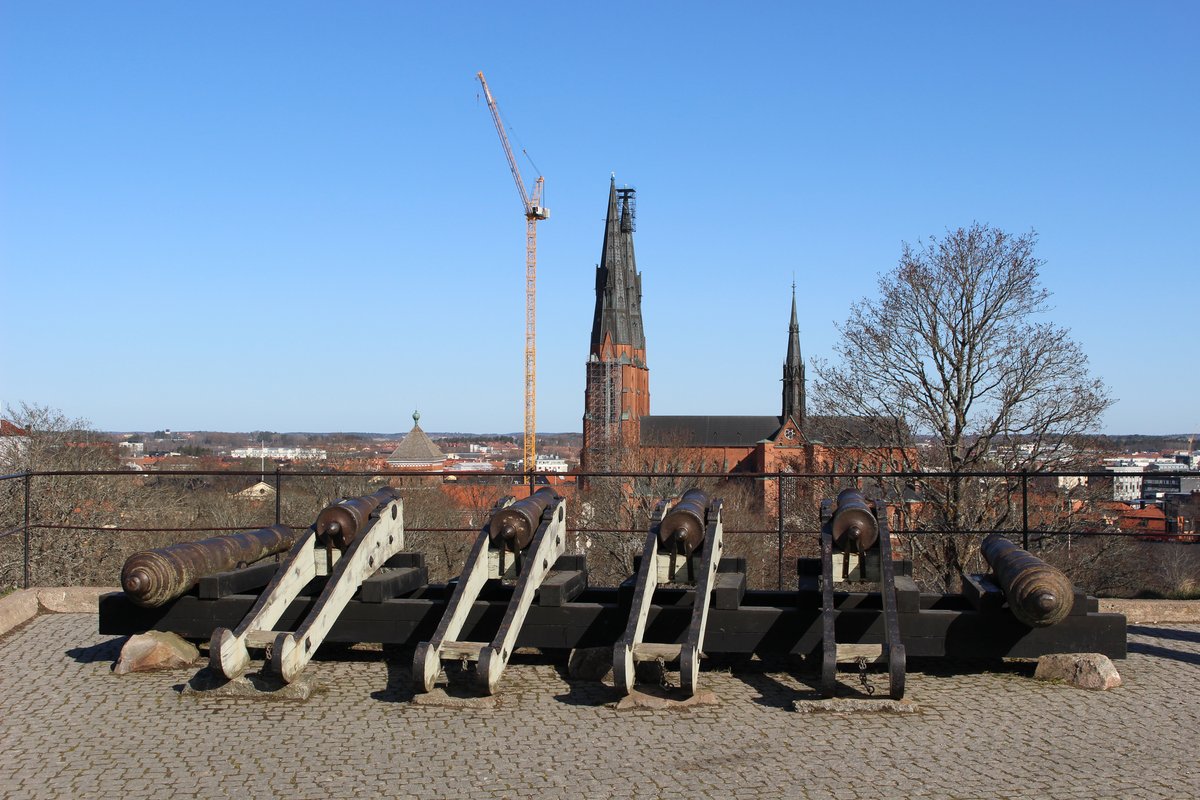
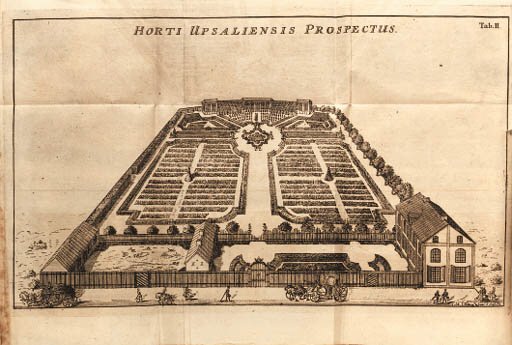
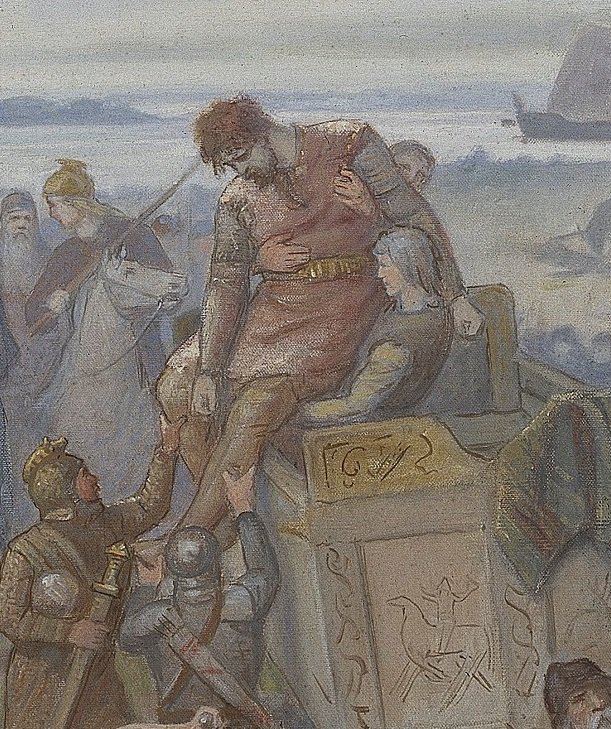


続きから読む
保存した場所と最近読んだ場所。この端末にのみ保存されます。