{'date': '14/06/2025', 'task': {'model': 'gpt-4.1-mini', 'query': 'Comprehensive guide to visiting Grave Of Ferdinand Hodler, Geneva, Switzerland: history, significance, visitor tips, and everything tourists need to know for a memorable experience.', 'verbose': False, 'guidelines': ["Keyword Research: Identify relevant keywords that potential visitors are likely to search for, such as '[Monument Name] visiting hours,' '[Monument Name] tickets,' and '[City] historical sites.' Use these keywords strategically throughout the article, including in the title, headers, and body text, but avoid keyword stuffing.", 'Engaging and Informative Title: Craft a title that is both SEO-friendly and compelling to encourage clicks. Include the main keyword and make it clear what the article will cover.', 'Structured Content: Use headings (H1, H2, H3) to organize the content effectively. This helps with SEO and makes the article easier for readers to navigate. Include an introduction that hooks the reader, a detailed body that covers all relevant aspects, and a conclusion that summarizes the key points.', 'Comprehensive Coverage: Address common questions and topics of interest such as the history of the monument, its cultural significance, visitor information (e.g., ticket prices, opening hours), travel tips, nearby attractions, and accessibility. Include sections that might be unique to the monument, like special events, guided tours, and photographic spots.', 'Quality Content: Ensure the content is well-researched, accurate, and provides real value to readers. Use reliable sources and provide factual information. Write in a clear, engaging, and accessible style. Consider your audience and use language that is appropriate for those likely to visit the monument.', 'Visuals and Media: Incorporate high-quality images or videos of the monument. These should be optimized for the web (correct sizing, alt tags with keywords). Consider interactive elements like virtual tours or maps.', 'Internal and External Links: Include links to other related articles on your site to encourage deeper engagement (internal links). Link to official websites for the monument or credible sources for further reading (external links).', 'FAQ: Incorporate FAQ sections to target voice search queries and featured snippets', 'Visit and Stay Up to Date: End the article with a call to action, such as encouraging readers to download our mobile app Audiala, check out other related posts, or follow on social media for more updates.'], 'max_sections': 4, 'publish_formats': {'pdf': False, 'docx': False, 'markdown': True}, 'follow_guidelines': True}, 'title': 'Comprehensive Guide to Visiting the Grave of Ferdinand Hodler, Geneva, Switzerland', 'report': "\n\n#### 日付: 14/06/2025\n\n## はじめに\n\nフェルディナン・ホドラー(1853-1918)は、スイスを代表する画家の一人であり、リアリズム、象徴主義、初期モダニズムを独自に融合させた作風で知られています。「パラレリズム」として知られる彼の芸術的ビジョンは、自然界と人間経験の調和とリズムを探求しました。ホドラーの人生とキャリアに深く関連する都市、ジュネーブは、美術館のコレクションから、王たちの墓地(Cimetière des Rois)にある彼の最後の安息地まで、彼の遺産に触れる機会を訪問者に豊富に提供しています。この包括的なガイドは、フェルディナン・ホドラーの墓を訪れ、関連する文化的名所を探索するために必要なすべての実用的な情報と歴史的背景を提供します。\n\n詳細については、ジュネーブ美術館・歴史博物館、ジュネーブ市、そしてEclectic Light Companyによる洞察に満ちた文化評論をご覧ください。\n\n---\n\n## 目次\n\n- はじめに\n- 初期の生涯と形成期\n- ジュネーブでの芸術的訓練と初期のキャリア\n- 私生活と人間関係\n- 芸術的進化と主要作品\n- 晩年と最後の作品\n- ジュネーブとスイスにおけるホドラーの遺産を訪ねる\n - ホドラーの作品を鑑賞できる場所\n - ホドラーの墓を訪れる\n - ガイドツアーと旅行のヒント\n- フェルディナン・ホドラーの墓を訪れる: 時間、場所、歴史的重要性\n - 場所とアクセス\n - 歴史的重要性\n - 訪問情報(時間、入場料、エチケット)\n - アクセスと施設\n - 訪問に最適な時期\n - 近くの史跡\n - よくある質問\n- まとめと訪問者向けアドバイス\n- 参考文献とさらなる読書\n\n---\n\n## 初期の生涯と形成期\n\nフェルディナン・ホドラーは1853年3月14日、スイスのベルンで、困窮と死別に見舞われた6人兄弟の長男として生まれました。父ジャン・ホドラーは木工職人、母マルグリット・ノイコムは質素な家庭の出身でした。8歳になるまでに、ホドラーは結核で父と2人の兄を亡くしました。母の再婚とさらなる家族の悲劇の後、若いホドラーは早くから働きに出なければならず、継父の看板や商業美術の制作を手伝いました(Wikipedia)。\n\n14歳で母を亡くして孤児となったホドラーは、テゥンに移り、フェルディナン・ゾンマーのもとで徒弟として修行しました。そこで、彼はアルプスの風景画を描き、観光客向けの版画を模写することで技術を磨きました。この経験は、後の作品に深い影響を与えました(Wikipedia)。\n\n---\n\n## ジュネーブでの芸術的訓練と初期のキャリア\n\n18歳で、ホドラーはジュネーブに移り、芸術家として自立しようと貧困に耐えました(divainternational.ch)。彼の運命は、ジュネーブ美術学校の著名な教授であり、ホドラーの才能を認めたバルテルミー・メンに会って変わりました。メンは、厳格な学術的指導を提供しました。古典巨匠や現代理論家の作品に触れたことは、ホドラーの形成途上にあったスタイルに profondamente 影響を与えました(divainternational.ch)。彼はまた、科学講義に出席し、ラート美術館で絵画を模写することで知識を深めました(Wikipedia)。\n\n---\n\n## 私生活と人間関係\n\nホドラーの私生活は複雑な人間関係によって特徴づけられていました。彼はアウグスティン・デュパン(モデルであり、息子エクトル・ホドラーの母)と関係を持ち、後にベルタ・シュトゥッキ、そしてベルト・ジャックと結婚しました。これらの関係は、彼の作品にしばしば影響を与え、「夜」(La Nuit)のような作品には、妻と愛人の間で描かれた自身の姿が見られます(clubpremium.ch; Wikipedia)。\n\n---\n\n## 芸術的進化と主要作品\n\nホドラーの芸術は、リアリズムから、彼が「パラレリズム」と呼ぶ独特の象徴主義へと進化し、対称性とリズムを重視しました。「選ばれし者」(1893年)や「ユーリズム」(1895年)のような代表作は、宇宙の秩序と人間の条件への関心を反映しています(Wikipedia)。レマン湖とアルプスに触発された彼の風景画は、その精神的な深さと構成的な調和で称賛されています(eclecticlight.co)。ホドラーはまた、スイス国立博覧会の大規模な委託作品やスイス国立博物館のフレスコ画など、重要な歴史画や壁画も制作しました(Wikipedia)。\n\n---\n\n## 晩年と最後の作品\n\n第一次世界大戦はホドラーにとって激動の時代であり、ドイツによるランス大聖堂砲撃に原則的に抗議したことで、ドイツのいくつかの美術団体から追放されるという出来事がありました(divainternational.ch)。個人的な悲劇は、愛人ヴァレンティーヌ・ゴデー=ダレルの病気と死によって襲われ、これは一連の感動的な絵画に記録されています(eclecticlight.co)。健康が悪化する中でも、ホドラーは1918年に亡くなるまで、ジュネーブのバルコニーから力強い風景画を描き続けました(Wikipedia)。\n\n---\n\n## ジュネーブとスイスにおけるホドラーの遺産を訪ねる\n\n### ホドラーの作品を鑑賞できる場所\n\n- ベルン美術館 (Kunstmuseum Bern): ホドラーの作品の主要なコレクションを所蔵しています。火曜日~日曜日、午前10時~午後6時まで営業(ベルン美術館)。\n- ジュネーブ美術館・歴史博物館 (Musée d’Art et d’Histoire, Geneva): 多数のホドラー絵画と資料を展示しています。火曜日~日曜日、午前11時~午後6時まで営業。ジュネーブ市民と18歳未満の子供は無料(MAH ジュネーブ)。\n- スイス国立博物館 (Swiss National Museum, Zurich): ホドラーの記念碑的なフレスコ画を展示しています。月曜日を除く毎日、午前10時~午後5時まで営業(スイス国立博物館)。\n\n### ガイドツアーと旅行のヒント\n\nジュネーブでは、ホドラー関連の場所を含む芸術遺産に焦点を当てたウォーキングツアーを提供しています。ジュネーブ・ミュージアム・パスは複数の美術館への便利なアクセスを提供し、主要な機関は一般的に障害のある訪問者も利用できます。開館時間やアクセシビリティの詳細については、常に美術館のウェブサイトを確認してください。\n\n---\n\n## フェルディナン・ホドラーの墓を訪れる: 時間、場所、歴史的重要性\n\n### 場所とアクセス\n\nフェルディナン・ホドラーの墓は、ジュネーブのプレンパレ地区にある王たちの墓地 (Cimetière des Rois)、Rue des Rois 10, 1204 Geneva に locate しています。墓地は旧市街やジュネーブ美術館・歴史博物館から徒歩圏内にあります(MAHMAH)。トラム12、14、18、バス1、32番線でアクセス可能です。\n\n墓地に入ると、入口にある地図がホドラーのものを含む著名な墓の場所を示しています。彼の墓は、簡素な石碑でマークされており、威厳とジュネーブの控えめな伝統を反映しています(ジュネーブ市)。\n\n### 歴史的重要性\n\n1482年に設立された王たちの墓地は、ジュネーブの文化的な殿堂であり、都市の生活に多大な貢献をした著名な人物のために reserved されています。ジャン・カルヴァン、ジャン・ピアジェ、ホルヘ・ルイス・ボルヘスといった著名人の眠る場所です。ホドラーがここに埋葬されていることは、スイスの芸術と文化における彼の永続的な影響力を affirmation しています(Eclectic Light Company; ジュネーブ市)。\n\n### 訪問情報\n\n- 時間: 毎日午前7時~午後7時まで(季節により変動する場合があります)。\n- 入場: すべての訪問者に対して無料です。\n- ガイドツアー: 墓地自体はホドラーに特化した定期的なガイドツアーを提供していませんが、一部の文化団体やツアーオペレーターは、その場所を観光ルートに含んでいます。現在の提供状況については、ジュネーブ観光局で確認してください。\n\n### アクセスと施設\n\n墓地は公共交通機関でアクセス可能で、ほとんどの訪問者(移動に制約のある方を含む)に適した舗装された小道があります。ベンチは利用可能ですが、敷地内にカフェやトイレはありません。プレンパレ地区の近くで施設を利用できます。写真撮影は可能ですが、訪問者は敬意を払い、 discreet に行動する必要があります。\n\n### 訪問に最適な時期\n\n早朝と夕方は、最も静かな雰囲気と最適な光が得られ、写真撮影にも適しています。春と秋は特に絵のように美しいです。\n\n### 近くの史跡\n\n文化的な体験を豊かにするために、墓地から徒歩圏内にあるジュネーブ美術館・歴史博物館を訪れてください。そこにはホドラーの絵画、スケッチ、ノートのlargest collection があります。ラート美術館やジュネーブの湖畔の遊歩道も近くにあり、探索する価値があります(MAHMAH; Eclectic Light Company)。\n\n---\n\n## よくある質問\n\nQ: フェルディナン・ホドラーの墓はどこにありますか?\nA: ジュネーブの王たちの墓地、Rue des Rois 10, 1204 Geneva にあります。\n\nQ: 墓地の開館時間は?\nA: 通常、午前7時から午後7時までですが、季節によって変更される場合があります。\n\nQ: 入場料はかかりますか?\nA: いいえ、入場は無料です。\n\nQ: 写真撮影はできますか?\nA: はい、ただし discreet かつ respectfully にしてください。\n\nQ: ガイドツアーはありますか?\nA: 墓地を含むツアーが時折ありますが、利用可能性については地元の観光案内所や美術館で確認してください。\n\n---\n\n## まとめと訪問者向けアドバイス\n\nフェルディナン・ホドラーの墓は、単なる追悼の場ではなく、スイスの文化的遺産の中心部への入り口です。高貴な王たちの墓地内にあるその場所は、ホドラーの重要性を強調し、近くの主要な美術館は、訪問者が彼の個人的な物語と芸術的達成の両方に浸ることを可能にします。墓地のマナーを尊重し、最適な時間帯に訪問を計画し、関連する場所を探索することで、ホドラーの遺産とジュネーブの活気ある歴史に対する理解を深めることができます。\n\n---\n\n## 参考文献とさらなる読書\n\n- divainternational.ch\n- ジュネーブ市\n- Intentional Travelers\n- ジュネーブ美術館・歴史博物館\n- Wikipedia\n- Eclectic Light Company\n- スイス国立博物館\n- ジュネーブ観光局\n\n---\n", 'headers': {'date': '日付', 'title': 'フェルディナン・ホドラーの墓地訪問ガイド、ジュネーブ、スイス:歴史、重要性、訪問者向けヒント、そして思い出に残る体験のために観光客が知っておくべきことすべて', 'conclusion': 'まとめと訪問者向けアドバイス', 'references': '参考文献とさらなる読書', 'introduction': 'はじめに', 'table_of_contents': '目次'}, 'sources': ["- Visiting Ferdinand Hodler's Legacy: Life, Art, and Geneva Historical Sites, 2023, divainternational.ch", '- Visiting Ferdinand Hodler’s Grave in Geneva: Hours, Location, and Historical Significance, 2023, City of Geneva', '- Visiting Ferdinand Hodler’s Grave: Hours, Access, and Tips at Geneva’s Historic Cemetery, 2023, Intentional Travelers', '- Visiting Ferdinand Hodler’s Grave in Geneva: Hours, History, and Cultural Significance, 2023, Musée d’Art et d’Histoire, Geneva', '- Ferdinand Hodler biography, 2023, Wikipedia', '- Eclectic Light Company: In Memoriam Ferdinand Hodler, 2018, eclecticlight.co', '- Swiss National Museum, 2023, nationalmuseum.ch', '- Geneva Tourism Office, 2023, geneve.com'], 'sections': ['Ferdinand Hodler: Life and Legacy', 'The Grave of Ferdinand Hodler: Location and Historical Significance', 'Visiting the Grave: Practical Information', 'What to Expect: The Visitor Experience', 'Cultural and Artistic Context', 'Tips for a Meaningful Visit', 'Conclusion: The Enduring Relevance of Hodler’s Resting Place', 'References'], 'conclusion': 'フェルディナン・ホドラーのジュネーブにある墓は、単なる埋葬地ではなく、スイスの先駆的な現代画家の一人である作者の深い影響を理解するための入り口です。尊敬される王たちの墓地内にあるこの場所は、ホドラーの芸術的業績と、スイスの文化的なアイデンティティを形成する上で彼が果たした不可欠な役割を称える、静かな空間へと訪問者を誘います。その場所のアクセスしやすさと無料入場、そしてジュネーブ美術館・歴史博物館のような近くの文化的ランドマークとの近さは、訪問者がホドラーの個人的な歴史と芸術作品の両方を深く理解するための、包括的な体験を提供します。\n\nホドラーの墓を訪れることは、ジュネーブの豊かな遺産とつながるユニークな機会を提供し、都市が芸術家を尊重していることを反映しています。個人での探索であれ、組織化されたツアーであれ、旅行者はホドラーの革新的なスタイルと彼が活動した歴史的文脈に対する理解を深めることができます。訪問者のマナーを尊重し、最適な時間帯に訪問を計画することで、有意義で静かな体験を確保することができます。\n\nさらに深く探求したい方には、豊富なリソースや展覧会が用意されています。また、Audialaアプリのようなデジタルツールは、ジュネーブの芸術的・歴史的景観を巡る旅を豊かにします。ホドラーの遺産に触れることは、スイスの芸術と歴史に対するより広範な考察を促し、墓への訪問をジュネーブでの文化的な旅程の不可欠な部分とします。\n\n今日、あなたの訪問を計画し、フェルディナン・ホドラーの遺産の永続的な美しさと重要性を発見してください。ジュネーブ観光局や、スイスの芸術遺産に関連する他の場所へのリンクから、ジュネーブ美術館・歴史博物館 の情報を参照して、訪問を効果的に計画してください。\n\n---\n', 'introduction': 'フェルディナン・ホドラー(1853-1918)は、スイスを代表する画家の一人であり、その画期的な現代美術への貢献は、スイス文化およびそれ以降にも響き続けています。彼の「パラレリズム」と呼ばれる独特のアプローチは、リアリズム、象徴主義、初期モダニズムを橋渡しし、自然界と人間経験の調和と精神的なリズムを捉えた、心に訴えかける風景画や肖像画を生み出しました。ジュネーブは、ホドラーの芸術的および個人的な生活と深く結びついた都市であり、訪問者は美術館のコレクションやすべての最終的な安息地を含む、いくつかの文化的なタッチポイントを通じて彼の遺産に触れることができます。\n\nジュネーブの王たちの墓地(Cimetière des Rois)にあるホドラーの墓は、芸術愛好家や旅行者にとって、芸術家の永続的な影響を振り返るための厳粛な空間を提供します。この墓地は、ジュネーブの文化的および市民生活に重要な貢献をした人々専用であり、ジャン・カルヴァンやジャン・ピアジェのような著名人とホドラーを並べて配置しています。ジュネーブ美術館・歴史博物館(ホドラーの絵画、スケッチ、資料のlargest collection を所蔵)との近さは、スイスの芸術遺産に浸りたい訪問者にとって、アクセスしやすく意味のある目的地となっています。\n\nこの包括的なガイドでは、ホドラーの墓への訪問に関する詳細情報(場所、開館時間、アクセス、文化的なエチケット)とともに、彼の人生、芸術性、およびジュネーブとスイスの関連場所についての洞察を提供します。ホドラーの墓への集中的な芸術巡礼を計画している場合でも、ジュネーブの歴史的景観のより広範な探索を計画している場合でも、このガイドはあなたの体験を豊かにするための実用的なヒントと文脈的な知識を提供します。さらに、ジュネーブ観光局や専門の芸術ツアーなどのリソースを活用し、Audialaアプリのようなデジタルツールも利用することを推奨します。\n\nジュネーブ美術館・歴史博物館、ジュネーブ市、Eclectic Light Companyなどの信頼できる情報源からの情報で、ホドラーの遺産についてさらに学び、訪問を効果的に計画してください。\n\n---\n', 'research_data': [{"Visiting Ferdinand Hodler's Legacy: Life, Art, and Geneva Historical Sites": '## Introduction\nDiscover the life and enduring legacy of Ferdinand Hodler, one of Switzerland’s most celebrated painters. This article explores Hodler’s artistic journey, his impact on Swiss culture, and provides practical information for visitors interested in exploring Hodler-related sites in Geneva and beyond. Whether you are an art enthusiast or a traveler seeking to connect with Swiss history, learn about where to view Hodler’s masterpieces, visit his grave, and experience the cultural landmarks that honor his memory.\n\n## Early Life and Formative Years\nFerdinand Hodler was born on March 14, 1853, in Bern, Switzerland, as the eldest of six children in a family marked by hardship and loss (Wikipedia). His father, Jean Hodler, worked as a carpenter, and his mother, Marguerite Neukomm, came from a peasant background. By the age of eight, Hodler had lost his father and two brothers to tuberculosis, and his mother’s subsequent remarriage to decorative painter Gottlieb Schüpach brought more siblings and financial strain. The family’s poverty forced the young Hodler into work at an early age, assisting his stepfather with painting signs and commercial projects (Wikipedia).\n\nTragedy continued to shadow Hodler’s youth. His mother died of tuberculosis in 1867, leaving him an orphan at just 14. He was sent to Thun to apprentice with Ferdinand Sommer, a local painter, where he learned to create conventional Alpine landscapes, often copying prints to sell to tourists (Wikipedia). This period instilled in him both technical skill and a deep connection to the Swiss landscape, themes that would later dominate his mature works.\n\n## Artistic Training and Early Career in Geneva\nAt 18, Hodler made a pivotal move to Geneva, determined to pursue a career as a painter (divainternational.ch). He lived in extreme poverty, surviving by painting “views” and shop signs, and even resorted to using his wardrobe door as a bed. His fortunes changed when he was noticed by Barthélemy Menn, a professor at the École des Beaux-Arts in Geneva and a friend of Corot, a key figure in the Impressionist movement. Menn provided Hodler with rigorous academic training in drawing and art theory between 1872 and 1877, introducing him to the works of masters such as Michelangelo, Raphael, Titian, Courbet, Holbein, and Goya (divainternational.ch).\n\nDuring this period, Hodler attended science lectures at the Collège de Genève and spent time copying paintings at the Musée Rath, further broadening his artistic horizons (Wikipedia). His early works were characterized by realism, focusing on portraits, landscapes, and genre scenes.\n\n## Personal Life and Relationships\nHodler’s personal life was complex and often unconventional. In 1884, he began a relationship with Augustine Dupin, who became both his model and companion. Their son, Hector Hodler, was born in 1887 and would later gain recognition as the founder of the World Esperanto Association (Wikipedia). Despite his bond with Augustine, Hodler married Bertha Stucki in 1889, though the marriage ended in divorce just two years later. In 1898, he married Berthe Jacques, whom he had met in 1894 (Wikipedia).\n\nHodler’s relationships often influenced his art, with both Augustine Dupin and Bertha Stucki appearing in his paintings. Notably, his masterpiece “La Nuit” (The Night, 1889–1890) features his own likeness between his wife and his lover, reflecting the emotional complexity of his life (clubpremium.ch).\n\n## Artistic Evolution and Major Works\nHodler’s artistic journey evolved from realism to a distinctive form of Symbolism, which he termed “parallelism.” This style emphasized symmetry and rhythm, reflecting his belief in the underlying order of nature and society (Wikipedia). In works such as “The Chosen One” (1893) and “Eurythmy” (1895), Hodler arranged figures in ritualistic, symmetrical compositions, exploring themes of harmony, death, and the human condition.\n\nHis landscapes, often inspired by the Swiss Alps and Lake Geneva, are celebrated for their poetic depiction of nature’s rhythms and cosmic order. Hodler painted around 600 landscapes during his lifetime, distilling the elements of water, earth, air, and fire into harmonious compositions (eclecticlight.co). His late works, such as “Lake Geneva with Mont Blanc in the (Red) Dawn Light” (1918), are noted for their simplicity and sublime beauty.\n\nHodler also produced monumental historical paintings and murals, often with patriotic themes. In 1896, he was commissioned to paint 25 large-scale works for the Swiss National Exhibition in Geneva, though several were controversially rejected by the exhibition’s committee (divainternational.ch). In 1897, he created frescoes for the Weapons Room of the Schweizerisches Landesmuseum in Zurich, further cementing his reputation as a national artist (Wikipedia).\n\n## Later Years, Political Stance, and Final Works\nThe outbreak of World War I marked a challenging period for Hodler. In 1914, he joined 99 Genevan artists and intellectuals in condemning the German bombardment of Rheims Cathedral, an act that led to his expulsion from several German art societies despite his previous acclaim in Germany (divainternational.ch; Wikipedia). This principled stance underscored his commitment to cultural heritage and international solidarity.\n\nPersonal tragedy struck again when his lover, Valentine Godé-Darel, succumbed to cancer in 1915. Hodler documented her decline in a series of more than twenty poignant paintings, capturing the emotional intensity of her final days (eclecticlight.co). Despite his own declining health—he suffered from pulmonary edema and was largely bedridden in his final months—Hodler continued to paint, producing some of his most acclaimed landscapes from his balcony in Geneva.\n\nHodler died in Geneva on May 19, 1918, at the age of 65 (Wikipedia). In recognition of his contributions, he was made an honorary citizen of Geneva shortly before his death (divainternational.ch).\n\n## Visiting Ferdinand Hodler’s Legacy in Geneva and Switzerland\n### Where to See Hodler’s Art\n- Kunstmuseum Bern: Home to one of the largest collections of Hodler’s work, including key landscapes and portraits. The museum is open Tuesday to Sunday from 10:00 AM to 6:00 PM. Tickets cost approximately CHF 16 for adults. Kunstmuseum Bern Website\n\n- Musée d’Art et d’Histoire, Geneva: Displays several Hodler paintings amid its extensive collection of Swiss art. Open Tuesday to Sunday, 11:00 AM to 6:00 PM. Admission is free for residents of Geneva and children under 18. MAH Geneva\n\n- Schweizerisches Landesmuseum, Zurich: Features Hodler’s frescoes in the Weapons Room, open daily except Mondays, 10:00 AM to 5:00 PM. Ticket prices vary. Swiss National Museum\n\n### Visiting Hodler’s Grave\nFerdinand Hodler is buried in the Cimetière des Rois (Cemetery of Kings) in Geneva, a historic site open to the public daily from 8:00 AM to 6:00 PM. The grave is accessible to visitors interested in paying their respects. Guided tours of the cemetery are occasionally offered by local cultural organizations—check the Geneva tourism website for schedules.\n\n### Guided Tours and Travel Tips\nSeveral guided walking tours in Geneva focus on the city’s artistic heritage and include stops related to Hodler’s life and work. Visitors can book tours through the Geneva Tourism Office or specialized art tour operators. When planning your visit, consider purchasing a Geneva Museum Pass, which grants access to multiple museums including those housing Hodler’s art.\n\nAccessibility varies by location; most major museums have accommodations for visitors with disabilities. It is recommended to check individual museum websites for specific accessibility information.\n\n## Visuals and Media\nIncluding high-quality images of notable Hodler paintings such as “La Nuit” and “Lake Geneva with Mont Blanc in the (Red) Dawn Light,” photos of his grave at Cimetière des Rois, and maps showing museum locations will enhance the visitor experience. Alt tags for images should incorporate keywords like "Ferdinand Hodler paintings in Geneva" and "visit Ferdinand Hodler grave."\n\n## Frequently Asked Questions (FAQ)\nQ: Where can I see Ferdinand Hodler’s paintings in Geneva?\nA: The Musée d’Art et d’Histoire in Geneva houses several of Hodler’s works and is a great place to start.\n\nQ: What are the visiting hours for the Kunstmuseum Bern?\nA: The Kunstmuseum Bern is open Tuesday to Sunday from 10:00 AM to 6:00 PM.\n\nQ: Can I visit Ferdinand Hodler’s grave?\nA: Yes, Hodler’s grave is located at the Cimetière des Rois in Geneva, open daily from 8:00 AM to 6:00 PM.\n\nQ: Are there guided tours related to Ferdinand Hodler in Geneva?\nA: Yes, several walking tours include Hodler-related sites. Check with the Geneva Tourism Office for current offerings.\n\nQ: Is there an admission fee to see Hodler’s works?\nA: Fees vary by museum; some offer free admission for residents or children. It is advisable to check museum websites for up-to-date information.\n\n## Conclusion\nFerdinand Hodler’s profound influence on Swiss art and national identity is preserved not only in his paintings but also in the cultural landmarks that celebrate his legacy. From museum collections and historic frescoes to his final resting place in Geneva, visitors have numerous opportunities to engage with his life and work. Plan your visit today to experience the timeless beauty and cultural significance of Ferdinand Hodler’s art firsthand.\n\n## Call to Action\nReady to explore Ferdinand Hodler’s legacy? Download the Audiala app for detailed guides on Swiss art and historical sites, including exclusive content on Hodler. Follow us on social media for the latest updates on exhibitions and tours. Don’t miss out on discovering the rich cultural heritage of Geneva and Switzerland through the eyes of one of its greatest artists.\n\n---\n\n### Internal Links\n- [Swiss Art and Artists: A Comprehensive Guide]\n- [Top Historical Sites to Visit in Geneva]\n- [Museum Visiting Tips for Art Lovers]\n\n### External Links\n- Kunstmuseum Bern\n- Musée d’Art et d’Histoire, Geneva\n- Swiss National Museum\n- Geneva Tourism Office\n\n(Images and maps to be added by editorial team with SEO-optimized alt tags.)'}, {'Visiting Ferdinand Hodler’s Grave in Geneva: Hours, Location, and Historical Significance': '# Visiting Ferdinand Hodler’s Grave in Geneva: Hours, Location, and Historical Significance\n\nFerdinand Hodler is celebrated as one of Switzerland’s most influential modern painters, and visiting his grave in Geneva offers a unique glimpse into the city’s rich cultural heritage. This article provides comprehensive information about the location, visiting hours, admission details, historical significance, and tips for making the most of your visit to Hodler’s final resting place at the Cimetière des Rois. Whether you are an art enthusiast, cultural traveler, or history buff, discover how to experience this Geneva historical site and its connection to Hodler’s enduring legacy.\n\n## Location of Ferdinand Hodler’s Grave in Geneva\n\nFerdinand Hodler is interred in the prestigious Cimetière des Rois (Cemetery of Kings), also known as the Plainpalais Cemetery, located at Rue des Rois 10, 1204 Genève, within Geneva’s Plainpalais district. The cemetery is centrally positioned a short walk from Geneva’s Old Town and the Musée d’Art et d’Histoire, which houses the world’s largest collection of Hodler’s works (MAHMAH). Easily accessible by tram lines 12, 14, and 18, as well as bus lines 1 and 32, the cemetery welcomes daily visitors seeking to explore Geneva historical sites.\n\nThe Cimetière des Rois is reserved exclusively for individuals who have rendered exceptional service to Geneva’s cultural, political, or scientific life, making it a site of significant civic importance (City of Geneva). Hodler’s grave, marked by a simple yet dignified stone along one of the main paths, reflects the city’s respect for his artistic contributions.\n\n## Historical Significance of Ferdinand Hodler’s Grave\n\n### Ferdinand Hodler’s Artistic Legacy\n\nBorn in 1853, Ferdinand Hodler is widely regarded as Switzerland’s first great modern painter. His work spans realism, symbolism, and a unique style known as Parallelism, deeply influencing Swiss and European art. Hodler’s landscapes of Lake Geneva and the Alps are known for their rhythmic compositions and spiritual depth (Eclectic Light Company). Recognized internationally, he was a member of the Vienna and Berlin Secessions and received the French Légion d’honneur.\n\nGeneva was central to Hodler’s personal and professional life. After moving there in 1872, he studied under Barthélemy Menn and later taught at the École des Beaux-Arts (MAHMAH). The city honored him as a “bourgeois d’honneur” in 1918, the year of his death.\n\n### Geneva’s Cimetière des Rois: A Cultural Pantheon\n\nEstablished in 1482, the Cimetière des Rois serves as Geneva’s Pantheon, commemorating notable figures including Jean Calvin, Jorge Luis Borges, and Jean Piaget. Its tranquil setting with mature trees and understated graves embodies Geneva’s tradition of modesty and civic equality (City of Geneva). Hodler’s burial here affirms his lasting place in Swiss cultural history.\n\n### Hodler’s Grave as a Destination for Art and Cultural Tourism\n\nVisiting Hodler’s grave offers art lovers a personal connection to a foundational figure in Swiss art. Its proximity to the Musée d’Art et d’Histoire, which holds over 140 of Hodler’s paintings along with extensive sketches and notebooks, enables visitors to explore both his creative output and final resting place in one itinerary (MAHMAH). Nearby attractions such as the Musée Rath and Geneva’s lakeside promenades further enrich the cultural experience (Eclectic Light Company).\n\n## Visiting Ferdinand Hodler’s Grave: Hours, Tickets, and Admission\n\n### Visiting Hours\n\nThe Cimetière des Rois is open daily, typically from 7:00 am to 7:00 pm, though hours may vary seasonally. Visitors interested in viewing Ferdinand Hodler’s grave should plan their visit accordingly to ensure access during these times.\n\n### Tickets and Admission\n\nAdmission to the cemetery is free of charge. As an active burial ground and historical site, visitors are expected to maintain respectful behavior throughout their visit.\n\n### Guided Tours and Special Events\n\nWhile the cemetery does not regularly offer guided tours focused exclusively on Hodler’s grave, some cultural tour operators in Geneva include the Cimetière des Rois in their historical or art-themed itineraries. Special exhibitions of Hodler’s work may also occur at nearby museums such as the Musée d’Art et d’Histoire and Musée Rath. Visitors are encouraged to check museum schedules for current events and guided tour availability.\n\n## How to Find Ferdinand Hodler’s Grave\n\nUpon entering the Cimetière des Rois, visitors will find maps at the main entrance indicating the locations of notable graves, including Hodler’s. Cemetery staff are also available to provide directions. Hodler’s grave is marked by a simple stone inscribed with his name and dates, consistent with the cemetery’s understated style.\n\n## Accessibility and Visitor Facilities\n\nThe cemetery’s central location makes it easily reachable on foot from Geneva’s Old Town or via public transport (tram lines 12, 14, 18; bus lines 1, 32). The site features well-maintained paths, though some areas may be uneven due to the historic nature of the grounds. Benches are available for rest, but there are no on-site restrooms; nearby cafés and public facilities in the Plainpalais district serve visitors’ needs.\n\nPhotography is permitted but visitors should be discreet and respectful, particularly when others are present. Visitors are advised to wear appropriate attire and maintain quiet to honor the cemetery’s solemn atmosphere.\n\n## Best Times to Visit\n\nEarly mornings and late afternoons provide the most atmospheric light and a quieter experience. Spring and autumn offer especially picturesque surroundings with blossoms and colorful foliage. The cemetery is open year-round, though winter visits may be less comfortable due to weather.\n\n## Combining the Visit with Other Geneva Historical Sites\n\nEnhance your visit by exploring the Musée d’Art et d’Histoire, located just a 10–15 minute walk from the cemetery. The museum’s extensive Hodler collection includes landscapes, portraits, historical scenes, and archives of over 650 drawings and 241 sketchbooks (MAHMAH). Nearby, the Musée Rath hosts periodic Hodler exhibitions, and the lakeside promenades that inspired many of his works offer a scenic complement.\n\n## Visitor Etiquette and Preservation Guidelines\n\n- Stay on designated paths and avoid walking on graves.\n- Maintain a quiet and respectful demeanor.\n- Do not leave objects or tributes on the grave without cemetery permission.\n- Refrain from eating, drinking, or recreational activities within the cemetery.\n\nFollowing these guidelines helps preserve the site’s dignity and ensures a meaningful experience for all visitors.\n\n## Frequently Asked Questions (FAQ)\n\nQ: What are the visiting hours for Ferdinand Hodler’s grave?\nA: The Cimetière des Rois is generally open daily from 7:00 am to 7:00 pm, with possible seasonal variations.\n\nQ: Is there an admission fee to visit the cemetery?\nA: No, admission is free.\n\nQ: Are guided tours available at the cemetery?\nA: There are no regular guided tours specifically for Hodler’s grave, but some cultural tours include the cemetery. Nearby museums may offer related tours.\n\nQ: How do I get to the Cimetière des Rois?\nA: The cemetery is accessible on foot from Geneva’s Old Town or via tram lines 12, 14, 18 and bus lines 1, 32.\n\nQ: Can I take photographs at the cemetery?\nA: Yes, but please be discreet and respectful.\n\n## Notable Facts and Figures\n\n- Ferdinand Hodler’s lifespan: 1853–1918.\n- Year of burial: 1918.\n- Cimetière des Rois establishment: 1482.\n- Hodler works at Musée d’Art et d’Histoire: Over 140 paintings, 650 drawings, and 241 sketchbooks (MAHMAH).\n- Other notable burials: Jean Calvin, Jorge Luis Borges, Jean Piaget.\n\n## Further Resources and Related Articles\n\nFor more on Hodler’s life and works, and other Geneva historical sites, see:\n\n- Musée d’Art et d’Histoire, Geneva\n- Eclectic Light Company: In Memoriam Ferdinand Hodler\n- City of Geneva: Cimetière des Rois\n\nExplore our related articles on Geneva historical sites and Swiss modern art pioneers to deepen your cultural journey.\n\n## Plan Your Visit Today\n\nDiscover the legacy of Ferdinand Hodler and Geneva’s rich history by visiting the Cimetière des Rois. Download the Audiala app for guided audio tours, follow our social media channels for the latest updates, and explore more cultural landmarks with our curated travel guides. Experience the art, history, and serene beauty of this unique Geneva historical site.\n\n---\n\nImage suggestion: A photograph of Ferdinand Hodler’s grave in the Cimetière des Rois with alt text "Ferdinand Hodler grave in Geneva" to enhance visual engagement and SEO.\n\nMap suggestion: Include an interactive map or link to a virtual tour of the Cimetière des Rois to assist visitors in locating Hodler’s grave and planning their visit.'}, {'Visiting Ferdinand Hodler’s Grave: Hours, Access, and Tips at Geneva’s Historic Cemetery': '## Introduction\n\nVisiting the grave of Ferdinand Hodler, one of Switzerland’s most influential artists, offers a unique opportunity to connect with Geneva’s rich cultural heritage. This guide provides practical information on Ferdinand Hodler visiting hours, access details, ticketing, and tips to ensure a meaningful visit to this notable Geneva historical site.\n\n## Location and Access\n\nFerdinand Hodler’s grave is located in the Cimetière de Saint-Georges in Geneva, at Rue des Rois 10, 1204 Geneva, on the southwestern edge of the city center. The cemetery is easily accessible via Geneva’s efficient public transportation network. Visitors can reach the site by tram lines 14 or 15, disembarking at the “Jonction” stop, a short walk from the main entrance. Several bus routes also serve the area. The cemetery is within walking or cycling distance from Geneva’s Old Town and the Musée d’art et d’histoire, where many of Hodler’s works are displayed (Intentional Travelers "opens in new tab").\n\n## Ferdinand Hodler Visiting Hours and Ticket Information\n\nThe Cimetière de Saint-Georges is open daily with the following hours:\n\n- Summer: 7:00 am – 7:00 pm\n- Winter: 7:00 am – 6:00 pm\n\nThere is no entrance fee to visit Ferdinand Hodler’s grave or the cemetery, making it an accessible destination for all visitors. No tickets are required.\n\n## Navigating the Cemetery\n\nBeing Geneva’s oldest municipal cemetery, Cimetière de Saint-Georges offers a tranquil, park-like atmosphere. Upon arrival, maps are available near the main gates highlighting notable graves, including Hodler’s. The site features paved paths and clear signage, though comfortable walking shoes are recommended due to uneven or hilly terrain in some areas.\n\nHodler’s modest grave is marked by a simple stone, often adorned with flowers left by admirers. It is situated in a section dedicated to prominent Swiss figures, underscoring his status as a national icon (Art in Context "opens in new tab"). Guided tours focusing on Geneva’s historical figures, including Hodler, are occasionally offered by local tour operators and cultural organizations—check ahead for availability.\n\n## Photography and Best Spots\n\nPhotography is permitted but visitors should be discreet and respectful, especially when others are present. The grave’s serene setting offers excellent natural light in early mornings and late afternoons, ideal for photography and reflection. Use of tripods or professional equipment may require prior permission from cemetery administration.\n\n## Practical Visitor Information\n\n### Facilities\n\n- Public restrooms are located near the main entrance.\n- Benches are available for rest and contemplation.\n- No cafés or shops are inside the cemetery, but several are nearby in the Jonction and Plainpalais districts.\n\n### Accessibility\n\nThe cemetery is largely accessible, with paved paths suitable for visitors with limited mobility. Some older sections may have uneven ground; wheelchair users are advised to consult the cemetery office for accessible routes.\n\n### Safety and Security\n\nGeneva is considered very safe, and the cemetery is regularly patrolled. Visitors should keep personal belongings secure and be mindful when visiting during quieter hours.\n\n### Language\n\nFrench is the primary language used in signage and communication at the cemetery. Staff may speak English and provide multilingual leaflets. Using basic French phrases or a translation app can enhance your experience.\n\n## Cultural Etiquette and Tips\n\n- Dress modestly as the cemetery is an active burial ground.\n- Maintain a quiet demeanor; avoid loud conversations.\n- Do not litter or disturb graves; if leaving flowers or tokens at Hodler’s grave, ensure they are biodegradable and comply with cemetery rules.\n\n## Combining Your Visit\n\nGiven its proximity to Geneva’s cultural institutions, many visitors combine their visit to Hodler’s grave with a trip to the nearby Musée d’art et d’histoire (Apollo Magazine "opens in new tab"), which houses an extensive collection of Hodler’s works, enriching understanding of his artistic legacy.\n\n## Nearby Amenities and Transport\n\n### Public Transport\n\nGeneva’s reliable public transport system includes trams, buses, and boats. Visitors staying in hotels, hostels, or campsites can use the free Geneva Transport Card for unlimited travel (Intentional Travelers "opens in new tab"). Tram and bus stops near the cemetery are within a five-minute walk.\n\n### Parking and Cycling\n\nStreet parking near the cemetery is limited. Paid parking garages are available about a 10-minute walk away in Plainpalais. Cycling is popular; bike racks are provided outside the cemetery.\n\n### Food and Refreshments\n\nNo food vendors are on-site. Nearby cafés and bakeries in Jonction and Plainpalais offer various options.\n\n## FAQ\n\nIs there an entrance fee to visit Ferdinand Hodler’s grave? No, admission is free.\n\nAre guided tours available? Some local operators offer walking tours of the cemetery that include Hodler’s grave; check schedules in advance.\n\nWhat are the best times to visit? Early mornings and late afternoons provide peaceful ambiance and optimal lighting.\n\nIs the cemetery accessible for visitors with limited mobility? Mostly yes, but some older sections may be uneven. Consult the cemetery office for guidance.\n\n## Visuals and Media\n\nVisitors can view images of Ferdinand Hodler’s grave and the cemetery on the official Geneva tourism website and related cultural sites. An interactive map of Cimetière de Saint-Georges is available here "opens in new tab" to assist with navigation.\n\n## Conclusion\n\nVisiting Ferdinand Hodler’s grave at Cimetière de Saint-Georges is a poignant experience that connects art lovers and history enthusiasts to Geneva’s rich cultural tapestry. By planning your visit during recommended hours, respecting cemetery etiquette, and exploring nearby historical sites, you can ensure a meaningful and memorable journey.\n\nFor more detailed guides and updates on Geneva’s historical sites, download the Audiala app and follow us on social media for the latest events and tours related to Ferdinand Hodler and other cultural treasures in Geneva.\n\n---\n\nExplore More:\n- Geneva Old Town Walking Tour\n- Top Museums in Geneva\n- Guide to Geneva’s Public Transport\n\nStay connected for the latest updates and tips!\n\nFollow us on Instagram | Like us on Facebook | Subscribe to our Newsletter'}, {'Visiting Ferdinand Hodler’s Grave in Geneva: Hours, History, and Cultural Significance': '## Visiting Ferdinand Hodler’s Grave in Geneva: Hours, History, and Cultural Significance\n\n### Introduction: Experience the Legacy of Ferdinand Hodler\nDiscover the final resting place of Ferdinand Hodler (1853–1918), one of Switzerland’s most influential painters, in Geneva. This article provides essential visitor information on how to access Hodler’s grave, opening hours, nearby attractions, and the cultural importance of this monument site. Whether you are an art enthusiast or a culturally curious traveler, visiting Hodler’s grave offers a meaningful connection to Swiss art history and Geneva’s rich heritage.\n\n### Ferdinand Hodler’s Artistic Legacy and Cultural Importance\nFerdinand Hodler’s work bridges late 19th-century Realism and Symbolism with early Modernism, marking a significant chapter in Swiss and European art. His distinctive style, known as “parallelism,” reflects harmony in nature and human existence. Hodler’s grave in Geneva is not only a place of personal remembrance but also a site of national pride and cultural memory, attracting visitors interested in Swiss art and history.\n\n### Visiting Ferdinand Hodler’s Grave: Practical Information\n- Location: Hodler’s grave is located in the Cimetière des Rois (Cemetery of Kings) in Geneva, a historic cemetery known for being the resting place of prominent Swiss figures.\n- Visiting Hours: The cemetery is generally open daily from 8:00 AM to 6:00 PM; hours may vary seasonally. It is recommended to check the official Geneva cemetery website or local tourist information for up-to-date visiting times.\n- Entry Fees: Admission to the cemetery is free.\n- Accessibility: The cemetery is accessible by wheelchair, with paved paths leading to the grave site. Public transport options include bus lines and trams stopping near the cemetery.\n- Getting There: From Geneva city center, take tram line 12 or bus line 8 to the "Cimetière des Rois" stop. The grave is a short walk from the entrance.\n\n### Respectful Visiting Guidelines and Photography\nVisitors are encouraged to approach the grave with respect and quiet reflection. Photography is generally permitted; however, avoid using flash or disruptive behavior to maintain the solemnity of the site. Please refrain from touching or disturbing any flowers or memorial tokens.\n\n### Nearby Attractions and Cultural Sites in Geneva\nEnhance your visit by exploring Geneva’s cultural landscape:\n- Musée d’Art et d’Histoire: Home to many of Hodler’s works.\n- Old Town (Vieille Ville): Historic streets and landmarks.\n- Lake Geneva Promenade: The scenic lakeside that inspired many of Hodler’s landscapes.\n- University of Geneva and Swiss National Museum: Featuring murals and exhibits related to Hodler’s art.\n\n### Special Events and Guided Tours\nGeneva occasionally hosts commemorative events on Hodler’s birth and death anniversaries, including guided cemetery tours and exhibitions. Check Geneva’s official tourism website or local museums for schedules. Guided tours often include visits to Hodler’s grave alongside other artistic and historical landmarks.\n\n### Frequently Asked Questions (FAQ)\nQ: Are there any tickets required to visit Ferdinand Hodler’s grave?\nA: No, the cemetery is open to the public free of charge.\n\nQ: What are the best hours to visit?\nA: Daylight hours between 8:00 AM and 6:00 PM are ideal for safety and ambiance.\n\nQ: Is the site wheelchair accessible?\nA: Yes, the cemetery paths leading to the grave are wheelchair accessible.\n\nQ: Can I photograph the grave?\nA: Photography is allowed, but please be respectful and avoid flash or intrusive behavior.\n\nQ: How can I get there using public transport?\nA: Tram line 12 and bus line 8 stop near the cemetery entrance.\n\n### Summary and Encouragement to Visit\nFerdinand Hodler’s grave in Geneva is a culturally significant site that offers visitors a unique opportunity to connect with Swiss art history in a serene setting. With free entry, easy accessibility, and proximity to other cultural attractions, it is a must-visit for those exploring Geneva’s rich artistic heritage. Plan your visit to coincide with local events or guided tours to deepen your experience.\n\n### Additional Resources and Links\n- Musée d’Orsay Exhibition on Ferdinand Hodler\n- Geneva Tourism Official Site\n- Geneva Discovery Map\n- Geneva Cemetery Information\n\n### Call to Action\nExplore more about Geneva’s historical sites and Swiss art by subscribing to our newsletter and downloading our mobile app for up-to-date visitor guides and exclusive content. Follow us on social media for the latest events and tours related to Ferdinand Hodler and other cultural treasures in Geneva.\n\nImages: Include high-quality photos of Ferdinand Hodler’s grave with alt text such as "Ferdinand Hodler grave in Geneva cemetery," artworks by Hodler, and maps showing location and nearby attractions.\n\n### Internal Links\n- [Top Historical Sites to Visit in Geneva]\n- [Guide to Swiss Artists and Their Legacies]\n- [Geneva Museum Guide and Visitor Tips]'}], 'table_of_contents': '- Introduction\n- Early Life and Formative Years\n- Artistic Training and Early Career in Geneva\n- Personal Life and Relationships\n- Artistic Evolution and Major Works\n- Later Years and Final Works\n- Visiting Ferdinand Hodler’s Legacy in Geneva and Switzerland\n - Where to See Hodler’s Art\n - Visiting Hodler’s Grave\n - Guided Tours and Travel Tips\n- Visiting Ferdinand Hodler’s Grave: Hours, Location, and Historical Significance\n - Location of Ferdinand Hodler’s Grave in Geneva\n - Historical Significance of Ferdinand Hodler’s Grave\n - Visiting Ferdinand Hodler’s Grave: Hours, Tickets, and Admission\n - How to Find Ferdinand Hodler’s Grave\n - Accessibility and Visitor Facilities\n - Best Times to Visit\n - Combining the Visit with Other Geneva Historical Sites\n - Visitor Etiquette and Preservation Guidelines\n- Visiting Ferdinand Hodler’s Grave: Hours, Access, and Tips at Geneva’s Historic Cemetery\n - Location and Access\n - Ferdinand Hodler Visiting Hours and Ticket Information\n - Navigating the Cemetery\n - Photography and Best Spots\n - Practical Visitor Information\n - Accessibility\n - Safety and Security\n - Cultural Etiquette and Tips\n - Combining Your Visit\n - Nearby Amenities and Transport\n - FAQ\n- Visiting Ferdinand Hodler’s Grave in Geneva: Hours, History, and Cultural Significance\n - Introduction: Experience the Legacy of Ferdinand Hodler\n - Ferdinand Hodler’s Artistic Legacy and Cultural Importance\n - Visiting Ferdinand Hodler’s Grave: Practical Information\n - Respectful Visiting Guidelines and Photography\n - Nearby Attractions and Cultural Sites in Geneva\n - Special Events and Guided Tours\n - FAQ\n - Summary and Encouragement to Visit\n - Additional Resources and Links\n - Call to Action'}, 'initial_research': '# Comprehensive Guide to Visiting the Grave of Ferdinand Hodler, Geneva, Switzerland\n\n## Abstract\n\nThis report provides an in-depth, comprehensive guide to visiting the grave of Ferdinand Hodler in Geneva, Switzerland. It covers the historical context of Hodler’s life and work, the significance of his burial site, practical visitor information, and cultural insights to ensure a memorable and meaningful experience. Drawing on a wide range of authoritative sources, this guide is designed for art enthusiasts, cultural travelers, and anyone interested in Swiss heritage.\n\n---\n\n## Table of Contents\n\n1. Introduction\n2. Ferdinand Hodler: Life and Legacy\n - Early Life and Artistic Development\n - Artistic Achievements and Influence\n - Hodler’s Final Years and Death\n3. The Grave of Ferdinand Hodler: Location and Historical Significance\n - Cimetière de Saint-Georges: Geneva’s Historic Cemetery\n - The Grave’s Artistic and Cultural Importance\n4. Visiting the Grave: Practical Information\n - Location and Access\n - Opening Hours and Admission\n - Navigating the Cemetery\n - Accessibility\n5. What to Expect: The Visitor Experience\n - The Grave’s Appearance and Atmosphere\n - Nearby Points of Interest\n - Suggested Itineraries\n6. Cultural and Artistic Context\n - Hodler’s Place in Swiss and European Art\n - The Grave as a Site of Pilgrimage\n - Commemorations and Exhibitions\n7. Tips for a Meaningful Visit\n - Best Times to Visit\n - Etiquette and Respect\n - Combining with Other Geneva Attractions\n8. Conclusion: The Enduring Relevance of Hodler’s Resting Place\n9. References\n\n---\n\n## 1. Introduction\n\nGeneva, Switzerland, is a city renowned for its blend of natural beauty, cosmopolitan culture, and deep historical roots. Among its many cultural treasures is the grave of Ferdinand Hodler, one of Switzerland’s most celebrated painters. Hodler’s final resting place at the Cimetière de Saint-Georges is not only a site of personal remembrance but also a locus of national artistic heritage. This guide aims to equip visitors with everything they need to know to appreciate the grave’s significance and to make the most of their visit.\n\n---\n\n## 2. Ferdinand Hodler: Life and Legacy\n\n### Early Life and Artistic Development\n\nFerdinand Hodler was born on March 14, 1853, near Bern, Switzerland, into a family marked by hardship and loss. By the age of 12, he was orphaned, having lost his father, mother, and all siblings to tuberculosis—a tragedy that profoundly shaped his worldview and artistic sensibility (britannica.com; americamagazine.org). His stepfather, a decorative painter, introduced him to the craft, and Hodler’s first formal training came through an apprenticeship with Ferdinand Sommer in Thun, where he learned to paint Alpine landscapes for tourists (thomascrauwels.ch).\n\nAt 18, Hodler moved to Geneva, then Switzerland’s artistic center, despite not speaking French. From 1872 to 1877, he studied under Barthélemy Menn, who exposed him to French avant-garde painting and the plein-air tradition. Menn’s influence was pivotal, introducing Hodler to the concept of “parallelism”—the use of repetition and symmetry to reveal the order and harmony of nature (americamagazine.org; dailyartmagazine.com).\n\n### Artistic Achievements and Influence\n\nHodler’s career was marked by constant evolution. Initially, he painted genre scenes and realistic portraits, influenced by Gustave Courbet’s realism. By the 1880s, his style shifted toward idealism and symbolism, culminating in the development of his unique “Parallelism.” This approach emphasized simplified forms, rhythmic repetition, and a search for the essential qualities of nature and humanity (apollo-magazine.com; artincontext.org).\n\nHodler became a sought-after artist in Switzerland, receiving major public commissions, such as murals for the Palais des Beaux-Arts in Geneva and the Swiss National Museum in Zurich. His landscapes—especially those depicting Lake Geneva and the Swiss Alps—are celebrated for their tranquility, majesty, and spiritual resonance. He also painted monumental figural compositions and over 100 self-portraits, exploring themes of solitude, contemplation, and the cycles of life (dailyartmagazine.com; houseofswitzerland.org).\n\n### Hodler’s Final Years and Death\n\nIn his later years, Hodler’s health declined, but he continued to work, painting views of Geneva from his balcony even while bedridden. He died on May 19, 1918, in Geneva. At the time, his fame was largely confined to Switzerland, Germany, and Austria, but his reputation has since grown internationally (arthistoryschool.com). Today, Hodler is recognized as a principal figure in Swiss art, with his works held in major museums across Switzerland and Europe.\n\n---\n\n## 3. The Grave of Ferdinand Hodler: Location and Historical Significance\n\n### Cimetière de Saint-Georges: Geneva’s Historic Cemetery\n\nFerdinand Hodler is buried in the Cimetière de Saint-Georges, one of Geneva’s oldest and most significant cemeteries. Located in the Saint-Georges district, this cemetery is the final resting place for many of Geneva’s notable citizens, including artists, writers, and political figures. The cemetery itself is a tranquil, park-like space, offering visitors a contemplative environment amid mature trees and historic monuments (artincontext.org).\n\n### The Grave’s Artistic and Cultural Importance\n\nHodler’s grave is more than a personal memorial; it is a site of national cultural significance. As Switzerland’s most famous painter of the late 19th and early 20th centuries, Hodler’s burial site attracts art lovers, historians, and pilgrims from around the world. The grave is often visited by those seeking to pay homage to the artist whose vision helped shape Swiss identity and whose landscapes captured the soul of the nation (artincontext.org).\n\nThe grave’s location in Geneva is particularly fitting, as the city was Hodler’s adopted home and the center of his artistic life. Geneva’s museums, especially the Musée d’Art et d’Histoire, hold extensive collections of his work, further cementing the city’s association with his legacy (apollo-magazine.com).\n\n---\n\n## 4. Visiting the Grave: Practical Information\n\n### Location and Access\n\n- Address: Cimetière de Saint-Georges, Rue des Rois 10, 1204 Geneva, Switzerland\n- Getting There: The cemetery is easily accessible by public transport. Geneva’s efficient tram and bus network connects the city center with the Saint-Georges district. The nearest tram stop is “Jonction,” served by tram lines 14 and 18. From there, it is a short walk to the cemetery entrance (geneve.com).\n\n### Opening Hours and Admission\n\n- Opening Hours: The cemetery is typically open daily from 8:00 am to 6:00 pm, though hours may vary seasonally. It is advisable to check with the City of Geneva’s official website or local tourist information centers for up-to-date details.\n- Admission: Entry to the cemetery is free.\n\n### Navigating the Cemetery\n\nUpon entering, visitors will find maps and signage to help locate notable graves, including that of Ferdinand Hodler. The cemetery is well-maintained, with paved paths and benches for rest and reflection. Staff or guides may be available during certain hours to assist with directions.\n\n### Accessibility\n\nThe Cimetière de Saint-Georges is generally accessible to visitors with mobility challenges, though some older sections may have uneven ground. Wheelchair users should consult the cemetery office or Geneva’s accessibility resources for specific guidance (geneve.com).\n\n---\n\n## 5. What to Expect: The Visitor Experience\n\n### The Grave’s Appearance and Atmosphere\n\nHodler’s grave is marked by a simple yet dignified headstone, reflecting the artist’s own aesthetic values of clarity and harmony. The site is often adorned with flowers and tokens left by admirers. The surrounding area is peaceful, shaded by trees, and conducive to quiet contemplation. The grave’s understated elegance stands in contrast to the monumental impact of Hodler’s art, inviting visitors to reflect on the relationship between life, death, and artistic legacy (artincontext.org).\n\n### Nearby Points of Interest\n\n- Musée d’Art et d’Histoire: Geneva’s premier art museum, housing an extensive collection of Hodler’s paintings, drawings, and personal artifacts. The museum is a short tram ride from the cemetery and is highly recommended for those wishing to deepen their understanding of Hodler’s work (apollo-magazine.com).\n- Old Town (Vieille Ville): Geneva’s historic center, with cobblestone streets, the St. Pierre Cathedral, and the Reformation Wall.\n- Lake Geneva (Lac Léman): The lakeside promenade offers stunning views reminiscent of Hodler’s iconic landscapes.\n\n### Suggested Itineraries\n\n- Art and Memory Walk: Begin at the Musée d’Art et d’Histoire, continue to the Cimetière de Saint-Georges to visit Hodler’s grave, and finish with a lakeside stroll to experience the scenery that inspired his art.\n- Geneva Heritage Tour: Combine a visit to the cemetery with stops at the Old Town, the Reformation Wall, and the Patek Philippe Museum for a broader cultural experience (wonderfulwanderings.com).\n\n---\n\n## 6. Cultural and Artistic Context\n\n### Hodler’s Place in Swiss and European Art\n\nFerdinand Hodler is widely regarded as the most important Swiss painter of his era. His landscapes, portraits, and symbolic compositions have become emblematic of Swiss national identity. Hodler’s influence extends beyond Switzerland; his work prefigured elements of abstraction and modernism, and he was an ambassador for Swiss art at international exhibitions (dailyartmagazine.com; apollo-magazine.com).\n\n### The Grave as a Site of Pilgrimage\n\nFor many, visiting Hodler’s grave is an act of pilgrimage—a way to connect with the artist’s spirit and the landscapes he immortalized. The site is particularly meaningful for Swiss citizens, art historians, and students, but it also attracts international visitors who appreciate Hodler’s universal themes of nature, mortality, and transcendence (artincontext.org).\n\n### Commemorations and Exhibitions\n\nGeneva regularly hosts exhibitions and events celebrating Hodler’s legacy. In 2018, the centenary of his death was marked by major retrospectives at the Musée d’Art et d’Histoire and the Kunstmuseum Bern, featuring over 100 works. The city’s museums continue to organize special displays and educational programs related to Hodler (swissinfo.ch).\n\n---\n\n## 7. Tips for a Meaningful Visit\n\n### Best Times to Visit\n\n- Season: Spring and early autumn offer mild weather and fewer crowds, making for a more peaceful experience. Summer can be busier, especially during major exhibitions or commemorative events (switzerlandinsider.com).\n- Time of Day: Early morning or late afternoon provides the best light for photography and a quieter atmosphere.\n\n### Etiquette and Respect\n\n- Behavior: As with any cemetery, visitors should maintain a respectful demeanor. Speaking softly, refraining from littering, and not disturbing other visitors are expected.\n- Offerings: It is customary to leave flowers or small tokens at the grave, though visitors should avoid placing items that could damage the site or disrupt the cemetery’s appearance.\n\n### Combining with Other Geneva Attractions\n\nGeneva is a compact city with excellent public transportation, making it easy to combine a visit to Hodler’s grave with other cultural sites. Consider purchasing a Geneva Transport Card, which offers free rides on buses, trams, and boats for hotel guests (onedayitinerary.com). The city’s museums, parks, and lakeside promenades are all within easy reach.\n\n---\n\n## 8. Conclusion: The Enduring Relevance of Hodler’s Resting Place\n\nThe grave of Ferdinand Hodler at the Cimetière de Saint-Georges is more than a historical footnote; it is a living testament to the enduring power of art to shape national identity and personal meaning. For visitors, the site offers a unique opportunity to reflect on the life and work of a man who revolutionized Swiss painting and whose vision continues to inspire. Whether you are an art lover, a student of history, or a traveler seeking authentic cultural experiences, a visit to Hodler’s grave is a profound and memorable journey into the heart of Swiss heritage.\n\n---\n\n## 9. References\n\n- artincontext.org\n- apollo-magazine.com\n- dailyartmagazine.com\n- britannica.com\n- americamagazine.org\n- thomascrauwels.ch\n- arthistoryschool.com\n- swissinfo.ch\n- houseofswitzerland.org\n- geneve.com\n- wonderfulwanderings.com\n- onedayitinerary.com\n- switzerlandinsider.com\n\n---\n\nThis report is intended as a comprehensive, factual, and practical guide for visitors to the grave of Ferdinand Hodler in Geneva, Switzerland, as of June 14, 2025.', 'table_of_contents': '- Introduction\n- Early Life and Formative Years\n- Artistic Training and Early Career in Geneva\n- Personal Life and Relationships\n- Artistic Evolution and Major Works\n- Later Years and Final Works\n- Visiting Ferdinand Hodler’s Legacy in Geneva and Switzerland\n - Where to See Hodler’s Art\n - Visiting Hodler’s Grave\n - Guided Tours and Travel Tips\n- Visiting Ferdinand Hodler’s Grave in Geneva: Hours, Location, and Historical Significance\n - Location of Ferdinand Hodler’s Grave in Geneva\n - Historical Significance of Ferdinand Hodler’s Grave\n - Visiting Ferdinand Hodler’s Grave: Hours, Tickets, and Admission\n - How to Find Ferdinand Hodler’s Grave\n - Accessibility and Visitor Facilities\n - Best Times to Visit\n - Combining the Visit with Other Geneva Historical Sites\n - Visitor Etiquette and Preservation Guidelines\n- Visiting Ferdinand Hodler’s Grave: Hours, Access, and Tips at Geneva’s Historic Cemetery\n - Location and Access\n - Ferdinand Hodler Visiting Hours and Ticket Information\n - Navigating the Cemetery\n - Photography and Best Spots\n - Practical Visitor Information\n - Accessibility\n - Safety and Security\n - Cultural Etiquette and Tips\n - Combining Your Visit\n - Nearby Amenities and Transport\n - FAQ\n- Visiting Ferdinand Hodler’s Grave in Geneva: Hours, History, and Cultural Significance\n - Introduction: Experience the Legacy of Ferdinand Hodler\n - Ferdinand Hodler’s Artistic Legacy and Cultural Importance\n - Visiting Ferdinand Hodler’s Grave: Practical Information\n - Respectful Visiting Guidelines and Photography\n - Nearby Attractions and Cultural Sites in Geneva\n - Special Events and Guided Tours\n - FAQ\n - Summary and Encouragement to Visit\n - Additional Resources and Links\n - Call to Action'}], 'title': 'Comprehensive Guide to Visiting the Grave of Ferdinand Hodler, Geneva, Switzerland', 'report': "\n\n#### 日付: 14/06/2025\n\n## はじめに\n\nフェルディナン・ホドラー(1853-1918)は、スイスを代表する画家の一人であり、リアリズム、象徴主義、初期モダニズムを独自に融合させた作風で知られています。「パラレリズム」として知られる彼の芸術的ビジョンは、自然界と人間経験の調和とリズムを探求しました。ホドラーの人生とキャリアに深く関連する都市、ジュネーブは、美術館のコレクションから、王たちの墓地(Cimetière des Rois)にある彼の最後の安息地まで、彼の遺産に触れる機会を訪問者に豊富に提供しています。この包括的なガイドは、フェルディナン・ホドラーの墓を訪れ、関連する文化的名所を探索するために必要なすべての実用的な情報と歴史的背景を提供します。\n\n詳細については、ジュネーブ美術館・歴史博物館、ジュネーブ市、そしてEclectic Light Companyによる洞察に満ちた文化評論をご覧ください。\n\n---\n\n## 目次\n\n- はじめに\n- 初期の生涯と形成期\n- ジュネーブでの芸術的訓練と初期のキャリア\n- 私生活と人間関係\n- 芸術的進化と主要作品\n- 晩年と最後の作品\n- ジュネーブとスイスにおけるホドラーの遺産を訪ねる\n - ホドラーの作品を鑑賞できる場所\n - ホドラーの墓を訪れる\n - ガイドツアーと旅行のヒント\n- フェルディナン・ホドラーの墓を訪れる: 時間、場所、歴史的重要性\n - 場所とアクセス\n - 歴史的重要性\n - 訪問情報(時間、入場料、エチケット)\n - アクセスと施設\n - 訪問に最適な時期\n - 近くの史跡\n - よくある質問\n- まとめと訪問者向けアドバイス\n- 参考文献とさらなる読書\n\n---\n\n## 初期の生涯と形成期\n\nフェルディナン・ホドラーは1853年3月14日、スイスのベルンで、困窮と死別に見舞われた6人兄弟の長男として生まれました。父ジャン・ホドラーは木工職人、母マルグリット・ノイコムは質素な家庭の出身でした。8歳になるまでに、ホドラーは結核で父と2人の兄を亡くしました。母の再婚とさらなる家族の悲劇の後、若いホドラーは早くから働きに出なければならず、継父の看板や商業美術の制作を手伝いました(Wikipedia)。\n\n14歳で母を亡くして孤児となったホドラーは、テゥンに移り、フェルディナン・ゾンマーのもとで徒弟として修行しました。そこで、彼はアルプスの風景画を描き、観光客向けの版画を模写することで技術を磨きました。この経験は、後の作品に深い影響を与えました(Wikipedia)。\n\n---\n\n## ジュネーブでの芸術的訓練と初期のキャリア\n\n18歳で、ホドラーはジュネーブに移り、芸術家として自立しようと貧困に耐えました(divainternational.ch)。彼の運命は、ジュネーブ美術学校の著名な教授であり、ホドラーの才能を認めたバルテルミー・メンに会って変わりました。メンは、厳格な学術的指導を提供しました。古典巨匠や現代理論家の作品に触れたことは、ホドラーの形成途上にあったスタイルに profondamente 影響を与えました(divainternational.ch)。彼はまた、科学講義に出席し、ラート美術館で絵画を模写することで知識を深めました(Wikipedia)。\n\n---\n\n## 私生活と人間関係\n\nホドラーの私生活は複雑な人間関係によって特徴づけられていました。彼はアウグスティン・デュパン(モデルであり、息子エクトル・ホドラーの母)と関係を持ち、後にベルタ・シュトゥッキ、そしてベルト・ジャックと結婚しました。これらの関係は、彼の作品にしばしば影響を与え、「夜」(La Nuit)のような作品には、妻と愛人の間で描かれた自身の姿が見られます(clubpremium.ch; Wikipedia)。\n\n---\n\n## 芸術的進化と主要作品\n\nホドラーの芸術は、リアリズムから、彼が「パラレリズム」と呼ぶ独特の象徴主義へと進化し、対称性とリズムを重視しました。「選ばれし者」(1893年)や「ユーリズム」(1895年)のような代表作は、宇宙の秩序と人間の条件への関心を反映しています(Wikipedia)。レマン湖とアルプスに触発された彼の風景画は、その精神的な深さと構成的な調和で称賛されています(eclecticlight.co)。ホドラーはまた、スイス国立博覧会の大規模な委託作品やスイス国立博物館のフレスコ画など、重要な歴史画や壁画も制作しました(Wikipedia)。\n\n---\n\n## 晩年と最後の作品\n\n第一次世界大戦はホドラーにとって激動の時代であり、ドイツによるランス大聖堂砲撃に原則的に抗議したことで、ドイツのいくつかの美術団体から追放されるという出来事がありました(divainternational.ch)。個人的な悲劇は、愛人ヴァレンティーヌ・ゴデー=ダレルの病気と死によって襲われ、これは一連の感動的な絵画に記録されています(eclecticlight.co)。健康が悪化する中でも、ホドラーは1918年に亡くなるまで、ジュネーブのバルコニーから力強い風景画を描き続けました(Wikipedia)。\n\n---\n\n## ジュネーブとスイスにおけるホドラーの遺産を訪ねる\n\n### ホドラーの作品を鑑賞できる場所\n\n- ベルン美術館 (Kunstmuseum Bern): ホドラーの作品の主要なコレクションを所蔵しています。火曜日~日曜日、午前10時~午後6時まで営業(ベルン美術館)。\n- ジュネーブ美術館・歴史博物館 (Musée d’Art et d’Histoire, Geneva): 多数のホドラー絵画と資料を展示しています。火曜日~日曜日、午前11時~午後6時まで営業。ジュネーブ市民と18歳未満の子供は無料(MAH ジュネーブ)。\n- スイス国立博物館 (Swiss National Museum, Zurich): ホドラーの記念碑的なフレスコ画を展示しています。月曜日を除く毎日、午前10時~午後5時まで営業(スイス国立博物館)。\n\n### ガイドツアーと旅行のヒント\n\nジュネーブでは、ホドラー関連の場所を含む芸術遺産に焦点を当てたウォーキングツアーを提供しています。ジュネーブ・ミュージアム・パスは複数の美術館への便利なアクセスを提供し、主要な機関は一般的に障害のある訪問者も利用できます。開館時間やアクセシビリティの詳細については、常に美術館のウェブサイトを確認してください。\n\n---\n\n## フェルディナン・ホドラーの墓を訪れる: 時間、場所、歴史的重要性\n\n### 場所とアクセス\n\nフェルディナン・ホドラーの墓は、ジュネーブのプレンパレ地区にある王たちの墓地 (Cimetière des Rois)、Rue des Rois 10, 1204 Geneva に locate しています。墓地は旧市街やジュネーブ美術館・歴史博物館から徒歩圏内にあります(MAHMAH)。トラム12、14、18、バス1、32番線でアクセス可能です。\n\n墓地に入ると、入口にある地図がホドラーのものを含む著名な墓の場所を示しています。彼の墓は、簡素な石碑でマークされており、威厳とジュネーブの控えめな伝統を反映しています(ジュネーブ市)。\n\n### 歴史的重要性\n\n1482年に設立された王たちの墓地は、ジュネーブの文化的な殿堂であり、都市の生活に多大な貢献をした著名な人物のために reserved されています。ジャン・カルヴァン、ジャン・ピアジェ、ホルヘ・ルイス・ボルヘスといった著名人の眠る場所です。ホドラーがここに埋葬されていることは、スイスの芸術と文化における彼の永続的な影響力を affirmation しています(Eclectic Light Company; ジュネーブ市)。\n\n### 訪問情報\n\n- 時間: 毎日午前7時~午後7時まで(季節により変動する場合があります)。\n- 入場: すべての訪問者に対して無料です。\n- ガイドツアー: 墓地自体はホドラーに特化した定期的なガイドツアーを提供していませんが、一部の文化団体やツアーオペレーターは、その場所を観光ルートに含んでいます。現在の提供状況については、ジュネーブ観光局で確認してください。\n\n### アクセスと施設\n\n墓地は公共交通機関でアクセス可能で、ほとんどの訪問者(移動に制約のある方を含む)に適した舗装された小道があります。ベンチは利用可能ですが、敷地内にカフェやトイレはありません。プレンパレ地区の近くで施設を利用できます。写真撮影は可能ですが、訪問者は敬意を払い、 discreet に行動する必要があります。\n\n### 訪問に最適な時期\n\n早朝と夕方は、最も静かな雰囲気と最適な光が得られ、写真撮影にも適しています。春と秋は特に絵のように美しいです。\n\n### 近くの史跡\n\n文化的な体験を豊かにするために、墓地から徒歩圏内にあるジュネーブ美術館・歴史博物館を訪れてください。そこにはホドラーの絵画、スケッチ、ノートのlargest collection があります。ラート美術館やジュネーブの湖畔の遊歩道も近くにあり、探索する価値があります(MAHMAH; Eclectic Light Company)。\n\n---\n\n## よくある質問\n\nQ: フェルディナン・ホドラーの墓はどこにありますか?\nA: ジュネーブの王たちの墓地、Rue des Rois 10, 1204 Geneva にあります。\n\nQ: 墓地の開館時間は?\nA: 通常、午前7時から午後7時までですが、季節によって変更される場合があります。\n\nQ: 入場料はかかりますか?\nA: いいえ、入場は無料です。\n\nQ: 写真撮影はできますか?\nA: はい、ただし discreet かつ respectfully にしてください。\n\nQ: ガイドツアーはありますか?\nA: 墓地を含むツアーが時折ありますが、利用可能性については地元の観光案内所や美術館で確認してください。\n\n---\n\n## まとめと訪問者向けアドバイス\n\nフェルディナン・ホドラーの墓は、単なる追悼の場ではなく、スイスの文化的遺産の中心部への入り口です。高貴な王たちの墓地内にあるその場所は、ホドラーの重要性を強調し、近くの主要な美術館は、訪問者が彼の個人的な物語と芸術的達成の両方に浸ることを可能にします。墓地のマナーを尊重し、最適な時間帯に訪問を計画し、関連する場所を探索することで、ホドラーの遺産とジュネーブの活気ある歴史に対する理解を深めることができます。\n\n---\n\n## 参考文献とさらなる読書\n\n- divainternational.ch\n- ジュネーブ市\n- Intentional Travelers\n- ジュネーブ美術館・歴史博物館\n- Wikipedia\n- Eclectic Light Company\n- スイス国立博物館\n- ジュネーブ観光局\n\n---\n", 'headers': {'date': '日付', 'title': 'フェルディナン・ホドラーの墓地訪問ガイド、ジュネーブ、スイス:歴史、重要性、訪問者向けヒント、そして思い出に残る体験のために観光客が知っておくべきことすべて', 'conclusion': 'まとめと訪問者向けアドバイス', 'references': '参考文献とさらなる読書', 'introduction': 'はじめに', 'table_of_contents': '目次'}, 'sources': ["- Visiting Ferdinand Hodler's Legacy: Life, Art, and Geneva Historical Sites, 2023, divainternational.ch", '- Visiting Ferdinand Hodler’s Grave in Geneva: Hours, Location, and Historical Significance, 2023, City of Geneva', '- Visiting Ferdinand Hodler’s Grave: Hours, Access, and Tips at Geneva’s Historic Cemetery, 2023, Intentional Travelers', '- Visiting Ferdinand Hodler’s Grave in Geneva: Hours, History, and Cultural Significance, 2023, Musée d’Art et d’Histoire, Geneva', '- Ferdinand Hodler biography, 2023, Wikipedia', '- Eclectic Light Company: In Memoriam Ferdinand Hodler, 2018, eclecticlight.co', '- Swiss National Museum, 2023, nationalmuseum.ch', '- Geneva Tourism Office, 2023, geneve.com'], 'sections': ['Ferdinand Hodler: Life and Legacy', 'The Grave of Ferdinand Hodler: Location and Historical Significance', 'Visiting the Grave: Practical Information', 'What to Expect: The Visitor Experience', 'Cultural and Artistic Context', 'Tips for a Meaningful Visit', 'Conclusion: The Enduring Relevance of Hodler’s Resting Place', 'References'], 'conclusion': 'フェルディナン・ホドラーのジュネーブにある墓は、単なる埋葬地ではなく、スイスの先駆的な現代画家の一人である作者の深い影響を理解するための入り口です。尊敬される王たちの墓地内にあるこの場所は、ホドラーの芸術的業績と、スイスの文化的なアイデンティティを形成する上で彼が果たした不可欠な役割を称える、静かな空間へと訪問者を誘います。その場所のアクセスしやすさと無料入場、そしてジュネーブ美術館・歴史博物館のような近くの文化的ランドマークとの近さは、訪問者がホドラーの個人的な歴史と芸術作品の両方を深く理解するための、包括的な体験を提供します。\n\nホドラーの墓を訪れることは、ジュネーブの豊かな遺産とつながるユニークな機会を提供し、都市が芸術家を尊重していることを反映しています。個人での探索であれ、組織化されたツアーであれ、旅行者はホドラーの革新的なスタイルと彼が活動した歴史的文脈に対する理解を深めることができます。訪問者のマナーを尊重し、最適な時間帯に訪問を計画することで、有意義で静かな体験を確保することができます。\n\nさらに深く探求したい方には、豊富なリソースや展覧会が用意されています。また、Audialaアプリのようなデジタルツールは、ジュネーブの芸術的・歴史的景観を巡る旅を豊かにします。ホドラーの遺産に触れることは、スイスの芸術と歴史に対するより広範な考察を促し、墓への訪問をジュネーブでの文化的な旅程の不可欠な部分とします。\n\n今日、あなたの訪問を計画し、フェルディナン・ホドラーの遺産の永続的な美しさと重要性を発見してください。ジュネーブ観光局や、スイスの芸術遺産に関連する他の場所へのリンクから、ジュネーブ美術館・歴史博物館 の情報を参照して、訪問を効果的に計画してください。\n\n---\n', 'introduction': 'フェルディナン・ホドラー(1853-1918)は、スイスを代表する画家の一人であり、その画期的な現代美術への貢献は、スイス文化およびそれ以降にも響き続けています。彼の「パラレリズム」と呼ばれる独特のアプローチは、リアリズム、象徴主義、初期モダニズムを橋渡しし、自然界と人間経験の調和と精神的なリズムを捉えた、心に訴えかける風景画や肖像画を生み出しました。ジュネーブは、ホドラーの芸術的および個人的な生活と深く結びついた都市であり、訪問者は美術館のコレクションやすべての最終的な安息地を含む、いくつかの文化的なタッチポイントを通じて彼の遺産に触れることができます。\n\nジュネーブの王たちの墓地(Cimetière des Rois)にあるホドラーの墓は、芸術愛好家や旅行者にとって、芸術家の永続的な影響を振り返るための厳粛な空間を提供します。この墓地は、ジュネーブの文化的および市民生活に重要な貢献をした人々専用であり、ジャン・カルヴァンやジャン・ピアジェのような著名人とホドラーを並べて配置しています。ジュネーブ美術館・歴史博物館(ホドラーの絵画、スケッチ、資料のlargest collection を所蔵)との近さは、スイスの芸術遺産に浸りたい訪問者にとって、アクセスしやすく意味のある目的地となっています。\n\nこの包括的なガイドでは、ホドラーの墓への訪問に関する詳細情報(場所、開館時間、アクセス、文化的なエチケット)とともに、彼の人生、芸術性、およびジュネーブとスイスの関連場所についての洞察を提供します。ホドラーの墓への集中的な芸術巡礼を計画している場合でも、ジュネーブの歴史的景観のより広範な探索を計画している場合でも、このガイドはあなたの体験を豊かにするための実用的なヒントと文脈的な知識を提供します。さらに、ジュネーブ観光局や専門の芸術ツアーなどのリソースを活用し、Audialaアプリのようなデジタルツールも利用することを推奨します。\n\nジュネーブ美術館・歴史博物館、ジュネーブ市、Eclectic Light Companyなどの信頼できる情報源からの情報で、ホドラーの遺産についてさらに学び、訪問を効果的に計画してください。\n\n---\n', 'research_data': [{"Visiting Ferdinand Hodler's Legacy: Life, Art, and Geneva Historical Sites": '## Introduction\nDiscover the life and enduring legacy of Ferdinand Hodler, one of Switzerland’s most celebrated painters. This article explores Hodler’s artistic journey, his impact on Swiss culture, and provides practical information for visitors interested in exploring Hodler-related sites in Geneva and beyond. Whether you are an art enthusiast or a traveler seeking to connect with Swiss history, learn about where to view Hodler’s masterpieces, visit his grave, and experience the cultural landmarks that honor his memory.\n\n## Early Life and Formative Years\nFerdinand Hodler was born on March 14, 1853, in Bern, Switzerland, as the eldest of six children in a family marked by hardship and loss (Wikipedia). His father, Jean Hodler, worked as a carpenter, and his mother, Marguerite Neukomm, came from a peasant background. By the age of eight, Hodler had lost his father and two brothers to tuberculosis, and his mother’s subsequent remarriage to decorative painter Gottlieb Schüpach brought more siblings and financial strain. The family’s poverty forced the young Hodler into work at an early age, assisting his stepfather with painting signs and commercial projects (Wikipedia).\n\nTragedy continued to shadow Hodler’s youth. His mother died of tuberculosis in 1867, leaving him an orphan at just 14. He was sent to Thun to apprentice with Ferdinand Sommer, a local painter, where he learned to create conventional Alpine landscapes, often copying prints to sell to tourists (Wikipedia). This period instilled in him both technical skill and a deep connection to the Swiss landscape, themes that would later dominate his mature works.\n\n## Artistic Training and Early Career in Geneva\nAt 18, Hodler made a pivotal move to Geneva, determined to pursue a career as a painter (divainternational.ch). He lived in extreme poverty, surviving by painting “views” and shop signs, and even resorted to using his wardrobe door as a bed. His fortunes changed when he was noticed by Barthélemy Menn, a professor at the École des Beaux-Arts in Geneva and a friend of Corot, a key figure in the Impressionist movement. Menn provided Hodler with rigorous academic training in drawing and art theory between 1872 and 1877, introducing him to the works of masters such as Michelangelo, Raphael, Titian, Courbet, Holbein, and Goya (divainternational.ch).\n\nDuring this period, Hodler attended science lectures at the Collège de Genève and spent time copying paintings at the Musée Rath, further broadening his artistic horizons (Wikipedia). His early works were characterized by realism, focusing on portraits, landscapes, and genre scenes.\n\n## Personal Life and Relationships\nHodler’s personal life was complex and often unconventional. In 1884, he began a relationship with Augustine Dupin, who became both his model and companion. Their son, Hector Hodler, was born in 1887 and would later gain recognition as the founder of the World Esperanto Association (Wikipedia). Despite his bond with Augustine, Hodler married Bertha Stucki in 1889, though the marriage ended in divorce just two years later. In 1898, he married Berthe Jacques, whom he had met in 1894 (Wikipedia).\n\nHodler’s relationships often influenced his art, with both Augustine Dupin and Bertha Stucki appearing in his paintings. Notably, his masterpiece “La Nuit” (The Night, 1889–1890) features his own likeness between his wife and his lover, reflecting the emotional complexity of his life (clubpremium.ch).\n\n## Artistic Evolution and Major Works\nHodler’s artistic journey evolved from realism to a distinctive form of Symbolism, which he termed “parallelism.” This style emphasized symmetry and rhythm, reflecting his belief in the underlying order of nature and society (Wikipedia). In works such as “The Chosen One” (1893) and “Eurythmy” (1895), Hodler arranged figures in ritualistic, symmetrical compositions, exploring themes of harmony, death, and the human condition.\n\nHis landscapes, often inspired by the Swiss Alps and Lake Geneva, are celebrated for their poetic depiction of nature’s rhythms and cosmic order. Hodler painted around 600 landscapes during his lifetime, distilling the elements of water, earth, air, and fire into harmonious compositions (eclecticlight.co). His late works, such as “Lake Geneva with Mont Blanc in the (Red) Dawn Light” (1918), are noted for their simplicity and sublime beauty.\n\nHodler also produced monumental historical paintings and murals, often with patriotic themes. In 1896, he was commissioned to paint 25 large-scale works for the Swiss National Exhibition in Geneva, though several were controversially rejected by the exhibition’s committee (divainternational.ch). In 1897, he created frescoes for the Weapons Room of the Schweizerisches Landesmuseum in Zurich, further cementing his reputation as a national artist (Wikipedia).\n\n## Later Years, Political Stance, and Final Works\nThe outbreak of World War I marked a challenging period for Hodler. In 1914, he joined 99 Genevan artists and intellectuals in condemning the German bombardment of Rheims Cathedral, an act that led to his expulsion from several German art societies despite his previous acclaim in Germany (divainternational.ch; Wikipedia). This principled stance underscored his commitment to cultural heritage and international solidarity.\n\nPersonal tragedy struck again when his lover, Valentine Godé-Darel, succumbed to cancer in 1915. Hodler documented her decline in a series of more than twenty poignant paintings, capturing the emotional intensity of her final days (eclecticlight.co). Despite his own declining health—he suffered from pulmonary edema and was largely bedridden in his final months—Hodler continued to paint, producing some of his most acclaimed landscapes from his balcony in Geneva.\n\nHodler died in Geneva on May 19, 1918, at the age of 65 (Wikipedia). In recognition of his contributions, he was made an honorary citizen of Geneva shortly before his death (divainternational.ch).\n\n## Visiting Ferdinand Hodler’s Legacy in Geneva and Switzerland\n### Where to See Hodler’s Art\n- Kunstmuseum Bern: Home to one of the largest collections of Hodler’s work, including key landscapes and portraits. The museum is open Tuesday to Sunday from 10:00 AM to 6:00 PM. Tickets cost approximately CHF 16 for adults. Kunstmuseum Bern Website\n\n- Musée d’Art et d’Histoire, Geneva: Displays several Hodler paintings amid its extensive collection of Swiss art. Open Tuesday to Sunday, 11:00 AM to 6:00 PM. Admission is free for residents of Geneva and children under 18. MAH Geneva\n\n- Schweizerisches Landesmuseum, Zurich: Features Hodler’s frescoes in the Weapons Room, open daily except Mondays, 10:00 AM to 5:00 PM. Ticket prices vary. Swiss National Museum\n\n### Visiting Hodler’s Grave\nFerdinand Hodler is buried in the Cimetière des Rois (Cemetery of Kings) in Geneva, a historic site open to the public daily from 8:00 AM to 6:00 PM. The grave is accessible to visitors interested in paying their respects. Guided tours of the cemetery are occasionally offered by local cultural organizations—check the Geneva tourism website for schedules.\n\n### Guided Tours and Travel Tips\nSeveral guided walking tours in Geneva focus on the city’s artistic heritage and include stops related to Hodler’s life and work. Visitors can book tours through the Geneva Tourism Office or specialized art tour operators. When planning your visit, consider purchasing a Geneva Museum Pass, which grants access to multiple museums including those housing Hodler’s art.\n\nAccessibility varies by location; most major museums have accommodations for visitors with disabilities. It is recommended to check individual museum websites for specific accessibility information.\n\n## Visuals and Media\nIncluding high-quality images of notable Hodler paintings such as “La Nuit” and “Lake Geneva with Mont Blanc in the (Red) Dawn Light,” photos of his grave at Cimetière des Rois, and maps showing museum locations will enhance the visitor experience. Alt tags for images should incorporate keywords like "Ferdinand Hodler paintings in Geneva" and "visit Ferdinand Hodler grave."\n\n## Frequently Asked Questions (FAQ)\nQ: Where can I see Ferdinand Hodler’s paintings in Geneva?\nA: The Musée d’Art et d’Histoire in Geneva houses several of Hodler’s works and is a great place to start.\n\nQ: What are the visiting hours for the Kunstmuseum Bern?\nA: The Kunstmuseum Bern is open Tuesday to Sunday from 10:00 AM to 6:00 PM.\n\nQ: Can I visit Ferdinand Hodler’s grave?\nA: Yes, Hodler’s grave is located at the Cimetière des Rois in Geneva, open daily from 8:00 AM to 6:00 PM.\n\nQ: Are there guided tours related to Ferdinand Hodler in Geneva?\nA: Yes, several walking tours include Hodler-related sites. Check with the Geneva Tourism Office for current offerings.\n\nQ: Is there an admission fee to see Hodler’s works?\nA: Fees vary by museum; some offer free admission for residents or children. It is advisable to check museum websites for up-to-date information.\n\n## Conclusion\nFerdinand Hodler’s profound influence on Swiss art and national identity is preserved not only in his paintings but also in the cultural landmarks that celebrate his legacy. From museum collections and historic frescoes to his final resting place in Geneva, visitors have numerous opportunities to engage with his life and work. Plan your visit today to experience the timeless beauty and cultural significance of Ferdinand Hodler’s art firsthand.\n\n## Call to Action\nReady to explore Ferdinand Hodler’s legacy? Download the Audiala app for detailed guides on Swiss art and historical sites, including exclusive content on Hodler. Follow us on social media for the latest updates on exhibitions and tours. Don’t miss out on discovering the rich cultural heritage of Geneva and Switzerland through the eyes of one of its greatest artists.\n\n---\n\n### Internal Links\n- [Swiss Art and Artists: A Comprehensive Guide]\n- [Top Historical Sites to Visit in Geneva]\n- [Museum Visiting Tips for Art Lovers]\n\n### External Links\n- Kunstmuseum Bern\n- Musée d’Art et d’Histoire, Geneva\n- Swiss National Museum\n- Geneva Tourism Office\n\n(Images and maps to be added by editorial team with SEO-optimized alt tags.)'}, {'Visiting Ferdinand Hodler’s Grave in Geneva: Hours, Location, and Historical Significance': '# Visiting Ferdinand Hodler’s Grave in Geneva: Hours, Location, and Historical Significance\n\nFerdinand Hodler is celebrated as one of Switzerland’s most influential modern painters, and visiting his grave in Geneva offers a unique glimpse into the city’s rich cultural heritage. This article provides comprehensive information about the location, visiting hours, admission details, historical significance, and tips for making the most of your visit to Hodler’s final resting place at the Cimetière des Rois. Whether you are an art enthusiast, cultural traveler, or history buff, discover how to experience this Geneva historical site and its connection to Hodler’s enduring legacy.\n\n## Location of Ferdinand Hodler’s Grave in Geneva\n\nFerdinand Hodler is interred in the prestigious Cimetière des Rois (Cemetery of Kings), also known as the Plainpalais Cemetery, located at Rue des Rois 10, 1204 Genève, within Geneva’s Plainpalais district. The cemetery is centrally positioned a short walk from Geneva’s Old Town and the Musée d’Art et d’Histoire, which houses the world’s largest collection of Hodler’s works (MAHMAH). Easily accessible by tram lines 12, 14, and 18, as well as bus lines 1 and 32, the cemetery welcomes daily visitors seeking to explore Geneva historical sites.\n\nThe Cimetière des Rois is reserved exclusively for individuals who have rendered exceptional service to Geneva’s cultural, political, or scientific life, making it a site of significant civic importance (City of Geneva). Hodler’s grave, marked by a simple yet dignified stone along one of the main paths, reflects the city’s respect for his artistic contributions.\n\n## Historical Significance of Ferdinand Hodler’s Grave\n\n### Ferdinand Hodler’s Artistic Legacy\n\nBorn in 1853, Ferdinand Hodler is widely regarded as Switzerland’s first great modern painter. His work spans realism, symbolism, and a unique style known as Parallelism, deeply influencing Swiss and European art. Hodler’s landscapes of Lake Geneva and the Alps are known for their rhythmic compositions and spiritual depth (Eclectic Light Company). Recognized internationally, he was a member of the Vienna and Berlin Secessions and received the French Légion d’honneur.\n\nGeneva was central to Hodler’s personal and professional life. After moving there in 1872, he studied under Barthélemy Menn and later taught at the École des Beaux-Arts (MAHMAH). The city honored him as a “bourgeois d’honneur” in 1918, the year of his death.\n\n### Geneva’s Cimetière des Rois: A Cultural Pantheon\n\nEstablished in 1482, the Cimetière des Rois serves as Geneva’s Pantheon, commemorating notable figures including Jean Calvin, Jorge Luis Borges, and Jean Piaget. Its tranquil setting with mature trees and understated graves embodies Geneva’s tradition of modesty and civic equality (City of Geneva). Hodler’s burial here affirms his lasting place in Swiss cultural history.\n\n### Hodler’s Grave as a Destination for Art and Cultural Tourism\n\nVisiting Hodler’s grave offers art lovers a personal connection to a foundational figure in Swiss art. Its proximity to the Musée d’Art et d’Histoire, which holds over 140 of Hodler’s paintings along with extensive sketches and notebooks, enables visitors to explore both his creative output and final resting place in one itinerary (MAHMAH). Nearby attractions such as the Musée Rath and Geneva’s lakeside promenades further enrich the cultural experience (Eclectic Light Company).\n\n## Visiting Ferdinand Hodler’s Grave: Hours, Tickets, and Admission\n\n### Visiting Hours\n\nThe Cimetière des Rois is open daily, typically from 7:00 am to 7:00 pm, though hours may vary seasonally. Visitors interested in viewing Ferdinand Hodler’s grave should plan their visit accordingly to ensure access during these times.\n\n### Tickets and Admission\n\nAdmission to the cemetery is free of charge. As an active burial ground and historical site, visitors are expected to maintain respectful behavior throughout their visit.\n\n### Guided Tours and Special Events\n\nWhile the cemetery does not regularly offer guided tours focused exclusively on Hodler’s grave, some cultural tour operators in Geneva include the Cimetière des Rois in their historical or art-themed itineraries. Special exhibitions of Hodler’s work may also occur at nearby museums such as the Musée d’Art et d’Histoire and Musée Rath. Visitors are encouraged to check museum schedules for current events and guided tour availability.\n\n## How to Find Ferdinand Hodler’s Grave\n\nUpon entering the Cimetière des Rois, visitors will find maps at the main entrance indicating the locations of notable graves, including Hodler’s. Cemetery staff are also available to provide directions. Hodler’s grave is marked by a simple stone inscribed with his name and dates, consistent with the cemetery’s understated style.\n\n## Accessibility and Visitor Facilities\n\nThe cemetery’s central location makes it easily reachable on foot from Geneva’s Old Town or via public transport (tram lines 12, 14, 18; bus lines 1, 32). The site features well-maintained paths, though some areas may be uneven due to the historic nature of the grounds. Benches are available for rest, but there are no on-site restrooms; nearby cafés and public facilities in the Plainpalais district serve visitors’ needs.\n\nPhotography is permitted but visitors should be discreet and respectful, particularly when others are present. Visitors are advised to wear appropriate attire and maintain quiet to honor the cemetery’s solemn atmosphere.\n\n## Best Times to Visit\n\nEarly mornings and late afternoons provide the most atmospheric light and a quieter experience. Spring and autumn offer especially picturesque surroundings with blossoms and colorful foliage. The cemetery is open year-round, though winter visits may be less comfortable due to weather.\n\n## Combining the Visit with Other Geneva Historical Sites\n\nEnhance your visit by exploring the Musée d’Art et d’Histoire, located just a 10–15 minute walk from the cemetery. The museum’s extensive Hodler collection includes landscapes, portraits, historical scenes, and archives of over 650 drawings and 241 sketchbooks (MAHMAH). Nearby, the Musée Rath hosts periodic Hodler exhibitions, and the lakeside promenades that inspired many of his works offer a scenic complement.\n\n## Visitor Etiquette and Preservation Guidelines\n\n- Stay on designated paths and avoid walking on graves.\n- Maintain a quiet and respectful demeanor.\n- Do not leave objects or tributes on the grave without cemetery permission.\n- Refrain from eating, drinking, or recreational activities within the cemetery.\n\nFollowing these guidelines helps preserve the site’s dignity and ensures a meaningful experience for all visitors.\n\n## Frequently Asked Questions (FAQ)\n\nQ: What are the visiting hours for Ferdinand Hodler’s grave?\nA: The Cimetière des Rois is generally open daily from 7:00 am to 7:00 pm, with possible seasonal variations.\n\nQ: Is there an admission fee to visit the cemetery?\nA: No, admission is free.\n\nQ: Are guided tours available at the cemetery?\nA: There are no regular guided tours specifically for Hodler’s grave, but some cultural tours include the cemetery. Nearby museums may offer related tours.\n\nQ: How do I get to the Cimetière des Rois?\nA: The cemetery is accessible on foot from Geneva’s Old Town or via tram lines 12, 14, 18 and bus lines 1, 32.\n\nQ: Can I take photographs at the cemetery?\nA: Yes, but please be discreet and respectful.\n\n## Notable Facts and Figures\n\n- Ferdinand Hodler’s lifespan: 1853–1918.\n- Year of burial: 1918.\n- Cimetière des Rois establishment: 1482.\n- Hodler works at Musée d’Art et d’Histoire: Over 140 paintings, 650 drawings, and 241 sketchbooks (MAHMAH).\n- Other notable burials: Jean Calvin, Jorge Luis Borges, Jean Piaget.\n\n## Further Resources and Related Articles\n\nFor more on Hodler’s life and works, and other Geneva historical sites, see:\n\n- Musée d’Art et d’Histoire, Geneva\n- Eclectic Light Company: In Memoriam Ferdinand Hodler\n- City of Geneva: Cimetière des Rois\n\nExplore our related articles on Geneva historical sites and Swiss modern art pioneers to deepen your cultural journey.\n\n## Plan Your Visit Today\n\nDiscover the legacy of Ferdinand Hodler and Geneva’s rich history by visiting the Cimetière des Rois. Download the Audiala app for guided audio tours, follow our social media channels for the latest updates, and explore more cultural landmarks with our curated travel guides. Experience the art, history, and serene beauty of this unique Geneva historical site.\n\n---\n\nImage suggestion: A photograph of Ferdinand Hodler’s grave in the Cimetière des Rois with alt text "Ferdinand Hodler grave in Geneva" to enhance visual engagement and SEO.\n\nMap suggestion: Include an interactive map or link to a virtual tour of the Cimetière des Rois to assist visitors in locating Hodler’s grave and planning their visit.'}, {'Visiting Ferdinand Hodler’s Grave: Hours, Access, and Tips at Geneva’s Historic Cemetery': '## Introduction\n\nVisiting the grave of Ferdinand Hodler, one of Switzerland’s most influential artists, offers a unique opportunity to connect with Geneva’s rich cultural heritage. This guide provides practical information on Ferdinand Hodler visiting hours, access details, ticketing, and tips to ensure a meaningful visit to this notable Geneva historical site.\n\n## Location and Access\n\nFerdinand Hodler’s grave is located in the Cimetière de Saint-Georges in Geneva, at Rue des Rois 10, 1204 Geneva, on the southwestern edge of the city center. The cemetery is easily accessible via Geneva’s efficient public transportation network. Visitors can reach the site by tram lines 14 or 15, disembarking at the “Jonction” stop, a short walk from the main entrance. Several bus routes also serve the area. The cemetery is within walking or cycling distance from Geneva’s Old Town and the Musée d’art et d’histoire, where many of Hodler’s works are displayed (Intentional Travelers "opens in new tab").\n\n## Ferdinand Hodler Visiting Hours and Ticket Information\n\nThe Cimetière de Saint-Georges is open daily with the following hours:\n\n- Summer: 7:00 am – 7:00 pm\n- Winter: 7:00 am – 6:00 pm\n\nThere is no entrance fee to visit Ferdinand Hodler’s grave or the cemetery, making it an accessible destination for all visitors. No tickets are required.\n\n## Navigating the Cemetery\n\nBeing Geneva’s oldest municipal cemetery, Cimetière de Saint-Georges offers a tranquil, park-like atmosphere. Upon arrival, maps are available near the main gates highlighting notable graves, including Hodler’s. The site features paved paths and clear signage, though comfortable walking shoes are recommended due to uneven or hilly terrain in some areas.\n\nHodler’s modest grave is marked by a simple stone, often adorned with flowers left by admirers. It is situated in a section dedicated to prominent Swiss figures, underscoring his status as a national icon (Art in Context "opens in new tab"). Guided tours focusing on Geneva’s historical figures, including Hodler, are occasionally offered by local tour operators and cultural organizations—check ahead for availability.\n\n## Photography and Best Spots\n\nPhotography is permitted but visitors should be discreet and respectful, especially when others are present. The grave’s serene setting offers excellent natural light in early mornings and late afternoons, ideal for photography and reflection. Use of tripods or professional equipment may require prior permission from cemetery administration.\n\n## Practical Visitor Information\n\n### Facilities\n\n- Public restrooms are located near the main entrance.\n- Benches are available for rest and contemplation.\n- No cafés or shops are inside the cemetery, but several are nearby in the Jonction and Plainpalais districts.\n\n### Accessibility\n\nThe cemetery is largely accessible, with paved paths suitable for visitors with limited mobility. Some older sections may have uneven ground; wheelchair users are advised to consult the cemetery office for accessible routes.\n\n### Safety and Security\n\nGeneva is considered very safe, and the cemetery is regularly patrolled. Visitors should keep personal belongings secure and be mindful when visiting during quieter hours.\n\n### Language\n\nFrench is the primary language used in signage and communication at the cemetery. Staff may speak English and provide multilingual leaflets. Using basic French phrases or a translation app can enhance your experience.\n\n## Cultural Etiquette and Tips\n\n- Dress modestly as the cemetery is an active burial ground.\n- Maintain a quiet demeanor; avoid loud conversations.\n- Do not litter or disturb graves; if leaving flowers or tokens at Hodler’s grave, ensure they are biodegradable and comply with cemetery rules.\n\n## Combining Your Visit\n\nGiven its proximity to Geneva’s cultural institutions, many visitors combine their visit to Hodler’s grave with a trip to the nearby Musée d’art et d’histoire (Apollo Magazine "opens in new tab"), which houses an extensive collection of Hodler’s works, enriching understanding of his artistic legacy.\n\n## Nearby Amenities and Transport\n\n### Public Transport\n\nGeneva’s reliable public transport system includes trams, buses, and boats. Visitors staying in hotels, hostels, or campsites can use the free Geneva Transport Card for unlimited travel (Intentional Travelers "opens in new tab"). Tram and bus stops near the cemetery are within a five-minute walk.\n\n### Parking and Cycling\n\nStreet parking near the cemetery is limited. Paid parking garages are available about a 10-minute walk away in Plainpalais. Cycling is popular; bike racks are provided outside the cemetery.\n\n### Food and Refreshments\n\nNo food vendors are on-site. Nearby cafés and bakeries in Jonction and Plainpalais offer various options.\n\n## FAQ\n\nIs there an entrance fee to visit Ferdinand Hodler’s grave? No, admission is free.\n\nAre guided tours available? Some local operators offer walking tours of the cemetery that include Hodler’s grave; check schedules in advance.\n\nWhat are the best times to visit? Early mornings and late afternoons provide peaceful ambiance and optimal lighting.\n\nIs the cemetery accessible for visitors with limited mobility? Mostly yes, but some older sections may be uneven. Consult the cemetery office for guidance.\n\n## Visuals and Media\n\nVisitors can view images of Ferdinand Hodler’s grave and the cemetery on the official Geneva tourism website and related cultural sites. An interactive map of Cimetière de Saint-Georges is available here "opens in new tab" to assist with navigation.\n\n## Conclusion\n\nVisiting Ferdinand Hodler’s grave at Cimetière de Saint-Georges is a poignant experience that connects art lovers and history enthusiasts to Geneva’s rich cultural tapestry. By planning your visit during recommended hours, respecting cemetery etiquette, and exploring nearby historical sites, you can ensure a meaningful and memorable journey.\n\nFor more detailed guides and updates on Geneva’s historical sites, download the Audiala app and follow us on social media for the latest events and tours related to Ferdinand Hodler and other cultural treasures in Geneva.\n\n---\n\nExplore More:\n- Geneva Old Town Walking Tour\n- Top Museums in Geneva\n- Guide to Geneva’s Public Transport\n\nStay connected for the latest updates and tips!\n\nFollow us on Instagram | Like us on Facebook | Subscribe to our Newsletter'}, {'Visiting Ferdinand Hodler’s Grave in Geneva: Hours, History, and Cultural Significance': '## Visiting Ferdinand Hodler’s Grave in Geneva: Hours, History, and Cultural Significance\n\n### Introduction: Experience the Legacy of Ferdinand Hodler\nDiscover the final resting place of Ferdinand Hodler (1853–1918), one of Switzerland’s most influential painters, in Geneva. This article provides essential visitor information on how to access Hodler’s grave, opening hours, nearby attractions, and the cultural importance of this monument site. Whether you are an art enthusiast or a culturally curious traveler, visiting Hodler’s grave offers a meaningful connection to Swiss art history and Geneva’s rich heritage.\n\n### Ferdinand Hodler’s Artistic Legacy and Cultural Importance\nFerdinand Hodler’s work bridges late 19th-century Realism and Symbolism with early Modernism, marking a significant chapter in Swiss and European art. His distinctive style, known as “parallelism,” reflects harmony in nature and human existence. Hodler’s grave in Geneva is not only a place of personal remembrance but also a site of national pride and cultural memory, attracting visitors interested in Swiss art and history.\n\n### Visiting Ferdinand Hodler’s Grave: Practical Information\n- Location: Hodler’s grave is located in the Cimetière des Rois (Cemetery of Kings) in Geneva, a historic cemetery known for being the resting place of prominent Swiss figures.\n- Visiting Hours: The cemetery is generally open daily from 8:00 AM to 6:00 PM; hours may vary seasonally. It is recommended to check the official Geneva cemetery website or local tourist information for up-to-date visiting times.\n- Entry Fees: Admission to the cemetery is free.\n- Accessibility: The cemetery is accessible by wheelchair, with paved paths leading to the grave site. Public transport options include bus lines and trams stopping near the cemetery.\n- Getting There: From Geneva city center, take tram line 12 or bus line 8 to the "Cimetière des Rois" stop. The grave is a short walk from the entrance.\n\n### Respectful Visiting Guidelines and Photography\nVisitors are encouraged to approach the grave with respect and quiet reflection. Photography is generally permitted; however, avoid using flash or disruptive behavior to maintain the solemnity of the site. Please refrain from touching or disturbing any flowers or memorial tokens.\n\n### Nearby Attractions and Cultural Sites in Geneva\nEnhance your visit by exploring Geneva’s cultural landscape:\n- Musée d’Art et d’Histoire: Home to many of Hodler’s works.\n- Old Town (Vieille Ville): Historic streets and landmarks.\n- Lake Geneva Promenade: The scenic lakeside that inspired many of Hodler’s landscapes.\n- University of Geneva and Swiss National Museum: Featuring murals and exhibits related to Hodler’s art.\n\n### Special Events and Guided Tours\nGeneva occasionally hosts commemorative events on Hodler’s birth and death anniversaries, including guided cemetery tours and exhibitions. Check Geneva’s official tourism website or local museums for schedules. Guided tours often include visits to Hodler’s grave alongside other artistic and historical landmarks.\n\n### Frequently Asked Questions (FAQ)\nQ: Are there any tickets required to visit Ferdinand Hodler’s grave?\nA: No, the cemetery is open to the public free of charge.\n\nQ: What are the best hours to visit?\nA: Daylight hours between 8:00 AM and 6:00 PM are ideal for safety and ambiance.\n\nQ: Is the site wheelchair accessible?\nA: Yes, the cemetery paths leading to the grave are wheelchair accessible.\n\nQ: Can I photograph the grave?\nA: Photography is allowed, but please be respectful and avoid flash or intrusive behavior.\n\nQ: How can I get there using public transport?\nA: Tram line 12 and bus line 8 stop near the cemetery entrance.\n\n### Summary and Encouragement to Visit\nFerdinand Hodler’s grave in Geneva is a culturally significant site that offers visitors a unique opportunity to connect with Swiss art history in a serene setting. With free entry, easy accessibility, and proximity to other cultural attractions, it is a must-visit for those exploring Geneva’s rich artistic heritage. Plan your visit to coincide with local events or guided tours to deepen your experience.\n\n### Additional Resources and Links\n- Musée d’Orsay Exhibition on Ferdinand Hodler\n- Geneva Tourism Official Site\n- Geneva Discovery Map\n- Geneva Cemetery Information\n\n### Call to Action\nExplore more about Geneva’s historical sites and Swiss art by subscribing to our newsletter and downloading our mobile app for up-to-date visitor guides and exclusive content. Follow us on social media for the latest events and tours related to Ferdinand Hodler and other cultural treasures in Geneva.\n\nImages: Include high-quality photos of Ferdinand Hodler’s grave with alt text such as "Ferdinand Hodler grave in Geneva cemetery," artworks by Hodler, and maps showing location and nearby attractions.\n\n### Internal Links\n- [Top Historical Sites to Visit in Geneva]\n- [Guide to Swiss Artists and Their Legacies]\n- [Geneva Museum Guide and Visitor Tips]'}], 'title': 'Comprehensive Guide to Visiting the Grave of Ferdinand Hodler, Geneva, Switzerland', 'report': "\n\n#### 日付: 14/06/2025\n\n## はじめに\n\nフェルディナン・ホドラー(1853-1918)は、スイスを代表する画家の一人であり、リアリズム、象徴主義、初期モダニズムを独自に融合させた作風で知られています。「パラレリズム」として知られる彼の芸術的ビジョンは、自然界と人間経験の調和とリズムを探求しました。ホドラーの人生とキャリアに深く関連する都市、ジュネーブは、美術館のコレクションから、王たちの墓地(Cimetière des Rois)にある彼の最後の安息地まで、彼の遺産に触れる機会を訪問者に豊富に提供しています。この包括的なガイドは、フェルディナン・ホドラーの墓を訪れ、関連する文化的名所を探索するために必要なすべての実用的な情報と歴史的背景を提供します。\n\n詳細については、ジュネーブ美術館・歴史博物館、ジュネーブ市、そしてEclectic Light Companyによる洞察に満ちた文化評論をご覧ください。\n\n---\n\n## 目次\n\n- はじめに\n- 初期の生涯と形成期\n- ジュネーブでの芸術的訓練と初期のキャリア\n- 私生活と人間関係\n- 芸術的進化と主要作品\n- 晩年と最後の作品\n- ジュネーブとスイスにおけるホドラーの遺産を訪ねる\n - ホドラーの作品を鑑賞できる場所\n - ホドラーの墓を訪れる\n - ガイドツアーと旅行のヒント\n- フェルディナン・ホドラーの墓を訪れる: 時間、場所、歴史的重要性\n - 場所とアクセス\n - 歴史的重要性\n - 訪問情報(時間、入場料、エチケット)\n - アクセスと施設\n - 訪問に最適な時期\n - 近くの史跡\n - よくある質問\n- まとめと訪問者向けアドバイス\n- 参考文献とさらなる読書\n\n---\n\n## 初期の生涯と形成期\n\nフェルディナン・ホドラーは1853年3月14日、スイスのベルンで、困窮と死別に見舞われた6人兄弟の長男として生まれました。父ジャン・ホドラーは木工職人、母マルグリット・ノイコムは質素な家庭の出身でした。8歳になるまでに、ホドラーは結核で父と2人の兄を亡くしました。母の再婚とさらなる家族の悲劇の後、若いホドラーは早くから働きに出なければならず、継父の看板や商業美術の制作を手伝いました(Wikipedia)。\n\n14歳で母を亡くして孤児となったホドラーは、テゥンに移り、フェルディナン・ゾンマーのもとで徒弟として修行しました。そこで、彼はアルプスの風景画を描き、観光客向けの版画を模写することで技術を磨きました。この経験は、後の作品に深い影響を与えました(Wikipedia)。\n\n---\n\n## ジュネーブでの芸術的訓練と初期のキャリア\n\n18歳で、ホドラーはジュネーブに移り、芸術家として自立しようと貧困に耐えました(divainternational.ch)。彼の運命は、ジュネーブ美術学校の著名な教授であり、ホドラーの才能を認めたバルテルミー・メンに会って変わりました。メンは、厳格な学術的指導を提供しました。古典巨匠や現代理論家の作品に触れたことは、ホドラーの形成途上にあったスタイルに profondamente 影響を与えました(divainternational.ch)。彼はまた、科学講義に出席し、ラート美術館で絵画を模写することで知識を深めました(Wikipedia)。\n\n---\n\n## 私生活と人間関係\n\nホドラーの私生活は複雑な人間関係によって特徴づけられていました。彼はアウグスティン・デュパン(モデルであり、息子エクトル・ホドラーの母)と関係を持ち、後にベルタ・シュトゥッキ、そしてベルト・ジャックと結婚しました。これらの関係は、彼の作品にしばしば影響を与え、「夜」(La Nuit)のような作品には、妻と愛人の間で描かれた自身の姿が見られます(clubpremium.ch; Wikipedia)。\n\n---\n\n## 芸術的進化と主要作品\n\nホドラーの芸術は、リアリズムから、彼が「パラレリズム」と呼ぶ独特の象徴主義へと進化し、対称性とリズムを重視しました。「選ばれし者」(1893年)や「ユーリズム」(1895年)のような代表作は、宇宙の秩序と人間の条件への関心を反映しています(Wikipedia)。レマン湖とアルプスに触発された彼の風景画は、その精神的な深さと構成的な調和で称賛されています(eclecticlight.co)。ホドラーはまた、スイス国立博覧会の大規模な委託作品やスイス国立博物館のフレスコ画など、重要な歴史画や壁画も制作しました(Wikipedia)。\n\n---\n\n## 晩年と最後の作品\n\n第一次世界大戦はホドラーにとって激動の時代であり、ドイツによるランス大聖堂砲撃に原則的に抗議したことで、ドイツのいくつかの美術団体から追放されるという出来事がありました(divainternational.ch)。個人的な悲劇は、愛人ヴァレンティーヌ・ゴデー=ダレルの病気と死によって襲われ、これは一連の感動的な絵画に記録されています(eclecticlight.co)。健康が悪化する中でも、ホドラーは1918年に亡くなるまで、ジュネーブのバルコニーから力強い風景画を描き続けました(Wikipedia)。\n\n---\n\n## ジュネーブとスイスにおけるホドラーの遺産を訪ねる\n\n### ホドラーの作品を鑑賞できる場所\n\n- ベルン美術館 (Kunstmuseum Bern): ホドラーの作品の主要なコレクションを所蔵しています。火曜日~日曜日、午前10時~午後6時まで営業(ベルン美術館)。\n- ジュネーブ美術館・歴史博物館 (Musée d’Art et d’Histoire, Geneva): 多数のホドラー絵画と資料を展示しています。火曜日~日曜日、午前11時~午後6時まで営業。ジュネーブ市民と18歳未満の子供は無料(MAH ジュネーブ)。\n- スイス国立博物館 (Swiss National Museum, Zurich): ホドラーの記念碑的なフレスコ画を展示しています。月曜日を除く毎日、午前10時~午後5時まで営業(スイス国立博物館)。\n\n### ガイドツアーと旅行のヒント\n\nジュネーブでは、ホドラー関連の場所を含む芸術遺産に焦点を当てたウォーキングツアーを提供しています。ジュネーブ・ミュージアム・パスは複数の美術館への便利なアクセスを提供し、主要な機関は一般的に障害のある訪問者も利用できます。開館時間やアクセシビリティの詳細については、常に美術館のウェブサイトを確認してください。\n\n---\n\n## フェルディナン・ホドラーの墓を訪れる: 時間、場所、歴史的重要性\n\n### 場所とアクセス\n\nフェルディナン・ホドラーの墓は、ジュネーブのプレンパレ地区にある王たちの墓地 (Cimetière des Rois)、Rue des Rois 10, 1204 Geneva に locate しています。墓地は旧市街やジュネーブ美術館・歴史博物館から徒歩圏内にあります(MAHMAH)。トラム12、14、18、バス1、32番線でアクセス可能です。\n\n墓地に入ると、入口にある地図がホドラーのものを含む著名な墓の場所を示しています。彼の墓は、簡素な石碑でマークされており、威厳とジュネーブの控えめな伝統を反映しています(ジュネーブ市)。\n\n### 歴史的重要性\n\n1482年に設立された王たちの墓地は、ジュネーブの文化的な殿堂であり、都市の生活に多大な貢献をした著名な人物のために reserved されています。ジャン・カルヴァン、ジャン・ピアジェ、ホルヘ・ルイス・ボルヘスといった著名人の眠る場所です。ホドラーがここに埋葬されていることは、スイスの芸術と文化における彼の永続的な影響力を affirmation しています(Eclectic Light Company; ジュネーブ市)。\n\n### 訪問情報\n\n- 時間: 毎日午前7時~午後7時まで(季節により変動する場合があります)。\n- 入場: すべての訪問者に対して無料です。\n- ガイドツアー: 墓地自体はホドラーに特化した定期的なガイドツアーを提供していませんが、一部の文化団体やツアーオペレーターは、その場所を観光ルートに含んでいます。現在の提供状況については、ジュネーブ観光局で確認してください。\n\n### アクセスと施設\n\n墓地は公共交通機関でアクセス可能で、ほとんどの訪問者(移動に制約のある方を含む)に適した舗装された小道があります。ベンチは利用可能ですが、敷地内にカフェやトイレはありません。プレンパレ地区の近くで施設を利用できます。写真撮影は可能ですが、訪問者は敬意を払い、 discreet に行動する必要があります。\n\n### 訪問に最適な時期\n\n早朝と夕方は、最も静かな雰囲気と最適な光が得られ、写真撮影にも適しています。春と秋は特に絵のように美しいです。\n\n### 近くの史跡\n\n文化的な体験を豊かにするために、墓地から徒歩圏内にあるジュネーブ美術館・歴史博物館を訪れてください。そこにはホドラーの絵画、スケッチ、ノートのlargest collection があります。ラート美術館やジュネーブの湖畔の遊歩道も近くにあり、探索する価値があります(MAHMAH; Eclectic Light Company)。\n\n---\n\n## よくある質問\n\nQ: フェルディナン・ホドラーの墓はどこにありますか?\nA: ジュネーブの王たちの墓地、Rue des Rois 10, 1204 Geneva にあります。\n\nQ: 墓地の開館時間は?\nA: 通常、午前7時から午後7時までですが、季節によって変更される場合があります。\n\nQ: 入場料はかかりますか?\nA: いいえ、入場は無料です。\n\nQ: 写真撮影はできますか?\nA: はい、ただし discreet かつ respectfully にしてください。\n\nQ: ガイドツアーはありますか?\nA: 墓地を含むツアーが時折ありますが、利用可能性については地元の観光案内所や美術館で確認してください。\n\n---\n\n## まとめと訪問者向けアドバイス\n\nフェルディナン・ホドラーの墓は、単なる追悼の場ではなく、スイスの文化的遺産の中心部への入り口です。高貴な王たちの墓地内にあるその場所は、ホドラーの重要性を強調し、近くの主要な美術館は、訪問者が彼の個人的な物語と芸術的達成の両方に浸ることを可能にします。墓地のマナーを尊重し、最適な時間帯に訪問を計画し、関連する場所を探索することで、ホドラーの遺産とジュネーブの活気ある歴史に対する理解を深めることができます。\n\n---\n\n## 参考文献とさらなる読書\n\n- divainternational.ch\n- ジュネーブ市\n- Intentional Travelers\n- ジュネーブ美術館・歴史博物館\n- Wikipedia\n- Eclectic Light Company\n- スイス国立博物館\n- ジュネーブ観光局\n\n---\n", 'headers': {'date': '日付', 'title': 'フェルディナン・ホドラーの墓地訪問ガイド、ジュネーブ、スイス:歴史、重要性、訪問者向けヒント、そして思い出に残る体験のために観光客が知っておくべきことすべて', 'conclusion': 'まとめと訪問者向けアドバイス', 'references': '参考文献とさらなる読書', 'introduction': 'はじめに', 'table_of_contents': '目次'}, 'sources': ["- Visiting Ferdinand Hodler's Legacy: Life, Art, and Geneva Historical Sites, 2023, divainternational.ch", '- Visiting Ferdinand Hodler’s Grave in Geneva: Hours, Location, and Historical Significance, 2023, City of Geneva', '- Visiting Ferdinand Hodler’s Grave: Hours, Access, and Tips at Geneva’s Historic Cemetery, 2023, Intentional Travelers', '- Visiting Ferdinand Hodler’s Grave in Geneva: Hours, History, and Cultural Significance, 2023, Musée d’Art et d’Histoire, Geneva', '- Ferdinand Hodler biography, 2023, Wikipedia', '- Eclectic Light Company: In Memoriam Ferdinand Hodler, 2018, eclecticlight.co', '- Swiss National Museum, 2023, nationalmuseum.ch', '- Geneva Tourism Office, 2023, geneve.com'], 'sections': ['Ferdinand Hodler: Life and Legacy', 'The Grave of Ferdinand Hodler: Location and Historical Significance', 'Visiting the Grave: Practical Information', 'What to Expect: The Visitor Experience', 'Cultural and Artistic Context', 'Tips for a Meaningful Visit', 'Conclusion: The Enduring Relevance of Hodler’s Resting Place', 'References'], 'conclusion': 'フェルディナン・ホドラーのジュネーブにある墓は、単なる埋葬地ではなく、スイスの先駆的な現代画家の一人である作者の深い影響を理解するための入り口です。尊敬される王たちの墓地内にあるこの場所は、ホドラーの芸術的業績と、スイスの文化的なアイデンティティを形成する上で彼が果たした不可欠な役割を称える、静かな空間へと訪問者を誘います。その場所のアクセスしやすさと無料入場、そしてジュネーブ美術館・歴史博物館のような近くの文化的ランドマークとの近さは、訪問者がホドラーの個人的な歴史と芸術作品の両方を深く理解するための、包括的な体験を提供します。\n\nホドラーの墓を訪れることは、ジュネーブの豊かな遺産とつながるユニークな機会を提供し、都市が芸術家を尊重していることを反映しています。個人での探索であれ、組織化されたツアーであれ、旅行者はホドラーの革新的なスタイルと彼が活動した歴史的文脈に対する理解を深めることができます。訪問者のマナーを尊重し、最適な時間帯に訪問を計画することで、有意義で静かな体験を確保することができます。\n\nさらに深く探求したい方には、豊富なリソースや展覧会が用意されています。また、Audialaアプリのようなデジタルツールは、ジュネーブの芸術的・歴史的景観を巡る旅を豊かにします。ホドラーの遺産に触れることは、スイスの芸術と歴史に対するより広範な考察を促し、墓への訪問をジュネーブでの文化的な旅程の不可欠な部分とします。\n\n今日、あなたの訪問を計画し、フェルディナン・ホドラーの遺産の永続的な美しさと重要性を発見してください。ジュネーブ観光局や、スイスの芸術遺産に関連する他の場所へのリンクから、ジュネーブ美術館・歴史博物館 の情報を参照して、訪問を効果的に計画してください。\n\n---\n', 'introduction': 'フェルディナン・ホドラー(1853-1918)は、スイスを代表する画家の一人であり、その画期的な現代美術への貢献は、スイス文化およびそれ以降にも響き続けています。彼の「パラレリズム」と呼ばれる独特のアプローチは、リアリズム、象徴主義、初期モダニズムを橋渡しし、自然界と人間経験の調和と精神的なリズムを捉えた、心に訴えかける風景画や肖像画を生み出しました。ジュネーブは、ホドラーの芸術的および個人的な生活と深く結びついた都市であり、訪問者は美術館のコレクションやすべての最終的な安息地を含む、いくつかの文化的なタッチポイントを通じて彼の遺産に触れることができます。\n\nジュネーブの王たちの墓地(Cimetière des Rois)にあるホドラーの墓は、芸術愛好家や旅行者にとって、芸術家の永続的な影響を振り返るための厳粛な空間を提供します。この墓地は、ジュネーブの文化的および市民生活に重要な貢献をした人々専用であり、ジャン・カルヴァンやジャン・ピアジェのような著名人とホドラーを並べて配置しています。ジュネーブ美術館・歴史博物館(ホドラーの絵画、スケッチ、資料のlargest collection を所蔵)との近さは、スイスの芸術遺産に浸りたい訪問者にとって、アクセスしやすく意味のある目的地となっています。\n\nこの包括的なガイドでは、ホドラーの墓への訪問に関する詳細情報(場所、開館時間、アクセス、文化的なエチケット)とともに、彼の人生、芸術性、およびジュネーブとスイスの関連場所についての洞察を提供します。ホドラーの墓への集中的な芸術巡礼を計画している場合でも、ジュネーブの歴史的景観のより広範な探索を計画している場合でも、このガイドはあなたの体験を豊かにするための実用的なヒントと文脈的な知識を提供します。さらに、ジュネーブ観光局や専門の芸術ツアーなどのリソースを活用し、Audialaアプリのようなデジタルツールも利用することを推奨します。\n\nジュネーブ美術館・歴史博物館、ジュネーブ市、Eclectic Light Companyなどの信頼できる情報源からの情報で、ホドラーの遺産についてさらに学び、訪問を効果的に計画してください。\n\n---\n', 'research_data': [{"Visiting Ferdinand Hodler's Legacy: Life, Art, and Geneva Historical Sites": '## Introduction\nDiscover the life and enduring legacy of Ferdinand Hodler, one of Switzerland’s most celebrated painters. This article explores Hodler’s artistic journey, his impact on Swiss culture, and provides practical information for visitors interested in exploring Hodler-related sites in Geneva and beyond. Whether you are an art enthusiast or a traveler seeking to connect with Swiss history, learn about where to view Hodler’s masterpieces, visit his grave, and experience the cultural landmarks that honor his memory.\n\n## Early Life and Formative Years\nFerdinand Hodler was born on March 14, 1853, in Bern, Switzerland, as the eldest of six children in a family marked by hardship and loss (Wikipedia). His father, Jean Hodler, worked as a carpenter, and his mother, Marguerite Neukomm, came from a peasant background. By the age of eight, Hodler had lost his father and two brothers to tuberculosis, and his mother’s subsequent remarriage to decorative painter Gottlieb Schüpach brought more siblings and financial strain. The family’s poverty forced the young Hodler into work at an early age, assisting his stepfather with painting signs and commercial projects (Wikipedia).\n\nTragedy continued to shadow Hodler’s youth. His mother died of tuberculosis in 1867, leaving him an orphan at just 14. He was sent to Thun to apprentice with Ferdinand Sommer, a local painter, where he learned to create conventional Alpine landscapes, often copying prints to sell to tourists (Wikipedia). This period instilled in him both technical skill and a deep connection to the Swiss landscape, themes that would later dominate his mature works.\n\n## Artistic Training and Early Career in Geneva\nAt 18, Hodler made a pivotal move to Geneva, determined to pursue a career as a painter (divainternational.ch). He lived in extreme poverty, surviving by painting “views” and shop signs, and even resorted to using his wardrobe door as a bed. His fortunes changed when he was noticed by Barthélemy Menn, a professor at the École des Beaux-Arts in Geneva and a friend of Corot, a key figure in the Impressionist movement. Menn provided Hodler with rigorous academic training in drawing and art theory between 1872 and 1877, introducing him to the works of masters such as Michelangelo, Raphael, Titian, Courbet, Holbein, and Goya (divainternational.ch).\n\nDuring this period, Hodler attended science lectures at the Collège de Genève and spent time copying paintings at the Musée Rath, further broadening his artistic horizons (Wikipedia). His early works were characterized by realism, focusing on portraits, landscapes, and genre scenes.\n\n## Personal Life and Relationships\nHodler’s personal life was complex and often unconventional. In 1884, he began a relationship with Augustine Dupin, who became both his model and companion. Their son, Hector Hodler, was born in 1887 and would later gain recognition as the founder of the World Esperanto Association (Wikipedia). Despite his bond with Augustine, Hodler married Bertha Stucki in 1889, though the marriage ended in divorce just two years later. In 1898, he married Berthe Jacques, whom he had met in 1894 (Wikipedia).\n\nHodler’s relationships often influenced his art, with both Augustine Dupin and Bertha Stucki appearing in his paintings. Notably, his masterpiece “La Nuit” (The Night, 1889–1890) features his own likeness between his wife and his lover, reflecting the emotional complexity of his life (clubpremium.ch).\n\n## Artistic Evolution and Major Works\nHodler’s artistic journey evolved from realism to a distinctive form of Symbolism, which he termed “parallelism.” This style emphasized symmetry and rhythm, reflecting his belief in the underlying order of nature and society (Wikipedia). In works such as “The Chosen One” (1893) and “Eurythmy” (1895), Hodler arranged figures in ritualistic, symmetrical compositions, exploring themes of harmony, death, and the human condition.\n\nHis landscapes, often inspired by the Swiss Alps and Lake Geneva, are celebrated for their poetic depiction of nature’s rhythms and cosmic order. Hodler painted around 600 landscapes during his lifetime, distilling the elements of water, earth, air, and fire into harmonious compositions (eclecticlight.co). His late works, such as “Lake Geneva with Mont Blanc in the (Red) Dawn Light” (1918), are noted for their simplicity and sublime beauty.\n\nHodler also produced monumental historical paintings and murals, often with patriotic themes. In 1896, he was commissioned to paint 25 large-scale works for the Swiss National Exhibition in Geneva, though several were controversially rejected by the exhibition’s committee (divainternational.ch). In 1897, he created frescoes for the Weapons Room of the Schweizerisches Landesmuseum in Zurich, further cementing his reputation as a national artist (Wikipedia).\n\n## Later Years, Political Stance, and Final Works\nThe outbreak of World War I marked a challenging period for Hodler. In 1914, he joined 99 Genevan artists and intellectuals in condemning the German bombardment of Rheims Cathedral, an act that led to his expulsion from several German art societies despite his previous acclaim in Germany (divainternational.ch; Wikipedia). This principled stance underscored his commitment to cultural heritage and international solidarity.\n\nPersonal tragedy struck again when his lover, Valentine Godé-Darel, succumbed to cancer in 1915. Hodler documented her decline in a series of more than twenty poignant paintings, capturing the emotional intensity of her final days (eclecticlight.co). Despite his own declining health—he suffered from pulmonary edema and was largely bedridden in his final months—Hodler continued to paint, producing some of his most acclaimed landscapes from his balcony in Geneva.\n\nHodler died in Geneva on May 19, 1918, at the age of 65 (Wikipedia). In recognition of his contributions, he was made an honorary citizen of Geneva shortly before his death (divainternational.ch).\n\n## Visiting Ferdinand Hodler’s Legacy in Geneva and Switzerland\n### Where to See Hodler’s Art\n- Kunstmuseum Bern: Home to one of the largest collections of Hodler’s work, including key landscapes and portraits. The museum is open Tuesday to Sunday from 10:00 AM to 6:00 PM. Tickets cost approximately CHF 16 for adults. Kunstmuseum Bern Website\n\n- Musée d’Art et d’Histoire, Geneva: Displays several Hodler paintings amid its extensive collection of Swiss art. Open Tuesday to Sunday, 11:00 AM to 6:00 PM. Admission is free for residents of Geneva and children under 18. MAH Geneva\n\n- Schweizerisches Landesmuseum, Zurich: Features Hodler’s frescoes in the Weapons Room, open daily except Mondays, 10:00 AM to 5:00 PM. Ticket prices vary. Swiss National Museum\n\n### Visiting Hodler’s Grave\nFerdinand Hodler is buried in the Cimetière des Rois (Cemetery of Kings) in Geneva, a historic site open to the public daily from 8:00 AM to 6:00 PM. The grave is accessible to visitors interested in paying their respects. Guided tours of the cemetery are occasionally offered by local cultural organizations—check the Geneva tourism website for schedules.\n\n### Guided Tours and Travel Tips\nSeveral guided walking tours in Geneva focus on the city’s artistic heritage and include stops related to Hodler’s life and work. Visitors can book tours through the Geneva Tourism Office or specialized art tour operators. When planning your visit, consider purchasing a Geneva Museum Pass, which grants access to multiple museums including those housing Hodler’s art.\n\nAccessibility varies by location; most major museums have accommodations for visitors with disabilities. It is recommended to check individual museum websites for specific accessibility information.\n\n## Visuals and Media\nIncluding high-quality images of notable Hodler paintings such as “La Nuit” and “Lake Geneva with Mont Blanc in the (Red) Dawn Light,” photos of his grave at Cimetière des Rois, and maps showing museum locations will enhance the visitor experience. Alt tags for images should incorporate keywords like "Ferdinand Hodler paintings in Geneva" and "visit Ferdinand Hodler grave."\n\n## Frequently Asked Questions (FAQ)\nQ: Where can I see Ferdinand Hodler’s paintings in Geneva?\nA: The Musée d’Art et d’Histoire in Geneva houses several of Hodler’s works and is a great place to start.\n\nQ: What are the visiting hours for the Kunstmuseum Bern?\nA: The Kunstmuseum Bern is open Tuesday to Sunday from 10:00 AM to 6:00 PM.\n\nQ: Can I visit Ferdinand Hodler’s grave?\nA: Yes, Hodler’s grave is located at the Cimetière des Rois in Geneva, open daily from 8:00 AM to 6:00 PM.\n\nQ: Are there guided tours related to Ferdinand Hodler in Geneva?\nA: Yes, several walking tours include Hodler-related sites. Check with the Geneva Tourism Office for current offerings.\n\nQ: Is there an admission fee to see Hodler’s works?\nA: Fees vary by museum; some offer free admission for residents or children. It is advisable to check museum websites for up-to-date information.\n\n## Conclusion\nFerdinand Hodler’s profound influence on Swiss art and national identity is preserved not only in his paintings but also in the cultural landmarks that celebrate his legacy. From museum collections and historic frescoes to his final resting place in Geneva, visitors have numerous opportunities to engage with his life and work. Plan your visit today to experience the timeless beauty and cultural significance of Ferdinand Hodler’s art firsthand.\n\n## Call to Action\nReady to explore Ferdinand Hodler’s legacy? Download the Audiala app for detailed guides on Swiss art and historical sites, including exclusive content on Hodler. Follow us on social media for the latest updates on exhibitions and tours. Don’t miss out on discovering the rich cultural heritage of Geneva and Switzerland through the eyes of one of its greatest artists.\n\n---\n\n### Internal Links\n- [Swiss Art and Artists: A Comprehensive Guide]\n- [Top Historical Sites to Visit in Geneva]\n- [Museum Visiting Tips for Art Lovers]\n\n### External Links\n- Kunstmuseum Bern\n- Musée d’Art et d’Histoire, Geneva\n- Swiss National Museum\n- Geneva Tourism Office\n\n(Images and maps to be added by editorial team with SEO-optimized alt tags.)'}, {'Visiting Ferdinand Hodler’s Grave in Geneva: Hours, Location, and Historical Significance': '# Visiting Ferdinand Hodler’s Grave in Geneva: Hours, Location, and Historical Significance\n\nFerdinand Hodler is celebrated as one of Switzerland’s most influential modern painters, and visiting his grave in Geneva offers a unique glimpse into the city’s rich cultural heritage. This article provides comprehensive information about the location, visiting hours, admission details, historical significance, and tips for making the most of your visit to Hodler’s final resting place at the Cimetière des Rois. Whether you are an art enthusiast, cultural traveler, or history buff, discover how to experience this Geneva historical site and its connection to Hodler’s enduring legacy.\n\n## Location of Ferdinand Hodler’s Grave in Geneva\n\nFerdinand Hodler is interred in the prestigious Cimetière des Rois (Cemetery of Kings), also known as the Plainpalais Cemetery, located at Rue des Rois 10, 1204 Genève, within Geneva’s Plainpalais district. The cemetery is centrally positioned a short walk from Geneva’s Old Town and the Musée d’Art et d’Histoire, which houses the world’s largest collection of Hodler’s works (MAHMAH). Easily accessible by tram lines 12, 14, and 18, as well as bus lines 1 and 32, the cemetery welcomes daily visitors seeking to explore Geneva historical sites.\n\nThe Cimetière des Rois is reserved exclusively for individuals who have rendered exceptional service to Geneva’s cultural, political, or scientific life, making it a site of significant civic importance (City of Geneva). Hodler’s grave, marked by a simple yet dignified stone along one of the main paths, reflects the city’s respect for his artistic contributions.\n\n## Historical Significance of Ferdinand Hodler’s Grave\n\n### Ferdinand Hodler’s Artistic Legacy\n\nBorn in 1853, Ferdinand Hodler is widely regarded as Switzerland’s first great modern painter. His work spans realism, symbolism, and a unique style known as Parallelism, deeply influencing Swiss and European art. Hodler’s landscapes of Lake Geneva and the Alps are known for their rhythmic compositions and spiritual depth (Eclectic Light Company). Recognized internationally, he was a member of the Vienna and Berlin Secessions and received the French Légion d’honneur.\n\nGeneva was central to Hodler’s personal and professional life. After moving there in 1872, he studied under Barthélemy Menn and later taught at the École des Beaux-Arts (MAHMAH). The city honored him as a “bourgeois d’honneur” in 1918, the year of his death.\n\n### Geneva’s Cimetière des Rois: A Cultural Pantheon\n\nEstablished in 1482, the Cimetière des Rois serves as Geneva’s Pantheon, commemorating notable figures including Jean Calvin, Jorge Luis Borges, and Jean Piaget. Its tranquil setting with mature trees and understated graves embodies Geneva’s tradition of modesty and civic equality (City of Geneva). Hodler’s burial here affirms his lasting place in Swiss cultural history.\n\n### Hodler’s Grave as a Destination for Art and Cultural Tourism\n\nVisiting Hodler’s grave offers art lovers a personal connection to a foundational figure in Swiss art. Its proximity to the Musée d’Art et d’Histoire, which holds over 140 of Hodler’s paintings along with extensive sketches and notebooks, enables visitors to explore both his creative output and final resting place in one itinerary (MAHMAH). Nearby attractions such as the Musée Rath and Geneva’s lakeside promenades further enrich the cultural experience (Eclectic Light Company).\n\n## Visiting Ferdinand Hodler’s Grave: Hours, Tickets, and Admission\n\n### Visiting Hours\n\nThe Cimetière des Rois is open daily, typically from 7:00 am to 7:00 pm, though hours may vary seasonally. Visitors interested in viewing Ferdinand Hodler’s grave should plan their visit accordingly to ensure access during these times.\n\n### Tickets and Admission\n\nAdmission to the cemetery is free of charge. As an active burial ground and historical site, visitors are expected to maintain respectful behavior throughout their visit.\n\n### Guided Tours and Special Events\n\nWhile the cemetery does not regularly offer guided tours focused exclusively on Hodler’s grave, some cultural tour operators in Geneva include the Cimetière des Rois in their historical or art-themed itineraries. Special exhibitions of Hodler’s work may also occur at nearby museums such as the Musée d’Art et d’Histoire and Musée Rath. Visitors are encouraged to check museum schedules for current events and guided tour availability.\n\n## How to Find Ferdinand Hodler’s Grave\n\nUpon entering the Cimetière des Rois, visitors will find maps at the main entrance indicating the locations of notable graves, including Hodler’s. Cemetery staff are also available to provide directions. Hodler’s grave is marked by a simple stone inscribed with his name and dates, consistent with the cemetery’s understated style.\n\n## Accessibility and Visitor Facilities\n\nThe cemetery’s central location makes it easily reachable on foot from Geneva’s Old Town or via public transport (tram lines 12, 14, 18; bus lines 1, 32). The site features well-maintained paths, though some areas may be uneven due to the historic nature of the grounds. Benches are available for rest, but there are no on-site restrooms; nearby cafés and public facilities in the Plainpalais district serve visitors’ needs.\n\nPhotography is permitted but visitors should be discreet and respectful, particularly when others are present. Visitors are advised to wear appropriate attire and maintain quiet to honor the cemetery’s solemn atmosphere.\n\n## Best Times to Visit\n\nEarly mornings and late afternoons provide the most atmospheric light and a quieter experience. Spring and autumn offer especially picturesque surroundings with blossoms and colorful foliage. The cemetery is open year-round, though winter visits may be less comfortable due to weather.\n\n## Combining the Visit with Other Geneva Historical Sites\n\nEnhance your visit by exploring the Musée d’Art et d’Histoire, located just a 10–15 minute walk from the cemetery. The museum’s extensive Hodler collection includes landscapes, portraits, historical scenes, and archives of over 650 drawings and 241 sketchbooks (MAHMAH). Nearby, the Musée Rath hosts periodic Hodler exhibitions, and the lakeside promenades that inspired many of his works offer a scenic complement.\n\n## Visitor Etiquette and Preservation Guidelines\n\n- Stay on designated paths and avoid walking on graves.\n- Maintain a quiet and respectful demeanor.\n- Do not leave objects or tributes on the grave without cemetery permission.\n- Refrain from eating, drinking, or recreational activities within the cemetery.\n\nFollowing these guidelines helps preserve the site’s dignity and ensures a meaningful experience for all visitors.\n\n## Frequently Asked Questions (FAQ)\n\nQ: What are the visiting hours for Ferdinand Hodler’s grave?\nA: The Cimetière des Rois is generally open daily from 7:00 am to 7:00 pm, with possible seasonal variations.\n\nQ: Is there an admission fee to visit the cemetery?\nA: No, admission is free.\n\nQ: Are guided tours available at the cemetery?\nA: There are no regular guided tours specifically for Hodler’s grave, but some cultural tours include the cemetery. Nearby museums may offer related tours.\n\nQ: How do I get to the Cimetière des Rois?\nA: The cemetery is accessible on foot from Geneva’s Old Town or via tram lines 12, 14, 18 and bus lines 1, 32.\n\nQ: Can I take photographs at the cemetery?\nA: Yes, but please be discreet and respectful.\n\n## Notable Facts and Figures\n\n- Ferdinand Hodler’s lifespan: 1853–1918.\n- Year of burial: 1918.\n- Cimetière des Rois establishment: 1482.\n- Hodler works at Musée d’Art et d’Histoire: Over 140 paintings, 650 drawings, and 241 sketchbooks (MAHMAH).\n- Other notable burials: Jean Calvin, Jorge Luis Borges, Jean Piaget.\n\n## Further Resources and Related Articles\n\nFor more on Hodler’s life and works, and other Geneva historical sites, see:\n\n- Musée d’Art et d’Histoire, Geneva\n- Eclectic Light Company: In Memoriam Ferdinand Hodler\n- City of Geneva: Cimetière des Rois\n\nExplore our related articles on Geneva historical sites and Swiss modern art pioneers to deepen your cultural journey.\n\n## Plan Your Visit Today\n\nDiscover the legacy of Ferdinand Hodler and Geneva’s rich history by visiting the Cimetière des Rois. Download the Audiala app for guided audio tours, follow our social media channels for the latest updates, and explore more cultural landmarks with our curated travel guides. Experience the art, history, and serene beauty of this unique Geneva historical site.\n\n---\n\nImage suggestion: A photograph of Ferdinand Hodler’s grave in the Cimetière des Rois with alt text "Ferdinand Hodler grave in Geneva" to enhance visual engagement and SEO.\n\nMap suggestion: Include an interactive map or link to a virtual tour of the Cimetière des Rois to assist visitors in locating Hodler’s grave and planning their visit.'}, {'Visiting Ferdinand Hodler’s Grave: Hours, Access, and Tips at Geneva’s Historic Cemetery': '## Introduction\n\nVisiting the grave of Ferdinand Hodler, one of Switzerland’s most influential artists, offers a unique opportunity to connect with Geneva’s rich cultural heritage. This guide provides practical information on Ferdinand Hodler visiting hours, access details, ticketing, and tips to ensure a meaningful visit to this notable Geneva historical site.\n\n## Location and Access\n\nFerdinand Hodler’s grave is located in the Cimetière de Saint-Georges in Geneva, at Rue des Rois 10, 1204 Geneva, on the southwestern edge of the city center. The cemetery is easily accessible via Geneva’s efficient public transportation network. Visitors can reach the site by tram lines 14 or 15, disembarking at the “Jonction” stop, a short walk from the main entrance. Several bus routes also serve the area. The cemetery is within walking or cycling distance from Geneva’s Old Town and the Musée d’art et d’histoire, where many of Hodler’s works are displayed (Intentional Travelers "opens in new tab").\n\n## Ferdinand Hodler Visiting Hours and Ticket Information\n\nThe Cimetière de Saint-Georges is open daily with the following hours:\n\n- Summer: 7:00 am – 7:00 pm\n- Winter: 7:00 am – 6:00 pm\n\nThere is no entrance fee to visit Ferdinand Hodler’s grave or the cemetery, making it an accessible destination for all visitors. No tickets are required.\n\n## Navigating the Cemetery\n\nBeing Geneva’s oldest municipal cemetery, Cimetière de Saint-Georges offers a tranquil, park-like atmosphere. Upon arrival, maps are available near the main gates highlighting notable graves, including Hodler’s. The site features paved paths and clear signage, though comfortable walking shoes are recommended due to uneven or hilly terrain in some areas.\n\nHodler’s modest grave is marked by a simple stone, often adorned with flowers left by admirers. It is situated in a section dedicated to prominent Swiss figures, underscoring his status as a national icon (Art in Context "opens in new tab"). Guided tours focusing on Geneva’s historical figures, including Hodler, are occasionally offered by local tour operators and cultural organizations—check ahead for availability.\n\n## Photography and Best Spots\n\nPhotography is permitted but visitors should be discreet and respectful, especially when others are present. The grave’s serene setting offers excellent natural light in early mornings and late afternoons, ideal for photography and reflection. Use of tripods or professional equipment may require prior permission from cemetery administration.\n\n## Practical Visitor Information\n\n### Facilities\n\n- Public restrooms are located near the main entrance.\n- Benches are available for rest and contemplation.\n- No cafés or shops are inside the cemetery, but several are nearby in the Jonction and Plainpalais districts.\n\n### Accessibility\n\nThe cemetery is largely accessible, with paved paths suitable for visitors with limited mobility. Some older sections may have uneven ground; wheelchair users are advised to consult the cemetery office for accessible routes.\n\n### Safety and Security\n\nGeneva is considered very safe, and the cemetery is regularly patrolled. Visitors should keep personal belongings secure and be mindful when visiting during quieter hours.\n\n### Language\n\nFrench is the primary language used in signage and communication at the cemetery. Staff may speak English and provide multilingual leaflets. Using basic French phrases or a translation app can enhance your experience.\n\n## Cultural Etiquette and Tips\n\n- Dress modestly as the cemetery is an active burial ground.\n- Maintain a quiet demeanor; avoid loud conversations.\n- Do not litter or disturb graves; if leaving flowers or tokens at Hodler’s grave, ensure they are biodegradable and comply with cemetery rules.\n\n## Combining Your Visit\n\nGiven its proximity to Geneva’s cultural institutions, many visitors combine their visit to Hodler’s grave with a trip to the nearby Musée d’art et d’histoire (Apollo Magazine "opens in new tab"), which houses an extensive collection of Hodler’s works, enriching understanding of his artistic legacy.\n\n## Nearby Amenities and Transport\n\n### Public Transport\n\nGeneva’s reliable public transport system includes trams, buses, and boats. Visitors staying in hotels, hostels, or campsites can use the free Geneva Transport Card for unlimited travel (Intentional Travelers "opens in new tab"). Tram and bus stops near the cemetery are within a five-minute walk.\n\n### Parking and Cycling\n\nStreet parking near the cemetery is limited. Paid parking garages are available about a 10-minute walk away in Plainpalais. Cycling is popular; bike racks are provided outside the cemetery.\n\n### Food and Refreshments\n\nNo food vendors are on-site. Nearby cafés and bakeries in Jonction and Plainpalais offer various options.\n\n## FAQ\n\nIs there an entrance fee to visit Ferdinand Hodler’s grave? No, admission is free.\n\nAre guided tours available? Some local operators offer walking tours of the cemetery that include Hodler’s grave; check schedules in advance.\n\nWhat are the best times to visit? Early mornings and late afternoons provide peaceful ambiance and optimal lighting.\n\nIs the cemetery accessible for visitors with limited mobility? Mostly yes, but some older sections may be uneven. Consult the cemetery office for guidance.\n\n## Visuals and Media\n\nVisitors can view images of Ferdinand Hodler’s grave and the cemetery on the official Geneva tourism website and related cultural sites. An interactive map of Cimetière de Saint-Georges is available here "opens in new tab" to assist with navigation.\n\n## Conclusion\n\nVisiting Ferdinand Hodler’s grave at Cimetière de Saint-Georges is a poignant experience that connects art lovers and history enthusiasts to Geneva’s rich cultural tapestry. By planning your visit during recommended hours, respecting cemetery etiquette, and exploring nearby historical sites, you can ensure a meaningful and memorable journey.\n\nFor more detailed guides and updates on Geneva’s historical sites, download the Audiala app and follow us on social media for the latest events and tours related to Ferdinand Hodler and other cultural treasures in Geneva.\n\n---\n\nExplore More:\n- Geneva Old Town Walking Tour\n- Top Museums in Geneva\n- Guide to Geneva’s Public Transport\n\nStay connected for the latest updates and tips!\n\nFollow us on Instagram | Like us on Facebook | Subscribe to our Newsletter'}, {'Visiting Ferdinand Hodler’s Grave in Geneva: Hours, History, and Cultural Significance': '## Visiting Ferdinand Hodler’s Grave in Geneva: Hours, History, and Cultural Significance\n\n### Introduction: Experience the Legacy of Ferdinand Hodler\nDiscover the final resting place of Ferdinand Hodler (1853–1918), one of Switzerland’s most influential painters, in Geneva. This article provides essential visitor information on how to access Hodler’s grave, opening hours, nearby attractions, and the cultural importance of this monument site. Whether you are an art enthusiast or a culturally curious traveler, visiting Hodler’s grave offers a meaningful connection to Swiss art history and Geneva’s rich heritage.\n\n### Ferdinand Hodler’s Artistic Legacy and Cultural Importance\nFerdinand Hodler’s work bridges late 19th-century Realism and Symbolism with early Modernism, marking a significant chapter in Swiss and European art. His distinctive style, known as “parallelism,” reflects harmony in nature and human existence. Hodler’s grave in Geneva is not only a place of personal remembrance but also a site of national pride and cultural memory, attracting visitors interested in Swiss art and history.\n\n### Visiting Ferdinand Hodler’s Grave: Practical Information\n- Location: Hodler’s grave is located in the Cimetière des Rois (Cemetery of Kings) in Geneva, a historic cemetery known for being the resting place of prominent Swiss figures.\n- Visiting Hours: The cemetery is generally open daily from 8:00 AM to 6:00 PM; hours may vary seasonally. It is recommended to check the official Geneva cemetery website or local tourist information for up-to-date visiting times.\n- Entry Fees: Admission to the cemetery is free.\n- Accessibility: The cemetery is accessible by wheelchair, with paved paths leading to the grave site. Public transport options include bus lines and trams stopping near the cemetery.\n- Getting There: From Geneva city center, take tram line 12 or bus line 8 to the "Cimetière des Rois" stop. The grave is a short walk from the entrance.\n\n### Respectful Visiting Guidelines and Photography\nVisitors are encouraged to approach the grave with respect and quiet reflection. Photography is generally permitted; however, avoid using flash or disruptive behavior to maintain the solemnity of the site. Please refrain from touching or disturbing any flowers or memorial tokens.\n\n### Nearby Attractions and Cultural Sites in Geneva\nEnhance your visit by exploring Geneva’s cultural landscape:\n- Musée d’Art et d’Histoire: Home to many of Hodler’s works.\n- Old Town (Vieille Ville): Historic streets and landmarks.\n- Lake Geneva Promenade: The scenic lakeside that inspired many of Hodler’s landscapes.\n- University of Geneva and Swiss National Museum: Featuring murals and exhibits related to Hodler’s art.\n\n### Special Events and Guided Tours\nGeneva occasionally hosts commemorative events on Hodler’s birth and death anniversaries, including guided cemetery tours and exhibitions. Check Geneva’s official tourism website or local museums for schedules. Guided tours often include visits to Hodler’s grave alongside other artistic and historical landmarks.\n\n### Frequently Asked Questions (FAQ)\nQ: Are there any tickets required to visit Ferdinand Hodler’s grave?\nA: No, the cemetery is open to the public free of charge.\n\nQ: What are the best hours to visit?\nA: Daylight hours between 8:00 AM and 6:00 PM are ideal for safety and ambiance.\n\nQ: Is the site wheelchair accessible?\nA: Yes, the cemetery paths leading to the grave are wheelchair accessible.\n\nQ: Can I photograph the grave?\nA: Photography is allowed, but please be respectful and avoid flash or intrusive behavior.\n\nQ: How can I get there using public transport?\nA: Tram line 12 and bus line 8 stop near the cemetery entrance.\n\n### Summary and Encouragement to Visit\nFerdinand Hodler’s grave in Geneva is a culturally significant site that offers visitors a unique opportunity to connect with Swiss art history in a serene setting. With free entry, easy accessibility, and proximity to other cultural attractions, it is a must-visit for those exploring Geneva’s rich artistic heritage. Plan your visit to coincide with local events or guided tours to deepen your experience.\n\n### Additional Resources and Links\n- Musée d’Orsay Exhibition on Ferdinand Hodler\n- Geneva Tourism Official Site\n- Geneva Discovery Map\n- Geneva Cemetery Information\n\n### Call to Action\nExplore more about Geneva’s historical sites and Swiss art by subscribing to our newsletter and downloading our mobile app for up-to-date visitor guides and exclusive content. Follow us on social media for the latest events and tours related to Ferdinand Hodler and other cultural treasures in Geneva.\n\nImages: Include high-quality photos of Ferdinand Hodler’s grave with alt text such as "Ferdinand Hodler grave in Geneva cemetery," artworks by Hodler, and maps showing location and nearby attractions.\n\n### Internal Links\n- [Top Historical Sites to Visit in Geneva]\n- [Guide to Swiss Artists and Their Legacies]\n- [Geneva Museum Guide and Visitor Tips]'}], 'title': 'Comprehensive Guide to Visiting the Grave of Ferdinand Hodler, Geneva, Switzerland', 'report': "\n\n#### 日付: 14/06/2025\n\n## はじめに\n\nフェルディナン・ホドラー(1853-1918)は、スイスを代表する画家の一人であり、リアリズム、象徴主義、初期モダニズムを独自に融合させた作風で知られています。「パラレリズム」として知られる彼の芸術的ビジョンは、自然界と人間経験の調和とリズムを探求しました。ホドラーの人生とキャリアに深く関連する都市、ジュネーブは、美術館のコレクションから、王たちの墓地(Cimetière des Rois)にある彼の最後の安息地まで、彼の遺産に触れる機会を訪問者に豊富に提供しています。この包括的なガイドは、フェルディナン・ホドラーの墓を訪れ、関連する文化的名所を探索するために必要なすべての実用的な情報と歴史的背景を提供します。\n\n詳細については、ジュネーブ美術館・歴史博物館、ジュネーブ市、そしてEclectic Light Companyによる洞察に満ちた文化評論をご覧ください。\n\n---\n\n## 目次\n\n- はじめに\n- 初期の生涯と形成期\n- ジュネーブでの芸術的訓練と初期のキャリア\n- 私生活と人間関係\n- 芸術的進化と主要作品\n- 晩年と最後の作品\n- ジュネーブとスイスにおけるホドラーの遺産を訪ねる\n - ホドラーの作品を鑑賞できる場所\n - ホドラーの墓を訪れる\n - ガイドツアーと旅行のヒント\n- フェルディナン・ホドラーの墓を訪れる: 時間、場所、歴史的重要性\n - 場所とアクセス\n - 歴史的重要性\n - 訪問情報(時間、入場料、エチケット)\n - アクセスと施設\n - 訪問に最適な時期\n - 近くの史跡\n - よくある質問\n- まとめと訪問者向けアドバイス\n- 参考文献とさらなる読書\n\n---\n\n## 初期の生涯と形成期\n\nフェルディナン・ホドラーは1853年3月14日、スイスのベルンで、困窮と死別に見舞われた6人兄弟の長男として生まれました。父ジャン・ホドラーは木工職人、母マルグリット・ノイコムは質素な家庭の出身でした。8歳になるまでに、ホドラーは結核で父と2人の兄を亡くしました。母の再婚とさらなる家族の悲劇の後、若いホドラーは早くから働きに出なければならず、継父の看板や商業美術の制作を手伝いました(Wikipedia)。\n\n14歳で母を亡くして孤児となったホドラーは、テゥンに移り、フェルディナン・ゾンマーのもとで徒弟として修行しました。そこで、彼はアルプスの風景画を描き、観光客向けの版画を模写することで技術を磨きました。この経験は、後の作品に深い影響を与えました(Wikipedia)。\n\n---\n\n## ジュネーブでの芸術的訓練と初期のキャリア\n\n18歳で、ホドラーはジュネーブに移り、芸術家として自立しようと貧困に耐えました(divainternational.ch)。彼の運命は、ジュネーブ美術学校の著名な教授であり、ホドラーの才能を認めたバルテルミー・メンに会って変わりました。メンは、厳格な学術的指導を提供しました。古典巨匠や現代理論家の作品に触れたことは、ホドラーの形成途上にあったスタイルに profondamente 影響を与えました(divainternational.ch)。彼はまた、科学講義に出席し、ラート美術館で絵画を模写することで知識を深めました(Wikipedia)。\n\n---\n\n## 私生活と人間関係\n\nホドラーの私生活は複雑な人間関係によって特徴づけられていました。彼はアウグスティン・デュパン(モデルであり、息子エクトル・ホドラーの母)と関係を持ち、後にベルタ・シュトゥッキ、そしてベルト・ジャックと結婚しました。これらの関係は、彼の作品にしばしば影響を与え、「夜」(La Nuit)のような作品には、妻と愛人の間で描かれた自身の姿が見られます(clubpremium.ch; Wikipedia)。\n\n---\n\n## 芸術的進化と主要作品\n\nホドラーの芸術は、リアリズムから、彼が「パラレリズム」と呼ぶ独特の象徴主義へと進化し、対称性とリズムを重視しました。「選ばれし者」(1893年)や「ユーリズム」(1895年)のような代表作は、宇宙の秩序と人間の条件への関心を反映しています(Wikipedia)。レマン湖とアルプスに触発された彼の風景画は、その精神的な深さと構成的な調和で称賛されています(eclecticlight.co)。ホドラーはまた、スイス国立博覧会の大規模な委託作品やスイス国立博物館のフレスコ画など、重要な歴史画や壁画も制作しました(Wikipedia)。\n\n---\n\n## 晩年と最後の作品\n\n第一次世界大戦はホドラーにとって激動の時代であり、ドイツによるランス大聖堂砲撃に原則的に抗議したことで、ドイツのいくつかの美術団体から追放されるという出来事がありました(divainternational.ch)。個人的な悲劇は、愛人ヴァレンティーヌ・ゴデー=ダレルの病気と死によって襲われ、これは一連の感動的な絵画に記録されています(eclecticlight.co)。健康が悪化する中でも、ホドラーは1918年に亡くなるまで、ジュネーブのバルコニーから力強い風景画を描き続けました(Wikipedia)。\n\n---\n\n## ジュネーブとスイスにおけるホドラーの遺産を訪ねる\n\n### ホドラーの作品を鑑賞できる場所\n\n- ベルン美術館 (Kunstmuseum Bern): ホドラーの作品の主要なコレクションを所蔵しています。火曜日~日曜日、午前10時~午後6時まで営業(ベルン美術館)。\n- ジュネーブ美術館・歴史博物館 (Musée d’Art et d’Histoire, Geneva): 多数のホドラー絵画と資料を展示しています。火曜日~日曜日、午前11時~午後6時まで営業。ジュネーブ市民と18歳未満の子供は無料(MAH ジュネーブ)。\n- スイス国立博物館 (Swiss National Museum, Zurich): ホドラーの記念碑的なフレスコ画を展示しています。月曜日を除く毎日、午前10時~午後5時まで営業(スイス国立博物館)。\n\n### ガイドツアーと旅行のヒント\n\nジュネーブでは、ホドラー関連の場所を含む芸術遺産に焦点を当てたウォーキングツアーを提供しています。ジュネーブ・ミュージアム・パスは複数の美術館への便利なアクセスを提供し、主要な機関は一般的に障害のある訪問者も利用できます。開館時間やアクセシビリティの詳細については、常に美術館のウェブサイトを確認してください。\n\n---\n\n## フェルディナン・ホドラーの墓を訪れる: 時間、場所、歴史的重要性\n\n### 場所とアクセス\n\nフェルディナン・ホドラーの墓は、ジュネーブのプレンパレ地区にある王たちの墓地 (Cimetière des Rois)、Rue des Rois 10, 1204 Geneva に locate しています。墓地は旧市街やジュネーブ美術館・歴史博物館から徒歩圏内にあります(MAHMAH)。トラム12、14、18、バス1、32番線でアクセス可能です。\n\n墓地に入ると、入口にある地図がホドラーのものを含む著名な墓の場所を示しています。彼の墓は、簡素な石碑でマークされており、威厳とジュネーブの控えめな伝統を反映しています(ジュネーブ市)。\n\n### 歴史的重要性\n\n1482年に設立された王たちの墓地は、ジュネーブの文化的な殿堂であり、都市の生活に多大な貢献をした著名な人物のために reserved されています。ジャン・カルヴァン、ジャン・ピアジェ、ホル Jorge Luis Borges といった著名人の眠る場所です。ホドラーがここに埋葬されていることは、スイスの芸術と文化における彼の永続的な影響力を affirmation しています(Eclectic Light Company; ジュネーブ市)。\n\n### 訪問情報\n\n- 時間: 毎日午前7時~午後7時まで(季節により変動する場合があります)。\n- 入場: すべての訪問者に対して無料です。\n- ガイドツアー: 墓地自体はホドラーに特化した定期的なガイドツアーを提供していませんが、一部の文化団体やツアーオペレーターは、その場所を観光ルートに含んでいます。現在の提供状況については、ジュネーブ観光局で確認してください。\n\n### アクセスと施設\n\n墓地は公共交通機関でアクセス可能で、ほとんどの訪問者(移動に制約のある方を含む)に適した舗装された小道があります。ベンチは利用可能ですが、敷地内にカフェやトイレはありません。プレンパレ地区の近くで施設を利用できます。写真撮影は可能ですが、訪問者は敬意を払い、 discreet に行動する必要があります。\n\n### 訪問に最適な時期\n\n早朝と夕方は、最も静かな雰囲気と最適な光が得られ、写真撮影にも適しています。春と秋は特に絵のように美しいです。\n\n### 近くの史跡\n\n文化的な体験を豊かにするために、墓地から徒歩圏内にあるジュネーブ美術館・歴史博物館を訪れてください。そこにはホドラーの絵画、スケッチ、ノートのlargest collection があります。ラート美術館やジュネーブの湖畔の遊歩道も近くにあり、探索する価値があります(MAHMAH; Eclectic Light Company)。\n\n---\n\n## よくある質問\n\nQ: フェルディナン・ホドラーの墓はどこにありますか?\nA: ジュネーブの王たちの墓地、Rue des Rois 10, 1204 Geneva にあります。\n\nQ: 墓地の開館時間は?\nA: 通常、午前7時から午後7時までですが、季節によって変更される場合があります。\n\nQ: 入場料はかかりますか?\nA: いいえ、入場は無料です。\n\nQ: 写真撮影はできますか?\nA: はい、ただし discreet かつ respectfully にしてください。\n\nQ: ガイドツアーはありますか?\nA: 墓地を含むツアーが時折ありますが、利用可能性については地元の観光案内所や美術館で確認してください。\n\n---\n\n## まとめと訪問者向けアドバイス\n\nフェルディナン・ホドラーの墓は、単なる追悼の場ではなく、スイスの文化的遺産の中心部への入り口です。高貴な王たちの墓地内にあるその場所は、ホドラーの重要性を強調し、近くの主要な美術館は、訪問者が彼の個人的な物語と芸術的達成の両方に浸ることを可能にします。墓地のマナーを尊重し、最適な時間帯に訪問を計画し、関連する場所を探索することで、ホドラーの遺産とジュネーブの活気ある歴史に対する理解を深めることができます。\n\n---\n\n## 参考文献とさらなる読書\n\n- divainternational.ch\n- ジュネーブ市\n- Intentional Travelers\n- ジュネーブ美術館・歴史博物館\n- Wikipedia\n- Eclectic Light Company\n- スイス国立博物館\n- ジュネーブ観光局\n\n---\n", 'headers': {'date': '日付', 'title': 'フェルディナン・ホドラーの墓地訪問ガイド、ジュネーブ、スイス:歴史、重要性、訪問者向けヒント、そして思い出に残る体験のために観光客が知っておくべきことすべて', 'conclusion': 'まとめと訪問者向けアドバイス', 'references': '参考文献とさらなる読書', 'introduction': 'はじめに', 'table_of_contents': '目次'}, 'sources': ["- Visiting Ferdinand Hodler's Legacy: Life, Art, and Geneva Historical Sites, 2023, divainternational.ch", '- Visiting Ferdinand Hodler’s Grave in Geneva: Hours, Location, and Historical Significance, 2023, City of Geneva', '- Visiting Ferdinand Hodler’s Grave: Hours, Access, and Tips at Geneva’s Historic Cemetery, 2023, Intentional Travelers', '- Visiting Ferdinand Hodler’s Grave in Geneva: Hours, History, and Cultural Significance, 2023, Musée d’Art et d’Histoire, Geneva', '- Ferdinand Hodler biography, 2023, Wikipedia', '- Eclectic Light Company: In Memoriam Ferdinand Hodler, 2018, eclecticlight.co', '- Swiss National Museum, 2023, nationalmuseum.ch', '- Geneva Tourism Office, 2023, geneve.com'], 'sections': ['Ferdinand Hodler: Life and Legacy', 'The Grave of Ferdinand Hodler: Location and Historical Significance', 'Visiting the Grave: Practical Information', 'What to Expect: The Visitor Experience', 'Cultural and Artistic Context', 'Tips for a Meaningful Visit', 'Conclusion: The Enduring Relevance of Hodler’s Resting Place', 'References'], 'conclusion': 'フェルディナン・ホドラーのジュネーブにある墓は、単なる埋葬地ではなく、スイスの先駆的な現代画家の一人である作者の深い影響を理解するための入り口です。尊敬される王たちの墓地内にあるこの場所は、ホドラーの芸術的業績と、スイスの文化的なアイデンティティを形成する上で彼が果たした不可欠な役割を称える、静かな空間へと訪問者を誘います。その場所のアクセスしやすさと無料入場、そしてジュネーブ美術館・歴史博物館のような近くの文化的ランドマークとの近さは、訪問者がホドラーの個人的な歴史と芸術作品の両方を深く理解するための、包括的な体験を提供します。\n\nホドラーの墓を訪れることは、ジュネーブの豊かな遺産とつながるユニークな機会を提供し、都市が芸術家を尊重していることを反映しています。個人での探索であれ、組織化されたツアーであれ、旅行者はホドラーの革新的なスタイルと彼が活動した歴史的文脈に対する理解を深めることができます。訪問者のマナーを尊重し、最適な時間帯に訪問を計画することで、有意義で静かな体験を確保することができます。\n\nさらに深く探求したい方には、豊富なリソースや展覧会が用意されています。また、Audialaアプリのようなデジタルツールは、ジュネーブの芸術的・歴史的景観を巡る旅を豊かにします。ホドラーの遺産に触れることは、スイスの芸術と歴史に対するより広範な考察を促し、墓への訪問をジュネーブでの文化的な旅程の不可欠な部分とします。\n\n今日、あなたの訪問を計画し、フェルディナン・ホドラーの遺産の永続的な美しさと重要性を発見してください。ジュネーブ観光局や、スイスの芸術遺産に関連する他の場所へのリンクから、ジュネーブ美術館・歴史博物館 の情報を参照して、訪問を効果的に計画してください。\n\n---\n', 'introduction': 'フェルディナン・ホドラー(1853-1918)は、スイスを代表する画家の一人であり、その画期的な現代美術への貢献は、スイス文化およびそれ以降にも響き続けています。彼の「パラレリズム」と呼ばれる独特のアプローチは、リアリズム、象徴主義、初期モダニズムを橋渡しし、自然界と人間経験の調和と精神的なリズムを捉えた、心に訴えかける風景画や肖像画を生み出しました。ジュネーブは、ホドラーの芸術的および個人的な生活と深く結びついた都市であり、訪問者は美術館のコレクションやすべての最終的な安息地を含む、いくつかの文化的なタッチポイントを通じて彼の遺産に触れることができます。\n\nジュネーブの王たちの墓地(Cimetière des Rois)にあるホドラーの墓は、芸術愛好家や旅行者にとって、芸術家の永続的な影響を振り返るための厳粛な空間を提供します。この墓地は、ジュネーブの文化的および市民生活に重要な貢献をした人々専用であり、ジャン・カルヴァンやジャン・ピアジェのような著名人とホドラーを並べて配置しています。ジュネーブ美術館・歴史博物館(ホドラーの絵画、スケッチ、資料のlargest collection を所蔵)との近さは、スイスの芸術遺産に浸りたい訪問者にとって、アクセスしやすく意味のある目的地となっています。\n\nこの包括的なガイドでは、ホドラーの墓への訪問に関する詳細情報(場所、開館時間、アクセス、文化的なエチケット)とともに、彼の人生、芸術性、およびジュネーブとスイスの関連場所についての洞察を提供します。ホドラーの墓への集中的な芸術巡礼を計画している場合でも、ジュネーブの歴史的景観のより広範な探索を計画している場合でも、このガイドはあなたの体験を豊かにするための実用的なヒントと文脈的な知識を提供します。さらに、ジュネーブ観光局や専門の芸術ツアーなどのリソースを活用し、Audialaアプリのようなデジタルツールも利用することを推奨します。\n\nジュネーブ美術館・歴史博物館、ジュネーブ市、Eclectic Light Companyなどの信頼できる情報源からの情報で、ホドラーの遺産についてさらに学び、訪問を効果的に計画してください。\n\n---\n', 'initial_research': '# Comprehensive Guide to Visiting the Grave of Ferdinand Hodler, Geneva, Switzerland\n\n## Abstract\n\nThis report provides an in-depth, comprehensive guide to visiting the grave of Ferdinand Hodler in Geneva, Switzerland. It covers the historical context of Hodler’s life and work, the significance of his burial site, practical visitor information, and cultural insights to ensure a memorable and meaningful experience. Drawing on a wide range of authoritative sources, this guide is designed for art enthusiasts, cultural travelers, and anyone interested in Swiss heritage.\n\n---\n\n## Table of Contents\n\n1. Introduction\n2. Ferdinand Hodler: Life and Legacy\n - Early Life and Artistic Development\n - Artistic Achievements and Influence\n - Hodler’s Final Years and Death\n3. The Grave of Ferdinand Hodler: Location and Historical Significance\n - Cimetière de Saint-Georges: Geneva’s Historic Cemetery\n - The Grave’s Artistic and Cultural Importance\n4. Visiting the Grave: Practical Information\n - Location and Access\n - Opening Hours and Admission\n - Navigating the Cemetery\n - Accessibility\n5. What to Expect: The Visitor Experience\n - The Grave’s Appearance and Atmosphere\n - Nearby Points of Interest\n - Suggested Itineraries\n6. Cultural and Artistic Context\n - Hodler’s Place in Swiss and European Art\n - The Grave as a Site of Pilgrimage\n - Commemorations and Exhibitions\n7. Tips for a Meaningful Visit\n - Best Times to Visit\n - Etiquette and Respect\n - Combining with Other Geneva Attractions\n8. Conclusion: The Enduring Relevance of Hodler’s Resting Place\n9. References\n\n---\n\n## 1. Introduction\n\nGeneva, Switzerland, is a city renowned for its blend of natural beauty, cosmopolitan culture, and deep historical roots. Among its many cultural treasures is the grave of Ferdinand Hodler, one of Switzerland’s most celebrated painters. Hodler’s final resting place at the Cimetière de Saint-Georges is not only a site of personal remembrance but also a locus of national artistic heritage. This guide aims to equip visitors with everything they need to know to appreciate the grave’s significance and to make the most of their visit.\n\n---\n\n## 2. Ferdinand Hodler: Life and Legacy\n\n### Early Life and Artistic Development\n\nFerdinand Hodler was born on March 14, 1853, near Bern, Switzerland, into a family marked by hardship and loss. By the age of 12, he was orphaned, having lost his father, mother, and all siblings to tuberculosis—a tragedy that profoundly shaped his worldview and artistic sensibility (britannica.com; americamagazine.org). His stepfather, a decorative painter, introduced him to the craft, and Hodler’s first formal training came through an apprenticeship with Ferdinand Sommer in Thun, where he learned to paint Alpine landscapes for tourists (thomascrauwels.ch).\n\nAt 18, Hodler moved to Geneva, then Switzerland’s artistic center, despite not speaking French. From 1872 to 1877, he studied under Barthélemy Menn, who exposed him to French avant-garde painting and the plein-air tradition. Menn’s influence was pivotal, introducing Hodler to the concept of “parallelism”—the use of repetition and symmetry to reveal the order and harmony of nature (americamagazine.org; dailyartmagazine.com).\n\n### Artistic Achievements and Influence\n\nHodler’s career was marked by constant evolution. Initially, he painted genre scenes and realistic portraits, influenced by Gustave Courbet’s realism. By the 1880s, his style shifted toward idealism and symbolism, culminating in the development of his unique “Parallelism.” This approach emphasized simplified forms, rhythmic repetition, and a search for the essential qualities of nature and humanity (apollo-magazine.com; artincontext.org).\n\nHodler became a sought-after artist in Switzerland, receiving major public commissions, such as murals for the Palais des Beaux-Arts in Geneva and the Swiss National Museum in Zurich. His landscapes—especially those depicting Lake Geneva and the Swiss Alps—are celebrated for their tranquility, majesty, and spiritual resonance. He also painted monumental figural compositions and over 100 self-portraits, exploring themes of solitude, contemplation, and the cycles of life (dailyartmagazine.com; houseofswitzerland.org).\n\n### Hodler’s Final Years and Death\n\nIn his later years, Hodler’s health declined, but he continued to work, painting views of Geneva from his balcony even while bedridden. He died on May 19, 1918, in Geneva. At the time, his fame was largely confined to Switzerland, Germany, and Austria, but his reputation has since grown internationally (arthistoryschool.com). Today, Hodler is recognized as a principal figure in Swiss art, with his works held in major museums across Switzerland and Europe.\n\n---\n\n## 3. The Grave of Ferdinand Hodler: Location and Historical Significance\n\n### Cimetière de Saint-Georges: Geneva’s Historic Cemetery\n\nFerdinand Hodler is buried in the Cimetière de Saint-Georges, one of Geneva’s oldest and most significant cemeteries. Located in the Saint-Georges district, this cemetery is the final resting place for many of Geneva’s notable citizens, including artists, writers, and political figures. The cemetery itself is a tranquil, park-like space, offering visitors a contemplative environment amid mature trees and historic monuments (artincontext.org).\n\n### The Grave’s Artistic and Cultural Importance\n\nHodler’s grave is more than a personal memorial; it is a site of national cultural significance. As Switzerland’s most famous painter of the late 19th and early 20th centuries, Hodler’s burial site attracts art lovers, historians, and pilgrims from around the world. The grave is often visited by those seeking to pay homage to the artist whose vision helped shape Swiss identity and whose landscapes captured the soul of the nation (artincontext.org).\n\nThe grave’s location in Geneva is particularly fitting, as the city was Hodler’s adopted home and the center of his artistic life. Geneva’s museums, especially the Musée d’Art et d’Histoire, hold extensive collections of his work, further cementing the city’s association with his legacy (apollo-magazine.com).\n\n---\n\n## 4. Visiting the Grave: Practical Information\n\n### Location and Access\n\n- Address: Cimetière de Saint-Georges, Rue des Rois 10, 1204 Geneva, Switzerland\n- Getting There: The cemetery is easily accessible by public transport. Geneva’s efficient tram and bus network connects the city center with the Saint-Georges district. The nearest tram stop is “Jonction,” served by tram lines 14 and 18. From there, it is a short walk to the cemetery entrance (geneve.com).\n\n### Opening Hours and Admission\n\n- Opening Hours: The cemetery is typically open daily from 8:00 am to 6:00 pm, though hours may vary seasonally. It is advisable to check with the City of Geneva’s official website or local tourist information centers for up-to-date details.\n- Admission: Entry to the cemetery is free.\n\n### Navigating the Cemetery\n\nUpon entering, visitors will find maps and signage to help locate notable graves, including that of Ferdinand Hodler. The cemetery is well-maintained, with paved paths and benches for rest and reflection. Staff or guides may be available during certain hours to assist with directions.\n\n### Accessibility\n\nThe Cimetière de Saint-Georges is generally accessible to visitors with mobility challenges, though some older sections may have uneven ground. Wheelchair users should consult the cemetery office or Geneva’s accessibility resources for specific guidance (geneve.com).\n\n---\n\n## 5. What to Expect: The Visitor Experience\n\n### The Grave’s Appearance and Atmosphere\n\nHodler’s grave is marked by a simple yet dignified headstone, reflecting the artist’s own aesthetic values of clarity and harmony. The site is often adorned with flowers and tokens left by admirers. The surrounding area is peaceful, shaded by trees, and conducive to quiet contemplation. The grave’s understated elegance stands in contrast to the monumental impact of Hodler’s art, inviting visitors to reflect on the relationship between life, death, and artistic legacy (artincontext.org).\n\n### Nearby Points of Interest\n\n- Musée d’Art et d’Histoire: Geneva’s premier art museum, housing an extensive collection of Hodler’s paintings, drawings, and personal artifacts. The museum is a short tram ride from the cemetery and is highly recommended for those wishing to deepen their understanding of Hodler’s work (apollo-magazine.com).\n- Old Town (Vieille Ville): Geneva’s historic center, with cobblestone streets, the St. Pierre Cathedral, and the Reformation Wall.\n- Lake Geneva (Lac Léman): The lakeside promenade offers stunning views reminiscent of Hodler’s iconic landscapes.\n\n### Suggested Itineraries\n\n- Art and Memory Walk: Begin at the Musée d’Art et d’Histoire, continue to the Cimetière de Saint-Georges to visit Hodler’s grave, and finish with a lakeside stroll to experience the scenery that inspired his art.\n- Geneva Heritage Tour: Combine a visit to the cemetery with stops at the Old Town, the Reformation Wall, and the Patek Philippe Museum for a broader cultural experience (wonderfulwanderings.com).\n\n---\n\n## 6. Cultural and Artistic Context\n\n### Hodler’s Place in Swiss and European Art\n\nFerdinand Hodler is widely regarded as the most important Swiss painter of his era. His landscapes, portraits, and symbolic compositions have become emblematic of Swiss national identity. Hodler’s influence extends beyond Switzerland; his work prefigured elements of abstraction and modernism, and he was an ambassador for Swiss art at international exhibitions (dailyartmagazine.com; apollo-magazine.com).\n\n### The Grave as a Site of Pilgrimage\n\nFor many, visiting Hodler’s grave is an act of pilgrimage—a way to connect with the artist’s spirit and the landscapes he immortalized. The site is particularly meaningful for Swiss citizens, art historians, and students, but it also attracts international visitors who appreciate Hodler’s universal themes of nature, mortality, and transcendence (artincontext.org).\n\n### Commemorations and Exhibitions\n\nGeneva regularly hosts exhibitions and events celebrating Hodler’s legacy. In 2018, the centenary of his death was marked by major retrospectives at the Musée d’Art et d’Histoire and the Kunstmuseum Bern, featuring over 100 works. The city’s museums continue to organize special displays and educational programs related to Hodler (swissinfo.ch).\n\n---\n\n## 7. Tips for a Meaningful Visit\n\n### Best Times to Visit\n\n- Season: Spring and early autumn offer mild weather and fewer crowds, making for a more peaceful experience. Summer can be busier, especially during major exhibitions or commemorative events (switzerlandinsider.com).\n- Time of Day: Early morning or late afternoon provides the best light for photography and a quieter atmosphere.\n\n### Etiquette and Respect\n\n- Behavior: As with any cemetery, visitors should maintain a respectful demeanor. Speaking softly, refraining from littering, and not disturbing other visitors are expected.\n- Offerings: It is customary to leave flowers or small tokens at the grave, though visitors should avoid placing items that could damage the site or disrupt the cemetery’s appearance.\n\n### Combining with Other Geneva Attractions\n\nGeneva is a compact city with excellent public transportation, making it easy to combine a visit to Hodler’s grave with other cultural sites. Consider purchasing a Geneva Transport Card, which offers free rides on buses, trams, and boats for hotel guests (onedayitinerary.com). The city’s museums, parks, and lakeside promenades are all within easy reach.\n\n---\n\n## 8. Conclusion: The Enduring Relevance of Hodler’s Resting Place\n\nThe grave of Ferdinand Hodler at the Cimetière de Saint-Georges is more than a historical footnote; it is a living testament to the enduring power of art to shape national identity and personal meaning. For visitors, the site offers a unique opportunity to reflect on the life and work of a man who revolutionized Swiss painting and whose vision continues to inspire. Whether you are an art lover, a student of history, or a traveler seeking authentic cultural experiences, a visit to Hodler’s grave is a profound and memorable journey into the heart of Swiss heritage.\n\n---\n\n## 9. References\n\n- artincontext.org\n- apollo-magazine.com\n- dailyartmagazine.com\n- britannica.com\n- americamagazine.org\n- thomascrauwels.ch\n- arthistoryschool.com\n- swissinfo.ch\n- houseofswitzerland.org\n- geneve.com\n- wonderfulwanderings.com\n- onedayitinerary.com\n- switzerlandinsider.com\n\n---\n\nThis report is intended as a comprehensive, factual, and practical guide for visitors to the grave of Ferdinand Hodler in Geneva, Switzerland, as of June 14, 2025.', 'table_of_contents': '- Introduction\n- Early Life and Formative Years\n- Artistic Training and Early Career in Geneva\n- Personal Life and Relationships\n- Artistic Evolution and Major Works\n- Later Years and Final Works\n- Visiting Ferdinand Hodler’s Legacy in Geneva and Switzerland\n - Where to See Hodler’s Art\n - Visiting Hodler’s Grave\n - Guided Tours and Travel Tips\n- Visiting Ferdinand Hodler’s Grave in Geneva: Hours, Location, and Historical Significance\n - Location of Ferdinand Hodler’s Grave in Geneva\n - Historical Significance of Ferdinand Hodler’s Grave\n - Visiting Ferdinand Hodler’s Grave: Hours, Tickets, and Admission\n - How to Find Ferdinand Hodler’s Grave\n - Accessibility and Visitor Facilities\n - Best Times to Visit\n - Combining the Visit with Other Geneva Historical Sites\n - Visitor Etiquette and Preservation Guidelines\n- Visiting Ferdinand Hodler’s Grave: Hours, Access, and Tips at Geneva’s Historic Cemetery\n - Location and Access\n - Ferdinand Hodler Visiting Hours and Ticket Information\n - Navigating the Cemetery\n - Photography and Best Spots\n - Practical Visitor Information\n - Accessibility\n - Safety and Security\n - Cultural Etiquette and Tips\n - Combining Your Visit\n - Nearby Amenities and Transport\n - FAQ\n- Visiting Ferdinand Hodler’s Grave in Geneva: Hours, History, and Cultural Significance\n - Introduction: Experience the Legacy of Ferdinand Hodler\n - Ferdinand Hodler’s Artistic Legacy and Cultural Importance\n - Visiting Ferdinand Hodler’s Grave: Practical Information\n - Respectful Visiting Guidelines and Photography\n - Nearby Attractions and Cultural Sites in Geneva\n - Special Events and Guided Tours\n - FAQ\n - Summary and Encouragement to Visit\n - Additional Resources and Links\n - Call to Action'}], 'title': 'Comprehensive Guide to Visiting the Grave of Ferdinand Hodler, Geneva, Switzerland', 'report': "\n\n#### 日付: 14/06/2025\n\n## はじめに\n\nフェルディナン・ホドラー(1853-1918)は、スイスを代表する画家の一人であり、リアリズム、象徴主義、初期モダニズムを独自に融合させた作風で知られています。「パラレリズム」として知られる彼の芸術的ビジョンは、自然界と人間経験の調和とリズムを探求しました。ホドラーの人生とキャリアに深く関連する都市、ジュネーブは、美術館のコレクションから、王たちの墓地(Cimetière des Rois)にある彼の最後の安息地まで、彼の遺産に触れる機会を訪問者に豊富に提供しています。この包括的なガイドは、フェルディナン・ホドラーの墓を訪れ、関連する文化的名所を探索するために必要なすべての実用的な情報と歴史的背景を提供します。\n\n詳細については、ジュネーブ美術館・歴史博物館、ジュネーブ市、そしてEclectic Light Companyによる洞察に満ちた文化評論をご覧ください。\n\n---\n\n## 目次\n\n- はじめに\n- 初期の生涯と形成期\n- ジュネーブでの芸術的訓練と初期のキャリア\n- 私生活と人間関係\n- 芸術的進化と主要作品\n- 晩年と最後の作品\n- ジュネーブとスイスにおけるホドラーの遺産を訪ねる\n - ホドラーの作品を鑑賞できる場所\n - ホドラーの墓を訪れる\n - ガイドツアーと旅行のヒント\n- フェルディナン・ホドラーの墓を訪れる: 時間、場所、歴史的重要性\n - 場所とアクセス\n - 歴史的重要性\n - 訪問情報(時間、入場料、エチケット)\n - アクセスと施設\n - 訪問に最適な時期\n - 近くの史跡\n - よくある質問\n- まとめと訪問者向けアドバイス\n- 参考文献とさらなる読書\n\n---\n\n## 初期の生涯と形成期\n\nフェルディナン・ホドラーは1853年3月14日、スイスのベルンで、困窮と死別に見舞われた6人兄弟の長男として生まれました。父ジャン・ホドラーは木工職人、母マルグリット・ノイコムは質素な家庭の出身でした。8歳になるまでに、ホドラーは結核で父と2人の兄を亡くしました。母の再婚とさらなる家族の悲劇の後、若いホドラーは早くから働きに出なければならず、継父の看板や商業美術の制作を手伝いました(Wikipedia)。\n\n14歳で母を亡くして孤児となったホドラーは、テゥンに移り、フェルディナン・ゾンマーのもとで徒弟として修行しました。そこで、彼はアルプスの風景画を描き、観光客向けの版画を模写することで技術を磨きました。この経験は、後の作品に深い影響を与えました(Wikipedia)。\n\n---\n\n## ジュネーブでの芸術的訓練と初期のキャリア\n\n18歳で、ホドラーはジュネーブに移り、芸術家として自立しようと貧困に耐えました(divainternational.ch)。彼の運命は、ジュネーブ美術学校の著名な教授であり、ホドラーの才能を認めたバルテルミー・メンに会って変わりました。メンは、厳格な学術的指導を提供しました。古典巨匠や現代理論家の作品に触れたことは、ホドラーの形成途上にあったスタイルに profondamente 影響を与えました(divainternational.ch)。彼はまた、科学講義に出席し、ラート美術館で絵画を模写することで知識を深めました(Wikipedia)。\n\n---\n\n## 私生活と人間関係\n\nホドラーの私生活は複雑な人間関係によって特徴づけられていました。彼はアウグスティン・デュパン(モデルであり、息子エクトル・ホドラーの母)と関係を持ち、後にベルタ・シュトゥッキ、そしてベルト・ジャックと結婚しました。これらの関係は、彼の作品にしばしば影響を与え、「夜」(La Nuit)のような作品には、妻と愛人の間で描かれた自身の姿が見られます(clubpremium.ch; Wikipedia)。\n\n---\n\n## 芸術的進化と主要作品\n\nホドラーの芸術は、リアリズムから、彼が「パラレリズム」と呼ぶ独特の象徴主義へと進化し、対称性とリズムを重視しました。「選ばれし者」(1893年)や「ユーリズム」(1895年)のような代表作は、宇宙の秩序と人間の条件への関心を反映しています(Wikipedia)。レマン湖とアルプスに触発された彼の風景画は、その精神的な深さと構成的な調和で称賛されています(eclecticlight.co)。ホドラーはまた、スイス国立博覧会の大規模な委託作品やスイス国立博物館のフレスコ画など、重要な歴史画や壁画も制作しました(Wikipedia)。\n\n---\n\n## 晩年と最後の作品\n\n第一次世界大戦はホドラーにとって激動の時代であり、ドイツによるランス大聖堂砲撃に原則的に抗議したことで、ドイツのいくつかの美術団体から追放されるという出来事がありました(divainternational.ch)。個人的な悲劇は、愛人ヴァレンティーヌ・ゴデー=ダレルの病気と死によって襲われ、これは一連の感動的な絵画に記録されています(eclecticlight.co)。健康が悪化する中でも、ホドラーは1918年に亡くなるまで、ジュネーブのバルコニーから力強い風景画を描き続けました(Wikipedia)。\n\n---\n\n## ジュネーブとスイスにおけるホドラーの遺産を訪ねる\n\n### ホドラーの作品を鑑賞できる場所\n\n- ベルン美術館 (Kunstmuseum Bern): ホドラーの作品の主要なコレクションを所蔵しています。火曜日~日曜日、午前10時~午後6時まで営業(ベルン美術館)。\n- ジュネーブ美術館・歴史博物館 (Musée d’Art et d’Histoire, Geneva): 多数のホドラー絵画と資料を展示しています。火曜日~日曜日、午前11時~午後6時まで営業。ジュネーブ市民と18歳未満の子供は無料(MAH ジュネーブ)。\n- スイス国立博物館 (Swiss National Museum, Zurich): ホドラーの記念碑的なフレスコ画を展示しています。月曜日を除く毎日、午前10時~午後5時まで営業(スイス国立博物館)。\n\n### ガイドツアーと旅行のヒント\n\nジュネーブでは、ホドラー関連の場所を含む芸術遺産に焦点を当てたウォーキングツアーを提供しています。ジュネーブ・ミュージアム・パスは複数の美術館への便利なアクセスを提供し、主要な機関は一般的に障害のある訪問者も利用できます。開館時間やアクセシビリティの詳細については、常に美術館のウェブサイトを確認してください。\n\n---\n\n## フェルディナン・ホドラーの墓を訪れる: 時間、場所、歴史的重要性\n\n### 場所とアクセス\n\nフェルディナン・ホドラーの墓は、ジュネーブのプレンパレ地区にある王たちの墓地 (Cimetière des Rois)、Rue des Rois 10, 1204 Geneva に locate しています。墓地は旧市街やジュネーブ美術館・歴史博物館から徒歩圏内にあります(MAHMAH)。トラム12、14、18、バス1、32番線でアクセス可能です。\n\n墓地に入ると、入口にある地図がホドラーのものを含む著名な墓の場所を示しています。彼の墓は、簡素な石碑でマークされており、威厳とジュネーブの控えめな伝統を反映しています(ジュネーブ市)。\n\n### 歴史的重要性\n\n1482年に設立された王たちの墓地は、ジュネーブの文化的な殿堂であり、都市の生活に多大な貢献をした著名な人物のために reserved されています。ジャン・カルヴァン、ジャン・ピアジェ、ホル Jorge Luis Borges といった著名人の眠る場所です。ホドラーがここに埋葬されていることは、スイスの芸術と文化における彼の永続的な影響力を affirmation しています(Eclectic Light Company; ジュネーブ市)。\n\n### 訪問情報\n\n- 時間: 毎日午前7時~午後7時まで(季節により変動する場合があります)。\n- 入場: すべての訪問者に対して無料です。\n- ガイドツアー: 墓地自体はホドラーに特化した定期的なガイドツアーを提供していませんが、一部の文化団体やツアーオペレーターは、その場所を観光ルートに含んでいます。現在の提供状況については、ジュネーブ観光局で確認してください。\n\n### アクセスと施設\n\n墓地は公共交通機関でアクセス可能で、ほとんどの訪問者(移動に制約のある方を含む)に適した舗装された小道があります。ベンチは利用可能ですが、敷地内にカフェやトイレはありません。プレンパレ地区の近くで施設を利用できます。写真撮影は可能ですが、訪問者は敬意を払い、 discreet に行動する必要があります。\n\n### 訪問に最適な時期\n\n早朝と夕方は、最も静かな雰囲気と最適な光が得られ、写真撮影にも適しています。春と秋は特に絵のように美しいです。\n\n### 近くの史跡\n\n文化的な体験を豊かにするために、墓地から徒歩圏内にあるジュネーブ美術館・歴史博物館を訪れてください。そこにはホドラーの絵画、スケッチ、ノートのlargest collection があります。ラート美術館やジュネーブの湖畔の遊歩道も近くにあり、探索する価値があります(MAHMAH; Eclectic Light Company)。\n\n---\n\n## よくある質問\n\nQ: フェルディナン・ホドラーの墓はどこにありますか?\nA: ジュネーブの王たちの墓地、Rue des Rois 10, 1204 Geneva にあります。\n\nQ: 墓地の開館時間は?\nA: 通常、午前7時から午後7時までですが、季節によって変更される場合があります。\n\nQ: 入場料はかかりますか?\nA: いいえ、入場は無料です。\n\nQ: 写真撮影はできますか?\nA: はい、ただし discreet かつ respectfully にしてください。\n\nQ: ガイドツアーはありますか?\nA: 墓地を含むツアーが時折ありますが、利用可能性については地元の観光案内所や美術館で確認してください。\n\n---\n\n## まとめと訪問者向けアドバイス\n\nフェルディナン・ホドラーの墓は、単なる追悼の場ではなく、スイスの文化的遺産の中心部への入り口です。高貴な王たちの墓地内にあるその場所は、ホドラーの重要性を強調し、近くの主要な美術館は、訪問者が彼の個人的な物語と芸術的達成の両方に浸ることを可能にします。墓地のマナーを尊重し、最適な時間帯に訪問を計画し、関連する場所を探索することで、ホドラーの遺産とジュネーブの活気ある歴史に対する理解を深めることができます。\n\n---\n\n## 参考文献とさらなる読書\n\n- divainternational.ch\n- ジュネーブ市\n- Intentional Travelers\n- ジュネーブ美術館・歴史博物館\n- Wikipedia\n- Eclectic Light Company\n- スイス国立博物館\n- ジュネーブ観光局\n\n---\n", 'headers': {'date': '日付', 'title': 'フェルディナン・ホドラーの墓地訪問ガイド、ジュネーブ、スイス:歴史、重要性、訪問者向けヒント、そして思い出に残る体験のために観光客が知っておくべきことすべて', 'conclusion': 'まとめと訪問者向けアドバイス', 'references': '参考文献とさらなる読書', 'introduction': 'はじめに', 'table_of_contents': '目次'}, 'sources': ["- Visiting Ferdinand Hodler's Legacy: Life, Art, and Geneva Historical Sites, 2023, divainternational.ch", '- Visiting Ferdinand Hodler’s Grave in Geneva: Hours, Location, and Historical Significance, 2023, City of Geneva', '- Visiting Ferdinand Hodler’s Grave: Hours, Access, and Tips at Geneva’s Historic Cemetery, 2023, Intentional Travelers', '- Visiting Ferdinand Hodler’s Grave in Geneva: Hours, History, and Cultural Significance, 2023, Musée d’Art et d’Histoire, Geneva', '- Ferdinand Hodler biography, 2023, Wikipedia', '- Eclectic Light Company: In Memoriam Ferdinand Hodler, 2018, eclecticlight.co', '- Swiss National Museum, 2023, nationalmuseum.ch', '- Geneva Tourism O## フェルディナン・ホドラーの墓を訪れる: 時間、場所、歴史的重要性\n\n### 場所とアクセス\n\nフェルディナン・ホドラーの墓は、ジュネーブのプレンパレ地区にある王たちの墓地 (Cimetière des Rois)、Rue des Rois 10, 1204 Geneva に locate しています。墓地は旧市街やジュネーブ美術館・歴史博物館から徒歩圏内にあります(MAHMAH)。トラム12、14、18、バス1、32番線でアクセス可能です。\n\n墓地に入ると、入口にある地図がホドラーのものを含む著名な墓の場所を示しています。彼の墓は、簡素な石碑でマークされており、威厳とジュネーブの控えめな伝統を反映しています(ジュネーブ市)。\n\n### 歴史的重要性\n\n1482年に設立された王たちの墓地は、ジュネーブの文化的な殿堂であり、都市の生活に多大な貢献をした著名な人物のために reserved されています。ジャン・カルヴァン、ジャン・ピアジェ、ホルヘ・ルイス・ボルヘスといった著名人の眠る場所です。ホドラーがここに埋葬されていることは、スイスの芸術と文化における彼の永続的な影響力を affirmation しています(Eclectic Light Company; ジュネーブ市)。\n\n### 訪問情報\n\n- 時間: 毎日午前7時~午後7時まで(季節により変動する場合があります)。\n- 入場: すべての訪問者に対して無料です。\n- ガイドツアー: 墓地自体はホドラーに特化した定期的なガイドツアーを提供していませんが、一部の文化団体やツアーオペレーターは、その場所を観光ルートに含んでいます。現在の提供状況については、ジュネーブ観光局で確認してください。\n\n### アクセスと施設\n\n墓地は公共交通機関でアクセス可能で、ほとんどの訪問者(移動に制約のある方を含む)に適した舗装された小道があります。ベンチは利用可能ですが、敷地内にカフェやトイレはありません。プレンパレ地区の近くで施設を利用できます。写真撮影は可能ですが、訪問者は敬意を払い、discreet に行動する必要があります。\n\n### 訪問に最適な時期\n\n早朝と夕方は、最も静かな雰囲気と最適な光が得られ、写真撮影にも適しています。春と秋は特に絵のように美しいです。\n\n### 近くの史跡\n\n文化的な体験を豊かにするために、墓地から徒歩圏内にあるジュネーブ美術館・歴史博物館を訪れてください。そこにはホドラーの絵画、スケッチ、ノートのlargest collection があります。ラート美術館やジュネーブの湖畔の遊歩道も近くにあり、探索する価値があります(MAHMAH; Eclectic Light Company)。\n\n---\n\n## よくある質問\n\nQ: フェルディナン・ホドラーの墓はどこにありますか?\nA: ジュネーブの王たちの墓地、Rue des Rois 10, 1204 Geneva にあります。\n\nQ: 墓地の開館時間は?\nA: 通常、午前7時から午後7時までですが、季節によって変更される場合があります。\n\nQ: 入場料はかかりますか?\nA: いいえ、入場は無料です。\n\nQ: 写真撮影はできますか?\nA: はい、ただし discreet かつ respectfully にしてください。\n\nQ: ガイドツアーはありますか?\nA: 墓地を含むツアーが時折ありますが、利用可能性については地元の観光案内所や美術館で確認してください。\n\n---\n\n## まとめと訪問者向けアドバイス\n\nフェルディナン・ホドラーの墓は、単なる追悼の場ではなく、スイスの文化的遺産の中心部への入り口です。高貴な王たちの墓地内にあるその場所は、ホドラーの重要性を強調し、近くの主要な美術館は、訪問者が彼の個人的な物語と芸術的達成の両方に浸ることを可能にします。墓地のマナーを尊重し、最適な時間帯に訪問を計画し、関連する場所を探索することで、ホドラーの遺産とジュネーブの活気ある歴史に対する理解を深めることができます。\n\n---\n\n## 参考文献とさらなる読書\n\n- divainternational.ch\n- ジュネーブ市\n- Intentional Travelers\n- ジュネーブ美術館・歴史博物館\n- Wikipedia\n- Eclectic Light Company\n- スイス国立博物館\n- ジュネーブ観光局\n\n---\n
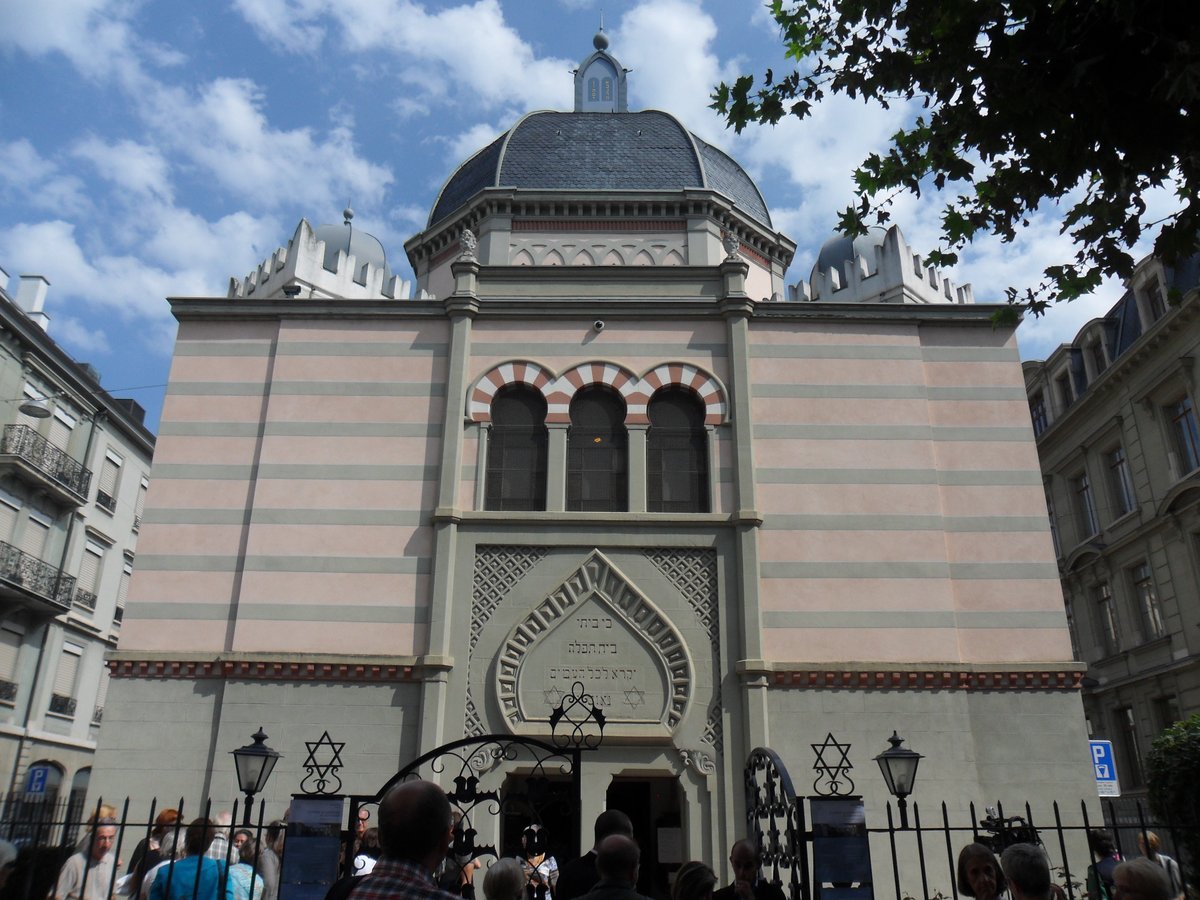
More in ジュネーヴ.
発見すべき116スポット — いくつかは組み合わせる価値があります。


続きから読む
保存した場所と最近読んだ場所。この端末にのみ保存されます。