Table of Contents
- Introduction
- Historical Overview and Origins
- Urban Development and Architectural Highlights
- Cultural and Economic Significance
- Transportation and Accessibility
- Visitor Information
- Shopping, Dining, and Local Experiences
- Community Life and Annual Events
- Practical Visitor Tips
- Frequently Asked Questions (FAQ)
- Conclusion and Recommendations
- References and Further Reading
Historical Overview and Origins
Victoria Avenue was officially named in 1897 in honor of Queen Victoria’s Diamond Jubilee, reflecting Montreal’s British colonial heritage (Wikipedia). Initially serving agricultural purposes for local families, including the Hurtubise family, the avenue was a rural route to Ville-Marie, the historical heart of Montreal (Wikipedia). With Montreal’s expansion at the turn of the 20th century, Victoria Avenue became a key north-south artery and a focal point for residential and commercial growth (Province Quebec).
Westmount’s development in the late 1800s and early 1900s brought distinctive Victorian and Edwardian homes to the area, embodying the aspirations of Montreal’s anglophone elite (Westmount Historical Society). As the city evolved, Victoria Avenue mirrored its transformation into a multicultural metropolis, especially in the Côte-des-Neiges section, where diverse immigrant communities have shaped the street’s character (Village Victoria).
Urban Development and Architectural Highlights
The architecture along Victoria Avenue is a testament to Montreal’s layered history. In Westmount, you’ll find meticulously preserved row houses and grand Victorian mansions adorned with ornate brickwork and wrought-iron balconies (Village Victoria). The avenue’s commercial heart, known as Victoria Village or the “boutique district,” features a mix of heritage buildings and modern storefronts, creating a visually engaging and walkable streetscape.
Further north, in Côte-des-Neiges, the architectural style shifts to mid-century apartment blocks, duplexes, and practical commercial spaces designed to accommodate growing families and a diverse population (Province Quebec). This blend of old and new reflects the avenue’s role as a connector between Montreal’s historic and contemporary identities.
Cultural and Economic Significance
Victoria Avenue is more than a street—it’s the commercial and cultural backbone of its neighborhoods. The avenue hosts a diverse array of independent boutiques, specialty food shops, bakeries, cafés, and international restaurants, reflecting Montreal’s multicultural fabric (Wikipedia). Community events, public art installations, and seasonal festivals foster a vibrant local atmosphere, particularly in Prince Albert Square and along the commercial corridor (Village Victoria).
Recent additions, such as Canada’s first compact “Arc’Type” Arc’teryx store and the country’s first Vilebrequin swimwear boutique, signal the avenue’s growing appeal to both residents and visitors seeking unique shopping experiences.
Transportation and Accessibility
Victoria Avenue is highly accessible by public transit, car, bicycle, and on foot:
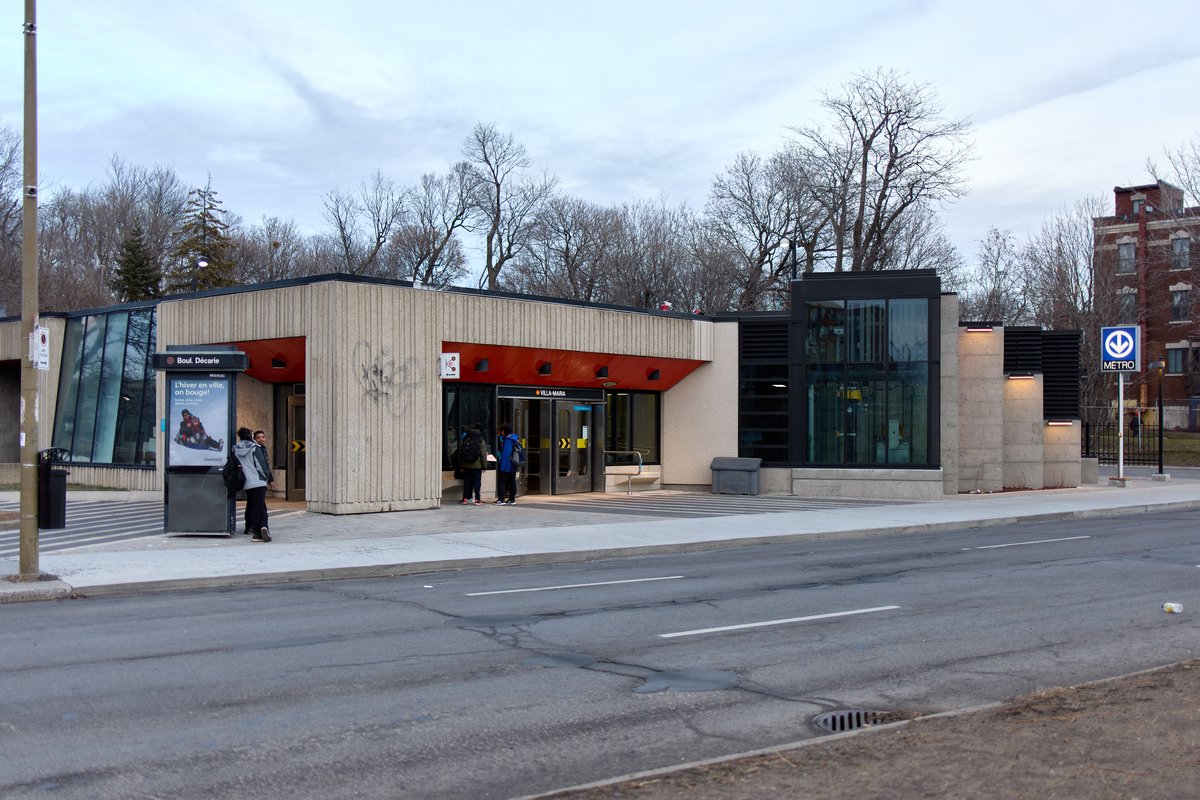
- Metro Orange Line stations Côte-Sainte-Catherine, Plamondon, and Vendôme provide easy access to different sections of the avenue (Wikipedia).
- Bus Several STM routes run along or near the avenue (STM Official Site).
- Bicycle BIXI bike stations are located at key intersections (BIXI Montreal).
- Car Metered parking is available on side streets, with free parking on Sundays (Village Victoria).
- Accessibility The avenue features wide, well-maintained sidewalks, curb cuts, and step-free access in most commercial areas. Major metro stations are equipped with elevators.
Visitor Information
Visiting Hours
Victoria Avenue is a public street accessible 24/7. Shops and restaurants generally operate from 10:00 AM to 6:00–7:00 PM, with extended hours on Thursdays and Fridays. Some cafés and eateries stay open later, especially during summer and festivals. Parks and public institutions along the avenue have separate hours:
- Westmount Park Open daily 6:00 AM–11:00 PM, free admission.
- Westmount Public Library Monday–Saturday, 10:00 AM–5:00 PM; closed Sundays.
- Saint Joseph’s Oratory Daily, 7:00 AM–6:00 PM; admission is free, donations encouraged.
Tickets and Entrance Fees
No ticket is required to access Victoria Avenue itself or most community events. Some special events or workshops may require tickets—details are available on the Victoria Village Merchant Association website or individual event pages. Museums and guided tours may charge admission.
Accessibility
The avenue is designed to be accessible for visitors with disabilities, with wide sidewalks, curb cuts, and accessible public amenities. Some older buildings may have limited accessibility—call ahead if you have specific requirements.
Best Times to Visit
- Summer (June–August) Outdoor festivals, street fairs, and terrace dining.
- Fall (September–October) Beautiful foliage, quieter atmosphere.
- Winter (December–March) Festive lights and events, but icy sidewalks; dress warmly.
- Spring (April–May) Mild weather, blooming gardens, fewer crowds.
Nearby Attractions
- Westmount Park Landscaped gardens and leisure facilities.
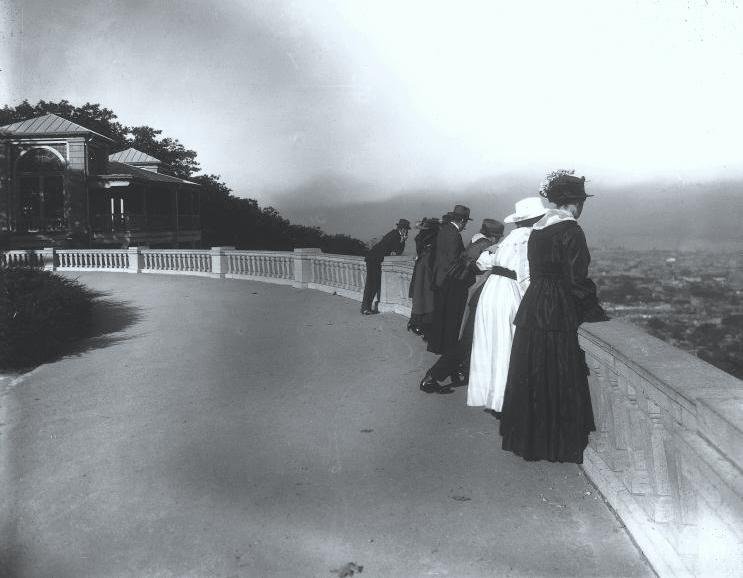
- King George Park (Murray Park) Panoramic city views.
- Saint Joseph’s Oratory Iconic basilica and pilgrimage site.
- Montreal Museum of Fine Arts Major art exhibitions (The Geographical Cure).
- Atwater Market Gourmet food and local produce (Travel Notes and Things).
Guided Tours
Several local operators offer guided walking tours focusing on Victoria Avenue’s history, architecture, and multicultural food scene. Book tours in advance, especially during festival season or summer peaks.
Shopping, Dining, and Local Experiences
Victoria Avenue is recognized for its eclectic shopping and dining scene. Highlights include:
- Boutiques Fashion, jewelry, and home décor from Canadian and international designers.
- Specialty Food Shops French patisseries, Italian delis, Middle Eastern bakeries, and more.
- Restaurants & Cafés Range from upscale bistros to casual brunch spots, with many offering outdoor terraces in warmer months (Time Out Montreal).
- Markets Local grocers and international food markets cater to the area’s diverse community.
Community Life and Annual Events
Victoria Avenue is a hub for community events and seasonal festivals:
- Victoria Village Festival Live music, food stalls, and artisanal markets.
- Westmount Street Festival Summer event with entertainment and children’s activities.
- Holiday Markets Festive markets in December with crafts and seasonal treats.
Public spaces like Prince Albert Square host regular outdoor events and art installations, fostering a strong sense of neighborhood identity (Village Victoria).
Practical Visitor Tips
- Language Both French and English are widely spoken; greet shopkeepers with “Bonjour.”
- Dress Comfortably The avenue is best explored on foot; bring sturdy shoes, especially in winter.
- Tipping Customary in restaurants (15–20%); credit cards are widely accepted.
- Support Local Many shops and eateries are independently owned.
- Sustainable Travel Use public transit or cycling, bring a reusable bag and water bottle (Tourist Secrets).
- Safety The area is safe and family-friendly but remain aware of your surroundings, especially at night.
- Wi-Fi and Essentials Free Wi-Fi is available in many cafés; ATMs and pharmacies are conveniently located.
Frequently Asked Questions (FAQ)
Q: What are the opening hours for Victoria Avenue? A: The avenue is open 24/7; most businesses operate from 10:00 AM to 6:00–7:00 PM.
Q: Are tickets required for events or attractions? A: Most events are free; some special activities or museum entries may require tickets.
Q: How do I get there by public transit? A: Use Metro Orange Line (Côte-Sainte-Catherine, Plamondon, or Vendôme stations), Green Line (Vendôme, Villa-Maria), or STM buses.
Q: Is the avenue accessible for people with mobility challenges? A: Yes, sidewalks are wide and equipped with curb cuts; most public areas are accessible, though some older buildings may not be.
Q: Are guided tours available? A: Yes, local companies offer tours focusing on history, architecture, and food; book in advance.
Q: Where can I park? A: Metered street parking is available, with free parking on Sundays.
Conclusion and Recommendations
Victoria Avenue is a microcosm of Montreal’s past and present—a place where heritage architecture, multicultural communities, and vibrant urban life converge. Whether you’re drawn by boutique shopping, international cuisine, historic sites, or lively festivals, Victoria Avenue offers an authentic Montreal experience for every traveler. Plan your visit by checking local event schedules, booking a guided tour, and exploring the avenue’s unique blend of old and new.
Stay informed about upcoming events, new shops, and travel tips by downloading the Audiala app and following Victoria Avenue’s dedicated social media channels. Embrace the spirit of Victoria Avenue and discover the vibrant mosaic that is Montreal!
References and Further Reading
- Wikipedia: Avenue Victoria (Montreal)
- Province Quebec: Victoria Avenue
- Village Victoria: Discover Victoria Village
- Montreal Visitors Guide
- Westmount Historical Society
- Time Out Montreal
- BIXI Montreal
- STM Official Site
- The Geographical Cure
- Travel Notes and Things
- Tourist Secrets
- Alicia Tenise
- Treksplorer
- Girl With The Passport
- A Taste for Travel