{'date': '03/07/2025', 'task': {'model': 'gpt-4.1-mini', 'query': 'Comprehensive guide to visiting Concordia University, Montreal, Canada: history, significance, visitor tips, and everything tourists need to know for a memorable experience.', 'verbose': False, 'guidelines': ["Keyword Research: Identify relevant keywords that potential visitors are likely to search for, such as '[Monument Name] visiting hours,' '[Monument Name] tickets,' and '[City] historical sites.' Use these keywords strategically throughout the article, including in the title, headers, and body text, but avoid keyword stuffing.", 'Engaging and Informative Title: Craft a title that is both SEO-friendly and compelling to encourage clicks. Include the main keyword and make it clear what the article will cover.', 'Structured Content: Use headings (H1, H2, H3) to organize the content effectively. This helps with SEO and makes the article easier for readers to navigate. Include an introduction that hooks the reader, a detailed body that covers all relevant aspects, and a conclusion that summarizes the key points.', 'Comprehensive Coverage: Address common questions and topics of interest such as the history of the monument, its cultural significance, visitor information (e.g., ticket prices, opening hours), travel tips, nearby attractions, and accessibility. Include sections that might be unique to the monument, like special events, guided tours, and photographic spots.', 'Quality Content: Ensure the content is well-researched, accurate, and provides real value to readers. Use reliable sources and provide factual information. Write in a clear, engaging, and accessible style. Consider your audience and use language that is appropriate for those likely to visit the monument.', 'Visuals and Media: Incorporate high-quality images or videos of the monument. These should be optimized for the web (correct sizing, alt tags with keywords). Consider interactive elements like virtual tours or maps.', 'Internal and External Links: Include links to other related articles on your site to encourage deeper engagement (internal links). Link to official websites for the monument or credible sources for further reading (external links).', 'FAQ: Incorporate FAQ sections to target voice search queries and featured snippets', 'Visit and Stay Up to Date: End the article with a call to action, such as encouraging readers to download our mobile app Audiala, check out other related posts, or follow on social media for more updates.'], 'max_sections': 4, 'publish_formats': {'pdf': False, 'docx': False, 'markdown': True}, 'follow_guidelines': True}, 'title': 'A Comprehensive Guide to Visiting Concordia University, Montreal, Canada', 'report': '# Montreal Concordia University Visit Guide: History, Hours, and Attractions\n#### Date: 03/07/2025\n\n## Concordia University Montreal Visit Guide: History, Hours, and Attractions\n\nConcordia University in Montreal, Canada, is a dynamic center of academic excellence and cultural innovation. Founded in 1974 through the merger of Loyola College (with Jesuit roots dating back to 1848) and Sir George Williams University (originating from YMCA evening classes in 1851), Concordia blends rich tradition with modern progress. The university’s name, inspired by Montreal’s motto Concordia salus (“well-being through harmony”), signifies a deep commitment to inclusivity and community (Concordia History; The Globe and Mail).\n\nConcordia features two distinct campuses: the bustling, urban Sir George Williams Campus in downtown Montreal and the tranquil, green Loyola Campus in Notre-Dame-de-Grâce. Both are easily accessible, offer free public entry, and host a wealth of cultural, artistic, and educational attractions. This comprehensive guide will help you plan your visit—detailing everything from hours and campus highlights to tours, accessibility, and local travel tips.\n\n---\n\n## Table of Contents\n\n- Concordia University Montreal Visit Guide: History, Hours, and Attractions\n- Concordia’s History and Significance\n - Founding Institutions: Loyola College and Sir George Williams University\n - The Spirit of "Concordia"\n- Campus Exploration: Two Distinct Experiences\n - Sir George Williams Campus: Downtown Vibrancy\n - Location, Highlights, and Accessibility\n - Loyola Campus: Historic Charm and Green Spaces\n - Location, Atmosphere, and Facilities\n- Planning Your Visit: Hours, Entry, and Tours\n - Campus Operating Hours\n - Entry Policies and Tickets\n - Campus Tours: Guided and Virtual Options\n - Accessibility for All Visitors\n- Beyond the Campus: Montreal’s Nearby Attractions\n - Cultural Landmarks and Photographic Opportunities\n- Concordia’s Community and Cultural Contributions\n - Events, Arts, and Heritage\n - Indigenous Acknowledgement and Cultural Respect\n- Practical Tips for a Smooth Visit\n - Getting Around: Transit and Parking\n - Dining, Accommodation, and Language\n - Safety and Preparedness\n- Frequently Asked Questions (FAQ)\n- Resources for Your Visit\n- Conclusion\n- References\n\n---\n\n## Concordia University’s History and Significance\n\n### Founding Institutions: Loyola College and Sir George Williams University\n\nConcordia University's narrative is built upon the foundations of two distinguished institutions:\n\n- Loyola College: Established as an English-language Jesuit college in 1896, Loyola emphasized liberal arts and social responsibility. Its campus in the west end, founded in 1916, remains a key part of Concordia today (Concordia History).\n- Sir George Williams University: Its origins trace back to YMCA evening classes in 1851. This institution evolved into a co-educational college by 1926 and received its university charter in 1948.\n\nThe 1974 merger created Concordia University, a name chosen to resonate with Montreal’s motto and reflect its mission of harmony and inclusivity (Concordia History; The Globe and Mail).\n\n---\n\n## Campus Exploration: Two Distinct Experiences\n\n### Sir George Williams Campus: Downtown Vibrancy\n\n#### Location, Highlights, and Accessibility\n\n- Location: Situated in Montreal's downtown core, bordered by De Maisonneuve Blvd., Mackay St., Bishop St., and Guy St.\n- Atmosphere: Seamlessly integrated with the urban environment, offering a dynamic blend of academic life and city energy.\n- Key Buildings: Includes the J.W. McConnell Building (housing the R. Howard Webster Library), the modern John Molson School of Business (MB), and the Engineering, Computer Science and Visual Arts Integrated Complex (EV). The historic Grey Nuns Residence (GN) offers summer accommodations (Concordia Summer Accommodations).\n- Accessibility: Fully wheelchair accessible with ramps and elevators. Easily reached via the Guy-Concordia Metro station and multiple STM bus routes (Concordia Summer Accommodations).\n- Nearby Attractions: Close to the Montreal Museum of Fine Arts, Quartier des Spectacles, and Crescent Street’s vibrant dining and nightlife (The Geographical Cure).\n\n### Loyola Campus: Historic Charm and Green Spaces\n\n#### Location, Atmosphere, and Facilities\n\n- Location: Located in the Notre-Dame-de-Grâce (NDG) neighborhood in Montreal's west end.\n- Atmosphere: Characterized by its serene, green environment and historic Collegiate Gothic architecture.\n- Key Features: Includes the Administration Building and Chapel, the Richard J. Renaud Science Complex, and the Communication Studies and Journalism Building (CJ) (Concordia Communication Studies). It also houses athletic facilities.\n- Accessibility: Connected to Sir George Williams Campus via a free shuttle. Accessible by city bus, with ramps, elevators, and accessible washrooms available (VanMates).\n- Nearby: The charming Monkland Village with its shops and cafés is close by.\n\n---\n\n## Planning Your Visit: Hours, Entry, and Tours\n\n### Campus Operating Hours\n\n- Sir George Williams Campus: Generally open weekdays from 8:00 AM to 9:00 PM; hours may vary by building.\n- Loyola Campus: Typically open weekdays from 8:30 AM to 6:00 PM.\n- Refer to the official Concordia website for specific building hours (Concordia Admissions Visit).\n\n### Entry Policies and Tickets\n\nPublic entry to campus spaces is free. Tickets may be required for specific exhibitions or special campus events.\n\n### Campus Tours: Guided and Virtual Options\n\n- Guided Tours: Available for prospective students and visitors, booking in advance is recommended (Concordia Admissions Visit).\n- Virtual Tours: Explore campuses online if an in-person visit isn't possible.\n- Public Art Tours: Discover Concordia’s public art installations; check schedules and booking details (Concordia Public Art Tour).\n\n### Accessibility for All Visitors\n\nBoth campuses are designed with accessibility in mind. Comprehensive details can be found on the Accessibility Services page.\n\n---\n\n## Beyond the Campus: Montreal’s Nearby Attractions\n\n### Cultural Landmarks and Photographic Opportunities\n\n- Mount Royal Park: Montreal’s signature urban park, offering stunning city views (Official Mont Royal Park Website; Montreal Tourism).\n- Montreal Museum of Fine Arts: Located near Sir George Williams Campus.\n- Old Montreal: Historic district known for its cobblestone streets and architecture.\n- Quartier des Spectacles: Montreal’s premier entertainment and cultural district.\n- Photo Spots: Capture modern architecture on the SGW campus, Gothic Revival styles at Loyola, serene green spaces, and panoramic city vistas.\n\n---\n\n## Concordia’s Community and Cultural Contributions\n\n### Events, Arts, and Heritage\n\nConcordia hosts a variety of public events, including lectures, art exhibitions, and film screenings, many of which are open to the public. Check the university’s event calendar for details.\n\n### Indigenous Acknowledgement and Cultural Respect\n\nConcordia is situated on unceded Kanien’kehá:ka territory. The university is committed to Indigenous reconciliation and the inclusion of Indigenous perspectives (Concordia Territorial Acknowledgement; Concordia Indigenous Directions).\n\n---\n\n## Practical Tips for a Smooth Visit\n\n### Getting Around: Transit and Parking\n\n- Transit: Utilize the STM Metro (Guy-Concordia station for SGW; bus 105 to Loyola). The free Concordia shuttle connects the campuses.\n- Biking: BIXI bike-share stations are available nearby (Montreal BIXI).\n- Parking: Limited and paid; public transit is recommended (Concordia Parking Services).\n\n### Dining, Accommodation, and Language\n\n- Dining: On-campus options and diverse local restaurants are available.\n- Accommodation: Grey Nuns Residence offers summer stays (Concordia Summer Accommodations). Hotels are abundant downtown.\n- Language: Montreal is bilingual; Concordia operates mainly in English, but basic French knowledge is appreciated.\n\n### Safety and Preparedness\n\nConcordia campuses are generally safe. Observe standard urban safety precautions. Check Montreal’s weather forecast and dress accordingly (Tourisme Montréal).\n\n---\n\n## Frequently Asked Questions (FAQ)\n\nQ: What are Concordia’s general visiting hours?\nA: Most buildings are open weekdays (SGW: 8 AM–9 PM; Loyola: 8:30 AM–6 PM); consult specific building hours (Concordia Admissions Visit).\n\nQ: Is campus entry free?\nA: Yes, public spaces are free to visit.\n\nQ: Are guided tours available?\nA: Yes, in-person and virtual tours are offered; booking is advised.\n\nQ: Is the campus accessible for visitors with disabilities?\nA: Yes, both campuses prioritize accessibility. Contact Accessibility Services for details.\n\nQ: Can I attend public events?\nA: Many events are open to the public; check event listings.\n\nQ: How do I travel between campuses?\nA: Use the free Concordia shuttle, which runs frequently.\n\n---\n\n## Resources for Your Visit\n\n- Official Concordia Visitor Information\n- Concordia University Admissions\n- Montreal Travel Guide\n- Campus Safety at Concordia\n\nFor enhanced travel tips and campus information, download the Audiala app and follow Concordia on social media.\n\n---\n\n## Conclusion\n\nVisiting Concordia University offers an enriching experience, blending academic exploration with Montreal’s vibrant culture and history. The university’s welcoming atmosphere, accessible campuses, and diverse attractions make it a landmark worth exploring. Whether you’re interested in its impressive architecture, engaging events, or the spirit of inclusivity it represents, Concordia provides a memorable journey into the heart of Montreal.\n\n---\n\n## References\n\n- Concordia History\n- The Globe and Mail\n- VanMates Student Guide for Concordia University\n- The Canadian Encyclopedia: Concordia University\n- Concordia University Campus Visit Guide\n- Concordia Art History\n- Concordia Advancement\n- Concordia Territorial Acknowledgement\n- Concordia Indigenous Directions\n- Concordia Communication Studies\n- Concordia Summer Accommodations\n- The Geographical Cure\n- Montreal BIXI\n- Tourisme Montréal\n- Official Mont Royal Park Website\n- Montreal Tourism\n- Concordia Public Art Tour\n- Concordia Accessibility Services\n- Concordia Parking Services\n- Wikipedia: J.W. McConnell Building\n- WEI Conference\n\n---\n\n', 'headers': {'date': 'Date', 'title': 'Montreal Concordia University Visit Guide History Hours and Attractions', 'conclusion': 'Conclusion about visiting Concordia University Montreal and call to action', 'references': 'References and links to official Concordia University website and related resources', 'introduction': 'Introduction to Concordia University Montreal including its history and significance', 'table_of_contents': 'Table of Contents including visiting hours tickets attractions and travel tips'}, 'sources': ['- Visiting Concordia University: History, Tours, and Montreal’s Historic Campus Guide, 2025, Concordia University https://www.concordia.ca/about/history.html', '- The Globe and Mail, 2024, Future Looks Bright as Concordia University Marks 50 Years https://www.theglobeandmail.com/business/adv/article-future-looks-bright-as-concordia-university-marks-50-years/', '- Concordia University Campus Visit Guide: Exploring Montreal’s Dual Campuses, 2025, VanMates https://vanmates.com/schools/student-guide-for-concordia-university/', '- The Canadian Encyclopedia: Concordia University, 2025 https://www.thecanadianencyclopedia.ca/en/article/concordia-university', '- Visiting Concordia University Montreal: Campus Tours, Accessibility, and Visitor Tips, 2025, Concordia University https://www.concordia.ca/about/visit.html', '- Concordia Art History, 2025, Concordia University https://www.concordia.ca/finearts/art-history.html', '- Concordia Advancement, 2025, A Place Where You Could Feel Culture https://www.concordia.ca/cunews/offices/advancement/2025/06/03/a-place-where-you-could-feel-culture-says-art-history-grad-kitty-scott-of-her-days-in-montreal.html', '- Concordia Territorial Acknowledgement, 2025, Concordia University https://www.concordia.ca/about/history.html', '- Concordia Indigenous Directions, 2025, Concordia University https://www.concordia.ca/about/indigenous-directions.html'], 'sections': ['Historical Overview and Significance', 'Campus Structure and Highlights', 'Academic and Research Excellence', 'Visitor Experience and Practical Tips'], 'conclusion': 'Visiting Concordia University offers a rich and multifaceted experience that blends academic heritage, architectural beauty, and Montreal’s dynamic cultural fabric. Whether you are captivated by the urban energy of the Sir George Williams Campus or the serene historic charm of the Loyola Campus, Concordia invites visitors to engage with its inclusive community, explore its extensive public art collections, and participate in diverse events that celebrate creativity and innovation. The university’s recognition of its location on unceded Indigenous lands further underscores its commitment to respect, inclusivity, and education about Indigenous histories and cultures (Concordia Territorial Acknowledgement; Concordia Indigenous Directions).\n\nWith free admission, accessible facilities, and a range of guided and virtual tours, Concordia makes it easy for visitors to delve into its academic and cultural offerings. The proximity to Montreal’s attractions such as Mount Royal Park and the Montreal Museum of Fine Arts enhances the visit, providing ample opportunities for photography, exploration, and leisure. Practical visitor tips—including transit guidance, safety advice, and language considerations—ensure a seamless and enjoyable experience.\n\nFor the most up-to-date information on visiting hours, events, and tours, visitors are encouraged to consult the official Concordia Visitor Information page and take advantage of resources like the Audiala app, which offers personalized travel tips and access to Montreal’s top historical sites (Concordia Visitor Information). Engage with Concordia University and Montreal’s vibrant community to discover a place where history, culture, and innovation converge in the heart of Canada’s cultural capital.', 'introduction': 'Concordia University in Montreal, Canada, stands as a vibrant hub of academic excellence, cultural innovation, and historical significance, making it an essential destination for prospective students, history enthusiasts, and visitors exploring Montreal’s rich urban landscape. Established through the pivotal 1974 merger of two historic institutions—Loyola College, with its Jesuit roots dating back to 1848, and Sir George Williams University, which evolved from YMCA evening classes starting in 1851—Concordia embodies a unique blend of tradition and modernity that resonates throughout its dual campuses. The university’s name, inspired by Montreal’s motto Concordia salus (“well-being through harmony”), reflects its commitment to fostering inclusivity and community harmony (Concordia History; The Globe and Mail).\n\nVisitors to Concordia can explore two distinct campuses: the Sir George Williams Campus located in the bustling downtown core, where striking modern architecture integrates seamlessly with city life, and the tranquil Loyola Campus situated in the leafy Notre-Dame-de-Grâce neighborhood, renowned for its historic collegiate Gothic architecture and green spaces. Both campuses offer free access to the public during regular visiting hours, with guided and virtual tours available to provide insightful experiences into the university’s academic environment, public art collections, and architectural highlights (Concordia Admissions Visit; VanMates).\n\nBeyond the campuses, visitors are encouraged to immerse themselves in Montreal’s cultural treasures nearby, such as Mount Royal Park, the Montreal Museum of Fine Arts, and vibrant neighborhoods that surround Concordia. The university also hosts a variety of public events, ranging from art exhibitions to film screenings and cultural celebrations, fostering a dynamic community atmosphere (Concordia Art History; Concordia Advancement).\n\nAccessibility is a priority across both campuses, with accommodations such as ramps, elevators, and accessible restrooms readily available, ensuring an inclusive environment for all visitors (Concordia Accessibility Services). This comprehensive guide aims to equip you with all the essential information—from visiting hours and transport options to campus highlights and cultural insights—so you can fully appreciate the historical and contemporary significance of Concordia University within Montreal’s vibrant cityscape.', 'research_data': [{'Visiting Concordia University: History, Tours, and Montreal’s Historic Campus Guide': '## Welcome to Concordia University: A Visitor’s Guide to Montreal’s Historic Landmark\n\nWhether you are a history enthusiast, a student considering your future, or simply exploring Montreal’s rich cultural landscape, visiting Concordia University offers a unique glimpse into one of Canada’s most dynamic educational institutions. This guide provides essential visitor information, highlights the university’s historical significance, and offers tips for making the most of your visit to Concordia’s iconic campuses.\n\n## Founding Roots: The Merger of Two Institutions\n\nConcordia University’s historical significance is deeply rooted in the merger of two distinct Montreal institutions: Loyola College and Sir George Williams University. This union, formalized on August 24, 1974, was a pivotal moment in Canadian higher education, combining the strengths and traditions of both schools to form a new, dynamic university (Concordia History; The Globe and Mail).\n\nLoyola College originated from the English-language program of Collège Sainte-Marie, a Jesuit college founded in 1848. Loyola became a separate institution in 1896 and relocated to Montreal’s west end in 1916, establishing the campus that remains a cornerstone of Concordia today (Concordia History). The college was known for its liberal arts education and Jesuit values, emphasizing intellectual rigor and social responsibility.\n\nSir George Williams University traces its beginnings to 1851, when the YMCA Educational Program began offering evening classes in downtown Montreal. By 1926, it had evolved into a co-educational college, introducing university-level courses in 1929 and conferring its first degrees in 1936. The institution received its university charter in 1948, which remains the legal foundation for Concordia’s degree-granting authority (Concordia History).\n\nThe name “Concordia” was chosen to reflect Montreal’s motto, Concordia salus (“well-being through harmony”), symbolizing the university’s commitment to inclusivity and community.\n\n## Planning Your Visit: Hours, Tours, and Accessibility\n\nVisiting Hours: Concordia University’s campuses are generally open to visitors during regular business hours, Monday to Friday, from 8:30 AM to 5:00 PM. Some buildings and facilities may have extended hours. It is recommended to check the official website or contact visitor services before planning your trip.\n\nTickets and Entry: Entry to Concordia’s campuses is free for the public, with no ticket required. However, some special exhibitions, events, or performances held on campus may require tickets, which can be purchased online or at the venue.\n\nGuided Tours: Concordia offers guided campus tours for prospective students and visitors interested in the university's history and architecture. These tours can be booked in advance through the university’s admissions office or visitor center. Virtual tours are also available online for remote exploration.\n\nAccessibility: Both the Sir George Williams and Loyola campuses are committed to accessibility, featuring ramps, elevators, and accessible restrooms to accommodate visitors with mobility needs. For specific accessibility services and accommodations, visitors should consult Concordia’s accessibility office.\n\n## Exploring the Campuses: Historic and Cultural Highlights\n\nConcordia’s physical presence is defined by its two main campuses:\n\n- Sir George Williams Campus: Located in downtown Montreal, this campus is integrated into the city’s urban core. Notable landmarks include the Engineering, Computer Science and Visual Arts Integrated Complex, the John Molson Building, and the Learning Square. Visitors can enjoy striking architecture and vibrant public spaces where it’s "hard to tell where Concordia ends and the rest of the city begins" (The Globe and Mail).\n\n- Loyola Campus: Situated in the Notre-Dame-de-Grâce neighborhood, this campus features the Richard J. Renaud Science Complex, the Communication Studies and Journalism Building, the PERFORM Centre, and the Applied Science Hub. Its green spaces and historic buildings offer excellent photographic opportunities.\n\n## Nearby Attractions and Photographic Spots\n\nWhile visiting Concordia, take time to explore nearby Montreal landmarks such as Mount Royal Park, the Montreal Museum of Fine Arts, and the vibrant neighborhoods surrounding the campuses. Both campuses provide picturesque spots ideal for photography, including modern architecture blending with historic sites.\n\n## Special Events and Public Engagement\n\nConcordia hosts numerous public events, including lectures, art exhibitions, film screenings at the Mel Hoppenheim School of Cinema, and cultural celebrations like Montreal’s St. Patrick’s Day Parade. Visitors are encouraged to check the university’s events calendar for opportunities to engage with the community.\n\n## Concordia’s Rich Cultural and Social Impact\n\nThe university’s Faculty of Fine Arts and Department of Art History promote cross-cultural perspectives, Indigenous methodologies, and contemporary art practices, contributing to Montreal’s reputation as a vibrant cultural hub (Concordia Art History). Concordia alumni actively participate in the city’s museums, galleries, and creative industries, making the university a catalyst for cultural exchange and innovation (Concordia Advancement).\n\n## Indigenous Acknowledgement\n\nConcordia University is located on unceded Indigenous lands, with the Kanien’kehá:ka Nation recognized as the custodians of Tiohtià:ke/Montreal (Concordia Territorial Acknowledgement). This acknowledgement underscores the university’s commitment to respectful relationships and integrating Indigenous perspectives.\n\n## Frequently Asked Questions (FAQ)\n\nQ: What are Concordia University’s visiting hours?\nA: Generally, visitors can access campuses Monday to Friday, 8:30 AM to 5:00 PM. Check online for specific building hours.\n\nQ: Is there an entry fee to visit Concordia University?\nA: No, campus entry is free for the public.\n\nQ: Are guided tours available?\nA: Yes, guided tours can be booked for prospective students and visitors. Virtual tours are also offered.\n\nQ: Is Concordia University accessible to visitors with disabilities?\nA: Yes, both campuses have accessibility features. Contact the accessibility office for assistance.\n\nQ: Can I attend public events at Concordia?\nA: Yes, many events are open to the public. Check the university’s events calendar for details.\n\n## Plan Your Visit and Stay Connected\n\nConcordia University invites you to explore its historic campuses, engage with its vibrant community, and discover the rich heritage embedded in Montreal’s urban fabric. For the latest visitor information, guided tour bookings, and event schedules, visit the official Concordia Visitor Information page.\n\nDon’t forget to download the Audiala app for personalized travel tips and access to Montreal’s top historical sites, including Concordia University. Follow us on social media for updates and explore related posts on Montreal’s best cultural attractions.\n\nWe look forward to welcoming you to Concordia University — where history, culture, and innovation come together in the heart of Montreal.'}, {'draft title': '## Concordia University Campus Visit Guide: Exploring Montreal’s Dual Campuses\n\n### Introduction\n\nPlanning a visit to Concordia University? This comprehensive guide offers everything you need to know about exploring Concordia’s two distinctive campuses—the Sir George Williams Campus (SGW) downtown and the Loyola Campus in Montreal’s west-end. Whether you are a prospective student, tourist, or local explorer, discover essential information including campus highlights, visiting hours, tours, accessibility, nearby Montreal attractions, and tips for a seamless visit to one of Montreal’s premier university sites.\n\n---\n\n### Overview of Concordia’s Dual-Campus System\n\nConcordia University is known for its unique dual-campus structure, featuring the vibrant Sir George Williams Campus in downtown Montreal and the serene Loyola Campus in the Notre-Dame-de-Grâce neighborhood. Each campus offers a distinctive atmosphere, architectural style, and academic focus, making Concordia a dynamic institution to explore (VanMates; The Canadian Encyclopedia).\n\n---\n\n### Sir George Williams Campus (SGW): Urban Energy Meets Academic Excellence\n\n#### Location and Visiting Hours\n\nLocated in the heart of downtown Montreal, the SGW campus is bordered by De Maisonneuve Boulevard, Mackay Street, Bishop Street, and Guy Street. It is open to visitors Monday through Friday from 8:00 AM to 9:00 PM, with weekend hours varying by building. Visitors are encouraged to check specific faculty or library hours before arrival (Concordia Admissions Visit).\n\n#### Key Campus Highlights and Facilities\n\n- J.W. McConnell Building (LB): The iconic 11-story building housing the R. Howard Webster Library, a major resource for students and visitors alike. The building’s northeast facade features the historic Royal George Apartments’ unique white glazed terra-cotta (Wikipedia).\n- John Molson School of Business (MB): Known for its striking glass architecture, this facility includes modern classrooms and trading labs (WEI Conference).\n- Engineering, Computer Science and Visual Arts Integrated Complex (EV): A hub for interdisciplinary programs.\n- Grey Nuns Residence (GN): Historic architecture offering summer accommodations for visitors (Concordia Summer Accommodations).\n\n#### Accessibility and Transportation\n\nSGW is conveniently accessible via the Guy-Concordia Metro station on the Green Line and multiple bus routes. The campus is wheelchair accessible with elevators and ramps throughout key buildings (Concordia Summer Accommodations).\n\n#### Nearby Attractions for Visitors\n\n- Montreal Museum of Fine Arts: Just a short walk away, featuring world-class exhibitions.\n- Quartier des Spectacles: Montreal’s cultural district hosting festivals year-round.\n- Crescent Street: Famous for lively nightlife, dining, and shopping (The Geographical Cure).\n\n#### Tickets and Entry Information\n\nAccess to Concordia’s public spaces is free. Some facilities, such as libraries and event venues, may require visitor registration or event tickets, particularly for special exhibitions or conferences. Visitors should consult the university website or contact campus visitor services for details.\n\n---\n\n### Loyola Campus: A Tranquil and Historic Retreat\n\n#### Location and Visiting Hours\n\nNestled in the leafy Notre-Dame-de-Grâce neighborhood, Loyola Campus offers a peaceful collegiate atmosphere. The campus is open to visitors Monday through Friday from 8:30 AM to 6:00 PM. Visitors should verify specific building hours in advance (Concordia Communication Studies).\n\n#### Campus Highlights\n\n- Historic Collegiate Gothic Architecture: Including the Administration Building and Chapel of Loyola College.\n- Science Complex: Featuring modern labs and research facilities.\n- Athletic Facilities: Home to Concordia’s varsity teams with stadiums and gyms.\n- Communication Studies and Journalism Building (CJ): A center for media programs (Concordia Communication Studies).\n\n#### Getting There and Accessibility\n\nLoyola is accessible by bus routes and a free Concordia shuttle connecting it with SGW. The campus is wheelchair accessible, with ramps and elevators available. Nearby Monkland Village offers boutique shops and cafes for visitors (VanMates).\n\n---\n\n### Campus Tours and Visitor Services\n\n#### Guided and Self-Guided Tours\n\n- Guided Tours: Book in-person or virtual tours conducted by current students, providing insider insights into campus life and facilities (Concordia Admissions Visit).\n- Self-Guided Tours: Utilize detailed campus maps and 360° virtual tours available online to explore at your own pace.\n\n#### Visitor Amenities\n\n- Dining: Both campuses host a variety of dining options, from student cafeterias to nearby restaurants offering international cuisine.\n- Accommodation: Grey Nuns Residence at SGW offers affordable summer stays; off-campus housing options are plentiful nearby (Concordia Summer Accommodations).\n\n---\n\n### Practical Travel Tips for Concordia Visitors\n\n- Transit: Use Montreal’s public transit system. SGW is adjacent to the Guy-Concordia Metro, while Loyola is served by buses and the free campus shuttle.\n- Safety: Campus security is active, with emergency services and accessible help points.\n- Accessibility: Most buildings are wheelchair accessible with designated entrances and elevators.\n\n---\n\n### Visual and Interactive Resources\n\nVisitors can enhance their experience through:\n\n- High-Quality Images: Available on Concordia’s official website showcasing campus landmarks.\n- Interactive Maps: Online campus maps with detailed building info.\n- Virtual Tours: 360° tours for remote exploration (Concordia Admissions Visit).\n\n---\n\n### Frequently Asked Questions (FAQ)\n\nQ1: What are the visiting hours for Concordia University campuses?\nA1: SGW is generally open 8:00 AM–9:00 PM weekdays; Loyola is open 8:30 AM–6:00 PM weekdays. Hours may vary by building.\n\nQ2: Is there an entry fee or tickets required to visit Concordia campuses?\nA2: Entry to public spaces is free. Some special events or facilities may require tickets or registration.\n\nQ3: How can I get from SGW to Loyola campus?\nA3: Concordia operates a free shuttle between campuses every 15–30 minutes during peak hours. Public transit is also available.\n\nQ4: Are the campuses wheelchair accessible?\nA4: Yes, both campuses have accessible entrances, elevators, and facilities.\n\nQ5: Can I stay overnight on campus?\nA5: During summer, the Grey Nuns Residence at SGW accepts visitors; otherwise, off-campus accommodations are recommended.\n\n---\n\n### Conclusion\n\nExploring Concordia University’s campuses offers a unique glimpse into Montreal’s vibrant academic, cultural, and architectural landscape. Whether you prefer the urban bustle of SGW or the tranquil charm of Loyola, both campuses welcome visitors with rich histories, modern amenities, and engaging community events. Plan your visit today, take advantage of guided tours, and explore Montreal’s rich surrounding attractions for a truly memorable experience.\n\n---\n\n### Call to Action\n\nFor more detailed campus information, virtual tours, and insider tips, download the Audiala app and follow us on social media. Don’t forget to check out related posts on Montreal university life and visitor guides to enhance your trip!\n\n---\n\n### Campus Structure at a Glance\n\n| Campus | Location | Key Faculties/Schools | Notable Features |\n|-----------------------|------------------------|------------------------------------|--------------------------------------------------|\n| Sir George Williams | Downtown Montreal | John Molson School of Business, | J.W. McConnell Building, Webster Library, |\n| | | Faculty of Arts and Science | Grey Nuns Residence, Urban integration |\n| Loyola | Notre-Dame-de-Grâce | Faculty of Arts and Science, | Historic architecture, Science Complex, |\n| | (West End) | Specialized Colleges | Athletic facilities, Green spaces |\n\n---\n\n### Internal Links\n\n- Concordia University Admissions\n- Montreal Travel Guide\n- Campus Safety at Concordia\n\n---\n\n### External Links\n\n- VanMates Student Guide for Concordia University\n- The Canadian Encyclopedia: Concordia University\n- Concordia Summer Accommodations'}, {'Mont Royal Park: A Historic Monument and Natural Haven in Montreal': "## Mont Royal Park: A Historic Monument and Natural Haven in Montreal\n\n### Introduction to Mont Royal Park\n\nMont Royal Park is one of Montreal’s most iconic historical sites and natural landmarks, offering visitors a unique blend of cultural heritage and outdoor recreation. Designed by Frederick Law Olmsted, co-designer of New York City's Central Park, Mont Royal is often considered the green heart of Montreal, attracting millions of visitors annually.\n\n### Historical and Cultural Significance\n\nEstablished in 1876, Mont Royal Park is a monument to both the city’s natural beauty and its historical roots. The park sits atop the volcanic Mount Royal, from which Montreal derives its name. It has played a vital role in the city’s development and serves as a symbol of Montreal's commitment to preserving urban green spaces.\n\n### Visiting Hours and Ticket Information\n\n- Visiting Hours: Mont Royal Park is open year-round from 6:00 AM to midnight, allowing visitors to enjoy its trails, lookout points, and picnic areas throughout the day.\n- Tickets: Admission to Mont Royal Park is free, making it an accessible destination for both locals and tourists.\n\n### Key Attractions and Features\n\n- Chalet du Mont Royal: This historic building offers panoramic views of downtown Montreal and the St. Lawrence River. It also hosts exhibitions and provides visitor information.\n- Mount Royal Cross: Illuminated at night, this large illuminated cross is a prominent monument visible from many parts of the city.\n- Beaver Lake: A serene spot for picnics and paddle boating in summer, and ice skating in winter.\n- Walking and Biking Trails: Over 20 kilometers of marked trails suitable for hiking, running, and cycling.\n\n### Accessibility and Visitor Amenities\n\nMont Royal Park is wheelchair accessible in many areas, including the main paths and the Chalet. There are several picnic areas, washrooms, and parking facilities at key entry points.\n\n### Guided Tours and Special Events\n\nVisitors can join guided walking tours that explore the park’s history, ecology, and art installations. Seasonal events such as outdoor concerts, nature workshops, and holiday celebrations are regularly held.\n\n### Travel Tips for Visitors\n\n- Best Time to Visit: Spring through fall offers lush greenery and outdoor activities, while winter transforms the park into a snowy playground.\n- Getting There: Easily accessible by public transit, including the Mont Royal Metro station and multiple bus routes.\n- Nearby Attractions: The nearby Plateau Mont-Royal neighborhood offers vibrant cafés, boutiques, and cultural sites.\n\n### Multimedia and Virtual Experiences\n\nHigh-quality photos and drone videos showcasing Mont Royal’s landscapes and monuments are available online. A virtual tour on the official Montreal tourism website allows remote exploration.\n\n### Related Links and Resources\n\n- Official Mont Royal Park Website\n- Montreal Tourism\n- Virtual Tour of Mont Royal\n\n### Frequently Asked Questions (FAQ)\n\nQ: Is Mont Royal Park open year-round?\nA: Yes, the park is open every day from 6:00 AM to midnight.\n\nQ: Are pets allowed in the park?\nA: Yes, dogs are welcome but must be kept on a leash.\n\nQ: Is there an entrance fee?\nA: No, admission is free for all visitors.\n\nQ: Are there guided tours available?\nA: Yes, guided walking tours are offered seasonally.\n\n### Plan Your Visit Today!\n\nExperience the beauty and history of Mont Royal Park—Montreal’s treasured monument and green space. Download the Audiala mobile app for guided tours, maps, and the latest event updates. Don’t forget to explore our related posts on Montreal’s historical sites and share your visit on social media for a chance to be featured!"}, {'Visiting Concordia University Montreal: Campus Tours, Accessibility, and Visitor Tips': '## Visiting Concordia University Montreal: Campus Tours, Accessibility, and Visitor Tips\n\n### Introduction\n\nPlanning to visit Concordia University in Montreal? Whether you're a prospective student, a tourist, or simply curious about this vibrant institution, this guide provides essential visitor information, including campus tours, accessibility details, visiting hours, nearby attractions, and practical tips to help you make the most of your visit.\n\n### Campus Layout and Accessibility\n\nConcordia University comprises two main campuses: the Sir George Williams Campus in downtown Montreal and the Loyola Campus in the Notre-Dame-de-Grâce neighborhood. Most visitors explore the Sir George Williams Campus, which integrates seamlessly into downtown Montreal and is easily accessible by public transit, bike, or on foot (Concordia Virtual Events).\n\nThe Sir George Williams Campus centers around Boulevard de Maisonneuve Ouest and Rue Sainte-Catherine Ouest, with the Hall Building (1455 De Maisonneuve Blvd. W.) serving as a key landmark. The campus is well-signposted, and digital maps are accessible via the university website and QR codes posted throughout the grounds.\n\nAccessibility is a priority at Concordia, with most buildings featuring elevators and accessible entrances. Visitors with mobility needs can find detailed information on the Accessibility Services page.\n\n### Visiting Hours and Visitor Policies\n\nConcordia University’s campus buildings are generally open from 7:00 AM to 11:00 PM during weekdays, with reduced hours on weekends. However, access may vary by building and department, so it is recommended to check the specific hours for areas you plan to visit via the university website or by contacting visitor services.\n\nVisitors do not require tickets or appointments for self-guided visits on campus. Organized campus tours are available but require advance registration. For current information on visitor policies, including any COVID-19 related guidelines, please refer to Concordia University Visitor Information.\n\n### Campus Tours and Visitor Experiences\n\nConcordia offers both virtual and in-person campus tours:\n\n- Virtual Campus Tours: Led by current students, these tours provide insights into campus life, academic programs, and facilities. Register online at Concordia Virtual Events.\n\n- In-Person Tours: Guided tours on the Sir George Williams Campus are available periodically and require advance booking. These tours typically last about an hour and offer a comprehensive look at the campus, including its public art collection and architectural highlights.\n\n- Public Art Tours: Explore Concordia’s impressive sculptures, murals, and installations through the Concordia Public Art Tour. These tours usually cost around $15 CAD and require prior registration.\n\n### Getting There and Getting Around\n\n#### Public Transit\n\nThe most convenient way to reach Concordia’s Sir George Williams Campus is via Montreal’s STM Metro system. The Guy-Concordia Metro station on the Green Line is adjacent to campus, providing easy citywide access (Official STM Website). The Loyola Campus is accessible by the 105 bus from Vendôme Metro station.\n\n#### Biking\n\nMontreal is a bike-friendly city supported by the BIXI bike-share program, with docking stations near Concordia. Bike racks are available throughout the campus for visitors (Montreal BIXI).\n\n#### Driving and Parking\n\nDriving downtown can be challenging due to heavy traffic and limited parking. Visitors are encouraged to use public transit. University parking lots are available but fill quickly and can be costly. For up-to-date parking info, visit Concordia Parking Services.\n\n### Exploring Campus Highlights\n\n- Public Art and Architecture: The Sir George Williams Campus showcases a dynamic public art collection, including sculptures and multimedia installations. Key architectural sites include the Hall Building, EV Building (Engineering, Computer Science, and Visual Arts Integrated Complex), and the John Molson School of Business.\n\n- Libraries and Study Spaces: The R. Howard Webster Library, located in the LB Building, is open to the public, offering innovative study pods, collaborative areas, and rotating art exhibits.\n\n- Cafés and Dining: On-campus cafés offer convenient options, while nearby neighborhoods such as Shaughnessy Village and areas along Rue Sainte-Catherine feature Montreal specialties like bagels, smoked meat, and poutine (Tourisme Montréal).\n\n### Nearby Attractions in Montreal\n\nVisitors to Concordia can also explore Montreal’s rich cultural scene:\n\n- Old Montreal: Historic district with cobblestone streets and landmarks.\n- Mount Royal Park: Offers panoramic city views and outdoor activities.\n- Museum of Fine Arts: Located near Concordia, featuring extensive art collections.\n\n### Practical Visitor Tips\n\n- Language: French is the official language of Montreal, but Concordia is English-language based. Most staff and students are bilingual, and signage is available in English. A polite "bonjour" or "merci" is appreciated.\n\n- Safety: Montreal is generally safe, including downtown. Exercise standard urban caution, especially at night.\n\n- Weather: Montreal experiences cold winters and warm summers. Dress in layers and check local forecasts before visiting.\n\n- Accommodation: On-campus housing is reserved for students. Visitors can find hotels, hostels, and short-term rentals downtown, with prices ranging from $100 to $300 CAD per night (Tourisme Montréal).\n\n- Food and Tipping: Tipping 15% or more is customary in Canada. Taxes (GST and QST) are added to bills but not included in tips.\n\n- Connectivity: Free Wi-Fi is available on campus. Visitors without a Canadian SIM may use public Wi-Fi or purchase travel eSIMs.\n\n### Indigenous Land Acknowledgement\n\nConcordia University is situated on unceded Indigenous lands traditionally cared for by the Kanien’kehá:ka Nation. The university honors this heritage and encourages visitors to learn about Indigenous history and ongoing presence (Concordia Indigenous Directions).\n\n### Frequently Asked Questions (FAQ)\n\nQ: What are Concordia University’s visiting hours?\nA: Most campus buildings are open from 7:00 AM to 11:00 PM weekdays, with limited weekend access. Specific hours vary by building.\n\nQ: Are campus tours free?\nA: Self-guided visits are free. Guided in-person tours and public art tours typically require advance registration and may have a fee.\n\nQ: Is the campus wheelchair accessible?\nA: Yes, most buildings have elevators and accessible entrances. Detailed info is available on the Accessibility Services page.\n\nQ: Do I need a ticket to enter Concordia University?\nA: No tickets are required for general campus access. Tickets may be necessary for special events or guided tours.\n\nQ: What nearby Montreal attractions are recommended?\nA: Old Montreal, Mount Royal Park, and the Montreal Museum of Fine Arts are popular nearby sites.\n\n### Conclusion and Call to Action\n\nVisiting Concordia University offers a rich experience blending academic vibrancy with Montreal’s cultural flair. To plan your visit, explore official resources and register for campus tours online. For more travel tips and updates, download the Audiala app and follow Concordia University on social media. Enjoy your visit to Concordia and Montreal!\n\n---'}], 'initial_research': '# A Comprehensive Guide to Visiting Concordia University, Montreal, Canada\n\n## Abstract\n\nConcordia University, located in the vibrant city of Montreal, Quebec, is a leading English-language institution known for its cosmopolitan student body, innovative research, and dynamic campus life. This report provides an in-depth, journalistic overview of Concordia University for prospective visitors, covering its history, significance, campus highlights, and practical visitor tips. Drawing on authoritative sources, the guide aims to equip tourists and academic visitors with everything they need for a memorable and insightful experience at one of North America’s most dynamic universities.\n\n---\n\n## Table of Contents\n\n1. Introduction\n2. Historical Overview\n3. Significance and Reputation\n4. Campus Structure and Highlights\n - Sir George Williams Campus\n - Loyola Campus\n5. Academic and Research Excellence\n6. Campus Life and Cultural Insights\n7. Visitor Experience and Practical Tips\n - Campus Tours and Events\n - Accessibility and Sustainability\n - Navigating Montreal\n8. Notable Alumni and Community Impact\n9. Conclusion\n10. References\n\n---\n\n## Introduction\n\nConcordia University stands as a beacon of academic innovation and cultural diversity in Montreal, Canada’s second-largest city. With nearly 48,000 students from over 150 countries, Concordia is not only a center for higher learning but also a microcosm of Montreal’s cosmopolitan spirit. The university’s two campuses—Sir George Williams in downtown Montreal and Loyola in the city’s west end—offer visitors a unique blend of urban energy and tranquil green spaces. This guide explores Concordia’s rich history, its role in shaping Montreal’s intellectual landscape, and provides practical advice for making the most of a visit to this renowned institution (Concordia University).\n\n---\n\n## Historical Overview\n\nConcordia University’s origins are rooted in the merger of two distinct institutions: Sir George Williams University (SGWU) and Loyola College. This union, formalized in 1974, was a pivotal moment in Montreal’s educational history (The Canadian Encyclopedia).\n\n- Loyola College traces its lineage to the English section of the Jesuit Collège Sainte-Marie, established in 1848. Loyola became a separate entity in 1896, developing a reputation for liberal arts education and community engagement.\n- Sir George Williams University evolved from the educational initiatives of the Montreal YMCA, receiving its university charter in 1959. SGWU was known for its accessibility and commitment to adult education.\n\nThe merger was inspired by the city’s motto, Concordia Salus—“well-being through harmony”—which remains the university’s guiding principle. The institution’s colors, maroon and gold, symbolize its heritage and aspirations (The Canadian Encyclopedia).\n\nA significant historical event associated with Concordia is the 1969 Sir George Williams Affair, the largest student riot in Canadian history, which underscored the university’s role in social change and dialogue (The Canadian Encyclopedia).\n\n---\n\n## Significance and Reputation\n\nConcordia University is recognized as one of North America’s leading young universities. Its commitment to research, flexible learning, and societal engagement has earned it a prominent place in the academic landscape (Top Universities).\n\n- Research Excellence: Concordia hosts 18 research units, 22 Canada Research Chairs, and 49 research chairs, with a 15% growth in sponsored research between 2008 and 2012 (The Canadian Encyclopedia).\n- International Reach: The university welcomes students from 150 countries, with 15% of its student body coming from abroad. It maintains exchange agreements with 150 institutions in 38 countries, fostering global academic collaboration (The Canadian Encyclopedia).\n- Diversity and Inclusion: Concordia is celebrated for its cosmopolitan campus culture, reflecting Montreal’s status as one of the world’s best student cities (Concordia University).\n\nThe university’s territorial acknowledgement recognizes its location on unceded Indigenous lands, with the Kanien’kehá:ka Nation as the custodians of Tiohtià:ke/Montreal, underscoring its commitment to reconciliation and respect for Indigenous communities (Concordia University).\n\n---\n\n## Campus Structure and Highlights\n\nConcordia University operates two main campuses, each with its own character and attractions.\n\n### Sir George Williams Campus\n\nLocated in downtown Montreal, the Sir George Williams Campus offers an urban university experience. It is easily accessible via its own metro station and comprises nearly 40 buildings, ranging from modern high-rises to historic row houses (Concordia University).\n\nKey Features:\n- J.W. McConnell Building: The heart of the campus, housing the main library, study spaces, and administrative offices.\n- Quartier Concordia: The surrounding neighborhood is a hub of activity, with shops, museums, bars, and restaurants. It is also close to major city attractions like Mount Royal and Parc Jean-Drapeau (Concordia University).\n- Cultural Venues: The campus features galleries, theatres, and performance spaces, reflecting Concordia’s strong arts and fine arts programs.\n\n### Loyola Campus\n\nSituated a few kilometers west of downtown, the Loyola Campus is a leafy oasis blending early 20th-century architecture with state-of-the-art science and performance facilities (Concordia University).\n\nKey Features:\n- Historic Buildings: The campus retains much of its original collegiate charm, with beautiful brick buildings and green spaces.\n- Science and Performance Facilities: Loyola is home to cutting-edge labs, studios, and makerspaces, supporting Concordia’s commitment to innovation.\n- Accessibility: The campus is connected to Sir George Williams by a convenient shuttle bus, making it easy for visitors to explore both sites.\n\nBoth campuses are open to visitors, with guided and self-guided tours available (Concordia University).\n\n---\n\n## Academic and Research Excellence\n\nConcordia University is structured into four faculties:\n\n1. Arts and Science\n2. Fine Arts\n3. Gina Cody School of Engineering and Computer Science\n4. John Molson School of Business\n\nThe university also offers a School of Graduate Studies and a range of certificate and diploma programs. Most programs are accessible to part-time students, and Concordia is known for its flexible approach to learning, including online and continuing education options (Top Universities).\n\nResearch Impact:\n- Concordia’s research initiatives address societal issues from a broad perspective, with a focus on sustainability, accessibility, and community engagement.\n- The university’s 18 research units and numerous research chairs attract significant public and private funding, supporting groundbreaking projects across disciplines (The Canadian Encyclopedia).\n\n---\n\n## Campus Life and Cultural Insights\n\nConcordia’s campus life is vibrant and inclusive, reflecting Montreal’s multicultural ethos.\n\n- Diversity: Students from around the world contribute to a dynamic campus culture, with opportunities to engage in cultural, artistic, and social activities year-round (Concordia University).\n- Language: While Concordia is an English-language institution, its location in North America’s largest French-speaking city offers unique opportunities to learn French and experience Quebecois culture (Concordia University).\n- Events: The university hosts a lively calendar of events, including art exhibitions, film festivals, academic lectures, and community workshops. Notable annual events include the Fantasia International Film Festival and various orientation sessions for new students (Concordia University).\n\nSustainability and Accessibility:\n- Concordia is committed to sustainable practices, with initiatives aimed at reducing environmental impact and promoting accessibility for all campus users (Concordia University).\n\n---\n\n## Visitor Experience and Practical Tips\n\n### Campus Tours and Events\n\nVisitors can explore Concordia’s campuses through a variety of options:\n\n- Guided Tours: Led by current undergraduate students, these tours provide insights into campus life, facilities, and academic programs. Tours can be booked in person or online (Concordia University).\n- Self-Guided Tours: For those who prefer flexibility, self-guided tours and 360° virtual tours are available, allowing visitors to explore at their own pace (Concordia University).\n- Events: Check the university’s events calendar for public lectures, exhibitions, and cultural activities during your visit (Concordia University).\n\n### Accessibility and Sustainability\n\nConcordia prioritizes accessibility and sustainability:\n\n- Accessible Facilities: The university is committed to removing barriers and ensuring all visitors can enjoy its spaces (Concordia University).\n- Sustainable Practices: Both campuses feature green initiatives, including energy-efficient buildings and waste reduction programs.\n\n### Navigating Montreal\n\nMontreal is consistently ranked among the best student cities in the world, offering a rich array of attractions and amenities (Concordia University).\n\nGetting Around:\n- Public Transit: The Sir George Williams Campus is directly accessible via the Montreal Metro, making it easy to reach from anywhere in the city.\n- Neighborhoods: Explore nearby districts such as Quartier Concordia, Hochelaga-Maisonneuve (home to the Olympic Stadium and Botanical Gardens), and Outremont for parks, boutiques, and local cuisine (Concordia University).\n\nSeasonal Considerations:\n- Best Time to Visit: Early summer and fall are ideal for avoiding Montreal’s harsh winter and enjoying outdoor activities (Lonely Planet).\n- Language: While English is widely spoken at Concordia, learning a few French phrases can enhance your experience in Montreal (Lonely Planet).\n\nVisitor Services:\n- Information Desks: Located in main campus buildings, these provide maps, event schedules, and assistance.\n- Academic Visitors: Scholars and researchers can arrange visits through Concordia International, with support for immigration and campus access (Concordia University).\n\n---\n\n## Notable Alumni and Community Impact\n\nConcordia’s alumni network includes influential figures in the arts, media, and business:\n\n- Angela Grauerholz: Internationally renowned photographer.\n- Donald K. Donald: Prominent producer.\n- Stuart McLean: Celebrated journalist.\n- Mordecai Richler: Acclaimed novelist and essayist (The Canadian Encyclopedia).\n\nThe university’s graduates contribute to Montreal’s cultural vibrancy and global reputation, reinforcing Concordia’s role as a catalyst for creativity and social progress.\n\n---\n\n## Conclusion\n\nConcordia University offers visitors a unique window into Montreal’s academic, cultural, and social life. Its dual-campus structure, commitment to diversity, and forward-thinking research make it a must-visit destination for tourists, scholars, and prospective students alike. Whether you are drawn by its history, its dynamic events, or its welcoming atmosphere, Concordia provides a memorable and enriching experience at the heart of one of North America’s most exciting cities.\n\nBased on the evidence, Concordia stands out not only for its academic achievements but also for its integration with the city’s multicultural fabric and its dedication to accessibility and sustainability. Visitors are encouraged to take advantage of the university’s tours, events, and resources to fully appreciate what Concordia—and Montreal—have to offer.\n\n---\n\n## References\n\n- Concordia University\n- The Canadian Encyclopedia\n- Top Universities\n- Concordia University: Campus Life\n- Concordia University: Admissions - Visit\n- Concordia University: Virtual Tours\n- Concordia University: Events\n- Concordia University: Life in Montreal\n- Concordia University: Academic Visitors\n- Concordia University: Faculty of Arts and Science - Visiting Students\n- Lonely Planet: Things to Know Before Traveling to Montreal\n\n---\n\nPrepared July 3, 2025', 'table_of_contents': "- Introduction\n- Overview of Concordia University History\n - Founding Roots: Loyola College and Sir George Williams University\n - The Meaning Behind the Name 'Concordia'\n- Campus Information\n - Sir George Williams Campus\n - Location and Urban Integration\n - Key Buildings and Facilities\n - Accessibility and Transportation\n - Loyola Campus\n - Location and Campus Atmosphere\n - Historic and Modern Facilities\n - Accessibility and Transportation\n- Visiting Concordia University\n - Visiting Hours and Entry Policies\n - Guided and Virtual Tours\n - Accessibility Services\n - Visitor Amenities (Dining, Accommodation)\n- Nearby Attractions and Photographic Opportunities\n- Special Events and Public Engagement\n- Cultural and Social Impact\n - Faculty of Fine Arts and Art History\n - Indigenous Acknowledgement\n- Practical Visitor Tips\n - Transportation and Safety\n - Language and Weather Considerations\n- Frequently Asked Questions (FAQ)\n- Plan Your Visit and Stay Connected\n- Conclusion"} H1 Montreal Concordia University Visit Guide: History, Hours, and Attractions H2 Concordia University’s History and Significance H3 Founding Institutions: Loyola College and Sir George Williams University H3 The Spirit of "Concordia" H2 Campus Exploration: Two Distinct Experiences H3 Sir George Williams Campus: Downtown Vibrancy H4 Location, Highlights, and Accessibility H3 Loyola Campus: Historic Charm and Green Spaces H4 Location, Atmosphere, and Facilities H2 Planning Your Visit: Hours, Entry, and Tours H3 Campus Operating Hours H3 Entry Policies and Tickets H3 Campus Tours: Guided and Virtual Options H3 Accessibility for All Visitors H2 Beyond the Campus: Montreal’s Nearby Attractions H3 Cultural Landmarks and Photographic Opportunities H2 Concordia’s Community and Cultural Contributions H3 Events, Arts, and Heritage H3 Indigenous Acknowledgement and Cultural Respect H2 Practical Tips for a Smooth Visit H3 Getting Around: Transit and Parking H3 Dining, Accommodation, and Language H3 Safety and Preparedness H2 Frequently Asked Questions (FAQ) H2 Resources for Your Visit H2 Conclusion H2 References
Concordia University Montreal Visit Guide: History, Hours, and Attractions
Concordia University In Montreal, Canada, is a dynamic center of academic excellence and cultural innovation. Founded in 1974 through the merger of Loyola College (with Jesuit roots dating back to 1848) and Sir George Williams University (originating from YMCA evening classes in 1851), Concordia blends rich tradition with modern progress. The university’s name, inspired by Montreal’s motto Concordia salus (“well-being through harmony”), signifies a deep commitment to inclusivity and community (Concordia History; The Globe and Mail).
Concordia features two distinct campuses: the bustling, urban Sir George Williams Campus in downtown Montreal and the tranquil, green Loyola Campus in Notre-Dame-de-Grâce. Both are easily accessible, offer free public entry, and host a wealth of cultural, artistic, and educational attractions. This comprehensive guide will help you plan your visit—detailing everything from hours and campus highlights to tours, accessibility, and local travel tips.
Table of Contents
- Concordia University Montreal Visit Guide: History, Hours, and Attractions
- Concordia’s History and Significance
- Campus Exploration: Two Distinct Experiences
- Planning Your Visit: Hours, Entry, and Tours
- Beyond the Campus: Montreal’s Nearby Attractions
- Concordia’s Community and Cultural Contributions
- Practical Tips for a Smooth Visit
- Frequently Asked Questions (FAQ)
- Resources for Your Visit
- Conclusion
- References
Concordia University’s History and Significance
Founding Institutions: Loyola College and Sir George Williams University
Concordia University's narrative is built upon the foundations of two distinguished institutions:
- Loyola College: Established as an English-language Jesuit college in 1896, Loyola emphasized liberal arts and social responsibility. Its campus in the west end, founded in 1916, remains a key part of Concordia today (Concordia History).
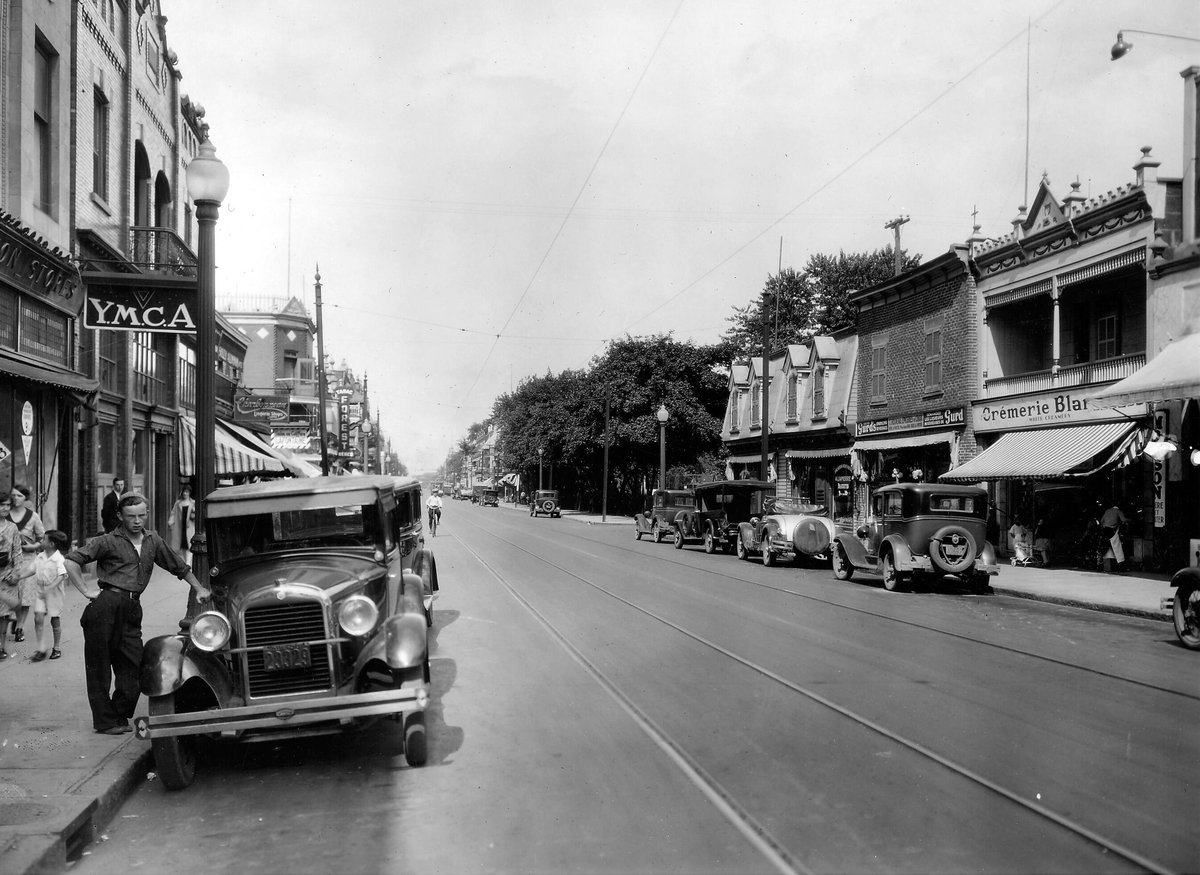
- Sir George Williams University: Its origins trace back to YMCA evening classes in 1851. This institution evolved into a co-educational college by 1926 and received its university charter in 1948.
The 1974 merger created Concordia University, a name chosen to resonate with Montreal’s motto and reflect its mission of harmony and inclusivity (Concordia History; The Globe and Mail).
Campus Exploration: Two Distinct Experiences
Sir George Williams Campus: Downtown Vibrancy
Location, Highlights, and Accessibility
- Location: Situated in Montreal's downtown core, bordered by De Maisonneuve Blvd., Mackay St., Bishop St., and Guy St.
- Atmosphere: Seamlessly integrated with the urban environment, offering a dynamic blend of academic life and city energy.
- Key Buildings: Includes the J.W. McConnell Building (housing the R. Howard Webster Library), the modern John Molson School of Business (MB), and the Engineering, Computer Science and Visual Arts Integrated Complex (EV). The historic Grey Nuns Residence (GN) offers summer accommodations (Concordia Summer Accommodations).
- Accessibility: Fully wheelchair accessible with ramps and elevators. Easily reached via the Guy-Concordia Metro station and multiple STM bus routes (Concordia Summer Accommodations).
- Nearby Attractions: Close to the Montreal Museum of Fine Arts, Quartier des Spectacles, and Crescent Street’s vibrant dining and nightlife (The Geographical Cure).
Loyola Campus: Historic Charm and Green Spaces
Location, Atmosphere, and Facilities
- Location: Located in the Notre-Dame-de-Grâce (NDG) neighborhood in Montreal's west end.
- Atmosphere: Characterized by its serene, green environment and historic Collegiate Gothic architecture.
- Key Features: Includes the Administration Building and Chapel, the Richard J. Renaud Science Complex, and the Communication Studies and Journalism Building (CJ) (Concordia Communication Studies). It also houses athletic facilities.
- Accessibility: Connected to Sir George Williams Campus via a free shuttle. Accessible by city bus, with ramps, elevators, and accessible washrooms available (VanMates).
- Nearby: The charming Monkland Village with its shops and cafés is close by.
Planning Your Visit: Hours, Entry, and Tours
Campus Operating Hours
- Sir George Williams Campus: Generally open weekdays from 8:00 AM to 9:00 PM; hours may vary by building.
- Loyola Campus: Typically open weekdays from 8:30 AM to 6:00 PM.
- Refer to the official Concordia website for specific building hours (Concordia Admissions Visit).
Entry Policies and Tickets
Public entry to campus spaces is free. Tickets may be required for specific exhibitions or special campus events.
Campus Tours: Guided and Virtual Options
- Guided Tours: Available for prospective students and visitors, booking in advance is recommended (Concordia Admissions Visit).
- Virtual Tours: Explore campuses online if an in-person visit isn't possible.
- Public Art Tours: Discover Concordia’s public art installations; check schedules and booking details (Concordia Public Art Tour).
Accessibility for All Visitors
Both campuses are designed with accessibility in mind. Comprehensive details can be found on the Accessibility Services page.
Beyond the Campus: Montreal’s Nearby Attractions
Cultural Landmarks and Photographic Opportunities
- Mount Royal Park: Montreal’s signature urban park, offering stunning city views (Official Mont Royal Park Website; Montreal Tourism).
- Montreal Museum of Fine Arts: Located near Sir George Williams Campus.
- Old Montreal: Historic district known for its cobblestone streets and architecture.
- Quartier des Spectacles: Montreal’s premier entertainment and cultural district.
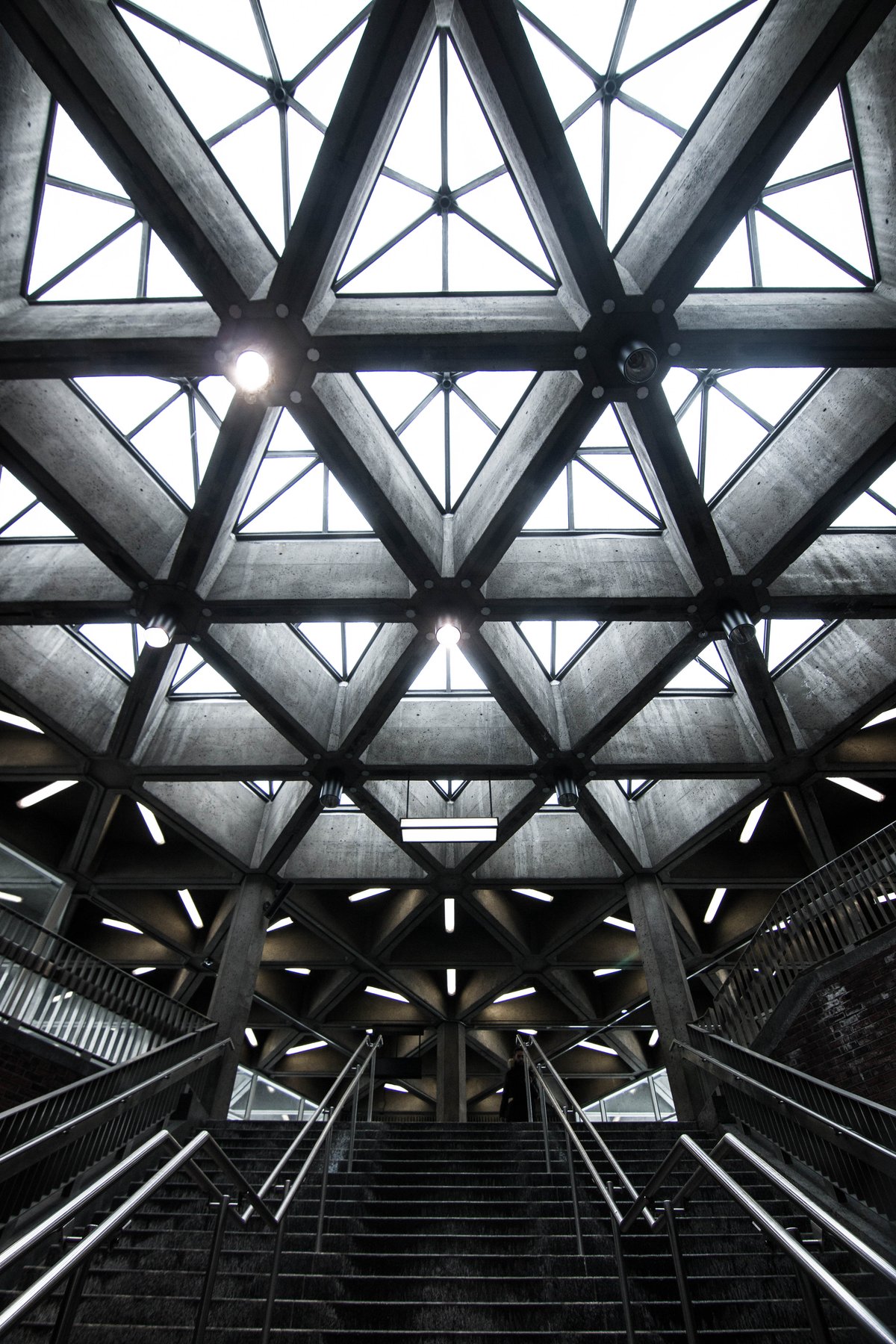
- Photo Spots: Capture modern architecture on the SGW campus, Gothic Revival styles at Loyola, serene green spaces, and panoramic city vistas.
Concordia’s Community and Cultural Contributions
Events, Arts, and Heritage
Concordia hosts a variety of public events, including lectures, art exhibitions, and film screenings, many of which are open to the public. Check the university’s event calendar for details.
Indigenous Acknowledgement and Cultural Respect
Concordia is situated on unceded Kanien’kehá:ka territory. The university is committed to Indigenous reconciliation and the inclusion of Indigenous perspectives (Concordia Territorial Acknowledgement; Concordia Indigenous Directions).
Practical Tips for a Smooth Visit
Getting Around: Transit and Parking
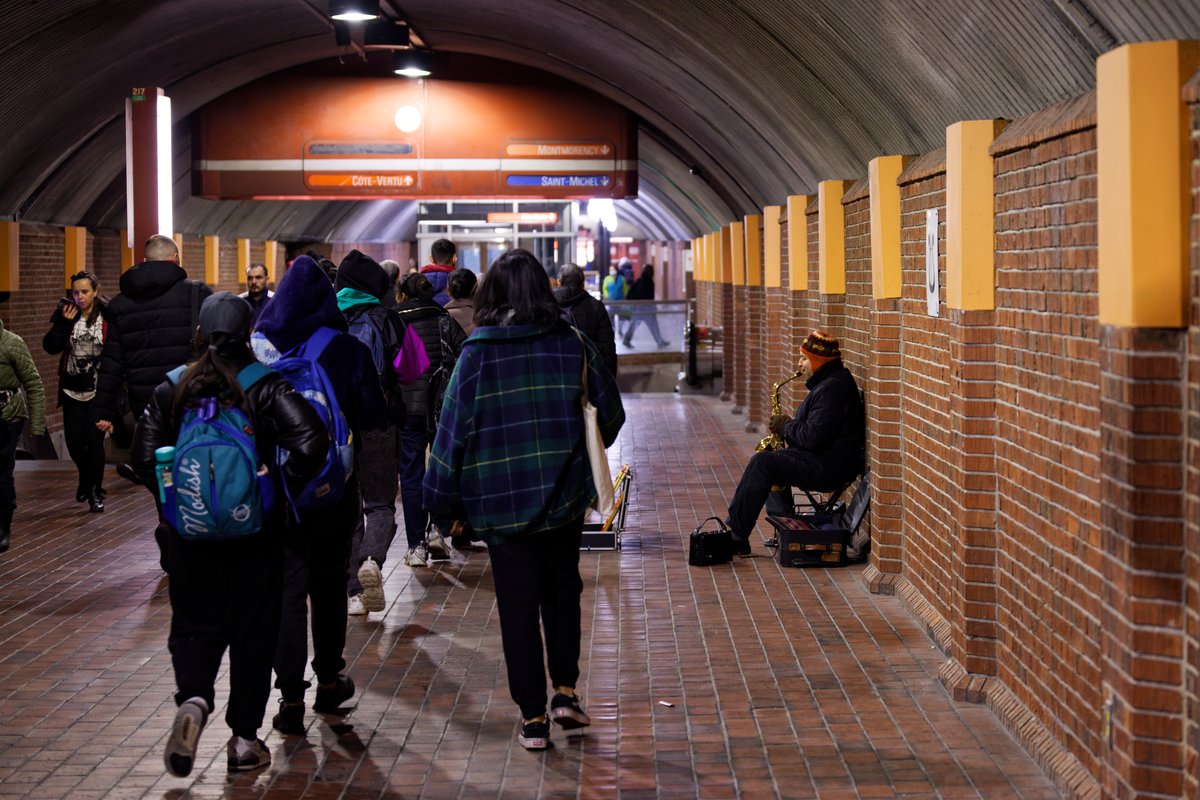
- Transit: Utilize the STM Metro (Guy-Concordia station for SGW; bus 105 to Loyola). The free Concordia shuttle connects the campuses.
- Biking: BIXI bike-share stations are available nearby (Montreal BIXI).
- Parking: Limited and paid; public transit is recommended (Concordia Parking Services).
Dining, Accommodation, and Language
- Dining: On-campus options and diverse local restaurants are available.
- Accommodation: Grey Nuns Residence offers summer stays (Concordia Summer Accommodations). Hotels are abundant downtown.
- Language: Montreal is bilingual; Concordia operates mainly in English, but basic French knowledge is appreciated.
Safety and Preparedness
Concordia campuses are generally safe. Observe standard urban safety precautions. Check Montreal’s weather forecast and dress accordingly (Tourisme Montréal).
Frequently Asked Questions (FAQ)
Q: What are Concordia’s general visiting hours? A: Most buildings are open weekdays (SGW: 8 AM–9 PM; Loyola: 8:30 AM–6 PM); consult specific building hours (Concordia Admissions Visit).
Q: Is campus entry free? A: Yes, public spaces are free to visit.
Q: Are guided tours available? A: Yes, in-person and virtual tours are offered; booking is advised.
Q: Is the campus accessible for visitors with disabilities? A: Yes, both campuses prioritize accessibility. Contact Accessibility Services for details.
Q: Can I attend public events? A: Many events are open to the public; check event listings.
Q: How do I travel between campuses? A: Use the free Concordia shuttle, which runs frequently.
Resources for Your Visit
- Official Concordia Visitor Information
- Concordia University Admissions
- Montreal Travel Guide
- Campus Safety at Concordia
For enhanced travel tips and campus information, download the Audiala app and follow Concordia on social media.
Conclusion
Visiting Concordia University offers an enriching experience, blending academic exploration with Montreal’s vibrant culture and history. The university’s welcoming atmosphere, accessible campuses, and diverse attractions make it a landmark worth exploring. Whether you’re interested in its impressive architecture, engaging events, or the spirit of inclusivity it represents, Concordia provides a memorable journey into the heart of Montreal.
References
- Concordia History
- The Globe and Mail
- VanMates Student Guide for Concordia University
- The Canadian Encyclopedia: Concordia University
- Concordia University Campus Visit Guide
- Concordia Art History
- Concordia Advancement
- Concordia Territorial Acknowledgement
- Concordia Indigenous Directions
- Concordia Communication Studies
- Concordia Summer Accommodations
- The Geographical Cure
- Montreal BIXI
- Tourisme Montréal
- Official Mont Royal Park Website
- Montreal Tourism
- Concordia Public Art Tour
- Concordia Accessibility Services
- Concordia Parking Services
- Wikipedia: J.W. McConnell Building
- WEI Conference