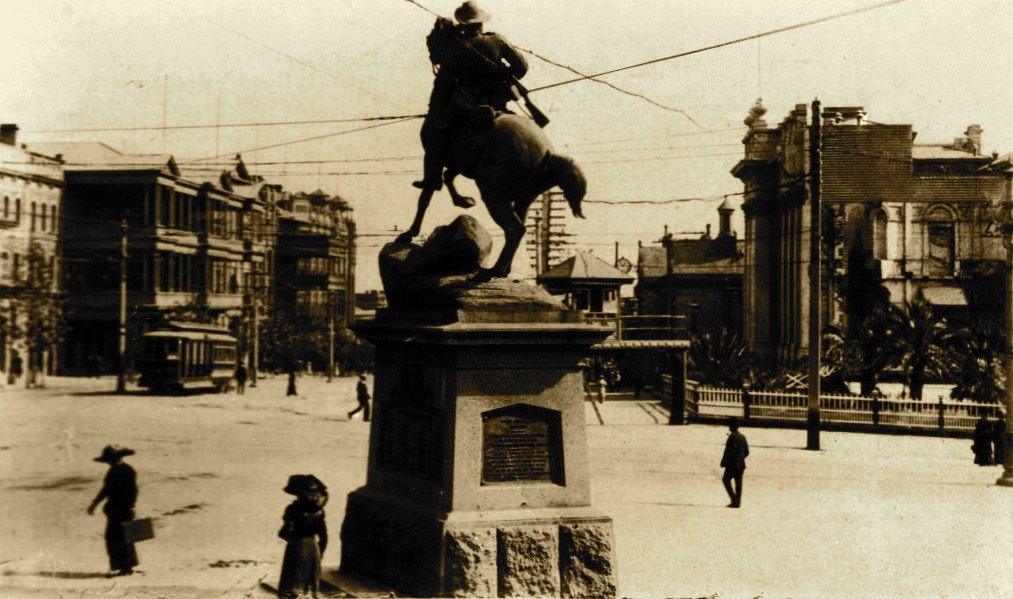

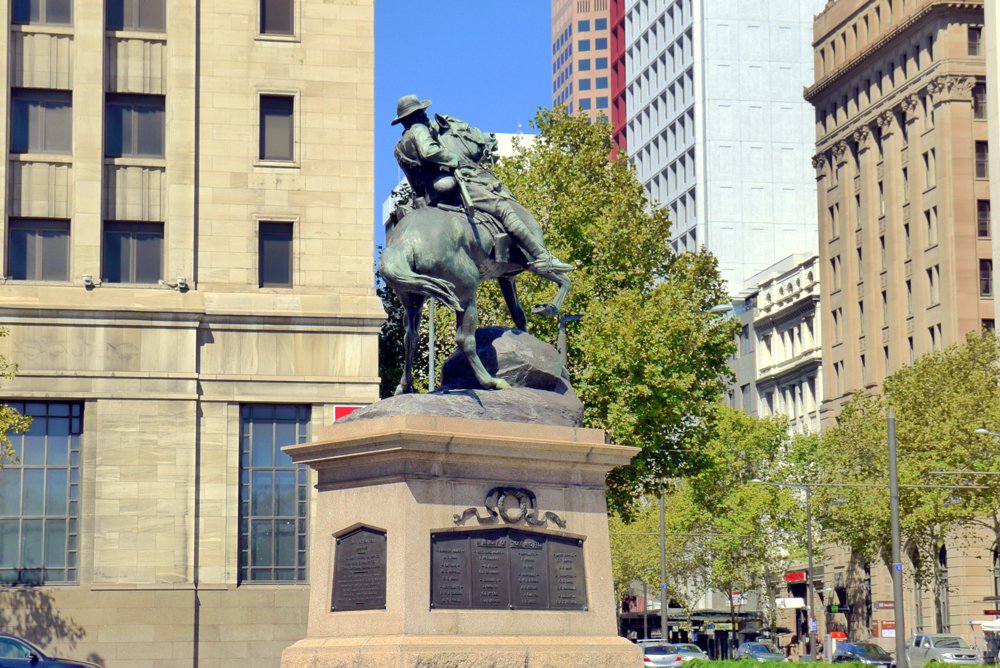
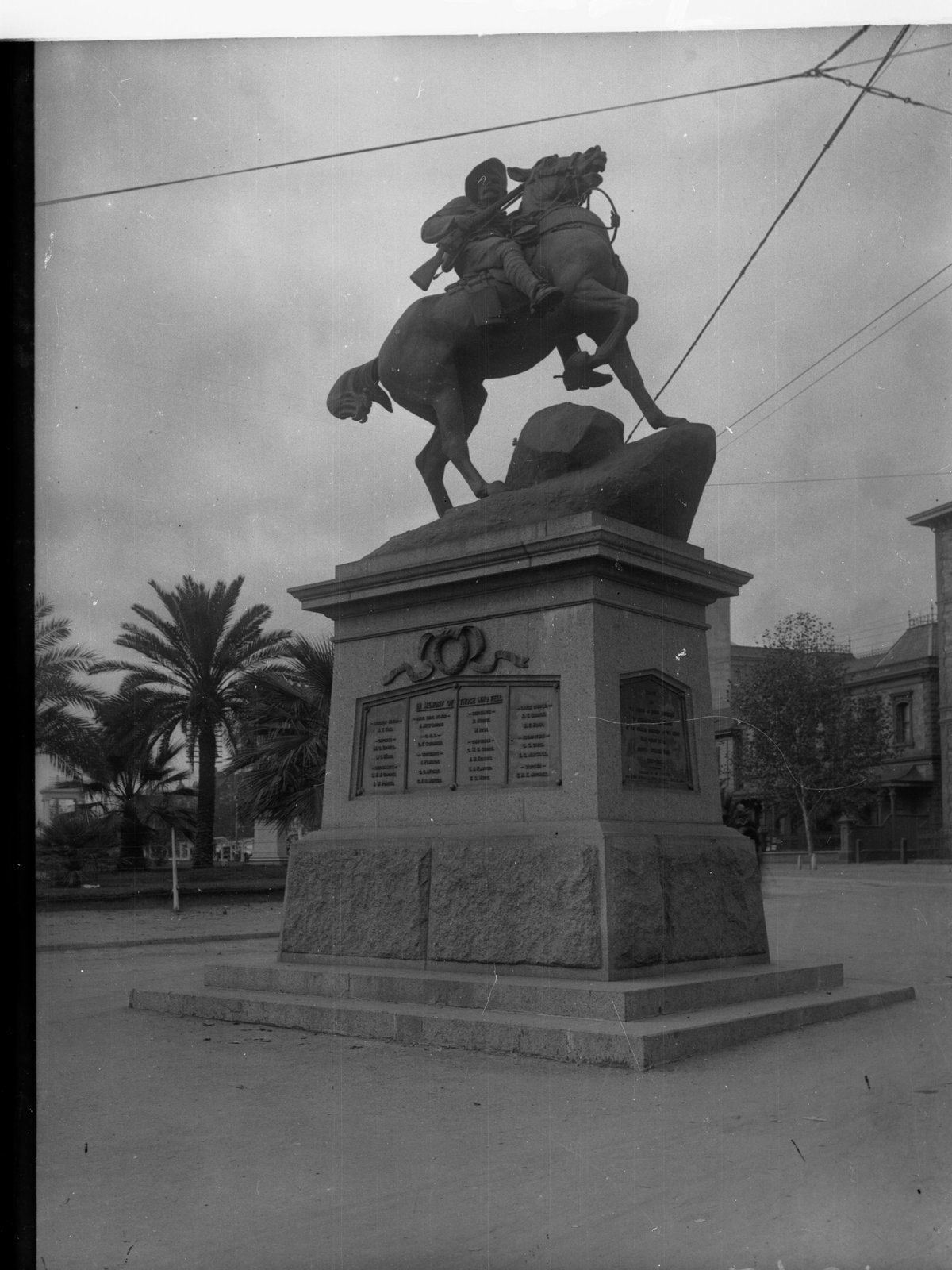
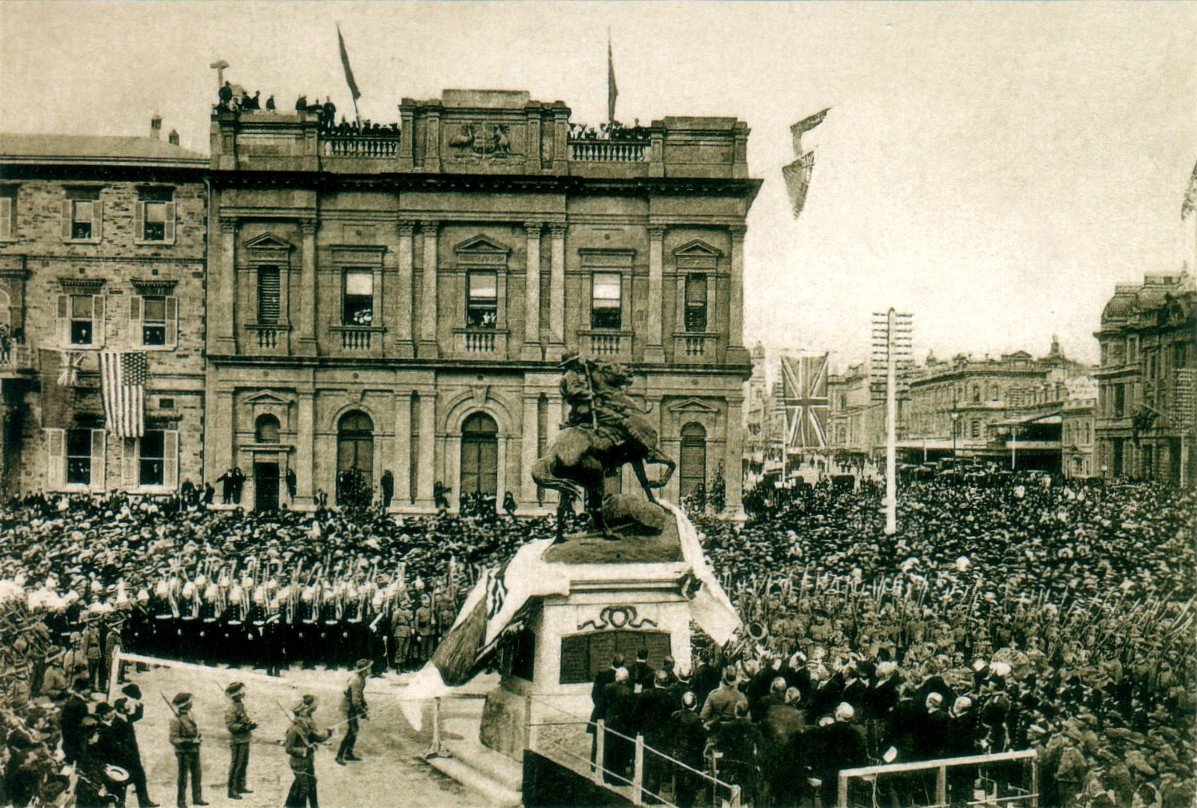
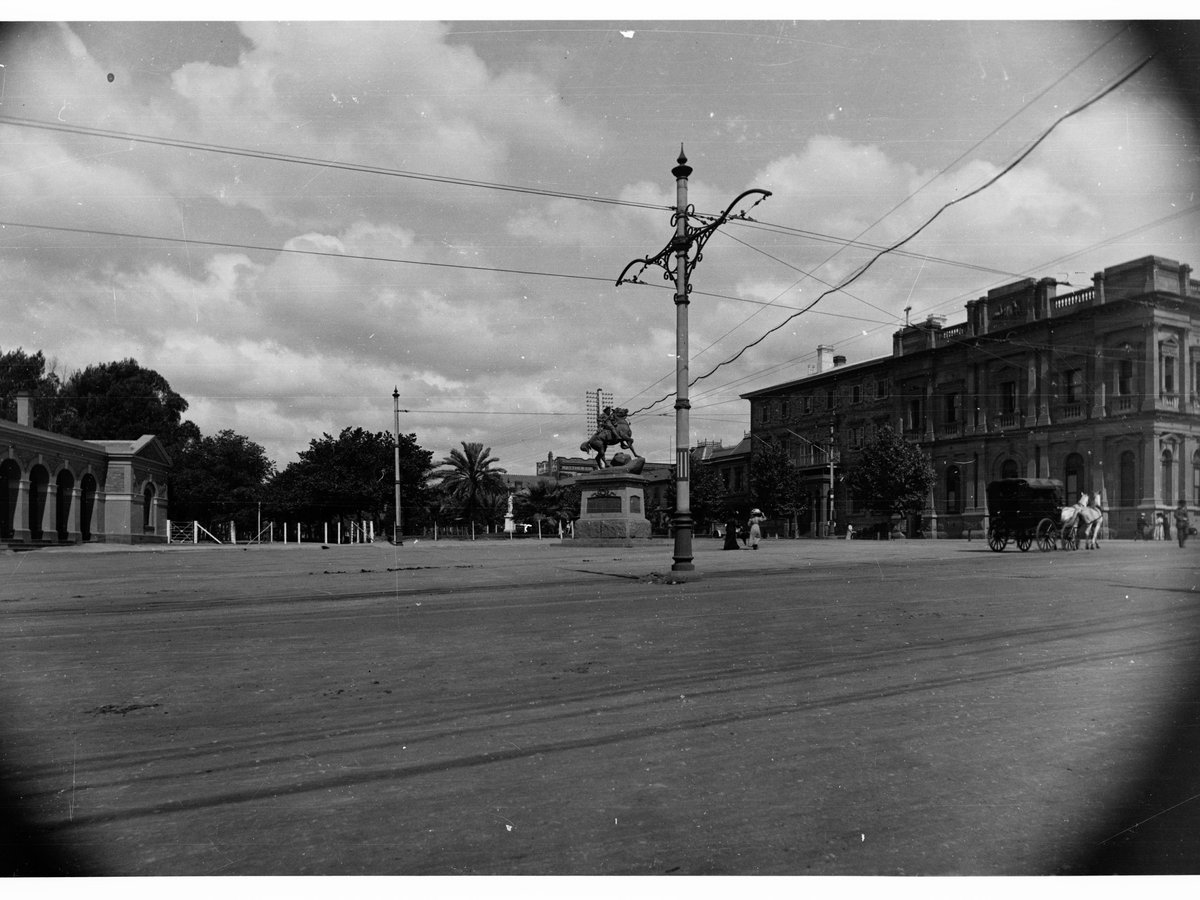
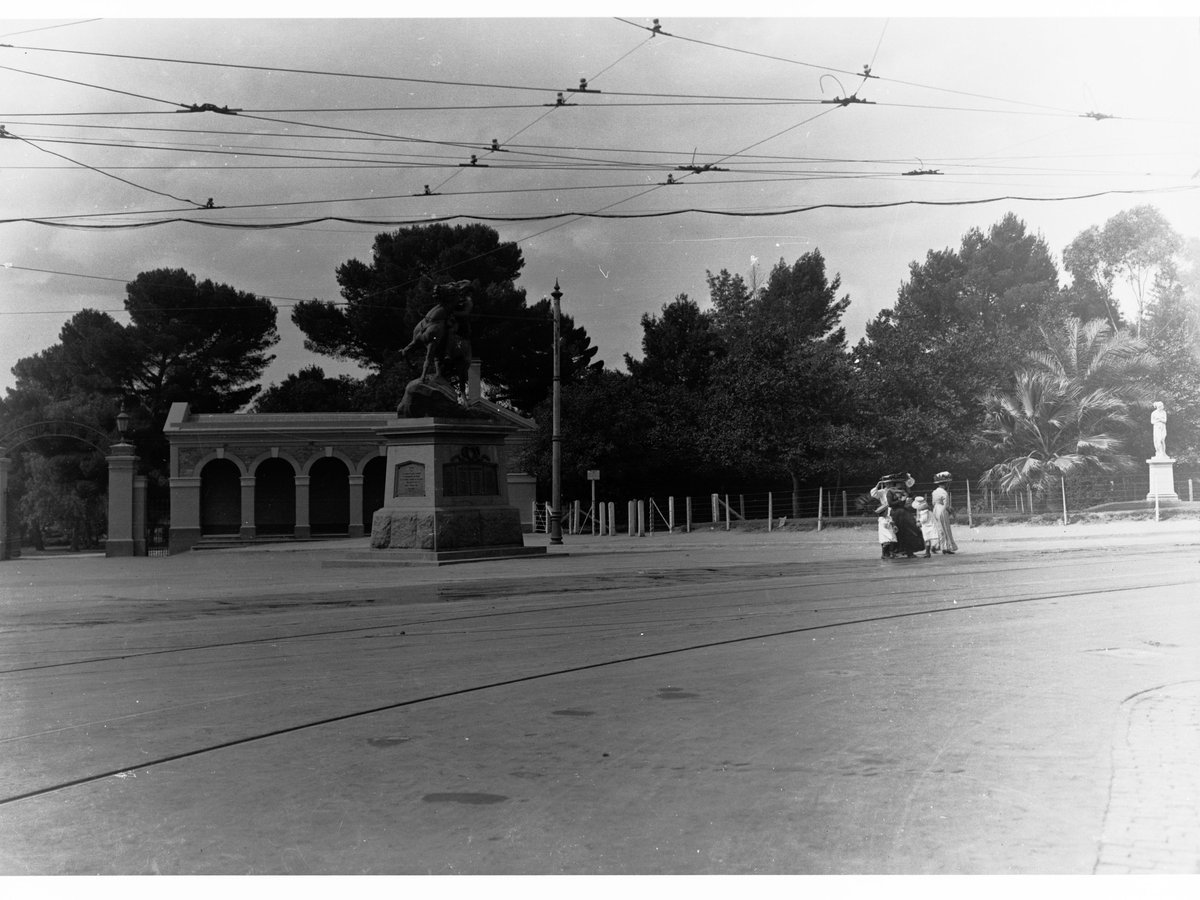
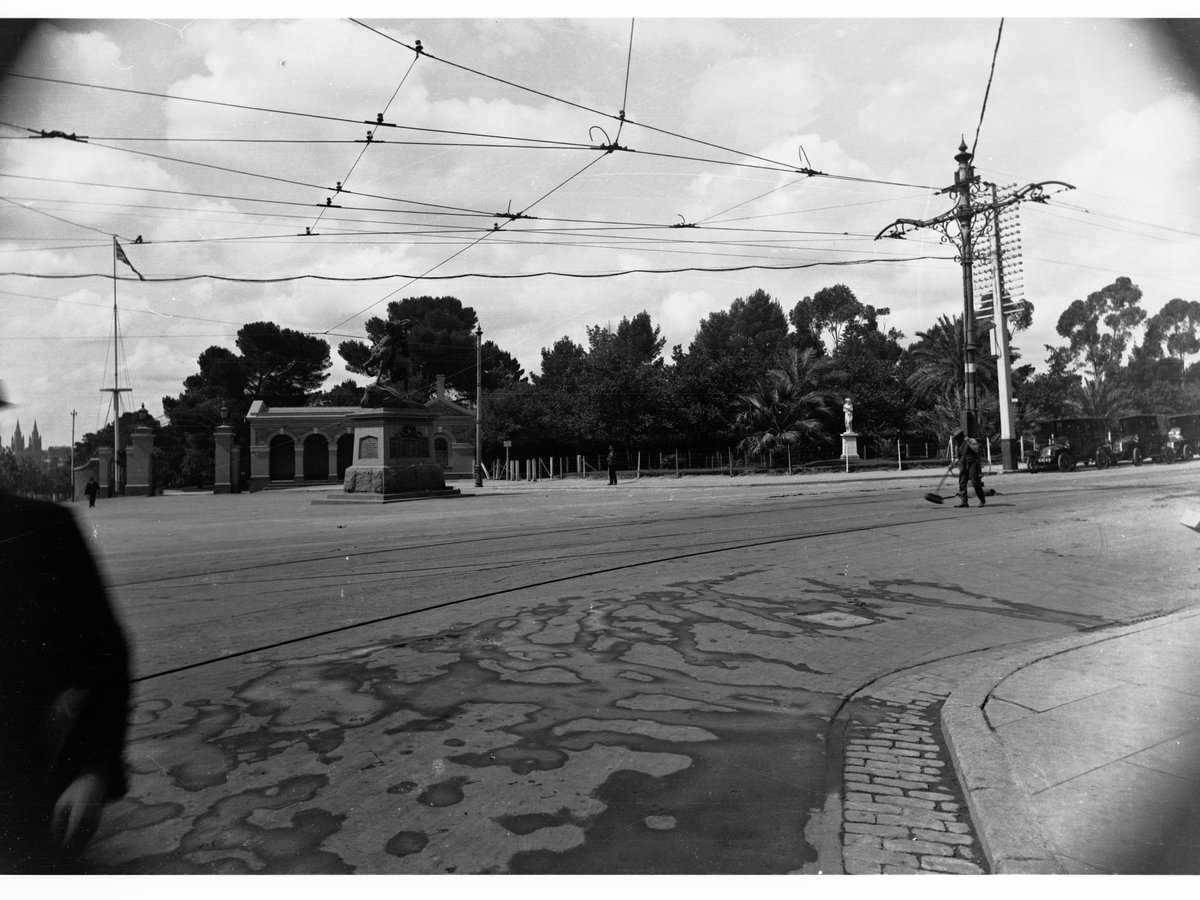
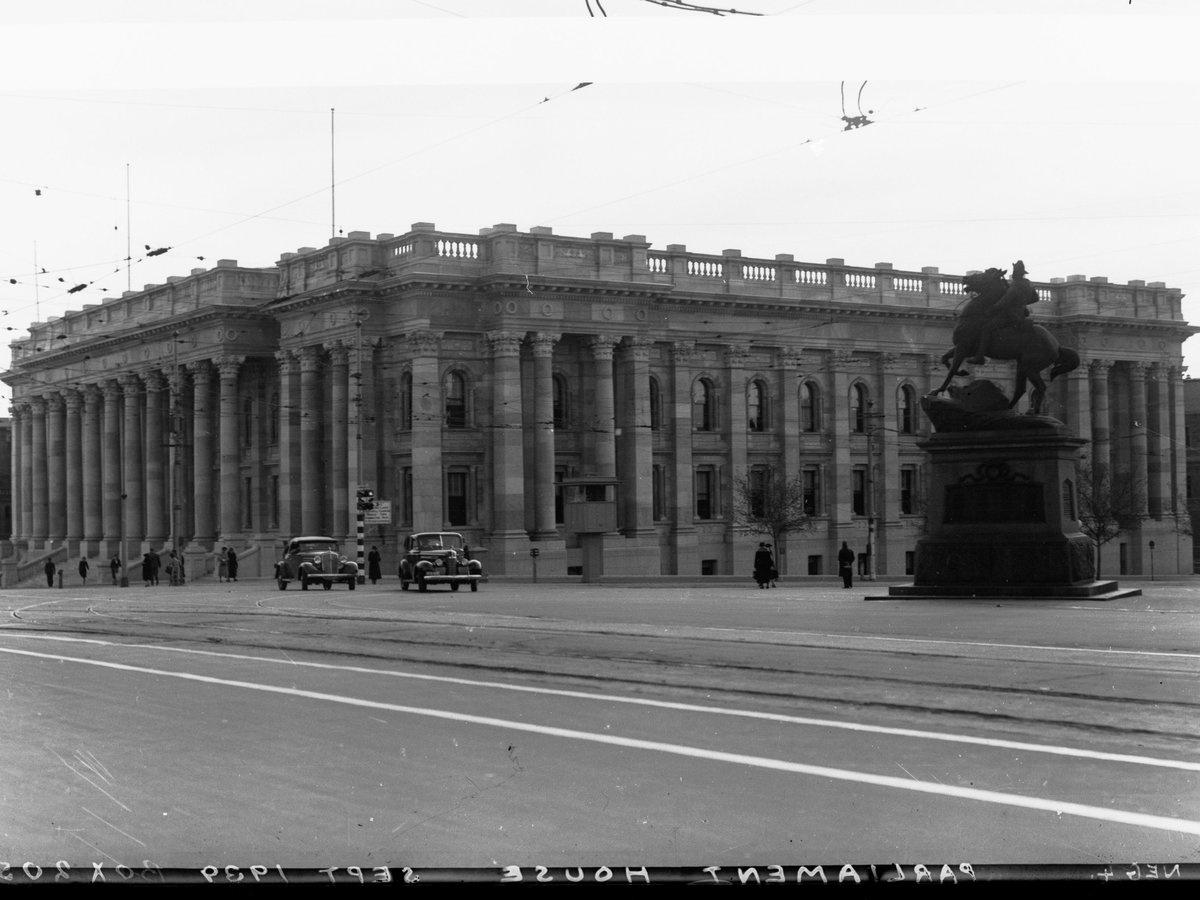
{'date': '15/06/2025', 'task': {'model': 'gpt-4.1-mini', 'query': 'Comprehensive guide to visiting South African War Memorial, Adelaide, Australia: history, significance, visitor tips, and everything tourists need to know for a memorable experience.', 'verbose': False, 'guidelines': ["Keyword Research: Identify relevant keywords that potential visitors are likely to search for, such as '[Monument Name] visiting hours,' '[Monument Name] tickets,' and '[City] historical sites.' Use these keywords strategically throughout the article, including in the title, headers, and body text, but avoid keyword stuffing.", 'Engaging and Informative Title: Craft a title that is both SEO-friendly and compelling to encourage clicks. Include the main keyword and make it clear what the article will cover.', 'Structured Content: Use headings (H1, H2, H3) to organize the content effectively. This helps with SEO and makes the article easier for readers to navigate. Include an introduction that hooks the reader, a detailed body that covers all relevant aspects, and a conclusion that summarizes the key points.', 'Comprehensive Coverage: Address common questions and topics of interest such as the history of the monument, its cultural significance, visitor information (e.g., ticket prices, opening hours), travel tips, nearby attractions, and accessibility. Include sections that might be unique to the monument, like special events, guided tours, and photographic spots.', 'Quality Content: Ensure the content is well-researched, accurate, and provides real value to readers. Use reliable sources and provide factual information. Write in a clear, engaging, and accessible style. Consider your audience and use language that is appropriate for those likely to visit the monument.', 'Visuals and Media: Incorporate high-quality images or videos of the monument. These should be optimized for the web (correct sizing, alt tags with keywords). Consider interactive elements like virtual tours or maps.', 'Internal and External Links: Include links to other related articles on your site to encourage deeper engagement (internal links). Link to official websites for the monument or credible sources for further reading (external links).', 'FAQ: Incorporate FAQ sections to target voice search queries and featured snippets', 'Visit and Stay Up to Date: End the article with a call to action, such as encouraging readers to download our mobile app Audiala, check out other related posts, or follow on social media for more updates.'], 'max_sections': 4, 'publish_formats': {'pdf': False, 'docx': False, 'markdown': True}, 'follow_guidelines': True}, 'title': 'Comprehensive Guide to Visiting the South African War Memorial, Adelaide, Australia', 'report': '# 南アフリカ戦争記念碑(アデレード)訪問ガイド:開館時間、チケット、歴史的重要性\n\n#### 日付:2025年6月15日\n\n## はじめに\n\nアデレードの南アフリカ戦争記念碑は、第二次ボーア戦争(1899~1902年)に従軍した南オーストラリア州出身者たちを称える力強い記念碑です。ノーステラスとキングウィリアム通りの交差点に位置するこの象徴的な記念碑は、南オーストラリア州初の大規模な海外軍事作戦における犠牲と、参加者たちの不屈の精神を称えています。一般からの寄付で資金が調達され、著名な彫刻家エイドリアン・ジョーンズ大尉によってデザインされたこの記念碑は、赤御影石の台座の上に立つ印象的な青銅製の騎馬像が特徴です。これは地域社会の誇り、英国帝国との絆、そして市民兵士の価値を象徴しています。今日、この記念碑は、アデレードの活気ある文化地区における追悼、教育、文化観光の中心地となっています(アデレード市2023; SA History Hub; Monument Australia)。\n\n---\n\n## 目次\n\n- 歴史的背景\n - 第二次ボーア戦争における南オーストラリア州の関与\n - 記念碑の建立に向けた地域社会の資金調達\n - デザインと芸術的特徴\n - 碑文と象徴\n- 訪問情報\n - 開館時間、アクセス、所在地\n - アクセス方法と周辺の観光スポット\n - 特別イベント\n- 訪問者の体験\n - 解説とガイドツアー\n - 写真撮影と美術鑑賞\n - 地域社会との関わりと遺産\n- よくある質問(FAQ)\n- 実用的なヒント\n- 視覚資料とメディア\n- まとめと最終的なアドバイス\n- 参考文献\n\n---\n\n## 歴史的背景\n\n### 第二次ボーア戦争における南オーストラリア州の関与\n\n第二次ボーア戦争は、オーストラリア連邦化以前に南オーストラリア州が初めて大規模な海外派遣を行った重要な時期であり、同州の軍事史において特筆すべき章となりました。1,500名を超える南オーストラリア州出身者が9つの派遣部隊に所属し、その中には有名な南オーストラリア州ブッシュメン部隊も含まれます。この紛争で南オーストラリア州出身者は少なくとも59名が命を落とし、その功績は記念碑に刻まれています(SLSA Collection)。\n\n### 記念碑の建立に向けた地域社会の資金調達\n\n記念碑の建立は、記念碑自体と南オーストラリア州ブッシュメン部隊の装備品調達のために2,000ポンド以上を集めた一般からの寄付によって中心に進められました。この共同の努力は、地域社会の深い義務感、愛国心、そして従軍者たちを称えたいという願望を反映したものでした(Monument Australia)。\n\n記念碑は1904年6月6日に、ジョージ・ル・ハント総督、退役軍人、地域住民が出席した式典で除幕され、市民の記憶への永続的な献身を証明しました(SLSA Collection)。\n\n### デザインと芸術的特徴\n\nロンドンの著名な彫刻家エイドリアン・ジョーンズ大尉が制作した青銅製の騎馬像は、マレーブリッジ産の御影石の台座の上に鎮座しています。この像は騎馬歩兵を描いており、戦争における馬術と機動性の重要性を象徴しています。騎馬者の頭部は、ファーラー軍曹ジョージ・ヘンリー・グッドオールから型を取ったと考えられています(Equestrian Statue; Rundle Mall)。\n\n記念碑の芸術様式は、ヴィクトリア朝とエドワード朝のリアリズムと、帝国主義および民主主義のテーマを融合させたもので、当時の英雄主義の理想とオーストラリアのアイデンティティの台頭の両方を捉えています(SA History Hub)。\n\n### 碑文と象徴\n\nボーア戦争の砲身から鋳造された4つの青銅製プレートが御影石の台座に取り付けられており、戦死者の名前が刻まれ、南オーストラリア州兵士たちの勇気を称えています。正面のプレートには「祖国のために死ぬ者は、高潔に死ぬ」という献辞が青銅の月桂樹で縁取られ、他のレリーフには月桂樹の葉や軍の記章があしらわれています(SA History Hub)。\n\n---\n\n## 訪問情報\n\n### 開館時間、アクセス、所在地\n\n- 開館: 毎日24時間(屋外の公共スペースのため、入場料やチケットは不要)\n- 住所: ノーステラス&キングウィリアム通り、アデレードCBD(Experience Adelaide)\n- アクセス: 車椅子でアクセス可能。舗装された歩道と平坦な地形。公共交通機関も利用可能。\n\n### アクセス方法\n\n- 徒歩: 市内中心部から10分。キングウィリアム通りを南に歩き、ノーステラスへ(Evendo)。\n- 公共交通機関: ノーステラスにはバスとトラムが運行しています。最寄りのトラム停留所は「アデレード駅」で、そこから徒歩圏内です。\n- 駐車場: 路上駐車は限られています。近隣にはアデレード中央市場駐車場やアデレード駅駐車場(有料)があります。\n\n### 周辺の観光スポット\n\n- 南オーストラリア州立図書館\n- 南オーストラリア博物館\n- 南オーストラリア美術館\n- アデレード大学\n- 国立戦争記念碑\n- 総督官邸\n\nこれらの施設は徒歩圏内にあり、訪問者の文化的な旅程を豊かにします(GPSmyCity)。\n\n### 特別イベント\n\n記念碑では、特にアンザックデー(4月25日)や重要な記念日には、年次追悼式典が開催されます。これらのイベントには退役軍人、当局者、そして一般市民が集まり、地域社会の追悼における記念碑の役割を強化しています(Wikipedia)。\n\n---\n\n## 訪問者の体験\n\n### 解説とガイドツアー\n\n- 現地には、第二次ボーア戦争の歴史と南オーストラリア州の関与を伝える解説パネルや音声ガイドが設置されています。\n- この記念碑は、いくつかの市内ウォーキングツアーに含まれています。スケジュールについては、地元のツアーオペレーターまたはアデレードのビジターセンターにご確認ください(Experience Adelaide)。\n\n### 写真撮影と美術鑑賞\n\n- 青銅製の像と御影石の台座は、特に日の出または日没時の魅力的な写真撮影の機会を提供します。\n- 像のリアルなディテールと英雄的なスケールは、パブリックアート愛好家にとってハイライトとなるでしょう。\n\n### 地域社会との関わりと遺産\n\n- 記念碑は、地域社会の追悼と市民の誇りを反映した、一般からの寄付によって資金が調達されました。\n- 継続的な追悼イベント、教育プログラム、遺産保護活動は、その重要性を維持しています(Nomad Africa Magazine)。\n\n---\n\n## よくある質問(FAQ)\n\nQ: 入場料またはチケットは必要ですか?\nA: いいえ、入場は無料です。24時間年中無休の屋外記念碑です。\n\nQ: 訪問に最適な時間帯はいつですか?\nA: いつでも可能ですが、安全のため、また詳細をより良く鑑賞するためには日中をお勧めします。早朝や夕方遅くは、写真撮影に最も適した光が得られます。\n\nQ: 車椅子でのアクセスは可能ですか?\nA: はい、舗装された歩道と平坦な地形があるため、すべての訪問者がアクセス可能です。\n\nQ: ガイドツアーはありますか?\nA: この記念碑は、アデレードのウォーキングツアーにしばしば含まれています。現在のオプションについては、ビジターセンターまたは観光ウェブサイトでご確認ください。\n\nQ: 記念碑で特別なイベントは開催されますか?\nA: はい、特にアンザックデーとその記念日の際には、追悼式典や地域集会が開催されます。\n\nQ: 近くの他の観光スポットも訪れることができますか?\nA: はい、もちろんどこでも。記念碑は文化施設やランドマークに囲まれており、アデレード中心部の探索と組み合わせて簡単に訪れることができます。\n\n---\n\n## 実用的なヒント\n\n- 日中に訪問を計画することで、最適な鑑賞と安全を確保できます。\n- 他のノーステラスの文化施設と組み合わせて訪問することで、一日を通して探索できます。\n- イベントカレンダーを確認することで、今後の追悼式典を把握できます。\n- 記念碑では、特に式典中や静かに瞑想している人々がいる場合は、敬意を払って行動する。\n\n---\n\n## 視覚資料とメディア\n\n- アデレードの公式遺産および観光ウェブサイトで、記念碑、騎馬像、プレートの画像をご覧ください(Experience Adelaide)。\n- 遠方からの計画には、バーチャルトリップやインタラクティブマップをご検討ください。\n- アクセシビリティのために、「アデレードの南アフリカ戦争記念碑の騎馬像」のような説明的な代替テキストを使用してください。\n\n---\n\n## まとめと最終的なアドバイス\n\n南アフリカ戦争記念碑は、南オーストラリア州の軍事史と、第二次ボーア戦争に従軍した人々への地域社会の永続的な敬意の証です。その中心的な場所、芸術的な壮大さ、そしてアクセシビリティは、歴史、芸術、公共の記憶に関心のある訪問者にとって必須の立ち寄り場所となっています。地域社会の関与、教育、追悼における記念碑の継続的な役割は、その重要性を確固たるものにしています。この感情を揺さぶる記念碑を体験し、ノーステラスの豊かな文化景観を探索するために、今日あなたの訪問を計画してください(アデレード市2023; SA History Hub; Monument Australia)。\n\nAudialaアプリをダウンロードしてガイドツアーや訪問者向けのヒントを入手し、アデレードの観光チャンネルをフォローして最新情報を得てください。\n\n---\n\n## 参考文献\n\n- アデレード市:アデレードの南アフリカ戦争記念碑訪問ガイド:歴史、営業時間、ヒント\n- Monument Australia:アデレードの南アフリカ戦争記念碑\n- SA History Hub:アデレードの南アフリカ戦争記念碑\n- Experience Adelaide:南アフリカ戦争記念碑\n- SLSA Collection:南アフリカ戦争\n- Rundle Mall:南アフリカ戦争記念碑\n- Evendo:アデレード戦争記念碑\n- Wikipedia:南アフリカ戦争記念碑(南オーストラリア州)\n- GPSmyCity:アデレード広場と記念碑ツアー\n- Nomad Africa Magazine:文化遺産観光\n- Equestrian Statue:南アフリカ戦争記念碑\n', 'headers': {'date': '日付', 'title': '南アフリカ戦争記念碑(アデレード)訪問ガイド:開館時間、チケット、歴史的重要性', 'conclusion': '南アフリカ戦争記念碑への訪問に関する主要情報の概要と、訪問者向けの最終的なヒント', 'references': '参考文献と、さらなる読書のための公式ウェブサイトおよび信頼できる情報源へのリンク', 'introduction': 'アデレードの南アフリカ戦争記念碑の紹介。その歴史と文化的重要性を含む', 'table_of_contents': '訪問時間、チケット情報、歴史、文化的重要性、旅行のヒント、周辺の観光スポット、アクセス、特別イベント、ガイドツアー、写真撮影スポット、FAQ、訪問方法を網羅した目次'}, 'sources': ['- Visiting the South African War Memorial in Adelaide: History, Hours & Tips, 2023, City of Adelaide https://meetings.cityofadelaide.com.au/documents/s10719/South%20African%20Boer%20War%20Memorial.pdf', '- South African War Memorial in Adelaide: Visitor Guide, History, and Artistic Features, n.d., Monument Australia https://monumentaustralia.org.au/themes/conflict/boer/display/50147-south-african-boer-war-memorial', '- South African War Memorial in Adelaide: History, Hours & Travel Tips, n.d., SA History Hub https://sahistoryhub.history.sa.gov.au/things/war-memorial/', '- South African War Memorial in Adelaide: Hours, Tickets, and Visitor Guide, n.d., Experience Adelaide https://www.experienceadelaide.com.au/public-art/art-in-adelaide/south-african-war-memorial/'], 'sections': ['Historical Background', 'Design and Artistic Features', 'Significance and Legacy', 'Visitor Experience'], 'conclusion': 'アデレードの南アフリカ戦争記念碑は、南オーストラリア州の軍事史と、第二次ボーア戦争に従軍した人々への地域社会の永続的な敬意を証する、深く多岐にわたる記念碑です。ノーステラスの著名な場所は、豊かな文化景観の中に記念碑を位置づけており、アデレードの歴史的な物語に容易にアクセスでき、不可欠な一部となっています。エイドリアン・ジョーンズの青銅製騎馬像と、記念プレートを備えた精巧な御影石の台座によって例示される記念碑の芸術的な壮大さは、帝国の伝統と台頭するオーストラリアのアイデンティティの両方を体現しています。無料でアクセス可能な屋外の場所として、年間を通して訪問者を歓迎し、車椅子でのアクセス、解説資料、ウォーキングツアーやアンザックデーのような追悼式典への参加を可能にしています。過去の犠牲を称えるだけでなく、この記念碑は地域社会の関与、教育の機会、そして植民地紛争の複雑さについての反省を育み続けています。訪問者にとって、近隣の文化施設は南オーストラリア州の歴史と遺産についての補完的な洞察を提供します。今日、この感情を揺さぶる記念碑を体験し、ノーステラスの活気ある文化景観を探索するために、あなたの訪問を計画してください。Audialaアプリをダウンロードしてガイドツアーや訪問者向けのヒントを入手し、アデレードの観光チャンネルをフォローして最新情報を得てください。(アデレード市2023; SA History Hub; Monument Australia)。', 'introduction': 'アデレードの南アフリカ戦争記念碑は、第二次ボーア戦争(1899~1902年)に従軍し、犠牲となった南オーストラリア州出身者たちを記念する、著名な歴史的ランドマークです。アデレードの文化地区の中心に位置するこの記念碑は、訪問者に歴史、芸術、そして静かな反省のユニークな融合を提供します。このガイドは、南アフリカ戦争記念碑の訪問に関するすべてを網羅しており、場所、開館時間、チケット情報、アクセス、周辺の観光スポット、そして訪問を最大限に活用するためのヒントが含まれています。', 'research_data': [{'Visiting the South African War Memorial in Adelaide: History, Hours & Tips': "## Visiting the South African War Memorial in Adelaide: History, Hours & Tips\n\n### Introduction\nLocated at the prominent intersection of North Terrace and King William Street, the South African War Memorial is a significant Adelaide historical site that honors South Australians who served in the Second Boer War (1899–1902). This article offers a comprehensive guide for visitors interested in exploring the memorial's rich history, artistic features, and practical information such as visiting hours, accessibility, and nearby attractions.\n\n### Historical Background\n#### The Second Boer War and South Australian Involvement\nThe South African War Memorial commemorates the 1,531 South Australians who participated in the Second Boer War, a conflict between the British Empire and the Boer republics of Transvaal and the Orange Free State. This was the first overseas war where South Australians served as a distinct contingent, highlighting a pivotal moment in the colony’s military and civic history (City of Adelaide, 2023).\n\nSouth Australia's contribution included nine contingents, notably the South Australian Bushmen’s Corps, dispatched in March 1900 with 100 troops. The deployment reflected strong imperial ties and public pride in the early 20th century (Monument Australia; Equestrian Statue).\n\n#### Fundraising and Community Involvement\nThe memorial was funded entirely by public subscriptions, raising over £2,000, demonstrating the community's deep commitment. Funds also helped equip and maintain the South Australian Bushmen’s Corps during their service (Monument Australia).\n\n#### Design and Artistic Features\nDesigned by London sculptor Adrian Jones and unveiled in 1904 by Governor Sir George Le Hunte, the memorial features a bronze equestrian statue symbolizing the South Australian soldiers. The rider’s head is believed to be modeled after Farrier Sergeant George Henry Goodall. The statue rests on a red Murray Bridge granite pedestal, emphasizing its local significance (Equestrian Statue).\n\n#### Inscriptions and Commemoration\nFour plaques honor various aspects of South Australian service, including a Roll of Honour listing 60 fallen soldiers under the phrase “Who dies for his country, dies nobly.” These inscriptions highlight both mourning and pride (City of Adelaide, 2023).\n\n### Visiting Information\n#### South African War Memorial Visiting Hours\nThe memorial is located outdoors in a public space and is accessible to visitors 24 hours a day, seven days a week. There are no entry fees or tickets required, making it a freely accessible Adelaide historical site.\n\n#### Accessibility\nThe memorial area is wheelchair accessible, with smooth pavements and nearby public transport options. Visitors with mobility needs can easily reach the site from central Adelaide.\n\n#### Getting There\nSituated near Government House on North Terrace, the memorial is well-served by public buses and is within walking distance of Adelaide’s city center. Paid parking is available nearby.\n\n#### Nearby Attractions\nVisitors can enhance their experience by exploring other nearby Adelaide historical sites such as the Art Gallery of South Australia, the South Australian Museum, and the State Library, all located along North Terrace.\n\n#### Special Events\nCommemorative events are occasionally held at the memorial, particularly on ANZAC Day and Remembrance Day. Visitors are encouraged to check the City of Adelaide’s events calendar for upcoming ceremonies.\n\n### FAQs\nQ: Are there any entrance fees or tickets required to visit the South African War Memorial?\nA: No, the memorial is located in a public space and is free to visit at any time.\n\nQ: What are the best times to visit?\nA: The memorial can be visited any time, but daytime visits are recommended for safety and to appreciate the details.\n\nQ: Is the memorial accessible for people with disabilities?\nA: Yes, the area surrounding the memorial is wheelchair accessible.\n\nQ: Can I take guided tours that include the memorial?\nA: Various Adelaide city tours may include the memorial; check with local tour operators for options.\n\n### Visuals and Interactive Elements\nVisitors can find high-quality images of the South African War Memorial online, including on the Equestrian Statue database. We recommend exploring virtual tours of North Terrace to plan your visit ahead.\n\n### Conclusion\nThe South African War Memorial stands as a powerful symbol of South Australia’s military heritage, community spirit, and imperial history. Whether you are a history enthusiast, a local resident, or a tourist exploring Adelaide historical sites, the memorial offers a meaningful glimpse into the past. Plan your visit today and discover this iconic monument’s stories and significance firsthand.\n\nFor more information on visiting hours, events, and nearby attractions, visit the City of Adelaide’s official page or explore related posts on Adelaide’s rich historical landmarks.\n\nStay connected by following Adelaide’s tourism social media channels and consider downloading the Adelaide app for up-to-date visitor tips and interactive maps."}, {'South African War Memorial in Adelaide: Visitor Guide, History, and Artistic Features': "## Introduction\n\nThe South African War Memorial, also known as the Boer War Memorial, is a significant historical landmark located on North Terrace in Adelaide, South Australia. This guide provides visitors with essential information about visiting the memorial, its rich artistic and historical features, and practical tips to enhance your experience. Whether you're a history enthusiast, art lover, or a casual visitor exploring Adelaide's cultural sites, this memorial offers a meaningful glimpse into South Australia's past and its role in the Second Boer War.\n\n## Location and Visiting Information\n\n### Address and Opening Hours\n\nThe South African War Memorial is situated prominently on North Terrace, Adelaide's vibrant cultural boulevard. It is accessible to the public 24 hours a day, seven days a week, with no entrance fee or ticket required.\n\n### Accessibility\n\nThe memorial is wheelchair accessible with paved pathways surrounding the site, making it easy for visitors with mobility needs to approach and appreciate the monument closely.\n\n### Travel Tips\n\n- Parking: Limited on-street parking is available near North Terrace. For longer visits, consider nearby public parking facilities such as the Adelaide Central Market Car Park or the Adelaide Railway Station Car Park.\n- Public Transport: The memorial is well-served by Adelaide Metro buses and trams that stop along North Terrace.\n\n### Nearby Attractions\n\nVisitors can easily combine their visit with other cultural landmarks along North Terrace, including:\n- The State Library of South Australia\n- South Australian Museum\n- Art Gallery of South Australia\n- University of Adelaide\n\nThese sites offer a rich cultural experience within walking distance of the memorial.\n\n## Design and Artistic Features\n\n### Equestrian Statue\n\nAt the heart of the memorial is a dynamic bronze equestrian statue sculpted by Captain Adrian Jones MVO, depicting a mounted South Australian soldier from the Second Boer War (1899–1902). The horse is captured in alert motion, symbolizing the bravery and readiness of the citizen soldiers who served.\n\n### Pedestal and Symbolism\n\nThe statue stands on a sturdy granite pedestal adorned with bronze plaques inscribed with the names of South Australian soldiers who died in the war. The front plaque bears the dedication: “To the memory of those who fell,” topped with a bronze wreath inscribed “Who dies for his country, dies nobly.” Additional decorative reliefs such as laurel leaves and military insignia enrich the memorial’s symbolic meaning.\n\n### Artistic Style\n\nJones’s work reflects late Victorian and Edwardian realism, emphasizing anatomical accuracy and heroic scale. The memorial draws from British imperial traditions but honors the archetypal citizen soldier, highlighting Australia’s democratic spirit during imperial conflicts.\n\n## Conservation and Heritage Status\n\nRecognized for its cultural significance, the memorial is protected under heritage legislation by the City of Adelaide and Heritage South Australia. Regular maintenance ensures its preservation, including cleaning, corrosion monitoring, and restoration when needed. In 2014, an audio unit was added beside the memorial to offer historical context without altering the monument’s appearance.\n\n## Visitor Experience and Interpretation\n\n### Audio Guide and Signage\n\nAn onsite audio unit provides narrated stories about the Second Boer War, South Australian soldiers, and the memorial’s significance. Additionally, interpretive signage offers historical background and artistic insights to enhance visitor understanding.\n\n### Guided Tours and Events\n\nThe South African War Memorial is featured in several walking tours, such as the Adelaide Introduction Walking Tour, providing engaging narratives that connect the memorial to Adelaide’s broader historical landscape. Occasionally, commemorative events and ceremonies are held here, especially on ANZAC Day and Remembrance Day.\n\n### Photographic Opportunities\n\nThe memorial’s open placement on North Terrace allows visitors to capture striking photographs from multiple angles, especially during sunrise and sunset when the bronze statue reflects warm natural light.\n\n## Cultural and Community Legacy\n\nFunded by public subscription with £2,500 raised by South Australians, the memorial represents a collective act of remembrance. Captain Adrian Jones’s design has influenced Australian war memorials, blending realism and symbolism to honor sacrifice and valor.\n\n## FAQs\n\nQ: Are there any visiting fees or tickets required?\nA: No, the South African War Memorial is free to visit and open all day.\n\nQ: What are the best times to visit?\nA: The memorial is accessible anytime, but early mornings or late afternoons provide ideal lighting for photography.\n\nQ: Is the site wheelchair accessible?\nA: Yes, paved pathways allow easy access for visitors with mobility aids.\n\nQ: Are guided tours available?\nA: Yes, the memorial is included in several walking tours around Adelaide, and special commemorative events are held occasionally.\n\nQ: Can I visit other nearby attractions?\nA: Absolutely. The memorial is close to several museums, galleries, and the State Library, making it easy to explore multiple sites in one trip.\n\n## Visuals and Interactive Elements\n\nVisitors can explore interactive maps online to plan their visit to North Terrace and the memorial. High-quality images of the memorial, including close-ups of the equestrian statue and plaques, enhance appreciation of its details. Virtual tours are available through Adelaide’s cultural websites for remote visitors.\n\n## Conclusion\n\nThe South African War Memorial stands as a poignant tribute to South Australian soldiers who served and sacrificed during the Second Boer War. Its artistic grandeur, historical depth, and accessible location make it a must-visit site for anyone interested in Adelaide’s heritage. Plan your visit today to experience this remarkable monument and explore the vibrant cultural precinct of North Terrace.\n\n## Call to Action\n\nFor more information on Adelaide’s historical sites and upcoming events at the South African War Memorial, download the Audiala app or visit the City of Adelaide’s official website. Follow us on social media to stay updated on tours, commemorations, and new interpretive tools.\n\n---\n\nRelated articles:\n- Adelaide’s North Terrace Cultural Precinct\n- History of the Second Boer War\n- Other War Memorials in South Australia"}, {'Visiting the South African War Memorial in Adelaide: History, Hours & Travel Tips': "## Introduction\n\nThe South African War Memorial in Adelaide is a significant historical landmark commemorating the service and sacrifice of South Australians who served in the Second Boer War (1899–1902). This article offers a comprehensive guide for visitors, including the memorial's rich history, symbolism, visiting hours, accessibility, nearby attractions, and tips for planning your visit to this important Adelaide historical site.\n\n## Commemoration of Service and Sacrifice\n\nThe South African War Memorial stands as a powerful testament to the South Australians who participated in the conflict known as the South African War or Second Boer War. This war was the first major overseas military engagement for Australian colonial forces before the federation of Australia in 1901. South Australia contributed over 1,500 men, with at least 59 losing their lives (SLSA Collection). The memorial was erected to honor these individuals, reflecting the era's strong sense of duty and patriotism.\n\nThe unveiling on June 6, 1904, was a significant public event attended by Governor Sir George Le Hunte, veterans, committee members, and many citizens (SLSA Collection). This ceremony highlighted the community's commitment to remembering those who served.\n\n## Symbolism and Artistic Legacy\n\nThe memorial features a bronze statue of a mounted soldier representing the South Australian Mounted Rifles atop a granite plinth. The mounted figure symbolizes the importance of mobility and horsemanship in the conflict. The statue faces north, symbolically toward South Africa, the war's location (SLSA Collection).\n\nBlending Edwardian ideals of heroism and emerging Australian identity, the memorial’s prominent location on North Terrace at King William Street places it among Adelaide’s key civic and cultural landmarks (SA History Hub).\n\n## Role in Shaping Public Memory\n\nAs one of South Australia’s earliest major war memorials, it set precedents for public fundraising, unveiling ceremonies, and annual remembrance services that continue today (SA History Hub). Annual memorial services often coincide with Anzac Day and other commemorations, drawing veterans, officials, and the public (SLSA Collection).\n\n## Evolving Interpretations and Contemporary Relevance\n\nOriginally a symbol of imperial loyalty, the memorial's meaning has evolved alongside Australian national identity to emphasize sacrifice and service (Inglis & Brazier, 2008). It also invites reflection on colonial conflict complexities, including controversial aspects like British concentration camps, fostering dialogue about history and reconciliation.\n\n## Visiting Information\n\n### Location\nThe South African War Memorial is located on North Terrace at the intersection with King William Street, Adelaide CBD.\n\n### Visiting Hours\nThe memorial is accessible to the public 24 hours a day as it is situated in an open public space.\n\n### Entry Fee\nThere is no ticket or entry fee to visit the memorial.\n\n### Accessibility\nThe site is wheelchair accessible, with paved pathways nearby. Public transport options are available within walking distance.\n\n### Guided Tours and Special Events\nGuided tours of North Terrace and Adelaide’s heritage sites often include the memorial. Annual commemorative events, such as Anzac Day services, are held here and are open to the public.\n\n## Nearby Attractions\nVisitors can easily explore other cultural institutions close by, including:\n- State Library of South Australia\n- South Australian Museum\n- Government House\n\nThese locations offer a rich, integrated cultural and historical experience in Adelaide’s city center (SA History Hub).\n\n## Educational and Cultural Impact\n\nThe memorial serves as a vital educational resource, featuring interpretive signage and being a key stop on heritage tours. Enhancements like digital platforms or QR codes could further enrich visitor engagement (Nomad Africa Magazine).\n\n## Community Engagement and Ongoing Legacy\n\nThe memorial remains a focal point for community remembrance, including wreath-laying ceremonies and educational programs involving schools and veterans. It exemplifies how public monuments contribute to community identity and collective memory (Nomad Africa Magazine).\n\n## Preservation and Heritage Status\n\nRegular conservation efforts ensure the memorial’s preservation against weathering and urban development. Protected under local and state heritage laws, restoration is guided by principles of historical integrity and community consultation (SA History Hub).\n\n## Frequently Asked Questions (FAQ)\n\nQ: What are the South African War Memorial Adelaide visiting hours?\nA: The memorial is located outdoors and accessible 24/7.\n\nQ: Is there an entry fee or tickets required?\nA: No entry fee or tickets are required to visit.\n\nQ: Are guided tours available?\nA: Guided heritage tours including the memorial are available seasonally; check local tour operators.\n\nQ: Is the memorial accessible for visitors with disabilities?\nA: Yes, the site is wheelchair accessible with nearby paved pathways.\n\nQ: Are there special events held at the memorial?\nA: Yes, annual commemorative services, especially on Anzac Day, are held at the site.\n\n## Visuals and Media\n\nVisitors are encouraged to view high-quality images of the memorial on the official Adelaide heritage websites and consider virtual tour options for remote exploration. Including alt tags such as “South African War Memorial Adelaide bronze statue” enhances accessibility and searchability.\n\n## Related Sites and Internal Links\n\nFor those interested in exploring more, consider visiting other Adelaide historical sites such as the National War Memorial and the Adelaide Gaol, enriching your understanding of the region’s military history.\n\n## Conclusion & Call to Action\n\nThe South African War Memorial in Adelaide offers a profound glimpse into South Australia's military heritage and evolving public memory. Whether you're a history enthusiast, a student, or a tourist, visiting this landmark provides meaningful insights and a chance to reflect on the sacrifices of past generations.\n\nPlan your visit today, explore nearby cultural attractions, and deepen your Adelaide experience. Don't forget to download the Audiala app for guided tours and latest updates on Adelaide landmarks. Follow us on social media for more stories and events related to Adelaide’s rich heritage.\n\n---\n\nNote: All factual details and historical context are drawn from the State Library of South Australia’s collections and the SA History Hub, with additional insights from heritage tourism research as referenced above.'}, {'Visiting the South African War Memorial in Adelaide: Hours, Tickets, and Visitor Guide': '## Introduction\n\nThe South African War Memorial in Adelaide is a significant historical site commemorating South Australians who served in the Second Boer War (1899–1902). Located in the heart of Adelaide’s cultural precinct, this memorial offers visitors a unique blend of history, art, and reflection. This guide covers everything you need to know about visiting the South African War Memorial, including location, visiting hours, ticketing, accessibility, nearby attractions, and tips for making the most of your visit.\n\n## Location and Setting\n\nThe South African War Memorial is prominently situated at the intersection of North Terrace and King William Street, directly in front of the main entrance to Government House in Adelaide (SA History Hub; Rundle Mall). This central location makes the memorial easily accessible to both locals and tourists, and places it within walking distance of many of Adelaide’s key attractions (Evendo).\n\n## Visiting Hours and Ticket Information\n\nThe South African War Memorial is open to the public year-round, 24 hours a day, as it is an outdoor public site. There is no entry fee or ticket required to visit the memorial, making it freely accessible to all visitors (Evendo). Visitors can explore the grounds at any time, though daylight hours are recommended for safety and better viewing.\n\n## Approaching and Navigating the Memorial\n\nVisitors approaching the memorial are greeted by a tranquil park-like setting, featuring expansive lawns and manicured gardens that provide a peaceful retreat from the city’s bustle (Evendo). The memorial itself stands on a 3.7-meter-high pedestal made of Murray Bridge granite, supporting a striking 3.4-meter-tall bronze equestrian statue (Experience Adelaide). The statue, designed by Adrian Jones and cast in England, depicts a mounted bushman symbolizing the South Australians who served in the war.\n\nThe site is wheelchair accessible with paved walkways and flat terrain, ensuring that visitors of all mobility levels can comfortably explore the area (Evendo).\n\n## Key Features and Points of Interest\n\n### The Equestrian Statue\n\nThe centerpiece of the memorial is the life-sized bronze statue of a mounted infantryman, notable for being one of only two public equestrian sculptures in Australia at the time of its unveiling in 1904 (Wikipedia). While the statue does not represent a specific individual, the rider’s head is believed to have been modeled after George Henry Goodall, a South Australian Boer War veteran (Rundle Mall).\n\n### Granite Pedestal and Bronze Plaques\n\nThe granite pedestal, designed by Garlick, Sibley & Wooldridge and constructed by W Waylock of Adelaide, features four bronze plaques cast from Boer War gun plates by AW Dobbie & Co. These plaques commemorate the valor of South Australian citizen soldiers (SA History Hub), including a western plaque honoring the “Valour Of The Citizen Soldiers Of The State Who Fought In The South African War.”\n\n### Surrounding Gardens and Reflection Spaces\n\nThe memorial is set within a landscaped environment that encourages quiet reflection. Benches and shaded areas are available, making it an ideal spot for contemplation or a leisurely stroll. The gardens are meticulously maintained, and the open lawns provide ample space for visitors to absorb the significance of the site (Evendo).\n\n## Special Events and Guided Tours\n\nThe South African War Memorial is a focal point for commemorative ceremonies, particularly on Anzac Day (April 25), when the Adelaide Anzac Day march salutes the memorial (Wikipedia). Special ceremonies are also held on significant anniversaries, such as the centenary in 2004.\n\nWhile there is no regular guided tour specifically for the memorial, it is often included in broader walking tours of Adelaide’s cultural precinct. Visitors interested in guided experiences can inquire at local visitor centers or through Adelaide’s official tourism websites.\n\n## Practical Tips for Visitors\n\n### Getting There\n\n- Walking: From the city center, head south on King William Street for about 10 minutes to North Terrace. The memorial is at the intersection, easily visible from the street (Evendo).\n- Public Transport: Buses and trams serve the area. The nearest tram stop is ‘Adelaide Railway Station’; from there, it’s a 10-minute walk along North Terrace (Evendo).\n- By Car: Parking is available in nearby public car parks, though spaces may be limited during peak times or special events.\n\n### Best Times to Visit\n\nThe memorial is accessible year-round and is particularly atmospheric in the early morning or late afternoon, when the light enhances the bronze statue’s features. Visiting during commemorative events such as Anzac Day or the annual Boer War remembrance can provide a richer, more communal experience.\n\n### Amenities and Nearby Attractions\n\n- Restrooms: Public facilities are available nearby, especially along North Terrace and within adjacent cultural institutions.\n- Dining: Numerous cafes and restaurants are within walking distance, particularly along North Terrace and Rundle Mall.\n- Other Attractions: The memorial’s central location allows easy visits to the Art Gallery of South Australia, the State Library, and the National War Memorial (GPSmyCity).\n\n## Interpretive Information and Educational Value\n\nInterpretive signage at the site provides historical context about the Second Boer War and the role of South Australians in the conflict. The plaques detail names and contributions of those who served, including the 1,531 men and over 1,500 horses sent from South Australia, as well as the nine nurses who served under Sister MS Bidmead (SA History Hub). This makes the memorial an educational resource for visitors interested in military history and public commemoration.\n\n## Photography and Art Appreciation\n\nThe dramatic equestrian statue and granite pedestal are excellent subjects for photography, especially in the early morning or late afternoon light. The craftsmanship of Adrian Jones is evident in the lifelike detail of the mounted bushman, making it a highlight for public art enthusiasts (Experience Adelaide).\n\n## Community Engagement and Legacy\n\nThe South African War Memorial remains a vital part of Adelaide’s civic landscape, serving as a site of remembrance and community events. Discussions about replicas or similar monuments elsewhere in Australia highlight its ongoing national significance (Wikipedia).\n\n## Safety and Etiquette\n\nVisitors are encouraged to maintain respect, especially during ceremonies or when others are engaged in quiet reflection. The site is generally safe, well-lit, and monitored, but standard urban awareness is advised, particularly during busy events.\n\n## Integration with the Broader Adelaide Experience\n\nGiven its central location, the South African War Memorial can be seamlessly included in walking tours of Adelaide’s cultural precinct. Its proximity to major attractions makes it a convenient and enriching addition to any itinerary (GPSmyCity).\n\n## Frequently Asked Questions (FAQ)\n\nQ: Is there an entry fee or tickets required to visit the South African War Memorial?\nA: No, admission is free as the memorial is an open public site.\n\nQ: What are the visiting hours?\nA: The memorial is accessible 24/7 since it is outdoors, but visiting during daylight hours is recommended.\n\nQ: Are guided tours available?\nA: There are no dedicated guided tours for the memorial, but it is often included in broader Adelaide cultural walking tours.\n\nQ: Is the site wheelchair accessible?\nA: Yes, the memorial grounds have paved paths and flat terrain suitable for wheelchair users.\n\nQ: Are there special events at the memorial?\nA: Yes, especially on Anzac Day and the memorial’s anniversary, with commemorative ceremonies and community gatherings.\n\n## Visuals and Media Recommendations\n\nFor a richer visitor experience, consider including images of the equestrian statue and granite pedestal with alt tags like "South African War Memorial equestrian statue in Adelaide" and "Granite pedestal with bronze plaques at South African War Memorial." If available, embed virtual tour links or maps to help visitors plan their visit.\n\n## Call to Action\n\nPlan your visit to the South African War Memorial today and immerse yourself in Adelaide’s rich history. For more information, download the Audiala app for guided tours of Adelaide’s historical sites, explore related articles on our website about Adelaide’s cultural landmarks, and follow us on social media for updates on special events and visitor tips.'}], 'table_of_contents': '- Introduction\n- Historical Background\n - The Second Boer War and South Australian Involvement\n - Community Fundraising and Memorial Creation\n - Design and Artistic Features\n - Inscriptions and Symbolism\n- Visiting Information\n - Hours, Accessibility, and Location\n - Getting There and Nearby Attractions\n - Special Events\n- Visitor Experience\n - Interpretation and Guided Tours\n - Photography and Art Appreciation\n - Community Engagement and Legacy\n- Frequently Asked Questions (FAQ)\n- Practical Tips\n- Visuals and Media\n- Summary and Final Tips\n- References'}, 'initial_research': '# Comprehensive Guide to Visiting the South African War Memorial, Adelaide, Australia\n\n## Abstract\n\nThis report provides an in-depth, comprehensive guide to the South African War Memorial in Adelaide, Australia. It covers the memorial’s historical context, architectural and artistic significance, cultural impact, and practical visitor information. Drawing on a wide range of authoritative sources, the report aims to equip tourists, history enthusiasts, and the general public with all the necessary knowledge for a meaningful and memorable visit to this landmark.\n\n---\n\n## Table of Contents\n\n1. Introduction\n2. Historical Background\n - The Second Boer War and South Australia’s Involvement\n - Genesis of the Memorial\n3. Design and Artistic Features\n - Sculptor and Consultants\n - Materials and Construction\n - Plaques and Inscriptions\n4. Significance and Legacy\n - Commemorative Role\n - Cultural and Civic Importance\n - Centenary and Modern Recognition\n5. Visitor Experience\n - Location and Accessibility\n - What to See and Do\n - Events and Ceremonies\n - Nearby Attractions\n6. Practical Tips for Visitors\n - Getting There\n - Best Times to Visit\n - Accessibility and Amenities\n - Photography and Etiquette\n7. Conclusion\n8. References\n\n---\n\n## Introduction\n\nThe South African War Memorial, also known as the Boer War Memorial, stands as a prominent and evocative landmark in the heart of Adelaide, South Australia. Erected in 1904, it was the first war memorial in the city and remains one of the most significant public monuments in the state. This equestrian statue, located at the intersection of North Terrace and King William Road, commemorates the South Australians who served and died in the Second Boer War (1899–1902), marking a pivotal moment in the state’s military and civic history. This guide explores the memorial’s origins, artistic features, and ongoing role in Adelaide’s cultural landscape, while providing practical advice for visitors seeking to engage with this important site.\n\n---\n\n## Historical Background\n\n### The Second Boer War and South Australia’s Involvement\n\nThe Second Boer War (11 October 1899 – 31 May 1902) was fought between the British Empire and the two Boer republics—the South African Republic (Transvaal) and the Orange Free State. It was a conflict marked by guerrilla warfare, sieges, and the use of concentration camps, and it had far-reaching consequences for the British Empire and its colonies.\n\nFor South Australia, the Boer War was historically significant as it marked the first time the colony sent troops to fight in an overseas conflict. A total of 1,531 South Australian men served in nine contingents, accompanied by over 1,500 horses. The war also saw the participation of at least nine South Australian nurses, led by Sister M.S. Bidmead, reflecting the broader involvement of the community in the war effort. The human cost was considerable: at least 59 South Australians were killed in action, 16 died in connection with the war, and four died in training or on their return (SA History Hub; Wikipedia).\n\n### Genesis of the Memorial\n\nThe idea for a memorial arose soon after the war, reflecting both public sentiment and a desire to honor those who had served. In 1901, Joseph Johnson proposed the erection of an equestrian statue to commemorate South Australian involvement. A committee was formed, including prominent figures such as Sir George Brookman MLC (chair), Premier Jenkins, Adelaide’s Mayor, and the Bishop of Adelaide. Fundraising efforts were widespread, with contributions from local citizens and schoolchildren, eventually raising £2,500—a substantial sum at the time (Rundle Mall).\n\nThe memorial was unveiled on 6 June 1904, making it the first war memorial in Adelaide. At the time, it was referred to as the "National War Memorial," a title that would later be transferred to the memorial for World War I servicemen completed in 1931 (SA History Hub).\n\n---\n\n## Design and Artistic Features\n\n### Sculptor and Consultants\n\nThe memorial was designed by Adrian Jones, a London-based sculptor renowned for his equestrian works and his deep understanding of equine anatomy. Captain Adrian Jones was recommended for the commission, and South Australian Boer War veteran George Henry Goodall served as a consultant, advising on the dress and posture of the figure. While the statue does not represent any specific individual, there is evidence that the rider’s head was modeled after Goodall (Equestrian Statue; Wikipedia).\n\n### Materials and Construction\n\nThe memorial features a life-sized, 3.4-meter-tall bronze statue of a mounted bushman (mounted infantryman), cast and carved in England. The statue is set atop a 3.7-meter-high pedestal made of Murray Bridge granite, designed by the Adelaide architectural firm Garlick, Sibley & Wooldridge and constructed by W. Waylock of Adelaide. The combination of bronze and granite gives the memorial both durability and a sense of gravitas (Experience Adelaide).\n\n### Plaques and Inscriptions\n\nThe pedestal contains four bronze plaques, cast from Boer War gun plates by A.W. Dobbie & Co. These plaques commemorate the valor of the citizen soldiers and provide historical context for the memorial. The western plaque, in particular, honors the "Valour Of The Citizen Soldiers Of The State Who Fought In The South African War" and marks the unveiling of the memorial (SA History Hub).\n\n---\n\n## Significance and Legacy\n\n### Commemorative Role\n\nThe South African War Memorial serves as a tribute to the South Australians who participated in the Second Boer War. It stands as a testament to the sacrifices made by soldiers and nurses, and to the broader community’s support for the war effort. The memorial’s equestrian form is particularly significant, as it was one of only two public equestrian sculptures in Australia at the time of its unveiling, and the only one dedicated to commemorating military service (Wikipedia).\n\n### Cultural and Civic Importance\n\nBeyond its commemorative function, the memorial has played a central role in Adelaide’s civic life. After World War I, it became a focal point for Anzac Day marches, with participants saluting the statue as they passed. The memorial’s prominent location—directly in front of Government House at the intersection of North Terrace and King William Road—ensures its visibility and ongoing relevance in the city’s public consciousness (Wikipedia).\n\nThe memorial also marks the starting point of the "Jubilee 150 Walkway," created in 1986 to celebrate South Australia’s sesquicentenary, further embedding it in the city’s historical and cultural landscape (Wikipedia).\n\n### Centenary and Modern Recognition\n\nOn 6 June 2004, the centenary of the memorial’s unveiling was marked by a special ceremony attended by Governor Marjorie Jackson-Nelson, underscoring the enduring significance of the site. In 2014, an interactive audio unit was installed next to the memorial, providing visitors with historical information and personal narratives from the Boer War, thereby enhancing the educational and commemorative experience (Experience Adelaide).\n\n---\n\n## Visitor Experience\n\n### Location and Accessibility\n\nThe South African War Memorial is situated at the corner of North Terrace and King William Road, directly in front of the main entrance to Government House—one of Adelaide’s most prominent and historic buildings. This central location makes the memorial easily accessible to both locals and tourists, and places it within walking distance of many of Adelaide’s key attractions (Experience Adelaide).\n\n### What to See and Do\n\nThe Statue: \nThe centerpiece is the striking bronze statue of the mounted bushman, notable for its dynamic pose and attention to detail. The rider, dressed in authentic period uniform, sits astride a spirited horse, capturing both the vigor and solemnity of the soldiers who served.\n\nThe Pedestal and Plaques: \nTake time to examine the granite pedestal and the four bronze plaques, which provide historical context and honor the memory of those who served.\n\nAudio Unit: \nInstalled in 2014, the interactive audio bollard offers visitors the opportunity to listen to historical information and personal stories from the Boer War, adding depth to the experience (Experience Adelaide).\n\nSurrounding Gardens: \nThe memorial is set amidst well-maintained lawns and gardens, providing a peaceful environment for reflection and contemplation. The area is ideal for a leisurely stroll or quiet moment away from the bustle of the city (Evendo).\n\n### Events and Ceremonies\n\nThe memorial is a focal point for commemorative events, particularly on Anzac Day and during the annual Boer War commemoration. These ceremonies offer visitors a chance to witness the community’s ongoing respect and remembrance for those who served. If your visit coincides with such an event, it is highly recommended to attend for a deeper understanding of the memorial’s significance (Wikipedia).\n\n### Nearby Attractions\n\nThe memorial’s central location places it within easy reach of several other notable sites:\n\n- Government House: The official residence of the Governor of South Australia, located directly behind the memorial.\n- Rundle Mall: Adelaide’s premier shopping and dining precinct, just a short walk away (Rundle Mall).\n- Adelaide’s Cultural Institutions: The Art Gallery of South Australia, South Australian Museum, and State Library are all located along North Terrace.\n- Other Monuments: The National War Memorial (dedicated to World War I servicemen) is nearby, as are several other statues and public artworks featured on self-guided walking tours (GPSmyCity).\n\n---\n\n## Practical Tips for Visitors\n\n### Getting There\n\nOn Foot: \nThe memorial is easily accessible from Adelaide’s city center. From Rundle Mall or Victoria Square, it is a short walk north along King William Street to the intersection with North Terrace.\n\nBy Public Transport: \n- Bus: From Adelaide Central Bus Station, take bus number 300 towards Adelaide Zoo. Alight at the stop on Kintore Avenue after King William Street, then walk five minutes south to the memorial (Evendo).\n- Tram: Board the tram at City West towards Glenelg, alight at Adelaide Railway Station, then walk south along the eastern side of the railway line, turn left onto Kintore Avenue, and continue for about ten minutes to reach the memorial (Evendo).\n\nBy Car: \nParking is available in nearby public car parks, though spaces may be limited during peak times or special events.\n\n### Best Times to Visit\n\nThe memorial is accessible year-round and is particularly atmospheric in the early morning or late afternoon, when the light enhances the bronze statue’s features. Visiting during commemorative events such as Anzac Day or the annual Boer War remembrance can provide a richer, more communal experience.\n\n### Accessibility and Amenities\n\nThe site is wheelchair accessible, with paved paths and level ground surrounding the memorial. Public restrooms and cafes are available nearby, particularly along North Terrace and in Rundle Mall. The area is well-lit and safe for evening visits.\n\n### Photography and Etiquette\n\nPhotography is permitted and encouraged, as the memorial and its surroundings offer excellent opportunities for capturing both the statue and the cityscape. Visitors are asked to be respectful, particularly during ceremonies or when others are engaged in quiet reflection. Please avoid climbing on the statue or pedestal.\n\n---\n\n## Conclusion\n\nThe South African War Memorial in Adelaide stands as a powerful testament to the courage, sacrifice, and community spirit of South Australians who served in the Second Boer War. Its historical significance is matched by its artistic merit, with Adrian Jones’s equestrian statue remaining one of the most striking public monuments in Australia. The memorial’s central location, accessibility, and integration into Adelaide’s civic and cultural life make it an essential destination for visitors seeking to understand the city’s history and honor its past.\n\nWhether you are a history enthusiast, a student of art and architecture, or simply a traveler seeking a moment of reflection, the South African War Memorial offers a unique and enriching experience. By engaging with the memorial’s stories, participating in commemorative events, and exploring the surrounding area, visitors can gain a deeper appreciation for the enduring legacy of those who served and the community that remembers them.\n\n---\n\n## References\n\n- SA History Hub\n- Wikipedia: South African War Memorial (South Australia)\n- Experience Adelaide: South African War Memorial\n- Rundle Mall: South African War Memorial\n- Equestrian Statue: South African War Memorial\n- Evendo: War Memorial, Adelaide\n- GPSmyCity: Adelaide Squares and Monuments Tour\n- Heritage Place Information Sheet: Boer War Memorial\n\n---\n\nThis report was prepared in accordance with APA guidelines and is based on the most current and authoritative sources available as of June 15, 2025.', 'table_of_contents': '- Introduction\n- Historical Background\n - The Second Boer War and South Australian Involvement\n - Fundraising and Community Involvement\n - Design and Artistic Features\n - Inscriptions and Commemoration\n- Visiting Information\n - South African War Memorial Visiting Hours\n - Accessibility\n - Getting There\n - Nearby Attractions\n - Special Events\n- FAQs\n- Visuals and Interactive Elements\n- Conclusion'}], 'report': '# 南アフリカ戦争記念碑(アデレード)訪問ガイド:開館時間、チケット、歴史的重要性\n\n#### 日付:2025年6月15日\n\n## はじめに\n\nアデレードの南アフリカ戦争記念碑は、第二次ボーア戦争(1899~1902年)に従軍した南オーストラリア州出身者たちを称える力強い記念碑です。ノーステラスとキングウィリアム通りの交差点に位置するこの象徴的な記念碑は、南オーストラリア州初の大規模な海外軍事作戦における犠牲と、参加者たちの不屈の精神を称えています。一般からの寄付で資金が調達され、著名な彫刻家エイドリアン・ジョーンズ大尉によってデザインされたこの記念碑は、赤御影石の台座の上に立つ印象的な青銅製の騎馬像が特徴です。これは地域社会の誇り、英国帝国との絆、そして市民兵士の価値を象徴しています。今日、この記念碑は、アデレードの活気ある文化地区における追悼、教育、文化観光の中心地となっています(アデレード市2023; SA History Hub; Monument Australia)。\n\n---\n\n## 目次\n\n- 歴史的背景\n - 第二次ボーア戦争における南オーストラリア州の関与\n - 記念碑の建立に向けた地域社会の資金調達\n - デザインと芸術的特徴\n - 碑文と象徴\n- 訪問情報\n - 開館時間、アクセス、所在地\n - アクセス方法と周辺の観光スポット\n - 特別イベント\n- 訪問者の体験\n - 解説とガイドツアー\n - 写真撮影と美術鑑賞\n - 地域社会との関わりと遺産\n- よくある質問(FAQ)\n- 実用的なヒント\n- 視覚資料とメディア\n- まとめと最終的なアドバイス\n- 参考文献\n\n---\n\n## 歴史的背景\n\n### 第二次ボーア戦争における南オーストラリア州の関与\n\n第二次ボーア戦争は、オーストラリア連邦化以前に南オーストラリア州が初めて大規模な海外派遣を行った重要な時期であり、同州の軍事史において特筆すべき章となりました。1,500名を超える南オーストラリア州出身者が9つの派遣部隊に所属し、その中には有名な南オーストラリア州ブッシュメン部隊も含まれます。この紛争で南オーストラリア州出身者は少なくとも59名が命を落とし、その功績は記念碑に刻まれています(SLSA Collection)。\n\n### 記念碑の建立に向けた地域社会の資金調達\n\n記念碑の建立は、記念碑自体と南オーストラリア州ブッシュメン部隊の装備品調達のために2,000ポンド以上を集めた一般からの寄付によって中心に進められました。この共同の努力は、地域社会の深い義務感、愛国心、そして従軍者たちを称えたいという願望を反映したものでした(Monument Australia)。\n\n記念碑は1904年6月6日に、ジョージ・ル・ハント総督、退役軍人、地域住民が出席した式典で除幕され、市民の記憶への永続的な献身を証明しました(SLSA Collection)。\n\n### デザインと芸術的特徴\n\nロンドンの著名な彫刻家エイドリアン・ジョーンズ大尉が制作した青銅製の騎馬像は、マレーブリッジ産の御影石の台座の上に鎮座しています。この像は騎馬歩兵を描いており、戦争における馬術と機動性の重要性を象徴しています。騎馬者の頭部は、ファーラー軍曹ジョージ・ヘンリー・グッドオールから型を取ったと考えられています(Equestrian Statue; Rundle Mall)。\n\n記念碑の芸術様式は、ヴィクトリア朝とエドワード朝のリアリズムと、帝国主義および民主主義のテーマを融合させたもので、当時の英雄主義の理想とオーストラリアのアイデンティティの台頭の両方を捉えています(SA History Hub)。\n\n### 碑文と象徴\n\nボーア戦争の砲身から鋳造された4つの青銅製プレートが御影石の台座に取り付けられており、戦死者の名前が刻まれ、南オーストラリア州兵士たちの勇気を称えています。正面のプレートには「祖国のために死ぬ者は、高潔に死ぬ」という献辞が青銅の月桂樹で縁取られ、他のレリーフには月桂樹の葉や軍の記章があしらわれています(SA History Hub)。\n\n---\n\n## 訪問情報\n\n### 開館時間、アクセス、所在地\n\n- 開館: 毎日24時間(屋外の公共スペースのため、入場料やチケットは不要)\n- 住所: ノーステラス&キングウィリアム通り、アデレードCBD(Experience Adelaide)\n- アクセス: 車椅子でアクセス可能。舗装された歩道と平坦な地形。公共交通機関も利用可能。\n\n### アクセス方法\n\n- 徒歩: 市内中心部から10分。キングウィリアム通りを南に歩き、ノーステラスへ(Evendo)。\n- 公共交通機関: ノーステラスにはバスとトラムが運行しています。最寄りのトラム停留所は「アデレード駅」で、そこから徒歩圏内です。\n- 駐車場: 路上駐車は限られています。近隣にはアデレード中央市場駐車場やアデレード駅駐車場(有料)があります。\n\n### 周辺の観光スポット\n\n- 南オーストラリア州立図書館\n- 南オーストラリア博物館\n- 南オーストラリア美術館\n- アデレード大学\n- 国立戦争記念碑\n- 総督官邸\n\nこれらの施設は徒歩圏内にあり、訪問者の文化的な旅程を豊かにします(GPSmyCity)。\n\n### 特別イベント\n\n記念碑では、特にアンザックデー(4月25日)や重要な記念日には、年次追悼式典が開催されます。これらのイベントには退役軍人、当局者、そして一般住民が集まり、地域社会の追悼における記念碑の役割を強化しています(Wikipedia)。\n\n---\n\n## 訪問者の体験\n\n### 解説とガイドツアー\n\n- 現地には、第二次ボーア戦争の歴史と南オーストラリア州の関与を伝える解説パネルや音声ガイドが設置されています。\n- この記念碑は、いくつかの市内ウォーキングツアーに含まれています。スケジュールについては、地元のツアーオペレーターまたはアデレードのビジターセンターにご確認ください(Experience Adelaide)。\n\n### 写真撮影と美術鑑賞\n\n- 青銅製の像と御影石の台座は、特に日の出または日没時の魅力的な写真撮影の機会を提供します。\n- 像のリアルなディテールと英雄的なスケールは、パブリックアート愛好家にとってハイライトとなるでしょう。\n\n### 地域社会との関わりと遺産\n\n- 記念碑は、地域社会の追悼と市民の誇りを反映した、一般からの寄付によって資金が調達されました。\n- 継続的な追悼イベント、教育プログラム、遺産保護活動は、その重要性を維持しています(Nomad Africa Magazine)。\n\n---\n\n## よくある質問(FAQ)\n\nQ: 入場料またはチケットは必要ですか?\nA: いいえ、入場は無料です。24時間年中無休の屋外記念碑です。\n\nQ: 訪問に最適な時間帯はいつですか?\nA: いつでも可能ですが、安全のため、また詳細をより良く鑑賞するためには日中をお勧めします。早朝や夕方遅くは、写真撮影に最も適した光が得られます。\n\nQ: 車椅子でのアクセスは可能ですか?\nA: はい、舗装された歩道と平坦な地形があるため、すべての訪問者がアクセス可能です。\n\nQ: ガイドツアーはありますか?\nA: この記念碑は、アデレードのウォーキングツアーにしばしば含まれています。現在のオプションについては、ビジターセンターまたは観光ウェブサイトでご確認ください。\n\nQ: 記念碑で特別なイベントは開催されますか?\nA: はい、特にアンザックデーとその記念日の際には、追悼式典や地域集会が開催されます。\n\nQ: 近くの他の観光スポットも訪れることができますか?\nA: はい、もちろんどこでも。記念碑は文化施設やランドマークに囲まれており、アデレード中心部の探索と組み合わせて簡単に訪れることができます。\n\n---\n\n## 実用的なヒント\n\n- 日中に訪問を計画することで、最適な鑑賞と安全を確保できます。\n- 他のノーステラスの文化施設と組み合わせて訪問することで、一日を通して探索できます。\n- イベントカレンダーを確認することで、今後の追悼式典を把握できます。\n- 記念碑では、特に式典中や静かに瞑想している人々がいる場合は、敬意を払って行動する。\n\n---\n\n## 視覚資料とメディア\n\n- アデレードの公式遺産および観光ウェブサイトで、記念碑、騎馬像、プレートの画像をご覧ください(Experience Adelaide)。\n- 遠方からの計画には、バーチャルトリップやインタラクティブマップをご検討ください。\n- アクセシビリティのために、「アデレードの南アフリカ戦争記念碑の騎馬像」のような説明的な代替テキストを使用してください。\n\n---\n\n## まとめと最終的なアドバイス\n\n南アフリカ戦争記念碑は、南オーストラリア州の軍事史と、第二次ボーア戦争に従軍した人々への地域社会の永続的な敬意の証です。その中心的な場所、芸術的な壮大さ、そしてアクセシビリティは、歴史、芸術、公共の記憶に関心のある訪問者にとって必須の立ち寄り場所となっています。地域社会の関与、教育、追悼における記念碑の継続的な役割は、その重要性を確固たるものにしています。この感情を揺さぶる記念碑を体験し、ノーステラスの豊かな文化景観を探索するために、今日あなたの訪問を計画してください(アデレード市2023; SA History Hub; Monument Australia)。\n\nAudialaアプリをダウンロードしてガイドツアーや訪問者向けのヒントを入手し、アデレードの観光チャンネルをフォローして最新情報を得てください。\n\n---\n\n## 参考文献\n\n- アデレード市:アデレードの南アフリカ戦争記念碑訪問ガイド:歴史、営業時間、ヒント\n- Monument Australia:アデレードの南アフリカ戦争記念碑\n- SA History Hub:アデレードの南アフリカ戦争記念碑\n- Experience Adelaide:南アフリカ戦争記念碑\n- SLSA Collection:南アフリカ戦争\n- Rundle Mall:南アフリカ戦争記念碑\n- Evendo:アデレード戦争記念碑\n- Wikipedia:南アフリカ戦争記念碑(南オーストラリア州)\n- GPSmyCity:アデレード広場と記念碑ツアー\n- Nomad Africa Magazine:文化遺産観光\n- Equestrian Statue:南アフリカ戦争記念碑\n', 'headers': {'date': '日付', 'title': '南アフリカ戦争記念碑(アデレード)訪問ガイド:開館時間、チケット、歴史的重要性', 'conclusion': '南アフリカ戦争記念碑への訪問に関する主要情報の概要と、訪問者向けの最終的なヒント', 'references': '参考文献と、さらなる読書のための公式ウェブサイトおよび信頼できる情報源へのリンク', 'introduction': 'アデレードの南アフリカ戦争記念碑の紹介。その歴史と文化的重要性を含む', 'table_of_contents': '訪問時間、チケット情報、歴史、文化的重要性、旅行のヒント、周辺の観光スポット、アクセス、特別イベント、ガイドツアー、写真撮影スポット、FAQ、訪問方法を網羅した目次'}, 'sources': ['- Visiting the South African War Memorial in Adelaide: History, Hours & Tips, 2023, City of Adelaide https://meetings.cityofadelaide.com.au/documents/s10719/South%20African%20Boer%20War%20Memorial.pdf', '- South African War Memorial in Adelaide: Visitor Guide, History, and Artistic Features, n.d., Monument Australia https://monumentaustralia.org.au/themes/conflict/boer/display/50147-south-african-boer-war-memorial', '- South African War Memorial in Adelaide: History, Hours & Travel Tips, n.d., SA History Hub https://sahistoryhub.history.sa.gov.au/things/war-memorial/', '- South African War Memorial in Adelaide: Hours, Tickets, and Visitor Guide, n.d., Experience Adelaide https://www.experienceadelaide.com.au/public-art/art-in-adelaide/south-african-war-memorial/'], 'sections': ['Historical Background', 'Design and Artistic Features', 'Significance and Legacy', 'Visitor Experience'], 'conclusion': 'アデレードの南アフリカ戦争記念碑は、南オーストラリア州の軍事史と、第二次ボーア戦争に従軍した人々への地域社会の永続的な敬意の証です。ノーステラスの著名な場所は、豊かな文化景観の中に記念碑を位置づけており、アデレードの歴史的な物語に容易にアクセスでき、不可欠な一部となっています。エイドリアン・ジョーンズの青銅製騎馬像と、記念プレートを備えた精巧な御影石の台座によって例示される記念碑の芸術的な壮大さは、帝国の伝統と台頭するオーストラリアのアイデンティティの両方を体現しています。無料でアクセス可能な屋外の場所として、年間を通して訪問者を歓迎し、車椅子でのアクセス、解説資料、ウォーキングツアーやアンザックデーのような追悼式典への参加を可能にしています。過去の犠牲を称えるだけでなく、この記念碑は地域社会の関与、教育の機会、そして植民地紛争の複雑さについての反省を育み続けています。訪問者にとって、近隣の文化施設は南オーストラリア州の歴史と遺産についての補完的な洞察を提供します。今日、この感情を揺さぶる記念碑を体験し、ノーステラスの活気ある文化景観を探索するために、あなたの訪問を計画してください。Audialaアプリをダウンロードしてガイドツアーや訪問者向けのヒントを入手し、アデレードの観光チャンネルをフォローして最新情報を得てください。(アデレード市2023; SA History Hub; Monument Australia)。', 'introduction': 'アデレードの南アフリカ戦争記念碑は、第二次ボーア戦争(1899~1902年)に従軍し、犠牲となった南オーストラリア州出身者たちを記念する、著名な歴史的ランドマークです。アデレードの文化地区の中心に位置するこの記念碑は、訪問者に歴史、芸術、そして静かな反省のユニークな融合を提供します。このガイドは、南アフリカ戦争記念碑の訪問に関するすべてを網羅しており、場所、開館時間、チケット情報、アクセス、周辺の観光スポット、そして訪問を最大限に活用するためのヒントが含まれています。', 'research_data': [{'Visiting the South African War Memorial in Adelaide: History, Hours & Tips': "## Visiting the South African War Memorial in Adelaide: History, Hours & Tips\n\n### Introduction\nLocated at the prominent intersection of North Terrace and King William Street, the South African War Memorial is a significant Adelaide historical site that honors South Australians who served in the Second Boer War (1899–1902). This article offers a comprehensive guide for visitors interested in exploring the memorial's rich history, artistic features, and practical information such as visiting hours, accessibility, and nearby attractions.\n\n### Historical Background\n#### The Second Boer War and South Australian Involvement\nThe South African War Memorial commemorates the 1,531 South Australians who participated in the Second Boer War, a conflict between the British Empire and the Boer republics of Transvaal and the Orange Free State. This was the first overseas war where South Australians served as a distinct contingent, highlighting a pivotal moment in the colony’s military and civic history (City of Adelaide, 2023).\n\nSouth Australia's contribution included nine contingents, notably the South Australian Bushmen’s Corps, dispatched in March 1900 with 100 troops. The deployment reflected strong imperial ties and public pride in the early 20th century (Monument Australia; Equestrian Statue).\n\n#### Fundraising and Community Involvement\nThe memorial was funded entirely by public subscriptions, raising over £2,000, demonstrating the community's deep commitment. Funds also helped equip and maintain the South Australian Bushmen’s Corps during their service (Monument Australia).\n\n#### Design and Artistic Features\nDesigned by London sculptor Adrian Jones and unveiled in 1904 by Governor Sir George Le Hunte, the memorial features a bronze equestrian statue symbolizing the South Australian soldiers. The rider’s head is believed to be modeled after Farrier Sergeant George Henry Goodall. The statue rests on a red Murray Bridge granite pedestal, emphasizing its local significance (Equestrian Statue).\n\n#### Inscriptions and Commemoration\nFour plaques honor various aspects of South Australian service, including a Roll of Honour listing 60 fallen soldiers under the phrase “Who dies for his country, dies nobly.” These inscriptions highlight both mourning and pride (City of Adelaide, 2023).\n\n### Visiting Information\n#### South African War Memorial Visiting Hours\nThe memorial is located outdoors in a public space and is accessible to visitors 24 hours a day, seven days a week. There are no entry fees or tickets required, making it a freely accessible Adelaide historical site.\n\n#### Accessibility\nThe memorial area is wheelchair accessible, with smooth pavements and nearby public transport options. Visitors with mobility needs can easily reach the site from central Adelaide.\n\n#### Getting There\nSituated near Government House on North Terrace, the memorial is well-served by public buses and is within walking distance of Adelaide’s city center. Paid parking is available nearby.\n\n#### Nearby Attractions\nVisitors can enhance their experience by exploring other nearby Adelaide historical sites such as the Art Gallery of South Australia, the South Australian Museum, and the State Library, all located along North Terrace.\n\n#### Special Events\nCommemorative events are occasionally held at the memorial, particularly on ANZAC Day and Remembrance Day. Visitors are encouraged to check the City of Adelaide’s events calendar for upcoming ceremonies.\n\n### FAQs\nQ: Are there any entrance fees or tickets required to visit the South African War Memorial?\nA: No, the memorial is located in a public space and is free to visit at any time.\n\nQ: What are the best times to visit?\nA: The memorial can be visited any time, but daytime visits are recommended for safety and to appreciate the details.\n\nQ: Is the memorial accessible for people with disabilities?\nA: Yes, the area surrounding the memorial is wheelchair accessible.\n\nQ: Can I take guided tours that include the memorial?\nA: Various Adelaide city tours may include the memorial; check with local tour operators for options.\n\n### Visuals and Interactive Elements\nVisitors can find high-quality images of the South African War Memorial online, including on the Equestrian Statue database. We recommend exploring virtual tours of North Terrace to plan your visit ahead.\n\n### Conclusion\nThe South African War Memorial stands as a powerful symbol of South Australia’s military heritage, community spirit, and imperial history. Whether you are a history enthusiast, a local resident, or a tourist exploring Adelaide historical sites, the memorial offers a meaningful glimpse into the past. Plan your visit today and discover this iconic monument’s stories and significance firsthand.\n\nFor more information on visiting hours, events, and nearby attractions, visit the City of Adelaide’s official page or explore related posts on Adelaide’s rich historical landmarks.\n\nStay connected by following Adelaide’s tourism social media channels and consider downloading the Adelaide app for up-to-date visitor tips and interactive maps."}, {'South African War Memorial in Adelaide: Visitor Guide, History, and Artistic Features': "## Introduction\n\nThe South African War Memorial, also known as the Boer War Memorial, is a significant historical landmark located on North Terrace in Adelaide, South Australia. This guide provides visitors with essential information about visiting the memorial, its rich artistic and historical features, and practical tips to enhance your experience. Whether you're a history enthusiast, art lover, or a casual visitor exploring Adelaide's cultural sites, this memorial offers a meaningful glimpse into South Australia's past and its role in the Second Boer War.\n\n## Location and Visiting Information\n\n### Address and Opening Hours\n\nThe South African War Memorial is situated prominently on North Terrace, Adelaide's vibrant cultural boulevard. It is accessible to the public 24 hours a day, seven days a week, with no entrance fee or ticket required.\n\n### Accessibility\n\nThe memorial is wheelchair accessible with paved pathways surrounding the site, making it easy for visitors with mobility needs to approach and appreciate the monument closely.\n\n### Travel Tips\n\n- Parking: Limited on-street parking is available near North Terrace. For longer visits, consider nearby public parking facilities such as the Adelaide Central Market Car Park or the Adelaide Railway Station Car Park.\n- Public Transport: The memorial is well-served by Adelaide Metro buses and trams that stop along North Terrace.\n\n### Nearby Attractions\n\nVisitors can easily combine their visit with other cultural landmarks along North Terrace, including:\n- The State Library of South Australia\n- South Australian Museum\n- Art Gallery of South Australia\n- University of Adelaide\n\nThese sites offer a rich cultural experience within walking distance of the memorial.\n\n## Design and Artistic Features\n\n### Equestrian Statue\n\nAt the heart of the memorial is a dynamic bronze equestrian statue sculpted by Captain Adrian Jones MVO, depicting a mounted South Australian soldier from the Second Boer War (1899–1902). The horse is captured in alert motion, symbolizing the bravery and readiness of the citizen soldiers who served.\n\n### Pedestal and Symbolism\n\nThe statue stands on a sturdy granite pedestal adorned with bronze plaques inscribed with the names of South Australian soldiers who died in the war. The front plaque bears the dedication: “To the memory of those who fell,” topped with a bronze wreath inscribed “Who dies for his country, dies nobly.” Additional decorative reliefs such as laurel leaves and military insignia enrich the memorial’s symbolic meaning.\n\n### Artistic Style\n\nJones’s work reflects late Victorian and Edwardian realism, emphasizing anatomical accuracy and heroic scale. The memorial draws from British imperial traditions but honors the archetypal citizen soldier, highlighting Australia’s democratic spirit during imperial conflicts.\n\n## Conservation and Heritage Status\n\nRecognized for its cultural significance, the memorial is protected under heritage legislation by the City of Adelaide and Heritage South Australia. Regular maintenance ensures its preservation, including cleaning, corrosion monitoring, and restoration when needed. In 2014, an audio unit was added beside the memorial to offer historical context without altering the monument’s appearance.\n\n## Visitor Experience and Interpretation\n\n### Audio Guide and Signage\n\nAn onsite audio unit provides narrated stories about the Second Boer War, South Australian soldiers, and the memorial’s significance. Additionally, interpretive signage offers historical background and artistic insights to enhance visitor understanding.\n\n### Guided Tours and Events\n\nThe South African War Memorial is featured in several walking tours, such as the Adelaide Introduction Walking Tour, providing engaging narratives that connect the memorial to Adelaide’s broader historical landscape. Occasionally, commemorative events and ceremonies are held here, especially on ANZAC Day and Remembrance Day.\n\n### Photographic Opportunities\n\nThe memorial’s open placement on North Terrace allows visitors to capture striking photographs from multiple angles, especially during sunrise and sunset when the bronze statue reflects warm natural light.\n\n## Cultural and Community Legacy\n\nFunded by public subscription with £2,500 raised by South Australians, the memorial represents a collective act of remembrance. Captain Adrian Jones’s design has influenced Australian war memorials, blending realism and symbolism to honor sacrifice and valor.\n\n## FAQs\n\nQ: Are there any visiting fees or tickets required?\nA: No, the South African War Memorial is free to visit and open all day.\n\nQ: What are the best times to visit?\nA: The memorial is accessible anytime, but early mornings or late afternoons provide ideal lighting for photography.\n\nQ: Is the site wheelchair accessible?\nA: Yes, paved pathways allow easy access for visitors with mobility aids.\n\nQ: Are guided tours available?\nA: Yes, the memorial is included in several walking tours around Adelaide, and special commemorative events are held occasionally.\n\nQ: Can I visit other nearby attractions?\nA: Absolutely. The memorial is close to several museums, galleries, and the State Library, making it easy to explore multiple sites in one trip.\n\n## Visuals and Interactive Elements\n\nVisitors can explore interactive maps online to plan their visit to North Terrace and the memorial. High-quality images of the memorial, including close-ups of the equestrian statue and plaques, enhance appreciation of its details. Virtual tours are available through Adelaide’s cultural websites for remote visitors.\n\n## Conclusion\n\nThe South African War Memorial stands as a poignant tribute to South Australian soldiers who served and sacrificed during the Second Boer War. Its artistic grandeur, historical depth, and accessible location make it a must-visit site for anyone interested in Adelaide’s heritage. Plan your visit today to experience this remarkable monument and explore the vibrant cultural precinct of North Terrace.\n\n## Call to Action\n\nFor more information on Adelaide’s historical sites and upcoming events at the South African War Memorial, download the Audiala app or visit the City of Adelaide’s official website. Follow us on social media to stay updated on tours, commemorations, and new interpretive tools.\n\n---\n\nRelated articles:\n- Adelaide’s North Terrace Cultural Precinct\n- History of the Second Boer War\n- Other War Memorials in South Australia"}, {'Visiting the South African War Memorial in Adelaide: History, Hours & Travel Tips': "## Introduction\n\nThe South African War Memorial in Adelaide is a significant historical landmark commemorating the service and sacrifice of South Australians who served in the Second Boer War (1899–1902). This article offers a comprehensive guide for visitors, including the memorial's rich history, symbolism, visiting hours, accessibility, nearby attractions, and tips for planning your visit to this important Adelaide historical site.\n\n## Commemoration of Service and Sacrifice\n\nThe South African War Memorial stands as a powerful testament to the South Australians who participated in the conflict known as the South African War or Second Boer War. This war was the first major overseas military engagement for Australian colonial forces before the federation of Australia in 1901. South Australia contributed over 1,500 men, with at least 59 losing their lives (SLSA Collection). The memorial was erected to honor these individuals, reflecting the era's strong sense of duty and patriotism.\n\nThe unveiling on June 6, 1904, was a significant public event attended by Governor Sir George Le Hunte, veterans, committee members, and many citizens (SLSA Collection). This ceremony highlighted the community's commitment to remembering those who served.\n\n## Symbolism and Artistic Legacy\n\nThe memorial features a bronze statue of a mounted soldier representing the South Australian Mounted Rifles atop a granite plinth. The mounted figure symbolizes the importance of mobility and horsemanship in the conflict. The statue faces north, symbolically toward South Africa, the war's location (SLSA Collection).\n\nBlending Edwardian ideals of heroism and emerging Australian identity, the memorial’s prominent location on North Terrace at King William Street places it among Adelaide’s key civic and cultural landmarks (SA History Hub).\n\n## Role in Shaping Public Memory\n\nAs one of South Australia’s earliest major war memorials, it set precedents for public fundraising, unveiling ceremonies, and annual remembrance services that continue today (SA History Hub). Annual memorial services often coincide with Anzac Day and other commemorations, drawing veterans, officials, and the public (SLSA Collection).\n\n## Evolving Interpretations and Contemporary Relevance\n\nOriginally a symbol of imperial loyalty, the memorial's meaning has evolved alongside Australian national identity to emphasize sacrifice and service (Inglis & Brazier, 2008). It also invites reflection on colonial conflict complexities, including controversial aspects like British concentration camps, fostering dialogue about history and reconciliation.\n\n## Visiting Information\n\n### Location\nThe South African War Memorial is located on North Terrace at the intersection with King William Street, Adelaide CBD.\n\n### Visiting Hours\nThe memorial is accessible to the public 24 hours a day as it is situated in an open public space.\n\n### Entry Fee\nThere is no ticket or entry fee to visit the memorial.\n\n### Accessibility\nThe site is wheelchair accessible, with paved pathways nearby. Public transport options are available within walking distance.\n\n### Guided Tours and Special Events\nGuided tours of North Terrace and Adelaide’s heritage sites often include the memorial. Annual commemorative events, such as Anzac Day services, are held here and are open to the public.\n\n## Nearby Attractions\nVisitors can easily explore other cultural institutions close by, including:\n- State Library of South Australia\n- South Australian Museum\n- Government House\n\nThese locations offer a rich, integrated cultural and historical experience in Adelaide’s city center (SA History Hub).\n\n## Educational and Cultural Impact\n\nThe memorial serves as a vital educational resource, featuring interpretive signage and being a key stop on heritage tours. Enhancements like digital platforms or QR codes could further enrich visitor engagement (Nomad Africa Magazine).\n\n## Community Engagement and Ongoing Legacy\n\nThe memorial remains a focal point for community remembrance, including wreath-laying ceremonies and educational programs involving schools and veterans. It exemplifies how public monuments contribute to community identity and collective memory (Nomad Africa Magazine).\n\n## Preservation and Heritage Status\n\nRegular conservation efforts ensure the memorial’s preservation against weathering and urban development. Protected under local and state heritage laws, restoration is guided by principles of historical integrity and community consultation (SA History Hub).\n\n## Frequently Asked Questions (FAQ)\n\nQ: What are the South African War Memorial Adelaide visiting hours?\nA: The memorial is located outdoors and accessible 24/7.\n\nQ: Is there an entry fee or tickets required?\nA: No entry fee or tickets are required to visit.\n\nQ: Are guided tours available?\nA: Guided heritage tours including the memorial are available seasonally; check local tour operators.\n\nQ: Is the memorial accessible for visitors with disabilities?\nA: Yes, the site is wheelchair accessible with nearby paved pathways.\n\nQ: Are there special events held at the memorial?\nA: Yes, annual commemorative services, especially on Anzac Day, are held at the site.\n\n## Visuals and Media\n\nVisitors are encouraged to view high-quality images of the memorial on the official Adelaide heritage websites and consider virtual tour options for remote exploration. Including alt tags such as “South African War Memorial Adelaide bronze statue” enhances accessibility and searchability.\n\n## Related Sites and Internal Links\n\nFor those interested in exploring more, consider visiting other Adelaide historical sites such as the National War Memorial and the Adelaide Gaol, enriching your understanding of the region’s military history.\n\n## Conclusion & Call to Action\n\nThe South African War Memorial in Adelaide offers a profound glimpse into South Australia's military heritage and evolving public memory. Whether you're a history enthusiast, a student, or a tourist, visiting this landmark provides meaningful insights and a chance to reflect on the sacrifices of past generations.\n\nPlan your visit today, explore nearby cultural attractions, and deepen your Adelaide experience. Don't forget to download the Audiala app for guided tours and latest updates on Adelaide landmarks. Follow us on social media for more stories and events related to Adelaide’s rich heritage.\n\n---\n\nNote: All factual details and historical context are drawn from the State Library of South Australia’s collections and the SA History Hub, with additional insights from heritage tourism research as referenced above.'}, {'Visiting the South African War Memorial in Adelaide: Hours, Tickets, and Visitor Guide': '## Introduction\n\nThe South African War Memorial in Adelaide is a significant historical site commemorating South Australians who served in the Second Boer War (1899–1902). Located in the heart of Adelaide’s cultural precinct, this memorial offers visitors a unique blend of history, art, and reflection. This guide covers everything you need to know about visiting the South African War Memorial, including location, visiting hours, ticketing, accessibility, nearby attractions, and tips for making the most of your visit.\n\n## Location and Setting\n\nThe South African War Memorial is prominently situated at the intersection of North Terrace and King William Street, directly in front of the main entrance to Government House in Adelaide (SA History Hub; Rundle Mall). This central location makes the memorial easily accessible to both locals and tourists, and places it within walking distance of many of Adelaide’s key attractions (Evendo).\n\n## Visiting Hours and Ticket Information\n\nThe South African War Memorial is open to the public year-round, 24 hours a day, as it is an outdoor public site. There is no entry fee or ticket required to visit the memorial, making it freely accessible to all visitors (Evendo). Visitors can explore the grounds at any time, though daylight hours are recommended for safety and better viewing.\n\n## Approaching and Navigating the Memorial\n\nVisitors approaching the memorial are greeted by a tranquil park-like setting, featuring expansive lawns and manicured gardens that provide a peaceful retreat from the city’s bustle (Evendo). The memorial itself stands on a 3.7-meter-high pedestal made of Murray Bridge granite, supporting a striking 3.4-meter-tall bronze equestrian statue (Experience Adelaide). The statue, designed by Adrian Jones and cast in England, depicts a mounted bushman symbolizing the South Australians who served in the war.\n\nThe site is wheelchair accessible with paved walkways and flat terrain, ensuring that visitors of all mobility levels can comfortably explore the area (Evendo).\n\n## Key Features and Points of Interest\n\n### The Equestrian Statue\n\nThe centerpiece of the memorial is the life-sized bronze statue of a mounted infantryman, notable for being one of only two public equestrian sculptures in Australia at the time of its unveiling in 1904 (Wikipedia). While the statue does not represent a specific individual, the rider’s head is believed to have been modeled after George Henry Goodall, a South Australian Boer War veteran (Rundle Mall).\n\n### Granite Pedestal and Bronze Plaques\n\nThe granite pedestal, designed by Garlick, Sibley & Wooldridge and constructed by W Waylock of Adelaide, features four bronze plaques cast from Boer War gun plates by AW Dobbie & Co. These plaques commemorate the valor of South Australian citizen soldiers (SA History Hub), including a western plaque honoring the “Valour Of The Citizen Soldiers Of The State Who Fought In The South African War.”\n\n### Surrounding Gardens and Reflection Spaces\n\nThe memorial is set within a landscaped environment that encourages quiet reflection. Benches and shaded areas are available, making it an ideal spot for contemplation or a leisurely stroll. The gardens are meticulously maintained, and the open lawns provide ample space for visitors to absorb the significance of the site (Evendo).\n\n## Special Events and Guided Tours\n\nThe South African War Memorial is a focal point for commemorative ceremonies, particularly on Anzac Day (April 25), when the Adelaide Anzac Day march salutes the memorial (Wikipedia). Special ceremonies are also held on significant anniversaries, such as the centenary in 2004.\n\nWhile there is no regular guided tour specifically for the memorial, it is often included in broader walking tours of Adelaide’s cultural precinct. Visitors interested in guided experiences can inquire at local visitor centers or through Adelaide’s official tourism websites.\n\n## Practical Tips for Visitors\n\n### Getting There\n\n- Walking: From the city center, head south on King William Street for about 10 minutes to North Terrace. The memorial is at the intersection, easily visible from the street (Evendo).\n- Public Transport: Buses and trams serve the area. The nearest tram stop is ‘Adelaide Railway Station’; from there, it’s a 10-minute walk along North Terrace (Evendo).\n- By Car: Parking is available in nearby public car parks, though spaces may be limited during peak times or special events.\n\n### Best Times to Visit\n\nThe memorial is accessible year-round and is particularly atmospheric in the early morning or late afternoon, when the light enhances the bronze statue’s features. Visiting during commemorative events such as Anzac Day or the annual Boer War remembrance can provide a richer, more communal experience.\n\n### Amenities and Nearby Attractions\n\n- Restrooms: Public facilities are available nearby, especially along North Terrace and within adjacent cultural institutions.\n- Dining: Numerous cafes and restaurants are within walking distance, particularly along North Terrace and Rundle Mall.\n- Other Attractions: The memorial’s central location allows easy visits to the Art Gallery of South Australia, the State Library, and the National War Memorial (GPSmyCity).\n\n## Interpretive Information and Educational Value\n\nInterpretive signage at the site provides historical context about the Second Boer War and the role of South Australians in the conflict. The plaques detail names and contributions of those who served, including the 1,531 men and over 1,500 horses sent from South Australia, as well as the nine nurses who served under Sister MS Bidmead (SA History Hub). This makes the memorial an educational resource for visitors interested in military history and public commemoration.\n\n## Photography and Art Appreciation\n\nThe dramatic equestrian statue and granite pedestal are excellent subjects for photography, especially in the early morning or late afternoon light. The craftsmanship of Adrian Jones is evident in the lifelike detail of the mounted bushman, making it a highlight for public art enthusiasts (Experience Adelaide).\n\n## Community Engagement and Legacy\n\nThe South African War Memorial remains a vital part of Adelaide’s civic landscape, serving as a site of remembrance and community events. Discussions about replicas or similar monuments elsewhere in Australia highlight its ongoing national significance (Wikipedia).\n\n## Safety and Etiquette\n\nVisitors are encouraged to maintain respect, especially during ceremonies or when others are engaged in quiet reflection. The site is generally safe, well-lit, and monitored, but standard urban awareness is advised, particularly during busy events.\n\n## Integration with the Broader Adelaide Experience\n\nGiven its central location, the South African War Memorial can be seamlessly included in walking tours of Adelaide’s cultural precinct. Its proximity to major attractions makes it a convenient and enriching addition to any itinerary (GPSmyCity).\n\n## Frequently Asked Questions (FAQ)\n\nQ: Is there an entry fee or tickets required to visit the South African War Memorial?\nA: No, admission is free as the memorial is an open public site.\n\nQ: What are the visiting hours?\nA: The memorial is accessible 24/7 since it is outdoors, but visiting during daylight hours is recommended.\n\nQ: Are guided tours available?\nA: There are no dedicated guided tours for the memorial, but it is often included in broader Adelaide cultural walking tours.\n\nQ: Is the site wheelchair accessible?\nA: Yes, the memorial grounds have paved paths and flat terrain suitable for wheelchair users.\n\nQ: Are there special events at the memorial?\nA: Yes, especially on Anzac Day and the memorial’s anniversary, with commemorative ceremonies and community gatherings.\n\n## Visuals and Media Recommendations\n\nFor a richer visitor experience, consider including images of the equestrian statue and granite pedestal with alt tags like "South African War Memorial equestrian statue in Adelaide" and "Granite pedestal with bronze plaques at South African War Memorial." If available, embed virtual tour links or maps to help visitors plan their visit.\n\n## Call to Action\n\nPlan your visit to the South African War Memorial today and immerse yourself in Adelaide’s rich history. For more information, download the Audiala app for guided tours of Adelaide’s historical sites, explore related articles on our website about Adelaide’s cultural landmarks, and follow us on social media for updates on special events and visitor tips.'}], 'table_of_contents': '- Introduction\n- Historical Background\n - The Second Boer War and South Australian Involvement\n - Community Fundraising and Memorial Creation\n - Design and Artistic Features\n - Inscriptions and Symbolism\n- Visiting Information\n - Hours, Accessibility, and Location\n - Getting There and Nearby Attractions\n - Special Events\n- Visitor Experience\n - Interpretation and Guided Tours\n - Photography and Art Appreciation\n - Community Engagement and Legacy\n- Frequently Asked Questions (FAQ)\n- Practical Tips\n- Visuals and Media\n- Summary and Final Tips\n- References'}], 'initial_research': '# Comprehensive Guide to Visiting the South African War Memorial, Adelaide, Australia\n\n## Abstract\n\nThis report provides an in-depth, comprehensive guide to the South African War Memorial in Adelaide, Australia. It covers the memorial’s historical context, architectural and artistic significance, cultural impact, and practical visitor information. Drawing on a wide range of authoritative sources, the report aims to equip tourists, history enthusiasts, and the general public with all the necessary knowledge for a meaningful and memorable visit to this landmark.\n\n---\n\n## Table of Contents\n\n1. Introduction\n2. Historical Background\n - The Second Boer War and South Australia’s Involvement\n - Genesis of the Memorial\n3. Design and Artistic Features\n - Sculptor and Consultants\n - Materials and Construction\n - Plaques and Inscriptions\n4. Significance and Legacy\n - Commemorative Role\n - Cultural and Civic Importance\n - Centenary and Modern Recognition\n5. Visitor Experience\n - Location and Accessibility\n - What to See and Do\n - Events and Ceremonies\n - Nearby Attractions\n6. Practical Tips for Visitors\n - Getting There\n - Best Times to Visit\n - Accessibility and Amenities\n - Photography and Etiquette\n7. Conclusion\n8. References\n\n---\n\n## Introduction\n\nThe South African War Memorial, also known as the Boer War Memorial, stands as a prominent and evocative landmark in the heart of Adelaide, South Australia. Erected in 1904, it was the first war memorial in the city and remains one of the most significant public monuments in the state. This equestrian statue, located at the intersection of North Terrace and King William Road, commemorates the South Australians who served and died in the Second Boer War (1899–1902), marking a pivotal moment in the state’s military and civic history. This guide explores the memorial’s origins, artistic features, and ongoing role in Adelaide’s cultural landscape, while providing practical advice for visitors seeking to engage with this important site.\n\n---\n\n## Historical Background\n\n### The Second Boer War and South Australia’s Involvement\n\nThe Second Boer War (11 October 1899 – 31 May 1902) was fought between the British Empire and the two Boer republics—the South African Republic (Transvaal) and the Orange Free State. It was a conflict marked by guerrilla warfare, sieges, and the use of concentration camps, and it had far-reaching consequences for the British Empire and its colonies.\n\nFor South Australia, the Boer War was historically significant as it marked the first time the colony sent troops to fight in an overseas conflict. A total of 1,531 South Australian men served in nine contingents, accompanied by over 1,500 horses. The war also saw the participation of at least nine South Australian nurses, led by Sister M.S. Bidmead, reflecting the broader involvement of the community in the war effort. The human cost was considerable: at least 59 South Australians were killed in action, 16 died in connection with the war, and four died in training or on their return (SA History Hub; Wikipedia).\n\n### Genesis of the Memorial\n\nThe idea for a memorial arose soon after the war, reflecting both public sentiment and a desire to honor those who had served. In 1901, Joseph Johnson proposed the erection of an equestrian statue to commemorate South Australian involvement. A committee was formed, including prominent figures such as Sir George Brookman MLC (chair), Premier Jenkins, Adelaide’s Mayor, and the Bishop of Adelaide. Fundraising efforts were widespread, with contributions from local citizens and schoolchildren, eventually raising £2,500—a substantial sum at the time (Rundle Mall).\n\nThe memorial was unveiled on 6 June 1904, making it the first war memorial in Adelaide. At the time, it was referred to as the "National War Memorial," a title that would later be transferred to the memorial for World War I servicemen completed in 1931 (SA History Hub).\n\n---\n\n## Design and Artistic Features\n\n### Sculptor and Consultants\n\nThe memorial was designed by Adrian Jones, a London-based sculptor renowned for his equestrian works and his deep understanding of equine anatomy. Captain Adrian Jones was recommended for the commission, and South Australian Boer War veteran George Henry Goodall served as a consultant, advising on the dress and posture of the figure. While the statue does not represent any specific individual, there is evidence that the rider’s head was modeled after Goodall (Equestrian Statue; Wikipedia).\n\n### Materials and Construction\n\nThe memorial features a life-sized, 3.4-meter-tall bronze statue of a mounted bushman (mounted infantryman), cast and carved in England. The statue is set atop a 3.7-meter-high pedestal made of Murray Bridge granite, designed by the Adelaide architectural firm Garlick, Sibley & Wooldridge and constructed by W. Waylock of Adelaide. The combination of bronze and granite gives the memorial both durability and a sense of gravitas (Experience Adelaide).\n\n### Plaques and Inscriptions\n\nThe pedestal contains four bronze plaques, cast from Boer War gun plates by A.W. Dobbie & Co. These plaques commemorate the valor of the citizen soldiers and provide historical context for the memorial. The western plaque, in particular, honors the "Valour Of The Citizen Soldiers Of The State Who Fought In The South African War" and marks the unveiling of the memorial (SA History Hub).\n\n---\n\n## Significance and Legacy\n\n### Commemorative Role\n\nThe South African War Memorial serves as a tribute to the South Australians who participated in the Second Boer War. It stands as a testament to the sacrifices made by soldiers and nurses, and to the broader community’s support for the war effort. The memorial’s equestrian form is particularly significant, as it was one of only two public equestrian sculptures in Australia at the time of its unveiling, and the only one dedicated to commemorating military service (Wikipedia).\n\n### Cultural and Civic Importance\n\nBeyond its commemorative function, the memorial has played a central role in Adelaide’s civic life. After World War I, it became a focal point for Anzac Day marches, with participants saluting the statue as they passed. The memorial’s prominent location—directly in front of Government House at the intersection of North Terrace and King William Road—ensures its visibility and ongoing relevance in the city’s public consciousness (Wikipedia).\n\nThe memorial also marks the starting point of the "Jubilee 150 Walkway," created in 1986 to celebrate South Australia’s sesquicentenary, further embedding it in the city’s historical and cultural landscape (Wikipedia).\n\n### Centenary and Modern Recognition\n\nOn 6 June 2004, the centenary of the memorial’s unveiling was marked by a special ceremony attended by Governor Marjorie Jackson-Nelson, underscoring the enduring significance of the site. In 2014, an interactive audio unit was installed next to the memorial, providing visitors with historical information and personal narratives from the Boer War, thereby enhancing the educational and commemorative experience (Experience Adelaide).\n\n---\n\n## Visitor Experience\n\n### Location and Accessibility\n\nThe South African War Memorial is situated at the corner of North Terrace and King William Road, directly in front of the main entrance to Government House—one of Adelaide’s most prominent and historic buildings. This central location makes the memorial easily accessible to both locals and tourists, and places it within walking distance of many of Adelaide’s key attractions (Experience Adelaide).\n\n### What to See and Do\n\nThe Statue: \nThe centerpiece is the striking bronze statue of the mounted bushman, notable for its dynamic pose and attention to detail. The rider, dressed in authentic period uniform, sits astride a spirited horse, capturing both the vigor and solemnity of the soldiers who served.\n\nThe Pedestal and Plaques: \nTake time to examine the granite pedestal and the four bronze plaques, which provide historical context and honor the memory of those who served.\n\nAudio Unit: \nInstalled in 2014, the interactive audio bollard offers visitors the opportunity to listen to historical information and personal stories from the Boer War, adding depth to the experience (Experience Adelaide).\n\nSurrounding Gardens: \nThe memorial is set amidst well-maintained lawns and gardens, providing a peaceful environment for reflection and contemplation. The area is ideal for a leisurely stroll or quiet moment away from the bustle of the city (Evendo).\n\n### Events and Ceremonies\n\nThe memorial is a focal point for commemorative events, particularly on Anzac Day and during the annual Boer War commemoration. These ceremonies offer visitors a chance to witness the community’s ongoing respect and remembrance for those who served. If your visit coincides with such an event, it is highly recommended to attend for a deeper understanding of the memorial’s significance (Wikipedia).\n\n### Nearby Attractions\n\nThe memorial’s central location places it within easy reach of several other notable sites:\n\n- Government House: The official residence of the Governor of South Australia, located directly behind the memorial.\n- Rundle Mall: Adelaide’s premier shopping and dining precinct, just a short walk away (Rundle Mall).\n- Adelaide’s Cultural Institutions: The Art Gallery of South Australia, South Australian Museum, and State Library are all located along North Terrace.\n- Other Monuments: The National War Memorial (dedicated to World War I servicemen) is nearby, as are several other statues and public artworks featured on self-guided walking tours (GPSmyCity).\n\n---\n\n## Practical Tips for Visitors\n\n### Getting There\n\nOn Foot: \nThe memorial is easily accessible from Adelaide’s city center. From Rundle Mall or Victoria Square, it is a short walk north along King William Street to the intersection with North Terrace.\n\nBy Public Transport: \n- Bus: From Adelaide Central Bus Station, take bus number 300 towards Adelaide Zoo. Alight at the stop on Kintore Avenue after King William Street, then walk five minutes south to the memorial (Evendo).\n- Tram: Board the tram at City West towards Glenelg, alight at Adelaide Railway Station, then walk south along the eastern side of the railway line, turn left onto Kintore Avenue, and continue for about ten minutes to reach the memorial (Evendo).\n\nBy Car: \nParking is available in nearby public car parks, though spaces may be limited during peak times or special events.\n\n### Best Times to Visit\n\nThe memorial is accessible year-round and is particularly atmospheric in the early morning or late afternoon, when the light enhances the bronze statue’s features. Visiting during commemorative events such as Anzac Day or the annual Boer War remembrance can provide a richer, more communal experience.\n\n### Accessibility and Amenities\n\nThe site is wheelchair accessible, with paved paths and level ground surrounding the memorial. Public restrooms and cafes are available nearby, particularly along North Terrace and in Rundle Mall. The area is well-lit and safe for evening visits.\n\n### Photography and Etiquette\n\nPhotography is permitted and encouraged, as the memorial and its surroundings offer excellent opportunities for capturing both the statue and the cityscape. Visitors are asked to be respectful, particularly during ceremonies or when others are engaged in quiet reflection. Please avoid climbing on the statue or pedestal.\n\n---\n\n## Conclusion\n\nThe South African War Memorial in Adelaide stands as a powerful testament to the courage, sacrifice, and community spirit of South Australians who served in the Second Boer War. Its historical significance is matched by its artistic merit, with Adrian Jones’s equestrian statue remaining one of the most striking public monuments in Australia. The memorial’s central location, accessibility, and integration into Adelaide’s civic and cultural life make it an essential destination for visitors seeking to understand the city’s history and honor its past.\n\nWhether you are a history enthusiast, a student of art and architecture, or simply a traveler seeking a moment of reflection, the South African War Memorial offers a unique and enriching experience. By engaging with the memorial’s stories, participating in commemorative events, and exploring the surrounding area, visitors can gain a deeper appreciation for the enduring legacy of those who served and the community that remembers them.\n\n---\n\n## References\n\n- SA History Hub\n- Wikipedia: South African War Memorial (South Australia)\n- Experience Adelaide: South African War Memorial\n- Rundle Mall: South African War Memorial\n- Equestrian Statue: South African War Memorial\n- Evendo: War Memorial, Adelaide\n- GPSmyCity: Adelaide Squares and Monuments Tour\n- Heritage Place Information Sheet: Boer War Memorial\n\n---\n\nThis report was prepared in accordance with APA guidelines and is based on the most current and authoritative sources available as of June 15, 2025.', 'table_of_contents': '- Introduction\n- Historical Background\n - The Second Boer War and South Australian Involvement\n - Community Fundraising and Memorial Creation\n - Design and Artistic Features\n - Inscriptions and Symbolism\n- Visiting Information\n - Hours, Accessibility, and Location\n - Getting There and Nearby Attractions\n - Special Events\n- Visitor Experience\n - Interpretation and Guided Tours\n - Photography and Art Appreciation\n - Community Engagement and Legacy\n- Frequently Asked Questions (FAQ)\n- Practical Tips\n- Visuals and Media\n- Summary and Final Tips\n- References'}], 'report': '# 南アフリカ戦争記念碑(アデレード)訪問ガイド:開館時間、チケット、歴史的重要性\n\n#### 日付:2025年6月15日\n\n## はじめに\n\nアデレードの南アフリカ戦争記念碑は、第二次ボーア戦争(1899~1902年)に従軍した南オーストラリア州出身者たちを称える力強い記念碑です。ノーステラスとキングウィリアム通りの交差点に位置するこの象徴的な記念碑は、南オーストラリア州初の大規模な海外軍事作戦における犠牲と、参加者たちの不屈の精神を称えています。一般からの寄付で資金が調達され、著名な彫刻家エイドリアン・ジョーンズ大尉によってデザインされたこの記念碑は、赤御影石の台座の上に立つ印象的な青銅製の騎馬像が特徴です。これは地域社会の誇り、英国帝国との絆、そして市民兵士の価値を象徴しています。今日、この記念碑は、アデレードの活気ある文化地区における追悼、教育、文化観光の中心地となっています(アデレード市2023; SA History Hub; Monument Australia)。\n\n---\n\n## 目次\n\n- 歴史的背景\n - 第二次ボーア戦争における南オーストラリア州の関与\n - 記念碑の建立に向けた地域社会の資金調達\n - デザインと芸術的特徴\n - 碑文と象徴\n- 訪問情報\n - 開館時間、アクセス、所在地\n - アクセス方法と周辺の観光スポット\n - 特別イベント\n- 訪問者の体験\n - 解説とガイドツアー\n - 写真撮影と美術鑑賞\n - 地域社会との関わりと遺産\n- よくある質問(FAQ)\n- 実用的なヒント\n- 視覚資料とメディア\n- まとめと最終的なアドバイス\n- 参考文献\n\n---\n\n## 歴史的背景\n\n### 第二次ボーア戦争における南オーストラリア州の関与\n\n第二次ボーア戦争は、オーストラリア連邦化以前に南オーストラリア州が初めて大規模な海外派遣を行った重要な時期であり、同州の軍事史において特筆すべき章となりました。1,500名を超える南オーストラリア州出身者が9つの派遣部隊に所属し、その中には有名な南オーストラリア州ブッシュメン部隊も含まれます。この紛争で南オーストラリア州出身者は少なくとも59名が命を落とし、その功績は記念碑に刻まれています(SLSA Collection)。\n\n### 記念碑の建立に向けた地域社会の資金調達\n\n記念碑の建立は、記念碑自体と南オーストラリア州ブッシュメン部隊の装備品調達のために2,000ポンド以上を集めた一般からの寄付によって中心に進められました。この共同の努力は、地域社会の深い義務感、愛国心、そして従軍者たちを称えたいという願望を反映したものでした(Monument Australia)。\n\n記念碑は1904年6月6日に、ジョージ・ル・ハント総督、退役軍人、地域住民が出席した式典で除幕され、市民の記憶への永続的な献身を証明しました(SLSA Collection)。\n\n### デザインと芸術的特徴\n\nロンドンの著名な彫刻家エイドリアン・ジョーンズ大尉が制作した青銅製の騎馬像は、マレーブリッジ産の御影石の台座の上に鎮座しています。この像は騎馬歩兵を描いており、戦争における馬術と機動性の重要性を象徴しています。騎馬者の頭部は、ファーラー軍曹ジョージ・ヘンリー・グッドオールから型を取ったと考えられています(Equestrian Statue; Rundle Mall)。\n\n記念碑の芸術様式は、ヴィクトリア朝とエドワード朝のリアリズムと、帝国主義および民主主義のテーマを融合させたもので、当時の英雄主義の理想とオーストラリアのアイデンティティの台頭の両方を捉えています(SA History Hub)。\n\n### 碑文と象徴\n\nボーア戦争の砲身から鋳造された4つの青銅製プレートが御影石の台座に取り付けられており、戦死者の名前が刻まれ、南オーストラリア州兵士たちの勇気を称えています。正面のプレートには「祖国のために死ぬ者は、高潔に死ぬ」という献辞が青銅の月桂樹で縁取られ、他のレリーフには月桂樹の葉や軍の記章があしらわれています(SA History Hub)。\n\n---\n\n## 訪問情報\n\n### 開館時間、アクセス、所在地\n\n- 開館: 毎日24時間(屋外の公共スペースのため、入場料やチケットは不要)\n- 住所: ノーステラス&キングウィリアム通り、アデレードCBD(Experience Adelaide)\n- アクセス: 車椅子でアクセス可能。舗装された歩道と平坦な地形。公共交通機関も利用可能。\n\n### アクセス方法\n\n- 徒歩: 市内中心部から10分。キングウィリアム通りを南に歩き、ノーステラスへ(Evendo)。\n- 公共交通機関: ノーステラスにはバスとトラムが運行しています。最寄りのトラム停留所は「アデレード駅」で、そこから徒歩圏内です。\n- 駐車場: 路上駐車は限られています。近隣にはアデレード中央市場駐車場やアデレード駅駐車場(有料)があります。\n\n### 周辺の観光スポット\n\n- 南オーストラリア州立図書館\n- 南オーストラリア博物館\n- 南オーストラリア美術館\n- アデレード大学\n- 国立戦争記念碑\n- 総督官邸\n\nこれらの施設は徒歩圏内にあり、訪問者の文化的な旅程を豊かにします(GPSmyCity)。\n\n### 特別イベント\n\n記念碑では、特にアンザックデー(4月25日)や重要な記念日には、年次追悼式典が開催されます。これらのイベントには退役軍人、当局者、そして一般住民が集まり、地域社会の追悼における記念碑の役割を強化しています(Wikipedia)。\n\n---\n\n## 訪問者の体験\n\n### 解説とガイドツアー\n\n- 現地には、第二次ボーア戦争の歴史と南オーストラリア州の関与を伝える解説パネルや音声ガイドが設置されています。\n- この記念碑は、いくつかの市内ウォーキングツアーに含まれています。スケジュールについては、地元のツアーオペレーターまたはアデレードのビジターセンターにご確認ください(Experience Adelaide)。\n\n### 写真撮影と美術鑑賞\n\n- 青銅製の像と御影石の台座は、特に日の出または日没時の魅力的な写真撮影の機会を提供します。\n- 像のリアルなディテールと英雄的なスケールは、パブリックアート愛好家にとってハイライトとなるでしょう。\n\n### 地域社会との関わりと遺産\n\n- 記念碑は、地域社会の追悼と市民の誇りを反映した、一般からの寄付によって資金が調達されました。\n- 継続的な追悼イベント、教育プログラム、遺産保護活動は、その重要性を維持しています(Nomad Africa Magazine)。\n\n---\n\n## よくある質問(FAQ)\n\nQ: 入場料またはチケットは必要ですか?\nA: いいえ、入場は無料です。24時間年中無休の屋外記念碑です。\n\nQ: 訪問に最適な時間帯はいつですか?\nA: いつでも可能ですが、安全のため、また詳細をより良く鑑賞するためには日中をお勧めします。早朝や夕方遅くは、写真撮影に最も適した光が得られます。\n\nQ: 車椅子でのアクセスは可能ですか?\nA: はい、舗装された歩道と平坦な地形があるため、すべての訪問者がアクセス可能です。\n\nQ: ガイドツアーはありますか?\nA: この記念碑は、アデレードのウォーキングツアーにしばしば含まれています。現在のオプションについては、ビジターセンターまたは観光ウェブサイトでご確認ください。\n\nQ: 記念碑で特別なイベントは開催されますか?\nA: はい、特にアンザックデーとその記念日の際には、追悼式典や地域集会が開催されます。\n\nQ: 近くの他の観光スポットも訪れることができますか?\nA: はい、もちろんどこでも。記念碑は文化施設やランドマークに囲まれており、アデレード中心部の探索と組み合わせて簡単に訪れることができます。\n\n---\n\n## 実用的なヒント\n\n- 日中に訪問を計画することで、最適な鑑賞と安全を確保できます。\n- 他のノーステラスの文化施設と組み合わせて訪問することで、一日を通して探索できます。\n- イベントカレンダーを確認することで、今後の追悼式典を把握できます。\n- 記念碑では、特に式典中や静かに瞑想している人々がいる場合は、敬意を払って行動する。\n\n---\n\n## 視覚資料とメディア\n\n- アデレードの公式遺産および観光ウェブサイトで、記念碑、騎馬像、プレートの画像をご覧ください(Experience Adelaide)。\n- 遠方からの計画には、バーチャルトリップやインタラクティブマップをご検討ください。\n- アクセシビリティのために、「アデレードの南アフリカ戦争記念碑の騎馬像」のような説明的な代替テキストを使用してください。\n\n---\n\n## まとめと最終的なアドバイス\n\n南アフリカ戦争記念碑は、南オーストラリア州の軍事史と、第二次ボーア戦争に従軍した人々への地域社会の永続的な敬意の証です。その中心的な場所、芸術的な壮大さ、そしてアクセシビリティは、歴史、芸術、公共の記憶に関心のある訪問者にとって必須の立ち寄り場所となっています。地域社会の関与、教育、追悼における記念碑の継続的な役割は、その重要性を確固たるものにしています。この感情を揺さぶる記念碑を体験し、ノーステラスの豊かな文化景観を探索するために、今日あなたの訪問を計画してください(アデレード市2023; SA History Hub; Monument Australia)。\n\nAudialaアプリをダウンロードしてガイドツアーや訪問者向けのヒントを入手し、アデレードの観光チャンネルをフォローして最新情報を得てください。\n\n---\n\n## 参考文献\n\n- アデレード市:アデレードの南アフリカ戦争記念碑訪問ガイド:歴史、営業時間、ヒント\n- Monument Australia:アデレードの南アフリカ戦争記念碑\n- SA History Hub:アデレードの南アフリカ戦争記念碑\n- Experience Adelaide:南アフリカ戦争記念碑\n- SLSA Collection:南アフリカ戦争\n- Rundle Mall:南アフリカ戦争記念碑\n- Evendo:アデレード戦争記念碑\n- Wikipedia:南アフリカ戦争記念碑(南オーストラリア州)\n- GPSmyCity:アデレード広場と記念碑ツアー\n- Nomad Africa Magazine:文化遺産観光\n- Equestrian Statue:南アフリカ戦争記念碑\n', 'headers': {'date': '日付', 'title': '南アフリカ戦争記念碑(アデレード)訪問ガイド:開館時間、チケット、歴史的重要性', 'conclusion': '南アフリカ戦争記念碑への訪問に関する主要情報の概要と、訪問者向けの最終的なヒント', 'references': '参考文献と、さらなる読書のための公式ウェブサイトおよび信頼できる情報源へのリンク', 'introduction': 'アデレードの南アフリカ戦争記念碑の紹介。その歴史と文化的重要性を含む', 'table_of_contents': '訪問時間、チケット情報、歴史、文化的重要性、旅行のヒント、周辺の観光スポット、アクセス、特別イベント、ガイドツアー、写真撮影スポット、FAQ、訪問方法を網羅した目次'}, 'sources': ['- Visiting the South African War Memorial in Adelaide: History, Hours & Tips, 2023, City of Adelaide https://meetings.cityofadelaide.com.au/documents/s10719/South%20African%20Boer%20War%20Memorial.pdf', '- South African War Memorial in Adelaide: Visitor Guide, History, and Artistic Features, n.d., Monument Australia https://monumentaustralia.org.au/themes/conflict/boer/display/50147-south-african-boer-war-memorial', '- South African War Memorial in Adelaide: History, Hours & Travel Tips, n.d., SA History Hub https://sahistoryhub.history.sa.gov.au/things/war-memorial/', '- South African War Memorial in Adelaide: Hours, Tickets, and Visitor Guide, n.d., Experience Adelaide https://www.experienceadelaide.com.au/public-art/art-in-adelaide/south-african-war-memorial/'], 'sections': ['Historical Background', 'Design and Artistic Features', 'Significance and Legacy', 'Visitor Experience'], 'conclusion': 'アデレードの南アフリカ戦争記念碑は、南オーストラリア州の軍事史と、第二次ボーア戦争に従軍した人々への地域社会の永続的な敬意の証です。ノーステラスの著名な場所は、豊かな文化景観の中に記念碑を位置づけており、アデレードの歴史的な物語に容易にアクセスでき、不可欠な一部となっています。エイドリアン・ジョーンズの青銅製騎馬像と、記念プレートを備えた精巧な御影石の台座によって例示される記念碑の芸術的な壮大さは、帝国の伝統と台頭するオーストラリアのアイデンティティの両方を体現しています。無料でアクセス可能な屋外の場所として、年間を通して訪問者を歓迎し、車椅子でのアクセス、解説資料、ウォーキングツアーやアンザックデーのような追悼式典への参加を可能にしています。過去の犠牲を称えるだけでなく、この記念碑は地域社会の関与、教育の機会、そして植民地紛争の複雑さについての反省を育み続けています。訪問者にとって、近隣の文化施設は南オーストラリア州の歴史と遺産についての補完的な洞察を提供します。今日、この感情を揺さぶる記念碑を体験し、ノーステラスの活気ある文化景観を探索するために、あなたの訪問を計画してください。Audialaアプリをダウンロードしてガイドツアーや訪問者向けのヒントを入手し、アデレードの観光チャンネルをフォローして最新情報を得てください。(アデレード市2023; SA History Hub; Monument Australia)。', 'introduction': 'アデレードの南アフリカ戦争記念碑は、第二次ボーア戦争(1899~1902年)に従軍し、犠牲となった南オーストラリア州出身者たちを記念する、著名な歴史的ランドマークです。アデレードの文化地区の中心に位置するこの記念碑は、訪問者に歴史、芸術、そして静かな反省のユニークな融合を提供します。このガイドは、南アフリカ戦争記念碑の訪問に関するすべてを網羅しており、場所、開館時間、チケット情報、アクセス、周辺の観光スポット、そして訪問を最大限に活用するためのヒントが含まれています。', 'research_data': [{'Visiting the South African War Memorial in Adelaide: History, Hours & Tips': "## Visiting the South African War Memorial in Adelaide: History, Hours & Tips\n\n### Introduction\nLocated at the prominent intersection of North Terrace and King William Street, the South African War Memorial is a significant Adelaide historical site that honors South Australians who served in the Second Boer War (1899–1902). This article offers a comprehensive guide for visitors interested in exploring the memorial's rich history, artistic features, and practical information such as visiting hours, accessibility, and nearby attractions.\n\n### Historical Background\n#### The Second Boer War and South Australian Involvement\nThe South African War Memorial commemorates the 1,531 South Australians who participated in the Second Boer War, a conflict between the British Empire and the Boer republics of Transvaal and the Orange Free State. This was the first overseas war where South Australians served as a distinct contingent, highlighting a pivotal moment in the colony’s military and civic history (City of Adelaide, 2023).\n\nSouth Australia's contribution included nine contingents, notably the South Australian Bushmen’s Corps, dispatched in March 1900 with 100 troops. The deployment reflected strong imperial ties and public pride in the early 20th century (Monument Australia; Equestrian Statue).\n\n#### Fundraising and Community Involvement\nThe memorial was funded entirely by public subscriptions, raising over £2,000, demonstrating the community's deep commitment. Funds also helped equip and maintain the South Australian Bushmen’s Corps during their service (Monument Australia).\n\n#### Design and Artistic Features\nDesigned by London sculptor Adrian Jones and unveiled in 1904 by Governor Sir George Le Hunte, the memorial features a bronze equestrian statue symbolizing the South Australian soldiers. The rider’s head is believed to be modeled after Farrier Sergeant George Henry Goodall. The statue rests on a red Murray Bridge granite pedestal, emphasizing its local significance (Equestrian Statue).\n\n#### Inscriptions and Commemoration\nFour plaques honor various aspects of South Australian service, including a Roll of Honour listing 60 fallen soldiers under the phrase “Who dies for his country, dies nobly.” These inscriptions highlight both mourning and pride (City of Adelaide, 2023).\n\n### Visiting Information\n#### South African War Memorial Visiting Hours\nThe memorial is located outdoors in a public space and is accessible to visitors 24 hours a day, seven days a week. There are no entry fees or tickets required, making it a freely accessible Adelaide historical site.\n\n#### Accessibility\nThe memorial area is wheelchair accessible, with smooth pavements and nearby public transport options. Visitors with mobility needs can easily reach the site from central Adelaide.\n\n#### Getting There\nSituated near Government House on North Terrace, the memorial is well-served by public buses and is within walking distance of Adelaide’s city center. Paid parking is available nearby.\n\n#### Nearby Attractions\nVisitors can enhance their experience by exploring other nearby Adelaide historical sites such as the Art Gallery of South Australia, the South Australian Museum, and the State Library, all located along North Terrace.\n\n#### Special Events\nCommemorative events are occasionally held at the memorial, particularly on ANZAC Day and Remembrance Day. Visitors are encouraged to check the City of Adelaide’s events calendar for upcoming ceremonies.\n\n### FAQs\nQ: Are there any entrance fees or tickets required to visit the South African War Memorial?\nA: No, the memorial is located in a public space and is free to visit at any time.\n\nQ: What are the best times to visit?\nA: The memorial can be visited any time, but daytime visits are recommended for safety and to appreciate the details.\n\nQ: Is the memorial accessible for people with disabilities?\nA: Yes, the area surrounding the memorial is wheelchair accessible.\n\nQ: Can I take guided tours that include the memorial?\nA: Various Adelaide city tours may include the memorial; check with local tour operators for options.\n\n### Visuals and Interactive Elements\nVisitors can find high-quality images of the South African War Memorial online, including on the Equestrian Statue database. We recommend exploring virtual tours of North Terrace to plan your visit ahead.\n\n### Conclusion\nThe South African War Memorial stands as a powerful symbol of South Australia’s military heritage, community spirit, and imperial history. Whether you are a history enthusiast, a local resident, or a tourist exploring Adelaide historical sites, the memorial offers a meaningful glimpse into the past. Plan your visit today and discover this iconic monument’s stories and significance firsthand.\n\nFor more information on visiting hours, events, and nearby attractions, visit the City of Adelaide’s official page or explore related posts on Adelaide’s rich historical landmarks.\n\nStay connected by following Adelaide’s tourism social media channels and consider downloading the Adelaide app for up-to-date visitor tips and interactive maps."}, {'South African War Memorial in Adelaide: Visitor Guide, History, and Artistic Features': "## Introduction\n\nThe South African War Memorial, also known as the Boer War Memorial, is a significant historical landmark located on North Terrace in Adelaide, South Australia. This guide provides visitors with essential information about visiting the memorial, its rich artistic and historical features, and practical tips to enhance your experience. Whether you're a history enthusiast, art lover, or a casual visitor exploring Adelaide's cultural sites, this memorial offers a meaningful glimpse into South Australia's past and its role in the Second Boer War.\n\n## Location and Visiting Information\n\n### Address and Opening Hours\n\nThe South African War Memorial is situated prominently on North Terrace, Adelaide's vibrant cultural boulevard. It is accessible to the public 24 hours a day, seven days a week, with no entrance fee or ticket required.\n\n### Accessibility\n\nThe memorial is wheelchair accessible with paved pathways surrounding the site, making it easy for visitors with mobility needs to approach and appreciate the monument closely.\n\n### Travel Tips\n\n- Parking: Limited on-street parking is available near North Terrace. For longer visits, consider nearby public parking facilities such as the Adelaide Central Market Car Park or the Adelaide Railway Station Car Park.\n- Public Transport: The memorial is well-served by Adelaide Metro buses and trams that stop along North Terrace.\n\n### Nearby Attractions\n\nVisitors can easily combine their visit with other cultural landmarks along North Terrace, including:\n- The State Library of South Australia\n- South Australian Museum\n- Art Gallery of South Australia\n- University of Adelaide\n\nThese sites offer a rich cultural experience within walking distance of the memorial.\n\n## Design and Artistic Features\n\n### Equestrian Statue\n\nAt the heart of the memorial is a dynamic bronze equestrian statue sculpted by Captain Adrian Jones MVO, depicting a mounted South Australian soldier from the Second Boer War (1899–1902). The horse is captured in alert motion, symbolizing the bravery and readiness of the citizen soldiers who served.\n\n### Pedestal and Symbolism\n\nThe statue stands on a sturdy granite pedestal adorned with bronze plaques inscribed with the names of South Australian soldiers who died in the war. The front plaque bears the dedication: “To the memory of those who fell,” topped with a bronze wreath inscribed “Who dies for his country, dies nobly.” Additional decorative reliefs such as laurel leaves and military insignia enrich the memorial’s symbolic meaning.\n\n### Artistic Style\n\nJones’s work reflects late Victorian and Edwardian realism, emphasizing anatomical accuracy and heroic scale. The memorial draws from British imperial traditions but honors the archetypal citizen soldier, highlighting Australia’s democratic spirit during imperial conflicts.\n\n## Conservation and Heritage Status\n\nRecognized for its cultural significance, the memorial is protected under heritage legislation by the City of Adelaide and Heritage South Australia. Regular maintenance ensures its preservation, including cleaning, corrosion monitoring, and restoration when needed. In 2014, an audio unit was added beside the memorial to offer historical context without altering the monument’s appearance.\n\n## Visitor Experience and Interpretation\n\n### Audio Guide and Signage\n\nAn onsite audio unit provides narrated stories about the Second Boer War, South Australian soldiers, and the memorial’s significance. Additionally, interpretive signage offers historical background and artistic insights to enhance visitor understanding.\n\n### Guided Tours and Events\n\nThe South African War Memorial is featured in several walking tours, such as the Adelaide Introduction Walking Tour, providing engaging narratives that connect the memorial to Adelaide’s broader historical landscape. Occasionally, commemorative events and ceremonies are held here, especially on ANZAC Day and Remembrance Day.\n\n### Photographic Opportunities\n\nThe memorial’s open placement on North Terrace allows visitors to capture striking photographs from multiple angles, especially during sunrise and sunset when the bronze statue reflects warm natural light.\n\n## Cultural and Community Legacy\n\nFunded by public subscription with £2,500 raised by South Australians, the memorial represents a collective act of remembrance. Captain Adrian Jones’s design has influenced Australian war memorials, blending realism and symbolism to honor sacrifice and valor.\n\n## FAQs\n\nQ: Are there any visiting fees or tickets required?\nA: No, the South African War Memorial is free to visit and open all day.\n\nQ: What are the best times to visit?\nA: The memorial is accessible anytime, but early mornings or late afternoons provide ideal lighting for photography.\n\nQ: Is the site wheelchair accessible?\nA: Yes, paved pathways allow easy access for visitors with mobility aids.\n\nQ: Are guided tours available?\nA: Yes, the memorial is included in several walking tours around Adelaide, and special commemorative events are held occasionally.\n\nQ: Can I visit other nearby attractions?\nA: Absolutely. The memorial is close to several museums, galleries, and the State Library, making it easy to explore multiple sites in one trip.\n\n## Visuals and Interactive Elements\n\nVisitors can explore interactive maps online to plan their visit to North Terrace and the memorial. High-quality images of the memorial, including close-ups of the equestrian statue and plaques, enhance appreciation of its details. Virtual tours are available through Adelaide’s cultural websites for remote visitors.\n\n## Conclusion\n\nThe South African War Memorial stands as a poignant tribute to South Australian soldiers who served and sacrificed during the Second Boer War. Its artistic grandeur, historical depth, and accessible location make it a must-visit site for anyone interested in Adelaide’s heritage. Plan your visit today to experience this remarkable monument and explore the vibrant cultural precinct of North Terrace.\n\n## Call to Action\n\nFor more information on Adelaide’s historical sites and upcoming events at the South African War Memorial, download the Audiala app or visit the City of Adelaide’s official website. Follow us on social media to stay updated on tours, commemorations, and new interpretive tools.\n\n---\n\nRelated articles:\n- Adelaide’s North Terrace Cultural Precinct\n- History of the Second Boer War\n- Other War Memorials in South Australia"}, {'Visiting the South African War Memorial in Adelaide: History, Hours & Travel Tips': "## Introduction\n\nThe South African War Memorial in Adelaide is a significant historical landmark commemorating the service and sacrifice of South Australians who served in the Second Boer War (1899–1902). This article offers a comprehensive guide for visitors, including the memorial's rich history, symbolism, visiting hours, accessibility, nearby attractions, and tips for planning your visit to this important Adelaide historical site.\n\n## Commemoration of Service and Sacrifice\n\nThe South African War Memorial stands as a powerful testament to the South Australians who participated in the conflict known as the South African War or Second Boer War. This war was the first major overseas military engagement for Australian colonial forces before the federation of Australia in 1901. South Australia contributed over 1,500 men, with at least 59 losing their lives (SLSA Collection). The memorial was erected to honor these individuals, reflecting the era's strong sense of duty and patriotism.\n\nThe unveiling on June 6, 1904, was a significant public event attended by Governor Sir George Le Hunte, veterans, committee members, and many citizens (SLSA Collection). This ceremony highlighted the community's commitment to remembering those who served.\n\n## Symbolism and Artistic Legacy\n\nThe memorial features a bronze statue of a mounted soldier representing the South Australian Mounted Rifles atop a granite plinth. The mounted figure symbolizes the importance of mobility and horsemanship in the conflict. The statue faces north, symbolically toward South Africa, the war's location (SLSA Collection).\n\nBlending Edwardian ideals of heroism and emerging Australian identity, the memorial’s prominent location on North Terrace at King William Street places it among Adelaide’s key civic and cultural landmarks (SA History Hub).\n\n## Role in Shaping Public Memory\n\nAs one of South Australia’s earliest major war memorials, it set precedents for public fundraising, unveiling ceremonies, and annual remembrance services that continue today (SA History Hub). Annual memorial services often coincide with Anzac Day and other commemorations, drawing veterans, officials, and the public (SLSA Collection).\n\n## Evolving Interpretations and Contemporary Relevance\n\nOriginally a symbol of imperial loyalty, the memorial's meaning has evolved alongside Australian national identity to emphasize sacrifice and service (Inglis & Brazier, 2008). It also invites reflection on colonial conflict complexities, including controversial aspects like British concentration camps, fostering dialogue about history and reconciliation.\n\n## Visiting Information\n\n### Location\nThe South African War Memorial is located on North Terrace at the intersection with King William Street, Adelaide CBD.\n\n### Visiting Hours\nThe memorial is accessible to the public 24 hours a day as it is situated in an open public space.\n\n### Entry Fee\nThere is no ticket or entry fee to visit the memorial.\n\n### Accessibility\nThe site is wheelchair accessible, with paved pathways nearby. Public transport options are available within walking distance.\n\n### Guided Tours and Special Events\nGuided tours of North Terrace and Adelaide’s heritage sites often include the memorial. Annual commemorative events, such as Anzac Day services, are held here and are open to the public.\n\n## Nearby Attractions\nVisitors can easily explore other cultural institutions close by, including:\n- State Library of South Australia\n- South Australian Museum\n- Government House\n\nThese locations offer a rich, integrated cultural and historical experience in Adelaide’s city center (SA History Hub).\n\n## Educational and Cultural Impact\n\nThe memorial serves as a vital educational resource, featuring interpretive signage and being a key stop on heritage tours. Enhancements like digital platforms or QR codes could further enrich visitor engagement (Nomad Africa Magazine).\n\n## Community Engagement and Ongoing Legacy\n\nThe memorial remains a focal point for community remembrance, including wreath-laying ceremonies and educational programs involving schools and veterans. It exemplifies how public monuments contribute to community identity and collective memory (Nomad Africa Magazine).\n\n## Preservation and Heritage Status\n\nRegular conservation efforts ensure the memorial’s preservation against weathering and urban development. Protected under local and state heritage laws, restoration is guided by principles of historical integrity and community consultation (SA History Hub).\n\n## Frequently Asked Questions (FAQ)\n\nQ: What are the South African War Memorial Adelaide visiting hours?\nA: The memorial is located outdoors and accessible 24/7.\n\nQ: Is there an entry fee or tickets required?\nA: No entry fee or tickets are required to visit.\n\nQ: Are guided tours available?\nA: Guided heritage tours including the memorial are available seasonally; check local tour operators.\n\nQ: Is the memorial accessible for visitors with disabilities?\nA: Yes, the site is wheelchair accessible with nearby paved pathways.\n\nQ: Are there special events held at the memorial?\nA: Yes, annual commemorative services, especially on Anzac Day, are held at the site.\n\n## Visuals and Media\n\nVisitors are encouraged to view high-quality images of the memorial on the official Adelaide heritage websites and consider virtual tour options for remote exploration. Including alt tags such as “South African War Memorial Adelaide bronze statue” enhances accessibility and searchability.\n\n## Related Sites and Internal Links\n\nFor those interested in exploring more, consider visiting other Adelaide historical sites such as the National War Memorial and the Adelaide Gaol, enriching your understanding of the region’s military history.\n\n## Conclusion & Call to Action\n\nThe South African War Memorial in Adelaide offers a profound glimpse into South Australia's military heritage and evolving public memory. Whether you're a history enthusiast, a student, or a tourist, visiting this landmark provides meaningful insights and a chance to reflect on the sacrifices of past generations.\n\nPlan your visit today, explore nearby cultural attractions, and deepen your Adelaide experience. Don't forget to download the Audiala app for guided tours and latest updates on Adelaide landmarks. Follow us on social media for more stories and events related to Adelaide’s rich heritage.\n\n---\n\nNote: All factual details and historical context are drawn from the State Library of South Australia’s collections and the SA History Hub, with additional insights from heritage tourism research as referenced above.'}, {'Visiting the South African War Memorial in Adelaide: Hours, Tickets, and Visitor Guide': '## Introduction\n\nThe South African War Memorial in Adelaide is a significant historical site commemorating South Australians who served in the Second Boer War (1899–1902). Located in the heart of Adelaide’s cultural precinct, this memorial offers visitors a unique blend of history, art, and reflection. This guide covers everything you need to know about visiting the South African War Memorial, including location, visiting hours, ticketing, accessibility, nearby attractions, and tips for making the most of your visit.\n\n## Location and Setting\n\nThe South African War Memorial is prominently situated at the intersection of North Terrace and King William Street, directly in front of the main entrance to Government House in Adelaide (SA History Hub; Rundle Mall). This central location makes the memorial easily accessible to both locals and tourists, and places it within walking distance of many of Adelaide’s key attractions (Evendo).\n\n## Visiting Hours and Ticket Information\n\nThe South African War Memorial is open to the public year-round, 24 hours a day, as it is an outdoor public site. There is no entry fee or ticket required to visit the memorial, making it freely accessible to all visitors (Evendo). Visitors can explore the grounds at any time, though daylight hours are recommended for safety and better viewing.\n\n## Approaching and Navigating the Memorial\n\nVisitors approaching the memorial are greeted by a tranquil park-like setting, featuring expansive lawns and manicured gardens that provide a peaceful retreat from the city’s bustle (Evendo). The memorial itself stands on a 3.7-meter-high pedestal made of Murray Bridge granite, supporting a striking 3.4-meter-tall bronze equestrian statue (Experience Adelaide). The statue, designed by Adrian Jones and cast in England, depicts a mounted bushman symbolizing the South Australians who served in the war.\n\nThe site is wheelchair accessible with paved walkways and flat terrain, ensuring that visitors of all mobility levels can comfortably explore the area (Evendo).\n\n## Key Features and Points of Interest\n\n### The Equestrian Statue\n\nThe centerpiece of the memorial is the life-sized bronze statue of a mounted infantryman, notable for being one of only two public equestrian sculptures in Australia at the time of its unveiling in 1904 (Wikipedia). While the statue does not represent a specific individual, the rider’s head is believed to have been modeled after George Henry Goodall, a South Australian Boer War veteran (Rundle Mall).\n\n### Granite Pedestal and Bronze Plaques\n\nThe granite pedestal, designed by Garlick, Sibley & Wooldridge and constructed by W Waylock of Adelaide, features four bronze plaques cast from Boer War gun plates by AW Dobbie & Co. These plaques commemorate the valor of South Australian citizen soldiers (SA History Hub), including a western plaque honoring the “Valour Of The Citizen Soldiers Of The State Who Fought In The South African War.”\n\n### Surrounding Gardens and Reflection Spaces\n\nThe memorial is set within a landscaped environment that encourages quiet reflection. Benches and shaded areas are available, making it an ideal spot for contemplation or a leisurely stroll. The gardens are meticulously maintained, and the open lawns provide ample space for visitors to absorb the significance of the site (Evendo).\n\n## Special Events and Guided Tours\n\nThe South African War Memorial is a focal point for commemorative ceremonies, particularly on Anzac Day (April 25), when the Adelaide Anzac Day march salutes the memorial (Wikipedia). Special ceremonies are also held on significant anniversaries, such as the centenary in 2004.\n\nWhile there is no regular guided tour specifically for the memorial, it is often included in broader walking tours of Adelaide’s cultural precinct. Visitors interested in guided experiences can inquire at local visitor centers or through Adelaide’s official tourism websites.\n\n## Practical Tips for Visitors\n\n### Getting There\n\nOn Foot: \nThe memorial is easily accessible from Adelaide’s city center. From Rundle Mall or Victoria Square, it is a short walk north along King William Street to the intersection with North Terrace.\n\nBy Public Transport: \n- Bus: From Adelaide Central Bus Station, take bus number 300 towards Adelaide Zoo. Alight at the stop on Kintore Avenue after King William Street, then walk five minutes south to the memorial (Evendo).\n- Tram: Board the tram at City West towards Glenelg, alight at Adelaide Railway Station, then walk south along the eastern side of the railway line, turn left onto Kintore Avenue, and continue for about ten minutes to reach the memorial (Evendo).\n\nBy Car: \nParking is available in nearby public car parks, though spaces may be limited during peak times or special events.\n\n### Best Times to Visit\n\nThe memorial is accessible year-round and is particularly atmospheric in the early morning or late afternoon, when the light enhances the bronze statue’s features. Visiting during commemorative events such as Anzac Day or the annual Boer War remembrance can provide a richer, more communal experience.\n\n### Amenities and Nearby Attractions\n\n- Restrooms: Public facilities are available nearby, especially along North Terrace and within adjacent cultural institutions.\n- Dining: Numerous cafes and restaurants are within walking distance, particularly along North Terrace and Rundle Mall.\n- Other Attractions: The memorial’s central location allows easy visits to the Art Gallery of South Australia, the State Library, and the National War Memorial (GPSmyCity).\n\n## Interpretive Information and Educational Value\n\nInterpretive signage at the site provides historical context about the Second Boer War and the role of South Australians in the conflict. The plaques detail names and contributions of those who served, including the 1,531 men and over 1,500 horses sent from South Australia, as well as the nine nurses who served under Sister MS Bidmead (SA History Hub). This makes the memorial an educational resource for visitors interested in military history and public commemoration.\n\n## Photography and Art Appreciation\n\nThe dramatic equestrian statue and granite pedestal are excellent subjects for photography, especially in the early morning or late afternoon light. The craftsmanship of Adrian Jones is evident in the lifelike detail of the mounted bushman, making it a highlight for public art enthusiasts (Experience Adelaide).\n\n## Community Engagement and Legacy\n\nThe South African War Memorial remains a vital part of Adelaide’s civic landscape, serving as a site of remembrance and community events. Discussions about replicas or similar monuments elsewhere in Australia highlight its ongoing national significance (Wikipedia).\n\n## Safety and Etiquette\n\nVisitors are encouraged to maintain respect, especially during ceremonies or when others are engaged in quiet reflection. The site is generally safe, well-lit, and monitored, but standard urban awareness is advised, particularly during busy events.\n\n## Integration with the Broader Adelaide Experience\n\nGiven its central location, the South African War Memorial can be seamlessly included in walking tours of Adelaide’s cultural precinct. Its proximity to major attractions makes it a convenient and enriching addition to any itinerary (GPSmyCity).\n\n## Frequently Asked Questions (FAQ)\n\nQ: Is there an entry fee or tickets required to visit the South African War Memorial?\nA: No, admission is free as the memorial is an open public site.\n\nQ: What are the visiting hours?\nA: The memorial is accessible 24/7 since it is outdoors, but visiting during daylight hours is recommended.\n\nQ: Are guided tours available?\nA: There are no dedicated guided tours for the memorial, but it is often included in broader Adelaide cultural walking tours.\n\nQ: Is the site wheelchair accessible?\nA: Yes, the memorial grounds have paved paths and flat terrain suitable for wheelchair users.\n\nQ: Are there special events at the memorial?\nA: Yes, especially on Anzac Day and the memorial’s anniversary, with commemorative ceremonies and community gatherings.\n\n## Visuals and Media Recommendations\n\nFor a richer visitor experience, consider including images of the equestrian statue and granite pedestal with alt tags like "South African War Memorial equestrian statue in Adelaide" and "Granite pedestal with bronze plaques at South African War Memorial." If available, embed virtual tour links or maps to help visitors plan their visit.\n\n## Call to Action\n\nPlan your visit to the South African War Memorial today and immerse yourself in Adelaide’s rich history. For more information, download the Audiala app for guided tours of Adelaide’s historical sites, explore related articles on our website about Adelaide’s cultural landmarks, and follow us on social media for updates on special events and visitor tips.'}], 'table_of_contents': '- Introduction\n- Historical Background\n - The Second Boer War and South Australian Involvement\n - Fundraising and Community Involvement\n - Design and Artistic Features\n - Inscriptions and Commemoration\n- Visiting Information\n - South African War Memorial Visiting Hours\n - Accessibility\n - Getting There\n - Nearby Attractions\n - Special Events\n- FAQs\n- Visuals and Interactive Elements\n- Conclusion'}], 'report': '# 南アフリカ戦争記念碑(アデレード)訪問ガイド:開館時間、チケット、歴史的重要性\n\n#### 日付:2025年6月15日\n\n## はじめに\n\nアデレードの南アフリカ戦争記念碑は、第二次ボーア戦争(1899~1902年)に従軍した南オーストラリア州出身者たちを称える力強い記念碑です。ノーステラスとキングウィリアム通りの交差点に位置するこの象徴的な記念碑は、南オーストラリア州初の大規模な海外軍事作戦における犠牲と、参加者たちの不屈の精神を称えています。一般からの寄付で資金が調達され、著名な彫刻家エイドリアン・ジョーンズ大尉によってデザインされたこの記念碑は、赤御影石の台座の上に立つ印象的な青銅製の騎馬像が特徴です。これは地域社会の誇り、英国帝国との絆、そして市民兵士の価値を象徴しています。今日、この記念碑は、アデレードの活気ある文化地区における追悼、教育、文化観光の中心地となっています(アデレード市2023; SA History Hub; Monument Australia)。\n\n---\n\n## 目次\n\n- 歴史的背景\n - 第二次ボーア戦争における南オーストラリア州の関与\n - 記念碑の建立に向けた地域社会の資金調達\n - デザインと芸術的特徴\n - 碑文と象徴\n- 訪問情報\n - 開館時間、アクセス、所在地\n - アクセス方法と周辺の観光スポット\n - 特別イベント\n- 訪問者の体験\n - 解説とガイドツアー\n - 写真撮影と美術鑑賞\n - 地域社会との関わりと遺産\n- よくある質問(FAQ)\n- 実用的なヒント\n- 視覚資料とメディア\n- まとめと最終的なアドバイス\n- 参考文献\n\n---\n\n## 歴史的背景\n\n### 第二次ボーア戦争における南オーストラリア州の関与\n\n第二次ボーア戦争は、オーストラリア連邦化以前に南オーストラリア州が初めて大規模な海外派遣を行った重要な時期であり、同州の軍事史において特筆すべき章となりました。1,500名を超える南オーストラリア州出身者が9つの派遣部隊に所属し、その中には有名な南オーストラリア州ブッシュメン部隊も含まれます。この紛争で南オーストラリア州出身者は少なくとも59名が命を落とし、その功績は記念碑に刻まれています(SLSA Collection)。\n\n### 記念碑の建立に向けた地域社会の資金調達\n\n記念碑の建立は、記念碑自体と南オーストラリア州ブッシュメン部隊の装備品調達のために2,000ポンド以上を集めた一般からの寄付によって中心に進められました。この共同の努力は、地域社会の深い義務感、愛国心、そして従軍者たちを称えたいという願望を反映したものでした(Monument Australia)。\n\n記念碑は1904年6月6日に、ジョージ・ル・ハント総督、退役軍人、地域住民が出席した式典で除幕され、市民の記憶への永続的な献身を証明しました(SLSA Collection)。\n\n### デザインと芸術的特徴\n\nロンドンの著名な彫刻家エイドリアン・ジョーンズ大尉が制作した青銅製の騎馬像は、マレーブリッジ産の御影石の台座の上に鎮座しています。この像は騎馬歩兵を描いており、戦争における馬術と機動性の重要性を象徴しています。騎馬者の頭部は、ファーラー軍曹ジョージ・ヘンリー・グッドオールから型を取ったと考えられています(Equestrian Statue; Rundle Mall)。\n\n記念碑の芸術様式は、ヴィクトリア朝とエドワード朝のリアリズムと、帝国主義および民主主義のテーマを融合させたもので、当時の英雄主義の理想とオーストラリアのアイデンティティの台頭の両方を捉えています(SA History Hub)。\n\n### 碑文と象徴\n\nボーア戦争の砲身から鋳造された4つの青銅製プレートが御影石の台座に取り付けられており、戦死者の名前が刻まれ、南オーストラリア州兵士たちの勇気を称えています。正面のプレートには「祖国のために死ぬ者は、高潔に死ぬ」という献辞が青銅の月桂樹で縁取られ、他のレリーフには月桂樹の葉や軍の記章があしらわれています(SA History Hub)。\n\n---\n\n## 訪問情報\n\n### 開館時間、アクセス、所在地\n\n- 開館: 毎日24時間(屋外の公共スペースのため、入場料やチケットは不要)\n- 住所: ノーステラス&キングウィリアム通り、アデレードCBD(Experience Adelaide)\n- アクセス: 車椅子でアクセス可能。舗装された歩道と平坦な地形。公共交通機関も利用可能。\n\n### アクセス方法\n\n- 徒歩: 市内中心部から10分。キングウィリアム通りを南に歩き、ノーステラスへ(Evendo)。\n- 公共交通機関: ノーステラスにはバスとトラムが運行しています。最寄りのトラム停留所は「アデレード駅」で、そこから徒歩圏内です。\n- 駐車場: 路上駐車は限られています。近隣にはアデレード中央市場駐車場やアデレード駅駐車場(有料)があります。\n\n### 周辺の観光スポット\n\n- 南オーストラリア州立図書館\n- 南オーストラリア博物館\n- 南オーストラリア美術館\n- アデレード大学\n- 国立戦争記念碑\n- 総督官邸\n\nこれらの施設は徒歩圏内にあり、訪問者の文化的な旅程を豊かにします(GPSmyCity)。\n\n### 特別イベント\n\n記念碑では、特にアンザックデー(4月25日)や重要な記念日には、年次追悼式典が開催されます。これらのイベントには退役軍人、当局者、そして一般住民が集まり、地域社会の追悼における記念碑の役割を強化しています(Wikipedia)。\n\n---\n\n## 訪問者の体験\n\n### 解説とガイドツアー\n\n- 現地には、第二次ボーア戦争の歴史と南オーストラリア州の関与を伝える解説パネルや音声ガイドが設置されています。\n- この記念碑は、いくつかの市内ウォーキングツアーに含まれています。スケジュールについては、地元のツアーオペレーターまたはアデレードのビジターセンターにご確認ください(Experience Adelaide)。\n\n### 写真撮影と美術鑑賞\n\n- 青銅製の像と御影石の台座は、特に日の出または日没時の魅力的な写真撮影の機会を提供します。\n- 像のリアルなディテールと英雄的なスケールは、パブリックアート愛好家にとってハイライトとなるでしょう。\n\n### 地域社会との関わりと遺産\n\n- 記念碑は、地域社会の追悼と市民の誇りを反映した、一般からの寄付によって資金が調達されました。\n- 継続的な追悼イベント、教育プログラム、遺産保護活動は、その重要性を維持しています(Nomad Africa Magazine)。\n\n---\n\n## よくある質問(FAQ)\n\nQ: 入場料またはチケットは必要ですか?\nA: いいえ、入場は無料です。24時間年中無休の屋外記念碑です。\n\nQ: 訪問に最適な時間帯はいつですか?\nA: いつでも可能ですが、安全のため、また詳細をより良く鑑賞するためには日中をお勧めします。早朝や夕方遅くは、写真撮影に最も適した光が得られます。\n\nQ: 車椅子でのアクセスは可能ですか?\nA: はい、舗装された歩道と平坦な地形があるため、すべての訪問者がアクセス可能です。\n\nQ: ガイドツアーはありますか?\nA: この記念碑は、アデレードのウォーキングツアーにしばしば含まれています。現在のオプションについては、ビジターセンターまたは観光ウェブサイトでご確認ください。\n\nQ: 記念碑で特別なイベントは開催されますか?\nA: はい、特にアンザックデーとその記念日の際には、追悼式典や地域集会が開催されます。\n\nQ: 近くの他の観光スポットも訪れることができますか?\nA: はい、もちろんどこでも。記念碑は文化施設やランドマークに囲まれており、アデレード中心部の探索と組み合わせて簡単に訪れることができます。\n\n---\n\n## 実用的なヒント\n\n- 日中に訪問を計画することで、最適な鑑賞と安全を確保できます。\n- 他のノーステラスの文化施設と組み合わせて訪問することで、一日を通して探索できます。\n- イベントカレンダーを確認することで、今後の追悼式典を把握できます。\n- 記念碑では、特に式典中や静かに瞑想している人々がいる場合は、敬意を払って行動する。\n\n---\n\n## 視覚資料とメディア\n\n- アデレードの公式遺産および観光ウェブサイトで、記念碑、騎馬像、プレートの画像をご覧ください(Experience Adelaide)。\n- 遠方からの計画には、バーチャルトリップやインタラクティブマップをご検討ください。\n- アクセシビリティのために、「アデレードの南アフリカ戦争記念碑の騎馬像」のような説明的な代替テキストを使用してください。\n\n---\n\n## まとめと最終的なアドバイス\n\n南アフリカ戦争記念碑は、南オーストラリア州の軍事史と、第二次ボーア戦争に従軍した人々への地域社会の永続的な敬意の証です。その中心的な場所、芸術的な壮大さ、そしてアクセシビリティは、歴史、芸術、公共の記憶に関心のある訪問者にとって必須の立ち寄り場所となっています。地域社会の関与、教育、追悼における記念碑の継続的な役割は、その重要性を確固たるものにしています。この感情を揺さぶる記念碑を体験し、ノーステラスの豊かな文化景観を探索するために、今日あなたの訪問を計画してください(アデレード市2023; SA History Hub; Monument Australia)。\n\nAudialaアプリをダウンロードしてガイドツアーや訪問者向けのヒントを入手し、アデレードの観光チャンネルをフォローして最新情報を得てください。\n\n---\n\n## 参考文献\n\n- アデレード市:アデレードの南アフリカ戦争記念碑訪問ガイド:歴史、営業時間、ヒント\n- Monument Australia:アデレードの南アフリカ戦争記念碑\n- SA History Hub:アデレードの南アフリカ戦争記念碑\n- Experience Adelaide:南アフリカ戦争記念碑\n- SLSA Collection:南アフリカ戦争\n- Rundle Mall:南アフリカ戦争記念碑\n- Evendo:アデレード戦争記念碑\n- Wikipedia:南アフリカ戦争記念碑(南オーストラリア州)\n- GPSmyCity:アデレード広場と記念碑ツアー\n- Nomad Africa Magazine:文化遺産観光\n- Equestrian Statue:南アフリカ戦争記念碑\n', 'headers': {'date': '日付', 'title': '南アフリカ戦争記念碑(アデレード)訪問ガイド:開館時間、チケット、歴史的重要性', 'conclusion': '南アフリカ戦争記念碑への訪問に関する主要情報の概要と、訪問者向けの最終的なヒント', 'references': '参考文献と、さらなる読書のための公式ウェブサイトおよび信頼できる情報源へのリンク', 'introduction': 'アデレードの南アフリカ戦争記念碑の紹介。その歴史と文化的重要性を含む', 'table_of_contents': '訪問時間、チケット情報、歴史、文化的重要性、旅行のヒント、周辺の観光スポット、アクセス、特別イベント、ガイドツアー、写真撮影スポット、FAQ、訪問方法を網羅した目次'}, 'sources': ['- Visiting the South African War Memorial in Adelaide: History, Hours & Tips, 2023, City of Adelaide https://meetings.cityofadelaide.com.au/documents/s10719/South%20African%20Boer%20War%20Memorial.pdf', '- South African War Memorial in Adelaide: Visitor Guide, History, and Artistic Features, n.d., Monument Australia https://monumentaustralia.org.au/themes/conflict/boer/display/50147-south-african-boer-war-memorial', '- South African War Memorial in Adelaide: History, Hours & Travel Tips, n.d., SA History Hub https://sahistoryhub.history.sa.gov.au/things/war-memorial/', '- South African War Memorial in Adelaide: Hours, Tickets, and Visitor Guide, n.d., Experience Adelaide https://www.experienceadelaide.com.au/public-art/art-in-adelaide/south-african-war-memorial/'], 'sections': ['Historical Background', 'Design and Artistic Features', 'Significance and Legacy', 'Visitor Experience'], 'conclusion': 'アデレードの南アフリカ戦争記念碑は、南オーストラリア州の軍事史と、第二次ボーア戦争に従軍した人々への地域社会の永続的な敬意の証です。ノーステラスの著名な場所は、豊かな文化景観の中に記念碑を位置づけており、アデレードの歴史的な物語に容易にアクセスでき、不可欠な一部となっています。エイドリアン・ジョーンズの青銅製騎馬像と、記念プレートを備えた精巧な御影石の台座によって例示される記念碑の芸術的な壮大さは、帝国の伝統と台頭するオーストラリアのアイデンティティの両方を体現しています。無料でアクセス可能な屋外の場所として、年間を通して訪問者を歓迎し、車椅子でのアクセス、解説資料、ウォーキングツアーやアンザックデーのような追悼式典への参加を可能にしています。過去の犠牲を称えるだけでなく、この記念碑は地域社会の関与、教育の機会、そして植民地紛争の複雑さについての反省を育み続けています。訪問者にとって、近隣の文化施設は南オーストラリア州の歴史と遺産についての補完的な洞察を提供します。今日、この感情を揺さぶる記念碑を体験し、ノーステラスの活気ある文化景観を探索するために、あなたの訪問を計画してください。Audialaアプリをダウンロードしてガイドツアーや訪問者向けのヒントを入手し、アデレードの観光チャンネルをフォローして最新情報を得てください。(アデレード市2023; SA History Hub; Monument Australia)。', 'introduction': 'アデレードの南アフリカ戦争記念碑は、第二次ボーア戦争(1899~1902年)に従軍し、犠牲となった南オーストラリア州出身者たちを記念する、著名な歴史的ランドマークです。アデレードの文化地区の中心に位置するこの記念碑は、訪問者に歴史、芸術、そして静かな反省のユニークな融合を提供します。このガイドは、南アフリカ戦争記念碑の訪問に関するすべてを網羅しており、場所、開館時間、チケット情報、アクセス、周辺の観光スポット、そして訪問を最大限に活用するためのヒントが含まれています。', 'research_data': [{'Visiting the South African War Memorial in Adelaide: History, Hours & Tips': "## Visiting the South African War Memorial in Adelaide: History, Hours & Tips\n\n### Introduction\nLocated at the prominent intersection of North Terrace and King William Street, the South African War Memorial is a significant Adelaide historical site that honors South Australians who served in the Second Boer War (1899–1902). This article offers a comprehensive guide for visitors interested in exploring the memorial's rich history, artistic features, and practical information such as visiting hours, accessibility, and nearby attractions.\n\n### Historical Background\n#### The Second Boer War and South Australian Involvement\nThe South African War Memorial commemorates the 1,531 South Australians who participated in the Second Boer War, a conflict between the British Empire and the Boer republics of Transvaal and the Orange Free State. This was the first overseas war where South Australians served as a distinct contingent, highlighting a pivotal moment in the colony’s military and civic history (City of Adelaide, 2023).\n\nSouth Australia's contribution included nine contingents, notably the South Australian Bushmen’s Corps, dispatched in March 1900 with 100 troops. The deployment reflected strong imperial ties and public pride in the early 20th century (Monument Australia; Equestrian Statue).\n\n#### Fundraising and Community Involvement\nThe memorial was funded entirely by public subscriptions, raising over £2,000, demonstrating the community's deep commitment. Funds also helped equip and maintain the South Australian Bushmen’s Corps during their service (Monument Australia).\n\n#### Design and Artistic Features\nDesigned by London sculptor Adrian Jones and unveiled in 1904 by Governor Sir George Le Hunte, the memorial features a bronze equestrian statue symbolizing the South Australian soldiers. The rider’s head is believed to be modeled after Farrier Sergeant George Henry Goodall. The statue rests on a red Murray Bridge granite pedestal, emphasizing its local significance (Equestrian Statue).\n\n#### Inscriptions and Commemoration\nFour plaques honor various aspects of South Australian service, including a Roll of Honour listing 60 fallen soldiers under the phrase “Who dies for his country, dies nobly.” These inscriptions highlight both mourning and pride (City of Adelaide, 2023).\n\n### Visiting Information\n#### South African War Memorial Visiting Hours\nThe memorial is located outdoors in a public space and is accessible to visitors 24 hours a day, seven days a week. There are no entry fees or tickets required, making it a freely accessible Adelaide historical site.\n\n#### Accessibility\nThe memorial area is wheelchair accessible, with smooth pavements and nearby public transport options. Visitors with mobility needs can easily reach the site from central Adelaide.\n\n#### Getting There\nSituated near Government House on North Terrace, the memorial is well-served by public buses and is within walking distance of Adelaide’s city center. Paid parking is available nearby.\n\n#### Nearby Attractions\nVisitors can enhance their experience by exploring other nearby Adelaide historical sites such as the Art Gallery of South Australia, the South Australian Museum, and the State Library, all located along North Terrace.\n\n#### Special Events\nCommemorative events are occasionally held at the memorial, particularly on ANZAC Day and Remembrance Day. Visitors are encouraged to check the City of Adelaide’s events calendar for upcoming ceremonies.\n\n### FAQs\nQ: Are there any entrance fees or tickets required to visit the South African War Memorial?\nA: No, the memorial is located in a public space and is free to visit at any time.\n\nQ: What are the best times to visit?\nA: The memorial can be visited any time, but daytime visits are recommended for safety and to appreciate the details.\n\nQ: Is the memorial accessible for people with disabilities?\nA: Yes, the area surrounding the memorial is wheelchair accessible.\n\nQ: Can I take guided tours that include the memorial?\nA: Various Adelaide city tours may include the memorial; check with local tour operators for options.\n\n### Visuals and Interactive Elements\nVisitors can find high-quality images of the South African War Memorial online, including on the Equestrian Statue database. We recommend exploring virtual tours of North Terrace to plan your visit ahead.\n\n### Conclusion\nThe South African War Memorial stands as a powerful symbol of South Australia’s military heritage, community spirit, and imperial history. Whether you are a history enthusiast, a local resident, or a tourist exploring Adelaide historical sites, the memorial offers a meaningful glimpse into the past. Plan your visit today and discover this iconic monument’s stories and significance firsthand.\n\nFor more information on visiting hours, events, and nearby attractions, visit the City of Adelaide’s official page or explore related posts on Adelaide’s rich historical landmarks.\n\nStay connected by following Adelaide’s tourism social media channels and consider downloading the Adelaide app for up-to-date visitor tips and interactive maps."}, {'South African War Memorial in Adelaide: Visitor Guide, History, and Artistic Features': "## Introduction\n\nThe South African War Memorial, also known as the Boer War Memorial, is a significant historical landmark located on North Terrace in Adelaide, South Australia. This guide provides visitors with essential information about visiting the memorial, its rich artistic and historical features, and practical tips to enhance your experience. Whether you're a history enthusiast, art lover, or a casual visitor exploring Adelaide's cultural sites, this memorial offers a meaningful glimpse into South Australia's past and its role in the Second Boer War.\n\n## Location and Visiting Information\n\n### Address and Opening Hours\n\nThe South African War Memorial is situated prominently on North Terrace, Adelaide's vibrant cultural boulevard. It is accessible to the public 24 hours a day, seven days a week, with no entrance fee or ticket required.\n\n### Accessibility\n\nThe memorial is wheelchair accessible with paved pathways surrounding the site, making it easy for visitors with mobility needs to approach and appreciate the monument closely.\n\n### Travel Tips\n\n- Parking: Limited on-street parking is available near North Terrace. For longer visits, consider nearby public parking facilities such as the Adelaide Central Market Car Park or the Adelaide Railway Station Car Park.\n- Public Transport: The memorial is well-served by Adelaide Metro buses and trams that stop along North Terrace.\n\n### Nearby Attractions\n\nVisitors can easily combine their visit with other cultural landmarks along North Terrace, including:\n- The State Library of South Australia\n- South Australian Museum\n- Art Gallery of South Australia\n- University of Adelaide\n\nThese sites offer a rich cultural experience within walking distance of the memorial.\n\n## Design and Artistic Features\n\n### Equestrian Statue\n\nAt the heart of the memorial is a dynamic bronze equestrian statue sculpted by Captain Adrian Jones MVO, depicting a mounted South Australian soldier from the Second Boer War (1899–1902). The horse is captured in alert motion, symbolizing the bravery and readiness of the citizen soldiers who served.\n\n### Pedestal and Symbolism\n\nThe statue stands on a sturdy granite pedestal adorned with bronze plaques inscribed with the names of South Australian soldiers who died in the war. The front plaque bears the dedication: “To the memory of those who fell,” topped with a bronze wreath inscribed “Who dies for his country, dies nobly.” Additional decorative reliefs such as laurel leaves and military insignia enrich the memorial’s symbolic meaning.\n\n### Artistic Style\n\nJones’s work reflects late Victorian and Edwardian realism, emphasizing anatomical accuracy and heroic scale. The memorial draws from British imperial traditions but honors the archetypal citizen soldier, highlighting Australia’s democratic spirit during imperial conflicts.\n\n## Conservation and Heritage Status\n\nRecognized for its cultural significance, the memorial is protected under heritage legislation by the City of Adelaide and Heritage South Australia. Regular maintenance ensures its preservation, including cleaning, corrosion monitoring, and restoration when needed. In 2014, an audio unit was added beside the memorial to offer historical context without altering the monument’s appearance.\n\n## Visitor Experience and Interpretation\n\n### Audio Guide and Signage\n\nAn onsite audio unit provides narrated stories about the Second Boer War, South Australian soldiers, and the memorial’s significance. Additionally, interpretive signage offers historical background and artistic insights to enhance visitor understanding.\n\n### Guided Tours and Events\n\nThe South African War Memorial is featured in several walking tours, such as the Adelaide Introduction Walking Tour, providing engaging narratives that connect the memorial to Adelaide’s broader historical landscape. Occasionally, commemorative events and ceremonies are held here, especially on ANZAC Day and Remembrance Day.\n\n### Photographic Opportunities\n\nThe memorial’s open placement on North Terrace allows visitors to capture striking photographs from multiple angles, especially during sunrise and sunset when the bronze statue reflects warm natural light.\n\n## Cultural and Community Legacy\n\nFunded by public subscription with £2,500 raised by South Australians, the memorial represents a collective act of remembrance. Captain Adrian Jones’s design has influenced Australian war memorials, blending realism and symbolism to honor sacrifice and valor.\n\n## FAQs\n\nQ: Are there any visiting fees or tickets required?\nA: No, the South African War Memorial is free to visit and open all day.\n\nQ: What are the best times to visit?\nA: The memorial is accessible anytime, but early mornings or late afternoons provide ideal lighting for photography.\n\nQ: Is the site wheelchair accessible?\nA: Yes, paved pathways allow easy access for visitors with mobility aids.\n\nQ: Are guided tours available?\nA: Yes, the memorial is included in several walking tours around Adelaide, and special commemorative events are held occasionally.\n\nQ: Can I visit other nearby attractions?\nA: Absolutely. The memorial is close to several museums, galleries, and the State Library, making it easy to explore multiple sites in one trip.\n\n## Visuals and Interactive Elements\n\nVisitors can explore interactive maps online to plan their visit to North Terrace and the memorial. High-quality images of the memorial, including close-ups of the equestrian statue and plaques, enhance appreciation of its details. Virtual tours are available through Adelaide’s cultural websites for remote visitors.\n\n## Conclusion\n\nThe South African War Memorial stands as a poignant tribute to South Australian soldiers who served and sacrificed during the Second Boer War. Its artistic grandeur, historical depth, and accessible location make it a must-visit site for anyone interested in Adelaide’s heritage. Plan your visit today to experience this remarkable monument and explore the vibrant cultural precinct of North Terrace.\n\n## Call to Action\n\nFor more information on Adelaide’s historical sites and upcoming events at the South African War Memorial, download the Audiala app or visit the City of Adelaide’s official website. Follow us on social media to stay updated on tours, commemorations, and new interpretive tools.\n\n---\n\nRelated articles:\n- Adelaide’s North Terrace Cultural Precinct\n- History of the Second Boer War\n- Other War Memorials in South Australia"}, {'Visiting the South African War Memorial in Adelaide: History, Hours & Travel Tips': "## Introduction\n\nThe South African War Memorial in Adelaide is a significant historical landmark commemorating the service and sacrifice of South Australians who served in the Second Boer War (1899–1902). This article offers a comprehensive guide for visitors, including the memorial's rich history, symbolism, visiting hours, accessibility, nearby attractions, and tips for planning your visit to this important Adelaide historical site.\n\n## Commemoration of Service and Sacrifice\n\nThe South African War Memorial stands as a powerful testament to the South Australians who participated in the conflict known as the South African War or Second Boer War. This war was the first major overseas military engagement for Australian colonial forces before the federation of Australia in 1901. South Australia contributed over 1,500 men, with at least 59 losing their lives (SLSA Collection). The memorial was erected to honor these individuals, reflecting the era's strong sense of duty and patriotism.\n\nThe unveiling on June 6, 1904, was a significant public event attended by Governor Sir George Le Hunte, veterans, committee members, and many citizens (SLSA Collection). This ceremony highlighted the community's commitment to remembering those who served.\n\n## Symbolism and Artistic Legacy\n\nThe memorial features a bronze statue of a mounted soldier representing the South Australian Mounted Rifles atop a granite plinth. The mounted figure symbolizes the importance of mobility and horsemanship in the conflict. The statue faces north, symbolically toward South Africa, the war's location (SLSA Collection).\n\nBlending Edwardian ideals of heroism and emerging Australian identity, the memorial’s prominent location on North Terrace at King William Street places it among Adelaide’s key civic and cultural landmarks (SA History Hub).\n\n## Role in Shaping Public Memory\n\nAs one of South Australia’s earliest major war memorials, it set precedents for public fundraising, unveiling ceremonies, and annual remembrance services that continue today (SA History Hub). Annual memorial services often coincide with Anzac Day and other commemorations, drawing veterans, officials, and the public (SLSA Collection).\n\n## Evolving Interpretations and Contemporary Relevance\n\nOriginally a symbol of imperial loyalty, the memorial's meaning has evolved alongside Australian national identity to emphasize sacrifice and service (Inglis & Brazier, 2008). It also invites reflection on colonial conflict complexities, including controversial aspects like British concentration camps, fostering dialogue about history and reconciliation.\n\n## Visiting Information\n\n### Location\nThe South African War Memorial is located on North Terrace at the intersection with King William Street, Adelaide CBD.\n\n### Visiting Hours\nThe memorial is accessible to the public 24 hours a day as it is situated in an open public space.\n\n### Entry Fee\nThere is no ticket or entry fee to visit the memorial.\n\n### Accessibility\nThe site is wheelchair accessible, with paved pathways nearby. Public transport options are available within walking distance.\n\n### Guided Tours and Special Events\nGuided tours of North Terrace and Adelaide’s heritage sites often include the memorial. Annual commemorative events, such as Anzac Day services, are held here and are open to the public.\n\n## Nearby Attractions\nVisitors can easily explore other cultural institutions close by, including:\n- State Library of South Australia\n- South Australian Museum\n- Government House\n\nThese locations offer a rich, integrated cultural and historical experience in Adelaide’s city center (SA History Hub).\n\n## Educational and Cultural Impact\n\nThe memorial serves as a vital educational resource, featuring interpretive signage and being a key stop on heritage tours. Enhancements like digital platforms or QR codes could further enrich visitor engagement (Nomad Africa Magazine).\n\n## Community Engagement and Ongoing Legacy\n\nThe memorial remains a focal point for community remembrance, including wreath-laying ceremonies and educational programs involving schools and veterans. It exemplifies how public monuments contribute to community identity and collective memory (Nomad Africa Magazine).\n\n## Preservation and Heritage Status\n\nRegular conservation efforts ensure the memorial’s preservation against weathering and urban development. Protected under local and state heritage laws, restoration is guided by principles of historical integrity and community consultation (SA History Hub).\n\n## Frequently Asked Questions (FAQ)\n\nQ: What are the South African War Memorial Adelaide visiting hours?\nA: The memorial is located outdoors and accessible 24/7.\n\nQ: Is there an entry fee or tickets required?\nA: No entry fee or tickets are required to visit.\n\nQ: Are guided tours available?\nA: Guided heritage tours including the memorial are available seasonally; check local tour operators.\n\nQ: Is the memorial accessible for visitors with disabilities?\nA: Yes, the site is wheelchair accessible with nearby paved pathways.\n\nQ: Are there special events held at the memorial?\nA: Yes, annual commemorative services, especially on Anzac Day, are held at the site.\n\n## Visuals and Media\n\nVisitors are encouraged to view high-quality images of the memorial on the official Adelaide heritage websites and consider virtual tour options for remote exploration. Including alt tags such as “South African War Memorial Adelaide bronze statue” enhances accessibility and searchability.\n\n## Related Sites and Internal Links\n\nFor those interested in exploring more, consider visiting other Adelaide historical sites such as the National War Memorial and the Adelaide Gaol, enriching your understanding of the region’s military history.\n\n## Conclusion & Call to Action\n\nThe South African War Memorial in Adelaide offers a profound glimpse into South Australia's military heritage and evolving public memory. Whether you're a history enthusiast, a student, or a tourist, visiting this landmark provides meaningful insights and a chance to reflect on the sacrifices of past generations.\n\nPlan your visit today, explore nearby cultural attractions, and deepen your Adelaide experience. Don't forget to download the Audiala app for guided tours and latest updates on Adelaide landmarks. Follow us on social media for more stories and events related to Adelaide’s rich heritage.\n\n---\n\nNote: All factual details and historical context are drawn from the State Library of South Australia’s collections and the SA History Hub, with additional insights from heritage tourism research as referenced above.'}, {'Visiting the South African War Memorial in Adelaide: Hours, Tickets, and Visitor Guide': '## Introduction\n\nThe South African War Memorial in Adelaide is a significant historical site commemorating South Australians who served in the Second Boer War (1899–1902). Located in the heart of Adelaide’s cultural precinct, this memorial offers visitors a unique blend of history, art, and reflection. This guide covers everything you need to know about visiting the South African War Memorial, including location, visiting hours, ticketing, accessibility, nearby attractions, and tips for making the most of your visit.\n\n## Location and Setting\n\nThe South African War Memorial is prominently situated at the intersection of North Terrace and King William Street, directly in front of the main entrance to Government House in Adelaide (SA History Hub; Rundle Mall). This central location makes the memorial easily accessible to both locals and tourists, and places it within walking distance of many of Adelaide’s key attractions (Evendo).\n\n## Visiting Hours and Ticket Information\n\nThe South African War Memorial is open to the public year-round, 24 hours a day, as it is an outdoor public site. There is no entry fee or ticket required to visit the memorial, making it freely accessible to all visitors (Evendo). Visitors can explore the grounds at any time, though daylight hours are recommended for safety and better viewing.\n\n## Approaching and Navigating the Memorial\n\nVisitors approaching the memorial are greeted by a tranquil park-like setting, featuring expansive lawns and manicured gardens that provide a peaceful retreat from the city’s bustle (Evendo). The memorial itself stands on a 3.7-meter-high pedestal made of Murray Bridge granite, supporting a striking 3.4-meter-tall bronze equestrian statue (Experience Adelaide). The statue, designed by Adrian Jones and cast in England, depicts a mounted bushman symbolizing the South Australians who served in the war.\n\nThe site is wheelchair accessible with paved walkways and flat terrain, ensuring that visitors of all mobility levels can comfortably explore the area (Evendo).\n\n## Key Features and Points of Interest\n\n### The Equestrian Statue\n\nThe centerpiece of the memorial is the life-sized bronze statue of a mounted infantryman, notable for being one of only two public equestrian sculptures in Australia at the time of its unveiling in 1904 (Wikipedia). While the statue does not represent a specific individual, the rider’s head is believed to have been modeled after George Henry Goodall, a South Australian Boer War veteran (Rundle Mall).\n\n### Granite Pedestal and Bronze Plaques\n\nThe granite pedestal, designed by Garlick, Sibley & Wooldridge and constructed by W Waylock of Adelaide, features four bronze plaques cast from Boer War gun plates by AW Dobbie & Co. These plaques commemorate the valor of South Australian citizen soldiers (SA History Hub), including a western plaque honoring the “Valour Of The Citizen Soldiers Of The State Who Fought In The South African War.”\n\n### Surrounding Gardens and Reflection Spaces\n\nThe memorial is set within a landscaped environment that encourages quiet reflection. Benches and shaded areas are available, making it an ideal spot for contemplation or a leisurely stroll. The gardens are meticulously maintained, and the open lawns provide ample space for visitors to absorb the significance of the site (Evendo).\n\n## Special Events and Guided Tours\n\nThe South African War Memorial is a focal point for commemorative ceremonies, particularly on Anzac Day (April 25), when the Adelaide Anzac Day march salutes the memorial (Wikipedia). Special ceremonies are also held on significant anniversaries, such as the centenary in 2004.\n\nWhile there is no regular guided tour specifically for the memorial, it is often included in broader walking tours of Adelaide’s cultural precinct. Visitors interested in guided experiences can inquire at local visitor centers or through Adelaide’s official tourism websites.\n\n## Practical Tips for Visitors\n\n### Getting There\n\nOn Foot: \nThe memorial is easily accessible from Adelaide’s city center. From Rundle Mall or Victoria Square, it is a short walk north along King William Street to the intersection with North Terrace.\n\nBy Public Transport: \n- Bus: From Adelaide Central Bus Station, take bus number 300 towards Adelaide Zoo. Alight at the stop on Kintore Avenue after King William Street, then walk five minutes south to the memorial (Evendo).\n- Tram: Board the tram at City West towards Glenelg, alight at Adelaide Railway Station, then walk south along the eastern side of the railway line, turn left onto Kintore Avenue, and continue for about ten minutes to reach the memorial (Evendo).\n\nBy Car: \nParking is available in nearby public car parks, though spaces may be limited during peak times or special events.\n\n### Best Times to Visit\n\nThe memorial is accessible year-round and is particularly atmospheric in the early morning or late afternoon, when the light enhances the bronze statue’s features. Visiting during commemorative events such as Anzac Day or the annual Boer War remembrance can provide a richer, more communal experience.\n\n### Amenities and Nearby Attractions\n\n- Restrooms: Public facilities are available nearby, especially along North Terrace and within adjacent cultural institutions.\n- Dining: Numerous cafes and restaurants are within walking distance, particularly along North Terrace and Rundle Mall.\n- Other Attractions: The memorial’s central location allows easy visits to the Art Gallery of South Australia, the State Library, and the National War Memorial (GPSmyCity).\n\n## Interpretive Information and Educational Value\n\nInterpretive signage at the site provides historical context about the Second Boer War and the role of South Australians in the conflict. The plaques detail names and contributions of those who served, including the 1,531 men and over 1,500 horses sent from South Australia, as well as the nine nurses who served under Sister MS Bidmead (SA History Hub). This makes the memorial an educational resource for visitors interested in military history and public commemoration.\n\n## Photography and Art Appreciation\n\nThe dramatic equestrian statue and granite pedestal are excellent subjects for photography, especially in the early morning or late afternoon light. The craftsmanship of Adrian Jones is evident in the lifelike detail of the mounted bushman, making it a highlight for public art enthusiasts (Experience Adelaide).\n\n## Community Engagement and Legacy\n\nThe South African War Memorial remains a vital part of Adelaide’s civic landscape, serving as a site of remembrance and community events. Discussions about replicas or similar monuments elsewhere in Australia highlight its ongoing national significance (Wikipedia).\n\n## Safety and Etiquette\n\nVisitors are encouraged to maintain respect, especially during ceremonies or when others are engaged in quiet reflection. The site is generally safe, well-lit, and monitored, but standard urban awareness is advised, particularly during busy events.\n\n## Integration with the Broader Adelaide Experience\n\nGiven its central location, the South African War Memorial can be seamlessly included in walking tours of Adelaide’s cultural precinct. Its proximity to major attractions makes it a convenient and enriching addition to any itinerary (GPSmyCity).\n\n## Frequently Asked Questions (FAQ)\n\nQ: Is there an entry fee or tickets required to visit the South African War Memorial?\nA: No, admission is free as the memorial is an open public site.\n\nQ: What are the visiting hours?\nA: The memorial is accessible 24/7 since it is outdoors, but visiting during daylight hours is recommended.\n\nQ: Are guided tours available?\nA: There are no dedicated guided tours for the memorial, but it is often included in broader Adelaide cultural walking tours.\n\nQ: Is the site wheelchair accessible?\nA: Yes, the memorial grounds have paved paths and flat terrain suitable for wheelchair users.\n\nQ: Are there special events at the memorial?\nA: Yes, especially on Anzac Day and the memorial’s anniversary, with commemorative ceremonies and community gatherings.\n\n## Visuals and Media Recommendations\n\nFor a richer visitor experience, consider including images of the equestrian statue and granite pedestal with alt tags like "South African War Memorial equestrian statue in Adelaide" and "Granite pedestal with bronze plaques at South African War Memorial." If available, embed virtual tour links or maps to help visitors plan their visit.\n\n## Call to Action\n\nPlan your visit to the South African War Memorial today and immerse yourself in Adelaide’s rich history. For more information, download the Audiala app for guided tours of Adelaide’s historical sites, explore related articles on our website about Adelaide’s cultural landmarks, and follow us on social media for updates on special events and visitor tips.'}], 'table_of_contents': '- Introduction\n- Historical Background\n - The Second Boer War and South Australian Involvement\n - Community Fundraising and Memorial Creation\n - Design and Artistic Features\n - Inscriptions and Symbolism\n- Visiting Information\n - Hours, Accessibility, and Location\n - Getting There and Nearby Attractions\n - Special Events\n- Visitor Experience\n - Interpretation and Guided Tours\n - Photography and Art Appreciation\n - Community Engagement and Legacy\n- Frequently Asked Questions (FAQ)\n- Practical Tips\n- Visuals and Media\n- Summary and Final Tips\n- References'}], 'report': '# 南アフリカ戦争記念碑(アデレード)訪問ガイド:開館時間、チケット、歴史的重要性\n\n#### 日付:2025年6月15日\n\n## はじめに\n\nアデレードの南アフリカ戦争記念碑は、第二次ボーア戦争(1899~1902年)に従軍した南オーストラリア州出身者たちを称える力強い記念碑です。ノーステラスとキングウィリアム通りの交差点に位置するこの象徴的な記念碑は、南オーストラリア州初の大規模な海外軍事作戦における犠牲と、参加者たちの不屈の精神を称えています。一般からの寄付で資金が調達され、著名な彫刻家エイドリアン・ジョーンズ大尉によってデザインされたこの記念碑は、赤御影石の台座の上に立つ印象的な青銅製の騎馬像が特徴です。これは地域社会の誇り、英国帝国との絆、そして市民兵士の価値を象徴しています。今日、この記念碑は、アデレードの活気ある文化地区における追悼、教育、文化観光の中心地となっています(アデレード市2023; SA History Hub; Monument Australia)。\n\n---\n\n## 目次\n\n- 歴史的背景\n - 第二次ボーア戦争における南オーストラリア州の関与\n - 記念碑の建立に向けた地域社会の資金調達\n - デザインと芸術的特徴\n - 碑文と象徴\n- 訪問情報\n - 開館時間、アクセス、所在地\n - アクセス方法と周辺の観光スポット\n - 特別イベント\n- 訪問者の体験\n - 解説とガイドツアー\n - 写真撮影と美術鑑賞\n - 地域社会との関わりと遺産\n- よくある質問(FAQ)\n- 実用的なヒント\n- 視覚資料とメディア\n- まとめと最終的なアドバイス\n- 参考文献\n\n---\n\n## 歴史的背景\n\n### 第二次ボーア戦争における南オーストラリア州の関与\n\n第二次ボーア戦争は、オーストラリア連邦化以前に南オーストラリア州が初めて大規模な海外派遣を行った重要な時期であり、同州の軍事史において特筆すべき章となりました。1,500名を超える南オーストラリア州出身者が9つの派遣部隊に所属し、その中には有名な南オーストラリア州ブッシュメン部隊も含まれます。この紛争で南オーストラリア州出身者は少なくとも59名が命を落とし、その功績は記念碑に刻まれています(SLSA Collection)。\n\n### 記念碑の建立に向けた地域社会の資金調達\n\n記念碑の建立は、記念碑自体と南オーストラリア州ブッシュメン部隊の装備品調達のために2,000ポンド以上を集めた一般からの寄付によって中心に進められました。この共同の努力は、地域社会の深い義務感、愛国心、そして従軍者たちを称えたいという願望を反映したものでした(Monument Australia)。\n\n記念碑は1904年6月6日に、ジョージ・ル・ハント総督、退役軍人、地域住民が出席した式典で除幕され、市民の記憶への永続的な献身を証明しました(SLSA Collection)。\n\n### デザインと芸術的特徴\n\nロンドンの著名な彫刻家エイドリアン・ジョーンズ大尉が制作した青銅製の騎馬像は、マレーブリッジ産の御影石の台座の上に鎮座しています。この像は騎馬歩兵を描いており、戦争における馬術と機動性の重要性を象徴しています。騎馬者の頭部は、ファーラー軍曹ジョージ・ヘンリー・グッドオールから型を取ったと考えられています(Equestrian Statue; Rundle Mall)。\n\n記念碑の芸術様式は、ヴィクトリア朝とエドワード朝のリアリズムと、帝国主義および民主主義のテーマを融合させたもので、当時の英雄主義の理想とオーストラリアのアイデンティティの台頭の両方を捉えています(SA History Hub)。\n\n### 碑文と象徴\n\nボーア戦争の砲身から鋳造された4つの青銅製プレートが御影石の台座に取り付けられており、戦死者の名前が刻まれ、南オーストラリア州兵士たちの勇気を称えています。正面のプレートには「祖国のために死ぬ者は、高潔に死ぬ」という献辞が青銅の月桂樹で縁取られ、他のレリーフには月桂樹の葉や軍の記章があしらわれています(SA History Hub)。\n\n---\n\n## 訪問情報\n\n### 開館時間、アクセス、所在地\n\n- 開館: 毎日24時間(屋外の公共スペースのため、入場料やチケットは不要)\n- 住所: ノーステラス&キングウィリアム通り、アデレードCBD(Experience Adelaide)\n- アクセス: 車椅子でアクセス可能。舗装された歩道と平坦な地形。公共交通機関も利用可能。\n\n### アクセス方法\n\n- 徒歩: 市内中心部から10分。キングウィリアム通りを南に歩き、ノーステラスへ(Evendo)。\n- 公共交通機関: ノーステラスにはバスとトラムが運行しています。最寄りのトラム停留所は「アデレード駅」で、そこから徒歩圏内です。\n- 駐車場: 路上駐車は限られています。近隣にはアデレード中央市場駐車場やアデレード駅駐車場(有料)があります。\n\n### 周辺の観光スポット\n\n- 南オーストラリア州立図書館\n- 南オーストラリア博物館\n- 南オーストラリア美術館\n- アデレード大学\n- 国立戦争記念碑\n- 総督官邸\n\nこれらの施設は徒歩圏内にあり、訪問者の文化的な旅程を豊かにします(GPSmyCity)。\n\n### 特別イベント\n\n記念碑では、特にアンザックデー(4月25日)や重要な記念日には、年次追悼式典が開催されます。これらのイベントには退役軍人、当局者、そして一般住民が集まり、地域社会の追悼における記念碑の役割を強化しています(Wikipedia)。\n\n---\n\n## 訪問者の体験\n\n### 解説とガイドツアー\n\n- 現地には、第二次ボーア戦争の歴史と南オーストラリア州の関与を伝える解説パネルや音声ガイドが設置されています。\n- この記念碑は、いくつかの市内ウォーキングツアーに含まれています。スケジュールについては、地元のツアーオペレーターまたはアデレードのビジターセンターにご確認ください(Experience Adelaide)。\n\n### 写真撮影と美術鑑賞\n\n- 青銅製の像と御影石の台座は、特に日の出または日没時の魅力的な写真撮影の機会を提供します。\n- 像のリアルなディテールと英雄的なスケールは、パブリックアート愛好家にとってハイライトとなるでしょう。\n\n### 地域社会との関わりと遺産\n\n- 記念碑は、地域社会の追悼と市民の誇りを反映した、一般からの寄付によって資金が調達されました。\n- 継続的な追悼イベント、教育プログラム、遺産保護活動は、その重要性を維持しています(Nomad Africa Magazine)。\n\n---\n\n## よくある質問(FAQ)\n\nQ: 入場料またはチケットは必要ですか?\nA: いいえ、入場は無料です。24時間年中無休の屋外記念碑です。\n\nQ: 訪問に最適な時間帯はいつですか?\nA: いつでも可能ですが、安全のため、また詳細をより良く鑑賞するためには日中をお勧めします。早朝や夕方遅くは、写真撮影に最も適した光が得られます。\n\nQ: 車椅子でのアクセスは可能ですか?\nA: はい、舗装された歩道と平坦な地形があるため、すべての訪問者がアクセス可能です。\n\nQ: ガイドツアーはありますか?\nA: この記念碑は、アデレードのウォーキングツアーにしばしば含まれています。現在のオプションについては、ビジターセンターまたは観光ウェブサイトでご確認ください。\n\nQ: 記念碑で特別なイベントは開催されますか?\nA: はい、特にアンザックデーとその記念日の際には、追悼式典や地域集会が開催されます。\n\nQ: 近くの他の観光スポットも訪れることができますか?\nA: はい、もちろんどこでも。記念碑は文化施設やランドマークに囲まれており、アデレード中心部の探索と組み合わせて簡単に訪れることができます。\n\n---\n\n## 実用的なヒント\n\n- 日中に訪問を計画することで、最適な鑑賞と安全を確保できます。\n- 他のノーステラスの文化施設と組み合わせて訪問することで、一日を通して探索できます。\n- イベントカレンダーを確認することで、今後の追悼式典を把握できます。\n- 記念碑では、特に式典中や静かに瞑想している人々がいる場合は、敬意を払って行動する。\n\n---\n\n## 視覚資料とメディア\n\n- アデレードの公式遺産および観光ウェブサイトで、記念碑、騎馬像、プレートの画像をご覧ください(Experience Adelaide)。\n- 遠方からの計画には、バーチャルトリップやインタラクティブマップをご検討ください。\n- アクセシビリティのために、「アデレードの南アフリカ戦争記念碑の騎馬像」のような説明的な代替テキストを使用してください。\n\n---\n\n## まとめと最終的なアドバイス\n\n南アフリカ戦争記念碑は、南オーストラリア州の軍事史と、第二次ボーア戦争に従軍した人々への地域社会の永続的な敬意の証です。その中心的な場所、芸術的な壮大さ、そしてアクセシビリティは、歴史、芸術、公共の記憶に関心のある訪問者にとって必須の立ち寄り場所となっています。地域社会の関与、教育、追悼における記念碑の継続的な役割は、その重要性を確固たるものにしています。この感情を揺さぶる記念碑を体験し、ノーステラスの豊かな文化景観を探索するために、今日あなたの訪問を計画してください(アデレード市2023; SA History Hub; Monument Australia)。\n\nAudialaアプリをダウンロードしてガイドツアーや訪問者向けのヒントを入手し、アデレードの観光チャンネルをフォローして最新情報を得てください。\n\n---\n\n## 参考文献\n\n- アデレード市:アデレードの南アフリカ戦争記念碑訪問ガイド:歴史、営業時間、ヒント\n- Monument Australia:アデレードの南アフリカ戦争記念碑\n- SA History Hub:アデレードの南アフリカ戦争記念碑\n- Experience Adelaide:南アフリカ戦争記念碑\n- SLSA Collection:南アフリカ戦争\n- Rundle Mall:南アフリカ戦争記念碑\n- Evendo:アデレード戦争記念碑\n- Wikipedia:南アフリカ戦争記念碑(南オーストラリア州)\n- GPSmyCity:アデレード広場と記念碑ツアー\n- Nomad Africa Magazine:文化遺産観光\n- Equestrian Statue:南アフリカ戦争記念碑\n', 'headers': {'date': '日付', 'title': '南アフリカ戦争記念碑(アデレード)訪問ガイド:開館時間、チケット、歴史的重要性', 'conclusion': '南アフリカ戦争記念碑への訪問に関する主要情報の概要と、訪問者向けの最終的なヒント', 'references': '参考文献と、さらなる読書のための公式ウェブサイトおよび信頼できる情報源へのリンク', 'introduction': 'アデレードの南アフリカ戦争記念碑の紹介。その歴史と文化的重要性を含む', 'table_of_contents': '訪問時間、チケット情報、歴史、文化的重要性、旅行のヒント、周辺の観光スポット、アクセス、特別イベント、ガイドツアー、写真撮影スポット、FAQ、訪問方法を網羅した目次'}, 'sources': ['- Visiting the South African War Memorial in Adelaide: History, Hours & Tips, 2023, City of Adelaide https://meetings.cityofadelaide.com.au/documents/s10719/South%20African%20Boer%20War%20Memorial.pdf', '- South African War Memorial in Adelaide: Visitor Guide, History, and Artistic Features, n.d., Monument Australia https://monumentaustralia.org.au/themes/conflict/boer/display/50147-south-african-boer-war-memorial', '- South African War Memorial in Adelaide: History, Hours & Travel Tips, n.d., SA History Hub https://sahistoryhub.history.sa.gov.au/things/war-memorial/', '- South African War Memorial in Adelaide: Hours, Tickets, and Visitor Guide, n.d., Experience Adelaide https://www.experienceadelaide.com.au/public-art/art-in-adelaide/south-african-war-memorial/'], 'sections': ['Historical Background', 'Design and Artistic Features', 'Significance and Legacy', 'Visitor Experience'], 'conclusion': 'アデレードの南アフリカ戦争記念碑は、南オーストラリア州の軍事史と、第二次ボーア戦争に従軍した人々への地域社会の永続的な敬意の証です。ノーステラスの著名な場所は、豊かな文化景観の中に記念碑を位置づけており、アデレードの歴史的な物語に容易にアクセスでき、不可欠な一部となっています。エイドリアン・ジョーンズの青銅製騎馬像と、記念プレートを備えた精巧な御影石の台座によって例示される記念碑の芸術的な壮大さは、帝国の伝統と台頭するオーストラリアのアイデンティティの両方を体現しています。無料でアクセス可能な屋外の場所として、年間を通して訪問者を歓迎し、車椅子でのアクセス、解説資料、ウォーキングツアーやアンザックデーのような追悼式典への参加を可能にしています。過去の犠牲を称えるだけでなく、この記念碑は地域社会の関与、教育の機会、そして植民地紛争の複雑さについての反省を育み続けています。訪問者にとって、近隣の文化施設は南オーストラリア州の歴史と遺産についての補完的な洞察を提供します。今日、この感情を揺さぶる記念碑を体験し、ノーステラスの活気ある文化景観を探索するために、あなたの訪問を計画してください。Audialaアプリをダウンロードしてガイドツアーや訪問者向けのヒントを入手し、アデレードの観光チャンネルをフォローして最新情報を得てください。(アデレード市2023; SA History Hub; Monument Australia)。', 'introduction': 'アデレードの南アフリカ戦争記念碑は、第二次ボーア戦争(1899~1902年)に従軍し、犠牲となった南オーストラリア州出身者たちを記念する、著名な歴史的ランドマークです。アデレードの文化地区の中心に位置するこの記念碑は、訪問者に歴史、芸術、そして静かな反省のユニークな融合を提供します。このガイドは、南アフリカ戦争記念碑の訪問に関するすべてを網羅しており、場所、開館時間、チケット情報、アクセス、周辺の観光スポット、そして訪問を最大限に活用するためのヒントが含まれています。', 'research_data': [{'Visiting the South African War Memorial in Adelaide: History, Hours & Tips': "## Visiting the South African War Memorial in Adelaide: History, Hours & Tips\n\n### Introduction\nLocated at the prominent intersection of North Terrace and King William Street, the South African War Memorial is a significant Adelaide historical site that honors South Australians who served in the Second Boer War (1899–1902). This article offers a comprehensive guide for visitors interested in exploring the memorial's rich history, artistic features, and practical information such as visiting hours, accessibility, and nearby attractions.\n\n### Historical Background\n#### The Second Boer War and South Australian Involvement\nThe South African War Memorial commemorates the 1,531 South Australians who participated in the Second Boer War, a conflict between the British Empire and the Boer republics of Transvaal and the Orange Free State. This was the first overseas war where South Australians served as a distinct contingent, highlighting a pivotal moment in the colony’s military and civic history (City of Adelaide, 2023).\n\nSouth Australia's contribution included nine contingents, notably the South Australian Bushmen’s Corps, dispatched in March 1900 with 100 troops. The deployment reflected strong imperial ties and public pride in the early 20th century (Monument Australia; Equestrian Statue).\n\n#### Fundraising and Community Involvement\nThe memorial was funded entirely by public subscriptions, raising over £2,000, demonstrating the community's deep commitment. Funds also helped equip and maintain the South Australian Bushmen’s Corps during their service (Monument Australia).\n\n#### Design and Artistic Features\nDesigned by London sculptor Adrian Jones and unveiled in 1904 by Governor Sir George Le Hunte, the memorial features a bronze equestrian statue symbolizing the South Australian soldiers. The rider’s head is believed to be modeled after Farrier Sergeant George Henry Goodall. The statue rests on a red Murray Bridge granite pedestal, emphasizing its local significance (Equestrian Statue).\n\n#### Inscriptions and Commemoration\nFour plaques honor various aspects of South Australian service, including a Roll of Honour listing 60 fallen soldiers under the phrase “Who dies for his country, dies nobly.” These inscriptions highlight both mourning and pride (City of Adelaide, 2023).\n\n### Visiting Information\n#### South African War Memorial Visiting Hours\nThe memorial is located outdoors in a public space and is accessible to visitors 24 hours a day, seven days a week. There are no entry fees or tickets required, making it a freely accessible Adelaide historical site.\n\n#### Accessibility\nThe memorial area is wheelchair accessible, with smooth pavements and nearby public transport options. Visitors with mobility needs can easily reach the site from central Adelaide.\n\n#### Getting There\nSituated near Government House on North Terrace, the memorial is well-served by public buses and is within walking distance of Adelaide’s city center. Paid parking is available nearby.\n\n#### Nearby Attractions\nVisitors can enhance their experience by exploring other nearby Adelaide historical sites such as the Art Gallery of South Australia, the South Australian Museum, and the State Library, all located along North Terrace.\n\n#### Special Events\nCommemorative events are occasionally held at the memorial, particularly on ANZAC Day and Remembrance Day. Visitors are encouraged to check the City of Adelaide’s events calendar for upcoming ceremonies.\n\n### FAQs\nQ: Are there any entrance fees or tickets required to visit the South African War Memorial?\nA: No, the memorial is located in a public space and is free to visit at any time.\n\nQ: What are the best times to visit?\nA: The memorial can be visited any time, but daytime visits are recommended for safety and to appreciate the details.\n\nQ: Is the memorial accessible for people with disabilities?\nA: Yes, the area surrounding the memorial is wheelchair accessible.\n\nQ: Can I take guided tours that include the memorial?\nA: Various Adelaide city tours may include the memorial; check with local tour operators for options.\n\n### Visuals and Interactive Elements\nVisitors can find high-quality images of the South African War Memorial online, including on the Equestrian Statue database. We recommend exploring virtual tours of North Terrace to plan your visit ahead.\n\n### Conclusion\nThe South African War Memorial stands as a powerful symbol of South Australia’s military heritage, community spirit, and imperial history. Whether you are a history enthusiast, a local resident, or a tourist exploring Adelaide historical sites, the memorial offers a meaningful glimpse into the past. Plan your visit today and discover this iconic monument’s stories and significance firsthand.\n\nFor more information on visiting hours, events, and nearby attractions, visit the City of Adelaide’s official page or explore related posts on Adelaide’s rich historical landmarks.\n\nStay connected by following Adelaide’s tourism social media channels and consider downloading the Adelaide app for up-to-date visitor tips and interactive maps."}, {'South African War Memorial in Adelaide: Visitor Guide, History, and Artistic Features': "## Introduction\n\nThe South African War Memorial, also known as the Boer War Memorial, is a significant historical landmark located on North Terrace in Adelaide, South Australia. This guide provides visitors with essential information about visiting the memorial, its rich artistic and historical features, and practical tips to enhance your experience. Whether you're a history enthusiast, art lover, or a casual visitor exploring Adelaide's cultural sites, this memorial offers a meaningful glimpse into South Australia's past and its role in the Second Boer War.\n\n## Location and Visiting Information\n\n### Address and Opening Hours\n\nThe South African War Memorial is situated prominently on North Terrace, Adelaide's vibrant cultural boulevard. It is accessible to the public 24 hours a day, seven days a week, with no entrance fee or ticket required.\n\n### Accessibility\n\nThe memorial is wheelchair accessible with paved pathways surrounding the site, making it easy for visitors with mobility needs to approach and appreciate the monument closely.\n\n### Travel Tips\n\n- Parking: Limited on-street parking is available near North Terrace. For longer visits, consider nearby public parking facilities such as the Adelaide Central Market Car Park or the Adelaide Railway Station Car Park.\n- Public Transport: The memorial is well-served by Adelaide Metro buses and trams that stop along North Terrace.\n\n### Nearby Attractions\n\nVisitors can easily combine their visit with other cultural landmarks along North Terrace, including:\n- The State Library of South Australia\n- South Australian Museum\n- Art Gallery of South Australia\n- University of Adelaide\n\nThese sites offer a rich cultural experience within walking distance of the memorial.\n\n## Design and Artistic Features\n\n### Equestrian Statue\n\nAt the heart of the memorial is a dynamic bronze equestrian statue sculpted by Captain Adrian Jones MVO, depicting a mounted South Australian soldier from the Second Boer War (1899–1902). The horse is captured in alert motion, symbolizing the bravery and readiness of the citizen soldiers who served.\n\n### Pedestal and Symbolism\n\nThe statue stands on a sturdy granite pedestal adorned with bronze plaques inscribed with the names of South Australian soldiers who died in the war. The front plaque bears the dedication: “To the memory of those who fell,” topped with a bronze wreath inscribed “Who dies for his country, dies nobly.” Additional decorative reliefs such as laurel leaves and military insignia enrich the memorial’s symbolic meaning.\n\n### Artistic Style\n\nJones’s work reflects late Victorian and Edwardian realism, emphasizing anatomical accuracy and heroic scale. The memorial draws from British imperial traditions but honors the archetypal citizen soldier, highlighting Australia’s democratic spirit during imperial conflicts.\n\n## Conservation and Heritage Status\n\nRecognized for its cultural significance, the memorial is protected under heritage legislation by the City of Adelaide and Heritage South Australia. Regular maintenance ensures its preservation, including cleaning, corrosion monitoring, and restoration when needed. In 2014, an audio unit was added beside the memorial to offer historical context without altering the monument’s appearance.\n\n## Visitor Experience and Interpretation\n\n### Audio Guide and Signage\n\nAn onsite audio unit provides narrated stories about the Second Boer War, South Australian soldiers, and the memorial’s significance. Additionally, interpretive signage offers historical background and artistic insights to enhance visitor understanding.\n\n### Guided Tours and Events\n\nThe South African War Memorial is featured in several walking tours, such as the Adelaide Introduction Walking Tour, providing engaging narratives that connect the memorial to Adelaide’s broader historical landscape. Occasionally, commemorative events and ceremonies are held here, especially on ANZAC Day and Remembrance Day.\n\n### Photographic Opportunities\n\nThe memorial’s open placement on North Terrace allows visitors to capture striking photographs from multiple angles, especially during sunrise and sunset when the bronze statue reflects warm natural light.\n\n## Cultural and Community Legacy\n\nFunded by public subscription with £2,500 raised by South Australians, the memorial represents a collective act of remembrance. Captain Adrian Jones’s design has influenced Australian war memorials, blending realism and symbolism to honor sacrifice and valor.\n\n## FAQs\n\nQ: Are there any visiting fees or tickets required?\nA: No, the South African War Memorial is free to visit and open all day.\n\nQ: What are the best times to visit?\nA: The memorial is accessible anytime, but early mornings or late afternoons provide ideal lighting for photography.\n\nQ: Is the site wheelchair accessible?\nA: Yes, paved pathways allow easy access for visitors with mobility aids.\n\nQ: Are guided tours available?\nA: Yes, the memorial is included in several walking tours around Adelaide, and special commemorative events are held occasionally.\n\nQ: Can I visit other nearby attractions?\nA: Absolutely. The memorial is close to several museums, galleries, and the State Library, making it easy to explore multiple sites in one trip.\n\n## Visuals and Interactive Elements\n\nVisitors can explore interactive maps online to plan their visit to North Terrace and the memorial. High-quality images of the memorial, including close-ups of the equestrian statue and plaques, enhance appreciation of its details. Virtual tours are available through Adelaide’s cultural websites for remote visitors.\n\n## Conclusion\n\nThe South African War Memorial stands as a poignant tribute to South Australian soldiers who served and sacrificed during the Second Boer War. Its artistic grandeur, historical depth, and accessible location make it a must-visit site for anyone interested in Adelaide’s heritage. Plan your visit today to experience this remarkable monument and explore the vibrant cultural precinct of North Terrace.\n\n## Call to Action\n\nFor more information on Adelaide’s historical sites and upcoming events at the South African War Memorial, download the Audiala app or visit the City of Adelaide’s official website. Follow us on social media to stay updated on tours, commemorations, and new interpretive tools.\n\n---\n\nRelated articles:\n- Adelaide’s North Terrace Cultural Precinct\n- History of the Second Boer War\n- Other War Memorials in South Australia"}, {'Visiting the South African War Memorial in Adelaide: History, Hours & Travel Tips': "## Introduction\n\nThe South African War Memorial in Adelaide is a significant historical landmark commemorating the service and sacrifice of South Australians who served in the Second Boer War (1899–1902). This article offers a comprehensive guide for visitors, including the memorial's rich history, symbolism, visiting hours, accessibility, nearby attractions, and tips for planning your visit to this important Adelaide historical site.\n\n## Commemoration of Service and Sacrifice\n\nThe South African War Memorial stands as a powerful testament to the South Australians who participated in the conflict known as the South African War or Second Boer War. This war was the first major overseas military engagement for Australian colonial forces before the federation of Australia in 1901. South Australia contributed over 1,500 men, with at least 59 losing their lives (SLSA Collection). The memorial was erected to honor these individuals, reflecting the era's strong sense of duty and patriotism.\n\nThe unveiling on June 6, 1904, was a significant public event attended by Governor Sir George Le Hunte, veterans, committee members, and many citizens (SLSA Collection). This ceremony highlighted the community's commitment to remembering those who served.\n\n## Symbolism and Artistic Legacy\n\nThe memorial features a bronze statue of a mounted soldier representing the South Australian Mounted Rifles atop a granite plinth. The mounted figure symbolizes the importance of mobility and horsemanship in the conflict. The statue faces north, symbolically toward South Africa, the war's location (SLSA Collection).\n\nBlending Edwardian ideals of heroism and emerging Australian identity, the memorial’s prominent location on North Terrace at King William Street places it among Adelaide’s key civic and cultural landmarks (SA History Hub).\n\n## Role in Shaping Public Memory\n\nAs one of South Australia’s earliest major war memorials, it set precedents for public fundraising, unveiling ceremonies, and annual remembrance services that continue today (SA History Hub). Annual memorial services often coincide with Anzac Day and other commemorations, drawing veterans, officials, and the public (SLSA Collection).\n\n## Evolving Interpretations and Contemporary Relevance\n\nOriginally a symbol of imperial loyalty, the memorial's meaning has evolved alongside Australian national identity to emphasize sacrifice and service (Inglis & Brazier, 2008). It also invites reflection on colonial conflict complexities, including controversial aspects like British concentration camps, fostering dialogue about history and reconciliation.\n\n## Visiting Information\n\n### Location\nThe South African War Memorial is located on North Terrace at the intersection with King William Street, Adelaide CBD.\n\n### Visiting Hours\nThe memorial is accessible to the public 24 hours a day as it is situated in an open public space.\n\n### Entry Fee\nThere is no ticket or entry fee to visit the memorial.\n\n### Accessibility\nThe site is wheelchair accessible, with paved pathways nearby. Public transport options are available within walking distance.\n\n### Guided Tours and Special Events\nGuided tours of North Terrace and Adelaide’s heritage sites often include the memorial. Annual commemorative events, such as Anzac Day services, are held here and are open to the public.\n\n## Nearby Attractions\nVisitors can easily explore other cultural institutions close by, including:\n- State Library of South Australia\n- South Australian Museum\n- Government House\n\nThese locations offer a rich, integrated cultural and historical experience in Adelaide’s city center (SA History Hub).\n\n## Educational and Cultural Impact\n\nThe memorial serves as a vital educational resource, featuring interpretive signage and being a key stop on heritage tours. Enhancements like digital platforms or QR codes could further enrich visitor engagement (Nomad Africa Magazine).\n\n## Community Engagement and Ongoing Legacy\n\nThe memorial remains a focal point for community remembrance, including wreath-laying ceremonies and educational programs involving schools and veterans. It exemplifies how public monuments contribute to community identity and collective memory (Nomad Africa Magazine).\n\n## Preservation and Heritage Status\n\nRegular conservation efforts ensure the memorial’s preservation against weathering and urban development. Protected under local and state heritage laws, restoration is guided by principles of historical integrity and community consultation (SA History Hub).\n\n## Frequently Asked Questions (FAQ)\n\nQ: What are the South African War Memorial Adelaide visiting hours?\nA: The memorial is located outdoors and accessible 24/7.\n\nQ: Is there an entry fee or tickets required?\nA: No entry fee or tickets are required to visit.\n\nQ: Are guided tours available?\nA: Guided heritage tours including the memorial are available seasonally; check local tour operators.\n\nQ: Is the memorial accessible for visitors with disabilities?\nA: Yes, the site is wheelchair accessible with nearby paved pathways.\n\nQ: Are there special events held at the memorial?\nA: Yes, annual commemorative services, especially on Anzac Day, are held at the site.\n\n## Visuals and Media\n\nVisitors are encouraged to view high-quality images of the memorial on the official Adelaide heritage websites and consider virtual tour options for remote exploration. Including alt tags such as “South African War Memorial Adelaide bronze statue” enhances accessibility and searchability.\n\n## Related Sites and Internal Links\n\nFor those interested in exploring more, consider visiting other Adelaide historical sites such as the National War Memorial and the Adelaide Gaol, enriching your understanding of the region’s military history.\n\n## Conclusion & Call to Action\n\nThe South African War Memorial in Adelaide offers a profound glimpse into South Australia's military heritage and evolving public memory. Whether you're a history enthusiast, a student, or a tourist, visiting this landmark provides meaningful insights and a chance to reflect on the sacrifices of past generations.\n\nPlan your visit today, explore nearby cultural attractions, and deepen your Adelaide experience. Don't forget to download the Audiala app for guided tours and latest updates on Adelaide landmarks. Follow us on social media for more stories and events related to Adelaide’s rich heritage.\n\n---\n\nNote: All factual details and historical context are drawn from the State Library of South Australia’s collections and the SA History Hub, with additional insights from heritage tourism research as referenced above.'}, {'Visiting the South African War Memorial in Adelaide: Hours, Tickets, and Visitor Guide': '## Introduction\n\nThe South African War Memorial in Adelaide is a significant historical site commemorating South Australians who served in the Second Boer War (1899–1902). Located in the heart of Adelaide’s cultural precinct, this memorial offers visitors a unique blend of history, art, and reflection. This guide covers everything you need to know about visiting the South African War Memorial, including location, visiting hours, ticketing, accessibility, nearby attractions, and tips for making the most of your visit.\n\n## Location and Setting\n\nThe South African War Memorial is prominently situated at the intersection of North Terrace and King William Street, directly in front of the main entrance to Government House in Adelaide (SA History Hub; Rundle Mall). This central location makes the memorial easily accessible to both locals and tourists, and places it within walking distance of many of Adelaide’s key attractions (Evendo).\n\n## Visiting Hours and Ticket Information\n\nThe South African War Memorial is open to the public year-round, 24 hours a day, as it is an outdoor public site. There is no entry fee or ticket required to visit the memorial, making it freely accessible to all visitors (Evendo). Visitors can explore the grounds at any time, though daylight hours are recommended for safety and better viewing.\n\n## Approaching and Navigating the Memorial\n\nVisitors approaching the memorial are greeted by a tranquil park-like setting, featuring expansive lawns and manicured gardens that provide a peaceful retreat from the city’s bustle (Evendo). The memorial itself stands on a 3.7-meter-high pedestal made of Murray Bridge granite, supporting a striking 3.4-meter-tall bronze equestrian statue (Experience Adelaide). The statue, designed by Adrian Jones and cast in England, depicts a mounted bushman symbolizing the South Australians who served in the war.\n\nThe site is wheelchair accessible with paved walkways and flat terrain, ensuring that visitors of all mobility levels can comfortably explore the area (Evendo).\n\n## Key Features and Points of Interest\n\n### The Equestrian Statue\n\nThe centerpiece of the memorial is the life-sized bronze statue of a mounted infantryman, notable for being one of only two public equestrian sculptures in Australia at the time of its unveiling in 1904 (Wikipedia). While the statue does not represent a specific individual, the rider’s head is believed to have been modeled after George Henry Goodall, a South Australian Boer War veteran (Rundle Mall).\n\n### Granite Pedestal and Bronze Plaques\n\nThe granite pedestal, designed by Garlick, Sibley & Wooldridge and constructed by W Waylock of Adelaide, features four bronze plaques cast from Boer War gun plates by AW Dobbie & Co. These plaques commemorate the valor of South Australian citizen soldiers (SA History Hub), including a western plaque honoring the “Valour Of The Citizen Soldiers Of The State Who Fought In The South African War.”\n\n### Surrounding Gardens and Reflection Spaces\n\nThe memorial is set within a landscaped environment that encourages quiet reflection. Benches and shaded areas are available, making it an ideal spot for contemplation or a leisurely stroll. The gardens are meticulously maintained, and the open lawns provide ample space for visitors to absorb the significance of the site (Evendo).\n\n## Special Events and Guided Tours\n\nThe South African War Memorial is a focal point for commemorative ceremonies, particularly on Anzac Day (April 25), when the Adelaide Anzac Day march salutes the memorial (Wikipedia). Special ceremonies are also held on significant anniversaries, such as the centenary in 2004.\n\nWhile there is no regular guided tour specifically for the memorial, it is often included in broader walking tours of Adelaide’s cultural precinct. Visitors interested in guided experiences can inquire at local visitor centers or through Adelaide’s official tourism websites.\n\n## Practical Tips for Visitors\n\n### Getting There\n\nOn Foot: \nThe memorial is easily accessible from Adelaide’s city center. From Rundle Mall or Victoria Square, it is a short walk north along King William Street to the intersection with North Terrace.\n\nBy Public Transport: \n- Bus: From Adelaide Central Bus Station, take bus number 300 towards Adelaide Zoo. Alight at the stop on Kintore Avenue after King William Street, then walk five minutes south to the memorial (Evendo).\n- Tram: Board the tram at City West towards Glenelg, alight at Adelaide Railway Station, then walk south along the eastern side of the railway line, turn left onto Kintore Avenue, and continue for about ten minutes to reach the memorial (Evendo).\n\nBy Car: \nParking is available in nearby public car parks, though spaces may be limited during peak times or special events.\n\n### Best Times to Visit\n\nThe memorial is accessible year-round and is particularly atmospheric in the early morning or late afternoon, when the light enhances the bronze statue’s features. Visiting during commemorative events such as Anzac Day or the annual Boer War remembrance can provide a richer, more communal experience.\n\n### Amenities and Nearby Attractions\n\n- Restrooms: Public facilities are available nearby, especially along North Terrace and within adjacent cultural institutions.\n- Dining: Numerous cafes and restaurants are within walking distance, particularly along North Terrace and Rundle Mall.\n- Other Attractions: The memorial’s central location allows easy visits to the Art Gallery of South Australia, the State Library, and the National War Memorial (GPSmyCity).\n\n## Interpretive Information and Educational Value\n\nInterpretive signage at the site provides historical context about the Second Boer War and the role of South Australians in the conflict. The plaques detail names and contributions of those who served, including the 1,531 men and over 1,500 horses sent from South Australia, as well as the nine nurses who served under Sister MS Bidmead (SA History Hub). This makes the memorial an educational resource for visitors interested in military history and public commemoration.\n\n## Photography and Art Appreciation\n\nThe dramatic equestrian statue and granite pedestal are excellent subjects for photography, especially in the early morning or late afternoon light. The craftsmanship of Adrian Jones is evident in the lifelike detail of the mounted bushman, making it a highlight for public art enthusiasts ([Experience Adelaide](https://www.experienceadelaide.com### Community Engagement and Legacy\n\nThe South African War Memorial remains a vital part of Adelaide’s civic landscape, serving as a site of remembrance and community events. Discussions about replicas or similar monuments elsewhere in Australia highlight its ongoing national significance (Wikipedia).\n\n## Safety and Etiquette\n\nVisitors are encouraged to maintain respect, especially during ceremonies or when others are engaged in quiet reflection. The site is generally safe, well-lit, and monitored, but standard urban awareness is advised, particularly during busy events.\n\n## Integration with the Broader Adelaide Experience\n\nGiven its central location, the South African War Memorial can be seamlessly included in walking tours of Adelaide’s cultural precinct. Its proximity to major attractions makes it a convenient and enriching addition to any itinerary (GPSmyCity).\n\n## Frequently Asked Questions (FAQ)\n\nQ: Is there an entry fee or tickets required to visit the South African War Memorial?\nA: No, admission is free as the memorial is an open public site.\n\nQ: What are the visiting hours?\nA: The memorial is accessible 24/7 since it is outdoors, but visiting during daylight hours is recommended.\n\nQ: Are guided tours available?\nA: There are no dedicated guided tours for the memorial, but it is often included in broader Adelaide cultural walking tours.\n\nQ: Is the site wheelchair accessible?\nA: Yes, the memorial grounds have paved paths and flat terrain suitable for wheelchair users.\n\nQ: Are there special events at the memorial?\nA: Yes, especially on Anzac Day and the memorial’s anniversary, with commemorative ceremonies and community gatherings.\n\n## Visuals and Media Recommendations\n\nFor a richer visitor experience, consider including images of the equestrian statue and granite pedestal with alt tags like "South African War Memorial equestrian statue in Adelaide" and "Granite pedestal with bronze plaques at South African War Memorial." If available, embed virtual tour links or maps to help visitors plan their visit.\n\n## Call to Action\n\nPlan your visit to the South African War Memorial today and immerse yourself in Adelaide’s rich history. For more information, download the Audiala app for guided tours of Adelaide’s historical sites, explore related articles on our website about Adelaide’s cultural landmarks, and follow us on social media for updates on special events and visitor tips.\n\n