Introduction
Three thousand years of continuous habitation have left at least eight distinct cities buried under New Delhi's soil, and the living one on top refuses to sit still. India's capital is a place where a Mughal emperor's garden tomb and a Bahá'í lotus made of marble concrete share the same skyline, where a Sufi shrine's Thursday qawwali drifts across a park designed by Edwin Lutyens, and where a plate of nihari at dawn near Jama Masjid can rearrange your understanding of what breakfast means. New Delhi is not one city — it is several, stacked and overlapping, arguing and collaborating across centuries.
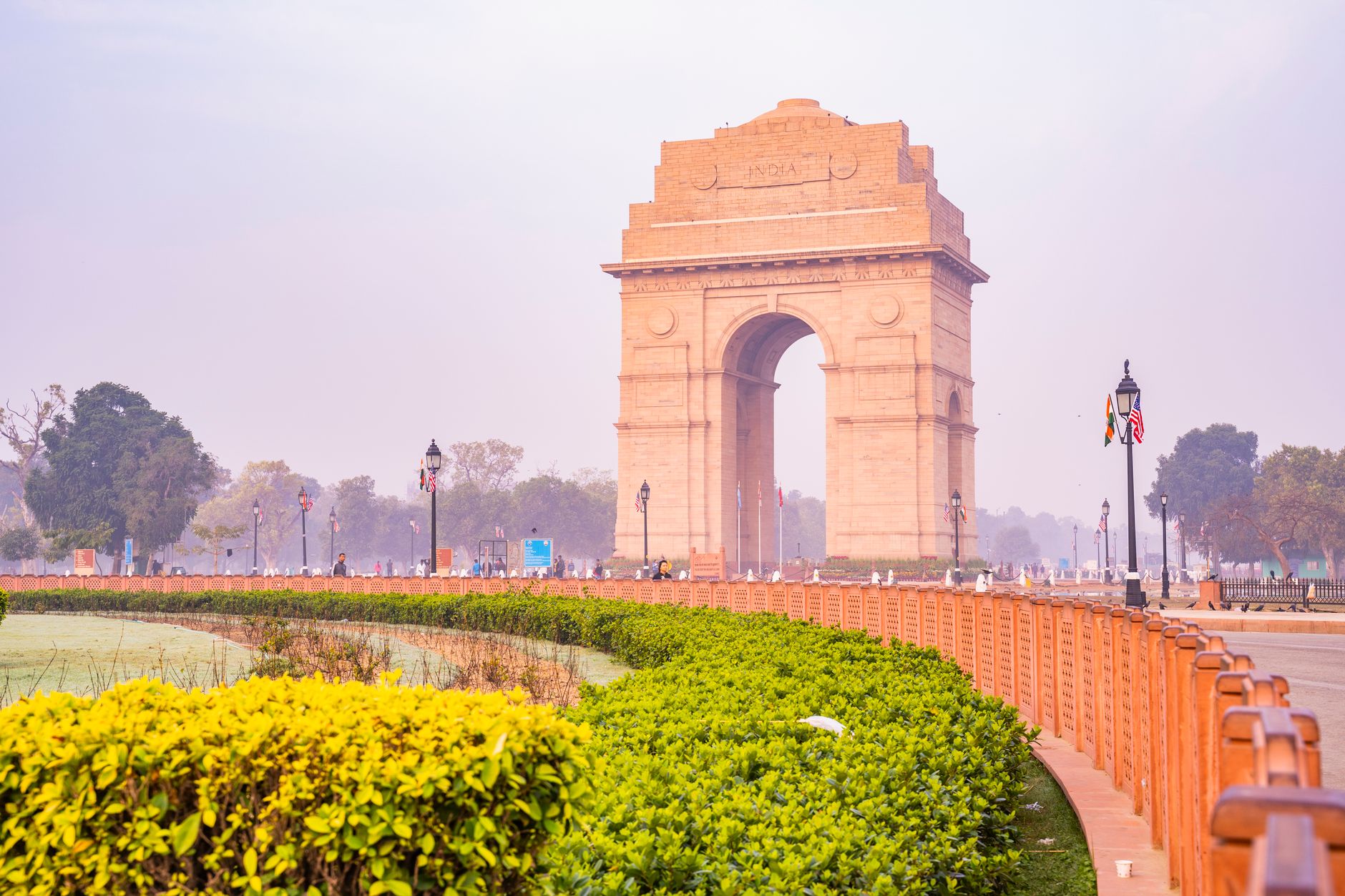
The simplest way to read Delhi is as three cities at once. Mughal Old Delhi — Shah Jahan's walled Shahjahanabad — still pulses around Chandni Chowk and the Red Fort, its lanes dense with spice traders, kebab smoke, and parathas fried in ghee older than most nations. Imperial New Delhi, the one Lutyens and Baker drew on paper in 1911 and built in sandstone by 1931, stretches along Kartavya Path from India Gate to Rashtrapati Bhavan with the deliberate symmetry of a capital that wanted to be both Roman and Indian. And then there is the contemporary city — metro-connected, café-fueled, cocktail-literate — where a South Delhi bar can land on Asia's 50 Best list and a Tibetan enclave serves thukpa to college students until midnight.
What holds these layers together is not tidiness but energy. Delhi's cultural calendar runs deep: the National School of Drama's Bharat Rang Mahotsav fills January and February with theater from across India, the India Art Fair draws galleries to Okhla every February, and the Phool Walon Ki Sair — a flower-sellers' procession through Mehrauli that honors both Hindu and Muslim shrines — is one of the few festivals anywhere that celebrates shared devotion as civic identity. In between the big events, places like India Habitat Centre, Triveni Kala Sangam, and the Lodhi Art District keep the city's intellectual and creative metabolism running year-round.
Delhi demands a certain flexibility from visitors. Traffic is real, distances are long, and the best things often operate on their own schedule — daulat ki chaat, that ethereal winter milk foam, vanishes from Old Delhi carts before noon and disappears entirely by spring. But the metro is fast and clean, the green spaces are surprisingly generous, and the reward for showing up at the right place at the right hour is the kind of experience that no amount of planning in a tidier city could replicate.
この街の魅力
Seven Cities, One Address
Delhi has been founded, destroyed, and rebuilt at least seven times across thirteen centuries. Walk from Qutub Minar's 12th-century victory tower to Humayun's Mughal garden tomb to Lutyens' imperial axis along Kartavya Path, and you're crossing civilizations in a single afternoon.
Living Religious Plurality
The Bahá'í Lotus Temple, Gurudwara Bangla Sahib's langar kitchen, the Sufi shrines of Nizamuddin, and Jama Masjid's Mughal courtyard all operate within a few metro stops of each other. Delhi doesn't display its faiths in museums — it practices them in public, loudly, and simultaneously.
Culture Beyond the Monuments
The Mandi House cluster packs the National School of Drama, Triveni Kala Sangam, and Kamani Auditorium into a single neighbourhood. Add Lodhi Art District's open-air murals, NGMA's modern Indian art collection, and India Habitat Centre's nightly programming, and Delhi's contemporary cultural life rivals its heritage one.
Green Pockets in the Chaos
Lodhi Garden at dawn — joggers threading between 15th-century tombs, parakeets overhead — is one of the city's best free experiences. Sunder Nursery, the biodiversity parks along the Yamuna, and the forested Delhi Ridge offer genuine nature breaks without leaving city limits.
歴史年表
Eight Cities, One Capital, Three Thousand Years
From Iron Age settlement to the republic's ceremonial heart
First Fires at Purana Qila
Painted Grey Ware shards buried beneath the walls of Purana Qila mark the earliest known human settlement in the Delhi region — an Iron Age community cooking, trading, and dying on a low ridge above the Yamuna floodplain. The site would be continuously inhabited through Mauryan, Kushan, Gupta, and Rajput periods, making it one of the longest archaeological sequences in South Asia. Delhi's story begins not with a king or a battle, but with anonymous potters shaping grey clay.
Anangpal Builds Lal Kot
The Tomara ruler Anangpal II raised Lal Kot, the first clearly historical fortification in the Delhi region, on a rocky spur near Mehrauli. This is the moment Delhi becomes a named, defended, politically significant place rather than just a settlement. The Chauhans would later expand it into Qila Rai Pithora, but Anangpal's walls are the foundation — the first time someone looked at this particular stretch of ridge country and decided it was worth building a city around.
Prithviraj Falls at Tarain
Muhammad of Ghor's cavalry shattered Prithviraj Chauhan's forces at the Second Battle of Tarain, ending Rajput control of the Delhi region permanently. Within fourteen years Qutb al-Din Aibak would declare himself sultan from Delhi, and the city would become the power center of a new Indo-Islamic political order. The defeat echoes through centuries of Hindi and Rajput oral tradition — and through the physical landscape, where the Quwwat-ul-Islam Mosque rose from the stones of twenty-seven demolished temples.
The Sultanate Is Born
Qutb al-Din Aibak, a former slave-commander, became the first Sultan of Delhi, establishing a dynasty that would transform the city from a regional Rajput stronghold into the political capital of northern India. The Qutb Minar — 72.5 meters of red sandstone and marble, still the tallest brick minaret in the world — began rising at Mehrauli as a victory tower and a call to prayer audible for miles. Delhi would remain the seat of Muslim power in the subcontinent, with interruptions, for the next 651 years.
Amir Khusrow, Delhi's Poet-Soul
Born in Patiali but shaped entirely by Delhi, Amir Khusrow spent seven decades at the courts of successive sultans and at the feet of his spiritual master Nizamuddin Auliya. He invented the sitar (tradition claims), pioneered qawwali, wrote in Persian, Arabic, Turkish, and early Hindavi, and essentially created Delhi's self-image as a cosmopolitan literary city. When he died in 1325, months after Nizamuddin, he was buried beside his master in the dargah complex that remains one of Delhi's most emotionally charged places.
Alauddin Khalji Founds Siri
Under Mongol siege pressure, Sultan Alauddin Khalji built Siri — Delhi's second fortified capital — and the Hauz Khas reservoir to supply it with water. His Alai Darwaza of 1311, with its horseshoe arches and red sandstone inlaid with white marble, remains one of the finest examples of Indo-Islamic architecture from any period. Alauddin turned Delhi from a defensive sultanate capital into an imperial one, controlling territory from Gujarat to Bengal.
Timur Sacks the City
Timur's Central Asian cavalry entered Delhi in December 1398, and the sack that followed was one of the most devastating episodes in the city's history. Accounts describe mass killings, the enslavement of thousands, and the deportation of skilled artisans to Samarkand. The Tughlaq sultanate, already weakened, never recovered. Delhi would spend the next century as a diminished, fragmented place — important symbolically, but stripped of the wealth and population that had made it a great metropolis.
Sher Shah Raises Purana Qila
After defeating the Mughal emperor Humayun, the Afghan warlord Sher Shah Suri rebuilt the citadel at Dinpanah as Shergarh — the massive walls and gates of today's Purana Qila. It was a statement of legitimacy from a man who had risen from nothing to control northern India. Sher Shah's five-year reign also gave India the Grand Trunk Road and a reformed revenue system, but in Delhi, his legacy is architectural: the Qila-i-Kuhna Mosque inside Purana Qila is among the finest Sultanate-era buildings still standing.
Humayun's Tomb Changes Everything
Commissioned by Humayun's widow Bega Begum and designed by the Persian architect Mirak Mirza Ghiyas, Humayun's Tomb was the subcontinent's first grand Mughal garden tomb — a symmetrical paradise enclosed by char bagh gardens, its double dome rising above the Yamuna plain. It became the architectural template that culminated, a century later, in the Taj Mahal. Today the surrounding Nizamuddin area compresses devotional Sufi music, medieval tombs, and the modern city into a single charged neighborhood.
Shah Jahan Enters the Red Fort
On a chosen auspicious day, Emperor Shah Jahan ceremonially entered his new Red Fort, the sandstone citadel that would serve as the seat of Mughal power for two centuries. Around it rose Shahjahanabad — walled, gated, canal-fed, centered on the great commercial avenue of Chandni Chowk and anchored by the Jama Masjid, completed in 1656 as India's largest mosque. This was the Delhi that European travelers described with astonishment: one of the richest, most densely populated cities on earth.
Nadir Shah Steals the Peacock Throne
After crushing the Mughal army at Karnal on 24 February 1739, the Persian conqueror Nadir Shah entered Delhi and, following a rumor-triggered massacre of his soldiers, unleashed a devastating sack. He departed with the Peacock Throne, the Koh-i-Noor diamond, and treasure so vast that he suspended taxation in Persia for three years. Mughal Delhi never recovered its political credibility. The emperors remained, but as increasingly hollow figures presiding over a city that had lost its ability to defend itself.
Ghalib, Voice of a Dying World
Mirza Ghalib arrived in Delhi as a young man and spent the rest of his life there, writing the Urdu ghazals that would define the language's literary peak. He witnessed the 1857 uprising from inside the besieged city, recorded the British reprisals with bitter precision, and mourned a civilization that was ending around him. His haveli in Ballimaran still stands in Old Delhi's labyrinth — a small, crowded house for a poet whose words grew larger than the empire he outlived.
The British Take Delhi
On 11 September 1803, General Lake's forces defeated the Marathas at the Battle of Delhi, and the East India Company assumed control of the city. The Mughal emperor Shah Alam II, blind and impoverished, was retained as a pensioned figurehead in the Red Fort — sovereign of nothing beyond its walls. For the next fifty-four years, Delhi occupied a strange liminal status: nominally Mughal, functionally British, emotionally contested.
The Siege That Ended an Empire
From June to September 1857, rebel sepoys held Delhi in the name of the last Mughal emperor Bahadur Shah Zafar while British forces besieged the city from the Ridge. The final assault came through Kashmiri Gate on 14 September, and the retribution was savage — mass executions, demolitions, confiscations. Bahadur Shah was tried in the Red Fort and exiled to Rangoon, where he died writing poetry in 1862. The Mughal dynasty, six centuries of Delhi's identity, was formally extinguished.
George V Announces a New Capital
At the Delhi Durbar on 12 December 1911, King-Emperor George V stunned the assembled Indian princes and British officials by announcing the transfer of India's capital from Calcutta to Delhi. The decision was strategic — Delhi sat at the historic crossroads of northern India — and symbolic: the British were claiming continuity with every previous imperial power that had ruled from this ground. Two decades of construction, 700 million bricks, and 30,000 laborers would follow.
Lutyens, Architect of the Imperial Dream
Edwin Lutyens, born in London in 1869, would become the architect most responsible for New Delhi's physical identity. His Viceroy's House (now Rashtrapati Bhavan), with its fusion of Mughal, Buddhist, and classical European forms, remains one of the largest and most ambitious head-of-state residences ever built. The great axial vista from Raisina Hill to India Gate is his composition — a city designed not for habitation but for ceremony, procession, and the projection of imperial permanence that lasted exactly sixteen years.
New Delhi Is Inaugurated
On 13 February 1931, the new imperial capital was formally inaugurated — Viceroy's House complete, India Gate standing at the end of Kingsway (now Kartavya Path), the Secretariat blocks flanking Raisina Hill, Parliament House open since 1927. It was a city of sandstone and symmetry, designed to project British permanence across centuries. Instead, it served the Raj for exactly sixteen years before India's tricolor rose over the same buildings.
Independence and Partition's Refugees
On 15 August 1947, Jawaharlal Nehru raised the Indian flag at the Red Fort, and New Delhi became the capital of independent India. But the city was simultaneously convulsed by Partition: hundreds of thousands of Hindu and Sikh refugees poured in from Pakistan, while Muslim residents fled. Humayun's Tomb, the great Mughal garden tomb, was converted into a refugee camp. The city that Lutyens had designed for perhaps 70,000 imperial administrators was suddenly the capital of 350 million people.
Shah Rukh Khan, Delhi's Gift to Bollywood
Born in Rajendra Nagar, educated at St. Columba's School and Hansraj College, Shah Rukh Khan learned theatre in Delhi's amateur drama circuit before leaving for Mumbai. He would become the most recognized Indian on the planet — but his formative years were shaped by Delhi's particular mix of north Indian street culture, English-medium aspiration, and theatre clubs run out of borrowed auditoriums. The city never fully claims him, and he never fully leaves it behind.
The Lotus Temple Opens
The Bahá'í House of Worship, designed by Iranian-Canadian architect Fariborz Sahba as twenty-seven free-standing marble petals, opened in December 1986 and immediately became one of Delhi's most visited buildings. In a city defined by the religious architecture of successive ruling faiths — Hindu, Islamic, Sikh, Christian — the Lotus Temple offered something different: a space with no images, no sermons, no denominational identity. It draws more visitors annually than the Taj Mahal.
Virat Kohli, Born in Uttam Nagar
Virat Kohli grew up in west Delhi's middle-class Uttam Nagar, trained at the West Delhi Cricket Academy, and was playing for Delhi's senior team by seventeen. His relentless intensity on the cricket field — channeled through the Delhi Ranji Trophy system and later the Indian Premier League's Delhi franchise — made him one of the most watched athletes on earth. He is the city's clearest example of what Delhi's sprawling, competitive, unglamorous outer neighborhoods can produce.
The Metro Arrives
On Christmas Day 2002, Delhi Metro's first corridor opened between Shahdara and Tis Hazari — eight stations, 8.3 kilometers, and the beginning of the most transformative infrastructure project in the city's modern history. Before the Metro, Delhi was a city of buses, auto-rickshaws, and punishing commutes. Within two decades the network would grow to over 390 kilometers, reshaping settlement patterns, property values, and the daily experience of millions of residents.
Commonwealth Games Test the City
Delhi hosted the Commonwealth Games in October 2010, its largest international sporting event. The preparation was chaotic — collapsing bridges, corruption scandals, last-minute construction — but the games themselves came off, and the infrastructure left behind (stadiums, the Airport Express Metro line, upgraded roads) reshaped parts of the city permanently. The episode captured Delhi's essential character: ambitious, messy, somehow functional at the last possible moment.
A New Parliament for a New Century
India's new Parliament building opened in New Delhi in 2023, replacing the circular Council House that Herbert Baker had designed in the 1920s. The new structure, part of the Central Vista redevelopment project, marked the most significant reshaping of Lutyens' imperial core since independence. In the same year, the Yamuna reached a record flood level of 208.66 meters at the Old Delhi Railway Bridge, a reminder that Delhi's geography — built on a floodplain, at the mercy of the monsoon — remains as non-negotiable as its politics.
著名人物
Shah Jahan
1592–1666 · Mughal EmperorHe moved the Mughal capital from Agra to Delhi in 1638 and built everything that defines Old Delhi today — the Red Fort, Jama Masjid, and the walled city of Shahjahanabad. Walk through Chandni Chowk and you're still navigating the bones of his urban plan, nearly four centuries later.
Edwin Lutyens
1869–1944 · ArchitectWhen the British decided to move their capital from Calcutta, Lutyens drew the imperial city from scratch — the grand axis of Kartavya Path, Rashtrapati Bhavan's dome, the geometric gardens. His New Delhi is still the ceremonial heart of the republic, now serving the democracy he never imagined it would house.
Mahatma Gandhi
1869–1948 · Independence leaderGandhi spent his final 144 days at Birla House in New Delhi, holding prayer meetings on the same lawn where he was shot on January 30, 1948. The site is now Gandhi Smriti, and the concrete footsteps marking his last walk to the prayer ground remain one of the most quietly devastating memorial spaces in any city.
Mirza Ghalib
1797–1869 · PoetGhalib wrote his greatest Urdu and Persian verse in the narrow lanes of Old Delhi, watching the Mughal world collapse around him after the 1857 uprising. His haveli in Ballimaran survives as a small museum, and his couplets about love and loss are still quoted in every chai stall conversation that turns philosophical.
Jawaharlal Nehru
1889–1964 · First Prime Minister of IndiaNehru shaped independent India from Teen Murti Bhavan, his official residence that is now a museum and the site of the Nehru Planetarium. He built Delhi into a capital of modernist ambition — the institutions, the diplomatic enclave, the idea that a new nation deserved a city that looked forward, not just back at its Mughal past.
Amir Khusrau
1253–1325 · Poet and musicianKhusrau is credited with helping create qawwali and inventing the sitar, and his tomb sits beside his spiritual master Nizamuddin Auliya's shrine in one of Delhi's most atmospheric quarters. On Thursday evenings, qawwali singers still perform at the dargah — a living tradition that traces back seven centuries to the man buried a few meters away.
Charles Correa
1930–2015 · ArchitectCorrea's National Crafts Museum near Pragati Maidan is one of Delhi's finest pieces of modern architecture — a building that feels like walking through a village, with courtyards and pathways that blur the line between exhibition and lived space. It's the kind of building that makes you understand why architecture matters more than monuments.
フォトギャラリー
New Delhiを写真で探索

ニューデリー、インドのクトゥブ・ミナール複合遺跡の風化した石造りのアーチは、ニューデリーの豊かな建築史の証です。
Ranjeet Chauhan on Pexels · Pexels License

ニューデリー、インドの夜空を照らす商業オフィスビルのライトアップされたファサード。
Shantum Singh on Pexels · Pexels License

ニューデリー、インドのにぎやかな通りにある老舗屋台、Naseem Fish & Chicken Pointの活気ある夜のシーン。
Shantum Singh on Pexels · Pexels License

高角度からの眺めは、午後の遅い太陽の温かい輝きに包まれたニューデリー、インドの密集した都市構造と賑やかな街の生活を捉えています。
Mohit Hambiria on Pexels · Pexels License
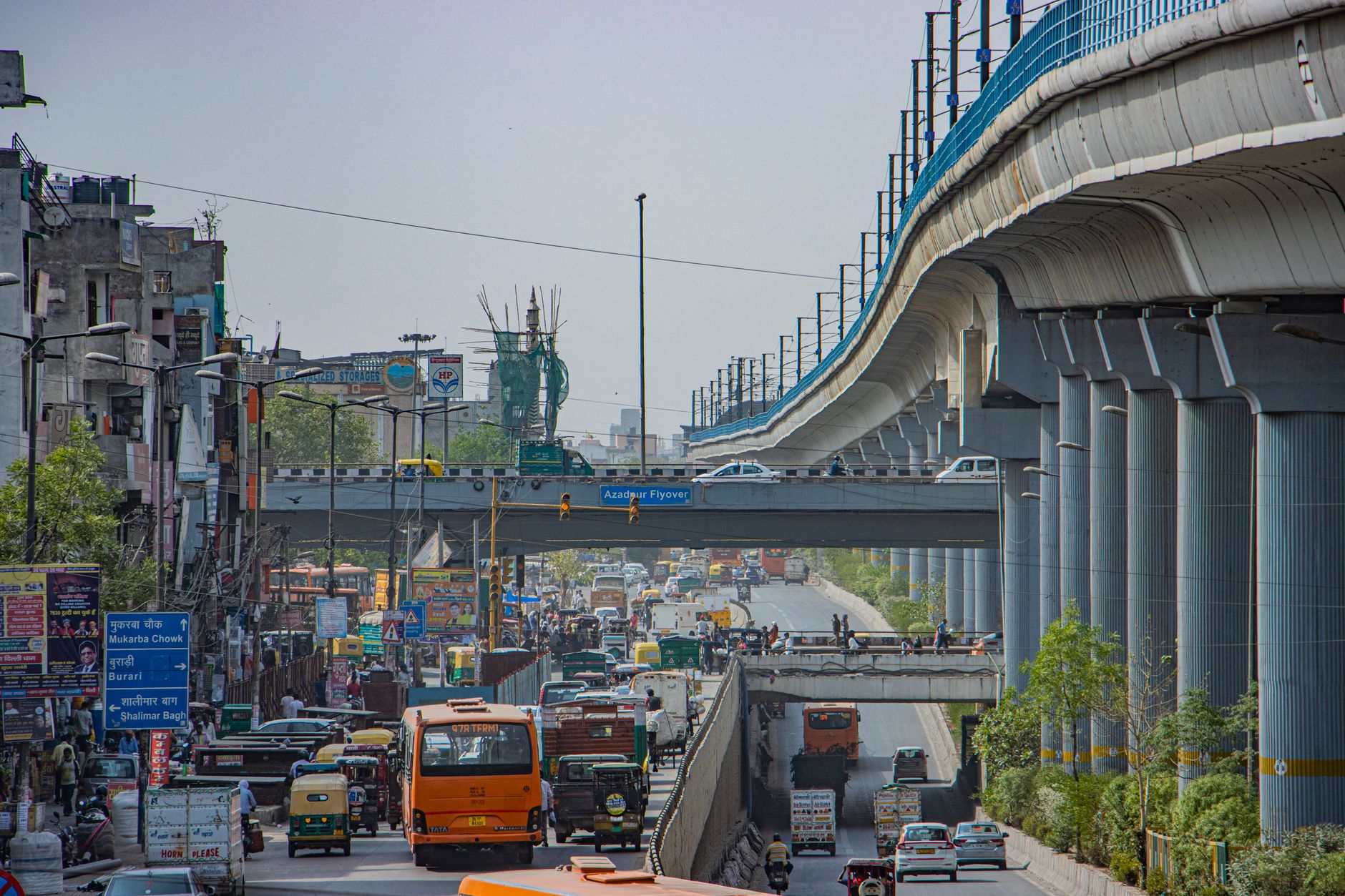
ニューデリー、インドのアザドプル高架橋での忙しい一日。激しい道路交通と都市の高架メトロインフラの交差点を紹介しています。
Shantum Singh on Pexels · Pexels License

ニューデリー、インドの活気ある街並み。伝統的な roadside markets とモダンな高架メトロインフラのコントラストを捉えています。
Shantum Singh on Pexels · Pexels License

雄大なシシュ・グンバドの墓は、ニューデリーのローディ庭園の静かな景観の中に、インド・イスラム建築の証としてそびえ立っています。
Ranjeet Chauhan on Pexels · Pexels License
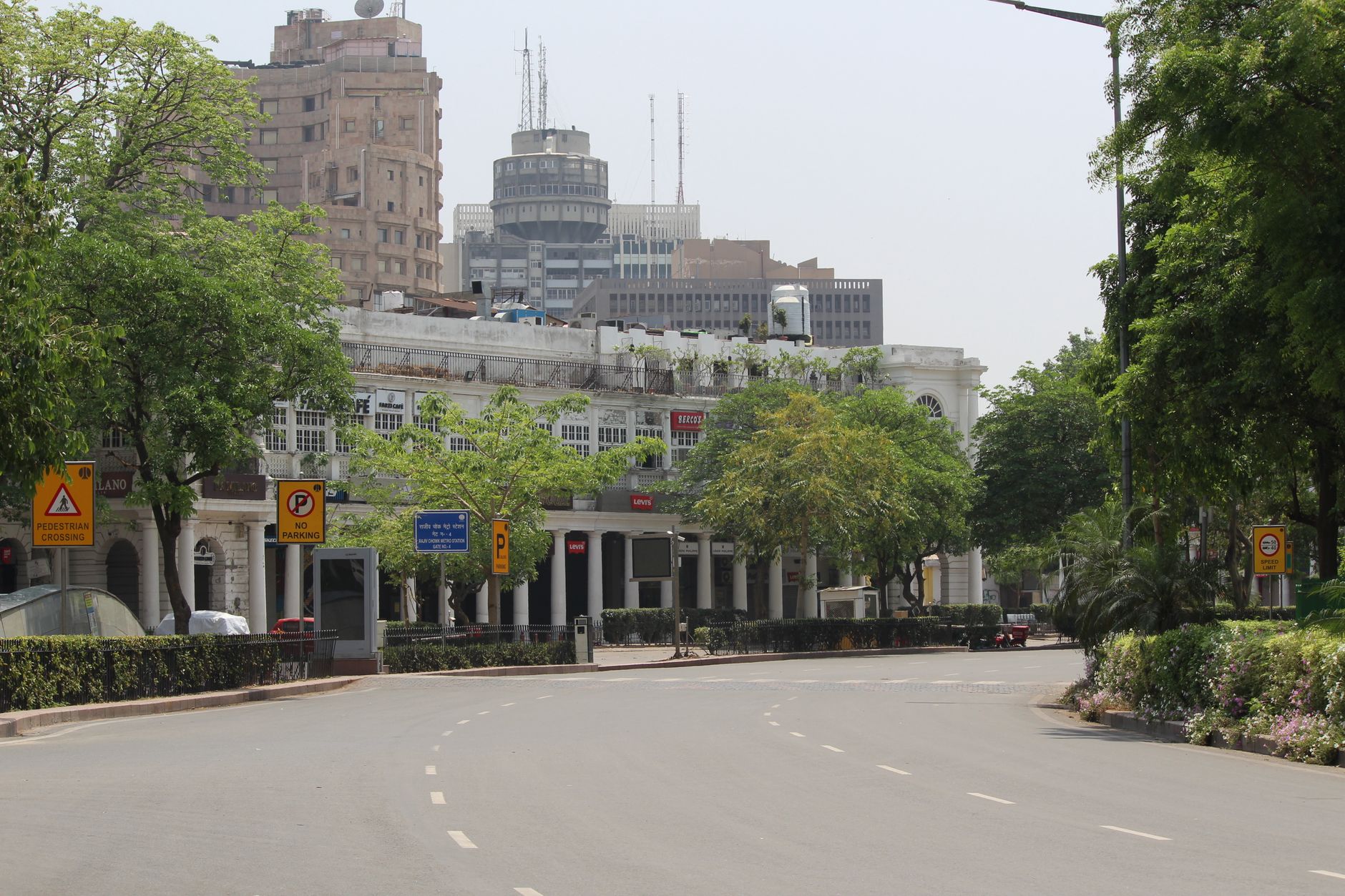
ニューデリー、インドのコノートプレイスの象徴的な植民地様式の建築と並木道の静かな眺め。
Freaky Fingers on Pexels · Pexels License
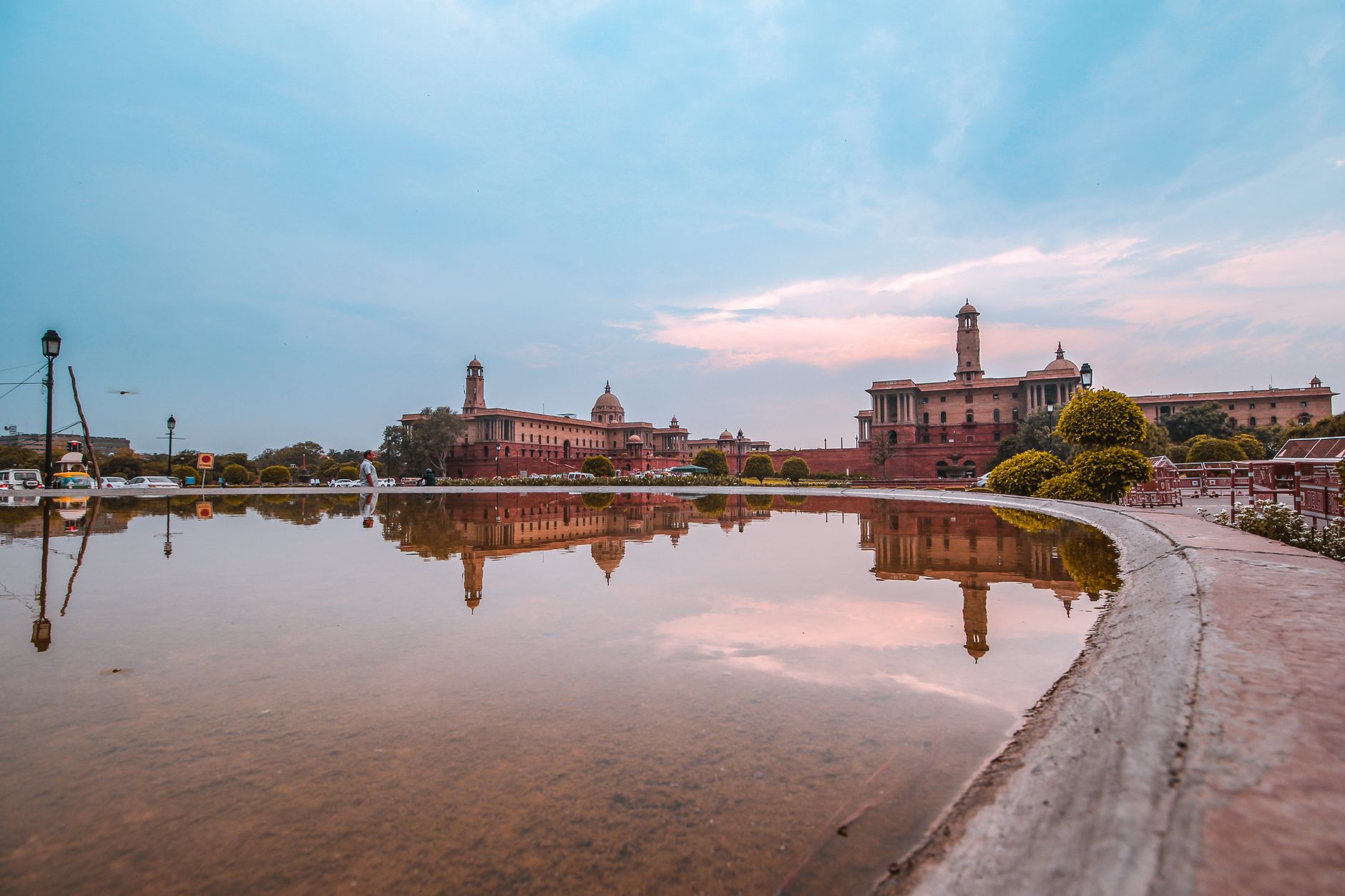
ニューデリー、インドの雄大なノース・アンド・サウス・ブロックの建物は、静かな夕暮れ時に近くのプールの穏やかな水面に美しく映し出されています。
Yogendra Singh on Pexels · Pexels License
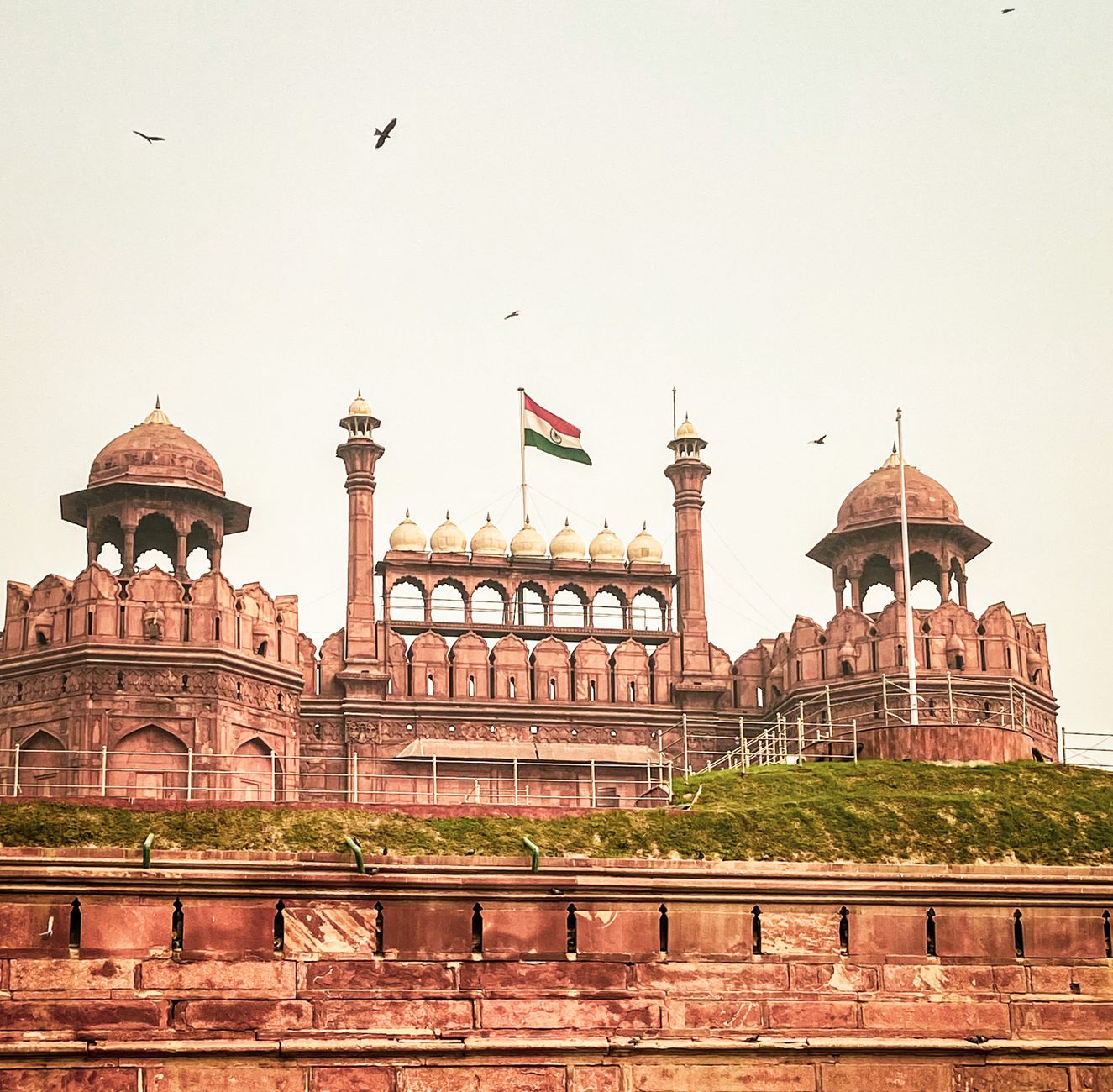
雄大なレッドフォートは、ニューデリーの中心部にあるムガル建築の歴史的なシンボルとしてそびえ立っています。
Keith Cyrus on Pexels · Pexels License
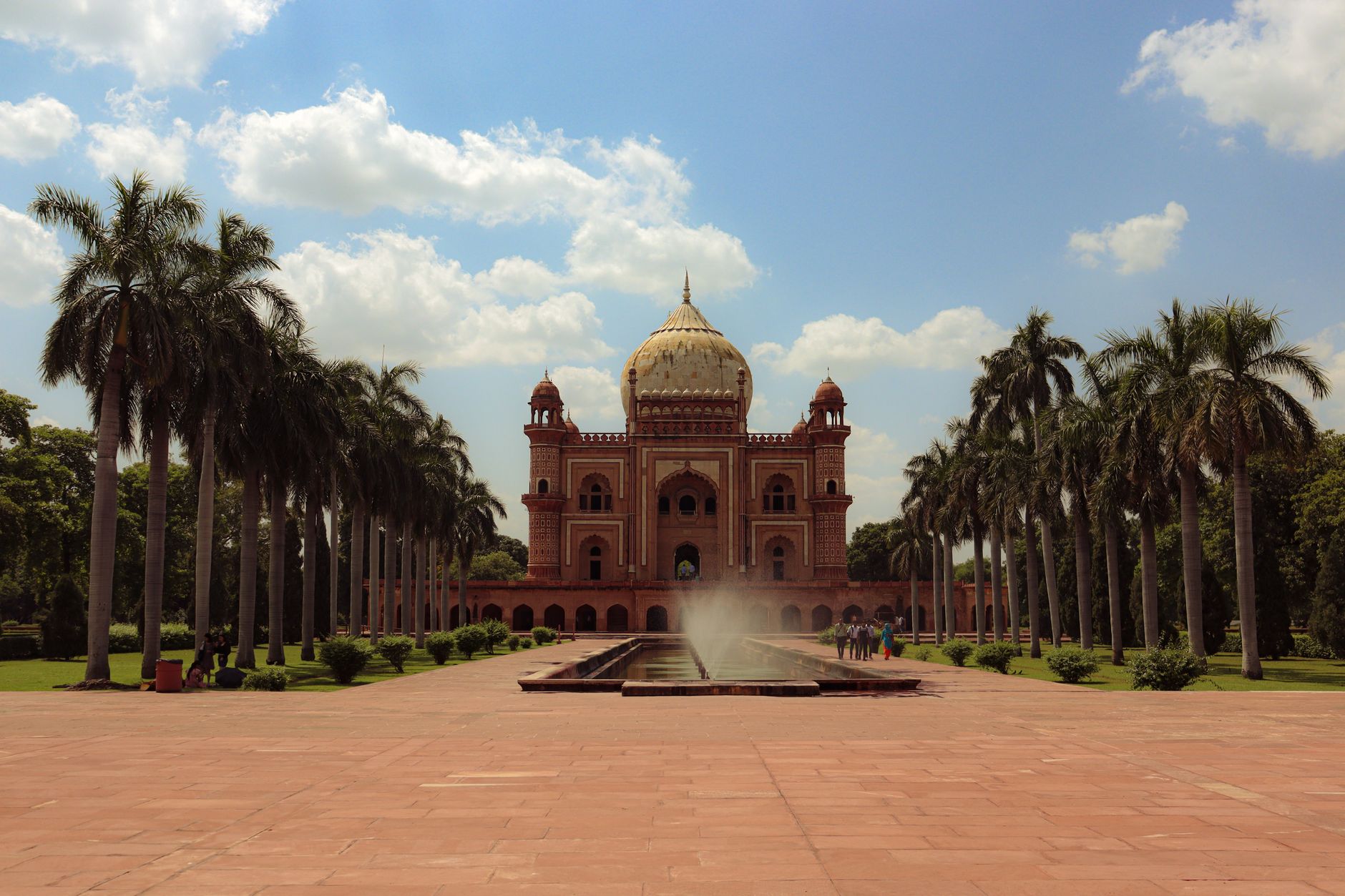
ニューデリー、インドの雄大なサフダルジャング廟は、対称的なヤシの木と中央の反射プールに囲まれた静かなランドマークとしてそびえ立っています。
Zulfikar Haidar on Pexels · Pexels License

ニューデリー、インドの雄大なフマユーン廟は、手入れの行き届いた庭園に囲まれたムガル建築の見事な例としてそびえ立っています。
SHIVANSHU BHARDWAJ on Pexels · Pexels License
実用情報
Getting There
Indira Gandhi International Airport (DEL) handles most traffic. Terminal 3 connects to central Delhi via the Airport Express Metro (Orange Line) in about 25 minutes; Terminal 1 links to the Magenta Line. New Delhi Railway Station and Old Delhi Railway Station are the main rail hubs, with Hazrat Nizamuddin serving southern routes. National highways NH-44, NH-48, and NH-24 connect Delhi to Agra, Jaipur, and points east.
Getting Around
The Delhi Metro (DMRC) covers 374 km across 271 stations on multiple colour-coded lines — the Yellow, Violet, and Magenta lines hit most visitor sites. A 1-day Tourist Card costs ₹150 and a 3-day card ₹300, both including a ₹50 refundable deposit. DTC and cluster buses blanket the city (543 routes); the One Delhi app gives live tracking and a 10% ticket discount. Uber and Ola work reliably. Auto-rickshaws remain the classic last-mile option — insist on the meter or agree on a fare before climbing in.
Climate & Best Time
October through March is the sweet spot: daytime highs of 20–33°C, minimal rain, and manageable air quality. December and January mornings can dip to 7–8°C with dense fog that delays flights — pack a layer. April to June is punishingly hot (regularly 37–40°C), and the monsoon from July to September brings 80% of annual rainfall. November and February often combine the best weather with thinner crowds than the peak December–January holiday season.
Language & Currency
Hindi dominates daily life, but English works reliably at hotels, metro stations, restaurants, and tourist sites. The Indian Rupee (₹/INR) is the currency; UPI digital payments are ubiquitous — foreign visitors can get a UPI One World wallet at the airport with passport and visa. Keep some cash for auto-rickshaws, street food, and smaller shops. Tipping around 10% at restaurants is standard when no service charge is included.
Safety
Use prepaid taxi counters or app-based cabs from the airport — ignore touts offering 'special deals' on hotels or tours. Crowded metro cars and busy markets like Chandni Chowk are prime spots for pickpockets; keep phones and wallets in front pockets. Dial 112 for emergencies, 1091 for women's distress, or 1363 for the 24/7 multilingual tourist helpline (covers English, Hindi, and ten other languages).
訪問者へのアドバイス
Get the Tourist Card
DMRC's 1-day (₹150) or 3-day (₹300) metro tourist card gives unlimited rides and saves you from queuing for tokens at every station. Buy one at any metro counter on arrival.
Graze, Don't Sit
Chandni Chowk rewards small portions across many stalls — parathas here, jalebi there, dahi bhalla around the corner. Arriving hungry and eating light at each stop is how locals do it.
Ignore Airport Touts
Use the prepaid taxi booth or Airport Express Metro (25 min to New Delhi station) instead of accepting help from unsolicited 'guides' at arrivals. Delhi Police runs a 'May I Help You' counter if you need directions.
Time Your Visit Right
October to March is the sweet spot — cool mornings, mild days, outdoor comfort. April to June hits 40°C regularly, and July–September brings monsoon humidity and flooding risks.
Cash Plus UPI
UPI dominates everyday payments, and foreign visitors can now get UPI One World wallets at the airport with just a passport and visa. Keep some cash for auto-rickshaws and smaller street vendors.
Monday Closures Matter
Lotus Temple and Akshardham are both closed on Mondays. Plan your itinerary around this or you'll waste a half-day trip to a locked gate.
Use One Delhi App
The government's One Delhi app shows live bus ETAs, metro routes, and sells discounted bus tickets (10% off). It's the closest thing Delhi has to a single transport planner.
Think in Three Delhis
Old Delhi (Mughal lanes and food), Lutyens' Delhi (imperial boulevards and memorials), and South Delhi (cafés, art, parks) are practically different cities. Budget at least a half-day for each.
ポケットの中のパーソナルガイドで街を探索
Audiala App
iOS & Android対応
5万人以上のキュレーターに参加
よくある質問
Is New Delhi worth visiting? add
Absolutely — Delhi layers 1,000 years of history into one sprawling, chaotic, rewarding city. Three UNESCO World Heritage Sites (Red Fort, Humayun's Tomb, Qutub Minar), a world-class street food scene anchored in Old Delhi's Mughlai traditions, and a growing contemporary art and café culture make it one of Asia's densest cities for things to do per square kilometer. It's not a relaxing destination, but it's an extraordinary one.
How many days do you need in New Delhi? add
Three to four full days covers the essential layers: one day for Old Delhi (Red Fort, Jama Masjid, Chandni Chowk food crawl), one for Mughal monuments (Humayun's Tomb, Qutub Minar), one for Lutyens' Delhi and museums (India Gate, Rashtrapati Bhavan, Gandhi Smriti, National Crafts Museum), and optionally a fourth for Akshardham, South Delhi parks, or a day trip to Agra. Five days lets you breathe and discover the less-touristed Mehrauli archaeological landscape and Nizamuddin quarter.
How to get from Delhi airport to city center? add
The Airport Express Metro from Terminal 3 reaches New Delhi Railway Station in about 25 minutes (runs 4:45 AM–11:30 PM). Terminal 1 connects via the Magenta Line. Prepaid taxis and Uber/Ola are available 24/7 at all terminals — use the official prepaid booth, not drivers who approach you in arrivals. An inter-terminal shuttle runs every 20 minutes around the clock if you need to switch terminals.
Is Delhi safe for tourists? add
Delhi is generally safe for tourists who take standard urban precautions. Use prepaid taxis or ride-hailing apps rather than hailing cabs, stay alert in crowded markets and transport hubs, and keep valuables secure. Delhi Police operates a tourist-focused helpline and airport assistance counters. The emergency number is 112, and India's 24/7 multilingual tourist helpline at 1363 covers 12 languages including English.
What is the best month to visit New Delhi? add
November and February are the sweet spots — warm days around 24–28°C, cool mornings, and almost no rain. October and March are also excellent. December and January can dip to 7–8°C at night with dense morning fog that delays flights, so pack layers. Avoid May–June (40°C heat) and July–August (monsoon downpours averaging 200+ mm per month).
What food is New Delhi famous for? add
Delhi's signature dishes run from butter chicken (born here, origin still contested between Moti Mahal and Daryaganj) to chole bhature, nihari, seekh kebabs, and the full Chandni Chowk street-food repertoire of stuffed parathas, jalebi, and dahi bhalla. In winter, hunt for daulat ki chaat — a fragile milk-foam sweet that vanishes from stalls by late morning. Karim's near Jama Masjid and the Pandara Road restaurant strip are two landmark eating destinations.
How to get around New Delhi without a car? add
The Delhi Metro (374 km, 271 stations) is the backbone — fast, air-conditioned, and covers most tourist areas. Supplement with Uber/Ola for last-mile trips, and use auto-rickshaws for short hops in Old Delhi where streets are too narrow for cars. The One Delhi app combines bus tracking, metro routing, and ticket purchases in one place. A 3-day metro tourist card at ₹300 is the best-value transit investment for visitors.
Can you use credit cards in Delhi? add
Credit and debit cards work at hotels, restaurants, and larger shops, but Delhi runs heavily on UPI digital payments. Foreign visitors can set up a UPI One World wallet at the airport with their passport and visa. Keep ₹2,000–3,000 in cash for street food, auto-rickshaws, and smaller vendors who only accept cash or UPI.
出典
- verified デリー観光公式サイト — アトラクションリスト、季節のアドバイス、史跡の詳細、観光ツアーパッケージを備えた公式都市観光ポータル
- verified デリーメトロ鉄道公社 (DMRC) — 公式メトロネットワークマップ、ツーリストカードの価格設定、駅情報、デジタルチケットの詳細
- verified インド気象局 — サフダルジャング気候学 — 月別気温と降水量を含むニューデリーの1991〜2020年の気候平年値
- verified インディラ・ガンディー国際空港 — メトロ接続、タクシーサービス、バス路線、ターミナル間シャトルを含む空港交通オプション
- verified インド準備銀行 — 通貨FAQ — インド・ルピーの額面と法定通貨ステータスに関する公式情報
最終レビュー: