Table of Contents
- Introduction
- Historical Background and Architectural Features
- Festivals, Rituals, and Visitor Experience
- Visitor Information
- Sustainable Tourism and Local Insights
- Nearby Attractions
- Guided Tours and Special Events
- Frequently Asked Questions (FAQs)
- Conclusion
- References and Useful Links
Historical Background and Architectural Features
Origins and Patronage
The Vishnu Temple is distinguished as one of Bhubaneswar's few Vaishnavite shrines, constructed in the 12th century CE on the banks of the Bindu Sagar tank. Its construction is attributed to the Kalinga dynasty, reflecting the era's religious pluralism in a city otherwise dominated by Shaivism prevalent in neighboring temples. While the original deity is missing, and the sanctum is presently used for storage, the temple’s architectural style and surrounding sculptures firmly confirm its Vaishnavite origins.
Historical Significance
Bhubaneswar, famously known as the "Temple City of India," boasts a rich history evident in its diverse religious traditions. The Vishnu Temple's proximity to the Lingaraja Temple highlights the historical syncretism of Vaishnavism, Shaivism, and Shaktism, traditions often seen sharing rituals and artistic expressions within the city.
Architectural Highlights
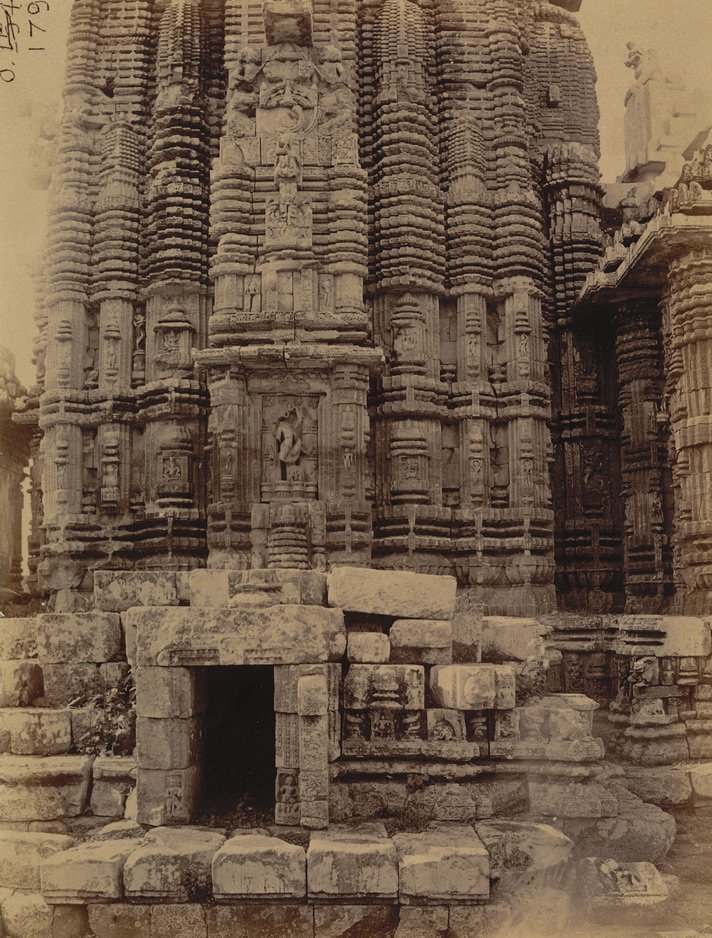
The temple is a prime example of Kalinga architectural style, particularly the Rekha Deul form, characterized by its soaring, curvilinear spire (shikhara) and ornate exterior. Key features include:
- Vimana (Sanctum Tower) Decorated with lion motifs (udyota simha) and rare dual-faced figures (dopichha simha).
- Sculptural Detailing Intricately carved doorjambs feature floral, human, and creeper motifs; the lalatabimba (central lintel) showcases a Gajalakshmi panel; and the temple is noted for its rare dual-gender dvarapalas (door guardians).
- Material Constructed from locally quarried sandstone, showcasing exceptional Odisha craftsmanship.
The temple's structure and ornamentation are comparable to the Lingaraja and Ananta Vasudeva Temples, but its distinct Vaishnavite focus makes it a unique addition to the city's architectural landscape.
Festivals, Rituals, and Visitor Experience
Major Festivals
Janmashtami
Janmashtami, celebrating the birth anniversary of Lord Krishna, is the temple’s most significant festival. The temple is elaborately decorated with lights and flowers. Festivities include midnight abhishekam, devotional singing (kirtans), dramatic performances depicting Krishna's life, and the preparation of special prasadam. (Orissa Guide; Holidify)
Rama Navami
This festival honors the birth of Lord Rama with extensive pujas, readings of the Ramayana, processions, and communal singing. The day is filled with the offering of sweets and fruits, and the atmosphere resonates with the sounds of bells and mantras. (Orissa Guide)
Vaikuntha Ekadashi
Considered one of the holiest Vaishnavite observances, Vaikuntha Ekadashi includes the ceremonial opening of the Vaikuntha Dwar (gateway to Vishnu's abode). Fasting, night-long prayers, and special rituals mark the day, with extended temple hours to accommodate the large number of devotees. (Orissa Guide)
Other Celebrations
- Kartiki Purnima Features special prayers and lamp-lighting ceremonies.
- Tulsi Vivah The ritual marriage of the Tulsi plant to Vishnu.
- Diwali Celebrated with Lakshmi-Narayana pujas and temple illumination. (Holidify)
Daily Rituals and Temple Customs
- Mangala Aarti Early morning worship service.
- Abhishekam Ritualistic bathing of the deity.
- Alankara The adorning of idols with flowers and sacred garments.
- Bhog Offering Devotees offer food, tulsi leaves, and flowers. The consecrated prasadam prepared in the temple’s ancient kitchen is distributed to all.
- Sandhya Aarti Evening worship accompanied by lamps and devotional music.
- Special Rituals Including Tulsi archana (offering of Tulsi leaves), group chanting (sankirtan), and annadanam (community food distribution), particularly observed on auspicious days.
The temple's kitchen, among the oldest in Odisha, prepares prasadam daily and for festival occasions.
Visitor Information
Visiting Hours and Tickets
- General Hours 5:30 AM – 1:30 PM; 4:30 PM – 8:30 PM.
- Festival Days Extended hours are observed during major festivals like Janmashtami and Vaikuntha Ekadashi. (Orissa Guide; Holidify)
- Entry Fee Free for all visitors.
Accessibility
- Ramps and assistance are available for visitors with disabilities.
- Temple staff are accommodating and facilitate worship and participation in rituals for all visitors.
Directions and Transport
- By Air Biju Patnaik International Airport (7 km away).
- By Train Bhubaneswar Railway Station (3 km away).
- By Road Auto-rickshaws, taxis, and buses are readily available from major transit points in the city. (Orissa Guide)
Facilities and Dress Code
- Prasadam Counter Offering daily distribution of prasadam.
- Rest Areas Benches and shaded seating are available for visitor comfort.
- Guided Tours Information and arrangements for guided tours can be obtained from local guides and tourism offices.
- Dress Code Modest attire, covering shoulders and knees, is required. Footwear must be removed before entering the temple.
- Photography Photography is generally prohibited inside the sanctum; visitors should adhere to signage and instructions.
Sustainable Tourism and Local Insights
Heritage Preservation
- Visitors are encouraged to respect temple protocols, including wearing modest attire, maintaining silence in ritual areas, and removing footwear before entry.
- Photography restrictions must be observed. Visitors should always check for posted signs regarding photography permissions.
Supporting Local Communities
- Patronize local artisans by purchasing handicrafts, textiles, and silver filigree from neighborhood markets.
- Support local businesses by dining at traditional Odia restaurants.
- Engage certified local guides for deeper cultural understanding and support.
Eco-Friendly Travel
- Choose eco-certified accommodations and utilize public transport or shared taxis to minimize environmental impact.
- Practice responsible waste management by using refillable water bottles and disposing of waste properly.
Responsible Behavior
- Observe rituals with respect and avoid disrupting ongoing ceremonies.
- Contribute to heritage conservation efforts by donating through official channels.
- Consider visiting during off-peak hours or in smaller groups to reduce overcrowding and the environmental footprint.
Accessibility and Inclusion
- While non-Hindus may not enter the sanctum, they are welcome to view the temple from the exterior.
- Nearby museums and cultural centers offer broader historical and artistic context for all visitors.
Nearby Attractions
- Lingaraja Temple Bhubaneswar’s largest Shaivite temple, located within walking distance.
- Bindu Sagar Tank A sacred lake adjacent to the Vishnu Temple.
- Ananta Vasudeva Temple A prominent Vaishnavite shrine in the vicinity.
- Mukteswara Temple Renowned for its intricate carvings and architectural beauty.
- Rajarani Temple Celebrated for its unique stonework, often called the "temple of love."
- Odisha State Museum Offers insights into the region’s history, art, and archaeology.
Guided Tours and Special Events
Guided tours focusing on the temple's history, architecture, and religious significance can be arranged through local tour operators or the Bhubaneswar tourism department. The temple actively participates in major festivals, offering visitors immersive cultural and spiritual experiences.
Frequently Asked Questions (FAQs)
Q: What are the visiting hours of Vishnu Temple Bhubaneswar? A: The temple is open daily from 5:30 AM – 1:30 PM and 4:30 PM – 8:30 PM; hours are extended during major festivals.
Q: Is there an entry fee? A: Entry is free for all visitors; donations are gratefully accepted.
Q: Are guided tours available? A: Yes, local guides and organized tours can be arranged.
Q: How do I reach the temple? A: The temple is accessible via Biju Patnaik International Airport (7 km), Bhubaneswar Railway Station (3 km), and local road transport. (Orissa Guide)
Q: Can non-Hindus enter the sanctum? A: No, access to the sanctum is restricted, but non-Hindus are welcome to appreciate the temple's exterior architecture and atmosphere.
Conclusion
The Vishnu Temple in Bhubaneswar is an essential visit for anyone interested in spiritual enrichment, architectural marvels, and a deeper understanding of Odisha’s diverse heritage. Its grand festivals, daily rituals, and accessible environment warmly welcome visitors from all backgrounds. By adhering to sustainable tourism practices—respecting temple norms, supporting the local economy, and choosing eco-friendly options—you contribute to the preservation of this living monument for future generations. Planning your visit during the cooler months or during major festivals will provide the most vibrant experience. Exploring the nearby historical sites will further enhance your journey through Bhubaneswar’s rich cultural landscape.
For enhanced guidance and real-time updates, consider downloading the Audiala app, which offers interactive maps and information on local events.