
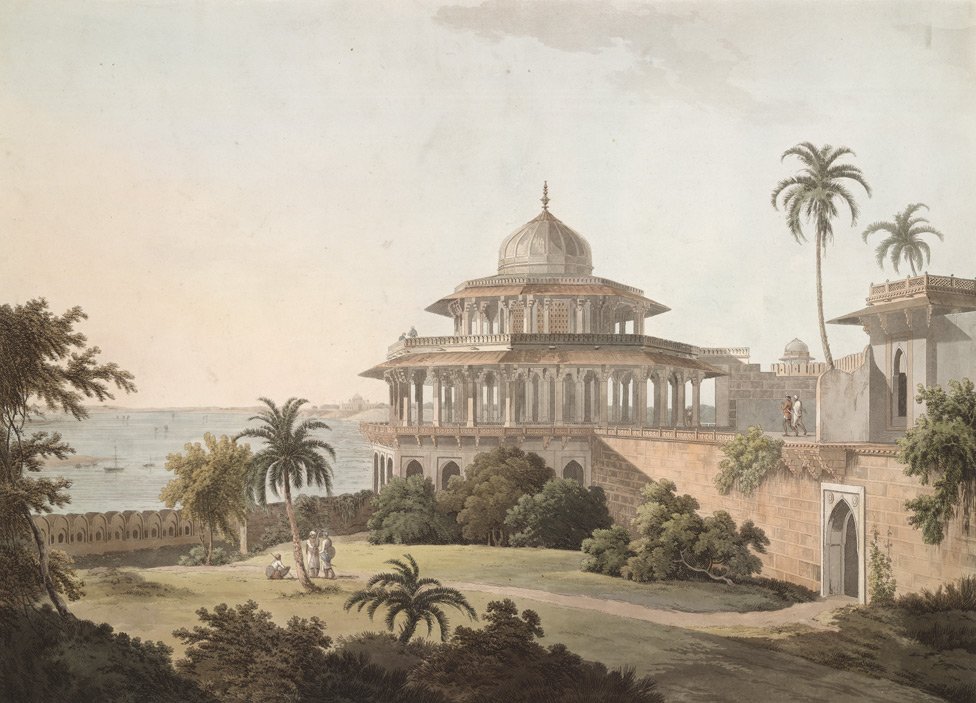
アラハバード砦について
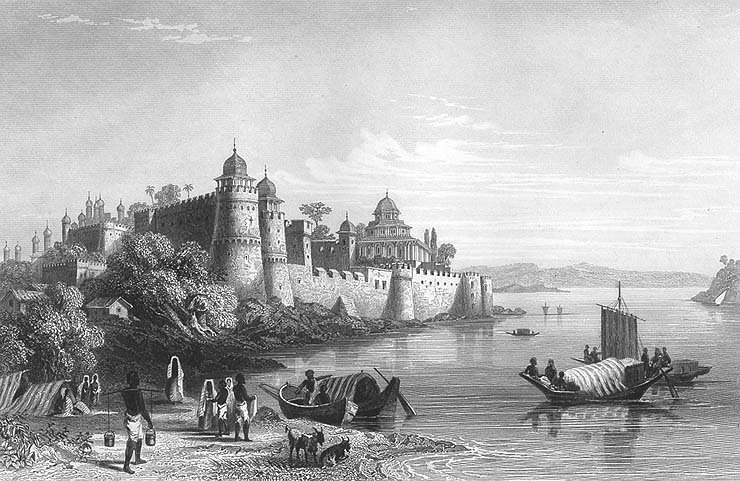
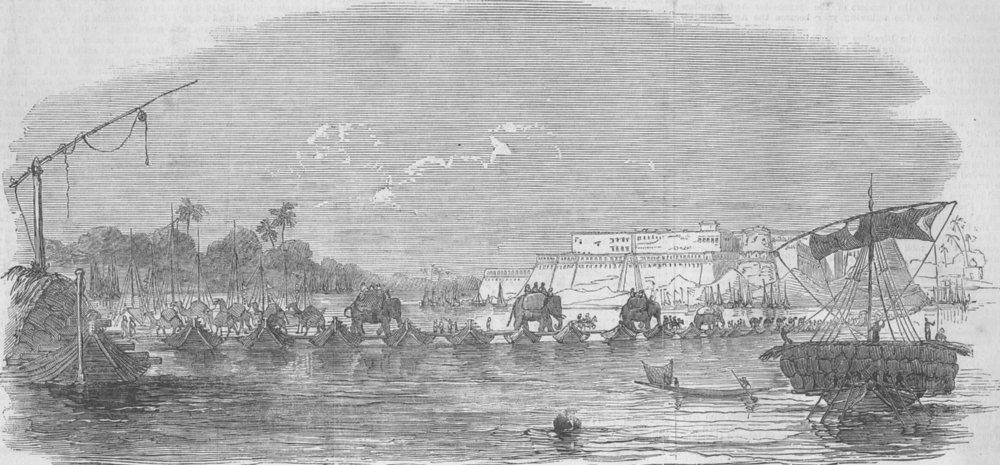
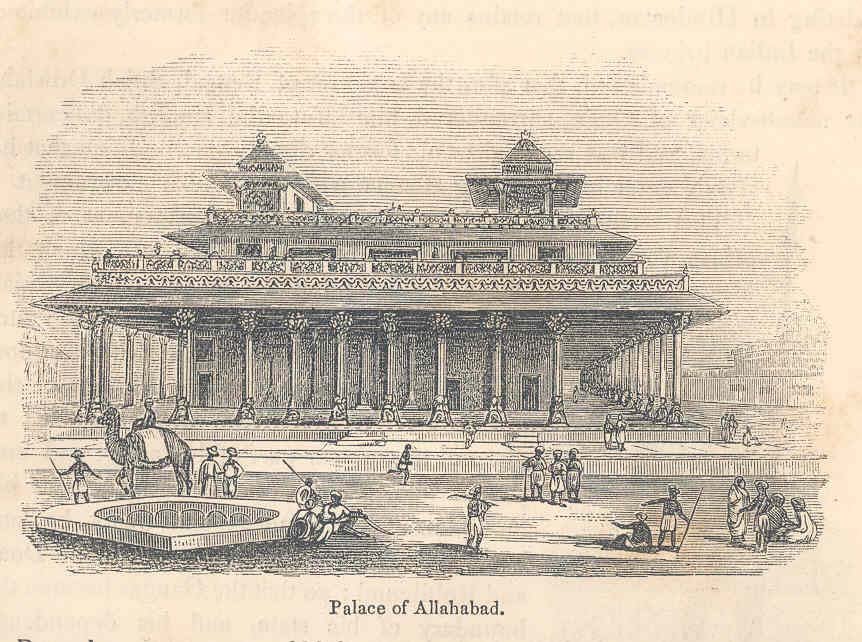
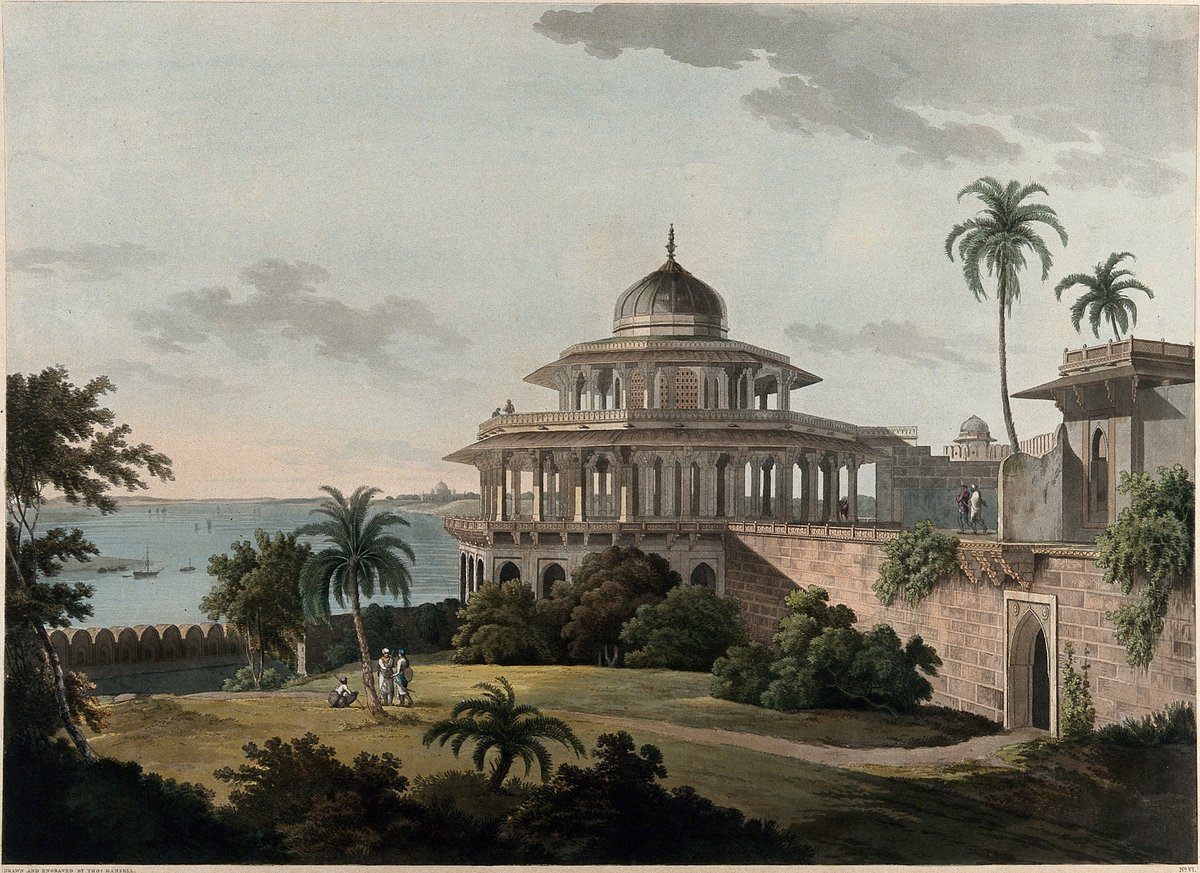
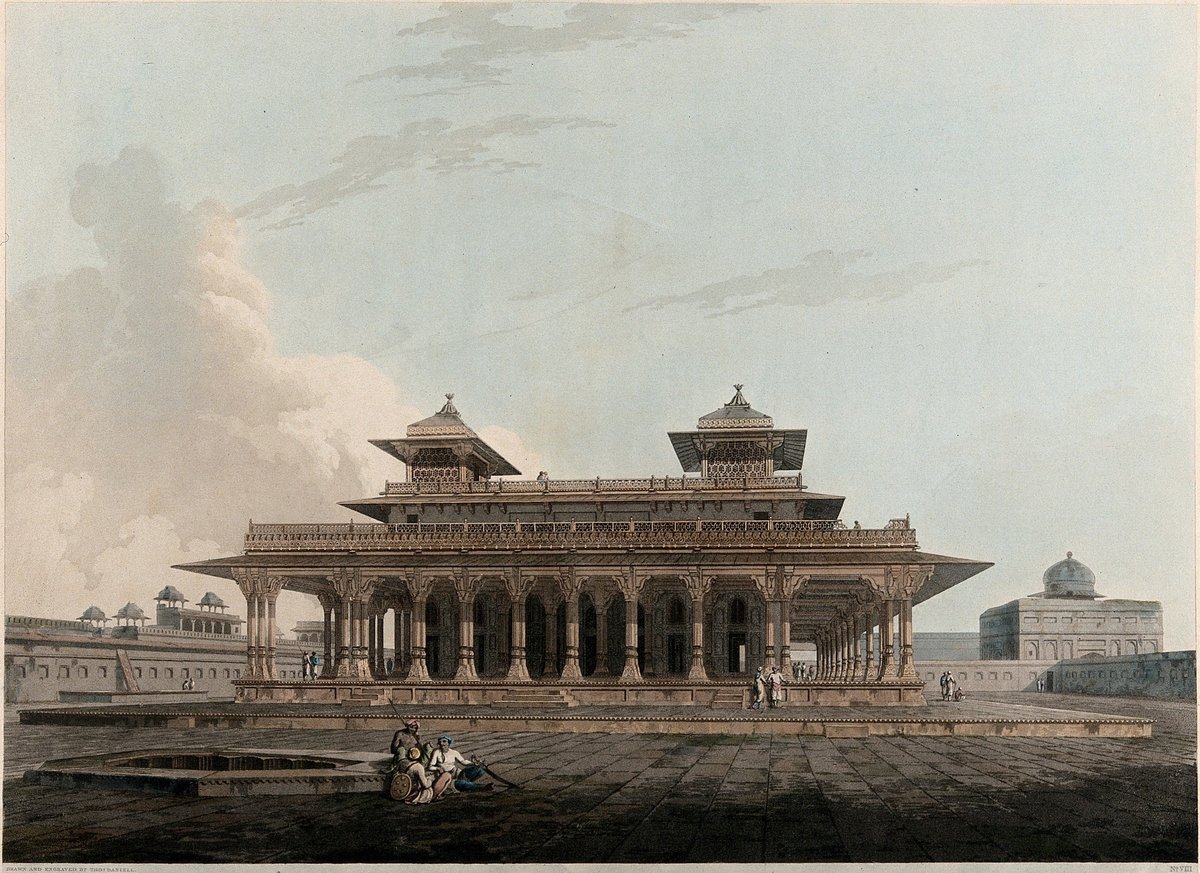
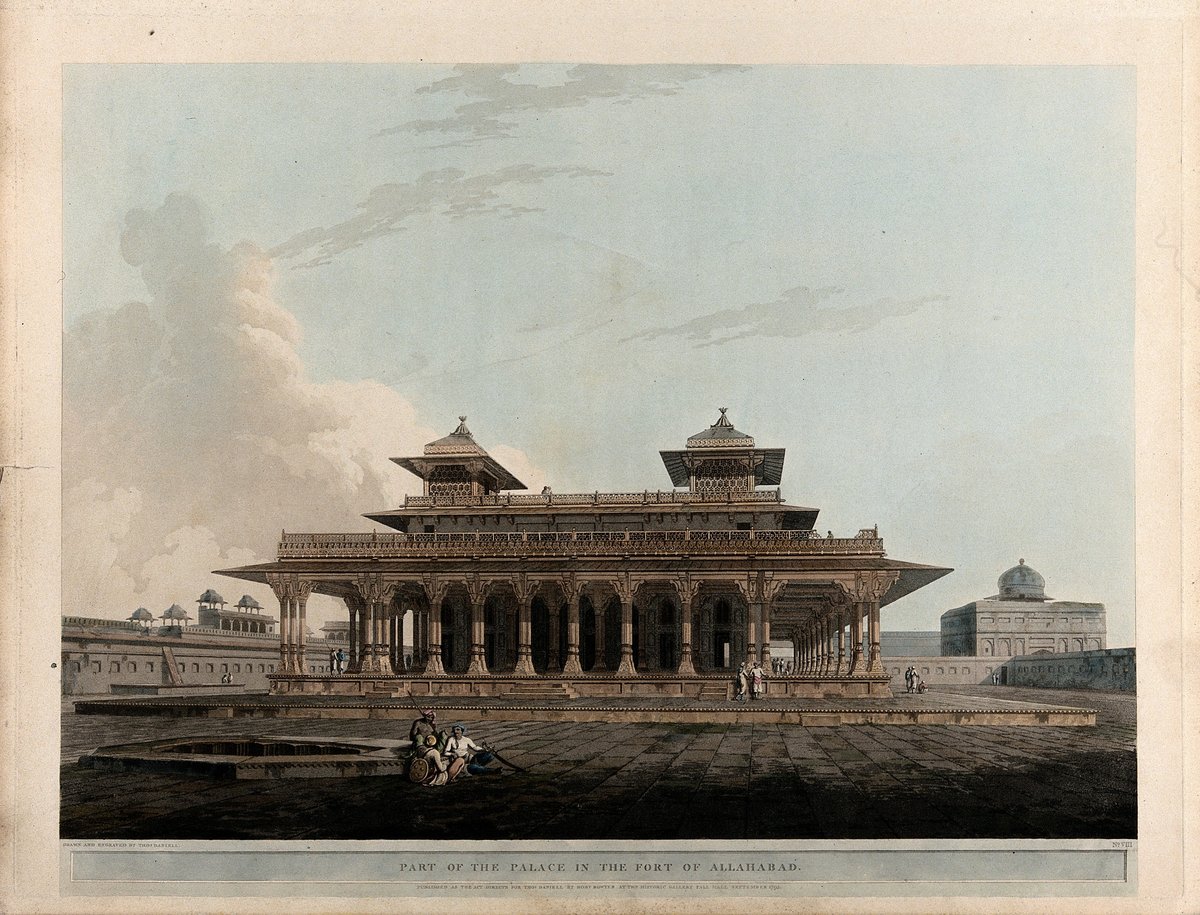
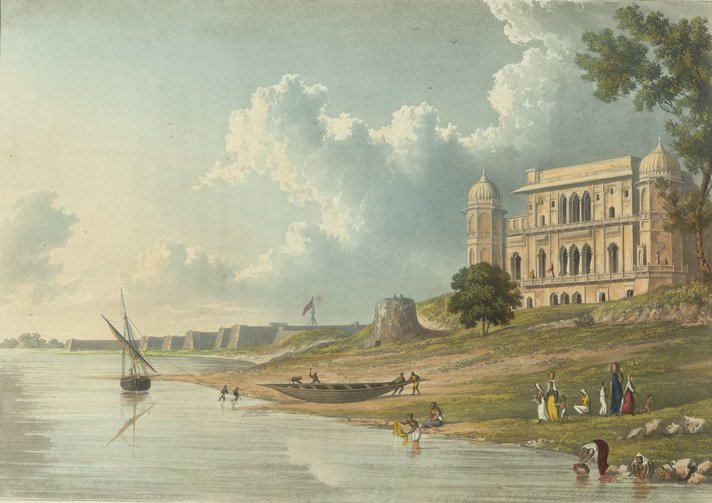
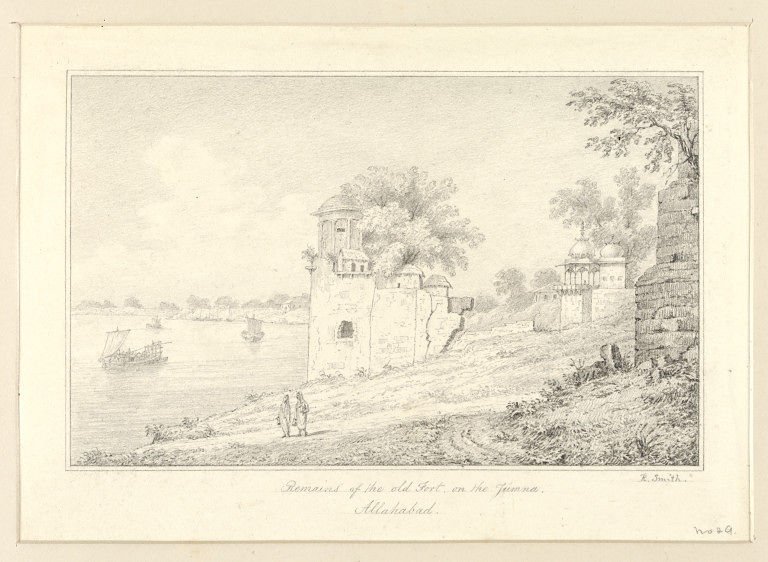
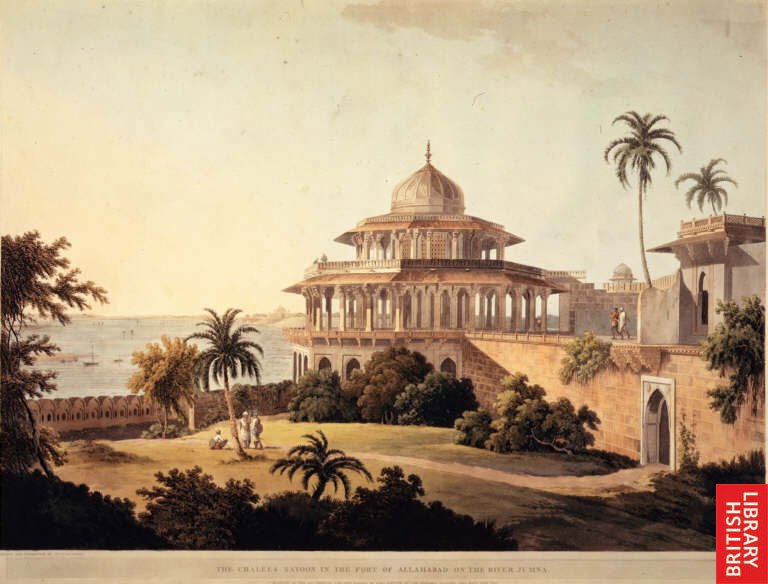
アラハバード砦は、インドのプラヤグラージにある歴史的な砦です。1583年にアクバー皇帝によって建造され、ガンジス川、ヤムナ川、神話的なサラスヴァティ川が合流するトリヴェーニ・サンガムに戦略的に位置しています。地域におけるムガルの権力を強化するための防御拠点・行政の中心として築かれました。イスラム教とヒンズー教の建築様式が融合した砦には、アショカの柱やパタールプーリ寺院などがあります。歴史的な価値に加え、宗教的にも重要な場所で、観光客や信者を集めています (ブリタニカ, インディア.com)。
歴史
建設とムガル時代
アクバー皇帝の命によりトリヴェーニ・サンガムに建設された砦は、地域におけるムガルの支配を強化し、帝国を潜在的な侵略から守ることを目的としていました (文化インディア)。
アクバーの治世下では、砦は重要な行政の中心として機能しました。駐屯地が置かれ、財務局としても利用されるなど、ムガル帝国の統治に重要な役割を果たしました (文化インディア)。
英国時代とその後
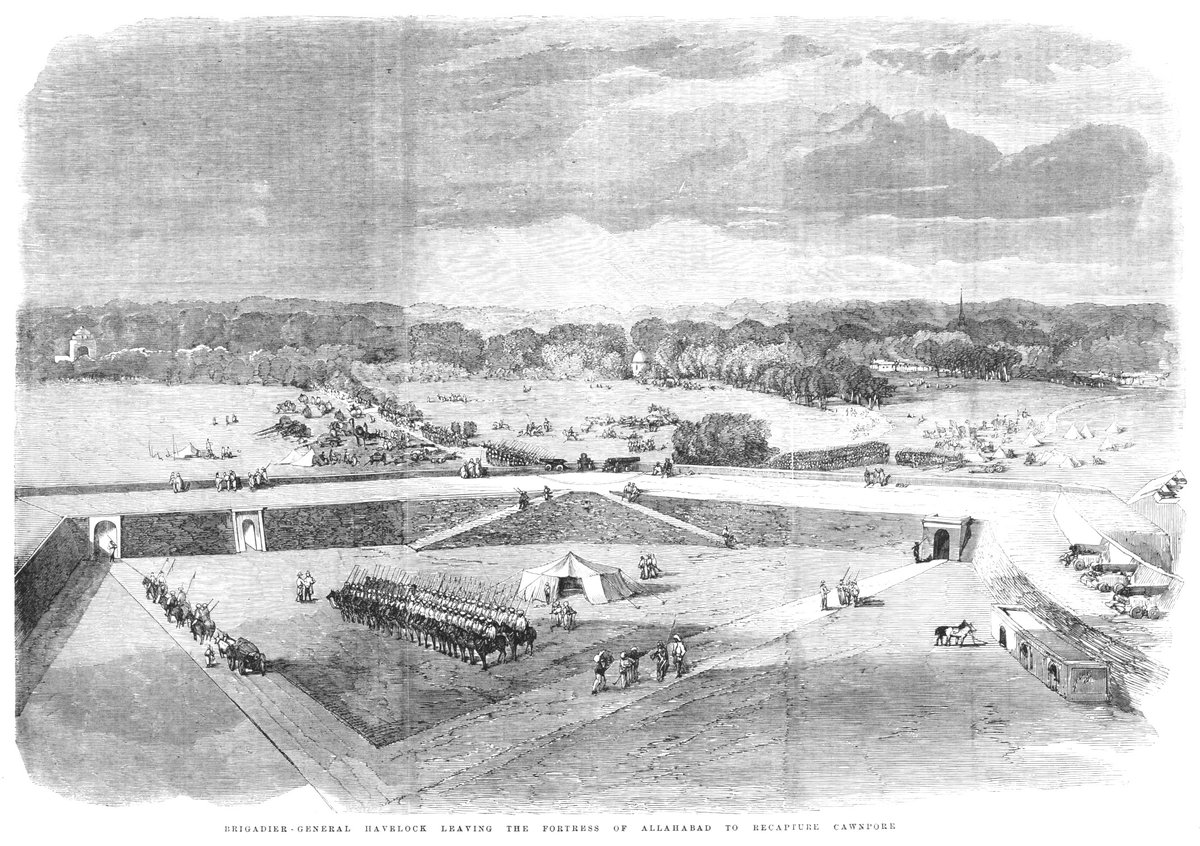
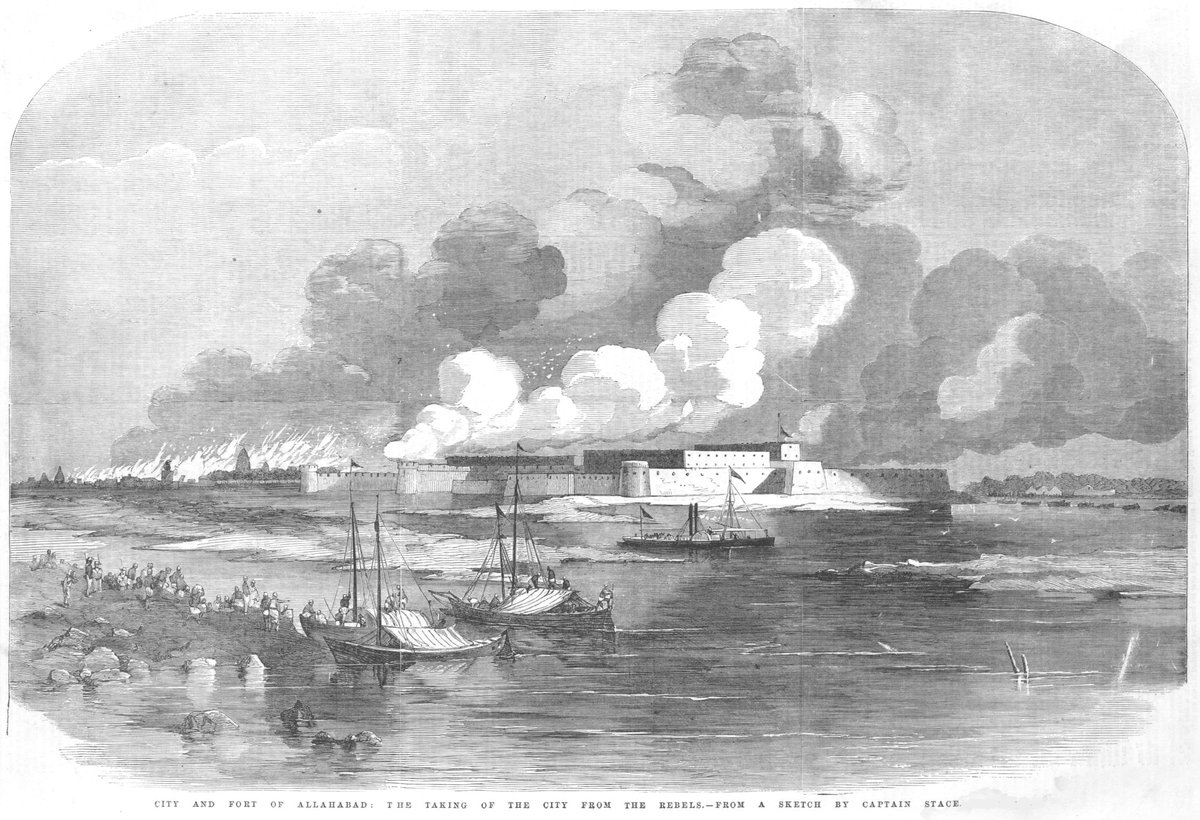
英国植民地時代にも軍事的な重要性を保ち、駐屯地として使用されたほか、1857年のインド反乱の鎮圧にも関与しました。独立後はインド陸軍に引き渡され、現在も軍事管理下にあるため、一般市民のアクセスは限られています (ロンリープラネット)。
見どころ
砦は堅牢な構造と精巧なデザインで知られ、イスラム教とヒンズー教の建築様式が融合しています。赤い砂岩で造られた壁も、砦の印象的な特徴です。
アショカの柱
紀元前232年にさかのぼる歴史的遺物で、アショカ皇帝の時代の詔勅が刻まれています (インディア.com)。
サラスヴァティ・クープ
神話的なサラスヴァティ川の源と信じられている場所で、宗教的に重要な意味を持ちます (クンブ・メーラ)。
パタールプーリ寺院とアクシャヤ・バット
パタールプーリ寺院は、さまざまなヒンズー教の神々を祀る古代の地下寺院です。その隣には「不滅のバニヤンの木」を意味するアクシャヤ・バットがあり、ヒンズー教神話の中で重要な位置を占めています (ヒンドスタン・タイムズ)。
実用的な訪問情報
開館時間と入場
訪問時間は変動することがあり、軍事管理下にあるため通常は昼間のみ開放されています。FAQには、毎日午前7時から午後6時までと記載されています。最新の訪問時間は地元当局に確認してください。
砦はインド陸軍の管理下にあり、一般の入場は制限されています。ただし、アショカの柱やパタールプーリ寺院など、一部の区域は特定の時間に訪問できます。最新のアクセス情報やチケット価格については、地元当局または旅行代理店に確認してください (トリップアドバイザー)。チケットは通常現地で購入できます。事前予約の選択肢については、地元の旅行代理店や公式ウェブサイトで確認できます。
緊急連絡先
- 地元警察 100
- 救急車 102
- 観光者ヘルプライン 1363(複数の言語に対応)
訪問のヒント
訪問に適した時期
訪問に適した時期は、気候が快適な10月から3月です。12年ごとに開催されるクンブ・メーラの時期には、宗教的な熱気と文化的なアクティビティで地域が活気づきます (クンブ・メーラ)。砦は特にクンブ・メーラの期間に多くの巡礼者を集めます (クンブ・メーラ)。
ガイド付きツアー
砦の歴史、建築、宗教的重要性を知るには、ガイド付きツアーを利用できます。地元のツアーオペレーターがツアーを提供しており、事前予約も可能です (ヴィアター)。
服装と履物
敷地は広く、探索にはかなり歩く必要があるため、快適な服装と履物を選びましょう。暖かい季節には軽量で通気性のある素材が推奨されます。帽子やサングラスは日差しを避けるのに役立ちます。宗教的な場所を訪れる際は慎み深い服装を心がけ、寺院や神聖な場所に入る前には靴を脱いでください。
写真撮影と文化的エチケット
砦の一部では写真撮影が許可されていますが、当局の規則に従ってください。砦の宗教的な意義を尊重し、特に礼拝の場では礼儀を守りましょう。ツアーガイドや地元当局の案内に従い、地域の習慣や伝統に配慮してください。大声や騒がしい行動は避けましょう (ロンリープラネット)。
安全とアクセシビリティ
砦は一般的に観光客にとって安全ですが、持ち物を安全に保ち、周囲に気を配り、大量の現金や貴重品を持ち歩かないようにしてください。警備員が巡回しており、各所にCCTVカメラが設置されています。
障害のある訪問者にとっては部分的にアクセス可能です。メインエントランスや一部の区域は車椅子に対応していますが、地下のパタールプーリ寺院やアショカの柱など、アクセスが難しい場所もあります。詳細や支援については砦の当局に確認してください。
食事と買い物
砦内に食べ物の屋台やレストランはないため、水や軽食を持参することが推奨されています。周辺にはローカル料理や国際料理を提供するレストランやカフェがあります。
土産物を探す場合は、砦近くのチョークマーケットやシビルラインなどの店や市場で、伝統的な手工芸品、衣服、ジュエリーなどを見つけることができます。
最新情報を得るには、ソーシャルメディアでフォローするか、モバイルアプリAudialaをダウンロードしてください (ロンリープラネット, クンブ・メーラ)。
周辺の観光地
- トリヴェーニ・サンガム ガンジス川、ヤムナ川、神話的なサラスヴァティ川の合流点で、砦から約4kmです。重要な巡礼地で、訪問者向けのボートライドもあります。
- アナンド・バワン ネール家の祖先の家で、現在はインド初代首相ジャワハルラール・ネルーの生活と時代を紹介する博物館です。砦から約5kmです。
- クスロ・バグ ムガル皇子クスロ・ミルザに関係する歴史的な庭園で、砦から約6kmです。ムガル建築と手入れの行き届いた庭園が特徴です。
よくある質問 (FAQ)
アラハバード砦の訪問時間は?
FAQに記載された開館時間は、毎日午前7時から午後6時までです。訪問時間は変動することがあり、通常は昼間のみ開放されているため、最新情報は地元当局に確認してください。
アラハバード砦のチケットはどのように購入できますか?
チケットは通常、現地で購入できます。事前予約の選択肢については、地元の旅行代理店や公式ウェブサイトを確認してください。
プラヤグラージの近くにあるおすすめの観光地は?
トリヴェーニ・サンガム、アナンド・バワン、アラハバード博物館などの歴史・文化施設があります。こうした周辺の観光地を訪れることで、砦の訪問をより充実させることができます。