
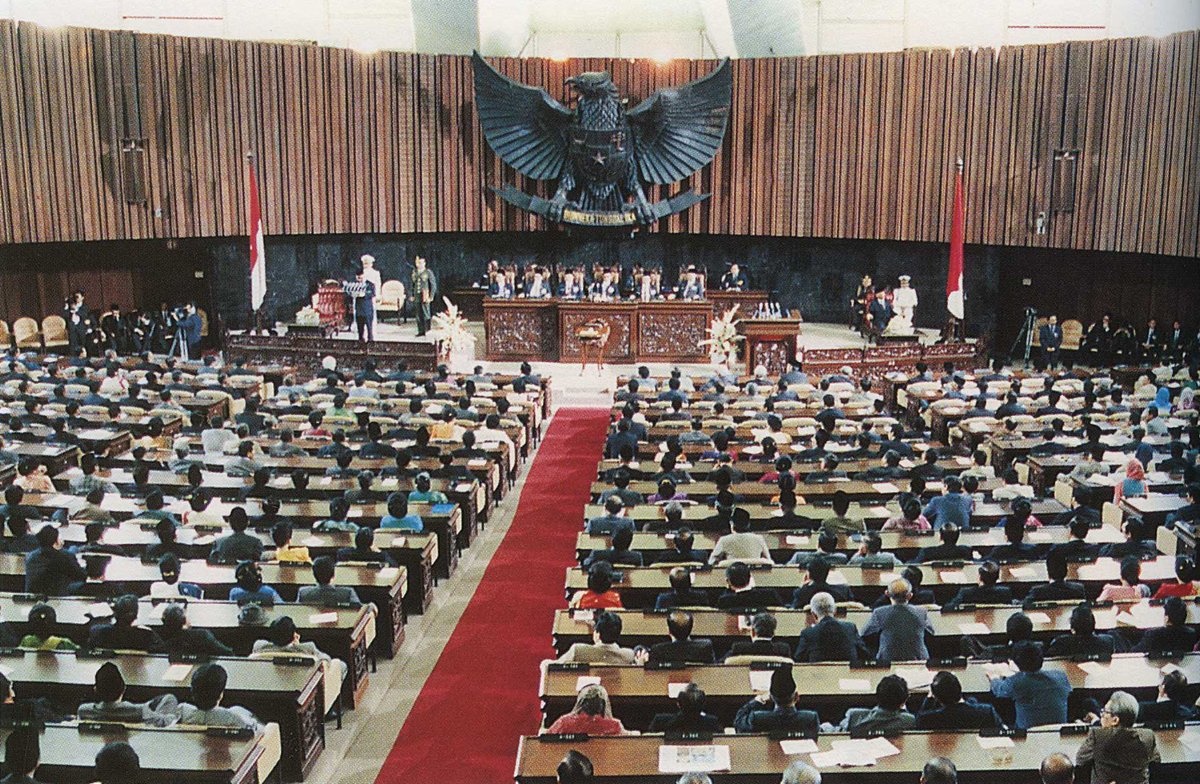
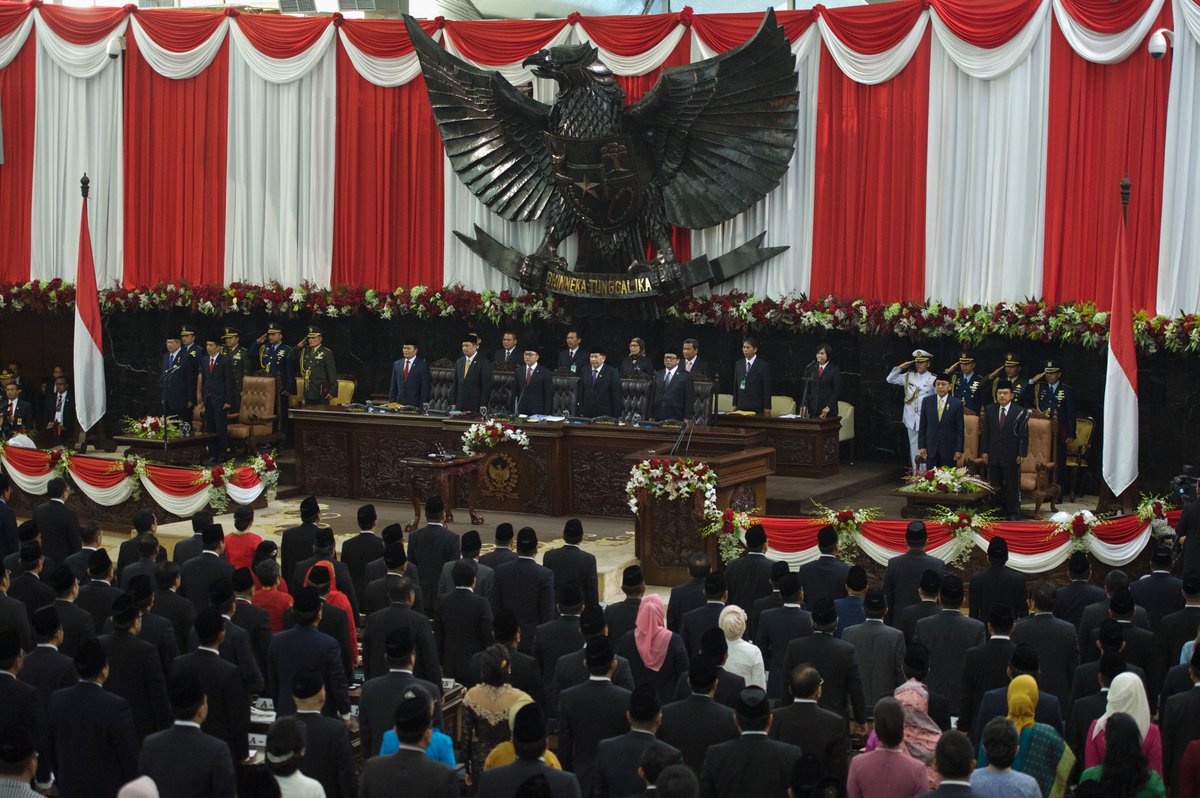
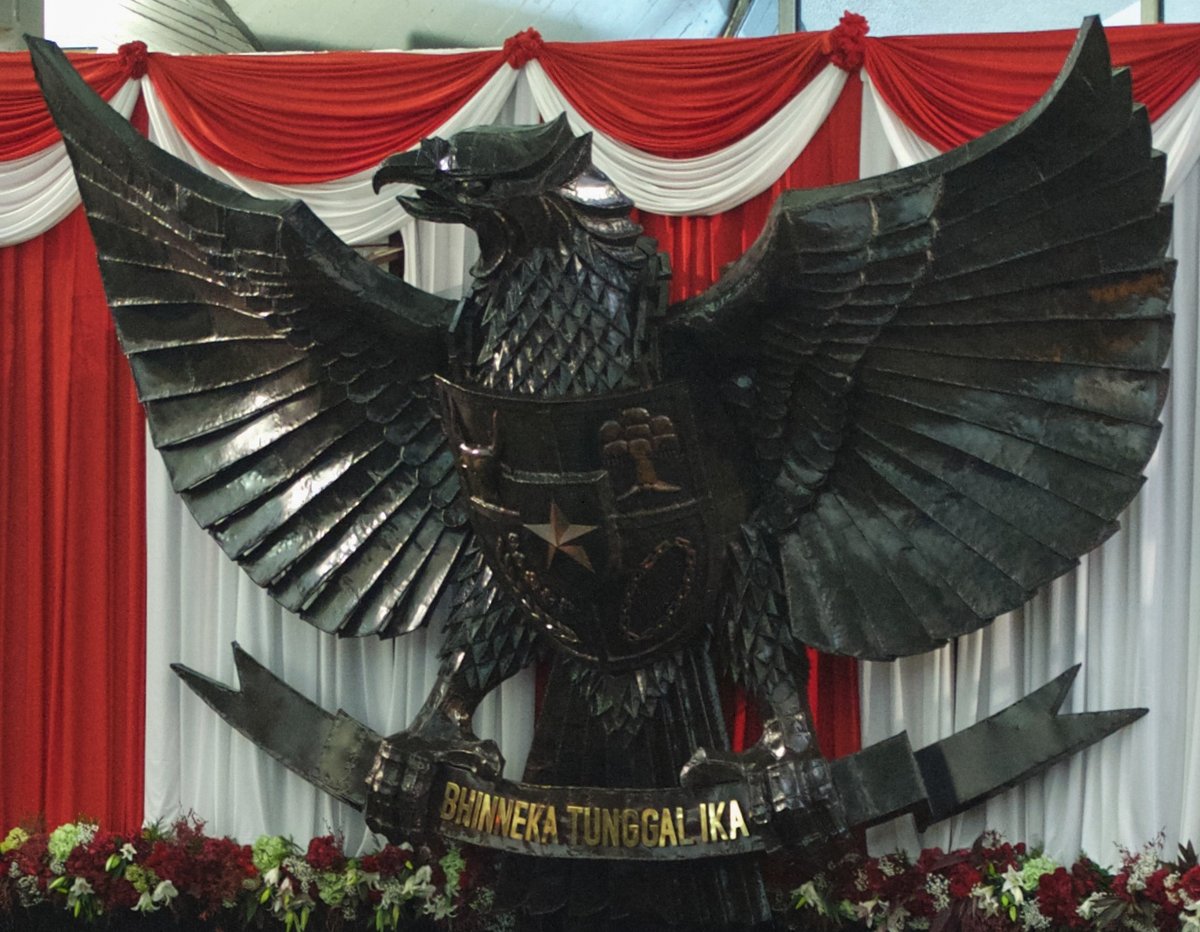
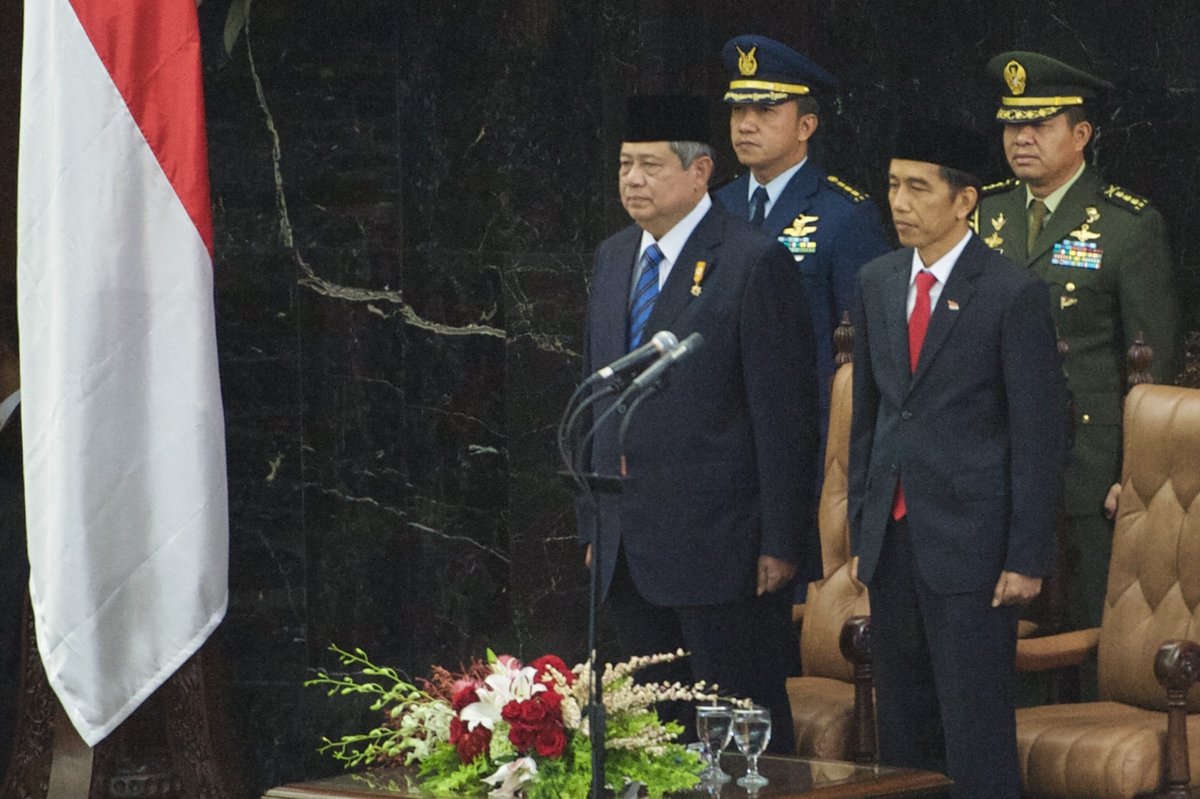
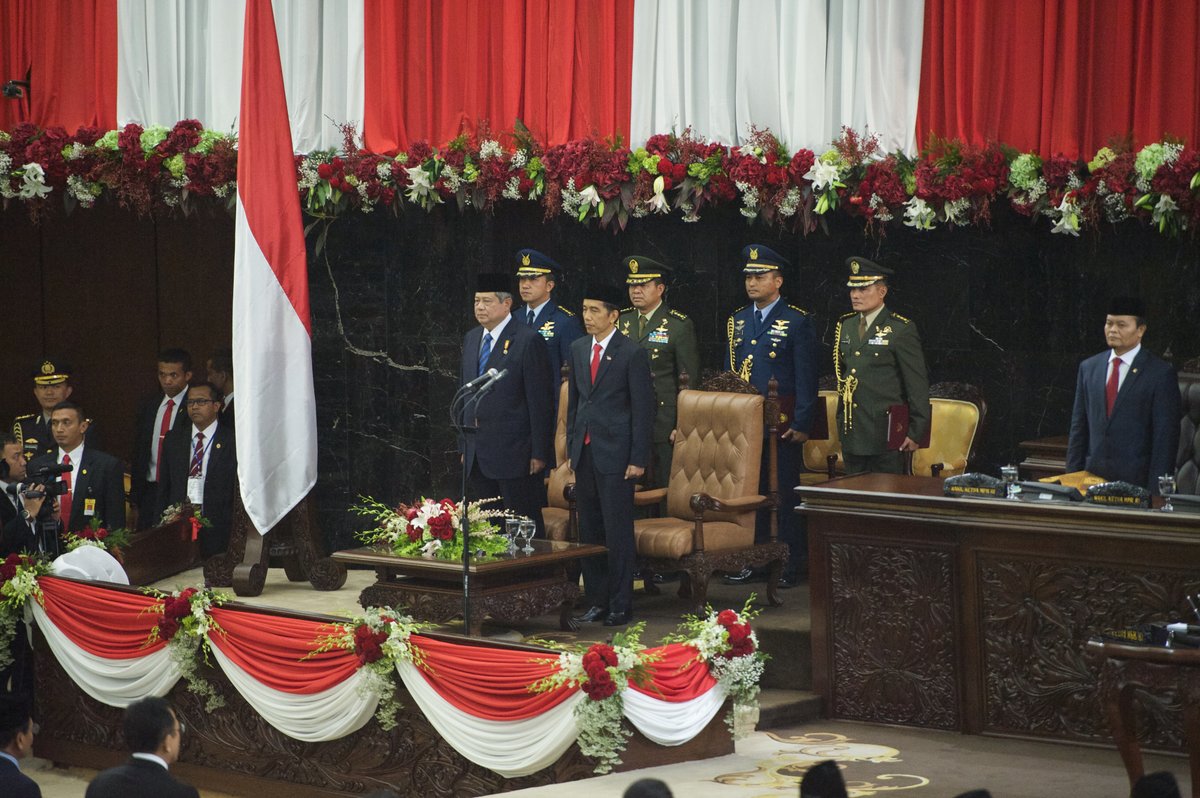

{'date': '14/06/2025', 'task': {'model': 'gpt-4.1-mini', 'query': 'Comprehensive guide to visiting Dpr/Mpr Building, Jakarta, Indonesia: history, significance, visitor tips, and everything tourists need to know for a memorable experience.', 'verbose': False, 'guidelines': ["Keyword Research: Identify relevant keywords that potential visitors are likely to search for, such as '[Monument Name] visiting hours,' '[Monument Name] tickets,' and '[City] historical sites.' Use these keywords strategically throughout the article, including in the title, headers, and body text, but avoid keyword stuffing.", 'Engaging and Informative Title: Craft a title that is both SEO-friendly and compelling to encourage clicks. Include the main keyword and make it clear what the article will cover.', 'Structured Content: Use headings (H1, H2, H3) to organize the content effectively. This helps with SEO and makes the article easier for readers to navigate. Include an introduction that hooks the reader, a detailed body that covers all relevant aspects, and a conclusion that summarizes the key points.', 'Comprehensive Coverage: Address common questions and topics of interest such as the history of the monument, its cultural significance, visitor information (e.g., ticket prices, opening hours), travel tips, nearby attractions, and accessibility. Include sections that might be unique to the monument, like special events, guided tours, and photographic spots.', 'Quality Content: Ensure the content is well-researched, accurate, and provides real value to readers. Use reliable sources and provide factual information. Write in a clear, engaging, and accessible style. Consider your audience and use language that is appropriate for those likely to visit the monument.', 'Visuals and Media: Incorporate high-quality images or videos of the monument. These should be optimized for the web (correct sizing, alt tags with keywords). Consider interactive elements like virtual tours or maps.', 'Internal and External Links: Include links to other related articles on your site to encourage deeper engagement (internal links). Link to official websites for the monument or credible sources for further reading (external links).', 'FAQ: Incorporate FAQ sections to target voice search queries and featured snippets', 'Visit and Stay Up to Date: End the article with a call to action, such as encouraging readers to download our mobile app Audiala, check out other related posts, or follow on social media for more updates.'], 'max_sections': 4, 'publish_formats': {'pdf': False, 'docx': False, 'markdown': True}, 'follow_guidelines': True}, 'title': 'A Comprehensive Guide to Visiting the DPR/MPR Building, Jakarta, Indonesia', 'report': '# DPR/MPRビルの訪問:ジャカルタの歴史、見学情報、観光ガイド\n#### 日付: 14/06/2025\n\n## はじめに:DPR/MPRビルの重要性\n\nインドネシア共和国国会議事堂(Kompleks Parlemen Republik Indonesia)として正式に知られるDPR/MPRビルは、インドネシアの政治、建築、文化の進化における不朽のシンボルです。ジャカルタのセナヤン地区の中心部に位置するこの複合施設は、国家立法府の議席であるだけでなく、植民地支配から独立、権威主義の時代を経て民主主義の繁栄に至るインドネシアの道のりの生きた証です。その建築の中心であるゲドゥン・ヌサンタラは、インドネシアの国章であるガルーダの翼を彷彿とさせる、広々とした緑のドームにより一目で認識できます。\n\n当初1960年代半ばに新興勢力会議(CONEFO)を主催するために構想されたこの複合施設は、1970年代初頭にインドネシアの立法機関の本拠地として再利用されました。著名な建築家スエヨディ・ウィルジョアトモジョによって設計されたDPR/MPRビルは、モダニストの原則と強力な国家の象徴性を融合させ、国の統一と進歩への願望を反映しています(Setiap Gedung Punya Cerita, Detik)。\n\n今日、DPR/MPRビルは、インドネシアの立法プロセス、建築遺産、文化アイデンティティについて学ぶことに熱心な訪問者を歓迎しています。モナスや国立博物館のような他のジャカルタの主要ランドマークへの近さも、この都市の歴史的なキャンバスを探索したい人々にとって必見の場所となっています(Good News From Indonesia, Wikipedia)。\n\n---\n\n## 目次\n\n- はじめに\n- 歴史的背景\n- 建築デザインと象徴性\n- レイアウトと主要構造物\n- 政治・文化的重要性\n- 見学情報\n - 開館時間と入場\n - チケットとセキュリティ\n - アクセシビリティ\n - 旅行のヒント\n- 周辺の観光スポット\n- 施設とアメニティ\n- よくある質問(FAQ)\n- ビジュアルとメディア\n- 追加リソースとリンク\n- まとめと行動喚起\n\n---\n\n## 歴史的背景\n\nインドネシアの立法機関のルーツは1918年の Volksraad に遡り、独立後の中央インドネシア国民委員会(KNIP)、そして連邦時代を経て発展しました。1960年代には仮設会場が立法府を収容していましたが、現在のDPR/MPR複合施設の建設は1965年に始まりました。スクルノからスハルトへの政治的移行後、この場所の機能は、地球規模の会議会場(CONEFO本部)から1972年までにインドネシアの立法中心地へと転換しました(Setiap Gedung Punya Cerita)。\n\n---\n\n## 建築デザインと象徴性\n\n### モダニストのルーツとガルーダにインスパイアされたドーム\n\nスエヨディ・ウィルジョアトモジョ率いる複合施設のデザインは、モダニズムの理想—クリーンなライン、オープンな空間、機能的な形状—を反映しながら、国家のモチーフを織り交ぜています。最も注目すべきは、ゲドゥン・ヌサンタラのドームであり、その形状はインドネシアの国家エンブレムであるガルーダの翼を連想させ、インドネシアの統一とダイナミズムを象徴しています(Everything Explained Today)。鉄筋コンクリート、鋼鉄、ガラスの使用は、その時代の建築的野心を象徴しており、壮大なアプローチ道路と庭園のレイアウトは、国家立法府の権威と重々しさを強化しています(Detik)。\n\n---\n\n## レイアウトと主要構造物\n\n60ヘクタールの複合施設には、いくつかの相互接続された建物があります(Good News From Indonesia):\n\n- ヌサンタラビル(メイン円形ホール): 象徴的なガルーダのドームを備え、1,700席を持つ立法府の中心。\n- ヌサンタラI: 議員のための24階建てのオフィスビル。\n- ヌサンタラII~V: 会議室、オフィス、イベントスペース。\n- 事務局ビル: 管理ハブ。\n- バイドゥルラフマン・モスク: コミュニティの精神的ニーズに応える。\n- 中央中庭: 「エレクトロニクス・エレメント」彫刻とインドネシアの州を表す国旗竿が特徴です(Detik)。\n\nインテリアは、段階的な座席配置、最新のAVシステム、進化する立法ニーズに対応できる適応可能なスペースを備え、包括性と効率性を重視して設計されています。\n\n---\n\n## 政治・文化的重要性\n\n### 立法権の中心\n\nDPR/MPRビルには以下が配置されています。\n\n- DPR: 人民代表評議会、インドネシアの主要な立法機関。\n- MPR: 人民諮問会議、憲法改正と就任式を担当。\n- DPD: 地方代表評議会、各州の利害を代表しています(Facts and Details)。\n\n1998年のスハルト辞任につながった学生抗議活動を含む歴史的な瞬間がここで繰り広げられ、この建物の改革と民主主義の象徴としての地位を確固たるものにしました(Setiap Gedung Punya Cerita)。\n\n### 文化的重要性\n\nガルーダにインスパイアされたドーム、地元の素材の使用、伝統的なモチーフの統合は、インドネシアのアイデンティティと統一を反映しています。パブリックアート、例えば「バツ・バツ・ペンバングン」のレリーフや緑豊かな庭園は、美的および文化的な深みを加えています。この場所は、独立記念日やその他の国民的イベントで際立っています。\n\n---\n\n## 見学情報\n\n### 場所とアクセス方法\n\n- 住所: Jalan Gatot Subroto, Gelora, Tanah Abang, Central Jakarta\n- 周辺: ゲロラ・ブン・カルノ・スポーツ・コンプレックス、セナヤン・パーク、国立記念碑(モナス)\n- 交通手段: パルメラー駅(KRLコミューターライン)、トランスジャカルタバス、タクシー、配車アプリ(Wikipedia)\n\n### 営業時間\n\n- 月~金: 午前9時~午後4時\n- 休館: 週末および祝日\n- 注意: 午前中のほうが混雑しません。イベントによる休館を確認してください(Disway)。\n\n### 入場とチケット\n\n- 入場料: 無料\n- アクセス: ガイドツアー(事務総局を通じて少なくとも2週間前に予約)\n- 身分証明書必須: KTP(インドネシア国民)またはパスポート(外国人)\n- セキュリティ: バッグチェックとスクリーニングが必須\n\n### ドレスコードと行動規定\n\n- ドレスコード: 男性は襟付きシャツと長ズボン、女性は控えめな服装。\n- 行動: 敬意を払った行動が求められます。\n- 写真撮影: 特定のエリアでは制限があります。常に許可を得てください。\n\n### アクセシビリティ\n\n- 複合施設全体にランプ、エレベーター、バリアフリートイレが設置されています。\n- ビジターセンターでサポートが受けられます。\n\n### 施設とアメニティ\n\n- トイレ: 清潔で利用可能です。\n- 祈祷室: バイドゥルラフマン・モスクがあります。\n- カフェテリア: 施設内には限定的なオプションがあります。隣接地区にはより多くの食事の選択肢があります。\n- 標識: 主にインドネシア語です。翻訳アプリやガイドの利用をお勧めします。\n\n---\n\n## 実用的なヒント\n\n- ツアーは早めに予約し、有効な身分証明書を持参してください。\n- ジャカルタの交通状況と限られた駐車場を考慮して計画してください。\n- 水分補給を忘れずに。ペットボトルの水を持参してください。\n- 必須アプリ(Grab、Gojek、Google Maps)をダウンロードしてください。\n- 公式発表を確認して、特別なイベントや休館情報を把握してください。\n\n---\n\n## 周辺の観光スポット\n\n- ゲロラ・ブン・カルノ・スポーツ・コンプレックス\n- セナヤン・シティ・モール\n- インドネシア国立博物館\n- イスティクラル・モスクとジャカルタ大聖堂\n\n---\n\n## 特別イベント:ムディック・グラティス\n\n毎年恒例の「ムディック・グラティス」(無料帰省)イベント中、DPR/MPRビルは集合場所として機能します。この時期は、より多くの群衆と強化されたセキュリティが予想されます。ツアーはこれらの期間中に一時停止される場合があります(Disway)。\n\n---\n\n## よくある質問(FAQ)\n\nQ:予約なしで見学できますか?\nA:いいえ。ガイドツアーまたは特別イベントへのアクセスは事前に手配する必要があります。\n\nQ:入場料はかかりますか?\nA:いいえ、しかし予約が必要です。\n\nQ:障害者でも利用できますか?\nA:はい、複合施設内にはランプとエレベーターが設置されています。\n\nQ:写真撮影はできますか?\nA:ほとんどの屋外・公共エリアでは許可されていますが、屋内では制限があります。\n\nQ:入場の際に必要な身分証明書は何ですか?\nA:KTP(インドネシア国民)またはパスポート(外国人)。\n\n---\n\n## ビジュアルとメディア\n\n公式DPR/MPRウェブサイトでバーチャルツアー、インタラクティブマップ、フォトギャラリーをご覧ください。ガルーダのドームと中央中庭の彫刻を撮影して、思い出に残る写真を撮りましょう。\n\n---\n\n## 追加リソースとリンク\n\n- Setiap Gedung Punya Cerita\n- Detik – DPRビルの建築家と建設の歴史\n- Good News From Indonesia\n- Wikipedia – MPR/DPR/DPDビル\n- Facts and Details\n- Disway – Mudik Gratis\n\n---\n\n## まとめ\n\nDPR/MPRビルは、インドネシアの立法府の議席であるだけでなく、国民の団結、回復力、進歩の強力な象徴でもあります。インドネシアの歴史の変革期に構想され、今日の民主的統治の中心としての役割に至るまで、この複合施設は、統一と進歩に向けたインドネシアの道のりの精神を凝縮しています。訪問者は、ガルーダにインスパイアされたユニークな建築の驚異を探索し、主要な立法府が収容されている広大な複合施設を巡り、そのデザインと機能に埋め込まれた豊かな物語に触れることができます。\n\n見学を計画するには、ガイドツアーを手配し、推奨されるプロトコルに従い、オンラインリソースを活用して、スムーズで有意義な経験をしてください。見学時間、イベント、旅行のヒントに関する最新情報については、公式チャンネルを参照するか、Audialaアプリのダウンロードを検討してください。この象徴的な複合施設に入ることで、訪問者はインドネシアの民主主義と国民の団結の生きたシンボルに参加し、国の過去、現在、未来への深い感謝を得ることができます(Facts and Details, Setiap Gedung Punya Cerita)。\n\n---\n', 'headers': {'date': 'Date', 'title': 'DPR/MPRビルの訪問:ジャカルタの歴史、見学情報、観光ガイド', 'conclusion': 'DPR/MPRビルの見学に関する主要ポイントのまとめ', 'references': '参考資料と詳細情報への公式リンク', 'introduction': 'DPR/MPRビルの紹介と重要性', 'table_of_contents': '見学時間、チケット、歴史、旅行のヒント、周辺の観光スポット、アクセシビリティを含む目次'}, 'sources': ['- Setia Gedung Punya Cerita, 2019, https://setiapgedung.id/2019/03/gedung-mpr-dpr-dpd-ri.html', "- Detik, 2023, 'Ini Arsitek Gedung DPR dan Sejarah Pembangunannya', https://www.detik.com/properti/arsitektur/d-6833999/ini-arsitek-gedung-dpr-dan-sejarah-pembangunannya", "- Good News From Indonesia, 2019, 'Mengulik Asal Usul Pembangunan Gedung MPR/DPR', https://www.goodnewsfromindonesia.id/2019/09/24/mengulik-asal-usul-pembangunan-gedung-mpr-dpr", "- Wikipedia, 'MPR/DPR/DPD Building', https://en.wikipedia.org/wiki/MPR/DPR/DPD_building", "- Facts and Details, 'Indonesian Government and Political Structure', https://factsanddetails.com/indonesia/Government_Military_Crime/sub6_5a/entry-4061.html", "- Disway, 2025, 'Mudik Gratis 2025 - Titik Kumpul Gedung DPR/MPR RI Senayan 100% Gratis', https://disway.id/read/852522/mudik-gratis-2025-titik-kumpul-gedung-dprmpr-ri-senayan-100-persen-gratis-ada-dua-kota-tujuan"], 'sections': ['Historical Background', 'Architectural Features', 'Cultural and Political Significance', 'Visitor Information and Tips'], 'conclusion': 'The DPR/MPR Building is more than Indonesia’s legislative seat; it is a powerful emblem of the nation’s political heritage, architectural prowess, and cultural unity. From its conception during a transformative period in Indonesian history to its present-day role as the heart of democratic governance, the complex encapsulates the spirit of Indonesia’s journey toward progress and inclusivity. Visitors are invited to explore the architectural marvel of the Garuda-wing inspired dome, traverse the expansive complex that houses key legislative bodies, and engage with the rich narratives embedded in its design and functions.\n\nWith free public entry during official visiting hours and guided tours available through prior arrangement, the DPR/MPR Building welcomes those eager to deepen their understanding of Indonesia’s legislative process and cultural identity. Its accessibility features, security protocols, and proximity to other notable Jakarta historical sites make it an essential destination for tourists, students, and history enthusiasts alike.\n\nTo enhance your visit, plan ahead by booking tours early, adhere to the recommended dress code, and take advantage of the official virtual tours and detailed maps available online. For ongoing updates, special event announcements, and additional travel insights, consider following official DPR/MPR channels and downloading helpful apps such as Audiala. By stepping inside this iconic complex, visitors partake in a living symbol of Indonesia’s democracy and national unity, gaining a profound appreciation for the country’s past, present, and future (Facts and Details, Setiap Gedung Punya Cerita).', 'introduction': "The DPR/MPR Building in Jakarta stands as a cornerstone of Indonesia’s political and cultural identity, serving as the central hub for the nation's legislative functions while also embodying the nation’s rich historical evolution and architectural innovation. Officially known as Kompleks Parlemen Republik Indonesia, this complex is situated in the vibrant Senayan district and is renowned for its iconic Gedung Nusantara, distinguished by its captivating green dome shaped like the wings of the Garuda, Indonesia’s national emblem. More than just a government facility, the building is a living symbol of Indonesia’s journey from colonial rule through post-independence political shifts, authoritarian governance, and ultimately to a flourishing democracy.\n\nConstructed initially in the mid-1960s with the vision to host the Conference of New Emerging Forces (CONEFO), the complex was repurposed as the seat of Indonesia’s legislative bodies in the early 1970s. Designed by the esteemed Indonesian architect Soejoedi Wirjoatmodjo, the DPR/MPR Building exemplifies modernist architectural principles infused with profound national symbolism, reflecting both functionality and Indonesia’s unity and aspirations (Setiap Gedung Punya Cerita, Detik).\n\nVisitors to the DPR/MPR Building gain insight not only into the physical grandeur and symbolic elements of the complex but also into the nation’s legislative process and democratic evolution. Open to the public during weekdays, the building offers guided tours by prior appointment, providing an immersive educational experience. Moreover, its strategic location near prominent Jakarta landmarks such as the National Monument (Monas) and the National Museum makes it a key destination for those exploring Jakarta’s historical sites (Good News From Indonesia, Wikipedia).\n\nThis comprehensive guide aims to equip visitors with essential information about the DPR/MPR Building’s history, architecture, visiting hours, accessibility, ticketing policies, and travel tips, ensuring a meaningful and well-prepared visit to one of Indonesia’s most significant national landmarks.", 'research_data': [{'Visiting the DPR/MPR Building in Jakarta: History, Tickets, and Travel Tips': '## Visiting the DPR/MPR Building in Jakarta: History, Tickets, and Travel Tips\n\nThe DPR/MPR Building in Jakarta is not only the seat of Indonesia’s national legislature but also a significant historical and architectural landmark. This guide provides a visitor-friendly overview of the building’s rich history, practical information on visiting, and tips to make the most of your trip.\n\n### Historical Background\n\nThe origins of Indonesia’s legislative institutions date back to 1918 with the Volksraad, meeting in what is now Gedung Pancasila. Post-independence, provisional bodies like the Central Indonesian National Committee (KNIP) convened at various Jakarta venues. The federal period (1949–1960) saw the House of Representatives of the United States of Indonesia meet in buildings like Societeit Concordia.\n\nThrough the 1950s and 1960s, the legislature used temporary locations including Gedung Dewan Perwakilan Rakyat and the Senayan Sport Complex. The current DPR/MPR Building complex began construction in the mid-1960s, with its iconic green dome completed by 1968. It has since become a symbol of Indonesia’s democracy and national identity.\n\n### Visiting Hours and Admission\n\nThe DPR/MPR Building is open to visitors from Monday to Friday, 9:00 AM to 4:00 PM. Entry is free, but visitors must pass through security screening. Guided tours are available by prior appointment and provide insight into the building’s architecture and political significance. Visitors are advised to dress modestly and carry valid identification.\n\n### Accessibility\n\nThe complex is accessible to visitors with disabilities, featuring ramps and elevators in main areas. Assistance can be requested at the visitor center upon arrival.\n\n### Travel Tips\n\n- Best Time to Visit: Morning hours on weekdays are less crowded.\n- Security: Expect bag checks and metal detectors.\n- Photography: Allowed in most public areas; however, photography inside meeting rooms is prohibited.\n- Guided Tours: Booking in advance via the official DPR/MPR website is recommended.\n\n### Nearby Attractions\n\nWhile visiting, explore nearby Jakarta historical sites such as the National Museum, Monas (National Monument), and the Jakarta Art Building (Gedung Kesenian Jakarta). These locations offer a deeper understanding of Indonesia’s cultural heritage.\n\n### Architectural and Symbolic Significance\n\nThe DPR/MPR Building, with its distinctive green dome, exemplifies modernist architecture and symbolizes Indonesia’s unity and democratic aspirations. It frequently appears in media and is a popular destination for educational visits and political events.\n\n### Frequently Asked Questions (FAQ)\n\nQ: What are the visiting hours of the DPR/MPR Building?\nA: Monday to Friday, 9:00 AM to 4:00 PM.\n\nQ: Is there an admission fee?\nA: No, entry to the building is free.\n\nQ: Are guided tours available?\nA: Yes, but require advance booking through the official DPR/MPR website.\n\nQ: Is photography allowed?\nA: Photography is permitted in most public areas but is restricted inside meeting rooms.\n\nQ: How do I get there?\nA: The building is located in Senayan, Jakarta, accessible via TransJakarta bus lines and nearby MRT stations.\n\n### Visuals and Media\n\nHigh-quality images of the DPR/MPR Building, including its iconic green dome and interior chambers, enhance the visitor experience. Maps and virtual tours are available on the official DPR/MPR website.\n\n### Additional Resources and Links\n\n- Official DPR/MPR Website\n- Jakarta Tourism Information\n- National Museum of Indonesia\n\n### Call to Action\n\nPlan your visit today to experience Indonesia’s vibrant legislative heart! For more travel tips and updates on Jakarta historical sites, download the Audiala app and follow us on social media for the latest updates and exclusive content. Explore related posts about Indonesia’s rich history and tourist attractions to enrich your journey.\n\n---\n\nThis revised article balances detailed historical background with practical visitor information, incorporates SEO-friendly keywords like "DPR/MPR Building visiting hours," "DPR/MPR Building tickets," and "Jakarta historical sites," and includes structured sections such as FAQs and travel tips. Visual and external/internal link suggestions have been integrated to enhance user engagement and navigation.'}, {'draft title': 'Exploring the DPR/MPR Building: Architectural Marvel and Jakarta Historical Site – Visiting Hours, Tickets, and Visitor Guide\n\n## Introduction\n\nThe DPR/MPR Building, officially known as the Kompleks Parlemen Republik Indonesia, stands as one of Jakarta’s most iconic landmarks. Located in the vibrant area of Senayan, Central Jakarta, this sprawling government complex is not only a symbol of Indonesia’s political landscape but also a fascinating example of modernist architecture infused with national symbolism. Whether you are an architecture enthusiast, history buff, or tourist exploring Jakarta’s historical sites, visiting the DPR/MPR Building offers a unique glimpse into Indonesia’s legislative heart and cultural identity. This guide provides essential visitor information—including visiting hours, ticketing, accessibility, and travel tips—alongside an in-depth look at the complex’s architectural features.\n\n## Site Layout and Complex Composition\n\nSpanning approximately 60 hectares along Jalan Jenderal Gatot Subroto, the DPR/MPR complex comprises several interconnected buildings, each serving distinct legislative and administrative functions (Good News From Indonesia). Key structures include:\n\n- Nusantara Building (Gedung Nusantara): The iconic main plenary hall.\n- Nusantara I: A 24-story office tower.\n- Nusantara II, III, IV, and V: Buildings for meetings, offices, and ceremonial events.\n- Secretariat General Building: Administrative offices.\n- Baiturrahman Mosque: A place of worship within the grounds.\n- Fountain and “Electronics Element” Sculpture: Central landscape features.\n\nThis purposeful layout balances functionality with the symbolic aspirations of Indonesia’s legislative bodies (Wikipedia).\n\n## Architectural Style and Symbolism\n\n### Modernist Roots and National Identity\n\nDesigned by Soejoedi Wirjoatmodjo, a pioneer of Indonesian modern architecture and an alumnus of Institut Teknologi Bandung, the DPR/MPR Building reflects Indonesia’s post-independence vision (Detik). The complex features clean lines, functional forms, and materials such as reinforced concrete, glass, and steel. The design integrates local cultural symbolism, most notably in the main plenary hall’s distinctive roof shaped like the wings of the Garuda, Indonesia’s national emblem (Everything Explained Today).\n\n### The Garuda Wing-Shaped Roof\n\nThe Nusantara Building’s dome-shaped roof, semi-circular and green-tinted, resembles the outstretched wings of a Garuda bird about to take flight. This architectural and engineering marvel combines aesthetics with functionality, offering a large, column-free interior space while symbolizing progress and national unity (Detik).\n\n## Key Buildings and Features\n\n### Nusantara Building (Main Plenary Hall)\n- Houses plenary sessions for the People’s Consultative Assembly (MPR), House of Representatives (DPR), and Regional Representative Council (DPD).\n- Capacity of approximately 1,700 seats (Everything Explained Today).\n- Circular hall design with semi-circular seating promoting inclusivity.\n- Iconic Garuda wing-shaped dome roof.\n\n### Nusantara I\n- 24 floors, 100 meters tall (Indonesia Tourism).\n- Offices and meeting rooms for parliament members.\n\n### Nusantara II-V\n- Nusantara II & III: Committee meeting rooms and additional offices.\n- Nusantara IV: Conference and ceremonial events.\n- Nusantara V: Smaller plenary hall with 500 seats.\n\n### Secretariat General Building\n- Administrative offices with modernist design.\n\n### Baiturrahman Mosque\n- Serves spiritual needs with modern Islamic architectural style.\n\n## Landscape and Public Art\n\nThe central courtyard features a large fountain and the “Electronics Element” sculpture by Drs. But Mochtar, symbolizing unity through three interconnected spheres (Detik). Thirty-five flagpoles represent Indonesia’s provinces at the time of construction, framing a grand ceremonial entrance.\n\n## Visiting the DPR/MPR Building\n\n### Visiting Hours\n- Open to visitors from Tuesday to Sunday, 9:00 AM to 4:00 PM.\n- Closed on Mondays and national holidays.\n\n### Tickets and Entry\n- Entry is free for the public.\n- Guided tours are available by appointment through the official DPR/MPR website.\n\n### Accessibility\n- The complex is equipped with ramps, elevators, and wide corridors suitable for wheelchair users and visitors with mobility challenges.\n- Assistance services are available upon request.\n\n### Travel Tips\n- Visitors should carry valid photo ID.\n- Photography is allowed in outdoor areas; indoor photography may be restricted during sessions.\n- Security checks are mandatory; avoid bringing large bags.\n\n### Nearby Attractions\n- Gelora Bung Karno Sports Complex\n- Senayan City Mall\n- Museum Nasional (National Museum of Indonesia)\n\n## Interior Design and Spatial Organization\n\nThe interiors prioritize efficiency and accessibility, with tiered seating, advanced audio-visual systems, and centrally located podiums fostering effective legislative dialogue. Room names have evolved to reflect Indonesia’s political changes, enhancing cultural resonance (Good News From Indonesia).\n\n## Environmental and Lighting Features\n\nNatural light floods the complex through large windows and skylights, while landscaping and the green roof of the Nusantara Building aid in climate control, mitigating Jakarta’s tropical heat.\n\n## Security and Adaptability\n\nAs the seat of Indonesia’s legislative power, the complex integrates robust security measures, including controlled access and perimeter fencing. Adaptations over time accommodate evolving political functions and security needs (Scribd).\n\n## Notable Architectural Influence and Legacy\n\nSoejoedi Wirjoatmodjo’s design sets a precedent for Indonesian public architecture, blending modernism with cultural symbolism. His legacy includes other significant works like the ASEAN Secretariat Building (Detik). The DPR/MPR Building remains a powerful symbol of Indonesia’s political journey and architectural innovation.\n\n## Frequently Asked Questions (FAQ)\n\nQ: Can visitors tour the DPR/MPR Building without prior appointment?\nA: Visitors can explore outdoor areas freely, but guided tours inside require prior booking through the official website.\n\nQ: Are there any entrance fees?\nA: Entry to the complex is free of charge.\n\nQ: Is the building wheelchair accessible?\nA: Yes, the complex is designed to accommodate visitors with disabilities.\n\nQ: What are the best photographic spots?\nA: The Nusantara Building’s Garuda roof, the central fountain, and “Electronics Element” sculpture are popular.\n\nQ: Are there any special events open to the public?\nA: Occasionally, cultural and national events take place; check the official website for updates.\n\n## Visuals and Media\n\nFor a virtual experience, visitors can explore interactive maps and image galleries available on the official DPR/MPR website. When visiting, be sure to capture photos of the Garuda wing-shaped roof and the courtyard sculpture, which embody the complex’s unique identity.\n\n## Additional Resources and Links\n- Official DPR/MPR Website: https://www.dpr.go.id\n- Jakarta Tourism Information: https://jakarta-tourism.go.id\n- Related Articles: Explore our posts on Jakarta Historical Sites and Modernist Architecture in Indonesia.\n\n## Conclusion\n\nThe DPR/MPR Building is more than Indonesia’s legislative center—it is a testament to the nation’s rich history, architectural progress, and enduring spirit. Whether you visit to admire its unique Garuda-inspired design, attend a guided tour, or explore Jakarta’s historical landmarks, the complex offers a meaningful experience. Plan your visit today to witness this architectural marvel and immerse yourself in Indonesia’s vibrant political heritage.\n\n---\n\nStay Connected!\nDownload the Audiala app for more insights on Jakarta’s landmarks, guided tours, and cultural events. Follow us on social media for the latest updates and exclusive content.'}, {'Cultural and Political Significance of the DPR/MPR Building in Jakarta: Visiting Hours, Tickets, and Visitor Guide': "## Historical Context and Evolution\n\n### Origins and Early Purpose\n\nThe DPR/MPR Building, officially known as the Kompleks Parlemen Republik Indonesia, is deeply intertwined with Indonesia’s post-independence political evolution. Its origins trace back to the late 1960s, a period marked by President Sukarno’s ambition to assert Indonesia’s presence on the international stage. The initial concept was not to house the national parliament, but to serve as the headquarters for the Conference of New Emerging Forces (CONEFO), a proposed rival to the United Nations, reflecting Indonesia’s leadership in the Non-Aligned Movement and its anti-imperialist stance (Setiap Gedung Punya Cerita).\n\nConstruction began in 1965, but the political upheaval following the fall of Sukarno and the rise of Suharto’s New Order regime shifted the building’s purpose. By 1972, the complex was repurposed as the seat of Indonesia’s legislative bodies, symbolizing a new era of centralized governance and the consolidation of state power (Setiap Gedung Punya Cerita).\n\n### Architectural Symbolism\n\nThe architectural design, led by Soejoedi Wirjoatmodjo and a committee of Indonesian architects, was intentionally monumental. The most iconic structure, Gedung Nusantara, features a distinctive dome often likened to the wings of a Garuda—the mythical bird and national emblem of Indonesia—symbolizing the dynamism and aspirations of the young republic (Setiap Gedung Punya Cerita). The dome’s form has also been interpreted as a bird about to take flight, representing progress and national unity.\n\nThe complex’s layout, with its broad approach roads, expansive gardens, and water features, was designed to evoke grandeur and authority, reinforcing the building’s role as the heart of Indonesia’s political life. The use of local materials and the integration of Indonesian artistic motifs further root the building in the nation’s cultural identity.\n\n## Political Significance\n\n### Center of Legislative Power\n\nThe DPR/MPR Building is the operational hub for Indonesia’s three main legislative bodies:\n\n- Dewan Perwakilan Rakyat (DPR): The People’s Representative Council, Indonesia’s main legislative body, with 560 members elected for five-year terms. It formulates and passes national legislation, approves the national budget, and oversees the executive branch (Facts and Details).\n- Majelis Permusyawaratan Rakyat (MPR): The People’s Consultative Assembly, comprising all DPR and DPD members. It inaugurates the president and vice president, amends the constitution, and has the final say in impeachment proceedings (Facts and Details).\n- Dewan Perwakilan Daerah (DPD): The Regional Representative Council, representing Indonesia’s provinces and special regions, provides legislative input on regional matters (Facts and Details).\n\nThe building has witnessed pivotal moments in Indonesian history, including the swearing-in of presidents, constitutional amendments, and the dramatic events of May 1998, when student protesters occupied the main auditorium, catalyzing the resignation of President Suharto and the transition to Reformasi (reform era) (Setiap Gedung Punya Cerita).\n\n### Symbol of Democratic Transition\n\nThe DPR/MPR Building stands as a testament to Indonesia’s journey from authoritarian rule to a vibrant, if sometimes tumultuous, democracy. During the New Order era (1966–1998), the MPR was a largely ceremonial body, rubber-stamping presidential decisions. However, following the constitutional reforms of the late 1990s and early 2000s, the legislature gained real power, with direct elections for the president and greater legislative independence (Facts and Details).\n\nThe building’s continued use for inaugurations, legislative debates, and public demonstrations underscores its role as a living symbol of Indonesia’s evolving political landscape.\n\n## Cultural Importance\n\n### National Identity and Unity\n\nThe DPR/MPR Building is more than a seat of government; it is a cultural landmark that embodies Indonesia’s national identity. The Garuda-inspired dome, the use of indigenous materials, and the integration of traditional motifs all serve to reinforce the building’s status as a symbol of unity in a nation of immense diversity (Setiap Gedung Punya Cerita).\n\nThe complex’s gardens and public spaces are designed to be accessible, reflecting the democratic ideals of openness and participation. The building is often featured in national celebrations, state ceremonies, and is a focal point during Independence Day commemorations.\n\n### Artistic Contributions\n\nThe DPR/MPR complex is also notable for its artistic elements. For example, Gedung Nusantara IV features a unique exterior relief titled “Batu-Batu Pembangunan” (Stones of Development), created by artists from the Bandung Institute of Technology. The repeated arch patterns symbolize the softness and dynamism of the Indonesian spirit (Setiap Gedung Punya Cerita).\n\nThe landscaping, designed by Slamet Wirasondjaja, enhances the monumental feel of the complex, with tropical gardens, fountains, and the “Elemen Estetik” monument contributing to the site’s aesthetic and cultural resonance.\n\n## Role in Public Life and Civic Engagement\n\n### Site of Protest and Reform\n\nThe DPR/MPR Building has been a stage for civic engagement and political activism. The most notable instance occurred in May 1998, when thousands of students occupied the main auditorium, demanding political reform and the resignation of President Suharto. This event is widely regarded as a turning point in Indonesian history, leading to the end of authoritarian rule and the beginning of the Reformasi era (Setiap Gedung Punya Cerita).\n\nSince then, the complex has remained a focal point for demonstrations, reflecting its status as a symbol of the people’s voice and the ongoing struggle for democracy and accountability.\n\n### Educational and Civic Functions\n\nThe DPR/MPR Building regularly hosts educational tours, parliamentary sessions open to the public, and civic events aimed at increasing political literacy. These initiatives foster a deeper understanding of Indonesia’s legislative process and encourage public participation in governance.\n\n## Visiting the DPR/MPR Building: Practical Information for Visitors\n\n### Visiting Hours\n\nThe DPR/MPR Building is generally open to visitors from Monday to Friday, 9:00 AM to 4:00 PM. It is closed on public holidays and weekends. Visitors are advised to check official announcements or contact the parliamentary visitor center for any changes to visiting hours.\n\n### Ticketing and Entry\n\nEntrance to the DPR/MPR Building is free of charge. Visitors must register at the entrance and present valid identification. Guided tours are available upon request and provide in-depth information about the building’s history, architecture, and legislative functions.\n\n### How to Get There\n\nThe complex is located on Jalan Gatot Subroto in Central Jakarta. It is accessible by public transport, including TransJakarta bus routes and commuter trains to nearby stations. Taxi and ride-hailing services are also convenient options.\n\n### Accessibility\n\nThe DPR/MPR Building is equipped with ramps, elevators, and accessible restrooms to accommodate visitors with disabilities. The grounds feature wide paths and seating areas for comfort.\n\n### Nearby Attractions\n\nVisitors can explore other nearby historical and cultural sites such as the National Monument (Monas), the Istiqlal Mosque, and the Jakarta Cathedral, all within a short distance.\n\n### Special Events and Photography Tips\n\nThe complex hosts occasional public events, including Independence Day ceremonies and cultural exhibitions. Photographers will find the Gedung Nusantara dome and the surrounding tropical gardens ideal for capturing iconic images. Early morning or late afternoon visits offer the best natural lighting.\n\n### Interactive Elements\n\nThough on-site virtual tours are not currently offered, online resources provide virtual walkthroughs and interactive maps. Visitors can access these through official parliamentary websites or recommended tourism portals.\n\n## FAQ: Your Questions About Visiting the DPR/MPR Building\n\nQ: What are the DPR/MPR Building visiting hours?\nA: Monday to Friday, 9:00 AM to 4:00 PM. Closed on weekends and public holidays.\n\nQ: Is there an entrance fee?\nA: No, entry is free. Registration and valid ID are required.\n\nQ: Are guided tours available?\nA: Yes, guided tours can be arranged through the visitor center.\n\nQ: Is the building accessible for people with disabilities?\nA: Yes, the complex has facilities to accommodate visitors with disabilities.\n\nQ: Can I take photographs inside the building?\nA: Photography is generally allowed in public areas but may be restricted in certain chambers. Always check with staff.\n\nQ: What public transport options are available?\nA: TransJakarta buses, commuter trains, taxis, and ride-hailing services provide easy access.\n\n## Summary Table: Key Facts\n\n| Aspect | Details |\n|------------------------------|------------------------------------------------------------------------------------------|\n| Location | Jalan Gatot Subroto, Central Jakarta |\n| Main Structures | Gedung Nusantara (main dome), Nusantara I–V, Secretariat Building |\n| Year of Completion | 1972 (main buildings) |\n| Architect | Soejoedi Wirjoatmodjo and committee |\n| Symbolism | Garuda wings/dynamism, national unity |\n| Legislative Bodies Housed | DPR (560 members), MPR (DPR + DPD), DPD (132 members) |\n| Historic Events | 1998 student occupation, presidential inaugurations, constitutional amendments |\n| Artistic Features | “Batu-Batu Pembangunan” relief, tropical gardens, “Elemen Estetik” monument |\n| Public Access | Educational tours, public sessions, site of demonstrations |\n| Visiting Hours | Monday–Friday, 9:00 AM–4:00 PM |\n| Entry Fee | Free |\n\nFor more in-depth historical and architectural details, see Setiap Gedung Punya Cerita and Facts and Details.\n\n---\n\nPlan your visit to the DPR/MPR Building today to experience one of Jakarta’s most iconic historical sites. Book your guided tour in advance through the official channels, and explore related articles on Jakarta’s historical sites to enrich your trip. Follow our social media for the latest updates on visiting hours, special events, and travel tips.', 'table_of_contents': '- Introduction\n- Historical Background\n- Architectural Style and Symbolism\n - Modernist Roots and National Identity\n - The Garuda Wing-Shaped Roof\n- Site Layout and Key Buildings\n - Nusantara Building (Main Plenary Hall)\n - Nusantara I–V and Secretariat General Building\n - Baiturrahman Mosque and Landscape Features\n- Cultural and Political Significance\n - Origins and Evolution\n - Center of Legislative Power\n - Symbol of Democratic Transition\n - Artistic Contributions\n - Role in Public Life and Civic Engagement\n- Visiting the DPR/MPR Building\n - Visiting Hours and Admission\n - Tickets and Entry Requirements\n - Accessibility\n - Travel Tips and Security\n - Photography Guidelines\n - Special Events\n- Nearby Attractions\n- Facilities and Amenities\n- Frequently Asked Questions (FAQ)\n- Visuals and Media\n- Additional Resources and Links\n- Call to Action'}], 'initial_research': '# A Comprehensive Guide to Visiting the DPR/MPR Building, Jakarta, Indonesia\n\n## Abstract\n\nThe DPR/MPR Building, also known as the Indonesian Parliamentary Complex (Kompleks Parlemen Republik Indonesia), stands as a monumental symbol of Indonesia’s political evolution, architectural innovation, and turbulent modern history. This report provides an in-depth exploration of the building’s origins, historical significance, architectural features, and practical visitor information, offering travelers and history enthusiasts a thorough understanding of why this site is a must-visit in Jakarta. The guide is structured to deliver factual, unbiased, and well-researched insights, supported by credible sources and direct hyperlinks for further reading.\n\n---\n\n## Table of Contents\n\n1. Introduction\n2. Historical Background\n - Origins: The Sukarno Era and CONEFO\n - Transition: The Suharto Era and the New Order\n - Modern Era: Reformasi and Beyond\n3. Architectural Features\n - Design Philosophy and Symbolism\n - Key Structures within the Complex\n4. Cultural and Political Significance\n5. Visitor Information and Tips\n - Location and Accessibility\n - Best Time to Visit\n - Security and Etiquette\n - Nearby Attractions\n6. Conclusion\n7. References\n\n---\n\n## Introduction\n\nJakarta, Indonesia’s sprawling capital, is a city where the nation’s complex history and dynamic present converge. Among its many landmarks, the DPR/MPR Building stands out not only as the seat of Indonesia’s legislative power but also as a living testament to the country’s political aspirations, architectural ingenuity, and the struggles of its people. For visitors seeking to understand Indonesia beyond its tourist veneer, a visit to the DPR/MPR Building offers a unique window into the nation’s soul.\n\n---\n\n## Historical Background\n\n### Origins: The Sukarno Era and CONEFO\n\nThe genesis of the DPR/MPR Building is deeply intertwined with the vision of Indonesia’s first president, Sukarno. On March 8, 1965, Sukarno issued Presidential Decree No. 48/1965, commissioning the construction of a grand complex intended to host the Conference of New Emerging Forces (CONEFO). This ambitious project was conceived as a counterbalance to Western-dominated international organizations, particularly the United Nations, and was to serve as a gathering place for countries from Asia, Africa, Latin America, and the Non-Aligned Movement (Wikipedia; Kompas).\n\nThe design of the building was selected through a national contest, with architect Soejoedi Wirjoatmodjo’s proposal ultimately chosen and ratified by Sukarno on February 22, 1965. Construction began in March 1965, with the ambitious goal of completing the complex before Indonesia’s Independence Day on August 17, 1966, leaving just 17 months for completion (Everything Explained Today).\n\nHowever, the political climate of the mid-1960s was anything but stable. The attempted coup on September 30, 1965, and the subsequent fall of Sukarno led to the abandonment of the CONEFO project. The partially completed building stood as a relic of a vision that never materialized (Scribd).\n\n### Transition: The Suharto Era and the New Order\n\nWith the rise of Suharto and the establishment of the New Order regime, the unfinished CONEFO building found new purpose. On November 9, 1966, the Ampera Cabinet issued Decree No. 79/U/Kep/11/1966, officially redesignating the complex as the seat of Indonesia’s legislative bodies: the People’s Consultative Assembly (MPR), the House of Representatives (DPR), and later, the Regional Representative Council (DPD) (Wikipedia; Everything Explained Today).\n\nConstruction resumed and was completed in phases:\n- Main Conference Building (Nusantara): Completed and handed over in March 1968.\n- Secretariat and Health Center Buildings: Completed in March 1978.\n- Auditorium Building: Completed in September 1982.\n- Banquet Building: Completed in February 1983 (Everything Explained Today).\n\nDuring the New Order, the DPR/MPR Building became a symbol of centralized authority and the political status quo. Its imposing architecture and restricted access reflected the regime’s emphasis on order and control.\n\n### Modern Era: Reformasi and Beyond\n\nThe building’s most dramatic moment in recent history came in May 1998, during the nationwide protests that led to the fall of Suharto. Approximately 80,000 students occupied the complex, demanding political reform and the end of the New Order regime. The occupation of the DPR/MPR Building became an iconic image of Indonesia’s Reformasi movement, symbolizing the people’s reclaiming of their political institutions (Everything Explained Today; Scribd).\n\nToday, the DPR/MPR Building continues to serve as the heart of Indonesia’s legislative process, hosting sessions of the MPR, DPR, and DPD, as well as major national events such as presidential inaugurations.\n\n---\n\n## Architectural Features\n\n### Design Philosophy and Symbolism\n\nThe DPR/MPR Building is renowned for its distinctive architectural style, which blends modernist principles with Indonesian cultural symbolism. The most recognizable feature is the Nusantara Building’s green dome, often likened to a turtle shell. However, the official interpretation is that the dome represents the outstretched wings of the Garuda, Indonesia’s national emblem, symbolizing the nation’s aspirations to soar and progress (Kompas).\n\nArchitect Soejoedi Wirjoatmodjo’s design reflects both functionality and national identity. The use of sweeping curves, open spaces, and monumental scale was intended to convey Indonesia’s emergence as a modern, independent nation.\n\n### Key Structures within the Complex\n\nThe parliamentary complex comprises six main buildings, each serving a specific function (Everything Explained Today; Indonesia Tourism):\n\n1. Nusantara Building (Main Conference Hall):\n - Features the iconic green dome.\n - Houses a 1,700-seat plenary hall used for major legislative sessions and national ceremonies.\n\n2. Nusantara I (Lokawirasabha):\n - A 23-storey tower (approximately 100 meters tall).\n - Contains offices and meeting rooms for parliament members.\n\n3. Nusantara II and III:\n - Host committee meeting rooms and additional offices.\n\n4. Nusantara IV:\n - Used for conferences and ceremonial events.\n\n5. Nusantara V:\n - Contains a 500-seat plenary hall for smaller sessions.\n\n6. Additional Facilities:\n - Secretariat General Building, Health Center, Auditorium, Banquet Hall, and a mosque.\n - The complex is set within landscaped grounds featuring fountains and public art, including the “Electronics Element” sculpture (Indonesia Tourism).\n\nThe layout of the complex is designed to facilitate both the practical needs of governance and the ceremonial aspects of Indonesia’s political life.\n\n---\n\n## Cultural and Political Significance\n\nThe DPR/MPR Building is more than just an administrative center; it is a living symbol of Indonesia’s political journey. Its history encapsulates the nation’s transition from post-colonial optimism, through authoritarian rule, to democratic reform.\n\n- Symbol of National Unity: The building’s role as the meeting place for representatives from all provinces underscores Indonesia’s commitment to unity in diversity (Bhinneka Tunggal Ika).\n- Site of Historic Events: From the aborted CONEFO conference to the 1998 student occupation, the complex has witnessed pivotal moments in Indonesian history.\n- Architectural Landmark: The unique design makes it one of Jakarta’s most recognizable structures, often featured in media coverage of national events.\n- Civic Engagement: The building is a focal point for public demonstrations and political activism, reflecting its ongoing relevance to Indonesian society (Kompas; Otomotif Kompas).\n\n---\n\n## Visitor Information and Tips\n\n### Location and Accessibility\n\n- Address: Jalan Gatot Subroto No. 1, Senayan, Tanah Abang, Central Jakarta.\n- Surroundings: The complex is bordered by Gelora Street (west), the Ministry of Youth and Sports and TVRI Complex (south), Jalan Gatot Subroto (east), and the Ministry of Forestry Complex (north) (Indonesia Tourism).\n\nGetting There:\n- By Car/Taxi: The building is easily accessible via Jakarta’s main thoroughfares, but traffic congestion is common, especially during rush hours and public demonstrations (Otomotif Kompas).\n- By Public Transport: The Jakarta MRT and TransJakarta bus system offer convenient alternatives to avoid traffic. The nearest MRT station is Senayan.\n\nTraffic Advisory: The area around the DPR/MPR Building is a frequent site for demonstrations, which can cause significant traffic delays. It is advisable to check local news or traffic updates before visiting and consider alternative routes if necessary (Otomotif Kompas).\n\n### Best Time to Visit\n\n- Weekdays: The complex is most active during parliamentary sessions, typically held on weekdays. However, access to the interior may be restricted during these times.\n- Weekends/Public Holidays: The grounds are quieter, and while access to the main buildings may still be limited, the exterior architecture and landscaped gardens can be appreciated.\n- Avoid Demonstration Days: Large-scale protests are common and can disrupt access. Plan your visit accordingly.\n\n### Security and Etiquette\n\n- Access Restrictions: As an active government facility, public access to the interior is generally restricted. Special tours may be arranged for educational groups or by prior appointment. Always carry identification and be prepared for security checks.\n- Photography: Exterior photography is usually permitted, but always respect posted signs and instructions from security personnel.\n- Dress Code: Modest attire is recommended, especially if you are part of an official tour or visiting during a formal event.\n- Behavior: Maintain respectful conduct, as the site is both a workplace for government officials and a symbol of national governance.\n\n### Nearby Attractions\n\nThe DPR/MPR Building is centrally located, making it an excellent starting point for exploring other Jakarta landmarks:\n\n- Gelora Bung Karno Sports Complex: A major venue for sports and concerts, located nearby.\n- Senayan City and Plaza Senayan: Popular shopping malls offering dining, entertainment, and retail therapy.\n- National Monument (Monas): Indonesia’s iconic symbol of independence, located a short drive away (Jakarta Travel Guide).\n- Museum Nasional and Galeri Nasional: For those interested in Indonesian history and art (Lonely Planet).\n\n---\n\n## Conclusion\n\nThe DPR/MPR Building is not merely an architectural landmark but a living chronicle of Indonesia’s political and social transformation. From its origins as a symbol of post-colonial ambition to its role in the nation’s democratic awakening, the complex embodies the aspirations, struggles, and resilience of the Indonesian people. For visitors, it offers a rare opportunity to engage with the country’s history in a tangible way, set against the backdrop of Jakarta’s vibrant urban landscape.\n\nA visit to the DPR/MPR Building is recommended for those seeking a deeper understanding of Indonesia’s journey, its challenges, and its enduring spirit. While access to the interior may be limited, the experience of standing before this monumental structure, reflecting on its storied past, is both humbling and inspiring.\n\n---\n\n## References\n\n- Wikipedia: MPR/DPR/DPD Building\n- Kompas: Sejarah Gedung DPR/MPR RI\n- Everything Explained Today: DPR/MPR Building\n- Scribd: Historical Research About MPR-DPR Building\n- Indonesia Tourism: Indonesia Parliament Complex, Jakarta\n- Otomotif Kompas: Ada Demo di Gedung DPR MPR, Simak Jalur Alternatif yang Bisa Dilalui\n- Jakarta Travel Guide\n- Lonely Planet: First-time Guide to Jakarta\n\n---\n\nThis report is intended to serve as a comprehensive resource for travelers, students, and anyone interested in the intersection of architecture, politics, and history in Indonesia. For further details or to arrange a visit, consult the official websites or contact local tour operators specializing in Jakarta’s historical landmarks.', 'table_of_contents': '- Introduction\n- Historical Background\n- Architectural Style and Symbolism\n - Modernist Roots and National Identity\n - The Garuda Wing-Shaped Roof\n- Site Layout and Key Buildings\n - Nusantara Building (Main Plenary Hall)\n - Nusantara I–V and Secretariat General Building\n - Baiturrahman Mosque and Landscape Features\n- Cultural and Political Significance\n - Origins and Evolution\n - Center of Legislative Power\n - Symbol of Democratic Transition\n - Artistic Contributions\n - Role in Public Life and Civic Engagement\n- Visiting the DPR/MPR Building\n - Visiting Hours and Admission\n - Tickets and Entry Requirements\n - Accessibility\n - Travel Tips and Security\n - Photography Guidelines\n - Special Events\n- Nearby Attractions\n- Facilities and Amenities\n- Frequently Asked Questions (FAQ)\n- Visuals and Media\n- Additional Resources and Links\n- Call to Action'}], 'initial_research': '# A Comprehensive Guide to Visiting the DPR/MPR Building, Jakarta, Indonesia\n\n## Abstract\n\nThe DPR/MPR Building, also known as the Indonesian Parliamentary Complex (Kompleks Parlemen Republik Indonesia), stands as a monumental symbol of Indonesia’s political evolution, architectural innovation, and turbulent modern history. This report provides an in-depth exploration of the building’s origins, historical significance, architectural features, and practical visitor information, offering travelers and history enthusiasts a thorough understanding of why this site is a must-visit in Jakarta. The guide is structured to deliver factual, unbiased, and well-researched insights, supported by credible sources and direct hyperlinks for further reading.\n\n---\n\n## Table of Contents\n\n1. Introduction\n2. Historical Background\n - Origins: The Sukarno Era and CONEFO\n - Transition: The Suharto Era and the New Order\n - Modern Era: Reformasi and Beyond\n3. Architectural Features\n - Design Philosophy and Symbolism\n - Key Structures within the Complex\n4. Cultural and Political Significance\n5. Visitor Information and Tips\n - Location and Accessibility\n - Best Time to Visit\n - Security and Etiquette\n - Nearby Attractions\n6. Conclusion\n7. References\n\n---\n\n## Introduction\n\nJakarta, Indonesia’s sprawling capital, is a city where the nation’s complex history and dynamic present converge. Among its many landmarks, the DPR/MPR Building stands out not only as the seat of Indonesia’s legislative power but also as a living testament to the country’s political aspirations, architectural ingenuity, and the struggles of its people. For visitors seeking to understand Indonesia beyond its tourist veneer, a visit to the DPR/MPR Building offers a unique window into the nation’s soul.\n\n---\n\n## Historical Background\n\n### Origins: The Sukarno Era and CONEFO\n\nThe genesis of the DPR/MPR Building is deeply intertwined with the vision of Indonesia’s first president, Sukarno. On March 8, 1965, Sukarno issued Presidential Decree No. 48/1965, commissioning the construction of a grand complex intended to host the Conference of New Emerging Forces (CONEFO). This ambitious project was conceived as a counterbalance to Western-dominated international organizations, particularly the United Nations, and was to serve as a gathering place for countries from Asia, Africa, Latin America, and the Non-Aligned Movement (Wikipedia; Kompas).\n\nThe design of the building was selected through a national contest, with architect Soejoedi Wirjoatmodjo’s proposal ultimately chosen and ratified by Sukarno on February 22, 1965. Construction began in March 1965, with the ambitious goal of completing the complex before Indonesia’s Independence Day on August 17, 1966, leaving just 17 months for completion (Everything Explained Today).\n\nHowever, the political climate of the mid-1960s was anything but stable. The attempted coup on September 30, 1965, and the subsequent fall of Sukarno led to the abandonment of the CONEFO project. The partially completed building stood as a relic of a vision that never materialized (Scribd).\n\n### Transition: The Suharto Era and the New Order\n\nWith the rise of Suharto and the establishment of the New Order regime, the unfinished CONEFO building found new purpose. On November 9, 1966, the Ampera Cabinet issued Decree No. 79/U/Kep/11/1966, officially redesignating the complex as the seat of Indonesia’s legislative bodies: the People’s Consultative Assembly (MPR), the House of Representatives (DPR), and later, the Regional Representative Council (DPD) (Wikipedia; Everything Explained Today).\n\nConstruction resumed and was completed in phases:\n- Main Conference Building (Nusantara): Completed and handed over in March 1968.\n- Secretariat and Health Center Buildings: Completed in March 1978.\n- Auditorium Building: Completed in September 1982.\n- Banquet Building: Completed in February 1983 (Everything Explained Today).\n\nDuring the New Order, the DPR/MPR Building became a symbol of centralized authority and the political status quo. Its imposing architecture and restricted access reflected the regime’s emphasis on order and control.\n\n### Modern Era: Reformasi and Beyond\n\nThe building’s most dramatic moment in recent history came in May 1998, during the nationwide protests that led to the fall of Suharto. Approximately 80,000 students occupied the complex, demanding political reform and the end of the New Order regime. The occupation of the DPR/MPR Building became an iconic image of Indonesia’s Reformasi movement, symbolizing the people’s reclaiming of their political institutions (Everything Explained Today; Scribd).\n\nToday, the DPR/MPR Building continues to serve as the heart of Indonesia’s legislative process, hosting sessions of the MPR, DPR, and DPD, as well as major national events such as presidential inaugurations.\n\n---\n\n## Architectural Features\n\n### Design Philosophy and Symbolism\n\nThe DPR/MPR Building is renowned for its distinctive architectural style, which blends modernist principles with Indonesian cultural symbolism. The most recognizable feature is the Nusantara Building’s green dome, often likened to a turtle shell. However, the official interpretation is that the dome represents the outstretched wings of the Garuda, Indonesia’s national emblem, symbolizing the nation’s aspirations to soar and progress (Kompas).\n\nArchitect Soejoedi Wirjoatmodjo’s design reflects both functionality and national identity. The use of sweeping curves, open spaces, and monumental scale was intended to convey Indonesia’s emergence as a modern, independent nation.\n\n### Key Structures within the Complex\n\nThe parliamentary complex comprises six main buildings, each serving a specific function (Everything Explained Today; Indonesia Tourism):\n\n1. Nusantara Building (Main Conference Hall):\n - Features the iconic green dome.\n - Houses a 1,700-seat plenary hall used for major legislative sessions and national ceremonies.\n\n2. Nusantara I (Lokawirasabha):\n - A 23-storey tower (approximately 100 meters tall).\n - Contains offices and meeting rooms for parliament members.\n\n3. Nusantara II and III:\n - Host committee meeting rooms and additional offices.\n\n4. Nusantara IV:\n - Used for conferences and ceremonial events.\n\n5. Nusantara V:\n - Contains a 500-seat plenary hall for smaller sessions.\n\n6. Additional Facilities:\n - Secretariat General Building, Health Center, Auditorium, Banquet Hall, and a mosque.\n - The complex is set within landscaped grounds featuring fountains and public art, including the “Electronics Element” sculpture (Indonesia Tourism).\n\nThe layout of the complex is designed to facilitate both the practical needs of governance and the ceremonial aspects of Indonesia’s political life.\n\n---\n\n## Cultural and Political Significance\n\nThe DPR/MPR Building is more than just an administrative center; it is a living symbol of Indonesia’s political journey. Its history encapsulates the nation’s transition from post-colonial optimism, through authoritarian rule, to democratic reform.\n\n- Symbol of National Unity: The building’s role as the meeting place for representatives from all provinces underscores Indonesia’s commitment to unity in diversity (Bhinneka Tunggal Ika).\n- Site of Historic Events: From the aborted CONEFO conference to the 1998 student occupation, the complex has witnessed pivotal moments in Indonesian history.\n- Architectural Landmark: The unique design makes it one of Jakarta’s most recognizable structures, often featured in media coverage of national events.\n- Civic Engagement: The building is a focal point for public demonstrations and political activism, reflecting its ongoing relevance to Indonesian society (Kompas; Otomotif Kompas).\n\n---\n\n## Visitor Information and Tips\n\n### Location and Accessibility\n\n- Address: Jalan Gatot Subroto No. 1, Senayan, Tanah Abang, Central Jakarta.\n- Surroundings: The complex is bordered by Gelora Street (west), the Ministry of Youth and Sports and TVRI Complex (south), Jalan Gatot Subroto (east), and the Ministry of Forestry Complex (north) (Indonesia Tourism).\n\nGetting There:\n- By Car/Taxi: The building is easily accessible via Jakarta’s main thoroughfares, but traffic congestion is common, especially during rush hours and public demonstrations (Otomotif Kompas).\n- By Public Transport: The Jakarta MRT and TransJakarta bus system offer convenient alternatives to avoid traffic. The nearest MRT station is Senayan.\n\nTraffic Advisory: The area around the DPR/MPR Building is a frequent site for demonstrations, which can cause significant traffic delays. It is advisable to check local news or traffic updates before visiting and consider alternative routes if necessary (Otomotif Kompas).\n\n### Best Time to Visit\n\n- Weekdays: The complex is most active during parliamentary sessions, typically held on weekdays. However, access to the interior may be restricted during these times.\n- Weekends/Public Holidays: The grounds are quieter, and while access to the main buildings may still be limited, the exterior architecture and landscaped gardens can be appreciated.\n- Avoid Demonstration Days: Large-scale protests are common and can disrupt access. Plan your visit accordingly.\n\n### Security and Etiquette\n\n- Access Restrictions: As an active government facility, public access to the interior is generally restricted. Special tours may be arranged for educational groups or by prior appointment. Always carry identification and be prepared for security checks.\n- Photography: Exterior photography is usually permitted, but always respect posted signs and instructions from security personnel.\n- Dress Code: Modest attire is recommended, especially if you are part of an official tour or visiting during a formal event.\n- Behavior: Maintain respectful conduct, as the site is both a workplace for government officials and a symbol of national governance.\n\n### Nearby Attractions\n\nThe DPR/MPR Building is centrally located, making it an excellent starting point for exploring other Jakarta landmarks:\n\n- Gelora Bung Karno Sports Complex: A major venue for sports and concerts, located nearby.\n- Senayan City and Plaza Senayan: Popular shopping malls offering dining, entertainment, and retail therapy.\n- National Monument (Monas): Indonesia’s iconic symbol of independence, located a short drive away (Jakarta Travel Guide).\n- Museum Nasional and Galeri Nasional: For those interested in Indonesian history and art (Lonely Planet).\n\n---\n\n## Conclusion\n\nThe DPR/MPR Building is not merely an architectural landmark but a living chronicle of Indonesia’s political and social transformation. From its origins as a symbol of post-colonial ambition to its role in the nation’s democratic awakening, the complex embodies the aspirations, struggles, and resilience of the Indonesian people. For visitors, it offers a rare opportunity to engage with the country’s history in a tangible way, set against the backdrop of Jakarta’s vibrant urban landscape.\n\nA visit to the DPR/MPR Building is recommended for those seeking a deeper understanding of Indonesia’s journey, its challenges, and its enduring spirit. While access to the interior may be limited, the experience of standing before this monumental structure, reflecting on its storied past, is both humbling and inspiring.\n\n---\n\n## References\n\n- Wikipedia: MPR/DPR/DPD Building\n- Kompas: Sejarah Gedung DPR/MPR RI\n- Everything Explained Today: DPR/MPR Building\n- Scribd: Historical Research About MPR-DPR Building\n- Indonesia Tourism: Indonesia Parliament Complex, Jakarta\n- Otomotif Kompas: Ada Demo di Gedung DPR MPR, Simak Jalur Alternatif yang Bisa Dilalui\n- Jakarta Travel Guide\n- Lonely Planet: First-time Guide to Jakarta\n\n---\n\nThis report is intended to serve as a comprehensive resource for travelers, students, and anyone interested in the intersection of architecture, politics, and history in Indonesia. For further details or to arrange a visit, consult the official websites or contact local tour operators specializing in Jakarta’s historical landmarks.', 'table_of_contents': '- Introduction\n- Historical Background\n- Architectural Style and Symbolism\n - Modernist Roots and National Identity\n - The Garuda Wing-Shaped Roof\n- Site Layout and Key Buildings\n - Nusantara Building (Main Plenary Hall)\n - Nusantara I–V and Secretariat General Building\n - Baiturrahman Mosque and Landscape Features\n- Cultural and Political Significance\n - Origins and Evolution\n - Center of Legislative Power\n - Symbol of Democratic Transition\n - Artistic Contributions\n - Role in Public Life and Civic Engagement\n- Visiting the DPR/MPR Building\n - Visiting Hours and Admission\n - Tickets and Entry Requirements\n - Accessibility\n - Travel Tips and Security\n - Photography Guidelines\n - Special Events\n- Nearby Attractions\n- Facilities and Amenities\n- Frequently Asked Questions (FAQ)\n- Visuals and Media\n- Additional Resources and Links\n- Call to Action'}], 'initial_research': '# A Comprehensive Guide to Visiting the DPR/MPR Building, Jakarta, Indonesia\n\n## Abstract\n\nThe DPR/MPR Building, also known as the Indonesian Parliamentary Complex (Kompleks Parlemen Republik Indonesia), stands as a monumental symbol of Indonesia’s political evolution, architectural innovation, and turbulent modern history. This report provides an in-depth exploration of the building’s origins, historical significance, architectural features, and practical visitor information, offering travelers and history enthusiasts a thorough understanding of why this site is a must-visit in Jakarta. The guide is structured to deliver factual, unbiased, and well-researched insights, supported by credible sources and direct hyperlinks for further reading.\n\n---\n\n## Table of Contents\n\n1. Introduction\n2. Historical Background\n - Origins: The Sukarno Era and CONEFO\n - Transition: The Suharto Era and the New Order\n - Modern Era: Reformasi and Beyond\n3. Architectural Features\n - Design Philosophy and Symbolism\n - Key Structures within the Complex\n4. Cultural and Political Significance\n5. Visitor Information and Tips\n - Location and Accessibility\n - Best Time to Visit\n - Security and Etiquette\n - Nearby Attractions\n6. Conclusion\n7. References\n\n---\n\n## Introduction\n\nJakarta, Indonesia’s sprawling capital, is a city where the nation’s complex history and dynamic present converge. Among its many landmarks, the DPR/MPR Building stands out not only as the seat of Indonesia’s legislative power but also as a living testament to the country’s political aspirations, architectural ingenuity, and the struggles of its people. For visitors seeking to understand Indonesia beyond its tourist veneer, a visit to the DPR/MPR Building offers a unique window into the nation’s soul.\n\n---\n\n## Historical Background\n\n### Origins: The Sukarno Era and CONEFO\n\nThe genesis of the DPR/MPR Building is deeply intertwined with the vision of Indonesia’s first president, Sukarno. On March 8, 1965, Sukarno issued Presidential Decree No. 48/1965, commissioning the construction of a grand complex intended to host the Conference of New Emerging Forces (CONEFO). This ambitious project was conceived as a counterbalance to Western-dominated international organizations, particularly the United Nations, and was to serve as a gathering place for countries from Asia, Africa, Latin America, and the Non-Aligned Movement (Wikipedia; Kompas).\n\nThe design of the building was selected through a national contest, with architect Soejoedi Wirjoatmodjo’s proposal ultimately chosen and ratified by Sukarno on February 22, 1965. Construction began in March 1965, with the ambitious goal of completing the complex before Indonesia’s Independence Day on August 17, 1966, leaving just 17 months for completion (Everything Explained Today).\n\nHowever, the political climate of the mid-1960s was anything but stable. The attempted coup on September 30, 1965, and the subsequent fall of Sukarno led to the abandonment of the CONEFO project. The partially completed building stood as a relic of a vision that never materialized (Scribd).\n\n### Transition: The Suharto Era and the New Order\n\nWith the rise of Suharto and the establishment of the New Order regime, the unfinished CONEFO building found new purpose. On November 9, 1966, the Ampera Cabinet issued Decree No. 79/U/Kep/11/1966, officially redesignating the complex as the seat of Indonesia’s legislative bodies: the People’s Consultative Assembly (MPR), the House of Representatives (DPR), and later, the Regional Representative Council (DPD) (Wikipedia; Everything Explained Today).\n\nConstruction resumed and was completed in phases:\n- Main Conference Building (Nusantara): Completed and handed over in March 1968.\n- Secretariat and Health Center Buildings: Completed in March 1978.\n- Auditorium Building: Completed in September 1982.\n- Banquet Building: Completed in February 1983 (Everything Explained Today).\n\nDuring the New Order, the DPR/MPR Building became a symbol of centralized authority and the political status quo. Its imposing architecture and restricted access reflected the regime’s emphasis on order and control.\n\n### Modern Era: Reformasi and Beyond\n\nThe building’s most dramatic moment in recent history came in May 1998, during the nationwide protests that led to the fall of Suharto. Approximately 80,000 students occupied the complex, demanding political reform and the end of the New Order regime. The occupation of the DPR/MPR Building became an iconic image of Indonesia’s Reformasi movement, symbolizing the people’s reclaiming of their political institutions (Everything Explained Today; Scribd).\n\nToday, the DPR/MPR Building continues to serve as the heart of Indonesia’s legislative process, hosting sessions of the MPR, DPR, and DPD, as well as major national events such as presidential inaugurations.\n\n---\n\n## Architectural Features\n\n### Design Philosophy and Symbolism\n\nThe DPR/MPR Building is renowned for its distinctive architectural style, which blends modernist principles with Indonesian cultural symbolism. The most recognizable feature is the Nusantara Building’s green dome, often likened to a turtle shell. However, the official interpretation is that the dome represents the outstretched wings of the Garuda, Indonesia’s national emblem, symbolizing the nation’s aspirations to soar and progress (Kompas).\n\nArchitect Soejoedi Wirjoatmodjo’s design reflects both functionality and national identity. The use of sweeping curves, open spaces, and monumental scale was intended to convey Indonesia’s emergence as a modern, independent nation.\n\n### Key Structures within the Complex\n\nThe parliamentary complex comprises six main buildings, each serving a specific function (Everything Explained Today; Indonesia Tourism):\n\n1. Nusantara Building (Main Conference Hall):\n - Features the iconic green dome.\n - Houses a 1,700-seat plenary hall used for major legislative sessions and national ceremonies.\n\n2. Nusantara I (Lokawirasabha):\n - A 23-storey tower (approximately 100 meters tall).\n - Contains offices and meeting rooms for parliament members.\n\n3. Nusantara II and III:\n - Host committee meeting rooms and additional offices.\n\n4. Nusantara IV:\n - Used for conferences and ceremonial events.\n\n5. Nusantara V:\n - Contains a 500-seat plenary hall for smaller sessions.\n\n6. Additional Facilities:\n - Secretariat General Building, Health Center, Auditorium, Banquet Hall, and a mosque.\n - The complex is set within landscaped grounds featuring fountains and public art, including the “Electronics Element” sculpture (Indonesia Tourism).\n\nThe layout of the complex is designed to facilitate both the practical needs of governance and the ceremonial aspects of Indonesia’s political life.\n\n---\n\n## Cultural and Political Significance\n\nThe DPR/MPR Building is more than just an administrative center; it is a living symbol of Indonesia’s political journey. Its history encapsulates the nation’s transition from post-colonial optimism, through authoritarian rule, to democratic reform.\n\n- Symbol of National Unity: The building’s role as the meeting place for representatives from all provinces underscores Indonesia’s commitment to unity in diversity (Bhinneka Tunggal Ika).\n- Site of Historic Events: From the aborted CONEFO conference to the 1998 student occupation, the complex has witnessed pivotal moments in Indonesian history.\n- Architectural Landmark: The unique design makes it one of Jakarta’s most recognizable structures, often featured in media coverage of national events.\n- Civic Engagement: The building is a focal point for public demonstrations and political activism, reflecting its ongoing relevance to Indonesian society (Kompas; Otomotif Kompas).\n\n---\n\n## Visitor Information and Tips\n\n### Location and Accessibility\n\n- Address: Jalan Gatot Subroto No. 1, Senayan, Tanah Abang, Central Jakarta.\n- Surroundings: The complex is bordered by Gelora Street (west), the Ministry of Youth and Sports and TVRI Complex (south), Jalan Gatot Subroto (east), and the Ministry of Forestry Complex (north) (Indonesia Tourism).\n\nGetting There:\n- By Car/Taxi: The building is easily accessible via Jakarta’s main thoroughfares, but traffic congestion is common, especially during rush hours and public demonstrations (Otomotif Kompas).\n- By Public Transport: The Jakarta MRT and TransJakarta bus system offer convenient alternatives to avoid traffic. The nearest MRT station is Senayan.\n\nTraffic Advisory: The area around the DPR/MPR Building is a frequent site for demonstrations, which can cause significant traffic delays. It is advisable to check local news or traffic updates before visiting and consider alternative routes if necessary (Otomotif Kompas).\n\n### Best Time to Visit\n\n- Weekdays: The complex is most active during parliamentary sessions, typically held on weekdays. However, access to the interior may be restricted during these times.\n- Weekends/Public Holidays: The grounds are quieter, and while access to the main buildings may still be limited, the exterior architecture and landscaped gardens can be appreciated.\n- Avoid Demonstration Days: Large-scale protests are common and can disrupt access. Plan your visit accordingly.\n\n### Security and Etiquette\n\n- Access Restrictions: As an active government facility, public access to the interior is generally restricted. Special tours may be arranged for educational groups or by prior appointment. Always carry identification and be prepared for security checks.\n- Photography: Exterior photography is usually permitted, but always respect posted signs and instructions from security personnel.\n- Dress Code: Modest attire is recommended, especially if you are part of an official tour or visiting during a formal event.\n- Behavior: Maintain respectful conduct, as the site is both a workplace for government officials and a symbol of national governance.\n\n### Nearby Attractions\n\nThe DPR/MPR Building is centrally located, making it an excellent starting point for exploring other Jakarta landmarks:\n\n- Gelora Bung Karno Sports Complex: A major venue for sports and concerts, located nearby.\n- Senayan City and Plaza Senayan: Popular shopping malls offering dining, entertainment, and retail therapy.\n- National Monument (Monas): Indonesia’s iconic symbol of independence, located a short drive away (Jakarta Travel Guide).\n- Museum Nasional and Galeri Nasional: For those interested in Indonesian history and art (Lonely Planet).\n\n---\n\n## Conclusion\n\nThe DPR/MPR Building is not merely an architectural landmark but a living chronicle of Indonesia’s political and social transformation. From its origins as a symbol of post-colonial ambition to its role in the nation’s democratic awakening, the complex embodies the aspirations, struggles, and resilience of the Indonesian people. For visitors, it offers a rare opportunity to engage with the country’s history in a tangible way, set against the backdrop of Jakarta’s vibrant urban landscape.\n\nA visit to the DPR/MPR Building is recommended for those seeking a deeper understanding of Indonesia’s journey, its challenges, and its enduring spirit. While access to the interior may be limited, the experience of standing before this monumental structure, reflecting on its storied past, is both humbling and inspiring.\n\n---\n\n## References\n\n- Wikipedia: MPR/DPR/DPD Building\n- Kompas: Sejarah Gedung DPR/MPR RI\n- Everything Explained Today: DPR/MPR Building\n- Scribd: Historical Research About MPR-DPR Building\n- Indonesia Tourism: Indonesia Parliament Complex, Jakarta\n- Otomotif Kompas: Ada Demo di Gedung DPR MPR, Simak Jalur Alternatif yang Bisa Dilalui\n- Jakarta Travel Guide\n- Lonely Planet: First-time Guide to Jakarta\n\n---\n\nThis report is intended to serve as a comprehensive resource for travelers, students, and anyone interested in the intersection of architecture, politics, and history in Indonesia. For further details or to arrange a visit, consult the official websites or contact local tour operators specializing in Jakarta’s historical landmarks.', 'table_of_contents': '- Introduction\n- Historical Background\n- Architectural Style and Symbolism\n - Modernist Roots and National Identity\n - The Garuda Wing-Shaped Roof\n- Site Layout and Key Buildings\n - Nusantara Building (Main Plenary Hall)\n - Nusantara I–V and Secretariat General Building\n - Baiturrahman Mosque and Landscape Features\n- Cultural and Political Significance\n - Origins and Evolution\n - Center of Legislative Power\n - Symbol of Democratic Transition\n - Artistic Contributions\n - Role in Public Life and Civic Engagement\n- Visiting the DPR/MPR Building\n - Visiting Hours and Admission\n - Tickets and Entry Requirements\n - Accessibility\n - Travel Tips and Security\n - Photography Guidelines\n - Special Events\n- Nearby Attractions\n- Facilities and Amenities\n- Frequently Asked Questions (FAQ)\n- Visuals and Media\n- Additional Resources and Links\n- Call to Action'}], 'initial_research': '# A Comprehensive Guide to Visiting the DPR/MPR Building, Jakarta, Indonesia\n\n## Abstract\n\nThe DPR/MPR Building, also known as the Indonesian Parliamentary Complex (Kompleks Parlemen Republik Indonesia), stands as a monumental symbol of Indonesia’s political evolution, architectural innovation, and turbulent modern history. This report provides an in-depth exploration of the building’s origins, historical significance, architectural features, and practical visitor information, offering travelers and history enthusiasts a thorough understanding of why this site is a must-visit in Jakarta. The guide is structured to deliver factual, unbiased, and well-researched insights, supported by credible sources and direct hyperlinks for further reading.\n\n---\n\n## Table of Contents\n\n1. Introduction\n2. Historical Background\n - Origins: The Sukarno Era and CONEFO\n - Transition: The Suharto Era and the New Order\n - Modern Era: Reformasi and Beyond\n3. Architectural Features\n - Design Philosophy and Symbolism\n - Key Structures within the Complex\n4. Cultural and Political Significance\n5. Visitor Information and Tips\n - Location and Accessibility\n - Best Time to Visit\n - Security and Etiquette\n - Nearby Attractions\n6. Conclusion\n7. References\n\n---\n\n## Introduction\n\nJakarta, Indonesia’s sprawling capital, is a city where the nation’s complex history and dynamic present converge. Among its many landmarks, the DPR/MPR Building stands out not only as the seat of Indonesia’s legislative power but also as a living testament to the country’s political aspirations, architectural ingenuity, and the struggles of its people. For visitors seeking to understand Indonesia beyond its tourist veneer, a visit to the DPR/MPR Building offers a unique window into the nation’s soul.\n\n---\n\n## Historical Background\n\n### Origins: The Sukarno Era and CONEFO\n\nThe genesis of the DPR/MPR Building is deeply intertwined with the vision of Indonesia’s first president, Sukarno. On March 8, 1965, Sukarno issued Presidential Decree No. 48/1965, commissioning the construction of a grand complex intended to host the Conference of New Emerging Forces (CONEFO). This ambitious project was conceived as a counterbalance to Western-dominated international organizations, particularly the United Nations, and was to serve as a gathering place for countries from Asia, Africa, Latin America, and the Non-Aligned Movement (Wikipedia; Kompas).\n\nThe design of the building was selected through a national contest, with architect Soejoedi Wirjoatmodjo’s proposal ultimately chosen and ratified by Sukarno on February 22, 1965. Construction began in March 1965, with the ambitious goal of completing the complex before Indonesia’s Independence Day on August 17, 1966, leaving just 17 months for completion (Everything Explained Today).\n\nHowever, the political climate of the mid-1960s was anything but stable. The attempted coup on September 30, 1965, and the subsequent fall of Sukarno led to the abandonment of the CONEFO project. The partially completed building stood as a relic of a vision that never materialized (Scribd).\n\n### Transition: The Suharto Era and the New Order\n\nWith the rise of Suharto and the establishment of the New Order regime, the unfinished CONEFO building found new purpose. On November 9, 1966, the Ampera Cabinet issued Decree No. 79/U/Kep/11/1966, officially redesignating the complex as the seat of Indonesia’s legislative bodies: the People’s Consultative Assembly (MPR), the House of Representatives (DPR), and later, the Regional Representative Council (DPD) (Wikipedia; Everything Explained Today).\n\nConstruction resumed and was completed in phases:\n- Main Conference Building (Nusantara): Completed and handed over in March 1968.\n- Secretariat and Health Center Buildings: Completed in March 1978.\n- Auditorium Building: Completed in September 1982.\n- Banquet Building: Completed in February 1983 (Everything Explained Today).\n\nDuring the New Order, the DPR/MPR Building became a symbol of centralized authority and the political status quo. Its imposing architecture and restricted access reflected the regime’s emphasis on order and control.\n\n### Modern Era: Reformasi and Beyond\n\nThe building’s most dramatic moment in recent history came in May 1998, during the nationwide protests that led to the fall of Suharto. Approximately 80,000 students occupied the complex, demanding political reform and the end of the New Order regime. The occupation of the DPR/MPR Building became an iconic image of Indonesia’s Reformasi movement, symbolizing the people’s reclaiming of their political institutions (Everything Explained Today; Scribd).\n\nToday, the DPR/MPR Building continues to serve as the heart of Indonesia’s legislative process, hosting sessions of the MPR, DPR, and DPD, as well as major national events such as presidential inaugurations.\n\n---\n\n## Architectural Features\n\n### Design Philosophy and Symbolism\n\nThe DPR/MPR Building is renowned for its distinctive architectural style, which blends modernist principles with Indonesian cultural symbolism. The most recognizable feature is the Nusantara Building’s green dome, often likened to a turtle shell. However, the official interpretation is that the dome represents the outstretched wings of the Garuda, Indonesia’s national emblem, symbolizing the nation’s aspirations to soar and progress (Kompas).\n\nArchitect Soejoedi Wirjoatmodjo’s design reflects both functionality and national identity. The use of sweeping curves, open spaces, and monumental scale was intended to convey Indonesia’s emergence as a modern, independent nation.\n\n### Key Structures within the Complex\n\nThe parliamentary complex comprises six main buildings, each serving a specific function (Everything Explained Today; Indonesia Tourism):\n\n1. Nusantara Building (Main Conference Hall):\n - Features the iconic green dome.\n - Houses a 1,700-seat plenary hall used for major legislative sessions and national ceremonies.\n\n2. Nusantara I (Lokawirasabha):\n - A 23-storey tower (approximately 100 meters tall).\n - Contains offices and meeting rooms for parliament members.\n\n3. Nusantara II and III:\n - Host committee meeting rooms and additional offices.\n\n4. Nusantara IV:\n - Used for conferences and ceremonial events.\n\n5. Nusantara V:\n - Contains a 500-seat plenary hall for smaller sessions.\n\n6. Additional Facilities:\n - Secretariat General Building, Health Center, Auditorium, Banquet Hall, and a mosque.\n - The complex is set within landscaped grounds featuring fountains and public art, including the “Electronics Element” sculpture (Indonesia Tourism).\n\nThe layout of the complex is designed to facilitate both the practical needs of governance and the ceremonial aspects of Indonesia’s political life.\n\n---\n\n## Cultural and Political Significance\n\nThe DPR/MPR Building is more than just an administrative center; it is a living symbol of Indonesia’s political journey. Its history encapsulates the nation’s transition from post-colonial optimism, through authoritarian rule, to democratic reform.\n\n- Symbol of National Unity: The building’s role as the meeting place for representatives from all provinces underscores Indonesia’s commitment to unity in diversity (Bhinneka Tunggal Ika).\n- Site of Historic Events: From the aborted CONEFO conference to the 1998 student occupation, the complex has witnessed pivotal moments in Indonesian history.\n- Architectural Landmark: The unique design makes it one of Jakarta’s most recognizable structures, often featured in media coverage of national events.\n- Civic Engagement: The building is a focal point for public demonstrations and political activism, reflecting its ongoing relevance to Indonesian society (Kompas; Otomotif Kompas).\n\n---\n\n## Visitor Information and Tips\n\n### Location and Accessibility\n\n- Address: Jalan Gatot Subroto No. 1, Senayan, Tanah Abang, Central Jakarta.\n- Surroundings: The complex is bordered by Gelora Street (west), the Ministry of Youth and Sports and TVRI Complex (south), Jalan Gatot Subroto (east), and the Ministry of Forestry Complex (north) (Indonesia Tourism).\n\nGetting There:\n- By Car/Taxi: The building is easily accessible via Jakarta’s main thoroughfares, but traffic congestion is common, especially during rush hours and public demonstrations (Otomotif Kompas).\n- By Public Transport: The Jakarta MRT and TransJakarta bus system offer convenient alternatives to avoid traffic. The nearest MRT station is Senayan.\n\nTraffic Advisory: The area around the DPR/MPR Building is a frequent site for demonstrations, which can cause significant traffic delays. It is advisable to check local news or traffic updates before visiting and consider alternative routes if necessary (Otomotif Kompas).\n\n### Best Time to Visit\n\n- Weekdays: The complex is most active during parliamentary sessions, typically held on weekdays. However, access to the interior may be restricted during these times.\n- Weekends/Public Holidays: The grounds are quieter, and while access to the main buildings may still be limited, the exterior architecture and landscaped gardens can be appreciated.\n- Avoid Demonstration Days: Large-scale protests are common and can disrupt access. Plan your visit accordingly.\n\n### Security and Etiquette\n\n- Access Restrictions: As an active government facility, public access to the interior is generally restricted. Special tours may be arranged for educational groups or by prior appointment. Always carry identification and be prepared for security checks.\n- Photography: Exterior photography is usually permitted, but always respect posted signs and instructions from security personnel.\n- Dress Code: Modest attire is recommended, especially if you are part of an official tour or visiting during a formal event.\n- Behavior: Maintain respectful conduct, as the site is both a workplace for government officials and a symbol of national governance.\n\n### Nearby Attractions\n\nThe DPR/MPR Building is centrally located, making it an excellent starting point for exploring other Jakarta landmarks:\n\n- Gelora Bung Karno Sports Complex: A major venue for sports and concerts, located nearby.\n- Senayan City and Plaza Senayan: Popular shopping malls offering dining, entertainment, and retail therapy.\n- National Monument (Monas): Indonesia’s iconic symbol of independence, located a short drive away (Jakarta Travel Guide).\n- Museum Nasional and Galeri Nasional: For those interested in Indonesian history and art (Lonely Planet).\n\n---\n\n## Conclusion\n\nThe DPR/MPR Building is not merely an architectural landmark but a living chronicle of Indonesia’s political and social transformation. From its origins as a symbol of post-colonial ambition to its role in the nation’s democratic awakening, the complex embodies the aspirations, struggles, and resilience of the Indonesian people. For visitors, it offers a rare opportunity to engage with the country’s history in a tangible way, set against the backdrop of Jakarta’s vibrant urban landscape.\n\nA visit to the DPR/MPR Building is recommended for those seeking a deeper understanding of Indonesia’s journey, its challenges, and its enduring spirit. While access to the interior may be limited, the experience of standing before this monumental structure, reflecting on its storied past, is both humbling and inspiring.\n\n---\n\n## References\n\n- Wikipedia: MPR/DPR/DPD Building\n- Kompas: Sejarah Gedung DPR/MPR RI\n- Everything Explained Today: DPR/MPR Building\n- Scribd: Historical Research About MPR-DPR Building\n- Indonesia Tourism: Indonesia Parliament Complex, Jakarta\n- Otomotif Kompas: Ada Demo di Gedung DPR MPR, Simak Jalur Alternatif yang Bisa Dilalui\n- Jakarta Travel Guide\n- Lonely Planet: First-time Guide to Jakarta\n\n---\n\nThis report is intended to serve as a comprehensive resource for travelers, students, and anyone interested in the intersection of architecture, politics, and history in Indonesia. For further details or to arrange a visit, consult the official websites or contact local tour operators specializing in Jakarta’s historical landmarks.', 'table_of_contents': '- Introduction\n- Historical Background\n- Architectural Style and Symbolism\n - Modernist Roots and National Identity\n - The Garuda Wing-Shaped Roof\n- Site Layout and Key Buildings\n - Nusantara Building (Main Plenary Hall)\n - Nusantara I–V and Secretariat General Building\n - Baiturrahman Mosque and Landscape Features\n- Cultural and Political Significance\n - Origins and Evolution\n - Center of Legislative Power\n - Symbol of Democratic Transition\n - Artistic Contributions\n - Role in Public Life and Civic Engagement\n- Visiting the DPR/MPR Building\n - Visiting Hours and Admission\n - Tickets and Entry Requirements\n - Accessibility\n - Travel Tips and Security\n - Photography Guidelines\n - Special Events\n- Nearby Attractions\n- Facilities and Amenities\n- Frequently Asked Questions (FAQ)\n- Visuals and Media\n- Additional Resources and Links\n- Call to Action'}], 'initial_research': '# A Comprehensive Guide to Visiting the DPR/MPR Building, Jakarta, Indonesia\n\n## Abstract\n\nThe DPR/MPR Building, also known as the Indonesian Parliamentary Complex (Kompleks Parlemen Republik Indonesia), stands as a monumental symbol of Indonesia’s political evolution, architectural innovation, and turbulent modern history. This report provides an in-depth exploration of the building’s origins, historical significance, architectural features, and practical visitor information, offering travelers and history enthusiasts a thorough understanding of why this site is a must-visit in Jakarta. The guide is structured to deliver factual, unbiased, and well-researched insights, supported by credible sources and direct hyperlinks for further reading.\n\n---\n\n## Table of Contents\n\n1. Introduction\n2. Historical Background\n - Origins: The Sukarno Era and CONEFO\n - Transition: The Suharto Era and the New Order\n - Modern Era: Reformasi and Beyond\n3. Architectural Features\n - Design Philosophy and Symbolism\n - Key Structures within the Complex\n4. Cultural and Political Significance\n5. Visitor Information and Tips\n - Location and Accessibility\n - Best Time to Visit\n - Security and Etiquette\n - Nearby Attractions\n6. Conclusion\n7. References\n\n---\n\n## Introduction\n\nJakarta, Indonesia’s sprawling capital, is a city where the nation’s complex history and dynamic present converge. Among its many landmarks, the DPR/MPR Building stands out not only as the seat of Indonesia’s legislative power but also as a living testament to the country’s political aspirations, architectural ingenuity, and the struggles of its people. For visitors seeking to understand Indonesia beyond its tourist veneer, a visit to the DPR/MPR Building offers a unique window into the nation’s soul.\n\n---\n\n## Historical Background\n\n### Origins: The Sukarno Era and CONEFO\n\nThe genesis of the DPR/MPR Building is deeply intertwined with the vision of Indonesia’s first president, Sukarno. On March 8, 1965, Sukarno issued Presidential Decree No. 48/1965, commissioning the construction of a grand complex intended to host the Conference of New Emerging Forces (CONEFO). This ambitious project was conceived as a counterbalance to Western-dominated international organizations, particularly the United Nations, and was to serve as a gathering place for countries from Asia, Africa, Latin America, and the Non-Aligned Movement (Wikipedia; Kompas).\n\nThe design of the building was selected through a national contest, with architect Soejoedi Wirjoatmodjo’s proposal ultimately chosen and ratified by Sukarno on February 22, 1965. Construction began in March 1965, with the ambitious goal of completing the complex before Indonesia’s Independence Day on August 17, 1966, leaving just 17 months for completion (Everything Explained Today).\n\nHowever, the political climate of the mid-1960s was anything but stable. The attempted coup on September 30, 1965, and the subsequent fall of Sukarno led to the abandonment of the CONEFO project. The partially completed building stood as a relic of a vision that never materialized (Scribd).\n\n### Transition: The Suharto Era and the New Order\n\nWith the rise of Suharto and the establishment of the New Order regime, the unfinished CONEFO building found new purpose. On November 9, 1966, the Ampera Cabinet issued Decree No. 79/U/Kep/11/1966, officially redesignating the complex as the seat of Indonesia’s legislative bodies: the People’s Consultative Assembly (MPR), the House of Representatives (DPR), and later, the Regional Representative Council (DPD) (Wikipedia; Everything Explained Today).\n\nConstruction resumed and was completed in phases:\n- Main Conference Building (Nusantara): Completed and handed over in March 1968.\n- Secretariat and Health Center Buildings: Completed in March 1978.\n- Auditorium Building: Completed in September 1982.\n- Banquet Building: Completed in February 1983 (Everything Explained Today).\n\nDuring the New Order, the DPR/MPR Building became a symbol of centralized authority and the political status quo. Its imposing architecture and restricted access reflected the regime’s emphasis on order and control.\n\n### Modern Era: Reformasi and Beyond\n\nThe building’s most dramatic moment in recent history came in May 1998, during the nationwide protests that led to the fall of Suharto. Approximately 80,000 students occupied the complex, demanding political reform and the end of the New Order regime. The occupation of the DPR/MPR Building became an iconic image of Indonesia’s Reformasi movement, symbolizing the people’s reclaiming of their political institutions (Everything Explained Today; Scribd).\n\nToday, the DPR/MPR Building continues to serve as the heart of Indonesia’s legislative process, hosting sessions of the MPR, DPR, and DPD, as well as major national events such as presidential inaugurations.\n\n---\n\n## Architectural Features\n\n### Design Philosophy and Symbolism\n\nThe DPR/MPR Building is renowned for its distinctive architectural style, which blends modernist principles with Indonesian cultural symbolism. The most recognizable feature is the Nusantara Building’s green dome, often likened to a turtle shell. However, the official interpretation is that the dome represents the outstretched wings of the Garuda, Indonesia’s national emblem, symbolizing the nation’s aspirations to soar and progress (Kompas).\n\nArchitect Soejoedi Wirjoatmodjo’s design reflects both functionality and national identity. The use of sweeping curves, open spaces, and monumental scale was intended to convey Indonesia’s emergence as a modern, independent nation.\n\n### Key Structures within the Complex\n\nThe parliamentary complex comprises six main buildings, each serving a specific function (Everything Explained Today; Indonesia Tourism):\n\n1. Nusantara Building (Main Conference Hall):\n - Features the iconic green dome.\n - Houses a 1,700-seat plenary hall used for major legislative sessions and national ceremonies.\n\n2. Nusantara I (Lokawirasabha):\n - A 23-storey tower (approximately 100 meters tall).\n - Contains offices and meeting rooms for parliament members.\n\n3. Nusantara II and III:\n - Host committee meeting rooms and additional offices.\n\n4. Nusantara IV:\n - Used for conferences and ceremonial events.\n\n5. Nusantara V:\n - Contains a 500-seat plenary hall for smaller sessions.\n\n6. Additional Facilities:\n - Secretariat General Building, Health Center, Auditorium, Banquet Hall, and a mosque.\n - The complex is set within landscaped grounds featuring fountains and public art, including the “Electronics Element” sculpture (Indonesia Tourism).\n\nThe layout of the complex is designed to facilitate both the practical needs of governance and the ceremonial aspects of Indonesia’s political life.\n\n---\n\n## Cultural and Political Significance\n\nThe DPR/MPR Building is more than just an administrative center; it is a living symbol of Indonesia’s political journey. Its history encapsulates the nation’s transition from post-colonial optimism, through authoritarian rule, to democratic reform.\n\n- Symbol of National Unity: The building’s role as the meeting place for representatives from all provinces underscores Indonesia’s commitment to unity in diversity (Bhinneka Tunggal Ika).\n- Site of Historic Events: From the aborted CONEFO conference to the 1998 student occupation, the complex has witnessed pivotal moments in Indonesian history.\n- Architectural Landmark: The unique design makes it one of Jakarta’s most recognizable structures, often featured in media coverage of national events.\n- Civic Engagement: The building is a focal point for public demonstrations and political activism, reflecting its ongoing relevance to Indonesian society (Kompas; Otomotif Kompas).\n\n---\n\n## Visitor Information and Tips\n\n### Location and Accessibility\n\n- Address: Jalan Gatot Subroto No. 1, Senayan, Tanah Abang, Central Jakarta.\n- Surroundings: The complex is bordered by Gelora Street (west), the Ministry of Youth and Sports and TVRI Complex (south), Jalan Gatot Subroto (east), and the Ministry of Forestry Complex (north) (Indonesia Tourism).\n\nGetting There:\n- By Car/Taxi: The building is easily accessible via Jakarta’s main thoroughfares, but traffic congestion is common, especially during rush hours and public demonstrations (Otomotif Kompas).\n- By Public Transport: The Jakarta MRT and TransJakarta bus system offer convenient alternatives to avoid traffic. The nearest MRT station is Senayan.\n\nTraffic Advisory: The area around the DPR/MPR Building is a frequent site for demonstrations, which can cause significant traffic delays. It is advisable to check local news or traffic updates before visiting and consider alternative routes if necessary (Otomotif Kompas).\n\n### Best Time to Visit\n\n- Weekdays: The complex is most active during parliamentary sessions, typically held on weekdays. However, access to the interior may be restricted during these times.\n- Weekends/Public Holidays: The grounds are quieter, and while access to the main buildings may still be limited, the exterior architecture and landscaped gardens can be appreciated.\n- Avoid Demonstration Days: Large-scale protests are common and can disrupt access. Plan your visit accordingly.\n\n### Security and Etiquette\n\n- Access Restrictions: As an active government facility, public access to the interior is generally restricted. Special tours may be arranged for educational groups or by prior appointment. Always carry identification and be prepared for security checks.\n- Photography: Exterior photography is usually permitted, but always respect posted signs and instructions from security personnel.\n- Dress Code: Modest attire is recommended, especially if you are part of an official tour or visiting during a formal event.\n- Behavior: Maintain respectful conduct, as the site is both a workplace for government officials and a symbol of national governance.\n\n### Nearby Attractions\n\nThe DPR/MPR Building is centrally located, making it an excellent starting point for exploring other Jakarta landmarks:\n\n- Gelora Bung Karno Sports Complex: A major venue for sports and concerts, located nearby.\n- Senayan City and Plaza Senayan: Popular shopping malls offering dining, entertainment, and retail therapy.\n- National Monument (Monas): Indonesia’s iconic symbol of independence, located a short drive away (Jakarta Travel Guide).\n- Museum Nasional and Galeri Nasional: For those interested in Indonesian history and art (Lonely Planet).\n\n---\n\n## Conclusion\n\nThe DPR/MPR Building is not merely an architectural landmark but a living chronicle of Indonesia’s political and social transformation. From its origins as a symbol of post-colonial ambition to its role in the nation’s democratic awakening, the complex embodies the aspirations, struggles, and resilience of the Indonesian people. For visitors, it offers a rare opportunity to engage with the country’s history in a tangible way, set against the backdrop of Jakarta’s vibrant urban landscape.\n\nA visit to the DPR/MPR Building is recommended for those seeking a deeper understanding of Indonesia’s journey, its challenges, and its enduring spirit. While access to the interior may be limited, the experience of standing before this monumental structure, reflecting on its storied past, is both humbling and inspiring.\n\n---\n\n## References\n\n- Wikipedia: MPR/DPR/DPD Building\n- Kompas: Sejarah Gedung DPR/MPR RI\n- Everything Explained Today: DPR/MPR Building\n- Scribd: Historical Research About MPR-DPR Building\n- Indonesia Tourism: Indonesia Parliament Complex, Jakarta\n- Otomotif Kompas: Ada Demo di Gedung DPR MPR, Simak Jalur Alternatif yang Bisa Dilalui\n- Jakarta Travel Guide\n- Lonely Planet: First-time Guide to Jakarta\n\n---\n\nThis report is intended to serve as a comprehensive resource for travelers, students, and anyone interested in the intersection of architecture, politics, and history in Indonesia. For further details or to arrange a visit, consult the official websites or contact local tour operators specializing in Jakarta’s historical landmarks.', 'table_of_contents': '- Introduction\n- Historical Background\n- Architectural Style and Symbolism\n - Modernist Roots and National Identity\n - The Garuda Wing-Shaped Roof\n- Site Layout and Key Buildings\n - Nusantara Building (Main Plenary Hall)\n - Nusantara I–V and Secretariat General Building\n - Baiturrahman Mosque and Landscape Features\n- Cultural and Political Significance\n - Origins and Evolution\n - Center of Legislative Power\n - Symbol of Democratic Transition\n - Artistic Contributions\n - Role in Public Life and Civic Engagement\n- Visiting the DPR/MPR Building\n - Visiting Hours and Admission\n - Tickets and Entry Requirements\n - Accessibility\n - Travel Tips and Security\n - Photography Guidelines\n - Special Events\n- Nearby Attractions\n- Facilities and Amenities\n- Frequently Asked Questions (FAQ)\n- Visuals and Media\n- Additional Resources and Links\n- Call to Action'}], 'initial_research': '# A Comprehensive Guide to Visiting the DPR/MPR Building, Jakarta, Indonesia\n\n## Abstract\n\nThe DPR/MPR Building, also known as the Indonesian Parliamentary Complex (Kompleks Parlemen Republik Indonesia), stands as a monumental symbol of Indonesia’s political evolution, architectural innovation, and turbulent modern history. This report provides an in-depth exploration of the building’s origins, historical significance, architectural features, and practical visitor information, offering travelers and history enthusiasts a thorough understanding of why this site is a must-visit in Jakarta. The guide is structured to deliver factual, unbiased, and well-researched insights, supported by credible sources and direct hyperlinks for further reading.\n\n---\n\n## Table of Contents\n\n1. Introduction\n2. Historical Background\n - Origins: The Sukarno Era and CONEFO\n - Transition: The Suharto Era and the New Order\n - Modern Era: Reformasi and Beyond\n3. Architectural Features\n - Design Philosophy and Symbolism\n - Key Structures within the Complex\n4. Cultural and Political Significance\n5. Visitor Information and Tips\n - Location and Accessibility\n - Best Time to Visit\n - Security and Etiquette\n - Nearby Attractions\n6. Conclusion\n7. References\n\n---\n\n## Introduction\n\nJakarta, Indonesia’s sprawling capital, is a city where the nation’s complex history and dynamic present converge. Among its many landmarks, the DPR/MPR Building stands out not only as the seat of Indonesia’s legislative power but also as a living testament to the country’s political aspirations, architectural ingenuity, and the struggles of its people. For visitors seeking to understand Indonesia beyond its tourist veneer, a visit to the DPR/MPR Building offers a unique window into the nation’s soul.\n\n---\n\n## Historical Background\n\n### Origins: The Sukarno Era and CONEFO\n\nThe genesis of the DPR/MPR Building is deeply intertwined with the vision of Indonesia’s first president, Sukarno. On March 8, 1965, Sukarno issued Presidential Decree No. 48/1965, commissioning the construction of a grand complex intended to host the Conference of New Emerging Forces (CONEFO). This ambitious project was conceived as a counterbalance to Western-dominated international organizations, particularly the United Nations, and was to serve as a gathering place for countries from Asia, Africa, Latin America, and the Non-Aligned Movement (Wikipedia; Kompas).\n\nThe design of the building was selected through a national contest, with architect Soejoedi Wirjoatmodjo’s proposal ultimately chosen and ratified by Sukarno on February 22, 1965. Construction began in March 1965, with the ambitious goal of completing the complex before Indonesia’s Independence Day on August 17, 1966, leaving just 17 months for completion (Everything Explained Today).\n\nHowever, the political climate of the mid-1960s was anything but stable. The attempted coup on September 30, 1965, and the subsequent fall of Sukarno led to the abandonment of the CONEFO project. The partially completed building stood as a relic of a vision that never materialized (Scribd).\n\n### Transition: The Suharto Era and the New Order\n\nWith the rise of Suharto and the establishment of the New Order regime, the unfinished CONEFO building found new purpose. On November 9, 1966, the Ampera Cabinet issued Decree No. 79/U/Kep/11/1966, officially redesignating the complex as the seat of Indonesia’s legislative bodies: the People’s Consultative Assembly (MPR), the House of Representatives (DPR), and later, the Regional Representative Council (DPD) (Wikipedia; Everything Explained Today).\n\nConstruction resumed and was completed in phases:\n- Main Conference Building (Nusantara): Completed and handed over in March 1968.\n- Secretariat and Health Center Buildings: Completed in March 1978.\n- Auditorium Building: Completed in September 1982.\n- Banquet Building: Completed in February 1983 (Everything Explained Today).\n\nDuring the New Order, the DPR/MPR Building became a symbol of centralized authority and the political status quo. Its imposing architecture and restricted access reflected the regime’s emphasis on order and control.\n\n### Modern Era: Reformasi and Beyond\n\nThe building’s most dramatic moment in recent history came in May 1998, during the nationwide protests that led to the fall of Suharto. Approximately 80,000 students occupied the complex, demanding political reform and the end of the New Order regime. The occupation of the DPR/MPR Building became an iconic image of Indonesia’s Reformasi movement, symbolizing the people’s reclaiming of their political institutions (Everything Explained Today; Scribd).\n\nToday, the DPR/MPR Building continues to serve as the heart of Indonesia’s legislative process, hosting sessions of the MPR, DPR, and DPD, as well as major national events such as presidential inaugurations.\n\n---\n\n## Architectural Features\n\n### Design Philosophy and Symbolism\n\nThe DPR/MPR Building is renowned for its distinctive architectural style, which blends modernist principles with Indonesian cultural symbolism. The most recognizable feature is the Nusantara Building’s green dome, often likened to a turtle shell. However, the official interpretation is that the dome represents the outstretched wings of the Garuda, Indonesia’s national emblem, symbolizing the nation’s aspirations to soar and progress (Kompas).\n\nArchitect Soejoedi Wirjoatmodjo’s design reflects both functionality and national identity. The use of sweeping curves, open spaces, and monumental scale was intended to convey Indonesia’s emergence as a modern, independent nation.\n\n### Key Structures within the Complex\n\nThe parliamentary complex comprises six main buildings, each serving a specific function (Everything Explained Today; Indonesia Tourism):\n\n1. Nusantara Building (Main Conference Hall):\n - Features the iconic green dome.\n - Houses a 1,700-seat plenary hall used for major legislative sessions and national ceremonies.\n\n2. Nusantara I (Lokawirasabha):\n - A 23-storey tower (approximately 100 meters tall).\n - Contains offices and meeting rooms for parliament members.\n\n3. Nusantara II and III:\n - Host committee meeting rooms and additional offices.\n\n4. Nusantara IV:\n - Used for conferences and ceremonial events.\n\n5. Nusantara V:\n - Contains a 500-seat plenary hall for smaller sessions.\n\n6. Additional Facilities:\n - Secretariat General Building, Health Center, Auditorium, Banquet Hall, and a mosque.\n - The complex is set within landscaped grounds featuring fountains and public art, including the “Electronics Element” sculpture (Indonesia Tourism).\n\nThe layout of the complex is designed to facilitate both the practical needs of governance and the ceremonial aspects of Indonesia’s political life.\n\n---\n\n## Cultural and Political Significance\n\nThe DPR/MPR Building is more than just an administrative center; it is a living symbol of Indonesia’s political journey. Its history encapsulates the nation’s transition from post-colonial optimism, through authoritarian rule, to democratic reform.\n\n- Symbol of National Unity: The building’s role as the meeting place for representatives from all provinces underscores Indonesia’s commitment to unity in diversity (Bhinneka Tunggal Ika).\n- Site of Historic Events: From the aborted CONEFO conference to the 1998 student occupation, the complex has witnessed pivotal moments in Indonesian history.\n- Architectural Landmark: The unique design makes it one of Jakarta’s most recognizable structures, often featured in media coverage of national events.\n- Civic Engagement: The building is a focal point for public demonstrations and political activism, reflecting its ongoing relevance to Indonesian society (Kompas; Otomotif Kompas).\n\n---\n\n## Visitor Information and Tips\n\n### Location and Accessibility\n\n- Address: Jalan Gatot Subroto No. 1, Senayan, Tanah Abang, Central Jakarta.\n- Surroundings: The complex is bordered by Gelora Street (west), the Ministry of Youth and Sports and TVRI Complex (south), Jalan Gatot Subroto (east), and the Ministry of Forestry Complex (north) (Indonesia Tourism).\n\nGetting There:\n- By Car/Taxi: The building is easily accessible via Jakarta’s main thoroughfares, but traffic congestion is common, especially during rush hours and public demonstrations (Otomotif Kompas).\n- By Public Transport: The Jakarta MRT and TransJakarta bus system offer convenient alternatives to avoid traffic. The nearest MRT station is Senayan.\n\nTraffic Advisory: The area around the DPR/MPR Building is a frequent site for demonstrations, which can cause significant traffic delays. It is advisable to check local news or traffic updates before visiting and consider alternative routes if necessary (Otomotif Kompas).\n\n### Best Time to Visit\n\n- Weekdays: The complex is most active during parliamentary sessions, typically held on weekdays. However, access to the interior may be restricted during these times.\n- Weekends/Public Holidays: The grounds are quieter, and while access to the main buildings may still be limited, the exterior architecture and landscaped gardens can be appreciated.\n- Avoid Demonstration Days: Large-scale protests are common and can disrupt access. Plan your visit accordingly.\n\n### Security and Etiquette\n\n- Access Restrictions: As an active government facility, public access to the interior is generally restricted. Special tours may be arranged for educational groups or by prior appointment. Always carry identification and be prepared for security checks.\n- Photography: Exterior photography is usually permitted, but always respect posted signs and instructions from security personnel.\n- Dress Code: Modest attire is recommended, especially if you are part of an official tour or visiting during a formal event.\n- Behavior: Maintain respectful conduct, as the site is both a workplace for government officials and a symbol of national governance.\n\n### Nearby Attractions\n\nThe DPR/MPR Building is centrally located, making it an excellent starting point for exploring other Jakarta landmarks:\n\n- Gelora Bung Karno Sports Complex: A major venue for sports and concerts, located nearby.\n- Senayan City and Plaza Senayan: Popular shopping malls offering dining, entertainment, and retail therapy.\n- National Monument (Monas): Indonesia’s iconic symbol of independence, located a short drive away (Jakarta Travel Guide).\n- Museum Nasional and Galeri Nasional: For those interested in Indonesian history and art (Lonely Planet).\n\n---\n\n## Conclusion\n\nThe DPR/MPR Building is not merely an architectural landmark but a living chronicle of Indonesia’s political and social transformation. From its origins as a symbol of post-colonial ambition to its role in the nation’s democratic awakening, the complex embodies the aspirations, struggles, and resilience of the Indonesian people. For visitors, it offers a rare opportunity to engage with the country’s history in a tangible way, set against the backdrop of Jakarta’s vibrant urban landscape.\n\nA visit to the DPR/MPR Building is recommended for those seeking a deeper understanding of Indonesia’s journey, its challenges, and its enduring spirit. While access to the interior may be limited, the experience of standing before this monumental structure, reflecting on its storied past, is both humbling and inspiring.\n\n---\n\n## References\n\n- Wikipedia: MPR/DPR/DPD Building\n- Kompas: Sejarah Gedung DPR/MPR RI\n- Everything Explained Today: DPR/MPR Building\n- Scribd: Historical Research About MPR-DPR Building\n- Indonesia Tourism: Indonesia Parliament Complex, Jakarta\n- Otomotif Kompas: Ada Demo di Gedung DPR MPR, Simak Jalur Alternatif yang Bisa Dilalui\n- Jakarta Travel Guide\n- Lonely Planet: First-time Guide to Jakarta\n\n---\n\nThis report is intended to serve as a comprehensive resource for travelers, students, and anyone interested in the intersection of architecture, politics, and history in Indonesia. For further details or to arrange a visit, consult the official websites or contact local tour operators specializing in Jakarta’s historical landmarks.', 'table_of_contents': '- Introduction\n- Historical Background\n- Architectural Style and Symbolism\n - Modernist Roots and National Identity\n - The Garuda Wing-Shaped Roof\n- Site Layout and Key Buildings\n - Nusantara Building (Main Plenary Hall)\n - Nusantara I–V and Secretariat General Building\n - Baiturrahman Mosque and Landscape Features\n- Cultural and Political Significance\n - Origins and Evolution\n - Center of Legislative Power\n - Symbol of Democratic Transition\n - Artistic Contributions\n - Role in Public Life and Civic Engagement\n- Visiting the DPR/MPR Building\n - Visiting Hours and Admission\n - Tickets and Entry Requirements\n - Accessibility\n - Travel Tips and Security\n - Photography Guidelines\n - Special Events\n- Nearby Attractions\n- Facilities and Amenities\n- Frequently Asked Questions (FAQ)\n- Visuals and Media\n- Additional Resources and Links\n- Call to Action'}], 'initial_research': '# A Comprehensive Guide to Visiting the DPR/MPR Building, Jakarta, Indonesia\n\n## Abstract\n\nThe DPR/MPR Building, also known as the Indonesian Parliamentary Complex (Kompleks Parlemen Republik Indonesia), stands as a monumental symbol of Indonesia’s political evolution, architectural innovation, and turbulent modern history. This report provides an in-depth exploration of the building’s origins, historical significance, architectural features, and practical visitor information, offering travelers and history enthusiasts a thorough understanding of why this site is a must-visit in Jakarta. The guide is structured to deliver factual, unbiased, and well-researched insights, supported by credible sources and direct hyperlinks for further reading.\n\n---\n\n## Table of Contents\n\n1. Introduction\n2. Historical Background\n - Origins: The Sukarno Era and CONEFO\n - Transition: The Suharto Era and the New Order\n - Modern Era: Reformasi and Beyond\n3. Architectural Features\n - Design Philosophy and Symbolism\n - Key Structures within the Complex\n4. Cultural and Political Significance\n5. Visitor Information and Tips\n - Location and Accessibility\n - Best Time to Visit\n - Security and Etiquette\n - Nearby Attractions\n6. Conclusion\n7. References\n\n---\n\n## Introduction\n\nJakarta, Indonesia’s sprawling capital, is a city where the nation’s complex history and dynamic present converge. Among its many landmarks, the DPR/MPR Building stands out not only as the seat of Indonesia’s legislative power but also as a living testament to the country’s political aspirations, architectural ingenuity, and the struggles of its people. For visitors seeking to understand Indonesia beyond its tourist veneer, a visit to the DPR/MPR Building offers a unique window into the nation’s soul.\n\n---\n\n## Historical Background\n\n### Origins: The Sukarno Era and CONEFO\n\nThe genesis of the DPR/MPR Building is deeply intertwined with the vision of Indonesia’s first president, Sukarno. On March 8, 1965, Sukarno issued Presidential Decree No. 48/1965, commissioning the construction of a grand complex intended to host the Conference of New Emerging Forces (CONEFO). This ambitious project was conceived as a counterbalance to Western-dominated international organizations, particularly the United Nations, and was to serve as a gathering place for countries from Asia, Africa, Latin America, and the Non-Aligned Movement (Wikipedia; Kompas).\n\nThe design of the building was selected through a national contest, with architect Soejoedi Wirjoatmodjo’s proposal ultimately chosen and ratified by Sukarno on February 22, 1965. Construction began in March 1965, with the ambitious goal of completing the complex before Indonesia’s Independence Day on August 17, 1966, leaving just 17 months for completion (Everything Explained Today).\n\nHowever, the political climate of the mid-1960s was anything but stable. The attempted coup on September 30, 1965, and the subsequent fall of Sukarno led to the abandonment of the CONEFO project. The partially completed building stood as a relic of a vision that never materialized (Scribd).\n\n### Transition: The Suharto Era and the New Order\n\nWith the rise of Suharto and the establishment of the New Order regime, the unfinished CONEFO building found new purpose. On November 9, 1966, the Ampera Cabinet issued Decree No. 79/U/Kep/11/1966, officially redesignating the complex as the seat of Indonesia’s legislative bodies: the People’s Consultative Assembly (MPR), the House of Representatives (DPR), and later, the Regional Representative Council (DPD) (Wikipedia; Everything Explained Today).\n\nConstruction resumed and was completed in phases:\n- Main Conference Building (Nusantara): Completed and handed over in March 1968.\n- Secretariat and Health Center Buildings: Completed in March 1978.\n- Auditorium Building: Completed in September 1982.\n- Banquet Building: Completed in February 1983 (Everything Explained Today).\n\nDuring the New Order, the DPR/MPR Building became a symbol of centralized authority and the political status quo. Its imposing architecture and restricted access reflected the regime’s emphasis on order and control.\n\n### Modern Era: Reformasi and Beyond\n\nThe building’s most dramatic moment in recent history came in May 1998, during the nationwide protests that led to the fall of Suharto. Approximately 80,000 students occupied the complex, demanding political reform and the end of the New Order regime. The occupation of the DPR/MPR Building became an iconic image of Indonesia’s Reformasi movement, symbolizing the people’s reclaiming of their political institutions (Everything Explained Today; Scribd).\n\nToday, the DPR/MPR Building continues to serve as the heart of Indonesia’s legislative process, hosting sessions of the MPR, DPR, and DPD, as well as major national events such as presidential inaugurations.\n\n---\n\n## Architectural Features\n\n### Design Philosophy and Symbolism\n\nThe DPR/MPR Building is renowned for its distinctive architectural style, which blends modernist principles with Indonesian cultural symbolism. The most recognizable feature is the Nusantara Building’s green dome, often likened to a turtle shell. However, the official interpretation is that the dome represents the outstretched wings of the Garuda, Indonesia’s national emblem, symbolizing the nation’s aspirations to soar and progress (Kompas).\n\nArchitect Soejoedi Wirjoatmodjo’s design reflects both functionality and national identity. The use of sweeping curves, open spaces, and monumental scale was intended to convey Indonesia’s emergence as a modern, independent nation.\n\n### Key Structures within the Complex\n\nThe parliamentary complex comprises six main buildings, each serving a specific function (Everything Explained Today; Indonesia Tourism):\n\n1. Nusantara Building (Main Conference Hall):\n - Features the iconic green dome.\n - Houses a 1,700-seat plenary hall used for major legislative sessions and national ceremonies.\n\n2. Nusantara I (Lokawirasabha):\n - A 23-storey tower (approximately 100 meters tall).\n - Contains offices and meeting rooms for parliament members.\n\n3. Nusantara II and III:\n - Host committee meeting rooms and additional offices.\n\n4. Nusantara IV:\n - Used for conferences and ceremonial events.\n\n5. Nusantara V:\n - Contains a 500-seat plenary hall for smaller sessions.\n\n6. Additional Facilities:\n - Secretariat General Building, Health Center, Auditorium, Banquet Hall, and a mosque.\n - The complex is set within landscaped grounds featuring fountains and public art, including the “Electronics Element” sculpture (Indonesia Tourism).\n\nThe layout of the complex is designed to facilitate both the practical needs of governance and the ceremonial aspects of Indonesia’s political life.\n\n---\n\n## Cultural and Political Significance\n\nThe DPR/MPR Building is more than just an administrative center; it is a living symbol of Indonesia’s political journey. Its history encapsulates the nation’s transition from post-colonial optimism, through authoritarian rule, to democratic reform.\n\n- Symbol of National Unity: The building’s role as the meeting place for representatives from all provinces underscores Indonesia’s commitment to unity in diversity (Bhinneka Tunggal Ika).\n- Site of Historic Events: From the aborted CONEFO conference to the 1998 student occupation, the complex has witnessed pivotal moments in Indonesian history.\n- Architectural Landmark: The unique design makes it one of Jakarta’s most recognizable structures, often featured in media coverage of national events.\n- Civic Engagement: The building is a focal point for public demonstrations and political activism, reflecting its ongoing relevance to Indonesian society (Kompas; Otomotif Kompas).\n\n---\n\n## Visitor Information and Tips\n\n### Location and Accessibility\n\n- Address: Jalan Gatot Subroto No. 1, Senayan, Tanah Abang, Central Jakarta.\n- Surroundings: The complex is bordered by Gelora Street (west), the Ministry of Youth and Sports and TVRI Complex (south), Jalan Gatot Subroto (east), and the Ministry of Forestry Complex (north) (Indonesia Tourism).\n\nGetting There:\n- By Car/Taxi: The building is easily accessible via Jakarta’s main thoroughfares, but traffic congestion is common, especially during rush hours and public demonstrations (Otomotif Kompas).\n- By Public Transport: The Jakarta MRT and TransJakarta bus system offer convenient alternatives to avoid traffic. The nearest MRT station is Senayan.\n\nTraffic Advisory: The area around the DPR/MPR Building is a frequent site for demonstrations, which can cause significant traffic delays. It is advisable to check local news or traffic updates before visiting and consider alternative routes if necessary (Otomotif Kompas).\n\n### Best Time to Visit\n\n- Weekdays: The complex is most active during parliamentary sessions, typically held on weekdays. However, access to the interior may be restricted during these times.\n- Weekends/Public Holidays: The grounds are quieter, and while access to the main buildings may still be limited, the exterior architecture and landscaped gardens can be appreciated.\n- Avoid Demonstration Days: Large-scale protests are common and can disrupt access. Plan your visit accordingly.\n\n### Security and Etiquette\n\n- Access Restrictions: As an active government facility, public access to the interior is generally restricted. Special tours may be arranged for educational groups or by prior appointment. Always carry identification and be prepared for security checks.\n- Photography: Exterior photography is usually permitted, but always respect posted signs and instructions from security personnel.\n- Dress Code: Modest attire is recommended, especially if you are part of an official tour or visiting during a formal event.\n- Behavior: Maintain respectful conduct, as the site is both a workplace for government officials and a symbol of national governance.\n\n### Nearby Attractions\n\nThe DPR/MPR Building is centrally located, making it an excellent starting point for exploring other Jakarta landmarks:\n\n- Gelora Bung Karno Sports Complex: A major venue for sports and concerts, located nearby.\n- Senayan City and Plaza Senayan: Popular shopping malls offering dining, entertainment, and retail therapy.\n- National Monument (Monas): Indonesia’s iconic symbol of independence, located a short drive away (Jakarta Travel Guide).\n- Museum Nasional and Galeri Nasional: For those interested in Indonesian history and art (Lonely Planet).\n\n---\n\n## Conclusion\n\nThe DPR/MPR Building is not merely an architectural landmark but a living chronicle of Indonesia’s political and social transformation. From its origins as a symbol of post-colonial ambition to its role in the nation’s democratic awakening, the complex embodies the aspirations, struggles, and resilience of the Indonesian people. For visitors, it offers a rare opportunity to engage with the country’s history in a tangible way, set against the backdrop of Jakarta’s vibrant urban landscape.\n\nA visit to the DPR/MPR Building is recommended for those seeking a deeper understanding of Indonesia’s journey, its challenges, and its enduring spirit. While access to the interior may be limited, the experience of standing before this monumental structure, reflecting on its storied past, is both humbling and inspiring.\n\n---\n\n## References\n\n- Wikipedia: MPR/DPR/DPD Building\n- Kompas: Sejarah Gedung DPR/MPR RI\n- Everything Explained Today: DPR/MPR Building\n- Scribd: Historical Research About MPR-DPR Building\n- Indonesia Tourism: Indonesia Parliament Complex, Jakarta\n- Otomotif Kompas: Ada Demo di Gedung DPR MPR, Simak Jalur Alternatif yang Bisa Dilalui\n- Jakarta Travel Guide\n- Lonely Planet: First-time Guide to Jakarta\n\n---\n\nThis report is intended to serve as a comprehensive resource for travelers, students, and anyone interested in the intersection of architecture, politics, and history in Indonesia. For further details or to arrange a visit, consult the official websites or contact local tour operators specializing in Jakarta’s historical landmarks.', 'table_of_contents': '- Introduction\n- Historical Background\n- Architectural Style and Symbolism\n - Modernist Roots and National Identity\n - The Garuda Wing-Shaped Roof\n- Site Layout and Key Buildings\n - Nusantara Building (Main Plenary Hall)\n - Nusantara I–V and Secretariat General Building\n - Baiturrahman Mosque and Landscape Features\n- Cultural and Political Significance\n - Origins and Evolution\n - Center of Legislative Power\n - Symbol of Democratic Transition\n - Artistic Contributions\n - Role in Public Life and Civic Engagement\n- Visiting the DPR/MPR Building\n - Visiting Hours and Admission\n - Tickets and Entry Requirements\n - Accessibility\n - Travel Tips and Security\n - Photography Guidelines\n - Special Events\n- Nearby Attractions\n- Facilities and Amenities\n- Frequently Asked Questions (FAQ)\n- Visuals and Media\n- Additional Resources and Links\n- Call to Action'}], 'initial_research': '# A Comprehensive Guide to Visiting the DPR/MPR Building, Jakarta, Indonesia\n\n## Abstract\n\nThe DPR/MPR Building, also known as the Indonesian Parliamentary Complex (Kompleks Parlemen Republik Indonesia), stands as a monumental symbol of Indonesia’s political evolution, architectural innovation, and turbulent modern history. This report provides an in-depth exploration of the building’s origins, historical significance, architectural features, and practical visitor information, offering travelers and history enthusiasts a thorough understanding of why this site is a must-visit in Jakarta. The guide is structured to deliver factual, unbiased, and well-researched insights, supported by credible sources and direct hyperlinks for further reading.\n\n---\n\n## Table of Contents\n\n1. Introduction\n1. Historical Background\n - Origins: Sukarno Era and CONEFO\n - Transition: Suharto Era and the New Order\n - Modern Era: Reformasi and Beyond\n2. Architectural Features\n - Design Philosophy and Symbolism\n - Key Structures within the Complex\n3. Cultural and Political Significance\n4. Visitor Information and Tips\n - Location and Accessibility\n - Best Time to Visit\n - Security and Etiquette\n - Nearby Attractions\n5. Conclusion\n6. References\n\n---\n\n## Introduction\n\nJakarta, Indonesia’s sprawling capital, is a city where the nation’s complex history and dynamic present converge. Among its many landmarks, the DPR/MPR Building stands out not only as the seat of Indonesia’s legislative power but also as a living testament to the country’s political aspirations, architectural ingenuity, and the struggles of its people. For visitors seeking to understand Indonesia beyond its tourist veneer, a visit to the DPR/MPR Building offers a unique window into the nation’s soul.\n\n---\n\n## Historical Background\n\n### Origins: Sukarno Era and CONEFO\n\nThe genesis of the DPR/MPR Building is deeply intertwined with the vision of Indonesia’s first president, Sukarno. On March 8, 1965, Sukarno issued Presidential Decree No. 48/1965, commissioning the construction of a grand complex intended to host the Conference of New Emerging Forces (CONEFO). This ambitious project was conceived as a counterbalance to Western-dominated international organizations, particularly the United Nations, and was to serve as a gathering place for countries from Asia, Africa, Latin America, and the Non-Aligned Movement (Wikipedia; Kompas).\n\nThe design of the building was selected through a national contest, with architect Soejoedi Wirjoatmodjo’s proposal ultimately chosen and ratified by Sukarno on February 22, 1965. Construction began in March 1965, with the ambitious goal of completing the complex before Indonesia’s Independence Day on August 17, 1966, leaving just 17 months for completion (Everything Explained Today).\n\nHowever, the political climate of the mid-1960s was anything but stable. The attempted coup on September 30, 1965, and the subsequent fall of Sukarno led to the abandonment of the CONEFO project. The partially completed building stood as a relic of a vision that never materialized (Scribd).\n\n### Transition: Suharto Era and the New Order\n\nWith the rise of Suharto and the establishment of the New Order regime, the unfinished CONEFO building found new purpose. On November 9, 1966, the Ampera Cabinet issued Decree No. 79/U/Kep/11/1966, officially redesignating the complex as the seat of Indonesia’s legislative bodies: the People’s Consultative Assembly (MPR), the House of Representatives (DPR), and later, the Regional Representative Council (DPD) (Wikipedia; Everything Explained Today).\n\nConstruction resumed and was completed in phases:\n- Main Conference Building (Nusantara): Completed and handed over in March 1968.\n- Secretariat and Health Center Buildings: Completed in March 1978.\n- Auditorium Building: Completed in September 1982.\n- Banquet Building: Completed in February 1983 (Everything Explained Today).\n\nDuring the New Order, the DPR/MPR Building became a symbol of centralized authority and the political status quo. Its imposing architecture and restricted access reflected the regime’s emphasis on order and control.\n\n### Modern Era: Reformasi and Beyond\n\nThe building’s most dramatic moment in recent history came in May 1998, during the nationwide protests that led to the fall of Suharto. Approximately 80,000 students occupied the complex, demanding political reform and the end of the New Order regime. The occupation of the DPR/MPR Building became an iconic image of Indonesia’s Reformasi movement, symbolizing the people’s reclaiming of their political institutions (Everything Explained Today; Scribd).\n\nToday, the DPR/MPR Building continues to serve as the heart of Indonesia’s legislative process, hosting sessions of the MPR, DPR, and DPD, as well as major national events such as presidential inaugurations.\n\n---\n\n## Architectural Features\n\n### Design Philosophy and Symbolism\n\nThe DPR/MPR Building is renowned for its distinctive architectural style, which blends modernist principles with Indonesian cultural symbolism. The most recognizable feature is the Nusantara Building’s green dome, often likened to a turtle shell. However, the official interpretation is that the dome represents the outstretched wings of the Garuda, Indonesia’s national emblem, symbolizing the nation’s aspirations to soar and progress (Kompas).\n\nArchitect Soejoedi Wirjoatmodjo’s design reflects both functionality and national identity. The use of sweeping curves, open spaces, and monumental scale was intended to convey Indonesia’s emergence as a modern, independent nation.\n\n### Key Structures within the Complex\n\nThe parliamentary complex comprises six main buildings, each serving a specific function (Everything Explained Today; Indonesia Tourism):\n\n1. Nusantara Building (Main Conference Hall):\n - Features the iconic green dome.\n - Houses a 1,700-seat plenary hall used for major legislative sessions and national ceremonies.\n\n2. Nusantara I (Lokawirasabha):\n - A 23-storey tower (approximately 100 meters tall).\n - Contains offices and meeting rooms for parliament members.\n\n3. Nusantara II and III:\n - Host committee meeting rooms and additional offices.\n\n4. Nusantara IV:\n - Used for conferences and ceremonial events.\n\n5. Nusantara V:\n - Contains a 500-seat plenary hall for smaller sessions.\n\n6. Additional Facilities:\n - Secretariat General Building, Health Center, Auditorium, Banquet Hall, and a mosque.\n - The complex is set within landscaped grounds featuring fountains and public art, including the “Electronics Element” sculpture (Indonesia Tourism).\n\nThe layout of the complex is designed to facilitate both the practical needs of governance and the ceremonial aspects of Indonesia’s political life.\n\n---\n\n## Cultural and Political Significance\n\nThe DPR/MPR Building is more than just an administrative center; it is a living symbol of Indonesia’s political journey. Its history encapsulates the nation’s transition from post-colonial optimism, through authoritarian rule, to democratic reform.\n\n- Symbol of National Unity: The building’s role as the meeting place for representatives from all provinces underscores Indonesia’s commitment to unity in diversity (Bhinneka Tunggal Ika).\n- Site of Historic Events: From the aborted CONEFO conference to the 1998 student occupation, the complex has witnessed pivotal moments in Indonesian history.\n- Architectural Landmark: The unique design makes it one of Jakarta’s most recognizable structures, often featured in media coverage of national events.\n- Civic Engagement: The building is a focal point for public demonstrations and political activism, reflecting its ongoing relevance to Indonesian society (Kompas; Otomotif Kompas).\n\n---\n\n## Visitor Information and Tips\n\n### Location and Accessibility\n\n- Address: Jalan Gatot Subroto No. 1, Senayan, Tanah Abang, Central Jakarta.\n- Surroundings: The complex is bordered by Gelora Street (west), the Ministry of Youth and Sports and TVRI Complex (south), Jalan Gatot Subroto (east), and the Ministry of Forestry Complex (north) (Indonesia Tourism).\n\nGetting There:\n- By Car/Taxi: The building is easily accessible via Jakarta’s main thoroughfares, but traffic congestion is common, especially during rush hours and public demonstrations (Otomotif Kompas).\n- By Public Transport: The Jakarta MRT and TransJakarta bus system offer convenient alternatives to avoid traffic. The nearest MRT station is Senayan.\n\nTraffic Advisory: The area around the DPR/MPR Building is a frequent site for demonstrations, which can cause significant traffic delays. It is advisable to check local news or traffic updates before visiting and consider alternative routes if necessary (Otomotif Kompas).\n\n### Best Time to Visit\n\n- Weekdays: The complex is most active during parliamentary sessions, typically held on weekdays. However, access to the interior may be restricted during these times.\n- Weekends/Public Holidays: The grounds are quieter, and while access to the main buildings may still be limited, the exterior architecture and landscaped gardens can be appreciated.\n- Avoid Demonstration Days: Large-scale protests are common and can disrupt access. Plan your visit accordingly.\n\n### Security and Etiquette\n\n- Access Restrictions: As an active government facility, public access to the interior is generally restricted. Special tours may be arranged for educational groups or by prior appointment. Always carry identification and be prepared for security checks.\n- Photography: Exterior photography is usually permitted, but always respect posted signs and instructions from security personnel.\n- Dress Code: Modest attire is recommended, especially if you are part of an official tour or visiting during a formal event.\n- Behavior: Maintain respectful conduct, as the site is both a workplace for government officials and a symbol of national governance.\n\n### Nearby Attractions\n\nThe DPR/MPR Building is centrally located, making it an excellent starting point for exploring other Jakarta landmarks:\n\n- Gelora Bung Karno Sports Complex: A major venue for sports and concerts, located nearby.\n- Senayan City and Plaza Senayan: Popular shopping malls offering dining, entertainment, and retail therapy.\n- National Monument (Monas): Indonesia’s iconic symbol of independence, located a short drive away (Jakarta Travel Guide).\n- Museum Nasional and Galeri Nasional: For those interested in Indonesian history and art (Lonely Planet).\n\n---\n\n## Conclusion\n\nThe DPR/MPR Building is not merely an architectural landmark but a living chronicle of Indonesia’s political and social transformation. From its origins as a symbol of post-colonial ambition to its role in the nation’s democratic awakening, the complex embodies the aspirations, struggles, and resilience of the Indonesian people. For visitors, it offers a rare opportunity to engage with the country’s history in a tangible way, set against the backdrop of Jakarta’s vibrant urban landscape.\n\nA visit to the DPR/MPR Building is recommended for those seeking a deeper understanding of Indonesia’s journey, its challenges, and its enduring spirit. While access to the interior may be limited, the experience of standing before this monumental structure, reflecting on its storied past, is both humbling and inspiring.\n\n---\n\n## References\n\n- Wikipedia: MPR/DPR/DPD Building\n- Kompas: Sejarah Gedung DPR/MPR RI\n- Everything Explained Today: DPR/MPR Building\n- Scribd: Historical Research About MPR-DPR Building\n- Indonesia Tourism: Indonesia Parliament Complex, Jakarta\n- Otomotif Kompas: Ada Demo di Gedung DPR MPR, Simak Jalur Alternatif yang Bisa Dilalui\n- Jakarta Travel Guide\n- Lonely Planet: First-time Guide to Jakarta\n\n---\n\nThis report is intended to serve as a comprehensive resource for travelers, students, and anyone interested in the intersection of architecture, politics, and history in Indonesia. For further details or to arrange a visit, consult the official websites or contact local tour operators specializing in Jakarta’s historical landmarks.', 'table_of_contents': '- Introduction\n- Historical Background\n- Architectural Style and Symbolism\n - Modernist Roots and National Identity\n - The Garuda Wing-Shaped Roof\n- Site Layout and Key Buildings\n - Nusantara Building (Main Plenary Hall)\n - Nusantara I–V and Secretariat General Building\n - Baiturrahman Mosque and Landscape Features\n- Cultural and Political Significance\n - Origins and Evolution\n - Center of Legislative Power\n - Symbol of Democratic Transition\n - Artistic Contributions\n - Role in Public Life and Civic Engagement\n- Visiting the DPR/MPR Building\n - Visiting Hours and Admission\n - Tickets and Entry Requirements\n - Accessibility\n - Travel Tips and Security\n - Photography Guidelines\n - Special Events\n- Nearby Attractions\n- Facilities and Amenities\n- Frequently Asked Questions (FAQ)\n- Visuals and Media\n- Additional Resources and Links\n- Call to Action'}], 'initial_research': '# A Comprehensive Guide to Visiting the DPR/MPR Building, Jakarta, Indonesia\n\n## Abstract\n\nThe DPR/MPR Building, also known as the Indonesian Parliamentary Complex (Kompleks Parlemen Republik Indonesia), stands as a monumental symbol of Indonesia’s political evolution, architectural innovation, and turbulent modern history. This report provides an in-depth exploration of the building’s origins, historical significance, architectural features, and practical visitor information, offering travelers and history enthusiasts a thorough understanding of why this site is a must-visit in Jakarta. The guide is structured to deliver factual, unbiased, and well-researched insights, supported by credible sources and direct hyperlinks for further reading.\n\n---\n\n## Table of Contents\n\n1. Introduction\n2. Historical Background\n - Origins: The Sukarno Era and CONEFO\n - Transition: The Suharto Era and the New Order\n - Modern Era: Reformasi and Beyond\n3. Architectural Features\n - Design Philosophy and Symbolism\n - Key Structures within the Complex\n4. Cultural and Political Significance\n5. Visitor Information and Tips\n - Location and Accessibility\n - Best Time to Visit\n - Security and Etiquette\n - Nearby Attractions\n6. Conclusion\n7. References\n\n---\n\n## Introduction\n\nJakarta, Indonesia’s sprawling capital, is a city where the nation’s complex history and dynamic present converge. Among its many landmarks, the DPR/MPR Building stands out not only as the seat of Indonesia’s legislative power but also as a living testament to the country’s political aspirations, architectural ingenuity, and the struggles of its people. For visitors seeking to understand Indonesia beyond its tourist veneer, a visit to the DPR/MPR Building offers a unique window into the nation’s soul.\n\n---\n\n## Historical Background\n\n### Origins: The Sukarno Era and CONEFO\n\nThe genesis of the DPR/MPR Building is deeply intertwined with the vision of Indonesia’s first president, Sukarno. On March 8, 1965, Sukarno issued Presidential Decree No. 48/1965, commissioning the construction of a grand complex intended to host the Conference of New Emerging Forces (CONEFO). This ambitious project was conceived as a counterbalance to Western-dominated international organizations, particularly the United Nations, and was to serve as a gathering place for countries from Asia, Africa, Latin America, and the Non-Aligned Movement (Wikipedia; Kompas).\n\nThe design of the building was selected through a national contest, with architect Soejoedi Wirjoatmodjo’s proposal ultimately chosen and ratified by Sukarno on February 22, 1965. Construction began in March 1965, with the ambitious goal of completing the complex before Indonesia’s Independence Day on August 17, 1966, leaving just 17 months for completion (Everything Explained Today).\n\nHowever, the political climate of the mid-1960s was anything but stable. The attempted coup on September 30, 1965, and the subsequent fall of Sukarno led to the abandonment of the CONEFO project. The partially completed building stood as a relic of a vision that never materialized (Scribd).\n\n### Transition: The Suharto Era and the New Order\n\nWith the rise of Suharto and the establishment of the New Order regime, the unfinished CONEFO building found new purpose. On November 9, 1966, the Ampera Cabinet issued Decree No. 79/U/Kep/11/1966, officially redesignating the complex as the seat of Indonesia’s legislative bodies: the People’s Consultative Assembly (MPR), the House of Representatives (DPR), and later, the Regional Representative Council (DPD) (Wikipedia; Everything Explained Today).\n\nConstruction resumed and was completed in phases:\n- Main Conference Building (Nusantara): Completed and handed over in March 1968.\n- Secretariat and Health Center Buildings: Completed in March 1978.\n- Auditorium Building: Completed in September 1982.\n- Banquet Building: Completed in February 1983 (Everything Explained Today).\n\nDuring the New Order, the DPR/MPR Building became a symbol of centralized authority and the political status quo. Its imposing architecture and restricted access reflected the regime’s emphasis on order and control.\n\n### Modern Era: Reformasi and Beyond\n\nThe building’s most dramatic moment in recent history came in May 1998, during the nationwide protests that led to the fall of Suharto. Approximately 80,000 students occupied the complex, demanding political reform and the end of the New Order regime. The occupation of the DPR/MPR Building became an iconic image of Indonesia’s Reformasi movement, symbolizing the people’s reclaiming of their political institutions (Everything Explained Today; Scribd).\n\nToday, the DPR/MPR Building continues to serve as the heart of Indonesia’s legislative process, hosting sessions of the MPR, DPR, and DPD, as well as major national events such as presidential inaugurations.\n\n---\n\n## Architectural Features\n\n### Design Philosophy and Symbolism\n\nThe DPR/MPR Building is renowned for its distinctive architectural style, which blends modernist principles with Indonesian cultural symbolism. The most recognizable feature is the Nusantara Building’s green dome, often likened to a turtle shell. However, the official interpretation is that the dome represents the outstretched wings of the Garuda, Indonesia’s national emblem, symbolizing the nation’s aspirations to soar and progress (Kompas).\n\nArchitect Soejoedi Wirjoatmodjo’s design reflects both functionality and national identity. The use of sweeping curves, open spaces, and monumental scale was intended to convey Indonesia’s emergence as a modern, independent nation.\n\n### Key Structures within the Complex\n\nThe parliamentary complex comprises six main buildings, each serving a specific function (Everything Explained Today; Indonesia Tourism):\n\n1. Nusantara Building (Main Conference Hall):\n - Features the iconic green dome.\n - Houses a 1,700-seat plenary hall used for major legislative sessions and national ceremonies.\n\n2. Nusantara I (Lokawirasabha):\n - A 23-storey tower (approximately 100 meters tall).\n - Contains offices and meeting rooms for parliament members.\n\n3. Nusantara II and III:\n - Host committee meeting rooms and additional offices.\n\n4. Nusantara IV:\n - Used for conferences and ceremonial events.\n\n5. Nusantara V:\n - Contains a 500-seat plenary hall for smaller sessions.\n\n6. Additional Facilities:\n - Secretariat General Building, Health Center, Auditorium, Banquet Hall, and a mosque.\n - The complex is set within landscaped grounds featuring fountains and public art, including the “Electronics Element” sculpture (Indonesia Tourism).\n\nThe layout of the complex is designed to facilitate both the practical needs of governance and the ceremonial aspects of Indonesia’s political life.\n\n---\n\n## Cultural and Political Significance\n\nThe DPR/MPR Building is more than just an administrative center; it is a living symbol of Indonesia’s political journey. Its history encapsulates the nation’s transition from post-colonial optimism, through authoritarian rule, to democratic reform.\n\n- Symbol of National Unity: The building’s role as the meeting place for representatives from all provinces underscores Indonesia’s commitment to unity in diversity (Bhinneka Tunggal Ika).\n- Site of Historic Events: From the aborted CONEFO conference to the 1998 student occupation, the complex has witnessed pivotal moments in Indonesian history.\n- Architectural Landmark: The unique design makes it one of Jakarta’s most recognizable structures, often featured in media coverage of national events.\n- Civic Engagement: The building is a focal point for public demonstrations and political activism, reflecting its ongoing relevance to Indonesian society (Kompas; Otomotif Kompas).\n\n---\n\n## Visitor Information and Tips\n\n### Location and Accessibility\n\n- Address: Jalan Gatot Subroto No. 1, Senayan, Tanah Abang, Central Jakarta.\n- Surroundings: The complex is bordered by Gelora Street (west), the Ministry of Youth and Sports and TVRI Complex (south), Jalan Gatot Subroto (east), and the Ministry of Forestry Complex (north) (Indonesia Tourism).\n\nGetting There:\n- By Car/Taxi: The building is easily accessible via Jakarta’s main thoroughfares, but traffic congestion is common, especially during rush hours and public demonstrations (Otomotif Kompas).\n- By Public Transport: The Jakarta MRT and TransJakarta bus system offer convenient alternatives to avoid traffic. The nearest MRT station is Senayan.\n\nTraffic Advisory: The area around the DPR/MPR Building is a frequent site for demonstrations, which can cause significant traffic delays. It is advisable to check local news or traffic updates before visiting and consider alternative routes if necessary (Otomotif Kompas).\n\n### Best Time to Visit\n\n- Weekdays: The complex is most active during parliamentary sessions, typically held on weekdays. However, access to the interior may be restricted during these times.\n- Weekends/Public Holidays: The grounds are quieter, and while access to the main buildings may still be limited, the exterior architecture and landscaped gardens can be appreciated.\n- Avoid Demonstration Days: Large-scale protests are common and can disrupt access. Plan your visit accordingly.\n\n### Security and Etiquette\n\n- Access Restrictions: As an active government facility, public access to the interior is generally restricted. Special tours may be arranged for educational groups or by prior appointment. Always carry identification and be prepared for security checks.\n- Photography: Exterior photography is usually permitted, but always respect posted signs and instructions from security personnel.\n- Dress Code: Modest attire is recommended, especially if you are part of an official tour or visiting during a formal event.\n- Behavior: Maintain respectful conduct, as the site is both a workplace for government officials and a symbol of national governance.\n\n### Nearby Attractions\n\nThe DPR/MPR Building is centrally located, making it an excellent starting point for exploring other Jakarta landmarks:\n\n- Gelora Bung Karno Sports Complex: A major venue for sports and concerts, located nearby.\n- Senayan City and Plaza Senayan: Popular shopping malls offering dining, entertainment, and retail therapy.\n- National Monument (Monas): Indonesia’s iconic symbol of independence, located a short drive away (Jakarta Travel Guide).\n- Museum Nasional and Galeri Nasional: For those interested in Indonesian history and art (Lonely Planet).\n\n---\n\n## Conclusion\n\nThe DPR/MPR Building is not merely an architectural landmark but a living chronicle of Indonesia’s political and social transformation. From its origins as a symbol of post-colonial ambition to its role in the nation’s democratic awakening, the complex embodies the aspirations, struggles, and resilience of the Indonesian people. For visitors, it offers a rare opportunity to engage with the country’s history in a tangible way, set against the backdrop of Jakarta’s vibrant urban landscape.\n\nA visit to the DPR/MPR Building is recommended for those seeking a deeper understanding of Indonesia’s journey, its challenges, and its enduring spirit. While access to the interior may be limited, the experience of standing before this monumental structure, reflecting on its storied past, is both humbling and inspiring.\n\n---\n\n## References\n\n- Wikipedia: MPR/DPR/DPD Building\n- Kompas: Sejarah Gedung DPR/MPR RI\n- Everything Explained Today: DPR/MPR Building\n- Scribd: Historical Research About MPR-DPR Building\n- Indonesia Tourism: Indonesia Parliament Complex, Jakarta\n- Otomotif Kompas: Ada Demo di Gedung DPR MPR, Simak Jalur Alternatif yang Bisa Dilalui\n- Jakarta Travel Guide\n- Lonely Planet: First-time Guide to Jakarta\n\n---\n\nThis report is intended to serve as a comprehensive resource for travelers, students, and anyone interested in the intersection of architecture, politics, and history in Indonesia. For further details or to arrange a visit, consult the official websites or contact local tour operators specializing in Jakarta’s historical landmarks.', 'table_of_contents': '- Introduction\n- Historical Background\n- Architectural Style and Symbolism\n - Modernist Roots and National Identity\n - The Garuda Wing-Shaped Roof\n- Site Layout and Key Buildings\n - Nusantara Building (Main Plenary Hall)\n - Nusantara I–V and Secretariat General Building\n - Baiturrahman Mosque and Landscape Features\n- Cultural and Political Significance\n - Origins and Evolution\n - Center of Legislative Power\n - Symbol of Democratic Transition\n - Artistic Contributions\n - Role in Public Life and Civic Engagement\n- Visiting the DPR/MPR Building\n - Visiting Hours and Admission\n - Tickets and Entry Requirements\n - Accessibility\n - Travel Tips and Security\n - Photography Guidelines\n - Special Events\n- Nearby Attractions\n- Facilities and Amenities\n- Frequently Asked Questions (FAQ)\n- Visuals and Media\n- Additional Resources and Links\n- Call to Action'}], 'initial_research': '# A Comprehensive Guide to Visiting the DPR/MPR Building, Jakarta, Indonesia\n\n## Abstract\n\nThe DPR/MPR Building, also known as the Indonesian Parliamentary Complex (Kompleks Parlemen Republik Indonesia), stands as a monumental symbol of Indonesia’s political evolution, architectural innovation, and turbulent modern history. This report provides an in-depth exploration of the building’s origins, historical significance, architectural features, and practical visitor information, offering travelers and history enthusiasts a thorough understanding of why this site is a must-visit in Jakarta. The guide is structured to deliver factual, unbiased, and well-researched insights, supported by credible sources and direct hyperlinks for further reading.\n\n---\n\n## Table of Contents\n\n1. Introduction\n2. Historical Background\n - Origins: Sukarno Era and CONEFO\n - Transition: Suharto Era and the New Order\n - Modern Era: Reformasi and Beyond\n3. Architectural Features\n - Design Philosophy and Symbolism\n - Key Structures within the Complex\n4. Cultural and Political Significance\n5. Visitor Information and Tips\n - Location and Accessibility\n - Best Time to Visit\n - Security and Etiquette\n - Nearby Attractions\n6. Conclusion\n7. References\n\n---\n\n## Introduction\n\nJakarta, Indonesia’s sprawling capital, is a city where the nation’s complex history and dynamic present converge. Among its many landmarks, the DPR/MPR Building stands out not only as the seat of Indonesia’s legislative power but also as a living testament to the country’s political aspirations, architectural ingenuity, and the struggles of its people. For visitors seeking to understand Indonesia beyond its tourist veneer, a visit to the DPR/MPR Building offers a unique window into the nation’s soul.\n\n---\n\n## Historical Background\n\n### Origins: Sukarno Era and CONEFO\n\nThe genesis of the DPR/MPR Building is deeply intertwined with the vision of Indonesia’s first president, Sukarno. On March 8, 1965, Sukarno issued Presidential Decree No. 48/1965, commissioning the construction of a grand complex intended to host the Conference of New Emerging Forces (CONEFO). This ambitious project was conceived as a counterbalance to Western-dominated international organizations, particularly the United Nations, and was to serve as a gathering place for countries from Asia, Africa, Latin America, and the Non-Aligned Movement (Wikipedia; Kompas).\n\nThe design of the building was selected through a national contest, with architect Soejoedi Wirjoatmodjo’s proposal ultimately chosen and ratified by Sukarno on February 22, 1965. Construction began in March 1965, with the ambitious goal of completing the complex before Indonesia’s Independence Day on August 17, 1966, leaving just 17 months for completion (Everything Explained Today).\n\nHowever, the political climate of the mid-1960s was anything but stable. The attempted coup on September 30, 1965, and the subsequent fall of Sukarno led to the abandonment of the CONEFO project. The partially completed building stood as a relic of a vision that never materialized (Scribd).\n\n### Transition: Suharto Era and the New Order\n\nWith the rise of Suharto and the establishment of the New Order regime, the unfinished CONEFO building found new purpose. On November 9, 1966, the Ampera Cabinet issued Decree No. 79/U/Kep/11/1966, officially redesignating the complex as the seat of Indonesia’s legislative bodies: the People’s Consultative Assembly (MPR), the House of Representatives (DPR), and later, the Regional Representative Council (DPD) (Wikipedia; Everything Explained Today).\n\nConstruction resumed and was completed in phases:\n- Main Conference Building (Nusantara): Completed and handed over in March 1968.\n- Secretariat and Health Center Buildings: Completed in March 1978.\n- Auditorium Building: Completed in September 1982.\n- Banquet Building: Completed in February 1983 (Everything Explained Today).\n\nDuring the New Order, the DPR/MPR Building became a symbol of centralized authority and the political status quo. Its imposing architecture and restricted access reflected the regime’s emphasis on order and control.\n\n### Modern Era: Reformasi and Beyond\n\nThe building’s most dramatic moment in recent history came in May 1998, during the nationwide protests that led to the fall of Suharto. Approximately 80,000 students occupied the complex, demanding political reform and the end of the New Order regime. The occupation of the DPR/MPR Building became an iconic image of Indonesia’s Reformasi movement, symbolizing the people’s reclaiming of their political institutions (Everything Explained Today; Scribd).\n\nToday, the DPR/MPR Building continues to serve as the heart of Indonesia’s legislative process, hosting sessions of the MPR, DPR, and DPD, as well as major national events such as presidential inaugurations.\n\n---\n\n## Architectural Features\n\n### Design Philosophy and Symbolism\n\nThe DPR/MPR Building is renowned for its distinctive architectural style, which blends modernist principles with Indonesian cultural symbolism. The most recognizable feature is the Nusantara Building’s green dome, often likened to a turtle shell. However, the official interpretation is that the dome represents the outstretched wings of the Garuda, Indonesia’s national emblem, symbolizing the nation’s aspirations to soar and progress (Kompas).\n\nArchitect Soejoedi Wirjoatmodjo’s design reflects both functionality and national identity. The use of sweeping curves, open spaces, and monumental scale was intended to convey Indonesia’s emergence as a modern, independent nation.\n\n### Key Structures within the Complex\n\nThe parliamentary complex comprises six main buildings, each serving a specific function (Everything Explained Today; Indonesia Tourism):\n\n1. Nusantara Building (Main Conference Hall):\n - Features the iconic green dome.\n - Houses a 1,700-seat plenary hall used for major legislative sessions and national ceremonies.\n\n2. Nusantara I (Lokawirasabha):\n - A 23-storey tower (approximately 100 meters tall).\n - Contains offices and meeting rooms for parliament members.\n\n3. Nusantara II and III:\n - Host committee meeting rooms and additional offices.\n\n4. Nusantara IV:\n - Used for conferences and ceremonial events.\n\n5. Nusantara V:\n - Contains a 500-seat plenary hall for smaller sessions.\n\n6. Additional Facilities:\n - Secretariat General Building, Health Center, Auditorium, Banquet Hall, and a mosque.\n - The complex is set within landscaped grounds featuring fountains and public art, including the “Electronics Element” sculpture (Indonesia Tourism).\n\nThe layout of the complex is designed to facilitate both the practical needs of governance and the ceremonial aspects of Indonesia’s political life.\n\n---\n\n## Cultural and Political Significance\n\nThe DPR/MPR Building is more than just an administrative center; it is a living symbol of Indonesia’s political journey. Its history encapsulates the nation’s transition from post-colonial optimism, through authoritarian rule, to democratic reform.\n\n- Symbol of National Unity: The building’s role as the meeting place for representatives from all provinces underscores Indonesia’s commitment to unity in diversity (Bhinneka Tunggal Ika).\n- Site of Historic Events: From the aborted CONEFO conference to the 1998 student occupation, the complex has witnessed pivotal moments in Indonesian history.\n- Architectural Landmark: The unique design makes it one of Jakarta’s most recognizable structures, often featured in media coverage of national events.\n- Civic Engagement: The building is a focal point for public demonstrations and political activism, reflecting its ongoing relevance to Indonesian society (Kompas; Otomotif Kompas).\n\n---\n\n## Visitor Information and Tips\n\n### Location and Accessibility\n\n- Address: Jalan Gatot Subroto No. 1, Senayan, Tanah Abang, Central Jakarta.\n- Surroundings: The complex is bordered by Gelora Street (west), the Ministry of Youth and Sports and TVRI Complex (south), Jalan Gatot Subroto (east), and the Ministry of Forestry Complex (north) (Indonesia Tourism).\n\nGetting There:\n- By Car/Taxi: The building is easily accessible via Jakarta’s main thoroughfares, but traffic congestion is common, especially during rush hours and public demonstrations (Otomotif Kompas).\n- By Public Transport: The Jakarta MRT and TransJakarta bus system offer convenient alternatives to avoid traffic. The nearest MRT station is Senayan.\n\nTraffic Advisory: The area around the DPR/MPR Building is a frequent site for demonstrations, which can cause significant traffic delays. It is advisable to check local news or traffic updates before visiting and consider alternative routes if necessary (Otomotif Kompas).\n\n### Best Time to Visit\n\n- Weekdays: The complex is most active during parliamentary sessions, typically held on weekdays. However, access to the interior may be restricted during these times.\n- Weekends/Public Holidays: The grounds are quieter, and while access to the main buildings may still be limited, the exterior architecture and landscaped gardens can be appreciated.\n- Avoid Demonstration Days: Large-scale protests are common and can disrupt access. Plan your visit accordingly.\n\n### Security and Etiquette\n\n- Access Restrictions: As an active government facility, public access to the interior is generally restricted. Special tours may be arranged for educational groups or by prior appointment. Always carry identification and be prepared for security checks.\n- Photography: Exterior photography is usually permitted, but always respect posted signs and instructions from security personnel.\n- Dress Code: Modest attire is recommended, especially if you are part of an official tour or visiting during a formal event.\n- Behavior: Maintain respectful conduct, as the site is both a workplace for government officials and a symbol of national governance.\n\n### Nearby Attractions\n\nThe DPR/MPR Building is centrally located, making it an excellent starting point for exploring other Jakarta landmarks:\n\n- Gelora Bung Karno Sports Complex: A major venue for sports and concerts, located nearby.\n- Senayan City and Plaza Senayan: Popular shopping malls offering dining, entertainment, and retail therapy.\n- National Monument (Monas): Indonesia’s iconic symbol of independence, located a short drive away (Jakarta Travel Guide).\n- Museum Nasional and Galeri Nasional: For those interested in Indonesian history and art (Lonely Planet).\n\n---\n\n## Conclusion\n\nThe DPR/MPR Building is not merely an architectural landmark but a living chronicle of Indonesia’s political and social transformation. From its origins as a symbol of post-colonial ambition to its role in the nation’s democratic awakening, the complex embodies the aspirations, struggles, and resilience of the Indonesian people. For visitors, it offers a rare opportunity to engage with the country’s history in a tangible way, set against the backdrop of Jakarta’s vibrant urban landscape.\n\nA visit to the DPR/MPR Building is recommended for those seeking a deeper understanding of Indonesia’s journey, its challenges, and its enduring spirit. While access to the interior may be limited, the experience of standing before this monumental structure, reflecting on its storied past, is both humbling and inspiring.\n\n---\n\n## References\n\n- Wikipedia: MPR/DPR/DPD Building\n- Kompas: Sejarah Gedung DPR/MPR RI\n- Everything Explained Today: DPR/MPR Building\n- Scribd: Historical Research About MPR-DPR Building\n- Indonesia Tourism: Indonesia Parliament Complex, Jakarta\n- Otomotif Kompas: Ada Demo di Gedung DPR MPR, Simak Jalur Alternatif yang Bisa Dilalui\n- Jakarta Travel Guide\n- Lonely Planet: First-time Guide to Jakarta\n\n---\n\nThis report is intended to serve as a comprehensive resource for travelers, students, and anyone interested in the intersection of architecture, politics, and history in Indonesia. For further details or to arrange a visit, consult the official websites or contact local tour operators specializing in Jakarta’s historical landmarks.', 'table_of_contents': '- Introduction\n- Historical Background\n- Architectural Style and Symbolism\n - Modernist Roots and National Identity\n - The Garuda Wing-Shaped Roof\n- Site Layout and Key Buildings\n - Nusantara Building (Main Plenary Hall)\n - Nusantara I–V and Secretariat General Building\n - Baiturrahman Mosque and Landscape Features\n- Cultural and Political Significance\n - Origins and Evolution\n - Center of Legislative Power\n - Symbol of Democratic Transition\n - Artistic Contributions\n - Role in Public Life and Civic Engagement\n- Visiting the DPR/MPR Building\n - Visiting Hours and Admission\n - Tickets and Entry Requirements\n - Accessibility\n - Travel Tips and Security\n - Photography Guidelines\n - Special Events\n- Nearby Attractions\n- Facilities and Amenities\n- Frequently Asked Questions (FAQ)\n- Visuals and Media\n- Additional Resources and Links\n- Call to Action'}], 'initial_research': '# A Comprehensive Guide to Visiting the DPR/MPR Building, Jakarta, Indonesia\n\n## Abstract\n\nThe DPR/MPR Building, also known as the Indonesian Parliamentary Complex (Kompleks Parlemen Republik Indonesia), stands as a monumental symbol of Indonesia’s political evolution, architectural innovation, and turbulent modern history. This report provides an in-depth exploration of the building’s origins, historical significance, architectural features, and practical visitor information, offering travelers and history enthusiasts a thorough understanding of why this site is a must-visit in Jakarta. The guide is structured to deliver factual, unbiased, and well-researched insights, supported by credible sources and direct hyperlinks for further reading.\n\n---\n\n## Table of Contents\n\n1. Introduction\n2. Historical Background\n - Origins: The Sukarno Era and CONEFO\n - Transition: The Suharto Era and the New Order\n - Modern Era: Reformasi and Beyond\n3. Architectural Features\n - Design Philosophy and Symbolism\n - Key Structures within the Complex\n4. Cultural and Political Significance\n5. Visitor Information and Tips\n - Location and Accessibility\n - Best Time to Visit\n - Security and Etiquette\n - Nearby Attractions\n6. Conclusion\n7. References\n\n---\n\n## Introduction\n\nJakarta, Indonesia’s sprawling capital, is a city where the nation’s complex history and dynamic present converge. Among its many landmarks, the DPR/MPR Building stands out not only as the seat of Indonesia’s legislative power but also as a living testament to the country’s political aspirations, architectural ingenuity, and the struggles of its people. For visitors seeking to understand Indonesia beyond its tourist veneer, a visit to the DPR/MPR Building offers a unique window into the nation’s soul.\n\n---\n\n## Historical Background\n\n### Origins: The Sukarno Era and CONEFO\n\nThe genesis of the DPR/MPR Building is deeply intertwined with the vision of Indonesia’s first president, Sukarno. On March 8, 1965, Sukarno issued Presidential Decree No. 48/1965, commissioning the construction of a grand complex intended to host the Conference of New Emerging Forces (CONEFO). This ambitious project was conceived as a counterbalance to Western-dominated international organizations, particularly the United Nations, and was to serve as a gathering place for countries from Asia, Africa, Latin America, and the Non-Aligned Movement (Wikipedia; Kompas).\n\nThe design of the building was selected through a national contest, with architect Soejoedi Wirjoatmodjo’s proposal ultimately chosen and ratified by Sukarno on February 22, 1965. Construction began in March 1965, with the ambitious goal of completing the complex before Indonesia’s Independence Day on August 17, 1966, leaving just 17 months for completion (Everything Explained Today).\n\nHowever, the political climate of the mid-1960s was anything but stable. The attempted coup on September 30, 1965, and the subsequent fall of Sukarno led to the abandonment of the CONEFO project. The partially completed building stood as a relic of a vision that never materialized (Scribd).\n\n### Transition: The Suharto Era and the New Order\n\nWith the rise of Suharto and the establishment of the New Order regime, the unfinished CONEFO building found new purpose. On November 9, 1966, the Ampera Cabinet issued Decree No. 79/U/Kep/11/1966, officially redesignating the complex as the seat of Indonesia’s legislative bodies: the People’s Consultative Assembly (MPR), the House of Representatives (DPR), and later, the Regional Representative Council (DPD) (Wikipedia; Everything Explained Today).\n\nConstruction resumed and was completed in phases:\n- Main Conference Building (Nusantara): Completed and handed over in March 1968.\n- Secretariat and Health Center Buildings: Completed in March 1978.\n- Auditorium Building: Completed in September 1982.\n- Banquet Building: Completed in February 1983 (Everything Explained Today).\n\nDuring the New Order, the DPR/MPR Building became a symbol of centralized authority and the political status quo. Its imposing architecture and restricted access reflected the regime’s emphasis on order and control.\n\n### Modern Era: Reformasi and Beyond\n\nThe building’s most dramatic moment in recent history came in May 1998, during the nationwide protests that led to the fall of Suharto. Approximately 80,000 students occupied the complex, demanding political reform and the end of the New Order regime. The occupation of the DPR/MPR Building became an iconic image of Indonesia’s Reformasi movement, symbolizing the people’s reclaiming of their political institutions (Everything Explained Today; Scribd).\n\nToday, the DPR/MPR Building continues to serve as the heart of Indonesia’s legislative process, hosting sessions of the MPR, DPR, and DPD, as well as major national events such as presidential inaugurations.\n\n---\n\n## Architectural Features\n\n### Design Philosophy and Symbolism\n\nThe DPR/MPR Building is renowned for its distinctive architectural style, which blends modernist principles with Indonesian cultural symbolism. The most recognizable feature is the Nusantara Building’s green dome, often likened to a turtle shell. However, the official interpretation is that the dome represents the outstretched wings of the Garuda, Indonesia’s national emblem, symbolizing the nation’s aspirations to soar and progress (Kompas).\n\nArchitect Soejoedi Wirjoatmodjo’s design reflects both functionality and national identity. The use of sweeping curves, open spaces, and monumental scale was intended to convey Indonesia’s emergence as a modern, independent nation.\n\n### Key Structures within the Complex\n\nThe parliamentary complex comprises six main buildings, each serving a specific function (Everything Explained Today; Indonesia Tourism):\n\n1. Nusantara Building (Main Conference Hall):\n - Features the iconic green dome.\n - Houses a 1,700-seat plenary hall used for major legislative sessions and national ceremonies.\n\n2. Nusantara I (Lokawirasabha):\n - A 23-storey tower (approximately 100 meters tall).\n - Contains offices and meeting rooms for parliament members.\n\n3. Nusantara II and III:\n - Host committee meeting rooms and additional offices.\n\n4. Nusantara IV:\n - Used for conferences and ceremonial events.\n\n5. Nusantara V:\n - Contains a 500-seat plenary hall for smaller sessions.\n\n6. Additional Facilities:\n - Secretariat General Building, Health Center, Auditorium, Banquet Hall, and a mosque.\n - The complex is set within landscaped grounds featuring fountains and public art, including the “Electronics Element” sculpture (Indonesia Tourism).\n\nThe layout of the complex is designed to facilitate both the practical needs of governance and the ceremonial aspects of Indonesia’s political life.\n\n---\n\n## Cultural and Political Significance\n\nThe DPR/MPR Building is more than just an administrative center; it is a living symbol of Indonesia’s political journey. Its history encapsulates the nation’s transition from post-colonial optimism, through authoritarian rule, to democratic reform.\n\n- Symbol of National Unity: The building’s role as the meeting place for representatives from all provinces underscores Indonesia’s commitment to unity in diversity (Bhinneka Tunggal Ika).\n- Site of Historic Events: From the aborted CONEFO conference to the 1998 student occupation, the complex has witnessed pivotal moments in Indonesian history.\n- Architectural Landmark: The unique design makes it one of Jakarta’s most recognizable structures, often featured in media coverage of national events.\n- Civic Engagement: The building is a focal point for public demonstrations and political activism, reflecting its ongoing relevance to Indonesian society (Kompas; Otomotif Kompas).\n\n---\n\n## Visitor Information and Tips\n\n### Location and Accessibility\n\n- Address: Jalan Gatot Subroto No. 1, Senayan, Tanah Abang, Central Jakarta.\n- Surroundings: The complex is bordered by Gelora Street (west), the Ministry of Youth and Sports and TVRI Complex (south), Jalan Gatot Subroto (east), and the Ministry of Forestry Complex (north) (Indonesia Tourism).\n\nGetting There:\n- By Car/Taxi: The building is easily accessible via Jakarta’s main thoroughfares, but traffic congestion is common, especially during rush hours and public demonstrations (Otomotif Kompas).\n- By Public Transport: The Jakarta MRT and TransJakarta bus system offer convenient alternatives to avoid traffic. The nearest MRT station is Senayan.\n\nTraffic Advisory: The area around the DPR/MPR Building is a frequent site for demonstrations, which can cause significant traffic delays. It is advisable to check local news or traffic updates before visiting and consider alternative routes if necessary (Otomotif Kompas).\n\n### Best Time to Visit\n\n- Weekdays: The complex is most active during parliamentary sessions, typically held on weekdays. However, access to the interior may be restricted during these times.\n- Weekends/Public Holidays: The grounds are quieter, and while access to the main buildings may still be limited, the exterior architecture and landscaped gardens can be appreciated.\n- Avoid Demonstration Days: Large-scale protests are common and can disrupt access. Plan your visit accordingly.\n\n### Security and Etiquette\n\n- Access Restrictions: As an active government facility, public access to the interior is generally restricted. Special tours may be arranged for educational groups or by prior appointment. Always carry identification and be prepared for security checks.\n- Photography: Exterior photography is usually permitted, but always respect posted signs and instructions from security personnel.\n- Dress Code: Modest attire is recommended, especially if you are part of an official tour or visiting during a formal event.\n- Behavior: Maintain respectful conduct, as the site is both a workplace for government officials and a symbol of national governance.\n\n### Nearby Attractions\n\nThe DPR/MPR Building is centrally located, making it an excellent starting point for exploring other Jakarta landmarks:\n\n- Gelora Bung Karno Sports Complex: A major venue for sports and concerts, located nearby.\n- Senayan City and Plaza Senayan: Popular shopping malls offering dining, entertainment, and retail therapy.\n- National Monument (Monas): Indonesia’s iconic symbol of independence, located a short drive away (Jakarta Travel Guide).\n- Museum Nasional and Galeri Nasional: For those interested in Indonesian history and art (Lonely Planet).\n\n---\n\n## Conclusion\n\nThe DPR/MPR Building is not merely an architectural landmark but a living chronicle of Indonesia’s political and social transformation. From its origins as a symbol of post-colonial ambition to its role in the nation’s democratic awakening, the complex embodies the aspirations, struggles, and resilience of the Indonesian people. For visitors, it offers a rare opportunity to engage with the country’s history in a tangible way, set against the backdrop of Jakarta’s vibrant urban landscape.\n\nA visit to the DPR/MPR Building is recommended for those seeking a deeper understanding of Indonesia’s journey, its challenges, and its enduring spirit. While access to the interior may be limited, the experience of standing before this monumental structure, reflecting on its storied past, is both humbling and inspiring.\n\n---\n\n## References\n\n- Wikipedia: MPR/DPR/DPD Building\n- Kompas: Sejarah Gedung DPR/MPR RI\n- Everything Explained Today: DPR/MPR Building\n- Scribd: Historical Research About MPR-DPR Building\n- Indonesia Tourism: Indonesia Parliament Complex, Jakarta\n- Otomotif Kompas: Ada Demo di Gedung DPR MPR, Simak Jalur Alternatif yang Bisa Dilalui\n- Jakarta Travel Guide\n- Lonely Planet: First-time Guide to Jakarta\n\n---\n\nThis report is intended to serve as a comprehensive resource for travelers, students, and anyone interested in the intersection of architecture, politics, and history in Indonesia. For further details or to arrange a visit, consult the official websites or contact local tour operators specializing in Jakarta’s historical landmarks.', 'table_of_contents': '- Introduction\n- Historical Background\n- Architectural Style and Symbolism\n - Modernist Roots and National Identity\n - The Garuda Wing-Shaped Roof\n- Site Layout and Key Buildings\n - Nusantara Building (Main Plenary Hall)\n - Nusantara I–V and Secretariat General Building\n - Baiturrahman Mosque and Landscape Features\n- Cultural and Political Significance\n - Origins and Evolution\n - Center of Legislative Power\n - Symbol of Democratic Transition\n - Artistic Contributions\n - Role in Public Life and Civic Engagement\n- Visiting the DPR/MPR Building\n - Visiting Hours and Admission\n - Tickets and Entry Requirements\n - Accessibility\n - Travel Tips and Security\n - Photography Guidelines\n - Special Events\n- Nearby Attractions\n- Facilities and Amenities\n- Frequently Asked Questions (FAQ)\n- Visuals and Media\n- Additional Resources and Links\n- Call to Action'}], 'initial_research': '# A Comprehensive Guide to Visiting the DPR/MPR Building, Jakarta, Indonesia\n\n## Abstract\n\nThe DPR/MPR Building, also known as the Indonesian Parliamentary Complex (Kompleks Parlemen Republik Indonesia), stands as a monumental symbol of Indonesia’s political evolution, architectural innovation, and turbulent modern history. This report provides an in-depth exploration of the building’s origins, historical significance, architectural features, and practical visitor information, offering travelers and history enthusiasts a thorough understanding of why this site is a must-visit in Jakarta. The guide is structured to deliver factual, unbiased, and well-researched insights, supported by credible sources and direct hyperlinks for further reading.\n\n---\n\n## Table of Contents\n\n1. Introduction\n2. Historical Background\n - Origins: The Sukarno Era and CONEFO\n - Transition: The Suharto Era and the New Order\n - Modern Era: Reformasi and Beyond\n3. Architectural Features\n - Design Philosophy and Symbolism\n - Key Structures within the Complex\n4. Cultural and Political Significance\n5. Visitor Information and Tips\n - Location and Accessibility\n - Best Time to Visit\n - Security and Etiquette\n - Nearby Attractions\n6. Conclusion\n7. References\n\n---\n\n## Introduction\n\nJakarta, Indonesia’s sprawling capital, is a city where the nation’s complex history and dynamic present converge. Among its many landmarks, the DPR/MPR Building stands out not only as the seat of Indonesia’s legislative power but also as a living testament to the country’s political aspirations, architectural ingenuity, and the struggles of its people. For visitors seeking to understand Indonesia beyond its tourist veneer, a visit to the DPR/MPR Building offers a unique window into the nation’s soul.\n\n---\n\n## Historical Background\n\n### Origins: The Sukarno Era and CONEFO\n\nThe genesis of the DPR/MPR Building is deeply intertwined with the vision of Indonesia’s first president, Sukarno. On March 8, 1965, Sukarno issued Presidential Decree No. 48/1965, commissioning the construction of a grand complex intended to host the Conference of New Emerging Forces (CONEFO). This ambitious project was conceived as a counterbalance to Western-dominated international organizations, particularly the United Nations, and was to serve as a gathering place for countries from Asia, Africa, Latin America, and the Non-Aligned Movement (Wikipedia; Kompas).\n\nThe design of the building was selected through a national contest, with architect Soejoedi Wirjoatmodjo’s proposal ultimately chosen and ratified by Sukarno on February 22, 1965. Construction began in March 1965, with the ambitious goal of completing the complex before Indonesia’s Independence Day on August 17, 1966, leaving just 17 months for completion (Everything Explained Today).\n\nHowever, the political climate of the mid-1960s was anything but stable. The attempted coup on September 30, 1965, and the subsequent fall of Sukarno led to the abandonment of the CONEFO project. The partially completed building stood as a relic of a vision that never materialized (Scribd).\n\n### Transition: The Suharto Era and the New Order\n\nWith the rise of Suharto and the establishment of the New Order regime, the unfinished CONEFO building found new purpose. On November 9, 1966, the Ampera Cabinet issued Decree No. 79/U/Kep/11/1966, officially redesignating the complex as the seat of Indonesia’s legislative bodies: the People’s Consultative Assembly (MPR), the House of Representatives (DPR), and later, the Regional Representative Council (DPD) (Wikipedia; Everything Explained Today).\n\nConstruction resumed and was completed in phases:\n- Main Conference Building (Nusantara): Completed and handed over in March 1968.\n- Secretariat and Health Center Buildings: Completed in March 1978.\n- Auditorium Building: Completed in September 1982.\n- Banquet Building: Completed in February 1983 (Everything Explained Today).\n\nDuring the New Order, the DPR/MPR Building became a symbol of centralized authority and the political status quo. Its imposing architecture and restricted access reflected the regime’s emphasis on order and control.\n\n### Modern Era: Reformasi and Beyond\n\nThe building’s most dramatic moment in recent history came in May 1998, during the nationwide protests that led to the fall of Suharto. Approximately 80,000 students occupied the complex, demanding political reform and the end of the New Order regime. The occupation of the DPR/MPR Building became an iconic image of Indonesia’s Reformasi movement, symbolizing the people’s reclaiming of their political institutions (Everything Explained Today; Scribd).\n\nToday, the DPR/MPR Building continues to serve as the heart of Indonesia’s legislative process, hosting sessions of the MPR, DPR, and DPD, as well as major national events such as presidential inaugurations.\n\n---\n\n## Architectural Features\n\n### Design Philosophy and Symbolism\n\nThe DPR/MPR Building is renowned for its distinctive architectural style, which blends modernist principles with Indonesian cultural symbolism. The most recognizable feature is the Nusantara Building’s green dome, often likened to a turtle shell. However, the official interpretation is that the dome represents the outstretched wings of the Garuda, Indonesia’s national emblem, symbolizing the nation’s aspirations to soar and progress (Kompas).\n\nArchitect Soejoedi Wirjoatmodjo’s design reflects both functionality and national identity. The use of sweeping curves, open spaces, and monumental scale was intended to convey Indonesia’s emergence as a modern, independent nation.\n\n### Key Structures within the Complex\n\nThe parliamentary complex comprises six main buildings, each serving a specific function (Everything Explained Today; Indonesia Tourism):\n\n1. Nusantara Building (Main Conference Hall):\n - Features the iconic green dome.\n - Houses a 1,700-seat plenary hall used for major legislative sessions and national ceremonies.\n\n2. Nusantara I (Lokawirasabha):\n - A 23-storey tower (approximately 100 meters tall).\n - Contains offices and meeting rooms for parliament members.\n\n3. Nusantara II and III:\n - Host committee meeting rooms and additional offices.\n\n4. Nusantara IV:\n - Used for conferences and ceremonial events.\n\n5. Nusantara V:\n - Contains a 500-seat plenary hall for smaller sessions.\n\n6. Additional Facilities:\n - Secretariat General Building, Health Center, Auditorium, Banquet Hall, and a mosque.\n - The complex is set within landscaped grounds featuring fountains and public art, including the “Electronics Element” sculpture (Indonesia Tourism).\n\nThe layout of the complex is designed to facilitate both the practical needs of governance and the ceremonial aspects of Indonesia’s political life.\n\n---\n\n## Cultural and Political Significance\n\nThe DPR/MPR Building is more than just an administrative center; it is a living symbol of Indonesia’s political journey. Its history encapsulates the nation’s transition from post-colonial optimism, through authoritarian rule, to democratic reform.\n\n- Symbol of National Unity: The building’s role as the meeting place for representatives from all provinces underscores Indonesia’s commitment to unity in diversity (Bhinneka Tunggal Ika).\n- Site of Historic Events: From the aborted CONEFO conference to the 1998 student occupation, the complex has witnessed pivotal moments in Indonesian history.\n- Architectural Landmark: The unique design makes it one of Jakarta’s most recognizable structures, often featured in media coverage of national events.\n- Civic Engagement: The building is a focal point for public demonstrations and political activism, reflecting its ongoing relevance to Indonesian society (Kompas; Otomotif Kompas).\n\n---\n\n## Visitor Information and Tips\n\n### Location and Accessibility\n\n- Address: Jalan Gatot Subroto No. 1, Senayan, Tanah Abang, Central Jakarta.\n- Surroundings: The complex is bordered by Gelora Street (west), the Ministry of Youth and Sports and TVRI Complex (south), Jalan Gatot Subroto (east), and the Ministry of Forestry Complex (north) (Indonesia Tourism).\n\nGetting There:\n- By Car/Taxi: The building is easily accessible via Jakarta’s main thoroughfares, but traffic congestion is common, especially during rush hours and public demonstrations (Otomotif Kompas).\n- By Public Transport: The Jakarta MRT and TransJakarta bus system offer convenient alternatives to avoid traffic. The nearest MRT station is Senayan.\n\nTraffic Advisory: The area around the DPR/MPR Building is a frequent site for demonstrations, which can cause significant traffic delays. It is advisable to check local news or traffic updates before visiting and consider alternative routes if necessary (Otomotif Kompas).\n\n### Best Time to Visit\n\n- Weekdays: The complex is most active during parliamentary sessions, typically held on weekdays. However, access to the interior may be restricted during these times.\n- Weekends/Public Holidays: The grounds are quieter, and while access to the main buildings may still be limited, the exterior architecture and landscaped gardens can be appreciated.\n- Avoid Demonstration Days: Large-scale protests are common and can disrupt access. Plan your visit accordingly.\n\n### Security and Etiquette\n\n- Access Restrictions: As an active government facility, public access to the interior is generally restricted. Special tours may be arranged for educational groups or by prior appointment. Always carry identification and be prepared for security checks.\n- Photography: Exterior photography is usually permitted, but always respect posted signs and instructions from security personnel.\n- Dress Code: Modest attire is recommended, especially if you are part of an official tour or visiting during a formal event.\n- Behavior: Maintain respectful conduct, as the site is both a workplace for government officials and a symbol of national governance.\n\n### Nearby Attractions\n\nThe DPR/MPR Building is centrally located, making it an excellent starting point for exploring other Jakarta landmarks:\n\n- Gelora Bung Karno Sports Complex: A major venue for sports and concerts, located nearby.\n- Senayan City and Plaza Senayan: Popular shopping malls offering dining, entertainment, and retail therapy.\n- National Monument (Monas): Indonesia’s iconic symbol of independence, located a short drive away (Jakarta Travel Guide).\n- Museum Nasional and Galeri Nasional: For those interested in Indonesian history and art (Lonely Planet).\n\n---\n\n## Conclusion\n\nThe DPR/MPR Building is not merely an architectural landmark but a living chronicle of Indonesia’s political and social transformation. From its origins as a symbol of post-colonial ambition to its role in the nation’s democratic awakening, the complex embodies the aspirations, struggles, and resilience of the Indonesian people. For visitors, it offers a rare opportunity to engage with the country’s history in a tangible way, set against the backdrop of Jakarta’s vibrant urban landscape.\n\nA visit to the DPR/MPR Building is recommended for those seeking a deeper understanding of Indonesia’s journey, its challenges, and its enduring spirit. While access to the interior may be limited, the experience of standing before this monumental structure, reflecting on its storied past, is both humbling and inspiring.\n\n---\n\n## References\n\n- Wikipedia: MPR/DPR/DPD Building\n- Kompas: Sejarah Gedung DPR/MPR RI\n- Everything Explained Today: DPR/MPR Building\n- Scribd: Historical Research About MPR-DPR Building\n- Indonesia Tourism: Indonesia Parliament Complex, Jakarta\n- Otomotif Kompas: Ada Demo di Gedung DPR MPR, Simak Jalur Alternatif yang Bisa Dilalui\n- Jakarta Travel Guide\n- Lonely Planet: First-time Guide to Jakarta\n\n---\n\nThis report is intended to serve as a comprehensive resource for travelers, students, and anyone interested in the intersection of architecture, politics, and history in Indonesia. For further details or to arrange a visit, consult the official websites or contact local tour operators specializing in Jakarta’s historical landmarks.', 'table_of_contents': '- Introduction\n- Historical Background\n- Architectural Style and Symbolism\n - Modernist Roots and National Identity\n - The Garuda Wing-Shaped Roof\n- Site Layout and Key Buildings\n - Nusantara Building (Main Plenary Hall)\n - Nusantara I–V and Secretariat General Building\n - Baiturrahman Mosque and Landscape Features\n- Cultural and Political Significance\n - Origins and Evolution\n - Center of Legislative Power\n - Symbol of Democratic Transition\n - Artistic Contributions\n - Role in Public Life and Civic Engagement\n- Visiting the DPR/MPR Building\n - Visiting Hours and Admission\n - Tickets and Entry Requirements\n - Accessibility\n - Travel Tips and Security\n - Photography Guidelines\n - Special Events\n- Nearby Attractions\n- Facilities and Amenities\n- Frequently Asked Questions (FAQ)\n- Visuals and Media\n- Additional Resources and Links\n- Call to Action'}], 'initial_research': '# A Comprehensive Guide to Visiting the DPR/MPR Building, Jakarta, Indonesia\n\n## Abstract\n\nThe DPR/MPR Building, also known as the Indonesian Parliamentary Complex (Kompleks Parlemen Republik Indonesia), stands as a monumental symbol of Indonesia’s political evolution, architectural innovation, and turbulent modern history. This report provides an in-depth exploration of the building’s origins, historical significance, architectural features, and practical visitor information, offering travelers and history enthusiasts a thorough understanding of why this site is a must-visit in Jakarta. The guide is structured to deliver factual, unbiased, and well-researched insights, supported by credible sources and direct hyperlinks for further reading.\n\n---\n\n## Table of Contents\n\n1. Introduction\n2. Historical Background\n - Origins: The Sukarno Era and CONEFO\n - Transition: The Suharto Era and the New Order\n - Modern Era: Reformasi and Beyond\n3. Architectural Features\n - Design Philosophy and Symbolism\n - Key Structures within the Complex\n4. Cultural and Political Significance\n5. Visitor Information and Tips\n - Location and Accessibility\n - Best Time to Visit\n - Security and Etiquette\n - Nearby Attractions\n6. Conclusion\n7. References\n\n---\n\n## Introduction\n\nJakarta, Indonesia’s sprawling capital, is a city where the nation’s complex history and dynamic present converge. Among its many landmarks, the DPR/MPR Building stands out not only as the seat of Indonesia’s legislative power but also as a living testament to the country’s political aspirations, architectural ingenuity, and the struggles of its people. For visitors seeking to understand Indonesia beyond its tourist veneer, a visit to the DPR/MPR Building offers a unique window into the nation’s soul.\n\n---\n\n## Historical Background\n\n### Origins: The Sukarno Era and CONEFO\n\nThe genesis of the DPR/MPR Building is deeply intertwined with the vision of Indonesia’s first president, Sukarno. On March 8, 1965, Sukarno issued Presidential Decree No. 48/1965, commissioning the construction of a grand complex intended to host the Conference of New Emerging Forces (CONEFO). This ambitious project was conceived as a counterbalance to Western-dominated international organizations, particularly the United Nations, and was to serve as a gathering place for countries from Asia, Africa, Latin America, and the Non-Aligned Movement (Wikipedia; Kompas).\n\nThe design of the building was selected through a national contest, with architect Soejoedi Wirjoatmodjo’s proposal ultimately chosen and ratified by Sukarno on February 22, 1965. Construction began in March 1965, with the ambitious goal of completing the complex before Indonesia’s Independence Day on August 17, 1966, leaving just 17 months for completion (Everything Explained Today).\n\nHowever, the political climate of the mid-1960s was anything but stable. The attempted coup on September 30, 1965, and the subsequent fall of Sukarno led to the abandonment of the CONEFO project. The partially completed building stood as a relic of a vision that never materialized (Scribd).\n\n### Transition: The Suharto Era and the New Order\n\nWith the rise of Suharto and the establishment of the New Order regime, the unfinished CONEFO building found new purpose. On November 9, 1966, the Ampera Cabinet issued Decree No. 79/U/Kep/11/1966, officially redesignating the complex as the seat of Indonesia’s legislative bodies: the People’s Consultative Assembly (MPR), the House of Representatives (DPR), and later, the Regional Representative Council (DPD) (Wikipedia; Everything Explained Today).\n\nConstruction resumed and was completed in phases:\n- Main Conference Building (Nusantara): Completed and handed over in March 1968.\n- Secretariat and Health Center Buildings: Completed in March 1978.\n- Auditorium Building: Completed in September 1982.\n- Banquet Building: Completed in February 1983 (Everything Explained Today).\n\nDuring the New Order, the DPR/MPR Building became a symbol of centralized authority and the political status quo. Its imposing architecture and restricted access reflected the regime’s emphasis on order and control.\n\n### Modern Era: Reformasi and Beyond\n\nThe building’s most dramatic moment in recent history came in May 1998, during the nationwide protests that led to the fall of Suharto. Approximately 80,000 students occupied the complex, demanding political reform and the end of the New Order regime. The occupation of the DPR/MPR Building became an iconic image of Indonesia’s Reformasi movement, symbolizing the people’s reclaiming of their political institutions (Everything Explained Today; Scribd).\n\nToday, the DPR/MPR Building continues to serve as the heart of Indonesia’s legislative process, hosting sessions of the MPR, DPR, and DPD, as well as major national events such as presidential inaugurations.\n\n---\n\n## Architectural Features\n\n### Design Philosophy and Symbolism\n\nThe DPR/MPR Building is renowned for its distinctive architectural style, which blends modernist principles with Indonesian cultural symbolism. The most recognizable feature is the Nusantara Building’s green dome, often likened to a turtle shell. However, the official interpretation is that the dome represents the outstretched wings of the Garuda, Indonesia’s national emblem, symbolizing the nation’s aspirations to soar and progress (Kompas).\n\nArchitect Soejoedi Wirjoatmodjo’s design reflects both functionality and national identity. The use of sweeping curves, open spaces, and monumental scale was intended to convey Indonesia’s emergence as a modern, independent nation.\n\n### Key Structures within the Complex\n\nThe parliamentary complex comprises six main buildings, each serving a specific function (Everything Explained Today; Indonesia Tourism):\n\n1. Nusantara Building (Main Conference Hall):\n - Features the iconic green dome.\n - Houses a 1,700-seat plenary hall used for major legislative sessions and national ceremonies.\n\n2. Nusantara I (Lokawirasabha):\n - A 23-storey tower (approximately 100 meters tall).\n - Contains offices and meeting rooms for parliament members.\n\n3. Nusantara II and III:\n - Host committee meeting rooms and additional offices.\n\n4. Nusantara IV:\n - Used for conferences and ceremonial events.\n\n5. Nusantara V:\n - Contains a 500-seat plenary hall for smaller sessions.\n\n6. Additional Facilities:\n - Secretariat General Building, Health Center, Auditorium, Banquet Hall, and a mosque.\n - The complex is set within landscaped grounds featuring fountains and public art, including the “Electronics Element” sculpture (Indonesia Tourism).\n\nThe layout of the complex is designed to facilitate both the practical needs of governance and the ceremonial aspects of Indonesia’s political life.\n\n---\n\n## Cultural and Political Significance\n\nThe DPR/MPR Building is more than just an administrative center; it is a living symbol of Indonesia’s political journey. Its history encapsulates the nation’s transition from post-colonial optimism, through authoritarian rule, to democratic reform.\n\n- Symbol of National Unity: The building’s role as the meeting place for representatives from all provinces underscores Indonesia’s commitment to unity in diversity (Bhinneka Tunggal Ika).\n- Site of Historic Events: From the aborted CONEFO conference to the 1998 student occupation, the complex has witnessed pivotal moments in Indonesian history.\n- Architectural Landmark: The unique design makes it one of Jakarta’s most recognizable structures, often featured in media coverage of national events.\n- Civic Engagement: The building is a focal point for public demonstrations and political activism, reflecting its ongoing relevance to Indonesian society (Kompas; Otomotif Kompas).\n\n---\n\n## Visitor Information and Tips\n\n### Location and Accessibility\n\n- Address: Jalan Gatot Subroto No. 1, Senayan, Tanah Abang, Central Jakarta.\n- Surroundings: The complex is bordered by Gelora Street (west), the Ministry of Youth and Sports and TVRI Complex (south), Jalan Gatot Subroto (east), and the Ministry of Forestry Complex (north) (Indonesia Tourism).\n\nGetting There:\n- By Car/Taxi: The building is easily accessible via Jakarta’s main thoroughfares, but traffic congestion is common, especially during rush hours and public demonstrations (Otomotif Kompas).\n- By Public Transport: The Jakarta MRT and TransJakarta bus system offer convenient alternatives to avoid traffic. The nearest MRT station is Senayan.\n\nTraffic Advisory: The area around the DPR/MPR Building is a frequent site for demonstrations, which can cause significant traffic delays. It is advisable to check local news or traffic updates before visiting and consider alternative routes if necessary (Otomotif Kompas).\n\n### Best Time to Visit\n\n- Weekdays: The complex is most active during parliamentary sessions, typically held on weekdays. However, access to the interior may be restricted during these times.\n- Weekends/Public Holidays: The grounds are quieter, and while access to the main buildings may still be limited, the exterior architecture and landscaped gardens can be appreciated.\n- Avoid Demonstration Days: Large-scale protests are common and can disrupt access. Plan your visit accordingly.\n\n### Security and Etiquette\n\n- Access Restrictions: As an active government facility, public access to the interior is generally restricted. Special tours may be arranged for educational groups or by prior appointment. Always carry identification and be prepared for security checks.\n- Photography: Exterior photography is usually permitted, but always respect posted signs and instructions from security personnel.\n- Dress Code: Modest attire is recommended, especially if you are part of an official tour or visiting during a formal event.\n- Behavior: Maintain respectful conduct, as the site is both a workplace for government officials and a symbol of national governance.\n\n### Nearby Attractions\n\nThe DPR/MPR Building is centrally located, making it an excellent starting point for exploring other Jakarta landmarks:\n\n- Gelora Bung Karno Sports Complex: A major venue for sports and concerts, located nearby.\n- Senayan City and Plaza Senayan: Popular shopping malls offering dining, entertainment, and retail therapy.\n- National Monument (Monas): Indonesia’s iconic symbol of independence, located a short drive away (Jakarta Travel Guide).\n- Museum Nasional and Galeri Nasional: For those interested in Indonesian history and art (Lonely Planet).\n\n---\n\n## Conclusion\n\nThe DPR/MPR Building is not merely an architectural landmark but a living chronicle of Indonesia’s political and social transformation. From its origins as a symbol of post-colonial ambition to its role in the nation’s democratic awakening, the complex embodies the aspirations, struggles, and resilience of the Indonesian people. For visitors, it offers a rare opportunity to engage with the country’s history in a tangible way, set against the backdrop of Jakarta’s vibrant urban landscape.\n\nA visit to the DPR/MPR Building is recommended for those seeking a deeper understanding of Indonesia’s journey, its challenges, and its enduring spirit. While access to the interior may be limited, the experience of standing before this monumental structure, reflecting on its storied past, is both humbling and inspiring.\n\n---\n\n## References\n\n- Wikipedia: MPR/DPR/DPD Building\n- Kompas: Sejarah Gedung DPR/MPR RI\n- Everything Explained Today: DPR/MPR Building\n- Scribd: Historical Research About MPR-DPR Building\n- Indonesia Tourism: Indonesia Parliament Complex, Jakarta\n- Otomotif Kompas: Ada Demo di Gedung DPR MPR, Simak Jalur Alternatif yang Bisa Dilalui\n- Jakarta Travel Guide\n- Lonely Planet: First-time Guide to Jakarta\n\n---\n\nThis report is intended to serve as a comprehensive resource for travelers, students, and anyone interested in the intersection of architecture, politics, and history in Indonesia. For further details or to arrange a visit, consult the official websites or contact local tour operators specializing in Jakarta’s historical landmarks.', 'table_of_contents': '- Introduction\n- Historical Background\n- Architectural Style and Symbolism\n - Modernist Roots and National Identity\n - The Garuda Wing-Shaped Roof\n- Site Layout and Key Buildings\n - Nusantara Building (Main Plenary Hall)\n - Nusantara I–V and Secretariat General Building\n - Baiturrahman Mosque and Landscape Features\n- Cultural and Political Significance\n - Origins and Evolution\n - Center of Legislative Power\n - Symbol of Democratic Transition\n - Artistic Contributions\n - Role in Public Life and Civic Engagement\n- Visiting the DPR/MPR Building\n - Visiting Hours and Admission\n - Tickets and Entry Requirements\n - Accessibility\n - Travel Tips and Security\n - Photography Guidelines\n - Special Events\n- Nearby Attractions\n- Facilities and Amenities\n- Frequently Asked Questions (FAQ)\n- Visuals and Media\n- Additional Resources and Links\n- Call to Action'}], 'initial_research': '# A Comprehensive Guide to Visiting the DPR/MPR Building, Jakarta, Indonesia\n\n## Abstract\n\nThe DPR/MPR Building, also known as the Indonesian Parliamentary Complex (Kompleks Parlemen Republik Indonesia), stands as a monumental symbol of Indonesia’s political evolution, architectural innovation, and turbulent modern history. This report provides an in-depth exploration of the building’s origins, historical significance, architectural features, and practical visitor information, offering travelers and history enthusiasts a thorough understanding of why this site is a must-visit in Jakarta. The guide is structured to deliver factual, unbiased, and well-researched insights, supported by credible sources and direct hyperlinks for further reading.\n\n---\n\n## Table of Contents\n\n1. Introduction\n2. Historical Background\n - Origins: Sukarno Era and CONEFO\n - Transition: Suharto Era and the New Order\n - Modern Era: Reformasi and Beyond\n3. Architectural Features\n - Design Philosophy and Symbolism\n - Key Structures within the Complex\n4. Cultural and Political Significance\n5. Visitor Information and Tips\n - Location and Accessibility\n - Best Time to Visit\n - Security and Etiquette\n - Nearby Attractions\n6. Conclusion\n7. References\n\n---\n\n## Introduction\n\nJakarta, Indonesia’s sprawling capital, is a city where the nation’s complex history and dynamic present converge. Among its many landmarks, the DPR/MPR Building stands out not only as the seat of Indonesia’s legislative power but also as a living testament to the country’s political aspirations, architectural ingenuity, and the struggles of its people. For visitors seeking to understand Indonesia beyond its touristoff.