Table of Contents
- Introduction
- Origins and Construction
- Architectural Significance
- Historical Transformations
- Role in Venetian Society
- Visiting Information
- Architectural Highlights
- Visitor FAQs
- Conclusion and Key Takeaways
- Further Reading and Resources
Origins and Construction
The story of Palazzo Balbi-Valier Sammartini begins with the Balbi family’s rise in late Renaissance Venice. Eager to solidify his family’s status Nicolò Balbi commissioned the palace in 1582 after a dispute with his landlord symbolically mooring a boat outside the latter’s home until construction was complete. The renowned architect Alessandro Vittoria influenced by Jacopo Sansovino was selected to design the residence on land previously occupied by a dilapidated structure in the San Pantalon district. Built in just eight years the palace was completed in 1590 marking a significant statement of social ascent and architectural innovation (conoscerevenezia.it).
Architectural Significance
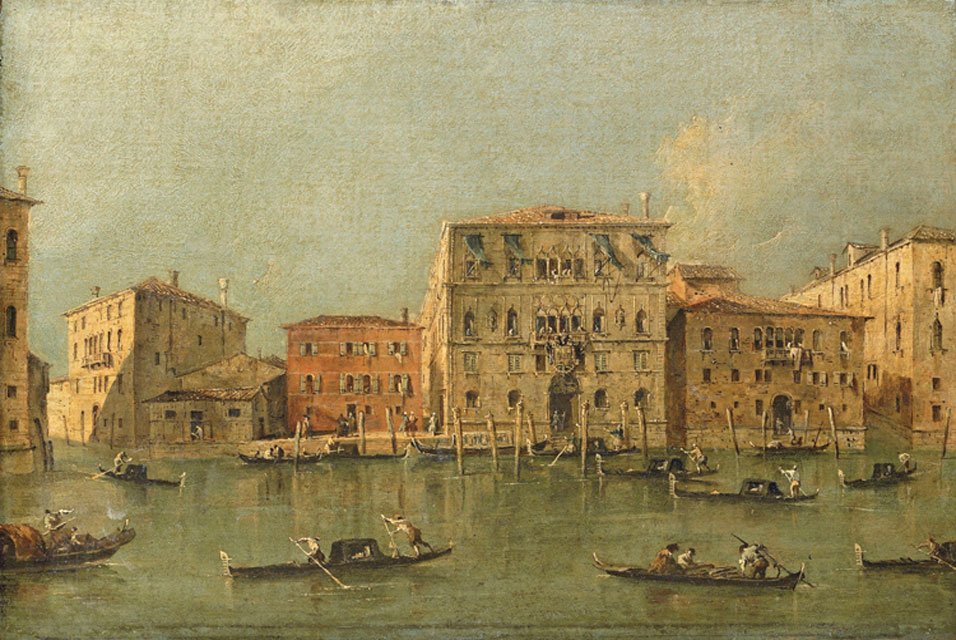
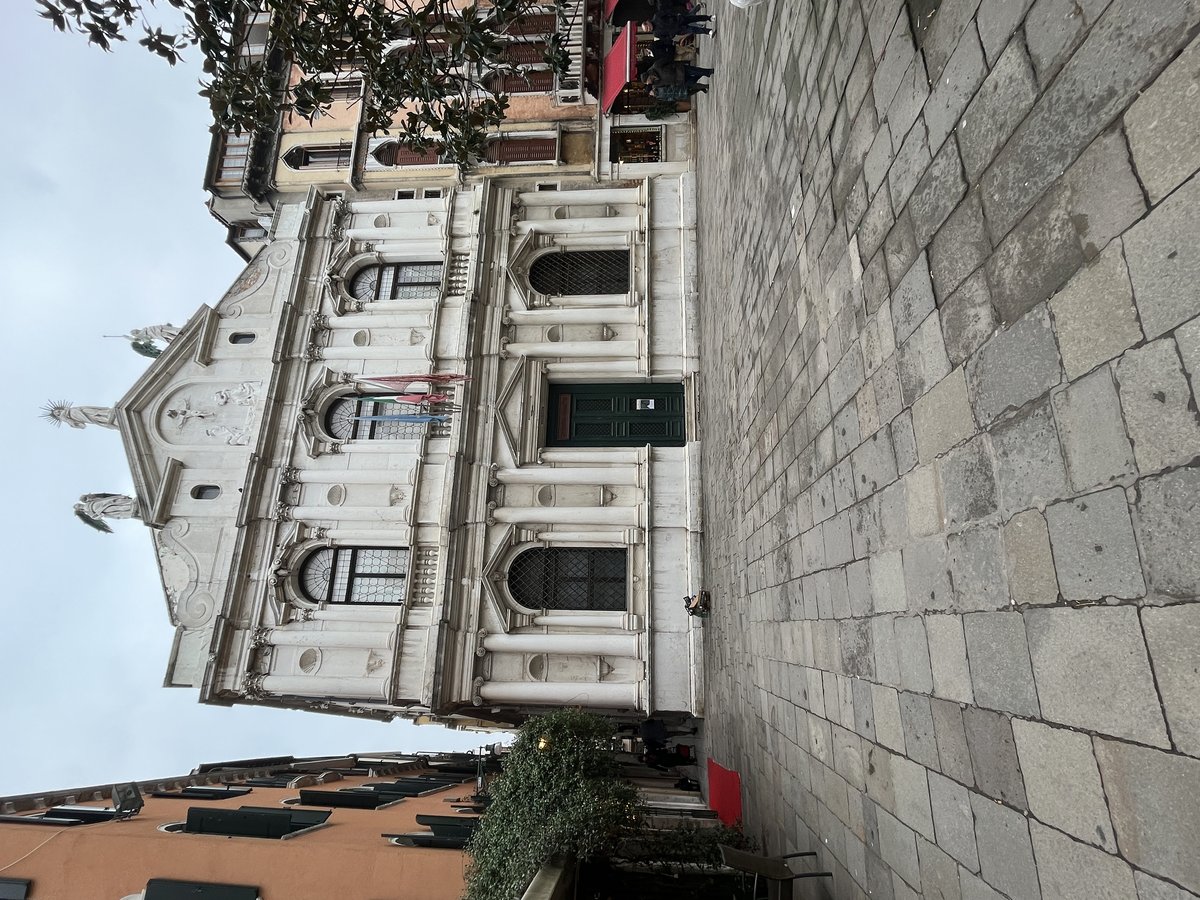
Palazzo Balbi-Valier Sammartini is a significant blend of late Renaissance Baroque and neoclassical styles. Its tripartite façade features superimposed corner pilasters oval attic windows and rich ornamentation including the Balbi family crests and decorative fruit motifs. The palace’s daring use of arched and straight pediments—interrupted by amphorae and corn cobs—was controversial among contemporaries but ultimately reflected the family’s ambition and taste (conoscerevenezia.it). The use of durable Istrian stone elegant courtyards and a rare Grand Canal garden further distinguish the building.
Historical Transformations
Throughout its history the palace changed hands among prominent Venetian families—including the Valiero and Molin dynasties both of which produced Doges. In the 19th century a large garden was added after the demolition of Palazzo Paradiso. By the 20th century the palace was subdivided into private residences and offices; since 1971 it has housed the President of the Veneto Region and the Regional Council. In recent years portions of the palace have been offered for sale and repurposed as art galleries reflecting Venice’s adaptation to modern times (conoscerevenezia.it; 50plusworld.com).
Role in Venetian Society
Palazzo Balbi-Valier Sammartini is emblematic of the city’s social and political history. Its strategic location on the Grand Canal placed it at the epicenter of ceremonial and political life. The palace’s aristocratic owners were deeply involved in Venice’s governance with members serving as Doges senators and naval captains. The architecture and décor served as public statements of wealth and influence while its gardens and salons hosted gatherings that shaped Venetian culture (50plusworld.com).
Visiting Information
Location and Accessibility
- Address Dorsoduro 866 Venice Italy
- Nearby Vaporetto Stops Accademia (lines 1 and 2) Ca’ Rezzonico San Tomà
- Walking Distance Close to the Peggy Guggenheim Collection Accademia Galleries Ca’ Rezzonico and Campo San Vio (ermakvagus.com)
Visiting Hours and Tickets
- Regular Hours The palace is not generally open for daily tours due to its governmental and private functions.
- Special Access Opens for events and exhibitions—especially during the Venice Biennale and major citywide celebrations.
- Typical Event Hours Tuesday to Sunday 10:00 AM–6:00 PM (check event-specific schedules).
- Tickets Event/exhibition fees range from €10–€20. Tickets available via official event or Biennale websites (ermakvagus.com).
Viewing the Palace
The palace’s façade is best viewed from the Grand Canal—consider a vaporetto or gondola ride for optimal photography. The gardens and interiors are accessible only during special events or guided tours.
Nearby Attractions and Amenities
- Museums Ca’ Rezzonico Peggy Guggenheim Collection Accademia Galleries
- Squares Campo San Vio Campo Santa Margherita
- Dining/Shopping Zattere promenade offers cafés restaurants and shops (rossiwrites.com)
Travel Tips
- Plan Ahead Check event calendars or the Veneto Region website for the latest on opening times and tickets.
- Combine Visits Pair with nearby cultural sites for a full day of exploration.
- Accessibility Wheelchair access is limited—call ahead for accommodations; gardens and main exhibition spaces are generally more accessible.
- Visit During Biennale Years Odd-numbered years increase opportunities for interior visits.
- Photography Exterior photography is encouraged; interior rules vary by event.
- Avoid Acqua Alta Travel outside high-water months (October–March) for optimal access.
Architectural Highlights
- Façade Tripartite design with Istrian stone wings balanced by pilasters and ornate balconies.
- Entrances Dual water and land portals a rare straight-axis alignment in Venice.
- Interior Grand salons with Rococo frescoes by Jacopo Guarana 19th-century stuccoes and period furnishings.
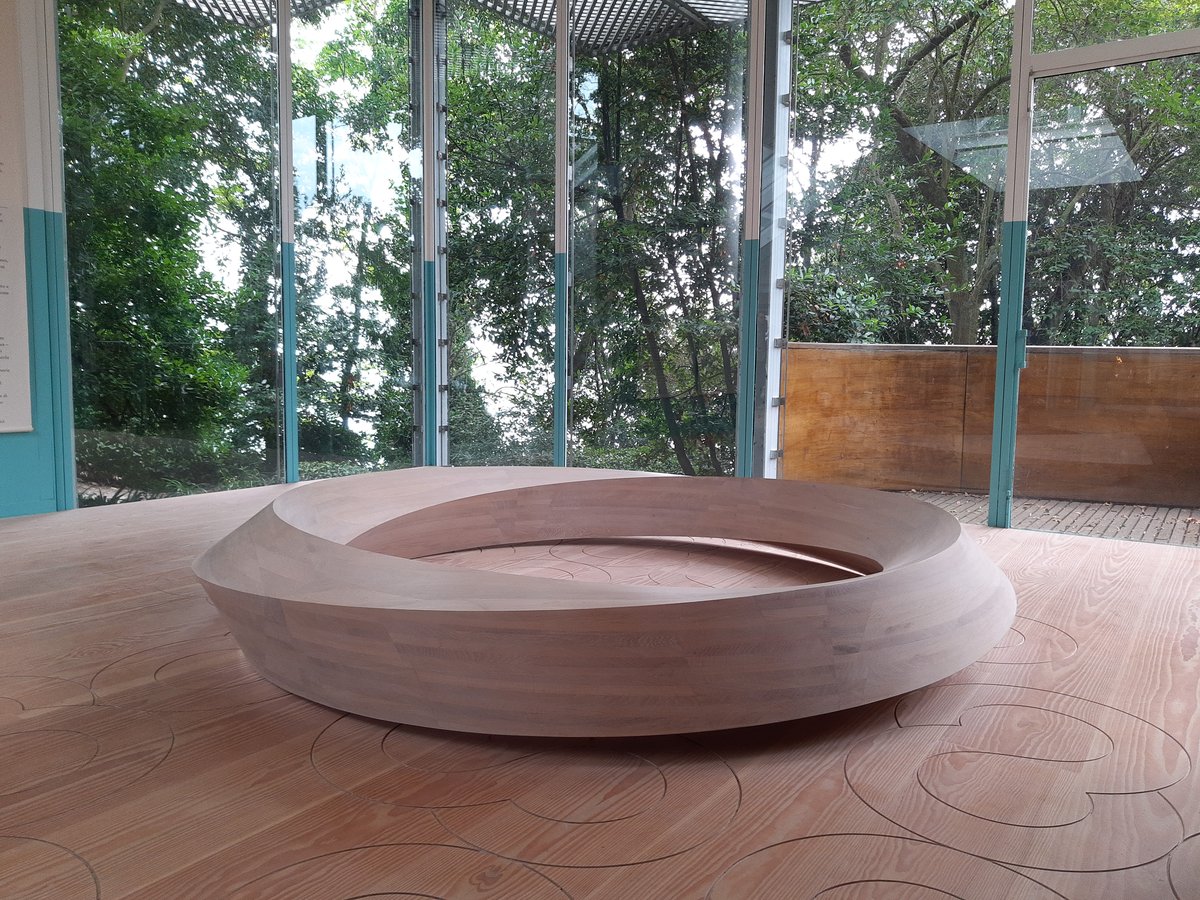
- Gardens Expansive tranquil oasis with contemporary art installations like “The Man Who Measures the Clouds” (ermakvagus.com).
- Historic Layers Remnants of Gothic arches Baroque land portal and 18th/19th-century renovations.
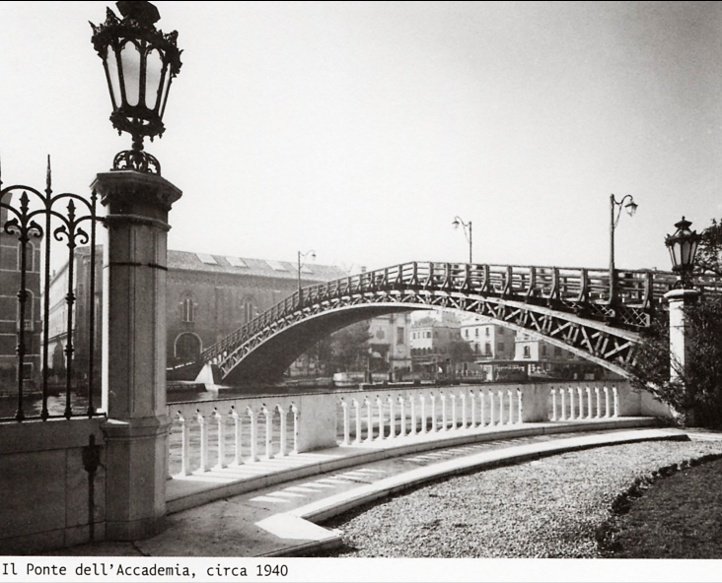
- Context Flanked by Palazzo Contarini Polignac and Palazzo Loredan Cini near the Accademia Bridge.
Visitor FAQs
Q: Can I tour the interiors of Palazzo Balbi-Valier Sammartini? A: Generally only during special exhibitions or events. Check official channels ahead of your visit.
Q: Are tickets required? A: Yes for special events or exhibitions—prices vary by event.
Q: What are the regular opening hours? A: No regular hours; access is event-based.
Q: Is the palace wheelchair accessible? A: Accessibility is limited; contact organizers prior to your visit.
Q: How do I get there? A: By vaporetto (Accademia stop) or on foot from Dorsoduro’s main attractions.
Q: Can I visit the gardens? A: Only during open exhibitions or private events.
Q: Is photography allowed? A: Exterior photography is encouraged; interior rules depend on the event.
Conclusion and Key Takeaways
Palazzo Balbi-Valier Sammartini is a captivating symbol of Venice’s historical grandeur blending Renaissance Baroque and modern influences. While regular public access is limited special exhibitions—particularly during the Venice Biennale—offer rare glimpses into its storied halls and gardens. Its prime Dorsoduro location makes it an ideal addition to any Venice itinerary and its architecture and art provide deep insight into the city’s aristocratic past and vibrant present. For the most rewarding visit plan ahead stay informed via official resources and pair your exploration with nearby cultural landmarks (conoscerevenezia.it; ermakvagus.com).
Further Reading and Resources
- Palazzo Balbi-Valier Sammartini: Visiting Hours Tickets and Historical Insights in Venice 2025 Conoscere Venezia
- Palazzo Balbi-Valier Sammartini: A Venetian Architectural Gem – Visiting Hours Tickets and Visitor Guide 2025 Ermak Vagus
- Visiting Palazzo Balbi Valier: Hours Tickets and Venice’s Historic Gem 2025 50plusworld & Italyscapes, https://www.italyscapes.com/places/veneto/venice/palaces/palazzo-balbi/
- Palazzo Balbi-Valier Sammartini Visiting Hours Tickets and Visitor Guide: Explore This Venice Historical Site 2025 Ermak Vagus Rossiwrites, https://rossiwrites.com/italy/venice/tips-for-venice-italy/
Explore more about Venetian palaces and plan your visit with the Audiala app—your guide to Venice’s hidden gems!