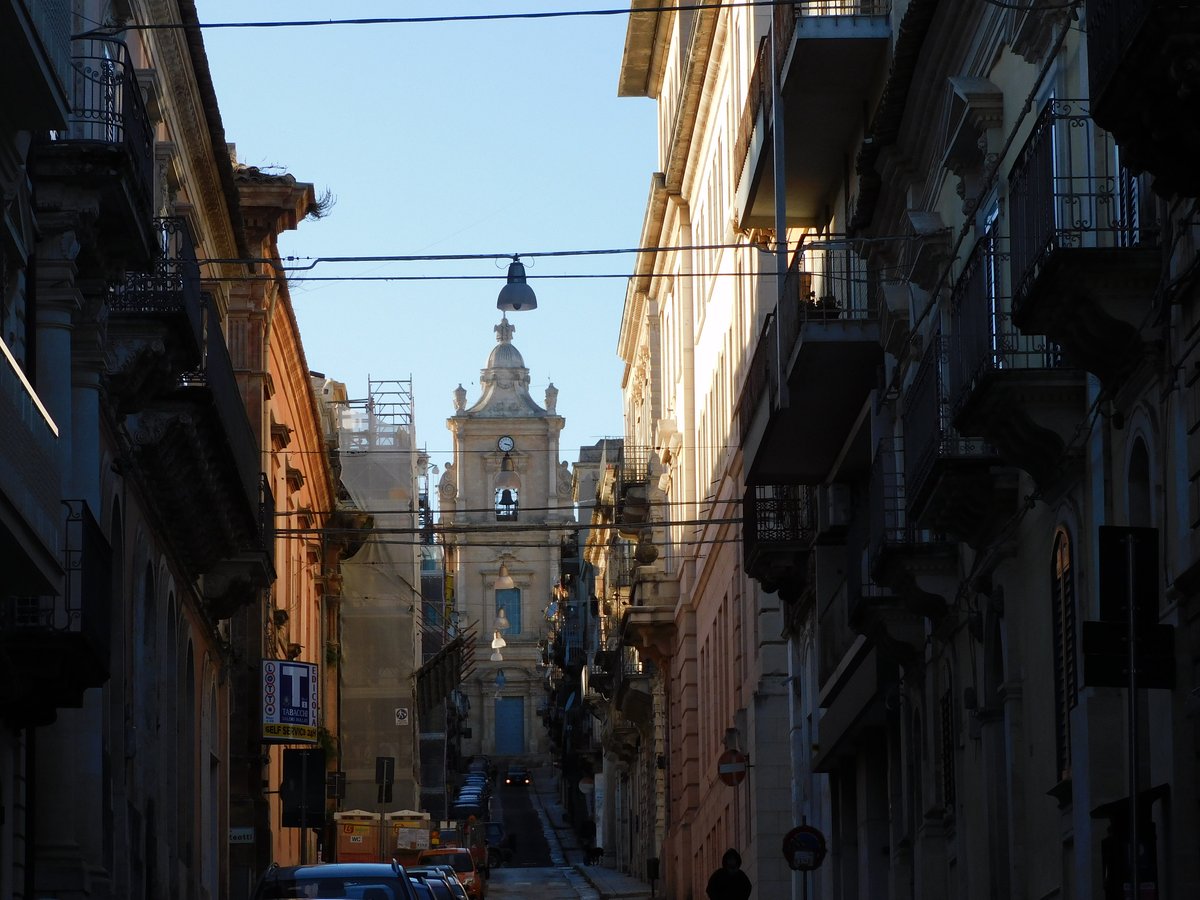
歴史的概要
起源と設立
教会の起源は17世紀後半、マッツァ家が建設を命じた時代に遡ります。1658年に正式に開場したこの教会は、煉󠄁󠄁󠄁󠄁󠄁󠄁󠄁󠄁󠄁󠄁󠄁󠄁󠄁󠄁󠄁󠄁󠄁󠄁󠄁󠄁󠄁󠄁󠄁󠄁󠄁󠄁󠄁󠄁󠄁󠄁󠄁󠄁󠄁󠄁󠄁󠄁󠄁󠄁󠄁󠄁󠄁󠄁󠄁󠄁󠄁󠄁󠄁󠄁󠄁󠄁󠄁󠄁󠄁󠄁󠄁󠄁󠄁󠄁󠄁󠄁󠄁󠄁󠄁󠄁󠄁󠄁󠄁󠄁󠄁󠄁󠄁󠄁󠄁󠄁󠄁󠄁󠄁󠄁󠄁󠄁󠄁󠄁󠄁󠄁󠄁󠄁󠄁󠄁󠄁󠄁󠄁󠄁󠄁󠄁󠄁󠄁󠄁󠄁󠄁󠄁󠄁󠄁󠄁󠄁󠄁󠄁󠄁󠄁󠄁󠄁󠄁󠄁󠄁󠄁󠄁󠄁󠄁󠄁󠄁󠄁󠄁󠄁󠄁󠄁󠄁󠄁󠄁󠄁󠄁󠄁󠄁󠄁󠄁󠄁󠄁󠄁󠄁󠄁󠄁󠄁󠄁󠄁󠄁󠄁󠄁󠄁󠄁󠄁󠄁󠄁󠄁󠄁󠄁󠄁󠄁󠄁󠄁󠄁󠄁󠄁󠄁󠄁󠄁󠄁󠄁󠄁󠄁󠄁󠄁󠄁󠄁󠄁󠄁󠄁󠄁󠄁󠄁󠄁󠄁󠄁󠄁󠄁󠄁󠄁󠄁󠄁󠄁󠄁󠄁󠄁󠄁󠄁󠄁󠄁󠄁󠄁󠄁󠄁󠄁󠄁󠄁󠄁󠄁󠄁󠄁󠄁󠄁󠄁󠄁󠄁󠄁󠄁󠄁󠄁󠄁󠄁󠄁󠄁󠄁󠄁󠄁󠄁󠄁󠄁󠄁󠄁󠄁󠄁󠄁󠄁󠄁󠄁󠄁󠄁󠄁󠄁󠄁󠄁󠄁󠄁󠄁󠄁󠄁󠄁󠄁󠄁󠄁󠄁󠄁󠄁󠄁󠄁󠄁󠄁󠄁󠄁󠄁󠄁󠄁󠄁󠄁󠄁󠄁󠄁󠄁󠄁󠄁󠄁󠄁󠄁󠄁󠄁󠄁󠄁󠄁󠄁󠄁󠄁󠄁󠄁󠄁󠄁󠄁󠄁󠄁󠄁󠄁󠄁󠄁󠄁󠄁󠄁󠄁󠄁󠄁󠄁󠄁󠄁󠄁󠄁󠄁󠄁󠄁󠄁󠄁󠄁󠄁󠄁󠄁󠄁󠄁󠄁󠄁󠄁󠄁󠄁󠄁󠄁󠄁󠄁󠄁󠄁󠄁󠄁󠄁󠄁󠄁󠄁󠄁󠄁󠄁󠄁󠄁󠄁󠄁󠄁󠄁󠄁󠄁󠄁󠄁󠄁󠄁󠄁󠄁󠄁󠄁󠄁󠄁󠄁󠄁󠄁󠄁󠄁󠄁󠄁󠄁󠄁󠄁󠄁󠄁󠄁󠄁󠄁󠄁󠄁󠄁󠄁󠄁󠄁󠄁󠄁󠄁󠄁󠄁󠄁󠄁󠄁󠄁󠄁󠄁󠄁󠄁󠄁󠄁󠄁󠄁󠄁󠄁󠄁󠄁󠄁󠄁󠄁󠄁󠄁󠄁󠄁󠄁󠄁󠄁󠄁󠄁󠄁󠄁󠄁󠄁󠄁󠄁󠄁󠄁󠄁󠄁󠄁󠄁󠄁󠄁󠄁󠄁󠄁󠄁󠄁󠄁󠄁󠄁󠄁󠄁󠄁󠄁󠄁󠄁󠄁󠄁󠄁󠄁󠄁󠄁󠄁󠄁󠄁󠄁󠄁󠄁󠄁󠄁󠄁󠄁󠄁󠄁󠄁󠄁󠄁󠄁󠄁󠄁󠄁󠄁󠄁󠄁󠄁󠄁󠄁󠄁󠄁󠄁󠄁󠄁󠄁󠄁󠄁󠄁󠄁󠄁󠄁󠄁󠄁󠄁󠄁󠄁󠄁󠄁󠄁󠄁󠄁󠄁󠄁󠄁󠄁󠄁󠄁󠄁󠄁󠄁󠄁󠄁󠄁󠄁󠄁󠄁󠄁󠄁󠄁󠄁󠄁󠄁󠄁󠄁󠄁󠄁󠄁󠄁󠄁󠄁󠄁󠄁󠄁󠄁󠄁󠄁󠄁󠄁󠄁󠄁󠄁󠄁󠄁󠄁󠄁󠄁󠄁󠄁󠄁󠄁󠄁󠄁󠄁󠄁󠄁󠄁󠄁󠄁󠄁󠄁󠄁󠄁󠄁󠄁󠄁󠄁󠄁󠄁󠄁󠄁󠄁󠄁󠄁󠄁󠄁󠄁󠄁󠄁󠄁󠄁󠄁󠄁󠄁󠄁󠄁󠄁󠄁󠄁󠄁󠄁󠄁󠄁󠄁󠄁󠄁󠄁󠄁󠄁󠄁󠄁󠄁󠄁󠄁󠄁󠄁󠄁󠄁󠄁󠄁󠄁󠄁󠄁󠄁󠄁󠄁󠄁󠄁󠄁󠄁󠄁󠄁󠄁󠄁󠄁󠄁󠄁󠄁󠄁󠄁󠄁󠄁󠄁󠄁󠄁󠄁󠄁󠄁󠄁󠄁󠄁󠄁󠄁󠄁󠄁󠄁󠄁󠄁󠄁󠄁󠄁󠄁󠄁󠄁󠄁󠄁󠄁󠄁󠄁󠄁󠄁󠄁󠄁󠄁󠄁󠄁󠄁󠄁󠄁󠄁󠄁󠄁󠄁󠄁󠄁󠄁󠄁󠄁󠄁󠄁󠄁󠄁󠄁󠄁󠄁󠄁󠄄󠄁󠄁󠄁󠄁󠄁󠄁󠄁󠄁󠄁󠄁󠄁󠄁󠄁󠄁󠄁󠄁󠄁󠄁󠄁󠄁󠄁󠄁󠄁󠄁󠄁󠄁󠄁󠄁󠄁󠄁󠄁󠄁󠄁󠄁󠄁󠄁󠄁󠄁󠄁󠄁󠄁󠄁󠄁󠄁󠄁󠄁󠄁󠄁󠄁󠄁󠄁󠄁󠄁󠄁󠄁󠄁󠄁󠄁󠄁󠄁󠄁󠄁󠄁󠄁󠄁󠄁󠄁󠄁󠄄󠄁󠄁󠄁󠄁󠄁󠄁󠄁󠄁󠄁󠄁󠄁󠄁󠄁󠄁󠄁󠄁󠄁󠄁󠄁󠄁󠄁󠄁󠄁󠄁󠄁󠄁󠄁󠄁󠄁󠄁󠄁󠄁󠄁󠄁󠄁󠄁󠄁󠄁󠄁󠄁󠄁󠄁󠄁󠄁󠄁󠄁󠄁󠄁󠄁󠄁󠄁󠄁󠄁󠄁󠄁󠄁󠄁󠄁󠄁󠄁󠄁󠄁󠄁󠄁󠄁󠄁󠄁󠄁󠄁󠄁󠄁󠄁󠄁󠄁󠄁󠄁󠄁󠄁󠄁󠄁󠄁󠄁󠄁󠄁󠄁󠄁󠄁󠄁󠄁󠄁󠄁󠄁󠄁󠄁󠄁󠄁󠄁󠄁󠄁󠄁󠄁󠄁󠄁󠄁󠄁󠄁󠄁󠄁󠄁󠄁󠄁󠄁󠄁󠄁󠄁󠄁󠄁󠄁󠄁󠄁󠄁󠄁󠄁󠄁󠄁󠄁󠄁󠄁󠄁󠄁󠄁󠄁󠄁󠄁󠄁󠄁󠄁󠄁󠄁󠄁󠄁󠄁󠄁󠄁󠄁󠄁󠄁󠄁󠄁󠄁󠄁󠄁󠄁󠄁󠄁󠄁󠄁󠄁󠄁󠄁󠄁󠄁󠄁󠄁󠄁󠄁󠄁󠄁󠄁󠄁󠄁󠄁󠄁󠄁󠄁󠄁󠄁󠄁󠄁󠄁󠄁󠄁󠄁󠄁󠄁󠄁󠄁󠄁󠄁󠄁󠄁󠄁󠄁󠄁󠄁󠄁󠄁󠄁󠄁󠄁󠄁󠄁󠄁󠄁󠄁󠄁󠄁󠄁󠄁󠄁󠄁󠄁󠄁󠄁󠄁󠄄󠄁󠄁󠄁󠄁󠄁󠄁󠄁󠄁󠄁󠄁󠄁󠄁󠄁󠄁󠄁󠄁󠄁󠄁󠄁󠄁󠄁󠄁󠄁󠄁󠄁󠄁󠄁󠄁󠄁󠄁󠄁󠄁󠄁󠄁󠄁󠄁󠄁󠄁󠄁󠄁󠄁󠄁󠄁󠄁󠄁󠄁󠄁󠄁󠄄󠄁󠄁󠄁󠄁󠄁󠄁󠄁󠄁󠄁󠄁󠄁󠄁󠄁󠄁󠄁󠄁󠄁󠄁󠄁󠄁󠄁󠄁󠄁󠄁󠄁󠄁󠄁󠄁󠄁󠄁󠄁󠄁󠄁󠄁󠄁󠄁󠄁󠄁󠄁󠄁󠄁󠄁󠄁󠄁󠄁󠄁󠄁󠄁󠄁󠄁󠄁󠄁󠄁󠄁󠄁󠄁imageId-for-ragusa-churches-a-guide-to-visiting-them-in-sicily_7744206_1920.jpg', 'Church of the Holy Souls in Purgatory Ragusa Italy visiting hours tickets and travel guide': '# Church of the Holy Souls in Purgatory, Ragusa, Italy: Visiting Hours, Tickets, and Travel Guide\n\n#### Date: 14/06/2025\n\n---\n\n## Introduction\n\nNestled in the heart of Ragusa Ibla, Sicily, the Church of the Holy Souls in Purgatory (Chiesa delle Santissime Anime del Purgatorio) stands as a vivid testament to the region’s rich religious and architectural heritage. Dating back to 1658, this Baroque gem not only survived the devastating 1693 Val di Noto earthquake but has remained a vibrant center of faith and community in Ragusa. Its unique architectural features, evocative artworks, and deep-rooted spiritual significance make it a key destination for those exploring Ragusa’s UNESCO-listed historic district (Italyscapes; The World of Sicily).\n\nThis guide covers everything you need to plan your visit—from opening hours and ticketing to architectural highlights, accessibility, nearby attractions, and insider tips.\n\n---\n\n## Historical Overview\n\n### Origins and Foundation\n\nThe church’s origins trace to the second half of the 17th century, when the Mazza family commissioned its construction. Officially opened in 1658, the church was dedicated to the souls in purgatory, reflecting longstanding Sicilian traditions of intercessory prayer for the dead (Italyscapes; The World of Sicily).\n\n### Survival of the 1693 Earthquake\n\nIn 1693, a catastrophic earthquake devastated much of the Val di Noto, including large parts of Ragusa. The Church of the Holy Souls in Purgatory was among the few ecclesiastical buildings to remain standing, preserving elements of pre-Baroque architecture and providing a rare architectural link to the city’s earlier history (Italyscapes; Througheternity).\n\n### Architectural Evolution\n\nThe church initially featured two naves, but after the earthquake, it expanded and was further embellished in the Baroque style. Notable architectural features include a grand stairway, a separate bell tower built using remnants of Byzantine walls, and a façade designed to harmonize with Ragusa’s dramatic topography (The World of Sicily). By 1740, the church had been enlarged to include three naves, two chapels, and a spacious presbytery. \n\nInside, visitors will find robust stone columns topped with Corinthian capitals and a striking cornice adorned with sculpted skulls—a classic memento mori reminder of mortality. Artistic treasures within include Francesco Manno’s “The Souls in Purgatory” on the main altar and “The Madonna del Rosario” in a side chapel, as well as Ragusa’s oldest organ, crafted by the Serassi family (Enjoy Sicilia).\n\n---\n\n## Practical Visitor Information\n\n### Visiting Hours and Admission\n\n- Hours: Daily, 9:00 AM – 6:00 PM (hours may vary for holidays or special events)\n- Admission: Free; donations are appreciated to support preservation\n\n### Guided Tours and Accessibility\n\n- Guided Tours: Available through local tourism offices and guides specializing in Ragusa’s heritage. Arrange in advance for in-depth historical and artistic insights.\n- Accessibility: The church offers ramp access, though the approach via steep staircases may be challenging for those with mobility issues. Interior spaces are mostly accessible.\n\n### Location and Getting There\n\n- Address: Piazza della Repubblica, Ragusa Ibla, Sicily\n- Access: Best reached on foot due to Ragusa Ibla’s narrow, winding streets; park at the town’s edge and enjoy a scenic walk. Public buses and taxis are available from Ragusa Superiore (Uncovered Sicily).\n\n---\n\n## What to See: Architectural and Artistic Highlights\n\n- Façade: The Baroque façade, enhanced by its grand stairway and ornate gate, is a perfect example of 18th-century Sicilian church design.\n- Interior: Three naves separated by Corinthian columns, decorative memento mori motifs, and significant Baroque artworks.\n- Artworks: Canvases by Francesco Manno and the Serassi family organ.\n- Bell Tower: A blend of Baroque and ancient Byzantine elements, symbolizing Ragusa’s layered history.\n\n---\n\n## Cultural and Religious Significance\n\nThe church remains a vital religious center, especially during All Souls’ Day and other feasts commemorating the dead. Its interior symbolism and ongoing liturgies reflect the enduring Sicilian devotion to the souls in purgatory, making it a focal point for local spirituality (Italyscapes).\n\n---\n\n## Nearby Attractions and Photographic Spots\n\n- Cathedral of San Giorgio: A Baroque masterpiece nearby.\n- Giardini Iblei: Beautiful public gardens with panoramic views.\n- Santa Maria dell’Itria: Noted for its blue-tiled bell tower.\n- Local Palazzi: Palazzo Cosentini and Palazzo Bertini, prime Baroque examples.\n- Best Photo Times: Early morning or late afternoon for optimal light on the façade.\n\n(PlanetWare)\n\n---\n\n## Tips for a Great Visit\n\n- Wear comfortable shoes for navigating cobblestones and staircases.\n- Dress modestly (shoulders and knees covered).\n- Photography is permitted (no flash; not during services).\n- Arrive early or late to avoid crowds.\n- Check local tourism websites before visiting for updated hours and events.\n\n---\n\n## Accessibility Considerations\n\nWhile the church’s main entrance offers ramp access, the steep staircase from the piazza may pose challenges. Those with limited mobility can enjoy views from the square below or seek assistance from local guides.\n\n---\n\n## Guided Tours and Local Insights\n\nNumerous walking tours of Ragusa Ibla feature the Church of the Holy Souls in Purgatory as a highlight, providing context on its historical and architectural significance. Self-guided visitors can enhance their experience with mobile apps and online resources (Uncovered Sicily).\n\n---\n\n## Special Events and Festivals\n\nThe church plays a central role in Ragusa’s religious calendar, especially during All Souls’ Day, when it is beautifully decorated and hosts special services. It is also featured in broader community festivals, uniting sacred and secular traditions (Enjoy Sicilia).\n\n---\n\n## Frequently Asked Questions (FAQ)\n\nQ: What are the visiting hours? \nA: Daily from 9:00 AM to 6:00 PM (may vary during festivals).\n\nQ: Is there an entrance fee? \nA: No, but donations are welcome.\n\nQ: Are guided tours available? \nA: Yes, through local tourism offices and guides.\n\nQ: Is the church wheelchair accessible? \nA: There is ramp access, but the staircase may be challenging.\n\nQ: Can I take photographs? \nA: Yes, without flash and not during services.\n\n---\n\n## Final Recommendations\n\nThe Church of the Holy Souls in Purgatory is a must-visit for anyone interested in Sicilian Baroque, religious history, or Southern Italy’s unique cultural landscape. Its blend of artistic treasures, vibrant traditions, and enduring community spirit offers a memorable experience for pilgrims and tourists alike. Combine your visit with other Ragusa Ibla attractions to fully appreciate the city’s heritage.\n\nFor current visiting hours, events, and updates, consult the official Ragusa tourism site or local tourism offices. Enhance your trip with the Audiala app for audio tours and exclusive content.\n\n---\n\n## References and Further Reading\n\n- Visiting the Church of the Holy Souls in Purgatory, Ragusa: History, Hours, and Tips, 2025, Italyscapes (Italyscapes)\n- Visiting the Church of the Holy Souls in Purgatory, Ragusa: History, Hours, and Tips, 2025, The World of Sicily (The World of Sicily)\n- Visiting the Church of the Holy Souls in Purgatory, Ragusa: History, Hours, and Tips, 2025, Enjoy Sicilia (Enjoy Sicilia)\n- Chiesa del Purgatorio Visiting Hours, Tickets & Guide to Ragusa Historical Sites, 2025, Uncovered Sicily (Uncovered Sicily)\n\n---\n- Palazzo Cosentini and Palazzo Nicastro: Notable examples of aristocratic Baroque residences.\n- Santa Maria delle Scale: A church with origins in the 13th century, rebuilt in Baroque style after the earthquake.\n- Giardino Ibleo: A tranquil public garden with archaeological remains and panoramic views (theworldofsicily.com).\n\n---\n\n## 6. Ragusa Ibla: Context and Atmosphere\n\n### 6.1. The City of Two Souls\n\nRagusa is famously divided into two distinct urban centers: Ragusa Ibla (the lower, historic town) and Ragusa Superiore (the upper, post-earthquake town). The Church of the Holy Souls in Purgatory is located in Ibla, the atmospheric heart of old Ragusa, characterized by winding lanes, staircases, and a dense concentration of Baroque churches and palaces (goaskalocal.com).\n\n### 6.2. The Baroque Trail\n\nRagusa Ibla is home to over 50 Baroque churches, making it a paradise for lovers of art and architecture. The Church of the Holy Souls in Purgatory is a key stop on the so-called “church trail,” which leads visitors through the city’s most significant religious sites, each with its own story and artistic treasures (theroadreel.com).\n\n### 6.3. UNESCO Recognition\n\nThe inclusion of Ragusa and its churches in the UNESCO World Heritage list underscores their global significance as masterpieces of late Baroque urbanism and architecture. The city’s reconstruction after the 1693 earthquake is considered a model of resilience and artistic innovation (wikipedia.org).\n\n---\n\n## 7. Recommendations for a Memorable Visit\n\n### 7.1. Best Times to Visit\n\n- Season: Spring (April–June) and autumn (September–October) offer pleasant weather and fewer crowds.\n- Time of Day: Early morning or late afternoon provides the best light for photography and a quieter, more contemplative atmosphere.\n\n### 7.2. Suggested Itinerary\n\n- Morning: Begin your day in Ragusa Ibla, exploring the narrow streets and visiting the Church of the Holy Souls in Purgatory.\n- Midday: Enjoy lunch at a local trattoria in Piazza della Repubblica.\n- Afternoon: Continue to the Cathedral of San Giorgio and nearby palaces.\n- Evening: Stroll through Giardino Ibleo and savor the city’s magical ambiance as the sun sets over the Baroque skyline.\n\n### 7.3. Cultural Etiquette\n\n- Respect for Worship: Be mindful of ongoing services and local customs.\n- Support Local Heritage: Consider making a donation or purchasing a guidebook to support the church’s preservation.\n\n---\n\n## 8. Conclusion\n\nThe Church of the Holy Souls in Purgatory is more than a historical monument; it is a living testament to Ragusa’s resilience, faith, and artistic achievement. Its survival of the 1693 earthquake, its integration into the Baroque fabric of Ragusa Ibla, and its ongoing role in the city’s spiritual life make it an essential destination for any visitor to southeastern Sicily. By approaching your visit with curiosity, respect, and an appreciation for the layers of history embedded in its stones, you will gain a deeper understanding of Ragusa’s unique character and the enduring power of its sacred spaces.\n\n---\n\n## 9. References\n\n- italyscapes.com\n- theworldofsicily.com\n- wikipedia.org\n- goaskalocal.com\n- theroadreel.com\n\n---\n\n