
歴史的概要
初期キリスト教の基盤
アオスタ大聖堂のルーツは4世紀末に遡り、アウグスタ・プレトリア・サラソルムのキリスト教化をマークしています (Città e Cattedrali)。ローマのフォロムの近くに建てられた当初の構造は、おそらく控えめであったと考えられ、新興のキリスト教コミュニティの焦点として機能し、街の精神的変革を象徴していました (Italia.it)。
ロマネスク様式と中世の拡張
11世紀までに、増加する宗教的および市民的ニーズにより、主要なロマネスク様式の再建が促されました。大聖堂はバシリカ様式を採用しました。身廊、2つの側廊、クリプト、2つの鐘楼を備えています (Wikipedia)。熟練した職人が身廊にフレスコ画で装飾し、その断片が今も目に見えます。一方、9世紀に遡るクリプトは、ロンゴバルド様式とカロリング様式の柱頭を特徴としています (Italia.it)。
ゴシック、ルネサンス、新古典主義の変容
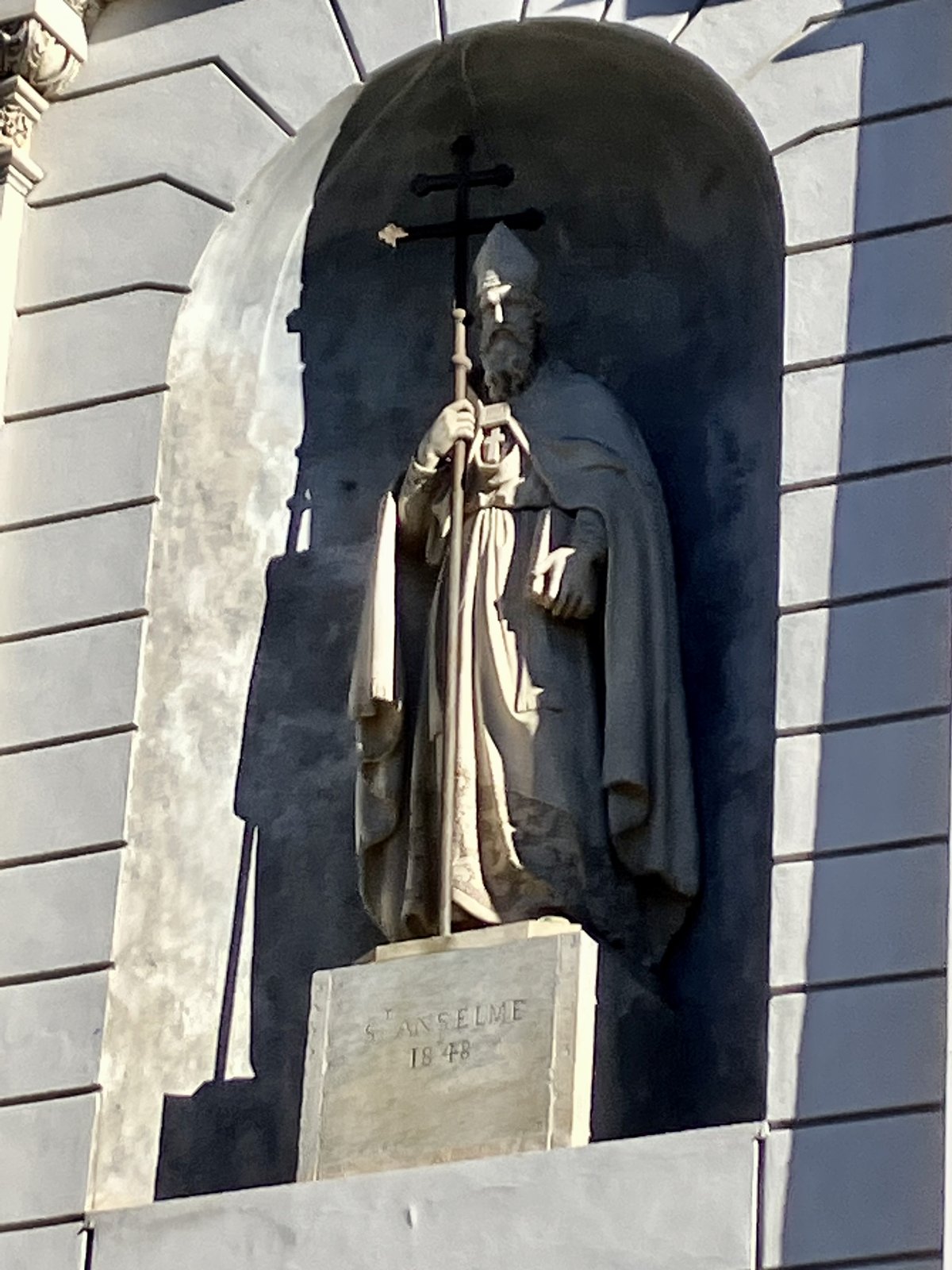
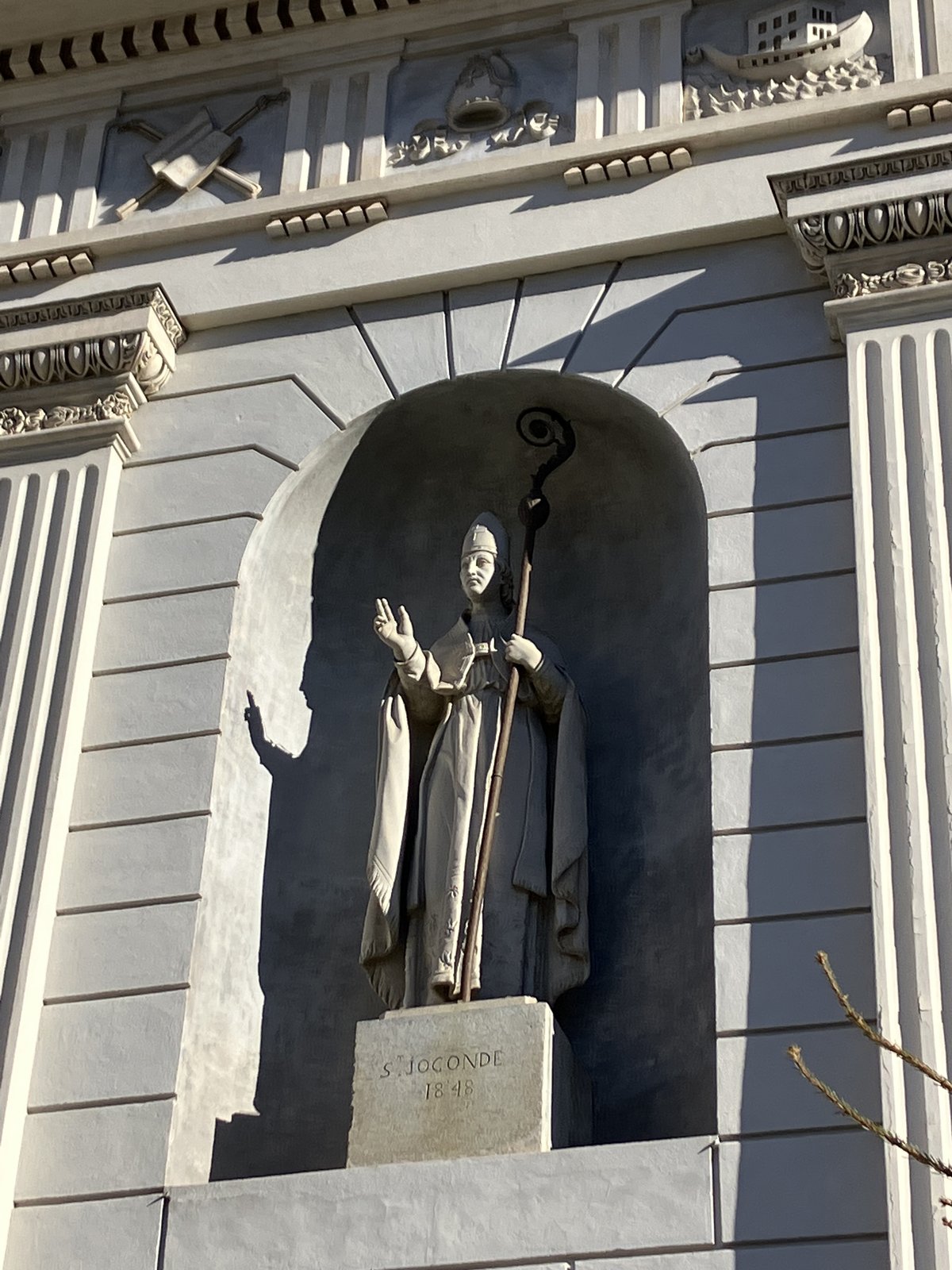
successive centuries brought Gothic and Renaissance embellishments—stained glass, floor mosaics, and a richly decorated portal—culminating in the 19th-century Neoclassical façade (1846–1848). The cathedral’s layered architecture reflects the city’s complex history and evolving artistic tastes (Italia.it). successive centuries brought Gothic and Renaissance embellishments—stained glass, floor mosaics, and a richly decorated portal—culminating in the 19th-century Neoclassical façade (1846–1848). The cathedral’s layered architecture reflects the city’s complex history and evolving artistic tastes (Italia.it). successive centuries brought Gothic and Renaissance embellishments—stained glass, floor mosaics, and a richly decorated portal—culminating in the 19th-century Neoclassical façade (1846–1848). The cathedral’s layered architecture reflects the city’s complex history and evolving artistic tastes (Italia.it). successive centuries brought Gothic and Renaissance embellishments—stained glass, floor mosaics, and a richly decorated portal—culminating in the 19th-century Neoclassical façade (1846–1848). The cathedral’s layered architecture reflects the city’s complex history and evolving artistic tastes (Italia.it). successive centuries brought Gothic and Renaissance embellishments—stained glass, floor mosaics, and a richly decorated portal—culminating in the 19th-century Neoclassical façade (1846–1848). The cathedral’s layered architecture reflects the city’s complex history and evolving artistic tastes (Italia.it). successive centuries brought Gothic and Renaissance embellishments—stained glass, floor mosaics, and a richly decorated portal—culminating in the 19th-century Neoclassical façade (1846–1848). The cathedral’s layered architecture reflects the city’s complex history and evolving artistic tastes (Italia.it). successive centuries brought Gothic and Renaissance embellishments—stained glass, floor mosaics, and a richly decorated portal—culminating in the 19th-century Neoclassical façade (1846–1848). The cathedral’s layered architecture reflects the city’s complex history and evolving artistic tastes (Italia.it). successive centuries brought Gothic and Renaissance embellishments—stained glass, floor mosaics, and a richly decorated portal—culminating in the 19th-century Neoclassical façade (1846–1848). The cathedral’s layered architecture reflects the city’s complex history and evolving artistic tastes (Italia.it). successive centuries brought Gothic and Renaissance embellishments—stained glass, floor mosaics, and a richly decorated portal—culminating in the 19th-century Neoclassical façade (1846–1848). The cathedral’s layered architecture reflects the city’s complex history and evolving artistic tastes (Italia.it). successive centuries brought Gothic and Renaissance embellishments—stained glass, floor mosaics, and a richly decorated portal—culminating in the 19th-century Neoclassical façade (1846–1848). The cathedral’s layered architecture reflects the city’s complex history and evolving artistic tastes (Italia.it). successive centuries brought Gothic and Renaissance embellishments—stained glass, floor mosaics, and a richly decorated portal—culminating in the 19th-century Neoclassical façade (1846–1848). The cathedral’s layered architecture reflects the city’s complex history and evolving artistic tastes (Italia.it). successive centuries brought Gothic and Renaissance embellishments—stained glass, floor mosaics, and a richly decorated portal—culminating in the 19th-century Neoclassical façade (1846–1848). The cathedral’s layered architecture reflects the city’s complex history and evolving artistic tastes (Italia.it). successive centuries brought Gothic and Renaissance embellishments—stained glass, floor mosaics, and a richly decorated portal—culminating in the 19th-century Neoclassical façade (1846–1848). The cathedral’s layered architecture reflects the city’s complex history and evolving artistic tastes (Italia.it). successive centuries brought Gothic and Renaissance embellishments—stained glass, floor mosaics, and a richly decorated portal—culminating in the 19th-century Neoclassical façade (1846–1848). The cathedral’s layered architecture reflects the city’s complex history and evolving artistic tastes (Italia.it). successive centuries brought Gothic and Renaissance embellishments—stained glass, floor mosaics, and a richly decorated portal—culminating in the 19th-century Neoclassical façade (1846–1848). The cathedral’s layered architecture reflects the city’s complex history and evolving artistic tastes (Italia.it). successive centuries brought Gothic and Renaissance embellishments—stained glass, floor mosaics, and a richly decorated portal—culminating in the 19th-century Neoclassical façade (1846–1848). The cathedral’s layered architecture reflects the city’s complex history and evolving artistic tastes (Italia.it). successive centuries brought Gothic and Renaissance embellishments—stained glass, floor mosaics, and a richly decorated portal—culminating in the 19th-century Neoclassical façade (1846–1848). The cathedral’s layered architecture reflects the city’s complex history and evolving artistic tastes (Italia.it). successive centuries brought Gothic and Renaissance embellishments—stained glass, floor mosaics, and a richly decorated portal—culminating in the 19th-century Neoclassical façade (1846–1848). The cathedral’s layered architecture reflects the city’s complex history and evolving artistic tastes (Italia.it). successive centuries brought Gothic and Renaissance embellishments—stained glass, floor mosaics, and a richly decorated portal—culminating in the 19th-century Neoclassical façade (1846–1848). The cathedral’s layered architecture reflects the city’s complex history and evolving artistic tastes (Italia.it). successive centuries brought Gothic and Renaissance embellishments—stained glass, floor mosaics, and a richly decorated portal—culminating in the 19th-century Neoclassical façade (1846–1848). The cathedral’s layered architecture reflects the city’s complex history and evolving artistic tastes (Italia.it). successive centuries brought Gothic and Renaissance embellishments—stained glass, floor mosaics, and a richly decorated portal—culminating in the 19th-century Neoclassical façade (1846–1848). The cathedral’s layered architecture reflects the city’s complex history and evolving artistic tastes (Italia.it). successive centuries brought Gothic and Renaissance embellishments—stained glass, floor mosaics, and a richly decorated portal—culminating in the 19th-century Neoclassical façade (1846–1848). The cathedral’s layered architecture reflects the city’s complex history and evolving artistic tastes (Italia.it). successive centuries brought Gothic and Renaissance embellishments—stained glass, floor mosaics, and a richly decorated portal—culminating in the 19th-century Neoclassical façade (1846–1848). The cathedral’s layered architecture reflects the city’s complex history and evolving artistic tastes (Italia.it). successive centuries brought Gothic and Renaissance embellishments—stained glass, floor mosaics, and a richly decorated portal—culminating in the 19th-century Neoclassical façade (1846–1848). The cathedral’s layered architecture reflects the city’s complex history and evolving artistic tastes (Italia.it). successive centuries brought Gothic and Renaissance embellishments—stained glass, floor mosaics, and a richly decorated portal—culminating in the 19th-century Neoclassical façade (1846–1848). The cathedral’s layered architecture reflects the city’s complex history and evolving artistic tastes (Italia.it). successive centuries brought Gothic and Renaissance embellishments—stained glass, floor mosaics, and a richly decorated portal—culminating in the 19th-century Neoclassical façade (1846–1848). The cathedral’s layered architecture reflects the city’s complex history and evolving artistic tastes (Italia.it). successive centuries brought Gothic and Renaissance embellishments—stained glass, floor mosaics, and a richly decorated portal—culminating in the 19th-century Neoclassical façade (1846–1848). The cathedral’s layered architecture reflects the city’s complex history and evolving artistic tastes (Italia.it). successive centuries brought Gothic and Renaissance embellishments—stained glass, floor mosaics, and a richly decorated portal—culminating in the 19th-century Neoclassical façade (1846–1848). The cathedral’s layered architecture reflects the city’s complex history and evolving artistic tastes (Italia.it). successive centuries brought Gothic and Renaissance embellishments—stained glass, floor mosaics, and a richly decorated portal—culminating in the 19th-century Neoclassical façade (1846–1848). The cathedral’s layered architecture reflects the city’s complex history and evolving artistic tastes (Italia.it). successive centuries brought Gothic and Renaissance embellishments—stained glass, floor mosaics, and a richly decorated portal—culminating in the 19th-century Neoclassical façade (1846–1848). The cathedral’s layered architecture reflects the city’s complex history and evolving artistic tastes (Italia.it). successive centuries brought Gothic and Renaissance embellishments—stained glass, floor mosaics, and a richly decorated portal—culminating in the 19th-century Neoclassical façade (1846–1848). The cathedral’s layered architecture reflects the city’s complex history and evolving artistic tastes (Italia.it). successive centuries brought Gothic and Renaissance embellishments—stained glass, floor mosaics, and a richly decorated portal—culminating in the 19th-century Neoclassical façade (1846–1848). The cathedral’s layered architecture reflects the city’s complex history and evolving artistic tastes (Italia.it). successive centuries brought Gothic and Renaissance embellishments—stained glass, floor mosaics, and a richly decorated portal—culminating in the 19th-century Neoclassical façade (1846–1848). The cathedral’s layered architecture reflects the city’s complex history and evolving artistic tastes (Italia.it). successive centuries brought Gothic and Renaissance embellishments—stained glass, floor mosaics, and a richly decorated portal—culminating in the 19th-century Neoclassical façade (1846–1848). The cathedral’s layered architecture reflects the city’s complex history and evolving artistic tastes (Italia.it). successive centuries brought Gothic and Renaissance embellishments—stained glass, floor mosaics, and a richly decorated portal—culminating in the 19th-century Neoclassical façade (1846–1848). The cathedral’s layered architecture reflects the city’s complex history and evolving artistic tastes (Italia.it). successive centuries brought Gothic and Renaissance embellishments—stained glass, floor mosaics, and a richly decorated portal—culminating in the 19th-century Neoclassical façade (1846–1848). The cathedral’s layered architecture reflects the city’s complex history and evolving artistic tastes (Italia.it). successive centuries brought Gothic and Renaissance embellishments—stained glass, floor mosaics, and a richly decorated portal—culminating in the 19th-century Neoclassical façade (1846–1848). The cathedral’s layered architecture reflects the city’s complex history and evolving artistic tastes (Italia.it). successive centuries brought Gothic and Renaissance embellishments—stained glass, floor mosaics, and a richly decorated portal—culminating in the 19th-century Neoclassical façade (1846–1848). The cathedral’s layered architecture reflects the city’s complex history and evolving artistic tastes (Italia.it). successive centuries brought Gothic and Renaissance embellishments—stained glass, floor mosaics, and a richly decorated portal—culminating in the 19th-century Neoclassical façade (1846–1848). The cathedral’s layered architecture reflects the city’s complex history and evolving artistic tastes (Italia.it). successive centuries brought Gothic and Renaissance embellishments—stained glass, floor mosaics, and a richly decorated portal—culminating in the 19th-century Neoclassical façade (1846–1848). The cathedral’s layered architecture reflects the city’s complex history and evolving artistic tastes (Italia.it). successive centuries brought Gothic and Renaissance embellishments—stained glass, floor mosaics, and a richly decorated portal—culminating in the 19th-century Neoclassical façade (1846–1848). The cathedral’s layered architecture reflects the city’s complex history and evolving artistic tastes (Italia.it). successive centuries brought Gothic and Renaissance embellishments—stained glass, floor mosaics, and a richly decorated portal—culminating in the 19th-century Neoclassical façade (1846–1848). The cathedral’s layered architecture reflects the city’s complex history and evolving artistic tastes (Italia.it). successive centuries brought Gothic and Renaissance embellishments—stained glass, floor mosaics, and a richly decorated portal—culminating in the 19th-century Neoclassical façade (1846–1848). The cathedral’s layered architecture reflects the city’s complex history and evolving artistic tastes (Italia.it). successive centuries brought Gothic and Renaissance embellishments—stained glass, floor mosaics, and a richly decorated portal—culminating in the 19th-century Neoclassical façade (1846–1848). The cathedral’s layered architecture reflects the city’s complex history and evolving artistic tastes (Italia.it). successive centuries brought Gothic and Renaissance embellishments—stained glass, floor mosaics, and a richly decorated portal—culminating in the 19th-century Neoclassical façade (1846–1848). The cathedral’s layered architecture reflects the city’s complex history and evolving artistic tastes (Italia.it). successive centuries brought Gothic and Renaissance embellishments—stained glass, floor mosaics, and a richly decorated portal—culminating in the 19th-century Neoclassical façade (1846–1848). The cathedral’s layered architecture reflects the city’s complex history and evolving artistic tastes (Italia.it). successive centuries brought Gothic and Renaissance embellishments—stained glass, floor mosaics, and a richly decorated portal—culminating in the 19th-century Neoclassical façade (1846–1848). The cathedral’s layered architecture reflects the city’s complex history and evolving artistic tastes (Italia.it). successive centuries brought Gothic and Renaissance embellishments—stained glass, floor mosaics, and a richly decorated portal—culminating in the 19th-century Neoclassical façade (1846–1848). The cathedral’s layered architecture reflects the city’s complex history and evolving artistic tastes (Italia.it). successive centuries brought Gothic and Renaissance embellishments—stained glass, floor mosaics, and a richly decorated portal—culminating in the 19th-century Neoclassical façade (1846–1848). The cathedral’s layered architecture reflects the city’s complex history and evolving artistic tastes (Italia.it). successive centuries brought Gothic and Renaissance embellishments—stained glass, floor mosaics, and a richly decorated portal—culminating in the 19th-century Neoclassical façade (1846–1848). The cathedral’s layered architecture reflects the city’s complex history and evolving artistic tastes (Italia.it). successive centuries brought Gothic and Renaissance embellishments—stained glass, floor mosaics, and a richly decorated portal—culminating in the 19th-century Neoclassical façade (1846–1848). The cathedral’s layered architecture reflects the city’s complex history and evolving artistic tastes (Italia.it). successive centuries brought Gothic and Renaissance embellishments—stained glass, floor mosaics, and a richly decorated portal—culminating in the 19th-century Neoclassical façade (1846–1848). The cathedral’s layered architecture reflects the city’s complex history and evolving artistic tastes (Italia.it). successive centuries brought Gothic and Renaissance embellishments—stained glass, floor mosaics, and a richly decorated portal—culminating in the 19th-century Neoclassical façade (1846–1848). The cathedral’s layered architecture reflects the city’s complex history and evolving artistic tastes (Italia.it). successive centuries brought Gothic and Renaissance embellishments—stained glass, floor mosaics, and a richly decorated portal—culminating in the 19th-century Neoclassical façade (1846–1848). The cathedral’s layered architecture reflects the city’s complex history and evolving artistic tastes (Italia.it). successive centuries brought Gothic and Renaissance embellishments—stained glass, floor mosaics, and a richly decorated portal—culminating in the 19th-century Neoclassical façade (1846–1848). The cathedral’s layered architecture reflects the city’s complex history and evolving artistic tastes (Italia.it). successive centuries brought Gothic and Renaissance embellishments—stained glass, floor mosaics, and a richly decorated portal—culminating in the 19th-century Neoclassical façade (1846–1848). The cathedral’s layered architecture reflects the city’s complex history and evolving artistic tastes (Italia.it). successive centuries brought Gothic and Renaissance embellishments—stained glass, floor mosaics, and a richly decorated portal—culminating in the 19th-century Neoclassical façade (1846–1848). The cathedral’s layered architecture reflects the city’s complex history and evolving artistic tastes (Italia.it). successive centuries brought Gothic and Renaissance embellishments—stained glass, floor mosaics, and a richly decorated portal—culminating in the 19th-century Neoclassical façade (1846–1848). The cathedral’s layered architecture reflects the city’s complex history and evolving artistic tastes (Italia.it).
建築と芸術のハイライト
外観の特徴
大聖堂のファサードは、ロマネスク様式の力強さとゴシック様式の垂直性を魅力的に融合させており、双子の12世紀の鐘楼がそれを頂いています。装飾的な彫刻、アーチ、地元の石の使用は、建物をアルプスの景観にしっかりと根付かせています (Evendo)。
内部のレイアウトと宝物
- プラン ラテン十字架式で、広々とした身廊、側廊、礼拝堂があります。
- フレスコ画とモザイク 11世紀のクリプトのフレスコ画と12世紀のモザイク床には、聖書の場面や聖人が描かれています (Italian Genealogy Blog)。
- 聖歌隊席 聖書の人物や地元のモチーフが彫刻された15世紀の木製聖歌隊席。
- 宝物庫 聖遺物箱、典礼用祭服、そして有名な12世紀の聖グラトゥスの銀製胸像が収蔵されています。
- 礼拝堂と回廊 側面の礼拝堂と隣接するロマネスク様式の回廊は、祈りと瞑想のための静かな空間を提供しています。
複数の言語による解説パネルやガイドツアーは、これらの宝物に関する文脈を提供します (Savoring Italy)。
訪問情報
営業時間とチケット
-
大聖堂の営業時間 月曜日~土曜日:午前9時~午後6時 日曜日と祝日:午後12時~午後6時 (礼拝や特別イベント中は時間が変更される場合があります。)
-
入場料 大聖堂のメインエリアへの入場は無料です。寄付は歓迎されます。 宝物庫/博物館およびガイドツアーは、少額のチケット(通常3~5ユーロ)が必要です。 ツアーチケットは、現地または公式プラットフォームでオンラインで購入できます。
-
服装規定 肩と膝を覆う控えめな服装が必要です (Jam Travel Tips)。
アクセシビリティ
メインエントランスは車椅子でアクセス可能で、スロープとバリアフリートイレがあります。クリプトなどの歴史的なエリアには、階段や不均一な床のためアクセスが制限されている場合があります。エレベーターはありません。
旅行のヒント
- 訪問に最適な時期 人混みを避けるため、早朝または夕方。
- 写真撮影 ほとんどのエリアで許可されています(フラッシュや三脚は禁止)。常に制限を確認してください。
- 駐車場 Via Monte Grappaの「Parcheggio Centro」が近いです。
- 公共交通機関 大聖堂はアオスタ駅から徒歩10分です。Piazza Papa Giovanni XXIIIのバス停も利用できます。
- アメニティ トイレ、近くのカフェ、お土産屋があります。
近隣の観光スポット
- 「アウグストゥスの凱旋門」 印象的なローマ時代の記念碑。
- ローマ劇場 よく保存された古代の構造。
- 「ポルタ・プラエトリア」 ローマ時代の都市門。
- サン・ウルソ聖堂 もう一つの主要な中世の教会。
- 地域考古学博物館 地元の歴史とローマ時代の遺産を展示。
すべて徒歩圏内にあり、大聖堂はアオスタの歴史的中心部を探索するのに理想的な出発点となります (My Wanderlusty Life)。
コミュニティ、文化、イベント
アオスタ大聖堂は、地元の宗教的および市民的生活の中心であり続けています。毎日のミサ、主要な典礼の祝典、コンサート、そして特に9月の聖グラトゥス祭やクリスマス合唱]। 巡礼ルートも通っています。
保存および教育イニシアティブは、コミュニティを巻き込み、記念碑の遺産が将来の世代に受け継がれることを確実にするために活動しています。
よくある質問 (FAQ)
Q: 大聖堂への入場料はかかりますか? A: 入場は無料です。宝物庫/博物館およびガイドツアーには料金がかかります。
Q: 訪問時間は何時ですか? A: 通常、月曜日~土曜日は午前9時~午後6時、日曜日と祝日は午後12時~午後6時です。
Q: 大聖堂は車椅子でアクセスできますか? A: メインエントランスはアクセス可能ですが、クリプトなどの一部エリアは階段があります。
Q: 内部で写真を撮ってもいいですか? A: ほとんどのエリアで許可されています(フラッシュ/三脚なし)。掲示されている制限を常に尊重してください。
Q: ガイドツアーはありますか? A: はい、イタリア語、フランス語、英語で提供されており、ピークシーズンは事前に予約することをお勧めします。
Q: 服装規定は何ですか? A: 肩と膝を覆う必要があります。控えめな服装が期待されます。
ビジュアルとメディアの提案
高解像度の画像を含める:
- 大聖堂のファサードと鐘楼(「アオスタ大聖堂 ロマネスク様式のファサード」)
- 内部の身廊とフレスコ画(「アオスタ大聖堂の11世紀のフレスコ画」)
- モザイク床(「アオスタ大聖堂内部の12世紀のモザイク」)
- 回廊(「アオスタ大聖堂に隣接する静かな回廊」)
インタラクティブマップ、バーチャルツアーリンク、解説パネルは、訪問者のエンゲージメントをさらに高めます。
参考資料と外部リンク
- Città e Cattedrali – アオスタ大聖堂
- Italia.it – アオスタ大聖堂
- Visit Italy – アオスタ アルプスのローマ
- Nomadic Samuel – アオスタ 旅行ガイド
- Savoring Italy – アオスタ・ヴァッレ ガイド
- Evendo – アオスタ大聖堂
- Italian Genealogy Blog – アオスタの歴史
- My Wanderlusty Life – アオスタでの1日
- Britannica – アオスタ
- Jam Travel Tips – イタリアの教会エチケット
- Lonely Planet – イタリア旅行のヒント
訪問計画
最新情報、オーディオガイド、インタラクティブマップについては、Audialaアプリをダウンロードしてください。アオスタ・ヴァッレの現在のイベント、ガイドツアーのスケジュール、その他の旅行のインスピレーションについては、ソーシャルメディアをフォローしてください。


