
開館時間とチケット情報
開館時間:
- 4月~9月:毎日、午前10時~午後5時
- 10月~3月:週末および祝日、午前11時~午後3時 最終入場は閉館の通常30分前です。季節ごとの最新情報は必ず公式ウェブサイトでご確認ください。
チケット料金:
- 大人:£5~£7(情報源や季節により変動)
- 割引料金:£3~£5
- 16歳未満のお子様:無料
- 家族および団体料金あり
- Historic Environment Scotland会員は無料
チケット: チケットは現地または事前にオンラインで購入できます(Historic Environment Scotland)。
特別事項: キルドラミー城庭園は別のアトラクションとして運営されており、独自の入場料と開館時間があります(4月~10月、毎日午前10時~午後5時)(Country Cottages Online)。
アクセシビリティとビジター施設
- 車椅子でのアクセス 城の敷地内には、起伏のある歴史的な地形が含まれています。一部の通路はアクセス可能ですが、完全なアクセスは制限されています。庭園は起伏に富んだ地形で、休憩用のベンチが備わっています。
- 駐車場 城と庭園の両方に無料のビジター用駐車場があります。
- トイレ アクセシビリティ対応トイレを含むトイレは、庭園のチケットオフィスにあります。
- 軽食 庭園では軽食(紅茶とショートブレッド)が限られた範囲で提供されています。バラターには追加の食事場所があります。
- ピクニックエリア 庭園内の指定されたピクニックスペース。
特別のアクセシビリティのニーズを持つ訪問者は、個別の助言を得るために、訪問前にサイトに連絡することをお勧めします(Country Cottages Online)。
行き方と旅行のヒント
- 車で キルドラミー城はアバディーンの西約35マイルにあり、A97経由でアクセスできます。
- 公共交通機関で バラターへは限られたバスサービスが運行されており、そこからタクシーや現地交通機関を利用できます。公共交通機関は少ないため、柔軟性を重視する場合は車での移動をお勧めします。
- 訪問に最適な時期 快適な気候と庭園の最盛期を求めるなら、晩春から初秋が最適です。
- 履物 城と庭園の起伏のある地面のため、丈夫な靴を着用してください。
- 天候 スコットランドの天候は予測不可能であるため、防水性の衣類を持参してください。
歴史的概要
起源と初期の建設
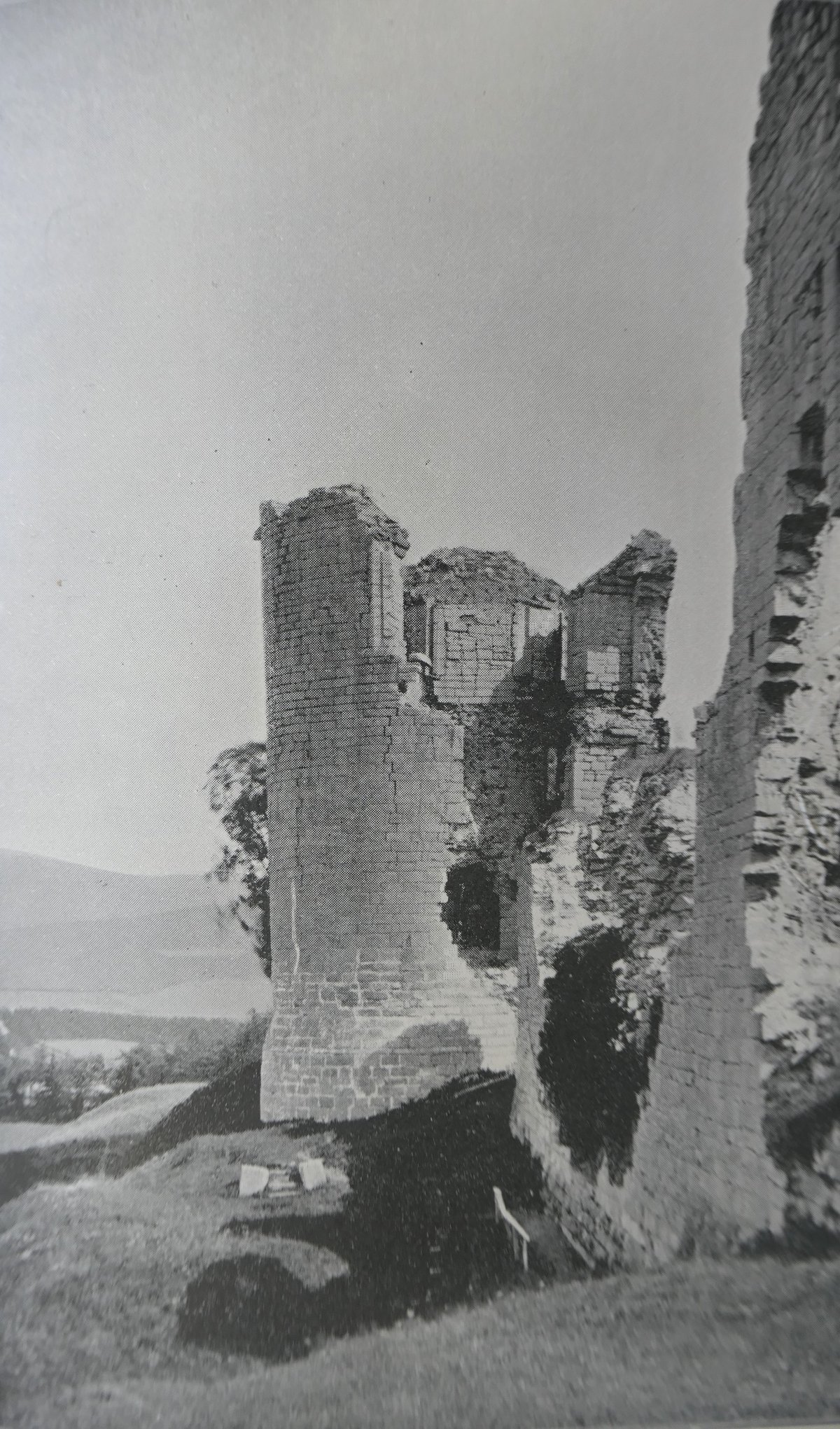
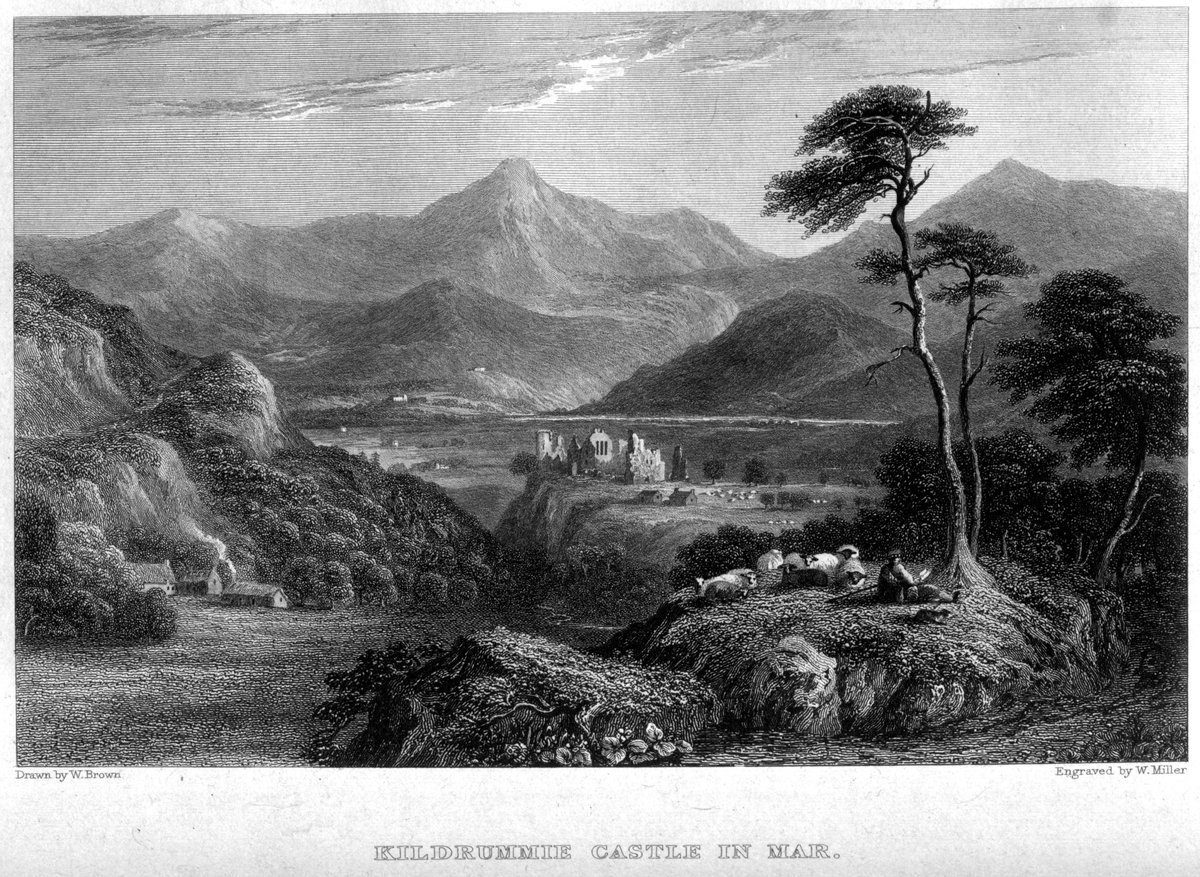
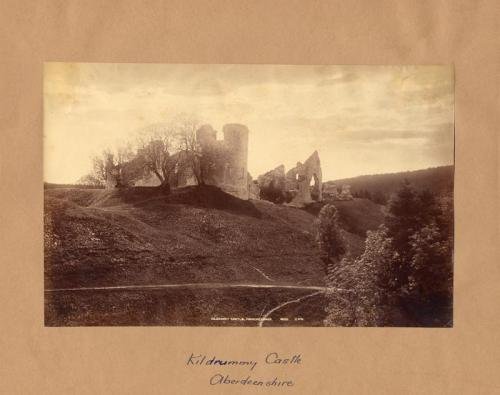
キルドラミー城は13世紀半ばに建設され、おそらくマー伯爵ウィリアムによって建設されました。カルシュ・バーン渓谷の端にある戦略的な立地は、グラムピアン・モンスの主要なルートを制御することを可能にしました。当初のデザインには、特徴的な盾形のプラン、強力な双塔のゲートハウス、そして主要な居住用のキープであるスノー・タワーが含まれていました(Crazy About Castles; Spotting History)。
中世の混乱と王室とのつながり
マー伯爵家の本拠地として、キルドラミー城はスコットランド独立戦争を含む主要な歴史的出来事の中心でした。13世紀後半にはイングランドのエドワード1世が訪問し、1306年には城がロバート・ブルースの家族を避難させましたが、包囲と火災の後、イングランド軍に奪われました。その後、クリスティナ・ブルースが1335年に包囲から城を勇敢に守ったことで有名です(Wikipedia)。
建築の進化
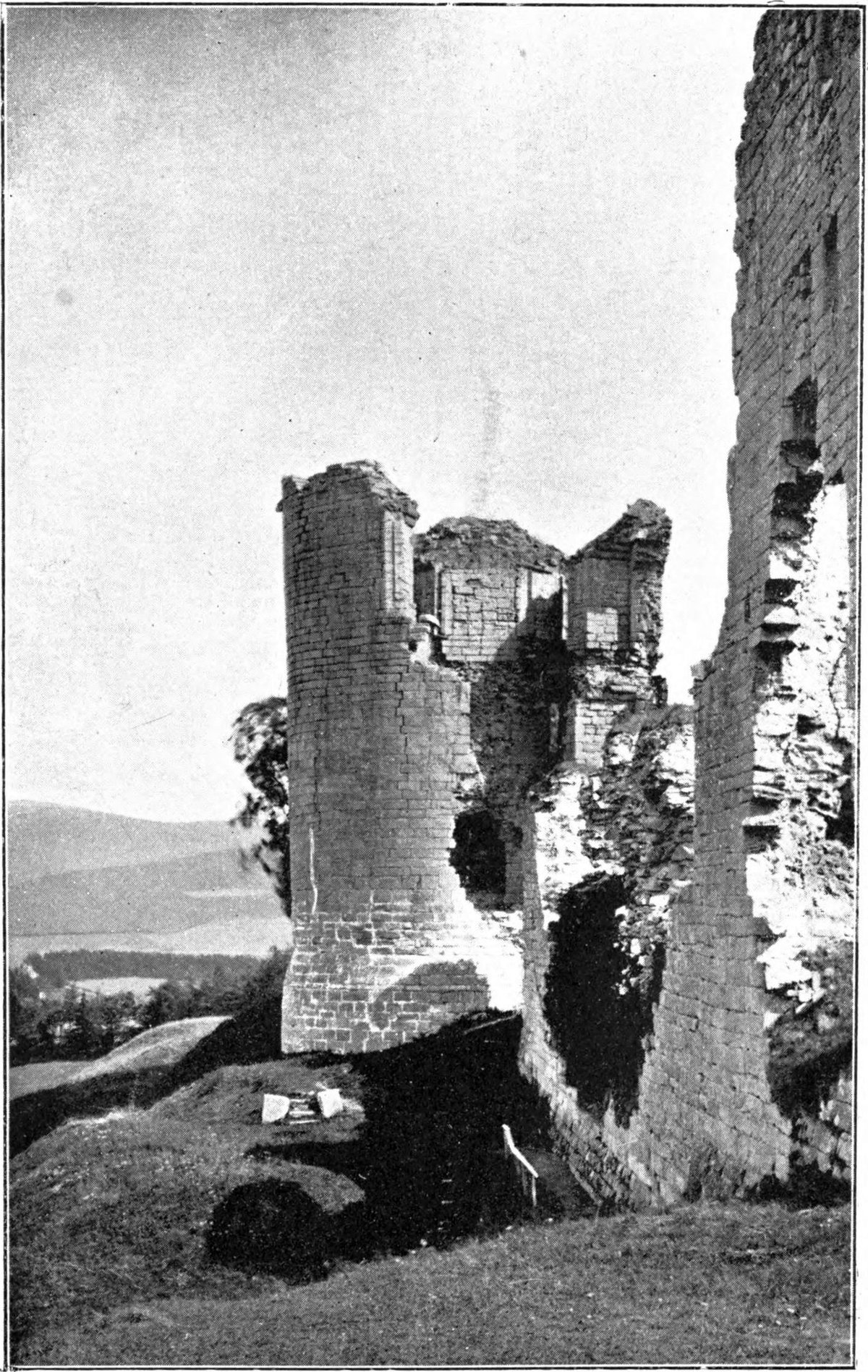
14世紀と15世紀にかけて、城はグレート・ホール、礼拝堂、エルフィンストン・タワー、そして円形のコーナータワーを持つ要塞化された城壁に拡大しました。エルフィンストン卿は16世紀初頭に城を改築し、軍事および国内のニーズの変化に対応しました(The Castle Guide)。
衰退と保存
1715年のジャコバイト蜂起とマー伯爵の財産没収の後、城は放棄され、他の建物のために石が取り除かれました。19世紀後半から20世紀にかけて修復および考古学的作業が開始され、遺跡が保存され、城の過去の詳細が明らかにされました。1951年に国有化され、現在はHistoric Environment Scotlandが管理しています(Historic Environment Scotland)。
ユニークな特徴と体験
- 盾形のレイアウト スコットランドの城郭の中でユニークな、最大限の防御のために設計されています。
- スノー・タワー フランス風に建てられた、最も高く最も目立つキープです。
- 双塔のゲートハウス 中世の防御建築を誇示する、まだ見ることができます。
- グレート・ホールと礼拝堂 遺跡は、城の居住機能と防御機能の融合を強調しています。
- 解説パネル 敷地内の至るところに配置され、その歴史と特徴を説明しています。
- バーチャルツアー 遠隔訪問者向けにHistoric Environment Scotlandを通じて利用可能です。
- 季節イベント 時折、中世の再現や家族向けワークショップが開催されます(公式ウェブサイトでスケジュールを確認してください)。
キルドラミー城庭園の散策
1900年代初頭に設立された庭園は、鮮やかなレンゲツツジ、青いケシ、そして静かな水景で有名です。リスのような野生動物がしばしば見られます。
- 博物館 小さな敷地内博物館には、地元の歴史と城の歴史が展示されています。
- 子供の遊び場 森林地帯にあります。
- 紅茶とショートブレッド 庭園のチケットオフィスで提供されています。 (Country Cottages Online)
バラター:完璧な拠点
ディ川沿いの絵のように美しいビクトリア朝の村、バラターは、キルドラミー城や他のアバディーンシャーの史跡を訪れるのに理想的な拠点です。村には以下があります:
- 自炊式コテージからホテルまでの宿泊施設
- 地元の飲食店、ショップ、復元されたロイヤル・ステーション visitor centre
- ウォーキングや近くの城への簡単なアクセス(VisitScotland)。
近くの観光スポットとアウトドアアクティビティ
- 城 バルモラル、ブラマー、クラセス、グレンブチャート、ドゥノッター(Visit Ballater)
- 自然 ロッホ・ミュイック、ローナガー山、景色の良い散歩道、野生生物観察
- ゴルフ バラター・ゴルフ・クラブは、素晴らしい景観を望む18ホールのコースを提供しています。
イベントと季節のハイライト
- キルドラミー・ラリー 毎年6月に開催されるクラシックカー愛好家のためのイベントで、城の野原で開催されます(Kildrummy Rally)。
- 庭園のハイライト 5月、6月、秋にピークの花が咲きます。
よくある質問(FAQ)
Q: キルドラミー城の開館時間は? A: 季節ごとに営業時間が異なります。通常は午前10時~午後5時(4月~9月)。最新の情報については、公式ウェブサイトをご確認ください。
Q: チケットはオンラインで購入できますか? A: はい、チケットはオンラインまたは現地で購入できます。城と庭園には別々のチケットが必要です。
Q: キルドラミー城は車椅子でアクセスできますか? A: 一部のエリアはアクセス可能ですが、遺跡と庭園には起伏のある地面があります。
Q: ガイドツアーはありますか? A: ピークシーズンや特別イベント時にはガイドツアーが利用可能ですが、事前にご確認ください。
Q: 敷地内にはどのような施設がありますか? A: 駐車場、トイレ(アクセシビリティ対応含む)、博物館、庭園での軽食、ピクニックエリアがあります。
訪問計画
最新の開館時間、チケット予約、イベントスケジュールについては、Historic Environment Scotland キルドラミー城のページをご覧ください。オーディオガイドや最新情報については、Audialaアプリをダウンロードしてください。ニュース、旅行のヒント、訪問者情報については、Historic Environment ScotlandおよびAudialaをソーシャルメディアでフォローしてください。
アバディーンシャーの雄大な丘陵地帯で、歴史と息をのむような風景が出会う場所、キルドラミー城でスコットランドの歴史を直接体験してください。
Historical Overview
Origins and Early Construction (Continued)
The strategic placement of Kildrummy Castle allowed it to command a vital arterial route across the Grampian Mounth, a mountainous region of Scotland. This position was crucial for controlling trade and movement, especially through passes like the Elsick Mounth and the Cryne Corse Mounth. The castle was likely built on the site of an earlier fortification, reflecting the area's long-standing strategic importance. The very design of the castle, with its shield-like shape, was innovative for its time in Scotland, prioritizing defense by presenting a narrower, more easily defended front towards the north-east and a broader, stronger base towards the south-west, where the gatehouse was located. The Snow Tower, serving as the primary keep and residential tower, adopted French architectural influences, a trend seen in other significant castles of the era, such as Bothwell Castle. The surrounding earthworks, including a dry moat, further amplified its defensive capabilities, making it a formidable stronghold against any approaching threat.
Medieval Turmoil and Royal Connections (Continued)
During the Wars of Scottish Independence, Kildrummy Castle became a pivotal point of contention between Scottish and English forces. Its allegiance to the Earls of Mar, who were strong supporters of Robert the Bruce, placed it firmly in the nationalist camp. The castle's role as a refuge for Robert the Bruce's family in 1306, immediately prior to its costly siege and eventual fall to Edward I’s forces, underscores its deep connection to the establishment of the Bruce dynasty and the fight for Scottish sovereignty. The subsequent successful defense by Christina Bruce in 1335 against a formidable English siege further cemented its reputation as a resilient and vital symbol of Scottish resistance during a period of intense conflict and political upheaval.
Architectural Evolution and Later Modifications (Continued)
The castle’s architecture evolved significantly over centuries, reflecting changing military technologies and domestic life. The construction of stone curtain walls, internal buildings like the Great Hall and Chapel, and various towers—including the Elphinstone Tower and Warden Tower—demonstrate a continuous process of adaptation and fortification. These later modifications indicate that Kildrummy was not a static structure but a dynamic site that responded to the needs of its occupants, whether for military defense, royal ceremony, or aristocratic living. The documented remodeling efforts by the Lords Elphinstone in the early 16th century specifically highlight a period of significant enhancement, adapting the castle to the more sophisticated demands of the Renaissance era.
Decline, Abandonment, and Ruin (Continued)
The castle’s strategic importance waned in the post-medieval period, and its final chapter as an active noble residence was marked by its connection to the Jacobite cause. The Earl of Mar’s leadership of the 1715 rebellion resulted in his forfeiture and exile, leading to the abandonment and, crucially, the deliberate dismantling of Kildrummy Castle. This deconstruction was a common practice to prevent such strongholds from falling into enemy hands again, rendering them useless as defensive positions. Over time, the castle became a source of building materials for local communities, a fate shared by many abandoned fortifications across Scotland, contributing to its current state of picturesque ruin.
Restoration, Archaeology, and Modern Stewardship (Continued)
The late 19th and early 20th centuries saw a renewed appreciation for Scotland's medieval heritage, leading to the preservation and study of sites like Kildrummy Castle. Colonel James Ogston's acquisition and subsequent restoration efforts marked a turning point, transforming the site from a derelict quarry back into a place of historical interest. The ongoing archaeological investigations have provided invaluable insights into the castle’s past – its construction techniques, the daily lives of its inhabitants, and the impact of historical events. The formal transfer of the castle to Historic Environment Scotland solidified its status as a nationally important monument, ensuring its continued preservation and accessibility for future generations of visitors to appreciate and learn from.
Unitary Features and Experiences (Continued)
- Interpretive Displays Interactive displays and informative panels located throughout the site provide context and detail about the castle's history, architecture, notable inhabitants, and significant events. These are designed to enhance the visitor's understanding and engagement with the ruins.
- Seasonal Events Historic Environment Scotland often organizes special events, such as medieval reenactments, living history demonstrations, and family-friendly workshops, particularly during the summer months. These events offer a dynamic way to experience the castle's past come to life and are a major draw for visitors looking for immersive historical experiences. Checking the official website for schedules is recommended.
- Self-Guided Tours Visitors are encouraged to embark on self-guided tours of the castle grounds. Information booklets and audio guides are often available to assist in exploring the ruins at one's own pace, providing detailed historical context and highlighting key architectural features.
- Photography Opportunities The dramatic ruins, set against the backdrop of the Aberdeenshire landscape, offer numerous opportunities for photography. Key spots include the imposing gatehouse, the remaining sections of the curtain wall and towers, and the views from the ramparts. Capturing these scenes provides a lasting memento of the visit.
Exploring Kildrummy Castle Gardens (Continued)
The gardens, established during the Edwardian era following the castle’s acquisition by Colonel Ogston, offer a distinct experience from the rugged castle ruins. They are renowned for their careful landscaping and diverse flora, making them a popular destination in their own right. The tranquil water features, including streams and ponds, contribute to a peaceful atmosphere. The presence of native wildlife, such as red squirrels and various bird species, adds to the natural appeal of the gardens. These elements combine to create a serene and visually appealing environment that complements the historical significance of the castle, offering visitors a space for relaxation after exploring the ancient fortifications.
Ballater: The Perfect Base (Continued)
As a well-preserved Victorian village, Ballater embodies the charm and character of Royal Deeside. Its strategic location makes it an ideal starting point for exploring the region, offering a pleasant base with a range of amenities. The village's connection to the Royal Family, particularly its proximity to Balmoral Castle, further enhances its appeal. Visitors can readily find accommodation to suit various budgets, from quaint B&Bs and guesthouses to hotels, and can enjoy local dining options, from traditional pubs to cafés and restaurants. The restored railway station, now a visitor center, provides a central hub for information and local services, making Ballater a practical and enjoyable staging post for exploring Kildrummy Castle and its surrounding attractions.
Nearby Attractions and Outdoor Activities (Continued)
- Nature and Recreation The Cairngorms National Park, a short drive from Ballater, offers vast landscapes for outdoor activities such as hiking, cycling, and wildlife spotting. Loch Muick and the surrounding hills are particularly popular for scenic walks and encountering local flora and fauna.
- Golf The region boasts several golf courses, including the Ballater Golf Club. These courses often offer not only a challenging game but also spectacular views of the Aberdeenshire countryside, making them attractive to both golfers and sightseers.
Events and Seasonal Highlights (Continued)
- Rally The Kildrummy Rally is a significant annual event for vintage and classic car enthusiasts, showcasing a wide array of vehicles and including a scenic driving tour through the local countryside. This event attracts participants and spectators from across the UK, adding a unique cultural dimension to the Kildrummy area.
- Garden Displays During spring and early summer, typically May and June, the Kildrummy Castle Gardens are at their most vibrant, with rhododendrons and other seasonal blooms creating a stunning visual spectacle. Autumn also offers a different charm, with changing leaf colors providing a beautiful backdrop.
Frequently Asked Questions (FAQs) (Continued)
Q: Is Kildrummy Castle suitable for children? A: Yes, children under 16 typically get free admission to Kildrummy Castle. The ruins and grounds can be an engaging place for children to explore, and the gardens offer play areas. Special events and interactive displays can also enhance their experience.
Q: What is the best way to get to Kildrummy Castle from Aberdeen? A: The most convenient way is by car, taking approximately 40-50 minutes via the A97. Public transport links are limited, so driving is highly recommended for flexibility.
Q: Are there restaurants or cafes at Kildrummy Castle? A: While the gardens’ ticket office may offer limited refreshments like tea and shortbread, there are no full-service restaurants or cafes at the castle itself. Visitors are advised to use the dining facilities in nearby Ballater or pack a picnic.
Q: Can I bring my dog to Kildrummy Castle? A: Generally, well-behaved dogs on leads are welcome in the castle grounds and gardens, but it’s always best to check the specific policies with Historic Environment Scotland or the gardens management before your visit.
Plan Your Visit (Continued)
To ensure a fulfilling visit, it is advisable to check the official Historic Environment Scotland website for any changes in opening hours, ticket prices, or special events that might be scheduled. Consider downloading the Audiala app prior to your visit for an enhanced audio guide experience that can bring the history of Kildrummy Castle to life. Engaging with social media platforms of relevant heritage organizations and tourism bodies can also provide valuable insights, last-minute updates, and inspiration for further exploration of Scotland’s rich cultural landscape.
Discover the captivating history and enduring presence of Kildrummy Castle, a place where the echoes of Scotland's past resonate powerfully amidst the beautiful Aberdeenshire countryside.
References (Continued)
- Historic Environment Scotland Official Website
- VisitScotland - Ballater Information
- Country Cottages Online - Kildrummy Gardens Information
- Crazy About Castles - Kildrummy Castle Details
- The Castles of Scotland - Kildrummy Castle History
- Canmore - Kildrummy Castle Archaeological Data
- Wikipedia - Kildrummy Castle Article
- Rome2Rio - Travel from Ballater to Kildrummy Castle
- Kildrummy Rally Official Website