
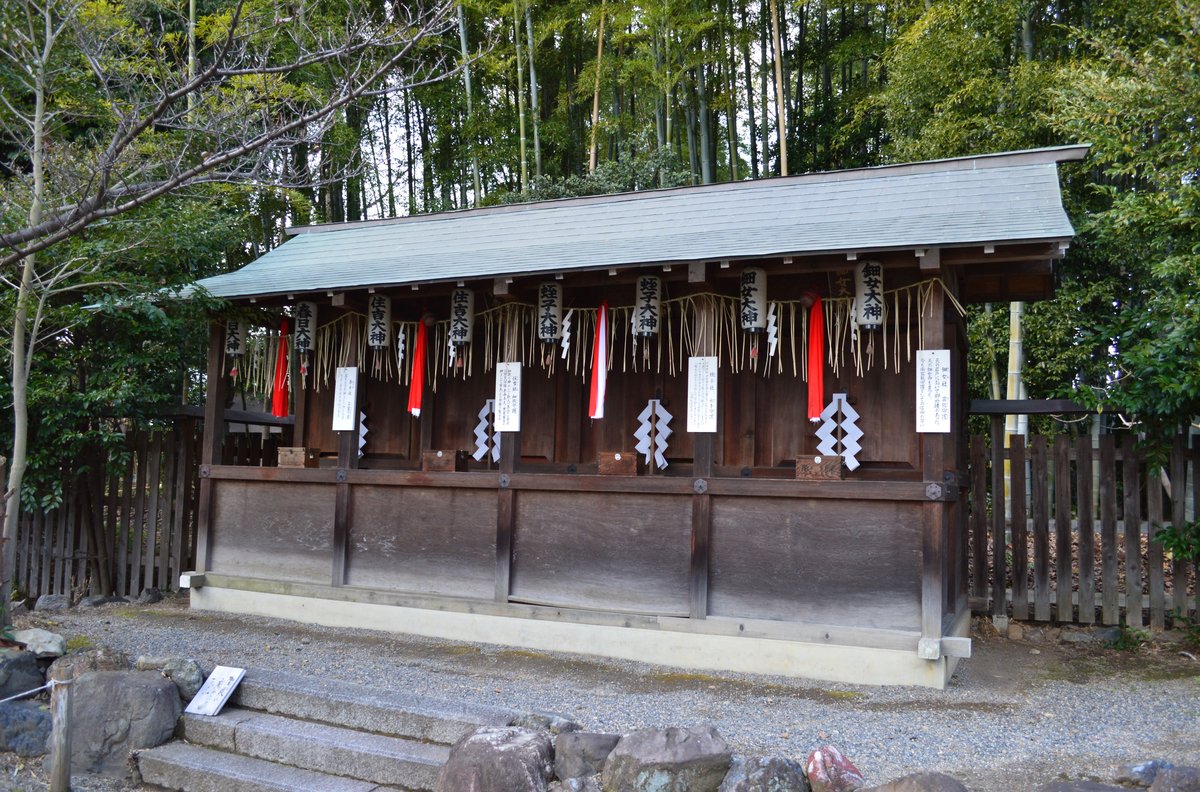
{'date': '14/06/2025', 'task': {'model': 'gpt-4.1-mini', 'query': 'Comprehensive guide to visiting Hirano-Jinja, Kyoto, Japan: history, significance, visitor tips, and everything tourists need to know for a memorable experience.', 'verbose': False, 'guidelines': ["Keyword Research: Identify relevant keywords that potential visitors are likely to search for, such as '[Monument Name] visiting hours,' '[Monument Name] tickets,' and '[City] historical sites.' Use these keywords strategically throughout the article, including in the title, headers, and body text, but avoid keyword stuffing.", 'Engaging and Informative Title: Craft a title that is both SEO-friendly and compelling to encourage clicks. Include the main keyword and make it clear what the article will cover.', 'Structured Content: Use headings (H1, H2, H3) to organize the content effectively. This helps with SEO and makes the article easier for readers to navigate. Include an introduction that hooks the reader, a detailed body that covers all relevant aspects, and a conclusion that summarizes the key points.', 'Comprehensive Coverage: Address common questions and topics of interest such as the history of the monument, its cultural significance, visitor information (e.g., ticket prices, opening hours), travel tips, nearby attractions, and accessibility. Include sections that might be unique to the monument, like special events, guided tours, and photographic spots.', 'Quality Content: Ensure the content is well-researched, accurate, and provides real value to readers. Use reliable sources and provide factual information. Write in a clear, engaging, and accessible style. Consider your audience and use language that is appropriate for those likely to visit the monument.', 'Visuals and Media: Incorporate high-quality images or videos of the monument. These should be optimized for the web (correct sizing, alt tags with keywords). Consider interactive elements like virtual tours or maps.', 'Internal and External Links: Include links to other related articles on your site to encourage deeper engagement (internal links). Link to official websites for the monument or credible sources for further reading (external links).', 'FAQ: Incorporate FAQ sections to target voice search queries and featured snippets', 'Visit and Stay Up to Date: End the article with a call to action, such as encouraging readers to download our mobile app Audiala, check out other related posts, or follow on social media for more updates.'], 'max_sections': 4, 'publish_formats': {'pdf': False, 'docx': False, 'markdown': True}, 'follow_guidelines': True}, 'title': 'A Comprehensive Guide to Visiting Hirano-Jinja, Kyoto, Japan', 'report': '# 平野神社(京都)訪問ガイド:歴史、重要性、訪問者向けヒント\n\n#### 日付:2025年6月14日\n\n---\n\n## はじめに\n\n京都の歴史ある北区に位置する平野神社(ひらのじんじゃ)は、日本の豊かな精神的・文化的遺産の生きた証です。794年、平安京(現在の京都)の創都と同時に創建されたこの神道神社は、皇室および地域社会の守護神として重要な役割を果たしてきました。独特の平野造建築と、長年受け継がれてきた桜の祭りで知られ、平野神社は歴史的重要性と息をのむような自然の美しさの両方で訪問者を魅了します。\n\nこのガイドでは、平野神社の起源、宗教的・政治的重要性、開館時間やチケット情報を含む訪問者情報、桜まつり(おかさ祭)などの季節イベントを楽しむためのヒント、そして近隣の史跡への推奨事項について詳しく解説します。歴史愛好家、自然愛好家、文化探訪家を問わず、この記事は京都で最も大切にされている神社のひとつへの価値ある訪問を計画するのに役立ちます。(Wikipedia: 平野神社;京都観光;Japan Travel)\n\n---\n\n## 目次\n\n- 創建と初期の歴史\n- 皇室の庇護と政治的重要性\n- 建築と文化遺産\n- 宗教的機能と祭神\n- 桜まつりと季節のイベント\n- 現代:保存と課題\n- 場所、開館時間、アクセス\n- 花見体験:昼と夜\n- 訪問者向け実用的なヒント\n- 近隣の観光スポット\n- よくある質問 (FAQ)\n- 参考文献\n\n---\n\n## 創建と初期の歴史\n\n平野神社は、桓武天皇が日本の首都を平安京に移した794年に創建されました。新しい首都の主要な精神的守護神として concepされたこの神社は、強力な神々(かみ)を祀り、すぐに皇室京都の宗教的景観に不可欠なものとなりました(Wikipedia: 平野神社)。その地位は、10世紀の延喜式神名帳において、最高の神社ランキングの一つである名神大社として公式に認められ、特に上七社として名高い二十二社に数えられました。\n\n---\n\n## 皇室の庇護と政治的重要性\n\n平安時代、平野神社と皇室との関係は深まりました。965年、村上天皇は、国家の重要な出来事を報告する責任を負う「国忌御斎会」を初めて行う16社の一つとして平野神社を指定しました。また、平野神社は源氏(源氏)や平治(平氏)などの著名な武家とも緊密な関係を築き、その宗教的・政治的地位をさらに高めました(Wikipedia: 平野神社;Japan Insides)。\n\n---\n\n## 建築と文化遺産\n\n平野神社の主要な建物は、珍しい平野造(流造)様式で知られています。これは、2つの建物内に4つの連結した社殿を持つ特徴があります。これらの構造は重要文化財に指定されており、優雅なシンプルさと自然との調和のとれた関係を例示しています(きなばる)。その他の重要な要素には以下が含まれます。\n\n- 著名な釘を使わない木造建築を特徴とする拝殿。\n- 内門、南門、そして津島神社の各社殿は、京都府の文化財として認識されています。\n\n石灯籠、鳥居、そして伝統的な神道建築のモチーフが、神社の静かで歴史的な雰囲気に貢献しています。\n\n---\n\n## 宗教的機能と祭神\n\n平野神社には、4柱の主祭神が祀られています。\n\n- 今木皇大神(いまきすめおおかみ): 桓武天皇の母である高野新笠の祖先であり、活力と関連付けられています。\n- 久度大神(くどのおおかみ): 炉、(家庭)の守護神\n- 古開大神(ふるあきのおおかみ): 悪を払い、平和をもたらす神\n- 姫大神(ひめのおおかみ): 子宝、結婚、家庭の幸福と関連付けられています(京都観光;きなばる)。\n\nこの神社は、特に子供、縁結び、家庭の幸福に関する祈願で人気があり、祝福と保護の源としてその役割を反映しています。\n\n---\n\n## 桜まつりと季節のイベント\n\n### おかさ祭(桜まつり)\n\n平野神社の桜まつりは、985年から毎年開催されています。村上天皇によって開始されたこの祭りは、以下のような特徴があります。\n\n- 午前儀式: 村上天皇をその墓所で丁重に供養する儀式。\n- ** grand procession**: 平安時代の衣装をまとった参加者、神職、騎馬武者が近隣をパレードします(Japan Travel)。\n\n50種以上、400本以上の桜の木があるこの神社は、 premier hanami(花見)の場所となっています。3月下旬から4月上旬にかけての夜間ライトアップ(夜桜)は、魔法のような雰囲気を作り出します(leafkyoto.net)。\n\n---\n\n## 現代:保存と課題\n\n1871年から1946年まで、平野神社は官幣大社という、政府支援の神社の最高位を保持していました。現在は神社本庁により別表神社に分類されています。神社の「八重桜」の紋章は、京都の自然と文化遺産との深いつながりを反映しています。\n\n2018年の台風21号(ジェビ)のような最近の課題は、神社の部分とその木々に被害をもたらしましたが、修復作業が進行中であり、保存への地域社会の献身を示しています(Wikipedia: 平野神社)。\n\n---\n\n## 場所、開館時間、アクセス\n\n住所: 〒603-8322 京都府京都市北区平野宮本町1\n\nアクセス方法: \n- バス: 京都駅から市バス50、205、206、または6系統に乗車し、「衣笠学校前」で下車。バス停から神社までは徒歩すぐです(teachtranslatetravelrepeat.com)。\n- 電車: 京福電気鉄道北野線「北野白梅町駅」から徒歩7分。\n\n開館時間: \n- 神社区域: 午前6時~午後5時(桜のライトアップ期間中は午後9時まで延長)\n- お守り・おみくじ販売: 午前9時~午後5時 \n- ご祈祷受付: 午前9時~午後3時\n\n入場料: \n- 例年、境内の入場は無料です。\n- 桜の時期には、神苑への入場に500円かかります(travelcaffeine.com;leafkyoto.net)。\n\nバリアフリー: \n- 神社は車椅子でのアクセスが可能です。舗装され、ほとんど平坦な小道がありますが、庭園の一部は雨の後、でこぼこしていたり、ぬかるんでいたりする場合があります。トイレと小さなビジターセンターが利用可能です。\n\n---\n\n## 花見体験:昼と夜\n\n- 昼の花見: 多様な桜の木の下を散策し、例年3月下旬から4月中旬にかけての満開を楽しめます(kinabal.co.jp)。\n- 夜間ライトアップ(夜桜): 3月下旬から4月中旬まで、ライトアップされた花が魔法のような雰囲気を作り出し、神社は午後9時まで開いています(travelcaffeine.com)。\n\nヒント: より静かに過ごすためには、早めに到着するか、平日に訪れることをお勧めします。写真撮影は屋外エリアで奨励されていますが、混雑時は三脚が制限される場合があります。\n\n---\n\n## 訪問者向け実用的なヒント\n\n- ベストな鑑賞時間: 混雑を避け、美しい光で写真を撮るためには、早朝または夕暮れ時。\n- エチケット: 静かに、神社の儀式を尊重し、ゴミは適切に処分してください。花見の指定エリアでのピクニックは可能ですが、本殿の真正面は避けてください。\n- 現金: 多くの露店や庭園の入場料は現金が必要です。\n- 天気: 4月の天気は予測不可能ですが、傘やレインコートを持参すると便利です(magical-trip.com)。\n- 言語: 英語の案内は限られています。翻訳アプリがお役に立つでしょう。\n\n---\n\n## 近隣の観光スポット\n\n- 北野天満宮: 梅の名所であり、天神さんの縁日でも有名。平野神社から徒歩3分(en.kyotokk.com)。\n- 金閣寺: 象徴的な禅寺、徒歩10分。\n- 大報恩寺(千本釈迦堂): 古い木造建築で知られる、徒歩7分。\n- おすすめの旅程: 平野神社と近隣の史跡を組み合わせて、京都北西部を巡る充実した半日ツアーをお楽しみください。\n\n---\n\n## よくある質問 (FAQ)\n\nQ: 平野神社の開館時間は? \nA: 神社区域は午前6時から午後5時まで開館しており、桜のライトアップ期間中は午後9時まで延長されます。\n\nQ: 入場料はかかりますか? \nA: 境内の入場は無料です。桜の時期の神苑への入場は500円かかります。\n\nQ: 神社は身体の不自由な方でも利用できますか? \nA: ほとんどのエリアは車椅子でアクセス可能で、舗装された小道やスロープがあります。一部の庭園の小道は、雨の後、アクセスが難しい場合があります。\n\nQ: 写真撮影はできますか? \nA: 写真撮影は屋外では許可されていますが、本殿内や宗教行進中はできません。\n\nQ: ガイドツアーはありますか? \nA: 時々、特に祭りの期間中に提供されます。詳細については、公式ウェブサイトまたは地元の観光案内所にご確認ください。\n\n---\n\n## 参考文献\n\n- Wikipedia: 平野神社\n- 京都観光: 平野神社\n- Japan Travel\n- きなばる\n- Leaf Kyoto\n- Teach Translate Travel Repeat\n- Travel Caffeine\n- Magical Trip - 京都イベント\n- en.kyotokk.com\n\n---\n\n## 結論\n\n平野神社は、京都の永続的な文化的・精神的遺産の鮮やかな象徴です。皇室の守護神としての創建から、現在も celebrated hanami の場所としての役割まで、この神社は歴史、建築、季節の美しさをユニークに融合させています。アクセスの良い境内、桜の時期の神苑への無料入場(有料の場合を除く)、そして金閣寺や北野天満宮のようなランドマークへの近さを考えると、平野神社は京都の史跡を巡るすべての人にとって必見の場所です。\n\nイベントや開花予報については、最新情報を公式観光ウェブサイトで確認するか、Audialaアプリをダウンロードしてください。京都の宝物である史跡の宝庫、平野神社の静けさと時代を超えた伝統を体験してください。\n\n---\n', 'headers': {'date': 'Date', 'title': 'Hirano-Jinja Visiting Hours Tickets and Guide to Kyoto Historical Sites', 'conclusion': 'Summary of key points and call to action for visitors', 'references': 'References and links to official sites and further reading', 'introduction': 'Introduction to Hirano-Jinja and its significance in Kyoto', 'table_of_contents': 'Contents including history ticket information visiting tips and nearby attractions'}, 'sources': ['- Hirano-Jinja: A Historical and Visitor’s Guide to One of Kyoto’s Most Revered Shrines, 2025, Wikipedia https://en.wikipedia.org/wiki/Hirano_Shrine', '- Hirano-Jinja Cherry Blossom Festival and Visitor Information, 2025, Kyoto-Kanko https://kyoto-kanko.net/en/kyoto-spot/hirano-shrine/', '- Hirano-Jinja Okasai Festival and History, 2025, Japan Travel https://en.japantravel.com/kyoto/hirano-shrine-okasai/66567', '- Visiting Hours, Tickets & Best Time to Visit Hirano-Jinja, 2025, Travel Caffeine https://www.travelcaffeine.com/hirano-shrine-cherry-blossoms-sakura-season-kyoto-japan/'], 'sections': ['Historical Overview', 'Cultural and Religious Significance', 'The Sakura (Cherry Blossom) Legacy', 'Visiting Hirano-Jinja: Practical Information'], 'conclusion': 'Hirano-Jinja stands as a vibrant emblem of Kyoto’s enduring cultural and spiritual legacy. From its founding as an imperial guardian shrine in 794 CE to its present-day role as a celebrated hanami destination, the shrine blends ancient tradition with living community practices. Visitors can explore its historically significant architecture, pay respects to the enshrined kami, and partake in seasonal festivities—most notably the centuries-old Cherry Blossom Festival (Okasai), which beautifully encapsulates the Japanese reverence for nature’s fleeting beauty.\n\nAccessibility and free entry to the shrine grounds make Hirano-Jinja an inviting site for all travelers, while its proximity to iconic landmarks like Kinkaku-ji and Kitano Tenmangu enriches any Kyoto itinerary. Whether visiting during the vibrant sakura season with its enchanting nighttime illuminations or in quieter months appreciating the shrine’s tranquil atmosphere and architectural artistry, Hirano-Jinja offers a profound connection to Japan’s imperial history, Shinto spirituality, and cultural celebrations.\n\nFor those planning a visit, this guide encourages early arrival to avoid crowds, exploration of nearby historical sites, and participation in guided tours or special events to deepen understanding. To stay updated on festival schedules, bloom forecasts, and visitor information, consider following official tourism sites and downloading travel apps such as Audiala. Experience the serene beauty and timeless traditions of Hirano-Jinja, a jewel in Kyoto’s crown of historical sites (Kyoto-Kanko: Hirano Shrine; Japan Travel; Travel Caffeine).', 'introduction': 'Nestled in the historic city of Kyoto, Hirano-Jinja (平野神社) stands as a testament to Japan’s rich spiritual and cultural heritage. Established in 794 CE alongside the founding of Heian-kyō (modern Kyoto), this revered Shinto shrine has long been intertwined with the imperial family and influential clans, serving as a guardian of the nation and the local community. Visitors to Hirano-Jinja are drawn not only by its profound historical significance and distinctive Hirano-zukuri architectural style but also by its world-famous cherry blossom festival, which has been celebrated continuously for over a millennium. With approximately 400 cherry trees of over 50 varieties, the shrine offers a spectacular hanami experience that attracts both locals and tourists alike each spring.\n\nThis comprehensive guide will delve into Hirano-Jinja’s origins, its religious and political importance during the Heian period, and its evolution through Japan’s modern era. It will provide practical visitor information such as visiting hours, ticket policies, accessibility, and tips for enjoying seasonal events like the Okasai Cherry Blossom Festival. Additionally, it highlights nearby historical landmarks, making Hirano-Jinja a perfect stop on any Kyoto cultural itinerary. Whether you seek to explore Japan’s imperial past, appreciate traditional Shinto rituals, or immerse yourself in the breathtaking natural beauty of sakura season, this guide will prepare you for an enriching visit to one of Kyoto’s most cherished shrines (Wikipedia: Hirano Shrine; Kyoto-Kanko: Hirano Shrine; Japan Travel).', 'research_data': [{'Hirano-Jinja: A Historical and Visitor’s Guide to One of Kyoto’s Most Revered Shrines': '## Introduction\nNestled in the heart of Kyoto, Hirano-Jinja (平野神社) is a captivating shrine renowned for its rich history, stunning architecture, and vibrant cultural traditions. This guide offers a comprehensive overview of Hirano-Jinja’s historical significance, visitor information including Hirano-Jinja visiting hours and ticket policies, travel tips, and highlights of nearby Kyoto historical sites. Whether you’re a history buff, nature lover, or cultural enthusiast, this article will help you plan an enriching visit to one of Kyoto’s most cherished spiritual landmarks.\n\n## Foundation and Early History\nHirano-Jinja traces its origins to 794 CE, coinciding with Emperor Kanmu’s relocation of the capital to Heian-kyō (modern-day Kyoto). Established as part of the city’s spiritual infrastructure, the shrine was designed to protect Kyoto and its inhabitants by enshrining powerful kami (deities) (Wikipedia: Hirano Shrine). From the beginning, Hirano-Jinja maintained close ties with the Imperial family, who regularly visited and patronized the shrine, underscoring its esteemed status among Kyoto’s religious sites.\n\nIncluded in the 10th-century Engishiki Jinmyocho as a Myojin Taisha, one of the highest shrine rankings, Hirano-Jinja also belongs to the Twenty-Two Shrines (Nijūni-sha), specifically among the prestigious Upper Seven Shrines, receiving special Imperial patronage during the Heian period.\n\n## Imperial Patronage and Political Significance\nDuring the early Heian period, Hirano-Jinja’s relationship with the Imperial court deepened. In 965 CE, Emperor Murakami initiated the practice of sending Imperial messengers (heihaku) to report significant national events to guardian kami, with Hirano-Jinja among the initial sixteen honored shrines (Wikipedia: Hirano Shrine). This cemented its role as a spiritual protector of the nation.\n\nThe shrine also held close connections with influential clans such as the Genji (Minamoto) and Heiji (Taira), further elevating its religious and political significance during periods of dynastic change.\n\n## Architectural Evolution and Cultural Heritage\nThe shrine’s main complex features four halls arranged in two buildings, built in the distinctive Hirano-zukuri style, known for elegant simplicity and harmonious integration with nature. These buildings are designated Important Cultural Properties, preserving their historical and architectural value (Wikipedia: Hirano Shrine).\n\nAdditional structures like the worship hall (haiden), inner and south gates, and the Tsunashige Shrine hold Cultural Property status from Kyoto Prefecture, highlighting the site’s role in conserving traditional Japanese craftsmanship.\n\n## Religious Functions and Enshrined Deities\nHirano-Jinja enshrines four principal deities, including Kudo-no-Ōkami (久度大神) and Furuaki-no-Ōkami (古開大神), each housed in separate halls aligned north to south (Wikipedia: Hirano Shrine). The shrine is also closely associated with Hime Okami, a guardian deity of women, making it a favored site for prayers related to children, matchmaking, and family well-being (Kyoto-Kanko: Hirano Shrine).\n\nThe shrine hosts rituals and festivals observed for over a millennium, blending ancient traditions with contemporary community needs.\n\n## The Cherry Blossom Festival and Seasonal Celebrations\nSince 985 CE, Hirano-Jinja has been famous for its annual cherry blossom festival (sakura matsuri), the oldest of its kind in Kyoto (Wikipedia: Hirano Shrine). Initiated under Emperor Kazan, the festival features a morning ceremony at the emperor’s mausoleum and a vibrant procession through the neighborhood.\n\nThe shrine grounds boast around 50 cherry tree species and 400 individual trees, attracting thousands each spring for hanami (flower viewing). Nighttime illuminations create a magical ambiance unique to Hirano-Jinja (Kyoto-Kanko: Hirano Shrine).\n\n## Modern Era: Designation and Preservation\nBetween 1871 and 1946, Hirano-Jinja held the prestigious Kanpei-taisha status, the highest rank for government-supported shrines in the modern Shinto system (Wikipedia: Hirano Shrine). Today, it is classified as a Beppyo shrine under the Association of Shinto Shrines, maintaining its cultural and religious importance.\n\nIts emblem, the “double cherry blossom” (八重桜, Yaezakura), symbolizes its deep connection to Kyoto’s natural beauty and heritage.\n\n## Challenges and Resilience\nHirano-Jinja has endured numerous challenges, most recently Typhoon Jebi in August 2018, which damaged the haiden and several trees (Wikipedia: Hirano Shrine). Restoration efforts by the local community and preservationists are actively underway.\n\nDespite adversity, Hirano-Jinja remains a vibrant spiritual and cultural hub, embodying Kyoto’s resilience and historical continuity.\n\n## Location and Accessibility\nSituated just south of Kinkaku-ji (the Golden Pavilion) and near the northern end of Nishioji Street, Hirano-Jinja is easily accessible and well-placed among Kyoto historical sites (Kyoto-Kanko: Hirano Shrine). Its proximity to Kitano Tenmangu Shrine and other cultural landmarks makes it an ideal stop on pilgrimage routes and sightseeing tours.\n\n### Visiting Hours and Admission\n- Visiting Hours: 6:00 AM to 5:00 PM\n- Admission: Free entry to the shrine grounds; some special exhibitions or events may require tickets.\n\n### Accessibility\nThe shrine grounds are mostly flat with paved paths, suitable for visitors with mobility challenges. Wheelchair access is available at main entrances, though some historic structures may have limited access.\n\n### Guided Tours and Special Events\nGuided tours are occasionally offered by local tour operators and the shrine itself, especially during the cherry blossom festival. Advance booking is recommended.\n\n### Nearby Attractions\nIn addition to Kinkaku-ji and Kitano Tenmangu, visitors can explore:\n- Ryoan-ji Temple (famous for its rock garden)\n- Daitoku-ji Temple complex\n- Nishijin Textile Center\n\n## Frequently Asked Questions (FAQ)\nQ: Are there any entrance fees for Hirano-Jinja?\nA: Entry to the shrine grounds is free. Certain events or exhibitions may require tickets.\n\nQ: When is the best time to visit Hirano-Jinja?\nA: Spring during the cherry blossom festival offers the most spectacular views, but the shrine is beautiful year-round.\n\nQ: Is Hirano-Jinja wheelchair accessible?\nA: Yes, the shrine has accessible pathways, but some historic buildings may have limited access.\n\nQ: Can I take photos inside the shrine?\nA: Photography is generally allowed in the grounds, but some areas may restrict photography. Look for posted signs.\n\n## Visuals and Media\nVisitors can enjoy numerous photo opportunities, especially during sakura season. Suggested visuals include images of:\n- The cherry blossom festival at Hirano-Jinja (alt text: "Hirano-Jinja cherry blossom festival under blooming sakura trees")\n- The main shrine buildings in Hirano-zukuri style\n- Nighttime illumination of cherry blossoms\n\nMaps and virtual tours are available on the shrine’s official website and local tourism portals to help plan visits.\n\n## Conclusion\nHirano-Jinja stands as a living testament to Kyoto’s rich spiritual heritage, offering visitors a blend of history, culture, and natural beauty. With its accessible location, free admission, and year-round events like the famed cherry blossom festival, it remains a must-visit among Kyoto historical sites.\n\nPlan your visit today to experience the serene atmosphere and timeless traditions of Hirano-Jinja.\n\n---\n\nExplore more Kyoto historical sites and plan your trip efficiently by downloading the Audiala app. Stay connected and follow us on social media for the latest updates and travel tips.', 'table_of_contents': '- Introduction\n- Foundation and Early History\n- Imperial Patronage and Political Significance\n- Architectural Evolution and Cultural Heritage\n- Religious Functions and Enshrined Deities\n- The Cherry Blossom Festival and Seasonal Celebrations\n- Modern Era: Designation and Preservation\n- Challenges and Resilience\n- Location and Accessibility\n - Visiting Hours and Admission\n - Accessibility\n - Guided Tours and Special Events\n - Nearby Attractions\n- Frequently Asked Questions (FAQ)\n- Visuals and Media\n- Conclusion'}, {"Hirano-Jinja Visiting Hours, Tickets, and History: A Guide to Kyoto's Historic Shrine": "## Introduction\n\nHirano-Jinja is one of Kyoto's most cherished historical sites, renowned for its deep imperial connections, exquisite cherry blossoms, and rich cultural traditions. This guide provides an in-depth look at Hirano-Jinja’s history, religious significance, visitor information including visiting hours and tickets, and tips for making the most of your visit to this iconic Shinto shrine.\n\n## Visiting Hirano-Jinja: Hours, Tickets, and Accessibility\n\n- Visiting Hours: Hirano-Jinja is open daily from 6:00 AM to 5:00 PM, with extended hours during the Cherry Blossom Festival (Okasai) in early April.\n- Tickets: Entrance to the shrine grounds is free; however, certain events or guided tours may require a small fee.\n- Accessibility: The shrine is wheelchair accessible, with paved paths and ramps available. Restroom facilities and a small visitor center are located near the main entrance.\n- Getting There: Hirano-Jinja is easily accessible by public transport. From Kyoto Station, take the Karasuma Subway Line to Imadegawa Station, then a 15-minute walk north, or use city buses stopping near the shrine.\n- Best Time to Visit: The prime period for visiting is during early April when approximately 400–500 cherry trees bloom, creating a spectacular hanami experience. Evening illuminations (yozakura) offer a magical atmosphere.\n\n## Historical Context and Imperial Connections\n\nHirano-Jinja, established in 794 CE, coincided with the transfer of Japan’s capital to Heian-kyo (present-day Kyoto) by Emperor Kanmu. This move marked the beginning of the Heian period, a time when the imperial court sought to consolidate spiritual and political power in the new capital. Hirano-Jinja was among the select shrines relocated from the previous capital, Nagaoka-kyo, and was originally even larger than the current Kyoto Imperial Palace grounds (Traditional Kyoto; Kinabal).\n\nThe shrine’s status as a guardian of the imperial family is deeply rooted in its history. It was one of the twenty shrines designated to protect imperial power during the Heian period (Kanpai Japan). In 965, Emperor Murakami included Hirano-Jinja among the sixteen shrines to which imperial messengers reported significant national events, further cementing its role as a court shrine (Japan Insides). The shrine’s close relationship with the imperial household continued through the centuries, with patronage from both the Minamoto (Genji) and Taira (Heike) clans, two of Japan’s most influential warrior families (Kyoto-Kinkaku).\n\n## Enshrined Deities and Their Significance\n\nHirano-Jinja is dedicated to four principal kami (Shinto deities), each with distinct attributes and blessings:\n\n- Imakimitsuomikami: Revered as the ancestor of Takano-no-Niigasa, mother of Emperor Kanmu, this deity is associated with regenerative energy and vitality.\n- Kudo-no-Okami: The guardian of the hearth, responsible for household safety and well-being.\n- Furuhikari-no-Okami: A deity believed to ward off evil spirits and bring peace.\n- Hime-no-Okami: Associated with productivity, marriage, and fertility, and often invoked for blessings related to family and children (Kinabal; Kyoto-Kanko).\n\nThe shrine’s divine portfolio reflects its historical role as a protector of the imperial household and as a source of blessings for the community, encompassing health, good fortune, and the fulfillment of wishes.\n\n## Rituals, Festivals, and Living Traditions\n\n### The Okasai (Cherry Blossom Festival)\n\nHirano-Jinja’s most celebrated event is the Okasai, or Cherry Blossom Festival, which has been held annually since 985 CE. The festival was instituted by Emperor Kazan, who also ordered the planting of cherry trees in the shrine’s gardens as a prayer for national prosperity and the well-being of the imperial family (Japan Travel; Japan Insides). This makes Okasai one of Kyoto’s oldest continuously observed festivals.\n\nThe festival’s religious significance is underscored by its ceremonial structure:\n- Morning Ceremony: Held at the mausoleum of Emperor Kazan, honoring his role in the shrine’s history.\n- Procession: In the afternoon, a vibrant parade departs from the shrine, featuring participants in Heian-period costumes, Shinto priests, samurai on horseback, and mikoshi (portable shrines). The procession winds through the local neighborhood before returning to the shrine (Japan Travel).\n\nThe Okasai is not only a religious observance but also a major cultural event, drawing both locals and visitors to celebrate the fleeting beauty of cherry blossoms with music, food, and communal gatherings. The festival’s continuity for over a millennium highlights the enduring connection between the shrine, the imperial family, and the people of Kyoto.\n\n### Other Rituals and Daily Worship\n\nBeyond the Okasai, Hirano-Jinja maintains a calendar of Shinto rituals that reflect its role as a guardian of health, fortune, and community well-being. The shrine’s association with the imperial kitchen (Hirano Mikamado) in the Engishiki records underscores its historical importance in preparing meals for the emperor and in rituals governing health and prosperity (Kinabal).\n\nWorshippers visit the shrine throughout the year to pray for household safety, warding off evil, and personal blessings, especially related to family and fertility. The shrine’s deities are believed to bestow benefits such as overall luck, good fortune, and the fulfillment of wishes (Kyoto-Kanko).\n\n## Symbolism of Cherry Blossoms\n\nThe cherry blossom (sakura) is a central symbol at Hirano-Jinja, both spiritually and culturally. With approximately 400–500 cherry trees representing over 60 varieties, the shrine’s gardens are renowned as one of Kyoto’s premier hanami (flower viewing) sites (Kyoto-Kinkaku; Japan Travel). The cherry blossom’s ephemeral beauty is deeply intertwined with Japanese aesthetics and Shinto beliefs about the impermanence of life and the renewal of nature.\n\nThe tradition of night-time cherry blossom viewing (yozakura) at Hirano-Jinja, dating back to the Heian and Edo periods, continues to this day, with the trees illuminated to create a magical atmosphere reminiscent of ancient courtly celebrations (Kyoto-Kinkaku; Kinabal).\n\n## Architectural and Artistic Heritage\n\nHirano-Jinja’s main hall is notable for its unique architectural style, known as Hiyoku Kasuga-zukuri (also called Hirano-zukuri). This style features four interconnected buildings constructed as a single unit, a rarity among Shinto shrines. The main hall is designated as an Important Cultural Property, reflecting its historical and artistic value (Kinabal; Kyoto-Kinkaku).\n\nThe worship hall, donated by Tofukumon'in (daughter of Tokugawa Hidetada), is constructed using a traditional grafting technique that does not employ nails, showcasing the craftsmanship and ingenuity of Edo-period shrine carpentry.\n\nThe shrine grounds are also adorned with stone lanterns, torii gates, and other elements that reflect both Shinto and imperial aesthetics, reinforcing the shrine’s status as a prestigious and culturally significant site.\n\n## Community Role and Contemporary Relevance\n\nHirano-Jinja remains a vibrant center of community life in Kyoto. Its festivals, especially the Okasai, serve as occasions for communal gathering, intergenerational participation, and the preservation of traditional arts such as music, dance, and costume. The shrine’s open gardens and seasonal events attract both locals and tourists, fostering a sense of shared heritage and cultural continuity (Japan Travel; Traditional Kyoto).\n\nThe shrine’s enduring popularity as a cherry blossom viewing spot, combined with its deep historical roots and ongoing religious functions, make it a living testament to the interplay of Shinto spirituality, imperial tradition, and the rhythms of Kyoto’s cultural life.\n\n## Frequently Asked Questions (FAQ)\n\nQ: What are Hirano-Jinja's visiting hours?\nA: The shrine is open daily from 6:00 AM to 5:00 PM, with extended hours during the Cherry Blossom Festival.\n\nQ: Is there an entrance fee to Hirano-Jinja?\nA: Entrance to the shrine grounds is free, though some special events may require tickets.\n\nQ: How can I get to Hirano-Jinja from Kyoto Station?\nA: You can take the Karasuma Subway Line to Imadegawa Station and walk 15 minutes north, or use city buses that stop near the shrine.\n\nQ: Are guided tours available?\nA: Guided tours may be offered during festivals or special events; please check the official website or local tourist information centers.\n\nQ: Is Hirano-Jinja wheelchair accessible?\nA: Yes, the shrine has paved paths and ramps to accommodate visitors with mobility needs.\n\n## Conclusion\n\nWhether you are drawn by its imperial heritage, breathtaking cherry blossoms, or vibrant festivals, Hirano-Jinja offers a unique window into Kyoto’s spiritual and cultural tapestry. Plan your visit during the Okasai Cherry Blossom Festival to experience the shrine at its most enchanting. For more detailed information, guided tours, and the latest updates, be sure to explore our related articles and follow us on social media.\n\n---\n\nExplore more Kyoto historical sites and cultural guides on our website. Download the Audiala app for audio tours and exclusive content about Hirano-Jinja and other must-see destinations in Kyoto.'}, {"# Discover Hirano-Jinja Cherry Blossoms: History, Festivals, and Visitor Guide": "## Introduction\n\nHirano-Jinja, one of Kyoto’s most cherished historical sites, is renowned for its spectacular cherry blossoms (sakura). Situated in Kita-ku, this shrine offers visitors a unique blend of natural beauty, rich cultural heritage, and traditional festivities. This comprehensive guide covers everything you need to know about Hirano-Jinja cherry blossoms, including visiting hours, ticket information, festivals, and practical tips for an unforgettable hanami experience.\n\n## Historical Significance of Sakura at Hirano-Jinja\n\nDating back to 794 CE, Hirano-Jinja is deeply intertwined with Kyoto’s history. The shrine became a favored site for imperial hanami gatherings during the Heian period (794–1185), establishing a millennia-old tradition of celebrating cherry blossoms here. Its enduring sakura legacy highlights the shrine as both a botanical treasure and a vital part of Kyoto’s cultural identity (kinabal.co.jp).\n\nThe annual Cherry Blossom Festival, originating in the Heian era, continues to honor this tradition through elegant processions and ceremonial offerings, reflecting the refinement of classical Kyoto (livejapan.com).\n\n## Diversity and Uniqueness of Hirano-Jinja Cherry Blossoms\n\nHirano-Jinja boasts approximately 400 cherry trees encompassing around 60 varieties, including rare cultivars developed on-site. This diversity extends the viewing season from mid-March through late April, unlike many other Kyoto sakura spots with shorter bloom periods (leafkyoto.net).\n\nNotable varieties include:\n\n- Sakigake-zakura: The early-blooming "herald" of Kyoto’s cherry blossom season.\n- Nezame-zakura, Hirano Imose, Taoyame, and Tsukubane: Rare varieties with distinctive petal shapes, colors, and blooming patterns (kinabal.co.jp).\n\n## Hirano-Jinja Visiting Hours and Admission\n\n- Hours: The shrine grounds are open daily from 6:00 to 17:00. During the special nighttime illumination period, hours extend until 21:00.\n- Admission: General entry to the shrine and gardens is free. Some areas may charge a small fee during special events or nighttime illuminations (leafkyoto.net).\n- Accessibility: The shrine is wheelchair accessible, with paved paths and ramps in key areas. Visitors with disabilities are encouraged to contact the shrine ahead for assistance.\n- COVID-19 Considerations: Visitors should check the official website for the latest health guidelines and any restrictions during peak seasons.\n\n## How to Get to Hirano-Jinja\n\n- By Public Transport: From JR Kyoto Station, take city bus routes 205 or 50 (approximately 40 minutes) and get off at "Kinugasa School Mae." Alternatively, the shrine is a 7-minute walk north from Keifuku Electric Railway’s Kitano-Hakubaicho Station (kinabal.co.jp).\n- Parking: Limited to 17 spaces; due to heavy crowds during sakura season, public transport is strongly recommended.\n\n## The Hanami Experience: Day and Night\n\n### Daytime Hanami\n\nVisitors can enjoy peaceful strolls beneath the cherry canopies, appreciating the varied bloom stages that create a dynamic floral landscape. The spacious and well-maintained grounds provide unobstructed views and a serene atmosphere (japanhighlights.com).\n\n### Nighttime Illumination (Hirano no Yozakura)\n\nFrom March 22 to April 13, 2025, Hirano-Jinja hosts its famed nighttime illumination event. Traditional bonbori lanterns and soft lighting cast an enchanting glow on the blossoms, creating a magical ambiance that highlights the shrine’s historic architecture. The grounds remain open until 21:00 during this period. While general admission is free, some illuminated areas may require a small fee (leafkyoto.net).\n\n## Cherry Blossom Festival and Okasai Events\n\n- Cherry Blossom Festival (April 4th): This elegant spring event includes a Shinto ceremony and a grand procession with participants in Heian-period costumes, offering a vivid glimpse into ancient Kyoto’s seasonal celebrations (kinabal.co.jp).\n- Okasai Event (April 10th): Featuring religious processions, spring prayers, and additional hanami opportunities. The 1 p.m. procession involves local community members in traditional dress, enhancing the festival’s authenticity (livejapan.com).\n\n## Practical Tips for Visitors\n\n- Best Viewing Times: Peak bloom is usually from late March to mid-April, with full bloom expected on April 4th, 2025 (kinabal.co.jp).\n- Avoiding Crowds: Visit early mornings or weekdays for a quieter experience.\n- Etiquette: Picnicking is uncommon within shrine grounds; visitors should enjoy the blossoms respectfully, avoid loud gatherings, and take all litter home.\n- Photography: Tripods may be restricted during busy times; remain considerate of other visitors.\n\n## Cultural Insights and Local Atmosphere\n\nHirano-Jinja’s cherry blossom tradition reflects Kyoto’s refined aesthetics and historical depth. The hanami season blends festive and contemplative moods, as locals and tourists alike appreciate the fleeting beauty of sakura in a tranquil, authentic setting away from more commercialized sites (japanhighlights.com).\n\n## Comparison with Other Kyoto Sakura Spots\n\nCompared to other famous locations such as Maruyama Park, Philosopher’s Path, and Ninna-ji Temple, Hirano-Jinja stands out for:\n\n- Variety and Longevity: Hosting an unmatched number of cherry varieties and an extended blooming season (kinabal.co.jp).\n- Historical Continuity: An unbroken sakura celebration tradition since the Heian period.\n- Nighttime Illumination: "Hirano no Yozakura" is renowned as one of Kyoto’s most enchanting nighttime cherry blossom experiences (leafkyoto.net).\n\n## Frequently Asked Questions (FAQ)\n\nQ: What are Hirano-Jinja visiting hours?\nA: The shrine is open from 6:00 to 17:00 daily; during nighttime illumination events, hours extend until 21:00.\n\nQ: Is there an admission fee to enter Hirano-Jinja?\nA: General admission is free, but some special event areas or nighttime illuminations may require a small fee.\n\nQ: When is the best time to see cherry blossoms at Hirano-Jinja?\nA: The peak season is late March to mid-April, with full bloom typically around April 4th.\n\nQ: Are guided tours available at Hirano-Jinja?\nA: Guided tours may be offered during festival periods or by local travel agencies; check the official website or local visitor centers for details.\n\nQ: How can I get to Hirano-Jinja using public transport?\nA: Take city bus routes 205 or 50 from JR Kyoto Station to "Kinugasa School Mae," or walk 7 minutes from Kitano-Hakubaicho Station on the Keifuku Electric Railway.\n\n## Visuals and Additional Resources\n\nFor a richer experience, visitors are encouraged to view high-quality images and virtual tours available on the official Hirano-Jinja website and trusted travel platforms. Alt text for images should include keywords such as "Hirano-Jinja cherry blossoms," "Hirano no Yozakura illumination," and "Kyoto historical sites." Interactive maps for route planning are also recommended.\n\n## Explore More Kyoto Historical Sites\n\nInterested in exploring further? Discover other Kyoto historical sites and seasonal events in our related articles section, including guides on Maruyama Park, Philosopher’s Path, and Ninna-ji Temple.\n\n## Plan Your Visit and Stay Updated\n\nStay informed about the latest sakura bloom forecasts, event schedules, and travel tips by following us on social media and downloading the Audiala app. Experience the magic of Hirano-Jinja’s cherry blossoms and immerse yourself in Kyoto’s timeless beauty.\n\n---\n\nStart planning your visit to Hirano-Jinja today and witness a sakura experience steeped in history, tradition, and unparalleled natural splendor!'}, {'Hirano-Jinja Visiting Hours, Tickets & Best Time to Visit Kyoto’s Historic Shrine': "## Introduction\n\nHirano-Jinja (Hirano Shrine) is one of Kyoto’s treasured historical sites, renowned for its spectacular cherry blossoms and deep cultural significance. This comprehensive guide covers everything you need to know about visiting Hirano-Jinja, including visiting hours, ticket information, access tips, and the best times to experience this iconic shrine. Whether you’re a history enthusiast, a nature lover, or a traveler seeking authentic Kyoto experiences, Hirano-Jinja offers a unique blend of ancient tradition and vibrant seasonal festivities.\n\n## Location and Access\n\nHirano-Jinja is located in northwest Kyoto at 1 Hirano Miyamoto-chō, Kita-ku, Kyoto, Japan. It sits conveniently close to other famous landmarks, such as Kitano Tenmangu Shrine (about a 3-minute walk) and Kinkaku-ji (the Golden Pavilion, approximately 10 minutes away), making it an ideal stop on a cultural sightseeing itinerary (en.kyotokk.com; travelcaffeine.com).\n\n### Getting There\n\n- By Bus: From Kyoto Station, take city bus numbers 50, 205, 206, or 6 for a fare of about ¥230 (as of 2025). Get off at Kinugasako-mae bus stop, then enjoy a short walk to the shrine (teachtranslatetravelrepeat.com).\n- Alternative Route: The Takao Keihoku Line (高雄京北線) stops at Kitano Hakubaicho, but involves a longer walk.\n- Travel Time: The journey from Kyoto Station typically takes 30–40 minutes depending on traffic and walking pace (en.kyotokk.com).\n\n## History and Cultural Significance\n\nFounded over 1,200 years ago in 794, Hirano-Jinja has a rich history deeply intertwined with Kyoto’s development as Japan’s ancient capital. The shrine is dedicated to the Shinto deities associated with protection and prosperity. It is especially famous for its centuries-old cherry trees, which were reportedly planted by imperial decree during the Heian period. Hirano-Jinja serves as a cultural hub where traditional Shinto rituals coexist with lively seasonal celebrations, reflecting Japan’s harmonious blend of spiritual reverence and community festivity.\n\n## Hirano-Jinja Visiting Hours and Tickets\n\n- Grounds: Open 24 hours daily, allowing visitors to enjoy early morning tranquility or evening ambiance (travelcaffeine.com).\n- Amulets and Fortune Slips: Available between 9:00 AM and 5:00 PM (kyoto.travel).\n- Prayer Requests: Accepted from 9:00 AM to 3:00 PM.\n- Admission: Entrance to the main shrine grounds is free year-round. However, during cherry blossom season, access to the inner garden—famous for dense sakura groves—requires a ¥500 fee (as of 2024/2025) (travelcaffeine.com).\n\n## Best Time to Visit Hirano-Jinja\n\n### Cherry Blossom Season\n\n- Peak Bloom: Usually early to mid-April, though this varies yearly. The full bloom lasts approximately 1–2 weeks (magical-trip.com).\n- Nighttime Illuminations: From late March to mid-April (e.g., March 23–April 14 in 2024), the shrine is open in the evening with illuminated cherry blossoms until around 9:00 PM (travelcaffeine.com).\n- Crowds: Expect large crowds during peak season, especially on weekends and evenings. For a quieter visit, early mornings or late afternoons are ideal (teachtranslatetravelrepeat.com).\n\n### Other Seasons\n\n- Off-Season: The shrine is peaceful outside sakura season but less visually dramatic. It remains a meaningful site for those interested in shrine architecture and local history (travelcaffeine.com).\n\n## Facilities and Amenities\n\n- Restrooms: Public restrooms are available on the shrine grounds.\n- Shops and Food Stalls: During cherry blossom season, vendors offer street food, snacks, beer, and souvenirs, creating a lively, festive atmosphere (travelcaffeine.com).\n- Amulets and Charms: Purchase traditional omamori and other religious items at the shrine office during business hours (kyoto.travel).\n- Accessibility: Grounds are mostly flat and accessible, though some garden paths may be uneven or muddy, especially after rain.\n\n## Etiquette and Visitor Conduct\n\n- Respectful Behavior: As an active Shinto shrine, visitors should maintain respectful conduct, particularly near the honden (main sanctuary), where photography is prohibited.\n- Shoes: Remove shoes before entering indoor worship areas.\n- Photography: Allowed in gardens and outdoor spaces but restricted inside the honden and during ceremonies (teachtranslatetravelrepeat.com).\n- Hanami Parties: Common during sakura season; enjoy the festive spirit while keeping noise levels reasonable and disposing of garbage properly.\n\n## Events and Festivals\n\n### Ōka-sai (Cherry Blossom Festival)\n\n- Date: Annually on April 10.\n- Highlights: Features a solemn procession with an omikoshi (portable shrine), participants in historical kimono, priests, and mounted warriors. The parade tours the local neighborhood before returning to the shrine (travelcaffeine.com).\n- Atmosphere: A blend of solemn tradition and festive celebration that draws large crowds.\n\n### Nighttime Hanami\n\n- Season: Late March to mid-April.\n- Experience: Known as “Hirano no Yozakura,” the illuminated cherry blossoms create a magical party atmosphere. Local students and families gather for picnics, singing, and celebration, blending sacred ritual with lively enjoyment (en.kyotokk.com; travelcaffeine.com).\n\n## Nearby Attractions and Suggested Itineraries\n\n- Kitano Tenmangu Shrine: A 3-minute walk; famous for plum blossoms and the Tenjin-san flea market (en.kyotokk.com).\n- Kinkaku-ji (Golden Pavilion): 10-minute walk; one of Kyoto’s most iconic landmarks.\n- Daihoonji (Senbon Shaka-do): 7-minute walk; notable for historic wooden architecture.\n- Suggested Route: Combine Hirano-Jinja with Kitano Tenmangu and Kinkaku-ji for a culturally rich half-day itinerary exploring northwest Kyoto (en.kyotokk.com).\n\n## Practical Tips for Visitors\n\n- Timing: Visit early morning or late evening to avoid crowds and capture beautiful light for photos (teachtranslatetravelrepeat.com).\n- Weather: April weather can be unpredictable; bring an umbrella or raincoat due to frequent showers (magical-trip.com).\n- Seating: Bring a mat or blanket for hanami picnics; spaces fill quickly during peak bloom.\n- Cash: Many vendors and the garden entrance fee require cash; carry small yen denominations.\n- Trash: Take your trash with you if bins are full or unavailable, respecting Japanese customs.\n- Language: English signage is limited; basic Japanese phrases or translation apps are helpful.\n\n## Safety and Accessibility\n\n- Crowds: Be vigilant about pickpockets during festivals and nighttime events.\n- Mobility: While mostly accessible, some garden paths are uneven; travelers with mobility challenges should proceed carefully.\n- Children: Family-friendly atmosphere during sakura season, but keep children close in crowded areas.\n\n## Cultural Insights\n\n- Local Audience: Unlike many Kyoto tourist spots, Hirano-Jinja’s cherry blossom events attract mainly local visitors, including students from nearby Ritsumeikan University (travelcaffeine.com).\n- Tradition Meets Modernity: The shrine uniquely balances solemn Shinto rituals with lively hanami parties, offering visitors a rich cultural experience that blends Japan’s ancient and contemporary traditions.\n\n## Frequently Asked Questions (FAQ)\n\nQ: What are Hirano-Jinja's visiting hours?\nA: The shrine grounds are open 24 hours daily. Facilities like amulet sales operate from 9:00 AM to 5:00 PM.\n\nQ: Are there entrance fees for Hirano-Jinja?\nA: Entrance to the main grounds is free year-round. A ¥500 fee applies for access to the inner garden during cherry blossom season.\n\nQ: Is Hirano-Jinja accessible for visitors with mobility issues?\nA: The grounds are mostly flat and accessible, but some garden paths may be uneven or muddy.\n\nQ: When is the best time to see cherry blossoms at Hirano-Jinja?\nA: Early to mid-April is peak bloom, with nighttime illuminations from late March to mid-April.\n\nQ: Can I take photographs inside Hirano-Jinja?\nA: Photography is allowed outdoors but prohibited inside the honden (main sanctuary) and during certain ceremonies.\n\n## Conclusion\n\nHirano-Jinja is a must-visit Kyoto historical site that offers an unforgettable blend of natural beauty, cultural depth, and vibrant seasonal celebrations. From its timeless cherry blossoms and traditional festivals to its accessible location near other iconic landmarks, the shrine promises a rich experience for all visitors. Plan your visit around the cherry blossom season for the most magical atmosphere, and don’t forget to explore the nearby attractions to make the most of your trip.\n\nFor more detailed event schedules and updates, visit the Kyoto official tourism site and Magical Trip’s Kyoto events guide.\n\n## Explore More\n\nEnhance your Kyoto adventure by checking out our related guides on Kyoto Historical Sites and Cherry Blossom Viewing in Japan. Download the Audiala app for up-to-date travel tips and exclusive content. Follow us on social media to stay informed about seasonal events and travel inspiration!'}], 'table_of_contents': '- Introduction\n- Foundation and Early History\n- Imperial Patronage and Political Significance\n- Architectural Evolution and Cultural Heritage\n- Religious Functions and Enshrined Deities\n- The Cherry Blossom Festival and Seasonal Celebrations\n- Modern Era: Designation and Preservation\n- Challenges and Resilience\n- Location and Accessibility\n - Visiting Hours and Admission\n - Accessibility\n - Guided Tours and Special Events\n - Nearby Attractions\n- Frequently Asked Questions (FAQ)\n- Visuals and Media\n- Conclusion'}, 'initial_research': '# A Comprehensive Guide to Visiting Hirano-Jinja, Kyoto, Japan\n\n## Abstract\n\nHirano-Jinja (平野神社), nestled in the northwest of Kyoto, is a Shinto shrine of profound historical, cultural, and botanical significance. Established in 794 CE, it has been a spiritual and social hub for over twelve centuries, renowned for its imperial connections, unique architectural features, and, most notably, its spectacular cherry blossom gardens and the centuries-old Okasai Sakura Festival. This report provides an in-depth, unbiased, and practical guide for visitors, covering the shrine’s history, cultural importance, seasonal highlights, visitor tips, and essential travel information, ensuring a memorable and informed experience at one of Kyoto’s most cherished landmarks.\n\n---\n\n## 1. Introduction\n\nKyoto, Japan’s ancient capital, is a city where tradition and natural beauty intertwine. Among its many shrines and temples, Hirano-Jinja stands out as a living testament to the city’s imperial past and its enduring celebration of nature, especially during the cherry blossom season. This guide aims to equip travelers with a thorough understanding of Hirano-Jinja’s legacy, its role in Japanese culture, and practical advice for making the most of a visit.\n\n---\n\n## 2. Historical Overview\n\n### 2.1. Foundation and Imperial Patronage\n\nHirano-Jinja was established in 794 CE by Emperor Kanmu, coinciding with the transfer of the capital from Nagaoka-kyō to Heian-kyō (modern-day Kyoto). The shrine was originally relocated from Tamura, Nara Imperial Palace, reflecting its importance as a guardian of the new capital and the imperial household (Hirano Jinja Official Website; Japan Experience).\n\nThroughout the Heian period (794–1185), Hirano-Jinja was one of the twenty-two shrines designated to protect imperial power, a status that underscored its spiritual and political significance. The shrine’s close relationship with the imperial family is documented in ancient texts such as the "Konin shiki" and "Engi shiki," which classified it among the highest-ranking imperial guardian shrines (Hirano Jinja Official Website).\n\n### 2.2. Historical Events and Reconstruction\n\nHirano-Jinja’s fortunes waxed and waned with the tides of Japanese history. It suffered significant damage during the Ōnin War (1467–1477), a period of civil strife that devastated much of Kyoto. The shrine was rebuilt in 1628 by the noble Nishinotoin Tokiyoshi of the Heishi clan, restoring its former glory (Hirano Jinja Official Website).\n\nIn 1871, during the Meiji Restoration, Hirano-Jinja was elevated to the status of "Kanpei Taisha," a major shrine under imperial patronage, further cementing its national importance (Hirano Jinja Official Website).\n\n---\n\n## 3. Cultural and Religious Significance\n\n### 3.1. Enshrined Deities\n\nHirano-Jinja is dedicated to four principal deities:\n\n- Imaki Oh Kami\n- Kudo Oh Kami\n- Furuaki Oh Kami\n- Hime Oh Kami\n\nThese deities are associated with the imperial kitchen and the restoration of life power for the emperor and royal families. The shrine’s role as the "God of the Imperial kitchen oven" is reflected in ancient rituals such as "kamuImake" and "On kamado Sai," which were performed for the recovery and vitality of the imperial household (Hirano Jinja Official Website).\n\n### 3.2. Architectural Features\n\nThe shrine’s buildings are constructed in the "Hirano-zukuri" or "Hiyoku Kasuga-zukuri" style, characterized by two pairs of Kasuga Jinja-style structures. This architectural form is rare and adds to the shrine’s uniqueness among Kyoto’s religious sites (Hirano Jinja Official Website).\n\n### 3.3. Imperial and Aristocratic Connections\n\nHirano-Jinja has long been favored by the Japanese nobility and the imperial family. Historical records indicate that both the Genji and Heike clans, two of Japan’s most powerful political families, maintained special relationships with the shrine. This legacy of patronage is evident in the shrine’s continued prominence in Kyoto’s religious and cultural landscape (Japan Experience).\n\n---\n\n## 4. The Sakura (Cherry Blossom) Legacy\n\n### 4.1. The Cherry Blossom Gardens\n\nHirano-Jinja is perhaps most famous today for its breathtaking cherry blossom gardens. The shrine grounds are home to approximately 500 cherry trees, representing over 60 different species. This diversity ensures a prolonged blooming period, typically from early March to mid-April, making it one of Kyoto’s premier hanami (flower viewing) destinations (Matcha; Japan Insides).\n\nA unique variety, the sakigake-zakura, is believed to have originated at Hirano-Jinja. The blooming of this particular cherry tree traditionally signals the start of the hanami season in Kyoto (Matcha).\n\n### 4.2. Okasai Sakura Festival\n\nThe Okasai Festival, held annually since 985 CE, is one of Kyoto’s oldest and most revered cherry blossom celebrations. Initiated during the reign of Emperor Kazan, the festival has become a cornerstone of Kyoto’s springtime festivities (Japan Insides; Traditional Kyoto).\n\n#### 4.2.1. Festival Schedule and Highlights\n\n- Date: April 10th each year (or the second Sunday in April, depending on the calendar)\n- Morning Ceremony: Begins at 10:00 AM at the main sanctuary, followed by prayers at Emperor Kazan’s mausoleum around 11:00 AM.\n- Procession: At 1:00 PM, a vibrant parade featuring participants in traditional Heian-period attire, Shinto priests, and samurai warriors on horseback carrying portable shrines (mikoshi) winds through the local neighborhoods before returning to the shrine (Japan Insides; Matcha).\n- Evening Festivities: After dusk, the shrine grounds come alive with illuminated cherry trees, food stalls, and lively gatherings, offering a magical hanami experience (Japan Insides; Matcha).\n\n#### 4.2.2. Cultural Importance\n\nThe Okasai Festival is not merely a visual spectacle; it is a living reenactment of Kyoto’s Heian-era traditions. The festival’s longevity and authenticity make it a must-see for those seeking to understand the depth of Japanese seasonal and spiritual customs (Traditional Kyoto).\n\n---\n\n## 5. Visiting Hirano-Jinja: Practical Information\n\n### 5.1. Location and Access\n\nAddress: \nHirano Miyamoto-cho 1, Kita-ku, Kyoto, 603-8322, Japan\n\nProximity: \nHirano-Jinja is located just south of Kinkaku-ji (the Golden Pavilion) and within walking distance of Kitano Tenmangu Shrine, making it an ideal stop on a northern Kyoto sightseeing itinerary (Japan Experience).\n\nPublic Transport:\n\n- From Kyoto Station: \n - Take Kyoto City Bus #205 or #50 to Kinugasa Komae bus stop (approx. 40 minutes), then walk 3 minutes.\n- From Kitaoji Bus Terminal: \n - Take bus #204 to Kinugasa Komae.\n- From Sanjo Keihan Station (Keihan Line): \n - Take bus #15 to Kinugasa Komae.\n- From Shijo Omiya (Hankyu Railway): \n - Take bus #55 to Kinugasa Komae.\n- By Tram: \n - Keifuku Kitano Line to Kitano Hakubaicho, then a 10-minute walk (Kanpai Japan).\n\nNote: The shrine is not directly accessible via the JR Pass, but IC cards like Suica are accepted on local buses and trams.\n\n### 5.2. Opening Hours and Admission\n\n- Opening Hours: 6:00 AM – 5:00 PM daily\n- Sakura Season Light-up: March 25 – April 20, sunset until 9:00 PM\n- Admission: Free (Kanpai Japan; Matcha)\n\n### 5.3. Facilities and Amenities\n\n- Restrooms: Available on site\n- Food Stalls: Operate during festivals and peak hanami season, offering local delicacies and drinks\n- Souvenir Shops: Limited, but seasonal goods and charms are available\n- Accessibility: The shrine grounds are generally flat and accessible, though some areas may be uneven due to historic landscaping\n\n---\n\n## 6. Seasonal Highlights and Best Times to Visit\n\n### 6.1. Cherry Blossom Season (Late March – Mid-April)\n\n- Peak Bloom: Typically late March to early April, but with over 60 varieties, blossoms can be enjoyed for up to six weeks (Matcha; NomNomJP)\n- Light-up Events: Evening illuminations create a magical atmosphere, drawing both locals and tourists\n- Crowds: Expect large crowds during peak bloom and festival days; early morning or weekday visits are recommended for a quieter experience\n\n### 6.2. Other Seasons\n\n- Summer: The shrine is less crowded, offering a tranquil retreat. While the cherry blossoms are absent, the lush greenery provides a serene backdrop.\n- Autumn: While not as famous for autumn foliage as other Kyoto sites, the shrine’s peaceful atmosphere remains appealing.\n- Winter: The shrine is open year-round, and occasional snowfall can create a picturesque scene.\n\n---\n\n## 7. Etiquette and Visitor Tips\n\n### 7.1. Hanami Etiquette\n\n- Seating: While seating is generally flexible, some areas may be off-limits. Always check signage and respect designated zones (Matcha).\n- Cleanliness: Take all trash home or dispose of it in designated bins. Maintaining the beauty of the shrine is a shared responsibility.\n- Noise: Enjoy the festive atmosphere, but be mindful of noise levels, especially during religious ceremonies.\n\n### 7.2. Photography\n\n- Permitted: Photography is allowed in most outdoor areas, especially during hanami.\n- Restricted: Refrain from photographing inside shrine buildings or during sacred rituals unless explicitly permitted.\n\n### 7.3. Dress Code\n\n- General: Modest attire is recommended, especially if participating in religious observances.\n- Seasonal: Dress in layers during spring and autumn; summers can be hot and humid, while winters are cold.\n\n### 7.4. Accessibility\n\n- Mobility: The shrine grounds are mostly accessible, but some paths may be gravel or uneven.\n- Facilities: Restrooms are available, but may be crowded during festivals.\n\n### 7.5. Booking and Accommodation\n\n- Cherry Blossom Season: Kyoto hotels fill up quickly during sakura season. Book accommodations well in advance. Consider staying in nearby cities like Osaka, Kobe, or Nara and commuting to Kyoto if local options are limited (Matcha).\n\n---\n\n## 8. Nearby Attractions\n\nHirano-Jinja’s location makes it an excellent starting point for exploring northern Kyoto:\n\n- Kinkaku-ji (Golden Pavilion): One of Kyoto’s most iconic sites, just a short walk away\n- Kitano Tenmangu Shrine: Famous for its plum blossoms and monthly flea market\n- Ryoan-ji: Renowned for its Zen rock garden\n- Ninna-ji: A UNESCO World Heritage Site with its own cherry blossom grove\n- Arashiyama: Accessible by bus or tram, offering scenic river views and bamboo groves (Kanpai Japan)\n\n---\n\n## 9. Events and Festivals Throughout the Year\n\nWhile the Okasai Sakura Festival is the highlight, Kyoto’s event calendar is rich and varied. Visitors can experience other traditional festivals, tea ceremonies, and seasonal celebrations throughout the year (Magical Trip).\n\n---\n\n## 10. Conclusion and Opinion\n\nHirano-Jinja is more than just a cherry blossom spot; it is a living museum of Kyoto’s imperial, religious, and horticultural heritage. Its centuries-old traditions, architectural uniqueness, and vibrant seasonal festivals offer visitors a rare opportunity to experience the depth of Japanese culture in an authentic setting.\n\nIn my considered opinion, Hirano-Jinja is an essential destination for any traveler seeking to understand Kyoto beyond its most famous landmarks. Its accessibility, free admission, and immersive cultural experiences make it suitable for all visitors, from history enthusiasts to casual tourists and families. The Okasai Sakura Festival, in particular, stands out as one of Japan’s most atmospheric and historically significant spring events, rivaling even the more crowded hanami spots in central Kyoto.\n\nFor a truly memorable experience, plan your visit during the cherry blossom season, participate in the festival if possible, and take time to appreciate the shrine’s tranquil beauty and storied past. Respect local customs, arrive early to avoid crowds, and savor the unique blend of history, spirituality, and natural splendor that defines Hirano-Jinja.\n\n---\n\n## 11. References\n\n- Hirano Jinja Official Website\n- Japan Experience\n- Japan Insides\n- Kanpai Japan\n- Matcha\n- Traditional Kyoto\n- NomNomJP\n- Magical Trip\n- Kyoto Kanko Net\n- GPSmyCity\n\n---\n\nThis report is based on information available as of June 14, 2025. For the latest updates, please consult the official Hirano Jinja website and Kyoto’s tourism resources.', 'table_of_contents': '- Introduction\n- Foundation and Early History\n- Imperial Patronage and Political Significance\n- Architectural Evolution and Cultural Heritage\n- Religious Functions and Enshrined Deities\n- The Cherry Blossom Festival and Seasonal Celebrations\n- Modern Era: Designation and Preservation\n- Challenges and Resilience\n- Location and Accessibility\n - Visiting Hours and Admission\n - Accessibility\n - Guided Tours and Special Events\n - Nearby Attractions\n- Frequently Asked Questions (FAQ)\n- Visuals and Media\n- Conclusion'}], 'title': 'A Comprehensive Guide to Visiting Hirano-Jinja, Kyoto, Japan', 'report': '# 平野神社(京都)訪問ガイド:歴史、重要性、訪問者向けヒント\n\n#### 日付:2025年6月14日\n\n---\n\n## はじめに\n\n京都の歴史ある北区に位置する平野神社(ひらのじんじゃ)は、日本の豊かな精神的・文化的遺産の生きた証です。794年、平安京(現在の京都)の創都と同時に創建されたこの神道神社は、皇室および地域社会の守護神として重要な役割を果たしてきました。独特の平野造建築と、長年受け継がれてきた桜の祭りで知られ、平野神社は歴史的重要性と息をのむような自然の美しさの両方で訪問者を魅了します。\n\nこのガイドでは、平野神社の起源、宗教的・政治的重要性、開館時間やチケット情報を含む訪問者情報、桜まつり(おかさ祭)などの季節イベントを楽しむためのヒント、そして近隣の史跡への推奨事項について詳しく解説します。歴史愛好家、自然愛好家、文化探訪家を問わず、この記事は京都で最も大切にされている神社のひとつへの価値ある訪問を計画するのに役立ちます。(Wikipedia: 平野神社;京都観光;Japan Travel)\n\n---\n\n## 目次\n\n- 創建と初期の歴史\n- 皇室の庇護と政治的重要性\n- 建築と文化遺産\n- 宗教的機能と祭神\n- 桜まつりと季節のイベント\n- 現代:保存と課題\n- 場所、開館時間、アクセス\n- 花見体験:昼と夜\n- 訪問者向け実用的なヒント\n- 近隣の観光スポット\n- よくある質問 (FAQ)\n- 参考文献\n\n---\n\n## 創建と初期の歴史\n\n平野神社は、桓武天皇が日本の首都を平安京に移した794年に創建されました。新しい首都の主要な精神的守護神として concepされたこの神社は、強力な神々(かみ)を祀り、すぐに皇室京都の宗教的景観に不可欠なものとなりました(Wikipedia: 平野神社)。その地位は、10世紀の延喜式神名帳において、最高の神社ランキングの一つである名神大社として公式に認められ、特に上七社として名高い二十二社に数えられました。\n\n---\n\n## 皇室の庇護と政治的重要性\n\n平安時代、平野神社と皇室との関係は深まりました。965年、村上天皇は、国家の重要な出来事を報告する責任を負う「国忌御斎会」を初めて行う16社の一つとして平野神社を指定しました。また、平野神社は源氏(源氏)や平治(平氏)などの著名な武家とも緊密な関係を築き、その宗教的・政治的地位をさらに高めました(Wikipedia: 平野神社;Japan Insides)。\n\n---\n\n## 建築と文化遺産\n\n平野神社の主要な建物は、珍しい平野造(流造)様式で知られています。これは、2つの建物内に4つの連結した社殿を持つ特徴があります。これらの構造は重要文化財に指定されており、優雅なシンプルさと自然との調和のとれた関係を例示しています(きなばる)。その他の重要な要素には以下が含まれます。\n\n- 著名な釘を使わない木造建築を特徴とする拝殿。\n- 内門、南門、そして津島神社の各社殿は、京都府の文化財として認識されています。\n\n石灯籠、鳥居、そして伝統的な神道建築のモチーフが、神社の静かで歴史的な雰囲気に貢献しています。\n\n---\n\n## 宗教的機能と祭神\n\n平野神社には、4柱の主祭神が祀られています。\n\n- 今木皇大神(いまきすめおおかみ): 桓武天皇の母である高野新笠の祖先であり、活力と関連付けられています。\n- 久度大神(くどのおおかみ): 炉、(家庭)の守護神\n- 古開大神(ふるあきのおおかみ): 悪を払い、平和をもたらす神\n- 姫大神(ひめのおおかみ): 子宝、結婚、家庭の幸福と関連付けられています(京都観光;きなばる)。\n\nこの神社は、特に子供、縁結び、家庭の幸福に関する祈願で人気があり、祝福と保護の源としてその役割を反映しています。\n\n---\n\n## 桜まつりと季節のイベント\n\n### おかさ祭(桜まつり)\n\n平野神社の桜まつりは、985年から毎年開催されています。村上天皇によって開始されたこの祭りは、以下のような特徴があります。\n\n- 午前儀式: 村上天皇をその墓所で丁重に供養する儀式。\n- ** grand procession**: 平安時代の衣装をまとった参加者、神職、騎馬武者が近隣をパレードします(Japan Travel)。\n\n50種以上、400本以上の桜の木があるこの神社は、 premier hanami(花見)の場所となっています。3月下旬から4月上旬にかけての夜間ライトアップ(夜桜)は、魔法のような雰囲気を作り出します(leafkyoto.net)。\n\n---\n\n## 現代:保存と課題\n\n1871年から1946年まで、平野神社は官幣大社という、政府支援の神社の最高位を保持していました。現在は神社本庁により別表神社に分類されています。神社の「八重桜」の紋章は、京都の自然と文化遺産との深いつながりを反映しています。\n\n2018年の台風21号(ジェビ)のような最近の課題は、神社の部分とその木々に被害をもたらしましたが、修復作業が進行中であり、保存への地域社会の献身を示しています(Wikipedia: 平野神社)。\n\n---\n\n## 場所、開館時間、アクセス\n\n住所: 〒603-8322 京都府京都市北区平野宮本町1\n\nアクセス方法: \n- バス: 京都駅から市バス50、205、206、または6系統に乗車し、「衣笠学校前」で下車。バス停から神社までは徒歩すぐです(teachtranslatetravelrepeat.com)。\n- 電車: 京福電気鉄道北野線「北野白梅町駅」から徒歩7分。\n\n開館時間: \n- 神社区域: 午前6時~午後5時(桜のライトアップ期間中は午後9時まで延長)\n- お守り・おみくじ販売: 午前9時~午後5時 \n- ご祈祷受付: 午前9時~午後3時\n\n入場料: \n- 例年、境内の入場は無料です。\n- 桜の時期には、神苑への入場に500円かかります(travelcaffeine.com;leafkyoto.net)。\n\nバリアフリー: \n- 神社は車椅子でのアクセスが可能です。舗装され、ほとんど平坦な小道がありますが、庭園の一部は雨の後、でこぼこしていたり、ぬかるんでいたりする場合があります。トイレと小さなビジターセンターが利用可能です。\n\n---\n\n## 花見体験:昼と夜\n\n- 昼の花見: 多様な桜の木の下を散策し、例年3月下旬から4月中旬にかけての満開を楽しめます(kinabal.co.jp)。\n- 夜間ライトアップ(夜桜): 3月下旬から4月上旬まで、ライトアップされた花が魔法のような雰囲気を作り出し、神社は午後9時まで開いています(travelcaffeine.com)。\n\nヒント: より静かに過ごすためには、早めに到着するか、平日に訪れることをお勧めします。写真撮影は屋外エリアで奨励されていますが、混雑時は三脚が制限される場合があります。\n\n---\n\n## 訪問者向け実用的なヒント\n\n- ベストな鑑賞時間: 混雑を避け、美しい光で写真を撮るためには、早朝または夕暮れ時。\n- エチケット: 静かに、神社の儀式を尊重し、ゴミは適切に処分してください。花見の指定エリアでのピクニックは可能ですが、本殿の真正面は避けてください。\n- 現金: 多くの露店や庭園の入場料は現金が必要です。\n- 天気: 4月の天気は予測不可能ですが、傘やレインコートを持参すると便利です(magical-trip.com)。\n- 言語: 英語の案内は限られています。翻訳アプリがお役に立つでしょう。\n\n---\n\n## 近隣の観光スポット\n\n- 北野天満宮: 梅の名所であり、天神さんの縁日でも有名。平野神社から徒歩3分(en.kyotokk.com)。\n- 金閣寺: 象徴的な禅寺、徒歩10分。\n- 大報恩寺(千本釈迦堂): 古い木造建築で知られる、徒歩7分。\n- おすすめの旅程: 平野神社と近隣の史跡を組み合わせて、京都北西部を巡る充実した半日ツアーをお楽しみください。\n\n---\n\n## よくある質問 (FAQ)\n\nQ: 平野神社の開館時間は? \nA: 神社区域は午前6時から午後5時まで開館しており、桜のライトアップ期間中は午後9時まで延長されます。\n\nQ: 入場料はかかりますか? \nA: 境内の入場は無料です。桜の時期の神苑への入場は500円かかります。\n\nQ: 神社は身体の不自由な方でも利用できますか? \nA: ほとんどのエリアは車椅子でアクセス可能で、舗装された小道やスロープがあります。一部の庭園の小道は、雨の後、アクセスが難しい場合があります。\n\nQ: 写真撮影はできますか? \nA: 写真撮影は屋外では許可されていますが、本殿内や宗教行進中はできません。\n\nQ: ガイドツアーはありますか? \nA: 時々、特に祭りの期間中に提供されます。詳細については、公式ウェブサイトまたは地元の観光案内所にご確認ください。\n\n---\n\n## 参考文献\n\n- Wikipedia: 平野神社\n- 京都観光: 平野神社\n- Japan Travel\n- きなばる\n- Leaf Kyoto\n- Teach Translate Travel Repeat\n- Travel Caffeine\n- Magical Trip - 京都イベント\n- en.kyotokk.com\n\n---\n\n## 結論\n\n平野神社は、京都の永続的な文化的・精神的遺産の鮮やかな象徴です。皇室の守護神としての創建から、現在も celebrated hanami の場所としての役割まで、この神社は歴史、建築、季節の美しさをユニークに融合させています。アクセスの良い境内、桜の時期の神苑への無料入場(有料の場合を除く)、そして金閣寺や北野天満宮のようなランドマークへの近さを考えると、平野神社は京都の史跡を巡るすべての人にとって必見の場所です。\n\nイベントや開花予報については、最新情報を公式観光ウェブサイトで確認するか、Audialaアプリをダウンロードしてください。京都の宝物である史跡の宝庫、平野神社の静けさと時代を超えた伝統を体験してください。\n\n---\n', 'headers': {'date': 'Date', 'title': 'Hirano-Jinja Visiting Hours Tickets and Guide to Kyoto Historical Sites', 'conclusion': 'Summary of key points and call to action for visitors', 'references': 'References and links to official sites and further reading', 'introduction': 'Introduction to Hirano-Jinja and its significance in Kyoto', 'table_of_contents': 'Contents including history ticket information visiting tips and nearby attractions'}, 'sources': ['- Hirano-Jinja: A Historical and Visitor’s Guide to One of Kyoto’s Most Revered Shrines, 2025, Wikipedia https://en.wikipedia.org/wiki/Hirano_Shrine', '- Hirano-Jinja Cherry Blossom Festival and Visitor Information, 2025, Kyoto-Kanko https://kyoto-kanko.net/en/kyoto-spot/hirano-shrine/', '- Hirano-Jinja Okasai Festival and History, 2025, Japan Travel https://en.japantravel.com/kyoto/hirano-shrine-okasai/66567', '- Visiting Hours, Tickets & Best Time to Visit Hirano-Jinja, 2025, Travel Caffeine https://www.travelcaffeine.com/hirano-shrine-cherry-blossoms-sakura-season-kyoto-japan/'], 'sections': ['Historical Overview', 'Cultural and Religious Significance', 'The Sakura (Cherry Blossom) Legacy', 'Visiting Hirano-Jinja: Practical Information'], 'conclusion': 'Hirano-Jinja stands as a vibrant emblem of Kyoto’s enduring cultural and spiritual legacy. From its founding as an imperial guardian shrine in 794 CE to its present-day role as a celebrated hanami destination, the shrine blends ancient tradition with living community practices. Visitors can explore its historically significant architecture, pay respects to the enshrined kami, and partake in seasonal festivities—most notably the centuries-old Cherry Blossom Festival (Okasai), which beautifully encapsulates the Japanese reverence for nature’s fleeting beauty.\n\nAccessibility and free entry to the shrine grounds make Hirano-Jinja an inviting site for all travelers, while its proximity to iconic landmarks like Kinkaku-ji and Kitano Tenmangu enriches any Kyoto itinerary. Whether visiting during the vibrant sakura season with its enchanting nighttime illuminations or in quieter months appreciating the shrine’s tranquil atmosphere and architectural artistry, Hirano-Jinja offers a profound connection to Japan’s imperial history, Shinto spirituality, and cultural celebrations.\n\nFor those planning a visit, this guide encourages early arrival to avoid crowds, exploration of nearby historical sites, and participation in guided tours or special events to deepen understanding. To stay updated on festival schedules, bloom forecasts, and visitor information, consider following official tourism sites and downloading travel apps such as Audiala. Experience the serene beauty and timeless traditions of Hirano-Jinja, a jewel in Kyoto’s crown of historical sites (Kyoto-Kanko: Hirano Shrine; Japan Travel; Travel Caffeine).', 'introduction': 'Nestled in the historic city of Kyoto, Hirano-Jinja (平野神社) stands as a testament to Japan’s rich spiritual and cultural heritage. Established in 794 CE alongside the founding of Heian-kyō (modern Kyoto), this revered Shinto shrine has long been intertwined with the imperial family and influential clans, serving as a guardian of the nation and the local community. Visitors to Hirano-Jinja are drawn not only by its profound historical significance and distinctive Hirano-zukuri architectural style but also by its world-famous cherry blossom festival, which has been celebrated continuously for over a millennium. With approximately 400 cherry trees of over 50 varieties, the shrine offers a spectacular hanami experience that attracts both locals and tourists alike each spring.\n\nThis comprehensive guide will delve into Hirano-Jinja’s origins, its religious and political importance during the Heian period, and its evolution through Japan’s modern era. It will provide practical visitor information such as visiting hours, ticket policies, accessibility, and tips for enjoying seasonal events like the Okasai Cherry Blossom Festival. Additionally, it highlights nearby historical landmarks, making Hirano-Jinja a perfect stop on any Kyoto cultural itinerary. Whether you seek to explore Japan’s imperial past, appreciate traditional Shinto rituals, or immerse yourself in the breathtaking natural beauty of sakura season, this guide will prepare you for an enriching visit to one of Kyoto’s most cherished shrines (Wikipedia: Hirano Shrine; Kyoto-Kanko: Hirano Shrine; Japan Travel).', 'research_data': [{'Hirano-Jinja: A Historical and Visitor’s Guide to One of Kyoto’s Most Revered Shrines': '## Introduction\nNestled in the heart of Kyoto, Hirano-Jinja (平野神社) is a captivating shrine renowned for its rich history, stunning architecture, and vibrant cultural traditions. This guide offers a comprehensive overview of Hirano-Jinja’s historical significance, visitor information including Hirano-Jinja visiting hours and ticket policies, travel tips, and highlights of nearby Kyoto historical sites. Whether you’re a history buff, nature lover, or cultural enthusiast, this article will help you plan an enriching visit to one of Kyoto’s most cherished spiritual landmarks.\n\n## Foundation and Early History\nHirano-Jinja traces its origins to 794 CE, coinciding with Emperor Kanmu’s relocation of the capital to Heian-kyō (modern-day Kyoto). Established as part of the city’s spiritual infrastructure, the shrine was designed to protect Kyoto and its inhabitants by enshrining powerful kami (deities) (Wikipedia: Hirano Shrine). From the beginning, Hirano-Jinja maintained close ties with the Imperial family, who regularly visited and patronized the shrine, underscoring its esteemed status among Kyoto’s religious sites.\n\nIncluded in the 10th-century Engishiki Jinmyocho as a Myojin Taisha, one of the highest shrine rankings, Hirano-Jinja also belongs to the Twenty-Two Shrines (Nijūni-sha), specifically among the prestigious Upper Seven Shrines, receiving special Imperial patronage during the Heian period.\n\n## Imperial Patronage and Political Significance\nDuring the early Heian period, Hirano-Jinja’s relationship with the Imperial court deepened. In 965 CE, Emperor Murakami initiated the practice of sending Imperial messengers (heihaku) to report significant national events to guardian kami, with Hirano-Jinja among the initial sixteen honored shrines (Wikipedia: Hirano Shrine). This cemented its role as a spiritual protector of the nation.\n\nThe shrine also held close connections with influential clans such as the Genji (Minamoto) and Heiji (Taira), further elevating its religious and political significance during periods of dynastic change.\n\n## Architectural Evolution and Cultural Heritage\nThe shrine’s main complex features four halls arranged in two buildings, built in the distinctive Hirano-zukuri style, known for elegant simplicity and harmonious integration with nature. These buildings are designated Important Cultural Properties, preserving their historical and architectural value (Wikipedia: Hirano Shrine).\n\nAdditional structures like the worship hall (haiden), inner and south gates, and the Tsunashige Shrine hold Cultural Property status from Kyoto Prefecture, highlighting the site’s role in conserving traditional Japanese craftsmanship.\n\n## Religious Functions and Enshrined Deities\nHirano-Jinja enshrines four principal deities, including Kudo-no-Ōkami (久度大神) and Furuaki-no-Ōkami (古開大神), each housed in separate halls aligned north to south (Wikipedia: Hirano Shrine). The shrine is also closely associated with Hime Okami, a guardian deity of women, making it a favored site for prayers related to children, matchmaking, and family well-being (Kyoto-Kanko: Hirano Shrine).\n\nThe shrine hosts rituals and festivals observed for over a millennium, blending ancient traditions with contemporary community needs.\n\n## The Cherry Blossom Festival and Seasonal Celebrations\nSince 985 CE, Hirano-Jinja has been famous for its annual cherry blossom festival (sakura matsuri), the oldest of its kind in Kyoto (Wikipedia: Hirano Shrine). Initiated under Emperor Kazan, the festival features a morning ceremony at the emperor’s mausoleum and a vibrant procession through the neighborhood.\n\nThe shrine grounds boast around 50 cherry tree species and 400 individual trees, attracting thousands each spring for hanami (flower viewing). Nighttime illuminations create a magical ambiance unique to Hirano-Jinja (Kyoto-Kanko: Hirano Shrine).\n\n## Modern Era: Designation and Preservation\nBetween 1871 and 1946, Hirano-Jinja held the prestigious Kanpei-taisha status, the highest rank for government-supported shrines in the modern Shinto system (Wikipedia: Hirano Shrine). Today, it is classified as a Beppyo shrine under the Association of Shinto Shrines, maintaining its cultural and religious importance.\n\nIts emblem, the “double cherry blossom” (八重桜, Yaezakura), symbolizes its deep connection to Kyoto’s natural beauty and heritage.\n\n## Challenges and Resilience\nHirano-Jinja has endured numerous challenges, most recently Typhoon Jebi in August 2018, which damaged the haiden and several trees (Wikipedia: Hirano Shrine). Restoration efforts by the local community and preservationists are actively underway.\n\nDespite adversity, Hirano-Jinja remains a vibrant spiritual and cultural hub, embodying Kyoto’s resilience and historical continuity.\n\n## Location and Accessibility\nSituated just south of Kinkaku-ji (the Golden Pavilion) and near the northern end of Nishioji Street, Hirano-Jinja is easily accessible and well-placed among Kyoto historical sites (Kyoto-Kanko: Hirano Shrine). Its proximity to Kitano Tenmangu Shrine and other cultural landmarks makes it an ideal stop on pilgrimage routes and sightseeing tours.\n\n### Visiting Hours and Admission\n- Visiting Hours: 6:00 AM to 5:00 PM\n- Admission: Free entry to the shrine grounds; some special exhibitions or events may require tickets.\n\n### Accessibility\nThe shrine grounds are mostly flat with paved paths, suitable for visitors with mobility challenges. Wheelchair access is available at main entrances, though some historic structures may have limited access.\n\n### Guided Tours and Special Events\nGuided tours are occasionally offered by local tour operators and the shrine itself, especially during the cherry blossom festival. Advance booking is recommended.\n\n### Nearby Attractions\nIn addition to Kinkaku-ji and Kitano Tenmangu, visitors can explore:\n- Ryoan-ji Temple (famous for its rock garden)\n- Daitoku-ji Temple complex\n- Nishijin Textile Center\n\n## Frequently Asked Questions (FAQ)\nQ: Are there any entrance fees for Hirano-Jinja?\nA: Entry to the shrine grounds is free. Certain events or exhibitions may require tickets.\n\nQ: When is the best time to visit Hirano-Jinja?\nA: Spring during the cherry blossom festival offers the most spectacular views, but the shrine is beautiful year-round.\n\nQ: Is Hirano-Jinja wheelchair accessible?\nA: Yes, the shrine has accessible pathways, but some historic buildings may have limited access.\n\nQ: Can I take photos inside the shrine?\nA: Photography is generally allowed in the grounds, but some areas may restrict photography. Look for posted signs.\n\n## Visuals and Media\nVisitors can enjoy numerous photo opportunities, especially during sakura season. Suggested visuals include images of:\n- The cherry blossom festival at Hirano-Jinja (alt text: "Hirano-Jinja cherry blossom festival under blooming sakura trees")\n- The main shrine buildings in Hirano-zukuri style\n- Nighttime illumination of cherry blossoms\n\nMaps and virtual tours are available on the shrine’s official website and local tourism portals to help plan visits.\n\n## Conclusion\nHirano-Jinja stands as a living testament to Kyoto’s rich spiritual heritage, offering visitors a blend of history, culture, and natural beauty. With its accessible location, free admission, and year-round events like the famed cherry blossom festival, it remains a must-visit among Kyoto historical sites.\n\nPlan your visit today to experience the serene atmosphere and timeless traditions of Hirano-Jinja.\n\n---\n\nExplore more Kyoto historical sites and plan your trip efficiently by downloading the Audiala app. Stay connected and follow us on social media for the latest updates and travel tips.', 'table_of_contents': '- Introduction\n- Foundation and Early History\n- Imperial Patronage and Political Significance\n- Architectural Evolution and Cultural Heritage\n- Religious Functions and Enshrined Deities\n- The Cherry Blossom Festival and Seasonal Celebrations\n- Modern Era: Designation and Preservation\n- Challenges and Resilience\n- Location and Accessibility\n - Visiting Hours and Admission\n - Accessibility\n - Guided Tours and Special Events\n - Nearby Attractions\n- Frequently Asked Questions (FAQ)\n- Visuals and Media\n- Conclusion'}, {"Hirano-Jinja Visiting Hours, Tickets, and History: A Guide to Kyoto's Historic Shrine": "## Introduction\n\nHirano-Jinja is one of Kyoto's most cherished historical sites, renowned for its deep imperial connections, exquisite cherry blossoms, and rich cultural traditions. This guide provides an in-depth look at Hirano-Jinja’s history, religious significance, visitor information including visiting hours and tickets, and tips for making the most of your visit to this iconic Shinto shrine.\n\n## Visiting Hirano-Jinja: Hours, Tickets, and Accessibility\n\n- Visiting Hours: Hirano-Jinja is open daily from 6:00 AM to 5:00 PM, with extended hours during the Cherry Blossom Festival (Okasai) in early April.\n- Tickets: Entrance to the shrine grounds is free; however, certain events or guided tours may require a small fee.\n- Accessibility: The shrine is wheelchair accessible, with paved paths and ramps available. Restroom facilities and a small visitor center are located near the main entrance.\n- Getting There: Hirano-Jinja is easily accessible by public transport. From Kyoto Station, take the Karasuma Subway Line to Imadegawa Station, then a 15-minute walk north, or use city buses stopping near the shrine.\n- Best Time to Visit: The prime period for visiting is during early April when approximately 400–500 cherry trees bloom, creating a spectacular hanami experience. Evening illuminations (yozakura) offer a magical atmosphere.\n\n## Historical Context and Imperial Connections\n\nHirano-Jinja, established in 794 CE, coincided with the transfer of Japan’s capital to Heian-kyo (present-day Kyoto) by Emperor Kanmu. This move marked the beginning of the Heian period, a time when the imperial court sought to consolidate spiritual and political power in the new capital. Hirano-Jinja was among the select shrines relocated from the previous capital, Nagaoka-kyo, and was originally even larger than the current Kyoto Imperial Palace grounds (Traditional Kyoto; Kinabal).\n\nThe shrine’s status as a guardian of the imperial family is deeply rooted in its history. It was one of the twenty shrines designated to protect imperial power during the Heian period (Kanpai Japan). In 965, Emperor Murakami included Hirano-Jinja among the sixteen shrines to which imperial messengers reported significant national events, further cementing its role as a court shrine (Japan Insides). The shrine’s close relationship with the imperial household continued through the centuries, with patronage from both the Minamoto (Genji) and Taira (Heike) clans, two of Japan’s most influential warrior families (Kyoto-Kinkaku).\n\n## Enshrined Deities and Their Significance\n\nHirano-Jinja is dedicated to four principal kami (Shinto deities), each with distinct attributes and blessings:\n\n- Imakimitsuomikami: Revered as the ancestor of Takano-no-Niigasa, mother of Emperor Kanmu, this deity is associated with regenerative energy and vitality.\n- Kudo-no-Okami: The guardian of the hearth, responsible for household safety and well-being.\n- Furuhikari-no-Okami: A deity believed to ward off evil spirits and bring peace.\n- Hime-no-Okami: Associated with productivity, marriage, and fertility, and often invoked for blessings related to family and children (Kinabal; Kyoto-Kanko).\n\nThe shrine’s divine portfolio reflects its historical role as a protector of the imperial household and as a source of blessings for the community, encompassing health, good fortune, and the fulfillment of wishes.\n\n## Rituals, Festivals, and Living Traditions\n\n### The Okasai (Cherry Blossom Festival)\n\nHirano-Jinja’s most celebrated event is the Okasai, or Cherry Blossom Festival, which has been held annually since 985 CE. The festival was instituted by Emperor Kazan, who also ordered the planting of cherry trees in the shrine’s gardens as a prayer for national prosperity and the well-being of the imperial family (Japan Travel; Japan Insides). This makes Okasai one of Kyoto’s oldest continuously observed festivals.\n\nThe festival’s religious significance is underscored by its ceremonial structure:\n- Morning Ceremony: Held at the mausoleum of Emperor Kazan, honoring his role in the shrine’s history.\n- Procession: In the afternoon, a vibrant parade departs from the shrine, featuring participants in Heian-period costumes, Shinto priests, samurai on horseback, and mikoshi (portable shrines). The procession winds through the local neighborhood before returning to the shrine (Japan Travel).\n\nThe Okasai is not only a religious observance but also a major cultural event, drawing both locals and visitors to celebrate the fleeting beauty of cherry blossoms with music, food, and communal gatherings. The festival’s continuity for over a millennium highlights the enduring connection between the shrine, the imperial family, and the people of Kyoto.\n\n### Other Rituals and Daily Worship\n\nBeyond the Okasai, Hirano-Jinja maintains a calendar of Shinto rituals that reflect its role as a guardian of health, fortune, and community well-being. The shrine’s association with the imperial kitchen (Hirano Mikamado) in the Engishiki records underscores its historical importance in preparing meals for the emperor and in rituals governing health and prosperity (Kinabal).\n\nWorshippers visit the shrine throughout the year to pray for household safety, warding off evil, and personal blessings, especially related to family and fertility. The shrine’s deities are believed to bestow benefits such as overall luck, good fortune, and the fulfillment of wishes (Kyoto-Kanko).\n\n## Symbolism of Cherry Blossoms\n\nThe cherry blossom (sakura) is a central symbol at Hirano-Jinja, both spiritually and culturally. With approximately 400–500 cherry trees representing over 60 varieties, the shrine’s gardens are renowned as one of Kyoto’s premier hanami (flower viewing) sites (Kyoto-Kinkaku; Japan Travel). The cherry blossom’s ephemeral beauty is deeply intertwined with Japanese aesthetics and Shinto beliefs about the impermanence of life and the renewal of nature.\n\nThe tradition of night-time cherry blossom viewing (yozakura) at Hirano-Jinja, dating back to the Heian and Edo periods, continues to this day, with the trees illuminated to create a magical atmosphere reminiscent of ancient courtly celebrations (Kyoto-Kinkaku; Kinabal).\n\n## Architectural and Artistic Heritage\n\nHirano-Jinja’s main hall is notable for its unique architectural style, known as Hiyoku Kasuga-zukuri (also called Hirano-zukuri). This style features four interconnected buildings constructed as a single unit, a rarity among Shinto shrines. The main hall is designated as an Important Cultural Property, reflecting its historical and artistic value (Kinabal; Kyoto-Kinkaku).\n\nThe worship hall, donated by Tofukumon'in (daughter of Tokugawa Hidetada), is constructed using a traditional grafting technique that does not employ nails, showcasing the craftsmanship and ingenuity of Edo-period shrine carpentry.\n\nThe shrine grounds are also adorned with stone lanterns, torii gates, and other elements that reflect both Shinto and imperial aesthetics, reinforcing the shrine’s status as a prestigious and culturally significant site.\n\n## Community Role and Contemporary Relevance\n\nHirano-Jinja remains a vibrant center of community life in Kyoto. Its festivals, especially the Okasai, serve as occasions for communal gathering, intergenerational participation, and the preservation of traditional arts such as music, dance, and costume. The shrine’s open gardens and seasonal events attract both locals and tourists, fostering a sense of shared heritage and cultural continuity (Japan Travel; Traditional Kyoto).\n\nThe shrine’s enduring popularity as a cherry blossom viewing spot, combined with its deep historical roots and ongoing religious functions, make it a living testament to the interplay of Shinto spirituality, imperial tradition, and the rhythms of Kyoto’s cultural life.\n\n## Frequently Asked Questions (FAQ)\n\nQ: What are Hirano-Jinja's visiting hours?\nA: The shrine is open daily from 6:00 AM to 5:00 PM, with extended hours during the Cherry Blossom Festival.\n\nQ: Is there an entrance fee to Hirano-Jinja?\nA: Entrance to the shrine grounds is free, though some special events may require tickets.\n\nQ: How can I get to Hirano-Jinja from Kyoto Station?\nA: You can take the Karasuma Subway Line to Imadegawa Station and walk 15 minutes north, or use city buses that stop near the shrine.\n\nQ: Are guided tours available?\nA: Guided tours may be offered during festivals or special events; please check the official website or local tourist information centers.\n\nQ: Is Hirano-Jinja wheelchair accessible?\nA: Yes, the shrine has paved paths and ramps to accommodate visitors with mobility needs.\n\n## Conclusion\n\nWhether you are drawn by its imperial heritage, breathtaking cherry blossoms, or vibrant festivals, Hirano-Jinja offers a unique window into Kyoto’s spiritual and cultural tapestry. Plan your visit during the Okasai Cherry Blossom Festival to experience the shrine at its most enchanting. For more detailed information, guided tours, and the latest updates, be sure to explore our related articles and follow us on social media.\n\n---\n\nExplore more Kyoto historical sites and cultural guides on our website. Download the Audiala app for audio tours and exclusive content about Hirano-Jinja and other must-see destinations in Kyoto.'}, {"# Discover Hirano-Jinja Cherry Blossoms: History, Festivals, and Visitor Guide": "## Introduction\n\nHirano-Jinja, one of Kyoto’s most cherished historical sites, is renowned for its spectacular cherry blossoms (sakura). Situated in Kita-ku, this shrine offers visitors a unique blend of natural beauty, rich cultural heritage, and traditional festivities. This comprehensive guide covers everything you need to know about Hirano-Jinja cherry blossoms, including visiting hours, ticket information, festivals, and practical tips for an unforgettable hanami experience.\n\n## Historical Significance of Sakura at Hirano-Jinja\n\nDating back to 794 CE, Hirano-Jinja is deeply intertwined with Kyoto’s history. The shrine became a favored site for imperial hanami gatherings during the Heian period (794–1185), establishing a millennia-old tradition of celebrating cherry blossoms here. Its enduring sakura legacy highlights the shrine as both a botanical treasure and a vital part of Kyoto’s cultural identity (kinabal.co.jp).\n\nThe annual Cherry Blossom Festival, originating in the Heian era, continues to honor this tradition through elegant processions and ceremonial offerings, reflecting the refinement of classical Kyoto (livejapan.com).\n\n## Diversity and Uniqueness of Hirano-Jinja Cherry Blossoms\n\nHirano-Jinja boasts approximately 400 cherry trees encompassing around 60 varieties, including rare cultivars developed on-site. This diversity extends the viewing season from mid-March through late April, unlike many other Kyoto sakura spots with shorter bloom periods (leafkyoto.net).\n\nNotable varieties include:\n\n- Sakigake-zakura: The early-blooming "herald" of Kyoto’s cherry blossom season.\n- Nezame-zakura, Hirano Imose, Taoyame, and Tsukubane: Rare varieties with distinctive petal shapes, colors, and blooming patterns (kinabal.co.jp).\n\n## Hirano-Jinja Visiting Hours and Admission\n\n- Hours: The shrine grounds are open daily from 6:00 to 17:00. During the special nighttime illumination period, hours extend until 21:00.\n- Admission: General entry to the shrine and gardens is free. Some areas may charge a small fee during special events or nighttime illuminations (leafkyoto.net).\n- Accessibility: The shrine is wheelchair accessible, with paved paths and ramps in key areas. Visitors with disabilities are encouraged to contact the shrine ahead for assistance.\n- COVID-19 Considerations: Visitors should check the official website for the latest health guidelines and any restrictions during peak seasons.\n\n## How to Get to Hirano-Jinja\n\n- By Public Transport: From JR Kyoto Station, take city bus routes 205 or 50 (approximately 40 minutes) and get off at "Kinugasa School Mae." Alternatively, the shrine is a 7-minute walk north from Keifuku Electric Railway’s Kitano-Hakubaicho Station (kinabal.co.jp).\n- Parking: Limited to 17 spaces; due to heavy crowds during sakura season, public transport is strongly recommended.\n\n## The Hanami Experience: Day and Night\n\n### Daytime Hanami\n\nVisitors can enjoy peaceful strolls beneath the cherry canopies, appreciating the varied bloom stages that create a dynamic floral landscape. The spacious and well-maintained grounds provide unobstructed views and a serene atmosphere (japanhighlights.com).\n\n### Nighttime Illumination (Hirano no Yozakura)\n\nFrom March 22 to April 13, 2025, Hirano-Jinja hosts its famed nighttime illumination event. Traditional bonbori lanterns and soft lighting cast an enchanting glow on the blossoms, creating a magical ambiance that highlights the shrine’s historic architecture. The grounds remain open until 21:00 during this period. While general admission is free, some illuminated areas may require a small fee (leafkyoto.net).\n\n## Cherry Blossom Festival and Okasai Events\n\n- Cherry Blossom Festival (April 4th): This elegant spring event includes a Shinto ceremony and a grand procession with participants in Heian-period costumes, offering a vivid glimpse into ancient Kyoto’s seasonal celebrations (kinabal.co.jp).\n- Okasai Event (April 10th): Featuring religious processions, spring prayers, and additional hanami opportunities. The 1 p.m. procession involves local community members in traditional dress, enhancing the festival’s authenticity (livejapan.com).\n\n## Practical Tips for Visitors\n\n- Best Viewing Times: Peak bloom is usually from late March to mid-April, with full bloom expected on April 4th, 2025 (kinabal.co.jp).\n- Avoiding Crowds: Visit early mornings or weekdays for a quieter experience.\n- Etiquette: Picnicking is uncommon within shrine grounds; visitors should enjoy the blossoms respectfully, avoid loud gatherings, and take all litter home.\n- Photography: Tripods may be restricted during busy times; remain considerate of other visitors.\n\n## Cultural Insights and Local Atmosphere\n\nHirano-Jinja’s cherry blossom tradition reflects Kyoto’s refined aesthetics and historical depth. The hanami season blends festive and contemplative moods, as locals and tourists alike appreciate the fleeting beauty of sakura in a tranquil, authentic setting away from more commercialized sites (japanhighlights.com).\n\n## Comparison with Other Kyoto Sakura Spots\n\nCompared to other famous locations such as Maruyama Park, Philosopher’s Path, and Ninna-ji Temple, Hirano-Jinja stands out for:\n\n- Variety and Longevity: Hosting an unmatched number of cherry varieties and an extended blooming season (kinabal.co.jp).\n- Historical Continuity: An unbroken sakura celebration tradition since the Heian period.\n- Nighttime Illumination: "Hirano no Yozakura" is renowned as one of Kyoto’s most enchanting nighttime cherry blossom experiences (leafkyoto.net).\n\n## Frequently Asked Questions (FAQ)\n\nQ: What are Hirano-Jinja visiting hours?\nA: The shrine is open from 6:00 to 17:00 daily; during nighttime illumination events, hours extend until 21:00.\n\nQ: Is there an admission fee to enter Hirano-Jinja?\nA: General admission is free, but some special event areas or nighttime illuminations may require a small fee.\n\nQ: When is the best time to see cherry blossoms at Hirano-Jinja?\nA: The peak season is late March to mid-April, with full bloom typically around April 4th.\n\nQ: Are guided tours available at Hirano-Jinja?\nA: Guided tours may be offered during festival periods or by local travel agencies; check the official website or local visitor centers for details.\n\nQ: How can I get to Hirano-Jinja using public transport?\nA: Take city bus routes 205 or 50 from JR Kyoto Station to "Kinugasa School Mae," or walk 7 minutes from Kitano-Hakubaicho Station on the Keifuku Electric Railway.\n\n## Visuals and Additional Resources\n\nFor a richer experience, visitors are encouraged to view high-quality images and virtual tours available on the official Hirano-Jinja website and trusted travel platforms. Alt text for images should include keywords such as "Hirano-Jinja cherry blossoms," "Hirano no Yozakura illumination," and "Kyoto historical sites." Interactive maps for route planning are also recommended.\n\n## Explore More Kyoto Historical Sites\n\nInterested in exploring further? Discover other Kyoto historical sites and seasonal events in our related articles section, including guides on Maruyama Park, Philosopher’s Path, and Ninna-ji Temple.\n\n## Plan Your Visit and Stay Updated\n\nStay informed about the latest sakura bloom forecasts, event schedules, and travel tips by following us on social media and downloading the Audiala app. Experience the magic of Hirano-Jinja’s cherry blossoms and immerse yourself in Kyoto’s timeless beauty.\n\n---\n\nStart planning your visit to Hirano-Jinja today and witness a sakura experience steeped in history, tradition, and unparalleled natural splendor!'}, {'Hirano-Jinja Visiting Hours, Tickets & Best Time to Visit Kyoto’s Historic Shrine': "## Introduction\n\nHirano-Jinja (Hirano Shrine) is one of Kyoto’s treasured historical sites, renowned for its spectacular cherry blossoms and deep cultural significance. This comprehensive guide covers everything you need to know about visiting Hirano-Jinja, including visiting hours, ticket information, access tips, and the best times to experience this iconic shrine. Whether you’re a history enthusiast, a nature lover, or a traveler seeking authentic Kyoto experiences, Hirano-Jinja offers a unique blend of ancient tradition and vibrant seasonal festivities.\n\n## Location and Access\n\nHirano-Jinja is located in northwest Kyoto at 1 Hirano Miyamoto-chō, Kita-ku, Kyoto, Japan. It sits conveniently close to other famous landmarks, such as Kitano Tenmangu Shrine (about a 3-minute walk) and Kinkaku-ji (the Golden Pavilion, approximately 10 minutes away), making it an ideal stop on a cultural sightseeing itinerary (en.kyotokk.com; travelcaffeine.com).\n\n### Getting There\n\n- By Bus: From Kyoto Station, take city bus numbers 50, 205, 206, or 6 for a fare of about ¥230 (as of 2025). Get off at Kinugasako-mae bus stop, then enjoy a short walk to the shrine (teachtranslatetravelrepeat.com).\n- Alternative Route: The Takao Keihoku Line (高雄京北線) stops at Kitano Hakubaicho, but involves a longer walk.\n- Travel Time: The journey from Kyoto Station typically takes 30–40 minutes depending on traffic and walking pace (en.kyotokk.com).\n\n## History and Cultural Significance\n\nFounded over 1,200 years ago in 794, Hirano-Jinja has a rich history deeply intertwined with Kyoto’s development as Japan’s ancient capital. The shrine is dedicated to the Shinto deities associated with protection and prosperity. It is especially famous for its centuries-old cherry trees, which were reportedly planted by imperial decree during the Heian period. Hirano-Jinja serves as a cultural hub where traditional Shinto rituals coexist with lively seasonal celebrations, reflecting Japan’s harmonious blend of spiritual reverence and community festivity.\n\n## Hirano-Jinja Visiting Hours and Tickets\n\n- Grounds: Open 24 hours daily, allowing visitors to enjoy early morning tranquility or evening ambiance (travelcaffeine.com).\n- Amulets and Fortune Slips: Available between 9:00 AM and 5:00 PM (kyoto.travel).\n- Prayer Requests: Accepted from 9:00 AM to 3:00 PM.\n- Admission: Entrance to the main shrine grounds is free year-round. However, during cherry blossom season, access to the inner garden—famous for dense sakura groves—requires a ¥500 fee (as of 2024/2025) (travelcaffeine.com).\n\n## Best Time to Visit Hirano-Jinja\n\n### Cherry Blossom Season\n\n- Peak Bloom: Usually early to mid-April, though this varies yearly. The full bloom lasts approximately 1–2 weeks (magical-trip.com).\n- Nighttime Illuminations: From late March to mid-April (e.g., March 23–April 14 in 2024), the shrine is open in the evening with illuminated cherry blossoms until around 9:00 PM (travelcaffeine.com).\n- Crowds: Expect large crowds during peak season, especially on weekends and evenings. For a quieter visit, early mornings or late afternoons are ideal (teachtranslatetravelrepeat.com).\n\n### Other Seasons\n\n- Off-Season: The shrine is peaceful outside sakura season but less visually dramatic. It remains a meaningful site for those interested in shrine architecture and local history (travelcaffeine.com).\n\n## Facilities and Amenities\n\n- Restrooms: Public restrooms are available on the shrine grounds.\n- Shops and Food Stalls: During cherry blossom season, vendors offer street food, snacks, beer, and souvenirs, creating a lively, festive atmosphere (travelcaffeine.com).\n- Amulets and Charms: Purchase traditional omamori and other religious items at the shrine office during business hours (kyoto.travel).\n- Accessibility: Grounds are mostly flat and accessible, though some garden paths may be uneven or muddy, especially after rain.\n\n## Etiquette and Visitor Conduct\n\n- Respectful Behavior: As an active Shinto shrine, visitors should maintain respectful conduct, particularly near the honden (main sanctuary), where photography is prohibited.\n- Shoes: Remove shoes before entering indoor worship areas.\n- Photography: Allowed in gardens and outdoor spaces but restricted inside the honden and during ceremonies (teachtranslatetravelrepeat.com).\n- Hanami Parties: Common during sakura season; enjoy the festive spirit while keeping noise levels reasonable and disposing of garbage properly.\n\n## Events and Festivals\n\n### Ōka-sai (Cherry Blossom Festival)\n\n- Date: Annually on April 10.\n- Highlights: Features a solemn procession with an omikoshi (portable shrine), participants in historical kimono, priests, and mounted warriors. The parade tours the local neighborhood before returning to the shrine (travelcaffeine.com).\n- Atmosphere: A blend of solemn tradition and festive celebration that draws large crowds.\n\n### Nighttime Hanami\n\n- Season: Late March to mid-April.\n- Experience: Known as “Hirano no Yozakura,” the illuminated cherry blossoms create a magical party atmosphere. Local students and families gather for picnics, singing, and celebration, blending sacred ritual with lively enjoyment (en.kyotokk.com; travelcaffeine.com).\n\n## Nearby Attractions and Suggested Itineraries\n\n- Kitano Tenmangu Shrine: A 3-minute walk; famous for plum blossoms and the Tenjin-san flea market (en.kyotokk.com).\n- Kinkaku-ji (Golden Pavilion): 10-minute walk; one of Kyoto’s most iconic landmarks.\n- Daihoonji (Senbon Shaka-do): 7-minute walk; notable for historic wooden architecture.\n- Suggested Route: Combine Hirano-Jinja with Kitano Tenmangu and Kinkaku-ji for a culturally rich half-day itinerary exploring northwest Kyoto (en.kyotokk.com).\n\n## Practical Tips for Visitors\n\n- Timing: Visit early morning or late evening to avoid crowds and capture beautiful light for photos (teachtranslatetravelrepeat.com).\n- Weather: April weather can be unpredictable; bring an umbrella or raincoat due to frequent showers (magical-trip.com).\n- Seating: Bring a mat or blanket for hanami picnics; spaces fill quickly during peak bloom.\n- Cash: Many vendors and the garden entrance fee require cash; carry small yen denominations.\n- Trash: Take your trash with you if bins are full or unavailable, respecting Japanese customs.\n- Language: English signage is limited; basic Japanese phrases or translation apps are helpful.\n\n## Safety and Accessibility\n\n- Crowds: Be vigilant about pickpockets during festivals and nighttime events.\n- Mobility: While mostly accessible, some garden paths are uneven; travelers with mobility challenges should proceed carefully.\n- Children: Family-friendly atmosphere during sakura season, but keep children close in crowded areas.\n\n## Cultural Insights\n\n- Local Audience: Unlike many Kyoto tourist spots, Hirano-Jinja’s cherry blossom events attract mainly local visitors, including students from nearby Ritsumeikan University (travelcaffeine.com).\n- Tradition Meets Modernity: The shrine uniquely balances solemn Shinto rituals with lively hanami parties, offering visitors a rich cultural experience that blends Japan’s ancient and contemporary traditions.\n\n## Frequently Asked Questions (FAQ)\n\nQ: What are Hirano-Jinja's visiting hours?\nA: The shrine grounds are open 24 hours daily. Facilities like amulet sales operate from 9:00 AM to 5:00 PM.\n\nQ: Are there entrance fees for Hirano-Jinja?\nA: Entrance to the main grounds is free year-round. A ¥500 fee applies for access to the inner garden during cherry blossom season.\n\nQ: Is Hirano-Jinja accessible for visitors with mobility issues?\nA: The grounds are mostly flat and accessible, but some garden paths may be uneven or muddy.\n\nQ: When is the best time to see cherry blossoms at Hirano-Jinja?\nA: Early to mid-April is peak bloom, with nighttime illuminations from late March to mid-April.\n\nQ: Can I take photographs inside Hirano-Jinja?\nA: Photography is allowed outdoors but prohibited inside the honden (main sanctuary) and during certain ceremonies.\n\n## Conclusion\n\nHirano-Jinja is a must-visit Kyoto historical site that offers an unforgettable blend of natural beauty, cultural depth, and vibrant seasonal celebrations. From its timeless cherry blossoms and traditional festivals to its accessible location near other iconic landmarks, the shrine promises a rich experience for all visitors. Plan your visit around the cherry blossom season for the most magical atmosphere, and don’t forget to explore the nearby attractions to make the most of your trip.\n\nFor more detailed event schedules and updates, visit the Kyoto official tourism site and Magical Trip’s Kyoto events guide.\n\n## Explore More\n\nEnhance your Kyoto adventure by checking out our related guides on Kyoto Historical Sites and Cherry Blossom Viewing in Japan. Download the Audiala app for up-to-date travel tips and exclusive content. Follow us on social media to stay informed about seasonal events and travel inspiration!'}], 'table_of_contents': '- Introduction\n- Foundation and Early History\n- Imperial Patronage and Political Significance\n- Architectural Evolution and Cultural Heritage\n- Religious Functions and Enshrined Deities\n- The Cherry Blossom Festival and Seasonal Celebrations\n- Modern Era: Designation and Preservation\n- Challenges and Resilience\n- Location and Accessibility\n - Visiting Hours and Admission\n - Accessibility\n - Guided Tours and Special Events\n - Nearby Attractions\n- Frequently Asked Questions (FAQ)\n- Visuals and Media\n- Conclusion'}], 'title': 'A Comprehensive Guide to Visiting Hirano-Jinja, Kyoto, Japan', 'report': '# 平野神社(京都)訪問ガイド:歴史、重要性、訪問者向けヒント\n\n#### 日付:2025年6月14日\n\n---\n\n## はじめに\n\n京都の歴史ある北区に位置する平野神社(ひらのじんじゃ)は、日本の豊かな精神的・文化的遺産の生きた証です。794年、平安京(現在の京都)の創都と同時に創建されたこの神道神社は、皇室および地域社会の守護神として重要な役割を果たしてきました。独特の平野造建築と、長年受け継がれてきた桜の祭りで知られ、平野神社は歴史的重要性と息をのむような自然の美しさの両方で訪問者を魅了します。\n\nこのガイドでは、平野神社の起源、宗教的・政治的重要性、開館時間やチケット情報を含む訪問者情報、桜まつり(おかさ祭)などの季節イベントを楽しむためのヒント、そして近隣の史跡への推奨事項について詳しく解説します。歴史愛好家、自然愛好家、文化探訪家を問わず、この記事は京都で最も大切にされている神社のひとつへの価値ある訪問を計画するのに役立ちます。(Wikipedia: 平野神社;京都観光;Japan Travel)\n\n---\n\n## 目次\n\n- 創建と初期の歴史\n- 皇室の庇護と政治的重要性\n- 建築と文化遺産\n- 宗教的機能と祭神\n- 桜まつりと季節のイベント\n- 現代:保存と課題\n- 場所、開館時間、アクセス\n- 花見体験:昼と夜\n- 訪問者向け実用的なヒント\n- 近隣の観光スポット\n- よくある質問 (FAQ)\n- 参考文献\n\n---\n\n## 創建と初期の歴史\n\n平野神社は、桓武天皇が日本の首都を平安京に移した794年に創建されました。新しい首都の主要な精神的守護神として concepされたこの神社は、強力な神々(かみ)を祀り、すぐに皇室京都の宗教的景観に不可欠なものとなりました(Wikipedia: 平野神社)。その地位は、10世紀の延喜式神名帳において、最高の神社ランキングの一つである名神大社として公式に認められ、特に上七社として名高い二十二社に数えられました。\n\n---\n\n## 皇室の庇護と政治的重要性\n\n平安時代、平野神社と皇室との関係は深まりました。965年、村上天皇は、国家の重要な出来事を報告する責任を負う「国忌御斎会」を初めて行う16社の一つとして平野神社を指定しました。また、平野神社は源氏(源氏)や平治(平氏)などの著名な武家とも緊密な関係を築き、その宗教的・政治的地位をさらに高めました(Wikipedia: 平野神社;Japan Insides)。\n\n---\n\n## 建築と文化遺産\n\n平野神社の主要な建物は、珍しい平野造(流造)様式で知られています。これは、2つの建物内に4つの連結した社殿を持つ特徴があります。これらの構造は重要文化財に指定されており、優雅なシンプルさと自然との調和のとれた関係を例示しています(きなばる)。その他の重要な要素には以下が含まれます。\n\n- 著名な釘を使わない木造建築を特徴とする拝殿。\n- 内門、南門、そして津島神社の各社殿は、京都府の文化財として認識されています。\n\n石灯籠、鳥居、そして伝統的な神道建築のモチーフが、神社の静かで歴史的な雰囲気に貢献しています。\n\n---\n\n## 宗教的機能と祭神\n\n平野神社には、4柱の主祭神が祀られています。\n\n- 今木皇大神(いまきすめおおかみ): 桓武天皇の母である高野新笠の祖先であり、活力と関連付けられています。\n- 久度大神(くどのおおかみ): 炉、(家庭)の守護神\n- 古開大神(ふるあきのおおかみ): 悪を払い、平和をもたらす神\n- 姫大神(ひめのおおかみ): 子宝、結婚、家庭の幸福と関連付けられています(京都観光;きなばる)。\n\nこの神社は、特に子供、縁結び、家庭の幸福に関する祈願で人気があり、祝福と保護の源としてその役割を反映しています。\n\n---\n\n## 桜まつりと季節のイベント\n\n### おかさ祭(桜まつり)\n\n平野神社の桜まつりは、985年から毎年開催されています。村上天皇によって開始されたこの祭りは、以下のような特徴があります。\n\n- 午前儀式: 村上天皇をその墓所で丁重に供養する儀式。\n- ** grand procession**: 平安時代の衣装をまとった参加者、神職、騎馬武者が近隣をパレードします(Japan Travel)。\n\n50種以上、400本以上の桜の木があるこの神社は、 premier hanami(花見)の場所となっています。3月下旬から4月上旬にかけての夜間ライトアップ(夜桜)は、魔法のような雰囲気を作り出します(leafkyoto.net)。\n\n---\n\n## 現代:保存と課題\n\n1871年から1946年まで、平野神社は官幣大社という、政府支援の神社の最高位を保持していました。現在は神社本庁により別表神社に分類されています。神社の「八重桜」の紋章は、京都の自然と文化遺産との深いつながりを反映しています。\n\n2018年の台風21号(ジェビ)のような最近の課題は、神社の部分とその木々に被害をもたらしましたが、修復作業が進行中であり、保存への地域社会の献身を示しています(Wikipedia: 平野神社)。\n\n---\n\n## 場所、開館時間、アクセス\n\n住所: 〒603-8322 京都府京都市北区平野宮本町1\n\nアクセス方法: \n- バス: 京都駅から市バス50、205、206、または6系統に乗車し、「衣笠学校前」で下車。バス停から神社までは徒歩すぐです(teachtranslatetravelrepeat.com)。\n- 電車: 京福電気鉄道北野線「北野白梅町駅」から徒歩7分。\n\n開館時間: \n- 神社区域: 午前6時~午後5時(桜のライトアップ期間中は午後9時まで延長)\n- お守り・おみくじ販売: 午前9時~午後5時 \n- ご祈祷受付: 午前9時~午後3時\n\n入場料: \n- 例年、境内の入場は無料です。\n- 桜の時期には、神苑への入場に500円かかります(travelcaffeine.com;leafkyoto.net)。\n\nバリアフリー: \n- 神社は車椅子でのアクセスが可能です。舗装され、ほとんど平坦な小道がありますが、庭園の一部は雨の後、でこぼこしていたり、ぬかるんでいたりする場合があります。トイレと小さなビジターセンターが利用可能です。\n\n---\n\n## 花見体験:昼と夜\n\n- 昼の花見: 多様な桜の木の下を散策し、例年3月下旬から4月中旬にかけての満開を楽しめます(kinabal.co.jp)。\n- 夜間ライトアップ(夜桜): 3月下旬から4月上旬まで、ライトアップされた花が魔法のような雰囲気を作り出し、神社は午後9時まで開いています(travelcaffeine.com)。\n\nヒント: より静かに過ごすためには、早めに到着するか、平日に訪れることをお勧めします。写真撮影は屋外エリアで奨励されていますが、混雑時は三脚が制限される場合があります。\n\n---\n\n## 訪問者向け実用的なヒント\n\n- ベストな鑑賞時間: 混雑を避け、美しい光で写真を撮るためには、早朝または夕暮れ時。\n- エチケット: 静かに、神社の儀式を尊重し、ゴミは適切に処分してください。花見の指定エリアでのピクニックは可能ですが、本殿の真正面は避けてください。\n- 現金: 多くの露店や庭園の入場料は現金が必要です。\n- 天気: 4月の天気は予測不可能ですが、傘やレインコートを持参すると便利です(magical-trip.com)。\n- 言語: 英語の案内は限られています。翻訳アプリがお役に立つでしょう。\n\n---\n\n## 近隣の観光スポット\n\n- 北野天満宮: 梅の名所であり、天神さんの縁日でも有名。平野神社から徒歩3分(en.kyotokk.com)。\n- 金閣寺: 象徴的な禅寺、徒歩10分。\n- 大報恩寺(千本釈迦堂): 古い木造建築で知られる、徒歩7分。\n- おすすめの旅程: 平野神社と近隣の史跡を組み合わせて、京都北西部を巡る充実した半日ツアーをお楽しみください。\n\n---\n\n## よくある質問 (FAQ)\n\nQ: 平野神社の開館時間は? \nA: 神社区域は午前6時から午後5時まで開館しており、桜のライトアップ期間中は午後9時まで延長されます。\n\nQ: 入場料はかかりますか? \nA: 境内の入場は無料です。桜の時期の神苑への入場は500円かかります。\n\nQ: 神社は身体の不自由な方でも利用できますか? \nA: ほとんどのエリアは車椅子でアクセス可能で、舗装された小道やスロープがあります。一部の庭園の小道は、雨の後、アクセスが難しい場合があります。\n\nQ: 写真撮影はできますか? \nA: 写真撮影は屋外では許可されていますが、本殿内や宗教行進中はできません。\n\nQ: ガイドツアーはありますか? \nA: 時々、特に祭りの期間中に提供されます。詳細については、公式ウェブサイトまたは地元の観光案内所にご確認ください。\n\n---\n\n## 参考文献\n\n- Wikipedia: 平野神社\n- 京都観光: 平野神社\n- Japan Travel\n- きなばる\n- Leaf Kyoto\n- Teach Translate Travel Repeat\n- Travel Caffeine\n- Magical Trip - 京都イベント\n- en.kyotokk.com\n\n---\n\n## 結論\n\n平野神社は、京都の永続的な文化的・精神的遺産の鮮やかな象徴です。皇室の守護神としての創建から、現在も celebrated hanami の場所としての役割まで、この神社は歴史、建築、季節の美しさをユニークに融合させています。アクセスの良い境内、桜の時期の神苑への無料入場(有料の場合を除く)、そして金閣寺や北野天満宮のようなランドマークへの近さを考えると、平野神社は京都の史跡を巡るすべての人にとって必見の場所です。\n\nイベントや開花予報については、最新情報を公式観光ウェブサイトで確認するか、Audialaアプリをダウンロードしてください。京都の宝物である史跡の宝庫、平野神社の静けさと時代を超えた伝統を体験してください。\n\n---\n', 'headers': {'date': 'Date', 'title': 'Hirano-Jinja Visiting Hours Tickets and Guide to Kyoto Historical Sites', 'conclusion': 'Summary of key points and call to action for visitors', 'references': 'References and links to official sites and further reading', 'introduction': 'Introduction to Hirano-Jinja and its significance in Kyoto', 'table_of_contents': 'Contents including history ticket information visiting tips and nearby attractions'}, 'sources': ['- Hirano-Jinja: A Historical and Visitor’s Guide to One of Kyoto’s Most Revered Shrines, 2025, Wikipedia https://en.wikipedia.org/wiki/Hirano_Shrine', '- Hirano-Jinja Cherry Blossom Festival and Visitor Information, 2025, Kyoto-Kanko https://kyoto-kanko.net/en/kyoto-spot/hirano-shrine/', '- Hirano-Jinja Okasai Festival and History, 2025, Japan Travel https://en.japantravel.com/kyoto/hirano-shrine-okasai/66567', '- Visiting Hours, Tickets & Best Time to Visit Hirano-Jinja, 2025, Travel Caffeine https://www.travelcaffeine.com/hirano-shrine-cherry-blossoms-sakura-season-kyoto-japan/'], 'sections': ['Historical Overview', 'Cultural and Religious Significance', 'The Sakura (Cherry Blossom) Legacy', 'Visiting Hirano-Jinja: Practical Information'], 'conclusion': 'Hirano-Jinja stands as a vibrant emblem of Kyoto’s enduring cultural and spiritual legacy. From its founding as an imperial guardian shrine in 794 CE to its present-day role as a celebrated hanami destination, the shrine blends ancient tradition with living community practices. Visitors can explore its historically significant architecture, pay respects to the enshrined kami, and partake in seasonal festivities—most notably the centuries-old Cherry Blossom Festival (Okasai), which beautifully encapsulates the Japanese reverence for nature’s fleeting beauty.\n\nAccessibility and free entry to the shrine grounds make Hirano-Jinja an inviting site for all travelers, while its proximity to iconic landmarks like Kinkaku-ji and Kitano Tenmangu enriches any Kyoto itinerary. Whether visiting during the vibrant sakura season with its enchanting nighttime illuminations or in quieter months appreciating the shrine’s tranquil atmosphere and architectural artistry, Hirano-Jinja offers a profound connection to Japan’s imperial history, Shinto spirituality, and cultural celebrations.\n\nFor those planning a visit, this guide encourages early arrival to avoid crowds, exploration of nearby historical sites, and participation in guided tours or special events to deepen understanding. To stay updated on festival schedules, bloom forecasts, and visitor information, consider following official tourism sites and downloading travel apps such as Audiala. Experience the serene beauty and timeless traditions of Hirano-Jinja, a jewel in Kyoto’s crown of historical sites (Kyoto-Kanko: Hirano Shrine; Japan Travel; Travel Caffeine).', 'introduction': 'Nestled in the historic city of Kyoto, Hirano-Jinja (平野神社) stands as a testament to Japan’s rich spiritual and cultural heritage. Established in 794 CE alongside the founding of Heian-kyō (modern Kyoto), this revered Shinto shrine has long been intertwined with the imperial family and influential clans, serving as a guardian of the nation and the local community. Visitors to Hirano-Jinja are drawn not only by its profound historical significance and distinctive Hirano-zukuri architectural style but also by its world-famous cherry blossom festival, which has been celebrated continuously for over a millennium. With approximately 400 cherry trees of over 50 varieties, the shrine offers a spectacular hanami experience that attracts both locals and tourists alike each spring.\n\nThis comprehensive guide will delve into Hirano-Jinja’s origins, its religious and political importance during the Heian period, and its evolution through Japan’s modern era. It will provide practical visitor information such as visiting hours, ticket policies, accessibility, and tips for enjoying seasonal events like the Okasai Cherry Blossom Festival. Additionally, it highlights nearby historical landmarks, making Hirano-Jinja a perfect stop on any Kyoto cultural itinerary. Whether you seek to explore Japan’s imperial past, appreciate traditional Shinto rituals, or immerse yourself in the breathtaking natural beauty of sakura season, this guide will prepare you for an enriching visit to one of Kyoto’s most cherished shrines (Wikipedia: Hirano Shrine; Kyoto-Kanko: Hirano Shrine; Japan Travel).', 'research_data': [{'Hirano-Jinja: A Historical and Visitor’s Guide to One of Kyoto’s Most Revered Shrines': '## Introduction\nNestled in the heart of Kyoto, Hirano-Jinja (平野神社) is a captivating shrine renowned for its rich history, stunning architecture, and vibrant cultural traditions. This guide offers a comprehensive overview of Hirano-Jinja’s historical significance, visitor information including Hirano-Jinja visiting hours and ticket policies, travel tips, and highlights of nearby Kyoto historical sites. Whether you’re a history buff, nature lover, or cultural enthusiast, this article will help you plan an enriching visit to one of Kyoto’s most cherished spiritual landmarks.\n\n## Foundation and Early History\nHirano-Jinja traces its origins to 794 CE, coinciding with Emperor Kanmu’s relocation of the capital to Heian-kyō (modern-day Kyoto). Established as part of the city’s spiritual infrastructure, the shrine was designed to protect Kyoto and its inhabitants by enshrining powerful kami (deities) (Wikipedia: Hirano Shrine). From the beginning, Hirano-Jinja maintained close ties with the Imperial family, who regularly visited and patronized the shrine, underscoring its esteemed status among Kyoto’s religious sites.\n\nIncluded in the 10th-century Engishiki Jinmyocho as a Myojin Taisha, one of the highest shrine rankings, Hirano-Jinja also belongs to the Twenty-Two Shrines (Nijūni-sha), specifically among the prestigious Upper Seven Shrines, receiving special Imperial patronage during the Heian period.\n\n## Imperial Patronage and Political Significance\nDuring the early Heian period, Hirano-Jinja’s relationship with the Imperial court deepened. In 965 CE, Emperor Murakami initiated the practice of sending Imperial messengers (heihaku) to report significant national events to guardian kami, with Hirano-Jinja among the initial sixteen honored shrines (Wikipedia: Hirano Shrine). This cemented its role as a spiritual protector of the nation.\n\nThe shrine also held close connections with influential clans such as the Genji (Minamoto) and Heiji (Taira), further elevating its religious and political significance during periods of dynastic change.\n\n## Architectural Evolution and Cultural Heritage\nThe shrine’s main complex features four halls arranged in two buildings, built in the distinctive Hirano-zukuri style, known for elegant simplicity and harmonious integration with nature. These buildings are designated Important Cultural Properties, preserving their historical and architectural value (Wikipedia: Hirano Shrine).\n\nAdditional structures like the worship hall (haiden), inner and south gates, and the Tsunashige Shrine hold Cultural Property status from Kyoto Prefecture, highlighting the site’s role in conserving traditional Japanese craftsmanship.\n\n## Religious Functions and Enshrined Deities\nHirano-Jinja enshrines four principal deities, including Kudo-no-Ōkami (久度大神) and Furuaki-no-Ōkami (古開大神), each housed in separate halls aligned north to south (Wikipedia: Hirano Shrine). The shrine is also closely associated with Hime Okami, a guardian deity of women, making it a favored site for prayers related to children, matchmaking, and family well-being (Kyoto-Kanko: Hirano Shrine).\n\nThe shrine hosts rituals and festivals observed for over a millennium, blending ancient traditions with contemporary community needs.\n\n## The Cherry Blossom Festival and Seasonal Celebrations\nSince 985 CE, Hirano-Jinja has been famous for its annual cherry blossom festival (sakura matsuri), the oldest of its kind in Kyoto (Wikipedia: Hirano Shrine). Initiated under Emperor Kazan, the festival features a morning ceremony at the emperor’s mausoleum and a vibrant procession through the neighborhood.\n\nThe shrine grounds boast around 50 cherry tree species and 400 individual trees, attracting thousands each spring for hanami (flower viewing). Nighttime illuminations create a magical ambiance unique to Hirano-Jinja (Kyoto-Kanko: Hirano Shrine).\n\n## Modern Era: Designation and Preservation\nBetween 1871 and 1946, Hirano-Jinja held the prestigious Kanpei-taisha status, the highest rank for government-supported shrines in the modern Shinto system (Wikipedia: Hirano Shrine). Today, it is classified as a Beppyo shrine under the Association of Shinto Shrines, maintaining its cultural and religious importance.\n\nIts emblem, the “double cherry blossom” (八重桜, Yaezakura), symbolizes its deep connection to Kyoto’s natural beauty and heritage.\n\n## Challenges and Resilience\nHirano-Jinja has endured numerous challenges, most recently Typhoon Jebi in August 2018, which damaged the haiden and several trees (Wikipedia: Hirano Shrine). Restoration efforts by the local community and preservationists are actively underway.\n\nDespite adversity, Hirano-Jinja remains a vibrant spiritual and cultural hub, embodying Kyoto’s resilience and historical continuity.\n\n## Location and Accessibility\nSituated just south of Kinkaku-ji (the Golden Pavilion) and near the northern end of Nishioji Street, Hirano-Jinja is easily accessible and well-placed among Kyoto historical sites (Kyoto-Kanko: Hirano Shrine). Its proximity to Kitano Tenmangu Shrine and other cultural landmarks makes it an ideal stop on pilgrimage routes and sightseeing tours.\n\n### Visiting Hours and Admission\n- Visiting Hours: 6:00 AM to 5:00 PM\n- Admission: Free entry to the shrine grounds; some special exhibitions or events may require tickets.\n\n### Accessibility\nThe shrine grounds are mostly flat with paved paths, suitable for visitors with mobility challenges. Wheelchair access is available at main entrances, though some historic structures may have limited access.\n\n### Guided Tours and Special Events\nGuided tours are occasionally offered by local tour operators and the shrine itself, especially during the cherry blossom festival. Advance booking is recommended.\n\n### Nearby Attractions\nIn addition to Kinkaku-ji and Kitano Tenmangu, visitors can explore:\n- Ryoan-ji Temple (famous for its rock garden)\n- Daitoku-ji Temple complex\n- Nishijin Textile Center\n\n## Frequently Asked Questions (FAQ)\nQ: Are there any entrance fees for Hirano-Jinja?\nA: Entry to the shrine grounds is free. Certain events or exhibitions may require tickets.\n\nQ: When is the best time to visit Hirano-Jinja?\nA: Spring during the cherry blossom festival offers the most spectacular views, but the shrine is beautiful year-round.\n\nQ: Is Hirano-Jinja wheelchair accessible?\nA: Yes, the shrine has accessible pathways, but some historic buildings may have limited access.\n\nQ: Can I take photos inside the shrine?\nA: Photography is generally allowed in the grounds, but some areas may restrict photography. Look for posted signs.\n\n## Visuals and Media\nVisitors can enjoy numerous photo opportunities, especially during sakura season. Suggested visuals include images of:\n- The cherry blossom festival at Hirano-Jinja (alt text: "Hirano-Jinja cherry blossom festival under blooming sakura trees")\n- The main shrine buildings in Hirano-zukuri style\n- Nighttime illumination of cherry blossoms\n\nMaps and virtual tours are available on the shrine’s official website and local tourism portals to help plan visits.\n\n## Conclusion\nHirano-Jinja stands as a living testament to Kyoto’s rich spiritual heritage, offering visitors a blend of history, culture, and natural beauty. With its accessible location, free admission, and year-round events like the famed cherry blossom festival, it remains a must-visit among Kyoto historical sites.\n\nPlan your visit today to experience the serene atmosphere and timeless traditions of Hirano-Jinja.\n\n---\n\nExplore more Kyoto historical sites and plan your trip efficiently by downloading the Audiala app. Stay connected and follow us on social media for the latest updates and travel tips.', 'table_of_contents': '- Introduction\n- Foundation and Early History\n- Imperial Patronage and Political Significance\n- Architectural Evolution and Cultural Heritage\n- Religious Functions and Enshrined Deities\n- The Cherry Blossom Festival and Seasonal Celebrations\n- Modern Era: Designation and Preservation\n- Challenges and Resilience\n- Location and Accessibility\n - Visiting Hours and Admission\n - Accessibility\n - Guided Tours and Special Events\n - Nearby Attractions\n- Frequently Asked Questions (FAQ)\n- Visuals and Media\n- Conclusion'}, {"Hirano-Jinja Visiting Hours, Tickets, and History: A Guide to Kyoto's Historic Shrine": "## Introduction\n\nHirano-Jinja is one of Kyoto's most cherished historical sites, renowned for its deep imperial connections, exquisite cherry blossoms, and rich cultural traditions. This guide provides an in-depth look at Hirano-Jinja’s history, religious significance, visitor information including visiting hours and tickets, and tips for making the most of your visit to this iconic Shinto shrine.\n\n## Visiting Hirano-Jinja: Hours, Tickets, and Accessibility\n\n- Visiting Hours: Hirano-Jinja is open daily from 6:00 AM to 5:00 PM, with extended hours during the Cherry Blossom Festival (Okasai) in early April.\n- Tickets: Entrance to the shrine grounds is free; however, certain events or guided tours may require a small fee.\n- Accessibility: The shrine is wheelchair accessible, with paved paths and ramps available. Restroom facilities and a small visitor center are located near the main entrance.\n- Getting There: Hirano-Jinja is easily accessible by public transport. From Kyoto Station, take the Karasuma Subway Line to Imadegawa Station, then a 15-minute walk north, or use city buses stopping near the shrine.\n- Best Time to Visit: The prime period for visiting is during early April when approximately 400–500 cherry trees bloom, creating a spectacular hanami experience. Evening illuminations (yozakura) offer a magical atmosphere.\n\n## Historical Context and Imperial Connections\n\nHirano-Jinja, established in 794 CE, coincided with the transfer of Japan’s capital to Heian-kyo (present-day Kyoto) by Emperor Kanmu. This move marked the beginning of the Heian period, a time when the imperial court sought to consolidate spiritual and political power in the new capital. Hirano-Jinja was among the select shrines relocated from the previous capital, Nagaoka-kyo, and was originally even larger than the current Kyoto Imperial Palace grounds (Traditional Kyoto; Kinabal).\n\nThe shrine’s status as a guardian of the imperial family is deeply rooted in its history. It was one of the twenty shrines designated to protect imperial power during the Heian period (Kanpai Japan). In 965, Emperor Murakami included Hirano-Jinja among the sixteen shrines to which imperial messengers reported significant national events, further cementing its role as a court shrine (Japan Insides). The shrine’s close relationship with the imperial household continued through the centuries, with patronage from both the Minamoto (Genji) and Taira (Heike) clans, two of Japan’s most influential warrior families (Kyoto-Kinkaku).\n\n## Enshrined Deities and Their Significance\n\nHirano-Jinja is dedicated to four principal kami (Shinto deities), each with distinct attributes and blessings:\n\n- Imakimitsuomikami: Revered as the ancestor of Takano-no-Niigasa, mother of Emperor Kanmu, this deity is associated with regenerative energy and vitality.\n- Kudo-no-Okami: The guardian of the hearth, responsible for household safety and well-being.\n- Furuhikari-no-Okami: A deity believed to ward off evil spirits and bring peace.\n- Hime-no-Okami: Associated with productivity, marriage, and fertility, and often invoked for blessings related to family and children (Kinabal; Kyoto-Kanko).\n\nThe shrine’s divine portfolio reflects its historical role as a protector of the imperial household and as a source of blessings for the community, encompassing health, good fortune, and the fulfillment of wishes.\n\n## Rituals, Festivals, and Living Traditions\n\n### The Okasai (Cherry Blossom Festival)\n\nHirano-Jinja’s most celebrated event is the Okasai, or Cherry Blossom Festival, which has been held annually since 985 CE. The festival was instituted by Emperor Kazan, who also ordered the planting of cherry trees in the shrine’s gardens as a prayer for national prosperity and the well-being of the imperial family (Japan Travel; Japan Insides). This makes Okasai one of Kyoto’s oldest continuously observed festivals.\n\nThe festival’s religious significance is underscored by its ceremonial structure:\n- Morning Ceremony: Held at the mausoleum of Emperor Kazan, honoring his role in the shrine’s history.\n- Procession: In the afternoon, a vibrant parade departs from the shrine, featuring participants in Heian-period costumes, Shinto priests, samurai on horseback, and mikoshi (portable shrines). The procession winds through the local neighborhood before returning to the shrine (Japan Travel).\n\nThe Okasai is not only a religious observance but also a major cultural event, drawing both locals and visitors to celebrate the fleeting beauty of cherry blossoms with music, food, and communal gatherings. The festival’s continuity for over a millennium highlights the enduring connection between the shrine, the imperial family, and the people of Kyoto.\n\n### Other Rituals and Daily Worship\n\nBeyond the Okasai, Hirano-Jinja maintains a calendar of Shinto rituals that reflect its role as a guardian of health, fortune, and community well-being. The shrine’s association with the imperial kitchen (Hirano Mikamado) in the Engishiki records underscores its historical importance in preparing meals for the emperor and in rituals governing health and prosperity (Kinabal).\n\nWorshippers visit the shrine throughout the year to pray for household safety, warding off evil, and personal blessings, especially related to family and fertility. The shrine’s deities are believed to bestow benefits such as overall luck, good fortune, and the fulfillment of wishes (Kyoto-Kanko).\n\n## Symbolism of Cherry Blossoms\n\nThe cherry blossom (sakura) is a central symbol at Hirano-Jinja, both spiritually and culturally. With approximately 400–500 cherry trees representing over 60 varieties, the shrine’s gardens are renowned as one of Kyoto’s premier hanami (flower viewing) sites (Kyoto-Kinkaku; Japan Travel). The cherry blossom’s ephemeral beauty is deeply intertwined with Japanese aesthetics and Shinto beliefs about the impermanence of life and the renewal of nature.\n\nThe tradition of night-time cherry blossom viewing (yozakura) at Hirano-Jinja, dating back to the Heian and Edo periods, continues to this day, with the trees illuminated to create a magical atmosphere reminiscent of ancient courtly celebrations (Kyoto-Kinkaku; Kinabal).\n\n## Architectural and Artistic Heritage\n\nHirano-Jinja’s main hall is notable for its unique architectural style, known as Hiyoku Kasuga-zukuri (also called Hirano-zukuri). This style features four interconnected buildings constructed as a single unit, a rarity among Shinto shrines. The main hall is designated as an Important Cultural Property, reflecting its historical and artistic value (Kinabal; Kyoto-Kinkaku).\n\nThe worship hall, donated by Tofukumon'in (daughter of Tokugawa Hidetada), is constructed using a traditional grafting technique that does not employ nails, showcasing the craftsmanship and ingenuity of Edo-period shrine carpentry.\n\nThe shrine grounds are also adorned with stone lanterns, torii gates, and other elements that reflect both Shinto and imperial aesthetics, reinforcing the shrine’s status as a prestigious and culturally significant site.\n\n## Community Role and Contemporary Relevance\n\nHirano-Jinja remains a vibrant center of community life in Kyoto. Its festivals, especially the Okasai, serve as occasions for communal gathering, intergenerational participation, and the preservation of traditional arts such as music, dance, and costume. The shrine’s open gardens and seasonal events attract both locals and tourists, fostering a sense of shared heritage and cultural continuity (Japan Travel; Traditional Kyoto).\n\nThe shrine’s enduring popularity as a cherry blossom viewing spot, combined with its deep historical roots and ongoing religious functions, make it a living testament to the interplay of Shinto spirituality, imperial tradition, and the rhythms of Kyoto’s cultural life.\n\n## Frequently Asked Questions (FAQ)\n\nQ: What are Hirano-Jinja's visiting hours?\nA: The shrine is open daily from 6:00 AM to 5:00 PM, with extended hours during the Cherry Blossom Festival.\n\nQ: Is there an entrance fee to Hirano-Jinja?\nA: Entrance to the shrine grounds is free, though some special events may require tickets.\n\nQ: How can I get to Hirano-Jinja from Kyoto Station?\nA: You can take the Karasuma Subway Line to Imadegawa Station and walk 15 minutes north, or use city buses that stop near the shrine.\n\nQ: Are guided tours available?\nA: Guided tours may be offered during festivals or special events; please check the official website or local tourist information centers.\n\nQ: Is Hirano-Jinja wheelchair accessible?\nA: Yes, the shrine has paved paths and ramps to accommodate visitors with mobility needs.\n\n## Conclusion\n\nWhether you are drawn by its imperial heritage, breathtaking cherry blossoms, or vibrant festivals, Hirano-Jinja offers a unique window into Kyoto’s spiritual and cultural tapestry. Plan your visit during the Okasai Cherry Blossom Festival to experience the shrine at its most enchanting. For more detailed information, guided tours, and the latest updates, be sure to explore our related articles and follow us on social media.\n\n---\n\nExplore more Kyoto historical sites and cultural guides on our website. Download the Audiala app for audio tours and exclusive content about Hirano-Jinja and other must-see destinations in Kyoto.'}, {"# Discover Hirano-Jinja Cherry Blossoms: History, Festivals, and Visitor Guide": "## Introduction\n\nHirano-Jinja, one of Kyoto’s most cherished historical sites, is renowned for its spectacular cherry blossoms (sakura). Situated in Kita-ku, this shrine offers visitors a unique blend of natural beauty, rich cultural heritage, and traditional festivities. This comprehensive guide covers everything you need to know about Hirano-Jinja cherry blossoms, including visiting hours, ticket information, festivals, and practical tips for an unforgettable hanami experience.\n\n## Historical Significance of Sakura at Hirano-Jinja\n\nDating back to 794 CE, Hirano-Jinja is deeply intertwined with Kyoto’s history. The shrine became a favored site for imperial hanami gatherings during the Heian period (794–1185), establishing a millennia-old tradition of celebrating cherry blossoms here. Its enduring sakura legacy highlights the shrine as both a botanical treasure and a vital part of Kyoto’s cultural identity (kinabal.co.jp).\n\nThe annual Cherry Blossom Festival, originating in the Heian era, continues to honor this tradition through elegant processions and ceremonial offerings, reflecting the refinement of classical Kyoto (livejapan.com).\n\n## Diversity and Uniqueness of Hirano-Jinja Cherry Blossoms\n\nHirano-Jinja boasts approximately 400 cherry trees encompassing around 60 varieties, including rare cultivars developed on-site. This diversity extends the viewing season from mid-March through late April, unlike many other Kyoto sakura spots with shorter bloom periods (leafkyoto.net).\n\nNotable varieties include:\n\n- Sakigake-zakura: The early-blooming "herald" of Kyoto’s cherry blossom season.\n- Nezame-zakura, Hirano Imose, Taoyame, and Tsukubane: Rare varieties with distinctive petal shapes, colors, and blooming patterns (kinabal.co.jp).\n\n## Hirano-Jinja Visiting Hours and Admission\n\n- Hours: The shrine grounds are open daily from 6:00 to 17:00. During the special nighttime illumination period, hours extend until 21:00.\n- Admission: General entry to the shrine and gardens is free. Some areas may charge a small fee during special events or nighttime illuminations (leafkyoto.net).\n- Accessibility: The shrine is wheelchair accessible, with paved paths and ramps in key areas. Visitors with disabilities are encouraged to contact the shrine ahead for assistance.\n- COVID-19 Considerations: Visitors should check the official website for the latest health guidelines and any restrictions during peak seasons.\n\n## How to Get to Hirano-Jinja\n\n- By Public Transport: From JR Kyoto Station, take city bus routes 205 or 50 (approximately 40 minutes) and get off at "Kinugasa School Mae." Alternatively, the shrine is a 7-minute walk north from Keifuku Electric Railway’s Kitano-Hakubaicho Station (kinabal.co.jp).\n- Parking: Limited to 17 spaces; due to heavy crowds during sakura season, public transport is strongly recommended.\n\n## The Hanami Experience: Day and Night\n\n### Daytime Hanami\n\nVisitors can enjoy peaceful strolls beneath the cherry canopies, appreciating the varied bloom stages that create a dynamic floral landscape. The spacious and well-maintained grounds provide unobstructed views and a serene atmosphere (japanhighlights.com).\n\n### Nighttime Illumination (Hirano no Yozakura)\n\nFrom March 22 to April 13, 2025, Hirano-Jinja hosts its famed nighttime illumination event. Traditional bonbori lanterns and soft lighting cast an enchanting glow on the blossoms, creating a magical ambiance that highlights the shrine’s historic architecture. The grounds remain open until 21:00 during this period. While general admission is free, some illuminated areas may require a small fee (leafkyoto.net).\n\n## Cherry Blossom Festival and Okasai Events\n\n- Cherry Blossom Festival (April 4th): This elegant spring event includes a Shinto ceremony and a grand procession with participants in Heian-period costumes, offering a vivid glimpse into ancient Kyoto’s seasonal celebrations (kinabal.co.jp).\n- Okasai Event (April 10th): Featuring religious processions, spring prayers, and additional hanami opportunities. The 1 p.m. procession involves local community members in traditional dress, enhancing the festival’s authenticity (livejapan.com).\n\n## Practical Tips for Visitors\n\n- Best Viewing Times: Peak bloom is usually from late March to mid-April, with full bloom expected on April 4th, 2025 (kinabal.co.jp).\n- Avoiding Crowds: Visit early mornings or weekdays for a quieter experience.\n- Etiquette: Picnicking is uncommon within shrine grounds; visitors should enjoy the blossoms respectfully, avoid loud gatherings, and take all litter home.\n- Photography: Tripods may be restricted during busy times; remain considerate of other visitors.\n\n## Cultural Insights and Local Atmosphere\n\nHirano-Jinja’s cherry blossom tradition reflects Kyoto’s refined aesthetics and historical depth. The hanami season blends festive and contemplative moods, as locals and tourists alike appreciate the fleeting beauty of sakura in a tranquil, authentic setting away from more commercialized sites (japanhighlights.com).\n\n## Comparison with Other Kyoto Sakura Spots\n\nCompared to other famous locations such as Maruyama Park, Philosopher’s Path, and Ninna-ji Temple, Hirano-Jinja stands out for:\n\n- Variety and Longevity: Hosting an unmatched number of cherry varieties and an extended blooming season (kinabal.co.jp).\n- Historical Continuity: An unbroken sakura celebration tradition since the Heian period.\n- Nighttime Illumination: "Hirano no Yozakura" is renowned as one of Kyoto’s most enchanting nighttime cherry blossom experiences (leafkyoto.net).\n\n## Frequently Asked Questions (FAQ)\n\nQ: What are Hirano-Jinja visiting hours?\nA: The shrine is open from 6:00 to 17:00 daily; during nighttime illumination events, hours extend until 21:00.\n\nQ: Is there an admission fee to enter Hirano-Jinja?\nA: General admission is free, but some special event areas or nighttime illuminations may require a small fee.\n\nQ: When is the best time to see cherry blossoms at Hirano-Jinja?\nA: The peak season is late March to mid-April, with full bloom typically around April 4th.\n\nQ: Are guided tours available at Hirano-Jinja?\nA: Guided tours may be offered during festival periods or by local travel agencies; check the official website or local visitor centers for details.\n\nQ: How can I get to Hirano-Jinja using public transport?\nA: Take city bus routes 205 or 50 from JR Kyoto Station to "Kinugasa School Mae," or walk 7 minutes from Kitano-Hakubaicho Station on the Keifuku Electric Railway.\n\n## Visuals and Additional Resources\n\nFor a richer experience, visitors are encouraged to view high-quality images and virtual tours available on the official Hirano-Jinja website and trusted travel platforms. Alt text for images should include keywords such as "Hirano-Jinja cherry blossoms," "Hirano no Yozakura illumination," and "Kyoto historical sites." Interactive maps for route planning are also recommended.\n\n## Explore More Kyoto Historical Sites\n\nInterested in exploring further? Discover other Kyoto historical sites and seasonal events in our related articles section, including guides on Maruyama Park, Philosopher’s Path, and Ninna-ji Temple.\n\n## Plan Your Visit and Stay Updated\n\nStay informed about the latest sakura bloom forecasts, event schedules, and travel tips by following us on social media and downloading the Audiala app. Experience the magic of Hirano-Jinja’s cherry blossoms and immerse yourself in Kyoto’s timeless beauty.\n\n---\n\nStart planning your visit to Hirano-Jinja today and witness a sakura experience steeped in history, tradition, and unparalleled natural splendor!'}, {'Hirano-Jinja Visiting Hours, Tickets & Best Time to Visit Kyoto’s Historic Shrine': "## Introduction\n\nHirano-Jinja (Hirano Shrine) is one of Kyoto’s treasured historical sites, renowned for its spectacular cherry blossoms and deep cultural significance. This comprehensive guide covers everything you need to know about visiting Hirano-Jinja, including visiting hours, ticket information, access tips, and the best times to experience this iconic shrine. Whether you’re a history enthusiast, a nature lover, or a traveler seeking authentic Kyoto experiences, Hirano-Jinja offers a unique blend of ancient tradition and vibrant seasonal festivities.\n\n## Location and Access\n\nHirano-Jinja is located in northwest Kyoto at 1 Hirano Miyamoto-chō, Kita-ku, Kyoto, Japan. It sits conveniently close to other famous landmarks, such as Kitano Tenmangu Shrine (about a 3-minute walk) and Kinkaku-ji (the Golden Pavilion, approximately 10 minutes away), making it an ideal stop on a cultural sightseeing itinerary (en.kyotokk.com; travelcaffeine.com).\n\n### Getting There\n\n- By Bus: From Kyoto Station, take city bus numbers 50, 205, 206, or 6 for a fare of about ¥230 (as of 2025). Get off at Kinugasako-mae bus stop, then enjoy a short walk to the shrine (teachtranslatetravelrepeat.com).\n- Alternative Route: The Takao Keihoku Line (高雄京北線) stops at Kitano Hakubaicho, but involves a longer walk.\n- Travel Time: The journey from Kyoto Station typically takes 30–40 minutes depending on traffic and walking pace (en.kyotokk.com).\n\n## History and Cultural Significance\n\nFounded over 1,200 years ago in 794, Hirano-Jinja has a rich history deeply intertwined with Kyoto’s development as Japan’s ancient capital. The shrine is dedicated to the Shinto deities associated with protection and prosperity. It is especially famous for its centuries-old cherry trees, which were reportedly planted by imperial decree during the Heian period. Hirano-Jinja serves as a cultural hub where traditional Shinto rituals coexist with lively seasonal celebrations, reflecting Japan’s harmonious blend of spiritual reverence and community festivity.\n\n## Hirano-Jinja Visiting Hours and Tickets\n\n- Grounds: Open 24 hours daily, allowing visitors to enjoy early morning tranquility or evening ambiance (travelcaffeine.com).\n- Amulets and Fortune Slips: Available between 9:00 AM and 5:00 PM (kyoto.travel).\n- Prayer Requests: Accepted from 9:00 AM to 3:00 PM.\n- Admission: Entrance to the main shrine grounds is free year-round. However, during cherry blossom season, access to the inner garden—famous for dense sakura groves—requires a ¥500 fee (as of 2024/2025) (travelcaffeine.com).\n\n## Best Time to Visit Hirano-Jinja\n\n### Cherry Blossom Season\n\n- Peak Bloom: Usually early to mid-April, though this varies yearly. The full bloom lasts approximately 1–2 weeks (magical-trip.com).\n- Nighttime Illuminations: From late March to mid-April (e.g., March 23–April 14 in 2024), the shrine is open in the evening with illuminated cherry blossoms until around 9:00 PM (travelcaffeine.com).\n- Crowds: Expect large crowds during peak season, especially on weekends and evenings. For a quieter visit, early mornings or late afternoons are ideal (teachtranslatetravelrepeat.com).\n\n### Other Seasons\n\n- Off-Season: The shrine is peaceful outside sakura season but less visually dramatic. It remains a meaningful site for those interested in shrine architecture and local history (travelcaffeine.com).\n\n## Facilities and Amenities\n\n- Restrooms: Public restrooms are available on the shrine grounds.\n- Shops and Food Stalls: During cherry blossom season, vendors offer street food, snacks, beer, and souvenirs, creating a lively, festive atmosphere (travelcaffeine.com).\n- Amulets and Charms: Purchase traditional omamori and other religious items at the shrine office during business hours (kyoto.travel).\n- Accessibility: Grounds are mostly flat and accessible, though some garden paths may be uneven or muddy, especially after rain.\n\n## Etiquette and Visitor Conduct\n\n- Respectful Behavior: As an active Shinto shrine, visitors should maintain respectful conduct, particularly near the honden (main sanctuary), where photography is prohibited.\n- Shoes: Remove shoes before entering indoor worship areas.\n- Photography: Allowed in gardens and outdoor spaces but restricted inside the honden and during ceremonies (teachtranslatetravelrepeat.com).\n- Hanami Parties: Common during sakura season; enjoy the festive spirit while keeping noise levels reasonable and disposing of garbage properly.\n\n## Events and Festivals\n\n### Ōka-sai (Cherry Blossom Festival)\n\n- Date: Annually on April 10.\n- Highlights: Features a solemn procession with an omikoshi (portable shrine), participants in historical kimono, priests, and mounted warriors. The parade tours the local neighborhood before returning to the shrine (travelcaffeine.com).\n- Atmosphere: A blend of solemn tradition and festive celebration that draws large crowds.\n\n### Nighttime Hanami\n\n- Season: Late March to mid-April.\n- Experience: Known as “Hirano no Yozakura,” the illuminated cherry blossoms create a magical party atmosphere. Local students and families gather for picnics, singing, and celebration, blending sacred ritual with lively enjoyment (en.kyotokk.com; travelcaffeine.com).\n\n## Nearby Attractions and Suggested Itineraries\n\n- Kitano Tenmangu Shrine: A 3-minute walk; famous for plum blossoms and the Tenjin-san flea market (en.kyotokk.com).\n- Kinkaku-ji (Golden Pavilion): 10-minute walk; one of Kyoto’s most iconic landmarks.\n- Daihoonji (Senbon Shaka-do): 7-minute walk; notable for historic wooden architecture.\n- Suggested Route: Combine Hirano-Jinja with Kitano Tenmangu and Kinkaku-ji for a culturally rich half-day itinerary exploring northwest Kyoto (en.kyotokk.com).\n\n## Practical Tips for Visitors\n\n- Timing: Visit early morning or late evening to avoid crowds and capture beautiful light for photos (teachtranslatetravelrepeat.com).\n- Weather: April weather can be unpredictable; bring an umbrella or raincoat due to frequent showers (magical-trip.com).\n- Seating: Bring a mat or blanket for hanami picnics; spaces fill quickly during peak bloom.\n- Cash: Many vendors and the garden entrance fee require cash; carry small yen denominations.\n- Trash: Take your trash with you if bins are full or unavailable, respecting Japanese customs.\n- Language: English signage is limited; basic Japanese phrases or translation apps are helpful.\n\n## Safety and Accessibility\n\n- Crowds: Be vigilant about pickpockets during festivals and nighttime events.\n- Mobility: While mostly accessible, some garden paths are uneven; travelers with mobility challenges should proceed carefully.\n- Children: Family-friendly atmosphere during sakura season, but keep children close in crowded areas.\n\n## Cultural Insights\n\n- Local Audience: Unlike many Kyoto tourist spots, Hirano-Jinja’s cherry blossom events attract mainly local visitors, including students from nearby Ritsumeikan University (travelcaffeine.com).\n- Tradition Meets Modernity: The shrine uniquely balances solemn Shinto rituals with lively hanami parties, offering visitors a rich cultural experience that blends Japan’s ancient and contemporary traditions.\n\n## Frequently Asked Questions (FAQ)\n\nQ: What are Hirano-Jinja's visiting hours?\nA: The shrine grounds are open 24 hours daily. Facilities like amulet sales operate from 9:00 AM to 5:00 PM.\n\nQ: Are there entrance fees for Hirano-Jinja?\nA: Entrance to the main grounds is free year-round. A ¥500 fee applies for access to the inner garden during cherry blossom season.\n\nQ: Is Hirano-Jinja accessible for visitors with mobility issues?\nA: The grounds are mostly flat and accessible, but some garden paths may be uneven or muddy.\n\nQ: When is the best time to see cherry blossoms at Hirano-Jinja?\nA: Early to mid-April is peak bloom, with nighttime illuminations from late March to mid-April.\n\nQ: Can I take photographs inside Hirano-Jinja?\nA: Photography is allowed outdoors but prohibited inside the honden (main sanctuary) and during certain ceremonies.\n\n## Conclusion\n\nHirano-Jinja is a must-visit Kyoto historical site that offers an unforgettable blend of natural beauty, cultural depth, and vibrant seasonal celebrations. From its timeless cherry blossoms and traditional festivals to its accessible location near other iconic landmarks, the shrine promises a rich experience for all visitors. Plan your visit around the cherry blossom season for the most magical atmosphere, and don’t forget to explore the nearby attractions to make the most of your trip.\n\nFor more detailed event schedules and updates, visit the Kyoto official tourism site and Magical Trip’s Kyoto events guide.\n\n## Explore More\n\nEnhance your Kyoto adventure by checking out our related guides on Kyoto Historical Sites and Cherry Blossom Viewing in Japan. Download the Audiala app for up-to-date travel tips and exclusive content. Follow us on social media to stay informed about seasonal events and travel inspiration!'}], 'table_of_contents': '- Introduction\n- Foundation and Early History\n- Imperial Patronage and Political Significance\n- Architectural Evolution and Cultural Heritage\n- Religious Functions and Enshrined Deities\n- The Cherry Blossom Festival and Seasonal Celebrations\n- Modern Era: Designation and Preservation\n- Challenges and Resilience\n- Location and Accessibility\n - Visiting Hours and Admission\n - Accessibility\n - Guided Tours and Special Events\n - Nearby Attractions\n- Frequently Asked Questions (FAQ)\n- Visuals and Media\n- Conclusion'}], 'title': 'A Comprehensive Guide to Visiting Hirano-Jinja, Kyoto, Japan', 'report': '# 平野神社(京都)訪問ガイド:歴史、重要性、訪問者向けヒント\n\n#### 日付:2025年6月14日\n\n---\n\n## はじめに\n\n京都の歴史ある北区に位置する平野神社(ひらのじんじゃ)は、日本の豊かな精神的・文化的遺産の生きた証です。794年、平安京(現在の京都)の創都と同時に創建されたこの神道神社は、皇室および地域社会の守護神として重要な役割を果たしてきました。独特の平野造建築と、長年受け継がれてきた桜の祭りで知られ、平野神社は歴史的重要性と息をのむような自然の美しさの両方で訪問者を魅了します。\n\nこのガイドでは、平野神社の起源、宗教的・政治的重要性、開館時間やチケット情報を含む訪問者情報、桜まつり(おかさ祭)などの季節イベントを楽しむためのヒント、そして近隣の史跡への推奨事項について詳しく解説します。歴史愛好家、自然愛好家、文化探訪家を問わず、この記事は京都で最も大切にされている神社のひとつへの価値ある訪問を計画するのに役立ちます。(Wikipedia: 平野神社;京都観光;Japan Travel)\n\n---\n\n## 目次\n\n- 創建と初期の歴史\n- 皇室の庇護と政治的重要性\n- 建築と文化遺産\n- 宗教的機能と祭神\n- 桜まつりと季節のイベント\n- 現代:保存と課題\n- 場所、開館時間、アクセス\n- 花見体験:昼と夜\n- 訪問者向け実用的なヒント\n- 近隣の観光スポット\n- よくある質問 (FAQ)\n- 参考文献\n\n---\n\n## 創建と初期の歴史\n\n平野神社は、桓武天皇が日本の首都を平安京に移した794年に創建されました。新しい首都の主要な精神的守護神として concepされたこの神社は、強力な神々(かみ)を祀り、すぐに皇室京都の宗教的景観に不可欠なものとなりました(Wikipedia: 平野神社)。その地位は、10世紀の延喜式神名帳において、最高の神社ランキングの一つである名神大社として公式に認められ、特に上七社として名高い二十二社に数えられました。\n\n---\n\n## 皇室の庇護と政治的重要性\n\n平安時代、平野神社と皇室との関係は深まりました。965年、村上天皇は、国家の重要な出来事を報告する責任を負う「国忌御斎会」を初めて行う16社の一つとして平野神社を指定しました。また、平野神社は源氏(源氏)や平治(平氏)などの著名な武家とも緊密な関係を築き、その宗教的・政治的地位をさらに高めました(Wikipedia: 平野神社;Japan Insides)。\n\n---\n\n## 建築と文化遺産\n\n平野神社の主要な建物は、珍しい平野造(流造)様式で知られています。これは、2つの建物内に4つの連結した社殿を持つ特徴があります。これらの構造は重要文化財に指定されており、優雅なシンプルさと自然との調和のとれた関係を例示しています(きなばる)。その他の重要な要素には以下が含まれます。\n\n- 著名な釘を使わない木造建築を特徴とする拝殿。\n- 内門、南門、そして津島神社の各社殿は、京都府の文化財として認識されています。\n\n石灯籠、鳥居、そして伝統的な神道建築のモチーフが、神社の静かで歴史的な雰囲気に貢献しています。\n\n---\n\n## 宗教的機能と祭神\n\n平野神社には、4柱の主祭神が祀られています。\n\n- 今木皇大神(いまきすめおおかみ): 桓武天皇の母である高野新笠の祖先であり、活力と関連付けられています。\n- 久度大神(くどのおおかみ): 炉、(家庭)の守護神\n- 古開大神(ふるあきのおおかみ): 悪を払い、平和をもたらす神\n- 姫大神(ひめのおおかみ): 子宝、結婚、家庭の幸福と関連付けられています(京都観光;きなばる)。\n\nこの神社は、特に子供、縁結び、家庭の幸福に関する祈願で人気があり、祝福と保護の源としてその役割を反映しています。\n\n---\n\n## 桜まつりと季節のイベント\n\n### おかさ祭(桜まつり)\n\n平野神社の桜まつりは、985年から毎年開催されています。村上天皇によって開始されたこの祭りは、以下のような特徴があります。\n\n- 午前儀式: 村上天皇をその墓所で丁重に供養する儀式。\n- ** grand procession**: 平安時代の衣装をまとった参加者、神職、騎馬武者が近隣をパレードします(Japan Travel)。\n\n50種以上、400本以上の桜の木があるこの神社は、 premier hanami(花見)の場所となっています。3月下旬から4月上旬にかけての夜間ライトアップ(夜桜)は、魔法のような雰囲気を作り出します(leafkyoto.net)。\n\n---\n\n## 現代:保存と課題\n\n1871年から1946年まで、平野神社は官幣大社という、政府支援の神社の最高位を保持していました。現在は神社本庁により別表神社に分類されています。神社の「八重桜」の紋章は、京都の自然と文化遺産との深いつながりを反映しています。\n\n2018年の台風21号(ジェビ)のような最近の課題は、神社の部分とその木々に被害をもたらしましたが、修復作業が進行中であり、保存への地域社会の献身を示しています(Wikipedia: 平野神社)。\n\n---\n\n## 場所、開館時間、アクセス\n\n住所: 〒603-8322 京都府京都市北区平野宮本町1\n\nアクセス方法: \n- バス: 京都駅から市バス50、205、206、または6系統に乗車し、「衣笠学校前」で下車。バス停から神社までは徒歩すぐです(teachtranslatetravelrepeat.com)。\n- 電車: 京福電気鉄道北野線「北野白梅町駅」から徒歩7分。\n\n開館時間: \n- 神社区域: 午前6時~午後5時(桜のライトアップ期間中は午後9時まで延長)\n- お守り・おみくじ販売: 午前9時~午後5時 \n- ご祈祷受付: 午前9時~午後3時\n\n入場料: \n- 例年、境内の入場は無料です。\n- 桜の時期には、神苑への入場に500円かかります(travelcaffeine.com;leafkyoto.net)。\n\nバリアフリー: \n- 神社は車椅子でのアクセスが可能です。舗装され、ほとんど平坦な小道がありますが、庭園の一部は雨の後、でこぼこしていたり、ぬかるんでいたりする場合があります。トイレと小さなビジターセンターが利用可能です。\n\n---\n\n## 花見体験:昼と夜\n\n- 昼の花見: 多様な桜の木の下を散策し、例年3月下旬から4月中旬にかけての満開を楽しめます(kinabal.co.jp)。\n- 夜間ライトアップ(夜桜): 3月下旬から4月上旬まで、ライトアップされた花が魔法のような雰囲気を作り出し、神社は午後9時まで開いています(travelcaffeine.com)。\n\nヒント: より静かに過ごすためには、早めに到着するか、平日に訪れることをお勧めします。写真撮影は屋外エリアで奨励されていますが、混雑時は三脚が制限される場合があります。\n\n---\n\n## 訪問者向け実用的なヒント\n\n- ベストな鑑賞時間: 混雑を避け、美しい光で写真を撮るためには、早朝または夕暮れ時。\n- エチケット: 静かに、神社の儀式を尊重し、ゴミは適切に処分してください。花見の指定エリアでのピクニックは可能ですが、本殿の真正面は避けてください。\n- 現金: 多くの露店や庭園の入場料は現金が必要です。\n- 天気: 4月の天気は予測不可能ですが、傘やレインコートを持参すると便利です(magical-trip.com)。\n- 言語: 英語の案内は限られています。翻訳アプリがお役に立つでしょう。\n\n---\n\n## 近隣の観光スポット\n\n- 北野天満宮: 梅の名所であり、天神さんの縁日でも有名。平野神社から徒歩3分(en.kyotokk.com)。\n- 金閣寺: 象徴的な禅寺、徒歩10分。\n- 大報恩寺(千本釈迦堂): 古い木造建築で知られる、徒歩7分。\n- おすすめの旅程: 平野神社と近隣の史跡を組み合わせて、京都北西部を巡る充実した半日ツアーをお楽しみください。\n\n---\n\n## よくある質問 (FAQ)\n\nQ: 平野神社の開館時間は? \nA: 神社区域は午前6時から午後5時まで開館しており、桜のライトアップ期間中は午後9時まで延長されます。\n\nQ: 入場料はかかりますか? \nA: 境内の入場は無料です。桜の時期の神苑への入場は500円かかります。\n\nQ: 神社は身体の不自由な方でも利用できますか? \nA: ほとんどのエリアは車椅子でアクセス可能で、舗装された小道やスロープがあります。一部の庭園の小道は、雨の後、アクセスが難しい場合があります。\n\nQ: 写真撮影はできますか? \nA: 写真撮影は屋外では許可されていますが、本殿内や宗教行進中はできません。\n\nQ: ガイドツアーはありますか? \nA: 時々、特に祭りの期間中に提供されます。詳細については、公式ウェブサイトまたは地元の観光案内所にご確認ください。\n\n---\n\n## 参考文献\n\n- Wikipedia: 平野神社\n- 京都観光: 平野神社\n- Japan Travel\n- きなばる\n- Leaf Kyoto\n- Teach Translate Travel Repeat\n- Travel Caffeine\n- Magical Trip - 京都イベント\n- en.kyotokk.com\n\n---\n\n## 結論\n\n平野神社は、京都の永続的な文化的・精神的遺産の鮮やかな象徴です。皇室の守護神としての創建から、現在も celebrated hanami の場所としての役割まで、この神社は歴史、建築、季節の美しさをユニークに融合させています。アクセスの良い境内、桜の時期の神苑への無料入場(有料の場合を除く)、そして金閣寺や北野天満宮のようなランドマークへの近さを考えると、平野神社は京都の史跡を巡るすべての人にとって必見の場所です。\n\nイベントや開花予報については、最新情報を公式観光ウェブサイトで確認するか、Audialaアプリをダウンロードしてください。京都の宝物である史跡の宝庫、平野神社の静けさと時代を超えた伝統を体験してください。\n\n---\n', 'headers': {'date': 'Date', 'title': 'Hirano-Jinja Visiting Hours Tickets and Guide to Kyoto Historical Sites', 'conclusion': 'Summary of key points and call to action for visitors', 'references': 'References and links to official sites and further reading', 'introduction': 'Introduction to Hirano-Jinja and its significance in Kyoto', 'table_of_contents': 'Contents including history ticket information visiting tips and nearby attractions'}, 'sources': ['- Hirano-Jinja: A Historical and Visitor’s Guide to One of Kyoto’s Most Revered Shrines, 2025, Wikipedia https://en.wikipedia.org/wiki/Hirano_Shrine', '- Hirano-Jinja Cherry Blossom Festival and Visitor Information, 2025, Kyoto-Kanko https://kyoto-kanko.net/en/kyoto-spot/hirano-shrine/', '- Hirano-Jinja Okasai Festival and History, 2025, Japan Travel https://en.japantravel.com/kyoto/hirano-shrine-okasai/66567', '- Visiting Hours, Tickets & Best Time to Visit Hirano-Jinja, 2025, Travel Caffeine https://www.travelcaffeine.com/hirano-shrine-cherry-blossoms-sakura-season-kyoto-japan/'], 'sections': ['Historical Overview', 'Cultural and Religious Significance', 'The Sakura (Cherry Blossom) Legacy', 'Visiting Hirano-Jinja: Practical Information'], 'conclusion': 'Hirano-Jinja stands as a vibrant emblem of Kyoto’s enduring cultural and spiritual legacy. From its founding as an imperial guardian shrine in 794 CE to its present-day role as a celebrated hanami destination, the shrine blends ancient tradition with living community practices. Visitors can explore its historically significant architecture, pay respects to the enshrined kami, and partake in seasonal festivities—most notably the centuries-old Cherry Blossom Festival (Okasai), which beautifully encapsulates the Japanese reverence for nature’s fleeting beauty.\n\nAccessibility and free entry to the shrine grounds make Hirano-Jinja an inviting site for all travelers, while its proximity to iconic landmarks like Kinkaku-ji and Kitano Tenmangu enriches any Kyoto itinerary. Whether visiting during the vibrant sakura season with its enchanting nighttime illuminations or in quieter months appreciating the shrine’s tranquil atmosphere and architectural artistry, Hirano-Jinja offers a profound connection to Japan’s imperial history, Shinto spirituality, and cultural celebrations.\n\nFor those planning a visit, this guide encourages early arrival to avoid crowds, exploration of nearby historical sites, and participation in guided tours or special events to deepen understanding. To stay updated on festival schedules, bloom forecasts, and visitor information, consider following official tourism sites and downloading travel apps such as Audiala. Experience the serene beauty and timeless traditions of Hirano-Jinja, a jewel in Kyoto’s crown of historical sites (Kyoto-Kanko: Hirano Shrine; Japan Travel; Travel Caffeine).', 'introduction': 'Nestled in the historic city of Kyoto, Hirano-Jinja (平野神社) stands as a testament to Japan’s rich spiritual and cultural heritage. Established in 794 CE alongside the founding of Heian-kyō (modern Kyoto), this revered Shinto shrine has long been intertwined with the imperial family and influential clans, serving as a guardian of the nation and the local community. Visitors to Hirano-Jinja are drawn not only by its profound historical significance and distinctive Hirano-zukuri architectural style but also by its world-famous cherry blossom festival, which has been celebrated continuously for over a millennium. With approximately 400 cherry trees of over 50 varieties, the shrine offers a spectacular hanami experience that attracts both locals and tourists alike each spring.\n\nThis comprehensive guide will delve into Hirano-Jinja’s origins, its religious and political importance during the Heian period, and its evolution through Japan’s modern era. It will provide practical visitor information such as visiting hours, ticket policies, accessibility, and tips for enjoying seasonal events like the Okasai Cherry Blossom Festival. Additionally, it highlights nearby historical landmarks, making Hirano-Jinja a perfect stop on any Kyoto cultural itinerary. Whether you seek to explore Japan’s imperial past, appreciate traditional Shinto rituals, or immerse yourself in the breathtaking natural beauty of sakura season, this guide will prepare you for an enriching visit to one of Kyoto’s most cherished shrines (Wikipedia: Hirano Shrine; Kyoto-Kanko: Hirano Shrine; Japan Travel).', 'research_data': [{'Hirano-Jinja: A Historical and Visitor’s Guide to One of Kyoto’s Most Revered Shrines': '## Introduction\nNestled in the heart of Kyoto, Hirano-Jinja (平野神社) is a captivating shrine renowned for its rich history, stunning architecture, and vibrant cultural traditions. This guide offers a comprehensive overview of Hirano-Jinja’s historical significance, visitor information including Hirano-Jinja visiting hours and ticket policies, travel tips, and highlights of nearby Kyoto historical sites. Whether you’re a history buff, nature lover, or cultural enthusiast, this article will help you plan an enriching visit to one of Kyoto’s most cherished spiritual landmarks.\n\n## Foundation and Early History\nHirano-Jinja traces its origins to 794 CE, coinciding with Emperor Kanmu’s relocation of the capital to Heian-kyō (modern-day Kyoto). Established as part of the city’s spiritual infrastructure, the shrine was designed to protect Kyoto and its inhabitants by enshrining powerful kami (deities) (Wikipedia: Hirano Shrine). From the beginning, Hirano-Jinja maintained close ties with the Imperial family, who regularly visited and patronized the shrine, underscoring its esteemed status among Kyoto’s religious sites.\n\nIncluded in the 10th-century Engishiki Jinmyocho as a Myojin Taisha, one of the highest shrine rankings, Hirano-Jinja also belongs to the Twenty-Two Shrines (Nijūni-sha), specifically among the prestigious Upper Seven Shrines, receiving special Imperial patronage during the Heian period.\n\n## Imperial Patronage and Political Significance\nDuring the early Heian period, Hirano-Jinja’s relationship with the Imperial court deepened. In 965 CE, Emperor Murakami initiated the practice of sending Imperial messengers (heihaku) to report significant national events to guardian kami, with Hirano-Jinja among the initial sixteen honored shrines (Wikipedia: Hirano Shrine). This cemented its role as a spiritual protector of the nation.\n\nThe shrine also held close connections with influential clans such as the Genji (Minamoto) and Heiji (Taira), further elevating its religious and political significance during periods of dynastic change.\n\n## Architectural Evolution and Cultural Heritage\nThe shrine’s main complex features four halls arranged in two buildings, built in the distinctive Hirano-zukuri style, known for elegant simplicity and harmonious integration with nature. These buildings are designated Important Cultural Properties, preserving their historical and architectural value (Wikipedia: Hirano Shrine).\n\nAdditional structures like the worship hall (haiden), inner and south gates, and the Tsunashige Shrine hold Cultural Property status from Kyoto Prefecture, highlighting the site’s role in conserving traditional Japanese craftsmanship.\n\n## Religious Functions and Enshrined Deities\nHirano-Jinja enshrines four principal deities, including Kudo-no-Ōkami (久度大神) and Furuaki-no-Ōkami (古開大神), each housed in separate halls aligned north to south (Wikipedia: Hirano Shrine). The shrine is also closely associated with Hime Okami, a guardian deity of women, making it a favored site for prayers related to children, matchmaking, and family well-being (Kyoto-Kanko: Hirano Shrine).\n\nThe shrine hosts rituals and festivals observed for over a millennium, blending ancient traditions with contemporary community needs.\n\n## The Cherry Blossom Festival and Seasonal Celebrations\nSince 985 CE, Hirano-Jinja has been famous for its annual cherry blossom festival (sakura matsuri), the oldest of its kind in Kyoto (Wikipedia: Hirano Shrine). Initiated under Emperor Kazan, the festival features a morning ceremony at the emperor’s mausoleum and a vibrant procession through the neighborhood.\n\nThe shrine grounds boast around 50 cherry tree species and 400 individual trees, attracting thousands each spring for hanami (flower viewing). Nighttime illuminations create a magical ambiance unique to Hirano-Jinja (Kyoto-Kanko: Hirano Shrine).\n\n## Modern Era: Designation and Preservation\nBetween 1871 and 1946, Hirano-Jinja held the prestigious Kanpei-taisha status, the highest rank for government-supported shrines in the modern Shinto system (Wikipedia: Hirano Shrine). Today, it is classified as a Beppyo shrine under the Association of Shinto Shrines, maintaining its cultural and religious importance.\n\nIts emblem, the “double cherry blossom” (八重桜, Yaezakura), symbolizes its deep connection to Kyoto’s natural beauty and heritage.\n\n## Challenges and Resilience\nHirano-Jinja has endured numerous challenges, most recently Typhoon Jebi in August 2018, which damaged the haiden and several trees (Wikipedia: Hirano Shrine). Restoration efforts by the local community and preservationists are actively underway.\n\nDespite adversity, Hirano-Jinja remains a vibrant spiritual and cultural hub, embodying Kyoto’s resilience and historical continuity.\n\n## Location and Accessibility\nSituated just south of Kinkaku-ji (the Golden Pavilion) and near the northern end of Nishioji Street, Hirano-Jinja is easily accessible and well-placed among Kyoto historical sites (Kyoto-Kanko: Hirano Shrine). Its proximity to Kitano Tenmangu Shrine and other cultural landmarks makes it an ideal stop on pilgrimage routes and sightseeing tours.\n\n### Visiting Hours and Admission\n- Visiting Hours: 6:00 AM to 5:00 PM\n- Admission: Free entry to the shrine grounds; some special exhibitions or events may require tickets.\n\n### Accessibility\nThe shrine grounds are mostly flat with paved paths, suitable for visitors with mobility challenges. Wheelchair access is available at main entrances, though some historic structures may have limited access.\n\n### Guided Tours and Special Events\nGuided tours are occasionally offered by local tour operators and the shrine itself, especially during the cherry blossom festival. Advance booking is recommended.\n\n### Nearby Attractions\nIn addition to Kinkaku-ji and Kitano Tenmangu, visitors can explore:\n- Ryoan-ji Temple (famous for its rock garden)\n- Daitoku-ji Temple complex\n- Nishijin Textile Center\n\n## Frequently Asked Questions (FAQ)\nQ: Are there any entrance fees for Hirano-Jinja?\nA: Entry to the shrine grounds is free. Certain events or exhibitions may require tickets.\n\nQ: When is the best time to visit Hirano-Jinja?\nA: Spring during the cherry blossom festival offers the most spectacular views, but the shrine is beautiful year-round.\n\nQ: Is Hirano-Jinja wheelchair accessible?\nA: Yes, the shrine has accessible pathways, but some historic buildings may have limited access.\n\nQ: Can I take photos inside the shrine?\nA: Photography is generally allowed in the grounds, but some areas may restrict photography. Look for posted signs.\n\n## Visuals and Media\nVisitors can enjoy numerous photo opportunities, especially during sakura season. Suggested visuals include images of:\n- The cherry blossom festival at Hirano-Jinja (alt text: "Hirano-Jinja cherry blossom festival under blooming sakura trees")\n- The main shrine buildings in Hirano-zukuri style\n- Nighttime illumination of cherry blossoms\n\nMaps and virtual tours are available on the shrine’s official website and local tourism portals to help plan visits.\n\n## Conclusion\nHirano-Jinja stands as a living testament to Kyoto’s rich spiritual heritage, offering visitors a blend of history, culture, and natural beauty. With its accessible location, free admission, and year-round events like the famed cherry blossom festival, it remains a must-visit among Kyoto historical sites.\n\nPlan your visit today to experience the serene atmosphere and timeless traditions of Hirano-Jinja.\n\n---\n\nExplore more Kyoto historical sites and plan your trip efficiently by downloading the Audiala app. Stay connected and follow us on social media for the latest updates and travel tips.', 'table_of_contents': '- Introduction\n- Foundation and Early History\n- Imperial Patronage and Political Significance\n- Architectural Evolution and Cultural Heritage\n- Religious Functions and Enshrined Deities\n- The Cherry Blossom Festival and Seasonal Celebrations\n- Modern Era: Designation and Preservation\n- Challenges and Resilience\n- Location and Accessibility\n - Visiting Hours and Admission\n - Accessibility\n - Guided Tours and Special Events\n - Nearby Attractions\n- Frequently Asked Questions (FAQ)\n- Visuals and Media\n- Conclusion'}, {"Hirano-Jinja Visiting Hours, Tickets, and History: A Guide to Kyoto's Historic Shrine": "## Introduction\n\nHirano-Jinja is one of Kyoto's most cherished historical sites, renowned for its deep imperial connections, exquisite cherry blossoms, and rich cultural traditions. This guide provides an in-depth look at Hirano-Jinja’s history, religious significance, visitor information including visiting hours and tickets, and tips for making the most of your visit to this iconic Shinto shrine.\n\n## Visiting Hirano-Jinja: Hours, Tickets, and Accessibility\n\n- Visiting Hours: Hirano-Jinja is open daily from 6:00 AM to 5:00 PM, with extended hours during the Cherry Blossom Festival (Okasai) in early April.\n- Tickets: Entrance to the shrine grounds is free; however, certain events or guided tours may require a small fee.\n- Accessibility: The shrine is wheelchair accessible, with paved paths and ramps available. Restroom facilities and a small visitor center are located near the main entrance.\n- Getting There: Hirano-Jinja is easily accessible by public transport. From Kyoto Station, take the Karasuma Subway Line to Imadegawa Station, then a 15-minute walk north, or use city buses stopping near the shrine.\n- Best Time to Visit: The prime period for visiting is during early April when approximately 400–500 cherry trees bloom, creating a spectacular hanami experience. Evening illuminations (yozakura) offer a magical atmosphere.\n\n## Historical Context and Imperial Connections\n\nHirano-Jinja, established in 794 CE, coincided with the transfer of Japan’s capital to Heian-kyo (present-day Kyoto) by Emperor Kanmu. This move marked the beginning of the Heian period, a time when the imperial court sought to consolidate spiritual and political power in the new capital. Hirano-Jinja was among the select shrines relocated from the previous capital, Nagaoka-kyo, and was originally even larger than the current Kyoto Imperial Palace grounds (Traditional Kyoto; Kinabal).\n\nThe shrine’s status as a guardian of the imperial family is deeply rooted in its history. It was one of the twenty shrines designated to protect imperial power during the Heian period (Kanpai Japan). In 965, Emperor Murakami included Hirano-Jinja among the sixteen shrines to which imperial messengers reported significant national events, further cementing its role as a court shrine (Japan Insides). The shrine’s close relationship with the imperial household continued through the centuries, with patronage from both the Minamoto (Genji) and Taira (Heike) clans, two of Japan’s most influential warrior families (Kyoto-Kinkaku).\n\n## Enshrined Deities and Their Significance\n\nHirano-Jinja is dedicated to four principal kami (Shinto deities), each with distinct attributes and blessings:\n\n- Imakimitsuomikami: Revered as the ancestor of Takano-no-Niigasa, mother of Emperor Kanmu, this deity is associated with regenerative energy and vitality.\n- Kudo-no-Okami: The guardian of the hearth, responsible for household safety and well-being.\n- Furuhikari-no-Okami: A deity believed to ward off evil spirits and bring peace.\n- Hime-no-Okami: Associated with productivity, marriage, and fertility, and often invoked for blessings related to family and children (Kinabal; Kyoto-Kanko).\n\nThe shrine’s divine portfolio reflects its historical role as a protector of the imperial household and as a source of blessings for the community, encompassing health, good fortune, and the fulfillment of wishes.\n\n## Rituals, Festivals, and Living Traditions\n\n### The Okasai (Cherry Blossom Festival)\n\nHirano-Jinja’s most celebrated event is the Okasai, or Cherry Blossom Festival, which has been held annually since 985 CE. The festival was instituted by Emperor Kazan, who also ordered the planting of cherry trees in the shrine’s gardens as a prayer for national prosperity and the well-being of the imperial family (Japan Travel; Japan Insides). This makes Okasai one of Kyoto’s oldest continuously observed festivals.\n\nThe festival’s religious significance is underscored by its ceremonial structure:\n- Morning Ceremony: Held at the mausoleum of Emperor Kazan, honoring his role in the shrine’s history.\n- Procession: In the afternoon, a vibrant parade departs from the shrine, featuring participants in Heian-period costumes, Shinto priests, samurai on horseback, and mikoshi (portable shrines). The procession winds through the local neighborhood before returning to the shrine (Japan Travel).\n\nThe Okasai is not only a religious observance but also a major cultural event, drawing both locals and visitors to celebrate the fleeting beauty of cherry blossoms with music, food, and communal gatherings. The festival’s continuity for over a millennium highlights the enduring connection between the shrine, the imperial family, and the people of Kyoto.\n\n### Other Rituals and Daily Worship\n\nBeyond the Okasai, Hirano-Jinja maintains a calendar of Shinto rituals that reflect its role as a guardian of health, fortune, and community well-being. The shrine’s association with the imperial kitchen (Hirano Mikamado) in the Engishiki records underscores its historical importance in preparing meals for the emperor and in rituals governing health and prosperity (Kinabal).\n\nWorshippers visit the shrine throughout the year to pray for household safety, warding off evil, and personal blessings, especially related to family and fertility. The shrine’s deities are believed to bestow benefits such as overall luck, good fortune, and the fulfillment of wishes (Kyoto-Kanko).\n\n## Symbolism of Cherry Blossoms\n\nThe cherry blossom (sakura) is a central symbol at Hirano-Jinja, both spiritually and culturally. With approximately 400–500 cherry trees representing over 60 varieties, the shrine’s gardens are renowned as one of Kyoto’s premier hanami (flower viewing) sites (Kyoto-Kinkaku; Japan Travel). The cherry blossom’s ephemeral beauty is deeply intertwined with Japanese aesthetics and Shinto beliefs about the impermanence of life and the renewal of nature.\n\nThe tradition of night-time cherry blossom viewing (yozakura) at Hirano-Jinja, dating back to the Heian and Edo periods, continues to this day, with the trees illuminated to create a magical atmosphere reminiscent of ancient courtly celebrations (Kyoto-Kinkaku; Kinabal).\n\n## Architectural and Artistic Heritage\n\nHirano-Jinja’s main hall is notable for its unique architectural style, known as Hiyoku Kasuga-zukuri (also called Hirano-zukuri). This style features four interconnected buildings constructed as a single unit, a rarity among Shinto shrines. The main hall is designated as an Important Cultural Property, reflecting its historical and artistic value (Kinabal; Kyoto-Kinkaku).\n\nThe worship hall, donated by Tofukumon'in (daughter of Tokugawa Hidetada), is constructed using a traditional grafting technique that does not employ nails, showcasing the craftsmanship and ingenuity of Edo-period shrine carpentry.\n\nThe shrine grounds are also adorned with stone lanterns, torii gates, and other elements that reflect both Shinto and imperial aesthetics, reinforcing the shrine’s status as a prestigious and culturally significant site.\n\n## Community Role and Contemporary Relevance\n\nHirano-Jinja remains a vibrant center of community life in Kyoto. Its festivals, especially the Okasai, serve as occasions for communal gathering, intergenerational participation, and the preservation of traditional arts such as music, dance, and costume. The shrine’s open gardens and seasonal events attract both locals and tourists, fostering a sense of shared heritage and cultural continuity (Japan Travel; Traditional Kyoto).\n\nThe shrine’s enduring popularity as a cherry blossom viewing spot, combined with its deep historical roots and ongoing religious functions, make it a living testament to the interplay of Shinto spirituality, imperial tradition, and the rhythms of Kyoto’s cultural life.\n\n## Frequently Asked Questions (FAQ)\n\nQ: What are Hirano-Jinja's visiting hours?\nA: The shrine is open daily from 6:00 AM to 5:00 PM, with extended hours during the Cherry Blossom Festival.\n\nQ: Is there an entrance fee to Hirano-Jinja?\nA: Entrance to the shrine grounds is free, though some special events may require tickets.\n\nQ: How can I get to Hirano-Jinja from Kyoto Station?\nA: You can take the Karasuma Subway Line to Imadegawa Station and walk 15 minutes north, or use city buses that stop near the shrine.\n\nQ: Are guided tours available?\nA: Guided tours may be offered during festivals or special events; please check the official website or local tourist information centers.\n\nQ: Is Hirano-Jinja wheelchair accessible?\nA: Yes, the shrine has paved paths and ramps to accommodate visitors with mobility needs.\n\n## Conclusion\n\nWhether you are drawn by its imperial heritage, breathtaking cherry blossoms, or vibrant festivals, Hirano-Jinja offers a unique window into Kyoto’s spiritual and cultural tapestry. Plan your visit during the Okasai Cherry Blossom Festival to experience the shrine at its most enchanting. For more detailed information, guided tours, and the latest updates, be sure to explore our related articles and follow us on social media.\n\n---\n\nExplore more Kyoto historical sites and cultural guides on our website. Download the Audiala app for audio tours and exclusive content about Hirano-Jinja and other must-see destinations in Kyoto.'}, {"# Discover Hirano-Jinja Cherry Blossoms: History, Festivals, and Visitor Guide": "## Introduction\n\nHirano-Jinja, one of Kyoto’s most cherished historical sites, is renowned for its spectacular cherry blossoms (sakura). Situated in Kita-ku, this shrine offers visitors a unique blend of natural beauty, rich cultural heritage, and traditional festivities. This comprehensive guide covers everything you need to know about Hirano-Jinja cherry blossoms, including visiting hours, ticket information, festivals, and practical tips for an unforgettable hanami experience.\n\n## Historical Significance of Sakura at Hirano-Jinja\n\nDating back to 794 CE, Hirano-Jinja is deeply intertwined with Kyoto’s history. The shrine became a favored site for imperial hanami gatherings during the Heian period (794–1185), establishing a millennia-old tradition of celebrating cherry blossoms here. Its enduring sakura legacy highlights the shrine as both a botanical treasure and a vital part of Kyoto’s cultural identity (kinabal.co.jp).\n\nThe annual Cherry Blossom Festival, originating in the Heian era, continues to honor this tradition through elegant processions and ceremonial offerings, reflecting the refinement of classical Kyoto (livejapan.com).\n\n## Diversity and Uniqueness of Hirano-Jinja Cherry Blossoms\n\nHirano-Jinja boasts approximately 400 cherry trees encompassing around 60 varieties, including rare cultivars developed on-site. This diversity extends the viewing season from mid-March through late April, unlike many other Kyoto sakura spots with shorter bloom periods (leafkyoto.net).\n\nNotable varieties include:\n\n- Sakigake-zakura: The early-blooming "herald" of Kyoto’s cherry blossom season.\n- Nezame-zakura, Hirano Imose, Taoyame, and Tsukubane: Rare varieties with distinctive petal shapes, colors, and blooming patterns (kinabal.co.jp).\n\n## Hirano-Jinja Visiting Hours and Admission\n\n- Hours: The shrine grounds are open daily from 6:00 to 17:00. During the special nighttime illumination period, hours extend until 21:00.\n- Admission: General entry to the shrine and gardens is free. Some areas may charge a small fee during special events or nighttime illuminations (leafkyoto.net).\n- Accessibility: The shrine is wheelchair accessible, with paved paths and ramps in key areas. Visitors with disabilities are encouraged to contact the shrine ahead for assistance.\n- COVID-19 Considerations: Visitors should check the official website for the latest health guidelines and any restrictions during peak seasons.\n\n## How to Get to Hirano-Jinja\n\n- By Public Transport: From JR Kyoto Station, take city bus routes 205 or 50 (approximately 40 minutes) and get off at "Kinugasa School Mae." Alternatively, the shrine is a 7-minute walk north from Keifuku Electric Railway’s Kitano-Hakubaicho Station (kinabal.co.jp).\n- Parking: Limited to 17 spaces; due to heavy crowds during sakura season, public transport is strongly recommended.\n\n## The Hanami Experience: Day and Night\n\n### Daytime Hanami\n\nVisitors can enjoy peaceful strolls beneath the cherry canopies, appreciating the varied bloom stages that create a dynamic floral landscape. The spacious and well-maintained grounds provide unobstructed views and a serene atmosphere (japanhighlights.com).\n\n### Nighttime Illumination (Hirano no Yozakura)\n\nFrom March 22 to April 13, 2025, Hirano-Jinja hosts its famed nighttime illumination event. Traditional bonbori lanterns and soft lighting cast an enchanting glow on the blossoms, creating a magical ambiance that highlights the shrine’s historic architecture. The grounds remain open until 21:00 during this period. While general admission is free, some illuminated areas may require a small fee (leafkyoto.net).\n\n## Cherry Blossom Festival and Okasai Events\n\n- Cherry Blossom Festival (April 4th): This elegant spring event includes a Shinto ceremony and a grand procession with participants in Heian-period costumes, offering a vivid glimpse into ancient Kyoto’s seasonal celebrations (kinabal.co.jp).\n- Okasai Event (April 10th): Featuring religious processions, spring prayers, and additional hanami opportunities. The 1 p.m. procession involves local community members in traditional dress, enhancing the festival’s authenticity (livejapan.com).\n\n## Practical Tips for Visitors\n\n- Best Viewing Times: Peak bloom is usually from late March to mid-April, with full bloom expected on April 4th, 2025 (kinabal.co.jp).\n- Avoiding Crowds: Visit early mornings or weekdays for a quieter experience.\n- Etiquette: Picnicking is uncommon within shrine grounds; visitors should enjoy the blossoms respectfully, avoid loud gatherings, and take all litter home.\n- Photography: Tripods may be restricted during busy times; remain considerate of other visitors.\n\n## Cultural Insights and Local Atmosphere\n\nHirano-Jinja’s cherry blossom tradition reflects Kyoto’s refined aesthetics and historical depth. The hanami season blends festive and contemplative moods, as locals and tourists alike appreciate the fleeting beauty of sakura in a tranquil, authentic setting away from more commercialized sites (japanhighlights.com).\n\n## Comparison with Other Kyoto Sakura Spots\n\nCompared to other famous locations such as Maruyama Park, Philosopher’s Path, and Ninna-ji Temple, Hirano-Jinja stands out for:\n\n- Variety and Longevity: Hosting an unmatched number of cherry varieties and an extended blooming season (kinabal.co.jp).\n- Historical Continuity: An unbroken sakura celebration tradition since the Heian period.\n- Nighttime Illumination: "Hirano no Yozakura" is renowned as one of Kyoto’s most enchanting nighttime cherry blossom experiences (leafkyoto.net).\n\n## Frequently Asked Questions (FAQ)\n\nQ: What are Hirano-Jinja visiting hours?\nA: The shrine is open from 6:00 to 17:00 daily; during nighttime illumination events, hours extend until 21:00.\n\nQ: Is there an admission fee to enter Hirano-Jinja?\nA: General admission is free, but some special event areas or nighttime illuminations may require a small fee.\n\nQ: When is the best time to see cherry blossoms at Hirano-Jinja?\nA: The peak season is late March to mid-April, with full bloom typically around April 4th.\n\nQ: Are guided tours available at Hirano-Jinja?\nA: Guided tours may be offered during festival periods or by local travel agencies; check the official website or local visitor centers for details.\n\nQ: How can I get to Hirano-Jinja using public transport?\nA: Take city bus routes 205 or 50 from JR Kyoto Station to "Kinugasa School Mae," or walk 7 minutes from Kitano-Hakubaicho Station on the Keifuku Electric Railway.\n\n## Visuals and Additional Resources\n\nFor a richer experience, visitors are encouraged to view high-quality images and virtual tours available on the official Hirano-Jinja website and trusted travel platforms. Alt text for images should include keywords such as "Hirano-Jinja cherry blossoms," "Hirano no Yozakura illumination," and "Kyoto historical sites." Interactive maps for route planning are also recommended.\n\n## Explore More Kyoto Historical Sites\n\nInterested in exploring further? Discover other Kyoto historical sites and seasonal events in our related articles section, including guides on Maruyama Park, Philosopher’s Path, and Ninna-ji Temple.\n\n## Plan Your Visit and Stay Updated\n\nStay informed about the latest sakura bloom forecasts, event schedules, and travel tips by following us on social media and downloading the Audiala app. Experience the magic of Hirano-Jinja’s cherry blossoms and immerse yourself in Kyoto’s timeless beauty.\n\n---\n\nStart planning your visit to Hirano-Jinja today and witness a sakura experience steeped in history, tradition, and unparalleled natural splendor!'}], 'table_of_contents': '- Introduction\n- Foundation and Early History\n- Imperial Patronage and Political Significance\n- Architectural Evolution and Cultural Heritage\n- Religious Functions and Enshrined Deities\n- The Cherry Blossom Festival and Seasonal Celebrations\n- Modern Era: Designation and Preservation\n- Challenges and Resilience\n- Location and Accessibility\n - Visiting Hours and Admission\n - Accessibility\n - Guided Tours and Special Events\n - Nearby Attractions\n- Frequently Asked Questions (FAQ)\n- Visuals and Media\n- Conclusion'}], 'title': 'A Comprehensive Guide to Visiting Hirano-Jinja, Kyoto, Japan', 'report': '# 平野神社(京都)訪問ガイド:歴史、重要性、訪問者向けヒント\n\n#### 日付:2025年6月14日\n\n---\n\n## はじめに\n\n京都の歴史ある北区に位置する平野神社(ひらのじんじゃ)は、日本の豊かな精神的・文化的遺産の生きた証です。794年、平安京(現在の京都)の創都と同時に創建されたこの神道神社は、皇室および地域社会の守護神として重要な役割を果たしてきました。独特の平野造建築と、長年受け継がれてきた桜の祭りで知られ、平野神社は歴史的重要性と息をのむような自然の美しさの両方で訪問者を魅了します。\n\nこのガイドでは、平野神社の起源、宗教的・政治的重要性、開館時間やチケット情報を含む訪問者情報、桜まつり(おかさ祭)などの季節イベントを楽しむためのヒント、そして近隣の史跡への推奨事項について詳しく解説します。歴史愛好家、自然愛好家、文化探訪家を問わず、この記事は京都で最も大切にされている神社のひとつへの価値ある訪問を計画するのに役立ちます。(Wikipedia: 平野神社;京都観光;Japan Travel)\n\n---\n\n## 目次\n\n- 創建と初期の歴史\n- 皇室の庇護と政治的重要性\n- 建築と文化遺産\n- 宗教的機能と祭神\n- 桜まつりと季節のイベント\n- 現代:保存と課題\n- 場所、開館時間、アクセス\n- 花見体験:昼と夜\n- 訪問者向け実用的なヒント\n- 近隣の観光スポット\n- よくある質問 (FAQ)\n- 参考文献\n\n---\n\n## 創建と初期の歴史\n\n平野神社は、桓武天皇が日本の首都を平安京に移した794年に創建されました。新しい首都の主要な精神的守護神として concepされたこの神社は、強力な神々(かみ)を祀り、すぐに皇室京都の宗教的景観に不可欠なものとなりました(Wikipedia: 平野神社)。その地位は、10世紀の延喜式神名帳において、最高の神社ランキングの一つである名神大社として公式に認められ、特に上七社として名高い二十二社に数えられました。\n\n---\n\n## 皇室の庇護と政治的重要性\n\n平安時代、平野神社と皇室との関係は深まりました。965年、村上天皇は、国家の重要な出来事を報告する責任を負う「国忌御斎会」を初めて行う16社の一つとして平野神社を指定しました。また、平野神社は源氏(源氏)や平治(平氏)などの著名な武家とも緊密な関係を築き、その宗教的・政治的地位をさらに高めました(Wikipedia: 平野神社;Japan Insides)。\n\n---\n\n## 建築と文化遺産\n\n平野神社の主要な建物は、珍しい平野造(流造)様式で知られています。これは、2つの建物内に4つの連結した社殿を持つ特徴があります。これらの構造は重要文化財に指定されており、優雅なシンプルさと自然との調和のとれた関係を例示しています(きなばる)。その他の重要な要素には以下が含まれます。\n\n- 著名な釘を使わない木造建築を特徴とする拝殿。\n- 内門、南門、そして津島神社の各社殿は、京都府の文化財として認識されています。\n\n石灯籠、鳥居、そして伝統的な神道建築のモチーフが、神社の静かで歴史的な雰囲気に貢献しています。\n\n---\n\n## 宗教的機能と祭神\n\n平野神社には、4柱の主祭神が祀られています。\n\n- 今木皇大神(いまきすめおおかみ): 桓武天皇の母である高野新笠の祖先であり、活力と関連付けられています。\n- 久度大神(くどのおおかみ): 炉、(家庭)の守護神\n- 古開大神(ふるあきのおおかみ): 悪を払い、平和をもたらす神\n- 姫大神(ひめのおおかみ): 子宝、結婚、家庭の幸福と関連付けられています(京都観光;きなばる)。\n\nこの神社は、特に子供、縁結び、家庭の幸福に関する祈願で人気があり、祝福と保護の源としてその役割を反映しています。\n\n---\n\n## 桜まつりと季節のイベント\n\n### おかさ祭(桜まつり)\n\n平野神社の桜まつりは、985年から毎年開催されています。村上天皇によって開始されたこの祭りは、以下のような特徴があります。\n\n- 午前儀式: 村上天皇をその墓所で丁重に供養する儀式。\n- ** grand procession**: 平安時代の衣装をまとった参加者、神職、騎馬武者が近隣をパレードします(Japan Travel)。\n\n50種以上、400本以上の桜の木があるこの神社は、 premier hanami(花見)の場所となっています。3月下旬から4月上旬にかけての夜間ライトアップ(夜桜)は、魔法のような雰囲気を作り出します(leafkyoto.net)。\n\n---\n\n## 現代:保存と課題\n\n1871年から1946年まで、平野神社は官幣大社という、政府支援の神社の最高位を保持していました。現在は神社本庁により別表神社に分類されています。神社の「八重桜」の紋章は、京都の自然と文化遺産との深いつながりを反映しています。\n\n2018年の台風21号(ジェビ)のような最近の課題は、神社の部分とその木々に被害をもたらしましたが、修復作業が進行中であり、保存への地域社会の献身を示しています(Wikipedia: 平野神社)。\n\n---\n\n## 場所、開館時間、アクセス\n\n住所: 〒603-8322 京都府京都市北区平野宮本町1\n\nアクセス方法: \n- バス: 京都駅から市バス50、205、206、または6系統に乗車し、「衣笠学校前」で下車。バス停から神社までは徒歩すぐです(teachtranslatetravelrepeat.com)。\n- 電車: 京福電気鉄道北野線「北野白梅町駅」から徒歩7分。\n\n開館時間: \n- 神社区域: 午前6時~午後5時(桜のライトアップ期間中は午後9時まで延長)\n- お守り・おみくじ販売: 午前9時~午後5時 \n- ご祈祷受付: 午前9時~午後3時\n\n入場料: \n- 例年、境内の入場は無料です。\n- 桜の時期には、神苑への入場に500円かかります(travelcaffeine.com;leafkyoto.net)。\n\nバリアフリー: \n- 神社は車椅子でのアクセスが可能です。舗装され、ほとんど平坦な小道がありますが、庭園の一部は雨の後、でこぼこしていたり、ぬかるんでいたりする場合があります。トイレと小さなビジターセンターが利用可能です。\n\n---\n\n## 花見体験:昼と夜\n\n- 昼の花見: 多様な桜の木の下を散策し、例年3月下旬から4月中旬にかけての満開を楽しめます(kinabal.co.jp)。\n- 夜間ライトアップ(夜桜): 3月下旬から4月上旬まで、ライトアップされた花が魔法のような雰囲気を作り出し、神社は午後9時まで開いています(travelcaffeine.com)。\n\nヒント: より静かに過ごすためには、早めに到着するか、平日に訪れることをお勧めします。写真撮影は屋外エリアで奨励されていますが、混雑時は三脚が制限される場合があります。\n\n---\n\n## 訪問者向け実用的なヒント\n\n- ベストな鑑賞時間: 混雑を避け、美しい光で写真を撮るためには、早朝または夕暮れ時。\n- エチケット: 静かに、神社の儀式を尊重し、ゴミは適切に処分してください。花見の指定エリアでのピクニックは可能ですが、本殿の真正面は避けてください。\n- 現金: 多くの露店や庭園の入場料は現金が必要です。\n- 天気: 4月の天気は予測不可能ですが、傘やレインコートを持参すると便利です(magical-trip.com)。\n- 言語: 英語の案内は限られています。翻訳アプリがお役に立つでしょう。\n\n---\n\n## 近隣の観光スポット\n\n- 北野天満宮: 梅の名所であり、天神さんの縁日でも有名。平野神社から徒歩3分(en.kyotokk.com)。\n- 金閣寺: 象徴的な禅寺、徒歩10分。\n- 大報恩寺(千本釈迦堂): 古い木造建築で知られる、徒歩7分。\n- おすすめの旅程: 平野神社と近隣の史跡を組み合わせて、京都北西部を巡る充実した半日ツアーをお楽しみください。\n\n---\n\n## よくある質問 (FAQ)\n\nQ: 平野神社の開館時間は? \nA: 神社区域は午前6時から午後5時まで開館しており、桜のライトアップ期間中は午後9時まで延長されます。\n\nQ: 入場料はかかりますか? \nA: 境内の入場は無料です。桜の時期の神苑への入場は500円かかります。\n\nQ: 神社は身体の不自由な方でも利用できますか? \nA: ほとんどのエリアは車椅子でアクセス可能で、舗装された小道やスロープがあります。一部の庭園の小道は、雨の後、アクセスが難しい場合があります。\n\nQ: 写真撮影はできますか? \nA: 写真撮影は屋外では許可されていますが、本殿内や宗教行進中はできません。\n\nQ: ガイドツアーはありますか? \nA: 時々、特に祭りの期間中に提供されます。詳細については、公式ウェブサイトまたは地元の観光案内所にご確認ください。\n\n---\n\n## 参考文献\n\n- Wikipedia: 平野神社\n- 京都観光: 平野神社\n- Japan Travel\n- きなばる\n- Leaf Kyoto\n- Teach Translate Travel Repeat\n- Travel Caffeine\n- Magical Trip - 京都イベント\n- en.kyotokk.com\n\n---\n\n## 結論\n\n平野神社は、京都の永続的な文化的・精神的遺産の鮮やかな象徴です。皇室の守護神としての創建から、現在も celebrated hanami の場所としての役割まで、この神社は歴史、建築、季節の美しさをユニークに融合させています。アクセスの良い境内、桜の時期の神苑への無料入場(有料の場合を除く)、そして金閣寺や北野天満宮のようなランドマークへの近さを考えると、平野神社は京都の史跡を巡るすべての人にとって必見の場所です。\n\nイベントや開花予報については、最新情報を公式観光ウェブサイトで確認するか、Audialaアプリをダウンロードしてください。京都の宝物である史跡の宝庫、平野神社の静けさと時代を超えた伝統を体験してください。\n\n---\n', 'headers': {'date': 'Date', 'title': 'Hirano-Jinja Visiting Hours Tickets and Guide to Kyoto Historical Sites', 'conclusion': 'Summary of key points and call to action for visitors', 'references': 'References and links to official sites and further reading', 'introduction': 'Introduction to Hirano-Jinja and its significance in Kyoto', 'table_of_contents': 'Contents including history ticket information visiting tips and nearby attractions'}, 'sources': ['- Hirano-Jinja: A Historical and Visitor’s Guide to One of Kyoto’s Most Revered Shrines, 2025, Wikipedia https://en.wikipedia.org/wiki/Hirano_Shrine', '- Hirano-Jinja Cherry Blossom Festival and Visitor Information, 2025, Kyoto-Kanko https://kyoto-kanko.net/en/kyoto-spot/hirano-shrine/', '- Hirano-Jinja Okasai Festival and History, 2025, Japan Travel https://en.japantravel.com/kyoto/hirano-shrine-okasai/66567', '- Visiting Hours, Tickets & Best Time to Visit Hirano-Jinja, 2025, Travel Caffeine https://www.travelcaffeine.com/hirano-shrine-cherry-blossoms-sakura-season-kyoto-japan/'], 'sections': ['Historical Overview', 'Cultural and Religious Significance', 'The Sakura (Cherry Blossom) Legacy', 'Visiting Hirano-Jinja: Practical Information'], 'conclusion': 'Hirano-Jinja stands as a vibrant emblem of Kyoto’s enduring cultural and spiritual legacy. From its founding as an imperial guardian shrine in 794 CE to its present-day role as a celebrated hanami destination, the shrine blends ancient tradition with living community practices. Visitors can explore its historically significant architecture, pay respects to the enshrined kami, and partake in seasonal festivities—most notably the centuries-old Cherry Blossom Festival (Okasai), which beautifully encapsulates the Japanese reverence for nature’s fleeting beauty.\n\nAccessibility and free entry to the shrine grounds make Hirano-Jinja an inviting site for all travelers, while its proximity to iconic landmarks like Kinkaku-ji and Kitano Tenmangu enriches any Kyoto itinerary. Whether visiting during the vibrant sakura season with its enchanting nighttime illuminations or in quieter months appreciating the shrine’s tranquil atmosphere and architectural artistry, Hirano-Jinja offers a profound connection to Japan’s imperial history, Shinto spirituality, and cultural celebrations.\n\nFor those planning a visit, this guide encourages early arrival to avoid crowds, exploration of nearby historical sites, and participation in guided tours or special events to deepen understanding. To stay updated on festival schedules, bloom forecasts, and visitor information, consider following official tourism sites and downloading travel apps such as Audiala. Experience the serene beauty and timeless traditions of Hirano-Jinja, a jewel in Kyoto’s crown of historical sites (Kyoto-Kanko: Hirano Shrine; Japan Travel; Travel Caffeine).', 'introduction': 'Nestled in the historic city of Kyoto, Hirano-Jinja (平野神社) stands as a testament to Japan’s rich spiritual and cultural heritage. Established in 794 CE alongside the founding of Heian-kyō (modern Kyoto), this revered Shinto shrine has long been intertwined with the imperial family and influential clans, serving as a guardian of the nation and the local community. Visitors to Hirano-Jinja are drawn not only by its profound historical significance and distinctive Hirano-zukuri architectural style but also by its world-famous cherry blossom festival, which has been celebrated continuously for over a millennium. With approximately 400 cherry trees of over 50 varieties, the shrine offers a spectacular hanami experience that attracts both locals and tourists alike each spring.\n\nThis comprehensive guide will delve into Hirano-Jinja’s origins, its religious and political importance during the Heian period, and its evolution through Japan’s modern era. It will provide practical visitor information such as visiting hours, ticket policies, accessibility, and tips for enjoying## 創建と初期の歴史\n\n平野神社は、桓武天皇が日本の首都を平安京に移した794年に創建されました。新しい首都の主要な精神的守護神として concepされたこの神社は、強力な神々(かみ)を祀り、すぐに皇室京都の宗教的景観に不可欠なものとなりました(Wikipedia: 平野神社)。その地位は、10世紀の延喜式神名帳において、最高の神社ランキングの一つである名神大社として公式に認められ、特に上七社として名高い二十二社に数えられました。\n\n---\n\n## 皇室の庇護と政治的重要性\n\n平安時代、平野神社と皇室との関係は深まりました。965年、村上天皇は、国家の重要な出来事を報告する責任を負う「国忌御斎会」を初めて行う16社の一つとして平野神社を指定しました。また、平野神社は源氏(源氏)や平治(平氏)などの著名な武家とも緊密な関係を築き、その宗教的・政治的地位をさらに高めました(Wikipedia: 平野神社;Japan Insides)。\n\n---\n\n## 建築と文化遺産\n\n平野神社の主要な建物は、珍しい平野造(流造)様式で知られています。これは、2つの建物内に4つの連結した社殿を持つ特徴があります。これらの構造は重要文化財に指定されており、優雅なシンプルさと自然との調和のとれた関係を例示しています(きなばる)。その他の重要な要素には以下が含まれます。\n\n- 著名な釘を使わない木造建築を特徴とする拝殿。\n- 内門、南門、そして津島神社の各社殿は、京都府の文化財として認識されています。\n\n石灯籠、鳥居、そして伝統的な神道建築のモチーフが、神社の静かで歴史的な雰囲気に貢献しています。\n\n---\n\n## 宗教的機能と祭神\n\n平野神社には、4柱の主祭神が祀られています。\n\n- 今木皇大神(いまきすめおおかみ): 桓武天皇の母である高野新笠の祖先であり、活力と関連付けられています。\n- 久度大神(くどのおおかみ): 炉、(家庭)の守護神\n- 古開大神(ふるあきのおおかみ): 悪を払い、平和をもたらす神\n- 姫大神(ひめのおおかみ): 子宝、結婚、家庭の幸福と関連付けられています(京都観光;きなばる)。\n\nこの神社は、特に子供、縁結び、家庭の幸福に関する祈願で人気があり、祝福と保護の源としてその役割を反映しています。\n\n---\n\n## 桜まつりと季節のイベント\n\n### おかさ祭(桜まつり)\n\n平野神社の桜まつりは、985年から毎年開催されています。村上天皇によって開始されたこの祭りは、以下のような特徴があります。\n\n- 午前儀式: 村上天皇をその墓所で丁重に供養する儀式。\n- ** grand procession**: 平安時代の衣装をまとった参加者、神職、騎馬武者が近隣をパレードします(Japan Travel)。\n\n50種以上、400本以上の桜の木があるこの神社は、 premier hanami(花見)の場所となっています。3月下旬から4月上旬にかけての夜間ライトアップ(夜桜)は、魔法のような雰囲気を作り出します(leafkyoto.net)。\n\n---\n\n## 現代:保存と課題\n\n1871年から1946年まで、平野神社は官幣大社という、政府支援の神社の最高位を保持していました。現在は神社本庁により別表神社に分類されています。神社の「八重桜」の紋章は、京都の自然と文化遺産との深いつながりを反映しています。\n\n2018年の台風21号(ジェビ)のような最近の課題は、神社の部分とその木々に被害をもたらしましたが、修復作業が進行中であり、保存への地域社会の献身を示しています(Wikipedia: 平野神社)。\n\n---\n\n## 場所、開館時間、アクセス\n\n住所: 〒603-8322 京都府京都市北区平野宮本町1\n\nアクセス方法: \n- バス: 京都駅から市バス50、205、206、または6系統に乗車し、「衣笠学校前」で下車。バス停から神社までは徒歩すぐです(teachtranslatetravelrepeat.com)。\n- 電車: 京福電気鉄道北野線「北野白梅町駅」から徒歩7分。\n\n開館時間: \n- 神社区域: 午前6時~午後5時(桜のライトアップ期間中は午後9時まで延長)\n- お守り・おみくじ販売: 午前9時~午後5時 \n- ご祈祷受付: 午前9時~午後3時\n\n入場料: \n- 例年、境内の入場は無料です。\n- 桜の時期には、神苑への入場に500円かかります(travelcaffeine.com;leafkyoto.net)。\n\nバリアフリー: \n- 神社は車椅子でのアクセスが可能です。舗装され、ほとんど平坦な小道がありますが、庭園の一部は雨の後、でこぼこしていたり、ぬかるんでいたりする場合があります。トイレと小さなビジターセンターが利用可能です。\n\n---\n\n## 花見体験:昼と夜\n\n- 昼の花見: 多様な桜の木の下を散策し、例年3月下旬から4月中旬にかけての満開を楽しめます(kinabal.co.jp)。\n- 夜間ライトアップ(夜桜): 3月下旬から4月上旬まで、ライトアップされた花が魔法のような雰囲気を作り出し、神社は午後9時まで開いています(travelcaffeine.com)。\n\nヒント: より静かに過ごすためには、早めに到着するか、平日に訪れることをお勧めします。写真撮影は屋外エリアで奨励されていますが、混雑時は三脚が制限される場合があります。\n\n---\n\n## 訪問者向け実用的なヒント\n\n- ベストな鑑賞時間: 混雑を避け、美しい光で写真を撮るためには、早朝または夕暮れ時。\n- エチケット: 静かに、神社の儀式を尊重し、ゴミは適切に処分してください。花見の指定エリアでのピクニックは可能ですが、本殿の真正面は避けてください。\n- 現金: 多くの露店や庭園の入場料は現金が必要です。\n- 天気: 4月の天気は予測不可能ですが、傘やレインコートを持参すると便利です(magical-trip.com)。\n- 言語: 英語の案内は限られています。翻訳アプリがお役に立つでしょう。\n\n---\n\n## 近隣の観光スポット\n\n- 北野天満宮: 梅の名所であり、天神さんの縁日でも有名。平野神社から徒歩3分(en.kyotokk.com)。\n- 金閣寺: 象徴的な禅寺、徒歩10分。\n- 大報恩寺(千本釈迦堂): 古い木造建築で知られる、徒歩7分。\n- おすすめの旅程: 平野神社と近隣の史跡を組み合わせて、京都北西部を巡る充実した半日ツアーをお楽しみください。\n\n---\n\n## よくある質問 (FAQ)\n\nQ: 平野神社の開館時間は? \nA: 神社区域は午前6時から午後5時まで開館しており、桜のライトアップ期間中は午後9時まで延長されます。\n\nQ: 入場料はかかりますか? \nA: 境内の入場は無料です。桜の時期の神苑への入場は500円かかります。\n\nQ: 神社は身体の不自由な方でも利用できますか? \nA: ほとんどのエリアは車椅子でアクセス可能で、舗装された小道やスロープがあります。一部の庭園の小道は、雨の後、アクセスが難しい場合があります。\n\nQ: 写真撮影はできますか? \nA: 写真撮影は屋外では許可されていますが、本殿内や宗教行進中はできません。\n\nQ: ガイドツアーはありますか? \nA: 時々、特に祭りの期間中に提供されます。詳細については、公式ウェブサイトまたは地元の観光案内所にご確認ください。\n\n---\n\n## 参考文献\n\n- Wikipedia: 平野神社\n- 京都観光: 平野神社\n- Japan Travel\n- きなばる\n- Leaf Kyoto\n- Teach Translate Travel Repeat\n- Travel Caffeine\n- Magical Trip - 京都イベント\n- en.kyotokk.com\n\n---\n\n## 結論\n\n平野神社は、京都の永続的な文化的・精神的遺産の鮮やかな象徴です。皇室の守護神としての創建から、現在も celebrated hanami の場所としての役割まで、この神社は歴史、建築、季節の美しさをユニークに融合させています。アクセスの良い境内、桜の時期の神苑への無料入場(有料の場合を除く)、そして金閣寺や北野天満宮のようなランドマークへの近さを考えると、平野神社は京都の史跡を巡るすべての人にとって必見の場所です。\n\nイベントや開花予報については、最新情報を公式観光ウェブサイトで確認するか、Audialaアプリをダウンロードしてください。京都の宝物である史跡の宝庫、平野神社の静けさと時代を超えた伝統を体験してください。\n\n---\n\n