ヴェリキーノヴゴロド駅を計画して、聴く Audialaで。
ポケットに音声ガイド、ブラウザに旅程。あなたの本当の歩き方に合わせて作りました。
Introduction
Veliky Novgorod Train Station, known locally as Novgorod-Glavny or Novgorod-na-Volkhové, stands as a pivotal gateway to one of Russia’s most historically significant cities. Established in the late 19th century amid the rapid expansion of Russia's railway network, the station not only facilitates seamless connectivity with major cities like Moscow and St. Petersburg but also embodies the cultural and architectural heritage of Veliky Novgorod itself. The station’s design reflects the dignified utilitarian style of the era, featuring robust brickwork, a prominent clock tower, and an inviting interior that harmonizes historical details with modern traveler amenities (RBTH, RailStaff).
Situated just a short walk or bus ride from the UNESCO-listed Novgorod Kremlin and other renowned cultural sites such as the Museum of Wooden Architecture and Yuriev Monastery, the station serves not only as a transport hub but also as a cultural landmark and starting point for thematic tours and seasonal events (TravelSetu, Nordic Travels). Visitors benefit from a range of services including accessible infrastructure, multilingual signage, ticketing options both online and onsite, and easy connections to local buses and taxis.
This comprehensive guide provides essential information on visiting hours, ticket purchasing, architectural and cultural significance, travel tips, and how the station integrates with Veliky Novgorod’s rich historical tapestry. Whether arriving for leisure, cultural exploration, or business, this resource will equip travelers to make the most of their visit to this remarkable city and its historic gateway (Guide to Petersburg, Russiable).
Table of Contents
- Early Railway Development and Veliky Novgorod’s Place in Russian Rail History
- Establishment and Architecture of Veliky Novgorod Train Station
- Station Operating Hours and Ticketing Details
- The Station’s Role in the City’s Economic, Social, and Cultural Life
- Visitor Experience: Amenities, Accessibility, and Practical Tips
- Proximity to Major Attractions and Integration with City Tourism
- Seasonal Considerations and Recommendations
- Frequently Asked Questions (FAQ)
- Summary Table: Key Attractions and Distances
- Sources and Official Links
Early Railway Development and Veliky Novgorod’s Place in Russian Rail History
Railways revolutionized Russian travel and commerce in the 19th century. Russia’s first railway, the Tsarskoe Selo line, opened in 1837, paving the way for national projects like the St. Petersburg–Moscow line (1851), then the world’s longest double-track railway (RailStaff). By 1913, Russia had 70,500 km of railway, more than doubling Britain’s network, and moving hundreds of millions of passengers annually.
Veliky Novgorod, one of Russia’s oldest and most important cities, became a natural candidate for a railway connection. Its pivotal location between St. Petersburg and Moscow, and its status as both a cultural and administrative center, made the station’s construction in the late 19th century a critical step in Russia’s modernization and regional integration (Nordic Travels).
Establishment and Architecture of Veliky Novgorod Train Station
Historical Significance
The station’s establishment facilitated both passenger and freight transport, boosting Veliky Novgorod’s economic ties and accessibility to the rest of Russia. It played vital roles during wartime, serving as an evacuation and military logistics hub (RailStaff). Throughout the Soviet and post-Soviet eras, the station underwent renovations and modernization, including electrification, enhanced passenger amenities, and expanded ticketing options (Nordic Travels).
Architectural Highlights
Located at Vokzalnaya Ploshchad (Railway Square), the station’s dignified brickwork, arched windows, symmetrical façade, and iconic clock tower exemplify the utilitarian yet grand style of Russian railway architecture (Guide to Petersburg). Inside, soaring ceilings, decorative moldings, and wrought-iron fixtures create a blend of historic charm and modern comfort. The spacious forecourt ensures smooth passenger flow, while adjacent bus terminals support easy transfers.
Station Operating Hours and Ticketing Details
- Station Hours: 5:00 AM to 11:00 PM daily
- Ticket Office: 6:00 AM to 10:00 PM
- Electronic Kiosks: Available during station hours
- Online Ticketing: Purchase via official Russian Railways platforms (Russiable)
Ticket Prices: Vary by destination and class; for example, one-way fares to St. Petersburg or Moscow range from 500 to 1,500 RUB. Discounts are often available for students and seniors.
Payment Options: Credit/debit cards and cash are accepted at both counters and kiosks.
Travel Tip: Buy tickets in advance, especially during holidays or the busy summer season. Staff assistance is available for tourists, and multilingual signage makes navigation straightforward.
The Station’s Role in the City’s Economic, Social, and Cultural Life
Veliky Novgorod Train Station is an economic engine, facilitating the export of timber, grain, and handicrafts while importing goods from across Russia. The station supports tourism, social mobility, and cultural exchange, connecting locals and visitors to the region’s most significant landmarks.
During holidays and festivals, the station is festively decorated and sometimes features live performances by local musicians (RBTH). Preservation efforts maintain a balance between modernization and the conservation of its architectural and historical legacy (TravelSetu).
Visitor Experience: Amenities, Accessibility, and Practical Tips
Arrival and Orientation
Upon arrival at Vokzalnaya Ploshchad, you’ll find clear bilingual signage (Russian/English). The main city bus terminal is adjacent, and a 15–20 minute walk along Voskresensky Boulevard leads to the city center and the Novgorod Kremlin (Guide to Petersburg).
Station Facilities
- Heated waiting rooms and restrooms (a small fee may apply)
- Luggage storage lockers and staffed cloakrooms
- Cafés, snack bars, and kiosks
- ATMs; limited currency exchange
- Free Wi-Fi (coverage may be limited)
- Charging stations (limited availability)
- Information desks with multilingual staff
Accessibility
- Ramps, elevators, and accessible restrooms
- Staff assistance available for travelers with disabilities (notify in advance for boarding help)
Connectivity
- Local Buses: Routes №4, 7, 7а, 8а, 9, 20, 33, 101 connect the station to the center and districts (In Your Pocket)
- Taxis: Yandex Taxi and Maxim apps are reliable, especially for heavy luggage or late arrivals (Feather and the Wind)
- Walk: 15–20 minutes to the Kremlin and downtown
Practical Tips
- Buy local souvenirs (like birchbark crafts and Valday bells) in city shops, not at the station, for better selection and prices.
- For dining, head to the city center for a wider range of restaurants.
Proximity to Major Attractions and Integration with City Tourism
Key Attractions Within Walking or Short Transit Distance
- Novgorod Kremlin (Detinets): 2.5 km; 10–30 min by foot/bus/taxi; open 10:00 AM–6:00 PM
- Saint Sophia Cathedral: Inside the Kremlin; oldest functioning church in Russia
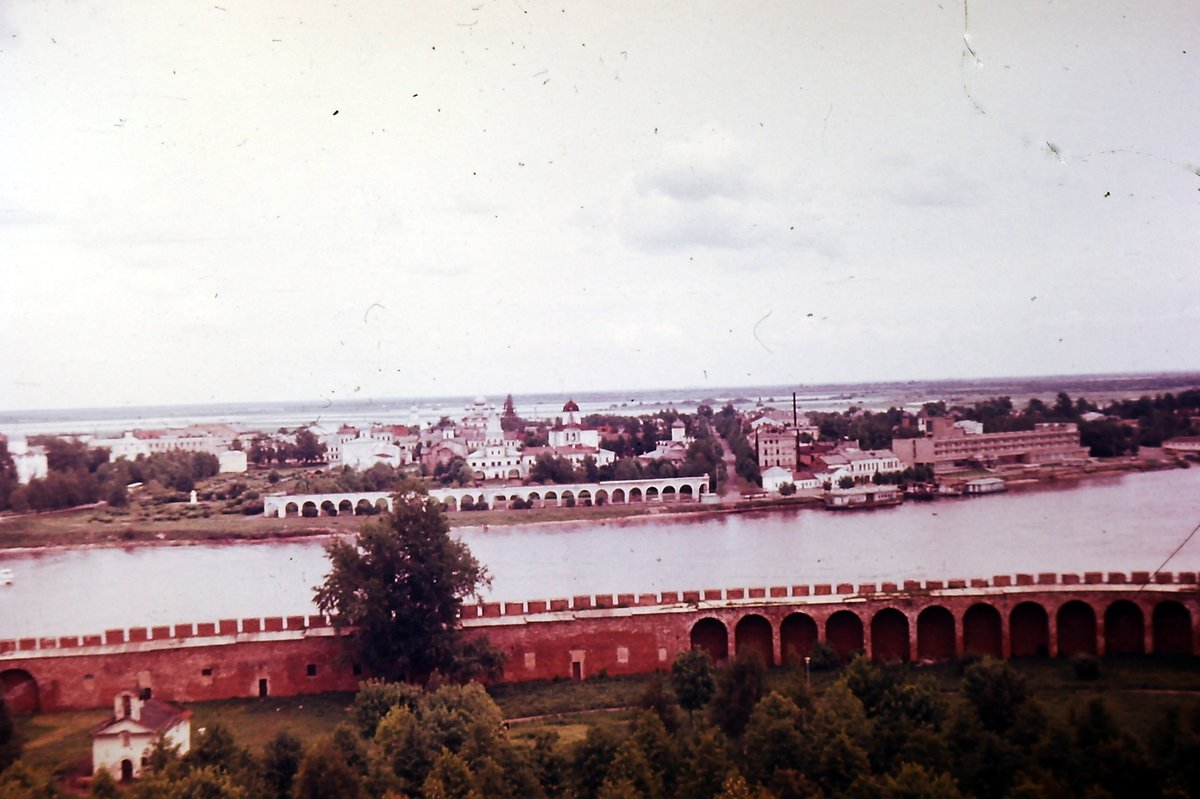
- Yaroslav’s Court & Gostiny Dvor: 3 km; across the Volkhov River from the Kremlin
- Museum of Wooden Architecture (Vitoslavlitsy): 4 km; open 10:00 AM–5:00 PM
- Yuriev Monastery: 6 km south; open 9:00 AM–7:00 PM
- Antoniev Monastery: 3.5 km; accessible by bus/taxi
Tourist Services
- Information desks with maps and brochures
- Luggage storage for day-trippers
- Cafés and souvenir shops
Transport Integration
- Central location makes most hotels and attractions walkable
- Buses and taxis for more distant sites
- Public transport cards for unlimited rides available at station kiosks
Seasonal Considerations and Recommendations
- Winter: Dress warmly; allow extra travel time for possible snow delays.
- Summer: Peak season; book trains and hotels in advance.
- Spring/Autumn: Ideal for mild weather and fewer crowds.
Frequently Asked Questions (FAQ)
Q: What are the Veliky Novgorod Train Station visiting hours? A: 5:00 AM to 11:00 PM daily; ticket offices open 6:00 AM–10:00 PM.
Q: How can I buy tickets for trains at Veliky Novgorod? A: At station counters, kiosks, or online via Russian Railways (Russiable).
Q: Is the station accessible for travelers with disabilities? A: Yes, with ramps, elevators, accessible restrooms, and staff assistance.
Q: Are guided tours available from the station? A: Yes, many city tours depart near the station; check local agencies for schedules.
Q: What are some nearby historical sites? A: Novgorod Kremlin, Saint Sophia Cathedral, Yaroslav’s Court, Museum of Wooden Architecture, Yuriev Monastery.
Q: Is Wi-Fi available at the station? A: Yes, free Wi-Fi is available, though coverage may be limited.
Summary Table: Key Attractions and Distances from Veliky Novgorod Train Station
| Attraction | Distance | Transport Options | Time Estimate |
|---|---|---|---|
| Novgorod Kremlin (Detinets) | 2.5 km | Walk/Bus/Taxi | 10–30 min |
| Saint Sophia Cathedral | 2.5 km | Walk/Bus/Taxi | 10–30 min |
| Yaroslav’s Court | 3 km | Walk/Bus/Taxi | 15–35 min |
| Museum of Wooden Architecture | 4 km | Bus/Taxi | 15–20 min |
| Yuriev Monastery | 6 km | Bus/Taxi | 20–25 min |
| Antoniev Monastery | 3.5 km | Bus/Taxi | 15–20 min |
Sources and Official Links
- History of Russian Railways – RailStaff
- A Weekend in Veliky Novgorod – RBTH
- Visit Veliky Novgorod – Russiable
- Historical Places in Veliky Novgorod – TravelSetu
- Veliky Novgorod Sights – Nordic Travels
- Major Sightseeings of Veliky Novgorod – Guide to Petersburg
アプリで完全なストーリーを聴く
ヴェリキーノヴゴロド駅のすべてを、
語る。
96か国1,100以上の都市に対応したオーディオガイド。歴史、物語、現地の知識をオフラインでお楽しみいただけます。

確かめて、お見せする。
歴史的記録、建築アーカイブ、そして地元の知見をもとに、Audiala編集チームが調査・執筆しました。
Wikidata・Wikipedia・公式情報をもとに調査 · 事実確認済み · 私たちのガイドづくり →