コルツェア教会、ブカレストを計画して、聴く Audialaで。
ポケットに音声ガイド、ブラウザに旅程。あなたの本当の歩き方に合わせて作りました。
歴史概要

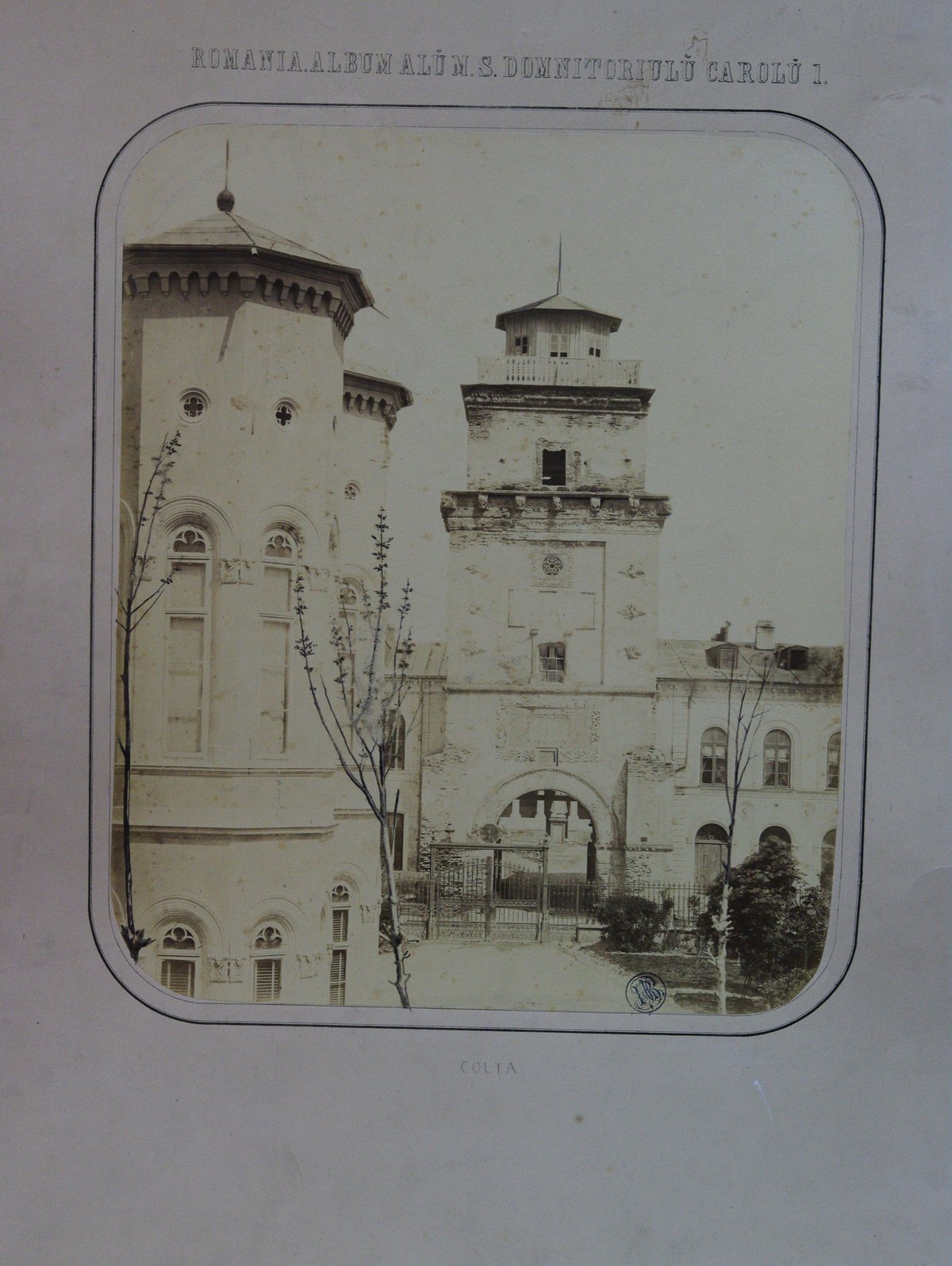
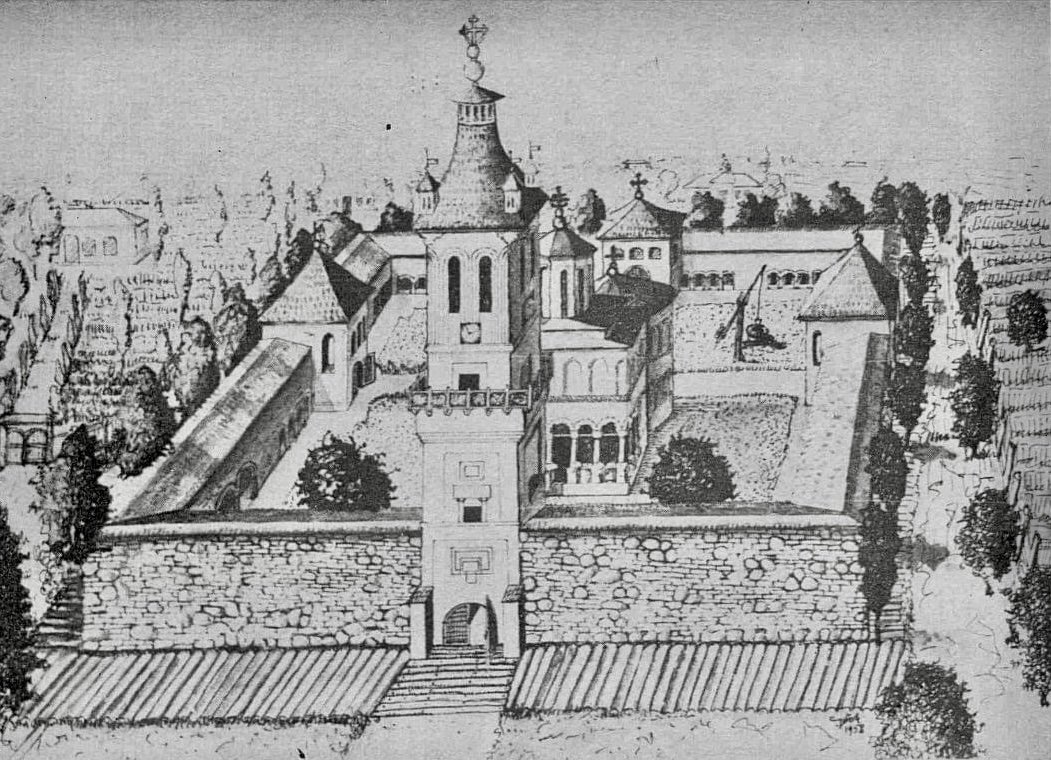
起源と設立
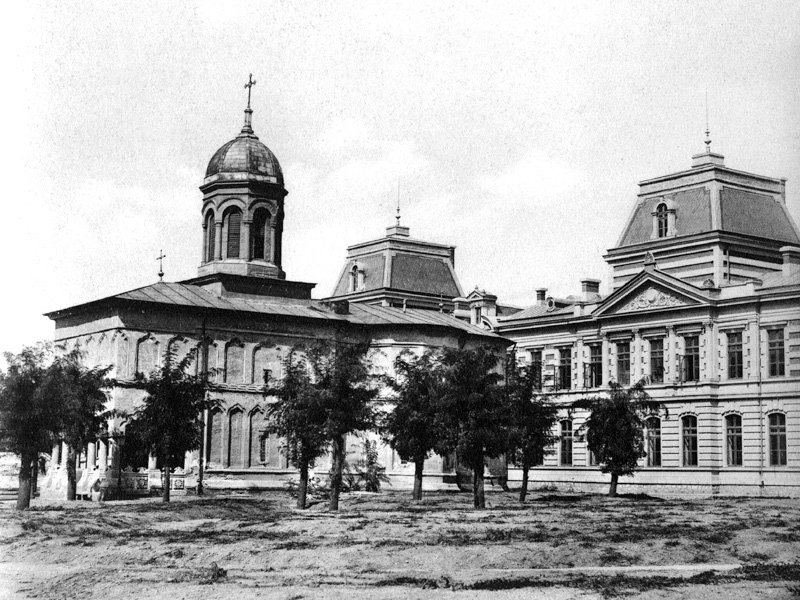
コルチュア教会の起源は1641年に遡り、コルチュア・ドイチェスクがこの地に木造教会を建立しました。現在の石造りの教会は、1695年から1698年の間に、ワラキアの著名な貴族ミハイル・カンタクジノの支援を受けて建設されました。彼のビジョンは礼拝の場にとどまらず、病院と修道院複合体も包含し、市の宗教的・社会的生活において重要な役割を果たしました(bisericacoltea.ro; quaestus.ro)。
建築の変遷と芸術的遺産
コルチュア教会はブランコヴェネスク様式のランドマークであり、ルーマニア、ビザンチン、オスマン、バロック、ルネッサンスの影響が見事に調和しています。精巧な石彫のファサード、柱廊、装飾的なフリーズが特徴です。有名な芸術家パルヴ・ムトゥに帰属される壁画やフレスコ画は、聖書の場面や正教会の聖人を鮮やかな色彩で描写しており、内部には崇敬されるイコノスタシスと聖遺物が収められています(traveltastefeel.com; romania-insider.com)。
コルチュア・アンサンブル:修道院、病院、都市開発
教会は元々、ブカレスト初の公立病院(1704年完成)と修道院を含む、より広範な慈善複合体の一部でした。この複合体は市の発展において重要な役割を果たし、病院は今日でも運営されており、近くのミハイル・カンタクジノの像で記念されています(romania-insider.com)。
激動の時代を生き抜く
コルチュア教会は、地震、火災、侵略、そして共産主義時代の都市の変化を乗り越えてきました。その回復力により、ブカレストの他の多くの歴史的建造物が失われた中で、ブカレストにおける永続的な精神的・建築的支柱となっています(romania-insider.com)。
訪問者情報:時間、チケット、アクセス
- 開館時間: 教会は通常、毎日午前8時から午後6時まで開館しています。特別な礼拝やイベントにより、時々変更されることがありますので、訪問前に公式ウェブサイトをご確認ください。
- チケット: 入場は無料です。維持・修復のための寄付を歓迎します。
- ガイドツアー: 事前予約または市内ウォーキングツアーの一部として利用可能です。ピークシーズン中は事前予約をお勧めします。
- アクセス: 教会は車椅子でアクセス可能で、メインエントランスにはスロープがあります。石畳の表面には介助が必要な場合があります。
- 服装規定: 控えめな服装が必要です(肩と膝を覆うこと)、教会内では帽子を脱いでください。
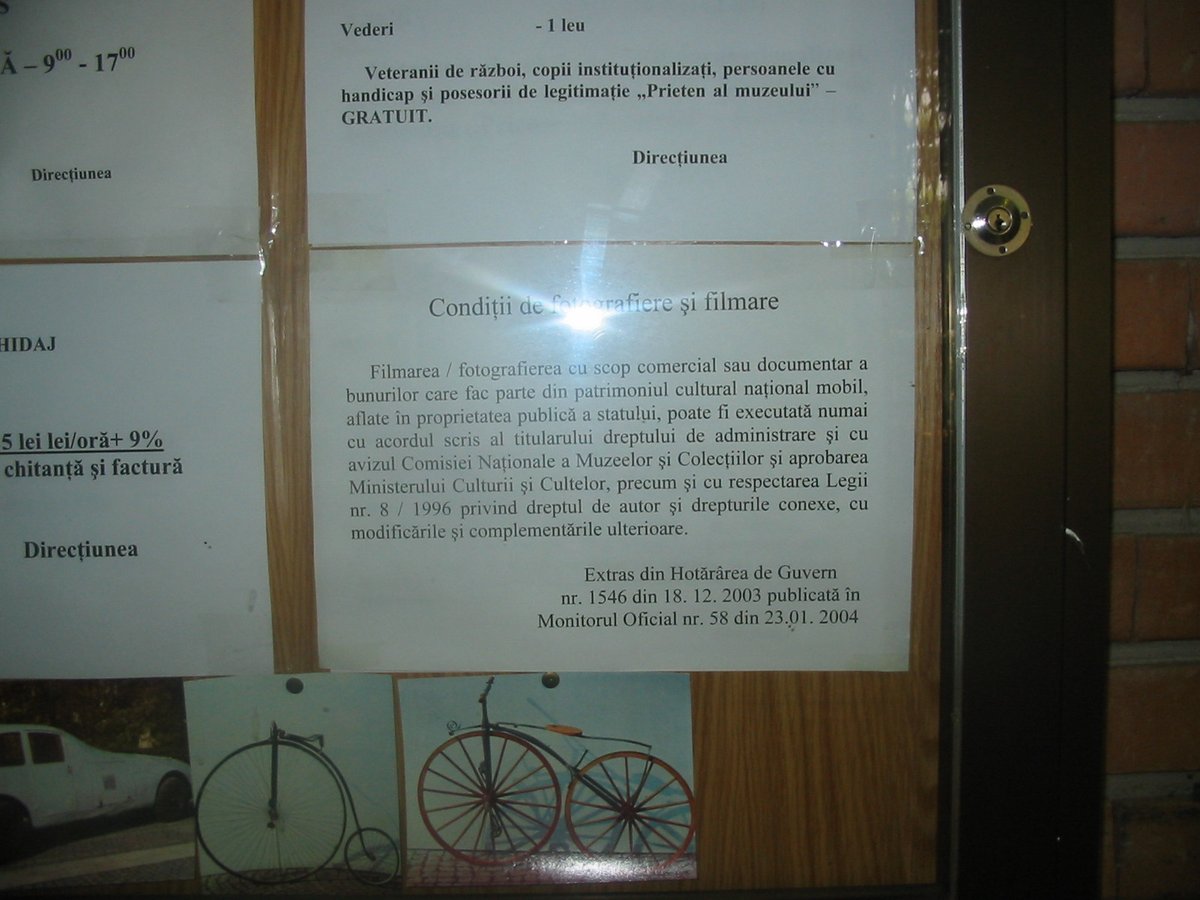
- 写真撮影: フラッシュなしで許可されます。必ずスタッフに確認するか、掲示された注意書きに従ってください。
- 旅行のヒント: 平和な体験と写真撮影に最適な光を求めて、早朝または午後の遅い時間帯に訪問しましょう。
より実用的なアメニティや公共交通機関に関する情報は、RomaniaTourism.comをご覧ください。
建築的特徴:外観と内観のハイライト
外観
- ファサードとポーチ: 白い石とレンガのファサードは、高いアーチ窓と、アカンサスの葉の柱頭と花のモチーフで飾られた5つのアーチのポーチが特徴です。これはブランコヴェネスク様式の典型です(traveltastefeel.com)。
- 鐘楼: 地震後に再建された隣接する鐘楼は、教会のシルエットを補完し、バロック様式の影響を受けた要素を含んでいます。
- ドームと屋根: 小さなドームに挟まれた中央のドームは、十字架で覆われ、鉛で覆われており、教会のスカイラインを豊かにしています。
内観
- 身廊と聖域: 広々とした身廊、高い天井、精巧に彫刻された木製のイコノスタシスは、壮大さと畏敬の念を生み出します。
- フレスコ画: パルヴ・ムトゥによる壁画は、聖書の場面と正教会のイコノグラフィーを鮮やかな色彩で描いています。ドームの内部には、天使に囲まれたパントクラトールのキリストが描かれているのが一般的です。
- 典礼用備品: 大理石の祭壇や金色の行列用オブジェクトなど、伝統的な正教会の家具が教会の精神的な雰囲気を高めています。
ビジュアルやバーチャルツアーについては、コルチュア教会公式ウェブサイトをご覧ください。
ブカレストの都市的・文化的アイデンティティにおけるコルチュア教会
イ・C・ブラティアヌ大通り1番地に位置するコルチュア教会は、ブカレストの歴史的景観において中心的な要素です。ユニバーシティ・スクエア、スツ宮殿、国立劇場、旧市街(リップスカニ地区)といった著名なランドマークに近いため、遺産ウォーキングツアーには不可欠な立ち寄り場所となっています(RomaniaTourism.com; lovinromania.com)。
教会のブランコヴェネスク様式は、東洋と西洋の影響が融合した都市の象徴であり、ブカレストの文化の交差点としてのアイデンティティを強化しています。
儀式、巡礼、共同体の生活
コルチュア教会は、三大聖ヒエラルキス(大バシリオス、神学者グレゴリオス、金口ヨハネス)と聖パラスケヴァに捧げられています。シナイの聖カタリナの遺物と、聖母マリアの奇跡的なイコンを収蔵しており、特に祝祭日(1月30日と10月14日)には巡礼者や崇拝者を引きつけます。教会はまた、洗礼、結婚式、共同体のイベントの会場でもあります(lovinromania.com)。
その継続的な慈善活動と教育プログラムは、地域社会にとっての不朽の重要性を強調しています。
近くの観光スポットと旅行のヒント
- ランドマーク: スツ宮殿、コルチュア病院、ブカレスト大学、国立劇場、活気あるリップスカニ地区は徒歩圏内にあります(TouristPlaces.Guide)。
- アクセス: ユニバーシタテ地下鉄駅(M2線)、多数のバス・トラム路線、近くのウォーキングルートから簡単にアクセスできます。
- アメニティ: 多くのカフェ、パン屋、ショップが近くにあります。トイレはカフェや地下鉄駅で利用できます。
よくある質問(FAQ)
Q: コルチュア教会の開館時間は? A: 通常、教会は毎日午前8時から午後6時まで開館しています。特別イベントについては事前にお問い合わせください。
Q: 入場料はかかりますか? A: 入場は無料です。寄付を歓迎します。
Q: ガイドツアーはありますか? A: リクエストに応じて、また都市ウォーキングツアーの一部として利用可能です。
Q: 教会は障害者でもアクセスできますか? A: はい、スロープと介助が利用可能です。
Q: 教会内での写真撮影はできますか? A: フラッシュなしであれば可能です。常にスタッフに確認してください。
Q: 主な祝祭日はいつですか? A: 1月30日(三大聖ヒエラルキス)と10月14日(聖パラスケヴァ)です。
Q: 服装規定はありますか? A: 控えめな服装が必要です。肩と膝を覆ってください。
訪問者向けの必須ヒント
- 最良の体験のために、静かな時間帯に訪問を計画しましょう。
- 控えめな服装をし、地元の習慣を尊重しましょう。
- 寄付によって保存活動を支援しましょう。
- 近くの文化的な観光スポットを探索し、ウォーキングツアーと訪問を組み合わせましょう。
- 公共交通機関を利用して簡単にアクセスしましょう。
インタラクティブマップとバーチャルツアーはVirtual Colțea Tourで利用可能です。
情報源とさらなる参照
- コルチュア教会公式ウェブサイト
- Romania Insider, Destination Bucharest: City’s Churches
- TravelTasteFeel, Best 15 Buildings of Bucharest and Their Stories
- Lovin Romania, Colțea Church Overview
- Romania Tourism Official Portal, Bucharest Guide
- TouristPlaces.Guide, Top Tourist Attractions in Bucharest
- Quaestus.ro – Historical Studies
Caludia2024{'date': '04/07/2025', 'task': {'model': 'gpt-4.1-mini', 'query': 'Comprehensive guide to visiting Colțea Church, Bucharest, Bucharest, Romania: history, significance, visitor tips, and everything tourists need to know for a memorable experience.', 'verbose': False, 'guidelines': ["Keyword Research: Identify relevant keywords that potential visitors are likely to search for, such as '[Monument Name] visiting hours,' '[Monument Name] tickets,' and '[City] historical sites.' Use these keywords strategically throughout the article, including in the title, headers, and body text, but avoid keyword stuffing.", 'Engaging and Informative Title: Craft a title that is both SEO-friendly and compelling to encourage clicks. Include the main keyword and make it clear what the article will cover.', 'Structured Content: Use headings (H1, H2, H3) to organize the content effectively. This helps with SEO and makes the article easier for readers to navigate. Include an introduction that hooks the reader, a detailed body that covers all relevant aspects, and a conclusion that summarizes the key points.', 'Comprehensive Coverage: Address common questions and topics of interest such as the history of the monument, its cultural significance, visitor information (e.g., ticket prices, opening hours), travel tips, nearby attractions, and accessibility. Include sections that might be unique to the monument, like special events, guided tours, and photographic spots.', 'Quality Content: Ensure the content is well-researched, accurate, and provides real value to readers. Use reliable sources and provide factual information. Write in a clear, engaging, and accessible style. Consider your audience and use language that is appropriate for those likely to visit the monument.', 'Visuals and Media: Incorporate high-quality images or videos of the monument. These should be optimized for the web (correct sizing, alt tags with keywords). Consider interactive elements like virtual tours or maps.', 'Internal and External Links: Include links to other related articles on your site to encourage deeper engagement (internal links). Link to official websites for the monument or credible sources for further reading (external links).', 'FAQ: Incorporate FAQ sections to target voice search queries and featured snippets', 'Visit and Stay Up to Date: End the article with a call to action, such as encouraging readers to download our mobile app Audiala, check out other related posts, or follow on social media for more updates.'], 'max_sections': 4, 'publish_formats': {'pdf': False, 'docx': False, 'markdown': True}, 'follow_guidelines': True}, 'title': 'A Comprehensive Guide to Visiting Colțea Church, Bucharest, Romania', 'report': '# Colțea Church Visiting Hours, Tickets, and Comprehensive Visitor Guide\n\n#### Date: 04/07/2025\n\n---\n\n## Introduction\n\nColțea Church, located near University Square in the heart of Bucharest, is a distinguished emblem of Romania’s religious, architectural, and cultural history. Originally founded as a wooden church in 1641 by Colțea Doicescu and rebuilt in stone between 1695 and 1698 by Mihail Cantacuzino, it stands today as a remarkable example of the Brâncovenesc architectural style and a key destination for visitors seeking to immerse themselves in Bucharest’s heritage (bisericacoltea.ro; romania-insider.com).\n\nThis guide provides a detailed overview of Colțea Church’s history, artistic significance, practical visitor information, and its role within Bucharest’s urban fabric. Whether you are a cultural tourist, history enthusiast, or a pilgrim, you will find essential tips, highlights, and resources to enrich your visit.\n\n---\n\n## Contents\n\n- Historical Overview\n - Origins and Foundation\n - Architectural Evolution and Artistic Heritage\n - The Colțea Ensemble: Monastery, Hospital, and Urban Development\n - Survival Through Turbulent Times\n- Visitor Information: Hours, Tickets, and Accessibility\n- Architectural Features: Exterior and Interior Highlights\n- Colțea Church in Bucharest’s Urban and Cultural Identity\n- Rituals, Pilgrimage, and Community Life\n- Nearby Attractions and Travel Tips\n- Frequently Asked Questions (FAQ)\n- Sources and Further Reading\n\n---\n\n## Historical Overview\n\n### Origins and Foundation\n\nColțea Church’s roots trace to 1641, when Colțea Doicescu established a wooden church on the site. The existing stone church was constructed between 1695 and 1698 under the patronage of Mihail Cantacuzino, a prominent Wallachian nobleman. His vision extended beyond a place of worship, encompassing a hospital and a monastic complex that became pivotal in the city’s religious and social life (bisericacoltea.ro; quaestus.ro).\n\n### Architectural Evolution and Artistic Heritage\n\nColțea Church is a landmark of the Brâncovenesc style, characterized by its harmonious blend of Romanian, Byzantine, Ottoman, Baroque, and Renaissance influences. Key features include intricately carved stone façades, columned porticos, and decorative friezes. The murals and frescoes, attributed to the famed artist Pârvu Mutu, depict biblical scenes and Orthodox saints in vivid colors, while the interior houses a revered iconostasis and sacred relics (traveltastefeel.com; romania-insider.com).\n\n### The Colțea Ensemble: Monastery, Hospital, and Urban Development\n\nThe church was originally part of a broader philanthropic complex, which included Bucharest’s first public hospital (completed in 1704) and a monastery. This ensemble played a significant role in the city’s development, with the hospital still in operation today, commemorated by a statue of Mihail Cantacuzino nearby (romania-insider.com).\n\n### Survival Through Turbulent Times\n\nColțea Church has survived earthquakes, fires, invasions, and the urban changes of the communist era. Its resilience has made it a lasting spiritual and architectural anchor within Bucharest, when many other historic buildings were lost (romania-insider.com).\n\n---\n\n## Visitor Information: Hours, Tickets, and Accessibility\n\n- Visiting Hours: The church is typically open daily from 8:00 AM to 6:00 PM. Special services or events can cause occasional changes, so check the official website before visiting.\n- Tickets: Entry is free. Donations are welcome to support maintenance and restoration.\n- Guided Tours: Available upon request or as part of city walking tours. Advance booking is recommended during peak seasons.\n- Accessibility: The church is wheelchair accessible, with ramps at the main entrance. Some cobbled surfaces may require assistance.\n- Dress Code: Modest attire is required (shoulders and knees covered), and hats should be removed inside.\n- Photography: Allowed without flash; always confirm with staff or posted signage.\n- Travel Tips: Visit early morning or late afternoon for a peaceful experience and optimal lighting for photography.\n\nFor more practical information on amenities and public transport, see RomaniaTourism.com.\n\n---\n\n## Architectural Features: Exterior and Interior Highlights\n\n### Exterior\n\n- Façade and Portico: The white stone and brick façade features tall arched windows and a five-arch portico adorned with acanthus-leaf capitals and floral motifs — a hallmark of the Brâncovenesc style (traveltastefeel.com).\n- Bell Tower: The adjacent bell tower, reconstructed after earthquakes, complements the church’s silhouette and includes Baroque-inspired elements.\n- Domes and Roof: The central dome, flanked by smaller cupolas, is topped with crosses and covered in lead, enriching the church’s skyline.\n\n### Interior\n\n- Nave and Sanctuary: The spacious nave, high ceilings, and intricately carved wooden iconostasis create a sense of grandeur and reverence.\n- Frescoes: Murals by Pârvu Mutu depict vibrant biblical scenes and Orthodox iconography. The dome’s interior typically features Christ Pantocrator, surrounded by angels.\n- Liturgical Artifacts: Traditional Orthodox furnishings, including a marble altar and gilded processional objects, add to the church’s spiritual ambiance.\n\nFor visuals and a virtual tour, visit the official Colțea Church website.\n\n---\n\n## Colțea Church in Bucharest’s Urban and Cultural Identity\n\nLocated at 1 I.C. Brătianu Boulevard, Colțea Church is a pivotal element in Bucharest’s historical landscape. Its proximity to University Square and notable landmarks like Sutu Palace, the National Theater, and Old Town (Lipscani District) makes it an integral stop in heritage walking tours (RomaniaTourism.com; lovinromania.com).\n\nThe church’s Brâncovenesc style exemplifies the city’s synthesis of Eastern and Western influences, reinforcing Bucharest’s identity as a crossroads of cultures.\n\n---\n\n## Rituals, Pilgrimage, and Community Life\n\nColțea Church is dedicated to the Three Holy Hierarchs (Basil the Great, Gregory the Theologian, and John Chrysostom) and Saint Parascheva. It houses relics of St. Catherine of Sinai and a miracle-working icon of the Virgin Mary, attracting pilgrims and worshippers, especially on feast days (January 30th and October 14th). The church is also a venue for baptisms, weddings, and community events (lovinromania.com).\n\nIts ongoing charitable activities and educational programs underscore its enduring importance to the local community.\n\n---\n\n## Nearby Attractions and Travel Tips\n\n- Landmarks: Sutu Palace, Colțea Hospital, University of Bucharest, National Theater, and the vibrant Lipscani District are within walking distance (TouristPlaces.Guide).\n- Getting There: Easily accessible from Universitate metro (M2 line), multiple bus and tram lines, and nearby walking routes.\n- Amenities: Numerous cafes, bakeries, and shops are located nearby. Restrooms are available at cafes and the metro station.\n\n---\n\n## Frequently Asked Questions (FAQ)\n\nQ: What are the Colțea Church visiting hours? \nA: Generally, the church is open daily from 8:00 AM to 6:00 PM. Check ahead for special events.\n\nQ: Is there an entrance fee? \nA: Entry is free; donations are welcome.\n\nQ: Are guided tours available? \nA: Yes, upon request and often as part of city walking tours.\n\nQ: Is the church accessible for people with disabilities? \nA: Yes, with ramps and assistance available.\n\nQ: Can I take photographs inside? \nA: Yes, but without flash, and always check with staff.\n\nQ: What are the main feast days? \nA: January 30th (Three Holy Hierarchs) and October 14th (Saint Parascheva).\n\nQ: What is the dress code? \nA: Modest attire is required; shoulders and knees should be covered.\n\n---\n\n## Essential Tips for Visitors\n\n- Plan your visit during quiet hours for the best experience.\n- Dress modestly and respect local customs.\n- Support preservation efforts through donations.\n- Explore nearby cultural attractions and combine your visit with a walking tour.\n- Use public transportation for easy access.\n\nInteractive maps and virtual tours are available at Virtual Colțea Tour.\n\n---\n\n## Summary\n\nColțea Church stands as a symbol of Bucharest’s resilience, cultural synthesis, and religious devotion. Its Brâncovenesc architecture, historical significance, and vibrant community make it a must-see destination. With free admission, accessible facilities, and a location at the city’s heart, Colțea Church offers visitors a deep and rewarding exploration into Romania’s past and present (bisericacoltea.ro; traveltastefeel.com).\n\nFor the most current information, guided tour bookings, and cultural events, visit the official website and Romania Tourism. Download the Audiala app for curated audio guides and real-time updates.\n\n---\n\n## Sources and Further Reading\n\n- Colțea Church official website\n- Romania Insider, Destination Bucharest: City’s Churches\n- TravelTasteFeel, Best 15 Buildings of Bucharest and Their Stories\n- Lovin Romania, Colțea Church Overview\n- Romania Tourism Official Portal, Bucharest Guide\n- TouristPlaces.Guide, Top Tourist Attractions in Bucharest\n- Quaestus.ro – Historical Studies\n\n---\n\n
アプリで完全なストーリーを聴く
コルツェア教会、ブカレストのすべてを、
語る。
96か国1,100以上の都市に対応したオーディオガイド。歴史、物語、現地の知識をオフラインでお楽しみいただけます。
確かめて、お見せする。
歴史的記録、建築アーカイブ、そして地元の知見をもとに、Audiala編集チームが調査・執筆しました。
Wikidata・Wikipedia・公式情報をもとに調査 · 事実確認済み · 私たちのガイドづくり →