
Origins and Urban Development
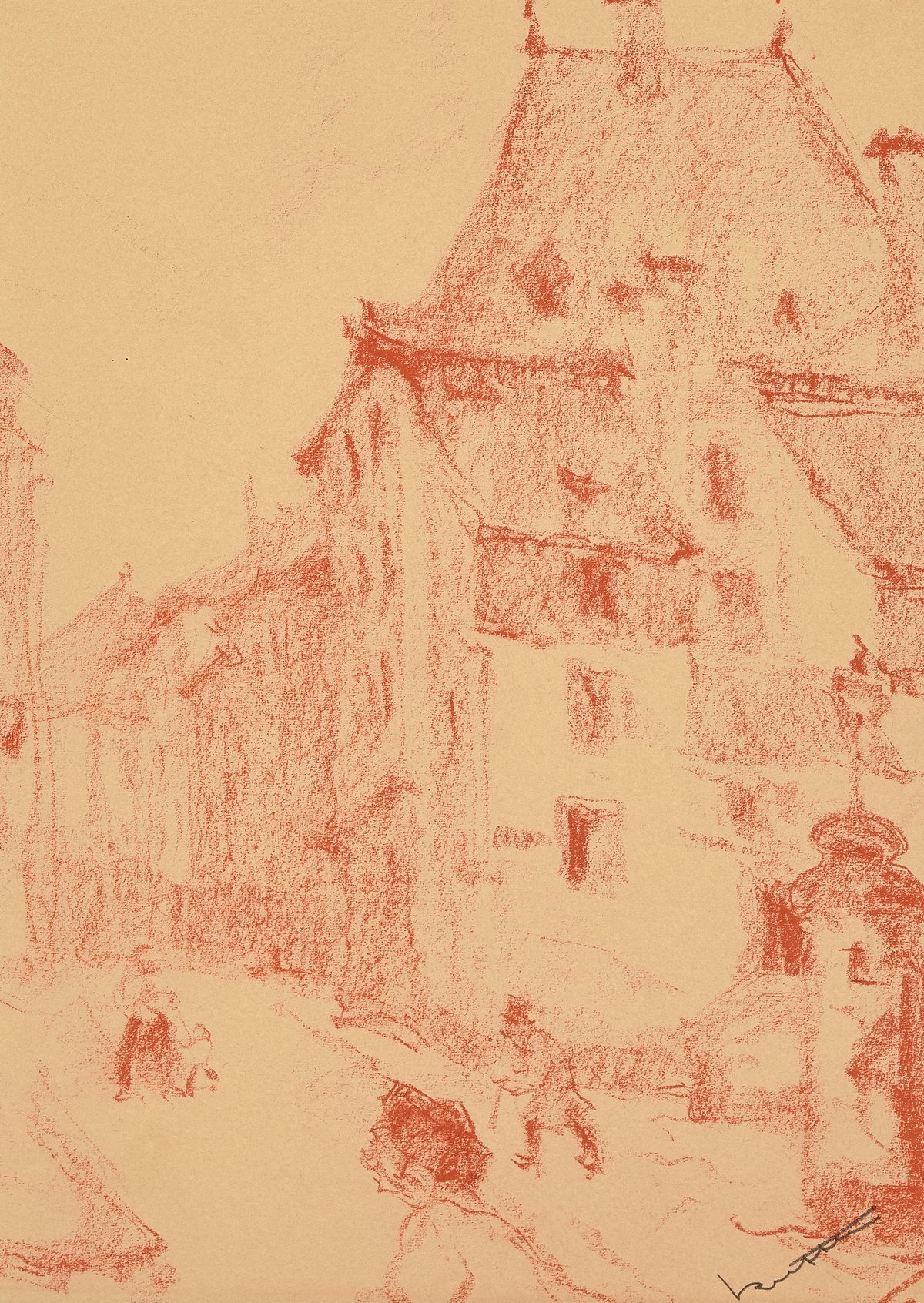
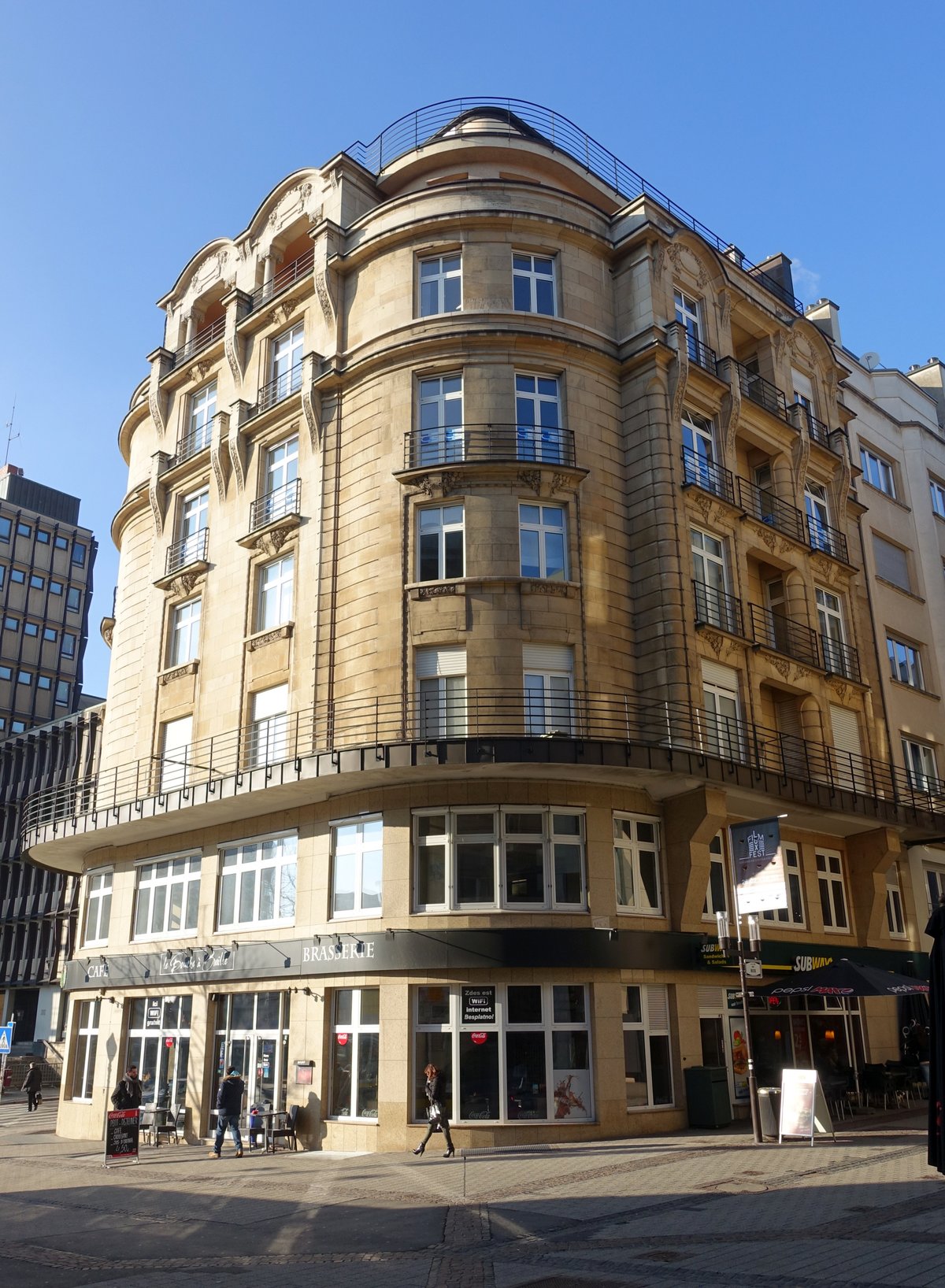
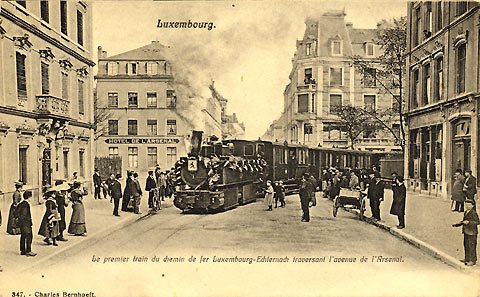
Avenue Émile-Reuter was created during Luxembourg City’s urban transformation following the 1867 Treaty of London, which called for the demolition of the city’s military fortifications. This pivotal event allowed for the city’s expansion and modernization, leading to the construction of new avenues—including Émile-Reuter, Porte-Neuve, Monterey, and Marie-Thérèse—as part of a master plan to connect the historic center with emerging districts like Belair (fr.wikipedia.org; routeyou.com).
The broad, tree-lined avenue exemplifies late 19th-century planning ideals, providing an elegant link between the Ville-Haute district and the western suburbs, with Route d’Arlon extending further to Belgium. Its design fosters accessibility, grandeur, and seamless integration with adjacent green spaces.
Naming and Historical Significance
Émile Reuter (1874–1973) was Luxembourg’s Prime Minister from 1918 to 1925, remembered for protecting the country’s neutrality during World War I and promoting social and educational reforms. The avenue’s name pays tribute to his enduring influence on the nation’s political and cultural landscape (en.wikipedia.org; mexicohistorico.com). During the German occupation in World War II, Avenue Émile-Reuter was temporarily renamed “Arsenalstrasse,” reflecting the imposition of German nomenclature (fr.wikipedia.org).
Architectural and Urban Landmarks
Villa Vauban – Musée d’Art de la Ville de Luxembourg
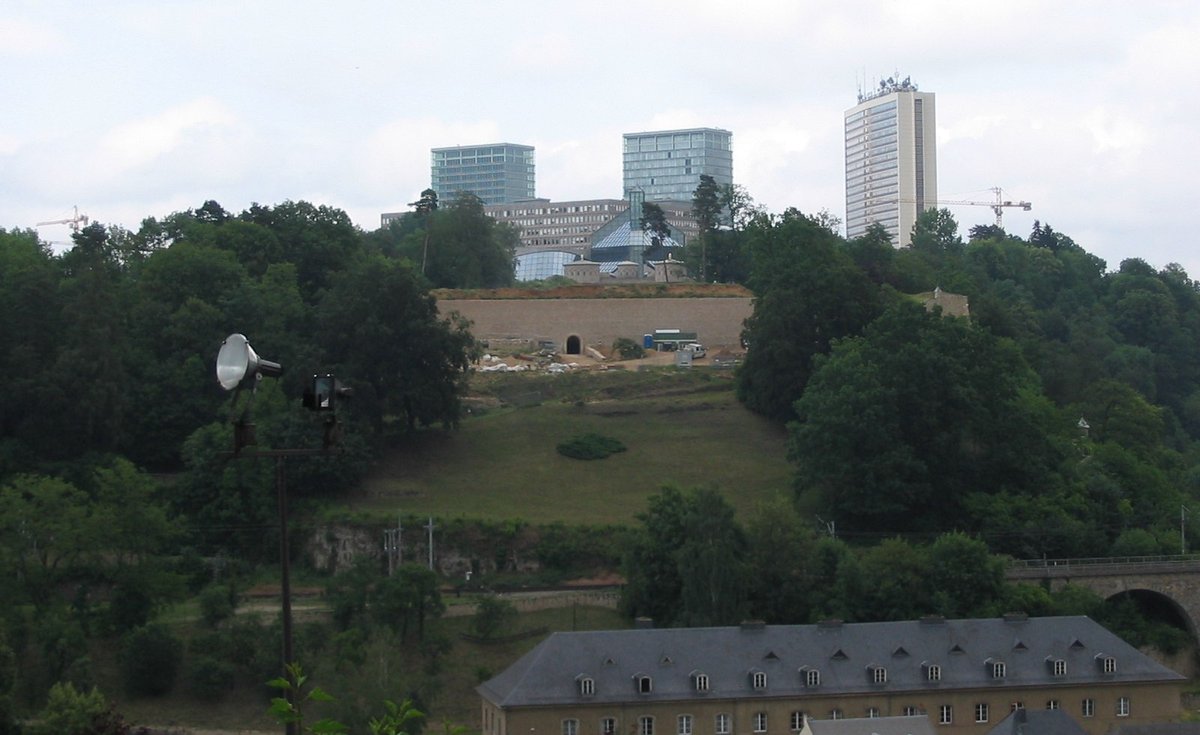
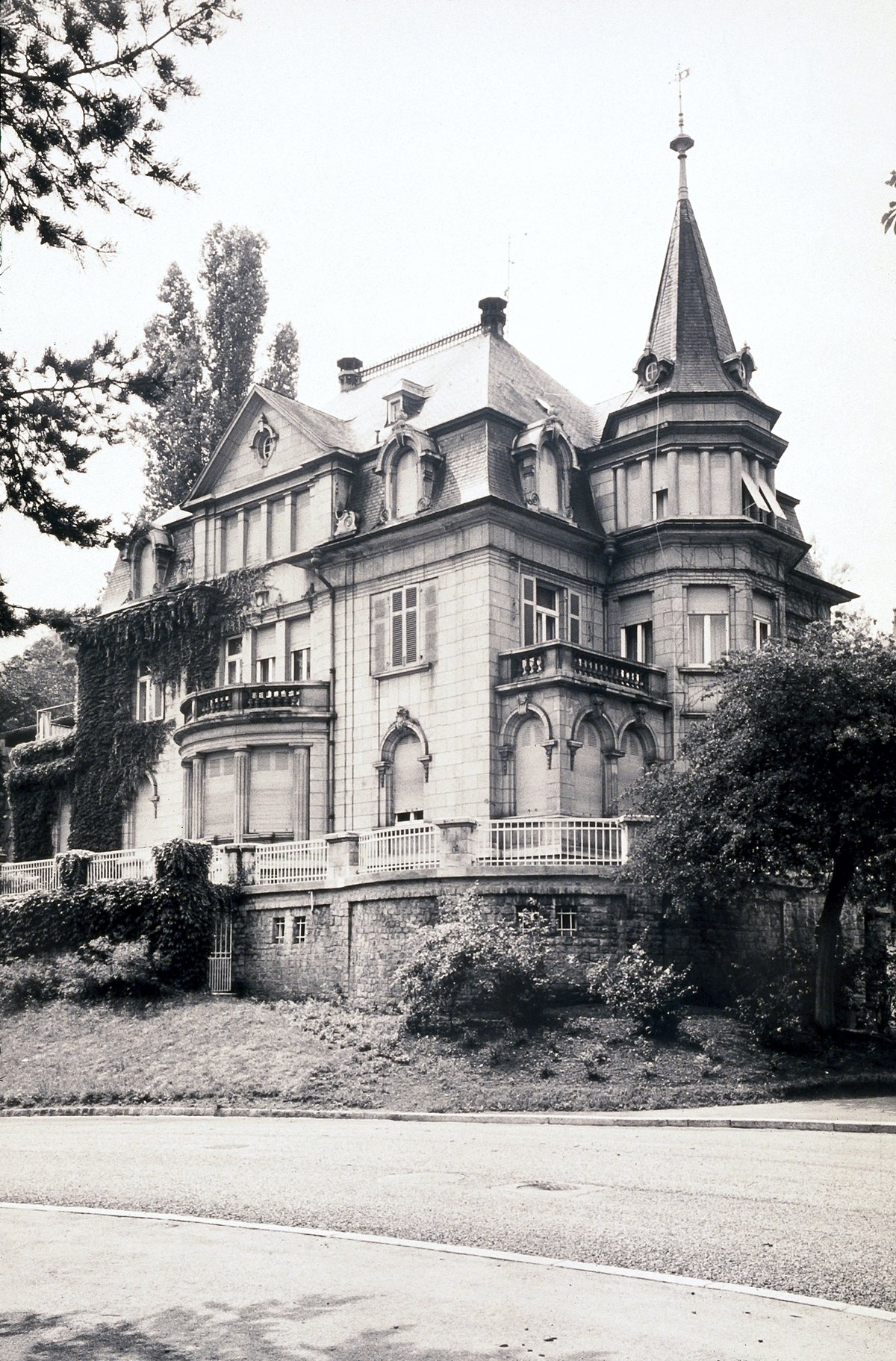
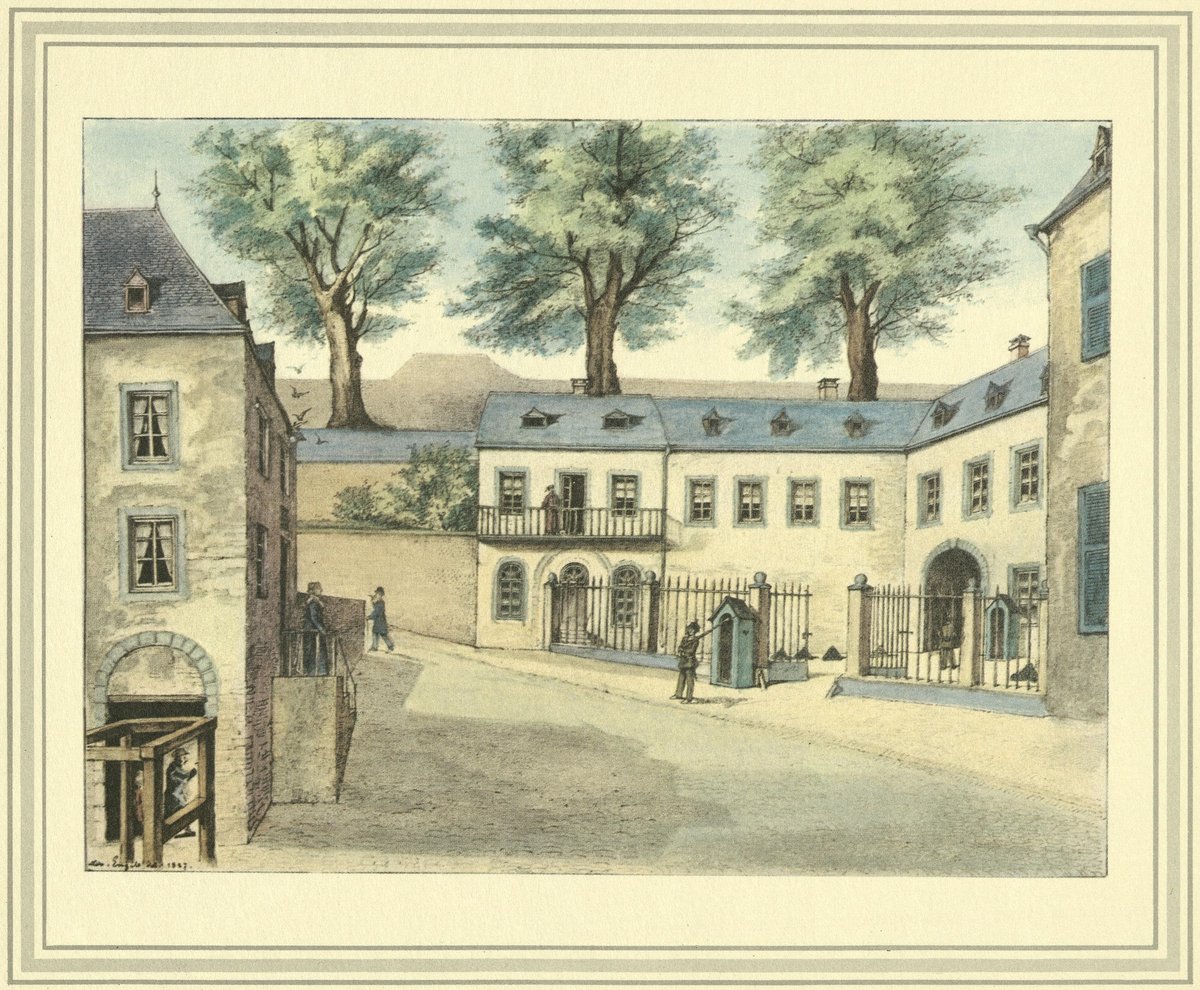
Situated at 18, avenue Émile Reuter, the Villa Vauban is a 19th-century mansion set within a landscaped park designed by Édouard André. The museum houses a collection of European paintings and sculptures from the 17th to 19th centuries, as well as modern Luxembourgish art. The villa itself was constructed atop remnants of the city’s historic fortifications, blending classical architecture with contemporary gallery extensions (villavauban.lu; visitluxembourg.com).
Arsenal Building
The Arsenal building is a prime example of contemporary sustainable architecture, serving as the headquarters for Société Générale Luxembourg. Inaugurated in 2023 and designed by Georges Reuter Architectes, it is certified HQE Excellent and BREEAM Very Good, incorporating 9,700 m² of advanced workspaces (delano.lu; paperjam.lu).
Parks and Green Spaces
Avenue Émile-Reuter is bordered by the Parc Municipal and the Villa Vauban park, offering tranquil retreats with manicured lawns, mature trees, and outdoor sculptures. These green areas are integral to the city’s identity as a “green capital.”
Visiting Hours, Tickets, and Accessibility
Villa Vauban – Musée d’Art de la Ville de Luxembourg
- Visiting Hours Tuesday to Sunday, 10:00 AM – 6:00 PM; closed on Mondays and public holidays (villavauban.lu).
- Tickets General admission €5; reduced €3; free for children under 18, Luxembourg Card holders, and on the first Sunday of each month.
- Accessibility Wheelchair accessible, with adapted restrooms and guided tours available for visitors with reduced mobility.
Avenue Émile-Reuter
- Access Public street, open 24/7.
- Public Transport Multiple bus lines (2, 4, 11, 18, 811, 812, 821), RB train line, and T1 tram serve the area (Moovit).
- Parking Limited on-street parking; public garages such as Monterey and Royal-Hamilius are nearby.
- Walking The area is pedestrian-friendly with wide, well-maintained sidewalks.
Travel Tips and Nearby Attractions
- Guided Tours Several operators offer walking tours featuring Avenue Émile-Reuter, Villa Vauban, and the surrounding historic center.
- Nearby Landmarks Grand Théâtre de Luxembourg, Place Guillaume II, Notre-Dame Cathedral, Chemin de la Corniche, and the UNESCO-listed Old Town are all within walking distance (Bucket List Journey).
- Events Villa Vauban hosts seasonal events like “La Guinguette” in summer, and the city’s Museum Night in October features extended opening hours and special programming.
- Dining While the avenue itself is mostly residential, nearby areas offer a range of cafés, bistros, and restaurants.
Visitor Services and Amenities
- Restrooms & Wi-Fi Available in Villa Vauban; free public Wi-Fi is widespread in Luxembourg City.
- Museum Shop Art books, postcards, and unique souvenirs are sold at Villa Vauban.
- Accessibility Most public spaces and museums are fully accessible.
Practical Information
- Best Time to Visit Spring and autumn offer pleasant weather and vibrant park scenery. Major events and festivals typically occur during these seasons.
- Language Luxembourgish, French, and German are official; English is widely spoken.
- Currency Euro (€). Credit and debit cards are widely accepted.
- Safety Luxembourg City is one of Europe’s safest capitals; standard precautions apply.
Frequently Asked Questions (FAQ)
Q: What are Villa Vauban’s opening hours? A: Tuesday to Sunday, 10:00 AM to 6:00 PM; closed Mondays and public holidays (villavauban.lu).
Q: How much is a ticket to Villa Vauban? A: €5 general admission; €3 reduced; free for children under 18, Luxembourg Card holders, and on the first Sunday of each month.
Q: Is the avenue accessible by public transport? A: Yes, several bus lines and the tram serve Avenue Émile-Reuter (Moovit).
Q: Are guided tours available? A: Yes, guided tours of Villa Vauban and city walking tours can be booked through local agencies and the tourist office.
Q: Are there facilities for visitors with reduced mobility? A: Yes, Villa Vauban and the surrounding public areas are accessible and equipped for visitors with reduced mobility.
Summary and Visitor Recommendations
Avenue Émile-Reuter stands as a symbol of Luxembourg City’s evolution—melding historic architecture, modern sustainability, vibrant culture, and accessible green spaces. Anchored by cultural institutions like Villa Vauban and innovative developments such as the Arsenal building, the avenue is ideal for art lovers, history enthusiasts, and anyone seeking a blend of tradition and progress. Its excellent public transport links, pedestrian-friendly design, and proximity to major attractions make it an essential destination for visitors. Utilize digital resources like the Audiala app for guided tours and up-to-date information to enhance your experience.
Sources and Further Reading
- Avenue Émile-Reuter, 2024, Wikipedia
- Urban Development of Avenue Émile-Reuter, 2024, RouteYou
- Émile Reuter Biography, 2024, Wikipedia
- The Legacy of Luxembourg Historical Figures, 2023, MexicoHistorico
- Villa Vauban Art Museum, 2024, Official Site
- Luxembourg City Art Museum, 2024, Visit Luxembourg
- Arsenal Building Sustainable Architecture, 2023, Delano
- Arsenal Building Inauguration, 2023, Paperjam
- Public Transport and Accessibility, 2024, Moovit
- Things to Do in Luxembourg, 2024, Bucket List Journey
- Luxembourg Tourism Official Portal, 2024, Visit Luxembourg
Explore more Luxembourg City highlights on our platform and download the Audiala app for personalized walking tours, event updates, and in-depth guides to Villa Vauban and other top attractions.