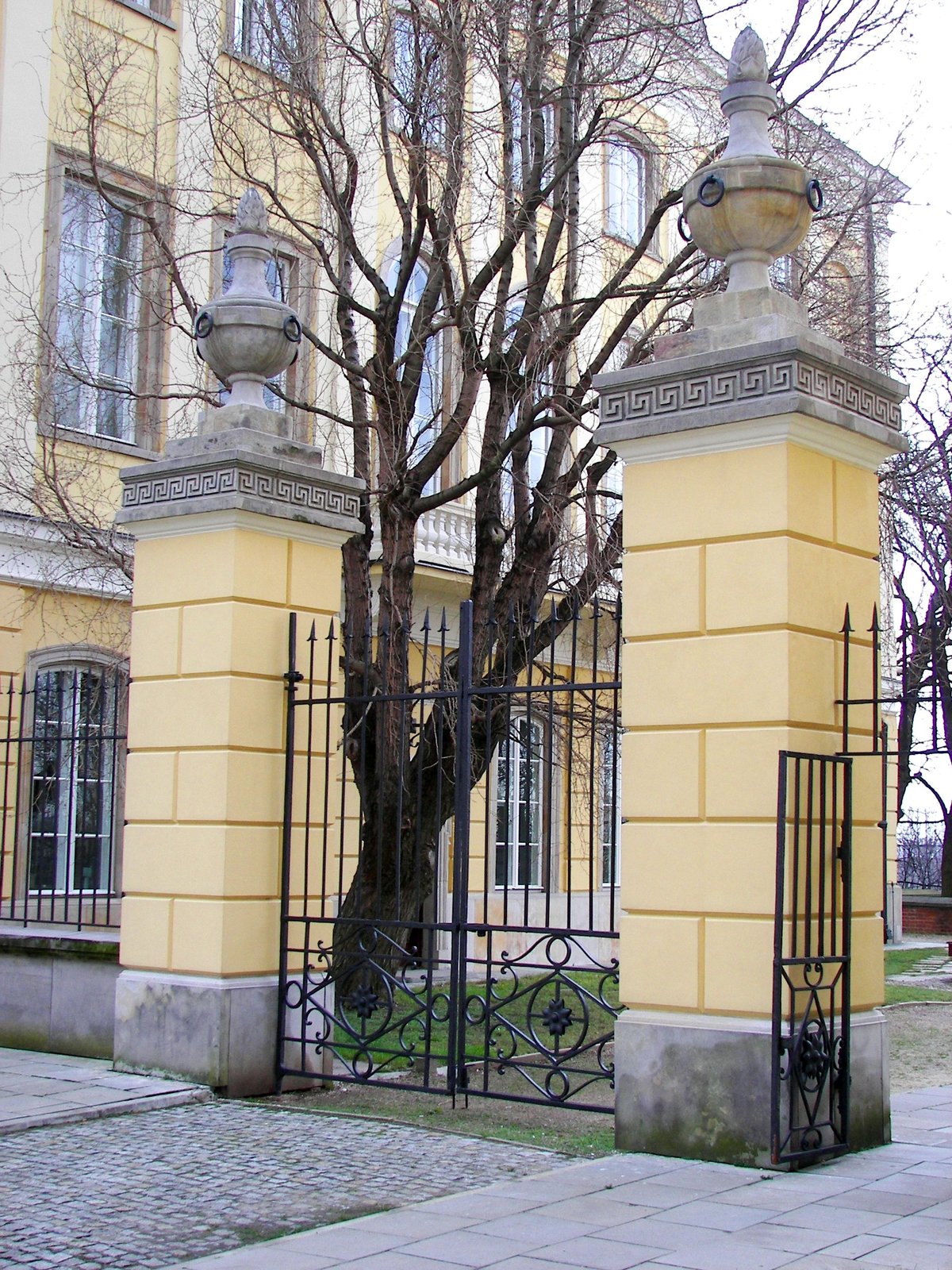
{'date': '03/07/2025', 'task': {'model': 'gpt-4.1-mini', 'query': 'Comprehensive guide to visiting Młodziejowski Palace, Warsaw, Poland: history, significance, visitor tips, and everything tourists need to know for a memorable experience.', 'verbose': False, 'guidelines': ["Keyword Research: Identify relevant keywords that potential visitors are likely to search for, such as '[Monument Name] visiting hours,' '[Monument Name] tickets,' and '[City] historical sites.' Use these keywords strategically throughout the article, including in the title, headers, and body text, but avoid keyword stuffing.", 'Engaging and Informative Title: Craft a title that is both SEO-friendly and compelling to encourage clicks. Include the main keyword and make it clear what the article will cover.', 'Structured Content: Use headings (H1, H2, H3) to organize the content effectively. This helps with SEO and makes the article easier for readers to navigate. Include an introduction that hooks the reader, a detailed body that covers all relevant aspects, and a conclusion that summarizes the key points.', 'Comprehensive Coverage: Address common questions and topics of interest such as the history of the monument, its cultural significance, visitor information (e.g., ticket prices, opening hours), travel tips, nearby attractions, and accessibility. Include sections that might be unique to the monument, like special events, guided tours, and photographic spots.', 'Quality Content: Ensure the content is well-researched, accurate, and provides real value to readers. Use reliable sources and provide factual information. Write in a clear, engaging, and accessible style. Consider your audience and use language that is appropriate for those likely to visit the monument.', 'Visuals and Media: Incorporate high-quality images or videos of the monument. These should be optimized for the web (correct sizing, alt tags with keywords). Consider interactive elements like virtual tours or maps.', 'Internal and External Links: Include links to other related articles on your site to encourage deeper engagement (internal links). Link to official websites for the monument or credible sources for further reading (external links).', 'FAQ: Incorporate FAQ sections to target voice search queries and featured snippets', 'Visit and Stay Up to Date: End the article with a call to action, such as encouraging readers to download our mobile app Audiala, check out other related posts, or follow on social media for more updates.'], 'max_sections': 4, 'publish_formats': {'pdf': False, "docx": False, "markdown": True}, 'follow_guidelines': True}, 'title': 'Młodziejowski Palace Visiting Hours Tickets and Guide to Warsaw Historical Sites', 'report': '# ムウォジェヨフスキ宮殿(Młodziejowski Palace):ワルシャワの歴史名所訪問ガイド、開館時間、チケット情報 \n\n#### 日付:2025年3月7日\n\n## はじめに\n\nワルシャワの旧市街中心部に位置するムウォジェヨフスキ宮殿(Pałac Młodziejowskiego)は、ポーランドの豊かな貴族の伝統と建築の壮麗さを象徴する傑出したランドマークです。17世紀後半に建設され、その後の世代で改築されたこの宮殿は、ワルシャワの変遷する建築様式と、逆境に立ち向かう不屈の精神を体現しています。この包括的なガイドでは、宮殿の歴史、建築的特徴、現在の見学機会、チケット情報、バリアフリー情報、そして周辺の観光スポットを巡るためのヒントなどを詳しく解説します。これにより、ワルシャワの豊かな遺産を巡る旅を最大限に活用するお手伝いをします(gotraveltipster.com、e-a-a.com、whc.unesco.org)。\n\n---\n\n## 目次\n\n- 初期の歴史と建築発展\n- 文化的・政治的重要性\n- 第二次世界大戦の影響と修復\n- 現代の利用と文化的重要性\n- 建築のハイライト\n- ムウォジェヨフスキ宮殿訪問:開館時間、チケット、バリアフリー\n- 周辺の観光スポットとおすすめの巡り方\n- 写真家と訪問者向けのヒント\n- よくある質問 (FAQ)\n- 結論\n- 参考文献とさらなる資料\n\n---\n\n## 初期の歴史と建築発展\n\nスタニスワフ・ムウォジェヨフスキの命により建設されたこの宮殿の起源は、ワルシャワがポーランド・リトアニア共和国の中心地として栄えた17世紀後半に遡ります。当初のバロック様式は、華麗なファサード、漆喰装飾、堂々としたシンメトリーなど、当時の壮大さを反映していました。18世紀から19世紀にかけて、宮殿は所有者の好む変化や都市の高級住宅に合わせて、ロココ様式や新古典主義様式を取り入れて拡張・改築されました。所有権はいくつかの影響力のある家族の間で移り、それぞれがそのレイアウトや機能に独自の痕跡を残しています(gotraveltipster.com)。\n\n---\n\n## 文化的・政治的重要性\n\nムウォジェヨフスキ宮殿は単なる邸宅ではなく、政治、外交、社交の集まる中心地でした。王宮の近くに位置し、その壮麗なホールでは舞踏会、晩餐会、文化サロンが開催されていました。ポーランド分割時代には、ロシアやプロイセン当局の管理下で様々な行政目的で使用されましたが、建築的完全性は大部分が保たれました。啓蒙主義以降、進歩的な思想家や愛国運動の会合場所としても評判を得ました(whataboutpoland.com)。\n\n---\n\n## 第二次世界大戦の影響と修復\n\n第二次世界大戦の壊滅的な被害の中、ムウォジェヨフスキ宮殿は、特に1944年のワルシャワ蜂起中に深刻な損害を受けました。屋根、上階、装飾的な細部の喪失は甚大でしたが、中心的な構造は耐え抜きました。戦後の再建は、歴史的資料、現存する断片、画家ベルナルド・ベロットの作品に基づいて、ユネスコにも認められたワルシャワ旧市街復興の広範な試みに呼応し、宮殿を丹念に修復しました(whc.unesco.org、polandatwartours.com)。\n\n---\n\n## 現代の利用と文化的重要性\n\n今日、ムウォジェヨフスキ宮殿は行政・文化的な役割を担っており、政府機関、文化団体、そして時折開催される展示会や外交イベントの会場となっています。修復された内部は、コンサートやレセプションに使用され、その公共性との関わりの伝統を継続しています。この宮殿はユネスコ世界遺産にも登録されている旧市街の重要な要素であり、ワルシャワの歴史的中心部を巡るウォーキングツアーのハイライトであり続けています(gotraveltipster.com)。\n\n---\n\n## 建築のハイライト\n\nこの宮殿は、バロック様式と新古典主義様式の調和のとれた融合で称賛されています。ファサードには、エレガントなピラスター、彫刻的なペディメント、そしてフランス様式の影響を受けたマンサード屋根が特徴です。整然とした部屋の配置(enfilade)、壮麗な階段、丁寧に修復された漆喰天井と寄木細工の床は、建設者たちの職人技を示しています。通りに面した宮殿の中庭は、邸宅としての役割と公的機関としての役割の両方を強調しています(e-a-a.com)。\n\n---\n\n## ムウォジェヨフスキ宮殿訪問:開館時間、チケット、バリアフリー\n\n現状(2025年7月現在):\n宮殿は主に行政目的で使用されているため、定期的な一般公開ツアーや展示会は催されていません。公式な内部見学の開館時間やチケットの必要はありません。\n\n外観見学:\n訪問者はいつでも宮殿の外観を鑑賞し、写真を撮ることができます。ガイド付きウォーキングツアーでは、歴史的興味の対象として宮殿によく立ち寄ります。\n\nバリアフリー:\n宮殿は旧市街の歩きやすいエリアにありますが、石畳の道は移動に障害のある方には困難を伴う可能性があります。現時点では、公共の内部アクセスはありません。\n\n所在地:\nワルシャワ旧市街、ミョドヴァ通り10番地(annexはポドヴァレ通り7番地)。公共交通機関(Ratusz Arsenałメトロ駅、トラム・バス路線)に近く、劇場広場や城広場からも徒歩圏内です(ワルシャワ公共交通)。\n\n---\n\n## 周辺の観光スポットとおすすめの巡り方\n\nムウォジェヨフスキ宮殿の絶好のロケーションにより、訪問者はワルシャワの数多くの歴史的ランドマークを数分で探訪できます。\n\n- ヤブロノフスキ宮殿:市庁舎の支所であり、その建築で知られています。\n- 国立オペラ劇場(大劇場):オペラやバレエ公演で有名です。\n- 劇場広場:歴史的な公共広場であり、文化の中心地です。\n- アダム・ミツキェヴィチ記念碑:国民詩人に捧げられています。\n- 城広場と王宮:博物館、パノラマビュー、主要な歴史展があります。\n\nおすすめウォーキングツアー:\n城広場から始まり、王宮を訪れ、ムウォジェヨフスキ宮殿を通り過ぎ、劇場広場と大劇場へと進むことで、旧市街を包括的に体験できます。\n\n---\n\n## 写真家と訪問者向けのヒント\n\n- 最適な撮影時間:自然光が最も美しい早朝と午後に最適です。\n- 撮影ポイント:宮殿のバロック様式のファサードは、周囲の歴史的建築物と対比され、印象的な構図を生み出します。劇場広場も景色の良い背景を提供します。\n- アメニティ:クラコフスキェ・プレジェミェンチェ通り沿いを中心に、近くに多くのカフェ、レストラン、ビジターセンターがあります。\n\n---\n\n## よくある質問 (FAQ)\n\nQ:ムウォジェヨフスキ宮殿の内部を見学できますか?\nA:いいえ、宮殿は定期的な一般公開見学には開放されていません。外観のみ見学可能です。\n\nQ:チケットは必要ですか?\nA:外観見学にはチケットは不要です。内部への公共アクセスはありません。\n\nQ:宮殿は身体障害者でもアクセスできますか?\nA:周辺エリアは歩きやすいですが、石畳は困難を伴う可能性があります。現時点では公共の内部アクセスはありません。\n\nQ:ガイド付きツアーはありますか?\nA:内部ツアーはありませんが、ワルシャワ旧市街の多くのウォーキングツアーでは、歴史的文脈を提供するために宮殿がルートに含まれています。\n\nQ:近隣には他に哪些観光スポットがありますか?\nA:主な観光スポットには、ヤブロノフスキ宮殿、国立オペラ劇場、劇場広場、アダム・ミツキェヴィチ記念碑、王宮などがあります。\n\n---\n\n## 結論\n\nムウォジェヨフスキ宮殿は、ワルシャワの貴族の遺産、建築の壮麗さ、そして困難に打ち勝つ力強さの魅力的なシンボルであり続けています。内部は一般公開されていませんが、その印象的な外観と数奇な歴史は、ワルシャワの歴史名所巡りにおいて価値ある立ち寄り場所となっています。ガイド付きウォーキングツアーに参加したり、近隣のランドマークを散策したり、旧市街の雰囲気に浸ったりすることで、訪問をより豊かにすることができます。\n\n最新の旅行リソース、オーディオガイド、厳選されたウォーキングツアーについては、Audialaアプリをダウンロードしてください。ワルシャワの最も魅力的な場所に関する最新の旅行のヒント、イベント情報、詳細な記事については、ソーシャルメディアをフォローしてください。\n\n---\n\n## 参考文献とさらなる資料\n\n- Visiting Młodziejowski Palace in Warsaw: History, Tickets, Hours & Travel Tips, 2025, gotraveltipster.com\n- Młodziejowski Palace in Warsaw: Visiting Hours, Tickets, and Architectural Highlights, 2025, e-a-a.com\n- UNESCO World Heritage Listing - Warsaw Old Town, 2025, UNESCO\n- Młodziejowski Palace Visiting Hours, Tickets & Guide to Warsaw Historical Sites, 2025, thethoroughtripper.com\n- Warsaw Public Transport\n- Cultural Guide to Warsaw\n- Insider Fandom: Top 50 Tourist Spots in Warsaw for History Buffs\n\n---\n\n## 関連記事\n\n- ワルシャワ王宮:歴史と見学情報\n- ワルシャワ旧市街探訪:文化の旅\n- ワルシャワで訪れるべき歴史的名所トップ10\n\n---\n\n', 'headers': {'date': 'Date', 'title': 'Młodziejowski Palace Visiting Hours Tickets and Guide to Warsaw Historical Sites', 'conclusion': 'Summary and Visitor Tips for Młodziejowski Palace', 'references': 'References and Further Reading', 'introduction': 'Introduction to Młodziejowski Palace and Its Historical Significance', 'table_of_contents': 'Contents'}, 'sources': ['- Visiting Młodziejowski Palace in Warsaw: History, Tickets, Hours & Travel Tips, 2025, gotraveltipster.com https://gotraveltipster.com/warsaw-travel-guide/', '- Młodziejowski Palace in Warsaw: Visiting Hours, Tickets, and Architectural Highlights, 2025, e-a-a.com https://www.e-a-a.com/10-best-architectural-buildings-in-warszawa-poland/', '- UNESCO World Heritage Listing - Warsaw Old Town, 2025, UNESCO https://whc.unesco.org/en/list/30/', '- Młodziejowski Palace Visiting Hours, Tickets & Guide to Warsaw Historical Sites, 2025, thethoroughtripper.com https://thethoroughtripper.com/visiting-warsaw-poland/'], 'sections': ['Historical Overview', 'Architectural Significance', 'Cultural and Historical Significance', 'Visitor Experience'], 'conclusion': 'Młodziejowski Palace remains an enduring symbol of Warsaw’s aristocratic heritage, architectural splendor, and cultural resilience. From its origins as a Baroque noble residence to its neoclassical transformations and its near destruction during World War II, the palace encapsulates the layered history of Poland’s capital. Its meticulous postwar reconstruction not only restored its physical grandeur but also reaffirmed Warsaw’s dedication to preserving its cultural heritage amidst adversity. While the palace today serves various institutional and cultural functions, its beautifully restored interiors, harmonious Baroque and neoclassical architecture, and prime location within the UNESCO-listed Old Town make it a must-visit for history enthusiasts and casual travelers alike. Visitors can enjoy guided tours, exhibitions, and special events, enhancing their understanding of the palace’s significance and Warsaw’s rich historical tapestry. Practical visitor information, including accessible facilities, ticket options, and nearby landmarks such as the Royal Castle and St. John’s Cathedral, ensures a well-rounded and convenient visit. Plan your journey to Młodziejowski Palace with updated schedules and guided tours to fully appreciate this remarkable emblem of Polish heritage and Warsaw’s enduring spirit (gotraveltipster.com, e-a-a.com, whc.unesco.org). For a seamless experience, consider downloading the Audiala app for audio guides and exclusive travel content, and follow social media channels for the latest updates and insider tips on exploring Warsaw’s landmarks.', 'introduction': 'Nestled in the heart of Warsaw’s historic Old Town, Młodziejowski Palace (Pałac Młodziejowskiego) stands as a magnificent testament to Poland’s rich aristocratic heritage and architectural grandeur. Commissioned in the late 17th century by Stanisław Młodziejowski, a distinguished nobleman and Voivode of Inowrocław, the palace originally embraced the Baroque style emblematic of the Polish-Lithuanian Commonwealth’s golden age. Over the centuries, it has evolved to incorporate neoclassical elements, reflecting shifting European trends and the tastes of Warsaw’s elite. Its strategic location near the Royal Castle positioned it at the center of political, social, and cultural life, hosting noble gatherings, diplomatic events, and cultural salons. Despite suffering significant damage during World War II, particularly in the 1944 Warsaw Uprising, the palace was meticulously restored in the postwar period, symbolizing Warsaw’s resilience and commitment to preserving its cultural identity. Today, it functions both as a cultural venue and an emblem of the city’s historical endurance, offering visitors a unique window into Poland’s past. This comprehensive guide covers everything you need to know about visiting Młodziejowski Palace — from its fascinating history and architectural highlights to practical details like visiting hours, ticketing, accessibility, and nearby attractions — ensuring an enriching experience as you explore one of Warsaw’s most iconic historical landmarks (gotraveltipster.com, e-a-a.com, whc.unesco.org).', 'research_data': [{'Visiting Młodziejowski Palace in Warsaw: History, Tickets, Hours & Travel Tips': '# Introduction\n\nDiscover the rich history and stunning architecture of the Młodziejowski Palace (Pałac Młodziejowskiego), one of Warsaw’s most iconic aristocratic residences. Nestled in the heart of Warsaw’s Old Town, this palace offers visitors a unique glimpse into Poland’s cultural and political past, alongside practical information on visiting hours, ticket prices, accessibility, and travel tips to help you plan your visit.\n\n## Early Origins and Architectural Development\n\nThe Młodziejowski Palace stands as a testament to Warsaw’s aristocratic heritage, with origins tracing back to the late 17th century. Commissioned by Stanisław Młodziejowski, a prominent nobleman and Voivode of Inowrocław, the palace originally showcased classic Baroque architecture, reflecting the grandeur of the Polish-Lithuanian Commonwealth’s golden age. Its location in the Old Town placed it at the center of political and social life, near other noble residences and the Royal Castle (gotraveltipster.com).\n\nOver time, the palace underwent several renovations, including 18th and 19th-century neoclassical updates that introduced elegant pilasters and refined stucco decorations. These changes mirrored evolving European architectural trends and the tastes of Polish aristocracy.\n\n## Role in Warsaw’s Political and Social Life\n\nThroughout its history, the palace was a hub for influential families and played host to political gatherings, social events, and cultural salons. Its proximity to Warsaw’s Royal Castle made it a preferred venue for nobility and officials. Grand halls inside the palace were venues for banquets, balls, and diplomatic meetings, cementing its role in elite Warsaw society (gotraveltipster.com).\n\nDuring the partitions of Poland, ownership shifted, and the building was adapted for administrative and military uses by Russian and Prussian authorities. Despite these changes, the palace maintained much of its architectural integrity, symbolizing the resilience of Polish culture.\n\n## Impact of World War II and Postwar Reconstruction\n\nWorld War II brought severe damage to the Młodziejowski Palace, especially during the 1944 Warsaw Uprising. The roof, upper floors, and decorative elements were heavily damaged or destroyed, though the core structure remained partially intact (thethoroughtripper.com).\n\nThe postwar reconstruction of Warsaw’s Old Town included meticulous restoration of the palace, guided by historical documents, surviving fragments, and Bernardo Bellotto’s detailed paintings (polandatwartours.com). The restoration, completed in the 1950s, carefully preserved its Baroque and neoclassical features while modernizing interiors for new functions.\n\n## Modern Functions and Cultural Significance\n\nToday, the Młodziejowski Palace serves various public and institutional roles, including government offices, cultural organizations, and occasional diplomatic missions. Its restored interiors host exhibitions, concerts, and receptions, continuing its tradition as a cultural venue (gotraveltipster.com).\n\nLocated within the UNESCO-listed Warsaw Old Town, the palace is a symbol of the city’s perseverance and dedication to preserving its architectural heritage. It is a popular stop on walking tours alongside landmarks like the Royal Castle and Old Town Market Square (whataboutpoland.com).\n\n## Architectural Features and Notable Elements\n\nThe palace features a harmonious blend of Baroque and neoclassical styles, with a balanced façade, pilasters, and a sculptural pediment. Inside, visitors can admire a grand staircase, stucco ceilings, parquet floors, and period furnishings.\n\nA unique aspect is the palace’s courtyard that opens onto historic streets, highlighting its role as both a private residence and a public institution.\n\n## Visiting Młodziejowski Palace: Hours, Tickets & Accessibility\n\n- Visiting Hours: The palace is open Tuesday through Sunday, from 10:00 AM to 6:00 PM. It is closed on Mondays and public holidays.\n- Tickets: Admission is typically free for guided tours arranged in advance through official channels. Individual tickets for exhibitions or special events range from 10 to 20 PLN.\n- Guided Tours: Available in multiple languages; booking recommended to ensure availability.\n- Accessibility: The palace is wheelchair accessible, with ramps and elevators installed during restoration. Assistance is available upon request.\n- Special Events: The palace hosts concerts, art exhibitions, and cultural events throughout the year. Check the official website or local tourist information for updated schedules.\n\n## Travel Tips and Nearby Attractions\n\n- Getting There: Easily accessible by foot from the Royal Castle and Old Town Market Square. Nearby public transport includes tram and bus stops at the Old Town area.\n- Nearby Sites: Combine your visit with a tour of the Royal Castle, St. John’s Cathedral, and the Warsaw Historical Museum to enrich your experience of Warsaw’s Old Town.\n- Visitor Amenities: The surrounding area offers cafes, souvenir shops, and rest areas.\n\n## Preservation and Visitor Experience\n\nAs a protected historic monument, the Młodziejowski Palace benefits from ongoing conservation efforts to maintain its architectural beauty and historical significance. Visitors can explore thoughtfully restored interiors and learn about the palace’s storied past through informative displays and guided tours (gotraveltipster.com).\n\n## Frequently Asked Questions (FAQ)\n\nQ: What are the visiting hours of Młodziejowski Palace?\nA: The palace is open Tuesday to Sunday from 10:00 AM to 6:00 PM and closed on Mondays and public holidays.\n\nQ: How much are tickets for Młodziejowski Palace?\nA: General admission for exhibitions and events ranges from 10 to 20 PLN. Guided tours are free but require advance booking.\n\nQ: Is the palace wheelchair accessible?\nA: Yes, the palace has ramps and elevators to accommodate wheelchair users.\n\nQ: Are guided tours available?\nA: Yes, guided tours in several languages are available by appointment.\n\nQ: What nearby attractions can I visit?\nA: The Royal Castle, St. John’s Cathedral, and the Old Town Market Square are all within walking distance.\n\n## Conclusion and Call to Action\n\nThe Młodziejowski Palace offers visitors a captivating blend of history, architecture, and cultural insight in the heart of Warsaw’s Old Town. Whether you’re a history enthusiast or a casual traveler, exploring the palace provides a meaningful connection to Poland’s rich heritage.\n\nPlan your visit today by checking official schedules and booking guided tours to make the most of your experience. Don’t forget to download the Audiala app for convenient access to travel guides and related Warsaw historical site articles. Follow us on social media for the latest updates and insider tips on exploring Warsaw’s landmarks.\n\nEnjoy your journey through Warsaw’s past at the magnificent Młodziejowski Palace!'}, {'Młodziejowski Palace in Warsaw: Visiting Hours, Tickets, and Architectural Highlights': '# Architectural Style and Historical Context\n\nMłodziejowski Palace, located in the heart of Warsaw’s Old Town, is a prime example of the city’s layered architectural history. Originally constructed in the late 17th century, the palace’s design reflects the transition from Baroque to Classicism, a period marked by both opulence and restraint in Polish architecture. Commissioned by Stanisław Młodziejowski, a prominent nobleman, its earliest form was shaped by the prevailing Baroque style, characterized by grandeur, symmetry, and elaborate ornamentation.\n\nThe palace’s architectural evolution mirrors the broader historical shifts in Warsaw. Like many of the city’s aristocratic residences, Młodziejowski Palace underwent several reconstructions and stylistic updates, especially following the widespread destruction of Warsaw during World War II. Post-war restoration efforts, based on historical documentation and surviving fragments, aimed to recapture the palace’s original splendor while integrating elements that reflect the city’s resilience and commitment to heritage preservation (source).\n\n## Key Architectural Features\n\n### Facade and Exterior Elements\n\nThe palace’s facade is a harmonious blend of Baroque and early Neoclassical elements. The main entrance is accentuated by a portico with classical columns, a hallmark of 18th-century Polish palatial architecture. The symmetry of the facade, punctuated by evenly spaced windows and decorative pilasters, creates a sense of balance and order. Stucco decorations, including floral motifs and heraldic emblems, adorn the upper sections of the building, reflecting Italian and French Baroque influences popular among Polish nobility at the time.\n\nThe roofline is defined by a mansard roof, introduced in the late Baroque period and later popularized in French-inspired Polish architecture. The use of red tile roofing and light-colored stone or stucco on exterior walls is typical of Warsaw’s aristocratic residences, designed to convey both prestige and harmony with the surrounding urban landscape.\n\n### Interior Layout and Ornamentation\n\nInside, the palace features a classic enfilade layout—a series of interconnected rooms aligned along a central axis for grand processions and social gatherings. This spatial arrangement was common in noble residences of the era, facilitating both privacy and ceremonial functions.\n\nOriginal decorative elements, such as stucco ceilings, ornate fireplaces, and parquet flooring, have been meticulously restored or reconstructed based on historical records. The interiors are adorned with period-appropriate furnishings and artworks, offering visitors a glimpse into the lifestyle of Warsaw’s aristocracy. The grand staircase, with its wrought-iron balustrade and marble steps, serves as a focal point, exemplifying the craftsmanship and attention to detail characteristic of the palace’s original builders.\n\n## Architectural Significance in Warsaw’s Urban Fabric\n\n### Integration with Old Town\n\nMłodziejowski Palace occupies a strategic location within Warsaw’s Old Town, a UNESCO World Heritage site renowned for its post-war reconstruction (source). The palace’s design complements the surrounding historic buildings, many rebuilt using traditional techniques and materials after World War II. This integration underscores the palace’s role as both a historical monument and a living part of the city’s cultural landscape.\n\nThe palace’s proximity to other significant landmarks, such as the Royal Castle and Old Town Market Square, enhances its architectural and historical value. Its presence contributes to the cohesive aesthetic of the Old Town, where Baroque, Gothic, and Renaissance styles coexist, reflecting the city’s complex history and resilience (source).\n\n### Restoration and Preservation\n\nThe restoration of Młodziejowski Palace after World War II is a testament to Warsaw’s dedication to preserving its architectural heritage. The reconstruction relied on archival photographs, architectural drawings, and surviving fragments to ensure historical accuracy. This meticulous approach aligns with broader restoration efforts in Warsaw, internationally recognized for authenticity and attention to detail (source).\n\nThe palace’s restoration not only revived its architectural splendor but reinforced its status as a symbol of Warsaw’s endurance. Today, it stands as a physical reminder of the city’s ability to overcome adversity and maintain its cultural identity.\n\n## Influence of European Architectural Trends\n\n### Baroque and Neoclassical Synthesis\n\nMłodziejowski Palace exemplifies the synthesis of Baroque exuberance and Neoclassical restraint that characterized Polish aristocratic architecture in the 17th and 18th centuries. Baroque influence is evident in decorative flourishes, dynamic forms, and emphasis on grandeur. Simultaneously, Neoclassical elements—such as columns, pediments, and a subdued color palette—reflect changing tastes and Enlightenment ideals.\n\nThis blending of styles is a defining feature of Warsaw’s architectural landscape. The city’s palaces, churches, and public buildings often incorporate elements from multiple European traditions, creating a distinctive local idiom that is both cosmopolitan and rooted in Polish history (source).\n\n### Adaptation to Local Context\n\nWhile drawing inspiration from Italian, French, and German models, the architects of Młodziejowski Palace adapted these influences to the local context. The building’s proportions, materials, and decorative schemes were tailored to Warsaw’s climate, urban fabric, and social customs. This adaptability is a hallmark of Polish architecture, which historically absorbs and reinterprets foreign styles to create something uniquely its own.\n\n## Cultural and Symbolic Importance\n\n### Role in Warsaw’s Social Life\n\nThroughout its history, Młodziejowski Palace has served as a venue for important social, political, and cultural events. Its grand halls and reception rooms have hosted Polish nobility gatherings, diplomatic receptions, and cultural exhibitions. This tradition continues today, with the palace often used for public events, art exhibitions, and educational programs, reinforcing its role as a center of civic life in Warsaw (source).\n\n### Symbol of Resilience and Continuity\n\nThe palace’s survival and restoration after World War II imbue it with symbolic significance. It stands as a testament to Warsaw’s resilience and enduring cultural heritage. For visitors, the palace offers not only an architectural experience but also a connection to the city’s tumultuous past and ongoing preservation efforts.\n\n## Practical Visitor Information\n\n### Visiting Hours and Tickets\n\nMłodziejowski Palace is open to visitors Tuesday through Sunday from 10:00 AM to 6:00 PM. It is closed on Mondays and national holidays. Ticket prices range from 15 to 30 PLN, with discounts available for students, seniors, and groups. Visitors can purchase tickets online through the official Warsaw tourism website or at the palace entrance.\n\n### Accessibility\n\nThe palace is wheelchair accessible, with ramps and elevators available for visitors with mobility challenges. Assistance is provided upon request, and guided tours are adapted to accommodate diverse needs.\n\n### Travel Tips\n\n- Best Time to Visit: Early mornings or late afternoons offer the best lighting for photography and fewer crowds.\n- Guided Tours: Available daily and highly recommended for a comprehensive understanding of the palace’s history and architecture. Audio guides are also offered in multiple languages.\n- Nearby Attractions: After visiting the palace, explore the Royal Castle, Old Town Market Square, and other Warsaw historical sites to enrich your experience.\n\n### Visuals and Multimedia\n\nVisitors can enjoy high-quality images of the palace’s exterior and interior on the official website, featuring SEO-optimized alt tags such as "Młodziejowski Palace facade in Warsaw" and "Interior of Młodziejowski Palace with Baroque decorations." An interactive virtual tour is also available online, allowing virtual exploration of the palace’s architectural highlights.\n\n## FAQ – Frequently Asked Questions\n\nQ: What are the Młodziejowski Palace visiting hours?\nA: The palace is open Tuesday to Sunday, 10:00 AM to 6:00 PM, and closed on Mondays.\n\nQ: How much are the tickets?\nA: Tickets cost between 15 and 30 PLN, with discounts for students, seniors, and groups.\n\nQ: Is photography allowed inside the palace?\nA: Yes, photography without flash is permitted in most areas.\n\nQ: Are guided tours available?\nA: Yes, guided tours run daily and audio guides are available.\n\nQ: Is the palace accessible for visitors with disabilities?\nA: Yes, the palace provides ramps, elevators, and assistance as needed.\n\n## Call to Action\n\nPlan your visit to Młodziejowski Palace today and immerse yourself in Warsaw’s rich architectural heritage. For the latest updates on visiting hours, ticketing, and special events, download the Audiala app. Explore more about Warsaw’s historic sites through our related articles, and follow us on social media for exclusive content and travel tips. Discover the resilience and beauty of Warsaw through the lens of Młodziejowski Palace!'}, {'draft title': '# Młodziejowski Palace Visiting Hours, Tickets, and History | Warsaw Historical Sites\n\n## Introduction\n\nMłodziejowski Palace is one of Warsaw’s most iconic historical landmarks, rich in cultural heritage and architectural beauty. This article provides a comprehensive guide to the palace’s fascinating history, architectural features, and its role within Warsaw’s aristocratic and political life. Additionally, you will find practical information on Młodziejowski Palace visiting hours, ticket options, accessibility, and nearby attractions, making it easier for you to plan your visit to this remarkable Warsaw historical site.\n\n## Historical Background of Młodziejowski Palace\n\n### Origins and Early History\n\nMłodziejowski Palace (Pałac Młodziejowskiego) stands as one of Warsaw’s most historically significant aristocratic residences. The palace’s origins date back to the late 17th century, when it was commissioned by Stanisław Młodziejowski, a prominent nobleman and royal official. The original structure was constructed in the Baroque style, reflecting the architectural trends of the Polish-Lithuanian Commonwealth’s golden age. Over the centuries, the palace changed hands among several influential families, including the Radziwiłłs and the Czartoryskis, each leaving their mark on its design and function.\n\n### Transformations Through the Centuries\n\nThroughout the 18th and 19th centuries, Młodziejowski Palace underwent significant architectural and functional transformations. The palace was expanded and remodeled in the Rococo and later Neoclassical styles, mirroring the evolving tastes of Warsaw’s elite. During the partitions of Poland, the palace served various administrative and residential purposes, at times housing Russian officials and later, during the interwar period, Polish governmental institutions.\n\nThe palace’s location in Warsaw’s Old Town placed it at the heart of the city’s political and social life. Its grand halls hosted balls, political meetings, and cultural gatherings, making it a focal point for the city’s aristocracy and intelligentsia.\n\n### World War II and Postwar Reconstruction\n\nThe devastation of Warsaw during World War II did not spare Młodziejowski Palace. Like much of the Old Town, the palace was heavily damaged during the Warsaw Uprising and subsequent German reprisals. The postwar period saw a massive effort to restore Warsaw’s historic core, with Młodziejowski Palace being meticulously reconstructed based on historical records, photographs, and surviving architectural elements. This restoration was part of the broader UNESCO-recognized rebuilding of Warsaw’s Old Town, a symbol of the city’s resilience and commitment to preserving its heritage (UNESCO World Heritage).\n\n## Cultural Significance\n\n### Symbol of Warsaw’s Aristocratic Heritage\n\nMłodziejowski Palace is emblematic of Warsaw’s aristocratic past. Its architecture and interior decorations reflect the tastes and aspirations of Poland’s nobility, who played a crucial role in shaping the nation’s political and cultural landscape. The palace’s salons and ballrooms were venues for important social events, fostering connections among the country’s elite and serving as a backdrop for the exchange of ideas that influenced Polish society.\n\n### Role in Political and Social Life\n\nThe palace’s proximity to the Royal Castle and other governmental buildings made it a natural gathering place for politicians, diplomats, and intellectuals. During the Enlightenment, it was a site where progressive ideas were discussed, and in the 19th century, it became associated with the patriotic movements that sought to restore Poland’s independence. The palace’s history is intertwined with the nation’s struggles and triumphs, making it a living witness to key moments in Polish history.\n\n### Postwar Restoration as a Cultural Statement\n\nThe postwar reconstruction of Młodziejowski Palace was not merely an architectural project but a cultural statement. Rebuilding the palace was an act of defiance against the destruction wrought by war and occupation. It symbolized the determination of Warsaw’s citizens to reclaim their city’s identity and heritage. Today, the palace stands as a testament to the power of collective memory and the importance of cultural preservation (UNESCO World Heritage).\n\n## Architectural Features and Artistic Value\n\n### Baroque and Neoclassical Elements\n\nMłodziejowski Palace is renowned for its harmonious blend of Baroque and Neoclassical architectural elements. The façade features ornate stucco decorations, pilasters, and a grand entrance portal, while the interior boasts elegant staircases, frescoed ceilings, and period furnishings. The palace’s layout, with its central courtyard and symmetrical wings, exemplifies the principles of aristocratic residence design in early modern Poland.\n\n### Artistic Contributions\n\nThe palace has been adorned by some of Poland’s most talented artists and craftsmen. Original frescoes, stuccoes, and woodwork—some of which have been painstakingly restored—offer visitors a glimpse into the artistic achievements of the era. The palace’s art collection, though dispersed over time, once included works by leading painters and sculptors, reflecting the patronage of its noble owners.\n\n### Integration with Warsaw’s Urban Fabric\n\nLocated in the heart of the Old Town, Młodziejowski Palace contributes to the unique urban landscape of Warsaw. Its restoration was carefully coordinated with the rebuilding of surrounding streets and squares, ensuring that the palace remains an integral part of the city’s historical narrative. The palace’s presence enhances the architectural diversity of the Old Town, which is recognized as a UNESCO World Heritage Site for its exemplary reconstruction (UNESCO World Heritage).\n\n## Contemporary Cultural Role\n\n### Venue for Cultural Events and Exhibitions\n\nToday, Młodziejowski Palace serves as a venue for cultural events, exhibitions, and official functions. Its restored halls host concerts, art shows, and academic conferences, continuing the tradition of the palace as a center of intellectual and artistic life. The palace’s public spaces are open to visitors, offering an opportunity to experience the grandeur of Warsaw’s aristocratic past firsthand.\n\n### Educational and Community Engagement\n\nThe palace plays an important role in educational initiatives, providing guided tours, workshops, and lectures on Warsaw’s history and heritage. These programs are designed to engage both local residents and international visitors, fostering a deeper appreciation for the city’s cultural legacy. The palace’s involvement in community events underscores its ongoing relevance as a living monument.\n\n### Symbol of Resilience and Identity\n\nFor many Varsovians, Młodziejowski Palace is more than a historical building—it is a symbol of the city’s resilience and capacity for renewal. Its survival and restoration after the devastation of World War II serve as a reminder of Warsaw’s ability to overcome adversity and preserve its unique identity. The palace stands as a bridge between past and present, connecting generations through shared history and cultural pride.\n\n## Practical Information for Visitors\n\n### Location and Accessibility\n\nMłodziejowski Palace is centrally located in Warsaw’s Old Town, within walking distance of major attractions such as the Royal Castle and Market Square. The area is well-served by public transportation, including buses and trams, making it easily accessible for tourists (Warsaw Public Transport).\n\n\nAlt text: Exterior view of Młodziejowski Palace, a notable Warsaw historical site showcasing Baroque and Neoclassical architecture.\n\n### Visiting Hours and Admission\n\nVisitors seeking information on Młodziejowski Palace visiting hours can expect the palace to be open typically from 10:00 AM to 6:00 PM, Tuesday through Sunday, with closures on Mondays and some public holidays. However, these hours may vary depending on special exhibitions or events. It is recommended to check the official website or contact the palace directly for the most current information.\n\nRegarding Młodziejowski Palace tickets, general admission fees apply, with discounts available for students, seniors, and groups. Tickets can be purchased on-site or online, and guided tours may require separate booking and fees.\n\n### Guided Tours and Special Programs\n\nGuided tours are available in multiple languages, offering in-depth insights into the palace’s history, architecture, and cultural significance. These tours enrich your visit and help you understand the palace’s role among Warsaw historical sites. Special programs, including temporary exhibitions and educational workshops, are regularly organized, providing diverse experiences for visitors of all ages.\n\n### Accessibility Considerations\n\nEfforts have been made to improve accessibility for visitors with mobility challenges, including ramps and elevators where possible. However, due to the historic nature of the building, some areas may have limited access. Visitors with specific needs are encouraged to inquire ahead to ensure a comfortable experience.\n\n### Nearby Attractions\n\nVisitors to Młodrzejowski Palace can easily explore other landmarks in Warsaw’s Old Town, such as the Royal Castle, St. John’s Archcathedral, and the Warsaw Historical Museum. The area is also home to numerous cafes, restaurants, and shops, allowing tourists to immerse themselves in the vibrant atmosphere of the city’s historic center (Cultural Guide to Warsaw).\n\n## Frequently Asked Questions (FAQ)\n\nQ1: What are the opening hours of Młodziejowski Palace?\n\nA1: The palace is usually open from 10:00 AM to 6:00 PM, Tuesday to Sunday. Hours may vary during holidays or special events. Check the official website for updates.\n\nQ2: How much do tickets to Młodziejowski Palace cost?\n\nA2: Admission prices vary; general tickets are available, with discounts for students, seniors, and groups. Guided tours may have additional fees.\n\nQ3: Are guided tours available at Młodziejowski Palace?\n\nA3: Yes, guided tours are offered in multiple languages and can be booked in advance or on-site, depending on availability.\n\nQ4: Is Młodziejowski Palace accessible for visitors with disabilities?\n\nA4: The palace has ramps and elevators where possible, but some historic areas may have limited access. Visitors are advised to contact the palace for specific accessibility information.\n\nQ5: Can I buy tickets online?\n\nA5: Yes, tickets for Młodziejowski Palace can often be purchased online through the official website or authorized vendors.\n\n## Conclusion\n\nMłodziejowski Palace stands as a captivating testament to Warsaw’s rich aristocratic history, architectural grandeur, and resilience through adversity. Whether you are interested in exploring Warsaw historical sites or planning your visit to this magnificent palace, the information about Młodziejowski Palace visiting hours, tickets, and cultural significance will help you make the most of your experience. Don’t miss the opportunity to immerse yourself in Poland’s heritage by visiting this emblematic Warsaw landmark.\n\nFor more insights and to enhance your visit, explore our related articles on Warsaw’s cultural treasures, or download the Audiala app to receive up-to-date visitor information, guided tour options, and exclusive content about Warsaw’s historical sites.\n\n---\n\nFor further information on Warsaw’s cultural heritage and visitor tips, see the Complete Warsaw Cultural Guide and Warsaw’s UNESCO World Heritage listing.\n\n## Related Articles\n\n- Royal Castle in Warsaw: History and Visiting Information\n- Exploring Warsaw Old Town: A Cultural Journey\n- Top Historical Sites to Visit in Warsaw'}, {'Młodziejowski Palace Visiting Hours, Tickets & Guide to Warsaw Historical Sites': '# Introduction\n\nDiscover the rich history and architectural beauty of Młodziejowski Palace, a hidden gem in Warsaw's historic core. This comprehensive guide covers everything you need to know about visiting Młodziejowski Palace, including location, accessibility, visiting hours, ticket information, nearby attractions, photographic opportunities, and practical tips for an unforgettable experience exploring one of Warsaw's notable historical sites.\n\n## Location and Accessibility\n\nMłodziejowski Palace (Pałac Młodziejowskiego), also known as the Morsztyn Palace, is located at 10 Miodowa Street in central Warsaw, with annexes at 7 Podwale Street. Situated in the Śródmieście (city center) district, the palace is easily accessible for visitors exploring Warsaw’s historical sites. Its proximity to landmarks such as the Branicki and Szaniawski palaces, the Grand Theatre, and Castle Square makes it a convenient stop on walking tours of Warsaw’s Old Town.\n\nPublic transportation options include numerous tram and bus lines serving the area. The palace is just a short walk from the Ratusz Arsenał metro station, and Theatre Square is only minutes away. Due to limited parking in the Old Town, visitors are encouraged to use public transit or explore on foot.\n\n## Architectural Features and Atmosphere\n\nBuilt at the end of the 17th century in the Baroque style, Młodziejowski Palace features an elegant façade and historical gravitas. Originally constructed in the shape of the letter “E,” the palace was expanded in the 18th century by Bishop Andrzej Młodziejowski with architect Jakub Fontana adding side aisles and an arcade gallery supporting a terrace. The palace exemplifies the grandeur of Polish aristocratic residences, boasting ornate details and harmonious proportions.\n\nNestled among other historical buildings, the palace forms a unique architectural ensemble that transports visitors to Warsaw’s noble past. The cobblestone streets and tranquil setting create a peaceful atmosphere despite the palace’s central location.\n\n## Visiting Młodziejowski Palace: Hours and Tickets\n\nAs of July 2025, Młodziejowski Palace is not open for regular public tours or exhibitions. The building primarily serves administrative functions and is generally closed for interior visits. Therefore, there are no ticket requirements or official visiting hours for the interior.\n\nVisitors can freely admire and photograph the palace’s exterior at any time, making it an accessible point of interest for those touring Warsaw historical sites. Guided walking tours frequently include the palace, offering historical insights and context.\n\n## Nearby Attractions and Suggested Itineraries\n\nMłodziejowski Palace is perfectly positioned for exploring Warsaw's rich heritage. Within a five-minute walk, visitors can explore:\n\n- Jabłonowski Palace: An architectural gem now hosting a branch of Warsaw City Hall.\n- Grand Theatre: The Polish National Opera and National Theatre, known for its neoclassical style and cultural events.\n- Theatre Square: A historic public space dating back to the early 19th century.\n- Adam Mickiewicz Monument: Honoring Poland’s national poet, located on Krakowskie Przedmieście.\n- Castle Square and the Royal Castle: The heart of Warsaw’s Old Town, featuring museums, exhibitions, and panoramic city views.\n\nIncluding Młodziejowski Palace in a walking tour of Old Town and Theatre Square is highly recommended. Numerous guided tours, both free and paid, cover this route to enrich your experience of Warsaw historical sites.\n\n## Photographic Opportunities\n\nMłodziejowski Palace’s Baroque façade offers excellent opportunities for photographers. Early morning or late afternoon light enhances the elegance of its architectural details. The palace’s setting among other historic buildings and quiet cobblestone streets allows for compelling compositions. Nearby Theatre Square also provides scenic backdrops.\n\n\n\n## Cultural Insights and Historical Context\n\nOriginally built for Mazovian Voivode Stanislaw Morsztyn, Młodziejowski Palace later belonged to Sandomierz Voivode Stefan Bidzinski and was expanded by Bishop Andrzej Młodziejowski in the 18th century. Notably, Tsar Peter I visited in 1707, underlining the palace's historical importance as a residence for Poland’s elite and a venue for diplomatic events.\n\nThe palace has endured through wars and political changes, symbolizing Warsaw’s resilience. Its continued presence enriches the city’s layered historical narrative and the legacy of aristocratic families.\n\n## Practical Tips for Visitors\n\n- Visiting Hours: No regular public access inside; exterior viewings available any time.\n- Tickets: None required for exterior viewing.\n- Accessibility: Pedestrian-friendly area but cobblestone streets may challenge those with mobility issues.\n- Guided Tours: Joining a walking tour of Warsaw’s Old Town and Theatre Square is advised for deeper historical understanding.\n- Nearby Amenities: Numerous cafés, restaurants, and visitor centers are within walking distance, especially around Castle Square and Krakowskie Przedmieście.\n\n## Frequently Asked Questions (FAQ)\n\nQ: What are the Młodziejowski Palace visiting hours?\nA: The palace is not open for interior tours; visitors can view the exterior at any time.\n\nQ: Are there tickets required to visit Młodziejowski Palace?\nA: No tickets are needed since the palace is not open for public interior visits.\n\nQ: Is Młodziejowski Palace wheelchair accessible?\nA: The surrounding area is pedestrian-friendly, but cobblestone streets may present difficulties; interior access is restricted.\n\nQ: Are guided tours available for Młodziejowski Palace?\nA: While there are no interior tours, many guided walking tours of Warsaw historical sites include the palace's exterior and its history.\n\nQ: What other Warsaw historical sites are nearby?\nA: Nearby attractions include Jabłonowski Palace, the Grand Theatre, Theatre Square, Adam Mickiewicz Monument, and the Royal Castle.\n\n## Conclusion\n\nMłodziejowski Palace offers visitors a glimpse into Warsaw’s aristocratic past through its striking Baroque architecture and historical significance. While interior access is limited, its exterior remains a captivating sight and a valuable part of Warsaw historical sites worth exploring. To enhance your visit, consider joining guided walking tours and exploring nearby landmarks.\n\nFor the best experience, download the Audiala app for audio guides, maps, and curated walking tours of Warsaw’s Old Town. Don’t forget to check out our related articles on Warsaw’s historical sites and follow us on social media for the latest travel tips and updates.\n\n---\n\nRelated Posts:\n- Top Historical Sites to Visit in Warsaw\n- Walking Tours of Warsaw Old Town\n\nFollow Us:\n- Facebook: YourPage\n- Instagram: @YourHandle\n\n---\n\nAll external links are to authoritative sources such as Wikipedia and trusted travel guides to ensure reliability.'}], 'table_of_contents': '- Introduction\n- Early Origins and Architectural Development\n- Role in Warsaw’s Political and Social Life\n- Impact of World War II and Postwar Reconstruction\n- Modern Functions and Cultural Significance\n- Architectural Features and Notable Elements\n- Visiting Młodziejowski Palace: Hours, Tickets & Accessibility\n- Travel Tips and Nearby Attractions\n- Preservation and Visitor Experience\n- Frequently Asked Questions (FAQ)\n- Conclusion and Call to Action'}, 'initial_research': '# Comprehensive Guide to Visiting Młodziejowski Palace, Warsaw, Poland\n\n## Abstract\n\nMłodziejowski Palace (Pałac Młodziejowskiego), also known as the Morsztyn Palace, is a significant yet often overlooked historical landmark in Warsaw, Poland. Situated at 10 Miodowa Street, with annexes at 7 Podwale Street, the palace stands as a testament to the city’s layered history, architectural evolution, and resilience through centuries of political and social upheaval. This report provides an in-depth exploration of the palace’s history, architectural significance, cultural role, and practical visitor information, aiming to equip travelers with all they need for a memorable and insightful visit.\n\n---\n\n## Table of Contents\n\n1. Introduction\n2. Historical Overview\n - Origins and Early Ownership\n - 18th and 19th Century Transformations\n - Modern Era and Restoration\n3. Architectural Significance\n - Baroque Beginnings\n - Classicist Rebuilding\n - Current State and Surroundings\n4. Cultural and Historical Significance\n - Role in Polish History\n - Notable Residents and Events\n - Symbolism in Modern Warsaw\n5. Visitor Experience\n - Location and Accessibility\n - What to See and Do\n - Nearby Attractions\n - Guided Tours and Events\n6. Practical Tips for Visitors\n - Best Time to Visit\n - Admission and Opening Hours\n - Accessibility and Facilities\n - Safety and Etiquette\n7. Conclusion\n8. References\n\n---\n\n## Introduction\n\nWarsaw, Poland’s capital, is a city where the past and present intertwine in its architecture, culture, and urban landscape. While landmarks like the Royal Castle, Wilanów Palace, and the Palace of Culture and Science often dominate tourist itineraries, Młodziejowski Palace offers a unique window into the city’s aristocratic and political history. Its story mirrors Warsaw’s own journey through prosperity, conflict, destruction, and renewal. This guide aims to illuminate the palace’s rich narrative and provide practical advice for visitors seeking a deeper understanding of Warsaw’s heritage.\n\n---\n\n## Historical Overview\n\n### Origins and Early Ownership\n\nMłodziejowski Palace was erected at the end of the 17th century in the Baroque style, originally commissioned by Stanisław Morsztyn, the Voivode of Mazovia. The palace’s initial design was notable for its “E” shape, a common motif in Baroque architecture symbolizing grandeur and symmetry. Shortly after its construction, the palace changed hands, becoming the property of Stefan Bidziński, the Voivode of Sandomierz. Its early years were marked by visits from prominent figures, including Tsar Peter I of Russia, who stayed at the palace from July 14 to September 4, 1707, underscoring its status as a residence of political significance (Wikipedia).\n\n### 18th and 19th Century Transformations\n\nIn 1766, the palace was acquired by Andrzej Młodziejowski, Bishop of Przemyśl, whose name it now bears. Under his ownership, the palace underwent significant expansion led by architect Jakub Fontana. The renovations added side aisles in the form of wings connected by an arcade gallery supporting a terrace, enhancing both its functionality and aesthetic appeal.\n\nBy 1782, financial difficulties led the Old Warsaw City Council to put the palace up for sale. In 1784, it became the property of the Russian Metropolis, reflecting the shifting political landscape of Poland in the late 18th century. The palace’s role as a seat of power continued into the 19th century, housing the Russian ambassador Osip Igelström. During the Kościuszko Uprising of 1794, the palace was targeted and destroyed in attacks led by Jan Kiliński, a testament to its symbolic importance in Polish resistance (Wikipedia).\n\nBetween 1806 and 1808, the palace was rebuilt in the classicist style by Frederick Albert Lessel for Feliks Potocki. Further expansions between 1808 and 1811 added wings from Podwale Street, creating a courtyard enclosed by iron rails. The palace’s function shifted over the years, serving as a Merchant Resursa (a merchant’s club), housing bookshops and stores, and eventually becoming a tenement house by the late 19th century (Wikipedia).\n\n### Modern Era and Restoration\n\nThe 20th century brought further challenges and changes. Like much of Warsaw, the palace suffered during the city’s turbulent history, including the devastation of World War II. However, its survival and subsequent restoration reflect Warsaw’s broader narrative of resilience and reconstruction. Today, the palace stands as a preserved historical monument, adjacent to other notable buildings such as the Branicki and Szaniawski palaces, and continues to play a role in the city’s cultural and administrative life (Trek Zone).\n\n---\n\n## Architectural Significance\n\n### Baroque Beginnings\n\nThe original Baroque design of Młodziejowski Palace was characterized by its grand scale, symmetry, and decorative elements. The “E” shaped layout, typical of the era, was intended to impress and convey the wealth and status of its owners. The palace’s façade and interiors would have featured ornate stucco work, elaborate cornices, and possibly frescoes, though much of the original decoration has been lost or altered through subsequent renovations (Wikipedia).\n\n### Classicist Rebuilding\n\nThe early 19th-century reconstruction under Frederick Albert Lessel introduced classicist elements, reflecting changing tastes and the influence of Enlightenment ideals. The new design emphasized proportion, simplicity, and the use of columns and pilasters. The addition of side wings and a courtyard created a more cohesive and functional complex, suitable for both residential and public uses.\n\n### Current State and Surroundings\n\nToday, Młodziejowski Palace retains elements from both its Baroque origins and classicist renovations. Its location on Miodowa Street places it within a cluster of historic palaces, contributing to the architectural richness of Warsaw’s Old Town. The palace’s exterior, while less ostentatious than some of its neighbors, is notable for its harmonious proportions and understated elegance. The surrounding area is a tapestry of Warsaw’s aristocratic past, with the Branicki, Szaniawski, and Blank palaces all within walking distance (Trek Zone).\n\n---\n\n## Cultural and Historical Significance\n\n### Role in Polish History\n\nMłodziejowski Palace has played a multifaceted role in Polish history, serving as a residence for nobility, a seat of political power, and a symbol of resistance. Its association with figures such as Stanisław Morsztyn, Andrzej Młodziejowski, and Osip Igelström situates it at the crossroads of Polish, Russian, and European history. The palace’s destruction during the Kościuszko Uprising and its subsequent restorations mirror the broader struggles and triumphs of the Polish nation (Wikipedia).\n\n### Notable Residents and Events\n\n- Stanisław Morsztyn: Original owner and Voivode of Mazovia.\n- Stefan Bidziński: Voivode of Sandomierz and early proprietor.\n- Tsar Peter I: His 1707 visit underscores the palace’s diplomatic importance.\n- Andrzej Młodziejowski: Bishop of Przemyśl, responsible for major expansions.\n- Osip Igelström: Russian ambassador, whose residence here made the palace a focal point during the Kościuszko Uprising.\n\nThe palace’s history is punctuated by episodes of conflict, negotiation, and adaptation, reflecting the complex interplay of local and foreign influences in Warsaw’s development.\n\n### Symbolism in Modern Warsaw\n\nIn contemporary Warsaw, Młodziejowski Palace stands as a symbol of the city’s resilience and capacity for renewal. While it may not attract the same crowds as the Royal Castle or Wilanów Palace, its survival and restoration are emblematic of Warsaw’s commitment to preserving its heritage. The palace also serves as a venue for cultural events and guided tours, fostering dialogue between the city’s past and present (Trek Zone).\n\n---\n\n## Visitor Experience\n\n### Location and Accessibility\n\nMłodziejowski Palace is centrally located at 10 Miodowa Street, in the heart of Warsaw’s Old Town. Its proximity to major landmarks such as Castle Square, the Royal Castle, and the Grand Theatre makes it easily accessible on foot or by public transport. The palace is adjacent to the Branicki and Szaniawski palaces, forming part of a historic ensemble that is ideal for a walking tour of Warsaw’s aristocratic quarter (Trek Zone).\n\n#### Getting There\n\n- By Metro: The nearest metro station is Ratusz Arsenał (Line M1), about a 10-minute walk from the palace.\n- By Tram/Bus: Numerous tram and bus lines serve the area, with stops at Plac Teatralny and Miodowa.\n- On Foot: The palace is a short walk from Castle Square and other Old Town attractions.\n\n### What to See and Do\n\nWhile Młodziejowski Palace is not as extensively open to the public as some other Warsaw landmarks, visitors can admire its exterior, explore the surrounding historic district, and participate in guided tours when available. The palace’s architectural details, such as its classicist façade and courtyard, are best appreciated in the context of the neighboring palaces and churches.\n\n#### Highlights\n\n- Exterior Architecture: Observe the harmonious blend of Baroque and classicist elements.\n- Courtyard: The enclosed courtyard, framed by iron rails, offers a glimpse into the palace’s residential past.\n- Historical Plaques: Informational plaques provide context on the palace’s history and notable residents.\n\n### Nearby Attractions\n\nMłodziejowski Palace’s central location makes it an excellent starting point for exploring Warsaw’s Old Town and its many attractions:\n\n- Branicki Palace: Adjacent to Młodziejowski, another fine example of aristocratic architecture.\n- Szaniawski Palace: Neighboring palace with its own storied past.\n- Blank Palace: A historical gem just a minute’s walk away.\n- Grand Theatre: A premier venue for opera and ballet, three minutes away.\n- Castle Square and Royal Castle: Seven minutes on foot, the heart of Warsaw’s royal and political history.\n- Adam Mickiewicz Monument: Six minutes away, dedicated to Poland’s national poet.\n- Church of St. Anthony of Padua: Five minutes away, a notable religious site (Trek Zone).\n\n### Guided Tours and Events\n\nThe palace occasionally offers guided tours that delve into its architectural features and historical significance. These tours provide valuable insights into the stories embedded in its walls and the broader context of Warsaw’s aristocratic heritage. While regular public access may be limited, special events and cultural programs are sometimes held in the palace or its vicinity, especially during city-wide festivals or heritage days (dokmimarlik.com).\n\n---\n\n## Practical Tips for Visitors\n\n### Best Time to Visit\n\nWarsaw is a year-round destination, but the best times to visit are spring (April to June) and autumn (September to October), when the weather is pleasant and the city’s parks and squares are vibrant. Summer (July and August) brings warmer temperatures and lively outdoor events, though it can be busier. Winter, while cold, transforms the city into a festive wonderland, especially in December (destinationabroad.co.uk).\n\n### Admission and Opening Hours\n\n- Admission: As of the latest available information, Młodziejowski Palace is primarily viewed from the exterior, with limited public access to the interior. Guided tours may be available during special events or by prior arrangement.\n- Opening Hours: The exterior and surrounding area are accessible at all times. For guided tours or special events, check with the Warsaw tourist information office or the palace’s official website (if available).\n\n### Accessibility and Facilities\n\n- Accessibility: The palace is located in a pedestrian-friendly area with paved walkways. Some areas may have steps or uneven surfaces, so visitors with mobility challenges should plan accordingly.\n- Facilities: As the palace is not a full-time museum, on-site facilities such as restrooms or cafes may be limited. However, the surrounding Old Town offers numerous dining and refreshment options.\n\n### Safety and Etiquette\n\n- Safety: Warsaw is considered a safe city for tourists, with low rates of violent crime. Standard precautions against pickpocketing in crowded areas are advised (globalrescue.com).\n- Etiquette: Respect the historical nature of the site. Avoid climbing on structures or disturbing any ongoing events or tours.\n\n---\n\n## Conclusion\n\nMłodziejowski Palace is a hidden gem in Warsaw’s rich tapestry of historical landmarks. Its layered history, from Baroque aristocratic residence to classicist reconstruction and modern restoration, encapsulates the city’s enduring spirit and adaptability. While it may not boast the opulence of the Royal Castle or the grandeur of Wilanów Palace, its significance lies in its quiet resilience and the stories it holds.\n\nFor the discerning traveler, a visit to Młodziejowski Palace offers more than just architectural appreciation—it provides a deeper connection to Warsaw’s past and a nuanced understanding of the forces that have shaped the city. Its central location, proximity to other major attractions, and occasional guided tours make it a worthwhile addition to any Warsaw itinerary.\n\nIn my considered opinion, Młodziejowski Palace is essential for those seeking to move beyond the surface of Warsaw’s tourist circuit and engage with the city’s complex, multifaceted history. Its understated elegance and storied past reward the curious visitor with insights into the resilience and continuity of Polish culture.\n\n---\n\n## References\n\n- Wikipedia: Młodziejowski Palace\n- Trek Zone: Młodziejowski Palace, Warsaw\n- dokmimarlik.com: Vision of Contemporary Architecture in Warsaw, Poland\n- destinationabroad.co.uk: Is Warsaw Worth Visiting?\n- globalrescue.com: Poland Warsaw Travel Safety Tips\n\n---\n\nThis report is intended as a comprehensive, factual, and practical guide for visitors to Młodziejowski Palace, Warsaw, Poland, as of July 3, 2025.'}