Historical Background and Significance
Origins and Early Development
The modern Polish peasant movement emerged in the late 19th century, particularly with the founding of the Peasants' Party (Stronnictwo Ludowe) in 1895 in Lwów (now Lviv, Ukraine), during the period of partitioned Poland. This was a landmark in political representation for rural communities, which soon spread to other territories under Russian and Prussian rule (Where is Poland?). Peasant organizations quickly became vehicles for political awakening and rural self-determination.
Social and Political Impact
Peasants developed a distinct national identity, often in collaboration with the Catholic Church, and played a central role in Poland’s independence movement. Their engagement in education, cooperatives, and political parties—particularly the Polish People’s Party (PSL)—significantly shaped the country's democratic traditions and social reforms (Cambridge.org). During both World Wars, peasant leaders and communities were pivotal in resistance and rebuilding efforts (In Your Pocket).
Foundation and Mission of the Museum
Founded in 1984 and originally housed in the historic "Yellow Tavern" (Żółta Karczma), the museum preserves this heritage through rotating exhibitions focused on peasant activism, culture, and rural life. Its mission is to document the countryside’s political history and highlight the ongoing impact of rural communities on modern Polish identity (Wikipedia).
Visitor Information: Plan Your Visit
Location and Architecture
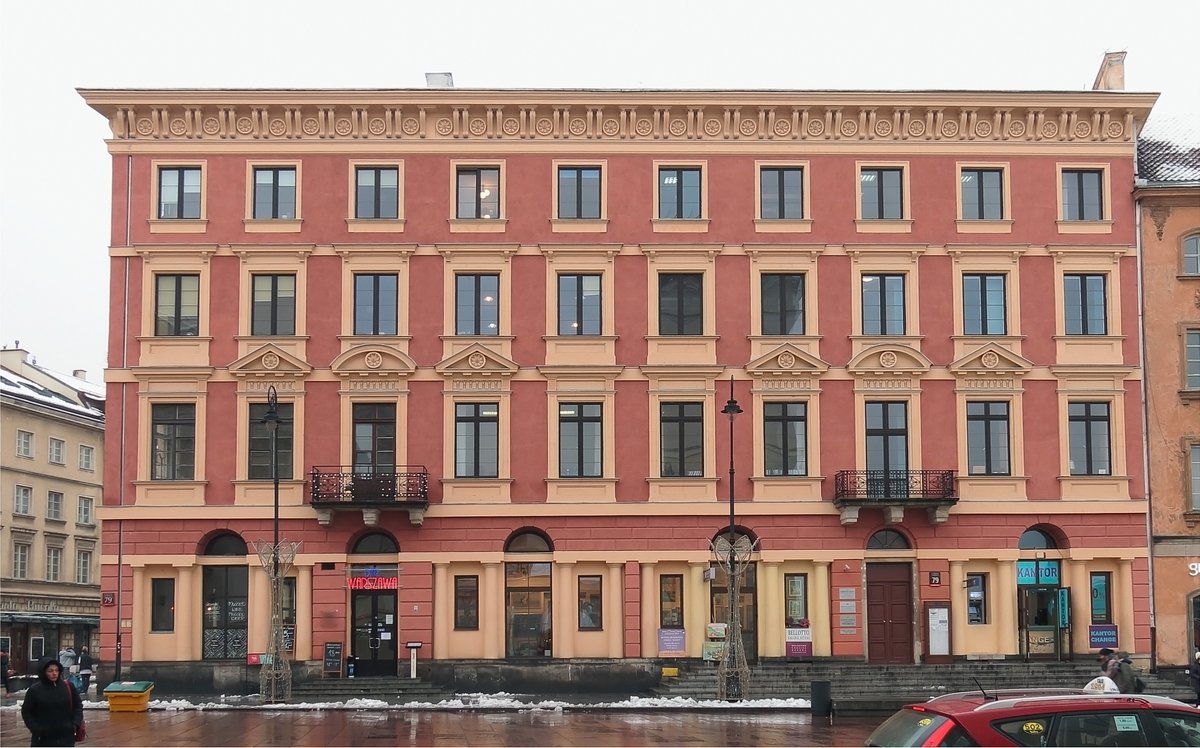
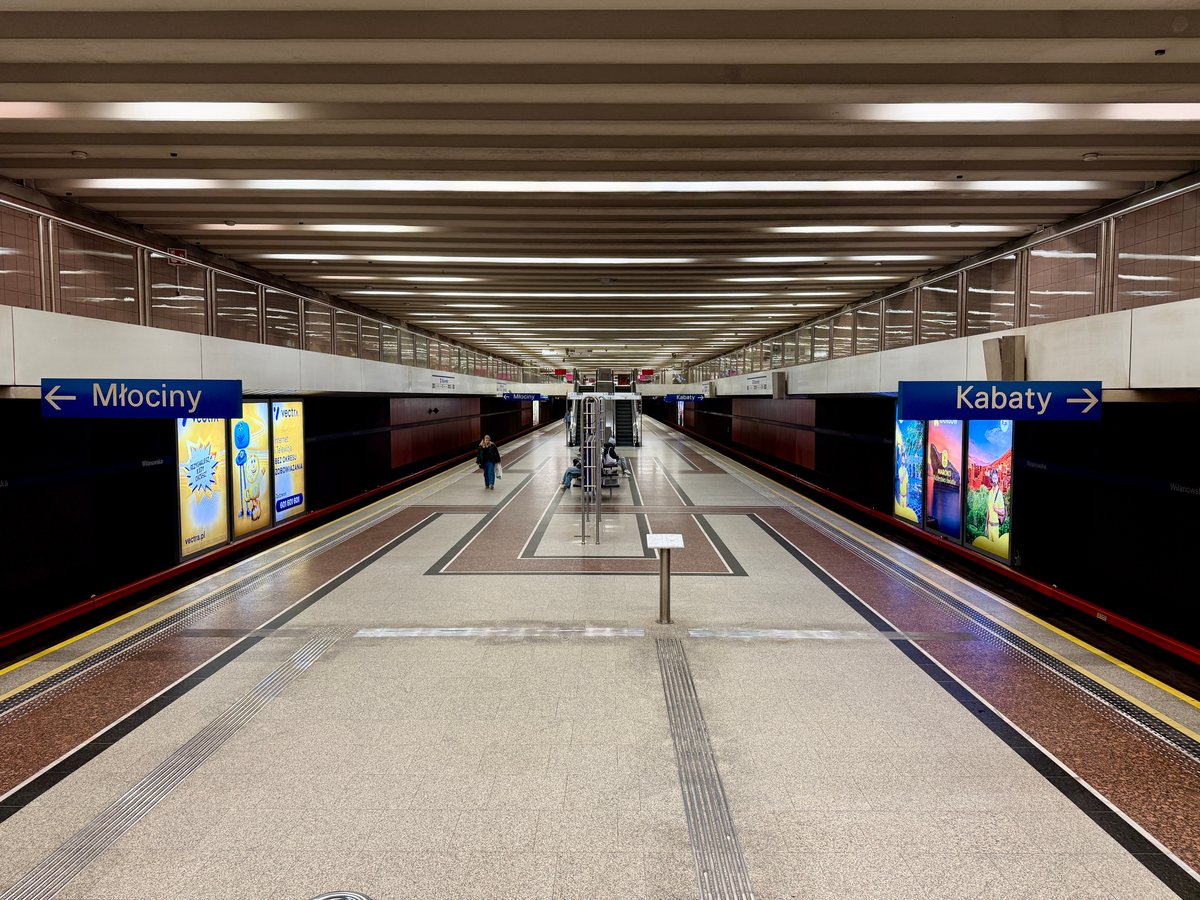
The museum’s main address is ul. Wspólna 1/3, 00-519 Warsaw, centrally located with easy access by metro (Politechnika Station), tram, bus, and limited nearby parking. The building itself is functional and accessible, emphasizing simplicity and connection to rural aesthetics. Architecturally, it reflects utilitarian ideals, with traditional materials and a straightforward layout to accommodate both permanent and temporary exhibitions.
Accessibility
- Wheelchair-accessible entrances and elevators
- Accessible restrooms
- Audio guides in multiple languages
- Staff trained to assist visitors with special needs
Opening Hours
- Tuesday–Sunday 10:00 AM – 6:00 PM
- Monday Closed
- Last admission 5:30 PM
- Note Hours may vary on holidays. Always check the official website before planning your visit.
Admission and Tickets
- Adults 15–20 PLN (check current prices)
- Seniors and students 10–12 PLN
- Children under 7 Free
- Family and group discounts available
- Tickets Purchase onsite or online (official site). Advanced booking is recommended for groups and guided tours.
What to See: Exhibitions and Collections
Permanent Collections
- Historical Documents Original charters, correspondence, and periodicals detailing peasant activism from the late 1800s through the 20th century.
- Photographs and Political Memorabilia Images of rural rallies, protests, and daily life; banners, posters, and campaign materials.
- Folk Art and Material Culture Traditional costumes, tools, and crafts, including embroidered banners and ceremonial harvest objects (Young Poland movement context).
- Personal Effects Items belonging to leaders like Wincenty Witos—glasses, medals, desk, and more.
Temporary and Thematic Exhibitions
- Historical Themes “Peasants in the Fight for Polish Independence,” “Women in the Rural Movement,” and more.
- Folk Crafts Woodcarving, pottery, weaving, and artwork influenced by the Young Poland movement (Young Poland exhibition).
- Anniversary Shows Commemorating uprisings, PSL anniversaries, and other milestones (museum events).
Interactive and Educational Spaces
- Multimedia installations and touchscreens Explore digital archives, oral histories, and documentary videos.
- Workshops and Educational Programs Lectures, school group activities, and craft demonstrations (see museum visitor info).
Practical Visitor Tips
- Best Time to Visit Weekday mornings are quieter; weekends and holidays are busier.
- Suggested Visit Duration 1.5–2 hours; longer for workshops or research.
- Photography Non-flash allowed in most areas; look for signage regarding restrictions.
- Languages Exhibit labels in Polish with English translations; audio guides and English tours available.
- Museum Shop Books, handicrafts, posters, and exhibition catalogs on sale.
- Food No onsite café, but nearby restaurants offer traditional Polish cuisine.
Special Events, Tours, and Research Facilities
- Guided Tours Available in Polish and English; book in advance for groups.
- Temporary Exhibitions Updated several times a year; check the events calendar.
- Library and Reading Room Access to books and archival materials for research; by appointment.
- Digital Archives Many resources are digitized and available online (museum digital resources).
Accessibility and Amenities
- Physical Accessibility Ramps, elevators, accessible restrooms, and seating areas.
- For Special Needs Assistance animals welcome; ongoing development of audio/tactile displays—contact ahead for details.
- Cloakroom and Restrooms Free cloakroom and restrooms available.
- Family-Friendly Interactive displays and workshops suitable for children.
Getting There and Nearby Attractions
- Transport Metro (Politechnika or Wilanowska), several bus and tram lines, ride-sharing/taxi.
- Parking Limited—use public transport when possible.
- Nearby Attractions Warsaw Citadel, Polish Army Museum, Royal Łazienki Park, Wilanów Palace—ideal for a day of cultural exploration (Google Arts & Culture).
Frequently Asked Questions (FAQ)
Q: Is the museum suitable for children? A: Yes, with interactive exhibits and family workshops.
Q: Are English-language tours available? A: Yes, by advance reservation.
Q: Is it accessible for wheelchair users? A: Yes, fully accessible.
Q: Can I buy tickets online? A: Yes, via the official website.
Q: Is there a café onsite? A: No, but nearby dining options are available.
Q: Are there special events? A: Yes, including temporary exhibitions, lectures, and workshops—see the website for details.
Conclusion: Experience Poland’s Peasant Legacy
The Museum of the Polish Peasant Movement offers an immersive, educational journey through the heart of Poland’s rural and political history. With rich permanent collections, vibrant temporary exhibitions, and accessible facilities, it is a must-visit destination for anyone eager to understand Polish identity and the enduring spirit of its countryside. Plan your visit today via the official website, and consider using the Audiala app for enhanced audio guides and up-to-date cultural information.
References
- Was There Ever a Polish Peasant? Historical Imagination and the People’s History of Poland (Academia.edu)
- Museum of the Polish Peasant Movement Official Website
- Museum of the Polish Peasant Movement Visitor Guide | Poland Insiders
- Young Poland Movement and National Independence (New East Archive)
- Museum Visiting Info (whichmuseum.com)
- Warsaw Public Transport Planner
- Museum of the Polish Peasant Movement (Wikipedia)
- Museum on In Your Pocket
- Google Arts & Culture: Polish History Museum