Table of Contents
- Early Origins and Historical Context
- Urban Development and Transformation
- Cultural and Social Significance
- Urban Infrastructure and Accessibility
- Architectural Highlights and Urban Renewal
- Demographic and Socioeconomic Profile
- Visitor Information: Hours, Tickets, and Travel Tips
- Key Attractions in Vila Matilde
- Dining Options
- Local Experiences and Events
- Practical Visitor Tips
- Notable Nearby Attractions
- Museu do Ipiranga: History and Visitor Guide
- Summary and Visit Tips
- References
Early Origins and Historical Context
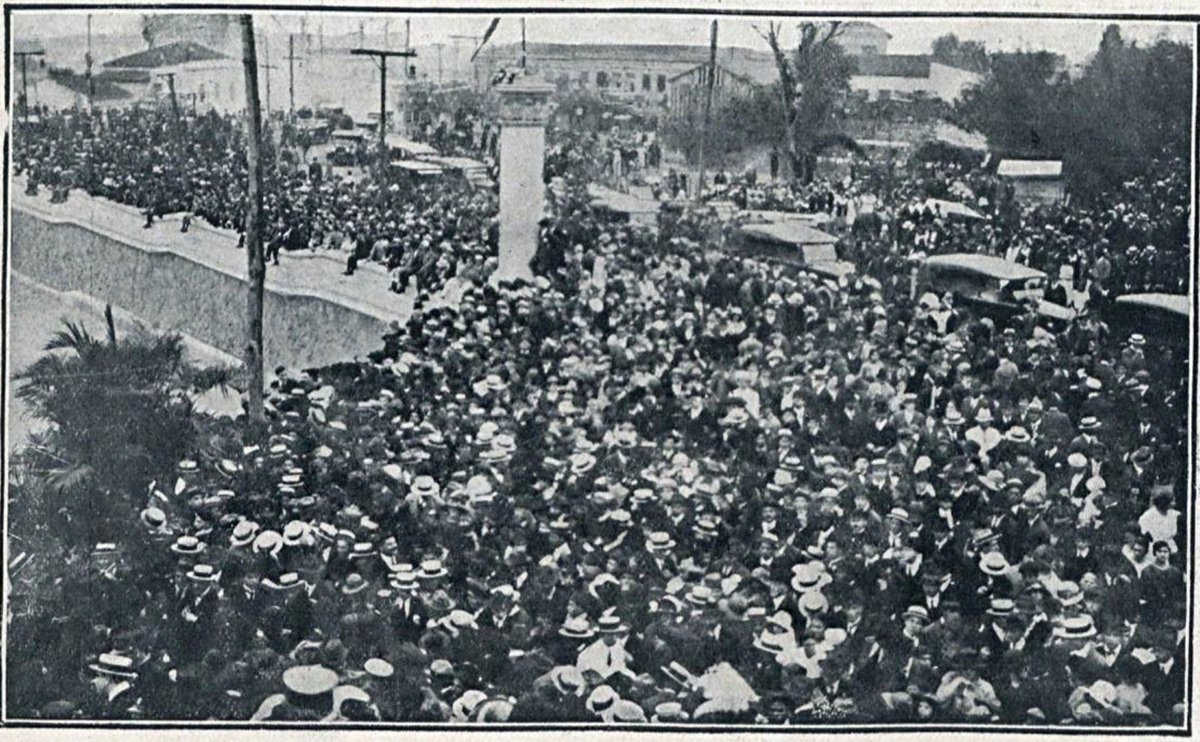
Vila Matilde’s story began in the 1920s amidst São Paulo’s rapid urban expansion. Likely named after a prominent local figure, the area initially featured large land parcels and low-density housing, reflecting the suburban aspirations of the time (Viajali). This period laid the groundwork for a neighborhood that would later balance tradition with the demands of a growing metropolis (City St Georges).
Urban Development and Transformation
1950s–1980s: Community Formation
The mid-20th century saw a significant increase in residential construction. Single-family homes and sobrados became characteristic, fostering a quiet, family-oriented environment and a strong sense of community (Viajali). The establishment of local businesses, schools, and the now-iconic Escola de Samba Nenê de Vila Matilde helped shape the neighborhood’s cultural identity.
1990s–2000s: Infrastructure and Growth
The arrival of Metro Line 3 (Red Line) and the opening of the Vila Matilde metro station greatly enhanced the area’s connectivity and appeal. This development led to the construction of modern apartment buildings alongside traditional homes, altering the skyline while largely preserving the neighborhood’s community character (ZL Imóvel).
2010s–2020s: Modernization
In recent years, Vila Matilde has evolved into a desirable middle-class neighborhood, effectively balancing new developments with the preservation of its historical roots. The real estate market remains robust, with both established homes and modern apartments attracting families and young professionals (ZL Imóvel).
Cultural and Social Significance
Vila Matilde’s cultural fabric is woven from its community institutions, ethnic diversity, and vibrant celebrations. Its samba school is a cornerstone, having significantly influenced São Paulo’s Carnival scene for generations (Viajali). Festivals such as festas juninas, street fairs, and samba rehearsals create a lively, year-round cultural calendar (Official São Paulo Tourism Site).
Community organizations, like the Sociedade Amigos de Vila Matilde, play a vital role in preserving traditions and promoting civic engagement (Vila Matilde Community Portal). Artistic institutions and public art installations celebrate both history and contemporary culture (São Paulo Cultural Guide).
Urban Infrastructure and Accessibility
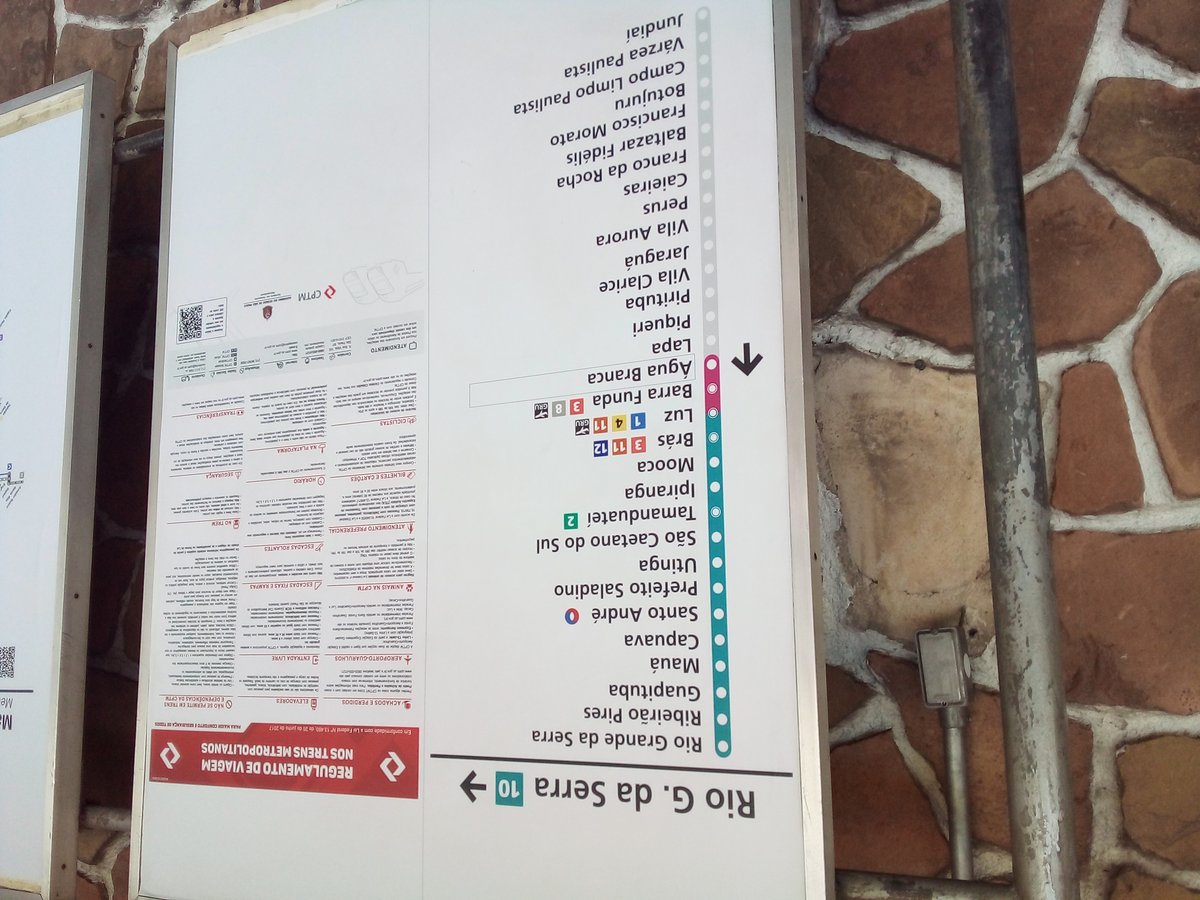
Vila Matilde benefits from excellent public transportation, including Metro Line 3-Red and numerous SPTrans bus routes, ensuring easy access to downtown and other districts (ZL Imóvel). The neighborhood is well-equipped with shops, services, cycling paths, and green spaces, contributing to a high quality of urban life (Viajali).
Architectural Highlights and Urban Renewal
The neighborhood showcases a mix of mid-century homes, sobrados, and contemporary apartment blocks. A notable example is the Vila Matilde House, an award-winning sustainable project by Terra e Tuma Arquitetos Associados (ArchDaily). Current urban renewal efforts focus on integrating new developments while preserving the area’s historic character.
Demographic and Socioeconomic Profile
Vila Matilde is home to a diverse population, comprising both long-established families and new residents drawn by its amenities. It is recognized as a stable middle-class neighborhood, with a local economy driven by retail, small businesses, and services (City Population).
Visitor Information: Hours, Tickets, and Travel Tips
- Neighborhood Access Vila Matilde is accessible at all times; there are no entrance fees for the neighborhood itself.
- Key Sites Cultural venues, samba school rehearsals, and markets operate with specific hours. It is advisable to check the official websites for the most up-to-date information.
- Best Times to Visit The Carnival season (January–February) offers a unique cultural immersion, but Vila Matilde is welcoming and engaging year-round.
Getting There:
- Metro Utilize Line 3-Red; the Vila Matilde station is centrally located.
- Bus Many SPTrans lines serve the district.
- Accessibility Metro stations and most public areas are accessible for visitors with mobility challenges.
Key Attractions in Vila Matilde
Escola de Samba Nenê de Vila Matilde
Founded in 1949, this samba school is an iconic institution in São Paulo’s Carnival. Open rehearsals are typically held on Wednesdays and Fridays from 7:00 PM to 10:00 PM. While many events are free, special performances may require tickets. For the latest schedule and details, consult the official site.
Paróquia Nossa Senhora da Penha de França
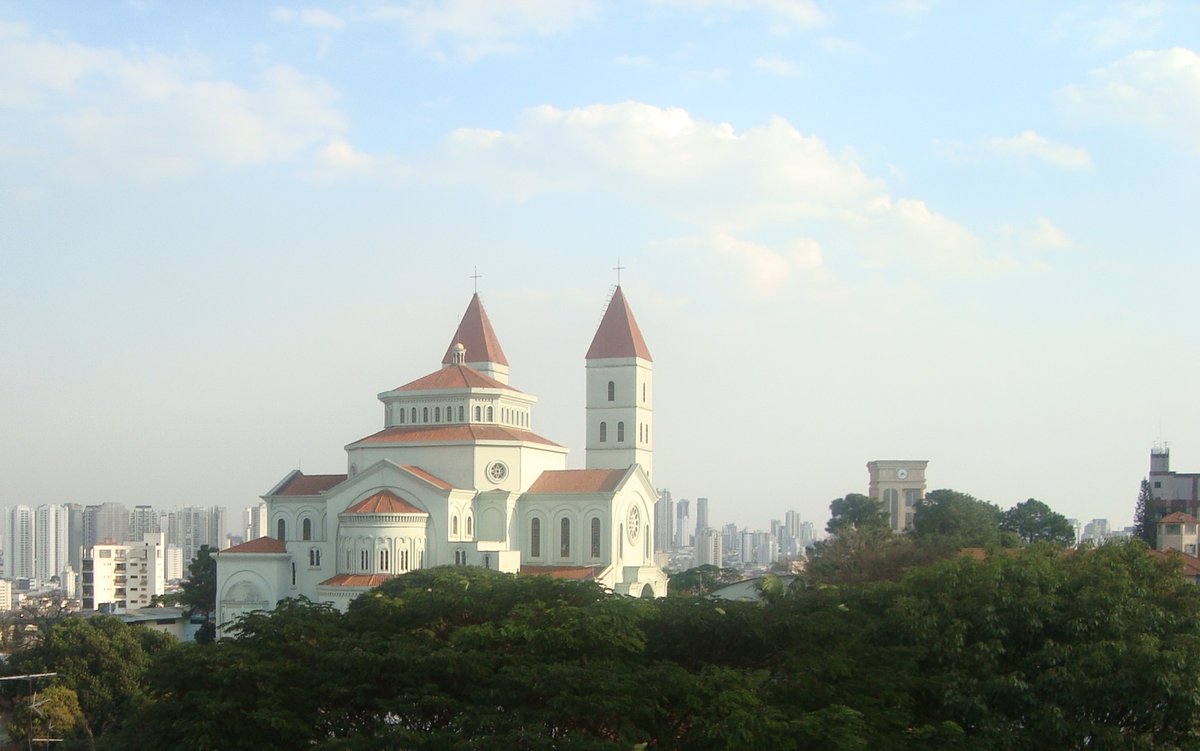
Located in the adjacent Penha district, this historic church features colonial-era architecture. It is open Monday–Saturday, 7:00 AM–6:00 PM, with Sunday services at 7:00 AM, 9:00 AM, and 6:00 PM. Admission is free.
Praça da Toco
A lively community square renowned for its weekend markets, dances, and festivals. The space is always open, with peak activity occurring on weekends.
Parque do Carmo
A significant green space located just outside Vila Matilde, open daily from 5:00 AM to 7:00 PM. It is popular for its walking trails and the annual Cherry Blossom Festival in August (Parque do Carmo).
Local Markets
- Avenida Waldemar Carlos Pereira The commercial hub of the neighborhood, bustling daily, especially on weekends.
- Vila Dalila Neighborhood Market Open weekend mornings, this market offers fresh produce and traditional local snacks.
Dining Options
- Bakeries (Padarias) Open early, serving fresh breads and local pastries like pão de queijo and coxinha.
- Churrascarias and Botecos Popular for grilled meats and local beers, especially lively on weekends.
- International Dining Cafes, pizzerias, and sushi bars reflect the area’s evolving culinary diversity.
- Street Food Vendors near metro stations offer pastéis, tapioca, and caldo de cana throughout the day.
Local Experiences and Events
- Carnival & Samba Attend open rehearsals and Carnival events at Nenê de Vila Matilde for an authentic experience.
- Festas Juninas Celebrated in June, these festivals feature music, dance, and traditional foods.
- Walking Tours Explore the historic streets, murals, and family-run shops to discover the neighborhood’s charm.
- Community Life Engage with residents at parks and public squares for a true local experience.
Practical Visitor Tips
- Transportation Metro Line 3-Red offers the most efficient travel; buses serve the main avenues.
- Safety The district is generally safe, particularly during the day. Standard urban safety precautions are advised.
- Language Portuguese is widely spoken; learning a few basic phrases is beneficial.
- Weather The mildest months are April–May and September–November.
- Accessibility Many public spaces and transit options are accessible for visitors with disabilities.
Notable Nearby Attractions
- Parque do Carmo Free entry, famous for its annual cherry blossom celebrations.
- Avenida Paulista São Paulo’s premier cultural and business avenue.
- Mercadão Municipal A renowned hub for gourmet food and produce.
- Liberdade District Known for its distinctive cultural and culinary influences.
Museu do Ipiranga: History and Visitor Guide
Overview
The Museu do Ipiranga, also known as Museu Paulista, is a landmark commemorating Brazil’s independence. Housed in an impressive neoclassical building and surrounded by Ipiranga Park, it’s a significant site for understanding Brazilian history (Museu do Ipiranga Official Website).
Visitor Details
- Opening Hours Tuesday–Sunday, 10:00 AM–5:00 PM. Closed on Mondays and public holidays.
- Tickets R$20 (approximately $3.80 USD); free admission on Saturdays. Discounts are available for students and seniors.
- How to Get There From Vila Matilde, take Metro Line 3-Red to Sé, transfer to Line 1-Blue towards Jabaquara, and alight at Sacomã. A short taxi or bus ride from Sacomã will take you to the museum.
- Accessibility The museum provides wheelchair access, with ramps and assistance readily available.
- Guided Tours Tours are offered in Portuguese and English. Check the official site for schedules.
- Nearby Ipiranga Park, Parque da Independência, and other museums are in the vicinity.
Visual Highlights
Frequently Asked Questions (FAQs)
Q: What are the best times to visit Vila Matilde? A: While the neighborhood is enjoyable year-round, the Carnival season offers distinct cultural experiences.
Q: Is Vila Matilde safe for tourists? A: Yes, especially during the day. Standard urban safety precautions are recommended.
Q: Can I visit the samba school? A: Yes, open rehearsals are public events. Check the official website for the schedule.
Q: Are guided tours available for Vila Matilde? A: Yes, local guides and organizations offer tours covering history, art, and local gastronomy.
Q: How do I reach Vila Matilde? A: Via Metro Line 3-Red or the extensive SPTrans bus network.
Summary and Visit Tips
Vila Matilde offers São Paulo visitors a compelling blend of historical charm, cultural vibrancy, and modern urban amenities. Its welcoming atmosphere, deep samba heritage, diverse culinary scene, and easy public transport access make it an ideal destination for those seeking an authentic São Paulo experience. For an enhanced exploration, we recommend downloading the Audiala app for guided tours and the latest event updates.
References and Further Reading
- Vila Matilde São Paulo: Visiting Hours, Historical Sites, and Urban Highlights, 2025, Viajali (Viajali)
- Cultural Significance and Community Life, 2025, Official São Paulo Tourism Site (Official São Paulo Tourism Site)
- Cultural Significance and Community Life, 2025, Vila Matilde Community Portal (Vila Matilde Community Portal)
- Cultural Significance and Community Life, 2025, São Paulo Cultural Guide (São Paulo Cultural Guide)
- Key Attractions in Vila Matilde: Visiting Hours, Tickets, and More, 2025, Nenê de Vila Matilde Samba School Official Site (Nenê de Vila Matilde Samba School Official Site)
- Key Attractions in Vila Matilde: Visiting Hours, Tickets, and More, 2025, Parque do Carmo Official Site (Parque do Carmo)
- Visiting the Museu do Ipiranga: History, Tickets, and Travel Tips, 2025, Museu do Ipiranga Official Website (Museu do Ipiranga Official Website)
- Visiting the Museu do Ipiranga: History, Tickets, and Travel Tips, 2025, São Paulo State Cultural Department (São Paulo State Cultural Department)
- Urban Development and Transformation, 2025, City St Georges Report (City St Georges)
- Real Estate and Urban Dynamics, 2025, ZL Imóvel (ZL Imóvel)
- Architectural Highlights and Urban Renewal, 2011, ArchDaily (ArchDaily)
- Demographic Profile, 2025, City Population (City Population)