グレイブホテルを計画して、聴く Audialaで。
ポケットに音声ガイド、ブラウザに旅程。あなたの本当の歩き方に合わせて作りました。
Introduction to Grave Hotel in Montpellier
Montpellier, a dynamic city in southern France’s Occitanie region, is celebrated for its stunning architectural heritage and vibrant cultural scene. Among its historic treasures, the Hôtel de Grave and the Grave Hotel Montpellier stand out as emblematic representations of Montpellier’s grand hôtels particuliers and distinctive hospitality venues. The Hôtel de Grave, constructed in the early 17th century, showcases layered architectural styles that mirror Montpellier's evolving social and cultural fabric. Today, it serves as the seat of the Regional Directorate of Cultural Affairs (DRAC), preserving its historical significance. Meanwhile, the Grave Hotel Montpellier invites visitors to experience a unique blend of historic charm, luxury accommodations, and modern amenities in the heart of the city.
This comprehensive guide delves into the historical significance, architectural features, visiting hours, ticketing information, accommodation options, and practical tips for these important sites. Whether you are a history enthusiast yearning to explore Montpellier’s architectural gems or a traveler seeking a cultural lodging experience, this guide equips you with detailed insights to plan your visit. For up-to-date information and bookings, consult official resources such as Montpellier Tourisme, Monumentum, and the Grave Hotel Montpellier official site.
Table of Contents
- Introduction
- Architectural Evolution and Styles
- Cultural Significance
- Visitor Experience: Hôtel de Grave Visiting Hours and Tickets
- Historical and Cultural Significance of Grave Hotel Montpellier
- Visiting Hours and Ticket Information
- Accommodation Options at Grave Hotel, Montpellier
- Room Types and Features
- On-Site Dining and Culinary Experiences
- Wellness and Leisure Facilities
- Event and Meeting Spaces
- Guest Services and Hospitality
- Accessibility and Family-Friendliness
- Location and Connectivity
- Sustainability and Green Initiatives
- Booking and Pricing
- Notable Nearby Alternatives
- Amenities Overview Table
- Visitor Information and Travel Tips
- Frequently Asked Questions (FAQs)
- Visuals and Media
- Conclusion
- References and Further Reading
Architectural Evolution and Styles
Origins and Historical Layers
The Hôtel de Grave, originally known as Hôtel de Sartre, traces its origins to the early 17th century. Over time, it transformed into the Hôtel des Vignes in the late 17th century and later the Hôtel des d’Espous in the 19th century, with each era leaving its architectural imprint. These changes are visible in the building’s blend of 17th- and 19th-century styles, offering a fascinating study in the evolution of Montpellier’s grand residences (Monumentum).
Architectural Features
Exterior Facades and Entryways
The Hôtel de Grave exemplifies the stately facades typical of Montpellier’s hôtels particuliers, with classical proportions, decorative stonework, and wrought-iron balconies that reflect the prestige of its former owners. The protected entrance pavilions feature symmetrical designs and ornamental detailing characteristic of the period (Monumentum).
Courtyards and Interior Spaces
At the heart of the Hôtel de Grave lies a secluded central courtyard, accessible through an arched portal. This tranquil space, once reserved for Montpellier’s elite, is adorned with calade (decorative stone paving), a testament to the craftsmanship and aesthetic sensibilities of the era (Montpellier Tourisme).
Staircases and Interior Ornamentation
The grand staircase, with its intricate ironwork and period details, serves as both a functional and artistic centerpiece. Influences from 17th-century architects Simon Levesville and Charles Daviler are evident, while later 19th-century modifications by Léopold Carlier introduce Haussmannian motifs and a focus on natural light (Monumentum).
Integration with Montpellier’s Urban Fabric
Relationship to Montpellier’s Hôtels Particuliers
The Hôtel de Grave is among nearly 80 hôtels particuliers that define the historic center of Montpellier. These residences, built for nobility, merchants, and clergy, are clustered in the Ecusson district—a labyrinth of narrow streets and grand facades (Montpellier Tourisme).
Protected Elements and Heritage Status
Listed as a Monument Historique, the Hôtel de Grave’s preservation encompasses entrance pavilions, park, courtyard, and the adjacent Hôtel de Villarmois. The facades, roofs, and staircase of the Hôtel de Noailles, part of the same complex, are also protected, ensuring the building’s integrity and conservation (Monumentum).
Cultural Significance
Historical Roles and Social Importance
Residence of the Bishops of Maguelone
The Hôtel de Grave’s significance is heightened by its history as the residence of the bishops of Maguelone, reflecting its religious and political prominence during Montpellier’s tenure as a regional capital (Monumentum).
Architectural Patronage
The building’s evolution under architects such as Simon Levesville, Charles Daviler, and Léopold Carlier illustrates its role as a canvas for changing architectural trends, from classical restraint to 19th-century decorative flair (Monumentum).
Contemporary Cultural Role
Seat of the Regional Directorate of Cultural Affairs
Currently, Hôtel de Grave is home to the Direction régionale des Affaires culturelles (DRAC) for Languedoc-Roussillon, reinforcing its ongoing relevance in heritage management and the promotion of the arts (Monumentum).
Participation in Cultural Events
The Hôtel de Grave opens its doors during events such as the European Heritage Days (Journées Européennes du Patrimoine), providing rare public access and fostering greater appreciation for Montpellier’s heritage (Monumentum).
Connection to the Festival des Architectures Vives
The building is featured in the Festival des Architectures Vives, where contemporary art installations interact with historic courtyards, blending tradition with innovation (Montpellier Tourisme).
Visitor Experience: Hôtel de Grave Visiting Hours and Tickets
Accessibility and Visiting Conditions
As a government building, Hôtel de Grave is generally closed to the public except during special events.
- Visiting Hours: Usually coinciding with cultural events—verify dates on official cultural heritage calendars.
- Tickets: Entry is generally free during public openings.
- Guided Tours: Occasionally available; advance booking is recommended.
- Arrangements: Contact the DRAC or Montpellier tourism office for current opportunities (Monumentum).
Architectural Highlights to Observe
Key features include:
- Classical entrance pavilions and stonework
- The secluded calade-paved courtyard
- The grand staircase with period ironwork (when accessible)
- Façades displaying a blend of 17th- and 19th-century styles
Contextualizing Your Visit
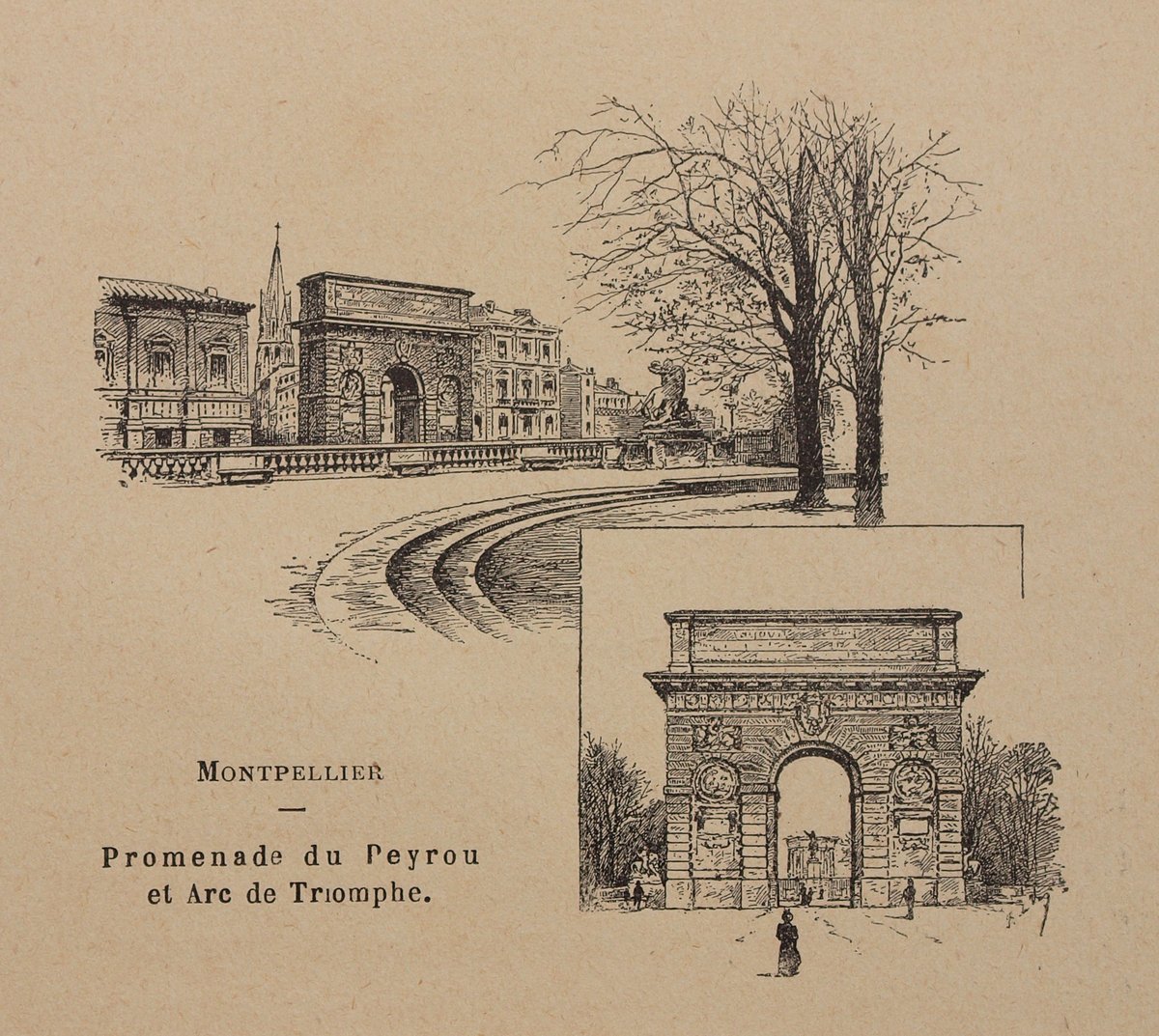
Enhance your experience by exploring other historic hôtels particuliers and nearby landmarks such as Place de la Comédie, the Arc de Triomphe, and Musée Fabre (Montpellier Tourisme).
Historical and Cultural Significance of Grave Hotel Montpellier
The Grave Hotel Montpellier, dating from the 17th century, is a celebrated example of the city’s architectural heritage. It features quintessential French Renaissance elements—high vaulted ceilings, intricate stonework, and period fireplaces. Over time, it has transitioned from aristocratic residence to boutique hotel, maintaining its historic ambiance while catering to contemporary travelers. The hotel is regularly included in heritage tours and is recognized as a cultural landmark (castle-hotels-guide.com).
Visiting Hours and Ticket Information
- Monument Visits: Open daily from 10:00 AM to 6:00 PM (subject to change; confirm via official sources).
- Guided Tours: Available by appointment, offering in-depth historical and architectural insights.
- Tickets: Required for guided tours; purchase online or onsite. Standard prices range from €10 to €15 for adults, with concessions for students, seniors, and groups.
- Special Events: Historical reenactments, exhibitions, and festivals are hosted periodically; consult the Grave Hotel Montpellier website for schedules.
Accommodation Options at Grave Hotel, Montpellier
Room Types and Features
The hotel offers a range of rooms and suites, blending historic architecture with modern amenities. Expect high ceilings, wooden floors, and period fireplaces, complemented by contemporary décor in select rooms. Amenities include air conditioning, flat-screen TVs, complimentary Wi-Fi, and in-room safes. Some rooms offer balconies with garden or city views. Suites provide additional space, antique furnishings, and luxury bathrooms (castle-hotels-guide.com).
On-Site Dining and Culinary Experiences
The hotel’s restaurant specializes in refined regional cuisine, emphasizing fresh local produce, Mediterranean seafood, and regional wines. Meals can be enjoyed in an elegant dining space or on a garden terrace. The bar offers a curated selection of wines and cocktails, with room service available for private dining (castlehotels.guide).
Wellness and Leisure Facilities
Wellness amenities include a heated outdoor pool, spa treatments with locally sourced products, and a fitness center. Leisure activities may include bicycle rentals and guided nature walks (castlehotels.guide).
Event and Meeting Spaces
The hotel provides versatile spaces for private events, meetings, and celebrations. Historic salons and modern meeting rooms are available, supported by event planning staff and catering services (castlehotels.guide).
Guest Services and Hospitality
Guests benefit from 24-hour front desk service, concierge assistance, multilingual staff, daily housekeeping, valet parking, and family-friendly amenities such as cribs and babysitting (thehotelguru.com).
Accessibility and Family-Friendliness
Select rooms and public areas are accessible, with facilities such as ramps and elevators. Families can book spacious rooms and enjoy children’s menus and activities. The central location makes it easy to explore city attractions (thehotelguru.com).
Location and Connectivity
Centrally situated, the hotel is within walking distance of major attractions and public transport (tram, bus, train station, and airport). On-site parking and airport transfers are available (booking.com).
Sustainability and Green Initiatives
The hotel prioritizes sustainability with energy-efficient features, recycling programs, and sourcing from local producers (castle-hotels-guide.com).
Booking and Pricing
Book directly via the hotel website or major platforms. Prices vary by season and room type; look for packages that include meals, spa treatments, or tours (booking.com). Advance booking is advised during peak periods.
Notable Nearby Alternatives
Nearby historic accommodations include Château de Pondres, Château de Creissels, and Domaine de Verchant & Spa, each offering distinctive settings and amenities (castle-hotels-guide.com).
Amenities Overview Table
| Amenity | Availability at Grave Hotel |
|---|---|
| Free Wi-Fi | Yes |
| Air Conditioning | Yes |
| On-site Restaurant | Yes |
| Bar/Lounge | Yes |
| Room Service | Yes |
| Outdoor Pool | Yes (heated) |
| Spa & Wellness Center | Yes |
| Fitness Center | Yes |
| Event Spaces | Yes |
| Family Rooms | Yes |
| Accessible Facilities | Yes |
| Parking | Yes (on-site/valet) |
| Concierge Services | Yes |
| Laundry Services | Yes |
| Bicycle Rental | Yes |
For updated details, consult the official booking page.
Visitor Information and Travel Tips
- Advance Booking: Secure tours and accommodations early, especially in summer or festival periods.
- Accessibility: Notify the hotel of any mobility needs in advance.
- Local Exploration: Use concierge services for guided tours and reservations.
- Transportation: The central location ensures convenient access to public transit and city attractions.
Frequently Asked Questions (FAQs)
Q1: What are the monument visiting hours? A1: Generally 10:00 AM–6:00 PM daily; confirm for special events or seasonal changes.
Q2: Are tickets required for tours? A2: Yes, for guided monument tours; purchase online or onsite.
Q3: Can I stay in a historic room? A3: Yes, the hotel offers accommodations with historic features and modern comforts.
Q4: Is the hotel accessible? A4: Yes, accessible rooms and amenities are available.
Q5: Are special events hosted at the hotel? A5: Yes, including exhibitions and festivals; see the official site for current listings.
Conclusion
The Hôtel de Grave and Grave Hotel Montpellier collectively embody Montpellier’s architectural grandeur and rich cultural tapestry. While the Hôtel de Grave remains a protected monument with limited public access, it offers exceptional opportunities for heritage exploration during special events. In contrast, Grave Hotel Montpellier provides both historic ambiance and contemporary luxury for travelers, serving as an ideal base for cultural tourism in the city. Leverage guided tours, cultural festivals, and official resources for a memorable visit. For bookings, latest updates, and detailed information, consult the official Grave Hotel Montpellier website and Montpellier’s tourism platforms. Enhance your experience with cultural guide apps like Audiala.
References and Further Reading
- Montpellier Tourisme
- Monumentum
- Grave Hotel Montpellier Official Website
- Castle Hotels Guide
- Montpellier France Official Tourism
- Booking.com
- Audiala app
アプリで完全なストーリーを聴く
グレイブホテルのすべてを、
語る。
96か国1,100以上の都市に対応したオーディオガイド。歴史、物語、現地の知識をオフラインでお楽しみいただけます。

確かめて、お見せする。
歴史的記録、建築アーカイブ、そして地元の知見をもとに、Audiala編集チームが調査・執筆しました。
Les hôtels particuliers. Retrieved from https://www.montpellier-tourisme.fr/decouvrir/millenaire/les-incontournables/les-hotels-particuliers/
Hôtel de Grave, Montpellier. Retrieved from https://monumentum.fr/monument-historique/pa34000092/montpellier-hotel-de-grave-actuellement-direction-regionale-des-affaires-culturelles-de-languedoc-roussillon
Retrieved from https://www.gravehotel-montpellier.fr
Grave Hotel Montpellier. Retrieved from https://castle-hotels-guide.com/montpellier/
Discover Montpellier’s Private Mansions. Retrieved from https://www.montpellier-france.com/discover/a-thousand-years-of-history/must-sees-in-montpellier/the-private-mansions/
Hotels in Montpellier. Retrieved from https://www.booking.com/city/fr/montpellier.html
Cultural guide app. Retrieved from https://audiala.com
Wikidata・Wikipedia・公式情報をもとに調査 · 事実確認済み · 私たちのガイドづくり →