Contents
- Introduction
- Historical Background and Urban Transformation
- Medieval Beginnings and Industrial Expansion
- The Case for Urban Renewal
- The Basurto Tunnel Project: Rationale and Implementation
- Technical and Structural Features
- Engineering and Design
- Utility Tunnel for Basurto University Hospital
- Urban Integration and Community Benefits
- Operational Aspects: Railway, Maintenance, and Safety
- Visiting the Basurto Tunnel: Hours, Tickets, and Accessibility
- Tunnel Access and Public Spaces
- Getting There
- Accessibility
- Attractions and Activities Near Basurto
- Socio-Economic and Environmental Impact
- The Basurto Tunnel’s Role in Bilbao’s Urban Identity
- Visitor Experience: Practical Tips and Cultural Insights
- Frequently Asked Questions (FAQ)
- Conclusion and Recommendations
- Sources and Further Reading
Historical Background and Urban Transformation
Medieval Beginnings and Industrial Expansion
The Basurto district, situated in southwestern Bilbao, traces its origins back to a medieval settlement established in 1300. Its strategic location along the Nervión River made it a significant commercial hub for centuries. By the late 19th century, Basurto became inextricably linked to Bilbao’s industrial boom. Railway lines operated by FEVE (Ferrocarriles de Vía Estrecha, now part of Adif) and Renfe, the national railway company, were instrumental in supporting the city’s burgeoning iron, steel, and shipping industries. However, these surface railways created significant physical barriers, dissecting neighborhoods and impeding urban cohesion and connectivity.
The Case for Urban Renewal
As Bilbao's industrial strength waned in the latter half of the 20th century, the city grappled with the repercussions of its industrial past, including environmental degradation, urban fragmentation, and socioeconomic challenges. Recognizing the imperative for a comprehensive urban transformation, city planners and policymakers prioritized the burial of surface railway lines. This ambitious strategy aimed to reconnect previously divided communities, revitalize neglected urban areas, and reclaim valuable land for public use. The Basurto Tunnel project emerged as a flagship initiative within this broader vision for urban renewal, spearheaded by organizations like Bilbao Ría 2000.
The Basurto Tunnel Project: Rationale and Implementation
The Basurto Tunnel was conceived as an essential component of Bilbao’s larger urban regeneration strategy. Its primary purpose was to address the fragmentation caused by the existing surface railway lines and to create new opportunities for urban development, including the creation of new parks, residential areas, and community amenities. This monumental project exemplified a collaborative approach, involving key stakeholders such as Bilbao Ría 2000, an organization tasked with coordinating the redevelopment of former industrial and railway lands, and other crucial entities involved in the metropolitan transformation.
Technical and Structural Features
Engineering and Design
The Basurto Tunnel is a sophisticated piece of engineering designed to accommodate both commuter and regional trains, seamlessly connecting to other underground rail sections within Bilbao's expanding network.
- Tunnel Length and Alignment The tunnel extends beneath the Basurto–San Mamés corridor, creating an uninterrupted underground passage for rail traffic. Its alignment was carefully planned to integrate with existing and future transport infrastructure.
- Construction Methods To navigate the complex geological conditions and minimize disruption to the heavily urbanized surface, a combination of cut-and-cover (false tunnel) methods and traditional mined tunneling techniques was employed. This dual approach allowed for efficient construction while managing the challenges of the urban environment.
- Integration with Infrastructure The tunnel's design ensured seamless connections with other vital transport networks, including the Bilbao Metro and tram systems. Furthermore, the project incorporated new slip roads connecting to the A-8 motorway, enhancing overall urban mobility and traffic flow.
Utility Tunnel for Basurto University Hospital
A significant development in 2025 saw the construction of a dedicated utility tunnel specifically for the Basurto University Hospital. This project ensures a reliable and protected conduit for essential services, such as electricity, water, and telecommunications, bolstering the hospital's operational resilience and future-proofing its infrastructure against potential disruptions. This new phase highlights Bilbao's continuous investment in critical infrastructure to support its key institutions.
Urban Integration and Community Benefits
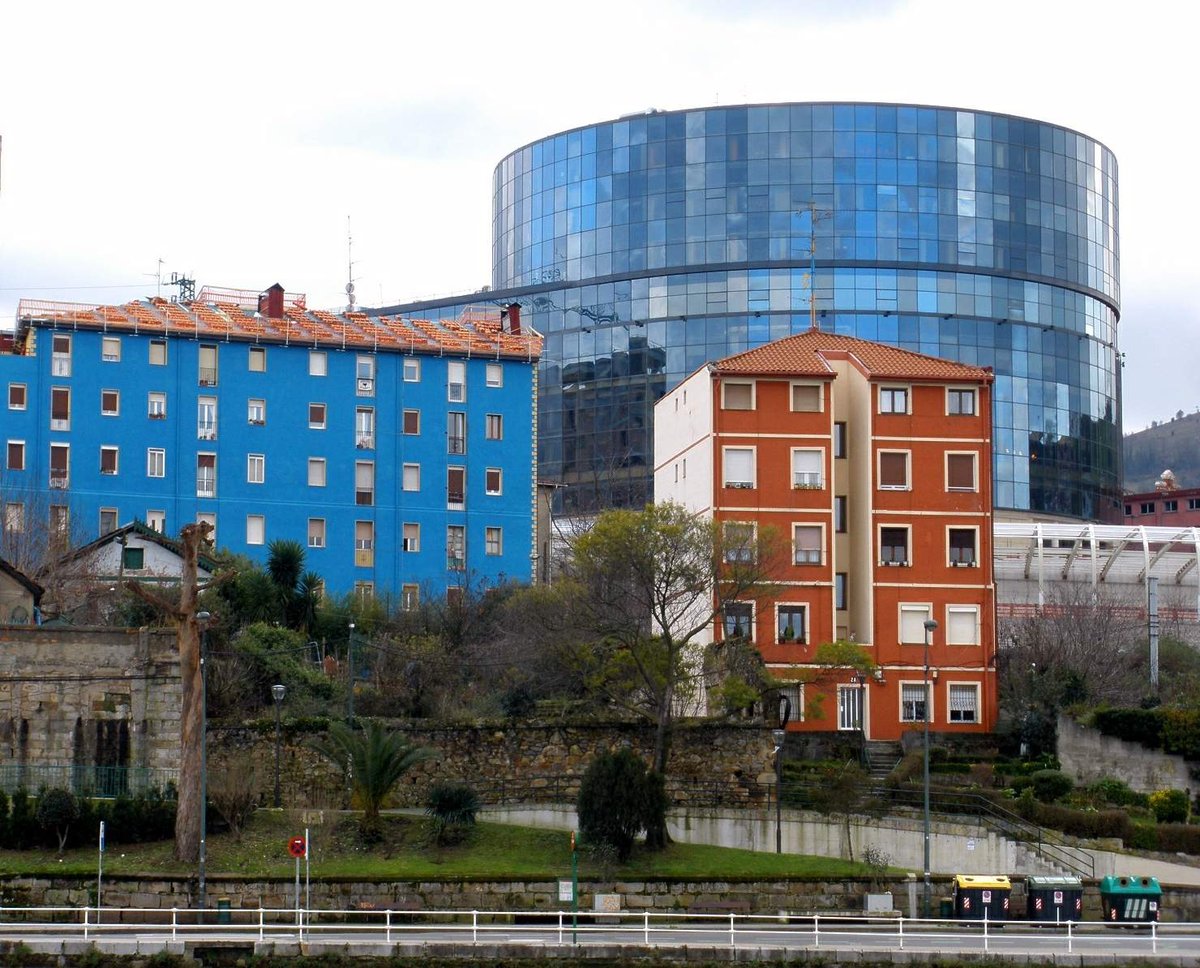
The burial of the railway lines in Basurto was a transformative urban project. It liberated valuable surface land that was previously occupied by railway tracks and trenches. This reclaimed land has since been redeveloped into much-needed public spaces, including expansive green areas, pedestrian-friendly routes, and residential buildings, some of which include subsidized housing options. The district also gained important civic amenities, such as the Basurto Community Centre, which now serves as a hub for local activities and cultural programs. These developments have significantly enhanced the livability of the Basurto district, fostering greater social cohesion and providing a more continuous and integrated urban environment for its residents.
Operational Aspects: Railway, Maintenance, and Safety
Railway Operations
The Basurto Tunnel is a critical operational component of Bilbao’s railway network, facilitating the movement of both passenger and freight trains. By moving rail traffic underground, the tunnel has significantly improved service efficiency, reduced transit times, and minimized noise and vibration impacts on the surrounding residential areas. This operational enhancement contributes to a quieter and more pleasant urban environment.
Maintenance and Safety
The tunnel is managed and maintained by Adif, Spain's national railway infrastructure administrator. It is equipped with modern safety features that meet stringent European standards. These include advanced fire detection and suppression systems, strategically located emergency exits, and sophisticated ventilation systems designed to ensure air quality and safety in all operational conditions. These measures guarantee the tunnel's long-term reliability and the safety of its users.
Visiting the Basurto Tunnel: Hours, Tickets, and Accessibility
Tunnel Access and Public Spaces
It is important to clarify that the Basurto Tunnel itself is an active and operational railway and utility corridor. As such, it is not open to public tours, and there are no public visiting hours or ticket requirements for accessing the tunnel structure itself.
However, the areas above and surrounding the tunnel have been revitalized and are fully accessible to the public. The revitalized Basurto district, including its parks, plazas, and community facilities like the Basurto Community Centre, is generally open daily, typically from 9:00 AM to 9:00 PM. General exploration of these public spaces requires no tickets.
Getting There
The Basurto district is easily accessible via Bilbao's efficient public transportation system:
- Metro The San Mamés station is the nearest major metro stop, served by Metro Bilbao lines 1, 2, and 3, offering direct access to the tunnel area.
- Tram and Bus The Bilbao tram system provides convenient access, with multiple stops serving the Basurto University Hospital and the San Mamés interchange. Numerous city and regional bus lines also operate in the area, with key stops near major transport hubs.
- Car For drivers, access is available via the A-8 motorway, with signage directing to the Basurto area and tunnel vicinity.
Accessibility
The Basurto Tunnel's adjacent public spaces and transit points have been designed with inclusivity in mind. Accessibility features are integrated throughout the district, including ramps, elevators, and clear, multilingual signage, to accommodate travelers with reduced mobility and ensure ease of navigation for all visitors.
Attractions and Activities Near Basurto
The Basurto district and its surroundings offer a wealth of attractions for visitors:
- San Mamés Stadium Located a short walk from the tunnel area, this iconic stadium is the home ground of Athletic Club Bilbao.
- Basurto Community Centre A modern civic hub offering a variety of cultural events, workshops, and community programs.
- Casco Viejo (Old Town) Easily reachable by public transport, Bilbao’s historic Old Town is renowned for its charming narrow streets, traditional Basque pintxos bars, and historic architecture.
- Doña Casilda Park and Euskalduna Palace These nearby attractions offer a pleasant green space for relaxation and a prominent venue for cultural events and conferences, respectively.
- Local Eateries and Markets Experience authentic Basque cuisine by visiting traditional bars for pintxos and exploring local markets, such as the renowned La Ribera Market.
Socio-Economic and Environmental Impact
The Basurto Tunnel project has had a profoundly positive impact on the district and the wider city:
- Social Cohesion By eliminating the physical and psychological barriers created by the former surface railways, the project has fostered greater community integration and improved social cohesion within Basurto.
- Environmental Benefits The underground routing of the railway has led to a reduction in surface traffic, noise pollution, and air emissions in the surrounding neighborhoods. Furthermore, it supports Bilbao’s commitment to sustainable transport options.
- Economic Revitalization The project has acted as a catalyst for economic development, stimulating investment in the Basurto district and making it a more desirable area for both residents and businesses.
The Basurto Tunnel’s Role in Bilbao’s Urban Identity
The Basurto Tunnel is central to Bilbao’s modern urban identity. It stands as a powerful example of how strategic infrastructure development, coupled with thoughtful urban planning, can drive significant social, economic, and cultural revitalization. The project serves as a model for other cities striving to reconcile their industrial heritage with contemporary demands for sustainability, inclusivity, and enhanced quality of urban life. It underscores Bilbao’s commitment to placing people at the forefront of urban development.
Visitor Experience: Practical Tips and Cultural Insights
- Transportation To navigate Bilbao’s public transport system efficiently, consider using a Barik card or the Bilbao Bizkaia Card. These rechargeable travel cards offer convenience and potential discounts across metro, tram, and bus networks.
- Best Times to Visit Spring and autumn are ideal times to visit, as they often coincide with local festivals and cultural events, offering a chance to experience Basurto’s vibrant community life.
- Photography For the best photographic opportunities of the urban landscape surrounding the tunnel, consider visiting during the early mornings or late afternoons when the light is ideal for capturing the city’s atmosphere.
- Safety The Basurto district is generally safe and well-lit, with accessible public spaces. However, as with any urban environment, it is advisable to remain aware of your surroundings. Emergency services and the Basurto University Hospital are located nearby.
- Digital Resources To enhance your visit, download the Audiala app or use the Bilbao Turismo app for real-time updates, interactive maps, and information on guided tour options available in the city.
Frequently Asked Questions (FAQ)
Q: Can I visit inside the Basurto Tunnel? A: No, the Basurto Tunnel is an active railway and utility corridor and is not open to public tours for safety reasons.
Q: What are the Basurto Tunnel’s visiting hours? A: The tunnel structure itself does not have visiting hours. However, the surrounding public spaces in the Basurto district are generally accessible from 9:00 AM to 9:00 PM daily.
Q: Are tickets required to visit the Basurto district near the tunnel? A: No tickets are needed to explore the Basurto district’s parks and public spaces. For public transport, consider purchasing a Barik or Bilbao Bizkaia Card.
Q: Is the Basurto Tunnel area accessible for people with disabilities? A: Yes, the public spaces and transit hubs in the Basurto district are designed with accessibility in mind, featuring ramps and elevators.
Q: Are guided tours available that cover the Basurto Tunnel? A: While there are no guided tours inside the tunnel, various walking and cycling tours of the Basurto district often include the tunnel's vicinity, highlighting its role in urban renewal.
Conclusion and Recommendations
The Basurto Tunnel stands as a powerful symbol of Bilbao's innovative spirit and its unwavering commitment to sustainable urban regeneration. Far more than just an underground railway passage, it represents the successful transformation of physical barriers into opportunities for enhanced community life, environmental sustainability, and economic growth. While the tunnel is not accessible to the public for tours, its influence is palpable in the vibrant, accessible, and culturally rich Basurto district that surrounds it.
Visitors are strongly encouraged to explore the district's revitalized parks, cultural centers, and the nearby historic sites. By leveraging Bilbao's efficient public transport system and its comprehensive digital visitor resources, you can fully immerse yourself in the Basque experience that Basurto offers.
To make the most of your visit, plan your itinerary utilizing digital guides, take advantage of local events, and embrace the authentic Basque culture. For further assistance and real-time updates, we recommend downloading the Audiala app and consulting local tourism offices.
Sources and Further Reading
- Mas Context: Bilbao’s Strategic Evolution
- Bilbao Ría 2000: Basurto–San Mamés Project
- Bilbao Turismo: Visitor Information
- Visit Costa Blanca Spain: Bilbao Travel Guide
- EIB Project: Sustainable Mobility
- Grupo Empresarial SANJOSE SA: Utility Tunnel Construction
- Mas Context: Urban Renewal Organizations
- Bilbao Smart Tours: Transport Guide
- Spain Cultures: Bilbao History
- UrbanRail.Net: Bilbao Rail Network
- URBACT: Bilbao Urban Summary
- Time Out Bilbao: Best Things to Do
- Indie Traveller: Bilbao Guide
- Visit Biscay: Plan Your Trip
- Sustainability Spain: Sustainable Mobility
- OECD Cogito Blog: Local Governance in Bilbao