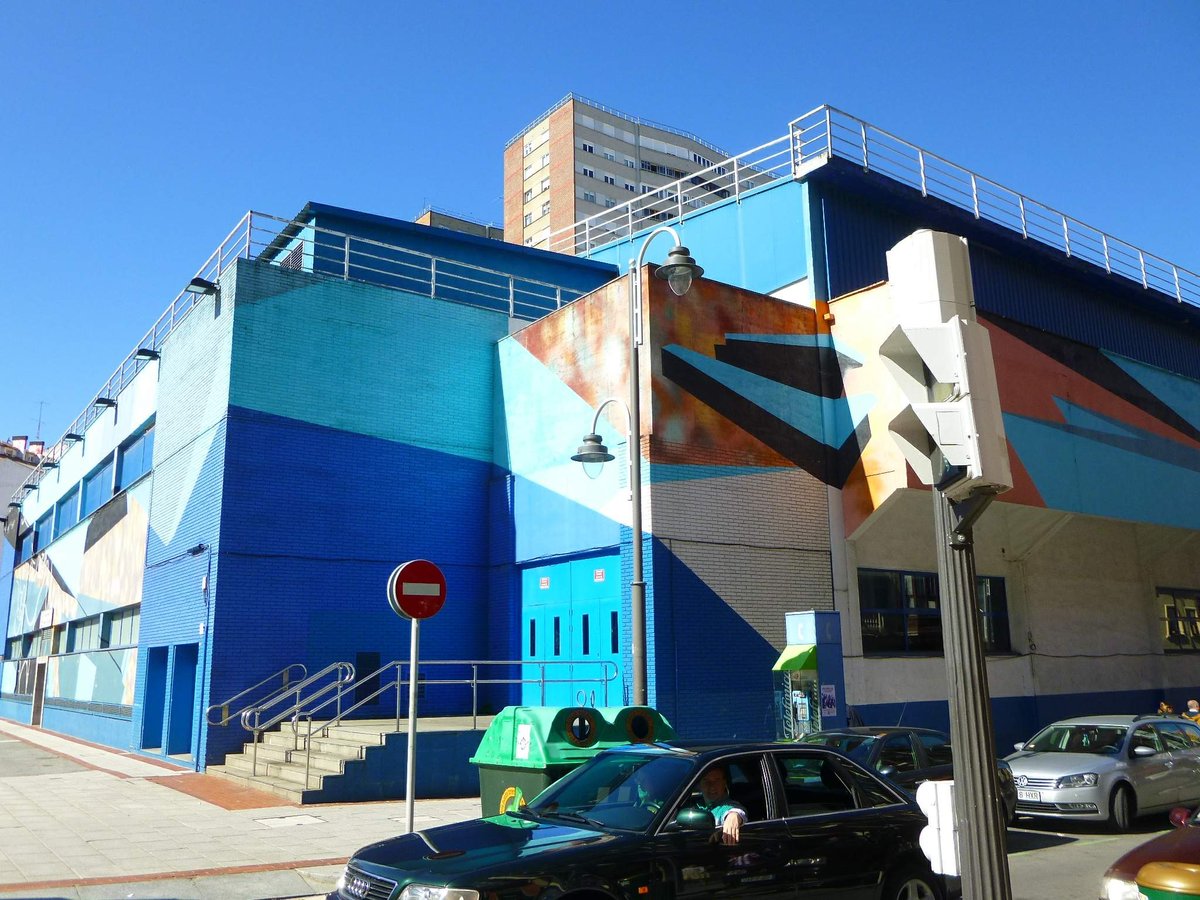
Sarriko at a Glance
- Location Deusto district, northern banks of the Nervión River
- Key Features Urban park, university, metro station, riverside promenade, vibrant student and local life
- Accessibility Metro, bus, tram (planned), cycling and walking paths
- Nearby Highlights Casco Viejo, Zorrotzaurre, San Mamés Stadium
History & Urban Development
Bilbao’s Industrial Roots and Urban Transformation
To understand Sarriko’s significance, it is essential to situate it within the broader historical narrative of Bilbao. For much of the 19th and 20th centuries, Bilbao was a powerhouse of industry, particularly steel and shipbuilding. The city’s economic fortunes were closely tied to its port and factories, which shaped both its urban landscape and social fabric. However, by the late 20th century, industrial decline led to economic hardship and urban decay (Spain Cultures).
In response, Bilbao embarked on an ambitious program of regeneration in the 1990s, enlisting renowned architects and urban planners to reimagine the city. This transformation, often referred to as the “Bilbao Effect,” saw the creation of new cultural institutions, revitalized public spaces, and improved infrastructure. The Guggenheim Museum, designed by Frank Gehry, became the symbol of this renaissance, but the effects were felt citywide, including in neighborhoods like Sarriko (The Crazy Tourist).
Sarriko’s Place in Bilbao’s Urban Fabric
Sarriko is part of the Deusto district, situated on the right bank of the Nervión River. Historically, Deusto was a separate municipality until its annexation by Bilbao in 1925. The area developed rapidly in the 20th century, with Sarriko emerging as a residential and educational hub. The establishment of the University of the Basque Country’s (UPV/EHU) Faculty of Economics and Business in Sarriko in the 1970s cemented its reputation as an academic center (Where Sleep).
Today, Sarriko is characterized by a mix of university life, modernist architecture, and green spaces, notably the Parque de Sarriko. Its strategic location, excellent transport links, and proximity to both the city center and the riverfront make it a vibrant and accessible neighborhood for locals and visitors alike. The landmark Zorrotzaurre redevelopment, designed by Zaha Hadid, is set to further enhance Sarriko’s urban landscape, integrating the area with Bilbao’s innovative future (URBACT).
Cultural and Urban Significance
Academic and Intellectual Hub
The presence of the University of the Basque Country’s Sarriko campus is central to the neighborhood’s identity. The Faculty of Economics and Business attracts students from across Spain and beyond, infusing the area with youthful energy and a cosmopolitan atmosphere. The campus itself is notable for its modernist architecture, designed by Ricardo Bofill, and serves as a focal point for academic events, conferences, and cultural activities (Where Sleep). Its public spaces are viewable weekdays from 8:00 AM to 8:00 PM, with no admission fee.
Green Spaces and Urban Planning
Parque de Sarriko, the neighborhood’s main park, is a lush, tree-filled oasis that provides a welcome respite from the urban bustle. The park is popular with students, families, and joggers, and often hosts community events and open-air concerts. Its design reflects Bilbao’s commitment to integrating green spaces into the urban environment, a hallmark of the city’s post-industrial renewal (Leisure Cycle Tours). Parque de Sarriko is open daily from 7:00 AM to 10:00 PM and offers free entry.
Architectural Diversity
Sarriko’s built environment is a microcosm of Bilbao’s architectural diversity. In addition to the university’s modernist buildings, the neighborhood features a mix of mid-20th-century residential blocks, contemporary apartment complexes, and traditional Basque houses. This blend of old and new mirrors the city’s broader approach to urban development, which seeks to honor its industrial heritage while embracing innovation (Spain Cultures). The Sarriko Metro station, opened in 1995 and designed by Norman Foster, is a landmark of modern architecture, known for its bright glass canopy and spacious design, serving as an architectural highlight (Tourspilot).
Top Attractions in Sarriko
Parque de Sarriko
- Hours Daily, 7:00 AM – 10:00 PM
- Tickets Free entry
- Features Lawns, playgrounds, open-air amphitheater, art installations, shaded paths, accessible walkways. Bring a blanket for picnics and enjoy the local offerings from bakeries and markets in Deusto. The park’s natural beauty provides excellent photo opportunities.
- Events Community concerts, cultural gatherings, outdoor yoga, art exhibitions (Evendo). Check local listings for upcoming activities.
Sarriko Metro Station
- Architect Norman Foster
- Opened 1995
- Access Line 1 and Line 3, wheelchair accessible. Take Line 1 from the city center for a 10-minute ride.
- Highlight Futuristic glass canopy, spacious design, functional yet aesthetically pleasing public infrastructure (Tourspilot).
University of the Basque Country (Faculty of Economics and Business)
- Hours Public spaces viewable 8:00 AM – 8:00 PM (weekdays)
- Tickets No fee
- Special Access Guided tours on university open days (check official site); admire the modernist architecture from outside.
- Significance Academic and cultural center, public lectures, student events, adding youthful energy and a cosmopolitan vibe (GoAskALocal).
Riverside Promenade
- Hours Open 24/7
- Tickets Free
- Features Scenic walking and biking paths, river views, stairways to the water (Google Arts & Culture). These routes connect Sarriko to other neighborhoods and offer stunning city skyline views.
Nearby: Doña Casilda Iturrizar Park
- Location Abando district
- Features Duck pond, botanical gardens, Bilbao Fine Arts Museum (GoAskALocal).
Getting There and Around
- Metro Line 1 (Sarriko station), Line 3 (direct city center connections); 6:00 AM – midnight, single tickets from €1.70. Line 1 connects directly to the city center (Abando) in 6 minutes and Casco Viejo in 7 minutes (Visit Costa Blanca Spain).
- Bus Multiple lines (A2, A3, A4) to "Etxezuri Bidea" stop. Bilbobus connects Sarriko to other districts.
- Tram Planned extensions to improve access.
- Bike/Walk Riverside paths and promenades are excellent for cycling and walking. Consider renting bikes or using the Bilbaobizi electric bike system (registration required) (Eusko Guide).
- Car Street parking (€1.50/hour) and nearby garages (observe regulations) (Evendo). Parking can be limited, especially during university hours and match days.
Local Culture & Gastronomy
- Basque Cuisine Sample pintxos, bacalao al pil-pil, txangurro, and txakoli at local bars and restaurants. Sarriko’s establishments offer authentic experiences, a less crowded alternative to the city center (Bilbao Turismo).
- Markets Visit nearby Ribera Market for local produce and delicacies (Lonely Planet).
Events & Community Life
Sarriko hosts seasonal community events, open-air concerts, and cultural festivals, especially in spring and summer. Many are organized in Parque de Sarriko or linked to the university, attracting both locals and visitors (Evendo). The university campus regularly organizes academic conferences, cultural exhibitions, and student festivals, often open to the public. Bilbao’s major festivals, like Aste Nagusia in August, are easily accessible from Sarriko (The Crazy Tourist).
Safety & Practical Information
- Safety Sarriko is safe and well-maintained; standard precautions in crowded areas apply (TravelSafe-Abroad). Low crime rates and a welcoming atmosphere. Avoid the San Francisco and Las Cortes neighborhoods late at night. Emergency services: dial 112.
- Accessibility Metro, park, and public spaces are wheelchair accessible. Flat streets and step-free metro access. Some older buildings may have limited access.
- Weather Mild and humid, best visited spring (April–May) and fall (September–October). Summer offers lively festivals but is busier and pricier. Winter is quieter but wetter (Tourspilot). Bilbao’s oceanic climate features mild, humid summers; July temperatures average 16°C to 23°C (Wanderlog). Pack light layers, comfortable shoes, rain gear, sunblock, and sunglasses.
- Connectivity Free Wi-Fi in cafes and public spaces; local SIM cards widely available.
- Accommodation Nearby Deusto, Abando, and Indautxu districts offer diverse lodging options, from budget-friendly hotels and hostels to mid-range apartments (€60 per night on average) (Where Sleep).
Visiting San Mamés Stadium
San Mamés Stadium is one of Spain’s most iconic football venues, known as "La Catedral." Home to Athletic Club Bilbao, it offers:
- Guided Tours Daily, 10:00 AM – 6:00 PM (check for matchday changes). Tickets €15–€25.
- Tickets Match tickets available online (Athletic Club Tickets). Purchases can be made online or at the stadium box office.
- Highlights Pitch access, locker rooms, museum, panoramic stands, interactive exhibits.
- Getting There Metro Line 1 to San Mamés station; buses and parking also available.
Essential Travel Tips
- Transport Buy a Barik card for public transport discounts. Use the Bilbaobizi electric bike system if registered.
- Languages Spanish and Basque (bilingual signs); English in tourist areas and among younger residents. Write down destinations if needed.
- Money Euro (€); cards widely accepted, carry some cash. Tipping is not mandatory but appreciated. Many shops close for siesta (2–5 PM).
- Healthcare Pharmacies and Hospital de Basurto nearby; travel insurance recommended (TravelSafe-Abroad). Tap water is safe.
- Packing Layers, rain gear, comfortable shoes, sun protection (Wanderlog).
Frequently Asked Questions (FAQ)
Q: What are Sarriko Park’s opening hours? A: 7:00 AM to 10:00 PM, year-round, free entry (Evendo).
Q: Is Sarriko Metro Station accessible? A: Yes, fully wheelchair accessible with lifts and step-free routes.
Q: Are there guided tours in Sarriko? A: Occasionally, especially during university and community events; check local listings or visitor centers.
Q: How do I reach Sarriko from Bilbao airport? A: Take Bizkaibus A3247 to city center, then Metro Line 1 to Sarriko.
Q: Is Sarriko family-friendly? A: Absolutely—parks, playgrounds, and pedestrian paths abound.
Q: Are there ticket requirements for attractions? A: Most public spaces, including the park and promenade, are free. Guided tours and stadium visits require tickets.
Q: What are San Mamés Stadium’s visiting hours? A: Typically 10:00 AM to 6:00 PM, but check match day schedules.
Q: Where is the best place to stay near Sarriko? A: Nearby districts like Abando, Indautxu, and Abandoibarra offer a wide range of hotels and apartments with easy metro access (SacaVoyage).
Summary Table: Key Attractions and Activities in Sarriko
| Attraction/Activity | Description | Accessibility | Notable Features |
|---|---|---|---|
| Parque de Sarriko | Urban park with lawns, playgrounds, art, and events | Metro, bus, car, walking | Free entry, family-friendly |
| University of the Basque Country (UPV/EHU) | Campus with student events and exhibitions | Adjacent to park | Academic and cultural activities |
| Deusto Neighborhood | Dining, shopping, riverside promenade | Walking distance | Basque cuisine, local shops |
| Community Events | Open-air concerts, cultural gatherings in the park | Seasonal | Local engagement, free entry |
| Casco Viejo | Historic old town with pintxos bars and landmarks | Metro, walking | Cultural and culinary experiences |
| San Mamés Stadium | Iconic football stadium, museum, tours | Metro, bus | Guided tours, match tickets |
Final Recommendations
Sarriko represents a vibrant facet of Bilbao’s urban revival—where tranquil green spaces meet cutting-edge architecture and a lively local scene. The combination of accessible parks, cultural institutions, and proximity to must-see landmarks like San Mamés Stadium and Casco Viejo makes it an ideal base for exploring the city. Take advantage of efficient metro connections, attend community events, savor Basque cuisine, and plan your visit according to local festival calendars for the richest experience. Stay connected with real-time updates via the Audiala app and official tourism platforms for a seamless journey (Spain Cultures; TravelSafe-Abroad).
Sarriko offers a unique window into Bilbao’s urban renaissance, blending historical memory with modern vibrancy. Whether you’re exploring its green spaces, cultural hubs, or nearby historical sites, Sarriko welcomes visitors with open arms and rich experiences. In my considered opinion, Sarriko is an underrated gem that deserves a place on any Bilbao itinerary. It provides a window into the daily life of the city, away from the tourist crowds, while remaining connected to all major attractions. For those interested in urban history, contemporary culture, or simply enjoying a quieter side of Bilbao, Sarriko is a destination not to be missed.
Reliable Sources and Further Reading
- URBACT: Urban Evolution Towards Resilience
- Tourspilot: Bilbao Itinerary Guide
- Evendo: Parque de Sarriko
- Athletic Club Tickets
- Eusko Guide: Getting Around Bilbao
- Spain Cultures: Bilbao History
- TravelSafe-Abroad: Bilbao Safety
- GoAskALocal: Where to Stay in Bilbao
- Lonely Planet: Guide to Bilbao
- The Crazy Tourist: 15 Best Things Bilbao Spain
- Where Sleep: Bilbao Hotels and Neighborhoods
- Leisure Cycle Tours: Bilbao Scenic Cycling Routes
- Visit Costa Blanca Spain: How to Get Around in Bilbao
- Bilbao Turismo: Tourist Information
- SacaVoyage: Neighborhoods to Avoid in Bilbao
- Wanderlog: Bilbao in July
- Google Arts & Culture: Bilbao Right Riverside Reurbanisation
Plan your Sarriko adventure today! Download the Audiala app for maps, insider tips, and real-time event updates. Follow us on social media for the latest on Bilbao travel and local culture.