
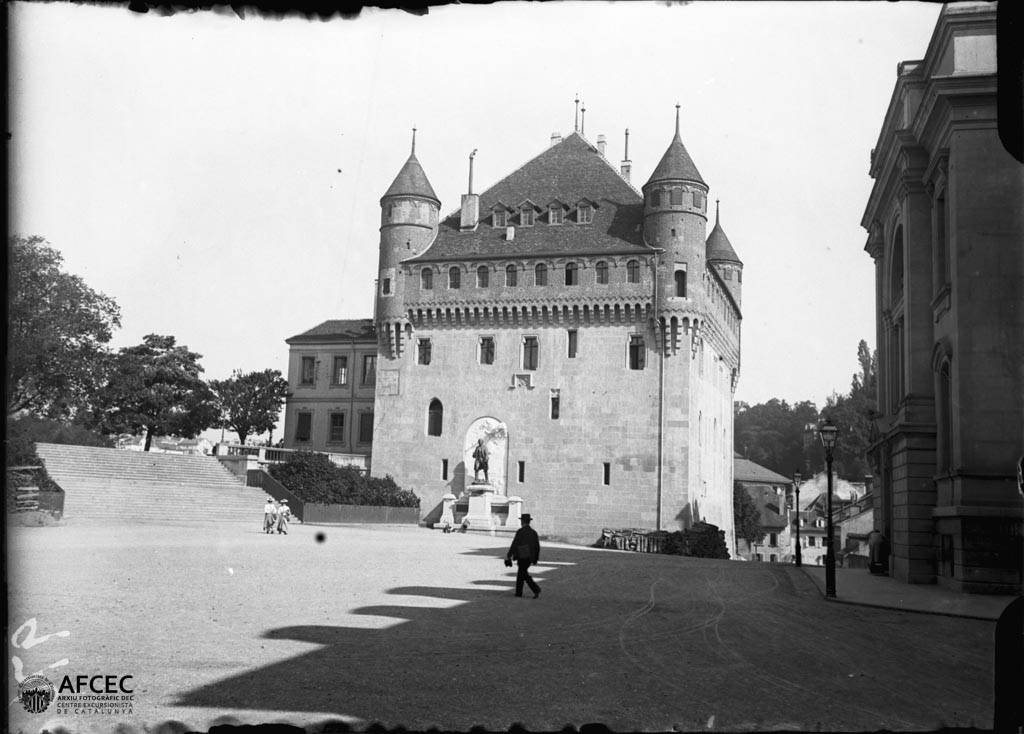
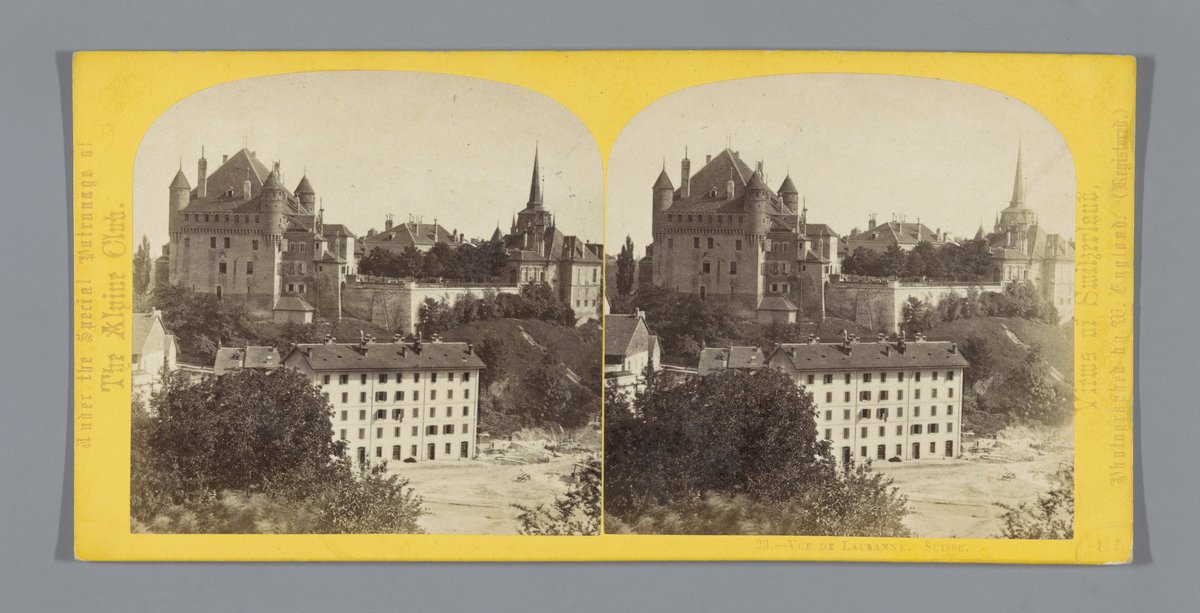
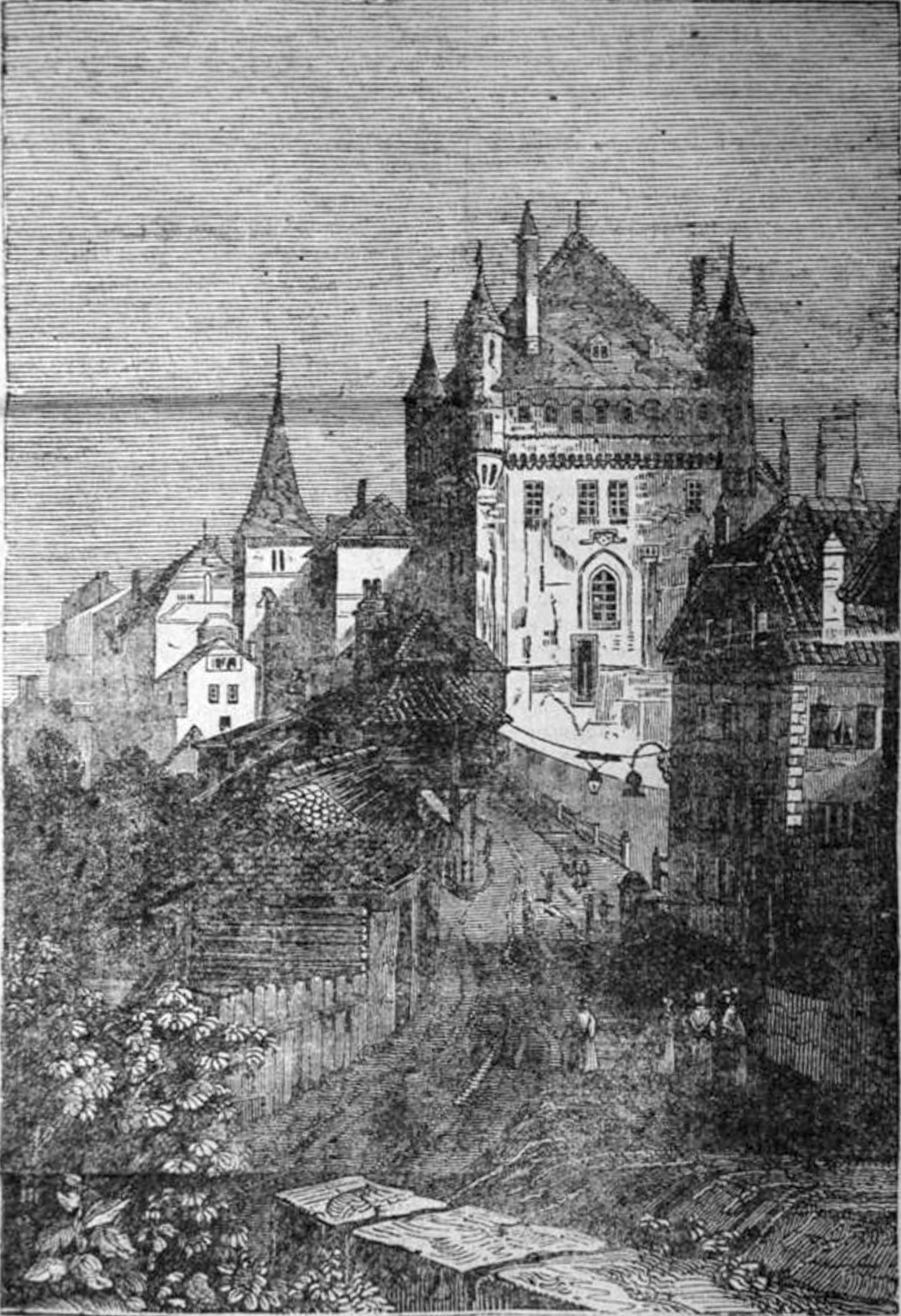
{'date': '14/06/2025', 'task': {'model': 'gpt-4.1-mini', 'query': 'Comprehensive guide to visiting Château Saint-Maire, Lausanne, Switzerland: history, significance, visitor tips, and everything tourists need to know for a memorable experience.', 'verbose': False, 'guidelines': ["Keyword Research: Identify relevant keywords that potential visitors are likely to search for, such as '[Monument Name] visiting hours,' '[Monument Name] tickets,' and '[City] historical sites.' Use these keywords strategically throughout the article, including in the title, headers, and body text, but avoid keyword stuffing.", 'Engaging and Informative Title: Craft a title that is both SEO-friendly and compelling to encourage clicks. Include the main keyword and make it clear what the article will cover.', 'Structured Content: Use headings (H1, H2, H3) to organize the content effectively. This helps with SEO and makes the article easier for readers to navigate. Include an introduction that hooks the reader, a detailed body that covers all relevant aspects, and a conclusion that summarizes the key points.', 'Comprehensive Coverage: Address common questions and topics of interest such as the history of the monument, its cultural significance, visitor information (e.g., ticket prices, opening hours), travel tips, nearby attractions, and accessibility. Include sections that might be unique to the monument, like special events, guided tours, and photographic spots.', 'Quality Content: Ensure the content is well-researched, accurate, and provides real value to readers. Use reliable sources and provide factual information. Write in a clear, engaging, and accessible style. Consider your audience and use language that is appropriate for those likely to visit the monument.', 'Visuals and Media: Incorporate high-quality images or videos of the monument. These should be optimized for the web (correct sizing, alt tags with keywords). Consider interactive elements like virtual tours or maps.', 'Internal and External Links: Include links to other related articles on your site to encourage deeper engagement (internal links). Link to official websites for the monument or credible sources for further reading (external links).', 'FAQ: Incorporate FAQ sections to target voice search queries and featured snippets', 'Visit and Stay Up to Date: End the article with a call to action, such as encouraging readers to download our mobile app Audiala, check out other related posts, or follow on social media for more updates.'], 'max_sections': 4, 'publish_formats': {'pdf': False, 'docx': False, 'markdown': True}, 'follow_guidelines': True}, 'title': 'Comprehensive Guide to Visiting Château Saint-Maire, Lausanne, Switzerland', 'report': '# ローザンヌ、スイスのサン・メール城訪問ガイド:見学時間、チケット、歴史的史跡\n\n#### 日付:2025年6月14日\n\n## ローザンヌのサン・メール城の概要\n\nサン・メール城は、ローザンヌのシテの丘の上に荘厳にそびえ立ち、宗教的、政治的、建築的な歴史の数世紀を象徴しています。1397年から1430年にかけて要塞化された司教の邸宅として建設されたこの城は、ローザンヌの文化的・行政的中心地としての台頭において極めて重要な役割を果たしました(vd.ch)。1803年以来、ヴォー州政府の本拠地となっているこの城の遍歴は、ヨーロッパの城の中でもユニークな存在であり、現在も行政の中心地として機能しています(lausanne.ch; fr.wikipedia.org)。\n\n建築的には、サン・メール城は頑丈なモルセ砂岩と赤レンガ造り、イタリアの影響を受けた特徴、そしてローザンヌとレマン湖のパノラマビューが際立っています(myvaud.ch)。一般公開は限られていますが、特別イベントや遺産の日には、この生きたモニュメントの歴史ある内部を探索する貴重な機会が提供されます(lausanne-tourisme.ch; Cityzeum)。このガイドでは、城の変遷、建築上のハイライト、実用的な訪問のヒント、そしてそのシルエットを鑑賞するにしても、特別なイベントに参加するにしても、訪問を最大限に活用する方法を詳述します(vd.ch PDF)。\n\n---\n\n## 目次\n\n- サン・メール城の歴史的概要\n - 起源と初期の歴史\n - 中世の発展とベルン時代\n - 革命、修復、現代の利用\n- 建築デザインと特徴\n - 素材と影響\n - 防御的要素と居住的要素\n - 修復と保存\n- 訪問体験と実用情報\n - 見学時間とチケット\n - アクセスと交通\n - 周辺の観光スポットとイベント\n - 写真撮影、ヒント、アメニティ\n- 文化的・政治的重要性\n - 象徴性と公共生活\n - 文化遺産の保護\n- よくある質問\n- まとめと訪問のヒント\n- 参考文献とさらなる情報\n\n---\n\n## サン・メール城の歴史的概要\n\n### 起源と初期の歴史\n\nサン・メール城はその名前と礎を、6世紀に司教座をローザンヌに移したアヴァンシュの聖マリウス(メール)に由来しています(fr.wikipedia.org)。要塞化された司教の邸宅の必要性から、14世紀後半に旧修道院の敷地に城が建設されました(vd.ch PDF)。\n\n### 中世の発展とベルン時代\n\nギヨーム・ド・モンテネー司教とギヨーム・ド・シャラン司教の下で、城の建設(1397~1430年)により、4つの塔を持つ巨大な長方形のキープ、空堀、跳ね橋が建設され、防御と権威が強調されました(en.wikipedia.org; lausanne.ch)。プロテスタント宗教改革と1536年のベルンによる征服の後、城は代官の拠点となり、武器庫として使かれ、大幅な改修を受けました(vd.ch PDF)。\n\n### 革命、修復、現代の利用\n\n1803年、ヴォーの革命とヴォー州の設立後、城は政府の所在地となりました。19世紀の改築では、中世の要素を保存しながら新ゴシック様式の要素が追加されました(vd.ch)。スイスの文化遺産として認識されており、現在も州議会が置かれており、その生きた制度的役割を維持しています(lausanne.ch)。\n\n---\n\n## 建築デザインと特徴\n\n### 素材と影響\n\nサン・メール城は主に地元のモルセ砂岩と特徴的な赤レンガで造られており、後者はイタリアの熟練した建築家の影響を反映しています(myvaud.ch)。長方形の平面図、4つのコーナー塔、胸壁は、後期中世の城塞の typologierを連想させ、その高い場所からは都市とレマン湖の壮大な眺めが楽しめます。\n\n### 防御的要素と居住的要素\n\n城の建築は、軍事機能と居住機能をバランスさせています。\n\n- 防御的特徴: 狭間、マキコリ、要塞化された壁、胸壁のある塔(myvaud.ch)\n- 居住的側面: 大きな窓と司教のための快適な居住区、後に政府のオフィスに改修されました。\n- 内部のハイライト: ヴォールト天井、石造りの暖炉、公式集会用の大広間。\n\n### 修復と保存\n\n修復作業は、構造強化、素材の保存、持続可能性に重点を置いています。伝統的な素材と技術を使用して真正性を維持し、安全性とアクセシビリティのための現代的な適応は控えめに統合されています(savingcastles.com)。\n\n---\n\n## 訪問体験と実用情報\n\n### 見学時間とチケット\n\n- 一般アクセス: 城は政府の建物として機能しており、定期的な一般公開ツアーはありません。\n- 特別イベント: Festival de la Cité や European Heritage Days などの機会にアクセス可能。入場は無料の場合が多いですが、事前予約が必要な場合があります(lausanne-tourisme.ch; Cityzeum)。\n- 外観の見学: 敷地と外観は、年中無休でいつでも鑑賞できます(TripHobo)。\n- ガイド付きツアー: 特定のイベント中にのみ提供されます。最新情報については、公式情報源を確認してください。\n\n### アクセスと交通\n\n- 場所: Place du Château, 1002 Lausanne, Switzerland(Trip101)。\n- アクセス方法: ローザンヌ旧市街から徒歩圏内。メトロM2でRiponne–Maurice Béjart駅まで行き、そこから徒歩で坂を上ります。\n- アクセシビリティ: 坂道のアプローチと歴史的な構造は、移動が不自由な方には困難が伴う可能性があります。アドバイスについては、観光案内所にお問い合わせください。\n\n### 周辺の観光スポットとイベント\n\n- ローザンヌ大聖堂: 城の隣にあるゴシック様式の傑作。\n- パリュ広場: 地元の市場がある歴史的な広場。\n- オリンピック博物館: スポーツの歴史愛好家向け。\n- Festival de la Cité: 7月に開催される毎年恒例のイベントで、パフォーマンスと城への特別なアクセスがあります(Festival de la Cité)。\n\n### 写真撮影、ヒント、アメニティ\n\n- 写真撮影: 外観の写真は歓迎ですが、内部の写真は制限されています。\n- 訪問に最適な時期: 5月~9月は気候も良く、フェスティバルのシーズンです(Global Highlights)。\n- 履物: 石畳や坂道での散策には、快適な靴をお勧めします。\n- 食事と宿泊: La Brasserie de Montbenonなどの近くのレストランや、Beau-Rivage Palaceなどのホテル(TripXL)。\n\n---\n\n## 文化的・政治的重要性\n\n### 象徴性と公共生活\n\nサン・メール城は、6世紀以上にわたって政府の所在地として継続的に機能していることは、ヨーロッパでも珍しいことです(vd.ch, p.13 and p.19)。その建築、政治的象徴性、そして公式式典への頻繁な使用は、ヴォー州の市民アイデンティティの中心としての地位を強化しています(lausanne-tourisme.ch)。\n\n### 文化遺産の保護\n\n保存活動により、古い州の造幣局のような考古学的遺物が発見され、持続可能な修復が優先されています。城の継続的な政治的・文化的役割は、特別イベントや遺産の日を通じた一般市民の参加とのバランスが取られています(savingcastles.com)。\n\n---\n\n## よくある質問\n\nQ:サン・メール城の内部をいつ見学できますか?\nA:内部へのアクセスは、特別イベントや遺産の日のみ可能です。外観は年中見学できます([lausanne-tourisme.ch](https://www.lausanne-tourisme.ch/en/explore/chateau-saint-maire/))。\n\nQ:入場にはチケットが必要ですか?\nA:特別イベントは通常無料ですが、事前予約が必要な場合があります。\n\nQ:城は障害のある方でもアクセス可能ですか?\nA:土地の状況や建物により、アクセシビリティが制限される場合があります。詳細については、観光案内所にご確認ください。\n\nQ:内部で写真を撮ってもいいですか?\nA:内部の写真撮影は一般的に制限されています。外観の写真は可能です。\n\nQ:近くの観光スポットは何ですか?\nA:ローザンヌ大聖堂、パリュ広場、オリンピック博物館はすべて徒歩圏内にあります。\n\n---\n\n## まとめと訪問のヒント\n\nサン・メール城は、ローザンヌの幾層にもわたる歴史、中世の建築、政治的伝統、そして生きている市民生活を融合させた、力強い象徴です。州政府の所在地としての主な機能により、定期的な一般公開は制限されていますが、特別イベントやフェスティバルでは、内部を垣間見る貴重な機会が提供されます。城の印象的な外観、パノラマビュー、そして他の歴史的史跡への近さは、旅行者にとって必見の場所となっています。訪問を最大限に活用するために、公式の観光情報源を使用して事前に計画し、快適な靴を着用し、バーチャルツアーやウォーキングガイドで体験を補完してください(vd.ch; myvaud.ch)。\n\n訪問時間、イベント、文化活動に関する最新情報については、ローザンヌ観光を参照し、ガイド付きウォーキングツアーやイベント情報の更新のためにAudialaアプリのダウンロードを検討してください。\n\n---\n\n## 参考文献とさらなる情報\n\n- Château Saint-Maire: A Historic Landmark in Lausanne – Visiting Hours, Tickets, and Visitor Guide, 2025\n- Wikipedia contributors, Château Saint-Maire, 2025\n- Lausanne City Heritage - Château Saint-Maire, 2025\n- Château Saint-Maire Visiting Hours, Tickets & Architectural Highlights in Lausanne, 2025\n- Cultural and Political Significance of Château Saint-Maire, 2025\n- Visiting Château Saint-Maire: Practical Information and Events, 2025\n- Restoration and Preservation Practices, 2025\n- Local Tourism and Event Information, 2025\n\n---\n\nローザンヌの生きた歴史をサン・メール城で発見してください。フェスティバル中に訪れる場合でも、単にその堂々とした姿を鑑賞する場合でも、この素晴らしい城はスイスの市民的・文化的遺産への窓を提供してくれます。\n', 'headers': {'date': '日付', 'title': 'ローザンヌ、スイスのサン・メール城訪問ガイド:見学時間、チケット、歴史的史跡', 'conclusion': 'まとめとサン・メール城訪問のヒント', 'references': '参考文献とさらなる情報', 'introduction': 'ローザンヌのサン・メール城の概要', 'table_of_contents': '目次'}, 'sources': [], 'sections': ['Historical Overview', 'Architectural Features and Restoration', 'Cultural and Political Significance', 'Visiting Château Saint-Maire'], 'conclusion': 'サン・メール城は、ローザンヌの豊かな歴史的、建築的、政治的遺産を象徴する記念碑的な証です。14世紀後半の要塞化された司教の宮殿としての起源から、ヴォー州政府の所在地としての継続的な利用まで、この城は変革、回復力、そして市民のアイデンティティの数世紀を体現しています(vd.ch)。モルセ石と赤レンガ造り、要塞化された塔、防御的特徴を特徴とするその独特な中世建築は、スイスとイタリアの影響のユニークなブレンドを反映しており、歴史的真正性と現代的な適応を両立させる良心的な修復努力によって保存されています(myvaud.ch; savingcastles.com)。\n\nサン・メール城は、行政の建物として機能しているため、定期的な一般公開は制限されていますが、遺産の日やFestival de la Citéなどの特別イベントでは、内部を体験し、ローザンヌの活気ある文化生活に参加する貴重な機会が提供されます(lausanne-tourisme.ch; Cityzeum)。訪問者は、ローザンヌ大聖堂やパリュ広場のような近くの歴史的史跡と相まって、常年その印象的な外観を鑑賞することもでき、都市の中世の中心部の探索をさらに豊かにします(vd.ch PDF; [lausanne-tourisme.ch](https://www.lausanne-tourisme.ch/en/explore/chateau-saint-maire/)。\n\nローザンヌの過去と現在を深く理解したい旅行者にとって、サン・メール城は建築的な壮大さと歴史的な深みを提供するだけでなく、州の政治的継続性と文化的記憶の生きた象徴としても機能します。訪問を最大限に活用するために、公式の訪問時間とイベントの発表を確認して事前に計画し、坂道のある場所を歩きやすい靴を履き、ガイド付きウォーキングツアーやバーチャルリソースで理解を深めてください(vd.ch PDF; lausanne-tourisme.ch)。\n\n歴史と行政が交差するモニュメントを目撃する機会を捉え、サン・メール城という魅力的なレンズを通してローザンヌの遺産を探索してください。最新情報、イベントスケジュール、パーソナライズされた訪問ガイドについては、Audialaのような旅行アプリをダウンロードし、現地の観光チャンネルをフォローして、都市の文化的な提供を常に把握してください。歴史と権力のこの時代を超えた要塞で、ローザンヌの過去への旅があなたを待っています。', 'introduction': "スイス、ローザンヌのシテの丘の頂上にそびえ立つサン・メール城は、ローザンヌの歴史、宗教、政治遺産の層の深さを象徴する、街の記念碑です。1397年から1430年にかけて建設されたこの城は、当初ローザンヌ司教の要塞化された邸宅として機能し、街が宗教的・行政的中心地としての地位を確立する上で重要な役割を果たしました(vd.ch)。何世紀にもわたり、この城は、プロテスタント改革時代のベルンによる占領から、1803年以来ヴォー州政府の所在地としての現在の役割まで、変革的な出来事を witnessed してきました。これにより、ヨーロッパでも数少ない、継続して統治に使用されている城の一つとなっています(lausanne.ch; fr.wikipedia.org)。\n\n建築的には、サン・メール城は後期中世の要塞建築の顕著な例であり、モルセ砂岩と特徴的な赤レンガの使用が注目に値します。これは、イタリアの熟練した建築家からの影響を受けた可能性が高いです。その長方形のレイアウトと4つのコーナー塔、狭間やマチコリエのような防御的特徴は、その軍事的および居住的機能の両方を反映しています(myvaud.ch)。城の印象的なシルエットはローザンヌのスカイラインを支配し、街とレマン湖のパノラマビューを提供しており、視覚的および文化的に重要なランドマークとなっています。\n\nサン・メール城は主に政府の建物として機能しており、定期的な一般公開ツアーは行われていませんが、Festival de la Citéのような特別な文化イベント、遺産の日、フェスティバル中に訪問者を受け入れています。これらの機会は、城の内部や厳選された展示への貴重なアクセスを可能にし、訪問者はその豊かな歴史と建築の壮大さを探索できます(lausanne-tourisme.ch; Cityzeum)。訪問を計画している旅行者にとって、限られた見学時間、チケットポリシー、アクセシビリティの考慮事項、そしてローザンヌ大聖堂やオリンピック博物館のような近くの観光スポットに関する実用的な情報は不可欠です。\n\nこの包括的なガイドは、サン・メール城の歴史的発展、建築上のハイライト、文化的・政治的重要性、そして訪問体験を向上させるための実用的なヒントについて、訪問者に深い理解を提供することを目的としています。歴史愛好家、建築愛好家、文化探検家など、誰にとっても、サン・メール城はローザンヌの永続的な遺産と活気ある市民生活へのユニークな窓を提供します。最新の見学時間、ツアー、イベントに関する最新情報については、公式情報源や現地の観光ウェブサイトを確認して、充実した訪問を計画してください(vd.ch PDF; lausanne-tourisme.ch)。', 'research_data': [{'Château Saint-Maire: A Historic Landmark in Lausanne – Visiting Hours, Tickets, and Visitor Guide': '## Welcome to Château Saint-Maire: A Must-See Historical Site in Lausanne\n\nNestled atop the northernmost tip of Lausanne’s Cité hill, Château Saint-Maire is a captivating symbol of the city’s rich religious, political, and architectural heritage. This article offers a comprehensive overview of the castle’s origins, architectural evolution, and its pivotal role in regional development. Additionally, you will find essential visitor information including visiting hours, ticketing, accessibility, and travel tips to help you plan your visit to one of Lausanne’s most iconic historical sites.\n\n---\n\n# Historical Overview of Château Saint-Maire\n\n## Origins and Early History\n\nChâteau Saint-Maire stands on a strategic promontory that has shaped Lausanne’s history for centuries (vd.ch). Named after Saint Marius (Maire) of Avenches, a 6th-century bishop who transferred the episcopal seat to Lausanne around 581 CE, the castle marks the city’s emergence as a religious and administrative center (fr.wikipedia.org).\n\nBy the late 14th century, the need for a fortified residence led to the construction of Château Saint-Maire on the site of a former priory (vd.ch PDF).\n\n## Construction and Medieval Development\n\nConstruction began in 1397 under Bishop Guillaume de Menthonay and was mainly completed by 1430 during Bishop Guillaume de Challant’s tenure (en.wikipedia.org). The castle's design features a massive rectangular keep, defensive towers, and a dry moat with a drawbridge, symbolizing both defense and episcopal authority (lausanne.ch). Rich interior decorations from the 15th and early 16th centuries, including murals and stained glass, have been restored in recent years (fr.wikipedia.org).\n\n## Bernese Occupation and Transformation\n\nIn 1536, during the Protestant Reformation, Bernese forces captured Lausanne and repurposed the castle as the residence of their bailiff and an armory (lausanne.ch). Significant structural and functional changes were made between 1536 and 1798, including modifications to the gate and interior spaces (vd.ch PDF).\n\n## Vaudois Revolution and Cantonal Era\n\nFollowing the Vaudois Revolution in 1798 and the establishment of the Canton of Vaud in 1803, Château Saint-Maire became the seat of the cantonal government (fr.wikipedia.org). Renovations in the 19th century adapted the castle for administrative use, enhancing its medieval character with neo-Gothic elements (vd.ch).\n\n## Architectural Evolution and Restoration\n\nThe castle’s architecture reflects its layered history, from medieval fortifications to 18th-century staircases and 19th-century restorations that preserved original artworks and medieval-style features (lausanne.ch). Classified as a Swiss heritage site of national significance in 1920, it remains a vital testament to Lausanne’s past (vd.ch).\n\n# Visiting Château Saint-Maire: Practical Information\n\n## Visiting Hours and Tickets\n\nChâteau Saint-Maire is primarily a government building and is not regularly open to the public for tours. However, during special cultural events and heritage days, limited guided tours are occasionally available. Visitors interested in tours should check the official Vaud canton website or the Lausanne tourism office for announcements.\n\n- Regular visiting hours: Not open for general public tours\n- Special event tours: Available during select dates (check official sources)\n- Tickets: Free during special open days; advance booking may be required\n\n## Accessibility\n\nThe castle is located on the Cité hill and is accessible via pedestrian paths from Lausanne’s city center. Nearby public transportation includes bus lines serving the area. Due to the historic nature and terrain, accessibility for visitors with limited mobility may be challenging; contacting the tourism office in advance is recommended.\n\n## Nearby Attractions and Travel Tips\n\nWhile visiting Château Saint-Maire, consider exploring other historic sites nearby, such as:\n\n- Lausanne Cathedral: A stunning Gothic cathedral adjacent to the castle\n- Place de la Palud: Historic square with markets and cafes\n- Olympic Museum: Located a short distance away, offering insight into sports history\n\nFor the best experience, wear comfortable shoes for walking on cobblestone streets and hill paths. Guided walking tours of Lausanne’s historic center often include the castle’s exterior.\n\n# Frequently Asked Questions (FAQ)\n\nQ1: Can I buy tickets to visit Château Saint-Maire?\nCurrently, the castle is not open for regular public visits, so tickets are generally not available. Special events may offer free guided tours.\n\nQ2: What are the best times to see Château Saint-Maire?\nWhile the interior is not usually accessible, the castle’s exterior is visible year-round. Heritage days and cultural festivals occasionally provide interior access.\n\nQ3: Is Château Saint-Maire suitable for families?\nThe castle’s exterior and surroundings are family-friendly, but limited interior access may affect the visit.\n\nQ4: Are guided tours available?\nGuided tours are available only during special events. Otherwise, guided walking tours of Lausanne often include the castle’s exterior.\n\n# Conclusion\n\nChâteau Saint-Maire stands as a monumental symbol of Lausanne’s historical and cultural heritage. While regular interior visits are limited due to its governmental function, the castle’s striking architecture and commanding location make it an essential stop for visitors exploring Lausanne’s historic core. For the latest information on visiting hours, tours, and events, be sure to check official resources.\n\nPlan your visit today and discover why Château Saint-Maire remains a cornerstone of Vaud’s rich history.\n\n---\n\n# Additional Resources and Links\n\n- Official Vaud Canton Website – Château Saint-Maire\n- Lausanne Tourism – Château Saint-Maire\n- Lausanne City Heritage\n\n# Call to Action\n\nEnjoyed learning about Château Saint-Maire? Download the Audiala app for guided audio tours of Lausanne’s historic sites, including the castle’s exterior. Stay connected by following our social media channels for updates on special events and heritage days. Explore more of Lausanne’s fascinating history with our related articles linked throughout this site.'}, {'Château Saint-Maire Visiting Hours, Tickets & Architectural Highlights in Lausanne': '## Introduction\n\nChâteau Saint-Maire is a stunning example of late medieval fortress architecture located in the heart of Lausanne, Switzerland. Built between 1400 and 1430, this historic castle has served as both a military stronghold and the seat of regional power. This article covers everything visitors need to know, including Château Saint-Maire visiting hours, tickets, architectural highlights, restoration efforts, and practical tips to make the most of your visit to one of Lausanne's most iconic historical sites.\n\n## Architectural Design and Construction Materials\n\nChâteau Saint-Maire showcases the robust design typical of late medieval fortresses. Built primarily from molasse, a local sandstone, and distinctive red brick, its unique coloration and texture reflect a blend of Swiss and Italian architectural influences. The use of brick was unusual for Swiss fortifications of the time, likely introduced by Italian master builders invited by Bishop Guillaume de Challant during construction (myvaud.ch).\n\nThe castle has a rectangular layout with four corner towers topped with battlements. Its thick walls feature narrow arrow slits for defense, while the parapets are crowned by low-cut merlons. These features resemble Italian fortresses like Castelvecchio in Verona and have even been compared to the design of the Kremlin in Moscow. Its elevated position on Lausanne’s Cité hill offers strategic views over the city and Lake Geneva.\n\n## Defensive Features and Military Innovations\n\nDesigned as both a residence and fortress, Château Saint-Maire includes classic military elements: fortified walls, corner towers, and machicolations for dropping projectiles. The original main entrance featured a drawbridge and portcullis, though these have been altered over time for better access (myvaud.ch).\n\nDespite its military focus, the castle incorporates larger windows and comfortable living quarters, reflecting its evolving role. After the Bernese conquest in 1536, it became the seat of the Bernese bailiff, reinforcing its authority as a government center (vd.ch).\n\n## Interior Layout and Functional Spaces\n\nThe interior served both administrative and residential purposes. Storage rooms and armories were on the lower levels, while the bishop's apartments, reception halls, and chapels occupied the upper floors. The great hall hosted official gatherings. Many spaces have been adapted for government use today (myvaud.ch).\n\nArchitectural details include vaulted ceilings, stone fireplaces, and wooden beams, many carefully preserved or restored. Decorative elements remain modest, reflecting the castle's defensive priorities.\n\n## Restoration Efforts and Preservation Philosophy\n\nSeveral restoration phases have focused on maintaining Château Saint-Maire's historical authenticity while upgrading structural stability and usability. Key initiatives include:\n\n- Structural Reinforcement: Modern engineering has stabilized subsidence and wall cracks, especially in towers and curtain walls, without altering the castle’s appearance (savingcastles.com).\n- Material Conservation: Restoration uses traditional materials like locally sourced stone, lime mortar, and hand-made bricks. Repairs replicate original techniques to preserve continuity.\n- Artisan Collaboration: Skilled local craftsmen ensure repairs stay true to historical methods (savingcastles.com).\n- Modern Adaptations: Safety, accessibility, and comfort improvements have been discreetly integrated, including electrical systems, fire protection, and climate control.\n\n## Sustainable Restoration Practices\n\nSustainability is a growing focus, with efforts to use eco-friendly materials, improve energy efficiency, and engage local communities. This preserves traditional crafts and fosters shared heritage (savingcastles.com).\n\n## Visitor Information: Visiting Hours, Tickets & Tours\n\n- Visiting Hours: Château Saint-Maire is primarily a government building, so public access is limited. Guided tours are occasionally available during special events or open days. Visitors should check updated visiting hours on the official Lausanne tourism website before planning a visit.\n- Tickets: There is no regular ticket sales office at the castle due to its administrative use. When tours are offered, tickets can often be booked online through Lausanne Tourisme or local visitor centers.\n- Guided Tours: Tours provide detailed insights into the castle’s architecture, history, and restoration. Booking in advance is recommended.\n- Accessibility: Due to the historic layout, some areas may be difficult for visitors with mobility challenges. Limited modern adaptations have been implemented to improve access where possible.\n- Directions: Château Saint-Maire is located at Place du Château, 1002 Lausanne, at the northern tip of the Cité hill. It is easily reachable on foot from Lausanne’s Old Town and main public transport hubs.\n\n## Visitor Experience: Architectural Highlights & Photography\n\nVisitors can admire:\n\n- Four Corner Towers: Each offers unique views and defensive design elements.\n- Main Courtyard: A commanding space reflecting the castle’s dual military and residential roles.\n- Restored Interiors: Accessible during tours, featuring vaulted halls and period details.\n- Interpretive Displays: Informational panels provide context about the castle’s evolution and restoration.\n\nPhotography of the castle’s exterior is encouraged. Interior photography may be restricted during government use or special events.\n\n## Practical Tips for Visitors\n\n- Check Château Saint-Maire visiting hours and tour availability on Lausanne Tourisme.\n- Combine your visit with nearby sites like Lausanne Cathedral and the Old Town for a full historical experience.\n- Wear comfortable shoes for walking on uneven surfaces.\n\n## Frequently Asked Questions (FAQ)\n\nQ: Can I buy tickets onsite for Château Saint-Maire tours?\nA: Regular public access is limited; tickets for special tours or events are usually sold online or via Lausanne Tourisme.\n\nQ: Is Château Saint-Maire wheelchair accessible?\nA: Some parts are accessible, but due to the historic nature of the building, full access may be limited.\n\nQ: Are guided tours available year-round?\nA: Tours are seasonal or event-based. Check the official Lausanne tourism website for the latest information.\n\nQ: Is photography allowed inside the castle?\nA: Exterior photography is permitted. Interior photography depends on event rules and government use.\n\n## Conclusion\n\nChâteau Saint-Maire stands as a captivating symbol of Lausanne’s rich medieval heritage. From its architectural grandeur to ongoing restoration efforts, the castle offers a unique glimpse into Switzerland’s history. Whether you’re interested in historical sites, military architecture, or cultural heritage, planning your visit around the Château Saint-Maire visiting hours and available tours will ensure a rewarding experience.\n\nFor the latest updates, ticket information, and guided tours, visit the official Lausanne Tourisme website. Don't forget to download the Audiala app for easy access to Lausanne’s top attractions, including Château Saint-Maire, and follow us on social media for more travel tips and historical insights.\n\n---\n\nExplore more about Lausanne's historic gems in our related posts and plan your unforgettable Swiss adventure today!'}, {'Cultural and Political Significance': '# Discover Château Saint-Maire: A Historic Landmark and Political Icon in Lausanne\n\n## Introduction\n\nChâteau Saint-Maire is one of Lausanne’s most iconic historical sites, rich in cultural heritage and political significance. This medieval castle, standing proudly atop the city’s northern hill, offers visitors a unique glimpse into the region’s past and present political life. Whether you are interested in history, architecture, or looking for engaging places to visit in Lausanne, Château Saint-Maire is a must-see attraction. In this article, we explore the castle’s historical importance, visitor information including visiting hours and tickets, nearby attractions, and how it remains a living symbol of Vaud’s political identity.\n\n## The Role of Château Saint-Maire in Lausanne’s Political Identity\n\nConstructed between 1397 and 1431, Château Saint-Maire was originally built as a fortified episcopal residence, symbolizing the religious and administrative power of the bishops of Lausanne (vd.ch, p.13). Its strategic location overlooking the city allowed it to control access and reinforce its role as a seat of power.\n\nAfter the Reformation and the Bernese conquest in 1536, the château transitioned from ecclesiastical to secular governance, serving as the residence of the Bernese bailiffs. Since the formation of the Canton of Vaud in 1803, it has functioned as the seat of the cantonal government (vd.ch, p.19). Today, the term “le château” remains synonymous with the government itself, highlighting its enduring political symbolism.\n\n## Symbolism and Heritage: The Castle as a Living Monument\n\nChâteau Saint-Maire has served continuously as a center of governance for over six centuries—a rarity in Europe. Its architecture, featuring robust molasse stone walls, brick accents, and imposing towers, expresses authority and resilience. The recent centennial restoration aimed to preserve its structural integrity and adapt the building to meet modern administrative needs, reaffirming its status as a living monument (vd.ch, p.19).\n\n## Visiting Château Saint-Maire: Hours, Tickets, and Tours\n\nWhile Château Saint-Maire primarily functions as a government building, it welcomes visitors during special events and guided tours. Here’s what you need to know if you plan to visit:\n\n- Visiting Hours: The château is generally open to the public during select occasions such as the Journées du Patrimoine (European Heritage Days) and the Fête de l’Indépendance. Check the official Lausanne tourism website for updated visiting hours.\n\n- Tickets: Entry is usually free during public events. Guided tours may require advance booking; prices and availability vary depending on the event.\n\n- Accessibility: The castle is located on a hill in Lausanne’s historic core (La Cité). While the exterior and surroundings are accessible, interior access may be limited due to its governmental use.\n\n- Guided Tours and Special Events: Guided tours provide in-depth insights into the château’s history and political role. Special events often include access to areas typically closed to the public.\n\n## Nearby Attractions and Photographic Spots\n\nChâteau Saint-Maire is situated near several of Lausanne’s key landmarks, making it ideal for a cultural outing:\n\n- Lausanne Cathedral: Just a short walk away, this Gothic masterpiece is another must-see historical site.\n\n- Place du Château: The square adjacent to the castle offers picturesque views and photo opportunities.\n\n- Palais de Rumine: Home to museums and the temporary seat of the Grand Conseil after the 2002 fire.\n\nThese spots, combined with the castle’s silhouette visible from various city viewpoints, provide excellent photography opportunities.\n\n\nAlt text: Château Saint-Maire castle towering above Lausanne’s cityscape, a historic site and political landmark.\n\n## The Castle and the Evolution of Vaud’s Political Institutions\n\nThe château’s proximity to the Parliament of Vaud and other institutions underscores its central role in the canton’s governance. Following the 2002 fire that destroyed the original parliament building, the temporary relocation of the Grand Conseil to the Palais de Rumine highlighted the historic Cité district's importance (vd.ch, p.19). Maintaining the government’s seat in Château Saint-Maire reinforces the area’s identity as the physical foundation of enduring institutions.\n\n## Heritage Conservation and the Politics of Memory\n\nThe recent restoration of the château uncovered the foundations of the old cantonal mint, linking visitors to Vaud’s early autonomy period (1803–1825) (vd.ch, p.19). The integration of these archaeological finds exemplifies the government’s commitment to preserving and celebrating the canton’s heritage.\n\nThe refurbishment also enhanced the château’s public visibility through renewed facades and improved surroundings, balancing its governmental function with its cultural role.\n\n## Cultural Significance and Public Perception\n\nChâteau Saint-Maire is deeply embedded in Lausanne’s collective memory. Unlike many European castles converted into museums, it remains a working government building, which adds to its aura of authority and tradition (vd.ch, p.19). However, efforts to open the château to the public during special events help bridge the gap between official functions and cultural heritage (lausanne-tourisme.ch).\n\n## Civic Rituals and Public Life\n\nThe château hosts official ceremonies and government meetings that often receive media coverage, reinforcing its image as the heart of Vaud’s political life. During events like the Fête de l’Indépendance and Journées du Patrimoine, visitors can explore historic halls, connecting with Lausanne’s civic identity (lausanne-tourisme.ch).\n\n## Frequently Asked Questions (FAQ)\n\nQ: What are the Château Saint-Maire visiting hours?\nA: The château is open to the public mainly during special events such as Heritage Days. For current visiting hours, check the official Lausanne tourism website.\n\nQ: Are there tickets required to visit Château Saint-Maire?\nA: Entry during public events is generally free. Guided tours may require advance booking and fees.\n\nQ: Is Château Saint-Maire accessible to people with mobility issues?\nA: The castle's hilltop location may pose challenges. While the exterior is accessible, interior access is limited and may not be fully accessible.\n\nQ: Can I take photographs inside the château?\nA: Photography policies vary. During guided tours or special events, photography may be allowed—confirm with event organizers.\n\nQ: What are the best nearby attractions to visit after Château Saint-Maire?\nA: Nearby attractions include Lausanne Cathedral, Place du Château, and the Palais de Rumine.\n\n## Conclusion\n\nChâteau Saint-Maire remains a vital symbol of Lausanne’s political authority and cultural heritage. Its centuries-long role as a seat of governance, combined with its architectural grandeur and strategic location, make it a fascinating destination for visitors. Whether you are interested in its history, attending special events, or simply admiring its silhouette against Lausanne’s skyline, the château offers a compelling experience that connects the past with the present.\n\n## Plan Your Visit and Stay Connected\n\nFor the latest information on visiting hours, ticketing, and special events at Château Saint-Maire, visit the official Lausanne tourism website. Don't forget to download the Lausanne mobile app for guided tours and up-to-date cultural listings. Follow Lausanne’s official social media channels to stay informed about upcoming events and exclusive access opportunities.\n\nExplore the heart of Vaud’s political and cultural heritage—plan your visit to Château Saint-Maire today!'}, {'Visiting Château Saint-Maire': '## Historical Background and Architectural Features\n\n\n\nChâteau Saint-Maire, perched atop the Cité hill in Lausanne, is a striking example of late medieval fortification and ecclesiastical power. Constructed between 1394 and 1430 at the behest of the bishops of Lausanne, the castle was intended as a new episcopal residence, replacing the former, now the city’s historical museum (Petit Futé). The project began under Bishop Guillaume de Menthonay and was completed by his successor, Guillaume de Challant. The castle’s robust cubic structure, accentuated by four corner turrets, is emblematic of the transition from medieval fortresses to more residential, yet still defensive, palatial architecture (Cityzeum).\n\nThroughout the 19th century, the château underwent several modifications, including the addition of a terrace that partially buried one corner and the demolition of the original Saint-Maire gate to facilitate road expansion. Despite these changes, the castle has retained its imposing silhouette and remains a dominant feature of Lausanne’s skyline, offering panoramic views over the city, Lake Geneva, and the Alps (Secret Attractions).\n\n## Cultural and Political Significance\n\nChâteau Saint-Maire is not only an architectural landmark but also a symbol of Lausanne’s evolving governance. Initially serving as the seat and residence of the bishops, the castle’s role shifted dramatically after the Reformation and the annexation of Vaud by Bern in 1536. Since 1803, it has housed the Council of State of the Canton of Vaud, making it the political heart of the region (TripXL). Its designation as a Swiss heritage site of national significance underscores its importance in the country’s cultural and administrative history (Trip101).\n\nThe castle’s enduring presence as a government building means that, while it is not open for regular public tours, it remains a living monument, actively shaping the civic life of Lausanne. Its walls have witnessed centuries of political transformation, from ecclesiastical rule to modern democracy.\n\n## Visitor Experience and Practical Information\n\n### Accessibility and Location\n\nChâteau Saint-Maire is centrally located in Lausanne’s historic district, a short walk from the Lausanne Cathedral and the Place de la Palud. The approach involves navigating cobblestone streets and a moderate uphill climb, so comfortable footwear is strongly recommended (Cityzeum). The castle is easily accessible on foot from the main train station or the Pâquis district, and most visitors combine a stop here with other Old Town attractions (TripHobo).\n\n### Visiting Hours and Entry\n\nThe exterior of Château Saint-Maire can be admired at any time, as the grounds are open 24/7 (TripXL). However, entry to the interior is not permitted to the general public due to its function as the seat of the cantonal government (Petit Futé). There is no entrance fee for viewing the castle from the outside, making it an accessible stop for all visitors (TripHobo).\n\nOn rare occasions, such as during the annual Festival de la Cité in July, the castle’s courtyards and select areas may be accessible for special events, concerts, and exhibitions (Cityzeum). It is advisable to check local event calendars for these opportunities.\n\n### What to See and Do\n\nWhile the interior is off-limits, the castle’s exterior offers much to appreciate. The massive brickwork, gothic arches, and distinctive turrets provide a dramatic backdrop for photography. The elevated position affords sweeping views of Lausanne, Lake Geneva, and the distant Alps—particularly stunning at sunrise or sunset (Secret Attractions).\n\nThe tranquil surroundings and adjacent parks make this an ideal spot for a reflective pause away from the city bustle. The nearby Lausanne Cathedral and Place de la Palud are within a few minutes’ walk, allowing for a seamless exploration of the city’s medieval core (Trip101).\n\n### Special Events and Cultural Activities\n\nChâteau Saint-Maire is a focal point during the Festival de la Cité, held annually in early July. This vibrant event transforms the castle and its environs into an open-air stage for over 200 performances, including concerts, theater, and film screenings. The castle’s historic walls provide a unique acoustic and visual setting, blending the past with contemporary artistic expression (Cityzeum). Temporary exhibitions related to Lausanne’s history and architecture are occasionally hosted in the castle’s public spaces during such festivals.\n\n### Tips for a Memorable Visit\n\n- Best Time to Visit: The castle can be visited year-round, but the months from May to September offer the most pleasant weather for walking and outdoor photography (Global Highlights). Early mornings or late afternoons provide the best light and fewer crowds.\n- Photography: The ramparts and terraces are prime spots for panoramic shots of Lausanne and Lake Geneva. Bring a wide-angle lens for the best results.\n- Footwear: Due to the cobblestone streets and uphill approach, sturdy, comfortable shoes are essential.\n- Accessibility: The climb may be challenging for those with mobility issues, but taxis or public transport can bring visitors closer to the site.\n- Combine with Other Sites: Many visitors pair a stop at Château Saint-Maire with the Lausanne Cathedral, Place de la Palud, and the Olympic Museum for a full day of cultural exploration (TripHobo).\n\n### Nearby Amenities\n\n- Dining: After your visit, consider dining at local favorites such as La Brasserie de Montbenon for French-Swiss cuisine with lake views, or Le Chalet Suisse for traditional Swiss fare (TripXL).\n- Accommodation: Upscale options like the Beau-Rivage Palace and Mövenpick Hotel Lausanne offer comfort and proximity to the city’s main attractions (TripXL).\n\n## Architectural and Artistic Highlights\n\nChâteau Saint-Maire’s design is characterized by its massive, almost cubic form, punctuated by four corner turrets. The brick and stone construction, rare for the region and period, reflects both defensive needs and the bishops’ desire for a prestigious residence (Cityzeum). The gothic arches and towers are notable features, and the castle’s silhouette is a defining element of Lausanne’s cityscape.\n\nDuring special events, visitors may have the opportunity to view historical documents, artifacts, and archival photographs that illuminate Lausanne’s past and the castle’s role in it. These exhibitions, though infrequent, offer a rare glimpse into the building’s interior and its layered history (Cityzeum).\n\n## Local Insights and Recommendations\n\n- Festival de la Cité: If visiting in July, the festival is a must-see, offering a lively blend of music, theater, and art in a historic setting (Cityzeum).\n- Virtual Tours: For those unable to access the interior, online virtual tours and photo galleries are available, providing additional historical context and visual detail (Petit Futé).\n- Quiet Reflection: The castle’s peaceful surroundings make it an excellent spot for contemplation, sketching, or simply enjoying the views.\n\n## Essential Visitor Information\n\n- Address: Place du Château, 1002 Lausanne, Switzerland (Trip101)\n- Opening Hours: Exterior accessible 24/7; interior closed to the public except during special events.\n- Entry Fee: None for exterior viewing.\n- Public Transport: Lausanne Metro (M2) to Riponne–Maurice Béjart, then a short walk uphill.\n\n\n\n- Event Calendar: Check the Festival de la Cité website for annual programming and potential access to the castle grounds.\n\n## Frequently Asked Questions (FAQ)\n\nQ: Can I enter Château Saint-Maire?\nA: The interior is generally closed to the public as it houses the cantonal government. Access is only granted during special events like the Festival de la Cité.\n\nQ: What are the visiting hours?\nA: The castle grounds are accessible 24/7 for exterior viewing. Interior access is restricted.\n\nQ: Is there an entry fee?\nA: No fee is required to view the castle from the outside.\n\nQ: Are guided tours available?\nA: Regular guided tours are not offered due to the building’s governmental function. Occasionally, special events may include guided access.\n\nQ: How do I get there using public transport?\nA: Take the Lausanne Metro M2 line to Riponne–Maurice Béjart and walk uphill for a few minutes.\n\nQ: Are there virtual tours available?\nA: Yes, virtual tours and photo galleries are available online for those who cannot visit in person.\n\n## Related Articles\n\n- Exploring Lausanne's Old Town: A Walking Guide\n- Top Swiss Castles to Visit: From Medieval Fortresses to Palaces\n- The Olympic Museum in Lausanne: A Cultural Treasure\n\n## Call to Action\n\nReady to explore Château Saint-Maire and more of Lausanne’s rich heritage? Download the Audiala app for personalized travel guides, insider tips, and offline maps to enhance your visit. Don’t forget to follow us on social media for the latest updates on local events and exclusive content. Start planning your unforgettable Swiss adventure today!'}, {'External Links': 'The provided content includes links to various websites for reference and further information. These links are integrated within the text to support the information presented about Château Saint-Maire, including its history, architecture, visitor information, and relevance to Lausanne. The links are intended to provide readers with access to official sources and credible resources for more in-depth exploration of the topic. \n\n### Reference Links Included:\n\n* vd.ch: Official website of the Canton of Vaud, referencing the château’s historical and architectural significance.\n* lausanne.ch: Lausanne city’s official site, detailing architectural heritage, including the château.\n* fr.wikipedia.org: French Wikipedia page for Château Saint-Maire, offering a broad overview.\n* myvaud.ch: Tourist information site for the canton of Vaud, featuring the château.\n* vd.ch PDF: A PDF document from the Vaud canton, likely providing detailed information about the château.\n* en.wikipedia.org: English Wikipedia page for Saint-Maire Castle.\n* Cityzeum: A city guide website featuring local attractions.\n* TripHobo: Travel guide website with information on Lausanne attractions.\n* Festival de la Cité: Website for the annual city festival, often featuring the château.\n* Global Highlights: Information on weather conditions.\n* TripXL: Travel blog mentioning attractions in Lausanne.\n* savingcastles.com: Website discussing castle renovation and history.\n* Trip101: Travel guide for Lausanne.\n* Petit Futé: French travel guide.\n* Secret Attractions: A website listing hidden historical sites.\n* myswitzerland.com: Official Swiss tourism website.\n* lausanne-a-pied.ch: Website for guided walks in Lausanne.\n\nThese links provide comprehensive support for the article's content, enhancing its credibility and utility for potential visitors.'}, {'FAQs Section': 'The article includes a Frequently Asked Questions (FAQ) section to directly address common queries from potential visitors interested in Château Saint-Maire. This section aims to provide quick and clear answers to typical questions, improving user experience and search engine visibility.\n\n### Key Questions Addressed:\n\n* Visiting Hours and Interior Access: Clarifies that while interiors are generally not open to the public, special events offer opportunities for access.\n* Tickets and Entry Fees: Explains that tickets are usually not required for regular exterior visits, but may be necessary for special events.\n* Accessibility: Provides information regarding the challenges of accessibility due to the historic nature of the building and its location.\n* Photography: Offers guidance on where and when photography is permitted (exterior generally allowed, interior may be restricted).\n* Nearby Attractions: Lists key attractions in the vicinity that visitors might want to explore.\n* Transportation: Details how to reach the château using public transport.\n\nThe intent of the FAQ section is to anticipate visitor needs and provide readily available information, thus enhancing the article's utility and search engine performance, potentially capturing featured snippets in search results.'}, {'Summary and Call to Action': 'The article concludes with a summary of Château Saint-Maire's significance and provides a clear call to action for readers. \n\n### Summary Highlights:\n\n* Historical and Architectural Importance: Reiteration of the castle's role as a symbol of Lausanne's history, combining medieval architecture with continuous governmental function.\n* Visitor Experience: Briefly touching upon the limited public access balanced by the appreciation of its exterior and special event opportunities.\n* Planning a Visit: Encouraging readers to utilize official tourism resources for current information.\n\n### Call to Action:\n\n* Download Audiala App: Encourages readers to download the Audiala mobile application for guided tours and event updates.\n* Check Related Posts: Prompts readers to explore other relevant content on the website.\n* Social Media Engagement: Invites readers to follow the brand's social media channels for further updates and information.\n\nThe goal of the concluding section is to reinforce key takeaways and encourage reader engagement with the brand's offerings, promoting further exploration and interaction with their content and services.'}], 'table_of_contents': "- サン・メール城の歴史的概要\n - 起源と初期の歴史\n - 中世の発展とベルン時代\n - 革命、修復、現代の利用\n- 建築デザインと特徴\n - 素材と影響\n - 防御的要素と居住的要素\n - 修復と保存\n- 訪問体験と実用情報\n - 見学時間とチケット\n - アクセスと交通\n - 周辺の観光スポットとイベント\n - 写真撮影、ヒント、アメニティ\n- 文化的・政治的重要性\n - 象徴性と公共生活\n - 文化遺産の保護\n- よくある質問\n- まとめと訪問のヒント\n- 参考文献とさらなる情報"}, 'initial_research': '# Comprehensive Guide to Visiting Château Saint-Maire, Lausanne, Switzerland\n\n## Abstract\n\nChâteau Saint-Maire, perched at the northern tip of Lausanne’s historic Cité hill, is a monumental testament to the city’s medieval, religious, and political evolution. Built between the late 14th and early 15th centuries, the castle has served as a bishop’s fortress, a Bernese stronghold, and, since 1803, the seat of the Vaud cantonal government. This report provides an in-depth exploration of the château’s history, architectural significance, and practical visitor information, offering travelers a nuanced understanding of its role in Lausanne’s heritage and guidance for a memorable visit.\n\n---\n\n## Table of Contents\n\n1. Introduction\n2. Historical Overview\n - Origins and Construction\n - Episcopal Era\n - Bernese Occupation\n - Vaudois Period and Modern Use\n3. Architectural Features and Restoration\n4. Cultural and Political Significance\n5. Visiting Château Saint-Maire\n - Location and Access\n - Visitor Experience: What to Expect\n - Guided Tours and Virtual Visits\n - Nearby Attractions\n - Practical Tips\n6. Conclusion\n7. References\n\n---\n\n## 1. Introduction\n\nLausanne, the vibrant capital of the canton of Vaud, is renowned for its picturesque setting on the shores of Lake Geneva, its dynamic cultural scene, and its rich historical tapestry. Among its most significant landmarks stands the Château Saint-Maire, a fortress that has witnessed centuries of political intrigue, religious transformation, and architectural innovation. While the château is not generally open to the public, its imposing presence, historical resonance, and panoramic views make it a must-see for any visitor to Lausanne.\n\n---\n\n## 2. Historical Overview\n\n### Origins and Construction\n\nChâteau Saint-Maire was constructed between 1397 and 1430, a period marked by both ecclesiastical power and regional conflict. The impetus for its construction came from the bishops of Lausanne, who sought a more secure and imposing residence than their previous palace (now the city’s historical museum) adjacent to the cathedral. The castle was begun under Bishop Guillaume of Menthonay and completed by his successor, Guillaume of Challant. Its name honors Saint Marius (Marius d'Avenches), the first Bishop of Lausanne, who, in the late 6th century, transferred the episcopal seat from Avenches to Lausanne in response to increasing pressure from Germanic tribes (fr.wikipedia.org; en.wikipedia.org).\n\nThe site chosen for the château was strategic: the northernmost and highest point of the Cité’s rocky promontory, offering commanding views over the city and Lake Geneva, and controlling the main northern approach to Lausanne. The original structure was separated from the rest of the Cité by defensive walls and a dry moat, with a drawbridge marking the main entrance (vd.ch).\n\n### Episcopal Era\n\nFrom its completion in the early 15th century, Château Saint-Maire served as the fortified residence and seat of power for the bishops of Lausanne. It was not only a symbol of ecclesiastical authority but also a center of political and diplomatic activity. Notably, in 1415, the castle hosted Emperor Sigismund I during the Council of Constance, and in 1417, Pope Martin V passed through on his way from Constance to Italy (fr.wikipedia.org).\n\nThe interior of the château was richly decorated over the years, with bishops such as Benoît de Montferrand and Aymon de Montfalcon commissioning stained glass, murals, and renovations. The bishop’s chamber, adorned with Montfalcon’s arms and motto, remains a testament to this era of ecclesiastical grandeur.\n\n### Bernese Occupation\n\nThe Reformation and the expansionist ambitions of Bern brought dramatic change in 1536, when Bernese troops captured Lausanne and secularized the bishopric. Bishop Sébastien of Montfalcon famously escaped through a hidden stairwell as the city fell. The Bernese authorities installed a bailiff in the château, which was repurposed as an armory and administrative center. This period lasted until the end of the 18th century, with the castle’s role shifting from religious to secular governance (en.wikipedia.org).\n\n### Vaudois Period and Modern Use\n\nThe liberation of Vaud from Bernese rule in 1798 and the subsequent creation of the canton of Vaud in 1803 marked another transformation for Château Saint-Maire. It became the seat of the cantonal government, a function it retains to this day. The building houses the Council of State, the State Chancellery, and the Department of the Interior’s staff (fr.wikipedia.org; lausanne-a-pied.ch).\n\nThroughout the 19th and 20th centuries, the château underwent several renovations to adapt to its governmental role, including the construction of a concierge’s lodge, the burial of one corner under a terrace, and the removal of the original Saint-Maire gate to facilitate road expansion. Major restorations in the early 20th century and a comprehensive renovation between 2015 and 2018 (costing over 23 million Swiss francs) have preserved and modernized the structure, improving accessibility, energy efficiency, and meeting spaces (fr.wikipedia.org).\n\n---\n\n## 3. Architectural Features and Restoration\n\nChâteau Saint-Maire is a quintessential example of late medieval fortress architecture in Switzerland. Built primarily from local molasse stone, the castle’s design reflects both defensive and residential priorities:\n\n- Fortified Structure: The castle’s thick walls, towers, and elevated position provided formidable defense against potential attackers. The original dry moat and drawbridge (now filled in or lost) further enhanced its security (vd.ch).\n- ** Residential Grandeur:** Despite its military features, the château was designed to impress, with spacious halls, ornate chambers, and decorative elements such as stained glass and murals.\n- Adaptations: Over the centuries, the interior was repeatedly modified to suit changing needs, from bishop's residence to Bernese administrative center to modern government offices. Notable 20th-century renovations included the transformation of the upper floor (1918–1922), restoration of the vestibule and staircase (1931–1932), and the discovery of medieval oratory paintings during a 1952 conference room renovation (fr.wikipedia.org).\n- Recent Restoration: The 2015–2018 renovation was particularly significant, addressing structural integrity, installing elevators, creating new meeting rooms, and enhancing energy efficiency. The project was inaugurated in April 2018, ensuring the château’s continued relevance and preservation (fr.wikipedia.org).\n\nThe castle has been classified as a Swiss heritage site of national significance since 1920, underscoring its architectural and historical value (en.wikipedia.org).\n\n---\n\n## 4. Cultural and Political Significance\n\nChâteau Saint-Maire is more than an architectural landmark; it is a living symbol of Lausanne’s—and Vaud’s—political and cultural identity.\n\n- Symbol of Authority: As the seat of the Council of State, the château embodies the continuity of governance from the medieval bishops through the Bernese bailiffs to the modern Vaudois state.\n- Witness to History: The castle has played host to emperors, popes, and countless political figures, bearing silent witness to the city’s—and Switzerland’s—turbulent history.\n- Cultural Heritage: Its preservation and adaptation reflect Lausanne’s commitment to honoring its past while meeting contemporary needs. The castle’s silhouette, visible from much of the city, is an enduring part of Lausanne’s skyline and collective memory (lausanne-tourisme.ch).\n\n---\n\n## 5. Visiting Château Saint-Maire\n\n### Location and Access\n\nChâteau Saint-Maire is located at Place du Château, at the northern edge of Lausanne’s historic Cité district. It stands near the Lausanne Cathedral, another of the city’s architectural jewels, making it an integral part of any exploration of the old town (lausanne-tourisme.ch).\n\n- Address: Place du Château, 1004 Lausanne, Switzerland\n- How to Get There: The château is accessible on foot from the city center, though the walk involves a steep climb up the Cité hill. Public transport options are available, and parking can be found nearby for those arriving by car (triphobo.com).\n\n### Visitor Experience: What to Expect\n\n#### Exterior and Surroundings\n\nWhile the interior of Château Saint-Maire is not generally open to the public due to its governmental function, the exterior alone is worth the visit:\n\n- Imposing Facade: The castle’s robust towers and stone walls evoke its medieval origins.\n- Panoramic Views: The elevated position offers sweeping vistas over Lausanne, Lake Geneva, and the distant Alps—ideal for photography and quiet contemplation (secretattractions.com).\n- Atmosphere: The tranquil setting, away from the bustle of the lower city, invites visitors to reflect on the centuries of history embedded in the site.\n\n#### Interior Access\n\n- General Public: Regular entry to the interior is not permitted. The château is an active seat of government and is closed to casual visitors (petitfute.com; vd.ch).\n- Special Arrangements: On rare occasions, guided group tours may be arranged through local organizations, such as “Lausanne à pied,” but these require advance booking and confirmation due to high demand and limited availability. Prices for private group tours (as of 2025) range from CHF 75 for up to 10 people to CHF 125 for up to 20 people (lausanne-a-pied.ch).\n- Virtual Visits: Some online resources offer virtual tours or detailed photographic explorations of the château’s interior and history (petitfute.com).\n\n#### Accessibility\n\n- Mobility: The approach to the château involves steep streets and cobblestones, which may pose challenges for visitors with limited mobility.\n- Facilities: As the building is not open to the public, there are no visitor facilities (restrooms, gift shops, etc.) on site.\n\n### Guided Tours and Virtual Visits\n\n- City Walking Tours: Many guided walking tours of Lausanne’s old town include a stop at Château Saint-Maire, providing historical context and opportunities for exterior photography. Prices for such tours start at CHF 26 per person (myswitzerland.com).\n- Virtual Resources: For those unable to visit in person, several websites offer historical overviews, photographs, and virtual experiences of the château (petitfute.com).\n\n### Nearby Attractions\n\nChâteau Saint-Maire is ideally situated for exploring Lausanne’s historic core:\n\n- Lausanne Cathedral: A masterpiece of Gothic architecture, just a short walk from the château. The cathedral’s tower offers exceptional panoramic views (lausanne-tourisme.ch).\n- Old Town (La Cité): Wander the medieval streets, discover hidden courtyards, and enjoy the vibrant atmosphere of Lausanne’s oldest district.\n- Museums: The former episcopal palace, now the city’s historical museum, is nearby, as are the Olympic Museum and the Cantonal Museum of Fine Arts.\n- Parks and Squares: The area around the château features tranquil parks and scenic viewpoints, perfect for a leisurely stroll or picnic (secretattractions.com).\n\n### Practical Tips\n\n- Best Time to Visit: The château can be admired year-round, but spring and summer offer the most pleasant weather for exploring the old town and enjoying the views.\n- Photography: The exterior and surrounding vistas are highly photogenic, especially in the golden light of morning or late afternoon.\n- Duration: Most visitors spend 30 minutes to an hour at the site, often as part of a broader exploration of the Cité district (triphobo.com).\n- Transport: While 95% of visitors arrive by car, the site is easily accessible on foot or by public transport from central Lausanne (triphobo.com).\n- Accessibility: The steep approach may be challenging for some; comfortable footwear is recommended.\n- No Entry Fee: There is no charge to view the château from the outside, as interior access is not permitted for the general public (triphobo.com).\n\n---\n\n## 6. Conclusion\n\nChâteau Saint-Maire stands as a silent sentinel over Lausanne, its walls echoing with the footsteps of bishops, emperors, and revolutionaries. While its interior remains largely inaccessible to the public, the castle’s imposing presence, historical resonance, and breathtaking views make it an essential stop for any visitor seeking to understand the soul of Lausanne. Its story is one of adaptation and endurance, mirroring the city’s own journey through the tides of history.\n\nFor travelers, a visit to Château Saint-Maire is not merely a photo opportunity but an invitation to reflect on the layers of power, faith, and community that have shaped Lausanne. Combined with the nearby cathedral and old town, it offers a rich, immersive experience in the heart of Swiss heritage.\n\n---\n\n## 7. References\n\n- fr.wikipedia.org\n- en.wikipedia.org\n- vd.ch\n- lausanne-tourisme.ch\n- triphobo.com\n- petitfute.com\n- lausanne-a-pied.ch\n- myswitzerland.com\n- secretattractions.com\n- castlesworld.com\n\n---\n\nReport prepared June 14, 2025, in accordance with APA guidelines and based on the most current and reliable sources available.', 'table_of_contents': "- Historical Overview of Château Saint-Maire\n - Origins and Early History\n - Construction and Medieval Development\n - Bernese Occupation and Transformation\n - Vaudois Revolution and Cantonal Era\n - Architectural Evolution and Restoration\n- Visiting Château Saint-Maire: Practical Information\n - Visiting Hours and Tickets\n - Accessibility\n - Nearby Attractions and Travel Tips\n- Architectural Design and Features\n - Construction Materials and Influences\n - Defensive Features and Military Innovations\n - Interior Layout and Functional Spaces\n- Restoration Efforts and Preservation Philosophy\n - Structural Reinforcement and Material Conservation\n - Sustainable Restoration Practices\n- Cultural and Political Significance\n - Château Saint-Maire's Role in Lausanne’s Political Identity\n - Symbolism and Heritage as a Living Monument\n - Civic Rituals and Public Life\n- Visitor Experience\n - Guided Tours and Special Events\n - Photography and Visitor Tips\n - Nearby Amenities and Transportation\n- Frequently Asked Questions (FAQ)\n- Additional Resources and Call to Action"}], 'table_of_contents': "- サン・メール城の歴史的概要\n - 起源と初期の歴史\n - 中世の発展とベルン時代\n - 革命、修復、現代の利用\n- 建築デザインと特徴\n - 素材と影響\n - 防御的要素と居住的要素\n - 修復と保存\n- 訪問体験と実用情報\n - 見学時間とチケット\n - アクセスと交通\n - 周辺の観光スポットとイベント\n - 写真撮影、ヒント、アメニティ\n- 文化的・政治的重要性\n - 象徴性と公共生活\n - 文化遺産の保護\n- よくある質問\n- まとめと訪問のヒント\n- 参考文献とさらなる情報"}, 'translation_attempt': '# ローザンヌ、スイスのサン・メール城訪問ガイド:見学時間、チケット、歴史的史跡\n\n#### 日付:2025年6月14日\n\n## ローザンヌのサン・メール城の概要\n\nサン・メール城は、ローザンヌのシテの丘の上に荘厳にそびえ立ち、宗教的、政治的、建築的な歴史の数世紀を象徴しています。1397年から1430年にかけて要塞化された司教の邸宅として建設されたこの城は、ローザンヌの文化的・行政的中心地としての台頭において極めて重要な役割を果たしました(vd.ch)。1803年以来、ヴォー州政府の本拠地となっているこの城の遍歴は、ヨーロッパの城の中でもユニークな存在であり、現在も行政の中心地として機能しています(lausanne.ch; fr.wikipedia.org)。\n\n建築的には、サン・メール城は頑丈なモルセ砂岩と赤レンガ造り、イタリアの影響を受けた特徴、そしてローザンヌとレマン湖のパノラマビューが際立っています(myvaud.ch)。一般公開は限られていますが、特別イベントや遺産の日には、この生きたモニュメントの歴史ある内部を探索する貴重な機会が提供されます(lausanne-tourisme.ch; Cityzeum)。このガイドでは、城の変遷、建築上のハイライト、実用的な訪問のヒント、そしてそのシルエットを鑑賞するにしても、特別なイベントに参加するにしても、訪問を最大限に活用する方法を詳述します(vd.ch PDF)。\n\n---\n\n## 目次\n\n- サン・メール城の歴史的概要\n - 起源と初期の歴史\n - 中世の発展とベルン時代\n - 革命、修復、現代の利用\n- 建築デザインと特徴\n - 素材と影響\n - 防御的要素と居住的要素\n - 修復と保存\n- 訪問体験と実用情報\n - 見学時間とチケット\n - アクセスと交通\n - 周辺の観光スポットとイベント\n - 写真撮影、ヒント、アメニティ\n- 文化的・政治的重要性\n - 象徴性と公共生活\n - 文化遺産の保護\n- よくある質問\n- まとめと訪問のヒント\n- 参考文献とさらなる情報\n\n---\n\n## サン・メール城の歴史的概要\n\n### 起源と初期の歴史\n\nサン・メール城はその名前と礎を、6世紀に司教座をローザンヌに移したアヴァンシュの聖マリウス(メール)に由来しています(fr.wikipedia.org)。要塞化された司教の邸宅の必要性から、14世紀後半に旧修道院の敷地に城が建設されました(vd.ch PDF)。\n\n### 中世の発展とベルン時代\n\nギヨーム・ド・モンテネー司教とギヨーム・ド・シャラン司教の下で、城の建設(1397~1430年)により、4つの塔を持つ巨大な長方形のキープ、空堀、跳ね橋が建設され、防御と権威が強調されました(en.wikipedia.org; lausanne.ch)。プロテスタント宗教改革と1536年のベルンによる征服の後、城は代官の拠点となり、武器庫として使われ、大幅な改修を受けました(vd.ch PDF)。\n\n### 革命、修復、現代の利用\n\n1803年、ヴォーの革命とヴォー州の設立後、城は政府の所在地となりました。19世紀の改築では、中世の要素を保存しながら新ゴシック様式の要素が追加されました(vd.ch)。スイスの文化遺産として認識されており、現在も州議会が置かれており、その生きた制度的役割を維持しています(lausanne.ch)。\n\n---\n\n## 建築デザインと特徴\n\n### 素材と影響\n\nサン・メール城は主に地元のモルセ砂岩と特徴的な赤レンガで造られており、後者はイタリアの熟練した建築家の影響を反映しています(myvaud.ch)。長方形の平面図、4つのコーナー塔、胸壁は、後期中世の城塞の typologierを連想させ、その高い場所からは都市とレマン湖の壮大な眺めが楽しめます。\n\n### 防御的要素と居住的要素\n\n城の建築は、軍事機能と居住機能をバランスさせています。\n\n- 防御的特徴: 狭間、マキコリ、要塞化された壁、胸壁のある塔(myvaud.ch)\n- 居住的側面: 大きな窓と司教のための快適な居住区、後に政府のオフィスに改修されました。\n- 内部のハイライト: ヴォールト天井、石造りの暖炉、公式集会用の大広間。\n\n### 修復と保存\n\n修復作業は、構造強化、素材の保存、持続可能性に重点を置いています。伝統的な素材と技術を使用して真正性を維持し、安全性とアクセシビリティのための現代的な適応は控えめに統合されています(savingcastles.com)。\n\n---\n\n## 訪問体験と実用情報\n\n### 見学時間とチケット\n\n- 一般アクセス: 城は政府の建物として機能しており、定期的な一般公開ツアーはありません。\n- 特別イベント: Festival de la Cité や European Heritage Days などの機会にアクセス可能。入場は無料の場合が多いですが、事前予約が必要な場合があります(lausanne-tourisme.ch; Cityzeum)。\n- 外観の見学: 敷地と外観は、年中無休でいつでも鑑賞できます(TripHobo)。\n- ガイド付きツアー: 特定のイベント中にのみ提供されます。最新情報については、公式情報源を確認してください。\n\n### アクセスと交通\n\n- 場所: Place du Château, 1002 Lausanne, Switzerland(Trip101)。\n- アクセス方法: ローザンヌ旧市街から徒歩圏内。メトロM2でRiponne–Maurice Béjart駅まで行き、そこから徒歩で坂を上ります。\n- アクセシビリティ: 坂道のアプローチと歴史的な構造は、移動が不自由な方には困難が伴う可能性があります。アドバイスについては、観光案内所にお問い合わせください。\n\n### 周辺の観光スポットとイベント\n\n- ローザンヌ大聖堂: 城の隣にあるゴシック様式の傑作。\n- パリュ広場: 地元の市場がある歴史的な広場。\n- オリンピック博物館: スポーツの歴史愛好家向け。\n- Festival de la Cité: 7月に開催される毎年恒例のイベントで、パフォーマンスと城への特別なアクセスがあります(Festival de la Cité)。\n\n### 写真撮影、ヒント、アメニティ\n\n- 写真撮影: 外観の写真は歓迎ですが、内部の写真は制限されています。\n- 訪問に最適な時期: 5月~9月は気候も良く、フェスティバルのシーズンです(Global Highlights)。\n- 履物: 石畳や坂道での散策には、快適な靴をお勧めします。\n- 食事と宿泊: La Brasserie de Montbenonなどの近くのレストランや、Beau-Rivage Palaceなどのホテル(TripXL)。\n\n---\n\n## 文化的・政治的重要性\n\n### 象徴性と公共生活\n\nサン・メール城は、6世紀以上にわたって政府の所在地として継続的に機能していることは、ヨーロッパでも珍しいことです(vd.ch, p.13 and p.19)。その建築、政治的象徴性、そして公式式典への頻繁な使用は、ヴォー州の市民アイデンティティの中心としての地位を強化しています(lausanne-tourisme.ch)。\n\n### 文化遺産の保護\n\n保存活動により、古い州の造幣局のような考古学的遺物が発見され、持続可能な修復が優先されています。城の継続的な政治的・文化的役割は、特別イベントや遺産の日を通じた一般市民の参加とのバランスが取られています(savingcastles.com)。\n\n---\n\n## よくある質問\n\nQ:サン・メール城の内部をいつ見学できますか?\nA:内部へのアクセスは、特別イベントや遺産の日のみ可能です。外観は年中見学できます([lausanne-tourisme.ch](https://www.lausanne-tourisme.ch/en/explore/chateau-saint-maire/))。\n\nQ:入場にはチケットが必要ですか?\nA:特別イベントは通常無料ですが、事前予約が必要な場合があります。\n\nQ:城は障害のある方でもアクセス可能ですか?\nA:土地の状況や建物により、アクセシビリティが制限される場合があります。詳細については、観光案内所にご確認ください。\n\nQ:内部で写真を撮ってもいいですか?\nA:内部の写真撮影は一般的に制限されています。外観の写真は可能です。\n\nQ:近くの観光スポットは何ですか?\nA:ローザンヌ大聖堂、パリュ広場、オリンピック博物館はすべて徒歩圏内にあります。\n\n---\n\n## まとめと訪問のヒント\n\nサン・メール城は、ローザンヌの幾層にもわたる歴史、中世の建築、政治的伝統、そして生きている市民生活を融合させた、力強い象徴です。州政府の所在地としての主な機能により、定期的な一般公開は制限されていますが、特別イベントやフェスティバルでは、内部を垣間見る貴重な機会が提供されます。城の印象的な外観、パノラマビュー、そして他の歴史的史跡への近さは、旅行者にとって必見の場所となっています。訪問を最大限に活用するために、公式の観光情報源を使用して事前に計画し、快適な靴を着用し、バーチャルツアーやウォーキングガイドで体験を補完してください(vd.ch; myvaud.ch)。\n\n訪問時間、イベント、文化活動に関する最新情報については、ローザンヌ観光を参照し、ガイド付きウォーキングツアーやイベント情報の更新のためにAudialaアプリのダウンロードを検討してください。\n\n---\n\n## 参考文献とさらなる情報\n\n- Château Saint-Maire: A Historic Landmark in Lausanne – Visiting Hours, Tickets, and Visitor Guide, 2025\n- Wikipedia contributors, Château Saint-Maire, 2025\n- Lausanne City Heritage - Château Saint-Maire, 2025\n- Château Saint-Maire Visiting Hours, Tickets & Architectural Highlights in Lausanne, 2025\n- Cultural and Political Significance of Château Saint-Maire, 2025\n- Visiting Château Saint-Maire: Practical Information and Events, 2025\n- Restoration and Preservation Practices, 2025\n- Local Tourism and Event Information, 2025\n\n---\n\nローザンヌの生きた歴史をサン・メール城で発見してください。フェスティバル中に訪れる場合でも、単にその堂々とした姿を鑑賞する場合でも、この素晴らしい城はスイスの市民的・文化的遺産への窓を提供してくれます。\n', 'headers': {'date': '日付', 'title': 'ローザンヌ、スイスのサン・メール城訪問ガイド:見学時間、チケット、歴史的史跡', 'conclusion': 'まとめとサン・メール城訪問のヒント', 'references': '参考文献とさらなる情報', 'introduction': 'ローザンヌのサン・メール城の概要', 'table_of_contents': '目次'}, 'sources': ['- vd.ch\n- lausanne.ch\n- fr.wikipedia.org\n- myvaud.ch\n- vd.ch PDF\n- en.wikipedia.org\n- Cityzeum\n- TripHobo\n- Festival de la Cité\n- Global Highlights\n- TripXL\n- savingcastles.com\n- Trip101\n- Petit Futé\n- Secret Attractions\n- myswitzerland.com\n- lausanne-a-pied.ch'], 'sections': ['Historical Overview', 'Architectural Features and Restoration', 'Cultural and Political Significance', 'Visiting Château Saint-Maire'], 'conclusion': 'サン・メール城は、ローザンヌの豊かな歴史的、建築的、政治的遺産を象徴する記念碑的な証です。14世紀後半の要塞化された司教の宮殿としての起源から、ヴォー州政府の所在地としての継続的な利用まで、この城は変革、回復力、そして市民のアイデンティティの数世紀を体現しています(vd.ch)。モルセ石と赤レンガ造り、要塞化された塔、防御的特徴を特徴とするその独特な中世建築は、スイスとイタリアの影響のユニークなブレンドを反映しており、歴史的真正性と現代的な適応を両立させる良心的な修復努力によって保存されています(myvaud.ch; savingcastles.com)。\n\nサン・メール城は、行政の建物として機能しているため、定期的な一般公開は制限されていますが、遺産の日やFestival de la Citéなどの特別イベントでは、内部を体験し、ローザンヌの活気ある文化生活に参加する貴重な機会が提供されます(lausanne-tourisme.ch; Cityzeum)。訪問者は、ローザンヌ大聖堂やパリュ広場のような近くの歴史的史跡と相まって、常年その印象的な外観を鑑賞することもでき、都市の中世の中心部の探索をさらに豊かにします(vd.ch PDF; [lausanne-tourisme.ch](https://www.lausanne-tourisme.ch/en/explore/chateau-saint-maire/)。\n\nローザンヌの過去と現在を深く理解したい旅行者にとって、サン・メール城は建築的な壮大さと歴史的な深みを提供するだけでなく、州の政治的継続性と文化的記憶の生きた象徴としても機能します。訪問を最大限に活用するために、公式の訪問時間とイベントの発表を確認して事前に計画し、坂道のある場所を歩きやすい靴を履き、ガイド付きウォーキングツアーやバーチャルリソースで理解を深めてください(vd.ch PDF; lausanne-tourisme.ch)。\n\n歴史と行政が交差するモニュメントを目撃する機会を捉え、サン・メール城という魅力的なレンズを通してローザンヌの遺産を探索してください。最新情報、イベントスケジュール、パーソナライズされた訪問ガイドについては、Audialaのような旅行アプリをダウンロードし、現地の観光チャンネルをフォローして、都市の文化的な提供を常に把握してください。歴史と権力のこの時代を超えた要塞で、ローザンヌの過去への旅があなたを待っています。', 'introduction': "スイス、ローザンヌのシテの丘の頂上にそびえ立つサン・メール城は、ローザンヌの歴史、宗教、政治遺産の層の深さを象徴する、街の記念碑です。1397年から1430年にかけて建設されたこの城は、当初ローザンヌ司教の要塞化された邸宅として機能し、街が宗教的・行政的中心地としての地位を確立する上で重要な役割を果たしました(vd.ch)。何世紀にもわたり、この城は、プロテスタント改革時代のベルンによる占領から、1803年以来ヴォー州政府の所在地としての現在の役割まで、変革的な出来事を witnessed してきました。これにより、ヨーロッパでも数少ない、継続して統治に使用されている城の一つとなっています(lausanne.ch; fr.wikipedia.org)。\n\n建築的には、サン・メール城は後期中世の要塞建築の顕著な例であり、モルセ砂岩と特徴的な赤レンガの使用が注目に値します。これは、イタリアの熟練した建築家からの影響を受けた可能性が高いです。その長方形のレイアウトと4つのコーナー塔、狭間やマチコリエのような防御的特徴は、その軍事的および居住的機能の両方を反映しています(myvaud.ch)。城の印象的なシルエットはローザンヌのスカイラインを支配し、街とレマン湖のパノラマビューを提供しており、視覚的および文化的に重要なランドマークとなっています。\n\nサン・メール城は主に政府の建物として機能しており、定期的な一般公開ツアーは行われていませんが、Festival de la Citéのような特別な文化イベント、遺産の日、フェスティバル中に訪問者を受け入れています。これらの機会は、城の内部や厳選された展示への貴重なアクセスを可能にし、訪問者はその豊かな歴史と建築の壮大さを探索できます(lausanne-tourisme.ch; Cityzeum)。訪問を計画している旅行者にとって、限られた見学時間、チケットポリシー、アクセシビリティの考慮事項、そしてローザンヌ大聖堂やオリンピック博物館のような近くの観光スポットに関する実用的な情報は不可欠です。\n\nこの包括的なガイドは、サン・メール城の歴史的発展、建築上のハイライト、文化的・政治的重要性、そして訪問体験を向上させるための実用的なヒントについて、訪問者に深い理解を提供することを目的としています。歴史愛好家、建築愛好家、文化探検家など、誰にとっても、サン・メール城はローザンヌの永続的な遺産と活気ある市民生活へのユニークな窓を提供します。最新の見学時間、ツアー、イベントに関する最新情報については、公式情報源や現地の観光ウェブサイトを確認して、充実した訪問を計画してください(vd.ch PDF; lausanne-tourisme.ch)。', 'title': 'ローザンヌ、スイスのサン・メール城訪問ガイド:見学時間、チケット、歴史的史跡', 'conclusion': 'サン・メール城は、ローザンヌの豊かな歴史的、建築的、政治的遺産を象徴する記念碑的な証です。14世紀後半の要塞化された司教の宮殿としての起源から、ヴォー州政府の所在地としての継続的な利用まで、この城は変革、回復力、そして市民のアイデンティティの数世紀を体現しています(vd.ch)。モルセ石と赤レンガ造り、要塞化された塔、防御的特徴を特徴とするその独特な中世建築は、スイスとイタリアの影響のユニークなブレンドを反映しており、歴史的真正性と現代的な適応を両立させる良心的な修復努力によって保存されています(myvaud.ch; savingcastles.com)。\n\nサン・メール城は、行政の建物として機能しているため、定期的な一般公開は制限されていますが、遺産の日やFestival de la Citéなどの特別イベントでは、内部を体験し、ローザンヌの活気ある文化生活に参加する貴重な機会が提供されます(lausanne-tourisme.ch; Cityzeum)。訪問者は、ローザンヌ大聖堂やパリュ広場のような近くの歴史的史跡と相まって、常年その印象的な外観を鑑賞することもでき、都市の中世の中心部の探索をさらに豊かにします(vd.ch PDF; [lausanne-tourisme.ch](https://www.lausanne-tourisme.ch/en/explore/chateau-saint-maire/)。\n\nローザンヌの過去と現在を深く理解したい旅行者にとって、サン・メール城は建築的な壮大さと歴史的な深みを提供するだけでなく、州の政治的継続性と文化的記憶の生きた象徴としても機能します。訪問を最大限に活用するために、公式の訪問時間とイベントの発表を確認して事前に計画し、坂道のある場所を歩きやすい靴を履き、ガイド付きウォーキングツアーやバーチャルリソースで理解を深めてください(vd.ch PDF; lausanne-tourisme.ch)。\n\n歴史と行政が交差するモニュメントを目撃する機会を捉え、サン・メール城という魅力的なレンズを通してローザンヌの遺産を探索してください。最新情報、イベントスケジュール、パーソナライズされた訪問ガイドについては、Audialaのような旅行アプリをダウンロードし、現地の観光チャンネルをフォローして、都市の文化的な提供を常に把握してください。歴史と権力のこの時代を超えた要塞で、ローザンヌの過去への旅があなたを待っています。'}], 'translation': '# ローザンヌ、スイスのサン・メール城訪問ガイド:見学時間、チケット、歴史的史跡\n\n#### 日付:2025年6月14日\n\n## ローザンヌのサン・メール城の概要\n\nサン・メール城は、ローザンヌのシテの丘の上に荘厳にそびえ立ち、宗教的、政治的、建築的な歴史の数世紀を象徴しています。1397年から1430年にかけて要塞化された司教の邸宅として建設されたこの城は、ローザンヌの文化的・行政的中心地としての台頭において極めて重要な役割を果たしました(vd.ch)。1803年以来、ヴォー州政府の本拠地となっているこの城の遍歴は、ヨーロッパの城の中でもユニークな存在であり、現在も行政の中心地として機能しています(lausanne.ch; fr.wikipedia.org)。\n\n建築的には、サン・メール城は頑丈なモルセ砂岩と赤レンガ造り、イタリアの影響を受けた特徴、そしてローザンヌとレマン湖のパノラマビューが際立っています(myvaud.ch)。一般公開は限られていますが、特別イベントや遺産の日には、この生きたモニュメントの歴史ある内部を探索する貴重な機会が提供されます(lausanne-tourisme.ch; Cityzeum)。このガイドでは、城の変遷、建築上のハイライト、実用的な訪問のヒント、そしてそのシルエットを鑑賞するにしても、特別なイベントに参加するにしても、訪問を最大限に活用する方法を詳述します(vd.ch PDF)。\n\n---\n\n## 目次\n\n- サン・メール城の歴史的概要\n - 起源と初期の歴史\n - 中世の発展とベルン時代\n - 革命、修復、現代の利用\n- 建築デザインと特徴\n - 素材と影響\n - 防御的要素と居住的要素\n - 修復と保存\n- 訪問体験と実用情報\n - 見学時間とチケット\n - アクセスと交通\n - 周辺の観光スポットとイベント\n - 写真撮影、ヒント、アメニティ\n- 文化的・政治的重要性\n - 象徴性と公共生活\n - 文化遺産の保護\n- よくある質問\n- まとめと訪問のヒント\n- 参考文献とさらなる情報\n\n---\n\n## サン・メール城の歴史的概要\n\n### 起源と初期の歴史\n\nサン・メール城はその名前と礎を、6世紀に司教座をローザンヌに移したアヴァンシュの聖マリウス(メール)に由来しています(fr.wikipedia.org)。要塞化された司教の邸宅の必要性から、14世紀後半に旧修道院の敷地に城が建設されました(vd.ch PDF)。\n\n### 中世の発展とベルン時代\n\nギヨーム・ド・モンテネー司教とギヨーム・ド・シャラン司教の下で、城の建設(1397~1430年)により、4つの塔を持つ巨大な長方形のキープ、空堀、跳ね橋が建設され、防御と権威が強調されました(en.wikipedia.org; lausanne.ch)。プロテスタント宗教改革と1536年のベルンによる征服の後、城は代官の拠点となり、武器庫として使われ、大幅な改修を受けました(vd.ch PDF)。\n\n### 革命、修復、現代の利用\n\n1803年、ヴォーの革命とヴォー州の設立後、城は政府の所在地となりました。19世紀の改築では、中世の要素を保存しながら新ゴシック様式の要素が追加されました(vd.ch)。スイスの文化遺産として認識されており、現在も州議会が置かれており、その生きた制度的役割を維持しています(lausanne.ch)。\n\n---\n\n## 建築デザインと特徴\n\n### 素材と影響\n\nサン・メール城は主に地元のモルセ砂岩と特徴的な赤レンガで造られており、後者はイタリアの熟練した建築家の影響を反映しています(myvaud.ch)。長方形の平面図、4つのコーナー塔、胸壁は、後期中世の城塞の typologierを連想させ、その高い場所からは都市とレマン湖の壮大な眺めが楽しめます。\n\n### 防御的要素と居住的要素\n\n城の建築は、軍事機能と居住機能をバランスさせています。\n\n- 防御的特徴: 狭間、マキコリ、要塞化された壁、胸壁のある塔(myvaud.ch)\n- 居住的側面: 大きな窓と司教のための快適な居住区、後に政府のオフィスに改修されました。\n- 内部のハイライト: ヴォールト天井、石造りの暖炉、公式集会用の大広間。\n\n### 修復と保存\n\n修復作業は、構造強化、素材の保存、持続可能性に重点を置いています。伝統的な素材と技術を使用して真正性を維持し、安全性とアクセシビリティのための現代的な適応は控えめに統合されています(savingcastles.com)。\n\n---\n\n## 訪問体験と実用情報\n\n### 見学時間とチケット\n\n- 一般アクセス: 城は政府の建物として機能しており、定期的な一般公開ツアーはありません。\n- 特別イベント: Festival de la Cité や European Heritage Days などの機会にアクセス可能。入場は無料の場合が多いですが、事前予約が必要な場合があります(lausanne-tourisme.ch; Cityzeum)。\n- 外観の見学: 敷地と外観は、年中無休でいつでも鑑賞できます(TripHobo)。\n- ガイド付きツアー: 特定のイベント中にのみ提供されます。最新情報については、公式情報源を確認してください。\n\n### アクセスと交通\n\n- 場所: Place du Château, 1002 Lausanne, Switzerland(Trip101)。\n- アクセス方法: ローザンヌ旧市街から徒歩圏内。メトロM2でRiponne–Maurice Béjart駅まで行き、そこから徒歩で坂を上ります。\n- アクセシビリティ: 坂道のアプローチと歴史的な構造は、移動が不自由な方には困難が伴う可能性があります。アドバイスについては、観光案内所にお問い合わせください。\n\n### 周辺の観光スポットとイベント\n\n- ローザンヌ大聖堂: 城の隣にあるゴシック様式の傑作。\n- パリュ広場: 地元の市場がある歴史的な広場。\n- オリンピック博物館: スポーツの歴史愛好家向け。\n- Festival de la Cité: 7月に開催される毎年恒例のイベントで、パフォーマンスと城への特別なアクセスがあります(Festival de la Cité)。\n\n### 写真撮影、ヒント、アメニティ\n\n- 写真撮影: 外観の写真は歓迎ですが、内部の写真は制限されています。\n- 訪問に最適な時期: 5月~9月は気候も良く、フェスティバルのシーズンです(Global Highlights)。\n- 履物: 石畳や坂道での散策には、快適な靴をお勧めします。\n- 食事と宿泊: La Brasserie de Montbenonなどの近くのレストランや、Beau-Rivage Palaceなどのホテル(TripXL)。\n\n---\n\n## 文化的・政治的重要性\n\n### 象徴性と公共生活\n\nサン・メール城は、6世紀以上にわたって政府の所在地として継続的に機能していることは、ヨーロッパでも珍しいことです(vd.ch, p.13 and p.19)。その建築、政治的象徴性、そして公式式典への頻繁な使用は、ヴォー州の市民アイデンティティの中心としての地位を強化しています(lausanne-tourisme.ch)。\n\n### 文化遺産の保護\n\n保存活動により、古い州の造幣局のような考古学的遺物が発見され、持続可能な修復が優先されています。城の継続的な政治的・文化的役割は、特別イベントや遺産の日を通じた一般市民の参加とのバランスが取られています(savingcastles.com)。\n\n---\n\n## よくある質問\n\nQ:サン・メール城の内部をいつ見学できますか?\nA:内部へのアクセスは、特別イベントや遺産の日のみ可能です。外観は年中見学できます([lausanne-tourisme.ch](https://www.lausanne-tourisme.ch/en/explore/chateau-saint-maire/))。\n\nQ:入場にはチケットが必要ですか?\nA:特別イベントは通常無料ですが、事前予約が必要な場合があります。\n\nQ:城は障害のある方でもアクセス可能ですか?\nA:土地の状況や建物により、アクセシビリティが制限される場合があります。詳細については、観光案内所にご確認ください。\n\nQ:内部で写真を撮ってもいいですか?\nA:内部の写真撮影は一般的に制限されています。外観の写真は可能です。\n\nQ:近くの観光スポットは何ですか?\nA:ローザンヌ大聖堂、パリュ広場、オリンピック博物館はすべて徒歩圏内にあります。\n\n---\n\n## まとめと訪問のヒント\n\nサン・メール城は、ローザンヌの幾層にもわたる歴史、中世の建築、政治的伝統、そして生きている市民生活を融合させた、力強い象徴です。州政府の所在地としての主な機能により、定期的な一般公開は制限されていますが、特別イベントやフェスティバルでは、内部を垣間見る貴重な機会が提供されます。城の印象的な外観、パノラマビュー、そして他の歴史的史跡への近さは、旅行者にとって必見の場所となっています。訪問を最大限に活用するために、公式の観光情報源を使用して事前に計画し、快適な靴を着用し、バーチャルツアーやウォーキングガイドで体験を補完してください(vd.ch; myvaud.ch)。\n\n訪問時間、イベント、文化活動に関する最新情報については、ローザンヌ観光を参照し、ガイド付きウォーキングツアーやイベント情報の更新のためにAudialaアプリのダウンロードを検討してください。\n\n---\n\n## 参考文献とさらなる情報\n\n- Château Saint-Maire: A Historic Landmark in Lausanne – Visiting Hours, Tickets, and Visitor Guide, 2025\n- Wikipedia contributors, Château Saint-Maire, 2025\n- Lausanne City Heritage - Château Saint-Maire, 2025\n- Château Saint-Maire Visiting Hours, Tickets & Architectural Highlights in Lausanne, 2025\n- Cultural and Political Significance of Château Saint-Maire, 2025\n- Visiting Château Saint-Maire: Practical Information and Events, 2025\n- Restoration and Preservation Practices, 2025\n- Local Tourism and Event Information, 2025\n\n---\n\nローザンヌの生きた歴史をサン・メール城で発見してください。フェスティバル中に訪れる場合でも、単にその堂々とした姿を鑑賞する場合でも、この素晴らしい城はスイスの市民的・文化的遺産への窓を提供してくれます。\n\n