はじめに
スイス、ジュネーブにあるジョルジュ・カストリオティ・ディット・スカンデルベグ記念碑は、アルバニアの国民的英雄であるジェンジ・カストリオティ・スカンデルベグ(1405–1468)への深い賛辞として存在しています。15世紀のオスマン帝国の拡大に対する並外れた抵抗で知られるスカンデルベグは、統一、回復力、そしてヨーロッパの遺産の防衛の象徴です。この記念碑は、ジュネーブのアルバニア系ディアスポラにとって追悼の場であるだけでなく、ヨーロッパの歴史と異文化間対話に関心のある訪問者にとっても中心的な場所となっています。Mon Repos公園やBastions公園のような景色の良い公共公園に位置し、記念碑は年間を通じて簡単にアクセスでき、ジュネーブの中心でアルバニアの歴史的物語に触れるユニークな機会を提供します。(meer.com, Raymond Ibrahim, 2023, Wikipedia)。
フォトギャラリー
ジョルジュ・カストリオティ、スカンデルベグとして知られるを写真で探索
スカンデルベグの生い立ちと背景
ジェンジ・カストリオティ、スカンデルベグとして知られる人物は、アルバニア北部の有力なカストリオティ家のもとに生まれました。彼の父、ジョバン・カストリオティは地元の領主であり、母のヴォイサヴァはセルビアのブランコヴィッチ家またはアルバニアのムザカ家と関係があった可能性のある貴族の家柄でした。(World History Edu)。子供の頃、スカンデルベグはオスマン帝国に人質として送られ、エディルネのエデルン学校で教育を受け、イスラム教に改宗しました。彼はアレキサンダー大王にちなんで「イスカンダル・ベイ」(スカンデルベグ)という名前を授かり、オスマン軍内で著名な地位に昇りました。(Britannica)。
スカンデルベグの台頭と軍事的功績
オスマン帝国の階級を駆け上がった後、スカンデルベグはディブラのサンジャクベイになりました。1443年のニシュの戦いの後、彼はオスマン帝国から離脱し、祖先の土地を取り戻し、キリスト教に改宗しました。1444年にレーザ同盟を設立してアルバニアの貴族を団結させ、20年以上にわたりオスマン帝国のアルバニア征服を防ぎ、ヨーロッパの一部を保護する長期的な抵抗を率いました。特に1457年のアルブレンナの戦いでのスカンデルベグの勝利は、彼に教皇庁から「Athleta Christi」(キリストの競技者)の称号をもたらしました。(Raymond Ibrahim, 2023)。彼の遺産は、文学、芸術、そして国民運動の触媒として今日に受け継がれています。(Wikipedia)。
記念碑の芸術的および文化的意義
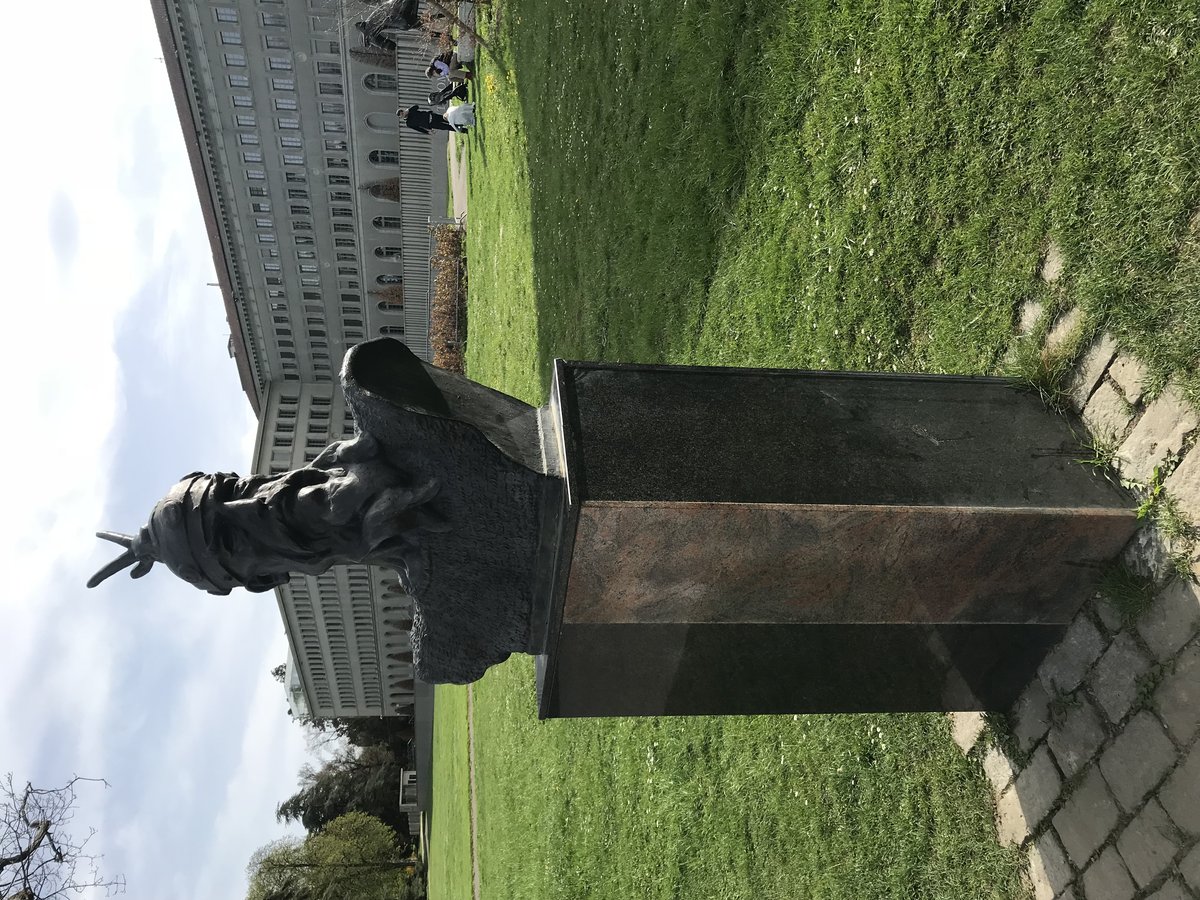
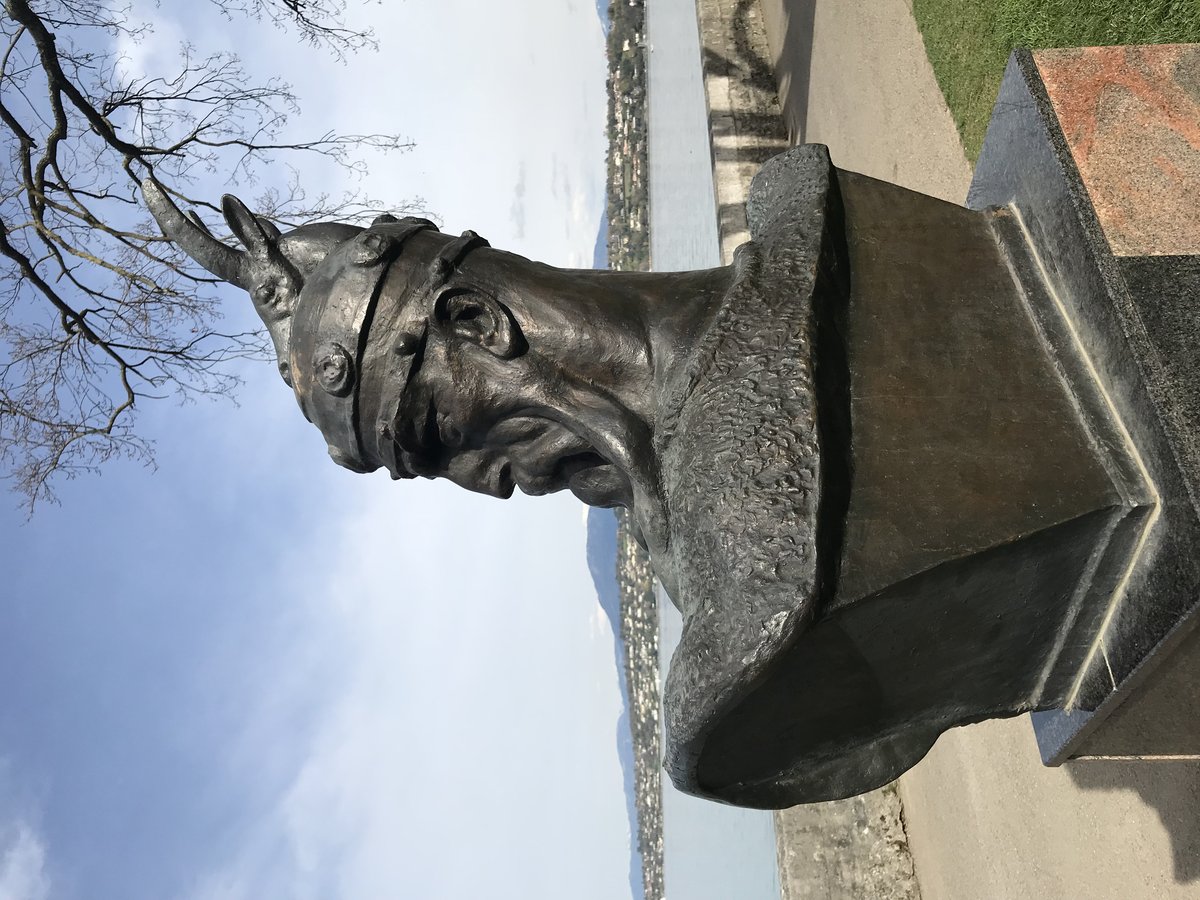
ジュネーブのスカンデルベグ記念碑は、芸術的な賛辞とアルバニアの遺産の象徴の両方として機能しています。ティラナやスコピエにあるより大きな騎馬像とは異なり、ジュネーブの記念碑には、スカンデルベグの決意に満ちた表情を捉えたブロンズの胸像があり、力と回復力の象徴である彼の象徴的な山羊の頭の兜も備わっています。1997年にアルバニア系コミュニティと地元当局の努力により建立されたこの記念碑は、世界貿易機関のような国際機関の近くに戦略的に配置されており、ジュネーブの中心においてヨーロッパの価値観の擁護者としてのスカンデルベグのより広範な重要性を強化しています。(meer.com; fsspx.ch)、
スカンデルベグ記念碑の訪問:時間、チケット、アクセス
場所
- 主要な場所: Mon Repos公園(レマン湖畔、WTO/Centre William Rappardの近く)およびBastions公園(ジュネーブ中心部、Rue de la Croix-Rouge, 1204 Geneva)(mapcarta.com)。
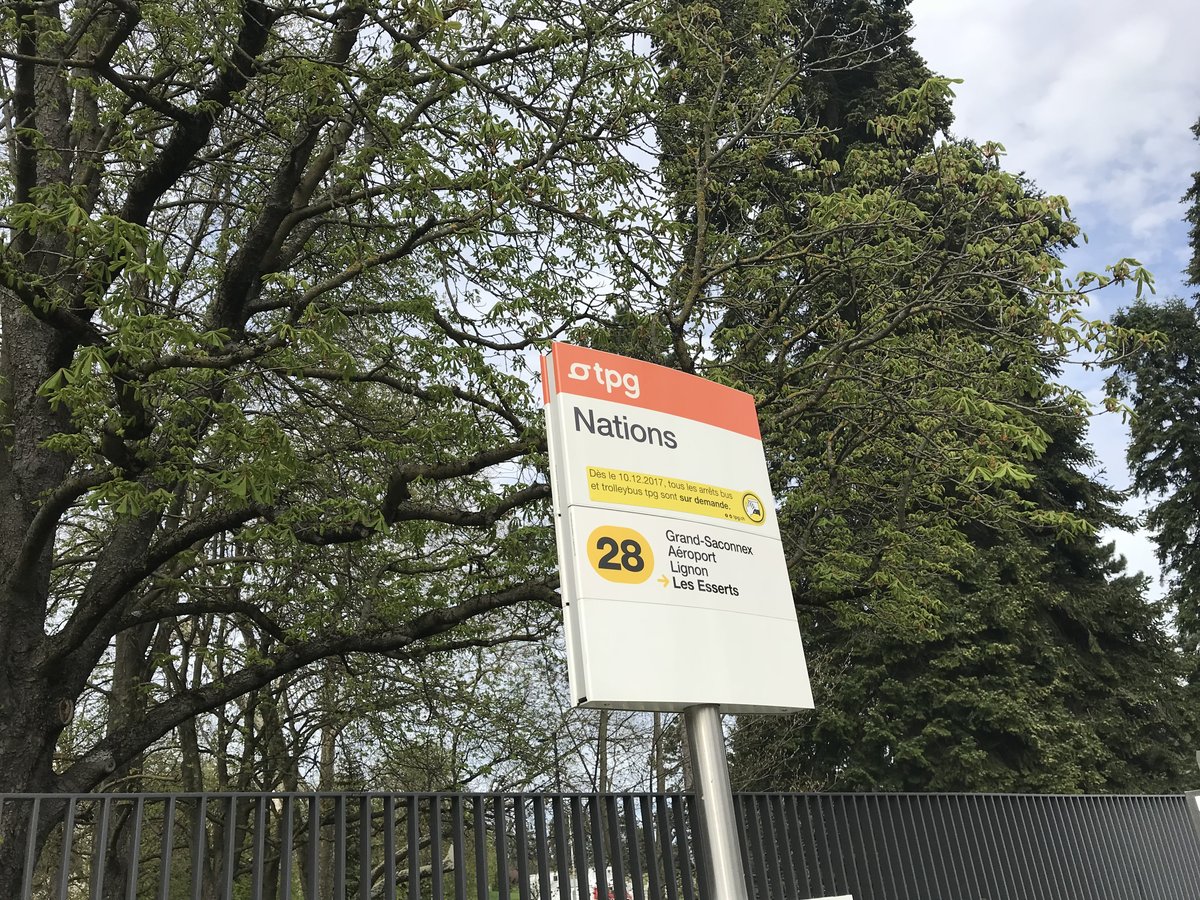
- 公共交通機関: コルナヴァン駅(中央駅)からトラムまたはバスで簡単にアクセスできます。SécheronとLes Pâquisの停留所は徒歩圏内です。
訪問時間と入場
- Mon Repos公園: 毎日午前6時から午後10時まで開園しています。
- Bastions公園: 同様に午前6時から午後10時まで開園しています。
- チケット: 入場は無料です。チケットや予約は必要ありません。
アクセシビリティ
- 公園と記念碑の場所は、舗装された通路とスロープがあり、車椅子やベビーカーでアクセス可能です。
- ベンチ、花壇、多言語の案内板が訪問者の体験を豊かにします。
実用的な旅行のヒントと周辺の観光スポット
- 訪問に最適な時期: 5月から9月は気候が快適です。早朝または夕方の光が写真撮影に最適です。
- 安全: ジュネーブは安全ですが、訪問者は記念碑、特にコミュニティイベント中に敬意を払う必要があります。(ocnal.com)。
- 写真撮影: いつでも可能です。ゴールデンアワーが最高の光を提供します。
- 周辺の観光スポット:
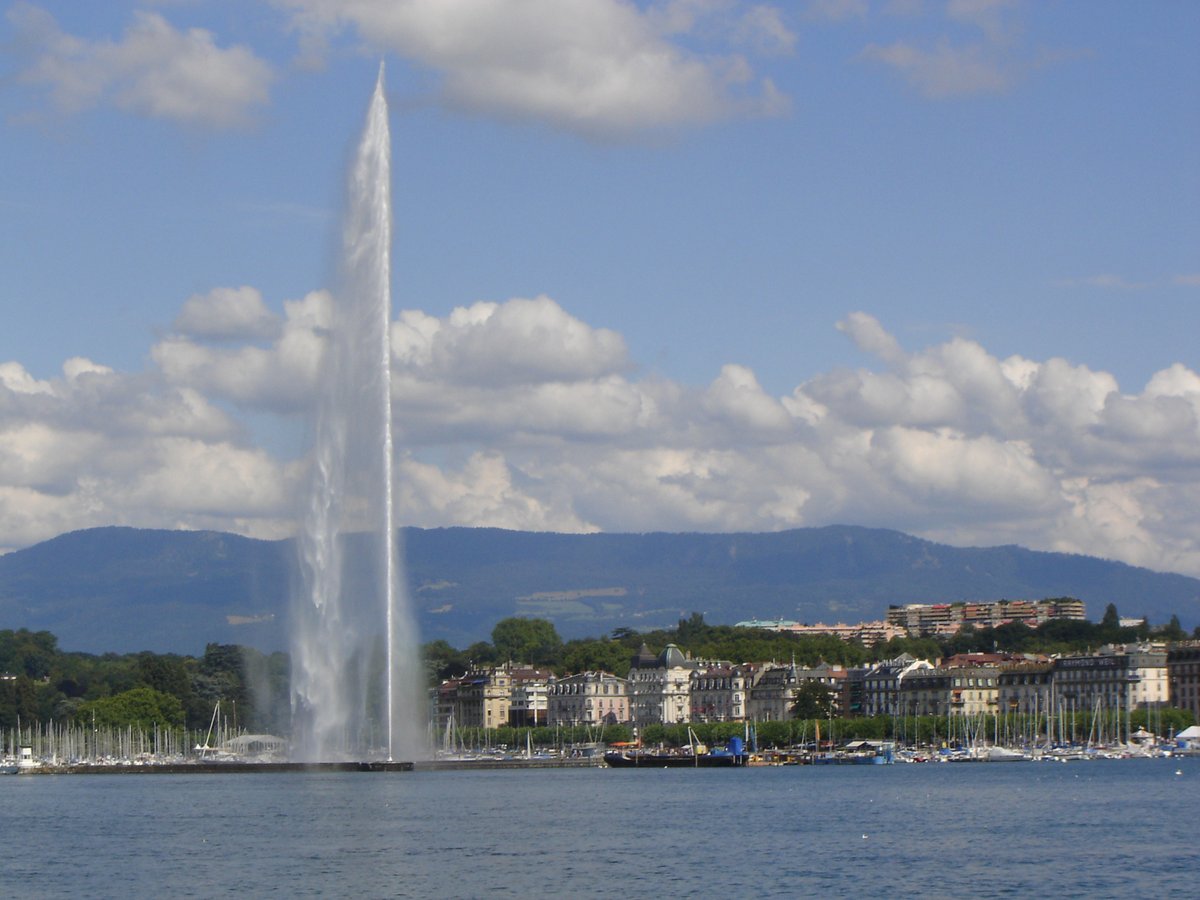
- レマン湖のジェット・ドゥ: 象徴的な湖畔の噴水。(The Crazy Tourist)。
- 旧市街: 歴史的な通り、ショップ、カフェ。(Geneva.info)。
- 国際連合欧州本部: 国連のヨーロッパ本部。
- ウィリアム・ラッパール・センター: WTO本部、ツアーあり。
- Mon Repos公園 & Bastions公園: 両公園ともピクニックやリラクゼーションに最適です。
アルバニア系ディアスポラにとっての文化的的重要性
この記念碑は、ジュネーブのアルバニア系コミュニティにとって文化的なハブとして機能し、独立記念日(11月28日)やスカンデルベグの日(1月17日)などのアルバニアの祝日に記念式典が開催されます。異文化間対話を促進し、ジュネーブのコスモポリタンな精神を際立たせています。この場所でのイベントには、スピーチ、音楽演奏、伝統的なダンスなどが含まれ、スカンデルベグの時代を超えた遺産とコミュニティのルーツへのつながりを強化しています。(meer.com)。
よくある質問 (FAQ)
Q: 記念碑の開館時間は? A: Mon Repos公園とBastions公園は、毎日午前6時から午後10時まで開いています。
Q: 入場料はかかりますか? A: いいえ、記念碑は公共公園内にあり、無料で訪れることができます。
Q: 記念碑は障害者でもアクセスできますか? A: はい、この場所は車椅子とベビーカーでアクセス可能です。
Q: ガイド付きツアーはありますか? A: 記念碑のみに特化したツアーはありませんが、一部の市内ウォーキングツアーやセルフガイドのモバイルアプリに含まれています。(GPSmyCity)。
Q: そこへの最善の方法は何ですか? A: ジュネーブの効率的なトラムまたはバスシステムを利用してください。駐車場は限られています。
Q: いつ訪問するのが最適ですか? A: 春と夏、そしてアルバニアの祝日には、より豊かな文化体験ができます。
Monuments and Public Art in Geneva
Geneva boasts a rich collection of public art and monuments, each telling a story of the city's history, international role, and cultural diversity. Sculptures, memorials, and historical markers are integral to the urban landscape, offering educational opportunities and aesthetic enrichment. The Skanderbeg monument is one such piece, contributing to Geneva’s narrative of global interconnectedness and respect for historical figures who have shaped both regional and international events. Exploring other public art sites, such as the Reformation Wall, the Broken Chair, and various statues in the city’s parks, can provide a broader context for understanding Geneva’s artistic and historical heritage.
Historical Research and Archival Resources
For those seeking deeper insights into Skanderbeg’s life and the history of the monument’s establishment in Geneva, several resources are available. Historical archives in Geneva, including those at the State Archives and the Bibliothèque de Genève, may hold relevant documents, photographs, and administrative records related to the monument’s planning and installation. Academic databases and historical societies dedicated to Balkan history and Albanian studies also offer valuable scholarly articles and primary source materials. Online repositories like Europeana and governmental archives provide digital access to a wealth of historical content that can supplement a museum or monument visit.
Event Schedules and Community Engagement
The Albanian community in Geneva often organizes events and commemorations at or around the Skanderbeg monument, particularly on national holidays such as Independence Day (November 28th) and Skanderbeg Day (January 17th). These events can include cultural performances, historical lectures, and ceremonies that offer visitors a chance to experience the vibrant Albanian heritage firsthand. Keeping abreast of local event listings through community association websites, Geneva’s official tourism portal, or local cultural calendars is recommended for those interested in participating in or observing these significant occasions. Such engagement can provide a deeper cultural understanding and a more memorable visit.
Frequently Asked Questions (FAQs)
Q: What are the visiting hours for the Skanderbeg monument? A: The monument is situated in public parks (Parc Mon Repos and Parc des Bastions) which are generally open from early morning until late evening, typically 6:00 AM to 10:00 PM. Specific hours can vary by park, so it's advisable to check local listings.
Q: Is there an entrance fee to visit the monument? A: No, the Skanderbeg monument is located in public spaces, and admission is free of charge.
Q: How can I reach the monument using public transport? A: Geneva has an excellent public transport system. Trams and buses serve the areas near Parc Mon Repos and Parc des Bastions. Routes from Gare Cornavin (central station) are frequent and convenient.
Q: Is the monument accessible for people with disabilities? A: Yes, the parks where the monument is located generally have accessible paths, and the monument itself is designed for public access, including for those with mobility challenges.
Q: Are guided tours available for the monument? A: While there might not be tours dedicated solely to the Skanderbeg monument, it is often included in broader historical or cultural walking tours of Geneva. Self-guided audio tours or apps are also available for a more personalized experience.
Q: What are the best times to visit to avoid crowds? A: Weekdays, especially during the morning hours, tend to be less crowded. Visiting during the shoulder seasons (spring and autumn) can also offer a more tranquil experience compared to the peak summer months.
Conclusion
The Georges Kastrioti Dit Skanderberg monument in Geneva offers a poignant connection to a pivotal figure in European history. Its accessible locations in beautiful city parks, coupled with the rich historical and cultural narrative it represents, make it a worthwhile visit for anyone interested in Albanian heritage, European history, or the dynamic multicultural fabric of Geneva. By understanding Skanderbeg’s legacy and the significance of his commemoration in this international city, visitors can gain a deeper appreciation for the enduring values of courage, resistance, and cultural exchange. Whether combined with further historical exploration or enjoyed as a standalone cultural experience, the monument invites reflection and remembrance. For updated information on events or travel advice, consider utilizing resources like the Audiala app for a more enriching journey through Geneva’s historical landmarks and cultural sites.
References and Further Reading
- Skanderbeg: The Legendary Albanian Hero and Visiting the Skanderbeg Monument in Geneva, World History Edu
- Skanderbeg Biography, Britannica
- Skanderbeg, Wikipedia
- Today in History: Christian Slave Turned Commander Defends Albania from Islamic Takeover, Raymond Ibrahim
- Skanderbeg Monument in Geneva: History, Hours, Tickets, and Nearby Attractions, Meer
- Skanderbeg 1405-1468, fsspx.ch
- Vandalism Strikes Skanderbeg Monument, ocnal.com
- Discover the Legacy of Skanderbeg: Albania’s National Hero and His Historical Sites, What To Do In Albania
- Today in History: A Forgotten Christian Warrior Saves the West from Islam, Raymond Ibrahim
- Geneva.info, Geneva Tourist Information
- The Crazy Tourist: 25 Best Things to Do in Geneva, Switzerland
- Happy to Wander: Switzerland Travel Tips
Audiala2025- The Role of Monuments in Multicultural Geneva
The Role of Monuments in Multicultural Geneva
Geneva's urban landscape is enriched by a diverse array of monuments and public artworks, each reflecting the city's unique history, international significance, and multicultural character. These public installations serve not only as aesthetic features but also as vital points of historical narrative and community identity. The Skanderbeg monument is a prime example, symbolizing the presence and contributions of the Albanian diaspora within Geneva’s cosmopolitan setting. By honoring figures from various cultural backgrounds, Geneva reinforces its commitment to inclusivity and intercultural dialogue, making its public spaces vibrant centers for historical and cultural appreciation. Exploring other prominent monuments, such as the Reformation Wall or the UN's Broken Chair, offers a broader perspective on Geneva's historical and diplomatic roles.
Skanderbeg’s Relevance Today
Skanderbeg's enduring legacy as a symbol of resistance, national unity, and the defense of cultural identity remains highly relevant in contemporary times. His life and struggles resonate with current global themes of migration, cultural preservation, and the fight for self-determination. The monument serves as a tangible reminder of these values, inspiring visitors and the local community alike to reflect on the importance of courage and perseverance in the face of adversity. Skanderbeg’s story, celebrated across Europe, highlights the interconnectedness of historical narratives and the universal appeal of heroic figures who champion freedom and independence.
Engaging with the Local Community
The Skanderbeg monument often acts as a focal point for cultural events and gatherings organized by Geneva's Albanian community. These occasions, particularly during national holidays like Albania’s Independence Day, provide authentic opportunities for visitors to experience the vibrancy of Albanian culture through music, traditional attire, and historical commemorations. Participating in or observing these events can offer a richer, more immersive understanding of the monument’s significance and the community it represents. Staying informed about local events through community calendars or Geneva’s official tourism channels enhances the possibility of experiencing these lively cultural exchanges during your visit.
Frequently Asked Questions (FAQs)
Q: What are the usual visiting hours for the Skanderbeg monument? A: The monument is located in public parks (Parc Mon Repos and Parc des Bastions), which are generally accessible daily from dawn until dusk, typically around 6:00 AM to 10:00 PM. It’s always good to verify the specific park’s hours.
Q: Is there a cost to visit the Skanderbeg monument? A: No, access to the monument, being in a public park, is entirely free.
Q: How can I get to the monument using public transportation? A: Geneva’s efficient public transport network (trams and buses) easily connects to the areas near the monument. From the main train station, Gare Cornavin, several lines provide direct or easy access.
Q: Is the monument area accessible for individuals with disabilities? A: Yes, the parks are usually equipped with accessible pathways, and the monument itself is designed for public access and enjoyment by all visitors.
Q: Are there guided tours available that include the Skanderbeg monument? A: While specific tours for the monument may be rare, it is often featured in broader historical or cultural walking tours of Geneva. Self-guided audio tours or mobile applications are also excellent alternatives for exploring at your own pace.
Q: When is the best time to visit to experience fewer crowds? A: Visiting on a weekday morning is usually the quietest time. Traveling during the shoulder seasons (spring or autumn) can also offer a more relaxed experience than the peak summer months.
Conclusion
The monument dedicated to Georges Kastrioti Dit Skanderberg in Geneva offers a meaningful encounter with a historical figure whose legacy transcends borders. Situated in accessible and picturesque city parks, it serves as a cultural touchstone for the Albanian diaspora and a point of interest for those exploring European history. Understanding Skanderbeg’s pivotal role and the symbolic significance of his monument in this international city provides valuable context for appreciating Geneva’s multicultural identity. For those planning a visit wanting further guidance or event updates, resources like the Audiala app can enhance the overall experience, connecting visitors with Geneva’s rich historical and cultural offerings.
References and Further Reading
- Skanderbeg: The Legendary Albanian Hero and Visiting the Skanderbeg Monument in Geneva, World History Edu
- Skanderbeg Biography, Britannica
- Skanderbeg, Wikipedia
- Today in History: Christian Slave Turned Commander Defends Albania from Islamic Takeover, Raymond Ibrahim
- Skanderbeg Monument in Geneva: History, Hours, Tickets, and Nearby Attractions, Meer
- Skanderbeg 1405-1468, fsspx.ch
- Vandalism Strikes Skanderbeg Monument, ocnal.com
- Discover the Legacy of Skanderbeg: Albania’s National Hero and His Historical Sites, What To Do In Albania
- Today in History: A Forgotten Christian Warrior Saves the West from Islam, Raymond Ibrahim
- Geneva.info, Geneva Tourist Information
- The Crazy Tourist: 25 Best Things to Do in Geneva, Switzerland
- Happy to Wander: Switzerland Travel Tips
Audiala2025- Photography Tips and Etiquette
Photography Tips and Etiquette
When visiting the Skanderbeg monument, capturing its visual presence is a popular activity. The monument, often set against scenic backdrops like Lake Geneva or the city's parks, offers excellent photographic opportunities. For the best light and fewer distractions, consider visiting early in the morning or during the late afternoon "golden hour." Remember that the monument is a site of cultural and historical significance; therefore, visitors are expected to behave respectfully. Avoid climbing on the statue, making excessive noise, or littering. Always be mindful of other visitors and any community events that might be taking place.
Combining Your Visit with Other Geneva Attractions
The Skanderbeg monument can be seamlessly integrated into a broader exploration of Geneva's rich offerings. Located near international districts and scenic areas, it provides a starting point for discovering other key landmarks. Consider visiting the nearby Palace of Nations (UN European headquarters), the Museum of Art and History, or taking a stroll through the picturesque Old Town (Vieille Ville), with its charming cobblestone streets and historical architecture. A boat trip on Lake Geneva, offering views of the iconic Jet d’Eau, is another popular activity that complements a visit to the monument, providing a comprehensive experience of Geneva's diverse attractions.
Educational Resources and Further Learning
To deepen your appreciation for Skanderbeg and his historical context, various educational resources are available. Besides the information provided at the monument and through this guide, consider exploring Albanian national museums or cultural centers, should you have the opportunity. Online resources, academic articles, and documentaries detailing Skanderbeg’s military campaigns and his role in resisting Ottoman expansion offer further insights. For those planning their trip, the Audiala app can provide additional layers of historical context, audio guides, and practical travel tips, enhancing the overall learning experience and ensuring a more informed and engaging visit to Geneva’s historical sites.
Frequently Asked Questions (FAQs)
Q: What are the typical visiting hours for the Skanderbeg monument? A: The monument is situated in public parks (Parc Mon Repos and Parc des Bastions) which are generally accessible daily from early morning until late evening, commonly from 6:00 AM to 10:00 PM. It’s advisable to check the specific park’s operating hours.
Q: Is there an entrance fee to visit the Skanderbeg monument? A: Access to the monument, located in public spaces, is completely free of charge.
Q: What is the best way to reach the monument using public transport? A: Geneva's extensive public transportation network, including trams and buses, provides easy access to the monument’s locations. Routes from the main train station, Gare Cornavin, are frequent and convenient.
Q: Is the monument area accessible for individuals with disabilities? A: Yes, the parks housing the monument are typically equipped with accessible pathways, and the monument itself is designed for ease of public access for all visitors.
Q: Are there guided tours that include the Skanderbeg monument? A: While dedicated tours exclusively for the monument might not be common, it is often incorporated into broader historical or cultural walking tours of Geneva. Self-guided audio tours or mobile applications also offer excellent alternatives for a personalized exploration.
Q: When is the optimal time to visit to avoid crowds? A: Weekdays, particularly in the morning, tend to be less crowded. Visiting during the shoulder seasons (spring or autumn) can also provide a more tranquil experience compared to the peak summer months.
Conclusion
The Georges Kastrioti Dit Skanderberg monument in Geneva serves as a significant cultural and historical landmark, offering visitors a unique connection to Albanian heritage and a pivotal figure in European history. Its accessible locations within the city's beautiful parks, combined with the rich historical narrative it embodies, make it a compelling destination for anyone interested in Albanian culture, European historical events, or the vibrant multicultural atmosphere of Geneva. By understanding Skanderbeg’s legacy and the context of his commemoration in this international city, visitors can gain a deeper appreciation for the enduring values of courage, resilience, and cultural exchange. For those seeking additional information or event schedules, resources like the Audiala app can enhance the travel experience, providing deeper insights into Geneva’s many historical sites and cultural landmarks.
References and Further Reading
- Skanderbeg: The Legendary Albanian Hero and Visiting the Skanderbeg Monument in Geneva, World History Edu
- Skanderbeg Biography, Britannica
- Skanderbeg, Wikipedia
- Today in History: Christian Slave Turned Commander Defends Albania from Islamic Takeover, Raymond Ibrahim
- Skanderbeg Monument in Geneva: History, Hours, Tickets, and Nearby Attractions, Meer
- Skanderbeg 1405-1468, fsspx.ch
- Vandalism Strikes Skanderbeg Monument, ocnal.com
- Discover the Legacy of Skanderbeg: Albania’s National Hero and His Historical Sites, What To Do In Albania
- Today in History: A Forgotten Christian Warrior Saves the West from Islam, Raymond Ibrahim
- Geneva.info, Geneva Tourist Information
- The Crazy Tourist: 25 Best Things to Do in Geneva, Switzerland
- Happy to Wander: Switzerland Travel Tips
Audiala2025- Nearby Cultural Institutions
Nearby Cultural Institutions
Beyond the Skanderbeg monument itself, Geneva offers a wealth of cultural institutions that provide further context and enrichment for visitors. The Museum of Art and History (Musée d'Art et d'Histoire) houses extensive collections spanning archaeology, fine arts, and applied arts, offering a comprehensive overview of regional and international cultural heritage. The International Red Cross and Red Crescent Museum provides a poignant insight into humanitarian efforts and the history of international aid. For those interested in horology, the Patek Philippe Museum showcases the intricate art of Swiss watchmaking. These institutions, easily accessible from the monument sites, further enhance the visitor's understanding of Geneva's role as a hub for international organizations and cultural expression.
Local Customs and Etiquette
Geneva, like the rest of Switzerland, generally adheres to a culture of politeness, punctuality, and respect for public spaces. When visiting the Skanderbeg monument and its surrounding parks, it’s customary to maintain a quiet and respectful demeanor, especially during community gatherings or commemorations. Cleanliness is highly valued, so please ensure that any waste is disposed of properly. While the Swiss are generally reserved, friendly interaction is appreciated. Learning a few basic French phrases (like "Bonjour," "Merci," "S'il vous plaît") can be helpful and is always well-received, reflecting consideration for the local culture.
Best Time for Photography
The Skanderbeg monument provides excellent opportunities for memorable photographs. For the most favorable lighting conditions, aim for early morning or late afternoon. The soft, warm light during these "golden hours" can dramatically enhance the monument's features and the surrounding park scenery, creating visually appealing shots. The reflections on Lake Geneva or the vibrant colors of the park’s flora during spring and summer can add further beauty to your photographs. Remember to be considerate of other visitors and any ongoing events when taking pictures.
Frequently Asked Questions (FAQs)
Q: What are the typical visiting hours for the Skanderbeg monument? A: The monument is located in public parks (Parc Mon Repos and Parc des Bastions), which are generally accessible daily from early morning until late evening, commonly from 6:00 AM to 10:00 PM. It’s advisable to check the specific park’s operating hours.
Q: Is there an entrance fee to visit the Skanderbeg monument? A: Access to the monument, located in public spaces, is completely free of charge.
Q: What is the best way to reach the monument using public transport? A: Geneva's extensive public transportation network, including trams and buses, provides easy access to the monument’s locations. Routes from the main train station, Gare Cornavin, are frequent and convenient.
Q: Is the monument area accessible for individuals with disabilities? A: Yes, the parks housing the monument are typically equipped with accessible pathways, and the monument itself is designed for ease of public access for all visitors.
Q: Are there guided tours that include the Skanderbeg monument? A: While dedicated tours exclusively for the monument might not be common, it is often incorporated into broader historical or cultural walking tours of Geneva. Self-guided audio tours or mobile applications also offer excellent alternatives for a personalized exploration.
Q: When is the optimal time to visit to avoid crowds? A: Weekdays, particularly in the morning, tend to be less crowded. Visiting during the shoulder seasons (spring or autumn) can also provide a more tranquil experience compared to the peak summer months.
Conclusion
The Georges Kastrioti Dit Skanderberg monument in Geneva serves as a significant cultural and historical landmark, offering visitors a unique connection to Albanian heritage and a pivotal figure in European history. Its accessible locations within the city's beautiful parks, combined with the rich historical narrative it embodies, make it a compelling destination for anyone interested in Albanian culture, European historical events, or the vibrant multicultural atmosphere of Geneva. By understanding Skanderbeg’s legacy and the context of his commemoration in this international city, visitors can gain a deeper appreciation for the enduring values of courage, resilience, and cultural exchange. For those seeking additional information or event schedules, resources like the Audiala app can enhance the travel experience, providing deeper insights into Geneva’s many historical sites and cultural landmarks.
References and Further Reading
- Skanderbeg: The Legendary Albanian Hero and Visiting the Skanderbeg Monument in Geneva, World History Edu
- Skanderbeg Biography, Britannica
- Skanderbeg, Wikipedia
- Today in History: Christian Slave Turned Commander Defends Albania from Islamic Takeover, Raymond Ibrahim
- Skanderbeg Monument in Geneva: History, Hours, Tickets, and Nearby Attractions, Meer
- Skanderbeg 1405-1468, fsspx.ch
- Vandalism Strikes Skanderbeg Monument, ocnal.com
- Discover the Legacy of Skanderbeg: Albania’s National Hero and His Historical Sites, What To Do In Albania
- Today in History: A Forgotten Christian Warrior Saves the West from Islam, Raymond Ibrahim
- Geneva.info, Geneva Tourist Information
- The Crazy Tourist: 25 Best Things to Do in Geneva, Switzerland
- Happy to Wander: Switzerland Travel Tips
Audiala2025
アプリで完全なストーリーを聴く
Audiala App
iOS & Android対応
5万人以上のキュレーターに参加
出典
- verified
- verified
- verified
- verified
- verified
- verified
- verified
- verified
- verified
- verified
- verified
- verified
最終レビュー: