
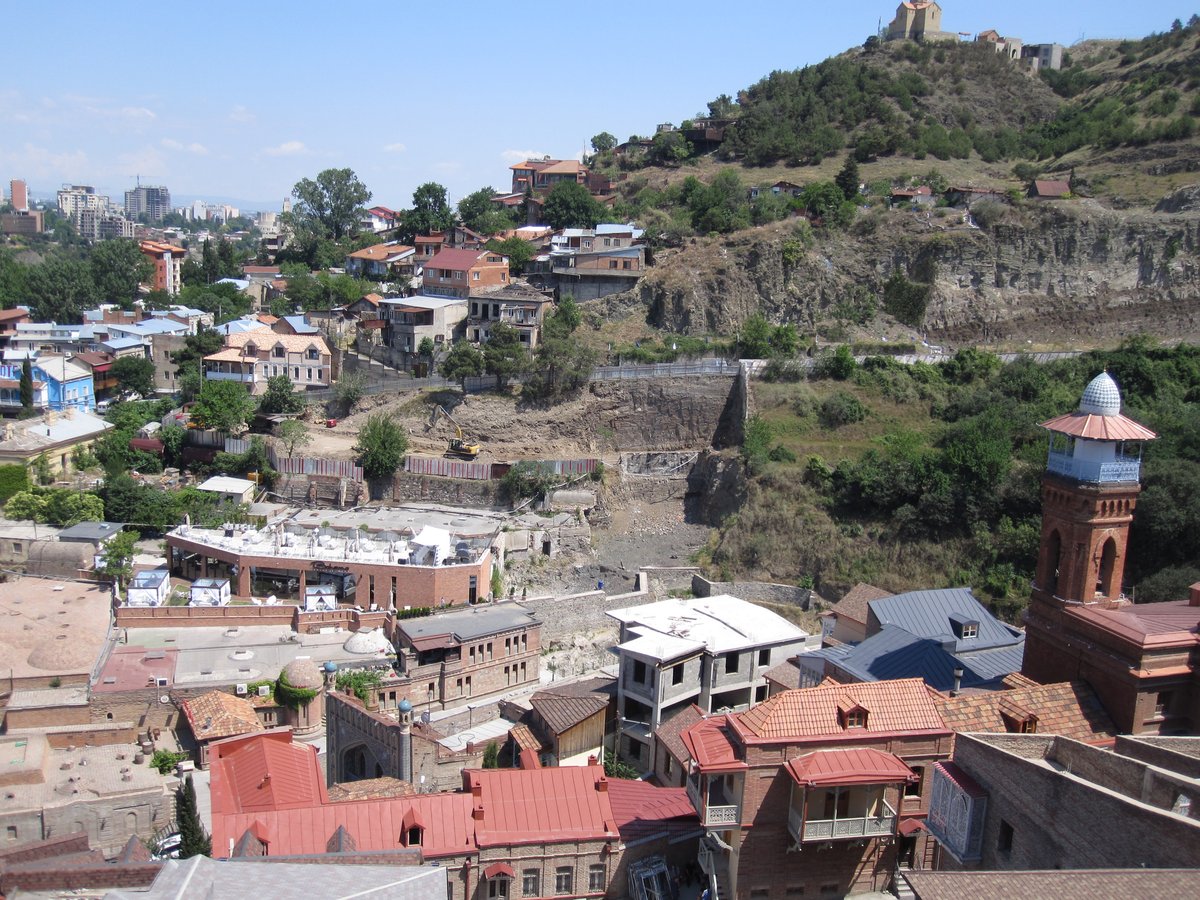
旧トビリシにおける初期のイスラム教徒の存在
トビリシにおけるイスラム教の歴史は、7世紀のアラブ征服にまで遡り、イスラム教徒のコミュニティが導入され、その後の数世紀にわたって街の社会的・文化的構造の不可欠な一部となりました(georgiantouristservice.ge)。中世を通じて、モスクは教会やシナゴーグと並んで現れ、トビリシの長年の宗教的 pluralism(pluralism: pluralism)を反映していました。
モスクの歴史的変遷
中世および近世
-
シーア派モスク(1522–1524年) シャー・イスマーイール1世によってムトクヴァリ川の近くに建てられたこのモスクは、数世紀にわたりトビリシのシーア派コミュニティに奉仕しました(georgia.travel)。1950年にメテヒ橋の建設中に解体され、街のイスラム建築に marked by( marked by: marked by) 破壊と再生の多くのサイクルを表していました。
-
オスマン帝国スンニ派モスク(1723–1735年) オスマン帝国は、ナリカラ要塞の麓にスンニ派モスクを建設しました。このモスクは後に1740年代に (georgiantravelguide.com) ペルシャ人によって破壊され、地域の turbulent history( turbulent history: turbulent history) を反映していました。
19世紀の再建
現在のジュマ・モスクの起源は、イタリアの建築家ジョヴァンニ・スクディエリが主導した修復プロジェクト(1846–1851年)に遡ります。1895年には、慈善家ハジ・ゼイナラビディン・タギエフが、特にモスクの東部分の主要な改修を financied( financied: financied) し、礼拝の中心地としての生存を確保しました(georgiantouristservice.ge)。モスクの象徴的な赤レンガのファサード、八角形のミナレット、そして新ゴシック様式とイスラム様式のブレンドは、この時代に emerged( emerged: emerged) しました(travejar.com)。
モスクの建築的特徴と修復
-
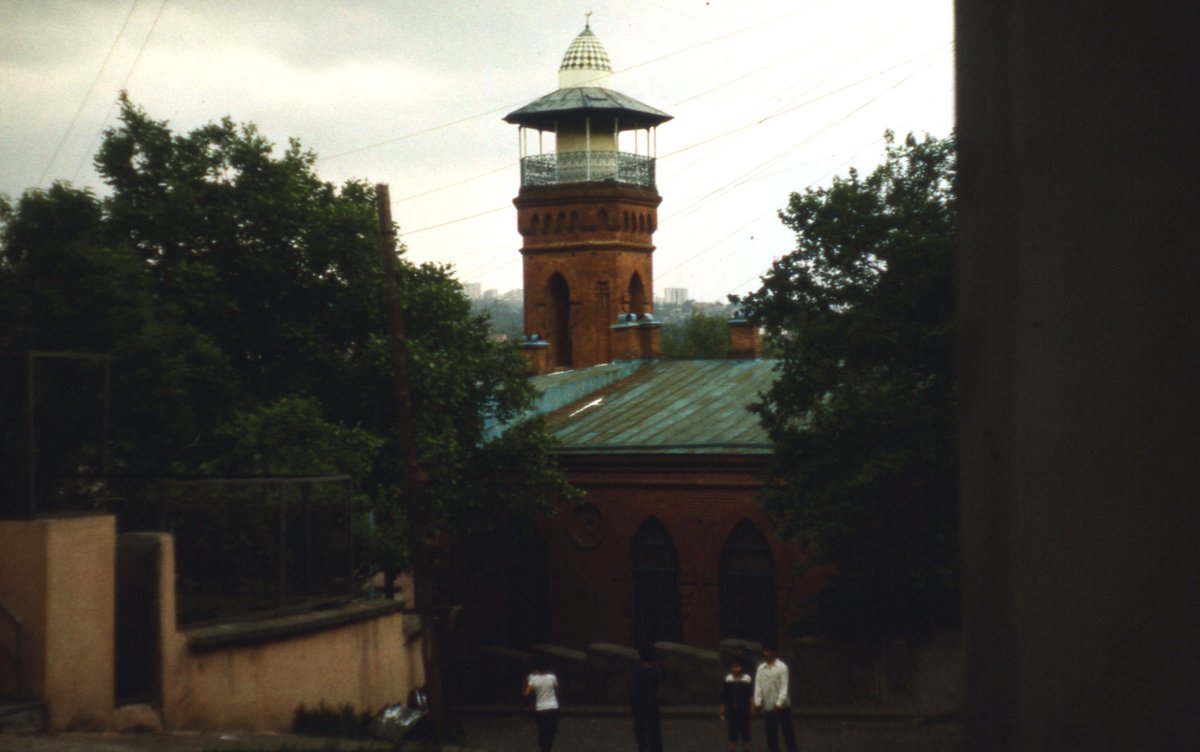
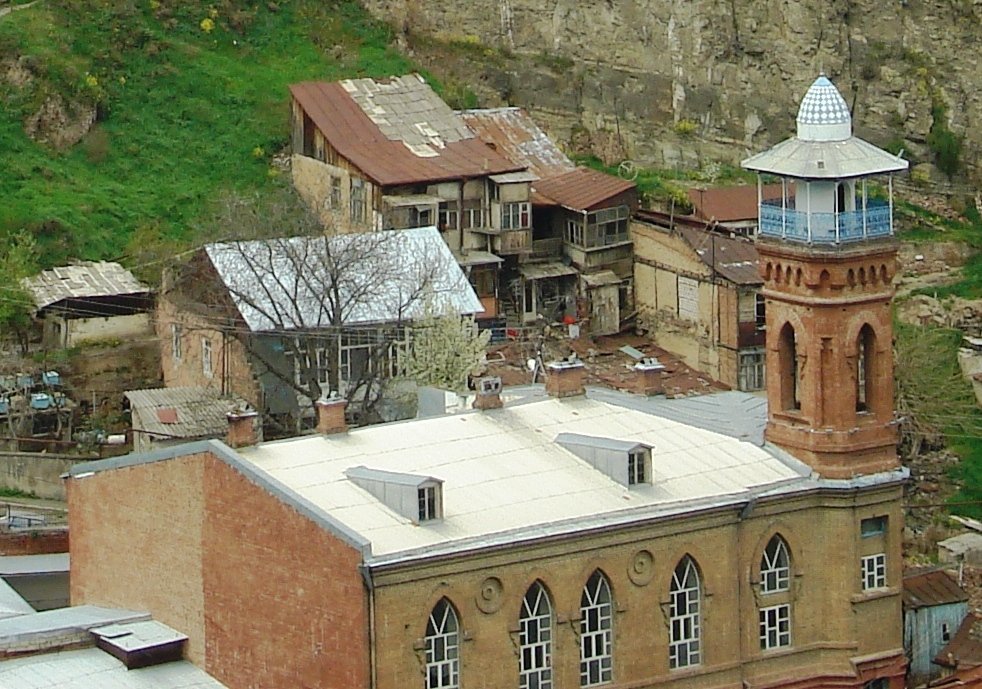
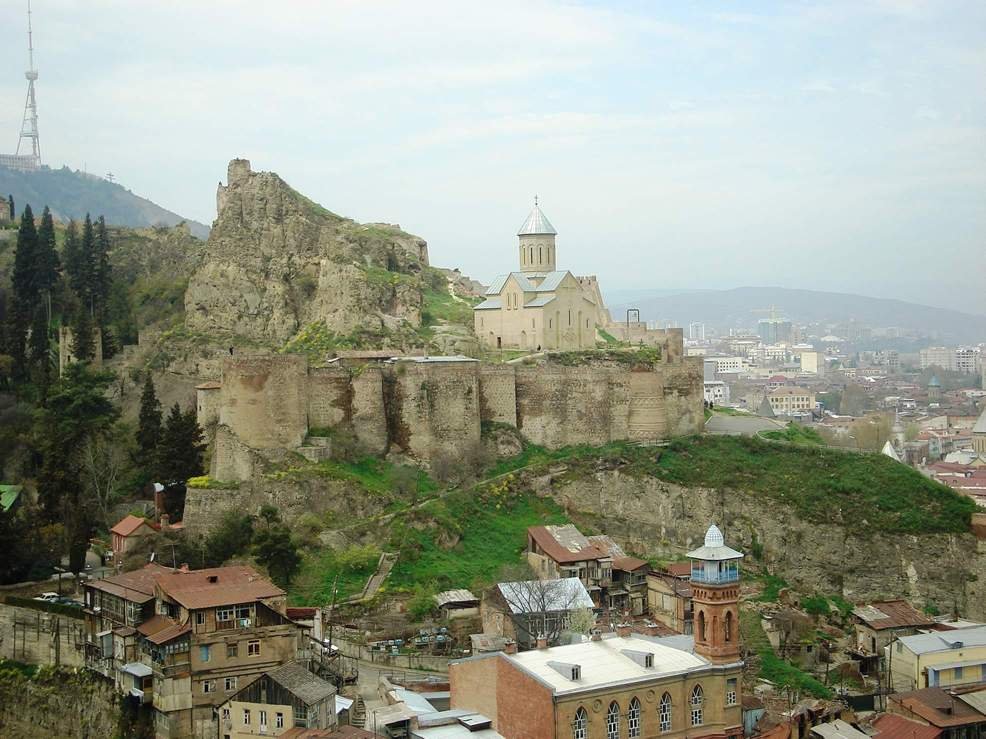
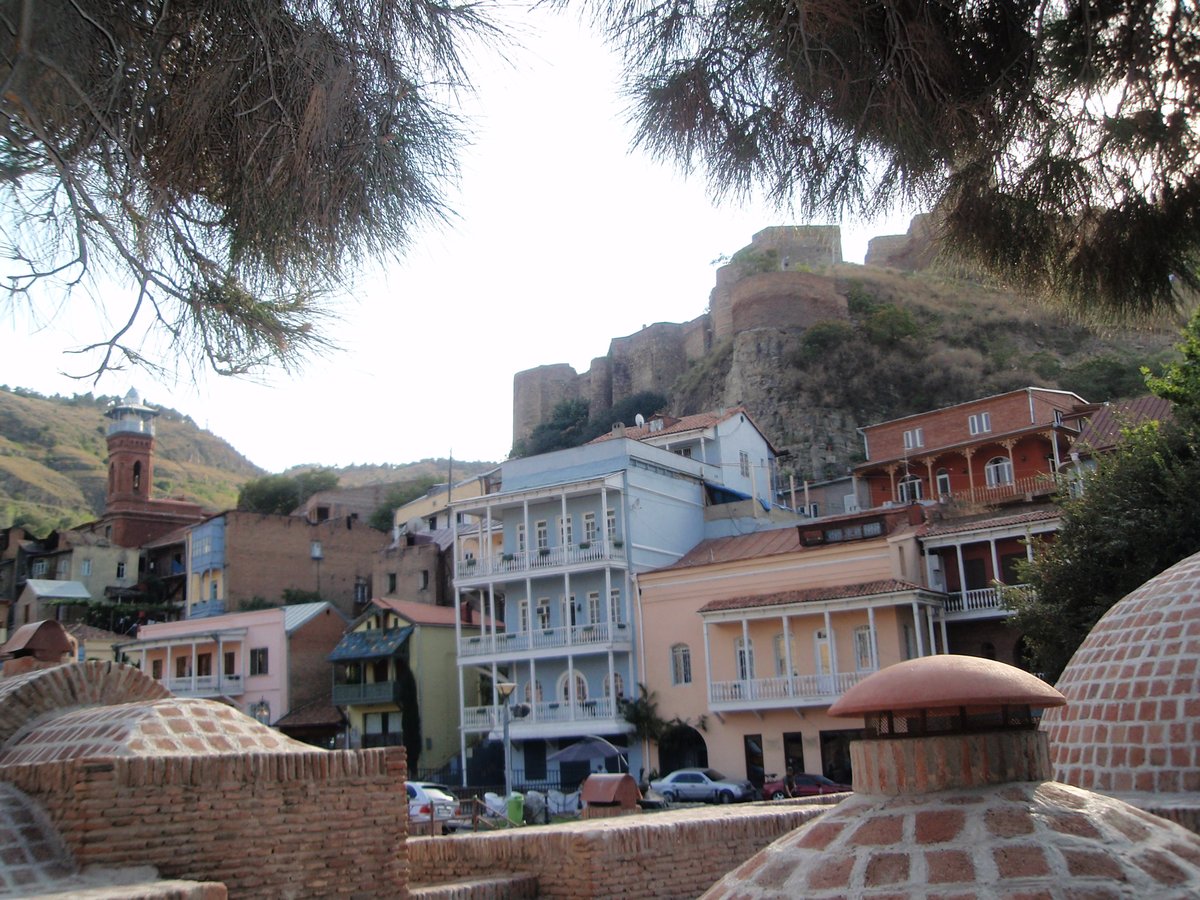
外観 モスクの赤レンガのファサードは、アーチ型の窓と intricate mosaic work( intricate mosaic work: intricate mosaic work) で punctuated( punctuated: punctuated) されており、典型的な白や石造りのモスクとは一線を画しています(Advantour)。20世紀初頭に再建された8角形のミナレットは、旧トビリシの across( across: across) 見える striking feature( striking feature: striking feature) です(Atlas Obscura)。
-
内装 礼拝堂は広々として serene( serene: serene) で、 soft blues and golds( soft blues and golds: soft blues and golds) の geometric and floral motifs( geometric and floral motifs: geometric and floral motifs) で adorned( adorned: adorned) されています。コーランの節の calligraphic inscriptions( calligraphic inscriptions: calligraphic inscriptions) が壁を decorate( decorate: decorate) しており、 minbar( minbar: minbar) や window frames( window frames: window frames) のような wooden elements( wooden elements: wooden elements) は、イスラム様式とジョージア様式の両方の craftsmanship( craftsmanship: craftsmanship) を display( display: display) しています(Islamic Arts Magazine)。
-
修復 地域および国際的な stakeholders( stakeholders: stakeholders) の支援を受けた最近の conservation efforts( conservation efforts: conservation efforts) は、モスクの structural and aesthetic integrity( structural and aesthetic integrity: structural and aesthetic integrity) を維持することに焦点を当てています(UNESCO)。earthquake-resistant features( earthquake-resistant features: earthquake-resistant features) が追加され、 periodic repairs( periodic repairs: periodic repairs) により、 brickwork( brickwork: brickwork) と interior artistry( interior artistry: interior artistry) の両方が preserved( preserved: preserved) されています。
スンニ派とシーア派の共存と文化的意義
ジュマ・モスクは、150年以上にわたってスンニ派とシーア派のイスラム教徒が中断なく礼拝を共にしてきた世界でも珍しい場所として国際的に renowned( renowned: renowned) されています(georgia.to)。当初、礼拝空間は black curtain( black curtain: black curtain) で仕切られていましたが、その barrier( barrier: barrier) は取り外され、 unity and tolerance( unity and tolerance: unity and tolerance) を symbolized( symbolized: symbolized) しています。この inclusivity( inclusivity: inclusivity) の ethos( ethos: ethos) により、モスクはジョージアやそれ以外の地域における religious harmony( religious harmony: religious harmony) の beacon( beacon: beacon) となっています(georgia.travel; bbc.com)。
モスクはまた、街の50,000〜60,000人のイスラム教徒のハブとして機能し、 religious education( religious education: religious education)、 social programs( social programs: social programs)、 interfaith dialogue( interfaith dialogue: interfaith dialogue) を提供しています(pewresearch.org; peaceinsight.org)。
開館時間、チケット、エチケット
開館時間と入場
- 開館時間 一般的に毎日午前8時/9時から午後6時/7時まで開館しています。静かな体験のためには、金曜日の礼拝や主要なイスラム教の祝日を避けるのが best( best: best) です(Triphobo)。
- 入場料 入場は無料です。寄付は歓迎されます。
服装規定と行動
- 服装 Modest clothing( Modest clothing: Modest clothing) が必要です。男性は long pants and sleeves( long pants and sleeves: long pants and sleeves) を着用すべきです。女性は hair, arms, and legs( hair, arms, and legs: hair, arms, and legs) を cover( cover: cover) してください。スカーフは入口で入手できることがよくあります(ivertubani.com)。
- エチケット 礼拝堂に入る前に shoes( shoes: shoes) を脱いでください。沈黙を保ち、 inside( inside: inside) での飲食は控えてください。人々を撮影する前に常に permission( permission: permission) を求めてください(bluemosque.net)。
- 性別による隔たり 男性と女性のための separate prayer areas( separate prayer areas: separate prayer areas) が observed( observed: observed) されています。
アクセシビリティとアクセス方法
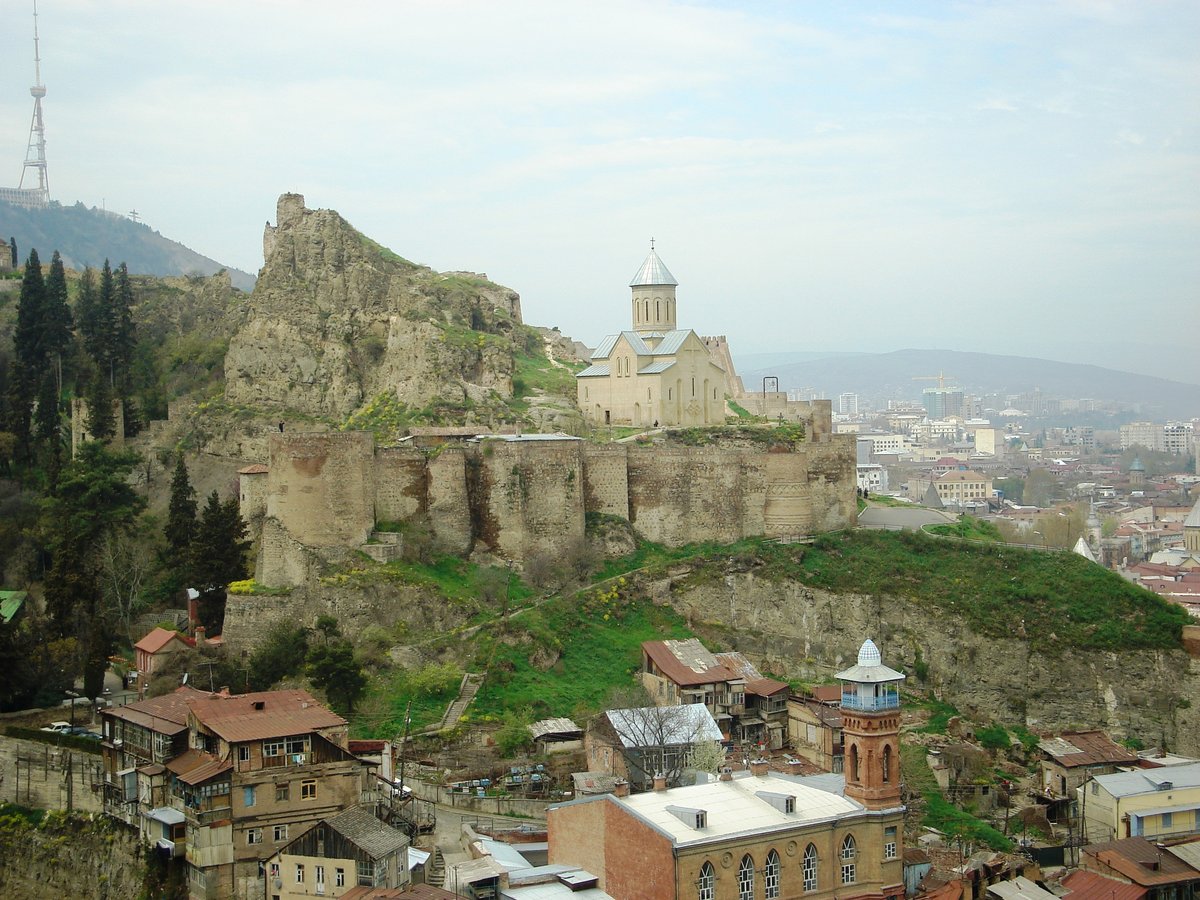
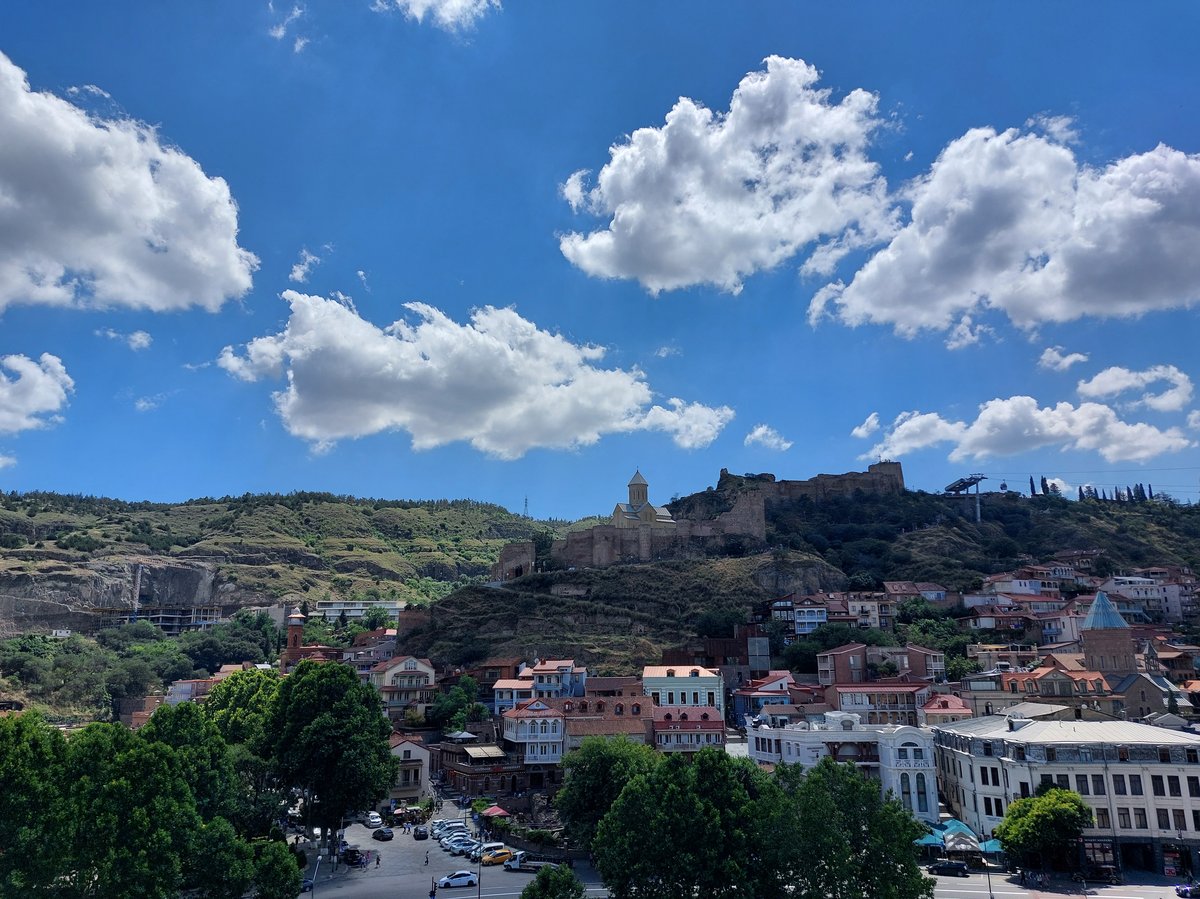
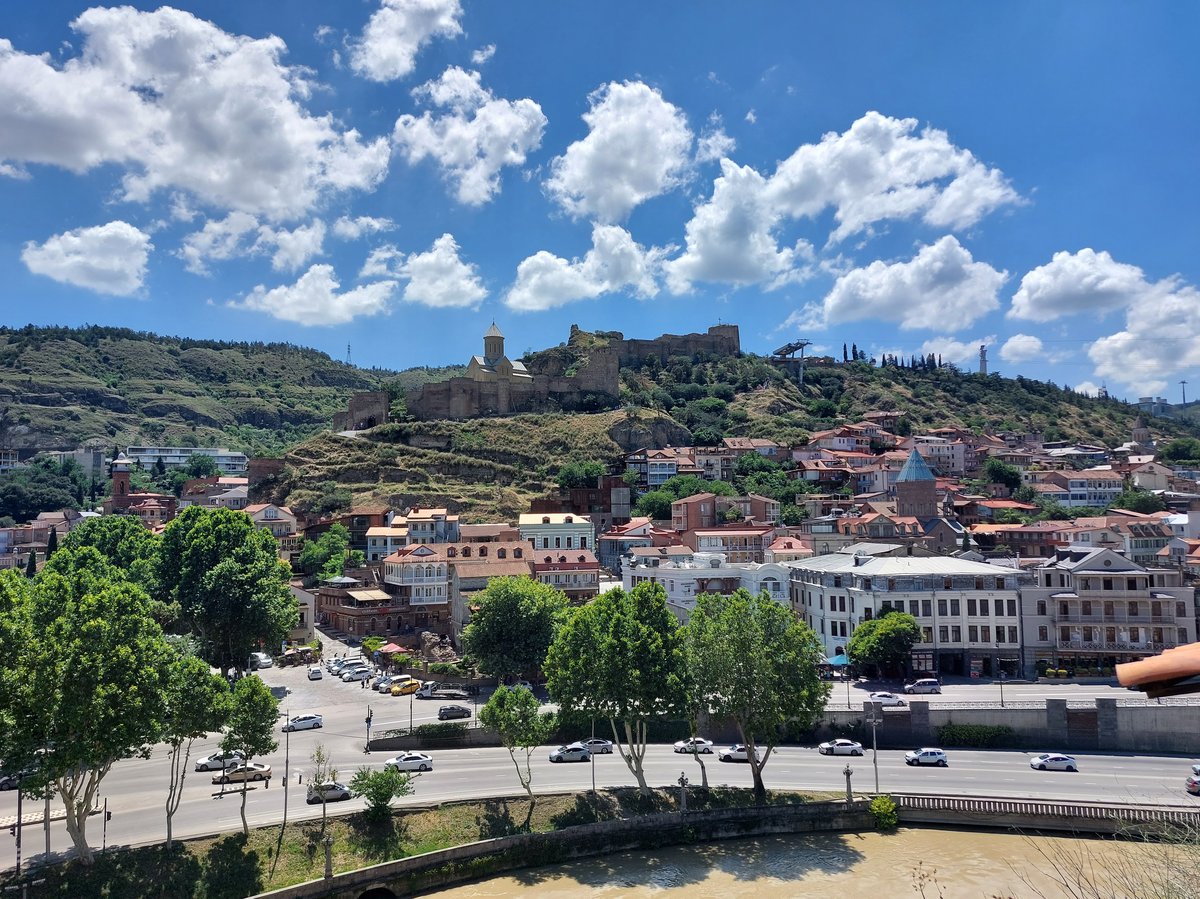
- 場所 ナリカラ要塞と硫黄風呂の近く、旧トビリシの中心部に位置しています(Advantour)。
- 交通手段 旧市街のほとんどの観光スポットから徒歩、またはタクシーや公共交通機関でアクセス可能です。アプローチには cobblestone streets( cobblestone streets: cobblestone streets) と mild incline( mild incline: mild incline) が含まれます。
- 車椅子でのアクセス 主要な礼拝堂はアクセス可能ですが、ミナレットや一部の上階はアクセスできません。
周辺の観光スポット
- 硫黄風呂 近くで伝統的なジョージアのスパ文化を発見してください。
- ナリカラ要塞 街のパノラマビューと数世紀の歴史を提供します。
- アンチスハティ・バシリカ トビリシで最も古い現存する教会です。
- 旧市街の通り シナゴーグ、カトリック教会、アルメニア教会、そして活気のある地元の市場を探索してください(Madloba)。
よくある質問(FAQ)
Q: ジュマ・モスクの開館時間は? A: 通常、毎日午前8時/9時から午後6時/7時までです。特別な休業については事前に確認してください。
Q: 入場料はありますか? A: いいえ、入場は無料です。寄付は歓迎されます。
Q: 非イスラム教徒の訪問者は歓迎されますか? A: はい、すべての背景を持つ人々が招待されています。
Q: 写真撮影は可能ですか? A: はい、ただし礼拝者や礼拝堂内部の写真を撮る前に permission( permission: permission) を求めてください。
Q: ガイド付きツアーはありますか? A: 地元のツアーオペレーターを通じて、またはモスクのスタッフとの arrangement( arrangement: arrangement) で occasional( occasional: occasional) に利用可能です。
Q: モスクは車椅子でアクセスできますか? A: 主要な礼拝堂はアクセス可能ですが、ミナレットや一部の上階はアクセスできません。