

Table of Contents
- Introduction
- Historical Evolution of L’Assomption
- Urbanization and Modern Growth
- Cultural and Community Life
- Key Historical Landmarks & Attractions
- Visiting Hours, Tickets, and Accessibility
- Tours, Events, and Seasonal Activities
- Getting There and Local Transportation
- Contemporary Developments and Urban Renewal
- Practical Visitor Tips
- Frequently Asked Questions (FAQ)
- Conclusion & Call to Action
- References
Historical Evolution of L’Assomption
Early Beginnings
L’Assomption’s story begins with the Indigenous St. Lawrence Iroquoians, who once traversed the Outaragasipi (“winding river”)—now the L’Assomption River. French colonization in the 17th century saw the region parceled into rural farmlands, with the Catholic Church playing a formative role. The neighborhood’s name references the Feast of the Assumption, reflecting a strong religious legacy and the centrality of church life in New France.
From Rural Parish to Urban Community
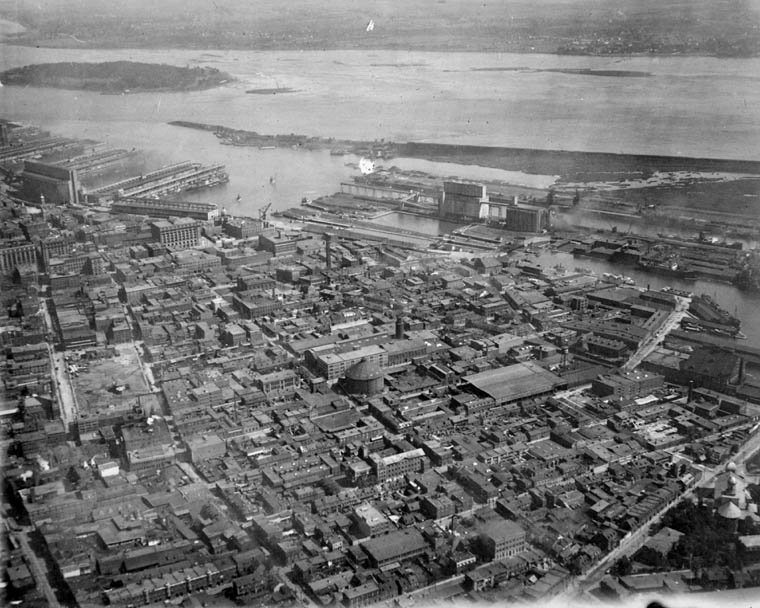
The late 19th and early 20th centuries marked the transition from agricultural settlement to vibrant suburb as Montreal expanded. Improved transit, including rail and streetcars, spurred population growth and diverse immigration, fostering a lively working-class community. By the mid-20th century, L’Assomption was a distinct Montreal neighborhood with a blend of residential, commercial, and industrial spaces. (The Crazy Tourist)
Urbanization and Modern Growth
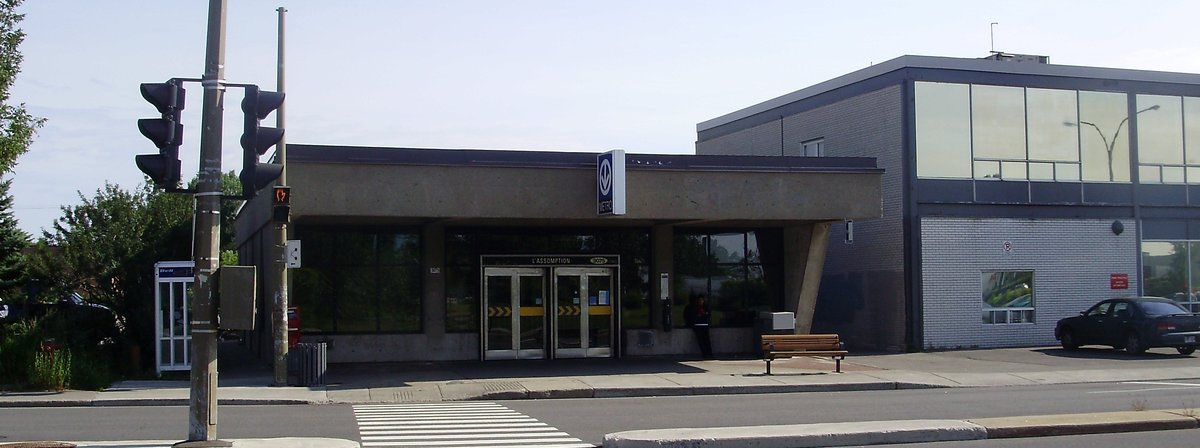
The postwar boom brought rapid development, with new housing, schools, and community facilities. The opening of the Assomption Metro station in 1976 further improved accessibility, supporting continued population growth and economic activity. Institutions like Hôpital Maisonneuve-Rosemont and extensive green spaces solidified L’Assomption’s reputation as a family-friendly, connected district. (Time Out Montreal)
Cultural and Community Life
L’Assomption’s multicultural evolution is evident in its events, festivals, and community organizations. While French-Canadian traditions remain prominent, successive waves of immigration have enriched the neighborhood’s social fabric. Community centers, churches, schools, and public spaces foster a strong sense of belonging and cultural exchange. Annual festivals and vibrant markets celebrate both Francophone heritage and the diversity of newer residents. (Travel Notes and Things)
Key Historical Landmarks & Attractions
Religious and Civic Heritage
- Saint-Pierre-du-Portage-de-l’Assomption Parish Dating to 1717, this parish is a cornerstone of local history and architecture. Open Tuesday–Saturday, 9:00 AM–5:00 PM. Free admission; guided tours by appointment. (Come Explore Canada)
- Collège de L’Assomption Founded in 1832, this prestigious educational institution occasionally welcomes visitors for tours and events. Advance booking required for public access. (Wikipedia)
Civic and Cultural Sites
- Oasis du Vieux Palais de Justice Quebec’s oldest circuit courthouse, open Tuesday–Sunday, 10:00 AM–5:00 PM. Admission: $8 adults, $5 seniors/students, free for children under 12. Guided tours at 11:00 AM and 3:00 PM. (The Canadian Encyclopedia)
- Théâtre Hector-Charland The heart of local arts, presenting French-language performances, concerts, and cultural events. Box office: Tuesday–Saturday, 12:00 PM–6:00 PM. Ticket prices vary; advance booking recommended for popular events. (Come Explore Canada)
Natural and Outdoor Attractions
- L’Assomption River Promenade Walk or cycle along scenic riverbanks accessible year-round. Kayak/canoe rentals available May–September.
- Parc écologique de L’Assomption Trails through wetlands and forests, open year-round. Eco-tours for groups by reservation.
- Parc de l’Assomption Central green space for relaxation, recreation, and community gatherings.
Architectural Highlights
- Historic Downtown Core Heritage stone and brick buildings, inviting boutiques, and sidewalk cafés.
- Saint-Gérard-Majella Rural charm with preserved farmhouses and chapels.
Visiting Hours, Tickets, and Accessibility
- Public Parks Generally open daily 6:00 AM–11:00 PM.
- Churches & Heritage Sites Most open Tuesday–Saturday (see specific hours above). Admission to religious sites is typically free; donations welcomed.
- Oasis du Vieux Palais de Justice $8/adults, $5/seniors and students, free for children under 12. Group bookings available.
- Theater Events Ticket prices vary. Purchase online or at the box office.
- Accessibility Metro stations, public buildings, and parks are wheelchair-accessible. Check individual sites for detailed info.
Tours, Events, and Seasonal Activities
- Guided Tours Available for major sites like the Oasis du Vieux Palais de Justice and the parish church with advance booking.
- Festivals Summer brings outdoor concerts, artisan markets, and food fairs (June–August). Winter features skating, snowshoeing, and holiday markets.
- Art Walks Public art installations and seasonal exhibitions; many are free, with some offering guided tours during festival periods.
Getting There and Local Transportation
- By Metro Take the Green Line to Assomption station. Wheelchair-accessible, with elevators/escalators.
- By Car Via Autoroute 40 East; parking widely available near major attractions.
- Regional Bus Connects L’Assomption with Montreal and surrounding areas.
- By Bike Extensive cycling paths link downtown with parks and natural sites.
Contemporary Developments and Urban Renewal
Recent revitalization efforts focus on sustainable growth, preservation of heritage architecture, and expanding green spaces. New residential developments, expanded bike paths, and community gardens enhance quality of life and attract new residents while maintaining L’Assomption’s unique character. (Travel Notes and Things)
Practical Visitor Tips
- Language French is predominant, but most visitor services offer bilingual assistance.
- Best Times to Visit Spring to fall for outdoor activities and festivals; winter for snow sports and festive markets.
- Cuisine Explore local bakeries, bistros, and farmers’ markets for authentic Quebecois flavors.
- Accommodations Several bed-and-breakfasts and boutique inns are available for overnight stays.
Frequently Asked Questions (FAQ)
Q: Are tickets required for key sites? A: Most parks and churches are free. Admission applies to select heritage sites and theater events.
Q: Are guided tours available? A: Yes, for most major sites—advance booking is recommended.
Q: Is L’Assomption accessible for visitors with disabilities? A: Yes, public transit, major attractions, and many public spaces are accessible.
Q: How do I get to L’Assomption from Montreal? A: By Green Line Metro, regional bus, or car via Autoroute 40.
Q: What are the best photographic spots? A: The river promenade, historic downtown, and the Assomption Monument offer excellent photo opportunities.
Conclusion & Call to Action
L’Assomption is an exceptional destination offering a blend of rich history, vibrant culture, and natural beauty—perfect for travelers seeking authenticity beyond Montreal’s downtown. Whether you are captivated by heritage architecture, eager to immerse yourself in Francophone culture, or looking for family-friendly parks and events, L’Assomption delivers a welcoming and memorable experience.
For the latest event schedules, ticket information, and visitor tips, download the Audiala mobile app and follow our channels for ongoing updates. Plan your visit today and explore a Montreal neighborhood where tradition and modernity harmoniously converge.
References
- Nomads Unveiled – Landmarks in Montreal
- The Canadian Encyclopedia – L’Assomption
- Come Explore Canada – L’Assomption
- Official Montreal Tourism Site
- The Crazy Tourist – Montreal Neighborhoods
- [Time Out Montreal – Where to Stay](https://www.timeout.com/montreal /things-to-do/where-to-stay-in-montreal)
- Travel Notes and Things – Travel Tips for Montreal
- Wikipedia – L’Assomption
- Montreal.ca – Heritage and History
- STM Metro Map