ランズダウン駅を計画して、聴く Audialaで。
ポケットに音声ガイド、ブラウザに旅程。あなたの本当の歩き方に合わせて作りました。
Introduction
Lansdowne, Toronto, is a neighborhood deeply woven with historical significance, cultural vibrancy, and urban evolution, making it a compelling destination for visitors seeking an authentic Canadian city experience. Rooted in Indigenous heritage, the area that encompasses Lansdowne Avenue has been inhabited for over 10,000 years by peoples such as the Huron-Wendat and the Mississaugas of the Credit, whose legacy imbues the region with profound historical importance (historyoftoronto.ca).
Named after the Marquis of Lansdowne, Governor General of Canada in 1883, Lansdowne Avenue reflects Toronto’s transformation from rural land parcels into a bustling industrial corridor, notably marked by the Canada Foundry Company's manufacturing hub at the turn of the 20th century (Wikipedia, Toronto City Archives). This industrial heritage has been preserved through protected heritage buildings that now stand alongside modern residential lofts, symbolizing the neighborhood’s ongoing urban regeneration.
Today, Lansdowne thrives as a multicultural hub with dynamic festivals such as Do West Fest and the BIG on Bloor Festival, celebrating the area’s Portuguese roots and diverse communities. Visitors can explore a rich arts scene including the Museum of Contemporary Art Toronto (MOCA), enjoy a variety of international cuisines, and partake in outdoor activities along the West Toronto Railpath and local parks (dowestfest.com, bigonbloorfestival.com, moca.ca).
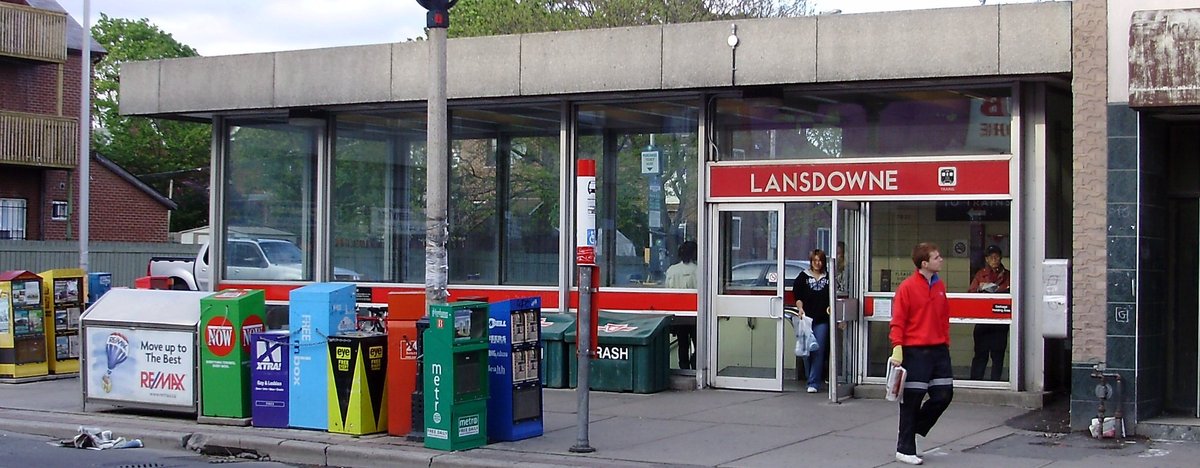
Accessibility is a hallmark of the area, with Lansdowne subway station and the 47 Lansdowne bus providing efficient transit options, while the neighborhood remains pedestrian and cyclist friendly. Whether your interest lies in historic sites, cultural festivals, culinary discoveries, or urban exploration, Lansdowne, Toronto offers an engaging and accessible experience for all visitors (Wikipedia, blogTO).
This comprehensive visitor’s guide will provide detailed information on Lansdowne’s history, cultural significance, visiting hours, ticketing for events, transportation options, nearby attractions, and practical tips to help you plan an enriching visit to one of Toronto’s most fascinating neighborhoods.

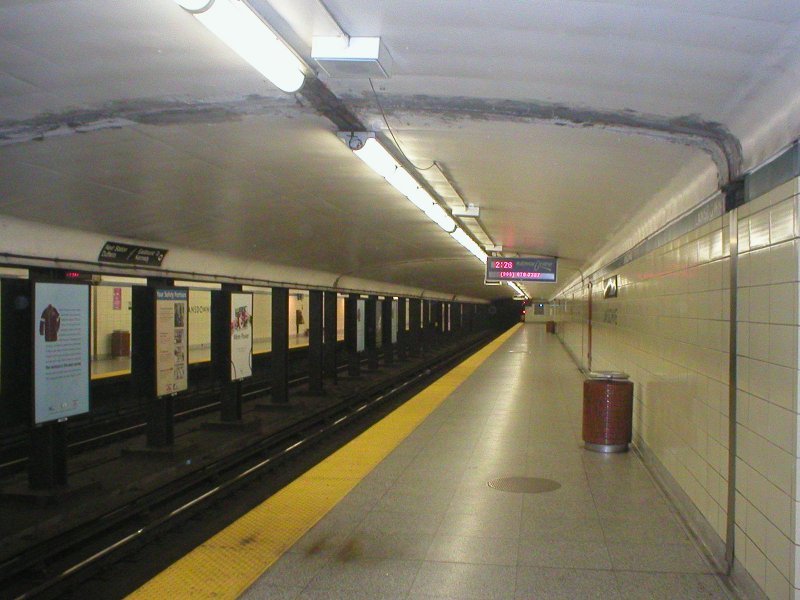
Table of Contents
- Introduction
- Indigenous and Colonial Origins
- Naming and Urban Development
- Industrial Heritage
- Residential Evolution and Urban Renewal
- Transportation and Accessibility
- Visiting Lansdowne: Hours, Tickets, and Tips
- Nearby Attractions and Photographic Spots
- Heritage Preservation and Community Identity
- Festivals and Cultural Events
- Arts, Dining, and Neighborhood Guide
- Exploring the Historic [Monument Name] in Lansdowne, Ontario
- Summary and Final Tips
- References
Indigenous and Colonial Origins
Lansdowne’s land has been home to Indigenous peoples for over 10,000 years, notably the Huron-Wendat and the Mississaugas of the Credit. The Mohawk word “tkaronto,” meaning “where there are trees standing in the water,” underscores the area’s natural and cultural significance (historyoftoronto.ca).
Colonial interests began in the late 18th century. Lansdowne was part of Toronto’s early land division known as the 32 Park Lots, an urban grid foundation set by John Graves Simcoe (blogTO). The area remained rural until the late 19th century.
Naming and Urban Development
Lansdowne Avenue is named after the Marquis of Lansdowne, Governor General of Canada (1883). Initially, different street sections had varying names until the city unified them as Lansdowne Avenue in 1910 (Wikipedia).
Development accelerated in the late 19th and early 20th centuries. The northern segment, above Davenport Road, now includes Earlscourt Park, while the southern end below Dundas Street retains early residential charm (blogTO).
Industrial Heritage
Around the turn of the 20th century, Lansdowne and Davenport became a manufacturing hub, centered around the Canada Foundry Company. The company produced iron and steel components, including streetcar tracks, fueling Toronto’s urban growth (Toronto City Archives, p. 24).
Key heritage buildings—like the Canada Foundry Office and Powerhouse—remain, protected for their architectural and historical value (Toronto City Archives, p. 26). After General Electric acquired the Foundry in the 1920s, industrial activity persisted until late in the 20th century, after which the area transitioned toward residential and creative uses (blogTO).
Residential Evolution and Urban Renewal
While the avenue’s ends remained largely residential, the middle section was industrialized. As factories closed post-WWII, adaptive reuse projects transformed former industrial sites into lofts and commercial spaces (blogTO). New developments, such as the townhouse complex at 980 Lansdowne, blend heritage with modern design (UrbanToronto).
Transportation and Accessibility
Lansdowne Avenue is easily accessible by public transit. The 47 Lansdowne bus connects the avenue with Yorkdale station, while the Lansdowne subway station at Bloor Street provides direct subway access (Wikipedia). The area also features bike lanes and is pedestrian-friendly.
The avenue’s varied topography, particularly north of Davenport (the old Lake Iroquois shoreline), creates unique streetscapes and green spaces like Earlscourt Park.
Visiting Lansdowne: Hours, Tickets, and Tips
- Public Streets: Lansdowne Avenue is accessible year-round, 24/7.
- Heritage Buildings: Most are private, but may offer occasional tours or public events. Check local listings.
- Parks: Earlscourt Park is open daily, 6 a.m. to 11 p.m.
- Guided Tours: Walking tours focusing on industrial or local history are available through historical societies and tour companies.
- Travel Tips:
- Use the 47 Lansdowne bus or subway station for easy access.
- Visit during daylight for optimal photography.
- Explore adjacent neighborhoods like Corso Italia for dining and shopping.
Nearby Attractions and Photographic Spots
- Earlscourt Park: A large green space ideal for recreation and photography.
- Prospect Cemetery: Historic gravestones and tree-lined avenues.
- Corso Italia: A lively district for food and shopping.
Archival and modern photos highlight Lansdowne’s transformation from a muddy road to a vibrant mixed-use corridor (Toronto City Archives, p. 24).
Heritage Preservation and Community Identity
Lansdowne’s industrial buildings and early 20th-century architecture are celebrated as vital elements of local history. Heritage preservation efforts ensure these structures continue to define the area’s character while accommodating new growth (Toronto City Archives, p. 26).
The neighborhood reflects Toronto’s broader narrative of immigration, economic shifts, and urban growth (historyoftoronto.ca).
Festivals and Cultural Events
Do West Fest
Celebrating the start of summer, Do West Fest transforms Dundas Street West from Shaw to Lansdowne into a festival hub. Rooted in Little Portugal’s heritage, it features live music, street food, artisan vendors, and family activities. Most events are free; some may require tickets (Festivalstoronto.com).
BIG on Bloor Festival
The BIG on Bloor Festival pedestrianizes Bloor Street West between Dufferin and Lansdowne for a weekend of art, music, and community engagement. The festival showcases murals, installations, and participatory projects, emphasizing accessibility and inclusivity.
Arts, Dining, and Neighborhood Guide
Museum of Contemporary Art Toronto (MOCA)
Located on Sterling Road, MOCA is a centerpiece of Lansdowne’s creative scene. Housed in a repurposed heritage building, it offers free admission (Tuesday–Sunday, 11 a.m.–6 p.m.), exhibitions, and public programs.
Bloor Street West
Bloor Street West, a short walk from Lansdowne Station, is lined with independent shops, vintage stores, and multicultural cafés—ideal for exploring Toronto’s diverse culinary landscape.
Dining Highlights
- Sugo: Classic Italian-American fare, cash or Canadian debit only (haidasandwich.ca).
- Haida Sandwich: Persian-inspired fast food, available for delivery.
- Pizzeria Subhan Pizza: Affordable, cozy pizzeria (blogTO).
- Lageez: Acclaimed Indian eatery a short ride away.
Outdoor Activities
The West Toronto Railpath is a scenic, accessible trail for walking, jogging, or cycling, adorned with public art and connecting several parks.
- Campbell Avenue Park: Playgrounds and sports courts.
- Perth Square Park: Quiet, family-friendly green space.
Nightlife & Community
Nearby Bloordale and the Junction Triangle offer live music, craft breweries, and cocktail bars. Community events include outdoor movie nights and seasonal markets (blogTO).
Exploring the Historic [Monument Name] in Lansdowne, Ontario
Discover the historic [Monument Name], a landmark that commemorates significant local heritage in the Thousand Islands region.
Visiting Hours: [Opening time]–[Closing time], [days open], with extended summer hours.
Tickets: [Price] for adults, with discounts for seniors, students, and children. Purchase online or onsite.
Guided Tours: Daily at scheduled times; advance booking recommended.
Getting There:
- By Car: ~3.5 hours from Toronto via Highway 401; free parking available.
- By Train/Bus: Via Rail to Kingston, then a 30-minute drive; taxis/shuttles available.
- Local Transportation: The compact village is walkable; bikes and taxis may be available.
Nearby Attractions:
- Thousand Islands boat tours
- Annual Textiles Festival
- Royal Ontario Museum (Toronto)
Accessibility: Wheelchair accessible, with accommodations on request.
FAQs:
- Best visiting times: Spring–Fall
- Photography is encouraged; flash may be restricted
- Guided tours available daily
- Facilities for visitors with disabilities
For more, visit the official [Monument Name] website.
Summary and Final Tips
Lansdowne, Toronto, exemplifies the city’s evolution from Indigenous lands and colonial outpost to an industrial hub and thriving multicultural neighborhood. Visitors can explore its storied past through heritage architecture, dynamic festivals like Do West Fest and BIG on Bloor, and creative spaces such as MOCA (Toronto City Archives, dowestfest.com, bigonbloorfestival.com).
The neighborhood’s excellent transit, walkability, and inclusive spirit make it accessible for everyone. Whether you’re interested in history, art, food, or simply soaking in the vibrant local culture, Lansdowne offers a rewarding Toronto experience (Wikipedia, moca.ca).
For the latest updates, event schedules, and tickets, use the Audiala app and refer to official festival and attraction websites.
References and Further Reading
- The Fascinating History of Toronto, Canada: From Its Indigenous Roots to Its Modern Metropolis
- What Lansdowne Avenue Used to Look Like in Toronto
- Lansdowne Avenue, Wikipedia
- Background Report on Heritage Properties (Canada Foundry)
- Do West Fest Official Website
- BIG on Bloor Festival
- Museum of Contemporary Art Toronto (MOCA)
- Top Restaurants Near Lansdowne Station (Haida Sandwich & Sugo)
- West Toronto Railpath, City of Toronto
- Things to Do in Toronto in June, blogTO
For more on Toronto’s neighborhoods, events, and historic sites, explore our related articles or download the Audiala app for real-time guides.
アプリで完全なストーリーを聴く
確かめて、お見せする。
歴史的記録、建築アーカイブ、そして地元の知見をもとに、Audiala編集チームが調査・執筆しました。
出典を明示した資料から作成 · 方法を見る · 私たちのガイドづくり →