Table of Contents
- Early Development and Significance
- Connectivity and Strategic Importance
- Socio-Economic Impact
- Integration with Major Infrastructure
- Station Infrastructure and Facilities
- Visitor Information: Visiting Hours, Tickets, and Accessibility
- Cultural and Demographic Significance
- Role in Navi Mumbai’s Urban Evolution
- Key Historical Milestones
- Frequently Asked Questions (FAQ)
- Visuals and Media
- Useful Links
- Call to Action
Early Development and Significance
Navi Mumbai, established in 1971 by CIDCO, was designed to be a modern, planned satellite city intended to reduce Mumbai's population density and economic pressure. It is a vast urban expanse, covering significant territory and planned across multiple nodes, with Panvel being a key central node. Somtane Railway Station was established as part of the vital Panvel–Roha railway corridor, a critical component of the region’s transportation infrastructure. This line was developed to ensure seamless rail connectivity between Mumbai, Navi Mumbai’s expanding residential areas, and the developing Raigad district, serving both the commuter population and the needs of freight transport.
Connectivity and Strategic Importance
Somtane Railway Station is an essential part of the Central Railway’s Harbour Line extension, directly linking it to Chhatrapati Shivaji Maharaj Terminus (CSMT) in Mumbai, and extending further towards the southern parts of Maharashtra via the Panvel–Roha route. This corridor is not only crucial for the daily commute of hundreds of thousands of residents in Navi Mumbai but also handles significant freight traffic, vital for the Jawaharlal Nehru Port Trust (JNPT), India’s largest container port. Somtane’s position on this line makes it a key node for both passenger movement and for the logistical supply chain supporting the region's industrial and commercial activities.
Socio-Economic Impact
The establishment of Somtane Railway Station has been instrumental in transforming the surrounding rural and semi-urban areas into rapidly developing settlements. Improved rail connectivity has attracted a growing population, new businesses, and educational institutions to the region. As Navi Mumbai continues to expand and integrate major industrial zones like Taloja and Uran, the station plays a crucial role in enhancing access to employment, education, and trade. Its proximity to Panvel, a major transportation hub, further strengthens its appeal as a residential and commercial center, contributing significantly to the socio-economic upliftment of the area.
Integration with Major Infrastructure
Somtane station's importance is poised to escalate with several key infrastructure projects nearing completion or underway. The Navi Mumbai International Airport (NMIA), located within a 10–15 km radius, is expected to be a major catalyst for regional development. The Mumbai Trans Harbour Link (MTHL), completed in 2023, and the ongoing Panvel–Karjat rail corridor, slated for completion by December 2025, will further boost regional connectivity and accessibility. These developments collectively position Somtane as a critical transit point for airport passengers, commuters, and the burgeoning logistics sector.
Station Infrastructure and Facilities
Layout and Platform Details
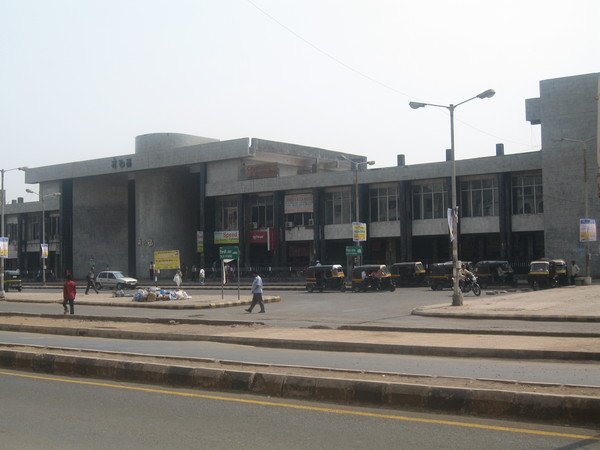
Somtane Railway Station features two standard broad-gauge platforms designed to accommodate 12-coach suburban trains. The platforms are electrified, supporting the frequent services of Mumbai’s EMU trains. Foot overbridges are provided for safe crossing between platforms. The station is equipped with essential passenger facilities including bilingual signage, adequate lighting, and a public address system to assist passengers.
Passenger Amenities
The station offers:
- Manual ticket counters
- Automatic Ticket Vending Machines (ATVMs)
- Ticketing via smart cards and mobile applications (e.g., UTS app)
- Basic waiting areas with seating
- Drinking water facilities and restrooms
- Small kiosks selling snacks and refreshments
- CCTV surveillance and regular patrols by the Railway Protection Force (RPF) for safety
- Limited parking for two-wheelers and cars
- Auto-rickshaw stands for seamless last-mile connectivity
Accessibility
Somtane Railway Station is moderately accessible, with ramps at entry points and platform heights designed for easy boarding. However, there are no elevators or escalators currently installed. It is advisable for differently-abled travelers to coordinate with station staff for any specific assistance required.
Visitor Information: Visiting Hours, Tickets, and Accessibility
- Operating Hours Somtane Railway Station operates according to the Mumbai suburban railway schedule, generally from 4:00 AM to midnight daily.
- Ticketing Tickets are available at the station’s ticket counters and ATVMs. Commuters can also utilize official mobile apps and smart cards. Fares are economical, with options for commuter passes for frequent travelers.
- Accessibility While ramps are available for basic accessibility, travelers requiring specialized assistance should consult station staff or official railway resources beforehand.
Cultural and Demographic Significance
Somtane and its surrounding areas reflect the diverse cultural tapestry of Navi Mumbai, a melting pot of cultures due to migration from across India. The region blends traditional Maharashtrian customs with cosmopolitan influences, evident in its local festivals, markets, and religious sites, alongside modern urban development. The station serves as a gateway to explore these cultural nuances and provides access to natural attractions, contributing to a rich visitor experience.
Role in Navi Mumbai’s Urban Evolution
Somtane Railway Station is a testament to the success of Navi Mumbai’s urban planning, evolving from a planned satellite city to a dynamic and growing urban center. Its development underscores the city’s commitment to integrated transport, sustainable growth, and inclusive urban living. As new infrastructure projects are completed and the population increases, Somtane is set to play an even more significant role in connecting communities and supporting economic activity in the region.
Key Historical Milestones
- 1971 Navi Mumbai project initiated by CIDCO.
- Late 20th Century Panvel–Roha railway line operational, including Somtane Station.
- 2004 Harbour Line extended to Panvel, enhancing suburban connectivity.
- 2023 Mumbai Trans Harbour Link (MTHL) completed, improving regional road access.
- 2025 Navi Mumbai International Airport (NMIA) scheduled for operational launch, significantly boosting Somtane's strategic role.
Frequently Asked Questions (FAQ)
Q1: What are the operating hours of Somtane Railway Station? A1: The station operates approximately from 4:00 AM to midnight daily, in sync with Mumbai suburban train schedules.
Q2: How can I purchase tickets at Somtane? A2: Tickets can be bought at the station counters, ATVMs, or through official mobile ticketing apps.
Q3: Is Somtane Railway Station accessible for passengers with disabilities? A3: The station has ramps for basic accessibility, but lacks elevators and escalators. Assistance from station staff may be needed.
Q4: Which are the most popular nearby attractions accessible from Somtane? A4: Key attractions include Karnala Bird Sanctuary, Karnala Fort, and Central Park in Kharghar.
Q5: How is Somtane connected to major transport hubs like Mumbai? A5: Somtane is connected to Panvel (5 km away), which serves as a major hub for trains to Mumbai CSMT and other parts of the city and country. Upcoming metro and MTHL projects will further enhance connectivity.
Visuals and Media
View Somtane Station on Google Maps
Useful Links
- Official Central Railway Website
- Indian Railways Official Website
- Somtane Station Timetable - Mumbai7
- Navi Mumbai Infrastructure Overview - MagicBricks
- Navi Mumbai International Airport Project Details
- Navi Mumbai Municipal Transport (NMMT)
- Maharashtra Tourism
- CIDCO Central Park
- NoBroker Navi Mumbai Metro Guide
- Maharashtra Tourism – Karnala Bird Sanctuary
Call to Action
Somtane Railway Station is a vital transit point that reflects Navi Mumbai’s dynamic growth and urban development. Its strategic location, coupled with the ongoing infrastructure enhancements, makes it a key access point to explore the region. For real-time train schedules, ticketing, and travel planning, we recommend using official railway apps and the Audiala app. Download Audiala for a seamless journey planning experience and stay updated with the latest travel information by following us on social media.