サスバフ寺院を計画して、聴く Audialaで。
ポケットに音声ガイド、ブラウザに旅程。あなたの本当の歩き方に合わせて作りました。
序論
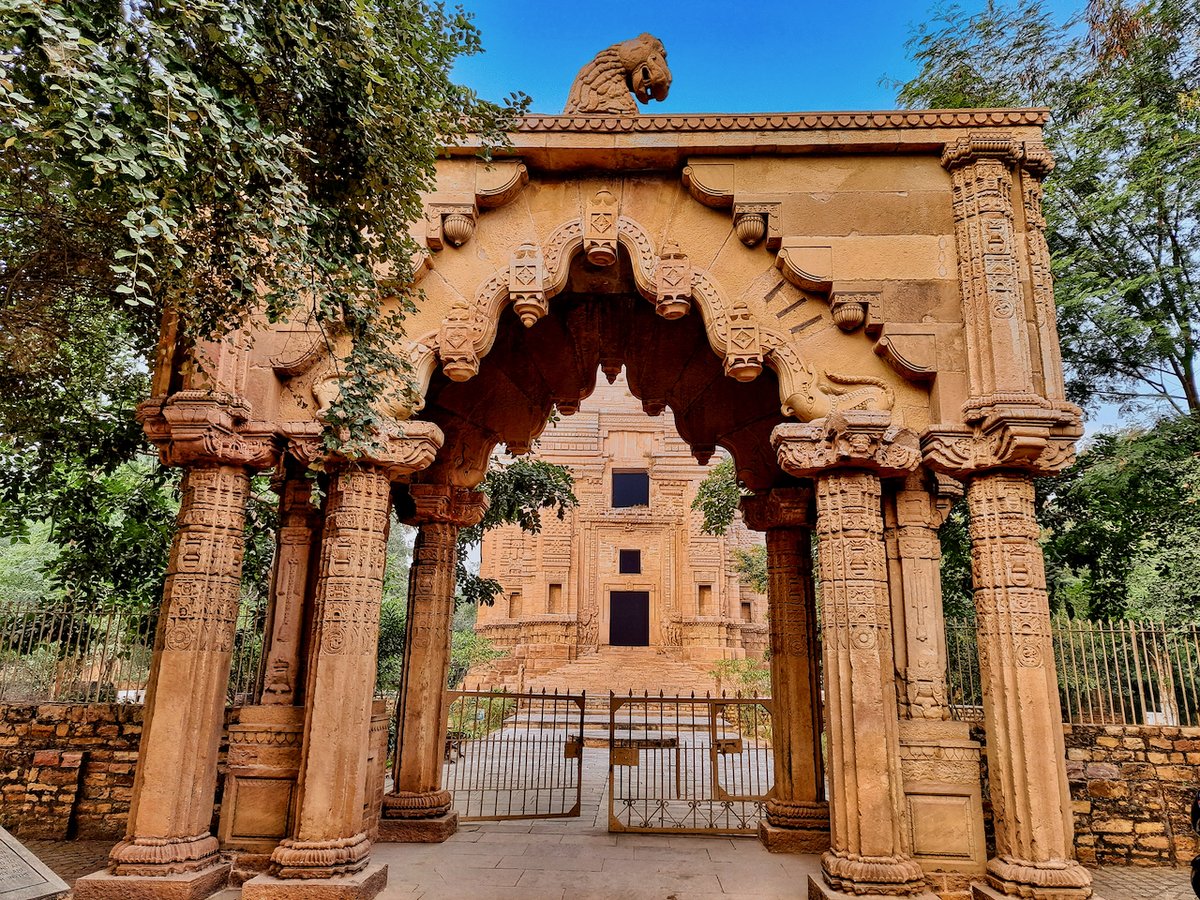
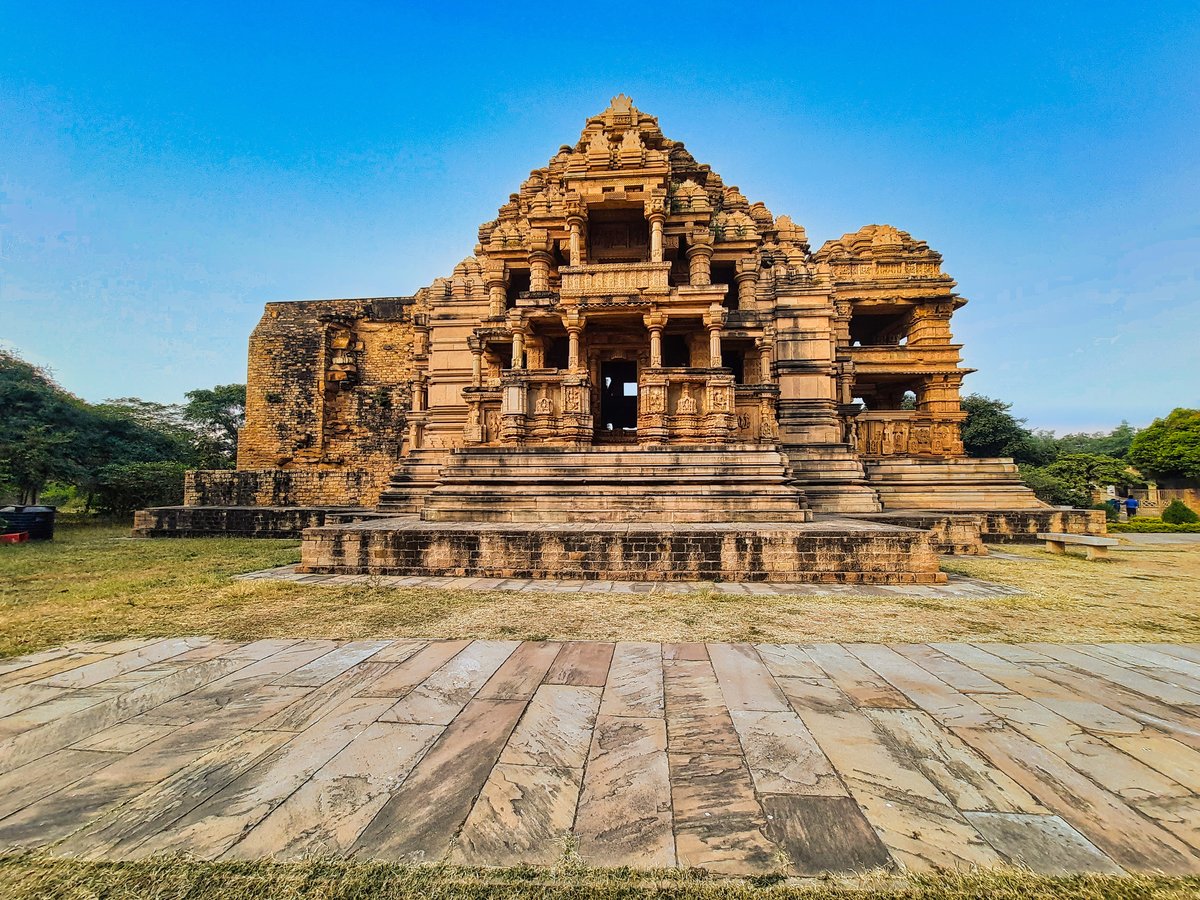
マディヤ・プラデーシュ州グワーリオリョル城の堂々たる城壁内に位置するサスバフ寺院(サハストラ バーフ寺院とも呼ばれる)は、11世紀の北インド寺院建築の顕著な証です。ユニークな双子寺院様式、精巧な砂岩彫刻、そして総合的な象徴性で名高いこの寺院は、歴史愛好家、建築愛好家、精神探求者、そして好奇心旺盛な旅行者を惹きつけ ます。
カッチャパガータ王朝のマヒパーラ王によって委託されたこの寺院は、当初ヴィシュヌ神を祀っており、当時の芸術的および工学的卓越性 を示しています。 「サスバフ」という名前は、「義母と媳」を意味し、地元 の伝説と、家族の調和と精神的な統一を象徴する双子の聖域の物理的な配置の両方に由来します。
このガイドでは、サスバフ寺院の歴史的背景、建築的特徴、見学時間やチケット予約などの実用的な訪問者情報、そして充実した訪問のためのヒントを詳述します。最新情報については、インド考古調査局 (asi.nic.in) および マディヤ・プラデーシュ観光局 を参照してください。




歴史的背景
起源と後援
カッチャパガータ王朝のマヒパーラ王によって11世紀後半に委託されたサスバフ寺院群は、中世インドにおけるヴァイシュナヴァ教の王室後援を反映しています (templeyatri.in)。「サハストラバーフ」という当初の名称は、「千の腕を持つ者」としてのヴィシュヌ神を指します。時が経つにつれて、地元の伝承と linguistic evolution により、一般に「サスバフ」という呼称が広まり、寺院と世代間の調和を結びつけています。
建築の進化
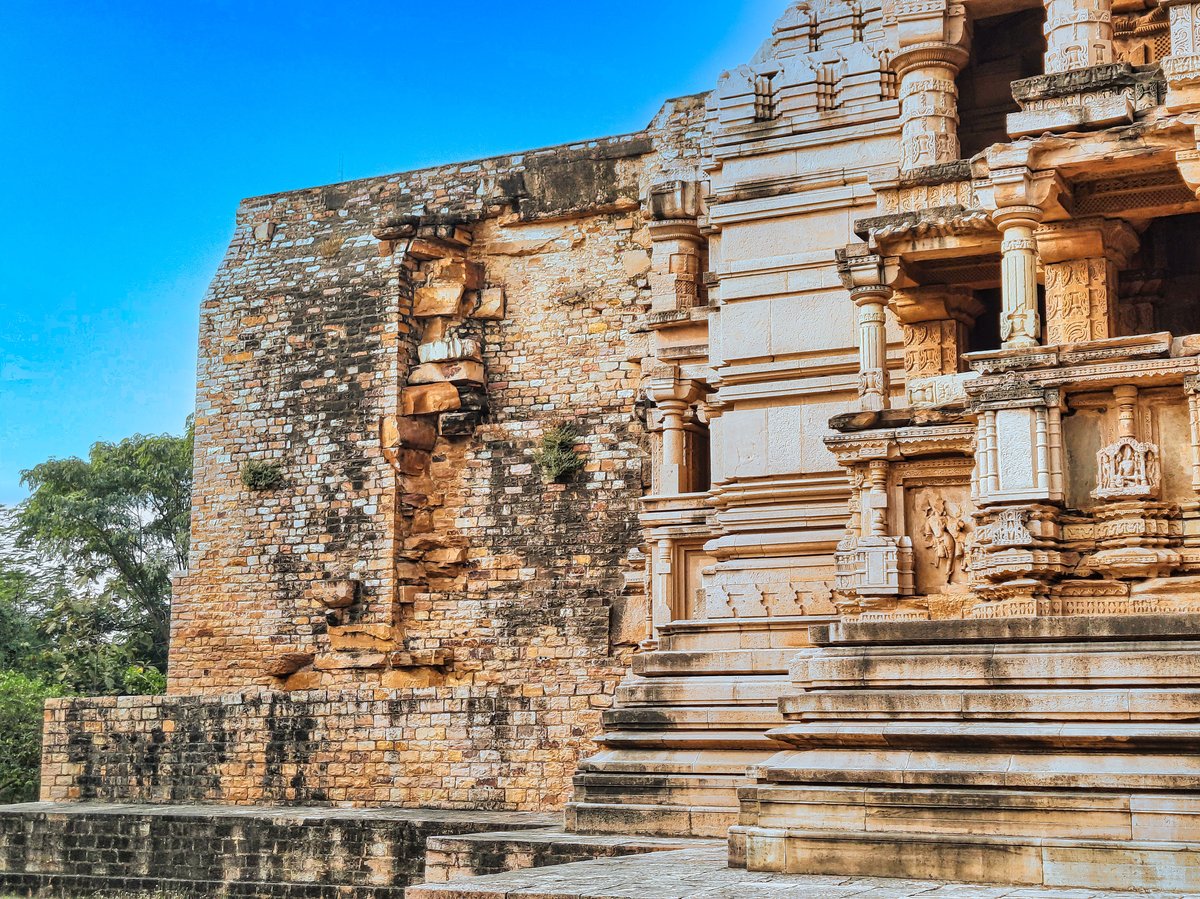
主に地元の砂岩で建設されたこの複合施設は、ナガラ様式の特徴的な曲線状のシカラと十字形の基部を特徴としています。ヴィシュヌ神に捧げられたより大きな「サス」寺院と、より小さな「バーフ」聖域は、珍しい双子寺院様式を形成しています。主シカラとその上部構造の大部分は、時間と侵略によって失われましたが、残存するマ undapas、柱、彫刻は、その時代の職人技の証として intact しています (Outlook Traveller)。
伝説と文化的伝承
地元の伝説では、この寺院は、それぞれ異なる神々を崇拝していた女王とその媳のために建設されたと示唆されています。これらの話は、検証されていませんが、この場所の文化的アイデンティティの integral part in なっています。
歴史を通した耐久性
デリー・スルタン朝、ムガル帝国、マラーター朝による侵略など、幾世紀にもわたる混乱にもかかわらず、サスバフ寺院は、その傷跡を保ちながらも、その壮大さを維持しています。その回復力は、グワーリオリョルの独特な過去を mirror しています (historiaindica.com)。
建築の驚異
双子寺院複合施設:レイアウトと象徴性
サスバフ寺院の決定的な特徴は、その双子寺院のデザインです。より大きな「サス」(義母)寺院と、より小さな「バーフ」(媳)寺院は、高いプラットフォーム上に設置されており、世代間および家族の調和を象徴しています。十字形のレイアウトには3つの壮大な入り口があり、親密さとつながりの両方を fostered しています (Wikipedia; Outlook Traveller)。
建築様式と特徴
- ナガラ様式とブミジャ様式: この寺院は、ナガラ様式の vertical emphasis と、ブミジャ様式の sub-style の特徴、およびマ undapas に見られるドラヴィダ様式の影響を示しています。
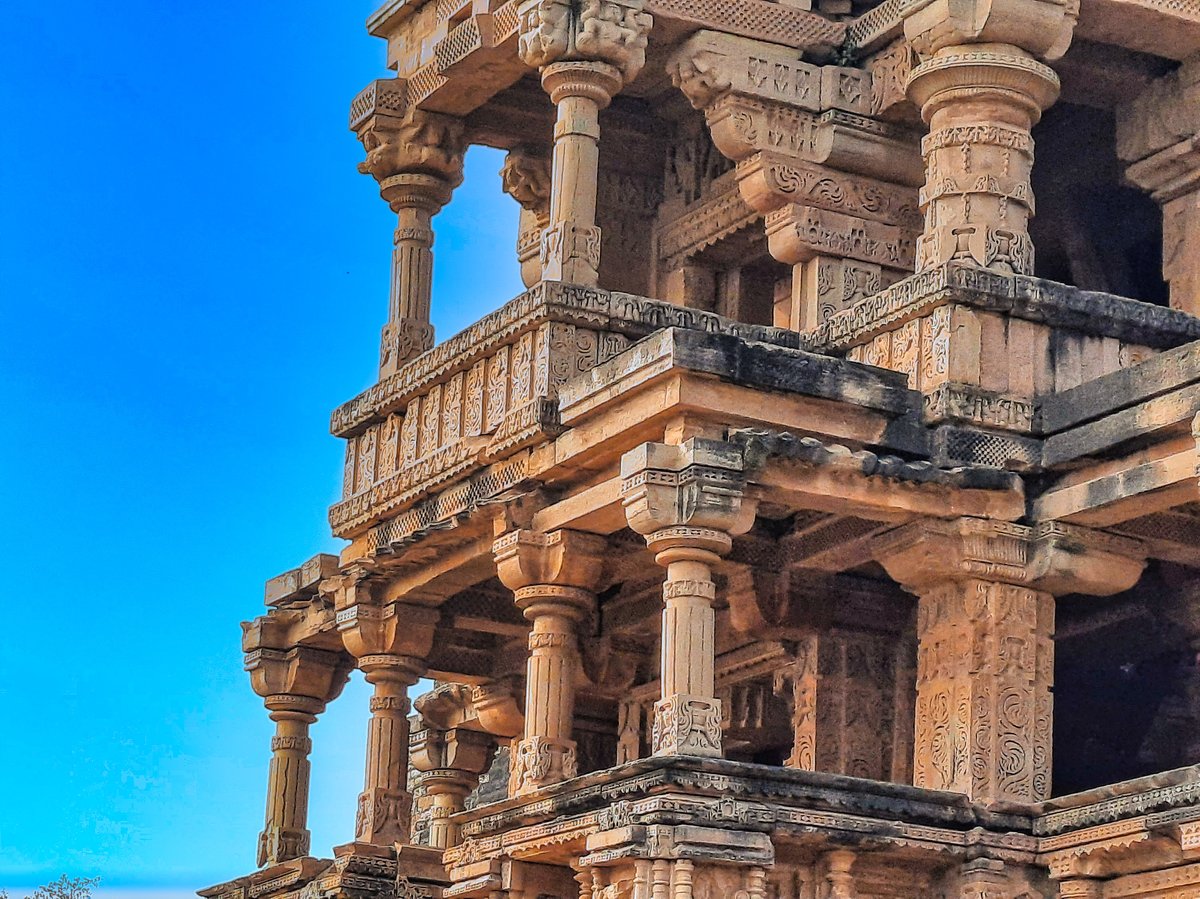
- マ undapas と柱: 精巧に彫刻された柱は、広々としたホールを支え、神話のシーンや floral patterns で飾ら れています。
- 聖域 (Garbhagriha): 主寺院の聖域は、 now deity を欠いていますが、古代の碑文によって示されるように、ヴィシュヌ神 に捧げられていました (Historia Indica)。
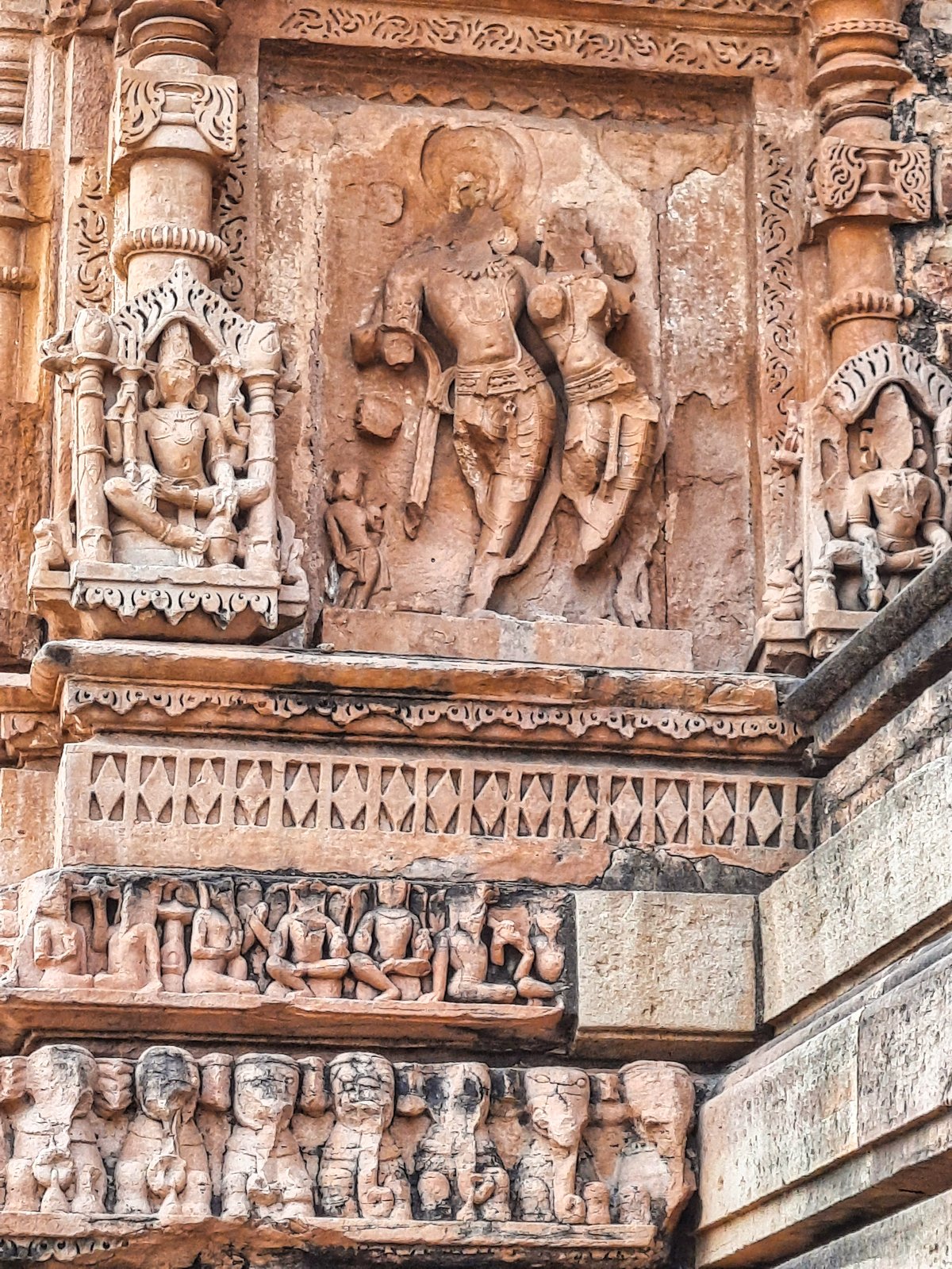
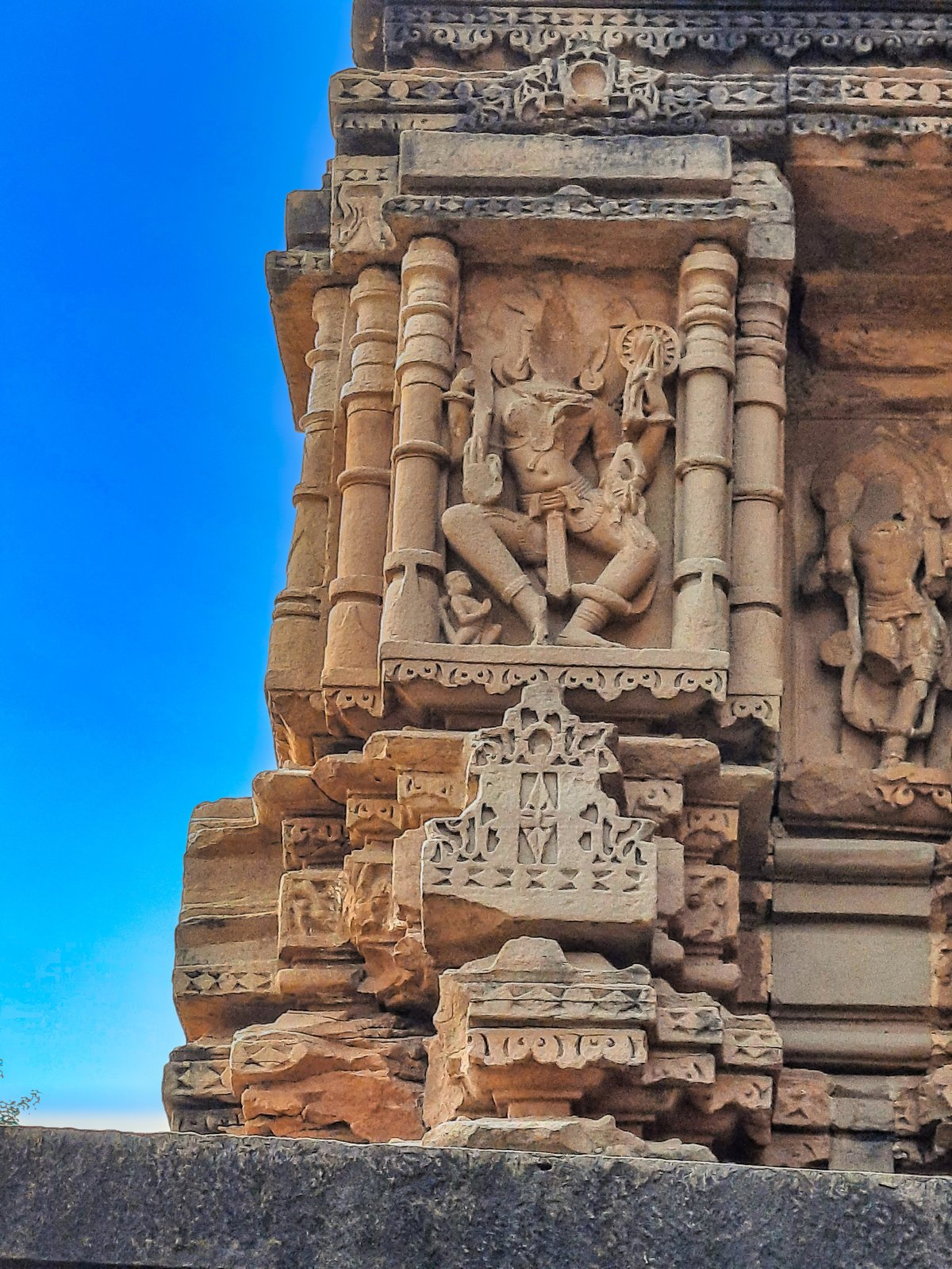
- 彫刻装飾: ラマーヤナ、マハーバーラタのシーン、そして celestial dancers、musicians、guardians を描いた intricate carvings があります。
建設技術
この寺院は、 finely dressed の地元の砂岩と advanced joinery techniques を使用して建設されました。 multi-storey design、projecting porches、intricately engineered mandapas は、職人の創意工夫を示しています (EIndiaTourism)。
修復と保存
歴史的な損傷にもかかわらず、インド考古調査局による継続的な conservation effort は、残存する構造物を保護し、いくつかの original features を修復しており、将来の世代がこの marvel を appreciating できることを ensure しています (asi.nic.in)。
訪問者情報
サスバフ寺院見学時間
- 標準時間: 毎日午前8時~午後5時(季節変更や特別イベントにより変動する場合があります) (Poojn.in; マディヤ・プラデーシュ観光局)
チケットと入場料
- 入場: グワーリオリョル城のチケットに含まれています。
- チケット料金 (2025年): インド国民は約75ルピー、外国人観光客は250ルピー。15歳未満の子供は無料の場合が多いです。訪問前に現在の料金を確認してください (インド考古調査局; Agate Travel)。
アクセス方法
- 道路: グワーリオリョル城内にあり、市内中心部から約3km。
- 鉄道: グワーリオリョルジャンクション駅まで5km。
- 空路: グワーリオリョル空港まで約12km。
- ** local transportation:** オートリキシャとタクシーが easily available です。
アクセシビリティ
- この寺院複合施設は、不整地といくつかの石段があるため、車椅子でのアクセスは困難です。移動に difficulties がある方には assistance が recommended されます。
施設とアメニティ
- トイレ: グワーリオリョル城の入り口近くにありますが、寺院エリア内にはありません。
- 軽食: 寺院ゾーンにはベンダーが on duty していないため、水と軽食を持参してください。城の入り口近くや市内に numerous eateries があります (Tripadvisor)。
- お土産: 城の近く occasional local vendors が工芸品やポストカードを販売しています。グワーリオリョルの市場は、より広い selection を提供しています。
訪問に最適な時期
- 10月~3月: 快適な気候 (10℃~25℃) で、観光に ideal です。
- 祭り: Navratri と Diwali は culturally vibrant ですが、寺院は peaceful です。
旅行のヒント
- 階段や不整地の歩行には、快適な靴を履いてください。
- 早朝と午後は、 photography に最適な light を提供します。
- 夏の訪問時には、 sun protection を carry してください。
現場体験
ガイド付きツアー
地元のガイドは、城の入り口で200~400ルピーで利用でき、寺院の歴史と iconography について の insights を提供します (Incredible India)。特に初めて訪問する方には、ガイドを雇うことで experience が enhance されます。
写真撮影
個人的な使用のための写真撮影は、複合施設全体で許可されています。 commercial filming には、インド考古調査局からの事前の許可が必要です。ゴールデンアワーの光と影の interplay は、 stunning photographic opportunities を生み出します。
文化的なエチケット
- サイトの重要性を尊重し、控えめな服装をしてください。
- 聖域に入る前に靴を脱いでください。
- 礼儀正しさを保つ:大声での会話、彫刻への接触、ゴミの廃棄を避けてください。
周辺の観光スポット
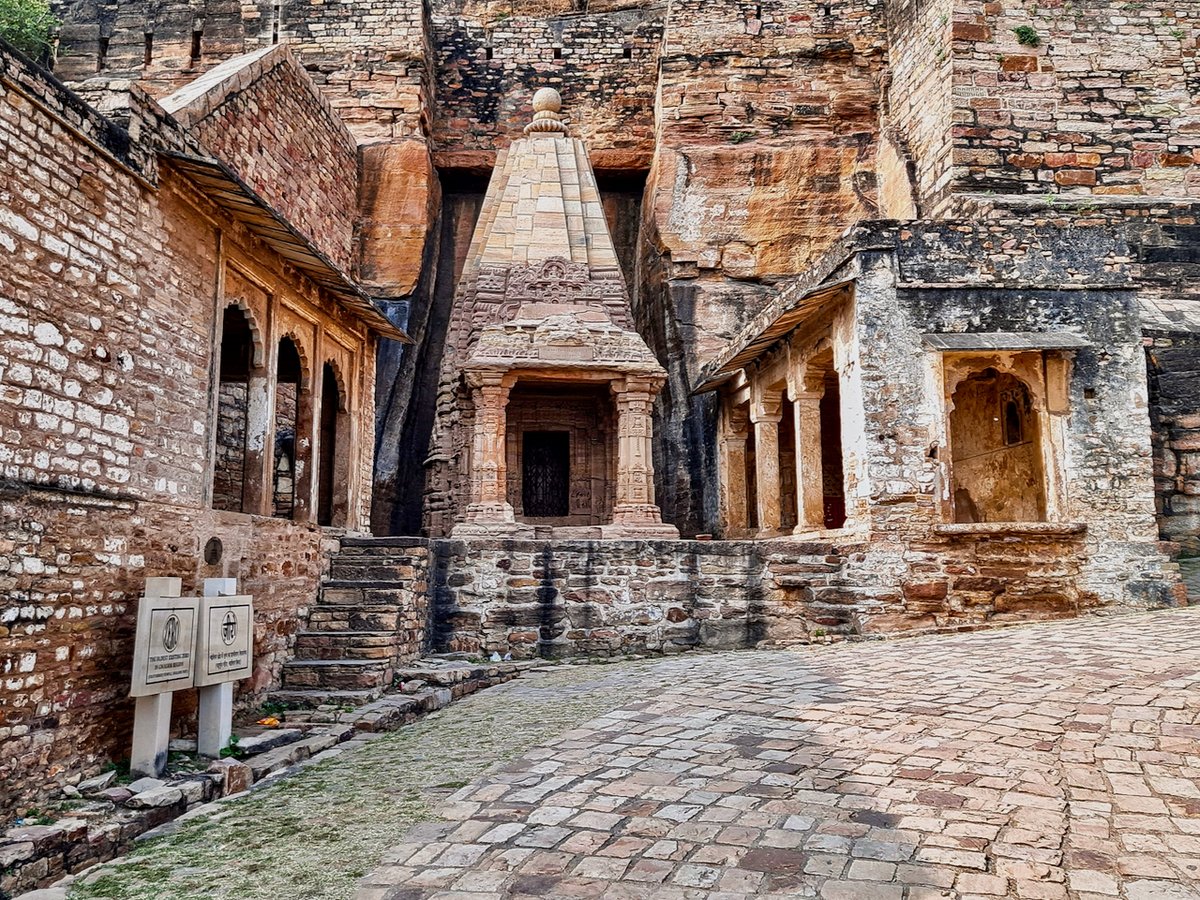
- グワーリオリョル城: Man Singh Palace、Gujari Mahal Museum、Teli Ka Mandir など、広範な観光スポットを提供するより大きな城複合施設。
- ジャイ・ヴィラス宮殿: ヨーロッパの影響を受けた壮大な宮殿建築。
- ゴパチャル・パルヴァット: 仏岩彫刻で有名。
グワーリオリョル城とサスバフ寺院の完全な exploration には、通常3~4時間かかります (Gwalior Tourism)。
よくある質問 (FAQ)
Q: サスバフ寺院の見学時間は? A: 通常、午前8時から午後5時までですが、時間は変動する場合があります。訪問前に 公式観光ポータル を確認してください。
Q: チケットの料金はいくらですか? A: グワーリオリョル城のチケットに含まれています。インド人観光客は約75ルピー、外国人観光客は250ルピーです。
Q: この寺院は車椅子でアクセスできますか? A: 不整地と階段があるため、いいえ。
Q: ガイドは利用できますか? A: はい、城の入り口で nominal fee で利用できます。
Q: 訪問に最適な時期はいつですか? A: 10月から3月です。
地図
アプリで完全なストーリーを聴く
サスバフ寺院のすべてを、
語る。
96か国1,100以上の都市に対応したオーディオガイド。歴史、物語、現地の知識をオフラインでお楽しみいただけます。
確かめて、お見せする。
歴史的記録、建築アーカイブ、そして地元の知見をもとに、Audiala編集チームが調査・執筆しました。
Wikidata・Wikipedia・公式情報をもとに調査 · 事実確認済み · 私たちのガイドづくり →