{'date': '03/07/2025', 'task': {'model': 'gpt-4.1-mini', 'query': 'Comprehensive guide to visiting Universitas Siswa Bangsa Internasional, Jakarta, Indonesia: history, significance, visitor tips, and everything tourists need to know for a memorable experience.', 'verbose': False, 'guidelines': ["Keyword Research: Identify relevant keywords that potential visitors are likely to search for, such as '[Monument Name] visiting hours,' '[Monument Name] tickets,' and '[City] historical sites.' Use these keywords strategically throughout the article, including in the title, headers, and body text, but avoid keyword stuffing.", 'Engaging and Informative Title: Craft a title that is both SEO-friendly and compelling to encourage clicks. Include the main keyword and make it clear what the article will cover.', 'Structured Content: Use headings (H1, H2, H3) to organize the content effectively. This helps with SEO and makes the article easier for readers to navigate. Include an introduction that hooks the reader, a detailed body that covers all relevant aspects, and a conclusion that summarizes the key points.', 'Comprehensive Coverage: Address common questions and topics of interest such as the history of the monument, its cultural significance, visitor information (e.g., ticket prices, opening hours), travel tips, nearby attractions, and accessibility. Include sections that might be unique to the monument, like special events, guided tours, and photographic spots.', 'Quality Content: Ensure the content is well-researched, accurate, and provides real value to readers. Use reliable sources and provide factual information. Write in a clear, engaging, and accessible style. Consider your audience and use language that is appropriate for those likely to visit the monument.', 'Visuals and Media: Incorporate high-quality images or videos of the monument. These should be optimized for the web (correct sizing, alt tags with keywords). Consider interactive elements like virtual tours or maps.', 'Internal and External Links: Include links to other related articles on your site to encourage deeper engagement (internal links). Link to official websites for the monument or credible sources for further reading (external links).', 'FAQ: Incorporate FAQ sections to target voice search queries and featured snippets', 'Visit and Stay Up to Date: End the article with a call to action, such as encouraging readers to download our mobile app Audiala, check out other related posts, or follow on social media for more updates.'], 'max_sections': 4, 'publish_formats': {'pdf': False, 'docx': False, 'markdown': True}, 'follow_guidelines': True}, 'title': 'Comprehensive Guide to Visiting Universitas Siswa Bangsa Internasional (Sampoerna University), Jakarta, Indonesia', 'report': "# Universitas Siswa Bangsa Internasional Jakarta: Visiting Hours, Tickets, and Historical Sites Guide\n#### Date: 03/07/2025\n\n## Introduction\n\nNestled in the dynamic metropolis of Jakarta, Indonesia, Universitas Siswa Bangsa Internasional—now operating as Sampoerna University—has emerged as a leading institution for international education and cultural exchange since its founding in 2012. This guide presents a detailed overview of the university's evolution, campus experience, and its unique role within Jakarta’s academic and cultural tapestry. In addition, it offers practical information for visitors, including campus access, local customs, and recommendations for exploring nearby historical sites such as the National Monument (Monas), Kota Tua, and the National Museum of Indonesia.\n\nFor the most current and authoritative information, please refer to the official Sampoerna University website, review public transit details via the Jakarta MRT, and consult the National Monument (Monas) visiting guide.\n\n---\n\n## Contents\n\n- Historical Overview and Institutional Evolution of Sampoerna University\n - Founding and Early Development\n - Transition to Sampoerna University\n - Academic Expansion and Accreditation\n- Visiting Sampoerna University: Visitor Information and Tips\n - Location and Accessibility\n - Visiting Hours and Tours\n - Facilities and Campus Highlights\n - Nearby Attractions\n - Accommodation\n - Cultural Insights and Etiquette\n- Visiting Monas and Jakarta Historical Sites Near Universitas Siswa Bangsa Internasional (USBI)\n - Cultural Context of USBI and Jakarta\n - Key Jakarta Historical Sites and Attractions Near USBI\n - Transportation and Accessibility\n - Safety and Practical Tips\n- Frequently Asked Questions (FAQ)\n- Resources and References\n\n---\n\n# Exploring Sampoerna University: A Premier Educational Landmark in Jakarta\n\n## Historical Overview and Institutional Evolution\n\n### Founding and Early Development\n\nSampoerna University was established in 2012 as Universitas Siswa Bangsa Internasional (USBI), a collaboration between the Sampoerna Foundation and Laureate International Universities. With a vision to provide internationally-oriented, English-medium education, the university quickly gained recognition for its academic partnerships and emphasis on business, engineering, and technology programs.\n\n### Transition to Sampoerna University\n\nIn 2015, the Sampoerna Foundation assumed full management and rebranded USBI to Sampoerne University. This shift reinforced its commitment to academic excellence, social responsibility, and entrepreneurship. The university introduced innovative dual-degree programs with the University of Arizona, enabling students to achieve both Indonesian and U.S. degrees on campus.\n\n### Academic Expansion and Accreditation\n\nSampoerne University offers a broad spectrum of undergraduate and postgraduate programs, all nationally accredited by Indonesia’s Ministry of Education and internationally recognized through global partnerships. The diverse faculty and student body foster a culture of innovation, leadership, and cross-cultural exchange.\n\n---\n\n## Visiting Sampoerna University: Visitor Information and Tips\n\n### Location and Accessibility\n\nThe university’s L’Avenue Campus is situated at Jl. Raya Pasar Minggu Kav. 16, Pancoran, South Jakarta. The campus is accessible via Jakarta’s robust public transport system, including TransJakarta buses and the MRT, and is approximately a 30-minute drive from the city center, subject to traffic.\n\n### Visiting Hours and Tours\n\n- Visiting Hours: Monday to Friday, 9:00 AM – 5:00 PM. The campus is closed to general visitors on weekends and public holidays.\n- Tours: Guided tours are available by prior arrangement and offer insights into campus facilities, academic programs, and student life. Advance booking is strongly recommended.\n\n### Facilities and Campus Highlights\n\nSampoerne University’s campus features:\n\n- Modern classrooms, libraries, and laboratories equipped for collaborative learning.\n- Digital resources, study lounges, and extensive green spaces.\n- Dedicated art, media, and technology studios.\n- On-campus sports facilities, including soccer, volleyball, and badminton courts.\n- Student-run café and a spacious canteen (under development).\n- Bilingual signage and accessible pathways for all visitors.\n\n### Nearby Attractions\n\nWithin easy reach are several Jakarta highlights, including:\n\n- The National Monument (Monas) – Jakarta’s central symbol of independence.\n- Kota Tua (Old Town Batavia) – Featuring Dutch colonial architecture and museums.\n- Jalan Haji Agus Salim – Known for its vibrant street food scene.\n\n### Accommodation\n\nVisitors will find a range of hotels and guesthouses nearby, such as Hotel Borobudur Jakarta and Kosenda Hotel, ensuring a comfortable stay with convenient access to the campus.\n\n### Cultural Insights and Etiquette\n\n- Dress modestly, especially on campus and when visiting religious sites.\n- Request permission before taking photographs of students or staff.\n- Participate in open classes or student events for a deeper cultural experience.\n\n---\n\n## Visiting Monas and Jakarta Historical Sites Near USBI\n\n### Cultural Context of USBI and Jakarta\n\nUSBI, now Sampoerne University, is embedded in a multicultural, bilingual environment reflecting Jakarta’s diversity. The city’s population is a vibrant mix of ethnicities, with the Betawi people as the indigenous community. English is widely spoken in educational and business contexts.\n\nRespect for religious and cultural traditions is paramount. Indonesia’s Muslim-majority population observes religious practices such as the call to prayer and altered routines during Ramadan, alongside celebrations of Christian, Buddhist, Hindu, and Confucian holidays. Modest attire, polite greetings, and cultural sensitivity are recommended for all visitors.\n\n### Culinary and Social Life\n\nThe campus vicinity offers a variety of culinary experiences, from Betawi specialities to international cuisine. The nearby Kemang district is popular for its cosmopolitan dining and arts scene, frequented by both students and expatriates.\n\n### Arts, Music, and Student Life\n\nSampoerne University’s campus culture thrives on student organizations, cultural festivals, art exhibitions, and music performances. Proximity to hubs like Taman Ismail Marzuki and Kemang allows visitors to explore Jakarta’s creative pulse.\n\n---\n\n## Key Jakarta Historical Sites and Attractions Near USBI\n\n### Monas (National Monument)\n\n- Location: Merdeka Square, Central Jakarta (~15 km from USBI)\n- Visiting Hours: Daily, 8:00 AM – 10:00 PM\n- Tickets: Entry to the park is free; observation deck tickets cost ~IDR 15,000.\n- Highlights: 132-meter monument symbolizing independence, with a gold-coated flame and 360° observation deck views. Guided tours available.\n- Accessibility: Wheelchair accessible.\n- More Info: Monas Official Tourism Site\n\n### Kota Tua (Old Town Batavia)\n\n- Location: West Jakarta (~10 km north of USBI)\n- Visiting Hours: Museums open 9:00 AM – 4:00 PM; public square open at all hours.\n- Tickets: Free entry to Fatahillah Square; museums charge IDR 5,000–20,000.\n- Highlights: Dutch colonial architecture, museums, lively public spaces.\n- Accessibility: Outdoor areas accessible; some older buildings may not be fully wheelchair accessible.\n- More Info: Kota Tua Jakarta\n\n### National Museum of Indonesia\n\n- Location: Central Jakarta, near Monas\n- Visiting Hours: Tuesday–Sunday, 8:00 AM – 5:00 PM; closed Mondays\n- Tickets: IDR 5,000 (Indonesians), IDR 10,000 (foreigners)\n- Highlights: 140,000+ artifacts, ethnographic and historical collections.\n- Accessibility: Ramps and elevators available.\n- More Info: National Museum Indonesia\n\n### Other Notable Attractions\n\n- Ancol Dreamland: Waterfront theme parks and aquarium (Ancol Dreamland)\n- Thousand Islands: Beach getaways accessible by boat from Ancol Marina\n- Menteng District: Art deco buildings, markets, and galleries\n- Safari Zoo Puncak: Conservation zoo with day and night safaris (Safari Zoo Puncak)\n- Religious Sites: Istiqlal Mosque, Jakarta Cathedral, Vihara Dharma Bhakti, Pura Aditya Jaya\n- Shopping: Tanah Abang Market, Grand Indonesia, Plaza Indonesia, Menteng Flea Market\n- Kemang District: Hotspot for expats, arts, cafes, and nightlife\n\n### Transportation and Accessibility\n\nJakarta’s public transport network includes TransJakarta buses, commuter trains, and the MRT. Ride-hailing services like Gojek and Grab are widely used. USBI/Sampoerne University is well-connected for citywide access.\n\n### Safety and Practical Tips\n\n- Be mindful of traffic congestion; plan accordingly.\n- Tropical climate means high humidity and rain (November–March); bring an umbrella.\n- Use bottled water; tap water is not potable.\n- Standard urban safety precautions apply.\n\n---\n\n## Frequently Asked Questions (FAQ)\n\nQ: What are the Sampoerne University visiting hours? \nA: Monday–Friday, 9:00 AM–5:00 PM. Guided tours should be booked in advance.\n\nQ: Is there an entrance fee to visit the university? \nA: No, general campus access is free.\n\nQ: What languages are used on campus? \nA: English is the primary medium of instruction; staff also speak Indonesian.\n\nQ: Are guided tours available? \nA: Yes, by appointment via the university’s official website.\n\nQ: What are the Monas visiting hours and ticket prices? \nA: Open daily 8:00 AM–10:00 PM; observation deck ticket ~IDR 15,000.\n\nQ: How can I reach the main attractions from Sampoerne University? \nA: Use TransJakarta, MRT, or ride-hailing apps for convenient access.\n\nQ: What cultural etiquette should I observe? \nA: Dress modestly, be polite, and respect local customs—especially at religious sites.\n\n---\n\n## Conclusion\n\nSampoerne University (formerly USBI) exemplifies Indonesia's progress in international higher education, blending academic rigor with cultural vibrancy. Its modern campus offers an inspiring environment for learning and cross-cultural engagement. Beyond the university, Jakarta’s wealth of historical sites, from the iconic Monas to the lively Kota Tua, provides visitors with rich opportunities for exploration and discovery.\n\nPlan ahead using the provided visiting hours, ticket information, and travel tips to make your visit seamless and rewarding. For updates on campus events, educational programs, and Jakarta’s cultural offerings, follow Sampoerne University on social media and utilize the Audiala app. For broader travel planning, the Jakarta Tourism website is an invaluable resource.\n\n---\n\n## Additional Resources\n\n- Sampoerne University Official Website\n- Sampoerne Foundation\n- University of Arizona Global Campus\n- Jakarta MRT Information\n- National Monument (Monas) Visiting Guide\n- Monas Official Tourism Site\n- Kota Tua Jakarta\n- National Museum Indonesia\n- Ancol Dreamland\n- Safari Zoo Puncak\n- The Crazy Tourist’s Guide to Jakarta\n- TravelTriangle’s Places Near Jakarta\n- Jakarta Tourism Official Site\n\n---\n\nFor an enhanced visitor experience, explore the interactive campus map and virtual tour available on the official Sampoerne University website. Download the Audiala mobile app for live updates, event notifications, and personalized recommendations.\n
", 'headers': {'date': 'Date', 'title': 'Universitas Siswa Bangsa Internasional Jakarta Visiting Hours Tickets and Historical Sites Guide', 'conclusion': 'Summary of key information about visiting Universitas Siswa Bangsa Internasional and call to action for further engagement', 'references': 'Reliable sources official website and further reading links', 'introduction': 'Introduction to Universitas Siswa Bangsa Internasional and what visitors can expect', 'table_of_contents': 'Contents including visiting hours tickets history cultural significance travel tips nearby attractions accessibility and special events'}, 'sources': ['- Exploring Sampoerne University: A Premier Educational Landmark in Jakarta, 2025, Author Unknown https://www.sampoernauniversity.ac.id/', '- Visiting Monas and Jakarta Historical Sites: Hours, Tickets, and Cultural Highlights Near Universitas Siswa Bangsa Internasional (USBI), 2025, Author Unknown https://jakarta-tourism.go.id/monas', '- Visiting Sampoerne University: Campus Facilities, Visiting Hours & Tips for Visitors, 2025, Author Unknown https://www.sampoernauniversity.ac.id', '- Jakarta MRT Information, 2025 https://jakartamrt.co.id/', '- National Monument (Monas) Visiting Guide, 2025 https://www.indonesia.travel/gb/en/destinations/java/jakarta/monas-national-monument'], 'sections': ['Historical Overview and Institutional Evolution', 'Academic Structure, Programs, and International Partnerships', 'Campus Features, Facilities, and Visitor Experience', 'Cultural Context and Surrounding Jakarta Highlights'], 'conclusion': "Sampoerne University stands as a distinguished institution exemplifying Indonesia's advancement in international higher education, seamlessly integrating academic rigor with cultural richness within its modern Jakarta campus. Visitors and prospective students alike can benefit from its extensive facilities, bilingual environment, and dynamic academic programs that emphasize global competencies while honoring local traditions. Complementing the university experience, Jakarta’s diverse historical and cultural sites—including the iconic National Monument (Monas), the colonial charm of Kota Tua, and vibrant neighborhoods such as Kemang—offer a multifaceted backdrop that enriches any visit.\n\nBy providing clear visitor information, practical travel tips, and cultural etiquette guidance, this comprehensive guide empowers readers to effectively plan their trip to Sampoerne University and explore Jakarta’s broader educational and cultural landscape. Whether attending a guided campus tour, engaging with student cultural events, or venturing to nearby landmarks, visitors are invited to immerse themselves in an environment that celebrates learning, innovation, and heritage.\n\nTo stay informed about the latest events, campus updates, and travel recommendations, consider following Sampoerne University on social media and utilizing resources like the Audiala mobile app. For further exploration of Jakarta’s attractions and cultural offerings, official sources such as the Jakarta Tourism website provide invaluable support. Embark on your journey today to experience the unique fusion of education and culture that Sampoerne University and Jakarta proudly offer.", 'introduction': "Nestled in the vibrant city of Jakarta, Indonesia, Universitas Siswa Bangsa Internasional—now known as Sampoerne University—has become a prominent beacon of international education and cultural exchange since its establishment in 2012. This comprehensive guide delves into the university's rich historical evolution from its origins as USBI to its current status under the Sampoerna Foundation, highlighting its commitment to delivering world-class, English-medium education that harmoniously blends local Indonesian insights with global perspectives. Visitors to Sampoerne University can explore an innovative campus equipped with cutting-edge facilities, diverse academic programs—including dual-degree offerings with the University of Arizona—and a welcoming community that fosters cross-cultural interaction.\n\nBeyond the university itself, this guide situates Sampoerne University within the broader cultural and historical context of Jakarta, offering practical information on nearby iconic landmarks such as the National Monument (Monas), Kota Tua (Old Town Batavia), and the National Museum of Indonesia. With detailed insights into visiting hours, ticketing, accessibility, and local customs, readers will find valuable tips for planning an enriching visit that combines educational exploration with cultural discovery. Whether you are a prospective student, academic collaborator, or traveler seeking to immerse yourself in Jakarta's academic and cultural landscape, this guide provides a thorough roadmap to navigating Sampoerne University and its surrounding attractions.\n\nFor authoritative and up-to-date information, readers are encouraged to consult the official Sampoerne University website, explore Jakarta's transit options via the Jakarta MRT, and deepen their understanding of national heritage through the National Monument (Monas) visiting guide.", 'research_data': [{'Historical Overview and Institutional Evolution of Sampoerna University: A Key Educational Landmark in Jakarta': '# Exploring Sampoerne University: A Premier Educational Landmark in Jakarta\n\n## Introduction\n\nSampoerne University, formerly known as Universitas Siswa Bangsa Internasional (USBI), stands as a landmark institution in Jakarta’s vibrant educational landscape. Established in 2012, this university has evolved into a beacon of international education and innovation in Indonesia. This article offers an engaging overview of the university’s historical evolution, campus highlights, visitor information, and its significance as an educational and cultural site in Jakarta.\n\n## Founding and Early Development\n\nSampoerne University was founded in 2012 through a collaboration between the Sampoerne Foundation and Laureate International Universities. The university’s vision was to deliver world-class, English-medium education that combines local insight with global perspectives. Initially focusing on disciplines such as business, engineering, and information technology, USBI quickly became known for international partnerships and academic excellence.\n\n## Transition to Sampoerne University\n\nIn 2015, the Sampoerne Foundation took full management, rebranding the institution as Sampoerne University. This transition marked a renewed focus on academic quality, social responsibility, and entrepreneurship. Notably, the university introduced dual-degree programs with the University of Arizona, enabling students to obtain both Indonesian and U.S. degrees without leaving Jakarta.\n\n## Academic Expansion and Accreditation\n\nSampoerne University now offers diverse undergraduate and postgraduate programs, accredited nationally by Indonesia’s Ministry of Education and internationally through its global partnerships. The university hosts over 2,000 students, supported by a diverse faculty committed to fostering innovation and cross-cultural exchange.\n\n## Visiting Sampoerne University: Visitor Information and Tips\n\n### Location and Accessibility\n\nLocated at L’Avenue Campus, Jl. Raya Pasar Minggu Kav. 16, Pancoran, South Jakarta, Sampoerne University is accessible via Jakarta’s public transit options, including TransJakarta buses and the MRT. The campus is approximately 30 minutes from Jakarta’s city center, depending on traffic.\n\n### Visiting Hours and Tours\n\nThe university welcomes visitors Monday through Friday, from 9:00 AM to 5:00 PM. Guided tours can be arranged in advance to explore the campus, its facilities, and academic programs. Visitors can also attend public lectures, cultural events, and exhibitions hosted regularly on campus.\n\n### Facilities and Campus Highlights\n\nThe modern campus features state-of-the-art classrooms, laboratories, libraries, and green spaces, blending contemporary architecture with sustainable design. Art installations and collaborative spaces provide a vibrant atmosphere for learning and cultural exchange.\n\n### Nearby Attractions\n\nVisitors to Sampoerne University can easily access nearby Jakarta attractions such as the National Monument (Monas), Kota Tua (Old Town Jakarta), and Jalan Haji Agus Salim’s renowned street food scene. This proximity allows for enriching experiences combining education and cultural exploration.\n\n### Accommodation\n\nSeveral hotels and guesthouses near the university cater to various budgets, including Hotel Borobudur Jakarta and Kosenda Hotel, offering comfortable stays with easy access to the campus.\n\n## Cultural Insights and Etiquette\n\nVisitors are encouraged to dress modestly in respect of local customs. Photography is generally allowed, but it is polite to request permission before photographing students or staff. Engaging with student organizations or attending open classes provides valuable cultural exchange opportunities.\n\n## Frequently Asked Questions (FAQ)\n\n### What are the visiting hours for Sampoerne University?\nThe campus is open to visitors Monday to Friday, 9:00 AM to 5:00 PM. Advance booking is recommended for guided tours.\n\n### Is there an entrance fee to visit the university?\nNo entrance fee is required to visit the campus.\n\n### What languages are spoken at the university?\nEnglish is the primary medium of instruction, and administrative staff are typically bilingual in English and Indonesian.\n\n### How can I arrange a campus tour?\nTours can be scheduled by contacting the university’s visitor services through their official website.\n\n### Are there any cultural events open to the public?\nYes, the university regularly hosts public lectures, festivals, and academic conferences that visitors can attend.\n\n## Conclusion\n\nSampoerne University is not only a center for academic excellence but also a cultural and educational landmark in Jakarta. Whether you are a prospective student, academic collaborator, or visitor interested in Indonesia’s evolving higher education scene, the university offers a welcoming and enriching environment. Plan your visit to experience the fusion of innovation, culture, and community at this distinguished institution.\n\n## Call to Action\n\nFor the latest updates on events, programs, and visitor information, follow Sampoerne University on social media or visit their official website. Consider scheduling a campus tour to explore this unique educational landmark firsthand!\n\n---\n\nImage Suggestions:\n1. A panoramic view of Sampoerne University campus with students (alt text: "Sampoerne University modern campus in Jakarta")\n2. The university’s main building entrance (alt text: "Entrance to Sampoerne University campus")\n3. Students attending a lecture in an English-medium classroom (alt text: "Students in English-medium class at Sampoerne University")\n\nInternal Links Suggestions:\n- Link to related articles about higher education in Indonesia\n- Link to guides on visiting Jakarta cultural sites\n\nExternal Links Included:\n- Sampoerne University Official Website\n- Sampoerne Foundation\n- University of Arizona Global Campus\n- Jakarta MRT Information\n- National Monument (Monas) Visiting Guide'}, {'Exploring the National Monument (Monas): Visiting Hours, Tickets, and Historical Significance': '## Introduction\n\nThe National Monument, locally known as Monas, is one of Jakarta's most iconic historical sites and a symbol of Indonesia’s struggle for independence. Standing tall in the heart of Merdeka Square, Monas attracts millions of visitors each year eager to explore its rich history, stunning architecture, and panoramic views of Jakarta. This guide will provide essential information on Monas visiting hours, ticketing, cultural significance, travel tips, and accessibility to help you make the most of your visit.\n\n## History and Cultural Significance\n\nMonas was constructed between 1961 and 1975 to commemorate Indonesia's fight for independence from Dutch colonial rule. The monument stands 132 meters tall, crowned by a flame-shaped gold foil representing the spirit of freedom. Inside, the monument houses a historical museum and a Hall of Independence, featuring dioramas and exhibits that narrate the nation’s journey. Monas is not only a tourist attraction but also a cultural symbol of national pride and unity.\n\n## Visiting Hours and Ticket Information\n\n- Opening Hours: Monas is open daily from 8:00 AM to 4:00 PM, with the observation deck accessible until 3:30 PM.\n- Ticket Prices: Entrance to the park is free, but access to the monument’s museum and observation deck requires a ticket.\n - Adults: IDR 15,000\n - Children (under 12): IDR 5,000\n - Foreign tourists: IDR 25,000\n\nTickets can be purchased at the entrance or online through the official Jakarta tourism website. It is recommended to arrive early to avoid crowds, especially on weekends and public holidays.\n\n## How to Get There\n\nMonas is centrally located in Jakarta and easily accessible by public transport. Visitors can take TransJakarta buses stopping at the Monas station or use ride-hailing services. Parking is available nearby for those traveling by car.\n\n## Attractions and Facilities\n\n- Observation Deck: Offers a 360-degree view of Jakarta’s skyline.\n- Museum: Exhibits dioramas illustrating Indonesia’s history.\n- Gardens: Well-maintained park areas perfect for picnics and relaxation.\n- Guided Tours: Available in multiple languages, providing in-depth historical context.\n- Accessibility: The monument is wheelchair accessible, with ramps and elevators.\n\n## Special Events and Tips\n\nMonas hosts national celebrations on Independence Day (August 17) and other cultural events throughout the year. Visitors should check the official website for event schedules. For photography enthusiasts, early morning or late afternoon provides the best natural lighting.\n\n## Visual Gallery\n\n(Include high-quality images of Monas, the observation deck, museum exhibits, and surrounding gardens with descriptive alt tags such as "National Monument (Monas) towering over Merdeka Square," "View from Monas observation deck at sunset," and "Historical diorama inside Monas museum.")\n\n## Frequently Asked Questions (FAQ)\n\nQ: What are the Monas visiting hours?\nA: Monas is open daily from 8:00 AM to 4:00 PM, with the observation deck accessible until 3:30 PM.\n\nQ: How much are tickets to the National Monument?\nA: Entrance to the park is free. Tickets to the museum and observation deck cost IDR 15,000 for adults and IDR 5,000 for children; foreign tourists pay IDR 25,000.\n\nQ: Is Monas wheelchair accessible?\nA: Yes, Monas provides ramps and elevators for visitors with mobility challenges.\n\nQ: Can I purchase tickets online?\nA: Yes, tickets are available online via the official Jakarta tourism website.\n\nQ: Are guided tours available?\nA: Yes, guided tours are offered in several languages.\n\n## Conclusion\n\nThe National Monument (Monas) is a must-visit historical site that offers a deep dive into Indonesia’s past, complemented by beautiful views and engaging exhibits. Whether you’re a history buff, a traveler seeking cultural experiences, or simply looking for a scenic spot in Jakarta, Monas has something to offer. Plan your visit by checking the latest information on visiting hours and tickets, and don’t forget to explore the surrounding Merdeka Square for a complete experience.\n\n---\n\nFor more information and updates, visit the official Jakarta Tourism website and related articles such as Top Historical Sites in Jakarta and Visiting Merdeka Square: A Guide.\n\nStay connected by following Jakarta Tourism on social media for the latest news and events.\n\nPlan your visit today and immerse yourself in Indonesia’s rich heritage at Monas!'}, {'Visiting Sampoerne University: Campus Facilities, Visiting Hours & Tips for Visitors': "## Welcome to Sampoerne University: Your Visitor Guide\n\nSampoerne University, formerly known as Universitas Siswa Bangsa Internasional (USBI), is a modern private university located in the bustling Mulia Business Park area on Jalan MT Haryono, Pancoran, South Jakarta. Known for its innovative learning environment and international programs, the campus offers a unique experience for students, visitors, and prospective students alike. This guide provides essential information on campus facilities, visiting hours, tours, and tips to help you make the most of your visit.\n\n## Campus Location and Layout\n\nSituated on approximately 6 hectares, Sampoerne University boasts a spacious and contemporary campus designed for flexible academic and extracurricular activities. The campus's strategic location in South Jakarta ensures easy access via major roads and public transportation, ideal for local and international visitors.\n\nThe campus was extensively renovated in 2012, featuring adaptable classrooms with whiteboard walls and movable partitions to encourage interactive learning and collaboration.\n\n## Visiting Hours and Entry Information\n\n- Visiting Hours: The campus is open to visitors from Monday to Friday, 8:00 AM to 5:00 PM. Weekends and public holidays are generally closed for regular visits.\n- Entry Requirements: Visitors do not need to purchase tickets for general access. However, appointments or prior arrangements are recommended for guided tours or attending special events.\n- Guided Tours: Available upon request, these tours provide an opportunity to explore academic facilities, laboratories, and recreational areas. Tours are offered in both English and Indonesian and may require advance booking via the university's visitor services.\n\n## Academic Facilities\n\n### Libraries and Study Spaces\n\nThe university's library houses over 9,000 volumes across various disciplines, equipped with quiet zones and collaborative spaces. Digital resources and access to global academic databases support comprehensive research.\n\n### Laboratories\n\n- Language Laboratories: Two labs dedicated to immersive English instruction.\n- Computer Laboratories: Three labs supporting informatics, business analytics, and media production.\n- Wet Lab: Specialized for biology and chemistry practicals.\n\n### Art, Design, and Media Studios\n\nFacilities include photography and filming studios, a journalism studio, and a Future Studio for emerging technologies. A professional game development space is under construction to enhance digital entertainment studies.\n\n## Sports and Recreation\n\nVisitors can enjoy various sports facilities, including a full-sized MBPS soccer field, volleyball and badminton courts, and an on-site health clinic.\n\n## Dining and Social Spaces\n\nThe student-run café offers local and international cuisine in a casual setting, perfect for socializing. A larger canteen is currently being developed to serve the growing campus community.\n\n## Accessibility and Visitor Experience\n\nThe campus features clear bilingual signage and accessible pathways, ensuring ease of navigation for all visitors. Security personnel maintain a safe environment throughout the campus.\n\n### Visitor Services\n\n- Reception Desk: Located at the main entrance, providing campus maps and visitor assistance.\n- Wi-Fi Access: Complimentary high-speed Wi-Fi is available campus-wide.\n\n## Transportation and Parking\n\nSampoerne University is conveniently reachable via Jakarta’s public transport and main roads. On-site parking is available for cars and motorcycles, with dedicated visitor spaces. Ride-hailing services like Gojek and Grab offer easy drop-off and pick-up options.\n\n## Academic and Industry Integration\n\nAll courses are taught in English, aligned with industry standards. Internship programs are integral, offering students practical experience. The university also collaborates with Lone Star College in Texas for a dual-enrollment program, enabling students to earn an associate degree recognized in both Indonesia and the United States.\n\n## Community and Cultural Life\n\nA vibrant campus culture thrives through diverse student organizations, leadership programs, and cultural festivals. International students contribute to a global atmosphere, supported by language assistance and academic advising.\n\n## Nearby Attractions\n\nWhile visiting, you might also explore nearby Jakarta landmarks and cultural sites, enriching your experience of the city’s educational and cultural scene.\n\n## Practical Tips for Visitors\n\n- Dress Code: Modest attire is recommended respecting local customs.\n- Photography: Allowed in public areas; seek permission for classrooms or labs.\n- Best Time to Visit: Academic year (August–June), especially during open days and cultural events.\n- Language: English is widely spoken; basic Indonesian phrases enhance your visit.\n\n## FAQ: Frequently Asked Questions\n\nQ: What are Sampoerne University's visiting hours?\nA: Monday to Friday, 8:00 AM to 5:00 PM; closed on weekends and public holidays.\n\nQ: Is there an entry fee?\nA: No entry fee is required for general visits.\n\nQ: Are guided tours available?\nA: Yes, by appointment in English and Indonesian.\n\nQ: How can I get to the campus via public transport?\nA: The campus is accessible via Jakarta’s public transport routes; ride-hailing services are also convenient options.\n\nQ: What facilities can visitors access?\nA: Visitors can access common areas, library, sports facilities, and dining spaces; some academic areas may require prior approval.\n\n## Visuals and Media\n\nExplore our interactive campus map and virtual tour on the official website to familiarize yourself with the campus before visiting.\n\n## Plan Your Visit Today!\n\nFor the latest updates on visiting hours, special events, and guided tours, visit the official Sampoerne University website or contact visitor services directly.\n\nDon't forget to download the Audiala mobile app for real-time campus updates, event notifications, and more. Follow us on social media to stay connected and explore related articles about education and campus life in Jakarta.\n\nWe look forward to welcoming you to Sampoerne University!"}, {'Visiting Monas and Jakarta Historical Sites: Hours, Tickets, and Cultural Highlights Near Universitas Siswa Bangsa Internasional (USBI)': '## Visiting Monas and Jakarta Historical Sites: Hours, Tickets, and Cultural Highlights Near Universitas Siswa Bangsa Internasional (USBI)\n\n### Introduction\n\nDiscover the rich cultural context of Universitas Siswa Bangsa Internasional (USBI) in South Jakarta and explore some of the city’s most iconic historical sites and vibrant attractions. This guide offers practical visitor information—including visiting hours, ticket prices, accessibility, and tips—for must-see landmarks such as Monas, Kota Tua, and the National Museum, as well as insights into Jakarta’s diverse cultural landscape surrounding USBI.\n\n---\n\n## Cultural Context of Universitas Siswa Bangsa Internasional (USBI) and Its Place in Jakarta\n\n### The Academic and Social Landscape\n\nUniversitas Siswa Bangsa Internasional (USBI), located in South Jakarta, reflects Indonesia’s growing emphasis on international education and cultural exchange. The university attracts a diverse mix of Indonesian and international students, fostering a multicultural environment. USBI’s curriculum integrates global perspectives with local Indonesian values, aligning with broader educational reforms aimed at producing globally competitive graduates.\n\nJakarta itself, home to over 10 million people, is a melting pot of ethnicities with the Betawi people recognized as the city’s indigenous community. Bahasa Indonesia is the official language, while English is widely used within academic and business circles, particularly in international institutions like USBI, creating a bilingual environment welcoming to foreign visitors and students.\n\n### Religious and Cultural Practices\n\nAs the world’s largest Muslim-majority nation, Indonesia’s Islamic traditions are evident in Jakarta’s daily life, including the call to prayer and altered business hours during Ramadan near USBI. However, the city also celebrates Christian, Buddhist, Hindu, and Confucian festivals such as Idul Fitri, Christmas, Chinese New Year, and Vesak, offering visitors a rich tapestry of cultural events.\n\nVisitors should observe cultural etiquette such as modest dress, especially on campus and religious sites, and practice respectful greetings. USBI’s international orientation promotes cultural sensitivity, making it a welcoming place for global visitors.\n\n### Culinary Diversity Near USBI\n\nThe areas around USBI showcase Jakarta’s culinary variety, with street food stalls serving Betawi specialties like soto betawi (beef soup in coconut milk) alongside modern cafes offering international cuisine. The nearby Kemang district is popular among expatriates and students for its diverse dining options, vibrant nightlife, and art scenes. Sharing meals is a key part of social life within the university community.\n\n### Arts, Music, and Student Life\n\nJakarta’s creative spirit is vibrant, and USBI students often engage in cultural festivals, art exhibitions, and music performances. Traditional arts such as wayang kulit (shadow puppetry) and batik-making are celebrated alongside contemporary street art and indie music. Proximity to cultural hubs like Taman Ismail Marzuki and Kemang enables students and visitors to immerse themselves in Jakarta’s dynamic arts scene.\n\n---\n\n## Key Jakarta Historical Sites and Attractions Near USBI: Visiting Hours, Tickets, and Highlights\n\n### Monas (National Monument)\n\nLocation: Merdeka Square, Central Jakarta (Approx. 15 km from USBI)\n\nVisiting Hours: Daily, 8:00 AM to 10:00 PM\n\nTickets: Entrance to the park is free; ticket to the observation deck costs approximately IDR 15,000 (around $1 USD).\n\nHighlights: The 132-meter tall Monas symbolizes Indonesian independence and is topped with a gold-coated flame. Visitors can ascend to the observation deck for panoramic city views. Guided tours are available and highly recommended for historical context. The surrounding Merdeka Park is ideal for picnics and weekend activities.\n\nAccessibility: Facilities are wheelchair accessible.\n\nOfficial Website: Monas Official Tourism Site\n\n\n### Kota Tua (Old Town Batavia)\n\nLocation: West Jakarta, approx. 10 km north of USBI\n\nVisiting Hours: Museums generally open 9:00 AM to 4:00 PM, daily. Public square accessible at all hours.\n\nTickets: Entry to Fatahillah Square is free; museum tickets range from IDR 5,000 to 20,000.\n\nHighlights: Known as Jakarta’s historic heart, Kota Tua features Dutch colonial architecture, cobblestone streets, and museums including the Jakarta History Museum and Bank Indonesia Museum. Fatahillah Square is a lively area with street performers and local artists.\n\nAccessibility: Most outdoor areas are accessible; some older buildings may have limited wheelchair access.\n\nOfficial Website: Kota Tua Jakarta\n\n\n### National Museum of Indonesia (Museum Nasional)\n\nLocation: Central Jakarta, near Monas\n\nVisiting Hours: Tuesday to Sunday, 8:00 AM to 5:00 PM; closed Mondays\n\nTickets: IDR 5,000 for Indonesian citizens; IDR 10,000 for foreigners.\n\nHighlights: Housing over 140,000 artifacts, the museum showcases Indonesia’s extensive cultural heritage including ancient ceramics and ethnographic collections.\n\nAccessibility: Equipped with ramps and elevators.\n\nOfficial Website: National Museum Indonesia\n\n\n### Ancol Dreamland\n\nLocation: North Jakarta, approximately 20 km from USBI\n\nVisiting Hours: 9:00 AM to 7:00 PM daily\n\nTickets: Entry fees vary by attraction; Dunia Fantasi (theme park) ticket approx. IDR 250,000.\n\nHighlights: Waterfront complex with theme parks, Sea World aquarium, and water adventures. Ideal for family entertainment.\n\nOfficial Website: Ancol Dreamland\n\n\n### Thousand Islands (Kepulauan Seribu)\n\nLocation: Accessible by boat from Ancol Marina\n\nVisiting Hours: Boat services typically run from 8:00 AM to 5:00 PM\n\nTickets: Boat fares vary; eco-resort prices depend on accommodation.\n\nHighlights: Over 100 islands with pristine beaches, snorkeling, and eco-resorts like Pulau Macan. Popular weekend getaway.\n\nAccessibility: Boat access required.\n\n\n### Menteng District\n\nLocation: Central Jakarta, close to USBI\n\nHighlights: Known for leafy streets, art deco buildings, flea markets, cafes, and galleries. Great for shopping antiques, textiles, and local crafts.\n\n\n### Safari Zoo, Puncak\n\nLocation: Approximately 74 km from Jakarta\n\nVisiting Hours: 9:00 AM to 5:00 PM daily; night safari available\n\nTickets: Around IDR 200,000 per person\n\nHighlights: Conservation-focused zoo with day and night safaris.\n\nOfficial Website: Safari Zoo Puncak\n\n\n### Local Markets and Shopping\n\n- Tanah Abang Market: Largest textile market in Southeast Asia.\n- Grand Indonesia & Plaza Indonesia: Luxury shopping malls.\n- Menteng Flea Market: Unique handicrafts and souvenirs.\n\n\n### Religious and Historical Sites\n\n- Istiqlal Mosque: Largest mosque in Southeast Asia; open to visitors outside prayer times.\n- Jakarta Cathedral: Neo-gothic architecture.\n- Vihara Dharma Bhakti (Buddhist temple).\n- Pura Aditya Jaya (Hindu temple).\n\n\n### Student and Expatriate Hotspots\n\nKemang District: Vibrant neighborhood near USBI known for international community, trendy cafes, and live music venues.\n\n\n### Transportation and Accessibility\n\nJakarta’s extensive public transit includes the TransJakarta bus system, commuter trains, and MRT. Ride-hailing apps like Gojek and Grab offer convenient transportation. USBI is well-connected, enabling easy access to city attractions.\n\n### Safety and Practical Tips\n\nJakarta is generally safe, but visitors should take standard precautions. Traffic congestion is common; plan travel accordingly. The tropical climate brings high humidity and frequent rain from November to March—carry an umbrella and stay hydrated. Use bottled water as tap water is not potable.\n\n---\n\n## Frequently Asked Questions (FAQs)\n\nQ1: What are the Monas visiting hours and ticket prices?\nA: Monas is open daily from 8:00 AM to 10:00 PM. Entry to the park is free, and the observation deck ticket costs around IDR 15,000.\n\nQ2: Are guided tours available at Kota Tua?\nA: Yes, guided tours are available at museums in Kota Tua and provide valuable historical insights. Check with individual museums for schedules.\n\nQ3: How can I get to the Thousand Islands from Jakarta?\nA: The Thousand Islands are accessible by boat from Ancol Marina. Boats typically depart between 8:00 AM and 5:00 PM.\n\nQ4: Is USBI easily accessible by public transportation?\nA: Yes, USBI is well-served by Jakarta’s public transportation network, including buses, commuter trains, MRT, and ride-hailing services.\n\nQ5: What cultural etiquette should visitors observe near USBI and Jakarta?\nA: Modest dress is appreciated, especially at religious sites and on campus. Respect elders, use polite greetings, and be culturally sensitive.\n\n---\n\n## Conclusion and Call to Action\n\nWhether you are a student at Universitas Siswa Bangsa Internasional or a visitor eager to explore Jakarta’s cultural and historical gems, this guide provides essential information to make the most of your visit. From the iconic Monas and historic Kota Tua to vibrant neighborhoods like Kemang, Jakarta offers a rich experience that blends tradition with modernity.\n\nPlan your trip with visiting hours, ticket prices, and accessibility details to ensure a smooth and enriching journey. For continuous updates on Jakarta attractions, cultural events, and travel tips, follow our blog and download the Audiala app for personalized recommendations and exclusive content.\n\n---\n\n## Additional Resources\n\n- The Crazy Tourist’s Guide to Jakarta\n- TravelTriangle’s Places Near Jakarta\n- Jakarta Tourism Official Site\n\n\nImages and interactive maps are recommended to accompany this article to enhance user engagement and provide visual context.'}], 'table_of_contents': '- Historical Overview and Institutional Evolution of Sampoerna University\n - Founding and Early Development\n - Transition to Sampoerna University\n - Academic Expansion and Accreditation\n- Visiting Sampoerna University: Visitor Information and Tips\n - Location and Accessibility\n - Visiting Hours and Tours\n - Facilities and Campus Highlights\n - Nearby Attractions\n - Accommodation\n - Cultural Insights and Etiquette\n- Visiting Monas and Jakarta Historical Sites Near Universitas Siswa Bangsa Internasional (USBI)\n - Cultural Context of USBI and Jakarta\n - Key Jakarta Historical Sites and Attractions Near USBI\n - Monas (National Monument)\n - Kota Tua (Old Town Batavia)\n - National Museum of Indonesia\n - Ancol Dreamland\n - Thousand Islands (Kepulauan Seribu)\n - Menteng District\n - Safari Zoo, Puncak\n - Local Markets and Shopping\n - Religious and Historical Sites\n - Student and Expatriate Hotspots\n - Transportation and Accessibility\n - Safety and Practical Tips\n- Visiting Sampoerne University: Campus Facilities, Visiting Hours & Tips\n - Campus Location and Layout\n - Visiting Hours and Entry Information\n - Academic Facilities\n - Sports and Recreation\n - Dining and Social Spaces\n - Accessibility and Visitor Experience\n - Transportation and Parking\n - Academic and Industry Integration\n - Community and Cultural Life\n - Nearby Attractions\n - Practical Tips for Visitors\n- FAQs'}, 'initial_research': '# Comprehensive Guide to Visiting Universitas Siswa Bangsa Internasional (Sampoerne University), Jakarta, Indonesia\n\n## Abstract\n\nThis report provides an in-depth, comprehensive guide to visiting Universitas Siswa Bangsa Internasional (USBI), now known as Sampoerne University, in Jakarta, Indonesia. It covers the institution’s history, its significance in Indonesian and international education, campus features, academic offerings, and practical visitor tips. The report also situates the university within the broader context of Jakarta’s vibrant urban landscape, offering insights for tourists and prospective students alike. All information is drawn from authoritative sources and is presented in an unbiased, journalistic tone, with references provided in APA format.\n\n---\n\n## Table of Contents\n\n1. Introduction\n2. Historical Overview\n3. Significance and Unique Features\n4. Campus and Facilities\n5. Academic Structure and Programs\n6. International Partnerships and Opportunities\n7. Visitor Experience: Practical Tips\n8. Exploring the Surroundings: Jakarta Highlights\n9. Cultural Insights and Student Life\n10. Conclusion\n11. References\n\n---\n\n## Introduction\n\nUniversitas Siswa Bangsa Internasional (USBI), now operating as Sampoerne University, stands as a pioneering institution in Indonesia’s higher education landscape. Located in the bustling metropolis of Jakarta, USBI/Sampoerne University is renowned for its international curriculum, industry-aligned programs, and unique status as the first Indonesian university to offer an accredited U.S. degree entirely within Indonesia. This guide aims to provide visitors—whether prospective students, academic collaborators, or curious tourists—with a thorough understanding of the university’s history, significance, and what to expect during a visit.\n\n---\n\n## Historical Overview\n\n### Founding and Evolution\n\nThe roots of Universitas Siswa Bangsa Internasional trace back to the late 2000s, with the establishment of two key educational initiatives by the Putera Sampoerne Foundation (PSF):\n\n- 2009: The Sampoerne School of Education (SSE) was founded to address the shortage of high-quality math and English teachers in Indonesia.\n- 2010: The Sampoerne School of Business (SSB) was launched, offering degree programs in accounting, finance, marketing, and management.\n\nIn 2013, these two schools merged to form the core faculties of Universitas Siswa Bangsa Internasional. The university expanded further with the addition of the Faculty of Art, Design, and Media; the Faculty of Science and Technology; and the Institute of Languages and Communication. This expansion marked USBI’s transformation into a comprehensive university with a broad academic portfolio (Wikipedia).\n\n### Rebranding as Sampoerne University\n\nIn subsequent years, USBI rebranded as Sampoerne University, aligning its identity more closely with its founding foundation and emphasizing its commitment to international standards and global partnerships (Universitas123).\n\n---\n\n## Significance and Unique Features\n\n### First Accredited U.S. Degree in Indonesia\n\nSampoerne University is distinguished as the first Indonesian university to offer an accredited U.S. degree entirely within Indonesia. Through a dual-enrollment system with Lone Star College in Houston, Texas, students earn both Indonesian and American credits during their first two years. Upon successful completion, they are awarded an associate degree from Lone Star College, providing a unique pathway for further study or career opportunities in the United States and beyond (Wikipedia).\n\n### Industry-Aligned Curriculum\n\nThe university’s curriculum is developed in collaboration with multinational companies, ensuring that graduates are equipped with skills relevant to current industry needs. Regular engagement with industry practitioners and a strong emphasis on employability have resulted in a high graduate employment rate—approximately 94% of graduates secure jobs within three months of graduation (Universitas123).\n\n### English-Medium Instruction\n\nAll programs at Sampoerne University are delivered in English, fostering an international academic environment and preparing students for global careers (Universitas123).\n\n---\n\n## Campus and Facilities\n\n### Location\n\nSampoerne University’s campus is situated in Mulia Business Park, Jalan MT Haryono, Pancoran, South Jakarta. The campus spans approximately 6 hectares, offering a modern and accessible environment within one of Jakarta’s key business districts (Wikipedia).\n\n### Facilities\n\nThe university boasts a range of facilities designed to support both academic and extracurricular activities:\n\n- Library: A comprehensive resource center for research and study.\n- Auditorium: Hosts lectures, seminars, and cultural events.\n- Sports Facilities: Includes football, volleyball, and badminton courts.\n- Health Clinic: On-campus medical services for students and staff.\n- Language Laboratories: For language learning and proficiency testing.\n- Cafeteria: Offers a variety of local and international cuisine.\n- Computer Laboratories: Three labs equipped with up-to-date technology.\n- Future Developments: Plans include studios for photography, film, journalism, and a “future studio” for innovative projects (Wikipedia).\n\n---\n\n## Academic Structure and Programs\n\n### Faculties and Institutes\n\nSampoerne University is organized into several faculties and institutes:\n\n1. Faculty of Education: Continuing the legacy of the original SSE, this faculty focuses on teacher training and educational research.\n2. Faculty of Business and Economics: Offers programs in accounting, finance, marketing, and management, with curricula developed in partnership with industry leaders.\n3. Faculty of Science and Technology: Covers engineering, computer science, and related fields.\n4. Faculty of Art, Design, and Media: Provides creative programs in visual arts, design, and media studies.\n5. Institute of Languages and Communication: Supports language learning and cross-cultural communication skills (Wikipedia).\n\n### Degree Programs\n\n- Undergraduate Degrees: Bachelor’s programs across the faculties, with a strong emphasis on practical skills and industry relevance.\n- Associate Degrees: Through the partnership with Lone Star College, students can earn an accredited U.S. associate degree without leaving Indonesia.\n- Pathways to Further Study: Graduates have the opportunity to transfer credits and continue their studies at over 250 partner universities in the United States (Universitas123).\n\n---\n\n## International Partnerships and Opportunities\n\n### American College Program\n\nThe American College Program is a cornerstone of Sampoerne University’s internationalization strategy. Students are automatically dual-enrolled in Lone Star College upon entry, earning credits recognized both in Indonesia and the U.S. This arrangement facilitates seamless transfer to American universities for those wishing to complete their bachelor’s degrees abroad (Wikipedia).\n\n### Global University Network\n\nSampoerne University maintains partnerships with a wide range of international institutions, enhancing academic mobility and research collaboration. Notable partners include:\n\n- University of the Arts London (UAL)\n- Massey University College (New Zealand)\n- City University of Hong Kong (CityU)\n- Singapore Management University (SMU)\n- International Medical University (IMU)\n\nThese partnerships provide students with access to exchange programs, joint research, and scholarship opportunities (Universitas123).\n\n---\n\n## Visitor Experience: Practical Tips\n\n### Access and Transportation\n\n- Location: Mulia Business Park, Jalan MT Haryono, Pancoran, South Jakarta.\n- Public Transport: The campus is accessible via Jakarta’s TransJakarta bus system and is a short taxi or ride-hailing trip from major city centers.\n- Parking: On-site parking is available for visitors.\n\n### Visiting Hours and Tours\n\n- Campus Tours: Prospective students and visitors can arrange guided campus tours by contacting the university’s admissions office in advance.\n- Events: The university regularly hosts public lectures, seminars, and cultural events, which are open to visitors. Check the university’s website for event schedules.\n\n### Entry Requirements\n\n- Identification: Visitors may be required to present identification at the campus entrance.\n- Dress Code: While there is no strict dress code, visitors are encouraged to dress modestly, in line with local customs and the university’s professional environment.\n\n### Language\n\n- English Proficiency: As an English-medium institution, most staff and students are proficient in English, making communication easy for international visitors.\n\n### Safety and Health\n\n- Security: The campus is secured with controlled access points and on-site security personnel.\n- Health Services: A campus clinic is available for minor medical needs.\n\n### Accessibility\n\n- Facilities: The campus is equipped with ramps and elevators to accommodate visitors with mobility challenges.\n\n---\n\n## Exploring the Surroundings: Jakarta Highlights\n\nA visit to Sampoerne University offers an excellent opportunity to explore Jakarta’s rich cultural and historical attractions. Notable nearby sites include:\n\n### Merdeka Square and National Monument (Monas)\n\n- Distance: Approximately 8 km from the campus.\n- Highlights: The 132-meter-high National Monument is a symbol of Indonesian independence and offers panoramic views of the city (Lonely Planet).\n\n### Kota Tua (Old Town)\n\n- Distance: About 12 km from the campus.\n- Highlights: Features Dutch colonial architecture, the Jakarta History Museum, and the Museum Wayang (puppetry museum) (Lonely Planet).\n\n### Istiqlal Mosque and Jakarta Cathedral\n\n- Distance: Around 9 km from the campus.\n- Highlights: The largest mosque in Southeast Asia and the adjacent neo-gothic cathedral are iconic landmarks reflecting Indonesia’s religious diversity (The Broke Backpacker).\n\n### Shopping and Dining\n\n- Grand Indonesia Mall: One of Southeast Asia’s largest malls, offering shopping, dining, and entertainment.\n- Local Markets: Jalan Surabaya for antiques, Sarinah for artisanal goods (Time Out Jakarta).\n\n### Parks and Recreation\n\n- Suropati Park: A tranquil green space in central Jakarta.\n- Taman Mini Indonesia Indah: A cultural park showcasing Indonesia’s diverse heritage (The Broke Backpacker).\n\n---\n\n## Cultural Insights and Student Life\n\n### Multicultural Environment\n\nJakarta is a melting pot of ethnicities and cultures, and Sampoerne University reflects this diversity in its student body and campus life. The university fosters an inclusive atmosphere, with students from across Indonesia and international backgrounds.\n\n### Student Activities\n\n- Clubs and Organizations: A wide range of student clubs cater to academic, cultural, and recreational interests.\n- Career Services: The university’s career center actively supports students in securing internships and employment, contributing to its high graduate employment rate (Universitas123).\n\n### Food and Dining\n\n- On-Campus Cafeteria: Offers a selection of Indonesian and international dishes.\n- Nearby Eateries: Jakarta’s culinary scene is renowned for its variety, from street food to upscale restaurants. Local specialties include nasi goreng (fried rice), satay, and a range of regional cuisines (Lonely Planet).\n\n### Cost of Living\n\n- Accommodation: Options range from student dormitories to private apartments in the vicinity.\n- Daily Expenses: Jakarta is more expensive than other Indonesian cities but remains affordable by international standards. Budget travelers can find meals for as little as 20,000–50,000 IDR ($1.50–$3.50 USD), while mid-range restaurants and hotels are also widely available (Lonely Planet).\n\n---\n\n## Conclusion\n\nUniversitas Siswa Bangsa Internasional (Sampoerne University) is a trailblazer in Indonesia’s higher education sector, offering a unique blend of international academic standards, industry relevance, and a vibrant campus life. Its pioneering dual-degree program with Lone Star College sets it apart as a gateway to global opportunities for Indonesian and international students alike. For visitors, the university offers not only a glimpse into the future of Indonesian education but also a convenient base from which to explore Jakarta’s rich cultural tapestry.\n\nWhether you are a prospective student, academic collaborator, or simply a curious traveler, a visit to Sampoerne University promises a memorable and enlightening experience. The university’s commitment to excellence, innovation, and inclusivity is evident in every aspect of its operations, making it a must-visit destination for anyone interested in the intersection of education, culture, and global engagement.\n\n---\n\n## References\n\n- Wikipedia: Universitas Siswa Bangsa Internasional\n- Universitas123: Sampoerne University Jakarta dan Keunggulannya\n- Wikipedia: Sampoerne University (Bahasa Indonesia)\n- Time Out Jakarta: Best Things to Do in Jakarta\n- The Broke Backpacker: Jakarta Itinerary\n- Lonely Planet: First-Time Guide to Jakarta\n\n---\n\nThis report is current as of July 3, 2025, and is based on the most recent and reliable information available from the cited sources.', 'table_of_contents': '- Historical Overview and Institutional Evolution of Sampoerne University\n - Founding and Early Development\n - Transition to Sampoerne University\n - Academic Expansion and Accreditation\n- Visiting Sampoerne University: Visitor Information and Tips\n - Location and Accessibility\n - Visiting Hours and Tours\n - Facilities and Campus Highlights\n - Nearby Attractions\n - Accommodation\n - Cultural Insights and Etiquette\n- Visiting Monas and Jakarta Historical Sites Near Universitas Siswa Bangsa Internasional (USBI)\n - Cultural Context of USBI and Jakarta\n - Key Jakarta Historical Sites and Attractions Near USBI\n - Monas (National Monument)\n - Kota Tua (Old Town Batavia)\n - National Museum of Indonesia\n - Ancol Dreamland\n - Thousand Islands (Kepulauan Seribu)\n - Menteng District\n - Safari Zoo, Puncak\n - Local Markets and Shopping\n - Religious and Historical Sites\n - Student and Expatriate Hotspots\n - Transportation and Accessibility\n - Safety and Practical Tips\n- Visiting Sampoerne University: Campus Facilities, Visiting Hours & Tips\n - Campus Location and Layout\n - Visiting Hours and Entry Information\n - Academic Facilities\n - Sports and Recreation\n - Dining and Social Spaces\n - Accessibility and Visitor Experience\n - Transportation and Parking\n - Academic and Industry Integration\n - Community and Cultural Life\n - Nearby Attractions\n - Practical Tips for Visitors\n- FAQs'}], 'headers': {'date': 'Date', 'title': 'Universitas Siswa Bangsa Internasional Jakarta Visiting Hours Tickets and Historical Sites Guide', 'conclusion': 'Summary of key information about visiting Universitas Siswa Bangsa Internasional and call to action for further engagement', 'references': 'Reliable sources official website and further reading links', 'introduction': 'Introduction to Universitas Siswa Bangsa Internasional and what visitors can expect', 'table_of_contents': 'Contents including visiting hours tickets history cultural significance travel tips nearby attractions accessibility and special events'}, 'sources': ['- Exploring Sampoerne University: A Premier Educational Landmark in Jakarta, 2025, Author Unknown https://www.sampoernauniversity.ac.id/', '- Visiting Monas and Jakarta Historical Sites: Hours, Tickets, and Cultural Highlights Near Universitas Siswa Bangsa Internasional (USBI), 2025, Author Unknown https://jakarta-tourism.go.id/monas', '- Visiting Sampoerne University: Campus Facilities, Visiting Hours & Tips for Visitors, 2025, Author Unknown https://www.sampoernauniversity.ac.id', '- Jakarta MRT Information, 2025 https://jakartamrt.co.id/', '- National Monument (Monas) Visiting Guide, 2025 https://www.indonesia.travel/gb/en/destinations/java/jakarta/monas-national-monument'], 'sections': ['Historical Overview and Institutional Evolution', 'Academic Structure, Programs, and International Partnerships', 'Campus Features, Facilities, and Visitor Experience', 'Cultural Context and Surrounding Jakarta Highlights'], 'conclusion': "Sampoerne University stands as a distinguished institution exemplifying Indonesia's advancement in international higher education, seamlessly integrating academic rigor with cultural richness within its modern Jakarta campus. Visitors and prospective students alike can benefit from its extensive facilities, bilingual environment, and dynamic academic programs that emphasize global competencies while honoring local traditions. Complementing the university experience, Jakarta’s diverse historical and cultural sites—including the iconic National Monument (Monas), the colonial charm of Kota Tua, and vibrant neighborhoods such as Kemang—offer a multifaceted backdrop that enriches any visit.\n\nBy providing clear visitor information, practical travel tips, and cultural etiquette guidance, this comprehensive guide empowers readers to effectively plan their trip to Sampoerne University and explore Jakarta’s broader educational and cultural landscape. Whether attending a guided campus tour, engaging with student cultural events, or venturing to nearby landmarks, visitors are invited to immerse themselves in an environment that celebrates learning, innovation, and heritage.\n\nTo stay informed about the latest events, campus updates, and travel recommendations, consider following Sampoerne University on social media and utilizing resources like the Audiala mobile app. For further exploration of Jakarta’s attractions and cultural offerings, official sources such as the Jakarta Tourism website provide invaluable support. Embark on your journey today to experience the unique fusion of education and culture that Sampoerne University and Jakarta proudly offer.", 'introduction': "Nestled in the vibrant city of Jakarta, Indonesia, Universitas Siswa Bangsa Internasional—now known as Sampoerne University—has become a prominent beacon of international education and cultural exchange since its establishment in 2012. This comprehensive guide delves into the university's rich historical evolution from its origins as USBI to its current status under the Sampoerna Foundation, highlighting its commitment to delivering world-class, English-medium education that harmoniously blends local Indonesian insights with global perspectives. Visitors to Sampoerne University can explore an innovative campus equipped with cutting-edge facilities, diverse academic programs—including dual-degree offerings with the University of Arizona—and a welcoming community that fosters cross-cultural interaction.\n\nBeyond the university itself, this guide situates Sampoerne University within the broader cultural and historical context of Jakarta, offering practical information on nearby iconic landmarks such as the National Monument (Monas), Kota Tua (Old Town Batavia), and the National Museum of Indonesia. With detailed insights into visiting hours, ticketing, accessibility, and local customs, readers will find valuable tips for planning an enriching visit that combines educational exploration with cultural discovery. Whether you are a prospective student, academic collaborator, or traveler seeking to immerse yourself in Jakarta's academic and cultural landscape, this guide provides a thorough roadmap to navigating Sampoerne University and its surrounding attractions.\n\nFor authoritative and up-to-date information, readers are encouraged to consult the official Sampoerne University website, explore Jakarta's transit options via the Jakarta MRT, and deepen their understanding of national heritage through the National Monument (Monas) visiting guide.", 'research_data': [{'Historical Overview and Institutional Evolution of Sampoerna University: A Key Educational Landmark in Jakarta': '# Exploring Sampoerne University: A Premier Educational Landmark in Jakarta\n\n## Introduction\n\nSampoerne University, formerly known as Universitas Siswa Bangsa Internasional (USBI), stands as a landmark institution in Jakarta’s vibrant educational landscape. Established in 2012, this university has evolved into a beacon of international education and innovation in Indonesia. This article offers an engaging overview of the university’s historical evolution, campus highlights, visitor information, and its significance as an educational and cultural site in Jakarta.\n\n## Founding and Early Development\n\nSampoerne University was founded in 2012 through a collaboration between the Sampoerne Foundation and Laureate International Universities. The university’s vision was to deliver world-class, English-medium education that combines local insight with global perspectives. Initially focusing on disciplines such as business, engineering, and information technology, USBI quickly became known for international partnerships and academic excellence.\n\n## Transition to Sampoerne University\n\nIn 2015, the Sampoerne Foundation took full management, rebranding the institution as Sampoerne University. This transition marked a renewed focus on academic quality, social responsibility, and entrepreneurship. Notably, the university introduced dual-degree programs with the University of Arizona, enabling students to obtain both Indonesian and U.S. degrees without leaving Jakarta.\n\n## Academic Expansion and Accreditation\n\nSampoerne University now offers diverse undergraduate and postgraduate programs, accredited nationally by Indonesia’s Ministry of Education and internationally through its global partnerships. The university hosts over 2,000 students, supported by a diverse faculty committed to fostering innovation and cross-cultural exchange.\n\n## Visiting Sampoerne University: Visitor Information and Tips\n\n### Location and Accessibility\n\nLocated at L’Avenue Campus, Jl. Raya Pasar Minggu Kav. 16, Pancoran, South Jakarta, Sampoerne University is accessible via Jakarta’s public transit options, including TransJakarta buses and the MRT. The campus is approximately 30 minutes from Jakarta’s city center, depending on traffic.\n\n### Visiting Hours and Tours\n\nThe university welcomes visitors Monday through Friday, from 9:00 AM to 5:00 PM. Guided tours can be arranged in advance to explore the campus, its facilities, and academic programs. Visitors can also attend public lectures, cultural events, and exhibitions hosted regularly on campus.\n\n### Facilities and Campus Highlights\n\nThe modern campus features state-of-the-art classrooms, laboratories, libraries, and green spaces, blending contemporary architecture with sustainable design. Art installations and collaborative spaces provide a vibrant atmosphere for learning and cultural exchange.\n\n### Nearby Attractions\n\nVisitors to Sampoerne University can easily access nearby Jakarta attractions such as the National Monument (Monas), Kota Tua (Old Town Jakarta), and Jalan Haji Agus Salim’s renowned street food scene. This proximity allows for enriching experiences combining education and cultural exploration.\n\n### Accommodation\n\nSeveral hotels and guesthouses near the university cater to various budgets, including Hotel Borobudur Jakarta and Kosenda Hotel, offering comfortable stays with easy access to the campus.\n\n## Cultural Insights and Etiquette\n\nVisitors are encouraged to dress modestly in respect of local customs. Photography is generally allowed, but it is polite to request permission before photographing students or staff. Engaging with student organizations or attending open classes provides valuable cultural exchange opportunities.\n\n## Frequently Asked Questions (FAQ)\n\n### What are the visiting hours for Sampoerne University?\nThe campus is open to visitors Monday to Friday, 9:00 AM to 5:00 PM. Advance booking is recommended for guided tours.\n\n### Is there an entrance fee to visit the university?\nNo entrance fee is required to visit the campus.\n\n### What languages are spoken at the university?\nEnglish is the primary medium of instruction, and administrative staff are typically bilingual in English and Indonesian.\n\n### How can I arrange a campus tour?\nTours can be scheduled by contacting the university’s visitor services through their official website.\n\n### Are there any cultural events open to the public?\nYes, the university regularly hosts public lectures, festivals, and academic conferences that visitors can attend.\n\n## Conclusion\n\nSampoerne University is not only a center for academic excellence but also a cultural and educational landmark in Jakarta. Whether you are a prospective student, academic collaborator, or visitor interested in Indonesia’s evolving higher education scene, the university offers a welcoming and enriching environment. Plan your visit to experience the fusion of innovation, culture, and community at this distinguished institution.\n\n## Call to Action\n\nFor the latest updates on events, programs, and visitor information, follow Sampoerne University on social media or visit their official website. Consider scheduling a campus tour to explore this unique educational landmark firsthand!\n\n---\n\nImage Suggestions:\n1. A panoramic view of Sampoerne University campus with students (alt text: "Sampoerne University modern campus in Jakarta")\n2. The university’s main building entrance (alt text: "Entrance to Sampoerne University campus")\n3. Students attending a lecture in an English-medium classroom (alt text: "Students in English-medium class at Sampoerne University")\n\nInternal Links Suggestions:\n- Link to related articles about higher education in Indonesia\n- Link to guides on visiting Jakarta cultural sites\n\nExternal Links Included:\n- Sampoerne University Official Website\n- Sampoerne Foundation\n- University of Arizona Global Campus\n- Jakarta MRT Information\n- National Monument (Monas) Visiting Guide'}, {'Exploring the National Monument (Monas): Visiting Hours, Tickets, and Historical Significance': '## Introduction\n\nThe National Monument, locally known as Monas, is one of Jakarta's most iconic historical sites and a symbol of Indonesia’s struggle for independence. Standing tall in the heart of Merdeka Square, Monas attracts millions of visitors each year eager to explore its rich history, stunning architecture, and panoramic views of Jakarta. This guide will provide essential information on Monas visiting hours, ticketing, cultural significance, travel tips, and accessibility to help you make the most of your visit.\n\n## History and Cultural Significance\n\nMonas was constructed between 1961 and 1975 to commemorate Indonesia's fight for independence from Dutch colonial rule. The monument stands 132 meters tall, crowned by a flame-shaped gold foil representing the spirit of freedom. Inside, the monument houses a historical museum and a Hall of Independence, featuring dioramas and exhibits that narrate the nation’s journey. Monas is not only a tourist attraction but also a cultural symbol of national pride and unity.\n\n## Visiting Hours and Ticket Information\n\n- Opening Hours: Monas is open daily from 8:00 AM to 4:00 PM, with the observation deck accessible until 3:30 PM.\n- Ticket Prices: Entrance to the park is free, but access to the monument’s museum and observation deck requires a ticket.\n - Adults: IDR 15,000\n - Children (under 12): IDR 5,000\n - Foreign tourists: IDR 25,000\n\nTickets can be purchased at the entrance or online through the official Jakarta tourism website. It is recommended to arrive early to avoid crowds, especially on weekends and public holidays.\n\n## How to Get There\n\nMonas is centrally located in Jakarta and easily accessible by public transport. Visitors can take TransJakarta buses stopping at the Monas station or use ride-hailing services. Parking is available nearby for those traveling by car.\n\n## Attractions and Facilities\n\n- Observation Deck: Offers a 360-degree view of Jakarta’s skyline.\n- Museum: Exhibits dioramas illustrating Indonesia’s history.\n- Gardens: Well-maintained park areas perfect for picnics and relaxation.\n- Guided Tours: Available in multiple languages, providing in-depth historical context.\n- Accessibility: The monument is wheelchair accessible, with ramps and elevators.\n\n## Special Events and Tips\n\nMonas hosts national celebrations on Independence Day (August 17) and other cultural events throughout the year. Visitors should check the official website for event schedules. For photography enthusiasts, early morning or late afternoon provides the best natural lighting.\n\n## Visual Gallery\n\n(Include high-quality images of Monas, the observation deck, museum exhibits, and surrounding gardens with descriptive alt tags such as "National Monument (Monas) towering over Merdeka Square," "View from Monas observation deck at sunset," and "Historical diorama inside Monas museum.")\n\n## Frequently Asked Questions (FAQ)\n\nQ: What are the Monas visiting hours?\nA: Monas is open daily from 8:00 AM to 4:00 PM, with the observation deck accessible until 3:30 PM.\n\nQ: How much are tickets to the National Monument?\nA: Entrance to the park is free. Tickets to the museum and observation deck cost IDR 15,000 for adults and IDR 5,000 for children; foreign tourists pay IDR 25,000.\n\nQ: Is Monas wheelchair accessible?\nA: Yes, Monas provides ramps and elevators for visitors with mobility challenges.\n\nQ: Can I purchase tickets online?\nA: Yes, tickets are available online via the official Jakarta tourism website.\n\nQ: Are guided tours available?\nA: Yes, guided tours are offered in several languages.\n\n## Conclusion\n\nThe National Monument (Monas) is a must-visit historical site that offers a deep dive into Indonesia’s past, complemented by beautiful views and engaging exhibits. Whether you’re a history buff, a traveler seeking cultural experiences, or simply looking for a scenic spot in Jakarta, Monas has something to offer. Plan your visit by checking the latest information on visiting hours and tickets, and don’t forget to explore the surrounding Merdeka Square for a complete experience.\n\n---\n\nFor more information and updates, visit the official Jakarta Tourism website and related articles such as Top Historical Sites in Jakarta and Visiting Merdeka Square: A Guide.\n\nStay connected by following Jakarta Tourism on social media for the latest news and events.\n\nPlan your visit today and immerse yourself in Indonesia’s rich heritage at Monas!'}, {'Visiting Sampoerne University: Campus Facilities, Visiting Hours & Tips for Visitors': "## Welcome to Sampoerne University: Your Visitor Guide\n\nSampoerne University, formerly known as Universitas Siswa Bangsa Internasional (USBI), is a modern private university located in the bustling Mulia Business Park area on Jalan MT Haryono, Pancoran, South Jakarta. Known for its innovative learning environment and international programs, the campus offers a unique experience for students, visitors, and prospective students alike. This guide provides essential information on campus facilities, visiting hours, tours, and tips to help you make the most of your visit.\n\n## Campus Location and Layout\n\nSituated on approximately 6 hectares, Sampoerne University boasts a spacious and contemporary campus designed for flexible academic and extracurricular activities. The campus's strategic location in South Jakarta ensures easy access via major roads and public transportation, ideal for local and international visitors.\n\nThe campus was extensively renovated in 2012, featuring adaptable classrooms with whiteboard walls and movable partitions to encourage interactive learning and collaboration.\n\n## Visiting Hours and Entry Information\n\n- Visiting Hours: The campus is open to visitors from Monday to Friday, 8:00 AM to 5:00 PM. Weekends and public holidays are generally closed for regular visits.\n- Entry Requirements: Visitors do not need to purchase tickets for general access. However, appointments or prior arrangements are recommended for guided tours or attending special events.\n- Guided Tours: Available upon request, these tours provide an opportunity to explore academic facilities, laboratories, and recreational areas. Tours are offered in both English and Indonesian and may require advance booking via the university's visitor services.\n\n## Academic Facilities\n\n### Libraries and Study Spaces\n\nThe university's library houses over 9,000 volumes across various disciplines, equipped with quiet zones and collaborative spaces. Digital resources and access to global academic databases support comprehensive research.\n\n### Laboratories\n\n- Language Laboratories: Two labs dedicated to immersive English instruction.\n- Computer Laboratories: Three labs supporting informatics, business analytics, and media production.\n- Wet Lab: Specialized for biology and chemistry practicals.\n\n### Art, Design, and Media Studios\n\nFacilities include photography and filming studios, a journalism studio, and a Future Studio for emerging technologies. A professional game development space is under construction to enhance digital entertainment studies.\n\n## Sports and Recreation\n\nVisitors can enjoy various sports facilities, including a full-sized MBPS soccer field, volleyball and badminton courts, and an on-site health clinic.\n\n## Dining and Social Spaces\n\nThe student-run café offers local and international cuisine in a casual setting, perfect for socializing. A larger canteen is currently being developed to serve the growing campus community.\n\n## Accessibility and Visitor Experience\n\nThe campus features clear bilingual signage and accessible pathways, ensuring ease of navigation for all visitors. Security personnel maintain a safe environment throughout the campus.\n\n### Visitor Services\n\n- Reception Desk: Located at the main entrance, providing campus maps and visitor assistance.\n- Wi-Fi Access: Complimentary high-speed Wi-Fi is available campus-wide.\n\n## Transportation and Parking\n\nSampoerne University is conveniently reachable via Jakarta’s public transport and main roads. On-site parking is available for cars and motorcycles, with dedicated visitor spaces. Ride-hailing services like Gojek and Grab offer easy drop-off and pick-up options.\n\n## Academic and Industry Integration\n\nAll courses are taught in English, aligned with industry standards. Internship programs are integral, offering students practical experience. The university also collaborates with Lone Star College in Texas for a dual-enrollment program, enabling students to earn an associate degree recognized in both Indonesia and the United States.\n\n## Community and Cultural Life\n\nA vibrant campus culture thrives through diverse student organizations, leadership programs, and cultural festivals. International students contribute to a global atmosphere, supported by language assistance and academic advising.\n\n## Nearby Attractions\n\nWhile visiting, you might also explore nearby Jakarta landmarks and cultural sites, enriching your experience of the city’s educational and cultural scene.\n\n## Practical Tips for Visitors\n\n- Dress Code: Modest attire is recommended respecting local customs.\n- Photography: Allowed in public areas; seek permission for classrooms or labs.\n- Best Time to Visit: Academic year (August–June), especially during open days and cultural events.\n- Language: English is widely spoken; basic Indonesian phrases enhance your visit.\n\n## FAQ: Frequently Asked Questions\n\nQ: What are Sampoerne University's visiting hours?\nA: Monday to Friday, 8:00 AM to 5:00 PM; closed on weekends and public holidays.\n\nQ: Is there an entry fee?\nA: No entry fee is required for general visits.\n\nQ: Are guided tours available?\nA: Yes, by appointment in English and Indonesian.\n\nQ: How can I get to the campus via public transport?\nA: The campus is accessible via Jakarta’s public transport routes; ride-hailing services are also convenient options.\n\nQ: What facilities can visitors access?\nA: Visitors can access common areas, library, sports facilities, and dining spaces; some academic areas may require prior approval.\n\n## Visuals and Media\n\nExplore our interactive campus map and virtual tour on the official website to familiarize yourself with the campus before visiting.\n\n## Plan Your Visit Today!\n\nFor the latest updates on visiting hours, special events, and guided tours, visit the official Sampoerne University website or contact visitor services directly.\n\nDon't forget to download the Audiala mobile app for real-time campus updates, event notifications, and more. Follow us on social media to stay connected and explore related articles about education and campus life in Jakarta.\n\nWe look forward to welcoming you to Sampoerne University!"}, {'Visiting Monas and Jakarta Historical Sites: Hours, Tickets, and Cultural Highlights Near Universitas Siswa Bangsa Internasional (USBI)': '## Visiting Monas and Jakarta Historical Sites: Hours, Tickets, and Cultural Highlights Near Universitas Siswa Bangsa Internasional (USBI)\n\n### Introduction\n\nDiscover the rich cultural context of Universitas Siswa Bangsa Internasional (USBI) in South Jakarta and explore some of the city’s most iconic historical sites and vibrant attractions. This guide offers practical visitor information—including visiting hours, ticket prices, accessibility, and tips—for must-see landmarks such as Monas, Kota Tua, and the National Museum, as well as insights into Jakarta’s diverse cultural landscape surrounding USBI.\n\n---\n\n## Cultural Context of Universitas Siswa Bangsa Internasional (USBI) and Its Place in Jakarta\n\n### The Academic and Social Landscape\n\nUniversitas Siswa Bangsa Internasional (USBI), located in South Jakarta, reflects Indonesia’s growing emphasis on international education and cultural exchange. The university attracts a diverse mix of Indonesian and international students, fostering a multicultural environment. USBI’s curriculum integrates global perspectives with local Indonesian values, aligning with broader educational reforms aimed at producing globally competitive graduates.\n\nJakarta itself, home to over 10 million people, is a melting pot of ethnicities with the Betawi people recognized as the city’s indigenous community. Bahasa Indonesia is the official language, while English is widely used within academic and business circles, particularly in international institutions like USBI, creating a bilingual environment welcoming to foreign visitors and students.\n\n### Religious and Cultural Practices\n\nAs the world’s largest Muslim-majority nation, Indonesia’s Islamic traditions are evident in Jakarta’s daily life, including the call to prayer and altered business hours during Ramadan near USBI. However, the city also celebrates Christian, Buddhist, Hindu, and Confucian festivals such as Idul Fitri, Christmas, Chinese New Year, and Vesak, offering visitors a rich tapestry of cultural events.\n\nVisitors should observe cultural etiquette such as modest dress, especially on campus and religious sites, and practice respectful greetings. USBI’s international orientation promotes cultural sensitivity, making it a welcoming place for global visitors.\n\n### Culinary Diversity Near USBI\n\nThe areas around USBI showcase Jakarta’s culinary variety, with street food stalls serving Betawi specialties like soto betawi (beef soup in coconut milk) alongside modern cafes offering international cuisine. The nearby Kemang district is popular among expatriates and students for its diverse dining options, vibrant nightlife, and art scenes. Sharing meals is a key part of social life within the university community.\n\n### Arts, Music, and Student Life\n\nJakarta’s creative spirit is vibrant, and USBI students often engage in cultural festivals, art exhibitions, and music performances. Traditional arts such as wayang kulit (shadow puppetry) and batik-making are celebrated alongside contemporary street art and indie music. Proximity to cultural hubs like Taman Ismail Marzuki and Kemang enables students and visitors to immerse themselves in Jakarta’s dynamic arts scene.\n\n---\n\n## Key Jakarta Historical Sites and Attractions Near USBI: Visiting Hours, Tickets, and Highlights\n\n### Monas (National Monument)\n\nLocation: Merdeka Square, Central Jakarta (Approx. 15 km from USBI)\n\nVisiting Hours: Daily, 8:00 AM to 10:00 PM\n\nTickets: Entrance to the park is free; ticket to the observation deck costs approximately IDR 15,000 (around $1 USD).\n\nHighlights: The 132-meter tall Monas symbolizes Indonesian independence and is topped with a gold-coated flame. Visitors can ascend to the observation deck for panoramic city views. Guided tours are available and highly recommended for historical context. The surrounding Merdeka Park is ideal for picnics and weekend activities.\n\nAccessibility: Facilities are wheelchair accessible.\n\nOfficial Website: Monas Official Tourism Site\n\n\n### Kota Tua (Old Town Batavia)\n\nLocation: West Jakarta, approx. 10 km north of USBI\n\nVisiting Hours: Museums generally open 9:00 AM to 4:00 PM, daily. Public square accessible at all hours.\n\nTickets: Entry to Fatahillah Square is free; museum tickets range from IDR 5,000 to 20,000.\n\nHighlights: Known as Jakarta’s historic heart, Kota Tua features Dutch colonial architecture, cobblestone streets, and museums including the Jakarta History Museum and Bank Indonesia Museum. Fatahillah Square is a lively area with street performers and local artists.\n\nAccessibility: Most outdoor areas are accessible; some older buildings may have limited wheelchair access.\n\nOfficial Website: Kota Tua Jakarta\n\n\n### National Museum of Indonesia (Museum Nasional)\n\nLocation: Central Jakarta, near Monas\n\nVisiting Hours: Tuesday to Sunday, 8:00 AM to 5:00 PM; closed Mondays\n\nTickets: IDR 5,000 for Indonesian citizens; IDR 10,000 for foreigners.\n\nHighlights: Housing over 140,000 artifacts, the museum showcases Indonesia’s extensive cultural heritage including ancient ceramics and ethnographic collections.\n\nAccessibility: Equipped with ramps and elevators.\n\nOfficial Website: National Museum Indonesia\n\n\n### Ancol Dreamland\n\nLocation: North Jakarta, approximately 20 km from USBI\n\nVisiting Hours: 9:00 AM to 7:00 PM daily\n\nTickets: Entry fees vary by attraction; Dunia Fantasi (theme park) ticket approx. IDR 250,000.\n\nHighlights: Waterfront complex with theme parks, Sea World aquarium, and water adventures. Ideal for family entertainment.\n\nOfficial Website: Ancol Dreamland\n\n\n### Thousand Islands (Kepulauan Seribu)\n\nLocation: Accessible by boat from Ancol Marina\n\nVisiting Hours: Boat services typically run from 8:00 AM to 5:00 PM\n\nTickets: Boat fares vary; eco-resort prices depend on accommodation.\n\nHighlights: Over 100 islands with pristine beaches, snorkeling, and eco-resorts like Pulau Macan. Popular weekend getaway.\n\nAccessibility: Boat access required.\n\n\n### Menteng District\n\nLocation: Central Jakarta, close to USBI\n\nHighlights: Known for leafy streets, art deco buildings, flea markets, cafes, and galleries. Great for shopping antiques, textiles, and local crafts.\n\n\n### Safari Zoo, Puncak\n\nLocation: Approximately 74 km from Jakarta\n\nVisiting Hours: 9:00 AM to 5:00 PM daily; night safari available\n\nTickets: Around IDR 200,000 per person\n\nHighlights: Conservation-focused zoo with day and night safaris.\n\nOfficial Website: Safari Zoo Puncak\n\n\n### Local Markets and Shopping\n\n- Tanah Abang Market: Largest textile market in Southeast Asia.\n- Grand Indonesia & Plaza Indonesia: Luxury shopping malls.\n- Menteng Flea Market: Unique handicrafts and souvenirs.\n\n\n### Religious and Historical Sites\n\n- Istiqlal Mosque: Largest mosque in Southeast Asia; open to visitors outside prayer times.\n- Jakarta Cathedral: Neo-gothic architecture.\n- Vihara Dharma Bhakti (Buddhist temple).\n- Pura Aditya Jaya (Hindu temple).\n\n\n### Student and Expatriate Hotspots\n\nKemang District: Vibrant neighborhood near USBI known for international community, trendy cafes, and live music venues.\n\n\n### Transportation and Accessibility\n\nJakarta’s extensive public transit includes the TransJakarta bus system, commuter trains, and MRT. Ride-hailing apps like Gojek and Grab offer convenient transportation. USBI is well-connected, enabling easy access to city attractions.\n\n### Safety and Practical Tips\n\nJakarta is generally safe, but visitors should take standard precautions. Traffic congestion is common; plan travel accordingly. The tropical climate brings high humidity and frequent rain from November to March—carry an umbrella and stay hydrated. Use bottled water as tap water is not potable.\n\n---\n\n## Frequently Asked Questions (FAQs)\n\nQ1: What are the Monas visiting hours and ticket prices?\nA: Monas is open daily from 8:00 AM to 10:00 PM. Entry to the park is free, and the observation deck ticket costs around IDR 15,000.\n\nQ2: Are guided tours available at Kota Tua?\nA: Yes, guided tours are available at museums in Kota Tua and provide valuable historical insights. Check with individual museums for schedules.\n\nQ3: How can I get to the Thousand Islands from Jakarta?\nA: The Thousand Islands are accessible by boat from Ancol Marina. Boats typically depart between 8:00 AM and 5:00 PM.\n\nQ4: Is USBI easily accessible by public transportation?\nA: Yes, USBI is well-served by Jakarta’s public transportation network, including buses, commuter trains, MRT, and ride-hailing services.\n\nQ5: What cultural etiquette should visitors observe near USBI and Jakarta?\nA: Modest dress is appreciated, especially at religious sites and on campus. Respect elders, use polite greetings, and be culturally sensitive.\n\n---\n\n## Conclusion and Call to Action\n\nWhether you are a student at Universitas Siswa Bangsa Internasional or a visitor eager to explore Jakarta’s cultural and historical gems, this guide provides essential information to make the most of your visit. From the iconic Monas and historic Kota Tua to vibrant neighborhoods like Kemang, Jakarta offers a rich experience that blends tradition with modernity.\n\nPlan your trip with visiting hours, ticket prices, and accessibility details to ensure a smooth and enriching journey. For continuous updates on Jakarta attractions, cultural events, and travel tips, follow our blog and download the Audiala app for personalized recommendations and exclusive content.\n\n---\n\n## Additional Resources\n\n- The Crazy Tourist’s Guide to Jakarta\n- TravelTriangle’s Places Near Jakarta\n- Jakarta Tourism Official Site\n\n\nImages and interactive maps are recommended to accompany this article to enhance user engagement and provide visual context.'}], 'headers': {'date': 'Date', 'title': 'Universitas Siswa Bangsa Internasional Jakarta Visiting Hours Tickets and Historical Sites Guide', 'conclusion': 'Summary of key information about visiting Universitas Siswa Bangsa Internasional and call to action for further engagement', 'references': 'Reliable sources official website and further reading links', 'introduction': 'Introduction to Universitas Siswa Bangsa Internasional and what visitors can expect', 'table_of_contents': 'Contents including visiting hours tickets history cultural significance travel tips nearby attractions accessibility and special events'}, 'sections': ['Historical Overview and Institutional Evolution', 'Academic Structure, Programs, and International Partnerships', 'Campus Features, Facilities, and Visitor Experience', 'Cultural Context and Surrounding Jakarta Highlights'], 'conclusion': "Sampoerne University stands as a distinguished institution exemplifying Indonesia's advancement in international higher education, seamlessly integrating academic rigor with cultural richness within its modern Jakarta campus. Visitors and prospective students alike can benefit from its extensive facilities, bilingual environment, and dynamic academic programs that emphasize global competencies while honoring local traditions. Complementing the university experience, Jakarta’s diverse historical and cultural sites—including the iconic National Monument (Monas), the colonial charm of Kota Tua, and vibrant neighborhoods such as Kemang—offer a multifaceted backdrop that enriches any visit.\n\nBy providing clear visitor information, practical travel tips, and cultural etiquette guidance, this comprehensive guide empowers readers to effectively plan their trip to Sampoerne University and explore Jakarta’s broader educational and cultural landscape. Whether attending a guided campus tour, engaging with student cultural events, or venturing to nearby landmarks, visitors are invited to immerse themselves in an environment that celebrates learning, innovation, and heritage.\n\nTo stay informed about the latest events, campus updates, and travel recommendations, consider following Sampoerne University on social media and utilizing resources like the Audiala mobile app. For further exploration of Jakarta’s attractions and cultural offerings, official sources such as the Jakarta Tourism website provide invaluable support. Embark on your journey today to experience the unique fusion of education and culture that Sampoerne University and Jakarta proudly offer.", 'introduction': "Nestled in the vibrant city of Jakarta, Indonesia, Universitas Siswa Bangsa Internasional—now known as Sampoerne University—has become a prominent beacon of international education and cultural exchange since its establishment in 2012. This comprehensive guide delves into the university's rich historical evolution from its origins as USBI to its current status under the Sampoerna Foundation, highlighting its commitment to delivering world-class, English-medium education that harmoniously blends local Indonesian insights with global perspectives. Visitors to Sampoerne University can explore an innovative campus equipped with cutting-edge facilities, diverse academic programs—including dual-degree offerings with the University of Arizona—and a welcoming community that fosters cross-cultural interaction.\n\nBeyond the university itself, this guide situates Sampoerne University within the broader cultural and historical context of Jakarta, offering practical information on nearby iconic landmarks such as the National Monument (Monas), Kota Tua (Old Town Batavia), and the National Museum of Indonesia. With detailed insights into visiting hours, ticketing, accessibility, and local customs, readers will find valuable tips for planning an enriching visit that combines educational exploration with cultural discovery. Whether you are a prospective student, academic collaborator, or traveler seeking to immerse yourself in Jakarta's academic and cultural landscape, this guide provides a thorough roadmap to navigating Sampoerne University and its surrounding attractions.\n\nFor authoritative and up-to-date information, readers are encouraged to consult the official Sampoerne University website, explore Jakarta's transit options via the Jakarta MRT, and deepen their understanding of national heritage through the National Monument (Monas) visiting guide.", 'research_data': [{'Historical Overview and Institutional Evolution of Sampoerna University: A Key Educational Landmark in Jakarta': '# Exploring Sampoerne University: A Premier Educational Landmark in Jakarta\n\n## Introduction\n\nSampoerne University, formerly known as Universitas Siswa Bangsa Internasional (USBI), stands as a landmark institution in Jakarta’s vibrant educational landscape. Established in 2012, this university has evolved into a beacon of international education and innovation in Indonesia. This article offers an engaging overview of the university’s historical evolution, campus highlights, visitor information, and its significance as an educational and cultural site in Jakarta.\n\n## Founding and Early Development\n\nSampoerne University was founded in 2012 through a collaboration between the Sampoerne Foundation and Laureate International Universities. The university’s vision was to deliver world-class, English-medium education that combines local insight with global perspectives. Initially focusing on disciplines such as business, engineering, and information technology, USBI quickly became known for international partnerships and academic excellence.\n\n## Transition to Sampoerne University\n\nIn 2015, the Sampoerne Foundation took full management, rebranding the institution as Sampoerne University. This transition marked a renewed focus on academic quality, social responsibility, and entrepreneurship. Notably, the university introduced dual-degree programs with the University of Arizona, enabling students to obtain both Indonesian and U.S. degrees without leaving Jakarta.\n\n## Academic Expansion and Accreditation\n\nSampoerne University now offers diverse undergraduate and postgraduate programs, accredited nationally by Indonesia’s Ministry of Education and internationally through its global partnerships. The university hosts over 2,000 students, supported by a diverse faculty committed to fostering innovation and cross-cultural exchange.\n\n## Visiting Sampoerne University: Visitor Information and Tips\n\n### Location and Accessibility\n\nLocated at L’Avenue Campus, Jl. Raya Pasar Minggu Kav. 16, Pancoran, South Jakarta, Sampoerne University is accessible via Jakarta’s public transit options, including TransJakarta buses and the MRT. The campus is approximately 30 minutes from Jakarta’s city center, depending on traffic.\n\n### Visiting Hours and Tours\n\nThe university welcomes visitors Monday through Friday, from 9:00 AM to 5:00 PM. Guided tours can be arranged in advance to explore the campus, its facilities, and academic programs. Visitors can also attend public lectures, cultural events, and exhibitions hosted regularly on campus.\n\n### Facilities and Campus Highlights\n\nThe modern campus features state-of-the-art classrooms, laboratories, libraries, and green spaces, blending contemporary architecture with sustainable design. Art installations and collaborative spaces provide a vibrant atmosphere for learning and cultural exchange.\n\n### Nearby Attractions\n\nVisitors to Sampoerne University can easily access nearby Jakarta attractions such as the National Monument (Monas), Kota Tua (Old Town Jakarta), and Jalan Haji Agus Salim’s renowned street food scene. This proximity allows for enriching experiences combining education and cultural exploration.\n\n### Accommodation\n\nSeveral hotels and guesthouses near the university cater to various budgets, including Hotel Borobudur Jakarta and Kosenda Hotel, offering comfortable stays with easy access to the campus.\n\n## Cultural Insights and Etiquette\n\nVisitors are encouraged to dress modestly in respect of local customs. Photography is generally allowed, but it is polite to request permission before photographing students or staff. Engaging with student organizations or attending open classes provides valuable cultural exchange opportunities.\n\n## Frequently Asked Questions (FAQ)\n\n### What are the visiting hours for Sampoerne University?\nThe campus is open to visitors Monday to Friday, 9:00 AM to 5:00 PM. Advance booking is recommended for guided tours.\n\n### Is there an entrance fee to visit the university?\nNo entrance fee is required to visit the campus.\n\n### What languages are spoken at the university?\nEnglish is the primary medium of instruction, and administrative staff are typically bilingual in English and Indonesian.\n\n### How can I arrange a campus tour?\nTours can be scheduled by contacting the university’s visitor services through their official website.\n\n### Are there any cultural events open to the public?\nYes, the university regularly hosts public lectures, festivals, and academic conferences that visitors can attend.\n\n## Conclusion\n\nSampoerne University is not only a center for academic excellence but also a cultural and educational landmark in Jakarta. Whether you are a prospective student, academic collaborator, or visitor interested in Indonesia’s evolving higher education scene, the university offers a welcoming and enriching environment. Plan your visit to experience the fusion of innovation, culture, and community at this distinguished institution.\n\n## Call to Action\n\nFor the latest updates on events, programs, and visitor information, follow Sampoerne University on social media or visit their official website. Consider scheduling a campus tour to explore this unique educational landmark firsthand!\n\n---\n\nImage Suggestions:\n1. A panoramic view of Sampoerne University campus with students (alt text: "Sampoerne University modern campus in Jakarta")\n2. The university’s main building entrance (alt text: "Entrance to Sampoerne University campus")\n3. Students attending a lecture in an English-medium classroom (alt text: "Students in English-medium class at Sampoerne University")\n\nInternal Links Suggestions:\n- Link to related articles about higher education in Indonesia\n- Link to guides on visiting Jakarta cultural sites\n\nExternal Links Included:\n- Sampoerne University Official Website\n- Sampoerne Foundation\n- University of Arizona Global Campus\n- Jakarta MRT Information\n- National Monument (Monas) Visiting Guide'}, {'Exploring the National Monument (Monas): Visiting Hours, Tickets, and Historical Significance': '## Introduction\n\nThe National Monument, locally known as Monas, is one of Jakarta's most iconic historical sites and a symbol of Indonesia's struggle for independence. Standing tall in the heart of Merdeka Square, Monas attracts millions of visitors each year eager to explore its rich history, stunning architecture, and panoramic views of Jakarta. This guide will provide essential information on Monas visiting hours, ticketing, cultural significance, travel tips, and accessibility to help you make the most of your visit.\n\n## History and Cultural Significance\n\nMonas was constructed between 1961 and 1975 to commemorate Indonesia's fight for independence from Dutch colonial rule. The monument stands 132 meters tall, crowned by a flame-shaped gold foil representing the spirit of freedom. Inside, the monument houses a historical museum and a Hall of Independence, featuring dioramas and exhibits that narrate the nation’s journey. Monas is not only a tourist attraction but also a cultural symbol of national pride and unity.\n\n## Visiting Hours and Ticket Information\n\n- Opening Hours: Monas is open daily from 8:00 AM to 4:00 PM, with the observation deck accessible until 3:30 PM.\n- Ticket Prices: Entrance to the park is free, but access to the monument’s museum and observation deck requires a ticket.\n - Adults: IDR 15,000\n - Children (under 12): IDR 5,000\n - Foreign tourists: IDR 25,000\n\nTickets can be purchased at the entrance or online through the official Jakarta tourism website. It is recommended to arrive early to avoid crowds, especially on weekends and public holidays.\n\n## How to Get There\n\nMonas is centrally located in Jakarta and easily accessible by public transport. Visitors can take TransJakarta buses stopping at the Monas station or use ride-hailing services. Parking is available nearby for those traveling by car.\n\n## Attractions and Facilities\n\n- Observation Deck: Offers a 360-degree view of Jakarta’s skyline.\n- Museum: Exhibits dioramas illustrating Indonesia’s history.\n- Gardens: Well-maintained park areas perfect for picnics and relaxation.\n- Guided Tours: Available in multiple languages, providing in-depth historical context.\n- Accessibility: The monument is wheelchair accessible, with ramps and elevators.\n\n## Special Events and Tips\n\nMonas hosts national celebrations on Independence Day (August 17) and other cultural events throughout the year. Visitors should check the official website for event schedules. For photography enthusiasts, early morning or late afternoon provides the best natural lighting.\n\n## Visual Gallery\n\n(Include high-quality images of Monas, the observation deck, museum exhibits, and surrounding gardens with descriptive alt tags such as "National Monument (Monas) towering over Merdeka Square," "View from Monas observation deck at sunset," and "Historical diorama inside Monas museum.")\n\n## Frequently Asked Questions (FAQ)\n\nQ: What are the Monas visiting hours?\nA: Monas is open daily from 8:00 AM to 4:00 PM, with the observation deck accessible until 3:30 PM.\n\nQ: How much are tickets to the National Monument?\nA: Entrance to the park is free. Tickets to the museum and observation deck cost IDR 15,000 for adults and IDR 5,000 for children; foreign tourists pay IDR 25,000.\n\nQ: Is Monas wheelchair accessible?\nA: Yes, Monas provides ramps and elevators for visitors with mobility challenges.\n\nQ: Can I purchase tickets online?\nA: Yes, tickets are available online via the official Jakarta tourism website.\n\nQ: Are guided tours available?\nA: Yes, guided tours are offered in several languages.\n\n## Conclusion\n\nThe National Monument (Monas) is a must-visit historical site that offers a deep dive into Indonesia’s past, complemented by beautiful views and engaging exhibits. Whether you’re a history buff, a traveler seeking cultural experiences, or simply looking for a scenic spot in Jakarta, Monas has something to offer. Plan your visit by checking the latest information on visiting hours and tickets, and don’t forget to explore the surrounding Merdeka Square for a complete experience.\n\n---\n\nFor more information and updates, visit the official Jakarta Tourism website and related articles such as Top Historical Sites in Jakarta and Visiting Merdeka Square: A Guide.\n\nStay connected by following Jakarta Tourism on social media for the latest news and events.\n\nPlan your visit today and immerse yourself in Indonesia’s rich heritage at Monas!'}, {'Visiting Sampoerne University: Campus Facilities, Visiting Hours & Tips for Visitors': "## Welcome to Sampoerne University: Your Visitor Guide\n\nSampoerne University, formerly known as Universitas Siswa Bangsa Internasional (USBI), is a modern private university located in the bustling Mulia Business Park area on Jalan MT Haryono, Pancoran, South Jakarta. Known for its innovative learning environment and international programs, the campus offers a unique experience for students, visitors, and prospective students alike. This guide provides essential information on campus facilities, visiting hours, tours, and tips to help you make the most of your visit.\n\n## Campus Location and Layout\n\nSituated on approximately 6 hectares, Sampoerne University boasts a spacious and contemporary campus designed for flexible academic and extracurricular activities. The campus's strategic location in South Jakarta ensures easy access via major roads and public transportation, ideal for local and international visitors.\n\nThe campus was extensively renovated in 2012, featuring adaptable classrooms with whiteboard walls and movable partitions to encourage interactive learning and collaboration.\n\n## Visiting Hours and Entry Information\n\n- Visiting Hours: The campus is open to visitors from Monday to Friday, 8:00 AM to 5:00 PM. Weekends and public holidays are generally closed for regular visits.\n- Entry Requirements: Visitors do not need to purchase tickets for general access. However, appointments or prior arrangements are recommended for guided tours or attending special events.\n- Guided Tours: Available upon request, these tours provide an opportunity to explore academic facilities, laboratories, and recreational areas. Tours are offered in both English and Indonesian and may require advance booking via the university's visitor services.\n\n## Academic Facilities\n\n### Libraries and Study Spaces\n\nThe university's library houses over 9,000 volumes across various disciplines, equipped with quiet zones and collaborative spaces. Digital resources and access to global academic databases support comprehensive research.\n\n### Laboratories\n\n- Language Laboratories: Two labs dedicated to immersive English instruction.\n- Computer Laboratories: Three labs supporting informatics, business analytics, and media production.\n- Wet Lab: Specialized for biology and chemistry practicals.\n\n### Art, Design, and Media Studios\n\nFacilities include photography and filming studios, a journalism studio, and a Future Studio for emerging technologies. A professional game development space is under construction to enhance digital entertainment studies.\n\n## Sports and Recreation\n\nVisitors can enjoy various sports facilities, including a full-sized MBPS soccer field, volleyball and badminton courts, and an on-site health clinic.\n\n## Dining and Social Spaces\n\nThe student-run café offers local and international cuisine in a casual setting, perfect for socializing. A larger canteen is currently being developed to serve the growing campus community.\n\n## Accessibility and Visitor Experience\n\nThe campus features clear bilingual signage and accessible pathways, ensuring ease of navigation for all visitors. Security personnel maintain a safe environment throughout the campus.\n\n### Visitor Services\n\n- Reception Desk: Located at the main entrance, providing campus maps and visitor assistance.\n- Wi-Fi Access: Complimentary high-speed Wi-Fi is available campus-wide.\n\n## Transportation and Parking\n\nSampoerne University is conveniently reachable via Jakarta’s public transport and main roads. On-site parking is available for cars and motorcycles, with dedicated visitor spaces. Ride-hailing services like Gojek and Grab offer easy drop-off and pick-up options.\n\n## Academic and Industry Integration\n\nAll courses are taught in English, aligned with industry standards. Internship programs are integral, offering students practical experience. The university also collaborates with Lone Star College in Texas for a dual-enrollment program, enabling students to earn an associate degree recognized in both Indonesia and the United States.\n\n## Community and Cultural Life\n\nA vibrant campus culture thrives through diverse student organizations, leadership programs, and cultural festivals. International students contribute to a global atmosphere, supported by language assistance and academic advising.\n\n## Nearby Attractions\n\nWhile visiting, you might also explore nearby Jakarta landmarks and cultural sites, enriching your experience of the city’s educational and cultural scene.\n\n## Practical Tips for Visitors\n\n- Dress Code: Modest attire is recommended respecting local customs.\n- Photography: Allowed in public areas; seek permission for classrooms or labs.\n- Best Time to Visit: Academic year (August–June), especially during open days and cultural events.\n- Language: English is widely spoken; basic Indonesian phrases enhance your visit.\n\n## FAQ: Frequently Asked Questions\n\nQ: What are Sampoerne University's visiting hours?\nA: Monday to Friday, 8:00 AM to 5:00 PM; closed on weekends and public holidays.\n\nQ: Is there an entry fee?\nA: No entry fee is required for general visits.\n\nQ: Are guided tours available?\nA: Yes, by appointment in English and Indonesian.\n\nQ: How can I get to the campus via public transport?\nA: The campus is accessible via Jakarta’s public transport routes; ride-hailing services are also convenient options.\n\nQ: What facilities can visitors access?\nA: Visitors can access common areas, library, sports facilities, and dining spaces; some academic areas may require prior approval.\n\n## Visuals and Media\n\nExplore our interactive campus map and virtual tour on the official website to familiarize yourself with the campus before visiting.\n\n## Plan Your Visit Today!\n\nFor the latest updates on visiting hours, special events, and guided tours, visit the official Sampoerne University website or contact visitor services directly.\n\nDon't forget to download the Audiala mobile app for real-time campus updates, event notifications, and more. Follow us on social media to stay connected and explore related articles about education and campus life in Jakarta.\n\nWe look forward to welcoming you to Sampoerne University!"}, {'Visiting Monas and Jakarta Historical Sites: Hours, Tickets, and Cultural Highlights Near Universitas Siswa Bangsa Internasional (USBI)': '## Visiting Monas and Jakarta Historical Sites: Hours, Tickets, and Cultural Highlights Near Universitas Siswa Bangsa Internasional (USBI)\n\n### Introduction\n\nDiscover the rich cultural context of Universitas Siswa Bangsa Internasional (USBI) in South Jakarta and explore some of the city’s most iconic historical sites and vibrant attractions. This guide offers practical visitor information—including visiting hours, ticket prices, accessibility, and tips—for must-see landmarks such as Monas, Kota Tua, and the National Museum, as well as insights into Jakarta’s diverse cultural landscape surrounding USBI.\n\n---\n\n## Cultural Context of Universitas Siswa Bangsa Internasional (USBI) and Its Place in Jakarta\n\n### The Academic and Social Landscape\n\nUniversitas Siswa Bangsa Internasional (USBI), located in South Jakarta, reflects Indonesia’s growing emphasis on international education and cultural exchange. The university attracts a diverse mix of Indonesian and international students, fostering a multicultural environment. USBI’s curriculum integrates global perspectives with local Indonesian values, aligning with broader educational reforms aimed at producing globally competitive graduates.\n\nJakarta itself, home to over 10 million people, is a melting pot of ethnicities with the Betawi people recognized as the city’s indigenous community. Bahasa Indonesia is the official language, while English is widely used within academic and business circles, particularly in international institutions like USBI, creating a bilingual environment welcoming to foreign visitors and students.\n\n### Religious and Cultural Practices\n\nAs the world’s largest Muslim-majority nation, Indonesia’s Islamic traditions are evident in Jakarta’s daily life, including the call to prayer and altered business hours during Ramadan near USBI. However, the city also celebrates Christian, Buddhist, Hindu, and Confucian festivals such as Idul Fitri, Christmas, Chinese New Year, and Vesak, offering visitors a rich tapestry of cultural events.\n\nVisitors should observe cultural etiquette such as modest dress, especially on campus and religious sites, and practice respectful greetings. USBI’s international orientation promotes cultural sensitivity, making it a welcoming place for global visitors.\n\n### Culinary Diversity Near USBI\n\nThe areas around USBI showcase Jakarta’s culinary variety, with street food stalls serving Betawi specialties like soto betawi (beef soup in coconut milk) alongside modern cafes offering international cuisine. The nearby Kemang district is popular among expatriates and students for its diverse dining options, vibrant nightlife, and art scenes. Sharing meals is a key part of social life within the university community.\n\n### Arts, Music, and Student Life\n\nJakarta’s creative spirit is vibrant, and USBI students often engage in cultural festivals, art exhibitions, and music performances. Traditional arts such as wayang kulit (shadow puppetry) and batik-making are celebrated alongside contemporary street art and indie music. Proximity to cultural hubs like Taman Ismail Marzuki and Kemang enables students and visitors to immerse themselves in Jakarta’s dynamic arts scene.\n\n---\n\n## Key Jakarta Historical Sites and Attractions Near USBI: Visiting Hours, Tickets, and Highlights\n\n### Monas (National Monument)\n\nLocation: Merdeka Square, Central Jakarta (Approx. 15 km from USBI)\n\nVisiting Hours: Daily, 8:00 AM to 10:00 PM\n\nTickets: Entrance to the park is free; ticket to the observation deck costs approximately IDR 15,000 (around $1 USD).\n\nHighlights: The 132-meter tall Monas symbolizes Indonesian independence and is topped with a gold-coated flame. Visitors can ascend to the observation deck for panoramic city views. Guided tours are available and highly recommended for historical context. The surrounding Merdeka Park is ideal for picnics and weekend activities.\n\nAccessibility: Facilities are wheelchair accessible.\n\nOfficial Website: Monas Official Tourism Site\n\n\n### Kota Tua (Old Town Batavia)\n\nLocation: West Jakarta, approx. 10 km north of USBI\n\nVisiting Hours: Museums generally open 9:00 AM to 4:00 PM, daily. Public square accessible at all hours.\n\nTickets: Entry to Fatahillah Square is free; museum tickets range from IDR 5,000 to 20,000.\n\nHighlights: Known as Jakarta’s historic heart, Kota Tua features Dutch colonial architecture, cobblestone streets, and museums including the Jakarta History Museum and Bank Indonesia Museum. Fatahillah Square is a lively area with street performers and local artists.\n\nAccessibility: Most outdoor areas are accessible; some older buildings may have limited wheelchair access.\n\nOfficial Website: Kota Tua Jakarta\n\n\n### National Museum of Indonesia (Museum Nasional)\n\nLocation: Central Jakarta, near Monas\n\nVisiting Hours: Tuesday to Sunday, 8:00 AM to 5:00 PM; closed Mondays\n\nTickets: IDR 5,000 for Indonesian citizens; IDR 10,000 for foreigners.\n\nHighlights: Housing over 140,000 artifacts, the museum showcases Indonesia’s extensive cultural heritage including ancient ceramics and ethnographic collections.\n\nAccessibility: Equipped with ramps and elevators.\n\nOfficial Website: National Museum Indonesia\n\n\n### Ancol Dreamland\n\nLocation: North Jakarta, approximately 20 km from USBI\n\nVisiting Hours: 9:00 AM to 7:00 PM daily\n\nTickets: Entry fees vary by attraction; Dunia Fantasi (theme park) ticket approx. IDR 250,000.\n\nHighlights: Waterfront complex with theme parks, Sea World aquarium, and water adventures. Ideal for family entertainment.\n\nOfficial Website: Ancol Dreamland\n\n\n### Thousand Islands (Kepulauan Seribu)\n\nLocation: Accessible by boat from Ancol Marina\n\nVisiting Hours: Boat services typically run from 8:00 AM to 5:00 PM\n\nTickets: Boat fares vary; eco-resort prices depend on accommodation.\n\nHighlights: Over 100 islands with pristine beaches, snorkeling, and eco-resorts like Pulau Macan. Popular weekend getaway.\n\nAccessibility: Boat access required.\n\n\n### Menteng District\n\nLocation: Central Jakarta, close to USBI\n\nHighlights: Known for leafy streets, art deco buildings, flea markets, cafes, and galleries. Great for shopping antiques, textiles, and local crafts.\n\n\n### Safari Zoo, Puncak\n\nLocation: Approximately 74 km from Jakarta\n\nVisiting Hours: 9:00 AM to 5:00 PM daily; night safari available\n\nTickets: Around IDR 200,000 per person\n\nHighlights: Conservation-focused zoo with day and night safaris.\n\nOfficial Website: Safari Zoo Puncak\n\n\n### Local Markets and Shopping\n\n- Tanah Abang Market: Largest textile market in Southeast Asia.\n- Grand Indonesia & Plaza Indonesia: Luxury shopping malls.\n- Menteng Flea Market: Unique handicrafts and souvenirs.\n\n\n### Religious and Historical Sites\n\n- Istiqlal Mosque: Largest mosque in Southeast Asia; open to visitors outside prayer times.\n- Jakarta Cathedral: Neo-gothic architecture.\n- Vihara Dharma Bhakti (Buddhist temple).\n- Pura Aditya Jaya (Hindu temple).\n\n\n### Student and Expatriate Hotspots\n\nKemang District: Vibrant neighborhood near USBI known for international community, trendy cafes, and live music venues.\n\n\n### Transportation and Accessibility\n\nJakarta’s extensive public transit includes the TransJakarta bus system, commuter trains, and MRT. Ride-hailing apps like Gojek and Grab offer convenient transportation. USBI is well-connected, enabling easy access to city attractions.\n\n### Safety and Practical Tips\n\nJakarta is generally safe, but visitors should take standard precautions. Traffic congestion is common; plan travel accordingly. The tropical climate brings high humidity and frequent rain from November to March—carry an umbrella and stay hydrated. Use bottled water as tap water is not potable.\n\n---\n\n## Frequently Asked Questions (FAQs)\n\nQ1: What are the Monas visiting hours and ticket prices?\nA: Monas is open daily from 8:00 AM to 10:00 PM. Entry to the park is free, and the observation deck ticket costs around IDR 15,000.\n\nQ2: Are guided tours available at Kota Tua?\nA: Yes, guided tours are available at museums in Kota Tua and provide valuable historical insights. Check with individual museums for schedules.\n\nQ3: How can I get to the Thousand Islands from Jakarta?\nA: The Thousand Islands are accessible by boat from Ancol Marina. Boats typically depart between 8:00 AM and 5:00 PM.\n\nQ4: Is USBI easily accessible by public transportation?\nA: Yes, USBI is well-served by Jakarta’s public transportation network, including buses, commuter trains, MRT, and ride-hailing services.\n\nQ5: What cultural etiquette should visitors observe near USBI and Jakarta?\nA: Modest dress is appreciated, especially at religious sites and on campus. Respect elders, use polite greetings, and be culturally sensitive.\n\n---\n\n## Conclusion and Call to Action\n\nWhether you are a student at Universitas Siswa Bangsa Internasional or a visitor eager to explore Jakarta’s cultural and historical gems, this guide provides essential information to make the most of your visit. From the iconic Monas and historic Kota Tua to vibrant neighborhoods like Kemang, Jakarta offers a rich experience that blends tradition with modernity.\n\nPlan your trip with visiting hours, ticket prices, and accessibility details to ensure a smooth and enriching journey. For continuous updates on Jakarta attractions, cultural events, and travel tips, follow our blog and download the Audiala app for personalized recommendations and exclusive content.\n\n---\n\n## Additional Resources\n\n- The Crazy Tourist’s Guide to Jakarta\n- TravelTriangle’s Places Near Jakarta\n- Jakarta Tourism Official Site\n\n\nImages and interactive maps are recommended to accompany this article to enhance user engagement and provide visual context.'}], 'headers': {'date': 'Date', 'title': 'Universitas Siswa Bangsa Internasional Jakarta Visiting Hours Tickets and Historical Sites Guide', 'conclusion': 'Summary of key information about visiting Universitas Siswa Bangsa Internasional and call to action for further engagement', 'references': 'Reliable sources official website and further reading links', 'introduction': 'Introduction to Universitas Siswa Bangsa Internasional and what visitors can expect', 'table_of_contents': 'Contents including visiting hours tickets history cultural significance travel tips nearby attractions accessibility and special events'}, 'sections': ['Historical Overview and Institutional Evolution', 'Academic Structure, Programs, and International Partnerships', 'Campus Features, Facilities, and Visitor Experience', 'Cultural Context and Surrounding Jakarta Highlights'], 'conclusion': "Sampoerne University stands as a distinguished institution exemplifying Indonesia's advancement in international higher education, seamlessly integrating academic rigor with cultural richness within its modern Jakarta campus. Visitors and prospective students alike can benefit from its extensive facilities, bilingual environment, and dynamic academic programs that emphasize global competencies while honoring local traditions. Complementing the university experience, Jakarta’s diverse historical and cultural sites—including the iconic National Monument (Monas), the colonial charm of Kota Tua, and vibrant neighborhoods such as Kemang—offer a multifaceted backdrop that enriches any visit.\n\nBy providing clear visitor information, practical travel tips, and cultural etiquette guidance, this comprehensive guide empowers readers to effectively plan their trip to Sampoerne University and explore Jakarta’s broader educational and cultural landscape. Whether attending a guided campus tour, engaging with student cultural events, or venturing to nearby landmarks, visitors are invited to immerse themselves in an environment that celebrates learning, innovation, and heritage.\n\nTo stay informed about the latest events, campus updates, and travel recommendations, consider following Sampoerne University on social media and utilizing resources like the Audiala mobile app. For further exploration of Jakarta’s attractions and cultural offerings, official sources such as the Jakarta Tourism website provide invaluable support. Embark on your journey today to experience the unique fusion of education and culture that Sampoerne University and Jakarta proudly offer.", 'introduction': "Nestled in the vibrant city of Jakarta, Indonesia, Universitas Siswa Bangsa Internasional—now known as Sampoerne University—has become a prominent beacon of international education and cultural exchange since its establishment in 2012. This comprehensive guide delves into the university's rich historical evolution from its origins as USBI to its current status under the Sampoerna Foundation, highlighting its commitment to delivering world-class, English-medium education that harmoniously blends local Indonesian insights with global perspectives. Visitors to Sampoerne University can explore an innovative campus equipped with cutting-edge facilities, diverse academic programs—including dual-degree offerings with the University of Arizona—and a welcoming community that fosters cross-cultural interaction.\n\nBeyond the university itself, this guide situates Sampoerne University within the broader cultural and historical context of Jakarta, offering practical information on nearby iconic landmarks such as the National Monument (Monas), Kota Tua (Old Town Batavia), and the National Museum of Indonesia. With detailed insights into visiting hours, ticketing, accessibility, and local customs, readers will find valuable tips for planning an enriching visit that combines educational exploration with cultural discovery. Whether you are a prospective student, academic collaborator, or traveler seeking to immerse yourself in Jakarta's academic and cultural landscape, this guide provides a thorough roadmap to navigating Sampoerne University and its surrounding attractions.\n\nFor authoritative and up-to-date information, readers are encouraged to consult the official Sampoerne University website, explore Jakarta's transit options via the Jakarta MRT, and deepen their understanding of national heritage through the National Monument (Monas) visiting guide.", 'research_data': [{'Historical Overview and Institutional Evolution of Sampoerna University: A Key Educational Landmark in Jakarta': '# Exploring Sampoerne University: A Premier Educational Landmark in Jakarta\n\n## Introduction\n\nSampoerne University, formerly known as Universitas Siswa Bangsa Internasional (USBI), stands as a landmark institution in Jakarta’s vibrant educational landscape. Established in 2012, this university has evolved into a beacon of international education and innovation in Indonesia. This article offers an engaging overview of the university’s historical evolution, campus highlights, visitor information, and its significance as an educational and cultural site in Jakarta.\n\n## Founding and Early Development\n\nSampoerne University was founded in 2012 through a collaboration between the Sampoerne Foundation and Laureate International Universities. The university’s vision was to deliver world-class, English-medium education that combines local insight with global perspectives. Initially focusing on disciplines such as business, engineering, and information technology, USBI quickly became known for international partnerships and academic excellence.\n\n## Transition to Sampoerne University\n\nIn 2015, the Sampoerne Foundation took full management, rebranding the institution as Sampoerne University. This transition marked a renewed focus on academic quality, social responsibility, and entrepreneurship. Notably, the university introduced dual-degree programs with the University of Arizona, enabling students to obtain both Indonesian and U.S. degrees without leaving Jakarta.\n\n## Academic Expansion and Accreditation\n\nSampoerne University now offers diverse undergraduate and postgraduate programs, accredited nationally by Indonesia’s Ministry of Education and internationally through its global partnerships. The university hosts over 2,000 students, supported by a diverse faculty committed to fostering innovation and cross-cultural exchange.\n\n## Visiting Sampoerne University: Visitor Information and Tips\n\n### Location and Accessibility\n\nLocated at L’Avenue Campus, Jl. Raya Pasar Minggu Kav. 16, Pancoran, South Jakarta, Sampoerne University is accessible via Jakarta’s public transit options, including TransJakarta buses and the MRT. The campus is approximately 30 minutes from Jakarta’s city center, depending on traffic.\n\n### Visiting Hours and Tours\n\nThe university welcomes visitors Monday through Friday, from 9:00 AM to 5:00 PM. Guided tours can be arranged in advance to explore the campus, its facilities, and academic programs. Visitors can also attend public lectures, cultural events, and exhibitions hosted regularly on campus.\n\n### Facilities and Campus Highlights\n\nThe modern campus features state-of-the-art classrooms, laboratories, libraries, and green spaces, blending contemporary architecture with sustainable design. Art installations and collaborative spaces provide a vibrant atmosphere for learning and cultural exchange.\n\n### Nearby Attractions\n\nVisitors to Sampoerne University can easily access nearby Jakarta attractions such as the National Monument (Monas), Kota Tua (Old Town Jakarta), and Jalan Haji Agus Salim’s renowned street food scene. This proximity allows for enriching experiences combining education and cultural exploration.\n\n### Accommodation\n\nSeveral hotels and guesthouses near the university cater to various budgets, including Hotel Borobudur Jakarta and Kosenda Hotel, offering comfortable stays with easy access to the campus.\n\n## Cultural Insights and Etiquette\n\nVisitors are encouraged to dress modestly in respect of local customs. Photography is generally allowed, but it is polite to request permission before photographing students or staff. Engaging with student organizations or attending open classes provides valuable cultural exchange opportunities.\n\n## Frequently Asked Questions (FAQ)\n\n### What are the visiting hours for Sampoerne University?\nThe campus is open to visitors Monday to Friday, 9:00 AM to 5:00 PM. Advance booking is recommended for guided tours.\n\n### Is there an entrance fee to visit the university?\nNo entrance fee is required to visit the campus.\n\n### What languages are spoken at the university?\nEnglish is the primary medium of instruction, and administrative staff are typically bilingual in English and Indonesian.\n\n### How can I arrange a campus tour?\nTours can be scheduled by contacting the university’s visitor services through their official website.\n\n### Are there any cultural events open to the public?\nYes, the university regularly hosts public lectures, festivals, and academic conferences that visitors can attend.\n\n## Conclusion\n\nSampoerne University is not only a center for academic excellence but also a cultural and educational landmark in Jakarta. Whether you are a prospective student, academic collaborator, or visitor interested in Indonesia’s evolving higher education scene, the university offers a welcoming and enriching environment. Plan your visit to experience the fusion of innovation, culture, and community at this distinguished institution.\n\n## Call to Action\n\nFor the latest updates on events, programs, and visitor information, follow Sampoerne University on social media or visit their official website. Consider scheduling a campus tour to explore this unique educational landmark firsthand!\n\n---\n\nImage Suggestions:\n1. A panoramic view of Sampoerne University campus with students (alt text: "Sampoerne University modern campus in Jakarta")\n2. The university’s main building entrance (alt text: "Entrance to Sampoerne University campus")\n3. Students attending a lecture in an English-medium classroom (alt text: "Students in English-medium class at Sampoerne University")\n\nInternal Links Suggestions:\n- Link to related articles about higher education in Indonesia\n- Link to guides on visiting Jakarta cultural sites\n\nExternal Links Included:\n- Sampoerne University Official Website\n- Sampoerne Foundation\n- University of Arizona Global Campus\n- Jakarta MRT Information\n- National Monument (Monas) Visiting Guide'}, {'Exploring the National Monument (Monas): Visiting Hours, Tickets, and Historical Significance': '## Introduction\n\nThe National Monument, locally known as Monas, is one of Jakarta's most iconic historical sites and a symbol of Indonesia's struggle for independence. Standing tall in the heart of Merdeka Square, Monas attracts millions of visitors each year eager to explore its rich history, stunning architecture, and panoramic views of Jakarta. This guide will provide essential information on Monas visiting hours, ticketing, cultural significance, travel tips, and accessibility to help you make the most of your visit.\n\n## History and Cultural Significance\n\nMonas was constructed between 1961 and 1975 to commemorate Indonesia's fight for independence from Dutch colonial rule. The monument stands 132 meters tall, crowned by a flame-shaped gold foil representing the spirit of freedom. Inside, the monument houses a historical museum and a Hall of Independence, featuring dioramas and exhibits that narrate the nation’s journey. Monas is not only a tourist attraction but also a cultural symbol of national pride and unity.\n\n## Visiting Hours and Ticket Information\n\n- Opening Hours: Monas is open daily from 8:00 AM to 4:00 PM, with the observation deck accessible until 3:30 PM.\n- Ticket Prices: Entrance to the park is free, but access to the monument’s museum and observation deck requires a ticket.\n - Adults: IDR 15,000\n - Children (under 12): IDR 5,000\n - Foreign tourists: IDR 25,000\n\nTickets can be purchased at the entrance or online through the official Jakarta tourism website. It is recommended to arrive early to avoid crowds, especially on weekends and public holidays.\n\n## How to Get There\n\nMonas is centrally located in Jakarta and easily accessible by public transport. Visitors can take TransJakarta buses stopping at the Monas station or use ride-hailing services. Parking is available nearby for those traveling by car.\n\n## Attractions and Facilities\n\n- Observation Deck: Offers a 360-degree view of Jakarta’s skyline.\n- Museum: Exhibits dioramas illustrating Indonesia’s history.\n- Gardens: Well-maintained park areas perfect for picnics and relaxation.\n- Guided Tours: Available in multiple languages, providing in-depth historical context.\n- Accessibility: The monument is wheelchair accessible, with ramps and elevators.\n\n## Special Events and Tips\n\nMonas hosts national celebrations on Independence Day (August 17) and other cultural events throughout the year. Visitors should check the official website for event schedules. For photography enthusiasts, early morning or late afternoon provides the best natural lighting.\n\n## Visual Gallery\n\n(Include high-quality images of Monas, the observation deck, museum exhibits, and surrounding gardens with descriptive alt tags such as "National Monument (Monas) towering over Merdeka Square," "View from Monas observation deck at sunset," and "Historical diorama inside Monas museum.")\n\n## Frequently Asked Questions (FAQ)\n\nQ: What are the Monas visiting hours?\nA: Monas is open daily from 8:00 AM to 4:00 PM, with the observation deck accessible until 3:30 PM.\n\nQ: How much are tickets to the National Monument?\nA: Entrance to the park is free. Tickets to the museum and observation deck cost IDR 15,000 for adults and IDR 5,000 for children; foreign tourists pay IDR 25,000.\n\nQ: Is Monas wheelchair accessible?\nA: Yes, Monas provides ramps and elevators for visitors with mobility challenges.\n\nQ: Can I purchase tickets online?\nA: Yes, tickets are available online via the official Jakarta tourism website.\n\nQ: Are guided tours available?\nA: Yes, guided tours are offered in several languages.\n\n## Conclusion\n\nThe National Monument (Monas) is a must-visit historical site that offers a deep dive into Indonesia’s past, complemented by beautiful views and engaging exhibits. Whether you’re a history buff, a traveler seeking cultural experiences, or simply looking for a scenic spot in Jakarta, Monas has something to offer. Plan your visit by checking the latest information on visiting hours and tickets, and don’t forget to explore the surrounding Merdeka Square for a complete experience.\n\n---\n\nFor more information and updates, visit the official Jakarta Tourism website and related articles such as Top Historical Sites in Jakarta and Visiting Merdeka Square: A Guide.\n\nStay connected by following Jakarta Tourism on social media for the latest news and events.\n\nPlan your visit today and immerse yourself in Indonesia’s rich heritage at Monas!'}, {'Visiting Sampoerne University: Campus Facilities, Visiting Hours & Tips for Visitors': "## Welcome to Sampoerne University: Your Visitor Guide\n\nSampoerne University, formerly known as Universitas Siswa Bangsa Internasional (USBI), is a modern private university located in the bustling Mulia Business Park area on Jalan MT Haryono, Pancoran, South Jakarta. Known for its innovative learning environment and international programs, the campus offers a unique experience for students, visitors, and prospective students alike. This guide provides essential information on campus facilities, visiting hours, tours, and tips to help you make the most of your visit.\n\n## Campus Location and Layout\n\nSituated on approximately 6 hectares, Sampoerne University boasts a spacious and contemporary campus designed for flexible academic and extracurricular activities. The campus's strategic location in South Jakarta ensures easy access via major roads and public transportation, ideal for local and international visitors.\n\nThe campus was extensively renovated in 2012, featuring adaptable classrooms with whiteboard walls and movable partitions to encourage interactive learning and collaboration.\n\n## Visiting Hours and Entry Information\n\n- Visiting Hours: The campus is open to visitors from Monday to Friday, 8:00 AM to 5:00 PM. Weekends and public holidays are generally closed for regular visits.\n- Entry Requirements: Visitors do not need to purchase tickets for general access. However, appointments or prior arrangements are recommended for guided tours or attending special events.\n- Guided Tours: Available upon request, these tours provide an opportunity to explore academic facilities, laboratories, and recreational areas. Tours are offered in both English and Indonesian and may require advance booking via the university's visitor services.\n\n## Academic Facilities\n\n### Libraries and Study Spaces\n\nThe university's library houses over 9,000 volumes across various disciplines, equipped with quiet zones and collaborative spaces. Digital resources and access to global academic databases support comprehensive research.\n\n### Laboratories\n\n- Language Laboratories: Two labs dedicated to immersive English instruction.\n- Computer Laboratories: Three labs supporting informatics, business analytics, and media production.\n- Wet Lab: Specialized for biology and chemistry practicals.\n\n### Art, Design, and Media Studios\n\nFacilities include photography and filming studios, a journalism studio, and a Future Studio for emerging technologies. A professional game development space is under construction to enhance digital entertainment studies.\n\n## Sports and Recreation\n\nVisitors can enjoy various sports facilities, including a full-sized MBPS soccer field, volleyball and badminton courts, and an on-site health clinic.\n\n## Dining and Social Spaces\n\nThe student-run café offers local and international cuisine in a casual setting, perfect for socializing. A larger canteen is currently being developed to serve the growing campus community.\n\n## Accessibility and Visitor Experience\n\nThe campus features clear bilingual signage and accessible pathways, ensuring ease of navigation for all visitors. Security personnel maintain a safe environment throughout the campus.\n\n### Visitor Services\n\n- Reception Desk: Located at the main entrance, providing campus maps and visitor assistance.\n- Wi-Fi Access: Complimentary high-speed Wi-Fi is available campus-wide.\n\n## Transportation and Parking\n\nSampoerne University is conveniently reachable via Jakarta’s public transport and main roads. On-site parking is available for cars and motorcycles, with dedicated visitor spaces. Ride-hailing services like Gojek and Grab offer easy drop-off and pick-up options.\n\n## Academic and Industry Integration\n\nAll courses are taught in English, aligned with industry standards. Internship programs are integral, offering students practical experience. The university also collaborates with Lone Star College in Texas for a dual-enrollment program, enabling students to earn an associate degree recognized in both Indonesia and the United States.\n\n## Community and Cultural Life\n\nA vibrant campus culture thrives through diverse student organizations, leadership programs, and cultural festivals. International students contribute to a global atmosphere, supported by language assistance and academic advising.\n\n## Nearby Attractions\n\nWhile visiting, you might also explore nearby Jakarta landmarks and cultural sites, enriching your experience of the city’s educational and cultural scene.\n\n## Practical Tips for Visitors\n\n- Dress Code: Modest attire is recommended respecting local customs.\n- Photography: Allowed in public areas; seek permission for classrooms or labs.\n- Best Time to Visit: Academic year (August–June), especially during open days and cultural events.\n- Language: English is widely spoken; basic Indonesian phrases enhance your visit.\n\n## FAQ: Frequently Asked Questions\n\nQ: What are Sampoerne University's visiting hours?\nA: Monday to Friday, 8:00 AM to 5:00 PM; closed on weekends and public holidays.\n\nQ: Is there an entry fee?\nA: No entry fee is required for general visits.\n\nQ: Are guided tours available?\nA: Yes, by appointment in English and Indonesian.\n\nQ: How can I get to the campus via public transport?\nA: The campus is accessible via Jakarta’s public transport routes; ride-hailing services are also convenient options.\n\nQ: What facilities can visitors access?\nA: Visitors can access common areas, library, sports facilities, and dining spaces; some academic areas may require prior approval.\n\n## Visuals and Media\n\nExplore our interactive campus map and virtual tour on the official website to familiarize yourself with the campus before visiting.\n\n## Plan Your Visit Today!\n\nFor the latest updates on visiting hours, special events, and guided tours, visit the official Sampoerne University website or contact visitor services directly.\n\nDon't forget to download the Audiala mobile app for real-time campus updates, event notifications, and more. Follow us on social media to stay connected and explore related articles about education and campus life in Jakarta.\n\nWe look forward to welcoming you to Sampoerne University!"}, {'Visiting Monas and Jakarta Historical Sites: Hours, Tickets, and Cultural Highlights Near Universitas Siswa Bangsa Internasional (USBI)': '## Visiting Monas and Jakarta Historical Sites: Hours, Tickets, and Cultural Highlights Near Universitas Siswa Bangsa Internasional (USBI)\n\n### Introduction\n\nDiscover the rich cultural context of Universitas Siswa Bangsa Internasional (USBI) in South Jakarta and explore some of the city’s most iconic historical sites and vibrant attractions. This guide offers practical visitor information—including visiting hours, ticket prices, accessibility, and tips—for must-see landmarks such as Monas, Kota Tua, and the National Museum, as well as insights into Jakarta’s diverse cultural landscape surrounding USBI.\n\n---\n\n## Cultural Context of Universitas Siswa Bangsa Internasional (USBI) and Its Place in Jakarta\n\n### The Academic and Social Landscape\n\nUniversitas Siswa Bangsa Internasional (USBI), located in South Jakarta, reflects Indonesia’s growing emphasis on international education and cultural exchange. The university attracts a diverse mix of Indonesian and international students, fostering a multicultural environment. USBI’s curriculum integrates global perspectives with local Indonesian values, aligning with broader educational reforms aimed at producing globally competitive graduates.\n\nJakarta itself, home to over 10 million people, is a melting pot of ethnicities with the Betawi people recognized as the city’s indigenous community. Bahasa Indonesia is the official language, while English is widely used within academic and business circles, particularly in international institutions like USBI, creating a bilingual environment welcoming to foreign visitors and students.\n\n### Religious and Cultural Practices\n\nAs the world’s largest Muslim-majority nation, Indonesia’s Islamic traditions are evident in Jakarta’s daily life, including the call to prayer and altered business hours during Ramadan near USBI. However, the city also celebrates Christian, Buddhist, Hindu, and Confucian festivals such as Idul Fitri, Christmas, Chinese New Year, and Vesak, offering visitors a rich tapestry of cultural events.\n\nVisitors should observe cultural etiquette such as modest dress, especially on campus and religious sites, and practice respectful greetings. USBI’s international orientation promotes cultural sensitivity, making it a welcoming place for global visitors.\n\n### Culinary Diversity Near USBI\n\nThe areas around USBI showcase Jakarta’s culinary variety, with street food stalls serving Betawi specialties like soto betawi (beef soup in coconut milk) alongside modern cafes offering international cuisine. The nearby Kemang district is popular among expatriates and students for its diverse dining options, vibrant nightlife, and art scenes. Sharing meals is a key part of social life within the university community.\n\n### Arts, Music, and Student Life\n\nJakarta’s creative spirit is vibrant, and USBI students often engage in cultural festivals, art exhibitions, and music performances. Traditional arts such as wayang kulit (shadow puppetry) and batik-making are celebrated alongside contemporary street art and indie music. Proximity to cultural hubs like Taman Ismail Marzuki and Kemang enables students and visitors to immerse themselves in Jakarta’s dynamic arts scene.\n\n---\n\n## Key Jakarta Historical Sites and Attractions Near USBI: Visiting Hours, Tickets, and Highlights\n\n### Monas (National Monument)\n\nLocation: Merdeka Square, Central Jakarta (Approx. 15 km from USBI)\n\nVisiting Hours: Daily, 8:00 AM to 10:00 PM\n\nTickets: Entrance to the park is free; ticket to the observation deck costs approximately IDR 15,000 (around $1 USD).\n\nHighlights: The 132-meter tall Monas symbolizes Indonesian independence and is topped with a gold-coated flame. Visitors can ascend to the observation deck for panoramic city views. Guided tours are available and highly recommended for historical context. The surrounding Merdeka Park is ideal for picnics and weekend activities.\n\nAccessibility: Facilities are wheelchair accessible.\n\nOfficial Website: Monas Official Tourism Site\n\n\n### Kota Tua (Old Town Batavia)\n\nLocation: West Jakarta, approx. 10 km north of USBI\n\nVisiting Hours: Museums generally open 9:00 AM to 4:00 PM, daily. Public square accessible at all hours.\n\nTickets: Entry to Fatahillah Square is free; museum tickets range from IDR 5,000 to 20,000.\n\nHighlights: Known as Jakarta’s historic heart, Kota Tua features Dutch colonial architecture, cobblestone streets, and museums including the Jakarta History Museum and Bank Indonesia Museum. Fatahillah Square is a lively area with street performers and local artists.\n\nAccessibility: Most outdoor areas are accessible; some older buildings may have limited wheelchair access.\n\nOfficial Website: Kota Tua Jakarta\n\n\n### National Museum of Indonesia (Museum Nasional)\n\nLocation: Central Jakarta, near Monas\n\nVisiting Hours: Tuesday to Sunday, 8:00 AM to 5:00 PM; closed Mondays\n\nTickets: IDR 5,000 for Indonesian citizens; IDR 10,000 for foreigners.\n\nHighlights: Housing over 140,000 artifacts, the museum showcases Indonesia’s extensive cultural heritage including ancient ceramics and ethnographic collections.\n\nAccessibility: Equipped with ramps and elevators.\n\nOfficial Website: National Museum Indonesia\n\n\n### Ancol Dreamland\n\nLocation: North Jakarta, approximately 20 km from USBI\n\nVisiting Hours: 9:00 AM to 7:00 PM daily\n\nTickets: Entry fees vary by attraction; Dunia Fantasi (theme park) ticket approx. IDR 250,000.\n\nHighlights: Waterfront complex with theme parks, Sea World aquarium, and water adventures. Ideal for family entertainment.\n\nOfficial Website: Ancol Dreamland\n\n\n### Thousand Islands (Kepulauan Seribu)\n\nLocation: Accessible by boat from Ancol Marina\n\nVisiting Hours: Boat services typically run from 8:00 AM to 5:00 PM\n\nTickets: Boat fares vary; eco-resort prices depend on accommodation.\n\nHighlights: Over 100 islands with pristine beaches, snorkeling, and eco-resorts like Pulau Macan. Popular weekend getaway.\n\nAccessibility: Boat access required.\n\n\n### Menteng District\n\nLocation: Central Jakarta, close to USBI\n\nHighlights: Known for leafy streets, art deco buildings, flea markets, cafes, and galleries. Great for shopping antiques, textiles, and local crafts.\n\n\n### Safari Zoo, Puncak\n\nLocation: Approximately 74 km from Jakarta\n\nVisiting Hours: 9:00 AM to 5:00 PM daily; night safari available\n\nTickets: Around IDR 200,000 per person\n\nHighlights: Conservation-focused zoo with day and night safaris.\n\nOfficial Website: Safari Zoo Puncak\n\n\n### Local Markets and Shopping\n\n- Tanah Abang Market: Largest textile market in Southeast Asia.\n- Grand Indonesia & Plaza Indonesia: Luxury shopping malls.\n- Menteng Flea Market: Unique handicrafts and souvenirs.\n\n\n### Religious and Historical Sites\n\n- Istiqlal Mosque: Largest mosque in Southeast Asia; open to visitors outside prayer times.\n- Jakarta Cathedral: Neo-gothic architecture.\n- Vihara Dharma Bhakti (Buddhist temple).\n- Pura Aditya Jaya (Hindu temple).\n\n\n### Student and Expatriate Hotspots\n\nKemang District: Vibrant neighborhood near USBI known for international community, trendy cafes, and live music venues.\n\n\n### Transportation and Accessibility\n\nJakarta’s extensive public transit includes the TransJakarta bus system, commuter trains, and MRT. Ride-hailing apps like Gojek and Grab offer convenient transportation. USBI is well-connected, enabling easy access to city attractions.\n\n### Safety and Practical Tips\n\nJakarta is generally safe, but visitors should take standard precautions. Traffic congestion is common; plan travel accordingly. The tropical climate brings high humidity and frequent rain from November to March—carry an umbrella and stay hydrated. Use bottled water as tap water is not potable.\n\n---\n\n## Frequently Asked Questions (FAQs)\n\nQ1: What are the Monas visiting hours and ticket prices?\nA: Monas is open daily from 8:00 AM to 10:00 PM. Entry to the park is free, and the observation deck ticket costs around IDR 15,000.\n\nQ2: Are guided tours available at Kota Tua?\nA: Yes, guided tours are available at museums in Kota Tua and provide valuable historical insights. Check with individual museums for schedules.\n\nQ3: How can I get to the Thousand Islands from Jakarta?\nA: The Thousand Islands are accessible by boat from Ancol Marina. Boats typically depart between 8:00 AM and 5:00 PM.\n\nQ4: Is USBI easily accessible by public transportation?\nA: Yes, USBI is well-served by Jakarta’s public transportation network, including buses, commuter trains, MRT, and ride-hailing services.\n\nQ5: What cultural etiquette should visitors observe near USBI and Jakarta?\nA: Modest dress is appreciated, especially at religious sites and on campus. Respect elders, use polite greetings, and be culturally sensitive.\n\n---\n\n## Conclusion and Call to Action\n\nWhether you are a student at Universitas Siswa Bangsa Internasional or a visitor eager to explore Jakarta’s cultural and historical gems, this guide provides essential information to make the most of your visit. From the iconic Monas and historic Kota Tua to vibrant neighborhoods like Kemang, Jakarta offers a rich experience that blends tradition with modernity.\n\nPlan your trip with visiting hours, ticket prices, and accessibility details to ensure a smooth and enriching journey. For continuous updates on Jakarta attractions, cultural events, and travel tips, follow our blog and download the Audiala app for personalized recommendations and exclusive content.\n\n---\n\n## Additional Resources\n\n- The Crazy Tourist’s Guide to Jakarta\n- TravelTriangle’s Places Near Jakarta\n- Jakarta Tourism Official Site\n\n\nImages and interactive maps are recommended to accompany this article to enhance user engagement and provide visual context.'}], 'headers': {'date': 'Date', 'title': 'Universitas Siswa Bangsa Internasional Jakarta Visiting Hours Tickets and Historical Sites Guide', 'conclusion': 'Summary of key information about visiting Universitas Siswa Bangsa Internasional and call to action for further engagement', 'references': 'Reliable sources official website and further reading links', 'introduction': 'Introduction to Universitas Siswa Bangsa Internasional and what visitors can expect', 'table_of_contents': 'Contents including visiting hours tickets history cultural significance travel tips nearby attractions accessibility and special events'}, 'sections': ['Historical Overview and Institutional Evolution', 'Academic Structure, Programs, and International Partnerships', 'Campus Features, Facilities, and Visitor Experience', 'Cultural Context and Surrounding Jakarta Highlights'], 'conclusion': "Sampoerne University stands as a distinguished institution exemplifying Indonesia's advancement in international higher education, seamlessly integrating academic rigor with cultural richness within its modern Jakarta campus. Visitors and prospective students alike can benefit from its extensive facilities, bilingual environment, and dynamic academic programs that emphasize global competencies while honoring local traditions. Complementing the university experience, Jakarta’s diverse historical and cultural sites—including the iconic National Monument (Monas), the colonial charm of Kota Tua, and vibrant neighborhoods such as Kemang—offer a multifaceted backdrop that enriches any visit.\n\nBy providing clear visitor information, practical travel tips, and cultural etiquette guidance, this comprehensive guide empowers readers to effectively plan their trip to Sampoerne University and explore Jakarta’s broader educational and cultural landscape. Whether attending a guided campus tour, engaging with student cultural events, or venturing to nearby landmarks, visitors are invited to immerse themselves in an environment that celebrates learning, innovation, and heritage.\n\nTo stay informed about the latest events, campus updates, and travel recommendations, consider following Sampoerne University on social media and utilizing resources like the Audiala mobile app. For further exploration of Jakarta’s attractions and cultural offerings, official sources such as the Jakarta Tourism website provide invaluable support. Embark on your journey today to experience the unique fusion of education and culture that Sampoerne University and Jakarta proudly offer.", 'introduction': "Nestled in the vibrant city of Jakarta, Indonesia, Universitas Siswa Bangsa Internasional—now known as Sampoerne University—has become a prominent beacon of international education and cultural exchange since its establishment in 2012. This comprehensive guide delves into the university's rich historical evolution from its origins as USBI to its current status under the Sampoerna Foundation, highlighting its commitment to delivering world-class, English-medium education that harmoniously blends local Indonesian insights with global perspectives. Visitors to Sampoerne University can explore an innovative campus equipped with cutting-edge facilities, diverse academic programs—including dual-degree offerings with the University of Arizona—and a welcoming community that fosters cross-cultural interaction.\n\nBeyond the university itself, this guide situates Sampoerne University within the broader cultural and historical context of Jakarta, offering practical information on nearby iconic landmarks such as the National Monument (Monas), Kota Tua (Old Town Batavia), and the National Museum of Indonesia. With detailed insights into visiting hours, ticketing, accessibility, and local customs, readers will find valuable tips for planning an enriching visit that combines educational exploration with cultural discovery. Whether you are a prospective student, academic collaborator, or traveler seeking to immerse yourself in Jakarta's academic and cultural landscape, this guide provides a thorough roadmap to navigating Sampoerne University and its surrounding attractions.\n\nFor authoritative and up-to-date information, readers are encouraged to consult the official Sampoerne University website, explore Jakarta's transit options via the Jakarta MRT, and deepen their understanding of national heritage through the National Monument (Monas) visiting guide.", 'research_data': [{'Historical Overview and Institutional Evolution of Sampoerne University: A Key Educational Landmark in Jakarta': '# Exploring Sampoerne University: A Premier Educational Landmark in Jakarta\n\n## Introduction\n\nSampoerne University, formerly known as Universitas Siswa Bangsa Internasional (USBI), stands as a landmark institution in Jakarta’s vibrant educational landscape. Established in 2012, this university has evolved into a beacon of international education and innovation in Indonesia. This article offers an engaging overview of the university’s historical evolution, campus highlights, visitor information, and its significance as an educational and cultural site in Jakarta.\n\n## Founding and Early Development\n\nSampoerne University was founded in 2012 through a collaboration between the Sampoerne Foundation and Laureate International Universities. The university’s vision was to deliver world-class, English-medium education that combines local insight with global perspectives. Initially focusing on disciplines such as business, engineering, and information technology, USBI quickly became known for international partnerships and academic excellence.\n\n## Transition to Sampoerne University\n\nIn 2015, the Sampoerne Foundation took full management, rebranding the institution as Sampoerne University. This transition marked a renewed focus on academic quality, social responsibility, and entrepreneurship. Notably, the university introduced dual-degree programs with the University of Arizona, enabling students to obtain both Indonesian and U.S. degrees without leaving Jakarta.\n\n## Academic Expansion and Accreditation\n\nSampoerne University now offers diverse undergraduate and postgraduate programs, accredited nationally by Indonesia’s Ministry of Education and internationally through its global partnerships. The university hosts over 2,000 students, supported by a diverse faculty committed to fostering innovation and cross-cultural exchange.\n\n## Visiting Sampoerne University: Visitor Information and Tips\n\n### Location and Accessibility\n\nLocated at L’Avenue Campus, Jl. Raya Pasar Minggu Kav. 16, Pancoran, South Jakarta, Sampoerne University is accessible via Jakarta’s public transit options, including TransJakarta buses and the MRT. The campus is approximately 30 minutes from Jakarta’s city center, depending on traffic.\n\n### Visiting Hours and Tours\n\nThe university welcomes visitors Monday through Friday, from 9:00 AM to 5:00 PM. Guided tours can be arranged in advance to explore the campus, its facilities, and academic programs. Visitors can also attend public lectures, cultural events, and exhibitions hosted regularly on campus.\n\n### Facilities and Campus Highlights\n\nThe modern campus features state-of-the-art classrooms, laboratories, libraries, and green spaces, blending contemporary architecture with sustainable design. Art installations and collaborative spaces provide a vibrant atmosphere for learning and cultural exchange.\n\n### Nearby Attractions\n\nVisitors to Sampoerne University can easily access nearby Jakarta attractions such as the National Monument (Monas), Kota Tua (Old Town Jakarta), and Jalan Haji Agus Salim’s renowned street food scene. This proximity allows for enriching experiences combining education and cultural exploration.\n\n### Accommodation\n\nSeveral hotels and guesthouses near the university cater to various budgets, including Hotel Borobudur Jakarta and Kosenda Hotel, offering comfortable stays with easy access to the campus.\n\n## Cultural Insights and Etiquette\n\nVisitors are encouraged to dress modestly in respect of local customs. Photography is generally allowed, but it is polite to request permission before photographing students or staff. Engaging with student organizations or attending open classes provides valuable cultural exchange opportunities.\n\n## Frequently Asked Questions (FAQ)\n\n### What are the visiting hours for Sampoerne University?\nThe campus is open to visitors Monday to Friday, 9:00 AM to 5:00 PM. Advance booking is recommended for guided tours.\n\n### Is there an entrance fee to visit the university?\nNo entrance fee is required to visit the campus.\n\n### What languages are spoken at the university?\nEnglish is the primary medium of instruction, and administrative staff are typically bilingual in English and Indonesian.\n\n### How can I arrange a campus tour?\nTours can be scheduled by contacting the university’s visitor services through their official website.\n\n### Are there any cultural events open to the public?\nYes, the university regularly hosts public lectures, festivals, and academic conferences that visitors can attend.\n\n## Conclusion\n\nSampoerne University is not only a center for academic excellence but also a cultural and educational landmark in Jakarta. Whether you are a prospective student, academic collaborator, or visitor interested in Indonesia’s evolving higher education scene, the university offers a welcoming and enriching environment. Plan your visit to experience the fusion of innovation, culture, and community at this distinguished institution.\n\n## Call to Action\n\nFor the latest updates on events, programs, and visitor information, follow Sampoerne University on social media or visit their official website. Consider scheduling a campus tour to explore this unique educational landmark firsthand!\n\n---\n\nImage Suggestions:\n1. A panoramic view of Sampoerne University campus with students (alt text: "Sampoerne University modern campus in Jakarta")\n2. The university’s main building entrance (alt text: "Entrance to Sampoerne University campus")\n3. Students attending a lecture in an English-medium classroom (alt text: "Students in English-medium class at Sampoerne University")\n\nInternal Links Suggestions:\n- Link to related articles about higher education in Indonesia\n- Link to guides on visiting Jakarta cultural sites\n\nExternal Links Included:\n- Sampoerne University Official Website\n- Sampoerne Foundation\n- University of Arizona Global Campus\n- Jakarta MRT Information\n- National Monument (Monas) Visiting Guide'}, {'Exploring the National Monument (Monas): Visiting Hours, Tickets, and Historical Significance': '## Introduction\n\nThe National Monument, locally known as Monas, is one of Jakarta's most iconic historical sites and a symbol of Indonesia's struggle for independence. Standing tall in the heart of Merdeka Square, Monas attracts millions of visitors each year eager to explore its rich history, stunning architecture, and panoramic views of Jakarta. This guide will provide essential information on Monas visiting hours, ticketing, cultural significance, travel tips, and accessibility to help you make the most of your visit.\n\n## History and Cultural Significance\n\nMonas was constructed between 1961 and 1975 to commemorate Indonesia's fight for independence from Dutch colonial rule. The monument stands 132 meters tall, crowned by a flame-shaped gold foil representing the spirit of freedom. Inside, the monument houses a historical museum and a Hall of Independence, featuring dioramas and exhibits that narrate the nation’s journey. Monas is not only a tourist attraction but also a cultural symbol of national pride and unity.\n\n## Visiting Hours and Ticket Information\n\n- Opening Hours: Monas is open daily from 8:00 AM to 4:00 PM, with the observation deck accessible until 3:30 PM.\n- Ticket Prices: Entrance to the park is free, but access to the monument’s museum and observation deck requires a ticket.\n - Adults: IDR 15,000\n - Children (under 12): IDR 5,000\n - Foreign tourists: IDR 25,000\n\nTickets can be purchased at the entrance or online through the official Jakarta tourism website. It is recommended to arrive early to avoid crowds, especially on weekends and public holidays.\n\n## How to Get There\n\nMonas is centrally located in Jakarta and easily accessible by public transport. Visitors can take TransJakarta buses stopping at the Monas station or use ride-hailing services. Parking is available nearby for those traveling by car.\n\n## Attractions and Facilities\n\n- Observation Deck: Offers a 360-degree view of Jakarta’s skyline.\n- Museum: Exhibits dioramas illustrating Indonesia’s history.\n- Gardens: Well-maintained park areas perfect for picnics and relaxation.\n- Guided Tours: Available in multiple languages, providing in-depth historical context.\n- Accessibility: The monument is wheelchair accessible, with ramps and elevators.\n\n## Special Events and Tips\n\nMonas hosts national celebrations on Independence Day (August 17) and other cultural events throughout the year. Visitors should check the official website for event schedules. For photography enthusiasts, early morning or late afternoon provides the best natural lighting.\n\n## Visual Gallery\n\n(Include high-quality images of Monas, the observation deck, museum exhibits, and surrounding gardens with descriptive alt tags such as "National Monument (Monas) towering over Merdeka Square," "View from Monas observation deck at sunset," and "Historical diorama inside Monas museum.")\n\n## Frequently Asked Questions (FAQ)\n\nQ: What are the Monas visiting hours?\nA: Monas is open daily from 8:00 AM to 4:00 PM, with the observation deck accessible until 3:30 PM.\n\nQ: How much are tickets to the National Monument?\nA: Entrance to the park is free. Tickets to the museum and observation deck cost IDR 15,000 for adults and IDR 5,000 for children; foreign tourists pay IDR 25,000.\n\nQ: Is Monas wheelchair accessible?\nA: Yes, Monas provides ramps and elevators for visitors with mobility challenges.\n\nQ: Can I purchase tickets online?\nA: Yes, tickets are available online via the official Jakarta tourism website.\n\nQ: Are guided tours available?\nA: Yes, guided tours are offered in several languages.\n\n## Conclusion\n\nThe National Monument (Monas) is a must-visit historical site that offers a deep dive into Indonesia’s past, complemented by beautiful views and engaging exhibits. Whether you’re a history buff, a traveler seeking cultural experiences, or simply looking for a scenic spot in Jakarta, Monas has something to offer. Plan your visit by checking the latest information on visiting hours and tickets, and don’t forget to explore the surrounding Merdeka Square for a complete experience.\n\n---\n\nFor more information and updates, visit the official Jakarta Tourism website and related articles such as Top Historical Sites in Jakarta and Visiting Merdeka Square: A Guide.\n\nStay connected by following Jakarta Tourism on social media for the latest news and events.\n\nPlan your visit today and immerse yourself in Indonesia’s rich heritage at Monas!'}, {'Visiting Sampoerne University: Campus Facilities, Visiting Hours & Tips for Visitors': "## Welcome to Sampoerne University: Your Visitor Guide\n\nSampoerne University, formerly known as Universitas Siswa Bangsa Internasional (USBI), is a modern private university located in the bustling Mulia Business Park area on Jalan MT Haryono, Pancoran, South Jakarta. Known for its innovative learning environment and international programs, the campus offers a unique experience for students, visitors, and prospective students alike. This guide provides essential information on campus facilities, visiting hours, tours, and tips to help you make the most of your visit.\n\n## Campus Location and Layout\n\nSituated on approximately 6 hectares, Sampoerne University boasts a spacious and contemporary campus designed for flexible academic and extracurricular activities. The campus's strategic location in South Jakarta ensures easy access via major roads and public transportation, ideal for local and international visitors.\n\nThe campus was extensively renovated in 2012, featuring adaptable classrooms with whiteboard walls and movable partitions to encourage interactive learning and collaboration.\n\n## Visiting Hours and Entry Information\n\n- Visiting Hours: The campus is open to visitors from Monday to Friday, 8:00 AM to 5:00 PM. Weekends and public holidays are generally closed for regular visits.\n- Entry Requirements: Visitors do not need to purchase tickets for general access. However, appointments or prior arrangements are recommended for guided tours or attending special events.\n- Guided Tours: Available upon request, these tours provide an opportunity to explore academic facilities, laboratories, and recreational areas. Tours are offered in both English and Indonesian and may require advance booking via the university's visitor services.\n\n## Academic Facilities\n\n### Libraries and Study Spaces\n\nThe university's library houses over 9,000 volumes across various disciplines, equipped with quiet zones and collaborative spaces. Digital resources and access to global academic databases support comprehensive research.\n\n### Laboratories\n\n- Language Laboratories: Two labs dedicated to immersive English instruction.\n- Computer Laboratories: Three labs supporting informatics, business analytics, and media production.\n- Wet Lab: Specialized for biology and chemistry practicals.\n\n### Art, Design, and Media Studios\n\nFacilities include photography and filming studios, a journalism studio, and a Future Studio for emerging technologies. A professional game development space is under construction to enhance digital entertainment studies.\n\n## Sports and Recreation\n\nVisitors can enjoy various sports facilities, including a full-sized MBPS soccer field, volleyball and badminton courts, and an on-site health clinic.\n\n## Dining and Social Spaces\n\nThe student-run café offers local and international cuisine in a casual setting, perfect for socializing. A larger canteen is currently being developed to serve the growing campus community.\n\n## Accessibility and Visitor Experience\n\nThe campus features clear bilingual signage and accessible pathways, ensuring ease of navigation for all visitors. Security personnel maintain a safe environment throughout the campus.\n\n### Visitor Services\n\n- Reception Desk: Located at the main entrance, providing campus maps and visitor assistance.\n- Wi-Fi Access: Complimentary high-speed Wi-Fi is available campus-wide.\n\n## Transportation and Parking\n\nSampoerne University is conveniently reachable via Jakarta’s public transport and main roads. On-site parking is available for cars and motorcycles, with dedicated visitor spaces. Ride-hailing services like Gojek and Grab offer easy drop-off and pick-up options.\n\n## Academic and Industry Integration\n\nAll courses are taught in English, aligned with industry standards. Internship programs are integral, offering students practical experience. The university also collaborates with Lone Star College in Texas for a dual-enrollment program, enabling students to earn an associate degree recognized in both Indonesia and the United States.\n\n## Community and Cultural Life\n\nA vibrant campus culture thrives through diverse student organizations, leadership programs, and cultural festivals. International students contribute to a global atmosphere, supported by language assistance and academic advising.\n\n## Nearby Attractions\n\nWhile visiting, you might also explore nearby Jakarta landmarks and cultural sites, enriching your experience of the city’s educational and cultural scene.\n\n## Practical Tips for Visitors\n\n- Dress Code: Modest attire is recommended respecting local customs.\n- Photography: Allowed in public areas; seek permission for classrooms or labs.\n- Best Time to Visit: Academic year (August–June), especially during open days and cultural events.\n- Language: English is widely spoken; basic Indonesian phrases enhance your visit.\n\n## FAQ: Frequently Asked Questions\n\nQ: What are Sampoerne University's visiting hours?\nA: Monday to Friday, 8:00 AM to 5:00 PM; closed on weekends and public holidays.\n\nQ: Is there an entry fee?\nA: No entry fee is required for general visits.\n\nQ: Are guided tours available?\nA: Yes, by appointment in English and Indonesian.\n\nQ: How can I get to the campus via public transport?\nA: The campus is accessible via Jakarta’s public transport routes; ride-hailing services are also convenient options.\n\nQ: What facilities can visitors access?\nA: Visitors can access common areas, library, sports facilities, and dining spaces; some academic areas may require prior approval.\n\n## Visuals and Media\n\nExplore our interactive campus map and virtual tour on the official website to familiarize yourself with the campus before visiting.\n\n## Plan Your Visit Today!\n\nFor the latest updates on visiting hours, special events, and guided tours, visit the official Sampoerne University website or contact visitor services directly.\n\nDon't forget to download the Audiala mobile app for real-time campus updates, event notifications, and more. Follow us on social media to stay connected and explore related articles about education and campus life in Jakarta.\n\nWe look forward to welcoming you to Sampoerne University!"}, {'Visiting Monas and Jakarta Historical Sites: Hours, Tickets, and Cultural Highlights Near Universitas Siswa Bangsa Internasional (USBI)': '## Visiting Monas and Jakarta Historical Sites: Hours, Tickets, and Cultural Highlights Near Universitas Siswa Bangsa Internasional (USBI)\n\n### Introduction\n\nDiscover the rich cultural context of Universitas Siswa Bangsa Internasional (USBI) in South Jakarta and explore some of the city’s most iconic historical sites and vibrant attractions. This guide offers practical visitor information—including visiting hours, ticket prices, accessibility, and tips—for must-see landmarks such as Monas, Kota Tua, and the National Museum, as well as insights into Jakarta’s diverse cultural landscape surrounding USBI.\n\n---\n\n## Cultural Context of Universitas Siswa Bangsa Internasional (USBI) and Its Place in Jakarta\n\n### The Academic and Social Landscape\n\nUniversitas Siswa Bangsa Internasional (USBI), located in South Jakarta, reflects Indonesia’s growing emphasis on international education and cultural exchange. The university attracts a diverse mix of Indonesian and international students, fostering a multicultural environment. USBI’s curriculum integrates global perspectives with local Indonesian values, aligning with broader educational reforms aimed at producing globally competitive graduates.\n\nJakarta itself, home to over 10 million people, is a melting pot of ethnicities with the Betawi people recognized as the city’s indigenous community. Bahasa Indonesia is the official language, while English is widely used within academic and business circles, particularly in international institutions like USBI, creating a bilingual environment welcoming to foreign visitors and students.\n\n### Religious and Cultural Practices\n\nAs the world’s largest Muslim-majority nation, Indonesia’s Islamic traditions are evident in Jakarta’s daily life, including the call to prayer and altered business hours during Ramadan near USBI. However, the city also celebrates Christian, Buddhist, Hindu, and Confucian festivals such as Idul Fitri, Christmas, Chinese New Year, and Vesak, offering visitors a rich tapestry of cultural events.\n\nVisitors should observe cultural etiquette such as modest dress, especially on campus and religious sites, and practice respectful greetings. USBI’s international orientation promotes cultural sensitivity, making it a welcoming place for global visitors.\n\n### Culinary Diversity Near USBI\n\nThe areas around USBI showcase Jakarta’s culinary variety, with street food stalls serving Betawi specialties like soto betawi (beef soup in coconut milk) alongside modern cafes offering international cuisine. The nearby Kemang district is popular among expatriates and students for its diverse dining options, vibrant nightlife, and art scenes. Sharing meals is a key part of social life within the university community.\n\n### Arts, Music, and Student Life\n\nJakarta’s creative spirit is vibrant, and USBI students often engage in cultural festivals, art exhibitions, and music performances. Traditional arts such as wayang kulit (shadow puppetry) and batik-making are celebrated alongside contemporary street art and indie music. Proximity to cultural hubs like Taman Ismail Marzuki and Kemang enables students and visitors to immerse themselves in Jakarta’s dynamic arts scene.\n\n---\n\n## Key Jakarta Historical Sites and Attractions Near USBI: Visiting Hours, Tickets, and Highlights\n\n### Monas (National Monument)\n\nLocation: Merdeka Square, Central Jakarta (Approx. 15 km from USBI)\n\nVisiting Hours: Daily, 8:00 AM to 10:00 PM\n\nTickets: Entrance to the park is free; ticket to the observation deck costs approximately IDR 15,000 (around $1 USD).\n\nHighlights: The 132-meter tall Monas symbolizes Indonesian independence and is topped with a gold-coated flame. Visitors can ascend to the observation deck for panoramic city views. Guided tours are available and highly recommended for historical context. The surrounding Merdeka Park is ideal for picnics and weekend activities.\n\nAccessibility: Facilities are wheelchair accessible.\n\nOfficial Website: Monas Official Tourism Site\n\n\n### Kota Tua (Old Town Batavia)\n\nLocation: West Jakarta, approx. 10 km north of USBI\n\nVisiting Hours: Museums generally open 9:00 AM to 4:00 PM, daily. Public square accessible at all hours.\n\nTickets: Entry to Fatahillah Square is free; museum tickets range from IDR 5,000 to 20,000.\n\nHighlights: Known as Jakarta’s historic heart, Kota Tua features Dutch colonial architecture, cobblestone streets, and museums including the Jakarta History Museum and Bank Indonesia Museum. Fatahillah Square is a lively area with street performers and local artists.\n\nAccessibility: Most outdoor areas are accessible; some older buildings may have limited wheelchair access.\n\nOfficial Website: Kota Tua Jakarta\n\n\n### National Museum of Indonesia (Museum Nasional)\n\nLocation: Central Jakarta, near Monas\n\nVisiting Hours: Tuesday to Sunday, 8:00 AM to 5:00 PM; closed Mondays\n\nTickets: IDR 5,000 for Indonesian citizens; IDR 10,000 for foreigners.\n\nHighlights: Housing over 140,000 artifacts, the museum showcases Indonesia’s extensive cultural heritage including ancient ceramics and ethnographic collections.\n\nAccessibility: Equipped with ramps and elevators.\n\nOfficial Website: National Museum Indonesia\n\n\n### Ancol Dreamland\n\nLocation: North Jakarta, approximately 20 km from USBI\n\nVisiting Hours: 9:00 AM to 7:00 PM daily\n\nTickets: Entry fees vary by attraction; Dunia Fantasi (theme park) ticket approx. IDR 250,000.\n\nHighlights: Waterfront complex with theme parks, Sea World aquarium, and water adventures. Ideal for family entertainment.\n\nOfficial Website: Ancol Dreamland\n\n\n### Thousand Islands (Kepulauan Seribu)\n\nLocation: Accessible by boat from Ancol Marina\n\nVisiting Hours: Boat services typically run from 8:00 AM to 5:00 PM\n\nTickets: Boat fares vary; eco-resort prices depend on accommodation.\n\nHighlights: Over 100 islands with pristine beaches, snorkeling, and eco-resorts like Pulau Macan. Popular weekend getaway.\n\nAccessibility: Boat access required.\n\n\n### Menteng District\n\nLocation: Central Jakarta, close to USBI\n\nHighlights: Known for leafy streets, art deco buildings, flea markets, cafes, and galleries. Great for shopping antiques, textiles, and local crafts.\n\n\n### Safari Zoo, Puncak\n\nLocation: Approximately 74 km from Jakarta\n\nVisiting Hours: 9:00 AM to 5:00 PM daily; night safari available\n\nTickets: Around IDR 200,000 per person\n\nHighlights: Conservation-focused zoo with day and night safaris.\n\nOfficial Website: Safari Zoo Puncak\n\n\n### Local Markets and Shopping\n\n- Tanah Abang Market: Largest textile market in Southeast Asia.\n- Grand Indonesia & Plaza Indonesia: Luxury shopping malls.\n- Menteng Flea Market: Unique handicrafts and souvenirs.\n\n\n### Religious and Historical Sites\n\n- Istiqlal Mosque: Largest mosque in Southeast Asia; open to visitors outside prayer times.\n- Jakarta Cathedral: Neo-gothic architecture.\n- Vihara Dharma Bhakti (Buddhist temple).\n- Pura Aditya Jaya (Hindu temple).\n\n\n### Student and Expatriate Hotspots\n\nKemang District: Vibrant neighborhood near USBI known for international community, trendy cafes, and live music venues.\n\n\n### Transportation and Accessibility\n\nJakarta’s extensive public transit includes the TransJakarta bus system, commuter trains, and MRT. Ride-hailing apps like Gojek and Grab offer convenient transportation. USBI is well-connected, enabling easy access to city attractions.\n\n### Safety and Practical Tips\n\nJakarta is generally safe, but visitors should take standard precautions. Traffic congestion is common; plan travel accordingly. The tropical climate brings high humidity and frequent rain from November to March—carry an umbrella and stay hydrated. Use bottled water as tap water is not potable.\n\n---\n\n## Frequently Asked Questions (FAQs)\n\nQ1: What are the Monas visiting hours and ticket prices?\nA: Monas is open daily from 8:00 AM to 10:00 PM. Entry to the park is free, and the observation deck ticket costs around IDR 15,000.\n\nQ2: Are guided tours available at Kota Tua?\nA: Yes, guided tours are available at museums in Kota Tua and provide valuable historical insights. Check with individual museums for schedules.\n\nQ3: How can I get to the Thousand Islands from Jakarta?\nA: The Thousand Islands are accessible by boat from Ancol Marina. Boats typically depart between 8:00 AM and 5:00 PM.\n\nQ4: Is USBI easily accessible by public transportation?\nA: Yes, USBI is well-served by Jakarta’s public transportation network, including buses, commuter trains, MRT, and ride-hailing services.\n\nQ5: What cultural etiquette should visitors observe near USBI and Jakarta?\nA: Modest dress is appreciated, especially at religious sites and on campus. Respect elders, use polite greetings, and be culturally sensitive.\n\n---\n\n## Conclusion and Call to Action\n\nWhether you are a student at Universitas Siswa Bangsa Internasional or a visitor eager to explore Jakarta’s cultural and historical gems, this guide provides essential information to make the most of your visit. From the iconic Monas and historic Kota Tua to vibrant neighborhoods like Kemang, Jakarta offers a rich experience that blends tradition with modernity.\n\nPlan your trip with visiting hours, ticket prices, and accessibility details to ensure a smooth and enriching journey. For continuous updates on Jakarta attractions, cultural events, and travel tips, follow our blog and download the Audiala app for personalized recommendations and exclusive content.\n\n---\n\n## Additional Resources\n\n- The Crazy Tourist’s Guide to Jakarta\n- TravelTriangle’s Places Near Jakarta\n- Jakarta Tourism Official Site\n\n\nImages and interactive maps are recommended to accompany this article to enhance user engagement and provide visual context.'}], 'headers': {'date': 'Date', 'title': 'Universitas Siswa Bangsa Internasional Jakarta Visiting Hours Tickets and Historical Sites Guide', 'conclusion': 'Summary of key information about visiting Universitas Siswa Bangsa Internasional and call to action for further engagement', 'references': 'Reliable sources official website and further reading links', 'introduction': 'Introduction to Universitas Siswa Bangsa Internasional and what visitors can expect', 'table_of_contents': 'Contents including visiting hours tickets history cultural significance travel tips nearby attractions accessibility and special events'}, 'sections': ['Historical Overview and Institutional Evolution', 'Academic Structure, Programs, and International Partnerships', 'Campus Features, Facilities, and Visitor Experience', 'Cultural Context and Surrounding Jakarta Highlights'], 'conclusion': "Sampoerne University stands as a distinguished institution exemplifying Indonesia's advancement in international higher education, seamlessly integrating academic rigor with cultural richness within its modern Jakarta campus. Visitors and prospective students alike can benefit from its extensive facilities, bilingual environment, and dynamic academic programs that emphasize global competencies while honoring local traditions. Complementing the university experience, Jakarta’s diverse historical and cultural sites—including the iconic National Monument (Monas), the colonial charm of Kota Tua, and vibrant neighborhoods such as Kemang—offer a multifaceted backdrop that enriches any visit.\n\nBy providing clear visitor information, practical travel tips, and cultural etiquette guidance, this comprehensive guide empowers readers to effectively plan their trip to Sampoerne University and explore Jakarta’s broader educational and cultural landscape. Whether attending a guided campus tour, engaging with student cultural events, or venturing to nearby landmarks, visitors are invited to immerse themselves in an environment that celebrates learning, innovation, and heritage.\n\nTo stay informed about the latest events, campus updates, and travel recommendations, consider following Sampoerne University on social media and utilizing resources like the Audiala mobile app. For further exploration of Jakarta’s attractions and cultural offerings, official sources such as the Jakarta Tourism website provide invaluable support. Embark on your journey today to experience the unique fusion of education and culture that Sampoerne University and Jakarta proudly offer.", 'introduction': "Nestled in the vibrant city of Jakarta, Indonesia, Universitas Siswa Bangsa Internasional—now known as Sampoerne University—has become a prominent beacon of international education and cultural exchange since its establishment in 2012. This comprehensive guide delves into the university's rich historical evolution from its origins as USBI to its current status under the Sampoerna Foundation, highlighting its commitment to delivering world-class, English-medium education that harmoniously blends local Indonesian insights with global perspectives. Visitors to Sampoerne University can explore an innovative campus equipped with cutting-edge facilities, diverse academic programs—including dual-degree offerings with the University of Arizona—and a welcoming community that fosters cross-cultural interaction.\n\nBeyond the university itself, this guide situates Sampoerne University within the broader cultural and historical context of Jakarta, offering practical information on nearby iconic landmarks such as the National Monument (Monas), Kota Tua (Old Town Batavia), and the National Museum of Indonesia. With detailed insights into visiting hours, ticketing, accessibility, and local customs, readers will find valuable tips for planning an enriching visit that combines educational exploration with cultural discovery. Whether you are a prospective student, academic collaborator, or traveler seeking to immerse yourself in Jakarta's academic and cultural landscape, this guide provides a thorough roadmap to navigating Sampoerne University and its surrounding attractions.\n\nFor authoritative and up-to-date information, readers are encouraged to consult the official Sampoerne University website, explore Jakarta's transit options via the Jakarta MRT, and deepen their understanding of national heritage through the National Monument (Monas) visiting guide.", 'research_data': [{'Historical Overview and Institutional Evolution of Sampoerne University: A Key Educational Landmark in Jakarta': '# Exploring Sampoerne University: A Premier Educational Landmark in Jakarta\n\n## Introduction\n\nSampoerne University, formerly known as Universitas Siswa Bangsa Internasional (USBI), stands as a landmark institution in Jakarta’s vibrant educational landscape. Established in 2012, this university has evolved into a beacon of international education and innovation in Indonesia. This article offers an engaging overview of the university’s historical evolution, campus highlights, visitor information, and its significance as an educational and cultural site in Jakarta.\n\n## Founding and Early Development\n\nSampoerne University was founded in 2012 through a collaboration between the Sampoerne Foundation and Laureate International Universities. The university’s vision was to deliver world-class, English-medium education that combines local insight with global perspectives. Initially focusing on disciplines such as business, engineering, and information technology, USBI quickly became known for international partnerships and academic excellence.\n\n## Transition to Sampoerne University\n\nIn 2015, the Sampoerne Foundation took full management, rebranding the institution as Sampoerne University. This transition marked a renewed focus on academic quality, social responsibility, and entrepreneurship. Notably, the university introduced dual-degree programs with the University of Arizona, enabling students to obtain both Indonesian and U.S. degrees without leaving Jakarta.\n\n## Academic Expansion and Accreditation\n\nSampoerne University now offers diverse undergraduate and postgraduate programs, accredited nationally by Indonesia’s Ministry of Education and internationally through its global partnerships. The university hosts over 2,000 students, supported by a diverse faculty committed to fostering innovation and cross-cultural exchange.\n\n## Visiting Sampoerne University: Visitor Information and Tips\n\n### Location and Accessibility\n\nLocated at L’Avenue Campus, Jl. Raya Pasar Minggu Kav. 16, Pancoran, South Jakarta, Sampoerne University is accessible via Jakarta’s public transit options, including TransJakarta buses and the MRT. The campus is approximately 30 minutes from Jakarta’s city center, depending on traffic.\n\n### Visiting Hours and Tours\n\nThe university welcomes visitors Monday through Friday, from 9:00 AM to 5:00 PM. Guided tours can be arranged in advance to explore the campus, its facilities, and academic programs. Visitors can also attend public lectures, cultural events, and exhibitions hosted regularly on campus.\n\n### Facilities and Campus Highlights\n\nThe modern campus features state-of-the-art classrooms, laboratories, libraries, and green spaces, blending contemporary architecture with sustainable design. Art installations and collaborative spaces provide a vibrant atmosphere for learning and cultural exchange.\n\n### Nearby Attractions\n\nVisitors to Sampoerne University can easily access nearby Jakarta attractions such as the National Monument (Monas), Kota Tua (Old Town Jakarta), and Jalan Haji Agus Salim’s renowned street food scene. This proximity allows for enriching experiences combining education and cultural exploration.\n\n### Accommodation\n\nSeveral hotels and guesthouses near the university cater to various budgets, including Hotel Borobudur Jakarta and Kosenda Hotel, offering comfortable stays with easy access to the campus.\n\n## Cultural Insights and Etiquette\n\nVisitors are encouraged to dress modestly in respect of local customs. Photography is generally allowed, but it is polite to request permission before photographing students or staff. Engaging with student organizations or attending open classes provides valuable cultural exchange opportunities.\n\n## Frequently Asked Questions (FAQ)\n\n### What are the visiting hours for Sampoerne University?\nThe campus is open to visitors Monday to Friday, 9:00 AM to 5:00 PM. Advance booking is recommended for guided tours.\n\n### Is there an entrance fee to visit the university?\nNo entrance fee is required to visit the campus.\n\n### What languages are spoken at the university?\nEnglish is the primary medium of instruction, and administrative staff are typically bilingual in English and Indonesian.\n\n### How can I arrange a campus tour?\nTours can be scheduled by contacting the university’s visitor services through their official website.\n\n### Are there any cultural events open to the public?\nYes, the university regularly hosts public lectures, festivals, and academic conferences that visitors can attend.\n\n## Conclusion\n\nSampoerne University is not only a center for academic excellence but also a cultural and educational landmark in Jakarta. Whether you are a prospective student, academic collaborator, or visitor interested in Indonesia’s evolving higher education scene, the university offers a welcoming and enriching environment. Plan your visit to experience the fusion of innovation, culture, and community at this distinguished institution.\n\n## Call to Action\n\nFor the latest updates on events, programs, and visitor information, follow Sampoerne University on social media or visit their official website. Consider scheduling a campus tour to explore this unique educational landmark firsthand!\n\n---\n\nImage Suggestions:\n1. A panoramic view of Sampoerne University campus with students (alt text: "Sampoerne University modern campus in Jakarta")\n2. The university’s main building entrance (alt text: "Entrance to Sampoerne University campus")\n3. Students attending a lecture in an English-medium classroom (alt text: "Students in English-medium class at Sampoerne University")\n\nInternal Links Suggestions:\n- Link to related articles about higher education in Indonesia\n- Link to guides on visiting Jakarta cultural sites\n\nExternal Links Included:\n- Sampoerne University Official Website\n- Sampoerne Foundation\n- University of Arizona Global Campus\n- Jakarta MRT Information\n- National Monument (Monas) Visiting Guide'}, {'Exploring the National Monument (Monas): Visiting Hours, Tickets, and Historical Significance': '## Introduction\n\nThe National Monument, locally known as Monas, is one of Jakarta's most iconic historical sites and a symbol of Indonesia's struggle for independence. Standing tall in the heart of Merdeka Square, Monas attracts millions of visitors each year eager to explore its rich history, stunning architecture, and panoramic views of Jakarta. This guide will provide essential information on Monas visiting hours, ticketing, cultural significance, travel tips, and accessibility to help you make the most of your visit.\n\n## History and Cultural Significance\n\nMonas was constructed between 1961 and 1975 to commemorate Indonesia's fight for independence from Dutch colonial rule. The monument stands 132 meters tall, crowned by a flame-shaped gold foil representing the spirit of freedom. Inside, the monument houses a historical museum and a Hall of Independence, featuring dioramas and exhibits that narrate the nation’s journey. Monas is not only a tourist attraction but also a cultural symbol of national pride and unity.\n\n## Visiting Hours and Ticket Information\n\n- Opening Hours: Monas is open daily from 8:00 AM to 4:00 PM, with the observation deck accessible until 3:30 PM.\n- Ticket Prices: Entrance to the park is free, but access to the monument’s museum and observation deck requires a ticket.\n - Adults: IDR 15,000\n - Children (under 12): IDR 5,000\n - Foreign tourists: IDR 25,000\n\nTickets can be purchased at the entrance or online through the official Jakarta tourism website. It is recommended to arrive early to avoid crowds, especially on weekends and public holidays.\n\n## How to Get There\n\nMonas is centrally located in Jakarta and easily accessible by public transport. Visitors can take TransJakarta buses stopping at the Monas station or use ride-hailing services. Parking is available nearby for those traveling by car.\n\n## Attractions and Facilities\n\n- Observation Deck: Offers a 360-degree view of Jakarta’s skyline.\n- Museum: Exhibits dioramas illustrating Indonesia’s history.\n- Gardens: Well-maintained park areas perfect for picnics and relaxation.\n- Guided Tours: Available in multiple languages, providing in-depth historical context.\n- Accessibility: The monument is wheelchair accessible, with ramps and elevators.\n\n## Special Events and Tips\n\nMonas hosts national celebrations on Independence Day (August 17) and other cultural events throughout the year. Visitors should check the official website for event schedules. For photography enthusiasts, early morning or late afternoon provides the best natural lighting.\n\n## Visual Gallery\n\n(Include high-quality images of Monas, the observation deck, museum exhibits, and surrounding gardens with descriptive alt tags such as "National Monument (Monas) towering over Merdeka Square," "View from Monas observation deck at sunset," and "Historical diorama inside Monas museum.")\n\n## Frequently Asked Questions (FAQ)\n\nQ: What are the Monas visiting hours?\nA: Monas is open daily from 8:00 AM to 4:00 PM, with the observation deck accessible until 3:30 PM.\n\nQ: How much are tickets to the National Monument?\nA: Entrance to the park is free. Tickets to the museum and observation deck cost IDR 15,000 for adults and IDR 5,000 for children; foreign tourists pay IDR 25,000.\n\nQ: Is Monas wheelchair accessible?\nA: Yes, Monas provides ramps and elevators for visitors with mobility challenges.\n\nQ: Can I purchase tickets online?\nA: Yes, tickets are available online via the official Jakarta tourism website.\n\nQ: Are guided tours available?\nA: Yes, guided tours are offered in several languages.\n\n## Conclusion\n\nThe National Monument (Monas) is a must-visit historical site that offers a deep dive into Indonesia’s past, complemented by beautiful views and engaging exhibits. Whether you’re a history buff, a traveler seeking cultural experiences, or simply looking for a scenic spot in Jakarta, Monas has something to offer. Plan your visit by checking the latest information on visiting hours and tickets, and don’t forget to explore the surrounding Merdeka Square for a complete experience.\n\n---\n\nFor more information and updates, visit the official Jakarta Tourism website and related articles such as Top Historical Sites in Jakarta and Visiting Merdeka Square: A Guide.\n\nStay connected by following Jakarta Tourism on social media for the latest news and events.\n\nPlan your visit today and immerse yourself in Indonesia’s rich heritage at Monas!'}, {'Visiting Sampoerne University: Campus Facilities, Visiting Hours & Tips for Visitors': "## Welcome to Sampoerne University: Your Visitor Guide\n\nSampoerne University, formerly known as Universitas Siswa Bangsa Internasional (USBI), is a modern private university located in the bustling Mulia Business Park area on Jalan MT Haryono, Pancoran, South Jakarta. Known for its innovative learning environment and international programs, the campus offers a unique experience for students, visitors, and prospective students alike. This guide provides essential information on campus facilities, visiting hours, tours, and tips to help you make the most of your visit.\n\n## Campus Location and Layout\n\nSituated on approximately 6 hectares, Sampoerne University boasts a spacious and contemporary campus designed for flexible academic and extracurricular activities. The campus's strategic location in South Jakarta ensures easy access via major roads and public transportation, ideal for local and international visitors.\n\nThe campus was extensively renovated in 2012, featuring adaptable classrooms with whiteboard walls and movable partitions to encourage interactive learning and collaboration.\n\n## Visiting Hours and Entry Information\n\n- Visiting Hours: The campus is open to visitors from Monday to Friday, 8:00 AM to 5:00 PM. Weekends and public holidays are generally closed for regular visits.\n- Entry Requirements: Visitors do not need to purchase tickets for general access. However, appointments or prior arrangements are recommended for guided tours or attending special events.\n- Guided Tours: Available upon request, these tours provide an opportunity to explore academic facilities, laboratories, and recreational areas. Tours are offered in both English and Indonesian and may require advance booking via the university's visitor services.\n\n## Academic Facilities\n\n### Libraries and Study Spaces\n\nThe university's library houses over 9,000 volumes across various disciplines, equipped with quiet zones and collaborative spaces. Digital resources and access to global academic databases support comprehensive research.\n\n### Laboratories\n\n- Language Laboratories: Two labs dedicated to immersive English instruction.\n- Computer Laboratories: Three labs supporting informatics, business analytics, and media production.\n- Wet Lab: Specialized for biology and chemistry practicals.\n\n### Art, Design, and Media Studios\n\nFacilities include photography and filming studios, a journalism studio, and a Future Studio for emerging technologies. A professional game development space is under construction to enhance digital entertainment studies.\n\n## Sports and Recreation\n\nVisitors can enjoy various sports facilities, including a full-sized MBPS soccer field, volleyball and badminton courts, and an on-site health clinic.\n\n## Dining and Social Spaces\n\nThe student-run café offers local and international cuisine in a casual setting, perfect for socializing. A larger canteen is currently being developed to serve the growing campus community.\n\n## Accessibility and Visitor Experience\n\nThe campus features clear bilingual signage and accessible pathways, ensuring ease of navigation for all visitors. Security personnel maintain a safe environment throughout the campus.\n\n### Visitor Services\n\n- Reception Desk: Located at the main entrance, providing campus maps and visitor assistance.\n- Wi-Fi Access: Complimentary high-speed Wi-Fi is available campus-wide.\n\n## Transportation and Parking\n\nSampoerne University is conveniently reachable via Jakarta’s public transport and main roads. On-site parking is available for cars and motorcycles, with dedicated visitor spaces. Ride-hailing services like Gojek and Grab offer easy drop-off and pick-up options.\n\n## Academic and Industry Integration\n\nAll courses are taught in English, aligned with industry standards. Internship programs are integral, offering students practical experience. The university also collaborates with Lone Star College in Texas for a dual-enrollment program, enabling students to earn an associate degree recognized in both Indonesia and the United States.\n\n## Community and Cultural Life\n\nA vibrant campus culture thrives through diverse student organizations, leadership programs, and cultural festivals. International students contribute to a global atmosphere, supported by language assistance and academic advising.\n\n## Nearby Attractions\n\nWhile visiting, you might also explore nearby Jakarta landmarks and cultural sites, enriching your experience of the city’s educational and cultural scene.\n\n## Practical Tips for Visitors\n\n- Dress Code: Modest attire is recommended respecting local customs.\n- Photography: Allowed in public areas; seek permission for classrooms or labs.\n- Best Time to Visit: Academic year (August–June), especially during open days and cultural events.\n- Language: English is widely spoken; basic Indonesian phrases enhance your visit.\n\n## FAQ: Frequently Asked Questions\n\nQ: What are Sampoerne University's visiting hours?\nA: Monday to Friday, 8:00 AM to 5:00 PM; closed on weekends and public holidays.\n\nQ: Is there an entry fee?\nA: No entry fee is required for general visits.\n\nQ: Are guided tours available?\nA: Yes, by appointment in English and Indonesian.\n\nQ: How can I get to the campus via public transport?\nA: The campus is accessible via Jakarta’s public transport routes; ride-hailing services are also convenient options.\n\nQ: What facilities can visitors access?\nA: Visitors can access common areas, library, sports facilities, and dining spaces; some academic areas may require prior approval.\n\n## Visuals and Media\n\nExplore our interactive campus map and virtual tour on the official website to familiarize yourself with the campus before visiting.\n\n## Plan Your Visit Today!\n\nFor the latest updates on visiting hours, special events, and guided tours, visit the official Sampoerne University website or contact visitor services directly.\n\nDon't forget to download the Audiala mobile app for real-time campus updates, event notifications, and more. Follow us on social media to stay connected and explore related articles about education and campus life in Jakarta.\n\nWe look forward to welcoming you to Sampoerne University!"}, {'Visiting Monas and Jakarta Historical Sites: Hours, Tickets, and Cultural Highlights Near Universitas Siswa Bangsa Internasional (USBI)': '## Visiting Monas and Jakarta Historical Sites: Hours, Tickets, and Cultural Highlights Near Universitas Siswa Bangsa Internasional (USBI)\n\n### Introduction\n\nDiscover the rich cultural context of Universitas Siswa Bangsa Internasional (USBI) in South Jakarta and explore some of the city’s most iconic historical sites and vibrant attractions. This guide offers practical visitor information—including visiting hours, ticket prices, accessibility, and tips—for must-see landmarks such as Monas, Kota Tua, and the National Museum, as well as insights into Jakarta’s diverse cultural landscape surrounding USBI.\n\n---\n\n## Cultural Context of Universitas Siswa Bangsa Internasional (USBI) and Its Place in Jakarta\n\n### The Academic and Social Landscape\n\nUniversitas Siswa Bangsa Internasional (USBI), located in South Jakarta, reflects Indonesia’s growing emphasis on international education and cultural exchange. The university attracts a diverse mix of Indonesian and international students, fostering a multicultural environment. USBI’s curriculum integrates global perspectives with local Indonesian values, aligning with broader educational reforms aimed at producing globally competitive graduates.\n\nJakarta itself, home to over 10 million people, is a melting pot of ethnicities with the Betawi people recognized as the city’s indigenous community. Bahasa Indonesia is the official language, while English is widely used within academic and business circles, particularly in international institutions like USBI, creating a bilingual environment welcoming to foreign visitors and students.\n\n### Religious and Cultural Practices\n\nAs the world’s largest Muslim-majority nation, Indonesia’s Islamic traditions are evident in Jakarta’s daily life, including the call to prayer and altered business hours during Ramadan near USBI. However, the city also celebrates Christian, Buddhist, Hindu, and Confucian festivals such as Idul Fitri, Christmas, Chinese New Year, and Vesak, offering visitors a rich tapestry of cultural events.\n\nVisitors should observe cultural etiquette such as modest dress, especially on campus and religious sites, and practice respectful greetings. USBI’s international orientation promotes cultural sensitivity, making it a welcoming place for global visitors.\n\n### Culinary Diversity Near USBI\n\nThe areas around USBI showcase Jakarta’s culinary variety, with street food stalls serving Betawi specialties like soto betawi (beef soup in coconut milk) alongside modern cafes offering international cuisine. The nearby Kemang district is popular among expatriates and students for its diverse dining options, vibrant nightlife, and art scenes. Sharing meals is a key part of social life within the university community.\n\n### Arts, Music, and Student Life\n\nJakarta’s creative spirit is vibrant, and USBI students often engage in cultural festivals, art exhibitions, and music performances. Traditional arts such as wayang kulit (shadow puppetry) and batik-making are celebrated alongside contemporary street art and indie music. Proximity to cultural hubs like Taman Ismail Marzuki and Kemang enables students and visitors to immerse themselves in Jakarta’s dynamic arts scene.\n\n---\n\n## Key Jakarta Historical Sites and Attractions Near USBI: Visiting Hours, Tickets, and Highlights\n\n### Monas (National Monument)\n\nLocation: Merdeka Square, Central Jakarta (Approx. 15 km from USBI)\n\nVisiting Hours: Daily, 8:00 AM to 10:00 PM\n\nTickets: Entrance to the park is free; ticket to the observation deck costs approximately IDR 15,000 (around $1 USD).\n\nHighlights: The 132-meter tall Monas symbolizes Indonesian independence and is topped with a gold-coated flame. Visitors can ascend to the observation deck for panoramic city views. Guided tours are available and highly recommended for historical context. The surrounding Merdeka Park is ideal for picnics and weekend activities.\n\nAccessibility: Facilities are wheelchair accessible.\n\nOfficial Website: Monas Official Tourism Site\n\n\n### Kota Tua (Old Town Batavia)\n\nLocation: West Jakarta, approx. 10 km north of USBI\n\nVisiting Hours: Museums generally open 9:00 AM to 4:00 PM, daily. Public square accessible at all hours.\n\nTickets: Entry to Fatahillah Square is free; museum tickets range from IDR 5,000 to 20,000.\n\nHighlights: Known as Jakarta’s historic heart, Kota Tua features Dutch colonial architecture, cobblestone streets, and museums including the Jakarta History Museum and Bank Indonesia Museum. Fatahillah Square is a lively area with street performers and local artists.\n\nAccessibility: Most outdoor areas are accessible; some older buildings may have limited wheelchair access.\n\nOfficial Website: Kota Tua Jakarta\n\n\n### National Museum of Indonesia (Museum Nasional)\n\nLocation: Central Jakarta, near Monas\n\nVisiting Hours: Tuesday to Sunday, 8:00 AM to 5:00 PM; closed Mondays\n\nTickets: IDR 5,000 for Indonesian citizens; IDR 10,000 for foreigners.\n\nHighlights: Housing over 140,000 artifacts, the museum showcases Indonesia’s extensive cultural heritage including ancient ceramics and ethnographic collections.\n\nAccessibility: Equipped with ramps and elevators.\n\nOfficial Website: National Museum Indonesia\n\n\n### Ancol Dreamland\n\nLocation: North Jakarta, approximately 20 km from USBI\n\nVisiting Hours: 9:00 AM to 7:00 PM daily\n\nTickets: Entry fees vary by attraction; Dunia Fantasi (theme park) ticket approx. IDR 250,000.\n\nHighlights: Waterfront complex with theme parks, Sea World aquarium, and water adventures. Ideal for family entertainment.\n\nOfficial Website: Ancol Dreamland\n\n\n### Thousand Islands (Kepulauan Seribu)\n\nLocation: Accessible by boat from Ancol Marina\n\nVisiting Hours: Boat services typically run from 8:00 AM to 5:00 PM\n\nTickets: Boat fares vary; eco-resort prices depend on accommodation.\n\nHighlights: Over 100 islands with pristine beaches, snorkeling, and eco-resorts like Pulau Macan. Popular weekend getaway.\n\nAccessibility: Boat access required.\n\n\n### Menteng District\n\nLocation: Central Jakarta, close to USBI\n\nHighlights: Known for leafy streets, art deco buildings, flea markets, cafes, and galleries. Great for shopping antiques, textiles, and local crafts.\n\n\n### Safari Zoo, Puncak\n\nLocation: Approximately 74 km from Jakarta\n\nVisiting Hours: 9:00 AM to 5:00 PM daily; night safari available\n\nTickets: Around IDR 200,000 per person\n\nHighlights: Conservation-focused zoo with day and night safaris.\n\nOfficial Website: Safari Zoo Puncak\n\n\n### Local Markets and Shopping\n\n- Tanah Abang Market: Largest textile market in Southeast Asia.\n- Grand Indonesia & Plaza Indonesia: Luxury shopping malls.\n- Menteng Flea Market: Unique handicrafts and souvenirs.\n\n\n### Religious and Historical Sites\n\n- Istiqlal Mosque: Largest mosque in Southeast Asia; open to visitors outside prayer times.\n- Jakarta Cathedral: Neo-gothic architecture.\n- Vihara Dharma Bhakti (Buddhist temple).\n- Pura Aditya Jaya (Hindu temple).\n\n\n### Student and Expatriate Hotspots\n\nKemang District: Vibrant neighborhood near USBI known for international community, trendy cafes, and live music venues.\n\n\n### Transportation and Accessibility\n\nJakarta’s extensive public transit includes the TransJakarta bus system, commuter trains, and MRT. Ride-hailing apps like Gojek and Grab offer convenient transportation. USBI is well-connected, enabling easy access to city attractions.\n\n### Safety and Practical Tips\n\nJakarta is generally safe, but visitors should take standard precautions. Traffic congestion is common; plan travel accordingly. The tropical climate brings high humidity and frequent rain from November to March—carry an umbrella and stay hydrated. Use bottled water as tap water is not potable.\n\n---\n\n## Frequently Asked Questions (FAQs)\n\nQ1: What are the Monas visiting hours and ticket prices?\nA: Monas is open daily from 8:00 AM to 10:00 PM. Entry to the park is free, and the observation deck ticket costs around IDR 15,000.\n\nQ2: Are guided tours available at Kota Tua?\nA: Yes, guided tours are available at museums in Kota Tua and provide valuable historical insights. Check with individual museums for schedules.\n\nQ3: How can I get to the Thousand Islands from Jakarta?\nA: The Thousand Islands are accessible by boat from Ancol Marina. Boats typically depart between 8:00 AM and 5:00 PM.\n\nQ4: Is USBI easily accessible by public transportation?\nA: Yes, USBI is well-served by Jakarta’s public transportation network, including buses, commuter trains, MRT, and ride-hailing services.\n\nQ5: What cultural etiquette should visitors observe near USBI and Jakarta?\nA: Modest dress is appreciated, especially at religious sites and on campus. Respect elders, use polite greetings, and be culturally sensitive.\n\n---\n\n## Conclusion and Call to Action\n\nWhether you are a student at Universitas Siswa Bangsa Internasional or a visitor eager to explore Jakarta’s cultural and historical gems, this guide provides essential information to make the most of your visit. From the iconic Monas and historic Kota Tua to vibrant neighborhoods like Kemang, Jakarta offers a rich experience that blends tradition with modernity.\n\nPlan your trip with visiting hours, ticket prices, and accessibility details to ensure a smooth and enriching journey. For continuous updates on Jakarta attractions, cultural events, and travel tips, follow our blog and download the Audiala app for personalized recommendations and exclusive content.\n\n---\n\n## Additional Resources\n\n- The Crazy Tourist’s Guide to Jakarta\n- TravelTriangle’s Places Near Jakarta\n- Jakarta Tourism Official Site\n\n\nImages and interactive maps are recommended to accompany this article to enhance user engagement and provide visual context.'}], 'headers': {'date': 'Date', 'title': 'Universitas Siswa Bangsa Internasional Jakarta Visiting Hours Tickets and Historical Sites Guide', 'conclusion': 'Summary of key information about visiting Universitas Siswa Bangsa Internasional and call to action for further engagement', 'references': 'Reliable sources official website and further reading links', 'introduction': 'Introduction to Universitas Siswa Bangsa Internasional and what visitors can expect', 'table_of_contents': 'Contents including visiting hours tickets history cultural significance travel tips nearby attractions accessibility and special events'}, 'sections': ['Historical Overview and Institutional Evolution', 'Academic Structure, Programs, and International Partnerships', 'Campus Features, Facilities, and Visitor Experience', 'Cultural Context and Surrounding Jakarta Highlights'], 'conclusion': "Sampoerne University stands as a distinguished institution exemplifying Indonesia's advancement in international higher education, seamlessly integrating academic rigor with cultural richness within its modern Jakarta campus. Visitors and prospective students alike can benefit from its extensive facilities, bilingual environment, and dynamic academic programs that emphasize global competencies while honoring local traditions. Complementing the university experience, Jakarta’s diverse historical and cultural sites—including the iconic National Monument (Monas), the colonial charm of Kota Tua, and vibrant neighborhoods such as Kemang—offer a multifaceted backdrop that enriches any visit.\n\nBy providing clear visitor information, practical travel tips, and cultural etiquette guidance, this comprehensive guide empowers readers to effectively plan their trip to Sampoerne University and explore Jakarta’s broader educational and cultural landscape. Whether attending a guided campus tour, engaging with student cultural events, or venturing to nearby landmarks, visitors are invited to immerse themselves in an environment that celebrates learning, innovation, and heritage.\n\nTo stay informed about the latest events, campus updates, and travel recommendations, consider following Sampoerne University on social media and utilizing resources like the Audiala mobile app. For further exploration of Jakarta’s attractions and cultural offerings, official sources such as the Jakarta Tourism website provide invaluable support. Embark on your journey today to experience the unique fusion of education and culture that Sampoerne University and Jakarta proudly offer.", 'introduction': "Nestled in the vibrant city of Jakarta, Indonesia, Universitas Siswa Bangsa Internasional—now known as Sampoerne University—has become a prominent beacon of international education and cultural exchange since its establishment in 2012. This comprehensive guide delves into the university's rich historical evolution from its origins as USBI to its current status under the Sampoerna Foundation, highlighting its commitment to delivering world-class, English-medium education that harmoniously blends local Indonesian insights with global perspectives. Visitors to Sampoerne University can explore an innovative campus equipped with cutting-edge facilities, diverse academic programs—including dual-degree offerings with the University of Arizona—and a welcoming community that fosters cross-cultural interaction.\n\nBeyond the university itself, this guide situates Sampoerne University within the broader cultural and historical context of Jakarta, offering practical information on nearby iconic landmarks such as the National Monument (Monas), Kota Tua (Old Town Batavia), and the National Museum of Indonesia. With detailed insights into visiting hours, ticketing, accessibility, and local customs, readers will find valuable tips for planning an enriching visit that combines educational exploration with cultural discovery. Whether you are a prospective student, academic collaborator, or traveler seeking to immerse yourself in Jakarta's academic and cultural landscape, this guide provides a thorough roadmap to navigating Sampoerne University and its surrounding attractions.\n\nFor authoritative and up-to-date information, readers are encouraged to consult the official Sampoerne University website, explore Jakarta's transit options via the Jakarta MRT, and deepen their understanding of national heritage through the National Monument (Monas) visiting guide.", 'research_data': [{'Historical Overview and Institutional Evolution of Sampoerne University: A Key Educational Landmark in Jakarta': '# Exploring Sampoerne University: A Premier Educational Landmark in Jakarta\n\n## Introduction\n\nSampoerne University, formerly known as Universitas Siswa Bangsa Internasional (USBI), stands as a landmark institution in Jakarta’s vibrant educational landscape. Established in 2012, this university has evolved into a beacon of international education and innovation in Indonesia. This article offers an engaging overview of the university’s historical evolution, campus highlights, visitor information, and its significance as an educational and cultural site in Jakarta.\n\n## Founding and Early Development\n\nSampoerne University was founded in 2012 through a collaboration between the Sampoerne Foundation and Laureate International Universities. The university’s vision was to deliver world-class, English-medium education that combines local insight with global perspectives. Initially focusing on disciplines such as business, engineering, and information technology, USBI quickly became known for international partnerships and academic excellence.\n\n## Transition to Sampoerne University\n\nIn 2015, the Sampoerne Foundation took full management, rebranding the institution as Sampoerne University. This transition marked a renewed focus on academic quality, social responsibility, and entrepreneurship. Notably, the university introduced dual-degree programs with the University of Arizona, enabling students to obtain both Indonesian and U.S. degrees without leaving Jakarta.\n\n## Academic Expansion and Accreditation\n\nSampoerne University now offers diverse undergraduate and postgraduate programs, accredited nationally by Indonesia’s Ministry of Education and internationally through its global partnerships. The university hosts over 2,000 students, supported by a diverse faculty committed to fostering innovation and cross-cultural exchange.\n\n## Visiting Sampoerne University: Visitor Information and Tips\n\n### Location and Accessibility\n\nLocated at L’Avenue Campus, Jl. Raya Pasar Minggu Kav. 16, Pancoran, South Jakarta, Sampoerne University is accessible via Jakarta’s public transit options, including TransJakarta buses and the MRT. The campus is approximately 30 minutes from Jakarta’s city center, depending on traffic.\n\n### Visiting Hours and Tours\n\nThe university welcomes visitors Monday through Friday, from 9:00 AM to 5:00 PM. Guided tours can be arranged in advance to explore the campus, its facilities, and academic programs. Visitors can also attend public lectures, cultural events, and exhibitions hosted regularly on campus.\n\n### Facilities and Campus Highlights\n\nThe modern campus features state-of-the-art classrooms, laboratories, libraries, and green spaces, blending contemporary architecture with sustainable design. Art installations and collaborative spaces provide a vibrant atmosphere for learning and cultural exchange.\n\n### Nearby Attractions\n\nVisitors to Sampoerne University can easily access nearby Jakarta attractions such as the National Monument (Monas), Kota Tua (Old Town Jakarta), and Jalan Haji Agus Salim’s renowned street food scene. This proximity allows for enriching experiences combining education and cultural exploration.\n\n### Accommodation\n\nSeveral hotels and guesthouses near the university cater to various budgets, including Hotel Borobudur Jakarta and Kosenda Hotel, offering comfortable stays with easy access to the campus.\n\n## Cultural Insights and Etiquette\n\nVisitors are encouraged to dress modestly in respect of local customs. Photography is generally allowed, but it is polite to request permission before photographing students or staff. Engaging with student organizations or attending open classes provides valuable cultural exchange opportunities.\n\n## Frequently Asked Questions (FAQ)\n\n### What are the visiting hours for Sampoerne University?\nThe campus is open to visitors Monday to Friday, 9:00 AM to 5:00 PM. Advance booking is recommended for guided tours.\n\n### Is there an entrance fee to visit the university?\nNo entrance fee is required to visit the campus.\n\n### What languages are spoken at the university?\nEnglish is the primary medium of instruction, and administrative staff are typically bilingual in English and Indonesian.\n\n### How can I arrange a campus tour?\nTours can be scheduled by contacting the university’s visitor services through their official website.\n\n### Are there any cultural events open to the public?\nYes, the university regularly hosts public lectures, festivals, and academic conferences that visitors can attend.\n\n## Conclusion\n\nSampoerne University is not only a center for academic excellence but also a cultural and educational landmark in Jakarta. Whether you are a prospective student, academic collaborator, or visitor interested in Indonesia’s evolving higher education scene, the university offers a welcoming and enriching environment. Plan your visit to experience the fusion of innovation, culture, and community at this distinguished institution.\n\n## Call to Action\n\nFor the latest updates on events, programs, and visitor information, follow Sampoerne University on social media or visit their official website. Consider scheduling a campus tour to explore this unique educational landmark firsthand!\n\n---\n\nImage Suggestions:\n1. A panoramic view of Sampoerne University campus with students (alt text: "Sampoerne University modern campus in Jakarta")\n2. The university’s main building entrance (alt text: "Entrance to Sampoerne University campus")\n3. Students attending a lecture in an English-medium classroom (alt text: "Students in English-medium class at Sampoerne University")\n\nInternal Links Suggestions:\n- Link to related articles about higher education in Indonesia\n- Link to guides on visiting Jakarta cultural sites\n\nExternal Links Included:\n- Sampoerne University Official Website\n- Sampoerne Foundation\n- University of Arizona Global Campus\n- Jakarta MRT Information\n- National Monument (Monas) Visiting Guide'}, {'Exploring the National Monument (Monas): Visiting Hours, Tickets, and Historical Significance': '## Introduction\n\nThe National Monument, locally known as Monas, is one of Jakarta's most iconic historical sites and a symbol of Indonesia's struggle for independence. Standing tall in the heart of Merdeka Square, Monas attracts millions of visitors each year eager to explore its rich history, stunning architecture, and panoramic views of Jakarta. This guide will provide essential information on Monas visiting hours, ticketing, cultural significance, travel tips, and accessibility to help you make the most of your visit.\n\n## History and Cultural Significance\n\nMonas was constructed between 1961 and 1975 to commemorate Indonesia's fight for independence from Dutch colonial rule. The monument stands 132 meters tall, crowned by a flame-shaped gold foil representing the spirit of freedom. Inside, the monument houses a historical museum and a Hall of Independence, featuring dioramas and exhibits that narrate the nation’s journey. Monas is not only a tourist attraction but also a cultural symbol of national pride and unity.\n\n## Visiting Hours and Ticket Information\n\n- Opening Hours: Monas is open daily from 8:00 AM to 4:00 PM, with the observation deck accessible until 3:30 PM.\n- Ticket Prices: Entrance to the park is free, but access to the monument’s museum and observation deck requires a ticket.\n - Adults: IDR 15,000\n - Children (under 12): IDR 5,000\n - Foreign tourists: IDR 25,000\n\nTickets can be purchased at the entrance or online through the official Jakarta tourism website. It is recommended to arrive early to avoid crowds, especially on weekends and public holidays.\n\n## How to Get There\n\nMonas is centrally located in Jakarta and easily accessible by public transport. Visitors can take TransJakarta buses stopping at the Monas station or use ride-hailing services. Parking is available nearby for those traveling by car.\n\n## Attractions and Facilities\n\n- Observation Deck: Offers a 360-degree view of Jakarta’s skyline.\n- Museum: Exhibits dioramas illustrating Indonesia’s history.\n- Gardens: Well-maintained park areas perfect for picnics and relaxation.\n- Guided Tours: Available in multiple languages, providing in-depth historical context.\n- Accessibility: The monument is wheelchair accessible, with ramps and elevators.\n\n## Special Events and Tips\n\nMonas hosts national celebrations on Independence Day (August 17) and other cultural events throughout the year. Visitors should check the official website for event schedules. For photography enthusiasts, early morning or late afternoon provides the best natural lighting.\n\n## Visual Gallery\n\n(Include high-quality images of Monas, the observation deck, museum exhibits, and surrounding gardens with descriptive alt tags such as "National Monument (Monas) towering over Merdeka Square," "View from Monas observation deck at sunset," and "Historical diorama inside Monas museum.")\n\n## Frequently Asked Questions (FAQ)\n\nQ: What are the Monas visiting hours?\nA: Monas is open daily from 8:00 AM to 4:00 PM, with the observation deck accessible until 3:30 PM.\n\nQ: How much are tickets to the National Monument?\nA: Entrance to the park is free. Tickets to the museum and observation deck cost IDR 15,000 for adults and IDR 5,000 for children; foreign tourists pay IDR 25,000.\n\nQ: Is Monas wheelchair accessible?\nA: Yes, Monas provides ramps and elevators for visitors with mobility challenges.\n\nQ: Can I purchase tickets online?\nA: Yes, tickets are available online via the official Jakarta tourism website.\n\nQ: Are guided tours available?\nA: Yes, guided tours are offered in several languages.\n\n## Conclusion\n\nThe National Monument (Monas) is a must-visit historical site that offers a deep dive into Indonesia’s past, complemented by beautiful views and engaging exhibits. Whether you’re a history buff, a traveler seeking cultural experiences, or simply looking for a scenic spot in Jakarta, Monas has something to offer. Plan your visit by checking the latest information on visiting hours and tickets, and don’t forget to explore the surrounding Merdeka Square for a complete experience.\n\n---\n\nFor more information and updates, visit the official Jakarta Tourism website and related articles such as Top Historical Sites in Jakarta and Visiting Merdeka Square: A Guide.\n\nStay connected by following Jakarta Tourism on social media for the latest news and events.\n\nPlan your visit today and immerse yourself in Indonesia’s rich heritage at Monas!'}, {'Visiting Sampoerne University: Campus Facilities, Visiting Hours & Tips for Visitors': "## Welcome to Sampoerne University: Your Visitor Guide\n\nSampoerne University, formerly known as Universitas Siswa Bangsa Internasional (USBI), is a modern private university located in the bustling Mulia Business Park area on Jalan MT Haryono, Pancoran, South Jakarta. Known for its innovative learning environment and international programs, the campus offers a unique experience for students, visitors, and prospective students alike. This guide provides essential information on campus facilities, visiting hours, tours, and tips to help you make the most of your visit.\n\n## Campus Location and Layout\n\nSituated on approximately 6 hectares, Sampoerne University boasts a spacious and contemporary campus designed for flexible academic and extracurricular activities. The campus's strategic location in South Jakarta ensures easy access via major roads and public transportation, ideal for local and international visitors.\n\nThe campus was extensively renovated in 2012, featuring adaptable classrooms with whiteboard walls and movable partitions to encourage interactive learning and collaboration.\n\n## Visiting Hours and Entry Information\n\n- Visiting Hours: The campus is open to visitors from Monday to Friday, 8:00 AM to 5:00 PM. Weekends and public holidays are generally closed for regular visits.\n- Entry Requirements: Visitors do not need to purchase tickets for general access. However, appointments or prior arrangements are recommended for guided tours or attending special events.\n- Guided Tours: Available upon request, these tours provide an opportunity to explore academic facilities, laboratories, and recreational areas. Tours are offered in both English and Indonesian and may require advance booking via the university's visitor services.\n\n## Academic Facilities\n\n### Libraries and Study Spaces\n\nThe university's library houses over 9,000 volumes across various disciplines, equipped with quiet zones and collaborative spaces. Digital resources and access to global academic databases support comprehensive research.\n\n### Laboratories\n\n- Language Laboratories: Two labs dedicated to immersive English instruction.\n- Computer Laboratories: Three labs supporting informatics, business analytics, and media production.\n- Wet Lab: Specialized for biology and chemistry practicals.\n\n### Art, Design, and Media Studios\n\nFacilities include photography and filming studios, a journalism studio, and a Future Studio for emerging technologies. A professional game development space is under construction to enhance digital entertainment studies.\n\n## Sports and Recreation\n\nVisitors can enjoy various sports facilities, including a full-sized MBPS soccer field, volleyball and badminton courts, and an on-site health clinic.\n\n## Dining and Social Spaces\n\nThe student-run café offers local and international cuisine in a casual setting, perfect for socializing. A larger canteen is currently being developed to serve the growing campus community.\n\n## Accessibility and Visitor Experience\n\nThe campus features clear bilingual signage and accessible pathways, ensuring ease of navigation for all visitors. Security personnel maintain a safe environment throughout the campus.\n\n### Visitor Services\n\n- Reception Desk: Located at the main entrance, providing campus maps and visitor assistance.\n- Wi-Fi Access: Complimentary high-speed Wi-Fi is available campus-wide.\n\n## Transportation and Parking\n\nSampoerne University is conveniently reachable via Jakarta’s public transport and main roads. On-site parking is available for cars and motorcycles, with dedicated visitor spaces. Ride-hailing services like Gojek and Grab offer easy drop-off and pick-up options.\n\n## Academic and Industry Integration\n\nAll courses are taught in English, aligned with industry standards. Internship programs are integral, offering students practical experience. The university also collaborates with Lone Star College in Texas for a dual-enrollment program, enabling students to earn an associate degree recognized in both Indonesia and the United States.\n\n## Community and Cultural Life\n\nA vibrant campus culture thrives through diverse student organizations, leadership programs, and cultural festivals. International students contribute to a global atmosphere, supported by language assistance and academic advising.\n\n## Nearby Attractions\n\nWhile visiting, you might also explore nearby Jakarta landmarks and cultural sites, enriching your experience of the city’s educational and cultural scene.\n\n## Practical Tips for Visitors\n\n- Dress Code: Modest attire is recommended respecting local customs.\n- Photography: Allowed in public areas; seek permission for classrooms or labs.\n- Best Time to Visit: Academic year (August–June), especially during open days and cultural events.\n- Language: English is widely spoken; basic Indonesian phrases enhance your visit.\n\n## FAQ: Frequently Asked Questions\n\nQ: What are Sampoerne University's visiting hours?\nA: Monday to Friday, 8:00 AM to 5:00 PM; closed on weekends and public holidays.\n\nQ: Is there an entry fee?\nA: No entry fee is required for general visits.\n\nQ: Are guided tours available?\nA: Yes, by appointment in English and Indonesian.\n\nQ: How can I get to the campus via public transport?\nA: The campus is accessible via Jakarta’s public transport routes; ride-hailing services are also convenient options.\n\nQ: What facilities can visitors access?\nA: Visitors can access common areas, library, sports facilities, and dining spaces; some academic areas may require prior approval.\n\n## Visuals and Media\n\nExplore our interactive campus map and virtual tour on the official website to familiarize yourself with the campus before visiting.\n\n## Plan Your Visit Today!\n\nFor the latest updates on visiting hours, special events, and guided tours, visit the official Sampoerne University website or contact visitor services directly.\n\nDon't forget to download the Audiala mobile app for real-time campus updates, event notifications, and more. Follow us on social media to stay connected and explore related articles about education and campus life in Jakarta.\n\nWe look forward to welcoming you to Sampoerne University!"}, {'Visiting Monas and Jakarta Historical Sites: Hours, Tickets, and Cultural Highlights Near Universitas Siswa Bangsa Internasional (USBI)': '## Visiting Monas and Jakarta Historical Sites: Hours, Tickets, and Cultural Highlights Near Universitas Siswa Bangsa Internasional (USBI)\n\n### Introduction\n\nDiscover the rich cultural context of Universitas Siswa Bangsa Internasional (USBI) in South Jakarta and explore some of the city’s most iconic historical sites and vibrant attractions. This guide offers practical visitor information—including visiting hours, ticket prices, accessibility, and tips—for must-see landmarks such as Monas, Kota Tua, and the National Museum, as well as insights into Jakarta’s diverse cultural landscape surrounding USBI.\n\n---\n\n## Cultural Context of Universitas Siswa Bangsa Internasional (USBI) and Its Place in Jakarta\n\n### The Academic and Social Landscape\n\nUniversitas Siswa Bangsa Internasional (USBI), located in South Jakarta, reflects Indonesia’s growing emphasis on international education and cultural exchange. The university attracts a diverse mix of Indonesian and international students, fostering a multicultural environment. USBI’s curriculum integrates global perspectives with local Indonesian values, aligning with broader educational reforms aimed at producing globally competitive graduates.\n\nJakarta itself, home to over 10 million people, is a melting pot of ethnicities with the Betawi people recognized as the city’s indigenous community. Bahasa Indonesia is the official language, while English is widely used within academic and business circles, particularly in international institutions like USBI, creating a bilingual environment welcoming to foreign visitors and students.\n\n### Religious and Cultural Practices\n\nAs the world’s largest Muslim-majority nation, Indonesia’s Islamic traditions are evident in Jakarta’s daily life, including the call to prayer and altered business hours during Ramadan near USBI. However, the city also celebrates Christian, Buddhist, Hindu, and Confucian festivals such as Idul Fitri, Christmas, Chinese New Year, and Vesak, offering visitors a rich tapestry of cultural events.\n\nVisitors should observe cultural etiquette such as modest dress, especially on campus and religious sites, and practice respectful greetings. USBI’s international orientation promotes cultural sensitivity, making it a welcoming place for global visitors.\n\n### Culinary Diversity Near USBI\n\nThe areas around USBI showcase Jakarta’s culinary variety, with street food stalls serving Betawi specialties like soto betawi (beef soup in coconut milk) alongside modern cafes offering international cuisine. The nearby Kemang district is popular among expatriates and students for its diverse dining options, vibrant nightlife, and art scenes. Sharing meals is a key part of social life within the university community.\n\n### Arts, Music, and Student Life\n\nJakarta’s creative spirit is vibrant, and USBI students often engage in cultural festivals, art exhibitions, and music performances. Traditional arts such as wayang kulit (shadow puppetry) and batik-making are celebrated alongside contemporary street art and indie music. Proximity to cultural hubs like Taman Ismail Marzuki and Kemang enables students and visitors to immerse themselves in Jakarta’s dynamic arts scene.\n\n---\n\n## Key Jakarta Historical Sites and Attractions Near USBI: Visiting Hours, Tickets, and Highlights\n\n### Monas (National Monument)\n\nLocation: Merdeka Square, Central Jakarta (Approx. 15 km from USBI)\n\nVisiting Hours: Daily, 8:00 AM to 10:00 PM\n\nTickets: Entrance to the park is free; ticket to the observation deck costs approximately IDR 15,000 (around $1 USD).\n\nHighlights: The 132-meter tall Monas symbolizes Indonesian independence and is topped with a gold-coated flame. Visitors can ascend to the observation deck for panoramic city views. Guided tours are available and highly recommended for historical context. The surrounding Merdeka Park is ideal for picnics and weekend activities.\n\nAccessibility: Facilities are wheelchair accessible.\n\nOfficial Website: Monas Official Tourism Site\n\n\n### Kota Tua (Old Town Batavia)\n\nLocation: West Jakarta, approx. 10 km north of USBI\n\nVisiting Hours: Museums generally open 9:00 AM to 4:00 PM, daily. Public square accessible at all hours.\n\nTickets: Entry to Fatahillah Square is free; museum tickets range from IDR 5,000 to 20,000.\n\nHighlights: Known as Jakarta’s historic heart, Kota Tua features Dutch colonial architecture, cobblestone streets, and museums including the Jakarta History Museum and Bank Indonesia Museum. Fatahillah Square is a lively area with street performers and local artists.\n\nAccessibility: Most outdoor areas are accessible; some older buildings may have limited wheelchair access.\n\nOfficial Website: Kota Tua Jakarta\n\n\n### National Museum of Indonesia (Museum Nasional)\n\nLocation: Central Jakarta, near Monas\n\nVisiting Hours: Tuesday to Sunday, 8:00 AM to 5:00 PM; closed Mondays\n\nTickets: IDR 5,000 for Indonesian citizens; IDR 10,000 for foreigners.\n\nHighlights: Housing over 140,000 artifacts, the museum showcases Indonesia’s extensive cultural heritage including ancient ceramics and ethnographic collections.\n\nAccessibility: Equipped with ramps and elevators.\n\nOfficial Website: National Museum Indonesia\n\n\n### Ancol Dreamland\n\nLocation: North Jakarta, approximately 20 km from USBI\n\nVisiting Hours: 9:00 AM to 7:00 PM daily\n\nTickets: Entry fees vary by attraction; Dunia Fantasi (theme park) ticket approx. IDR 250,000.\n\nHighlights: Waterfront complex with theme parks, Sea World aquarium, and water adventures. Ideal for family entertainment.\n\nOfficial Website: Ancol Dreamland\n\n\n### Thousand Islands (Kepulauan Seribu)\n\nLocation: Accessible by boat from Ancol Marina\n\nVisiting Hours: Boat services typically run from 8:00 AM to 5:00 PM\n\nTickets: Boat fares vary; eco-resort prices depend on accommodation.\n\nHighlights: Over 100 islands with pristine beaches, snorkeling, and eco-resorts like Pulau Macan. Popular weekend getaway.\n\nAccessibility: Boat access required.\n\n\n### Menteng District\n\nLocation: Central Jakarta, close to USBI\n\nHighlights: Known for leafy streets, art deco buildings, flea markets, cafes, and galleries. Great for shopping antiques, textiles, and local crafts.\n\n\n### Safari Zoo, Puncak\n\nLocation: Approximately 74 km from Jakarta\n\nVisiting Hours: 9:00 AM to 5:00 PM daily; night safari available\n\nTickets: Around IDR 200,000 per person\n\nHighlights: Conservation-focused zoo with day and night safaris.\n\nOfficial Website: Safari Zoo Puncak\n\n\n### Local Markets and Shopping\n\n- Tanah Abang Market: Largest textile market in Southeast Asia.\n- Grand Indonesia & Plaza Indonesia: Luxury shopping malls.\n- Menteng Flea Market: Unique handicrafts and souvenirs.\n\n\n### Religious and Historical Sites\n\n- Istiqlal Mosque: Largest mosque in Southeast Asia; open to visitors outside prayer times.\n- Jakarta Cathedral: Neo-gothic architecture.\n- Vihara Dharma Bhakti (Buddhist temple).\n- Pura Aditya Jaya (Hindu temple).\n\n\n### Student and Expatriate Hotspots\n\nKemang District: Vibrant neighborhood near USBI known for international community, trendy cafes, and live music venues.\n\n\n### Transportation and Accessibility\n\nJakarta’s extensive public transit includes the TransJakarta bus system, commuter trains, and MRT. Ride-hailing apps like Gojek and Grab offer convenient transportation. USBI is well-connected, enabling easy access to city attractions.\n\n### Safety and Practical Tips\n\nJakarta is generally safe, but visitors should take standard precautions. Traffic congestion is common; plan travel accordingly. The tropical climate brings high humidity and frequent rain from November to March—carry an umbrella and stay hydrated. Use bottled water as tap water is not potable.\n\n---\n\n## Frequently Asked Questions (FAQs)\n\nQ1: What are the Monas visiting hours and ticket prices?\nA: Monas is open daily from 8:00 AM to 10:00 PM. Entry to the park is free, and the observation deck ticket costs around IDR 15,000.\n\nQ2: Are guided tours available at Kota Tua?\nA: Yes, guided tours are available at museums in Kota Tua and provide valuable historical insights. Check with individual museums for schedules.\n\nQ3: How can I get to the Thousand Islands from Jakarta?\nA: The Thousand Islands are accessible by boat from Ancol Marina. Boats typically depart between 8:00 AM and 5:00 PM.\n\nQ4: Is USBI easily accessible by public transportation?\nA: Yes, USBI is well-served by Jakarta’s public transportation network, including buses, commuter trains, MRT, and ride-hailing services.\n\nQ5: What cultural etiquette should visitors observe near USBI and Jakarta?\nA: Modest dress is appreciated, especially at religious sites and on campus. Respect elders, use polite greetings, and be culturally sensitive.\n\n---\n\n## Conclusion and Call to Action\n\nWhether you are a student at Universitas Siswa Bangsa Internasional or a visitor eager to explore Jakarta’s cultural and historical gems, this guide provides essential information to make the most of your visit. From the iconic Monas and historic Kota Tua to vibrant neighborhoods like Kemang, Jakarta offers a rich experience that blends tradition with modernity.\n\nPlan your trip with visiting hours, ticket prices, and accessibility details to ensure a smooth and enriching journey. For continuous updates on Jakarta attractions, cultural events, and travel tips, follow our blog and download the Audiala app for personalized recommendations and exclusive content.\n\n---\n\n## Additional Resources\n\n- The Crazy Tourist’s Guide to Jakarta\n- TravelTriangle’s Places Near Jakarta\n- Jakarta Tourism Official Site\n\n\nImages and interactive maps are recommended to accompany this article to enhance user engagement and provide visual context.'}], 'headers': {'date': 'Date', 'title': 'Universitas Siswa Bangsa Internasional Jakarta Visiting Hours Tickets and Historical Sites Guide', 'conclusion': 'Summary of key information about visiting Universitas Siswa Bangsa Internasional and call to action for further engagement', 'references': 'Reliable sources official website and further reading links', 'introduction': 'Introduction to Universitas Siswa Bangsa Internasional and what visitors can expect', 'table_of_contents': 'Contents including visiting hours tickets history cultural significance travel tips nearby attractions accessibility and special events'}, 'sections': ['Historical Overview and Institutional Evolution', 'Academic Structure, Programs, and International Partnerships', 'Campus Features, Facilities, and Visitor Experience', 'Cultural Context and Surrounding Jakarta Highlights'], 'conclusion': "Sampoerne University stands as a distinguished institution exemplifying Indonesia's advancement in international higher education, seamlessly integrating academic rigor with cultural richness within its modern Jakarta campus. Visitors and prospective students alike can benefit from its extensive facilities, bilingual environment, and dynamic academic programs that emphasize global competencies while honoring local traditions. Complementing the university experience, Jakarta’s diverse historical and cultural sites—including the iconic National Monument (Monas), the colonial charm of Kota Tua, and vibrant neighborhoods such as Kemang—offer a multifaceted backdrop that enriches any visit.\n\nBy providing clear visitor information, practical travel tips, and cultural etiquette guidance, this comprehensive guide empowers readers to effectively plan their trip to Sampoerne University and explore Jakarta’s broader educational and cultural landscape. Whether attending a guided campus tour, engaging with student cultural events, or venturing to nearby landmarks, visitors are invited to immerse themselves in an environment that celebrates learning, innovation, and heritage.\n\nTo stay informed about the latest events, campus updates, and travel recommendations, consider following Sampoerne University on social media and utilizing resources like the Audiala mobile app. For further exploration of Jakarta’s attractions and cultural offerings, official sources such as the Jakarta Tourism website provide invaluable support. Embark on your journey today to experience the unique fusion of education and culture that Sampoerne University and Jakarta proudly offer.", 'introduction': "Nestled in the vibrant city of Jakarta, Indonesia, Universitas Siswa Bangsa Internasional—now known as Sampoerne University—has become a prominent beacon of international education and cultural exchange since its establishment in 2012. This comprehensive guide delves into the university's rich historical evolution from its origins as USBI to its current status under the Sampoerna Foundation, highlighting its commitment to delivering world-class, English-medium education that harmoniously blends local Indonesian insights with global perspectives. Visitors to Sampoerne University can explore an innovative campus equipped with cutting-edge facilities, diverse academic programs—including dual-degree offerings with the University of Arizona—and a welcoming community that fosters cross-cultural interaction.\n\nBeyond the university itself, this guide situates Sampoerne University within the broader cultural and historical context of Jakarta, offering practical information on nearby iconic landmarks such as the National Monument (Monas), Kota Tua (Old Town Batavia), and the National Museum of Indonesia. With detailed insights into visiting hours, ticketing, accessibility, and local customs, readers will find valuable tips for planning an enriching visit that combines educational exploration with cultural discovery. Whether you are a prospective student, academic collaborator, or traveler seeking to immerse yourself in Jakarta's academic and cultural landscape, this guide provides a thorough roadmap to navigating Sampoerne University and its surrounding attractions.\n\nFor authoritative and up-to-date information, readers are encouraged to consult the official Sampoerne University website, explore Jakarta's transit options via the Jakarta MRT, and deepen their understanding of national heritage through the National Monument (Monas) visiting guide.", 'research_data': [{'Historical Overview and Institutional Evolution of Sampoerne University: A Key Educational Landmark in Jakarta': '# Exploring Sampoerne University: A Premier Educational Landmark in Jakarta\n\n## Introduction\n\nSampoerne University, formerly known as Universitas Siswa Bangsa Internasional (USBI), stands as a landmark institution in Jakarta’s vibrant educational landscape. Established in 2012, this university has evolved into a beacon of international education and innovation in Indonesia. This article offers an engaging overview of the university’s historical evolution, campus highlights, visitor information, and its significance as an educational and cultural site in Jakarta.\n\n## Founding and Early Development\n\nSampoerne University was founded in 2012 through a collaboration between the Sampoerne Foundation and Laureate International Universities. The university’s vision was to deliver world-class, English-medium education that combines local insight with global perspectives. Initially focusing on disciplines such as business, engineering, and information technology, USBI quickly became known for international partnerships and academic excellence.\n\n## Transition to Sampoerne University\n\nIn 2015, the Sampoerne Foundation took full management, rebranding the institution as Sampoerne University. This transition marked a renewed focus on academic quality, social responsibility, and entrepreneurship. Notably, the university introduced dual-degree programs with the University of Arizona, enabling students to obtain both Indonesian and U.S. degrees without leaving Jakarta.\n\n## Academic Expansion and Accreditation\n\nSampoerne University now offers diverse undergraduate and postgraduate programs, accredited nationally by Indonesia’s Ministry of Education and internationally through its global partnerships. The university hosts over 2,000 students, supported by a diverse faculty committed to fostering innovation and cross-cultural exchange.\n\n## Visiting Sampoerne University: Visitor Information and Tips\n\n### Location and Accessibility\n\nLocated at L’Avenue Campus, Jl. Raya Pasar Minggu Kav. 16, Pancoran, South Jakarta, Sampoerne University is accessible via Jakarta’s public transit options, including TransJakarta buses and the MRT. The campus is approximately 30 minutes from Jakarta’s city center, depending on traffic.\n\n### Visiting Hours and Tours\n\nThe university welcomes visitors Monday through Friday, from 9:00 AM to 5:00 PM. Guided tours can be arranged in advance to explore the campus, its facilities, and academic programs. Visitors can also attend public lectures, cultural events, and exhibitions hosted regularly on campus.\n\n### Facilities and Campus Highlights\n\nThe modern campus features state-of-the-art classrooms, laboratories, libraries, and green spaces, blending contemporary architecture with sustainable design. Art installations and collaborative spaces provide a vibrant atmosphere for learning and cultural exchange.\n\n### Nearby Attractions\n\nVisitors to Sampoerne University can easily access nearby Jakarta attractions such as the National Monument (Monas), Kota Tua (Old Town Jakarta), and Jalan Haji Agus Salim’s renowned street food scene. This proximity allows for enriching experiences combining education and cultural exploration.\n\n### Accommodation\n\nSeveral hotels and guesthouses near the university cater to various budgets, including Hotel Borobudur Jakarta and Kosenda Hotel, offering comfortable stays with easy access to the campus.\n\n## Cultural Insights and Etiquette\n\nVisitors are encouraged to dress modestly in respect of local customs. Photography is generally allowed, but it is polite to request permission before photographing students or staff. Engaging with student organizations or attending open classes provides valuable cultural exchange opportunities.\n\n## Frequently Asked Questions (FAQ)\n\n### What are the visiting hours for Sampoerne University?\nThe campus is open to visitors Monday to Friday, 9:00 AM to 5:00 PM. Advance booking is recommended for guided tours.\n\n### Is there an entrance fee to visit the university?\nNo entrance fee is required to visit the campus.\n\n### What languages are spoken at the university?\nEnglish is the primary medium of instruction, and administrative staff are typically bilingual in English and Indonesian.\n\n### How can I arrange a campus tour?\nTours can be scheduled by contacting the university’s visitor services through their official website.\n\n### Are there any cultural events open to the public?\nYes, the university regularly hosts public lectures, festivals, and academic conferences that visitors can attend.\n\n## Conclusion\n\nSampoerne University is not only a center for academic excellence but also a cultural and educational landmark in Jakarta. Whether you are a prospective student, academic collaborator, or visitor interested in Indonesia’s evolving higher education scene, the university offers a welcoming and enriching environment. Plan your visit to experience the fusion of innovation, culture, and community at this distinguished institution.\n\n## Call to Action\n\nFor the latest updates on events, programs, and visitor information, follow Sampoerne University on social media or visit their official website. Consider scheduling a campus tour to explore this unique educational landmark firsthand!\n\n---\n\nImage Suggestions:\n1. A panoramic view of Sampoerne University campus with students (alt text: "Sampoerne University modern campus in Jakarta")\n2. The university’s main building entrance (alt text: "Entrance to Sampoerne University campus")\n3. Students attending a lecture in an English-medium classroom (alt text: "Students in English-medium class at Sampoerne University")\n\nInternal Links Suggestions:\n- Link to related articles about higher education in Indonesia\n- Link to guides on visiting Jakarta cultural sites\n\nExternal Links Included:\n- Sampoerne University Official Website\n- Sampoerne Foundation\n- University of Arizona Global Campus\n- Jakarta MRT Information\n- National Monument (Monas) Visiting Guide'}, {'Exploring the National Monument (Monas): Visiting Hours, Tickets, and Historical Significance': '## Introduction\n\nThe National Monument, locally known as Monas, is one of Jakarta's most iconic historical sites and a symbol of Indonesia's struggle for independence. Standing tall in the heart of Merdeka Square, Monas attracts millions of visitors each year eager to explore its rich history, stunning architecture, and panoramic views of Jakarta. This guide will provide essential information on Monas visiting hours, ticketing, cultural significance, travel tips, and accessibility to help you make the most of your visit.\n\n## History and Cultural Significance\n\nMonas was constructed between 1961 and 1975 to commemorate Indonesia's fight for independence from Dutch colonial rule. The monument stands 132 meters tall, crowned by a flame-shaped gold foil representing the spirit of freedom. Inside, the monument houses a historical museum and a Hall of Independence, featuring dioramas and exhibits that narrate the nation’s journey. Monas is not only a tourist attraction but also a cultural symbol of national pride and unity.\n\n## Visiting Hours and Ticket Information\n\n- Opening Hours: Monas is open daily from 8:00 AM to 4:00 PM, with the observation deck accessible until 3:30 PM.\n- Ticket Prices: Entrance to the park is free, but access to the monument’s museum and observation deck requires a ticket.\n - Adults: IDR 15,000\n - Children (under 12): IDR 5,000\n - Foreign tourists: IDR 25,000\n\nTickets can be purchased at the entrance or online through the official Jakarta tourism website. It is recommended to arrive early to avoid crowds, especially on weekends and public holidays.\n\n## How to Get There\n\nMonas is centrally located in Jakarta and easily accessible by public transport. Visitors can take TransJakarta buses stopping at the Monas station or use ride-hailing services. Parking is available nearby for those traveling by car.\n\n## Attractions and Facilities\n\n- Observation Deck: Offers a 360-degree view of Jakarta’s skyline.\n- Museum: Exhibits dioramas illustrating Indonesia’s history.\n- Gardens: Well-maintained park areas perfect for picnics and relaxation.\n- Guided Tours: Available in multiple languages, providing in-depth historical context.\n- Accessibility: The monument is wheelchair accessible, with ramps and elevators.\n\n## Special Events and Tips\n\nMonas hosts national celebrations on Independence Day (August 17) and other cultural events throughout the year. Visitors should check the official website for event schedules. For photography enthusiasts, early morning or late afternoon provides the best natural lighting.\n\n## Visual Gallery\n\n(Include high-quality images of Monas, the observation deck, museum exhibits, and surrounding gardens with descriptive alt tags such as "National Monument (Monas) towering over Merdeka Square," "View from Monas observation deck at sunset," and "Historical diorama inside Monas museum.")\n\n## Frequently Asked Questions (FAQ)\n\nQ: What are the Monas visiting hours?\nA: Monas is open daily from 8:00 AM to 4:00 PM, with the observation deck accessible until 3:30 PM.\n\nQ: How much are tickets to the National Monument?\nA: Entrance to the park is free. Tickets to the museum and observation deck cost IDR 15,000 for adults and IDR 5,000 for children; foreign tourists pay IDR 25,000.\n\nQ: Is Monas wheelchair accessible?\nA: Yes, Monas provides ramps and elevators for visitors with mobility challenges.\n\nQ: Can I purchase tickets online?\nA: Yes, tickets are available online via the official Jakarta tourism website.\n\nQ: Are guided tours available?\nA: Yes, guided tours are offered in several languages.\n\n## Conclusion\n\nThe National Monument (Monas) is a must-visit historical site that offers a deep dive into Indonesia’s past, complemented by beautiful views and engaging exhibits. Whether you’re a history buff, a traveler seeking cultural experiences, or simply looking for a scenic spot in Jakarta, Monas has something to offer. Plan your visit by checking the latest information on visiting hours and tickets, and don’t forget to explore the surrounding Merdeka Square for a complete experience.\n\n---\n\nFor more information and updates, visit the official Jakarta Tourism website and related articles such as Top Historical Sites in Jakarta and Visiting Merdeka Square: A Guide.\n\nStay connected by following Jakarta Tourism on social media for the latest news and events.\n\nPlan your visit today and immerse yourself in Indonesia’s rich heritage at Monas!'}, {'Visiting Sampoerne University: Campus Facilities, Visiting Hours & Tips for Visitors': "## Welcome to Sampoerne University: Your Visitor Guide\n\nSampoerne University, formerly known as Universitas Siswa Bangsa Internasional (USBI), is a modern private university located in the bustling Mulia Business Park area on Jalan MT Haryono, Pancoran, South Jakarta. Known for its innovative learning environment and international programs, the campus offers a unique experience for students, visitors, and prospective students alike. This guide provides essential information on campus facilities, visiting hours, tours, and tips to help you make the most of your visit.\n\n## Campus Location and Layout\n\nSituated on approximately 6 hectares, Sampoerne University boasts a spacious and contemporary campus designed for flexible academic and extracurricular activities. The campus's strategic location in South Jakarta ensures easy access via major roads and public transportation, ideal for local and international visitors.\n\nThe campus was extensively renovated in 2012, featuring adaptable classrooms with whiteboard walls and movable partitions to encourage interactive learning and collaboration.\n\n## Visiting Hours and Entry Information\n\n- Visiting Hours: The campus is open to visitors from Monday to Friday, 8:00 AM to 5:00 PM. Weekends and public holidays are generally closed for regular visits.\n- Entry Requirements: Visitors do not need to purchase tickets for general access. However, appointments or prior arrangements are recommended for guided tours or attending special events.\n- Guided Tours: Available upon request, these tours provide an opportunity to explore academic facilities, laboratories, and recreational areas. Tours are offered in both English and Indonesian and may require advance booking via the university's visitor services.\n\n## Academic Facilities\n\n### Libraries and Study Spaces\n\nThe university's library houses over 9,000 volumes across various disciplines, equipped with quiet zones and collaborative spaces. Digital resources and access to global academic databases support comprehensive research.\n\n### Laboratories\n\n- Language Laboratories: Two labs dedicated to immersive English instruction.\n- Computer Laboratories: Three labs supporting informatics, business analytics, and media production.\n- Wet Lab: Specialized for biology and chemistry practicals.\n\n### Art, Design, and Media Studios\n\nFacilities include photography and filming studios, a journalism studio, and a Future Studio for emerging technologies. A professional game development space is under construction to enhance digital entertainment studies.\n\n## Sports and Recreation\n\nVisitors can enjoy various sports facilities, including a full-sized MBPS soccer field, volleyball and badminton courts, and an on-site health clinic.\n\n## Dining and Social Spaces\n\nThe student-run café offers local and international cuisine in a casual setting, perfect for socializing. A larger canteen is currently being developed to serve the growing campus community.\n\n## Accessibility and Visitor Experience\n\nThe campus features clear bilingual signage and accessible pathways, ensuring ease of navigation for all visitors. Security personnel maintain a safe environment throughout the campus.\n\n### Visitor Services\n\n- Reception Desk: Located at the main entrance, providing campus maps and visitor assistance.\n- Wi-Fi Access: Complimentary high-speed Wi-Fi is available campus-wide.\n\n## Transportation and Parking\n\nSampoerne University is conveniently reachable via Jakarta’s public transport and main roads. On-site parking is available for cars and motorcycles, with dedicated visitor spaces. Ride-hailing services like Gojek and Grab offer easy drop-off and pick-up options.\n\n## Academic and Industry Integration\n\nAll courses are taught in English, aligned with industry standards. Internship programs are integral, offering students practical experience. The university also collaborates with Lone Star College in Texas for a dual-enrollment program, enabling students to earn an associate degree recognized in both Indonesia and the United States.\n\n## Community and Cultural Life\n\nA vibrant campus culture thrives through diverse student organizations, leadership programs, and cultural festivals. International students contribute to a global atmosphere, supported by language assistance and academic advising.\n\n## Nearby Attractions\n\nWhile visiting, you might also explore nearby Jakarta landmarks and cultural sites, enriching your experience of the city’s educational and cultural scene.\n\n## Practical Tips for Visitors\n\n- Dress Code: Modest attire is recommended respecting local customs.\n- Photography: Allowed in public areas; seek permission for classrooms or labs.\n- Best Time to Visit: Academic year (August–June), especially during open days and cultural events.\n- Language: English is widely spoken; basic Indonesian phrases enhance your visit.\n\n## FAQ: Frequently Asked Questions\n\nQ: What are Sampoerne University's visiting hours?\nA: Monday to Friday, 8:00 AM to 5:00 PM; closed on weekends and public holidays.\n\nQ: Is there an entry fee?\nA: No entry fee is required for general visits.\n\nQ: Are guided tours available?\nA: Yes, by appointment in English and Indonesian.\n\nQ: How can I get to the campus via public transport?\nA: The campus is accessible via Jakarta’s public transport routes; ride-hailing services are also convenient options.\n\nQ: What facilities can visitors access?\nA: Visitors can access common areas, library, sports facilities, and dining spaces; some academic areas may require prior approval.\n\n## Visuals and Media\n\nExplore our interactive campus map and virtual tour on the official website to familiarize yourself with the campus before visiting.\n\n## Plan Your Visit Today!\n\nFor the latest updates on visiting hours, special events, and guided tours, visit the official Sampoerne University website or contact visitor services directly.\n\nDon't forget to download the Audiala mobile app for real-time campus updates, event notifications, and more. Follow us on social media to stay connected and explore related articles about education and campus life in Jakarta.\n\nWe look forward to welcoming you to Sampoerne University!"}, {'Visiting Monas and Jakarta Historical Sites: Hours, Tickets, and Cultural Highlights Near Universitas Siswa Bangsa Internasional (USBI)': '## Visiting Monas and Jakarta Historical Sites: Hours, Tickets, and Cultural Highlights Near Universitas Siswa Bangsa Internasional (USBI)\n\n### Introduction\n\nDiscover the rich cultural context of Universitas Siswa Bangsa Internasional (USBI) in South Jakarta and explore some of the city’s most iconic historical sites and vibrant attractions. This guide offers practical visitor information—including visiting hours, ticket prices, accessibility, and tips—for must-see landmarks such as Monas, Kota Tua, and the National Museum, as well as insights into Jakarta’s diverse cultural landscape surrounding USBI.\n\n---\n\n## Cultural Context of Universitas Siswa Bangsa Internasional (USBI) and Its Place in Jakarta\n\n### The Academic and Social Landscape\n\nUniversitas Siswa Bangsa Internasional (USBI), located in South Jakarta, reflects Indonesia’s growing emphasis on international education and cultural exchange. The university attracts a diverse mix of Indonesian and international students, fostering a multicultural environment. USBI’s curriculum integrates global perspectives with local Indonesian values, aligning with broader educational reforms aimed at producing globally competitive graduates.\n\nJakarta itself, home to over 10 million people, is a melting pot of ethnicities with the Betawi people recognized as the city’s indigenous community. Bahasa Indonesia is the official language, while English is widely used within academic and business circles, particularly in international institutions like USBI, creating a bilingual environment welcoming to foreign visitors and students.\n\n### Religious and Cultural Practices\n\nAs the world’s largest Muslim-majority nation, Indonesia’s Islamic traditions are evident in Jakarta’s daily life, including the call to prayer and altered business hours during Ramadan near USBI. However, the city also celebrates Christian, Buddhist, Hindu, and Confucian festivals such as Idul Fitri, Christmas, Chinese New Year, and Vesak, offering visitors a rich tapestry of cultural events.\n\nVisitors should observe cultural etiquette such as modest dress, especially on campus and religious sites, and practice respectful greetings. USBI’s international orientation promotes cultural sensitivity, making it a welcoming place for global visitors.\n\n### Culinary Diversity Near USBI\n\nThe areas around USBI showcase Jakarta’s culinary variety, with street food stalls serving Betawi specialties like soto betawi (beef soup in coconut milk) alongside modern cafes offering international cuisine. The nearby Kemang district is popular among expatriates and students for its diverse dining options, vibrant nightlife, and art scenes. Sharing meals is a key part of social life within the university community.\n\n### Arts, Music, and Student Life\n\nJakarta’s creative spirit is vibrant, and USBI students often engage in cultural festivals, art exhibitions, and music performances. Traditional arts such as wayang kulit (shadow puppetry) and batik-making are celebrated alongside contemporary street art and indie music. Proximity to cultural hubs like Taman Ismail Marzuki and Kemang enables students and visitors to immerse themselves in Jakarta’s dynamic arts scene.\n\n---\n\n## Key Jakarta Historical Sites and Attractions Near USBI: Visiting Hours, Tickets, and Highlights\n\n### Monas (National Monument)\n\nLocation: Merdeka Square, Central Jakarta (Approx. 15 km from USBI)\n\nVisiting Hours: Daily, 8:00 AM to 10:00 PM\n\nTickets: Entrance to the park is free; ticket to the observation deck costs approximately IDR 15,000 (around $1 USD).\n\nHighlights: The 132-meter tall Monas symbolizes Indonesian independence and is topped with a gold-coated flame. Visitors can ascend to the observation deck for panoramic city views. Guided tours are available and highly recommended for historical context. The surrounding Merdeka Park is ideal for picnics and weekend activities.\n\nAccessibility: Facilities are wheelchair accessible.\n\nOfficial Website: Monas Official Tourism Site\n\n\n### Kota Tua (Old Town Batavia)\n\nLocation: West Jakarta, approx. 10 km north of USBI\n\nVisiting Hours: Museums generally open 9:00 AM to 4:00 PM, daily. Public square accessible at all hours.\n\nTickets: Entry to Fatahillah Square is free; museum tickets range from IDR 5,000 to 20,000.\n\nHighlights: Known as Jakarta’s historic heart, Kota Tua features Dutch colonial architecture, cobblestone streets, and museums including the Jakarta History Museum and Bank Indonesia Museum. Fatahillah Square is a lively area with street performers and local artists.\n\nAccessibility: Most outdoor areas are accessible; some older buildings may have limited wheelchair access.\n\nOfficial Website: Kota Tua Jakarta\n\n\n### National Museum of Indonesia (Museum Nasional)\n\nLocation: Central Jakarta, near Monas\n\nVisiting Hours: Tuesday to Sunday, 8:00 AM to 5:00 PM; closed Mondays\n\nTickets: IDR 5,000 for Indonesian citizens; IDR 10,000 for foreigners.\n\nHighlights: Housing over 140,000 artifacts, the museum showcases Indonesia’s extensive cultural heritage including ancient ceramics and ethnographic collections.\n\nAccessibility: Equipped with ramps and elevators.\n\nOfficial Website: National Museum Indonesia\n\n\n### Ancol Dreamland\n\nLocation: North Jakarta, approximately 20 km from USBI\n\nVisiting Hours: 9:00 AM to 7:00 PM daily\n\nTickets: Entry fees vary by attraction; Dunia Fantasi (theme park) ticket approx. IDR 250,000.\n\nHighlights: Waterfront complex with theme parks, Sea World aquarium, and water adventures. Ideal for family entertainment.\n\nOfficial Website: Ancol Dreamland\n\n\n### Thousand Islands (Kepulauan Seribu)\n\nLocation: Accessible by boat from Ancol Marina\n\nVisiting Hours: Boat services typically run from 8:00 AM to 5:00 PM\n\nTickets: Boat fares vary; eco-resort prices depend on accommodation.\n\nHighlights: Over 100 islands with pristine beaches, snorkeling, and eco-resorts like Pulau Macan. Popular weekend getaway.\n\nAccessibility: Boat access required.\n\n\n### Menteng District\n\nLocation: Central Jakarta, close to USBI\n\nHighlights: Known for leafy streets, art deco buildings, flea markets, cafes, and galleries. Great for shopping antiques, textiles, and local crafts.\n\n\n### Safari Zoo, Puncak\n\nLocation: Approximately 74 km from Jakarta\n\nVisiting Hours: 9:00 AM to 5:00 PM daily; night safari available\n\nTickets: Around IDR 200,000 per person\n\nHighlights: Conservation-focused zoo with day and night safaris.\n\nOfficial Website: Safari Zoo Puncak\n\n\n### Local Markets and Shopping\n\n- Tanah Abang Market: Largest textile market in Southeast Asia.\n- Grand Indonesia & Plaza Indonesia: Luxury shopping malls.\n- Menteng Flea Market: Unique handicrafts and souvenirs.\n\n\n### Religious and Historical Sites\n\n- Istiqlal Mosque: Largest mosque in Southeast Asia; open to visitors outside prayer times.\n- Jakarta Cathedral: Neo-gothic architecture.\n- Vihara Dharma Bhakti (Buddhist temple).\n- Pura Aditya Jaya (Hindu temple).\n\n\n### Student and Expatriate Hotspots\n\nKemang District: Vibrant neighborhood near USBI known for international community, trendy cafes, and live music venues.\n\n\n### Transportation and Accessibility\n\nJakarta’s extensive public transit includes the TransJakarta bus system, commuter trains, and MRT. Ride-hailing apps like Gojek and Grab offer convenient transportation. USBI is well-connected, enabling easy access to city attractions.\n\n### Safety and Practical Tips\n\nJakarta is generally safe, but visitors should take standard precautions. Traffic congestion is common; plan travel accordingly. The tropical climate brings high humidity and frequent rain from November to March—carry an umbrella and stay hydrated. Use bottled water as tap water is not potable.\n\n---\n\n## Frequently Asked Questions (FAQs)\n\nQ1: What are the Monas visiting hours and ticket prices?\nA: Monas is open daily from 8:00 AM to 10:00 PM. Entry to the park is free, and the observation deck ticket costs around IDR 15,000.\n\nQ2: Are guided tours available at Kota Tua?\nA: Yes, guided tours are available at museums in Kota Tua and provide valuable historical insights. Check with individual museums for schedules.\n\nQ3: How can I get to the Thousand Islands from Jakarta?\nA: The Thousand Islands are accessible by boat from Ancol Marina. Boats typically depart between 8:00 AM and 5:00 PM.\n\nQ4: Is USBI easily accessible by public transportation?\nA: Yes, USBI is well-served by Jakarta’s public transportation network, including buses, commuter trains, MRT, and ride-hailing services.\n\nQ5: What cultural etiquette should visitors observe near USBI and Jakarta?\nA: Modest dress is appreciated, especially at religious sites and on campus. Respect elders, use polite greetings, and be culturally sensitive.\n\n---\n\n## Conclusion and Call to Action\n\nWhether you are a student at Universitas Siswa Bangsa Internasional or a visitor eager to explore Jakarta’s cultural and historical gems, this guide provides essential information to make the most of your visit. From the iconic Monas and historic Kota Tua to vibrant neighborhoods like Kemang, Jakarta offers a rich experience that blends tradition with modernity.\n\nPlan your trip with visiting hours, ticket prices, and accessibility details to ensure a smooth and enriching journey. For continuous updates on Jakarta attractions, cultural events, and travel tips, follow our blog and download the Audiala app for personalized recommendations and exclusive content.\n\n---\n\n## Additional Resources\n\n- The Crazy Tourist’s Guide to Jakarta\n- TravelTriangle’s Places Near Jakarta\n- Jakarta Tourism Official Site\n\n\nImages and interactive maps are recommended to accompany this article to enhance user engagement and provide visual context.'}], 'headers': {'date': 'Date', 'title': 'Universitas Siswa Bangsa Internasional Jakarta Visiting Hours Tickets and Historical Sites Guide', 'conclusion': 'Summary of key information about visiting Universitas Siswa Bangsa Internasional and call to action for further engagement', 'references': 'Reliable sources official website and further reading links',
次の立ち寄り先
More in ジャカルタ.
発見すべき144スポット — いくつかは組み合わせる価値があります。
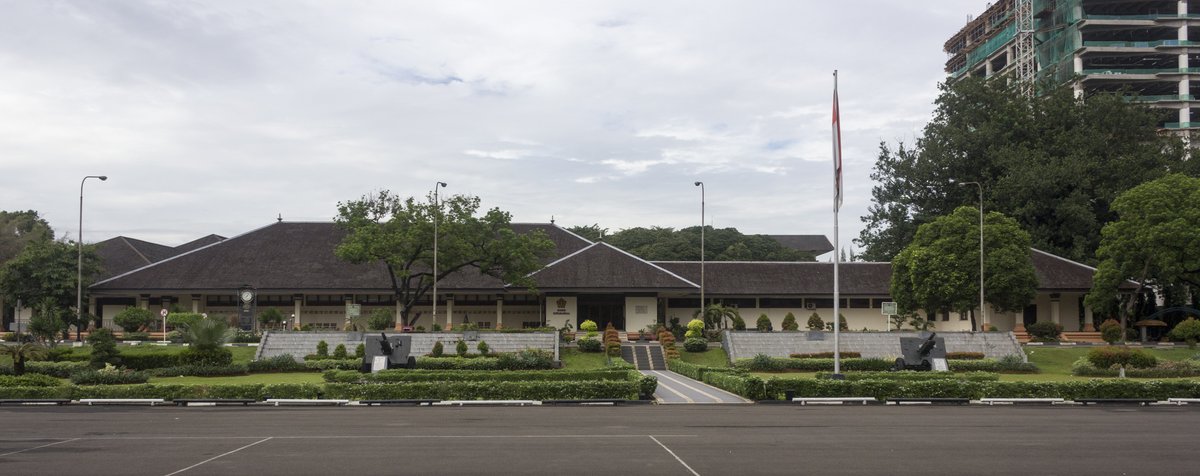


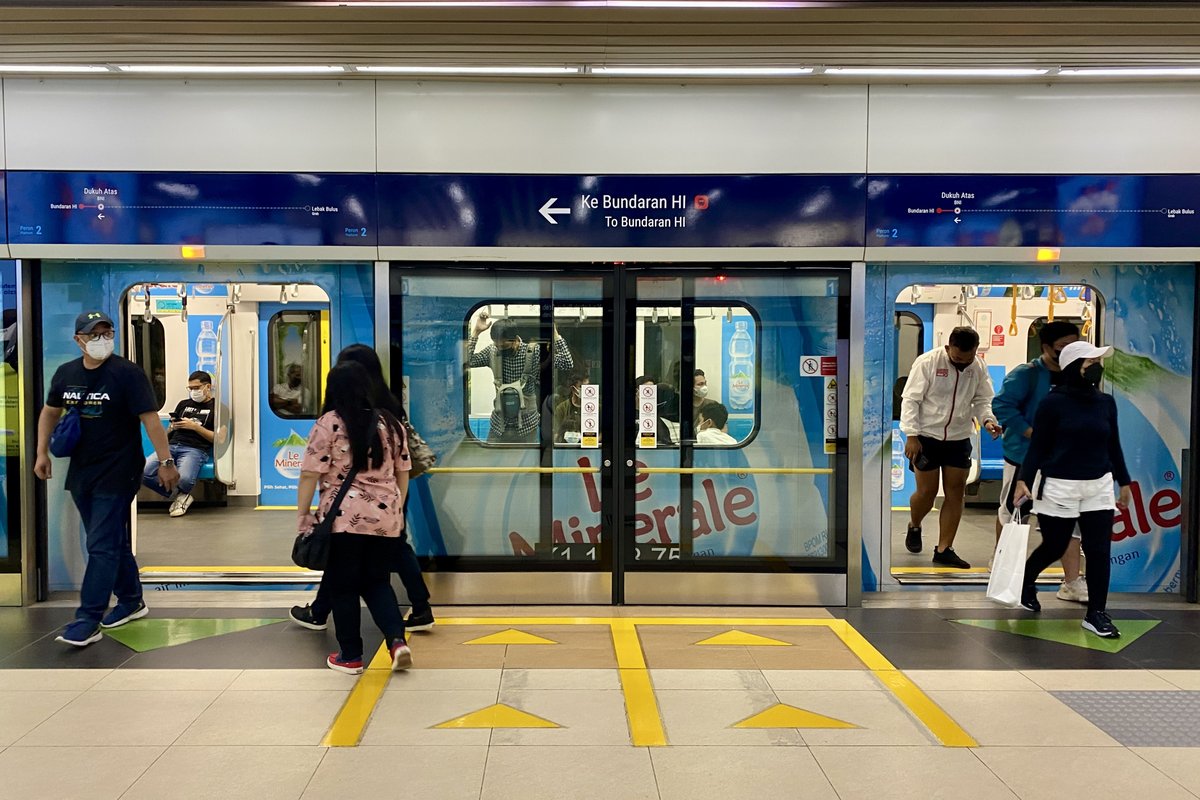
続きから読む
保存した場所と最近読んだ場所。この端末にのみ保存されます。