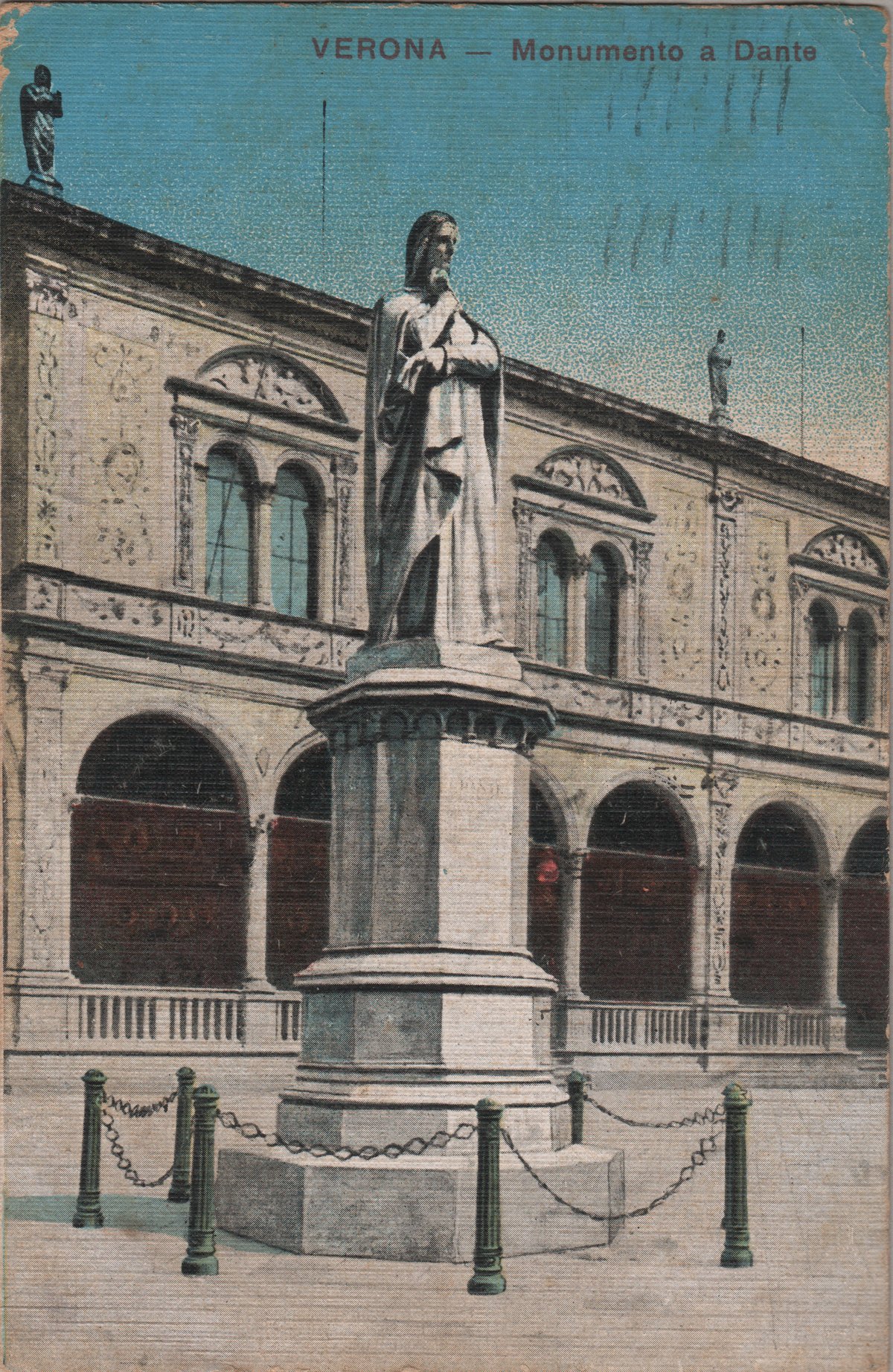

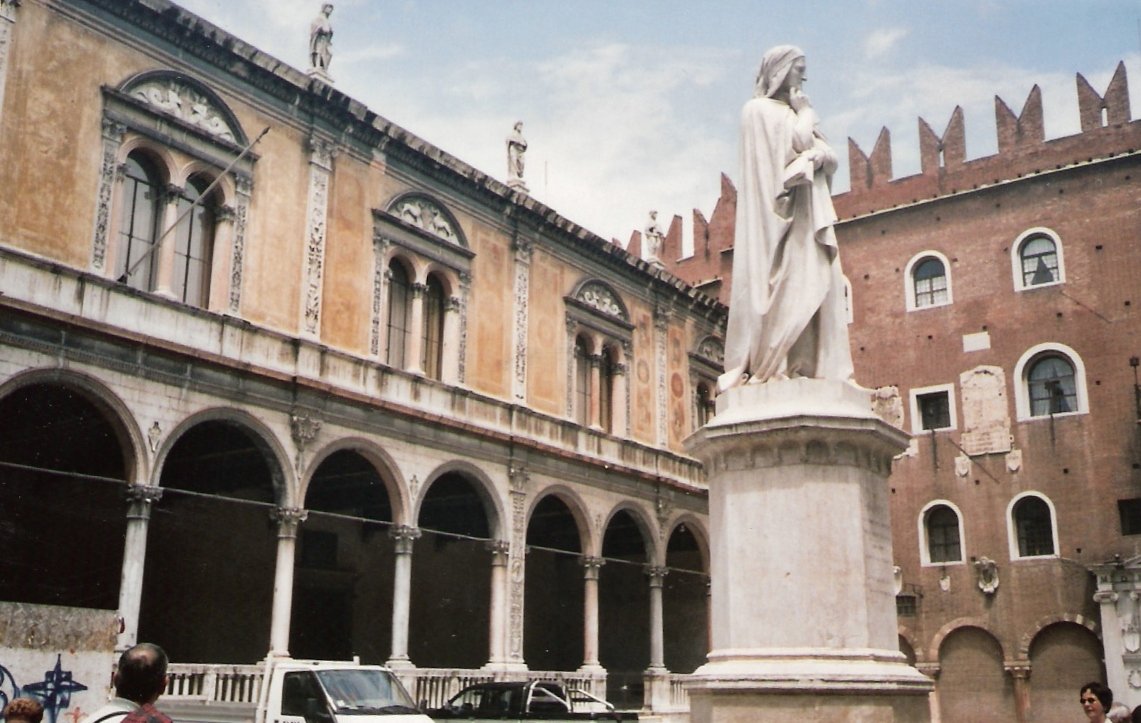
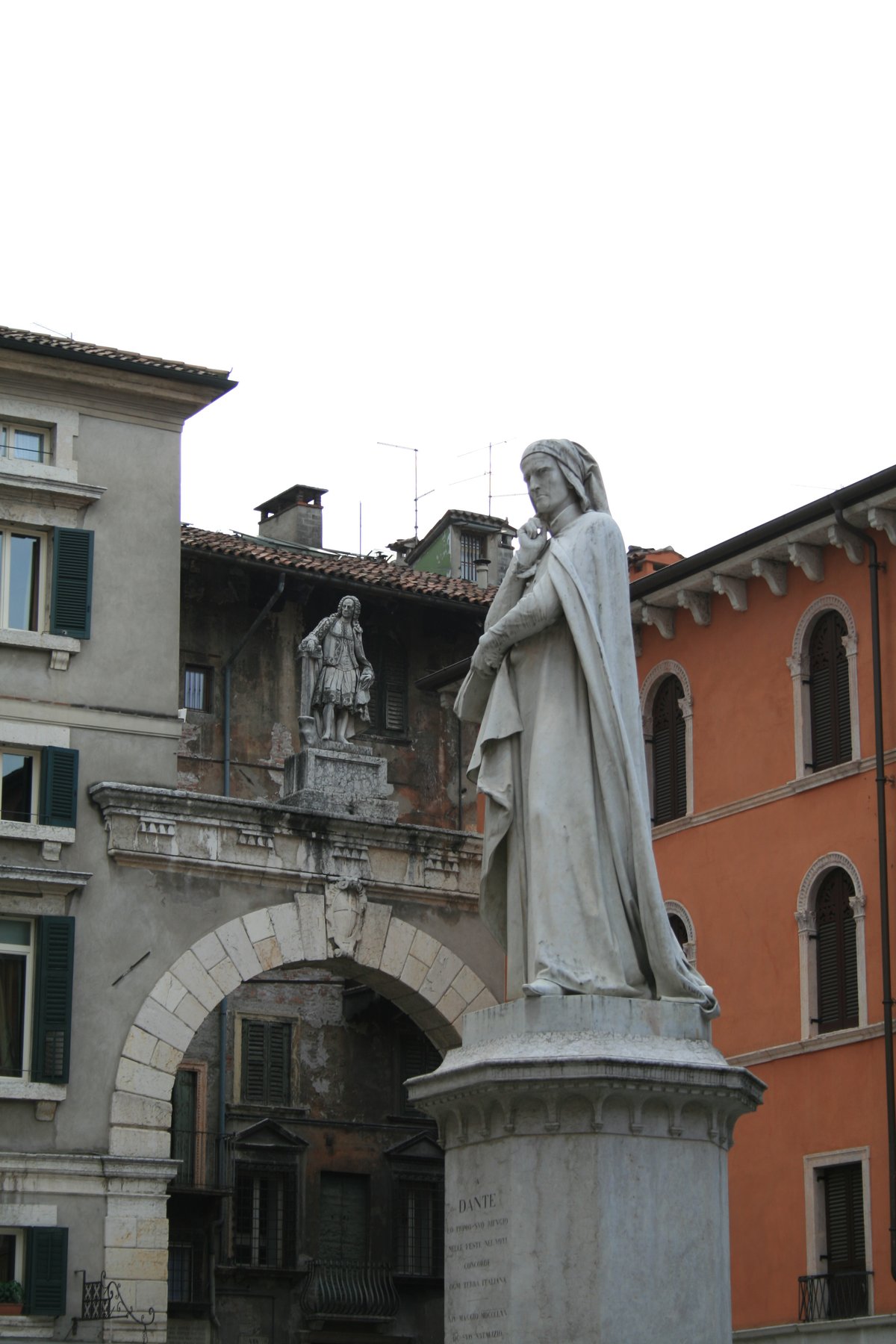
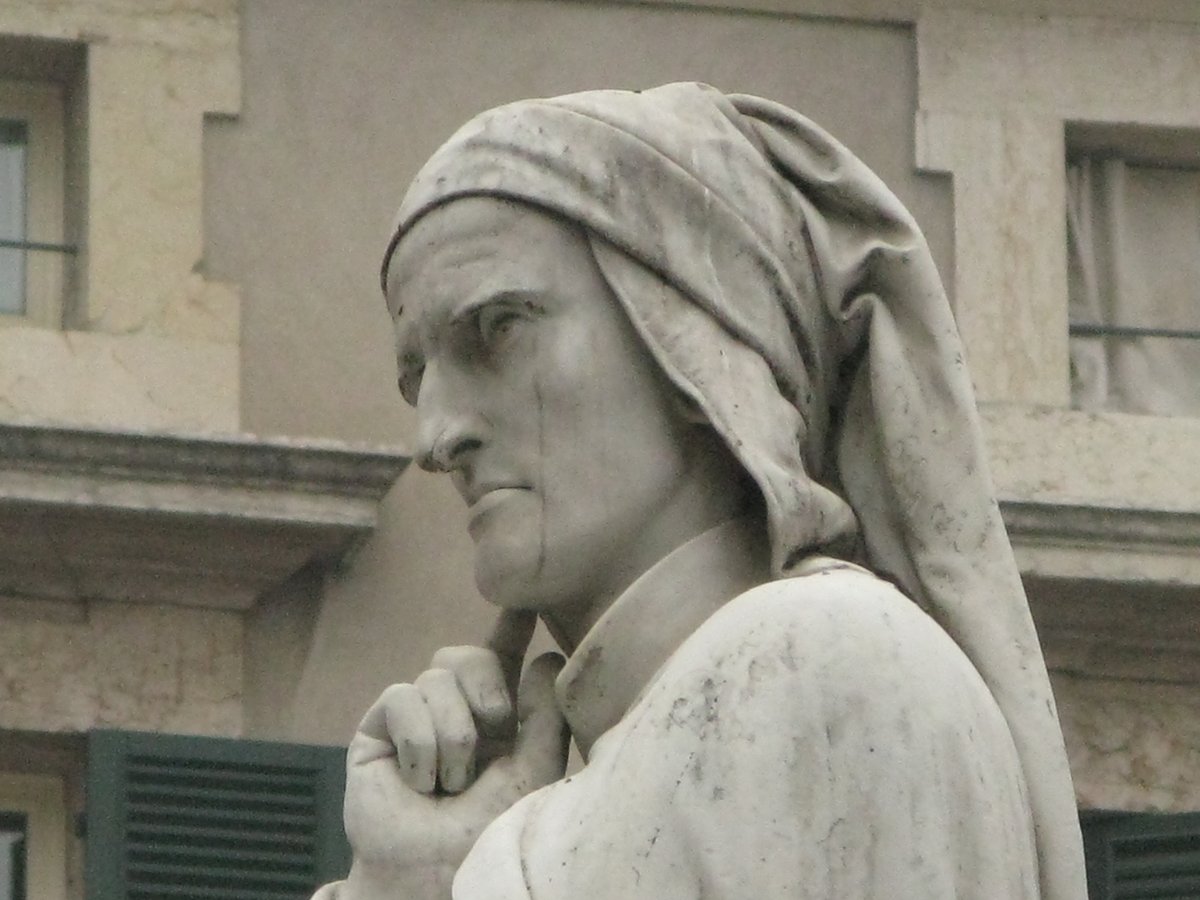
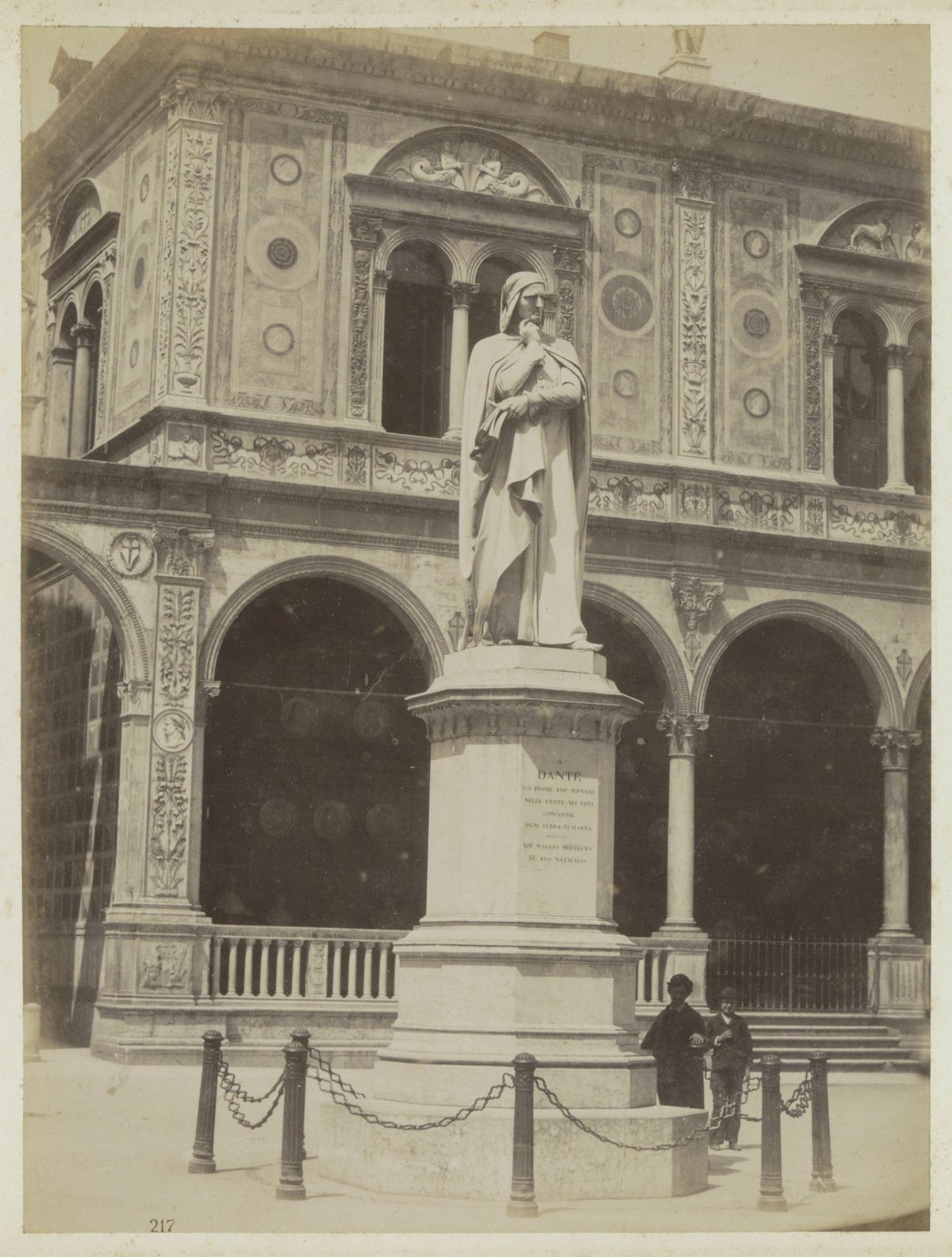
{'date': '2025年6月14日', 'task': {'model': 'gpt-4.1-mini', 'query': 'Comprehensive guide to visiting Monument To Dante Alighieri, Verona, Italy: history, significance, visitor tips, and everything tourists need to know for a memorable experience.', 'verbose': False, 'guidelines': ["Keyword Research: Identify relevant keywords that potential visitors are likely to search for, such as '[Monument Name] visiting hours,' '[Monument Name] tickets,' and '[City] historical sites.' Use these keywords strategically throughout the article, including in the title, headers, and body text, but avoid keyword stuffing.", 'Engaging and Informative Title: Craft a title that is both SEO-friendly and compelling to encourage clicks. Include the main keyword and make it clear what the article will cover.', 'Structured Content: Use headings (H1, H2, H3) to organize the content effectively. This helps with SEO and makes the article easier for readers to navigate. Include an introduction that hooks the reader, a detailed body that covers all relevant aspects, and a conclusion that summarizes the key points.', 'Comprehensive Coverage: Address common questions and topics of interest such as the history of the monument, its cultural significance, visitor information (e.g., ticket prices, opening hours), travel tips, nearby attractions, and accessibility. Include sections that might be unique to the monument, like special events, guided tours, and photographic spots.', 'Quality Content: Ensure the content is well-researched, accurate, and provides real value to readers. Use reliable sources and provide factual information. Write in a clear, engaging, and accessible style. Consider your audience and use language that is appropriate for those likely to visit the monument.', 'Visuals and Media: Incorporate high-quality images or videos of the monument. These should be optimized for the web (correct sizing, alt tags with keywords). Consider interactive elements like virtual tours or maps.', 'Internal and External Links: Include links to other related articles on your site to encourage deeper engagement (internal links). Link to official websites for the monument or credible sources for further reading (external links).', 'FAQ: Incorporate FAQ sections to target voice search queries and featured snippets', 'Visit and Stay Up to Date: End the article with a call to action, such as encouraging readers to download our mobile app Audiala, check out other related posts, or follow on social media for more updates.'], 'max_sections': 4, 'publish_formats': {'pdf': False, 'docx': False, 'markdown': True}, 'follow_guidelines': True}, 'title': 'Monument to Dante Alighieri, Verona, Italy: A Comprehensive Visitor’s Guide', 'report': '# ダンテ・アリギエリ記念碑(ヴェローナ、イタリア):見学ガイド、歴史、アクセス情報\n\n#### 日付:2025年6月14日\n\n## はじめに\n\nヴェローナのダンテ・アリギエリ記念碑は、イタリアが生んだ偉大な詩人ダンテ・アリギエリに捧げられた、その卓越した記念碑であり、彼とヴェローナの歴史的な深いつながりを示しています。シニョーリ広場(ダンテ広場としても知られる)の中心に位置するこの大理石像は、1865年にダンテ生誕600周年を記念してウーゴ・ザンノーニによって制作され、文化的な中心地であると同時に、亡命中のダンテの避難先となったヴェローナの役割の象徴となっています。この包括的なガイドでは、訪問客のために、歴史的・芸術的背景、見学時間、チケット情報、アクセス、旅行のヒント、そしてよくある質問(FAQ)まで、必要なすべての情報を提供します。文学愛好家、歴史愛好家、あるいは初めてヴェローナを訪れる方にとっても、この記念碑はダンテの不朽の遺産とヴェローナの活気ある文化遺産を凝縮した、必見の場所です。(ヴェローナ観光局, ダンテ・アリギエリ協会)\n\n---\n\n## 目次\n\n- はじめに\n- 歴史的背景\n - ダンテとヴェローナのつながり\n - 記念碑の起源と委嘱\n - 象徴性と碑文\n - 芸術的特徴と都市景観\n - 保存と修復\n- 訪問者情報\n - 場所とアクセス\n - 見学時間とチケット\n - ガイドツアーとイベント\n - 写真撮影とエチケット\n - 旅行のヒント\n- 周辺の観光スポット\n- よくある質問(FAQ)\n- 訪問をさらに豊かに:ビジュアルとインタラクティブなリソース\n- 関連リソースと追加情報\n- 結論と最終的なヒント\n- 参考文献\n\n---\n\n## 歴史的背景\n\n### ダンテとヴェローナのつながり\n\nイタリア語の父であり、叙事詩「神曲」の著者として名高いダンテ・アリギエーリ(1265–1321)は、フィレンツェからの追放後、ヴェローナで数年を過ごしました。強力なスカリジェリ家の歓待を受け、ダンテはヴェローナで知的な刺激と政治的な避難場所を見つけました。彼はここで「君主論」や「神曲」の「天国篇」の一部を執筆し、庇護者であったカングランデ・デッラ・スカラに「天国篇」を捧げました。ダンテを温かく受け入れたヴェローナは、都市の文化と記念碑の中心的な場所に不朽のものとなっています。(ヴェローナ観光局, ダンテ・アリギエリ協会, visitverona.it)\n\n### 記念碑の起源と委嘱\n\n記念碑の構想は、19世紀のイタリア統一運動と重なります。1863年には彫刻家を選ぶための公開コンクールが開催され、新進気鋭のヴェローナの芸術家であるウーゴ・ザンノーニが、思索するダンテの構想で当選しました。記念碑は、当時ヴェローナを支配していたオーストリアの統治下にあったため、1865年5月13日から14日にかけて夜間に秘密裏に設置されました。この除幕は、イタリアのナショナリズムを静かに主張するものでした。(stendhapp.com, ヴェローナ観光局)\n\n### 象徴性と碑文\n\n大理石の台座には resonate な碑文が刻まれています。\n「ダンテに、その最初の避難地であるヴェローナに、団結せるイタリア全土より、賛美と誓いを込めて。1865年5月14日、彼の誕生日を記念して。」\nこの賛辞は、ヴェローナへのダンテの感謝と、記念碑の構想時に盛んだった国民統一のリスルジメント精神を反映しています。(ヴェローナ観光局)\n\n### 芸術的特徴と都市景観\n\nザンノーニの像は、3メートル高の光り輝く白いカララ大理石で彫刻され、同様の台座の上にそびえ立っています。ダンテは、顎に手を当て、思索にふけるようなポーズで描かれ、彼の傑作を手に持っており、詩的な瞑想と知的な威厳を象徴しています。この像は、ダンテ広場とも呼ばれるシニョーリ広場を支配し、コンシリオのロッジアやラグオーネ宮殿など、重要な中世およびルネサンス様式の建物に囲まれています。この配置は、ヴェローナの知的および市民生活におけるダンテの役割を確固たるものにしています。(wikipedia, lonelyplanet.com)\n\n### 保存と修復\n\n記念碑は、その大理石の輝きと構造的完全性を維持するために、定期的な修復を受けています。地方自治体は、ヴェローナの遺産のこの象徴が適切に維持されるようにしています。(ヴェローナ観光局)\n\n---\n\n## 訪問者情報\n\n### 場所とアクセス\n\n- 住所: Piazza dei Signori (Piazza Dante), ヴェローナ歴史地区\n- アクセス: 広場は歩行者専用で、平坦で車椅子でもアクセス可能です。シニョーリ広場は、ピッツァ・デッレ・エルベ広場やヴェローナ・アレーナなどの主要な観光スポットから歩いてすぐの距離にあります。(lonelyplanet.com)\n\n### 見学時間とチケット\n\n- 時間: 屋外で、24時間年中無休でアクセス可能です。安全と最適な鑑賞のため、日中の時間帯(午前9時~午後7時)の見学が最も推奨されます。\n- チケット: 記念碑は公共の広場にあるため、入場料は無料です。近くの博物館や公共建築物のみチケットが必要です。(Evendo)\n\n### ガイドツアーとイベント\n\n- ガイドツアー: ヴェローナの多くのウォーキングツアーでは、文学的・歴史的な洞察を提供してくれる記念碑をハイライトとして取り上げています。最高の体験のために、事前に予約することをお勧めします。(The Travel Folk)\n- イベント: この記念碑は、「ダンテの日」(3月25日)や、地方および国の組織が主催する文学フェスティバル、文化的な集まりの中心的な場所となります。(ダンテ・アリギエリ協会)\n\n### 写真撮影とエチケット\n\n- ベストな写真撮影: 早朝や夕方は、理想的な光と少ない人出で撮影できます。記念碑は周辺の建築物との構図も素晴らしく、中央に位置しているため、すばらしい撮影が可能です。\n- エチケット: 記念碑や台座に登ったり座ったりしないでください。標識や保存活動を尊重してください。(alongdustyroads.com)\n\n### 旅行のヒント\n\n- アクセス: シニョーリ広場は、ヴェローナ・アレーナから徒歩10分、ヴェローナ・ポルタ・ヌオーヴァ駅からは公共交通機関で簡単にアクセスできます。\n- ヴェローナ・カード: 他の観光スポットや公共交通機関の割引に、ヴェローナ・カードの購入を検討してください。\n- 施設: 近くには、ベンチ、カフェ、トイレがあります。観光エリアでは英語が広く通じます。\n\n---\n\n## 周辺の観光スポット\n\n- ヴェローナ・アレーナ: オペラ公演で有名なローマ時代の円形劇場。\n- ジュリエットの家(Casa di Giulietta): シェイクスピアの伝説的なヒロインにまつわる場所。\n- ランベルティの塔(Torre dei Lamberti): 都市のパノラマビューを楽しめる中世の塔。\n- ピッツァ・デッレ・エルベ広場(Piazza delle Erbe): 現在は賑やかな市場となっている古代のフォーラム。\n- スカリジェリ家墓廟(Scaliger Tombs): 支配者一族に捧げられた豪華なゴシック様式の記念碑。\n- ラグオーネ宮殿(Palazzo della Ragione)とコンシリオのロッジア(Loggia del Consiglio): 広場に隣接する歴史的な公共建築物。(notaboutthemiles.com, ヴェローナ観光局)\n\n---\n\n## よくある質問(FAQ)\n\nQ: 記念碑の見学時間はどうなっていますか?\nA: シニョーリ広場は24時間年中無休で開いており、記念碑はいつでも見学可能です。\n\nQ: 入場料やチケットは必要ですか?\nA: いいえ、記念碑の見学は無料です。\n\nQ: 記念碑は車椅子でアクセスできますか?\nA: はい、広場とその周辺エリアは車椅子でアクセス可能です。\n\nQ: ガイドツアーはありますか?\nA: はい、ヴェローナのウォーキングツアーのほとんどが記念碑を含んでいます。\n\nQ: 写真撮影に最適な時間はいつですか?\nA: 光の具合と混雑具合を考慮すると、早朝または夕方が最適です。\n\nQ: 記念碑でイベントは開催されますか?\nA: はい、「ダンテの日」や文学関連の祝祭には特に開催されます。\n\nQ: 見学者はどのようなエチケットを守るべきですか?\nA: 記念碑や台座に登ったり触ったりしないでください。保存規則を尊重してください。\n\n---\n\n## 訪問をさらに豊かに:ビジュアルとインタラクティブなリソース\n\n- 記念碑の高解像度画像、碑文のクローズアップ、シニョーリ広場のパノラマ写真を探してみてください。\n- ヴェローナの公式観光ウェブサイトで、記念碑や周辺の観光スポットをハイライトしたインタラクティブマップが利用可能です。(ヴェローナ観光局)\n- バーチャルツアーやマルチメディアリソースは、あなたの体験をさらに豊かにします。\n\n---\n\n## 関連リソースと追加情報\n\n- ヴェローナ観光局 - シニョーリ広場\n- ダンテ・アリギエリ協会\n- ダンテ・アリギエリ記念碑、ヴェローナ観光局\n- なぜヴェローナに行くとダンテがあなたをとても悪く見ているように見えるのか?、Stendhapp\n- ダンテ・アリギエリ像 – Lonely Planet\n- ヴェローナ2日間、イタリア、The Travel Folk\n- ヴェローナ1日旅行、Not About the Miles\n- ヴェローナ訪問:ヒントとガイド、Along Dusty Roads\n- ダンテ・アリギエリ像 – Evendo\n\n---\n\n## 結論と最終的なヒント\n\nヴェローナのダンテ・アリギエリ記念碑は、単なる彫刻作品以上のものです。それは芸術、歴史、そしてイタリアの統一の交差点です。魅力的なシニョーリ広場に位置し、誰でもアクセスできるこの記念碑は、訪問者にダンテの遺産と、創造性と文化交流の聖域としてのヴェローナの役割を振り返る機会を与えてくれます。周辺のランドマークを散策したり、ガイドツアーに参加したり、地元の文化イベントに合わせて旅行を計画することで、訪問を最大限に活用してください。最新の旅行情報、イベント情報、ガイド付きオーディオツアーについては、Audialaアプリをダウンロードして、ヴェローナの豊かな遺産に触れてください。\n\n今日あなたの旅を計画し、イタリアで最も美しい歴史的な都市の一つで、ダンテ・アリギエーリの活気ある遺産に浸ってください。\n\n---\n\n\n\n---\n\n### 参考文献\n\n- シニョーリ広場 - ダンテ広場、ヴェローナ観光局\n- ダンテ・アリギエリ協会の歴史、ダンテ・アリギエリ協会\n- ダンテ・アリギエリ記念碑、ヴェローナ観光局\n- なぜヴェローナに行くとダンテがあなたをとても悪く見ているように見えるのか?、Stendhapp\n- ダンテ・アリギエリ像、Lonely Planet\n- ヴェローナ2日間、イタリア、The Travel Folk\n- ヴェローナ1日旅行、Not About the Miles\n- ヴェローナ訪問:ヒントとガイド、Along Dusty Roads\n- ダンテ・アリギエリ像 – Evendo', 'headers': {'date': '日付', 'title': 'ヴェローナ、イタリアのダンテ・アリギエリ記念碑:見学時間、チケット、訪問者ガイド', 'conclusion': 'ヴェローナのダンテ・アリギエリ記念碑訪問に関する主要なポイントの要約と、最終的なヒントおよび行動喚起', 'references': '参考資料と、さらなる情報源としての公式ウェブサイトや信頼できる情報源へのリンク', 'introduction': 'ヴェローナのダンテ・アリギエリ記念碑の紹介、その歴史的および文化的重要性を含む', 'table_of_contents': '歴史、訪問者情報、旅行のヒント、FAQなどのセクションを含む目次'}, 'sources': ['- Piazza dei Signori - Piazza Dante, 2024, Visit Verona https://www.visitverona.it/en/poi/piazza-dei-signori-piazza-dante', '- History of Società Dante Alighieri, 2024, Società Dante Alighieri https://www.dante.global/en/la-dante/history', '- Statue of Dante Alighieri, 2024, Visit Verona https://www.visitverona.it/en/poi/statue-of-dante-alighieri', '- Why if you go to Verona will you find Dante looking at you so badly?, 2024, Stendhapp https://stendhapp.com/en/why-if-you-go-to-verona-will-you-find-dante-looking-at-you-so-badly/', '- Dante Alighieri Statue, 2024, Lonely Planet https://www.lonelyplanet.com/italy/the-veneto/verona/attractions/dante-alighieri-statue/a/poi-sig/1571102/360030', '- 2 Days in Verona, Italy, 2024, The Travel Folk https://thetravelfolk.com/2-days-in-verona-italy/', '- One Day in Verona Itinerary, 2024, Not About the Miles https://notaboutthemiles.com/one-day-in-verona-itinerary/', '- Visiting Verona: Tips & Guide, 2024, Along Dusty Roads https://www.alongdustyroads.com/posts/visiting-verona-tips-guide', '- Statua di Dante Alighieri, 2024, Evendo https://evendo.com/locations/italy/verona/attraction/statua-di-dante-alighieri], 'sections': ['Historical Background', 'The Monument: History and Artistic Features', 'Cultural and Literary Significance', 'Visiting the Monument'], 'conclusion': 'ヴェローナのダンテ・アリギエーリ記念碑は、単なる彫刻作品以上のものです。それは芸術、歴史、そしてイタリアの統一の交差点です。魅力的なシニョーリ広場に位置し、誰でもアクセスできるこの記念碑は、訪問者にダンテの遺産と、創造性と文化交流の聖域としてのヴェローナの役割を振り返る機会を与えてくれます。周辺のランドマークを散策したり、ガイドツアーに参加したり、地元の文化イベントに合わせて旅行を計画することで、訪問を最大限に活用してください。最新の旅行情報、イベント情報、ガイド付きオーディオツアーについては、Audialaアプリをダウンロードして、ヴェローナの豊かな遺産に触れてください。今日あなたの旅を計画し、イタリアで最も美しい歴史的な都市の一つで、ダンテ・アリギエーリの活気ある遺産に浸ってください。', 'introduction': 'ヴェローナのダンテ・アリギエーリ記念碑は、イタリアが生んだ偉大な詩人ダンテ・アリギエーリに捧げられた、その卓越した記念碑であり、彼とヴェローナの歴史的な深いつながりを示しています。シニョーリ広場(ダンテ広場としても知られる)の中心に位置するこの大理石像は、1865年にダンテ生誕600周年を記念してウーゴ・ザンノーニによって制作され、文化的な中心地であると同時に、亡命中のダンテの避難先となったヴェローナの役割の象徴となっています。この包括的なガイドでは、訪問客のために、歴史的・芸術的背景、見学時間、チケット情報、アクセス、旅行のヒント、そしてよくある質問(FAQ)まで、必要なすべての情報を提供します。文学愛好家、歴史愛好家、あるいは初めてヴェローナを訪れる方にとっても、この記念碑はダンテの不朽の遺産とヴェローナの活気ある文化遺産を凝縮した、必見の場所です。(ヴェローナ観光局, ダンテ・アリギエーリ協会)', 'research_data': [{'Visiting the Monument to Dante Alighieri in Verona: Hours, Tickets, and Historical Insights': "## Introduction\n\nThe Monument to Dante Alighieri in Verona is a must-see attraction for literature enthusiasts and history buffs alike. Located prominently in Piazza dei Signori, also known as Piazza Dante, this statue honors Dante Alighieri, the father of the Italian language and author of the legendary “Divine Comedy.” This guide will provide you with essential visitor information including visiting hours, ticketing details, guided tours, and travel tips, alongside rich historical context to enrich your visit to one of Verona’s most iconic historical sites.\n\n## Historical Background\n\n### Origins of the Monument to Dante Alighieri in Verona\n\nErected in 1865 to commemorate the 600th anniversary of Dante’s birth, the Monument to Dante Alighieri was commissioned by the city of Verona during a period of Italian unification and rising national identity. Sculpted by Ugo Zannoni, a celebrated Veronese artist, the statue celebrates Verona's significant role in Dante’s life, especially during his exile from Florence. The unveiling ceremony attracted local dignitaries and citizens, highlighting Verona's pride in its cultural heritage (Visit Verona).\n\n### Dante Alighieri’s Connection to Verona\n\nDante (1265–1321) spent several formative years in Verona under the patronage of the Scaligeri family during his exile. Notably, Bartolomeo I and later Cangrande I della Scala provided him refuge and support. The monument’s location in Piazza dei Signori, surrounded by buildings linked to the Scaligeri, symbolizes this important historical connection (Visit Verona).\n\n### Piazza dei Signori: The Monument’s Setting\n\nPiazza dei Signori, Verona’s medieval political and administrative center, offers a stunning backdrop with its Renaissance and medieval architecture, including the Loggia del Consiglio and Palazzo della Ragione. This historically rich environment enhances the monument’s cultural significance (Visit Verona).\n\n### Artistic Features and Symbolism\n\nThe white marble statue stands over 4 meters tall, depicting Dante in a thoughtful pose, symbolizing poetic inspiration. Its neoclassical style reflects 19th-century ideals of national unity and civic pride. The statue faces the Loggia del Consiglio, signifying Dante’s engagement with Verona's intellectual life (Visit Verona).\n\n### Historical Events and Public Reception\n\nSince 1865, the monument has been a central site for cultural events, including annual commemorations of Dante’s death and celebrations by the Società Dante Alighieri, an organization promoting Italian language and culture globally (Società Dante Alighieri). It also features prominently in Verona’s iconography.\n\n### Preservation and Restoration\n\nOngoing restoration efforts by local authorities ensure the monument remains pristine despite environmental exposure, preserving this cultural landmark for future visitors (Visit Verona).\n\n## Visitor Information\n\n### Visiting Hours\n\nThe Monument to Dante Alighieri is located in the open-air Piazza dei Signori and is accessible to visitors 24/7. However, the best times to visit are during daylight hours when the square is lively and safe, typically from 9:00 AM to 7:00 PM.\n\n### Tickets and Admission\n\nThere is no ticket required to visit the monument itself, as it is situated in a public square. Access to surrounding attractions like the Palazzo della Ragione may require tickets.\n\n### Guided Tours\n\nSeveral local tour operators offer guided walking tours of Verona’s historical sites, including the Monument to Dante Alighieri. These tours often provide deeper insights into Dante’s life, the Scaligeri family, and Verona’s medieval history. Booking in advance is recommended.\n\n### Special Events\n\nThe monument is often a focal point during Dante Day celebrations on March 25th and other literary festivals. Visitors can experience readings, flower offerings, and cultural activities that bring Dante’s legacy to life.\n\n### Photographic Spots\n\nFor memorable photos, capture the statue with the Renaissance Loggia del Consiglio in the background or from the steps of the Palazzo della Ragione to appreciate the monument’s scale and setting.\n\n### Travel Tips\n\n- Piazza dei Signori is pedestrianized and easily accessible by foot from Piazza Bra (approx. 10-minute walk).\n- Nearby bus stops provide convenient public transportation options.\n- The square is pet-friendly and wheelchair accessible.\n- Visit during weekdays and early mornings to avoid crowds.\n\n## Nearby Attractions\n\nWhile in the area, consider visiting:\n- Arena di Verona: A Roman amphitheater famous for opera performances.\n- Juliet's House: The legendary home connected to Shakespeare’s Juliet.\n- Palazzo della Ragione: Historic civic building adjacent to the square.\n\n## FAQ\n\nQ: What are the Monument to Dante Alighieri visiting hours?\nA:The monument is outdoors in a public square and accessible 24/7, but visiting during daylight hours (9:00 AM - 7:00 PM) is recommended.\n\nQ: Are there tickets required to see the monument?\nA:No tickets are required to view the monument as it is located in a public space.\n\nQ: Is the site accessible for people with disabilities?\nA:Yes, Piazza dei Signori and the monument area are wheelchair accessible.\n\nQ: Are guided tours available?\nA:Yes, guided walking tours including the monument are available through local providers.\n\nQ: When is the best time to visit?\nA:Early mornings or weekdays to avoid crowds, and during special events like Dante Day for cultural experiences.\n\n## Conclusion\n\nThe Monument to Dante Alighieri is not only a remarkable tribute to one of Italy’s greatest poets but also a vibrant cultural landmark in Verona’s historic heart. Whether you are drawn by its rich history, stunning artistry, or Verona’s charming atmosphere, this site offers a rewarding experience for all visitors. Plan your visit by considering the practical tips above and immerse yourself in the legacy of Dante amidst one of Italy’s most beautiful settings.\n\n## Related Resources\n\n- Visit Verona - Piazza dei Signori\n- Società Dante Alighieri\n- Explore more Verona historical sites and Italian cultural tours on our website.\n\n## Call to Action\n\nReady to explore Verona’s rich heritage? Download the Audiala app for guided tours, maps, and exclusive content about the Monument to Dante Alighieri and other Verona attractions. Follow us on social media for updates on events and travel tips."}, {'Visiting the Dante Alighieri Monument in Verona: History, Hours, and Tips': '## Historical Background of the Monument\n\n### Dante’s Connection to Verona\n\nDante Alighieri, born in Florence in 1265, is celebrated as the father of the Italian language and the author of the Divine Comedy. His life was marked by political turmoil, leading to his exile from Florence. During this period, Dante found refuge in Verona, first arriving in 1303 as a guest of Bartolomeo della Scala and returning from 1312 to 1318 under the patronage of Cangrande della Scala (visitverona.it). Verona became a significant haven for Dante, offering him a stimulating intellectual environment and the freedom to write and share his ideas. Notably, he composed parts of his major works, including “De Monarchia,” and much of “Paradiso,” while in Verona. Dante’s gratitude to Cangrande is immortalized in the dedication of the third cantica of the Divine Comedy, “Paradiso,” to his enlightened host (visitverona.it).\n\n### Commissioning and Erection of the Monument\n\nThe idea to honor Dante with a monument in Verona gained momentum in the 19th century, coinciding with the 600th anniversary of his birth. The monument was intended not only as a tribute to Dante’s literary genius but also as a symbol of Verona’s historical role as his “first refuge” during exile (stendhapp.com). \n\nA public contest was announced on October 6, 1863, to select the sculptor for the project. Ugo Zannoni, a native of Verona and a student of the Academy of Fine Arts “G.B. Cignaroli,” won the commission. Zannoni was already gaining recognition for his mastery of marble sculpture, and his preference for Carrara marble was well-suited to the monument’s classical aspirations (visitverona.it).\n\nThe statue was completed and installed in Piazza dei Signori, a central and historic square in Verona, during the night between May 13 and 14, 1865. The clandestine installation was necessary due to the political climate of the time, as Verona was under Austrian rule, and the monument’s unveiling was a subtle act of Italian patriotism (visitverona.it). The statue replaced a 17th-century Neptune fountain, which had been installed in 1647 by Angelo Contarini and supplied with water from the rio d’Avesa.\n\n### Inscriptions and Symbolism\n\nThe pedestal of the monument bears a significant inscription: \n“A Dante ‘lo primo svo rifvgio nelle feste nei voti concorde ogni terra italiana’ XIV Maggio MDCCCLXV dc svo natalizio” \nThis translates to: “To Dante, his first refuge, in celebration and in vows, every Italian land united. 14 May 1865, on his birthday.” \nThis inscription not only commemorates Dante’s time in Verona but also reflects the broader Italian sentiment of unity and reverence for the poet during the Risorgimento, the movement for Italian unification (visitverona.it).\n\n## Artistic Features of the Monument\n\n### Sculptor: Ugo Zannoni\n\nUgo Zannoni (1836–1919) was a prominent Veronese sculptor, trained under Grazioso Spazzi and at the Academy of Fine Arts “G.B. Cignaroli.” Zannoni’s work is characterized by a classical sensibility and a preference for Carrara marble, renowned for its luminosity and fine grain (visitverona.it). The Dante monument is considered one of his masterpieces and was the first marble monument erected in Verona in the 19th century.\n\n### Materials and Dimensions\n\nThe statue is carved from white Carrara marble, a material traditionally associated with purity and artistic excellence. The figure of Dante stands three meters tall (approximately 9.8 feet) and is mounted on a marble pedestal of similar height, giving the entire monument a commanding presence in the square (wikipedia). The choice of Carrara marble not only enhances the monument’s visual impact but also ensures its durability and resistance to weathering.\n\n### Composition and Iconography\n\nDante is depicted in a contemplative pose, embodying the archetype of the thoughtful poet-philosopher. He stands with his head slightly turned, his gaze distant and introspective. One hand holds a copy of his magnum opus, the Divine Comedy, while the other hand is raised to his chin, a gesture that conveys deep thought and intellectual engagement (stendhapp.com). This posture is reminiscent of the “dramatic” line celebrated by Raphael in the Stanza della Segnatura in the Vatican, emphasizing Dante’s role as a thinker and visionary.\n\nThe statue’s severe and somewhat stern expression has become iconic, with some locals humorously suggesting that Dante appears to be judging passersby or reflecting on the city’s past slights. The overall effect is one of gravitas and dignity, befitting Dante’s stature in Italian and world literature.\n\n### Placement and Urban Context\n\nThe monument occupies a central position in Piazza dei Signori, also colloquially known as Piazza Dante among locals (stendhapp.com). The square itself is surrounded by significant Renaissance and medieval buildings, including the Loggia del Consiglio, Palazzo della Ragione, and the Scaliger Tombs. The statue’s placement ensures that it dominates the square, serving as both a focal point for visitors and a symbol of Verona’s cultural heritage (lonelyplanet.com).\n\nThe monument is not artificially illuminated, relying instead on natural light to highlight the marble’s brilliance throughout the day (visitverona.it). This choice preserves the statue’s classical aesthetic and allows it to blend harmoniously with the historic surroundings.\n\n### Restoration and Preservation\n\nThe Dante monument has undergone periodic restoration to maintain its condition and appearance. The most recent restoration efforts have ensured that the marble remains clean and structurally sound, preserving the monument for future generations (visitverona.it). The statue’s enduring presence in the heart of Verona is a testament to the city’s ongoing commitment to honoring its historical and cultural legacy.\n\n## Practical Visitor Information\n\n### Location and Accessibility\n\nThe Monument to Dante Alighieri is located in Piazza dei Signori, in the historic center of Verona. The square is easily accessible on foot from other major Verona historical sites such as Piazza delle Erbe, Torre dei Lamberti, and the Scaliger Tombs (lonelyplanet.com). The area is pedestrian-friendly, making it ideal for leisurely exploration.\n\n### Visiting Hours and Tickets\n\nPiazza dei Signori is a public square, open 24 hours a day with no entrance fee, so there are no Dante monument tickets required. Visitors can view the monument at any time, though daylight hours are recommended to fully appreciate the marble’s natural beauty. For those searching "Dante Alighieri Verona visiting hours," it's important to note the monument itself has no restricted hours.\n\n### Nearby Attractions\n\nThe monument’s central location makes it a convenient starting point for exploring Verona’s rich architectural and artistic heritage. Notable nearby sites include:\n\n- Loggia del Consiglio (0.02 miles): A Renaissance masterpiece on the north side of the square.\n- Torre dei Lamberti (0.03 miles): An 84-meter-high medieval tower offering panoramic views of Verona.\n- Galleria d’Arte Moderna Achille Forti (0.04 miles): A modern art gallery housed in the Palazzo della Ragione.\n- Arche Scaligere (0.04 miles): Ornate Gothic tombs of the Della Scala family.\n- Piazza delle Erbe (0.06 miles): The ancient Roman forum, now a lively market square (lonelyplanet.com).\n\n### Visitor Tips\n\n- Photography: The monument is a popular photo spot, especially in the early morning or late afternoon when the light is soft.\n- Guided Tours: Many walking tours of Verona include a stop at the Dante monument, providing historical context and literary anecdotes. For "Dante Alighieri Verona tickets" related to tours, booking in advance is recommended.\n- Events: The city often hosts cultural events in Piazza dei Signori, particularly during anniversaries related to Dante. In 2021, for example, Verona organized a series of events to mark the 700th anniversary of Dante’s death (visitverona.it).\n- Local Lore: Ask locals about the statue’s nickname, “Piazza Dante,” and the stories behind Dante’s stern expression for a more immersive experience.\n\n## Frequently Asked Questions (FAQ)\n\nQ: What are the visiting hours for the Dante Alighieri monument in Verona?\nA: The monument is in a public square open 24/7 with no entrance fees, so it can be visited any time. Daylight hours are best for viewing.\n\nQ: Are there any tickets required to visit the Dante monument?\nA: No tickets are required to view the statue itself, as it is located in a public square.\n\nQ: Is the Dante monument accessible for visitors with mobility issues?\nA: Piazza dei Signori is mostly flat and pedestrian-friendly, making the monument accessible. However, nearby attractions may vary in accessibility.\n\nQ: Are guided tours available that include the Dante monument?\nA: Yes, many walking tours of Verona include the monument. It’s advisable to book tickets for guided tours in advance.\n\nQ: When is the best time to visit the Dante Alighieri monument?\nA: Early morning or late afternoon light enhances photography and the statue’s marble brilliance.\n\nQ: Are there any virtual tours or online resources to explore the monument?\nA: Visitors can find virtual tours and additional information on Verona’s official tourism website (visitverona.it) and related travel guides.\n\n## Visuals and Media Suggestions\n\nFor enhanced visitor engagement, include the following visuals:\n\n- High-resolution photos of the Dante monument with alt tags such as "Dante Alighieri monument in Verona Piazza dei Signori statue".\n- Close-up images of the inscription on the pedestal.\n- Panoramic shots of Piazza dei Signori showing the monument’s urban context.\n- Link or embed interactive maps highlighting the monument and nearby Verona historical sites.\n- If available, videos or virtual tours showcasing the monument and its surroundings.\n\n## Related Articles and Internal Links\n\nFor visitors interested in exploring more of Verona and Italy, consider reading:\n\n- Top Verona Historical Sites to Visit\n- A Guide to Piazza delle Erbe: Verona’s Ancient Market Square\n- Exploring the Scaliger Tombs: Gothic Heritage in Verona\n- Walking Tours of Verona: Literary and Cultural Highlights\n\n## Contact and Further Information\n\nFor additional details, visitors can contact the Verona Tourist Office (IAT Verona) located at Via Leoncino, 61 (Palazzo Barbieri, Piazza Bra), 37121 Verona (visitverona.it). The office provides maps, guided tour information, and updates on cultural events related to Dante and the city’s heritage.\n\n---\n\n### Plan Your Visit Today!\n\nDiscover the rich history and cultural significance of the Dante Alighieri monument in Verona by planning your visit now. Download the Audiala app for guided audio tours and exclusive insights on Verona’s historical sites. Follow us on social media for the latest updates, events, and travel tips.'}, {'Visiting the Monument to Dante Alighieri in Verona: Hours, Tickets, and Cultural Significance': '## Visiting the Monument to Dante Alighieri in Verona: Hours, Tickets, and Cultural Significance\n\nNestled in the heart of Verona’s historic Piazza dei Signori, the Monument to Dante Alighieri stands as a proud symbol of Italy’s rich literary heritage and the city’s enduring connection to one of its greatest poets. This article offers a comprehensive guide for visitors, combining cultural and literary insights with practical information on visiting hours, ticketing (or the lack thereof), accessibility, and nearby attractions. Whether you’re a literary enthusiast or a curious traveler, discover why the statue remains a must-see landmark in Verona.\n\n### Cultural and Literary Significance\n\n#### Dante Alighieri’s Enduring Legacy in Verona\n\nThe Monument to Dante Alighieri was erected in 1865 to celebrate the 600th anniversary of Dante’s birth. It commemorates the poet’s exile years in Verona, where he found refuge under the patronage of the Scaligeri family. This period was pivotal in the creation of his masterpiece, the Divine Comedy, and the statue symbolizes not only Dante’s personal history but also Verona’s role as a sanctuary for intellectual and artistic growth (Evendo).\n\n#### Literary Significance of the Monument\n\nDante’s exile from Florence (1302) brought him to Verona during 1303–1304 and again from 1312–1318. Hosted by Bartolomeo I della Scala and later by Cangrande I della Scala, Dante flourished creatively. Cangrande is notably referenced in the Paradiso section of the Divine Comedy, reflecting the poet’s gratitude and admiration. The statue's location in Piazza dei Signori—also called Piazza Dante—places it amid medieval landmarks like Palazzo della Ragione and Loggia del Capitanato, enhancing the historical atmosphere (The Travel Folk).\n\n#### Symbolism and Artistic Representation\n\nSculpted by Ugo Zannoni, the statue portrays Dante in contemplative repose, wearing scholar’s robes and a laurel wreath—a classical emblem of poetic honor. His thoughtful expression and the scroll in hand evoke the philosophical and moral themes central to his works. Created during the rise of 19th-century Italian nationalism, the monument also celebrates Dante as a unifying symbol for Italy’s cultural identity (Evendo).\n\n### Practical Visitor Information\n\n#### Visiting Hours and Tickets\n\nThe Monument to Dante Alighieri is located outdoors in Piazza dei Signori and is freely accessible at all times. There are no admission fees or ticket requirements to visit the statue, making it an inclusive attraction for all visitors (Evendo).\n\n#### Accessibility\n\nThe square is pedestrian-friendly and wheelchair accessible, with smooth pavements and ample seating nearby. Visitors with disabilities can comfortably access the monument and surrounding areas.\n\n#### How to Get There\n\nPiazza dei Signori is centrally located, just a 10-minute walk from the Verona Arena and Piazza Bra. It is easily reachable by public transportation from Verona Porta Nuova train station via bus or a short taxi ride. Walking tours of Verona commonly include the monument, highlighting its importance among Verona historical sites.\n\n#### Best Times to Visit and Photography Tips\n\nEarly mornings and late afternoons offer the most striking natural light for photography, casting warm hues on the statue and surrounding medieval architecture. The open layout of Piazza dei Signori allows unobstructed views, ideal for capturing the monument with landmarks like Palazzo della Ragione in the background.\n\n### Nearby Attractions and Literary Connections\n\n- Scaliger Tombs: A short walk away, these elaborate Gothic monuments commemorate the powerful Scaligeri family who hosted Dante.\n- Juliet’s House (Casa di Giulietta): Famous for its Shakespearean association, it is nearby and enriches Verona’s literary landscape (The Travel Folk).\n\n### Events and Cultural Activities\n\nThroughout the year, Piazza dei Signori hosts cultural events such as book fairs, poetry readings, and music festivals. The Monument to Dante Alighieri often serves as a symbolic centerpiece during anniversaries of Dante’s birth and death, attracting literature enthusiasts from Italy and abroad. Guided walking tours frequently include the monument, providing valuable context about Dante’s life and Verona’s cultural heritage.\n\n### Visual and Interactive Resources\n\nVisitors can enhance their experience by using virtual maps or interactive tours available on Verona’s official tourism websites. High-quality images of the monument are widely featured in Verona travel guides and promotional materials, often highlighting its symbolic importance.\n\n### Frequently Asked Questions (FAQ)\n\nQ: What are the visiting hours for the Monument to Dante Alighieri? \nA: The statue is outdoors in Piazza dei Signori and accessible 24/7, with no restrictions.\n\nQ: Is there an admission fee or ticket required? \nA: No, visiting the monument is free of charge.\n\nQ: How do I get to the monument from Verona Porta Nuova train station? \nA: The monument is reachable via a 15-minute bus ride or taxi, or a 30-minute walk.\n\nQ: Are guided tours available? \nA: While there are no tours dedicated solely to the monument, many Verona walking tours include it as a highlight.\n\nQ: Is the area wheelchair accessible? \nA: Yes, Piazza dei Signori and the monument area are wheelchair accessible.\n\n### Conclusion and Call to Action\n\nThe Monument to Dante Alighieri is not only a tribute to one of Italy’s greatest poets but also a vibrant piece of Verona’s cultural and historical fabric. Its free accessibility, central location, and rich symbolism make it a must-visit for travelers interested in literature, history, and Italian heritage.\n\nPlan your visit to this iconic Verona historical site and immerse yourself in the inspiring legacy of Dante. For more travel tips and guided audio tours, download the Audiala app and explore related posts about Verona’s literary landmarks. Follow us on social media for updates on cultural events and exclusive insights into Italy’s artistic treasures.\n\n---\n\nImages Suggested: Include high-resolution photos of the Monument to Dante Alighieri in Piazza dei Signori with alt tags such as "Monument to Dante Alighieri in Verona Piazza dei Signori" and "Dante Alighieri statue close-up Verona." Consider embedding an interactive map highlighting the monument’s location and nearby attractions for enhanced visitor engagement.'}, {'Monument to Dante Alighieri in Verona: Visiting Hours, Tickets, and Historical Insights': '## Welcome to the Monument to Dante Alighieri in Verona\n\nSituated in the heart of Verona’s historic center, the Monument to Dante Alighieri is a must-see attraction for literature lovers and history enthusiasts alike. This guide provides essential information on visiting hours, tickets, and the rich historical and cultural significance of the monument, as well as practical tips to enhance your visit to one of Verona's most iconic historical sites.\n\n## Historical Background of the Monument to Dante Alighieri\n\nThe Monument to Dante Alighieri stands as a prominent centerpiece in Verona’s Piazza dei Signori, a square renowned for its elegant architecture and historical significance. The statue was erected in 1865 to commemorate the 600th anniversary of Dante’s birth, reflecting the city’s deep connection to the poet. Dante Alighieri, best known for his epic poem "The Divine Comedy," spent several years in Verona during his exile from Florence in the early 14th century. The city provided him refuge and support, particularly from the ruling Scaligeri family, which is why Verona holds a special place in Dante’s biography (notaboutthemiles.com).\n\nThe monument itself is a striking white marble statue, sculpted by Ugo Zannoni, a Veronese artist. Dante is depicted in a contemplative pose, with his right hand resting on his chin and his left holding a copy of "The Divine Comedy." The statue stands atop a tall pedestal, making it a focal point of the square and a symbol of Verona’s literary heritage.\n\n## Cultural and Literary Significance\n\nDante’s presence in Verona is more than a historical footnote; it is a testament to the city’s role as a haven for artists, thinkers, and political exiles during the Middle Ages. The monument not only honors Dante’s literary genius but also serves as a reminder of the city’s openness and cultural vibrancy. The placement of the statue in Piazza dei Signori, surrounded by palaces and the former seat of the city’s government, underscores the importance of Dante’s legacy in shaping Verona’s identity (notaboutthemiles.com).\n\nThe statue is also a popular gathering point during cultural events, literary festivals, and public celebrations. It is common to see locals and tourists alike pausing to admire the monument, take photographs, or simply reflect on Dante’s enduring influence on Italian language and literature.\n\n## Architectural Context: Piazza dei Signori\n\nPiazza dei Signori, sometimes referred to as "Verona’s living room," is a quieter alternative to the bustling Piazza delle Erbe. The square is framed by significant buildings such as the Palazzo della Ragione, the Loggia del Consiglio, and the Palazzo del Capitano. The harmonious blend of medieval, Renaissance, and Venetian architecture provides a fitting backdrop for the Dante monument (notaboutthemiles.com).\n\nThe square’s tranquil atmosphere makes it an ideal spot for leisurely strolls and architectural appreciation. The statue’s central location ensures it is easily accessible from other major attractions in Verona’s historic center, which is a UNESCO World Heritage Site.\n\n## Visiting Hours and Ticket Information for the Monument to Dante Alighieri\n\nThe Monument to Dante Alighieri is located in a public square and is accessible 24 hours a day, seven days a week. There is no entrance fee or ticket required to visit the monument, making it a convenient and free attraction during your exploration of Verona’s historical sites. However, keep in mind that the monument is outdoors, so visiting during daylight hours is recommended for the best experience and photography opportunities.\n\n## Practical Visitor Information\n\n### Location and Accessibility\n\nThe Monument to Dante Alighieri is located in the heart of Verona’s historic center, in Piazza dei Signori. The square is pedestrianized, making it easily accessible on foot from other key sites such as the Verona Arena, Juliet’s House, and Piazza delle Erbe. Verona’s compact layout means most attractions are within a 10-15 minute walk of each other (alongdustyroads.com).\n\n### Best Times to Visit\n\nFor the most enjoyable experience, consider visiting during the shoulder seasons of May-June or September-October. During these months, the weather is pleasant, and the crowds are thinner compared to the peak summer season. Winters can be cold and wet, but the city takes on a festive charm during Christmas, with markets and seasonal decorations (notaboutthemiles.com).\n\nThe monument is accessible year-round and is located in a public square, so there are no entrance fees or restricted hours. Early mornings or late afternoons are ideal for photography and quiet contemplation.\n\n### Guided Tours\n\nWhile there is no official guided tour solely dedicated to the Monument to Dante Alighieri, many walking tours of Verona’s historic center include the monument as a highlight. These tours often provide in-depth historical context about Dante’s life in Verona and his literary legacy, enriching your visit. Booking a guided tour is highly recommended for those interested in a comprehensive experience.\n\n### Photography Tips\n\nThe statue is photogenic at any time of day, but early morning or late afternoon offers the best lighting and fewer crowds. The surrounding architecture provides excellent framing for photos, and the square’s relative calm allows for unobstructed shots. Safety netting or barriers are not present around the monument, so visitors can approach closely for detailed photographs.\n\n### Accessibility for All\n\nPiazza dei Signori is flat and paved, making it accessible for visitors with mobility challenges. Benches and shaded areas are available for rest, and the square is well-lit in the evenings.\n\n## Visitor Etiquette and Preservation\n\nWhile the monument is a popular photo spot, visitors are encouraged to respect its cultural significance. Climbing on the statue or its pedestal is strictly prohibited. Verona, like many Italian cities, has implemented measures to prevent vandalism and graffiti on monuments. Signs in the area remind tourists to refrain from defacing public spaces, and violators may face fines (alongdustyroads.com).\n\n## Nearby Attractions and Suggested Itineraries\n\nThe Monument to Dante Alighieri is ideally situated for inclusion in a walking tour of Verona’s historic center. Within a short radius, visitors can explore:\n\n- Torre dei Lamberti: Climb for panoramic views of the city (notaboutthemiles.com).\n- Piazza delle Erbe: A vibrant market square with frescoed buildings and Roman statues.\n- Juliet’s House: The legendary setting for Shakespeare’s "Romeo and Juliet."\n- Verona Cathedral (Duomo di Verona): A Romanesque masterpiece with stunning interiors.\n- Basilica di Sant’Anastasia: Known for its marble columns and frescoes.\n\nA typical walking route might begin at the Arena di Verona, proceed through Piazza delle Erbe, pause at Piazza dei Signori for the Dante monument, and continue to Juliet’s House and the cathedral. Guided walking tours are available and highly recommended for those interested in Verona’s layered history (alongdustyroads.com).\n\n## Tips for a Memorable Visit\n\n- Verona Card: Consider purchasing the Verona Card, which offers free or discounted entry to major attractions and unlimited use of local buses. While the Dante monument itself is free to visit, the card provides excellent value for exploring the city’s museums and historic sites (alongdustyroads.com).\n- Walking Shoes: Verona’s historic center is best explored on foot. Comfortable shoes are essential, as cobblestone streets and long walks are the norm.\n- Guided Tours: For deeper insights into Dante’s life and Verona’s history, join a guided walking tour. Many tours include the monument as a highlight and provide context on Dante’s time in the city.\n- Respect Local Customs: As with all Italian cities, modest dress and respectful behavior are appreciated, especially when visiting religious or historical sites.\n\n## Local Events and Cultural Activities\n\nPiazza dei Signori, with the Dante monument at its heart, often hosts cultural events, open-air concerts, and literary gatherings. During Dante-related anniversaries or Italian literary festivals, the square becomes a focal point for celebrations, readings, and performances. Check local event calendars for special happenings during your visit.\n\n## Dining and Amenities Nearby\n\nNumerous cafés and restaurants surround Piazza dei Signori and the adjacent Piazza delle Erbe. These offer a range of options from quick espresso stops to leisurely meals featuring local Veronese cuisine. Public restrooms are available nearby, and the area is well-served by signage and tourist information points.\n\n## Safety and Security\n\nVerona is generally considered a safe city for tourists. The historic center, including Piazza dei Signori, is well-patrolled and busy during daylight hours. Standard precautions regarding personal belongings are advised, especially in crowded areas.\n\n## Language and Communication\n\nWhile Italian is the official language, English is widely spoken in tourist areas, including around the Dante monument. Informational plaques and signage are often available in multiple languages, enhancing the visitor experience.\n\n## Frequently Asked Questions (FAQs)\n\nQ: What are the visiting hours of the Monument to Dante Alighieri? \nA: The monument is located in a public square and is accessible 24/7. Visiting during daylight hours is recommended.\n\nQ: Is there an entrance fee or tickets required? \nA: No, visiting the Monument to Dante Alighieri is free of charge.\n\nQ: Is the monument wheelchair accessible? \nA: Yes, Piazza dei Signori is flat and paved, making the monument accessible to visitors with mobility challenges.\n\nQ: Are guided tours available for the monument? \nA: While there is no exclusive tour for the monument, many guided walking tours of Verona’s historic center include it as a key stop.\n\nQ: Can I climb on the monument or pedestal? \nA: No, climbing on the statue or its pedestal is strictly prohibited to preserve the monument.\n\n## Enhance Your Visit with Visuals and Interactive Elements\n\nFor a richer experience, look out for official Verona tourism websites offering virtual tours and interactive maps of the historic center, including Piazza dei Signori and the Monument to Dante Alighieri. High-quality images and multimedia content can help you plan your visit and appreciate the monument's details beforehand.\n\n## Conclusion\n\nThe Monument to Dante Alighieri in Verona is a captivating blend of history, art, and culture situated in one of Italy’s most charming squares. With no ticket required and round-the-clock access, it is an accessible gem for all visitors. Whether you come to admire the statue, explore nearby historical sites, or participate in cultural events, the monument offers a meaningful glimpse into Dante’s legacy and Verona’s vibrant past.\n\nPlan your visit today, and for more inspiration and tips, consider downloading the Audiala app. Stay connected by following us on social media for the latest updates and guides on Verona’s historical sites and cultural treasures.\n\n---\n\nFor more details on planning your visit to the Monument to Dante Alighieri and other Verona highlights, consult these resources: \n- One Day in Verona Itinerary – Not About the Miles \n- Visiting Verona: Tips & Guide – Along Dusty Roads\n\n### Related Articles\n\n- Top Historical Sites to Visit in Verona \n- Exploring Verona’s UNESCO World Heritage Center \n- A Guide to Verona’s Literary Heritage'}], 'table_of_contents': '- はじめに\n- 歴史的背景\n - 記念碑の起源と委嘱\n - ダンテ・アリギエーリとヴェローナのつながり\n - シニョーリ広場:記念碑の場所\n - 芸術的特徴と象徴性\n - 歴史的出来事と一般の評価\n - 保存と修復\n- 訪問者情報\n - 見学時間\n - チケットと入場\n - ガイドツアー\n - 特別イベント\n - 写真撮影スポット\n - 旅行のヒント\n- 周辺の観光スポット\n- FAQ\n- 結論\n- 関連リソース\n- 行動喚起'}