Introduction
Teatro San Angelo—historically known as Teatro Sant’Angelo—was once a cornerstone of Venice’s vibrant operatic and theatrical scene. Founded in 1677 near the Rialto Bridge and Grand Canal, it played a transformative role in the evolution of European opera, hosting premieres by renowned composers such as Antonio Vivaldi and comedies by Carlo Goldoni. While the original theatre no longer stands, its spirit endures in the Sant’Angelo neighborhood, offering visitors a gateway to Venice’s rich musical and cultural heritage.
This detailed guide explores Teatro San Angelo’s storied past, its enduring significance, practical visiting advice, accessibility considerations, and the best ways to experience Venice’s operatic legacy today. For current visitor updates, refer to the Official Venice Tourism Website and Teatro La Fenice Official Site.
フォトギャラリー
サンタンジェロ劇場を写真で探索
Table of Contents
- Historical Overview
- Visiting Today
- Cultural Significance and Legacy
- Practical Visitor Advice
- Frequently Asked Questions (FAQ)
- Additional Resources & References
- Summary & Call to Action
Historical Overview
Founding and Early Years (1677–1700)
Teatro Sant’Angelo was inaugurated in 1677, designed by architect Francesco Santurini. Situated strategically beside the Grand Canal, it quickly became one of Venice’s leading opera houses during the city’s golden age of public opera. The theatre opened with Domenico Freschi’s Helena rapita da Paride and soon developed a reputation for innovative productions, boasting 136 boxes and hosting 43 opera premieres by 1700. Originally owned by the Marcello and Capello families, its location and accessibility made it a hub for both musical and dramatic arts.
The Vivaldi and Goldoni Era
Antonio Vivaldi cemented Teatro San Angelo’s legacy in the early 18th century by premiering at least twelve operas there, including Orlando finto pazzo (1714). Vivaldi’s influence extended beyond composition; he managed theatre operations and shaped its artistic direction, drawing audiences from across Europe, especially during Carnival season.
Carlo Goldoni, the celebrated playwright, further elevated the theatre’s prominence during the mid-1700s by staging comedies such as La vedova scaltra and La locandiera. His collaboration with actor-manager Girolamo Medebach brought both musical and dramatic innovation to Venetian audiences.
Social and Cultural Impact
Teatro San Angelo was more than a stage—it was a social forum during Venetian Carnival, where elite and common citizens alike mingled, exchanged ideas, and experienced the democratizing power of public opera. The city’s unique tradition of spectators bringing candles to read librettos, and the theatre’s accessible ticketing, distinguished it from aristocratic courts and helped shape the rise of commercial theatre across Europe.
Decline and Demolition
With the fall of the Venetian Republic and political upheaval during the Napoleonic era, Teatro San Angelo’s influence diminished. It closed in the early 19th century (1803 or 1804), was later repurposed as a warehouse, and ultimately demolished. Today, the site is occupied by the NH Collection Palazzo Barocci hotel, a nod to its grand past.
Visiting Today
Location and Site Details
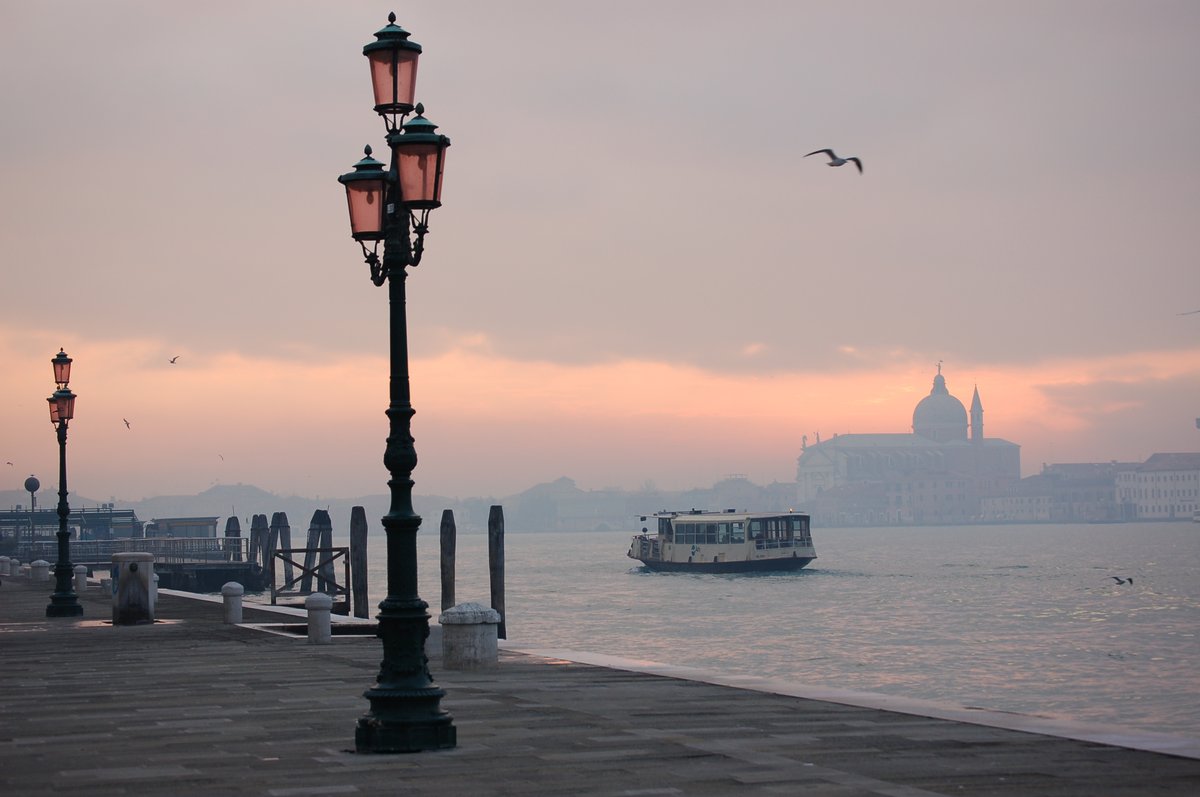
The former Teatro San Angelo site is located in Campo Sant’Angelo, overlooking the Grand Canal and within easy reach of the Rialto Bridge. Though the original structure is gone, the area retains a historic ambiance, with the NH Collection Palazzo Barocci hotel marking the theatre’s footprint. The neighborhood offers a tranquil yet central base for exploring Venice’s cultural highlights.
- Address: Campo Sant’Angelo, 30124 Venice, Italy
- Nearest Vaporetto Stop: Sant’Angelo (ACTV Line 1)
Visiting Hours and Tickets
As Teatro San Angelo no longer exists as a theatre, there are no visiting hours or ticket requirements. The Campo Sant’Angelo area is open to the public at all times and free to explore. However, for those wishing to experience Venetian opera, tickets to Teatro La Fenice can be booked online for performances and guided tours.
Accessibility Tips
Venice’s historic layout presents mobility challenges due to its bridges and uneven pavements. While the Sant’Angelo area is relatively flat, accessibility is limited in places. Nearby venues like Teatro La Fenice provide wheelchair access and assistance; it’s best to contact venues in advance for detailed information.
Guided Tours and Nearby Attractions
Many guided walking tours include the former Teatro San Angelo site, providing historical context and stories of its legendary figures. Notable nearby attractions include:
- Rialto Bridge: Iconic structure with panoramic canal views
- Teatro La Fenice: Venice’s primary opera house, open for performances and tours
- Piazza San Marco: The heart of Venice, with St. Mark’s Basilica and Doge’s Palace
- Museo Correr: Offers insights into Venetian history and opera (Museo Correr)
Cultural Significance and Legacy
Pioneer of Public Opera
Teatro San Angelo was a pivotal site in the rise of public—and commercial—opera. Venice’s model of ticketed, public performances revolutionized European theatre, making the art form accessible to a broader audience (Britannica).
Center of Innovation
From Vivaldi’s bold operas to Goldoni’s reform of Italian comedy, San Angelo was a laboratory of artistic experimentation. Its influence extended far beyond Venice, impacting opera houses and theatrical traditions across the continent (Wikiwand).
Lasting Urban and Social Impact
Constructed on the site of aristocratic palazzi, San Angelo embodied Venice’s transformation of elite spaces for public enjoyment. Its proximity to the Grand Canal and bustling markets made it a focal point of urban life and cultural exchange.
Practical Visitor Advice
- Getting There: Easily accessible by foot from Rialto Bridge or via Vaporetto Line 1 to the Sant’Angelo stop.
- Best Times to Visit: Early mornings or late afternoons offer quieter experiences and beautiful lighting for photography.
- Dining: Enjoy traditional cicchetti at local bacari or sample Venetian specialties at nearby cafes.
- What to Bring: Comfortable walking shoes, a map or offline navigation app, and weather-appropriate clothing.
- Safety: Venice is generally safe, but remain vigilant against pickpockets in crowded areas.
- Visitor Fees: Note that Venice charges an access fee for day-trippers during peak season—check Official Venice Tourism Website for details.
Frequently Asked Questions (FAQ)
Q: Can I enter Teatro San Angelo or attend performances there? A: No, the original theatre was demolished. The site is now the NH Collection Palazzo Barocci hotel; visitors can explore the square and its surroundings.
Q: Are there tickets or set visiting hours for the site? A: No tickets or hours apply. The area is open to the public at all times.
Q: Where can I experience Venetian opera today? A: Teatro La Fenice is Venice’s main opera house, offering performances and tours.
Q: Is the site accessible for visitors with disabilities? A: Accessibility is limited due to Venice’s historic infrastructure, though some venues like La Fenice offer accommodations—check in advance.
Q: Are guided tours available that discuss Teatro San Angelo’s history? A: Yes, many Venice walking tours feature the former theatre’s location and provide expert commentary.
Additional Resources & References
- Official Venice Tourism Website
- Teatro La Fenice Official Site
- Museo Correr - Venice Opera History
- Teatro San Angelo - Wikiwand
- Opera in Venice - Britannica
- Europe for Visitors: Sant’Angelo Vaporetto
- Visiting Venice
- Visit Venezia
- Live Venice Events
Summary & Call to Action
While Teatro San Angelo’s physical presence has vanished, its legacy as a crucible for operatic and theatrical innovation remains alive in Venice’s cultural memory. Exploring the Sant’Angelo district, visitors can connect with the city’s storied past and enjoy panoramic views of the Grand Canal.
To delve deeper, attend a performance at Teatro La Fenice, visit Museo Correr for operatic history, and join guided tours that bring the theatre’s stories to life. For the latest updates, curated guides, and exclusive content, download the Audiala app, and follow us on social media for expert tips and event news.
A journey to the historic site of Teatro San Angelo is not just a walk through history—it’s a celebration of Venice’s enduring spirit of creativity and cultural splendor.
アプリで完全なストーリーを聴く
Audiala App
iOS & Android対応
5万人以上のキュレーターに参加
出典
- verified
- verified
- verified
- verified
- verified
- verified
- verified
最終レビュー: