
Introduction
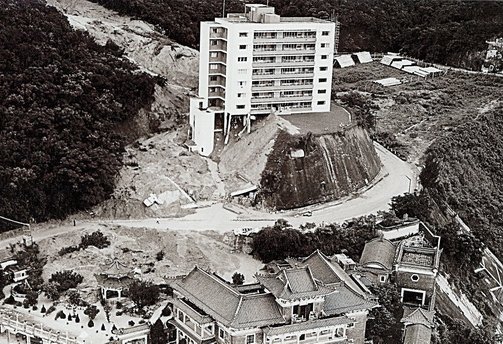
景賢里 (King Yin Lei), a historic mansion situated at 45 Stubbs Road in Hong Kong, epitomizes the rich architectural and cultural heritage of the region. Constructed in 1937, this 17,000-square-foot mansion was designed by British architect A.R. Fenton-Rayen for the affluent Chinese merchant Shum Yat-chor (Lonely Planet). Originally named 'Hei Lo,' it was later renamed 'King Yin Lei,' meaning 'House of Tranquil Harmony.' This name encapsulates the serene and elegant ambiance of the estate. The mansion is a quintessential example of Chinese Renaissance architecture, a style that amalgamates traditional Chinese elements with Western influences, reflecting the sophisticated tastes of Hong Kong's elite during the early 20th century. The preservation of King Yin Lei, declared a monument in 2008, underscores its monumental importance to Hong Kong's cultural landscape, making it a must-visit for anyone interested in the city's rich historical tapestry.
Table of Contents
- Introduction
- Historical Background
- Architectural Significance
- Cultural Significance
- Preservation Efforts
- Visitor Information
- Special Events and Photography
- FAQ
- Conclusion
Historical Background
景賢里 (King Yin Lei), constructed in 1937 and originally named 'Hei Lo,' was designed by British architect A.R. Fenton-Rayen for a wealthy Chinese merchant, Shum Yat-chor. The name 'King Yin Lei' translates to 'House of Tranquil Harmony,' reflecting the serene and elegant ambiance of the estate. The mansion is an exemplary representation of Chinese Renaissance architecture, blending traditional Chinese elements with Western influences, a style popular among affluent Chinese in early 20th-century Hong Kong (Lonely Planet).
Architectural Significance
景賢里 is renowned for its unique architectural style, showcasing a harmonious blend of Eastern and Western design elements. The mansion's roof features green-glazed tiles, characteristic of traditional Chinese architecture, and intricate wooden carvings and latticework on the windows and doors reminiscent of classical Chinese craftsmanship. Western influences are evident in the symmetrical layout, spacious verandas, and the use of red bricks. The interior boasts a grand staircase, high ceilings, and ornate chandeliers, with high-quality materials like marble and teak wood reflecting the era's opulence.
Cultural Significance
景賢里 holds immense cultural significance for Hong Kong, symbolizing the city’s rich heritage and history. It has been featured in several films and television dramas, including the 1955 Hollywood movie 'Love Is a Many-Splendored Thing.' In 2007, the mansion faced demolition, sparking public outcry and a preservation campaign. Declared a monument in 2008, it underwent extensive restoration by 2010 and now hosts guided tours and cultural events.
Preservation Efforts
The preservation of 景賢里 reflects the collective efforts to safeguard Hong Kong's cultural heritage. The restoration maintained the mansion's original features while incorporating modern amenities. It involved meticulous research and traditional construction techniques to ensure authenticity. Now, the mansion serves as a venue for cultural and educational activities, promoting public awareness of Hong Kong's heritage (Heritage).
Visitor Information
Visiting Hours
景賢里 is open to the public on select days. It is recommended to check the official website for the latest visiting hours.
Tickets
Admission to 景賢里 is free, but advance registration may be required for guided tours. Visit the Antiquities and Monuments Office for ticket information and booking.
Travel Tips
The mansion is easily accessible by public transportation. Visitors can take a bus or taxi to 45 Stubbs Road. It is advisable to wear comfortable shoes as there may be some walking involved.
Nearby Attractions
After visiting 景賢里, explore nearby attractions such as The Peak, Hong Kong Park, and Wan Chai Heritage Trail.
Accessibility
The mansion has made efforts to accommodate visitors with mobility issues, but some areas may still be challenging. Contact the venue for specific accessibility information.
Special Events and Photography
景賢里 hosts various cultural events and exhibitions throughout the year, offering visitors a chance to engage with Hong Kong's cultural traditions. The serene and picturesque setting makes it a popular destination for photography enthusiasts, with its beautifully restored interiors and gardens providing ideal photo opportunities (Hong Kong Cheapo).
FAQ
What are the visiting hours for 景賢里?
Visiting hours vary, so it is recommended to check the official website for the most up-to-date information.
How much do tickets cost for 景賢里?
Admission is free, but advance registration may be required for guided tours.
Is 景賢里 accessible for visitors with disabilities?
Efforts have been made to accommodate visitors with mobility issues, but some areas may still be challenging.
What are some nearby attractions to visit after 景賢里?
Nearby attractions include The Peak, Hong Kong Park, and Wan Chai Heritage Trail.
Conclusion
景賢里 stands as a remarkable example of Hong Kong's architectural and cultural heritage. Its unique blend of Eastern and Western design elements, rich history, and cultural significance make it a must-visit destination for anyone interested in exploring the city’s past. The successful preservation of the mansion serves as an inspiring example of the importance of safeguarding cultural heritage for future generations (Heritage). Today, 景賢里 not only serves as a historical monument but also as a venue for cultural and educational activities, promoting public awareness and appreciation of Hong Kong's heritage. Whether you are a history enthusiast, an architecture aficionado, or simply a curious traveler, a visit to 景賢里 offers a profound glimpse into the intricate cultural fabric that has shaped Hong Kong.
References
- Lonely Planet. King Yin Lei. Retrieved from https://www.lonelyplanet.com/china/hong-kong/wan-chai-northeast-hong-kong-island/attractions/king-yin-lei/a/poi-sig/1534466/1323952
- Heritage. King Yin Lei. Retrieved from https://www.heritage.gov.hk/en/revitalisation-scheme/batch-vi-of-revitalisation-scheme/selection-result/king-yin-lei/index.html
- Hong Kong Cheapo. King Yin Lei. Retrieved from https://hongkongcheapo.com/things-to-do/king-yin-lei/
- Antiquities and Monuments Office. Retrieved from https://www.amo.gov.hk/en/monuments_88.php