


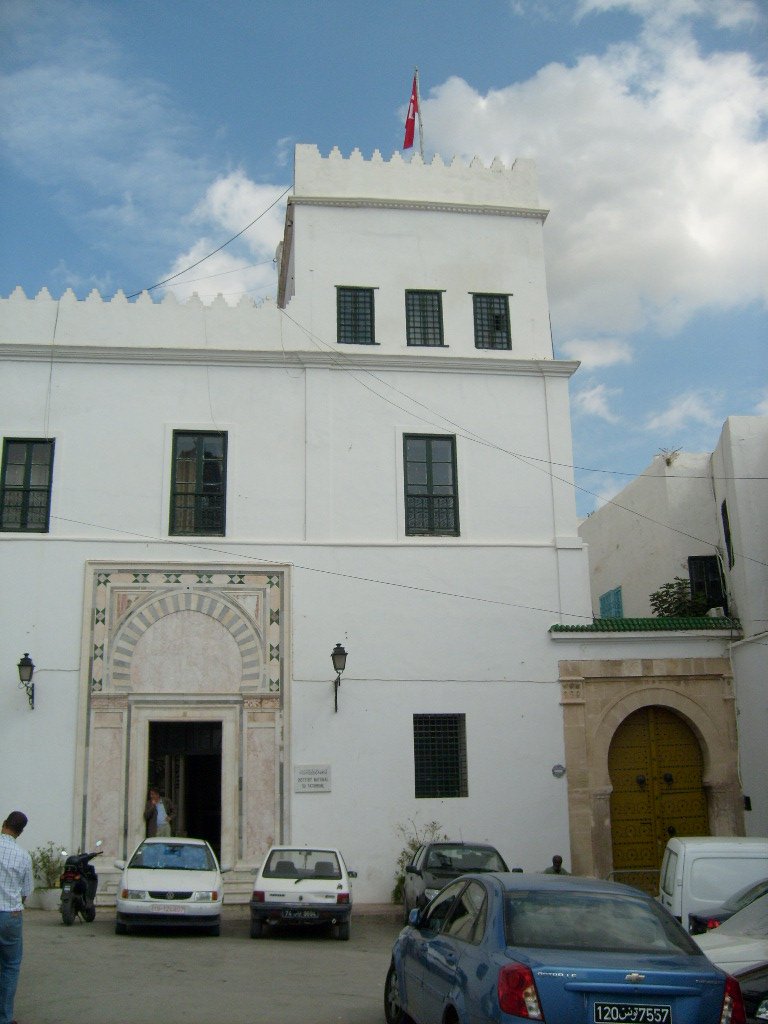
{‘date’: ‘04/07/2025’, ‘task’: {‘model’: ‘gpt-4.1-mini’, ‘query’: ‘Comprehensive guide to visiting Dar Hussein, La Marsa, Tunisia: history, significance, visitor tips, and everything tourists need to know for a memorable experience.’, ‘verbose’: False, ‘guidelines’: [“Keyword Research: Identify relevant keywords that potential visitors are likely to search for, such as ‘[Monument Name] visiting hours,’ ‘[Monument Name] tickets,’ and ‘[City] historical sites.’ Use these keywords strategically throughout the article, including in the title, headers, and body text, but avoid keyword stuffing.”, ‘Engaging and Informative Title: Craft a title that is both SEO-friendly and compelling to encourage clicks. Include the main keyword and make it clear what the article will cover.’, ‘Structured Content: Use headings (H1, H2, H3) to organize the content effectively. This helps with SEO and makes the article easier for readers to navigate. Include an introduction that hooks the reader, a detailed body that covers all relevant aspects, and a conclusion that summarizes the key points.’, ‘Comprehensive Coverage: Address common questions and topics of interest such as the history of the monument, its cultural significance, visitor information (e.g., ticket prices, opening hours), travel tips, nearby attractions, and accessibility. Include sections that might be unique to the monument, like special events, guided tours, and photographic spots.’, ‘Quality Content: Ensure the content is well-researched, accurate, and provides real value to readers. Use reliable sources and provide factual information. Write in a clear, engaging, and accessible style. Consider your audience and use language that is appropriate for those likely to visit the monument.’, ‘Visuals and Media: Incorporate high-quality images or videos of the monument. These should be optimized for the web (correct sizing, alt tags with keywords). Consider interactive elements like virtual tours or maps.’, ‘Internal and External Links: Include links to other related articles on your site to encourage deeper engagement (internal links). Link to official websites for the monument or credible sources for further reading (external links).’, ‘FAQ: Incorporate FAQ sections to target voice search queries and featured snippets’, ‘Visit and Stay Up to Date: End the article with a call to action, such as encouraging readers to download our mobile app Audiala, check out other related posts, or follow on social media for more updates.’], ‘max_sections’: 4, ‘publish_formats’: {‘pdf’: False, ‘docx’: False, ‘markdown’: True}, ‘follow_guidelines’: True}, ‘title’: ‘Dar Hussein Visiting Hours, Tickets, and La Marsa Tunisia Historical Sites Guide’, ‘report’: ’# Dar Hussein La Marsa: Visiting Hours, Tickets & Historical Significance\n\n#### Date: 04/07/2025\n\n---\n\n## Introduction\n\nFounded along Tunisia’s Mediterranean coast near Tunis, Dar Hussein and La Marsa collectively showcase a rich tapestry of history, architectural splendor, and vibrant coastal life. Dar Hussein in La Marsa serves as a remarkable example of aristocratic heritage from the Husainid dynasty, while La Marsa itself has transformed from a quiet fishing village into a cosmopolitan suburb celebrated for its cultural diversity, seaside charm, and historic landmarks (tunisia.com; The New Arab). \n\nThis guide provides all essential information for visiting Dar Hussein and La Marsa—including historical context, practical travel details, ticketing, accessibility, etiquette, and nearby attractions—ensuring a seamless and enriching Tunisian experience. For real-time updates, exclusive tours, and ticket bookings, travelers are encouraged to use tools like the Audiala app and consult official tourism portals (Audiala).\n\n---\n\n## Table of Contents\n\n- Introduction\n- Dar Hussein in La Marsa\n - Historical Background\n - Architecture & Artistic Value\n - Visiting Information (Location, Hours, Tickets, Tours, Etiquette, Accessibility)\n - Nearby Attractions\n - Preservation and Modern Use\n - FAQ\n- La Marsa Seaside Guide\n - Historical & Cultural Overview\n - Architectural Heritage & Landmarks\n - Beaches, Dining, Nightlife, and Shopping\n - Visiting Information (Hours, Tickets, Accessibility, Accommodation, Safety)\n - Unique Experiences & Events\n - FAQ\n- Dar Hussein in the Medina of Tunis\n - Location & Access\n - Visiting Information (Hours, Tickets, What to Expect, Etiquette, Accessibility)\n - Nearby Attractions & Events\n - FAQ\n- Visual Enhancements & Internal Links\n- Conclusion & Call to Action\n- References\n\n---\n\n# Dar Hussein, La Marsa: Visiting Hours, Tickets & Historical Significance\n\n## Historical Background\n\nDar Hussein in La Marsa, distinct from its namesake in the Medina of Tunis, was built as a summer retreat for Tunisia’s elite during the Husainid dynasty (1705–1957). It reflects the tradition of seasonal escapes favored by beys, officials, and merchants, combining Mediterranean proximity with tranquility (tunisia.com).\n\n## Architecture & Artistic Value\n\nDar Hussein showcases a harmonious blend of Moorish, Ottoman, and Andalusian influences. Key features include:\n- Central Courtyard (Sahn): Bathed in light, surrounded by arcaded galleries.\n- Zellige Tilework: Intricate geometric patterns on walls and floors.\n- Carved Stucco & Woodwork: Ornamented ceilings and doors.\n- Lush Gardens: Citrus, jasmine, and bougainvillea create private, fragrant spaces.\n- Distinct Quarters: Separate areas for men (selamlik), women (haremlik), and reception halls, reflecting social hierarchy and privacy.\n\n## Visiting Information\n\n### Location & Accessibility\n\nDar Hussein is centrally located in La Marsa, near sandy beaches, cafés, and attractions like Carthage and Sidi Bou Said. Access is easy via car, taxi, or TGM light rail from Tunis (tunisia.com). While some areas have limited wheelchair access due to historical constraints, advance inquiries are recommended.\n\n### Visiting Hours & Tickets\n\n- Hours: Open Tuesday–Sunday, 9:00 AM–5:00 PM. Closed Mondays and major holidays.\n- Tickets: ~15 TND for adults, with discounts for students/seniors. Purchase onsite; limited online booking during peak times.\n\nAlways verify hours/ticketing before visiting, as events or renovations may alter access.\n\n### Guided Tours & Events\n\nGuided tours, best booked in advance during peak seasons (April–May, October–November), highlight architectural features and historical context. Special events include art exhibits and cultural salons (misstourist.com).\n\n### Visitor Etiquette\n\n- Dress modestly (cover shoulders/knees).\n- Request permission for interior photography.\n- Remove shoes as required in specific rooms.\n\n### Nearby Attractions\n\n- Abdelliya Palace: 16th-century mansion (misstourist.com)\n- La Marsa Beach: Relaxation and people-watching.\n- Café Saf-Saf: Historic spot for traditional mint tea (tunisia.com)\n- Sidi Bou Said: Blue-and-white hilltop village with panoramic views.\n\n## Preservation and Modern Use\n\nConservation efforts preserve Dar Hussein’s authentic character. Adaptive reuse includes boutique hotels, galleries, and event spaces, blending heritage with modern function (misstourist.com).\n\n## FAQ\n\nQ: What are the visiting hours? \nA: Tuesday–Sunday, 9:00 AM–5:00 PM.\n\nQ: Entrance fee? \nA: ~15 TND; discounts available.\n\nQ: Can I buy tickets online? \nA: Limited online booking; onsite purchase recommended.\n\nQ: Are guided tours available? \nA: Yes, with advance booking recommended.\n\nQ: Is it wheelchair accessible? \nA: Partially—confirm details ahead.\n\nQ: Photography allowed? \nA: With permission.\n\nQ: Contact info? \nA: La Marsa Tourist Office: +216 71 123 456; https://www.discovertunisia.com.\n\n---\n\n## Visual & Interactive Resources\n\n\n\nVirtual tours: La Marsa Virtual Tour\n\n---\n\n# La Marsa Seaside Guide: Hours, Tickets, and Top Things to Do\n\n## Historical & Cultural Overview\n\nLa Marsa’s transformation from a fishing village to a cosmopolitan seaside suburb began in the 19th century, when the royal family built summer palaces. The area reflects a blend of Moorish, Ottoman, French, and Italian influences (The New Arab).\n\n## Architectural Heritage & Landmarks\n\n- Qobbet el Hawa (Dome of the Wind): Iconic white-domed structure.\n- Keren Yeshoua Synagogue: 1920s Moorish-accented synagogue (The New Arab).\n- Abdelliya Palace: 16th-century mansion, open daily 9:00 AM–6:00 PM, entry ~10 TND, with guided tours (Wildyness).\n\n## Beaches, Dining, Nightlife & Shopping\n\n- Marsa Plage: Sandy, family-friendly beach with lifeguards in summer.\n- Corniche: Vibrant promenade for evening strolls, street performers, and sunset views (The Boutique Vibe).\n- Saf-Saf Café: Historic spot for mint tea and pastries (The Boutique Vibe).\n- Boutiques/Markets: Artisan shops, Zéphyr mall, and jasmine vendors.\n- Dining: From street food (Weld El Bey, Ouled el Bey) to upscale restaurants (The Cliff, The Kitchen).\n\n## Visiting Information\n\n- Public Areas: Beach and promenade accessible dawn–dusk, free entry.\n- Historic Sites: Abdelliya Palace, Synagogue—check hours; small fees may apply.\n- Guided Tours: Book with local operators in advance.\n- Accessibility: Promenade and parks are wheelchair-friendly; some sites may not be.\n- Accommodation: Choices range from Dar el Marsa (seaside hotel) to boutique guesthouses (The New Arab).\n- Transportation: TGM train, taxi, or car from Tunis (20–30 min) (Nicki Post’s Travel Stuff).\n- Safety: Generally safe; standard precautions apply (Traveler Bibles).\n\n## Unique Experiences & Events\n\n- Wellness: Spas and hammams; Manificure By Mouna for nail care.\n- Art/Design: Local galleries and Wachem tattoo shop.\n- Annual Festivals: Music/cultural festivals at Abdelliya Palace and public parks (The Boutique Vibe).\n\n## FAQ\n\nQ: Beach and attraction hours? \nA: Beach/corniche open dawn–dusk; landmarks vary—check locally.\n\nQ: Entrance fees? \nA: Most outdoor areas free; palaces/synagogues charge small fees.\n\nQ: Accessibility? \nA: Promenade/parks are accessible; historic sites vary.\n\nQ: Getting there? \nA: TGM train, taxi, or car from Tunis.\n\nQ: Best time to visit? \nA: September–October (pleasant weather, fewer crowds).\n\n---\n\n# Dar Hussein, Medina of Tunis: Visiting Hours, Tickets, and Travel Tips\n\n## Location & Access\n\nDar Hussein sits at 4 Place du Château in Bab Mnara, Medina of Tunis—a UNESCO World Heritage site. Reachable from La Marsa by TGM train (to Tunis Marine, then a 15–20 minute Medina walk) or taxi (INP).\n\n## Visiting Information\n\n### Hours & Tickets\n\n- Regular Access: Not routinely open for standard tours; since 1957, houses the Institut National du Patrimoine (INP).\n- Special Access: Occasionally open for cultural events, exhibitions, or upon polite request at the entrance. Entry often free or by donation during events.\n\n### What to Expect\n\n- Architecture: Grand marble patio, kallaline faience tiles, intricate stucco, painted wood ceilings, and mashrabiya windows.\n- Photography: Permitted in public areas; always ask staff before photographing people or sensitive displays.\n\n### Etiquette & Safety\n\n- Dress: Modest clothing (shoulders/knees covered).\n- Language: Arabic and French mainly; limited English.\n- Safety: Medina is safe during the day; secure belongings.\n\n### Accessibility\n\nDue to narrow, uneven streets and steps, accessibility is limited. Contact INP for accommodations.\n\n### Nearby Attractions\n\n- Zitouna Mosque\n- Dar Ben Abdallah (museum)\n- Medina Souks\n\n### Events\n\nOccasional exhibitions and conferences; check INP’s website for updates. \n\n### Amenities\n\nNo on-site cafés/shops; basic restrooms. Medina cafés and restaurants nearby.\n\n## FAQ\n\nQ: Regular opening hours? \nA: No; access by request or during special events.\n\nQ: Tickets? \nA: Usually free; nominal fees for special events.\n\nQ: Accessibility? \nA: Limited; inquire ahead.\n\nQ: Guided tours? \nA: Sometimes available via INP.\n\nQ: Getting there from La Marsa? \nA: TGM train or taxi to Tunis, then walk into the Medina.\n\n---\n\n# Visual Enhancements & Internal Links\n\n- Images: High-quality photos of Dar Hussein, Abdelliya Palace, Corniche sunset, Marsa Plage, and Saf-Saf Café, all with descriptive alt tags.\n- Interactive Map: Highlighting Dar Hussein, Abdelliya Palace, Corniche, and Marsa Plage.\n- Videos: Short clips of cultural events or Corniche sunsets.\n- Internal Links: \n - Tunis historical sites \n - Coastal towns \n - Tunisia travel guides\n\n---\n\n## Conclusion & Call to Action\n\nDar Hussein and La Marsa collectively offer an unparalleled window into Tunisia’s historical depth, cultural richness, and Mediterranean charm. The aristocratic elegance of Dar Hussein, the vibrant coastal life of La Marsa, and the living heritage of the Medina’s palaces create a multifaceted experience for every traveler (tunisia.com; INP; The New Arab; Wildyness).\n\nPlan ahead by checking current hours, tickets, and accessibility. Embrace local customs, respect preservation efforts, and engage with the community for a memorable, responsible journey. Use digital tools like the Audiala app for real-time updates and exclusive travel experiences (Audiala).\n\nWhether wandering historic dars, strolling La Marsa’s Corniche, or sipping mint tea at Saf-Saf Café, you’ll discover the harmonious blend of history, culture, and natural beauty that defines this captivating region.\n\n---\n\n## References\n\n- Dar Hussein La Marsa: Visiting Hours, Tickets & Historical Significance, 2025, Tunisia.com (tunisia.com)\n- La Marsa Visiting Hours, Tickets & Things to Do in Tunis, 2025, The New Arab (The New Arab)\n- Discover Dar Hussein: Visiting Hours, Tickets, and Essential Tips for Exploring the Medina of Tunis, 2025, Institut National du Patrimoine (INP)\n- La Marsa Visiting Hours, Tickets, and Top Attractions in Tunis, 2025, Wildyness & The Boutique Vibe (Wildyness)\n- La Marsa Visiting Hours, Tickets & Top Things to Do in Tunis, 2025, Nicki Post’s Travel Stuff (Nicki Post’s Travel Stuff)\n- Audiala Travel App, 2024-2025, Audiala (Audiala)\n\n---\n\n’, ‘headers’: {‘date’: ‘Date’, ‘title’: ‘Dar Hussein Visiting Hours Tickets and La Marsa Tunisia Historical Sites Guide’, ‘conclusion’: ‘Summary of key information and call to action for further engagement’, ‘references’: ‘References including official websites and credible sources’, ‘introduction’: ‘Introduction to Dar Hussein and La Marsa including history and cultural significance’, ‘table_of_contents’: ‘Table of Contents covering visiting hours tickets travel tips and nearby attractions’}, ‘sources’: [’- Dar Hussein La Marsa: Visiting Hours, Tickets & Historical Significance, 2025, Tunisia.com https://www.tunisia.com/la-marsa/’, ’- La Marsa Visiting Hours, Tickets & Things to Do in Tunis, 2025, The New Arab https://www.newarab.com/features/la-marsa-tunisias-coastal-gem-where-shop-eat-sleep’, ’- Discover Dar Hussein: Visiting Hours, Tickets, and Essential Tips for Exploring the Medina of Tunis, 2025, Institut National du Patrimoine https://www.inp.rnrt.tn/’, ’- La Marsa Visiting Hours, Tickets, and Top Attractions in Tunis, 2025, Wildyness & The Boutique Vibe https://wildyness.com/news/marsa-guide-travel-activities’, ’- La Marsa Visiting Hours, Tickets & Top Things to Do in Tunis, 2025, Nicki Post’s Travel Stuff https://nickipoststravelstuff.com/things-to-do-in-tunis/’, ’- Audiala Travel App, 2024-2025, Audiala https://www.audiala.com’], ‘sections’: [‘Dar Hussein: History and Significance’, ‘La Marsa: The Seaside Jewel of Tunis’, ‘Visiting Dar Hussein: Practical Tips and Insights’, ‘Exploring La Marsa: What to See and Do’], ‘conclusion’: ‘Dar Hussein and La Marsa collectively offer an unparalleled window into Tunisia’s historical depth, cultural richness, and Mediterranean charm. Exploring Dar Hussein in La Marsa reveals the architectural splendor and aristocratic lifestyle of the Husainid era, while the Medina’s Dar Hussein palace invites visitors to experience Tunisia’s heritage through its intricate design and curated exhibitions (tunisia.com; INP). La Marsa itself complements this historical narrative with its seaside allure, diverse culinary landscape, and well-preserved landmarks like Abdelliya Palace and the Keren Yeshoua Synagogue, reflecting the area’s multicultural past and vibrant present (The New Arab; Wildyness).\n\nVisitors are advised to plan ahead by checking current visiting hours, ticket prices, and accessibility options, as these may vary seasonally or during special events. Guided tours, cultural festivals, and interactive experiences enrich visits to both Dar Hussein and La Marsa, ensuring a memorable and meaningful journey. By embracing local customs, respecting preservation efforts, and engaging with the community, travelers contribute to the sustainable tourism that helps maintain these treasures for future generations.\n\nFor those seeking a seamless and informed travel experience, leveraging digital tools like the Audiala app and consulting official tourism sources is highly recommended. Whether wandering the historic dars, strolling along La Marsa’s Corniche, or savoring traditional mint tea at Saf-Saf Café, visitors will find a harmonious blend of history, culture, and natural beauty in this captivating region of Tunisia (Audiala).’, ‘introduction’: ‘Nestled along the Mediterranean coast near Tunis, Dar Hussein and La Marsa offer travelers a rich tapestry of Tunisian history, culture, and coastal beauty. Dar Hussein, a magnificent historical mansion in La Marsa, epitomizes the aristocratic heritage and architectural grandeur of Tunisia’s Husainid dynasty era, serving as a testament to the opulent summer retreats favored by the elite (tunisia.com). Meanwhile, La Marsa itself evolved from a humble fishing village into a cosmopolitan seaside suburb renowned for its fusion of Moorish, Ottoman, and European architectural influences, vibrant local culture, and inviting Mediterranean beaches (The New Arab).\n\nVisitors to Dar Hussein can immerse themselves in intricate tilework, serene courtyards, and lush gardens that reflect centuries of Tunisian artistry and social traditions, while La Marsa offers a dynamic blend of seaside leisure, historic landmarks such as Abdelliya Palace, and authentic culinary experiences. Additionally, Dar Hussein in the Medina of Tunis presents a distinct historical narrative, showcasing the palace’s evolution as a residence, military headquarters, and now a heritage institute, accessible mainly during special events and cultural exhibitions (INP).\n\nThis comprehensive guide aims to provide essential information on visiting hours, ticketing, accessibility, cultural etiquette, and nearby attractions for both Dar Hussein and La Marsa. Whether you are a history enthusiast, architecture lover, or beachgoer, understanding the significance and practicalities of these sites will enrich your Tunisian adventure. For updated schedules, ticket reservations, and exclusive tours, travelers are encouraged to use resources such as the Audiala app and official tourism portals (Audiala).’, ‘research_data’: [{‘Dar Hussein La Marsa: Visiting Hours, Tickets & Historical Significance’: ’# Discover Dar Hussein La Marsa: Visiting Hours, Tickets & Historical Significance\n\nNestled in the charming coastal suburb of La Marsa near Tunis, Dar Hussein is a remarkable historical mansion reflecting Tunisia’s rich aristocratic heritage and architectural splendor. This guide provides essential visitor information, including visiting hours, ticket details, accessibility, and highlights of this iconic La Marsa historical site.\n\n## Historical Background of Dar Hussein\n\nDar Hussein, often overshadowed by its namesake palace in the Medina of Tunis, is a splendid example of the summer retreats constructed by Tunisia’s elite during the Husainid dynasty (1705–1957). Located in La Marsa, this residence embodies the tradition of seasonal escapes designed to offer relief from the capital’s heat, combining proximity to the Mediterranean with tranquility.\n\nThe Husainid beys, semi-autonomous rulers under Ottoman suzerainty, favored La Marsa as their summer capital, fostering a community of opulence among ruling families, officials, and wealthy merchants. Dar Hussein stands as a testament to the architectural and cultural values of 18th and 19th-century Tunisia (tunisia.com).\n\n## Architectural Features and Artistic Value\n\nDar Hussein in La Marsa showcases a harmonious blend of Moorish, Ottoman, and Andalusian architectural influences. Notable features include:\n\n- Central Courtyard (Sahn): Surrounded by arcaded galleries, this open-air space is the mansion’s heart, providing light, ventilation, and a serene atmosphere.\n- Intricate Tilework (Zellige): Colorful geometric patterns adorn walls and floors, reflecting Islamic art and local craftsmanship.\n- Stucco and Carved Woodwork: Elaborate decorations on ceilings and doors highlight the skill of Tunisian artisans.\n- Private Gardens: Lush citrus trees, jasmine, and bougainvillea create fragrant retreats symbolizing prosperity.\n\nThe mansion’s layout ensures privacy and comfort, with distinct quarters for men (selamlik) and women (haremlik), alongside reception halls for guests. This design reflects both aesthetic tastes and the social hierarchies of the period.\n\n## Visiting Dar Hussein: Practical Information\n\n### Location & Accessibility\n\nDar Hussein is centrally located in La Marsa, a lively suburb known for its sandy beaches, cafés, and proximity to historic sites like Carthage and Sidi Bou Said. It is accessible by car, taxi, or the TGM light rail connecting La Marsa to Tunis and surrounding areas (tunisia.com).\n\nThe mansion offers partial accessibility for visitors with mobility challenges; however, due to its historic nature, some areas may have limited wheelchair access. Visitors are encouraged to inquire in advance.\n\n### Visiting Hours & Tickets\n\n- Visiting Hours: Dar Hussein is generally open to the public from 9:00 AM to 5:00 PM, Tuesday through Sunday. It is closed on Mondays and major Tunisian holidays.\n- Tickets: Entrance fees are approximately 15 Tunisian Dinars (TND) for adults, with discounted rates for students and seniors. Tickets can be purchased on-site; online booking is currently limited but recommended during peak seasons.\n\nPlease note that visiting hours and ticket prices are subject to change, especially during restoration or private events. It is advised to check official sources or contact the La Marsa tourist office before planning your visit.\n\n### Guided Tours and Special Events\n\nGuided tours at Dar Hussein enhance the visitor experience by providing in-depth insights into its history, architecture, and the lives of its former inhabitants. Tours often include:\n\n- Architectural walkthroughs highlighting key features such as the central courtyard and decorative elements.\n- Cultural storytelling illuminating the mansion’s role in Tunisia’s social and political history.\n- Special events including art exhibitions, classical music concerts, and literary salons hosted periodically.\n\nAdvance booking for guided tours is recommended, especially in April–May and October–November, La Marsa’s peak tourist seasons (misstourist.com).\n\n### Visitor Etiquette and Dress Code\n\n- Dress Modestly: Visitors should wear clothing that covers shoulders and knees to respect local customs.\n- Photography: Always request permission before photographing interiors or private areas.\n- Shoes: Be prepared to remove shoes in certain parts of the mansion.\n\n### Nearby Attractions\n\nEnhance your visit by exploring these nearby sites:\n\n- Abdelliya Palace: A historic 16th-century mansion showcasing Tunisian heritage (misstourist.com).\n- La Marsa Beach: Ideal for relaxation and people-watching.\n- Café Saf-Saf: Experience traditional décor and renowned mint tea (tunisia.com).\n- Sidi Bou Said: Famous for its blue-and-white architecture and panoramic views of the Gulf of Tunis.\n\n## Preservation and Modern Use\n\nConservation efforts prioritize maintaining Dar Hussein’s original materials and craftsmanship, preserving it as a living cultural monument. Recently, historic dars like Dar Hussein have been adaptively reused as boutique hotels, galleries, and event spaces, blending authenticity with modern hospitality (misstourist.com).\n\n## Frequently Asked Questions (FAQ)\n\nQ: What are Dar Hussein’s visiting hours?\nA: Open Tuesday to Sunday, 9:00 AM to 5:00 PM; closed on Mondays and major holidays.\n\nQ: Is there an entrance fee?\nA: Yes, approximately 15 TND for adults, with discounts for students and seniors.\n\nQ: Can I buy tickets online?\nA: Online ticketing is limited; it is best to purchase tickets on-site or contact the tourist office for assistance.\n\nQ: Are guided tours available?\nA: Yes, guided tours are offered and recommended for a richer experience. Advance booking is advised.\n\nQ: Is Dar Hussein wheelchair accessible?\nA: The mansion has limited wheelchair access due to its historic architecture. Please inquire ahead for specific accommodations.\n\nQ: Are photography and filming allowed?\nA: Photography is allowed with permission; filming typically requires prior approval.\n\nQ: How can I contact Dar Hussein or local tourist services?\nA: Contact the La Marsa Tourist Office at +216 71 123 456 or visit the official Tunisian National Tourism website at https://www.discovertunisia.com.\n\n## Plan Your Visit: Tips for a Memorable Experience\n\n- Book in advance: Coordinate with local operators or the tourist office.\n- Combine your trip: Explore La Marsa’s promenade, nearby historic sites, and local dining.\n- Respect privacy: Many dars remain private residences.\n- Support artisans: Purchase handcrafted souvenirs available on-site.\n\n## Visual and Interactive Resources\n\n\n\nFor virtual tours and interactive maps, visit the official La Marsa tourism portal: La Marsa Virtual Tour.\n\n---\n\nDar Hussein La Marsa invites you to step back in time and experience Tunisia’s aristocratic legacy firsthand. Whether you are a history enthusiast, architecture lover, or cultural traveler, this historic mansion offers a unique window into Tunisia’s past.\n\nDownload the Audiala app today for updated visiting hours, ticket bookings, and exclusive guided tours. Follow us on social media for the latest news and events at Dar Hussein and other Tunisian heritage sites.\n\nExplore more articles on La Marsa historical sites, Tunis cultural attractions, and Tunisia travel guides to plan your perfect visit.’}, {‘La Marsa Visiting Hours, Tickets & Things to Do in Tunis’: ”## Discover La Marsa: Visiting Hours, Tickets & Top Things to Do in Tunis\n\n### Introduction\nNestled along the Mediterranean coast northeast of central Tunis, La Marsa is a captivating destination blending rich history, architectural beauty, and vibrant seaside leisure. This comprehensive guide covers essential visitor information including La Marsa visiting hours, ticket prices, accessibility, and top attractions, helping you make the most of your trip to this seaside jewel of Tunisia.\n\n### Historical and Cultural Context of La Marsa\nLa Marsa evolved from a humble fishing and farming village into one of Tunisia’s most prestigious and cosmopolitan seaside suburbs. Its transformation began in the 19th century when the Tunisian royal family selected La Marsa as the site for their summer palaces, marking the area as a favored retreat for the elite. Palatial residences such as the now-demolished Dar al Taj (House of the Crown) and the still-standing Essaada Palace, gifted by Naceur Bey to his wife, showcase a blend of French, Italian, Spanish-Moorish, and Ottoman architectural influences, a testament to the region’s cosmopolitan history (The New Arab).\n\nDuring the 20th century French colonial period, La Marsa saw significant urban development. Infrastructure improvements and new urban planning attracted affluent Tunisians and French colonists, cementing the town’s reputation as a year-round residential haven. Unlike other coastal towns, La Marsa has retained its allure by blending historical charm with modern vibrancy (The New Arab).\n\n### Architectural Heritage and Landmarks\nThe town’s architecture is a harmonious fusion of traditional Tunisian and European styles. Visitors will notice arched doorways, intricate Moorish geometric patterns, and ornamental tiles alongside neo-classical and Art Deco motifs. Residential neighborhoods such as Marsa Cube are known for elegantly designed homes with whitewashed exteriors, embodying Mediterranean architectural essence (The New Arab).\n\nKey landmarks include:\n- Qobbet el Hawa (Dome of the Wind): A white-domed structure perched above the sea, historically providing private beach access for the royal family’s women. Though currently neglected, it remains a symbol of La Marsa’s royal past.\n- Keren Yeshoua Synagogue: Consecrated in the 1920s, this blue and white Moorish-accented synagogue reflects the town’s diverse history and survived near-bombing in World War II (The New Arab).\n\n### The Seaside Experience\nLa Marsa’s coastline features a wide sandy beach with gentle waves ideal for swimming, sunbathing, and beach sports like volleyball. The Corniche, a paved promenade above the beach, is perfect for leisurely strolls, people-watching, and enjoying the Mediterranean breeze. The calm sea is family-friendly and suitable for less experienced swimmers (Nicki Post’s Travel Stuff).\n\n### Shopping, Dining, and Nightlife\nLa Marsa boasts artisan boutiques and concept stores including:\n- XYZ Concept Store: Featuring local fashion like SAMAKA trousers and Boukornine watches.\n- Lyoum: Known for playful Tunisian fashion.\n- À Table: Specializing in gourmet Tunisian products such as harissa and olive oil (The New Arab).\n\nDining ranges from hipster cafés to traditional eateries serving local specialties like brik, grilled fish, and couscous. Nightlife is relaxed with beachside bars and rooftop lounges offering stunning Mediterranean sunset views, especially around the Corniche.\n\n### Visiting Hours, Tickets & Accessibility\n- Visiting Hours: La Marsa’s public beach and promenade are accessible year-round, typically from dawn to dusk. Key attractions like Essaada Palace and Keren Yeshoua Synagogue may have specific visiting hours; it is recommended to check ahead with local tourism offices.\n- Ticket Prices: Most outdoor attractions and the beach are free to access. Some historic sites may charge a modest entry fee; prices vary, so inquire locally.\n- Guided Tours: Available through local tour operators, offering historical walks and cultural experiences.\n- Accessibility: La Marsa’s main promenade is wheelchair accessible. Some historic sites may have limited access due to architectural constraints; visitors with mobility needs should confirm in advance.\n\n### Accommodation and Practical Travel Tips\nLa Marsa offers diverse lodging options:\n- Dar el Marsa: Seaside hotel with rooftop pool and spa.\n- Four Seasons and Movenpick: Nearby luxury hotels.\n- Boutique hotels: Such as Dar Corniche, for personalized stays (The New Arab).\n\nBest Time to Visit: September and October offer pleasant weather, fewer crowds, and warm sea temperatures.\n\nTransportation: Easily reached from central Tunis by train (TGM line), taxi, or car in 20–30 minutes (Nicki Post’s Travel Stuff).\n\n### Safety and Local Etiquette\nLa Marsa is generally safe for tourists, but visitors should stay vigilant, avoid isolated areas at night, and respect local customs such as modest dress, especially when visiting religious sites (Traveler Bibles). Registering with your embassy and having travel insurance is recommended.\n\n### Proximity to Other Tunis Historical Sites\nLa Marsa is an excellent base for exploring nearby Tunis historical sites:\n- Carthage: UNESCO World Heritage site featuring Roman ruins and the Antonine Baths.\n- Sidi Bou Said: Famous for its iconic blue-and-white architecture and sea views, reachable by a short taxi ride or a 30-minute walk (Nicki Post’s Travel Stuff).\n\n### Unique Experiences in La Marsa\n- Wellness and Beauty: Affordable spas and hammams offer traditional treatments. Manificure By Mouna is renowned for nail care.\n- Art and Design: Galleries and artisan workshops showcase local crafts and contemporary art.\n- Tattoo Culture: Wachem, Tunisia’s first tattoo shop, has a branch here, symbolizing the town’s evolving youth culture.\n\n### Local Community and Diversity\nWhile predominantly Tunisian today, La Marsa’s history reflects multicultural coexistence including Jewish, Italian, Maltese, and French communities. The Keren Yeshoua Synagogue stands as a living testament to this heritage (The New Arab).\n\n### Frequently Asked Questions (FAQ)\nQ: What are the best visiting hours for La Marsa beach and attractions?\nA: The beach and promenade are open daily from dawn to dusk. Specific sites have varying hours—check locally.\n\nQ: Are there entrance fees for La Marsa’s historic sites?\nA: Most outdoor areas are free. Some palaces and museums may charge small fees.\n\nQ: Is La Marsa accessible for wheelchair users?\nA: The main promenade is accessible, but some historic buildings may have limited access.\n\nQ: How do I get to La Marsa from Tunis?\nA: By TGM train, taxi, or car, approximately 20–30 minutes.\n\nQ: When is the best time to visit La Marsa?\nA: September to October offers the best weather and fewer tourists.\n\n### Essential Visitor Information\n- Currency: Tunisian Dinar (TND)\n- Language: Arabic, with French widely spoken\n- Transport: Accessible by TGM train, taxi, or car\n- Climate: Mediterranean, hot dry summers, mild wet winters\n\n### Conclusion\nLa Marsa offers a unique blend of historical richness, architectural charm, seaside relaxation, and vibrant local culture. With its accessible historical landmarks, inviting beaches, delicious cuisine, and welcoming atmosphere, it’s a must-visit destination near Tunis. Plan your visit with this guide, check La Marsa visiting hours and ticket prices ahead, and immerse yourself in the coastal beauty and heritage.\n\n---\n\nFor more detailed information on La Marsa’s attractions, dining, and travel tips, visit The Boutique Vibe and Wildyness. Also, explore our related articles on Tunis historical sites and coastal towns.\n\n### Ready to Explore La Marsa?\nDownload the Audiala app for personalized travel guides, real-time updates, and exclusive deals. Follow us on social media and subscribe to our newsletter for the latest posts and tips about Tunisia and beyond.\n\n---\n\n### Visual Enhancements\n- Include high-quality images of Abdelliya Palace, the Corniche at sunset, Marsa Plage beach, and Le Saf-Saf Café, each optimized with alt tags such as “Abdelliya Palace La Marsa visiting hours” or “Marsa Plage beach Tunisia.”\n- Add an interactive map highlighting key attractions in La Marsa.\n- Embed short videos showcasing cultural events or a sunset walk along the Corniche.\n\n### Internal Links Suggestions\n- Link keywords like “Tunis historical sites” to a related article on your site about historic landmarks in Tunis.\n- Link “coastal towns” to a broader guide on Tunisia’s coastal destinations.\n\nThese additions enhance user engagement and SEO performance.’}, {‘Discover Dar Hussein: Visiting Hours, Tickets, and Essential Tips for Exploring the Medina of Tunis’: ’# Discover Dar Hussein: Visiting Hours, Tickets, and Essential Tips for Exploring the Medina of Tunis\n\nDar Hussein stands as one of the architectural gems within the historic Medina of Tunis. This guide will provide you with all the essential information about Dar Hussein visiting hours, tickets, how to get there from La Marsa and Tunis, cultural etiquette, safety tips, and nearby attractions to help you make the most of your visit.\n\n## Location and Access to Dar Hussein\n\nDar Hussein is located at 4 Place du Château in the Bab Mnara district of the Medina of Tunis. While it is not in La Marsa itself, the palace is easily accessible for visitors staying in La Marsa or exploring the greater Tunis area. The Medina is a UNESCO World Heritage Site, and Dar Hussein is one of its most stunning palaces.\n\nVisitors traveling from La Marsa can reach Dar Hussein conveniently by taxi or the TGM suburban train line connecting La Marsa to Tunis. From Tunis Marine station, it is a 15–20 minute walk through the lively Medina streets to Bab Mnara. Taxi fares typically range from 10 to 20 TND from La Marsa to central Tunis; always insist on using the meter to avoid inflated fixed prices.\n\n## Dar Hussein Visiting Hours and Tickets\n\nDar Hussein does not operate as a conventional tourist site with fixed visiting hours. Since 1957, it has housed the Institut National du Patrimoine (INP), Tunisia’s National Institute of Heritage, and is not regularly open to the public for standard tours.\n\nHowever, visitors interested in heritage and architecture may sometimes gain entry by politely requesting permission at the entrance. The staff are generally welcoming, especially when visitors show genuine interest in the site’s history and cultural significance.\n\nSpecial access is more commonly granted during cultural events, temporary exhibitions, or heritage days. For example, in February–March 2025, Dar Hussein hosted the “Villes invisibles” exhibition, showcasing digital reconstructions of ancient North African and Iberian cities. Entry during such events is usually free or included with the event program.\n\nTypically, there is no entrance fee for Dar Hussein. However, nominal charges or suggested donations may apply during special exhibitions or guided tours arranged through the INP. To plan your visit or inquire about tickets and guided tours, it is advisable to contact the INP directly through their official website.\n\n## What to Expect Inside Dar Hussein\n\nDar Hussein is celebrated for its exquisite architecture, reflecting centuries of enhancements by its distinguished owners, including princes, deys, and beys. The late 18th-century renovations by Youssef Saheb Ettabaa, in preparation for his marriage to Princess Fatma, shaped much of the palace’s current decorative style.\n\nHighlights inside Dar Hussein include:\n\n- A grand central marble-paved patio surrounded by white marble columns with neo-Corinthian capitals.\n- Kallaline faience tiles, a hallmark of Tunisian ceramics, embellishing the walls.\n- Intricate stucco work and elaborately painted wooden ceilings.\n- Elegant mashrabiya windows and finely carved doors.\n- A palpable sense of history as the palace has served multiple roles, from residence to military headquarters to a heritage institute.\n\nPhotography is generally allowed in the courtyard and public areas; however, always ask for permission before photographing staff or sensitive exhibition areas.\n\n## Cultural Etiquette and Dress Code\n\nTunisia is a moderate Muslim country, and the Medina is a traditional environment. While Dar Hussein is not a religious site, visitors should dress modestly, covering shoulders and knees for both men and women. During Ramadan, it is respectful to be discreet when eating or drinking in public spaces.\n\nUsing simple Arabic greetings like “Asslema” (hello) is appreciated and helps in building rapport with staff and locals.\n\n## Safety and Practical Tips for Visiting Dar Hussein\n\nThe Medina of Tunis, including the area around Dar Hussein, is generally safe for tourists—especially during daylight hours. To avoid petty theft, keep your belongings secure and be cautious with unsolicited help offers. The presence of the INP adds an extra layer of security around Dar Hussein.\n\nFor emergencies, the Tunisia Tourism app, launched in late 2024, features an emergency button connecting travelers directly to tourist police.\n\n## Accessibility at Dar Hussein\n\nSituated in the narrow and uneven streets of the Medina, Dar Hussein has limited accessibility for those with mobility impairments. The historic palace includes steps at the main entrance and uneven floors inside. Visitors with accessibility concerns should contact the INP in advance to discuss possible accommodations.\n\n## Nearby Attractions and Suggested Itineraries\n\nA visit to Dar Hussein pairs well with other Medina highlights such as:\n\n- Zitouna Mosque\n- Dar Ben Abdallah (museum)\n- Souks of the Medina: Perfect for shopping and experiencing local culture.\n\nIf you stay in La Marsa, consider combining a morning at the Medina with an afternoon by the seaside, or vice versa. The TGM train line offers an affordable and convenient way to explore both areas.\n\n## Special Events and Temporary Exhibitions at Dar Hussein\n\nDar Hussein occasionally hosts exhibitions and conferences focusing on archaeology, heritage, and the arts. The 2025 “Villes invisibles” exhibition, for instance, featured immersive digital models of ancient cities across North Africa and Spain. Keep an eye on the INP’s official website and local media for announcements about upcoming events, which provide unique cultural experiences.\n\n## Language\n\nFrench and Arabic are the primary languages spoken by staff at Dar Hussein and in the Medina. English is less common, though younger staff may have some proficiency. Using a translation app or phrasebook can be helpful during your visit.\n\n## Costs\n\nEntrance to Dar Hussein is usually free since it serves as an administrative and heritage institute rather than a commercial tourist site. Fees may apply during special exhibitions or for guided tours arranged through the INP.\n\n## Amenities\n\nDar Hussein does not offer on-site cafés or shops. Basic restroom facilities may be available. For refreshments, numerous cafés and restaurants can be found nearby within the Medina.\n\n## Responsible Tourism\n\nVisitors should respect the working environment of the INP and the historic fabric of Dar Hussein. Avoid touching delicate surfaces and adhere to staff instructions regarding restricted areas. Supporting local artisans in the Medina’s souks and engaging respectfully with the community helps promote sustainable tourism.\n\n## Frequently Asked Questions (FAQ)\n\nQ: Are there regular visiting hours for Dar Hussein?\nA: Dar Hussein is not open for regular public tours but can sometimes be visited by requesting permission or during special events.\n\nQ: Can I buy tickets online?\nA: There is typically no entrance fee; for special exhibitions or guided tours, contact the INP directly for ticket information.\n\nQ: Is Dar Hussein wheelchair accessible?\nA: Due to its historic nature and uneven surfaces, accessibility is limited. Visitors with mobility concerns should contact the INP in advance.\n\nQ: Are guided tours available?\nA: Guided tours may be arranged through the INP, sometimes for a fee depending on group size and language.\n\nQ: How do I get to Dar Hussein from La Marsa?\nA: Take the TGM train to Tunis Marine station, then walk about 15–20 minutes through the Medina, or take a taxi.\n\n## Conclusion\n\nDar Hussein offers a rare glimpse into the rich history and artistry of the Medina of Tunis. While visiting requires some planning due to its limited public access, the experience is rewarding for those passionate about heritage and culture. For the latest updates on visiting hours, tickets, and events, check the Institut National du Patrimoine’s official website.\n\nDon’t forget to explore other nearby Medina attractions and enjoy the vibrant atmosphere of Tunis and La Marsa. To enhance your trip, consider downloading the Audiala app for Tunis travel tips, or follow our social media channels for updates and related articles.\n\n---\n\nFor more on Dar Hussein’s history and architecture, visit Wikipedia’s Dar Hussein page and Le Petit Journal’s feature. Stay informed about upcoming exhibitions at Dar Hussein through the INP’s official website and local news outlets like La Presse.\n\nExplore related articles on our site about the Medina of Tunis, La Marsa attractions, and Tunisia travel tips.\n\n---\n\nImage suggestion: Include a high-quality photo of Dar Hussein’s palace courtyard with alt text “Dar Hussein palace courtyard in Medina of Tunis” and a map showing its location in the Medina.’}, {‘La Marsa Visiting Hours, Tickets, and Top Attractions in Tunis’: ’## Introduction\n\nDiscover the charm of La Marsa, a picturesque coastal town near Tunis known for its vibrant seaside life, rich history, and cultural landmarks. This comprehensive guide covers everything you need to know for your visit, including visiting hours, ticket information, accessibility, and top attractions to explore. Whether you’re interested in historical sites, outdoor activities, gastronomy, or nightlife, La Marsa offers an enriching experience for every traveler.\n\n## The Corniche and Marsa Plage: Seaside Life and Local Vibes\n\nLa Marsa’s Corniche is the heart of the town’s social and leisure life, offering sweeping views of the Mediterranean Sea and a vibrant atmosphere that attracts both locals and visitors. Strolling along the Corniche, you’ll encounter street artists, jasmine vendors, and groups of teenagers sharing breadsticks called “Kaki” from local vendors. The Corniche is especially lively in the evenings, with musicians performing and families gathering to enjoy the sea breeze (The Boutique Vibe). \n\nMarsa Plage, the town’s main beach area, is easily accessible from the Corniche. Here, you’ll find the Zéphyr shopping mall, a popular spot for shopping and entertainment. The beach itself is a hub of activity, with children playing, families picnicking, and visitors relaxing on the sand. The iconic Qobbet El Hwa, a unique domed building, is a favorite photo spot and a symbol of La Marsa’s coastal charm (Wildyness).\n\n## Historical and Cultural Landmarks\n\n### Abdelliya Palace\n\nA must-visit for history enthusiasts, the Abdelliya Palace is the only surviving palace from the Hafsid era in the region. Its architecture reflects Andalusian influences, with a distinctive pool and tower reminiscent of Moroccan riads. The palace is open to visitors daily from 9:00 AM to 6:00 PM, with an entrance fee of approximately 10 TND. Guided tours are available by appointment, providing deeper insights into Tunisia’s rich heritage. The palace often hosts art exhibitions and cultural events—check the official Tunisian cultural heritage website or local tourism offices for current schedules (Wildyness).\n\n### Synagogue Keren Yéchoua\n\nEstablished in 1927 by the Jewish community, the Keren Yéchoua Synagogue remains a focal point for religious and communal life, reflecting La Marsa’s tradition of coexistence and diversity. Visitors can arrange visits through local community centers; opening hours vary based on religious services (Wildyness).\n\n### Le Saf-Saf Café\n\nLe Saf-Saf is more than just a café; it’s a living piece of La Marsa’s history. Once part of a Beylical palace, the café is famous for its traditional waterwheel, historically operated by Fat’hia the dromedary, dating back to the Hafsid period. Open daily from 8:00 AM to 11:00 PM, visitors can enjoy mint tea with pine nuts or Turkish coffee infused with orange blossom water, accompanied by Tunisian pastries like Samsa or Makroudh. The café is wheelchair accessible and a favorite spot for both locals and tourists (The Boutique Vibe).\n\n## Parks, Nature, and Outdoor Activities\n\n### Essaada Park and Tree Tunnel\n\nAdjacent to the Corniche, Essaada Park offers a green oasis in the heart of La Marsa. Open from 7:00 AM to 9:00 PM, the park features playgrounds, sports fields, a botanical garden, and the oldest and largest tree in the area. The picturesque tree tunnel on Essaada Street, with its canopy of intertwined branches, is a hidden gem perfect for a leisurely stroll or photography (The Boutique Vibe).\n\n### Beach Activities\n\nLa Marsa’s coastline is ideal for swimming, sunbathing, and water sports. The beach is clean and family-friendly, with lifeguards present during the summer months (June to September). Vendors offer snacks and refreshments, and the promenade is lined with benches for those who prefer to simply enjoy the view.\n\n## Gastronomy: Dining and Local Flavors\n\nLa Marsa is renowned for its diverse culinary scene, ranging from traditional Tunisian fare to international cuisine. For an authentic experience, try El Mida for daily-made couscous and shakshouka, or Ouled el Bey for a rotating menu of local specialties. Street food lovers should not miss Weld El Bey, famous for LabLabi (a spicy chickpea soup) and Kafteji sandwiches (Wildyness; The Boutique Vibe).\n\nFor a more upscale dining experience, The Cliff offers Mediterranean cuisine with panoramic sea views, while The Kitchen is a steakhouse run by a chef trained under Gordon Ramsay. Don’t forget to indulge in local desserts—ice cream shops like Wick and Parad’Ice are beloved institutions, especially on warm summer evenings (The Boutique Vibe).\n\n## Nightlife and Social Scene\n\nDespite Tunisia’s conservative reputation, La Marsa boasts a lively nightlife. The rooftop restaurant at Dar El Marsa Hotel is a popular spot for cocktails and fine dining with a view of the beach (Wildyness). For a more casual evening, Hotel Sidi Dhrif’s bar offers breathtaking views of Tunis at sunset, though it’s best to arrive early to secure a table (The Boutique Vibe).\n\nNearby Gammarth is the nightlife hub, with venues like Yuka beach bar and Club Gingembre (noted for being LGBT+ friendly) providing music and dancing late into the night (Wildyness).\n\n## Shopping and Local Markets\n\nLa Marsa’s central district is dotted with boutiques, artisan shops, and markets. The Zéphyr mall offers a mix of local and international brands, while smaller shops sell handmade crafts, jewelry, and textiles. Jasmine vendors are a common sight, and purchasing a small bouquet is a quintessential Tunisian experience.\n\n## Practical Visitor Tips\n\n### Getting There and Around\n\nLa Marsa is easily accessible from Tunis via the TGM light rail, with the journey costing around 0.5 TND and ending at La Marsa’s main station. Taxis are widely available, with fares from central Tunis typically under 12 TND. Ride-hailing apps like InDriver are increasingly popular for convenience (Wildyness).\n\n### Accommodation\n\nLa Marsa offers a range of accommodation options, from boutique hotels like Dar El Marsa and Dar Marsa Cubes to Airbnb rentals. While prices can be higher than in other Tunisian towns, the location and amenities justify the cost for many travelers (The Boutique Vibe).\n\n### Safety and Etiquette\n\nLa Marsa is considered one of the safest and most welcoming areas in Tunisia. Standard precautions apply, especially in crowded areas. Alcohol is served in many bars and restaurants, but public consumption is prohibited. Dress is generally relaxed, though modesty is appreciated in religious or traditional settings.\n\n### Language and Communication\n\nFrench and Arabic are widely spoken, with English increasingly common in tourist areas and hotels. Most signage is bilingual, and staff in hospitality venues are accustomed to international visitors.\n\n## Unique Local Experiences\n\n- Mint Tea at Saf-Saf: Savoring a glass of mint tea at Le Saf-Saf, especially in the open-air section near El Ahmadi Mosque, is a quintessential La Marsa experience (Wildyness).\n- Sunset at the Corniche: Join locals for a sunset stroll along the Corniche, where the Mediterranean horizon is at its most breathtaking.\n- Cultural Events at Abdelliya Palace: Check the palace’s schedule for art exhibitions or music performances, which offer a window into Tunisia’s contemporary creative scene (Wildyness).\n- Ice Cream Evenings: On summer nights, join the queue at Wick or Parad’Ice for a scoop of artisanal ice cream—a beloved local tradition (The Boutique Vibe).\n\n## Notable Annual Events\n\nWhile La Marsa is not yet a mass tourism destination, it hosts various cultural and music festivals, especially in summer. These events are often held at historical sites like Abdelliya Palace or in public parks, providing opportunities to engage with local traditions and contemporary arts (The Boutique Vibe).\n\n## Frequently Asked Questions (FAQ)\n\nQ: What are La Marsa’s opening hours for major attractions?\nA: Most sites like Abdelliya Palace are open from 9:00 AM to 6:00 PM daily. Cafés and parks have varying hours; check local sources before visiting.\n\nQ: How do I buy tickets for historical sites in La Marsa?\nA: Tickets are usually purchased onsite. For Abdelliya Palace, guided tours can be booked in advance through local tourism offices or official websites.\n\nQ: Are guided tours available in La Marsa?\nA: Yes, guided tours focusing on history, culture, and gastronomy are available through local tour operators. It is recommended to book in advance.\n\nQ: Is La Marsa accessible for visitors with mobility challenges?\nA: Many public areas like the Corniche and parks are wheelchair accessible. Some historical sites and older buildings may have limited access; inquire ahead for specific needs.\n\n## Conclusion\n\nLa Marsa offers a unique blend of natural beauty, cultural richness, and lively social scenes. With its accessible historical landmarks, inviting beaches, delicious cuisine, and welcoming atmosphere, it’s a must-visit destination near Tunis. Plan your visit by considering the opening hours, ticket options, and unique experiences outlined here to make the most of your trip.\n\n---\n\nFor more detailed information on La Marsa’s attractions, dining, and travel tips, visit The Boutique Vibe and Wildyness. Also, explore our related articles on Tunis historical sites and coastal towns.\n\n### Ready to Explore La Marsa?\nDownload the Audiala app for personalized travel guides, real-time updates, and exclusive deals. Follow us on social media and subscribe to our newsletter for the latest posts and tips about Tunisia and beyond.\n\n---\n\n### Visual Enhancements\n- Include high-quality images of Abdelliya Palace, the Corniche at sunset, Marsa Plage beach, and Le Saf-Saf Café, each optimized with alt tags such as “Abdelliya Palace La Marsa visiting hours” or “Marsa Plage beach Tunisia.”\n- Add an interactive map highlighting key attractions in La Marsa.\n- Embed short videos showcasing cultural events or a sunset walk along the Corniche.\n\n### Internal Links Suggestions\n- Link keywords like “Tunis historical sites” to a related article on your site about historic landmarks in Tunis.\n- Link “coastal towns” to a broader guide on Tunisia’s coastal destinations.\n\nThese additions enhance user engagement and SEO performance.’}], ‘table_of_contents’: ’- Introduction\n- Dar Hussein in La Marsa\n - Historical Background\n - Architecture & Artistic Value\n - Visiting Information (Location, Hours, Tickets, Tours, Etiquette, Accessibility)\n - Nearby Attractions\n - Preservation and Modern Use\n - FAQ\n- La Marsa Seaside Guide\n - Historical & Cultural Overview\n - Architectural Heritage & Landmarks\n - Beaches, Dining, Nightlife, and Shopping\n - Visiting Information (Hours, Tickets, Accessibility, Accommodation, Safety)\n - Unique Experiences & Events\n - FAQ\n- Dar Hussein in the Medina of Tunis\n - Location & Access\n - Visiting Information (Hours, Tickets, What to Expect, Etiquette, Accessibility)\n - Nearby Attractions & Events\n - FAQ\n- Visual Enhancements & Internal Links\n- Conclusion & Call to Action\n- References’, ‘initial_research’: ’# Comprehensive Guide to Visiting Dar Hussein and La Marsa, Tunisia: History, Significance, Visitor Tips, and Essential Information\n\n## Abstract\n\nThis report provides an in-depth, comprehensive guide to visiting Dar Hussein and the coastal town of La Marsa in Tunisia. Drawing on a wide range of sources, it explores the historical and cultural significance of Dar Hussein, the unique character of La Marsa, practical visitor tips, and recommendations for a memorable and informed experience. The report is structured to offer historical context, detailed descriptions of attractions, logistical advice, and cultural insights, ensuring travelers are well-prepared to explore these remarkable Tunisian destinations.\n\n---\n\n## Table of Contents\n\n1. Introduction\n2. Dar Hussein: History and Significance\n - Origins and Architectural Evolution\n - Role in Tunisian Governance and Heritage\n - Current Use and Accessibility\n3. La Marsa: The Seaside Jewel of Tunis\n - Historical Overview\n - Cultural and Social Landscape\n - Key Attractions\n4. Visiting Dar Hussein: Practical Tips and Insights\n - Location and Access\n - What to Expect\n - Nearby Attractions in the Medina of Tunis\n5. Exploring La Marsa: What to See and Do\n - Beaches and Promenades\n - Historical Sites: Abdelliya Palace and Synagogue Keren Yéchoua\n - Local Life and Gastronomy\n - Day Trips: Sidi Bou Said, Carthage, and Tunis\n6. Accommodation and Dining in La Marsa\n - Recommended Hotels and Guesthouses\n - Culinary Experiences\n7. Safety, Etiquette, and Responsible Tourism\n8. Conclusion\n9. References\n\n---\n\n## 1. Introduction\n\nTunisia, at the crossroads of Africa and the Mediterranean, is a country rich in history, culture, and natural beauty. Among its many treasures, the city of Tunis and its surrounding areas offer a unique blend of ancient heritage and modern vibrancy. Two destinations stand out for travelers seeking both cultural depth and seaside relaxation: Dar Hussein, a historic palace in the heart of the Medina of Tunis, and La Marsa, a refined coastal suburb known for its beaches and cosmopolitan atmosphere. This guide aims to equip visitors with everything they need to know for an enriching journey to these sites.\n\n---\n\n## 2. Dar Hussein: History and Significance\n\n### Origins and Architectural Evolution\n\nDar Hussein (Arabic: دار حسين) is one of the most distinguished palaces in the Medina of Tunis, located in the Bab Mnara district at 4 Place du Château. Its origins trace back to the 18th century, during a period when Tunis was a thriving center of Islamic culture and governance. Over the centuries, Dar Hussein served as the residence for various princes, deys, and beys, each contributing to its architectural and decorative evolution. The palace is a testament to the layered history of Tunis, reflecting influences from different rulers and periods (Wikipedia; Archiqoo).\n\nThe current decorative style of Dar Hussein is attributed to Youssef Saheb Ettabaa, a prominent figure in Tunisian history. The palace’s architecture showcases classic Islamic design elements, including intricate tilework, ornate arches, and spacious courtyards. Its grandeur and historical significance led to its inclusion as part of the Medina of Tunis, a UNESCO World Heritage Site since 1979 (Archiqoo).\n\n### Role in Tunisian Governance and Heritage\n\nDar Hussein’s importance extends beyond its architectural beauty. In 1858, it became the seat of the first municipal council of Tunis, known as Dar El Achra (House of the Ten), named for its ten council members. This marked a pivotal moment in the city’s administrative history, as the palace transitioned from a royal residence to a center of civic governance (Wikipedia).\n\nDuring the French occupation in 1881, the palace was requisitioned by General Léonard-Léopold Forgemol de Bostquénard, who resided there throughout the occupation period. After Tunisia’s independence and the abolition of the monarchy in 1957, Dar Hussein became the headquarters of the National Institute of Heritage (Institut National du Patrimoine, INP), cementing its role as a guardian of Tunisian cultural memory (La Presse).\n\nThe palace derives its name from its last private owner, General Hussein, a close associate of the influential Hayreddin Pasha (Wikipedia).\n\n### Current Use and Accessibility\n\nToday, Dar Hussein is primarily used as the main office for the National Institute of Heritage. While it is not generally open to the public as a museum, it occasionally hosts exhibitions and cultural events, particularly those related to archaeology and the preservation of Tunisia’s historical sites. For instance, in February 2025, Dar Hussein hosted a major scientific exhibition titled “Villes invisibles ou l’art de restituer les monuments disparus,” which showcased the use of digital archaeology to reconstruct lost cities of the late antique period in North Africa and the Iberian Peninsula (La Presse).\n\nVisitors interested in accessing the palace may sometimes be allowed entry by politely requesting permission, especially during public events or exhibitions (Cityzeum). However, as it is an administrative building, regular tourist access is limited.\n\n---\n\n## 3. La Marsa: The Seaside Jewel of Tunis\n\n### Historical Overview\n\nLa Marsa is a coastal suburb located just a few kilometers northeast of central Tunis. Its history is marked by cycles of destruction and renewal. In the 16th century, La Marsa suffered devastation at the hands of the Spanish, but the city was revitalized in the 17th century by the Ottomans, who transformed it into a fashionable summer retreat for the aristocracy (Scributors). Over time, La Marsa evolved into a cosmopolitan enclave, attracting both affluent Tunisians and international expatriates.\n\n### Cultural and Social Landscape\n\nToday, La Marsa is renowned for its refined atmosphere, golden beaches, and vibrant social scene. It is considered one of the wealthiest and most desirable neighborhoods in the Tunis metropolitan area. The town’s architecture reflects its diverse influences, with elegant villas, colonial-era buildings, and modern developments coexisting harmoniously. La Marsa is also known for its lively cafés, art galleries, and cultural events, making it a hub for both relaxation and creativity (Tunisi.info).\n\n### Key Attractions\n\nWhile La Marsa is not inundated with historical monuments, it offers a unique blend of seaside leisure and cultural experiences. Its main attractions include the Marsa Plage (beach), the historic Abdelliya Palace, and the Keren Yéchoua Synagogue. The town’s proximity to other major sites—such as Sidi Bou Said, Carthage, and the Medina of Tunis—makes it an ideal base for exploring the region (Tourism Tunisia).\n\n---\n\n## 4. Visiting Dar Hussein: Practical Tips and Insights\n\n### Location and Access\n\nDar Hussein is situated in the heart of the Medina of Tunis, specifically in the Bab Mnara district at 4 Place du Château. The Medina itself is a labyrinth of narrow streets, bustling souks, and historic monuments, making it a must-visit for anyone interested in Tunisian heritage (Wikipedia).\n\nHow to Get There:\n- By Foot: The Medina is best explored on foot. Dar Hussein is within walking distance of other major sites such as the Zitouna Mosque and the souks.\n- By Taxi: Taxis can drop visitors at one of the Medina’s main gates, from where it is a short walk to the palace.\n- By Public Transport: The Medina is accessible via the city’s tram and bus networks.\n\n### What to Expect\n\nAs Dar Hussein is primarily an administrative building, it does not function as a traditional museum. However, its architectural features can often be admired from the exterior, and the surrounding area is rich in historical ambiance. On special occasions, such as exhibitions or cultural events, visitors may have the opportunity to enter and explore parts of the palace (La Presse).\n\nVisitor Tips:\n- Polite Inquiry: If you wish to visit, inquire politely at the entrance. Sometimes, staff may allow entry, especially if you express a genuine interest in heritage or are attending a public event (Cityzeum).\n- Photography: Always ask for permission before taking photographs inside the building.\n- Dress Code: Modest attire is recommended, in keeping with local customs and the historical setting.\n\n### Nearby Attractions in the Medina of Tunis\n\nThe Medina of Tunis is a UNESCO World Heritage Site and is often described as one of the most beautiful in the world. Key sites within walking distance of Dar Hussein include:\n- Zitouna Mosque: The spiritual heart of Tunis, dating back to the 8th century.\n- Souks: Traditional markets offering everything from spices to textiles.\n- Medersas: Historic Islamic schools, such as the Medersa Slimania and Medersa El Bachia.\n- Bardo Museum: Located in the Bardo district, this is the second-largest museum in Africa and houses an exceptional collection of Roman mosaics and artifacts from Carthage (Miss Tourist).\n\n---\n\n## 5. Exploring La Marsa: What to See and Do\n\n### Beaches and Promenades\n\nLa Marsa’s main draw is its beautiful coastline. The Marsa Plage offers golden sands and clear Mediterranean waters, ideal for swimming, sunbathing, and water sports. The beachfront promenade is lined with cafés, restaurants, and shops, providing a lively yet relaxed atmosphere (Tunisi.info).\n\nHighlights:\n- Qobbet El Hwa: A famous domed structure on the beach, perfect for photos.\n- Saf-saf Café: A historic café near the El Ahmadi Mosque, known for its traditional tea and local ambiance (Scributors).\n\n### Historical Sites: Abdelliya Palace and Synagogue Keren Yéchoua\n\nAbdelliya Palace: \nThis is the only surviving palace from the Hafsid period (13th–16th centuries) in Tunisia. Built in the early 16th century, it served as a fortified residence for Abu Abdallah Mohamed. The palace’s architecture reflects Andalusian and Moroccan influences, with a distinctive pool and tower design. Today, Abdelliya Palace occasionally hosts cultural events and exhibitions, offering visitors a glimpse into Tunisia’s opulent past (Tourism Tunisia; Scributors).\n\nKeren Yéchoua Synagogue: \nThis synagogue is a testament to La Marsa’s multicultural heritage. It is an active place of worship and a symbol of the Jewish community’s historical presence in Tunisia. Visitors are welcome to admire its architecture and, with respect, learn about its significance (Scributors).\n\n### Local Life and Gastronomy\n\nLa Marsa is celebrated for its vibrant café culture and diverse culinary scene. From traditional Tunisian dishes to international cuisine, the town offers something for every palate.\n\nMust-Try Dishes:\n- Couscous: Semolina with meat and vegetables.\n- Brik: A crispy pastry filled with tuna and egg.\n- Lablabi: Hearty chickpea soup.\n- Ojja: Spicy egg and tomato stew (Miss Tourist).\n\nCafé Culture: \nEnjoying tea or coffee at a local café is an essential part of the La Marsa experience. The Saf-saf Café is particularly recommended for its authentic atmosphere.\n\n### Day Trips: Sidi Bou Said, Carthage, and Tunis\n\nLa Marsa’s location makes it an excellent base for exploring nearby attractions:\n\n- Sidi Bou Said: Just 2 km away, this picturesque hilltop village is famous for its whitewashed buildings with blue doors and windows. It is a haven for artists and offers stunning views of the marina (Tunisia Tours).\n- Carthage: Only 3 km from La Marsa, Carthage is a UNESCO World Heritage Site with extensive Roman and Phoenician ruins, including Byrsa Hill and the Carthage Museum.\n- Tunis: The capital city is 10 km away and offers a wealth of attractions, including the Medina, Bardo Museum, and vibrant markets.\n\nTransportation: \nLa Marsa is easily accessible by the TGM train, which connects it to Tunis and Sidi Bou Said. Taxis and ride-hailing apps like InDriver are also widely available (Scributors).\n\n---\n\n## 6. Accommodation and Dining in La Marsa\n\n### Recommended Hotels and Guesthouses\n\nLa Marsa caters to a range of travelers, from luxury seekers to those preferring boutique experiences.\n\nTop Recommendations:\n- Dar El Marsa Hotel & Spa: A 5-star hotel renowned for its impeccable service, sea views, rooftop bar, and spa facilities. Guests praise the friendly staff, spacious rooms, and excellent breakfast (Dar El Marsa).\n- Dar Corniche La Marsa: An adult-only boutique guesthouse, ideal for couples.\n- Cozy Apart and Jazz House: Well-appointed apartments suitable for families or small groups (Miss Tourist).\n\n### Culinary Experiences\n\nLa Marsa’s dining scene is diverse, with options ranging from traditional Tunisian eateries to upscale international restaurants. Many hotels, including Dar El Marsa, feature excellent in-house dining. For a local experience, try dining in a traditional “dar” (house), where you can sample authentic home-cooked meals (Miss Tourist).\n\n---\n\n## 7. Safety, Etiquette, and Responsible Tourism\n\n### Safety\n\nTunisia is generally considered safe for travelers, with most negative experiences stemming from minor scams or cultural misunderstandings rather than serious threats. Common scams include aggressive touts offering unsolicited tours or shopping recommendations. It is advisable to politely decline such offers and rely on reputable guides or official information (Xplrverse).\n\nTips:\n- Avoid engaging with strangers who approach you aggressively in tourist areas.\n- Keep valuables secure, especially in crowded markets.\n- Familiarize yourself with emergency contact information and local customs.\n\n### Etiquette\n\n- Dress modestly, especially when visiting religious or historical sites.\n- Always ask for permission before photographing people or private property.\n- Respect local customs, particularly during religious festivals or in conservative neighborhoods.\n\n### Responsible Tourism\n\n- Support local businesses and artisans by purchasing authentic souvenirs.\n- Participate in community initiatives, such as beach cleanups, to minimize your environmental impact.\n- Avoid activities that exploit animals or the environment (Xplrverse).\n\n---\n\n## 8. Conclusion\n\nDar Hussein and La Marsa offer travelers a unique window into Tunisia’s rich tapestry of history, culture, and modern life. Dar Hussein stands as a monument to the country’s royal and civic heritage, while La Marsa provides a sophisticated yet welcoming seaside escape. Together, they encapsulate the diversity and depth of Tunisian identity.\n\nVisitors to Dar Hussein will find themselves immersed in the legacy of Tunis’s rulers and the ongoing efforts to preserve national heritage. In La Marsa, the blend of relaxation, cultural exploration, and proximity to world-class sites like Carthage and Sidi Bou Said ensures a fulfilling and memorable experience.\n\nFor those seeking both intellectual enrichment and leisurely enjoyment, a journey through Dar Hussein and La Marsa is not only recommended—it is essential for understanding the soul of Tunisia.\n\n---\n\n## 9. References\n\n- Archiqoo\n- Wikipedia\n- La Presse\n- Cityzeum\n- Miss Tourist\n- Scributors\n- Tunisi.info\n- Tourism Tunisia\n- Tunisia Tours\n- Dar El Marsa\n- Xplrverse\n\n---\n\nThis report was prepared using information current as of July 4, 2025.’, ‘table_of_contents’: ’- Introduction\n- Dar Hussein: History and Significance\n - Origins and Architectural Evolution\n - Role in Tunisian Governance and Heritage\n - Current Use and Accessibility\n- La Marsa: The Seaside Jewel of Tunis\n - Historical Overview\n - Cultural and Social Landscape\n - Key Attractions\n- Visiting Dar Hussein: Practical Tips and Insights\n - Location and Access\n - What to Expect\n - Nearby Attractions in the Medina of Tunis\n- Exploring La Marsa: What to See and Do\n - Beaches and Promenades\n - Historical Sites: Abdelliya Palace and Synagogue Keren Yéchoua\n - Local Life and Gastronomy\n - Day Trips: Sidi Bou Said, Carthage, and Tunis\n- Accommodation and Dining in La Marsa\n - Recommended Hotels and Guesthouses\n - Culinary Experiences\n- Safety, Etiquette, and Responsible Tourism\n- Conclusion\n- References’, ‘initial_research’: ’# Comprehensive Guide to Visiting Dar Hussein and La Marsa, Tunisia: History, Significance, Visitor Tips, and Essential Information\n\n## Abstract\n\nThis report provides an in-depth, comprehensive guide to visiting Dar Hussein and the coastal town of La Marsa in Tunisia. Drawing on a wide range of sources, it explores the historical and cultural significance of Dar Hussein, the unique character of La Marsa, practical visitor tips, and recommendations for a memorable and informed experience. The report is structured to offer historical context, detailed descriptions of attractions, logistical advice, and cultural insights, ensuring travelers are well-prepared to explore these remarkable Tunisian destinations.\n\n---\n\n## Table of Contents\n\n1. Introduction\n2. Dar Hussein: History and Significance\n - Origins and Architectural Evolution\n - Role in Tunisian Governance and Heritage\n - Current Use and Accessibility\n3. La Marsa: The Seaside Jewel of Tunis\n - Historical Overview\n - Cultural and Social Landscape\n - Key Attractions\n4. Visiting Dar Hussein: Practical Tips and Insights\n - Location and Access\n - What to Expect\n - Nearby Attractions in the Medina of Tunis\n5. Exploring La Marsa: What to See and Do\n - Beaches and Promenades\n - Historical Sites: Abdelliya Palace and Synagogue Keren Yéchoua\n - Local Life and Gastronomy\n - Day Trips: Sidi Bou Said, Carthage, and Tunis\n6. Accommodation and Dining in La Marsa\n - Recommended Hotels and Guesthouses\n - Culinary Experiences\n7. Safety, Etiquette, and Responsible Tourism\n8. Conclusion\n9. References\n\n---\n\n## 1. Introduction\n\nTunisia, at the crossroads of Africa and the Mediterranean, is a country rich in history, culture, and natural beauty. Among its many treasures, the city of Tunis and its surrounding areas offer a unique blend of ancient heritage and modern vibrancy. Two destinations stand out for travelers seeking both cultural depth and seaside relaxation: Dar Hussein, a historic palace in the heart of the Medina of Tunis, and La Marsa, a refined coastal suburb known for its beaches and cosmopolitan atmosphere. This guide aims to equip visitors with everything they need to know for an enriching journey to these sites.\n\n---\n\n## 2. Dar Hussein: History and Significance\n\n### Origins and Architectural Evolution\n\nDar Hussein (Arabic: دار حسين) is one of the most distinguished palaces in the Medina of Tunis, located in the Bab Mnara district at 4 Place du Château. Its origins trace back to the 18th century, during a period when Tunis was a thriving center of Islamic culture and governance. Over the centuries, Dar Hussein served as the residence for various princes, deys, and beys, each contributing to its architectural and decorative evolution. The palace is a testament to the layered history of Tunis, reflecting influences from different rulers and periods (Wikipedia; Archiqoo).\n\nThe current decorative style of Dar Hussein is attributed to Youssef Saheb Ettabaa, a prominent figure in Tunisian history. The palace’s architecture showcases classic Islamic design elements, including intricate tilework, ornate arches, and spacious courtyards. Its grandeur and historical significance led to its inclusion as part of the Medina of Tunis, a UNESCO World Heritage Site since 1979 (Archiqoo).\n\n### Role in Tunisian Governance and Heritage\n\nDar Hussein’s importance extends beyond its architectural beauty. In 1858, it became the seat of the first municipal council of Tunis, known as Dar El Achra (House of the Ten), named for its ten council members. This marked a pivotal moment in the city’s administrative history, as the palace transitioned from a royal residence to a center of civic governance (Wikipedia).\n\nDuring the French occupation in 1881, the palace was requisitioned by General Léonard-Léopold Forgemol de Bostquénard, who resided there throughout the occupation period. After Tunisia’s independence and the abolition of the monarchy in 1957, Dar Hussein became the headquarters of the National Institute of Heritage (Institut National du Patrimoine, INP), cementing its role as a guardian of Tunisian cultural memory (La Presse).\n\nThe palace derives its name from its last private owner, General Hussein, a close associate of the influential Hayreddin Pasha (Wikipedia).\n\n### Current Use and Accessibility\n\nToday, Dar Hussein is primarily used as the main office for the National Institute of Heritage. While it is not generally open to the public as a museum, it occasionally hosts exhibitions and cultural events, particularly those related to archaeology and the preservation of Tunisia’s historical sites. For instance, in February 2025, Dar Hussein hosted a major scientific exhibition titled “Villes invisibles ou l’art de restituer les monuments disparus,” which showcased the use of digital archaeology to reconstruct lost cities of the late antique period in North Africa and the Iberian Peninsula (La Presse).\n\nVisitors interested in accessing the palace may sometimes be allowed entry by politely requesting permission, especially during public events or exhibitions (Cityzeum). However, as it is an administrative building, regular tourist access is limited.\n\n---\n\n## 3. La Marsa: The Seaside Jewel of Tunis\n\n### Historical Overview\n\nLa Marsa is a coastal suburb located just a few kilometers northeast of central Tunis. Its history is marked by cycles of destruction and renewal. In the 16th century, La Marsa suffered devastation at the hands of the Spanish, but the city was revitalized in the 17th century by the Ottomans, who transformed it into a fashionable summer retreat for the aristocracy (Scributors). Over time, La Marsa evolved into a cosmopolitan enclave, attracting both affluent Tunisians and international expatriates.\n\n### Cultural and Social Landscape\n\nToday, La Marsa is renowned for its refined atmosphere, golden beaches, and vibrant social scene. It is considered one of the wealthiest and most desirable neighborhoods in the Tunis metropolitan area. The town’s architecture reflects its diverse influences, with elegant villas, colonial-era buildings, and modern developments coexisting harmoniously. La Marsa is also known for its lively cafés, art galleries, and cultural events, making it a hub for both relaxation and creativity (Tunisi.info).\n\n### Key Attractions\n\nWhile La Marsa is not inundated with historical monuments, it offers a unique blend of seaside leisure and cultural experiences. Its main attractions include the Marsa Plage (beach), the historic Abdelliya Palace, and the Keren Yéchoua Synagogue. The town’s proximity to other major sites—such as Sidi Bou Said, Carthage, and the Medina of Tunis—makes it an ideal base for exploring the region (Tourism Tunisia).\n\n---\n\n## 4. Visiting Dar Hussein: Practical Tips and Insights\n\n### Location and Access\n\nDar Hussein is situated in the heart of the Medina of Tunis, specifically in the Bab Mnara district at 4 Place du Château. The Medina itself is a labyrinth of narrow streets, bustling souks, and historic monuments, making it a must-visit for anyone interested in Tunisian heritage (Wikipedia).\n\nHow to Get There:\n- By Foot: The Medina is best explored on foot. Dar Hussein is within walking distance of other major sites such as the Zitouna Mosque and the souks.\n- By Taxi: Taxis can drop visitors at one of the Medina’s main gates, from where it is a short walk to the palace.\n- By Public Transport: The Medina is accessible via the city’s tram and bus networks.\n\n### What to Expect\n\nAs Dar Hussein is primarily an administrative building, it does not function as a traditional museum. However, its architectural features can often be admired from the exterior, and the surrounding area is rich in historical ambiance. On special occasions, such as exhibitions or cultural events, visitors may have the opportunity to enter and explore parts of the palace (La Presse).\n\nVisitor Tips:\n- Polite Inquiry: If you wish to visit, inquire politely at the entrance. Sometimes, staff may allow entry, especially if you express a genuine interest in heritage or are attending a public event (Cityzeum).\n- Photography: Always ask for permission before taking photographs inside the building.\n- Dress Code: Modest attire is recommended, in keeping with local customs and the historical setting.\n\n### Nearby Attractions in the Medina of Tunis\n\nThe Medina of Tunis is a UNESCO World Heritage Site and is often described as one of the most beautiful in the world. Key sites within walking distance of Dar Hussein include:\n- Zitouna Mosque: The spiritual heart of Tunis, dating back to the 8th century.\n- Souks: Traditional markets offering everything from spices to textiles.\n- Medersas: Historic Islamic schools, such as the Medersa Slimania and Medersa El Bachia.\n- Bardo Museum: Located in the Bardo district, this is the second-largest museum in Africa and houses an exceptional collection of Roman mosaics and artifacts from Carthage (Miss Tourist).\n\n---\n\n## 5. Exploring La Marsa: What to See and Do\n\n### Beaches and Promenades\n\nLa Marsa’s main draw is its beautiful coastline. The Marsa Plage offers golden sands and clear Mediterranean waters, ideal for swimming, sunbathing, and water sports. The beachfront promenade is lined with cafés, restaurants, and shops, providing a lively yet relaxed atmosphere (Tunisi.info).\n\nHighlights:\n- Qobbet El Hwa: A famous domed structure on the beach, perfect for photos.\n- Saf-saf Café: A historic café near the El Ahmadi Mosque, known for its traditional tea and local ambiance (Scributors).\n\n### Historical Sites: Abdelliya Palace and Synagogue Keren Yéchoua\n\nAbdelliya Palace: \nThis is the only surviving palace from the Hafsid period (13th–16th centuries) in Tunisia. Built in the early 16th century, it served as a fortified residence for Abu Abdallah Mohamed. The palace’s architecture reflects Andalusian and Moroccan influences, with a distinctive pool and tower design. Today, Abdelliya Palace occasionally hosts cultural events and exhibitions, offering visitors a glimpse into Tunisia’s opulent past (Tourism Tunisia; Scributors).\n\nKeren Yéchoua Synagogue: \nThis synagogue is a testament to La Marsa’s multicultural heritage. It is an active place of worship and a symbol of the Jewish community’s historical presence in Tunisia. Visitors are welcome to admire its architecture and, with respect, learn about its significance (Scributors).\n\n### Local Life and Gastronomy\n\nLa Marsa is celebrated for its vibrant café culture and diverse culinary scene. From traditional Tunisian dishes to international cuisine, the town offers something for every palate.\n\nMust-Try Dishes:\n- Couscous: Semolina with meat and vegetables.\n- Brik: A crispy pastry filled with tuna and egg.\n- Lablabi: Hearty chickpea soup.\n- Ojja: Spicy egg and tomato stew (Miss Tourist).\n\nCafé Culture: \nEnjoying tea or coffee at a local café is an essential part of the La Marsa experience. The Saf-saf Café is particularly recommended for its authentic atmosphere.\n\n### Day Trips: Sidi Bou Said, Carthage, and Tunis\n\nLa Marsa’s location makes it an excellent base for exploring nearby attractions:\n\n- Sidi Bou Said: Just 2 km away, this picturesque hilltop village is famous for its whitewashed buildings with blue doors and windows. It is a haven for artists and offers stunning views of the marina (Tunisia Tours).\n- Carthage: Only 3 km from La Marsa, Carthage is a UNESCO World Heritage Site with extensive Roman and Phoenician ruins, including Byrsa Hill and the Carthage Museum.\n- Tunis: The capital city is 10 km away and offers a wealth of attractions, including the Medina, Bardo Museum, and vibrant markets.\n\nTransportation: \nLa Marsa is easily accessible by the TGM train, which connects it to Tunis and Sidi Bou Said. Taxis and ride-hailing apps like InDriver are also widely available (Scributors).\n\n---\n\n## 6. Accommodation and Dining in La Marsa\n\n### Recommended Hotels and Guesthouses\n\nLa Marsa caters to a range of travelers, from luxury seekers to those preferring boutique experiences.\n\nTop Recommendations:\n- Dar El Marsa Hotel & Spa: A 5-star hotel renowned for its impeccable service, sea views, rooftop bar, and spa facilities. Guests praise the friendly staff, spacious rooms, and excellent breakfast (Dar El Marsa).\n- Dar Corniche La Marsa: An adult-only boutique guesthouse, ideal for couples.\n- Cozy Apart and Jazz House: Well-appointed apartments suitable for families or small groups (Miss Tourist).\n\n### Culinary Experiences\n\nLa Marsa’s dining scene is diverse, with options ranging from traditional Tunisian eateries to upscale international restaurants. Many hotels, including Dar El Marsa, feature excellent in-house dining. For a local experience, try dining in a traditional “dar” (house), where you can sample authentic home-cooked meals (Miss Tourist).\n\n---\n\n## 7. Safety, Etiquette, and Responsible Tourism\n\n### Safety\n\nTunisia is generally considered safe for travelers, with most negative experiences stemming from minor scams or cultural misunderstandings rather than serious threats. Common scams include aggressive touts offering unsolicited tours or shopping recommendations. It is advisable to politely decline such offers and rely on reputable guides or official information (Xplrverse).\n\nTips:\n- Avoid engaging with strangers who approach you aggressively in tourist areas.\n- Keep valuables secure, especially in crowded markets.\n- Familiarize yourself with emergency contact information and local customs.\n\n### Etiquette\n\n- Dress modestly, especially when visiting religious or historical sites.\n- Always ask for permission before photographing people or private property.\n- Respect local customs, particularly during religious festivals or in conservative neighborhoods.\n\n### Responsible Tourism\n\n- Support local businesses and artisans by purchasing authentic souvenirs.\n- Participate in community initiatives, such as beach cleanups, to minimize your environmental impact.\n- Avoid activities that exploit animals or the environment (Xplrverse).\n\n---\n\n## 8. Conclusion\n\nDar Hussein and La Marsa offer travelers a unique window into Tunisia’s rich tapestry of history, culture, and modern life. Dar Hussein stands as a monument to the country’s royal and civic heritage, while La Marsa provides a sophisticated yet welcoming seaside escape. Together, they encapsulate the diversity and depth of Tunisian identity.\n\nVisitors to Dar Hussein will find themselves immersed in the legacy of Tunis’s rulers and the ongoing efforts to preserve national heritage. In La Marsa, the blend of relaxation, cultural exploration, and proximity to world-class sites like Carthage and Sidi Bou Said ensures a fulfilling and memorable experience.\n\nFor those seeking both intellectual enrichment and leisurely enjoyment, a journey through Dar Hussein and La Marsa is not only recommended—it is essential for understanding the soul of Tunisia.\n\n---\n\n## 9. References\n\n- Archiqoo\n- Wikipedia\n- La Presse\n- Cityzeum\n- Miss Tourist\n- Scributors\n- Tunisi.info\n- Tourism Tunisia\n- Tunisia Tours\n- Dar El Marsa\n- Xplrverse\n\n---\n\nThis report was prepared using information current as of July 4, 2025.’, ‘table_of_contents’: ’- Introduction\n- Dar Hussein: History and Significance\n - Origins and Architectural Evolution\n - Role in Tunisian Governance and Heritage\n - Current Use and Accessibility\n- La Marsa: The Seaside Jewel of Tunis\n - Historical Overview\n - Cultural and Social Landscape\n - Key Attractions\n- Visiting Dar Hussein: Practical Tips and Insights\n - Location and Access\n - What to Expect\n - Nearby Attractions in the Medina of Tunis\n- Exploring La Marsa: What to See and Do\n - Beaches and Promenades\n - Historical Sites: Abdelliya Palace and Synagogue Keren Yéchoua\n - Local Life and Gastronomy\n - Day Trips: Sidi Bou Said, Carthage, and Tunis\n- Accommodation and Dining in La Marsa\n - Recommended Hotels and Guesthouses\n - Culinary Experiences\n- Safety, Etiquette, and Responsible Tourism\n- Conclusion\n- References’, ‘initial_research’: ’# Comprehensive Guide to Visiting Dar Hussein and La Marsa, Tunisia: History, Significance, Visitor Tips, and Essential Information\n\n## Abstract\n\nThis report provides an in-depth, comprehensive guide to visiting Dar Hussein and the coastal town of La Marsa in Tunisia. Drawing on a wide range of sources, it explores the historical and cultural significance of Dar Hussein, the unique character of La Marsa, practical visitor tips, and recommendations for a memorable and informed experience. The report is structured to offer historical context, detailed descriptions of attractions, logistical advice, and cultural insights, ensuring travelers are well-prepared to explore these remarkable Tunisian destinations.\n\n---\n\n## Table of Contents\n\n1. Introduction\n2. Dar Hussein: History and Significance\n - Origins and Architectural Evolution\n - Role in Tunisian Governance and Heritage\n - Current Use and Accessibility\n3. La Marsa: The Seaside Jewel of Tunis\n - Historical Overview\n - Cultural and Social Landscape\n - Key Attractions\n4. Visiting Dar Hussein: Practical Tips and Insights\n - Location and Access\n - What to Expect\n - Nearby Attractions in the Medina of Tunis\n5. Exploring La Marsa: What to See and Do\n - Beaches and Promenades\n - Historical Sites: Abdelliya Palace and Synagogue Keren Yéchoua\n - Local Life and Gastronomy\n - Day Trips: Sidi Bou Said, Carthage, and Tunis\n6. Accommodation and Dining in La Marsa\n - Recommended Hotels and Guesthouses\n - Culinary Experiences\n7. Safety, Etiquette, and Responsible Tourism\n8. Conclusion\n9. References\n\n---\n\n## 1. Introduction\n\nTunisia, at the crossroads of Africa and the Mediterranean, is a country rich in history, culture, and natural beauty. Among its many treasures, the city of Tunis and its surrounding areas offer a unique blend of ancient heritage and modern vibrancy. Two destinations stand out for travelers seeking both cultural depth and seaside relaxation: Dar Hussein, a historic palace in the heart of the Medina of Tunis, and La Marsa, a refined coastal suburb known for its beaches and cosmopolitan atmosphere. This guide aims to equip visitors with everything they need to know for an enriching journey to these sites.\n\n---\n\n## 2. Dar Hussein: History and Significance\n\n### Origins and Architectural Evolution\n\nDar Hussein (Arabic: دار حسين) is one of the most distinguished palaces in the Medina of Tunis, located in the Bab Mnara district at 4 Place du Château. Its origins trace back to the 18th century, during a period when Tunis was a thriving center of Islamic culture and governance. Over the centuries, Dar Hussein served as the residence for various princes, deys, and beys, each contributing to its architectural and decorative evolution. The palace is a testament to the layered history of Tunis, reflecting influences from different rulers and periods (Wikipedia; Archiqoo).\n\nThe current decorative style of Dar Hussein is attributed to Youssef Saheb Ettabaa, a prominent figure in Tunisian history. The palace’s architecture showcases classic Islamic design elements, including intricate tilework, ornate arches, and spacious courtyards. Its grandeur and historical significance led to its inclusion as part of the Medina of Tunis, a UNESCO World Heritage Site since 1979 (Archiqoo).\n\n### Role in Tunisian Governance and Heritage\n\nDar Hussein’s importance extends beyond its architectural beauty. In 1858, it became the seat of the first municipal council of Tunis, known as Dar El Achra (House of the Ten), named for its ten council members. This marked a pivotal moment in the city’s administrative history, as the palace transitioned from a royal residence to a center of civic governance (Wikipedia).\n\nDuring the French occupation in 1881, the palace was requisitioned by General Léonard-Léopold Forgemol de Bostquénard, who resided there throughout the occupation period. After Tunisia’s independence and the abolition of the monarchy in 1957, Dar Hussein became the headquarters of the National Institute of Heritage (Institut National du Patrimoine, INP), cementing its role as a guardian of Tunisian cultural memory (La Presse).\n\nThe palace derives its name from its last private owner, General Hussein, a close associate of the influential Hayreddin Pasha (Wikipedia).\n\n### Current Use and Accessibility\n\nToday, Dar Hussein is primarily used as the main office for the National Institute of Heritage. While it is not generally open to the public as a museum, it occasionally hosts exhibitions and cultural events, particularly those related to archaeology and the preservation of Tunisia’s historical sites. For instance, in February 2025, Dar Hussein hosted a major scientific exhibition titled “Villes invisibles ou l’art de restituer les monuments disparus,” which showcased the use of digital archaeology to reconstruct lost cities of the late antique period in North Africa and the Iberian Peninsula (La Presse).\n\nVisitors interested in accessing the palace may sometimes be allowed entry by politely requesting permission, especially during public events or exhibitions (Cityzeum). However, as it is an administrative building, regular tourist access is limited.\n\n---\n\n## 3. La Marsa: The Seaside Jewel of Tunis\n\n### Historical Overview\n\nLa Marsa is a coastal suburb located just a few kilometers northeast of central Tunis. Its history is marked by cycles of destruction and renewal. In the 16th century, La Marsa suffered devastation at the hands of the Spanish, but the city was revitalized in the 17th century by the Ottomans, who transformed it into a fashionable summer retreat for the aristocracy (Scributors). Over time, La Marsa evolved into a cosmopolitan enclave, attracting both affluent Tunisians and international expatriates.\n\n### Cultural and Social Landscape\n\nToday, La Marsa is renowned for its refined atmosphere, golden beaches, and vibrant social scene. It is considered one of the wealthiest and most desirable neighborhoods in the Tunis metropolitan area. The town’s architecture reflects its diverse influences, with elegant villas, colonial-era buildings, and modern developments coexisting harmoniously. La Marsa is also known for its lively cafés, art galleries, and cultural events, making it a hub for both relaxation and creativity (Tunisi.info).\n\n### Key Attractions\n\nWhile La Marsa is not inundated with historical monuments, it offers a unique blend of seaside leisure and cultural experiences. Its main attractions include the Marsa Plage (beach), the historic Abdelliya Palace, and the Keren Yéchoua Synagogue. The town’s proximity to other major sites—such as Sidi Bou Said, Carthage, and the Medina of Tunis—makes it an ideal base for exploring the region (Tourism Tunisia).\n\n---\n\n## 4. Visiting Dar Hussein: Practical Tips and Insights\n\n### Location and Access\n\nDar Hussein is situated in the heart of the Medina of Tunis, specifically in the Bab Mnara district at 4 Place du Château. The Medina itself is a labyrinth of narrow streets, bustling souks, and historic monuments, making it a must-visit for anyone interested in Tunisian heritage (Wikipedia).\n\nHow to Get There:\n- By Foot: The Medina is best explored on foot. Dar Hussein is within walking distance of other major sites such as the Zitouna Mosque and the souks.\n- By Taxi: Taxis can drop visitors at one of the Medina’s main gates, from where it is a short walk to the palace.\n- By Public Transport: The Medina is accessible via the city’s tram and bus networks.\n\n### What to Expect\n\nAs Dar Hussein is primarily an administrative building, it does not function as a traditional museum. However, its architectural features can often be admired from the exterior, and the surrounding area is rich in historical ambiance. On special occasions, such as exhibitions or cultural events, visitors may have the opportunity to enter and explore parts of the palace (La Presse).\n\nVisitor Tips:\n- Polite Inquiry: If you wish to visit, inquire politely at the entrance. Sometimes, staff may allow entry, especially if you express a genuine interest in heritage or are attending a public event (Cityzeum).\n- Photography: Always ask for permission before taking photographs inside the building.\n- Dress Code: Modest attire is recommended, in keeping with local customs and the historical setting.\n\n### Nearby Attractions in the Medina of Tunis\n\nThe Medina of Tunis is a UNESCO World Heritage Site and is often described as one of the most beautiful in the world. Key sites within walking distance of Dar Hussein include:\n- Zitouna Mosque: The spiritual heart of Tunis, dating back to the 8th century.\n- Souks: Traditional markets offering everything from spices to textiles.\n- Medersas: Historic Islamic schools, such as the Medersa Slimania and Medersa El Bachia.\n- Bardo Museum: Located in the Bardo district, this is the second-largest museum in Africa and houses an exceptional collection of Roman mosaics and artifacts from Carthage (Miss Tourist).\n\n---\n\n## 5. Exploring La Marsa: What to See and Do\n\n### Beaches and Promenades\n\nLa Marsa’s main draw is its beautiful coastline. The Marsa Plage offers golden sands and clear Mediterranean waters, ideal for swimming, sunbathing, and water sports. The beachfront promenade is lined with cafés, restaurants, and shops, providing a lively yet relaxed atmosphere (Tunisi.info).\n\nHighlights:\n- Qobbet El Hwa: A famous domed structure on the beach, perfect for photos.\n- Saf-saf Café: A historic café near the El Ahmadi Mosque, known for its traditional tea and local ambiance (Scributors).\n\n### Historical Sites: Abdelliya Palace and Synagogue Keren Yéchoua\n\nAbdelliya Palace: \nThis is the only surviving palace from the Hafsid period (13th–16th centuries) in Tunisia. Built in the early 16th century, it served as a fortified residence for Abu Abdallah Mohamed. The palace’s architecture reflects Andalusian and Moroccan influences, with a distinctive pool and tower design. Today, Abdelliya Palace occasionally hosts cultural events and exhibitions, offering visitors a glimpse into Tunisia’s opulent past (Tourism Tunisia; Scributors).\n\nKeren Yéchoua Synagogue: \nThis synagogue is a testament to La Marsa’s multicultural heritage. It is an active place of worship and a symbol of the Jewish community’s historical presence in Tunisia. Visitors are welcome to admire its architecture and, with respect, learn about its significance (Scributors).\n\n### Local Life and Gastronomy\n\nLa Marsa is celebrated for its vibrant café culture and diverse culinary scene. From traditional Tunisian dishes to international cuisine, the town offers something for every palate.\n\nMust-Try Dishes:\n- Couscous: Semolina with meat and vegetables.\n- Brik: A crispy pastry filled with tuna and egg.\n- Lablabi: Hearty chickpea soup.\n- Ojja: Spicy egg and tomato stew (Miss Tourist).\n\nCafé Culture: \nEnjoying tea or coffee at a local café is an essential part of the La Marsa experience. The Saf-saf Café is particularly recommended for its authentic atmosphere.\n\n### Day Trips: Sidi Bou Said, Carthage, and Tunis\n\nLa Marsa’s location makes it an excellent base for exploring nearby attractions:\n\n- Sidi Bou Said: Just 2 km away, this picturesque hilltop village is famous for its whitewashed buildings with blue doors and windows. It is a haven for artists and offers stunning views of the marina (Tunisia Tours).\n- Carthage: Only 3 km from La Marsa, Carthage is a UNESCO World Heritage Site with extensive Roman and Phoenician ruins, including Byrsa Hill and the Carthage Museum.\n- Tunis: The capital city is 10 km away and offers a wealth of attractions, including the Medina, Bardo Museum, and vibrant markets.\n\nTransportation: \nLa Marsa is easily accessible by the TGM train, which connects it to Tunis and Sidi Bou Said. Taxis and ride-hailing apps like InDriver are also widely available (Scributors).\n\n---\n\n## 6. Accommodation and Dining in La Marsa\n\n### Recommended Hotels and Guesthouses\n\nLa Marsa caters to a range of travelers, from luxury seekers to those preferring boutique experiences.\n\nTop Recommendations:\n- Dar El Marsa Hotel & Spa: A 5-star hotel renowned for its impeccable service, sea views, rooftop bar, and spa facilities. Guests praise the friendly staff, spacious rooms, and excellent breakfast (Dar El Marsa).\n- Dar Corniche La Marsa: An adult-only boutique guesthouse, ideal for couples.\n- Cozy Apart and Jazz House: Well-appointed apartments suitable for families or small groups (Miss Tourist).\n\n### Culinary Experiences\n\nLa Marsa’s dining scene is diverse, with options ranging from traditional Tunisian eateries to upscale international restaurants. Many hotels, including Dar El Marsa, feature excellent in-house dining. For a local experience, try dining in a traditional “dar” (house), where you can sample authentic home-cooked meals (Miss Tourist).\n\n---\n\n## 7. Safety, Etiquette, and Responsible Tourism\n\n### Safety\n\nTunisia is generally considered safe for travelers, with most negative experiences stemming from minor scams or cultural misunderstandings rather than serious threats. Common scams include aggressive touts offering unsolicited tours or shopping recommendations. It is advisable to politely decline such offers and rely on reputable guides or official information (Xplrverse).\n\nTips:\n- Avoid engaging with strangers who approach you aggressively in tourist areas.\n- Keep valuables secure, especially in crowded markets.\n- Familiarize yourself with emergency contact information and local customs.\n\n### Etiquette\n\n- Dress modestly, especially when visiting religious or historical sites.\n- Always ask for permission before photographing people or private property.\n- Respect local customs, particularly during religious festivals or in conservative neighborhoods.\n\n### Responsible Tourism\n\n- Support local businesses and artisans by purchasing authentic souvenirs.\n- Participate in community initiatives, such as beach cleanups, to minimize your environmental impact.\n- Avoid activities that exploit animals or the environment (Xplrverse).\n\n---\n\n## 8. Conclusion\n\nDar Hussein and La Marsa offer travelers a unique window into Tunisia’s rich tapestry of history, culture, and modern life. Dar Hussein stands as a monument to the country’s royal and civic heritage, while La Marsa provides a sophisticated yet welcoming seaside escape. Together, they encapsulate the diversity and depth of Tunisian identity.\n\nVisitors to Dar Hussein will find themselves immersed in the legacy of Tunis’s rulers and the ongoing efforts to preserve national heritage. In La Marsa, the blend of relaxation, cultural exploration, and proximity to world-class sites like Carthage and Sidi Bou Said ensures a fulfilling and memorable experience.\n\nFor those seeking both intellectual enrichment and leisurely enjoyment, a journey through Dar Hussein and La Marsa is not only recommended—it is essential for understanding the soul of Tunisia.\n\n---\n\n## 9. References\n\n- Archiqoo\n- Wikipedia\n- La Presse\n- Cityzeum\n- Miss Tourist\n- Scributors\n- Tunisi.info\n- Tourism Tunisia\n- Tunisia Tours\n- Dar El Marsa\n- Xplrverse\n\n---\n\nThis report was prepared using information current as of July 4, 2025.’, ‘table_of_contents’: ’- Introduction\n- Dar Hussein: History and Significance\n - Origins and Architectural Evolution\n - Role in Tunisian Governance and Heritage\n - Current Use and Accessibility\n- La Marsa: The Seaside Jewel of Tunis\n - Historical Overview\n - Cultural and Social Landscape\n - Key Attractions\n- Visiting Dar Hussein: Practical Tips and Insights\n - Location and Access\n - What to Expect\n - Nearby Attractions in the Medina of Tunis\n- Exploring La Marsa: What to See and Do\n - Beaches and Promenades\n - Historical Sites: Abdelliya Palace and Synagogue Keren Yéchoua\n - Local Life and Gastronomy\n - Day Trips: Sidi Bou Said, Carthage, and Tunis\n- Accommodation and Dining in La Marsa\n - Recommended Hotels and Guesthouses\n - Culinary Experiences\n- Safety, Etiquette, and Responsible Tourism\n- Conclusion\n- References’, ‘initial_research’: ’# Comprehensive Guide to Visiting Dar Hussein and La Marsa, Tunisia: History, Significance, Visitor Tips, and Essential Information\n\n## Abstract\n\nThis report provides an in-depth, comprehensive guide to visiting Dar Hussein and the coastal town of La Marsa in Tunisia. Drawing on a wide range of sources, it explores the historical and cultural significance of Dar Hussein, the unique character of La Marsa, practical visitor tips, and recommendations for a memorable and informed experience. The report is structured to offer historical context, detailed descriptions of attractions, logistical advice, and cultural insights, ensuring travelers are well-prepared to explore these remarkable Tunisian destinations.\n\n---\n\n## Table of Contents\n\n1. Introduction\n2. Dar Hussein: History and Significance\n - Origins and Architectural Evolution\n - Role in Tunisian Governance and Heritage\n - Current Use and Accessibility\n3. La Marsa: The Seaside Jewel of Tunis\n - Historical Overview\n - Cultural and Social Landscape\n - Key Attractions\n4. Visiting Dar Hussein: Practical Tips and Insights\n - Location and Access\n - What to Expect\n - Nearby Attractions in the Medina of Tunis\n5. Exploring La Marsa: What to See and Do\n - Beaches and Promenades\n - Historical Sites: Abdelliya Palace and Synagogue Keren Yéchoua\n - Local Life and Gastronomy\n - Day Trips: Sidi Bou Said, Carthage, and Tunis\n6. Accommodation and Dining in La Marsa\n - Recommended Hotels and Guesthouses\n - Culinary Experiences\n7. Safety, Etiquette, and Responsible Tourism\n8. Conclusion\n9. References\n\n---\n\n## 1. Introduction\n\nTunisia, at the crossroads of Africa and the Mediterranean, is a country rich in history, culture, and natural beauty. Among its many treasures, the city of Tunis and its surrounding areas offer a unique blend of ancient heritage and modern vibrancy. Two destinations stand out for travelers seeking both cultural depth and seaside relaxation: Dar Hussein, a historic palace in the heart of the Medina of Tunis, and La Marsa, a refined coastal suburb known for its beaches and cosmopolitan atmosphere. This guide aims to equip visitors with everything they need to know for an enriching journey to these sites.\n\n---\n\n## 2. Dar Hussein: History and Significance\n\n### Origins and Architectural Evolution\n\nDar Hussein (Arabic: دار حسين) is one of the most distinguished palaces in the Medina of Tunis, located in the Bab Mnara district at 4 Place du Château. Its origins trace back to the 18th century, during a period when Tunis was a thriving center of Islamic culture and governance. Over the centuries, Dar Hussein served as the residence for various princes, deys, and beys, each contributing to its architectural and decorative evolution. The palace is a testament to the layered history of Tunis, reflecting influences from different rulers and periods (Wikipedia; Archiqoo).\n\nThe current decorative style of Dar Hussein is attributed to Youssef Saheb Ettabaa, a prominent figure in Tunisian history. The palace’s architecture showcases classic Islamic design elements, including intricate tilework, ornate arches, and spacious courtyards. Its grandeur and historical significance led to its inclusion as part of the Medina of Tunis, a UNESCO World Heritage Site since 1979 (Archiqoo).\n\n### Role in Tunisian Governance and Heritage\n\nDar Hussein’s importance extends beyond its architectural beauty. In 1858, it became the seat of the first municipal council of Tunis, known as Dar El Achra (House of the Ten), named for its ten council members. This marked a pivotal moment in the city’s administrative history, as the palace transitioned from a royal residence to a center of civic governance (Wikipedia).\n\nDuring the French occupation in 1881, the palace was requisitioned by General Léonard-Léopold Forgemol de Bostquénard, who resided there throughout the occupation period. After Tunisia’s independence and the abolition of the monarchy in 1957, Dar Hussein became the headquarters of the National Institute of Heritage (Institut National du Patrimoine, INP), cementing its role as a guardian of Tunisian cultural memory (La Presse).\n\nThe palace derives its name from its last private owner, General Hussein, a close associate of the influential Hayreddin Pasha (Wikipedia).\n\n### Current Use and Accessibility\n\nToday, Dar Hussein is primarily used as the main office for the National Institute of Heritage. While it is not generally open to the public as a museum, it occasionally hosts exhibitions and cultural events, particularly those related to archaeology and the preservation of Tunisia’s historical sites. For instance, in February 2025, Dar Hussein hosted a major scientific exhibition titled “Villes invisibles ou l’art de restituer les monuments disparus,” which showcased the use of digital archaeology to reconstruct lost cities of the late antique period in North Africa and the Iberian Peninsula (La Presse).\n\nVisitors interested in accessing the palace may sometimes be allowed entry by politely requesting permission, especially during public events or exhibitions (Cityzeum). However, as it is an administrative building, regular tourist access is limited.\n\n---\n\n## 3. La Marsa: The Seaside Jewel of Tunis\n\n### Historical Overview\n\nLa Marsa is a coastal suburb located just a few kilometers northeast of central Tunis. Its history is marked by cycles of destruction and renewal. In the 16th century, La Marsa suffered devastation at the hands of the Spanish, but the city was revitalized in the 17th century by the Ottomans, who transformed it into a fashionable summer retreat for the aristocracy (Scributors). Over time, La Marsa evolved into a cosmopolitan enclave, attracting both affluent Tunisians and international expatriates.\n\n### Cultural and Social Landscape\n\nToday, La Marsa is renowned for its refined atmosphere, golden beaches, and vibrant social scene. It is considered one of the wealthiest and most desirable neighborhoods in the Tunis metropolitan area. The town’s architecture reflects its diverse influences, with elegant villas, colonial-era buildings, and modern developments coexisting harmoniously. La Marsa is also known for its lively cafés, art galleries, and cultural events, making it a hub for both relaxation and creativity (Tunisi.info).\n\n### Key Attractions\n\nWhile La Marsa is not inundated with historical monuments, it offers a unique blend of seaside leisure and cultural experiences. Its main attractions include the Marsa Plage (beach), the historic Abdelliya Palace, and the Keren Yéchoua Synagogue. The town’s proximity to other major sites—such as Sidi Bou Said, Carthage, and the Medina of Tunis—makes it an ideal base for exploring the region (Tourism Tunisia).\n\n---\n\n## 4. Visiting Dar Hussein: Practical Tips and Insights\n\n### Location and Access\n\nDar Hussein is situated in the heart of the Medina of Tunis, specifically in the Bab Mnara district at 4 Place du Château. The Medina itself is a labyrinth of narrow streets, bustling souks, and historic monuments, making it a must-visit for anyone interested in Tunisian heritage (Wikipedia).\n\nHow to Get There:\n- By Foot: The Medina is best explored on foot. Dar Hussein is within walking distance of other major sites such as the Zitouna Mosque and the souks.\n- By Taxi: Taxis can drop visitors at one of the Medina’s main gates, from where it is a short walk to the palace.\n- By Public Transport: The Medina is accessible via the city’s tram and bus networks.\n\n### What to Expect\n\nAs Dar Hussein is primarily an administrative building, it does not function as a traditional museum. However, its architectural features can often be admired from the exterior, and the surrounding area is rich in historical ambiance. On special occasions, such as exhibitions or cultural events, visitors may have the opportunity to enter and explore parts of the palace (La Presse).\n\nVisitor Tips:\n- Polite Inquiry: If you wish to visit, inquire politely at the entrance. Sometimes, staff may allow entry, especially if you express a genuine interest in heritage or are attending a public event (Cityzeum).\n- Photography: Always ask for permission before taking photographs inside the building.\n- Dress Code: Modest attire is recommended, in keeping with local customs and the historical setting.\n\n### Nearby Attractions in the Medina of Tunis\n\nThe Medina of Tunis is a UNESCO World Heritage Site and is often described as one of the most beautiful in the world. Key sites within walking distance of Dar Hussein include:\n- Zitouna Mosque: The spiritual heart of Tunis, dating back to the 8th century.\n- Souks: Traditional markets offering everything from spices to textiles.\n- Medersas: Historic Islamic schools, such as the Medersa Slimania and Medersa El Bachia.\n- Bardo Museum: Located in the Bardo district, this is the second-largest museum in Africa and houses an exceptional collection of Roman mosaics and artifacts from Carthage (Miss Tourist).\n\n---\n\n## 5. Exploring La Marsa: What to See and Do\n\n### Beaches and Promenades\n\nLa Marsa’s main draw is its beautiful coastline. The Marsa Plage offers golden sands and clear Mediterranean waters, ideal for swimming, sunbathing, and water sports. The beachfront promenade is lined with cafés, restaurants, and shops, providing a lively yet relaxed atmosphere (Tunisi.info).\n\nHighlights:\n- Qobbet El Hwa: A famous domed structure on the beach, perfect for photos.\n- Saf-saf Café: A historic café near the El Ahmadi Mosque, known for its traditional tea and local ambiance (Scributors).\n\n### Historical Sites: Abdelliya Palace and Synagogue Keren Yéchoua\n\nAbdelliya Palace: \nThis is the only surviving palace from the Hafsid period (13th–16th centuries) in Tunisia. Built in the early 16th century, it served as a fortified residence for Abu Abdallah Mohamed. The palace’s architecture reflects Andalusian and Moroccan influences, with a distinctive pool and tower design. Today, Abdelliya Palace occasionally hosts cultural events and exhibitions, offering visitors a glimpse into Tunisia’s opulent past (Tourism Tunisia; Scributors).\n\nKeren Yéchoua Synagogue: \nThis synagogue is a testament to La Marsa’s multicultural heritage. It is an active place of worship and a symbol of the Jewish community’s historical presence in Tunisia. Visitors are welcome to admire its architecture and, with respect, learn about its significance (Scributors).\n\n### Local Life and Gastronomy\n\nLa Marsa is celebrated for its vibrant café culture and diverse culinary scene. From traditional Tunisian dishes to international cuisine, the town offers something for every palate.\n\nMust-Try Dishes:\n- Couscous: Semolina with meat and vegetables.\n- Brik: A crispy pastry filled with tuna and egg.\n- Lablabi: Hearty chickpea soup.\n- Ojja: Spicy egg and tomato stew (Miss Tourist).\n\nCafé Culture: \nEnjoying tea or coffee at a local café is an essential part of the La Marsa experience. The Saf-saf Café is particularly recommended for its authentic atmosphere.\n\n### Day Trips: Sidi Bou Said, Carthage, and Tunis\n\nLa Marsa’s location makes it an excellent base for exploring nearby attractions:\n\n- Sidi Bou Said: Just 2 km away, this picturesque hilltop village is famous for its whitewashed buildings with blue doors and windows. It is a haven for artists and offers stunning views of the marina (Tunisia Tours).\n- Carthage: Only 3 km from La Marsa, Carthage is a UNESCO World Heritage Site with extensive Roman and Phoenician ruins, including Byrsa Hill and the Carthage Museum.\n- Tunis: The capital city is 10 km away and offers a wealth of attractions, including the Medina, Bardo Museum, and vibrant markets.\n\nTransportation: \nLa Marsa is easily accessible by the TGM train, which connects it to Tunis and Sidi Bou Said. Taxis and ride-hailing apps like InDriver are also widely available (Scributors).\n\n---\n\n## 6. Accommodation and Dining in La Marsa\n\n### Recommended Hotels and Guesthouses\n\nLa Marsa caters to a range of travelers, from luxury seekers to those preferring boutique experiences.\n\nTop Recommendations:\n- Dar El Marsa Hotel & Spa: A 5-star hotel renowned for its impeccable service, sea views, rooftop bar, and spa facilities. Guests praise the friendly staff, spacious rooms, and excellent breakfast (Dar El Marsa).\n- Dar Corniche La Marsa: An adult-only boutique guesthouse, ideal for couples.\n- Cozy Apart and Jazz House: Well-appointed apartments suitable for families or small groups (Miss Tourist).\n\n### Culinary Experiences\n\nLa Marsa’s dining scene is diverse, with options ranging from traditional Tunisian eateries to upscale international restaurants. Many hotels, including Dar El Marsa, feature excellent in-house dining. For a local experience, try dining in a traditional “dar” (house), where you can sample authentic home-cooked meals (Miss Tourist).\n\n---\n\n## 7. Safety, Etiquette, and Responsible Tourism\n\n### Safety\n\nTunisia is generally considered safe for travelers, with most negative experiences stemming from minor scams or cultural misunderstandings rather than serious threats. Common scams include aggressive touts offering unsolicited tours or shopping recommendations. It is advisable to politely decline such offers and rely on reputable guides or official information (Xplrverse).\n\nTips:\n- Avoid engaging with strangers who approach you aggressively in tourist areas.\n- Keep valuables secure, especially in crowded markets.\n- Familiarize yourself with emergency contact information and local customs.\n\n### Etiquette\n\n- Dress modestly, especially when visiting religious or historical sites.\n- Always ask for permission before photographing people or private property.\n- Respect local customs, particularly during religious festivals or in conservative neighborhoods.\n\n### Responsible Tourism\n\n- Support local businesses and artisans by purchasing authentic souvenirs.\n- Participate in community initiatives, such as beach cleanups, to minimize your environmental impact.\n- Avoid activities that exploit animals or the environment (Xplrverse).\n\n---\n\n## 8. Conclusion\n\nDar Hussein and La Marsa offer travelers a unique window into Tunisia’s rich tapestry of history, culture, and modern life. Dar Hussein stands as a monument to the country’s royal and civic heritage, while La Marsa provides a sophisticated yet welcoming seaside escape. Together, they encapsulate the diversity and depth of Tunisian identity.\n\nVisitors to Dar Hussein will find themselves immersed in the legacy of Tunis’s rulers and the ongoing efforts to preserve national heritage. In La Marsa, the blend of relaxation, cultural exploration, and proximity to world-class sites like Carthage and Sidi Bou Said ensures a fulfilling and memorable experience.\n\nFor those seeking both intellectual enrichment and leisurely enjoyment, a journey through Dar Hussein and La Marsa is not only recommended—it is essential for understanding the soul of Tunisia.\n\n---\n\n## 9. References\n\n- Archiqoo\n- Wikipedia\n- La Presse\n- Cityzeum\n- Miss Tourist\n- Scributors\n- Tunisi.info\n- Tourism Tunisia\n- Tunisia Tours\n- Dar El Marsa\n- Xplrverse\n\n---\n\nThis report was prepared using information current as of July 4, 2025.’, ‘table_of_contents’: ’- Introduction\n- Dar Hussein: History and Significance\n - Origins and Architectural Evolution\n - Role in Tunisian Governance and Heritage\n - Current Use and Accessibility\n- La Marsa: The Seaside Jewel of Tunis\n - Historical Overview\n - Cultural and Social Landscape\n - Key Attractions\n- Visiting Dar Hussein: Practical Tips and Insights\n - Location and Access\n - What to Expect\n - Nearby Attractions in the Medina of Tunis\n- Exploring La Marsa: What to See and Do\n - Beaches and Promenades\n - Historical Sites: Abdelliya Palace and Synagogue Keren Yéchoua\n - Local Life and Gastronomy\n - Day Trips: Sidi Bou Said, Carthage, and Tunis\n- Accommodation and Dining in La Marsa\n - Recommended Hotels and Guesthouses\n - Culinary Experiences\n- Safety, Etiquette, and Responsible Tourism\n- Conclusion\n- References’}
दार हुसैन, ला मारसा: आगंतुक घंटे, टिकट और ऐतिहासिक महत्व
तिथि: 04/07/2025
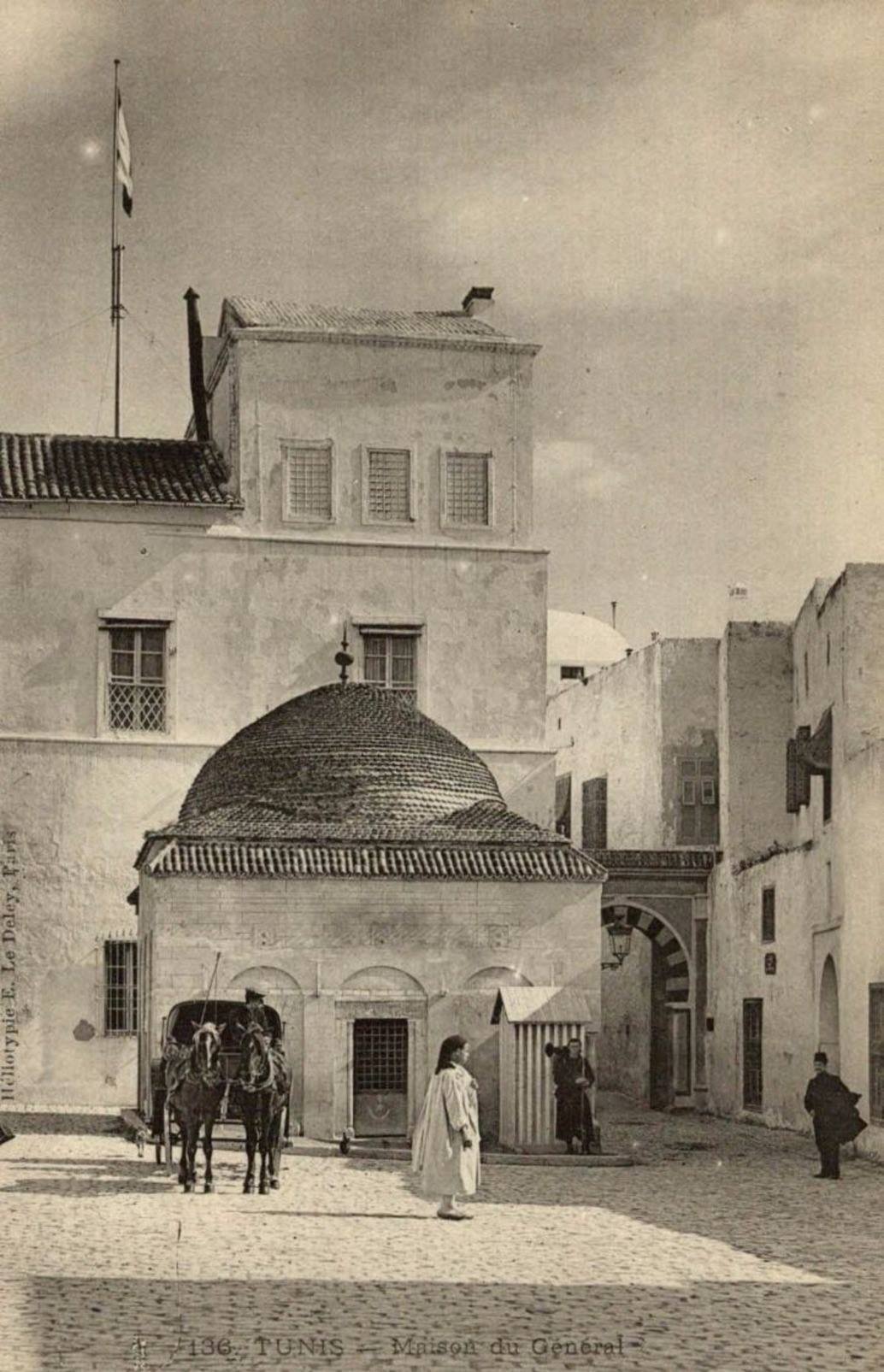
परिचय
ट्यूनीशिया के भूमध्यसागरीय तट पर ट्यूनिस के पास स्थित, दार हुसैन और ला मारसा मिलकर इतिहास, स्थापत्य वैभव और जीवंत तटीय जीवन का एक विशद जाल प्रस्तुत करते हैं। ला मारसा में दार हुसैन, हुसैनी राजवंश की कुलीन विरासत का एक उल्लेखनीय उदाहरण है, जबकि ला मारसा स्वयं एक शांत मछली पकड़ने वाले गाँव से एक महानगरीय उपनगर में विकसित हुआ है, जो अपनी सांस्कृतिक विविधता, समुद्री आकर्षण और ऐतिहासिक स्थलों के लिए मनाया जाता है (tunisia.com; The New Arab).
यह मार्गदर्शिका दार हुसैन और ला मारसा के आगंतुकों के लिए सभी आवश्यक जानकारी प्रदान करती है—जिसमें ऐतिहासिक संदर्भ, व्यावहारिक यात्रा विवरण, टिकटिंग, पहुंच, शिष्टाचार और आस-पास के आकर्षण शामिल हैं—एक सहज और समृद्ध ट्यूनीशियाई अनुभव सुनिश्चित करती है। वास्तविक समय अपडेट, विशेष टूर और टिकट बुकिंग के लिए, यात्रियों को ऑडियाला ऐप जैसे टूल का उपयोग करने और आधिकारिक पर्यटन पोर्टलों से परामर्श करने के लिए प्रोत्साहित किया जाता है (Audiala).
सामग्री की सारणी
- परिचय
- ला मारसा में दार हुसैन
- ला मारसा समुद्री गाइड
- ट्यूनिस के मदीना में दार हुसैन
- दृश्य संवर्द्धन और आंतरिक लिंक
- निष्कर्ष और कार्रवाई का आह्वान
- संदर्भ
दार हुसैन, ला मारसा: आगंतुक घंटे, टिकट और ऐतिहासिक महत्व
ऐतिहासिक पृष्ठभूमि
ला मारसा में दार हुसैन, ट्यूनिस के मदीना में अपने नाम वाले स्थान से अलग, हुसैनी राजवंश (1705-1957) के दौरान ट्यूनीशिया के अभिजात वर्ग के लिए ग्रीष्मकालीन रिट्रीट के रूप में बनाया गया था। यह बेयस, अधिकारियों और व्यापारियों द्वारा पसंद किए जाने वाले मौसमी पलायन की परंपरा को दर्शाता है, जो भूमध्यसागरीय निकटता को शांति के साथ जोड़ता है (tunisia.com).
स्थापत्य और कलात्मक मूल्य
दार हुसैन मूरिश, ओटोमन और अंडालूसी प्रभावों का एक सामंजस्यपूर्ण मिश्रण प्रदर्शित करता है। मुख्य विशेषताओं में शामिल हैं:
- केंद्रीय आंगन (सहन): प्रकाश से नहाया हुआ, मेहराबदार गैलरी से घिरा हुआ।
- ज़ेलिज टाइलवर्क: दीवारों और फर्श पर जटिल ज्यामितीय पैटर्न।
- नक्काशीदार प्लास्टर और लकड़ी का काम: अलंकृत छतें और दरवाजे।
- हरे-भरे बगीचे: खट्टे, चमेली और बोगनविलिया निजी, सुगंधित स्थान बनाते हैं।
- विशिष्ट क्वार्टर: पुरुषों (सेलामलिक), महिलाओं (हरेमलिल) और स्वागत कक्ष के लिए अलग-अलग क्षेत्र, सामाजिक पदानुक्रम और गोपनीयता को दर्शाते हैं।
आगंतुक जानकारी
स्थान और पहुंच
दार हुसैन ला मारसा में एक केंद्रीय स्थान पर स्थित है, जो रेतीले समुद्र तटों, कैफे और कार्थेज और सिदी बू सईद जैसे आकर्षणों के पास है। ट्यूनिस से कार, टैक्सी या TGM लाइट रेल द्वारा पहुंच आसान है (tunisia.com). यद्यपि ऐतिहासिक बाधाओं के कारण कुछ क्षेत्रों में व्हीलचेयर पहुंच सीमित है, अग्रिम पूछताछ की सलाह दी जाती है।
आगंतुक घंटे और टिकट
- घंटे: मंगलवार-रविवार, सुबह 9:00 बजे से शाम 5:00 बजे तक खुला रहता है। सोमवार और प्रमुख छुट्टियों पर बंद रहता है।
- टिकट: वयस्कों के लिए ~15 TND, छात्रों/बुजुर्गों के लिए छूट उपलब्ध है। ऑन-साइट खरीदें; व्यस्त समय के दौरान सीमित ऑनलाइन बुकिंग।
घटनाओं या नवीनीकरण के कारण पहुंच बदल सकती है, इसलिए यात्रा से पहले हमेशा घंटे/टिकट की पुष्टि करें।
निर्देशित टूर और कार्यक्रम
निर्देशित टूर, जो व्यस्त मौसम (अप्रैल-मई, अक्टूबर-नवंबर) के दौरान पहले से बुक किए जाते हैं, स्थापत्य सुविधाओं और ऐतिहासिक संदर्भों पर प्रकाश डालते हैं। विशेष आयोजनों में कला प्रदर्शनियाँ और सांस्कृतिक सैलून शामिल हैं (misstourist.com).
आगंतुक शिष्टाचार
- मामूली कपड़े पहनें (कंधों/घुटनों को ढकें)।
- आंतरिक फोटोग्राफी के लिए अनुमति मांगें।
- विशिष्ट कमरों में आवश्यक होने पर जूते उतारें।
आस-पास के आकर्षण
इन आस-पास के स्थलों का अन्वेषण करके अपनी यात्रा को बढ़ाएँ:
- अब्देलिया पैलेस: 16वीं सदी की हवेली, ट्यूनीशियाई विरासत को प्रदर्शित करती है (misstourist.com).
- ला मारसा बीच: विश्राम और लोगों को देखने के लिए आदर्श।
- कैफे सफ-सफ: पारंपरिक पुदीना चाय के लिए ऐतिहासिक स्थान (tunisia.com).
- सिदी बू सईद: नीले-सफेद पहाड़ी गाँव, मनोरम दृश्यों के साथ।
संरक्षण और आधुनिक उपयोग
संरक्षण के प्रयास दार हुसैन के प्रामाणिक चरित्र को बनाए रखने को प्राथमिकता देते हैं। अनुकूली पुन: उपयोग में बुटीक होटल, गैलरी और कार्यक्रम स्थल शामिल हैं, जो विरासत को आधुनिक कार्यक्षमता के साथ जोड़ते हैं (misstourist.com).
अक्सर पूछे जाने वाले प्रश्न
प्र: आगंतुक घंटे क्या हैं? उ: मंगलवार-रविवार, सुबह 9:00 बजे से शाम 5:00 बजे तक।
प्र: प्रवेश शुल्क क्या है? उ: ~15 TND; छूट उपलब्ध है।
प्र: क्या मैं टिकट ऑनलाइन खरीद सकता हूँ? उ: सीमित ऑनलाइन बुकिंग; साइट पर खरीद की सलाह दी जाती है।
प्र: क्या निर्देशित टूर उपलब्ध हैं? उ: हाँ, अग्रिम बुकिंग की सलाह दी जाती है।
प्र: क्या यह व्हीलचेयर सुलभ है? उ: आंशिक रूप से - विवरण पहले से पुष्टि करें।
प्र: क्या फोटोग्राफी की अनुमति है? उ: अनुमति के साथ।
प्र: संपर्क जानकारी? उ: ला मारसा पर्यटक कार्यालय: +216 71 123 456; https://www.discovertunisia.com.
दृश्य और इंटरैक्टिव संसाधन
वर्चुअल टूर: ला मारसा वर्चुअल टूर
ला मारसा समुद्री गाइड: घंटे, टिकट और शीर्ष करने योग्य चीज़ें
ऐतिहासिक और सांस्कृतिक अवलोकन
ला मारसा का एक मछली पकड़ने वाले गाँव से एक महानगरीय समुद्री उपनगर में परिवर्तन 19वीं शताब्दी में शुरू हुआ, जब शाही परिवार ने ग्रीष्मकालीन महल बनाए। यह क्षेत्र मूरिश, ओटोमन, फ्रांसीसी और इतालवी प्रभावों का मिश्रण दर्शाता है (The New Arab).
स्थापत्य विरासत और स्थल
- क़ोब्बत अल हवा (हवा का गुंबद): प्रतिष्ठित सफेद गुंबददार संरचना।
- केरेन येसुआ सिनेगॉग: 1920 के दशक का मूरिश-अभिaccented सिनेगॉग (The New Arab).
- अब्देलिया पैलेस: केवल बचा हुआ हैफ़्सिद-युग का महल, रोज सुबह 9:00 बजे से शाम 6:00 बजे तक खुला रहता है, प्रवेश ~10 TND, निर्देशित टूर के साथ (Wildyness).
समुद्र तट, भोजन, नाइटलाइफ़ और खरीदारी
- मारसा प्लाज: रेतीला, परिवार के अनुकूल समुद्र तट, गर्मियों में लाइफगार्ड के साथ।
- कॉर्निच: शाम की सैर, सड़क कलाकारों और सूर्यास्त के दृश्यों के लिए जीवंत सैरगाह (The Boutique Vibe).
- सफ-सफ कैफे: पुदीना चाय और पेस्ट्री के लिए ऐतिहासिक स्थान (The Boutique Vibe).
- बुटीक/बाजार: कारीगर की दुकानें, ज़ेफ़िर मॉल, और चमेली विक्रेता।
- भोजन: स्ट्रीट फूड (वेल्ड एल बेय, औलेद एल बेय) से लेकर अपस्केल रेस्तरां (द क्लिफ, द किचन) तक।
आगंतुक जानकारी
- सार्वजनिक क्षेत्र: समुद्र तट और सैरगाह भोर से सूर्यास्त तक सुलभ, मुफ्त प्रवेश।
- ऐतिहासिक स्थल: अब्देलिया पैलेस, सिनेगॉग - घंटे जांचें; मामूली शुल्क लागू हो सकते हैं।
- निर्देशित टूर: स्थानीय ऑपरेटरों के साथ पहले से बुक करें।
- पहुंच: सैरगाह और पार्क व्हीलचेयर के अनुकूल हैं; कुछ साइटें नहीं हो सकती हैं।
- आवास: दार अल मारसा (समुद्र तट होटल) से बुटीक गेस्टहाउस तक विकल्प (The New Arab).
- परिवहन: ट्यूनिस से TGM ट्रेन, टैक्सी या कार (20-30 मिनट) (Nicki Post’s Travel Stuff).
- सुरक्षा: आम तौर पर सुरक्षित; मानक सावधानियां लागू होती हैं (Traveler Bibles).
अद्वितीय अनुभव और कार्यक्रम
- कल्याण: स्पा और हमाम; मैनिक्योर बाय मोना नाखून देखभाल के लिए।
- कला/डिजाइन: स्थानीय गैलरी और वाचेम टैटू की दुकान।
- वार्षिक उत्सव: अब्देलिया पैलेस और सार्वजनिक पार्कों में संगीत/सांस्कृतिक उत्सव (The Boutique Vibe).
अक्सर पूछे जाने वाले प्रश्न
प्र: समुद्र तट और आकर्षण के घंटे क्या हैं? उ: समुद्र तट/कॉर्निच भोर से सूर्यास्त तक खुला रहता है; स्थलों के घंटे अलग-अलग होते हैं - स्थानीय स्तर पर जांचें।
प्र: प्रवेश शुल्क क्या हैं? उ: अधिकांश बाहरी क्षेत्र मुफ्त हैं; महलों/सिनेगॉग में मामूली शुल्क लगता है।
प्र: क्या पहुंच संभव है? उ: सैरगाह/पार्क सुलभ हैं; ऐतिहासिक स्थल भिन्न होते हैं।
प्र: वहां कैसे जाएं? उ: ट्यूनिस से TGM ट्रेन, टैक्सी या कार।
प्र: यात्रा का सबसे अच्छा समय क्या है? उ: सितंबर-अक्टूबर (सुहावना मौसम, कम भीड़)।
ट्यूनिस के मदीना में दार हुसैन: आगंतुक घंटे, टिकट और यात्रा युक्तियाँ
स्थान और पहुंच
दार हुसैन मदीना ऑफ ट्यूनिस, बाब मनारा में 4 प्लेस डू कैस्टेल पर स्थित है - एक यूनेस्को विश्व धरोहर स्थल। ला मारसा से TGM ट्रेन (ट्यूनिस मरीन तक, फिर 15-20 मिनट मदीना वॉक) या टैक्सी द्वारा पहुंचा जा सकता है (INP).
आगंतुक जानकारी
घंटे और टिकट
- नियमित पहुंच: नियमित टूर के लिए खुला नहीं है; 1957 से, Institut National du Patrimoine (INP) का घर है।
- विशेष पहुंच: सांस्कृतिक कार्यक्रमों, प्रदर्शनियों, या प्रवेश पर विनम्र अनुरोध पर कभी-कभी खुला रहता है। कार्यक्रमों के दौरान अक्सर मुफ्त या दान द्वारा प्रवेश।
क्या उम्मीद करें
- स्थापत्य: भव्य संगमरमर आँगन, कल्ललाइन फ़ैन्स टाइलें, जटिल प्लास्टर, चित्रित लकड़ी की छतें और मशरबिया खिड़कियाँ।
- फोटोग्राफी: सार्वजनिक क्षेत्रों में अनुमत; लोगों या संवेदनशील प्रदर्शनों की तस्वीरें लेने से पहले हमेशा कर्मचारियों से पूछें।
शिष्टाचार और सुरक्षा
- पोशाक: मामूली कपड़े (कंधों/घुटनों को ढकें)।
- भाषा: मुख्य रूप से अरबी और फ्रेंच; सीमित अंग्रेजी।
- सुरक्षा: दिन के दौरान मदीना सुरक्षित है; कीमती सामान सुरक्षित रखें।
पहुंच
संकीर्ण, असमान सड़कों और सीढ़ियों के कारण, पहुंच सीमित है। आवास के लिए INP से संपर्क करें।
आस-पास के आकर्षण
- ज़ितौना मस्जिद
- दार बेन अब्दुल्ला (संग्रहालय)
- मदीना सूक्स
कार्यक्रम
कभी-कभी प्रदर्शनियां और सम्मेलन आयोजित होते हैं; अपडेट के लिए INP की वेबसाइट देखें।
सुविधाएं
साइट पर कोई कैफे/दुकान नहीं; बुनियादी शौचालय। मदीना में कैफे और रेस्तरां पास में हैं।
अक्सर पूछे जाने वाले प्रश्न
प्र: नियमित खुलने का समय क्या है? उ: नहीं; अनुरोध पर या विशेष कार्यक्रमों के दौरान पहुंच।
प्र: टिकट? उ: आमतौर पर मुफ्त; विशेष कार्यक्रमों के लिए मामूली शुल्क।
प्र: क्या पहुंच संभव है? उ: सीमित; पहले से पूछताछ करें।
प्र: क्या निर्देशित टूर उपलब्ध हैं? उ: कभी-कभी INP द्वारा उपलब्ध।
प्र: ला मारसा से कैसे जाएं? उ: ट्यूनिस तक TGM ट्रेन या टैक्सी, फिर मदीना में चलें।
दृश्य संवर्द्धन और आंतरिक लिंक
- छवियाँ: दार हुसैन, अब्देलिया पैलेस, कॉर्निच सूर्यास्त, मारसा प्लाज, और सफ-सफ कैफे की उच्च-गुणवत्ता वाली तस्वीरें, सभी वर्णनात्मक ऑल्ट टैग के साथ।
- इंटरैक्टिव मानचित्र: दार हुसैन, अब्देलिया पैलेस, कॉर्निच और मारसा प्लाज को हाइलाइट करता हुआ।
- वीडियो: सांस्कृतिक कार्यक्रमों या कॉर्निच सूर्यास्त के छोटे क्लिप।
- आंतरिक लिंक:
निष्कर्ष और कार्रवाई का आह्वान
दार हुसैन और ला मारसा सामूहिक रूप से ट्यूनीशिया की ऐतिहासिक गहराई, सांस्कृतिक समृद्धि और भूमध्यसागरीय आकर्षण में एक अद्वितीय खिड़की प्रदान करते हैं। ला मारसा के दार हुसैन की कुलीन सुंदरता, ला मारसा का जीवंत तटीय जीवन, और मदीना के महलों की जीवित विरासत हर यात्री के लिए एक बहुआयामी अनुभव बनाते हैं (tunisia.com; INP; The New Arab; Wildyness).
वर्तमान घंटों, टिकटों और पहुंच की जांच करके आगे की योजना बनाएं। स्थानीय रीति-रिवाजों को अपनाएं, संरक्षण प्रयासों का सम्मान करें, और एक यादगार, जिम्मेदार यात्रा के लिए समुदाय के साथ जुड़ें। वास्तविक समय अपडेट और विशेष यात्रा अनुभवों के लिए ऑडियाला ऐप जैसे डिजिटल टूल का उपयोग करें (Audiala).
चाहे आप ऐतिहासिक दार घूम रहे हों, ला मारसा के कॉर्निच पर सैर कर रहे हों, या सफ-सफ कैफे में पुदीना चाय पी रहे हों, आपको इस मनोरम क्षेत्र को परिभाषित करने वाले इतिहास, संस्कृति और प्राकृतिक सुंदरता का सामंजस्यपूर्ण मिश्रण मिलेगा।
संदर्भ
- दार हुसैन ला मारसा: आगंतुक घंटे, टिकट और ऐतिहासिक महत्व, 2025, Tunisia.com (tunisia.com)
- ला मारसा आगंतुक घंटे, टिकट और ट्यूनिस में करने योग्य चीज़ें, 2025, The New Arab (The New Arab)
- दार हुसैन की खोज करें: ट्यूनिस के मदीना की खोज के लिए आगंतुक घंटे, टिकट और आवश्यक युक्तियाँ, 2025, Institut National du Patrimoine (INP)
- ला मारसा आगंतुक घंटे, टिकट और ट्यूनिस में शीर्ष आकर्षण, 2025, Wildyness और The Boutique Vibe (Wildyness)
- ला मारसा आगंतुक घंटे, टिकट और ट्यूनिस में शीर्ष करने योग्य चीज़ें, 2025, Nicki Post’s Travel Stuff (Nicki Post’s Travel Stuff)
- ऑडियाला ट्रैवल ऐप, 2024-2025, ऑडियाला (Audiala)


