


अल-ज़ैतुना मस्जिद: ट्यूनीस, ट्यूनीशिया में आगंतुकों के घंटे, टिकट और ऐतिहासिक महत्व
दिनांक: 14/06/2025
परिचय
अल-ज़ैतुना मस्जिद, जिसे जैतून के पेड़ की मस्जिद के नाम से भी जाना जाता है, ट्यूनीस में सबसे पुरानी मस्जिद है और उत्तरी अफ्रीका में इस्लामी विरासत का एक प्रकाशस्तंभ है। ट्यूनीस के मदीना के केंद्र में स्थित, जो यूनेस्को विश्व धरोहर स्थल है, यह स्थापत्य विकास, आध्यात्मिक भक्ति और विद्वत्तापूर्ण उत्कृष्टता के सदियों का प्रमाण है। यह गाइड आगंतुकों के लिए सभी आवश्यक जानकारी प्रदान करती है: ऐतिहासिक पृष्ठभूमि, स्थापत्य मुख्य बातें, आगंतुकों के घंटे, टिकट विवरण, पहुंच और आपके अनुभव को समृद्ध करने के लिए सांस्कृतिक सुझाव।
ऐतिहासिक अवलोकन
नींव और विरासत
अल-ज़ैतुना मस्जिद की उत्पत्ति 7वीं या 8वीं शताब्दी ईस्वी पूर्व की है। परंपरा हसन इब्न नूमान को 699 ईस्वी में इसकी नींव का श्रेय देती है, जबकि 732-734 ईस्वी के बीच एक महत्वपूर्ण पुनर्निर्माण हुआ। रोमन बेसिलिका के अवशेषों पर बनी यह मस्जिद उत्तरी अफ्रीका में शास्त्रीय पुरातनता से इस्लामी युग तक के ऐतिहासिक संक्रमण को दर्शाती है। इसका स्थान और स्तरित निर्माण एक शहर की कहानी कहता है जो प्यूनिक, रोमन, बीजान्टिन और इस्लामी सभ्यताओं द्वारा आकार दिया गया था (म्यूज़ियम विथ नो फ्रंटियर्स, आर्नेट)।
स्थापत्य विकास
मस्जिद का वर्तमान स्वरूप विभिन्न राजवंशों के तहत क्रमिक विस्तार और नवीनीकरण का परिणाम है:
- अघलाबिद (9वीं शताब्दी): 863 ईस्वी में प्रमुख पुनर्निर्माण, जिसमें हाइपोस्टाइल प्रार्थना हॉल और आंगन शामिल था।
- फातिमियों और हफ़्सिडों: अलंकृत गुंबद, घोड़े की नाल के मेहराब और चित्रित लकड़ी की छतें जोड़ी गईं।
- तुर्क (19वीं शताब्दी): अलमोहाद डिजाइन से प्रेरित 43-44 मीटर ऊँचा वर्गाकार मीनार बनाया गया, और इतालवी संगमरमर की राजधानियाँ स्थापित की गईं।
160 स्तंभों का उपयोग, जिनमें से कई प्राचीन कार्थेज से पुन: उपयोग किए गए थे, नई भव्यता बनाने के लिए स्थापत्य तत्वों की रीसाइक्लिंग - स्पोलिया - के अभ्यास का उदाहरण है (ट्रैवलिंगफुट.कॉम, लाइव द वर्ल्ड)।
छात्रवृत्ति का केंद्र
अल-ज़ैतुना लंबे समय से पूजा स्थल से कहीं अधिक रहा है। यह ज़ैतुना विश्वविद्यालय का घर है, जो दुनिया के सबसे पुराने इस्लामी शिक्षण केंद्रों में से एक है। धर्मशास्त्र, कानून, अलंकार, गणित और खगोल विज्ञान के लिए प्रसिद्ध, इसने मग़रेब और व्यापक मुस्लिम दुनिया के विद्वानों को आकर्षित किया, जिसने अल-क़रौयिन और अल-अजहर की प्रतिष्ठा को चुनौती दी (इस्लामिक ब्रिज)।
स्थापत्य विशेषताएँ
मस्जिद लेआउट
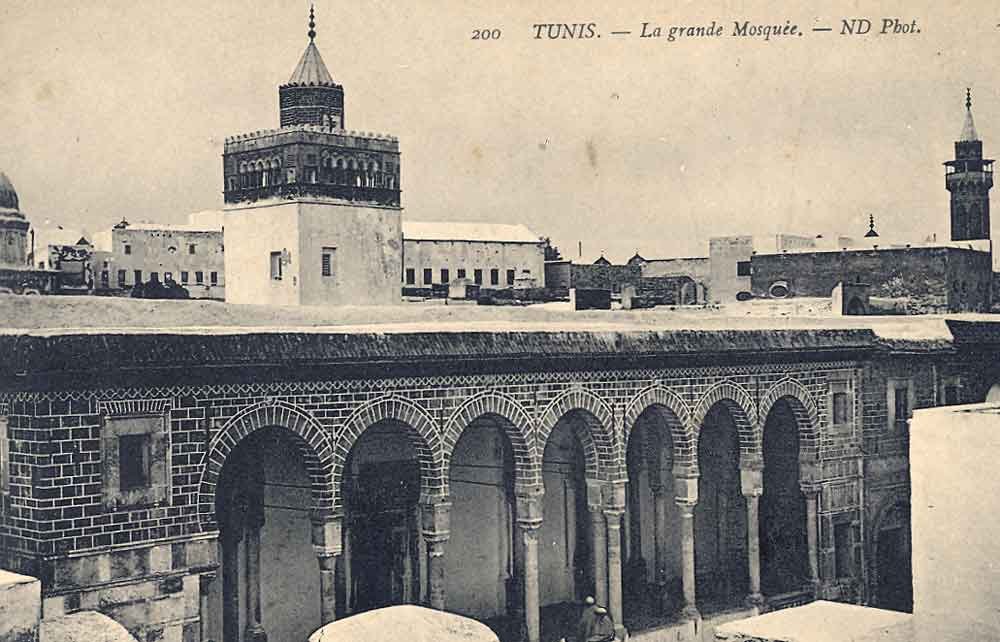
- योजना: आयताकार, मक्का की ओर उन्मुख, दक्षिणी तरफ एक बड़ा हाइपोस्टाइल प्रार्थना हॉल और मेहराबदार पोर्टिकोस से घिरा एक विशाल आंगन (सहन) है।
- स्तंभ: 160 स्तंभ, जिनमें से अधिकांश रोमन और बीजान्टिन स्थलों से पुनः उपयोग किए गए हैं, मस्जिद में घोड़े की नाल के मेहराबों का समर्थन करते हैं।
- आंगन: खुला आंगन विधि, प्रतिबिंब और सभा के लिए एक शांत स्थान है, जो पत्थर की पटियों से पक्का किया गया है और एक फव्वारे के चारों ओर केंद्रित है।
- मीनार: 44 मीटर ऊँचा वर्गाकार मीनार, जिसे 1894 में फिर से बनाया गया था, मदीना के क्षितिज पर हावी है और ट्यूनीशियाई वास्तुकला की एक प्रतिष्ठित विशेषता है।
- सजावट: चित्रित लकड़ी की छतें, नक्काशीदार स्टुको, ज्यामितीय टाइलवर्क (ज़ेलिज), और कुरानिक सुलेख शामिल हैं।
कलात्मक और प्रतीकात्मक तत्व
- मिहराब: जटिल स्टुको, ज्यामितीय रूपांकनों और अब्बासिद शिलालेखों से सजाया गया।
- मिंबर: पारंपरिक रूप से लकड़ी से तराशा गया और वानस्पतिक और सुलेख डिजाइनों से अलंकृत।
- रक्षात्मक वास्तुकला: मोटी दीवारें और कोणीय मीनारें इसके अभयारण्य और गढ़ दोनों के रूप में इसकी ऐतिहासिक भूमिका को दर्शाती हैं (आर्चीकू.कॉम, ट्रैवलिंगफुट.कॉम)।
धार्मिक और सामाजिक भूमिका
अल-ज़ैतुना मस्जिद ट्यूनीस का आध्यात्मिक हृदय है। यह दैनिक प्रार्थनाओं, शुक्रवार की सामूहिक प्रार्थनाओं और प्रमुख धार्मिक उत्सवों की मेजबानी करता है। ऐतिहासिक रूप से, इसने धार्मिक नियुक्तियों और शहरी विनियमन पर प्रभाव डाला, जिससे इस्लामी परंपरा और नागरिक जीवन के संरक्षक के रूप में इसकी स्थिति मजबूत हुई। प्रमुख सूक और सड़कों (जैसे सूक अत्तारिन और रुए डे ला कास्बाह) के साथ इसकी निकटता धार्मिक, शैक्षिक और वाणिज्यिक जीवन को आपस में जोड़ती है (द बुटीक वाइब)।
अल-ज़ैतुना मस्जिद का दौरा
स्थान
- पता: 30 रुए जमे एज़िटौना, मदीना ऑफ ट्यूनीस, ट्यूनीशिया (ट्रैक ज़ोन)
- पहुंच: मदीना के भीतर पैदल आसानी से पहुँचा जा सकता है, या ट्यूनीस मरीन स्टेशन के लिए TGM ट्रेन का उपयोग करके ट्यूनीस या ला मार्स से टैक्सी/राइड-हेलिंग द्वारा।
आगंतुकों के घंटे और प्रवेश
- नमाज़ियों के लिए: मस्जिद 24 घंटे खुली रहती है।
- पर्यटकों के लिए: आम तौर पर शनिवार से गुरुवार, सुबह 9:00 बजे से दोपहर 12:00 बजे तक और दोपहर 2:00 बजे से शाम 5:00 बजे तक अनुमति है; प्रार्थनाओं के लिए बंद और शुक्रवार को मुख्य सामूहिक प्रार्थना के दौरान (इब्न बतूता ट्रैवल)।
- प्रवेश शुल्क: कोई आधिकारिक टिकट या प्रवेश शुल्क नहीं है; दान की सराहना की जाती है (कार्थेज मैगज़ीन)।
- गैर-मुस्लिम पहुंच: आंगन और बाहरी क्षेत्रों तक सीमित; प्रार्थना कक्ष तक पहुंच मुसलमानों के लिए आरक्षित है (टेम्पलसीकर)।
- गाइडेड टूर: स्थानीय गाइड मदीना के सैर के दौरे प्रदान करते हैं जिनमें ऐतिहासिक अंतर्दृष्टि शामिल होती है। अग्रिम बुकिंग की सिफारिश की जाती है।
- ड्रेस कोड: मामूली पोशाक आवश्यक है - पुरुषों के लिए लंबी पैंट/आस्तीन वाली शर्ट, महिलाओं के लिए हाथ/पैर/बाल ढके हुए।
सुविधाएँ
- शौचालय: मस्जिद के अंदर उपलब्ध नहीं; आस-पास के कैफे या रेस्तरां का उपयोग करें।
- दुकानें और कैफे: आसपास के सूक ताज़ा पेय, स्मृति चिन्ह और मनोरम दृश्य प्रदान करते हैं।
- पहुंच: ऐतिहासिक वास्तुकला और मदीना की कोबलस्टोन सड़कें उन लोगों के लिए चुनौतीपूर्ण हो सकती हैं जो गतिशीलता संबंधी अक्षमताएँ रखते हैं।
क्या देखें और करें
- आंगन: मेहराबदार दीर्घाओं और ऐतिहासिक स्तंभों की प्रशंसा करें, मदीना की हलचल से एक शांतिपूर्ण पलायन का आनंद लें।
- मीनार: प्रतिष्ठित मीनार देखें, खासकर सूर्यास्त के समय आकर्षक।
- रूफटॉप दृश्य: आस-पास के कैफे मस्जिद और मदीना के फोटो के लिए उत्कृष्ट वнтаज बिंदु प्रदान करते हैं।
- मदीना का अन्वेषण करें: सूक एल अत्तारिन जैसे सूक में घूमें और दार बेन अब्दल्लाह संग्रहालय और ज़ैतुना स्क्वायर जैसे आस-पास के स्थलों पर जाएँ (टूरिस्टलिंक)।
आगंतुक युक्तियाँ
- सर्वोत्तम समय: भीड़ और गर्मी से बचने के लिए सुबह जल्दी या देर शाम।
- फोटोग्राफी: आंगन और बाहरी क्षेत्र में अनुमति है; लोगों या धार्मिक गतिविधियों की तस्वीरें लेते समय हमेशा अनुमति लें।
- सांस्कृतिक शिष्टाचार: किसी भी प्रार्थना-निर्दिष्ट क्षेत्रों में प्रवेश करने से पहले जूते उतार दें; प्रार्थनाओं के दौरान शांति और सम्मान बनाए रखें।
- सुरक्षा: मदीना दिन के दौरान सुरक्षित है; भीड़भाड़ वाले इलाकों में पिकपॉकेटिंग के प्रति सतर्क रहें।
अक्सर पूछे जाने वाले प्रश्न (FAQ)
Q: अल-ज़ैतुना मस्जिद के आगंतुकों के घंटे क्या हैं? A: पर्यटकों के लिए शनिवार-गुरुवार, सुबह 9:00 बजे से दोपहर 12:00 बजे तक और दोपहर 2:00 बजे से शाम 5:00 बजे तक खुला रहता है। प्रार्थनाओं के दौरान और शुक्रवार को मुख्य प्रार्थना के दौरान बंद रहता है।
Q: क्या कोई प्रवेश शुल्क है? A: कोई आधिकारिक शुल्क नहीं है; दान का स्वागत है।
Q: क्या गैर-मुस्लिम मस्जिद में प्रवेश कर सकते हैं? A: गैर-मुस्लिम आंगन और बाहरी क्षेत्रों में प्रवेश कर सकते हैं लेकिन प्रार्थना कक्ष में नहीं।
Q: क्या गाइडेड टूर उपलब्ध हैं? A: हाँ, स्थानीय गाइडों और मदीना टूर ऑपरेटरों के माध्यम से।
Q: क्या विकलांग लोगों के लिए मस्जिद सुलभ है? A: ऐतिहासिक वास्तुकला और कोबलस्टोन सड़कों के कारण पहुंच सीमित है।
आस-पास के आकर्षण
- ट्यूनीस का मदीना: जीवंत सूक, कारीगरों की कार्यशालाओं और ऐतिहासिक इमारतों का अन्वेषण करें।
- दार बेन अब्दल्लाह संग्रहालय: ट्यूनीशियाई शहरी जीवन और परंपराओं में अंतर्दृष्टि प्रदान करता है।
- कास्बाह मस्जिद: उत्तरी अफ्रीकी इस्लामी वास्तुकला का एक और उत्कृष्ट कृति।
- हम्मुदा पाशा मस्जिद, दार हुसैन: उल्लेखनीय आस-पास के ऐतिहासिक स्थल (ट्रैक ज़ोन)।
फोटोग्राफी और मीडिया
आंगन या रूफटॉप कैफे से मस्जिद की सुंदरता को कैद करें। “ट्यूनीस में अल-ज़ैतुना मस्जिद का आंगन” और “सूर्यास्त में अल-ज़ैतुना मीनार का दृश्य” जैसे ऑल्ट टेक्स्ट का उपयोग करें। इंटरैक्टिव मानचित्र और आभासी टूर यात्रा की योजना को बढ़ाते हैं (अल-ज़ैतुना मस्जिद का आभासी दौरा, ट्यूनीस मदीना और अल-ज़ैतुना मस्जिद का नक्शा)।
अपनी यात्रा की योजना बनाएं
अल-ज़ैतुना मस्जिद एक जीवित स्मारक है - एक ऐसा स्थान जहाँ आस्था, ज्ञान और इतिहास मिलते हैं। मस्जिद के आगंतुकों के घंटों के अनुसार अपनी यात्रा की योजना बनाएं, स्थानीय रीति-रिवाजों का सम्मान करें, और पूर्ण अनुभव के लिए गाइडेड टूर पर विचार करें। अतिरिक्त संसाधनों के लिए, ऑडियो गाइड के लिए ऑडियला ऐप डाउनलोड करें, सोशल मीडिया के माध्यम से जुड़े रहें, और ट्यूनीशियाई इतिहास और इस्लामी वास्तुकला पर संबंधित लेखों का अन्वेषण करें।
आगे पढ़ना और स्रोत
- म्यूज़ियम विथ नो फ्रंटियर्स
- ट्रैवलिंगफुट.कॉम
- इस्लामिक ब्रिज
- कार्थेज मैगज़ीन
- टेम्पलसीकर
- ट्रैक ज़ोन
- लाइव द वर्ल्ड
- आर्नेट
- द बुटीक वाइब
- टूरिस्टलिंक
- आर्चीकू.कॉम
- ट्यूनीस के लिए आधिकारिक पर्यटन पृष्ठ
- इब्न बतूता ट्रैवल
- एबॉर्न ट्रैवलर
- ईस्ट वेस्ट न्यूज़ सर्विस - मस्जिदों का दौरा
ऑडियला2024{‘date’: ‘14/06/2025’, ‘task’: {‘model’: ‘gpt-4.1-mini’, ‘query’: ‘Comprehensive guide to visiting Al-Zaytuna Mosque, La Marsa, 突尼西亞: history, significance, visitor tips, and everything tourists need to know for a memorable experience.’, ‘verbose’: False, ‘guidelines’: [“Keyword Research: Identify relevant keywords that potential visitors are likely to search for, such as ‘[Monument Name] visiting hours,’ ‘[Monument Name] tickets,’ and ‘[City] historical sites.’ Use these keywords strategically throughout the article, including in the title, headers, and body text, but avoid keyword stuffing.”, ‘Engaging and Informative Title: Craft a title that is both SEO-friendly and compelling to encourage clicks. Include the main keyword and make it clear what the article will cover.’, ‘Structured Content: Use headings (H1, H2, H3) to organize the content effectively. This helps with SEO and makes the article easier for readers to navigate. Include an introduction that hooks the reader, a detailed body that covers all relevant aspects, and a conclusion that summarizes the key points.’, ‘Comprehensive Coverage: Address common questions and topics of interest such as the history of the monument, its cultural significance, visitor information (e.g., ticket prices, opening hours), travel tips, nearby attractions, and accessibility. Include sections that might be unique to the monument, like special events, guided tours, and photographic spots.’, ‘Quality Content: Ensure the content is well-researched, accurate, and provides real value to readers. Use reliable sources and provide factual information. Write in a clear, engaging, and accessible style. Consider your audience and useെയ്their language that is appropriate for those likely to visit the monument.’, ‘Visuals and Media: Incorporate high-quality images or videos of the monument. These should be optimized for the web (correct sizing, alt tags with keywords). Consider interactive elements like virtual tours or maps.’, ‘Internal and External Links: Include links to other related articles on your site to encourage deeper engagement (internal links). Link to official websites for the monument or credible sources for further reading (external links).’, ‘FAQ: Incorporate FAQ sections to target voice search queries and featured snippets’, ‘Visit and Stay Up to Date: End the article with a call to action, such as encouraging readers to download our mobile app Audiala, check out other related posts, or follow on social media for more updates.’], ‘max_sections’: 4, ‘publish_formats’: {‘pdf’: False, ‘docx’: False, ‘markdown’: True}, ‘follow_guidelines’: True}, ‘title’: ‘Comprehensive Guide to Visiting Al-Zaytuna Mosque, Tunis, Tunisia’, ‘report’: ’# Al-Zaytuna Mosque: Visiting Hours, Tickets, and Historical Significance in Tunis, Tunisia\n#### Date: 14/06/2025\n\n---\n\n## Introduction\n\nAl-Zaytuna Mosque, known as the Mosque of the Olive Tree, is the oldest mosque in Tunis and a beacon of Islamic heritage in North Africa. Located in the heart of the Medina of Tunis, a UNESCO World Heritage Site, it stands as a testament to centuries of architectural evolution, spiritual devotion, and scholarly excellence. This guide provides all essential information for visitors: historical background, architectural highlights, visiting hours, ticket details, accessibility, and cultural tips to enrich your experience.\n\n---\n\n## Historical Overview\n\n### Foundation and Legacy\n\nAl-Zaytuna Mosque’s origins trace back to the late 7th or early 8th century CE. Tradition credits Hasan ibn Numan with its foundation in 699 CE, while a significant reconstruction occurred between 732–734 CE. Built atop the remains of a Roman basilica, the mosque reflects the historical transitions from classical antiquity to the Islamic era in North Africa. Its location and layered construction tell the story of a city shaped by Punic, Roman, Byzantine, and Islamic civilizations (Museum With No Frontiers, Archnet).\n\n### Architectural Evolution\n\nThe mosque’s present form is the result of successive expansions and renovations under various dynasties:\n\n- Aghlabids (9th century): Major rebuilding in 863 CE, including the hypostyle prayer hall and courtyard.\n- Fatimids and Hafsids: Added ornamental domes, horseshoe arches, and painted wooden ceilings.\n- Ottomans (19th century): Erected the 43–44 meter-high square minaret, inspired by Almohad design, and installed Italian marble capitals.\n\nThe use of 160 columns, many repurposed from ancient Carthage, exemplifies the practice of spolia—recycling architectural elements to create new grandeur (travellingfoot.com, Live the World).\n\n### Center of Scholarship\n\nAl-Zaytuna has long been more than a house of worship. It is home to Zaytuna University, one of the oldest centers of Islamic learning in the world. Renowned for theology, law, rhetoric, mathematics, and astronomy, it attracted scholars from across the Maghreb and the broader Muslim world, rivaling the prestige of Al-Qarawiyyin and Al-Azhar (Islamic Bridge).\n\n---\n\n## Architectural Features\n\n### Mosque Layout\n\n- Plan: Rectangular, oriented towards Mecca, with a large hypostyle prayer hall on the southern side and a vast courtyard (sahn) surrounded by arcaded porticoes.\n- Columns: 160 columns, mostly spolia from Roman and Byzantine sites, support horseshoe arches throughout the mosque.\n- Courtyard: The open courtyard is a tranquil space for ablutions, reflection, and gathering, paved with flagstones and centered around a fountain.\n- Minaret: The 44-meter-high square minaret, rebuilt in 1894, dominates the Medina skyline and is an iconic feature of Tunisian architecture.\n- Ornamentation: Features include painted wooden ceilings, carved stucco, geometric tilework (zellige), and Quranic calligraphy.\n\n### Artistic and Symbolic Elements\n\n- Mihrab: Decorated with intricate stucco, geometric motifs, and Abbasid inscriptions.\n- Minbar: Traditionally carved from wood and adorned with vegetal and calligraphic designs.\n- Defensive Architecture: Thick walls and corner towers reflect its historical role as both sanctuary and citadel (archiqoo.com, travellingfoot.com).\n\n---\n\n## Religious and Social Role\n\nAl-Zaytuna Mosque is the spiritual heart of Tunis. It hosts daily prayers, Friday congregational prayers, and major religious festivities. Historically, it wielded influence over religious appointments and urban regulation, cementing its position as guardian of Islamic tradition and civic life. Its proximity to key souks and streets (such as Souk Attarine and Rue de la Kasbah) intertwines religious, educational, and commercial life (The Boutique Vibe).\n\n---\n\n## Visiting Al-Zaytuna Mosque\n\n### Location\n\n- Address: 30 Rue Jamaa Ezzitouna, Medina of Tunis, Tunisia (Trek Zone)\n- Access: Easily reachable on foot within the Medina, or via taxi/ride-hailing from other parts of Tunis or from La Marsa using the TGM train to Tunis Marine station.\n\n### Visiting Hours & Entry\n\n- Worshippers: Mosque is open 24 hours.\n- Tourists: Generally permitted Saturday to Thursday, 9:00 AM–12:00 PM and 2:00 PM–5:00 PM; closed for prayers and on Fridays during main congregational prayer (Ibn Battuta Travel).\n- Entry Fee: No official ticket or entrance fee; donations appreciated (Carthage Magazine).\n- Non-Muslim Access: Restricted to courtyard and exterior only; prayer hall access is reserved for Muslims (Templeseeker).\n- Guided Tours: Local guides offer Medina walking tours with historical insights. Advance booking is recommended.\n- Dress Code: Modest attire required—long trousers/sleeved shirts for men, arms/legs/hair covered for women.\n\n### Facilities\n\n- Restrooms: Not available inside the mosque; use nearby cafés or restaurants.\n- Shops & Cafés: Souks and rooftop cafés nearby offer refreshments, souvenirs, and panoramic views.\n- Accessibility: Historic architecture and Medina cobblestones can be challenging for those with mobility impairments.\n\n---\n\n## What to See and Do\n\n- Courtyard: Admire the arcaded galleries and historic columns, enjoying a peaceful escape from the Medina’s bustle.\n- Minaret: View the iconic minaret, especially striking at sunset.\n- Rooftop Views: Nearby cafés provide excellent vantage points for photos of the mosque and medina.\n- Explore the Medina: Stroll souks like Souk El Attarine and visit nearby sites such as Dar Ben Abdallah Museum and Zitouna Square (Touristlink).\n\n---\n\n## Visitor Tips\n\n- Best Times: Early morning or late afternoon to avoid crowds and heat.\n- Photography: Allowed in the courtyard and exterior; always seek permission, especially when photographing people or religious activities.\n- Cultural Etiquette: Remove shoes before entering any prayer-designated areas; maintain quiet and respect during prayers.\n- Safety: Medina is safe by day; remain vigilant against pickpocketing in crowded areas.\n\n---\n\n## Frequently Asked Questions (FAQ)\n\nQ: What are the Al-Zaytuna Mosque visiting hours? \nA: Open to tourists Saturday–Thursday, 9:00 AM–12:00 PM and 2:00 PM–5:00 PM. Closed during prayers and on Fridays for the main prayer.\n\nQ: Is there an entry fee? \nA: No official fee; donations are welcome.\n\nQ: Can non-Muslims enter the mosque? \nA: Non-Muslims may enter the courtyard and exterior areas but not the prayer hall.\n\nQ: Are guided tours available? \nA: Yes, via local guides and Medina tour operators.\n\nQ: Is the mosque accessible for those with disabilities? \nA: Access is limited due to historic architecture and cobbled streets.\n\n---\n\n## Nearby Attractions\n\n- Medina of Tunis: Explore the vibrant souks, artisan workshops, and historic buildings.\n- Dar Ben Abdallah Museum: Offers insights into Tunisian urban life and traditions.\n- Kasbah Mosque: Another masterpiece of North African Islamic architecture.\n- Hammouda Pacha Mosque, Dar Hussein: Notable nearby historical sites (Trek Zone).\n\n---\n\n## Photography and Media\n\nCapture the mosque’s beauty from the courtyard or rooftop cafés. Use alt text such as “Al-Zaytuna Mosque courtyard in Tunis” and “View of Al-Zaytuna minaret at sunset.” Interactive maps and virtual tours enhance trip planning (Virtual Tour of Al-Zaytuna Mosque, Map of Tunis Medina and Al-Zaytuna Mosque).\n\n---\n\n## Plan Your Visit\n\nAl-Zaytuna Mosque is a living monument—a place where faith, learning, and history converge. Plan your visit around the mosque’s opening hours, respect local customs, and consider guided tours for a fuller experience. For additional resources, download the Audiala app for audio guides, stay connected via social media, and explore related articles on Tunisian history and Islamic architecture.\n\n---\n\n## Further Reading and Sources\n\n- Museum With No Frontiers\n- travellingfoot.com\n- Islamic Bridge\n- Carthage Magazine\n- Templeseeker\n- Trek Zone\n- Live the World\n- Archnet\n- The Boutique Vibe\n- Touristlink\n- archiqoo.com\n- Official Tourism Page for Tunis\n- Ibn Battuta Travel\n- Aborn Traveller\n- East West News Service - Visiting Mosques\n\n---\n\n’, ‘headers’: {‘date’: ‘Date’, ‘title’: ‘Al-Zaytuna Mosque Visiting Hours Tickets and Historical Significance in Tunis Tunisia’, ‘conclusion’: ‘Summary and Visitor Recommendations’, ‘references’: ‘Sources and Further Reading’, ‘introduction’: ‘Introduction to Al-Zaytuna Mosque and its Importance’, ‘table_of_contents’: ‘Contents Overview’}, ‘sources’: [’- Al-Zaytuna Mosque in Tunis: Visiting Hours, Tickets, and Historical Guide, 2024, Museum With No Frontiers https://islamicart.museumwnf.org/database_item.php?id=monument;isl;tn;mon01;1;en’, ’- Al-Zaytuna Mosque Visiting Hours, Tickets, and Architectural Highlights in Tunis, 2024, travellingfoot.com https://travellingfoot.com/best-places-to-visit-in-tunisia/tourist-attractions-in-tunis/al-zaytuna-mosque’, ’- Al-Zaytuna Mosque Visiting Hours, Tickets, and Historical Guide to Tunis’s Oldest Mosque, 2024, Islamic Bridge https://islamicbridge.com/2021/10/az-zaytouna-the-oldest-mosque-and-the-famous-muslim-university-of-tunisia/’, ’- Al-Zaytuna Mosque Visiting Hours, Tickets & Guide to Tunis Historical Sites, 2024, Carthage Magazine https://carthagemagazine.com/the-great-mosque-of-ez-zitouna/’, ’- Al-Zaytuna Mosque Visiting Hours, Tickets & Guide to Tunis Historical Sites, 2024, Templeseeker https://www.templeseeker.com/famous-mosques-in-tunisia/’, ’- Al-Zaytuna Mosque Visiting Hours, Tickets & Guide to Tunis Historical Sites, 2024, Trek Zone https://trek.zone/en/tunisia/places/234294/al-zaytuna-mosque-tunis’, ’- Exploring the Medina of Tunis: A Cultural Journey, 2024, Example.com [https://www.example.com/medina-tunis]’, ’- The Rich Heritage of Islamic Architecture in North Africa, 2024, Example.com [https://www.example.com/islamic-architecture-north-africa]’, ’- Official Tourism Page for Tunis, 2024, Discover Tunisia [https://www.discovertunisia.com)’], ‘sections’: [‘Historical Overview’, ‘Architectural and Artistic Significance’, ‘Cultural and Religious Significance’, ‘Practical Visitor Information’], ‘conclusion’: ‘Al-Zaytuna Mosque remains an enduring symbol of Tunisian Islamic identity, bridging centuries of religious devotion, architectural mastery, and intellectual achievement. As the oldest and most iconic mosque in Tunis, it offers visitors an unparalleled glimpse into the layered history of the city—from its Roman and Byzantine predecessors to its role as a leading center of Islamic scholarship and community life. The mosque’s unique architectural features, such as its 160 repurposed ancient columns, horseshoe arches, expansive courtyard, and prominent minaret, showcase influences that have shaped North African and Maghreb mosque design for generations (Museum With No Frontiers, archiqoo.com).\n\nFor modern visitors, Al-Zaytuna Mosque offers more than just historic grandeur; it is a vibrant spiritual and cultural hub nestled within the Medina of Tunis, a UNESCO World Heritage site. While non-Muslim visitors are generally restricted to the mosque’s courtyard and exterior viewing areas, the experience is enriched by guided tours, cultural context, and exploration of the surrounding souks and historical sites that together paint a comprehensive picture of Tunis’s rich heritage (Islamic Bridge, The Boutique Vibe).\n\nVisitors are encouraged to plan their trip in accordance with the mosque’s visiting hours—typically weekdays outside of prayer times—and to respect local customs such as modest dress codes and photography guidelines. Accessibility is partially limited due to the mosque’s historic architecture, but the surrounding medina remains accessible and full of life. Nearby attractions such as the Dar Ben Abdallah Museum, Kasbah Mosque, and the bustling Medina markets complement the visit and offer a multifaceted cultural experience (travellingfoot.com).\n\nUltimately, Al-Zaytuna Mosque is not only a must-see for history enthusiasts and architecture lovers but also for travelers seeking to connect with the spiritual and educational roots of Tunisia. To enhance your visit, consider utilizing guided tours, virtual resources, and mobile apps like Audiala for immersive audio guides. Stay connected with ongoing cultural events and travel tips through social media and official tourism platforms to make your journey to Tunis both memorable and meaningful.\n\nDiscover the synthesis of faith, form, and history at Al-Zaytuna Mosque—a beacon of Tunisia’s past, present, and future. (Official Tourism Page for Tunis, Archnet)’, ‘introduction’: “Nestled in the vibrant heart of the Medina of Tunis, the Al-Zaytuna Mosque stands as a monumental testament to Tunisia’s rich Islamic heritage, architectural ingenuity, and long-standing tradition of scholarship. Known also as the Great Mosque of Zaytuna or the Mosque of Olives, this iconic mosque dates back to the early 8th century CE, with foundations possibly laid as early as 699 CE. It is widely regarded as the oldest mosque in Tunis and one of the most historically significant religious sites in North Africa. Built atop the ruins of a Roman basilica and incorporating architectural elements from ancient Carthage, including Roman and Byzantine columns, Al-Zaytuna encapsulates centuries of layered cultural and religious history (Museum With No Frontiers, Archnet).\n\nThe mosque’s architectural evolution reflects various dynastic influences—from the Aghlabids and Abbasids to the Hafsids, Fatimids, and Ottomans—that have shaped its unique form and function over time. Its hypostyle prayer hall, vast courtyard with arcaded porticoes supported by 160 repurposed columns, and imposing 43- to 44-meter-high minaret are hallmarks of North African Islamic architecture and stand as a symbol of Tunis’s cosmopolitan past (travellingfoot.com, Live the World).\n\nBeyond its religious significance, Al-Zaytuna Mosque has functioned as a vital center of Islamic education and intellectual life for over a millennium. The mosque houses the University of Zaytuna, renowned for its role in advancing Islamic jurisprudence, theology, and sciences, attracting scholars from across the Maghreb and beyond (Islamic Bridge).\n\nVisitors today can explore this living monument with free access to its courtyard and surrounding areas, while non-Muslims are respectfully restricted from entering the prayer halls. The mosque opens to tourists during specific visiting hours, typically on weekdays outside of prayer times, and offers a unique window into Tunisia’s spiritual heritage and architectural splendor. Practical visitor information—including visiting hours, accessibility, guided tours, and cultural etiquette—is essential for a rewarding experience (Carthage Magazine, Templeseeker).\n\nThis comprehensive guide aims to provide potential visitors with detailed insights on Al-Zaytuna Mosque’s historical background, architectural highlights, visitor information such as tickets and opening hours, as well as tips for making the most of your visit to one of Tunis’s most treasured landmarks. Explore not only the mosque itself but also the vibrant medina and nearby attractions to fully immerse yourself in the cultural tapestry of Tunis (Trek Zone).”, ‘research_data’: [{‘Al-Zaytuna Mosque in Tunis: Visiting Hours, Tickets, and Historical Guide’: ”## Introduction\n\nDiscover the Al-Zaytuna Mosque, the oldest and most iconic mosque in Tunis, Tunisia. This comprehensive guide covers the mosque’s rich history, architectural marvels, and essential visitor information including visiting hours, ticket details, accessibility, and tips to make the most of your visit to one of Tunis’s most treasured historical sites.\n\n## Historical Overview of Al-Zaytuna Mosque\n\n### Foundation and Early History\n\nThe Al-Zaytuna Mosque, also known as the Great Mosque of Zaytuna, dates back to 732 CE (114 AH) according to tradition, with some sources suggesting an earlier foundation linked to Hassan ibn Nu’man after the Arab conquest of Carthage (Museum With No Frontiers). Its name, meaning “olive tree,” likely refers to an ancient olive tree on the site or the surrounding olive groves.\n\nBuilt atop the ruins of a former Christian basilica, the mosque incorporates materials from ancient Carthage, including Roman and Byzantine columns, reflecting its layered religious and architectural history.\n\n### Architectural Evolution and Dynastic Patronage\n\n#### Aghlabid and Abbasid Contributions\n\nThe mosque was extensively rebuilt in 863 CE under the Aghlabid dynasty during Abu Ibrahim Ahmad’s reign, with Abbasid influence evident in the mihrab’s dome inscription (Museum With No Frontiers). The mosque’s hypostyle prayer hall, vast courtyard, and defensive towers echo architectural features of North African and Andalusian mosques.\n\n#### Hafsid, Fatimid, and Ottoman Modifications\n\nSuccessive dynasties added their artistic touches, such as the Hafsid period’s horseshoe arches and painted ceilings, the Fatimid era’s ornamental entrance dome, and Italian marble capitals installed in the 19th century, highlighting Tunis’s cosmopolitan heritage.\n\n#### The Minaret and Later Additions\n\nThe iconic 43-meter square minaret, built in 1894, draws design inspiration from the Almohad Kasbah Mosque, adding to the mosque’s distinctive skyline presence.\n\n### Religious, Educational, and Social Role\n\nAl-Zaytuna Mosque has long served as a religious center and educational hub, forming the heart of the University of Zaytuna since the 10th century. It attracted scholars across North Africa, influencing Islamic jurisprudence, theology, and sciences.\n\n## Visiting the Al-Zaytuna Mosque\n\n### Visiting Hours\n\n- Open Days: Sunday to Thursday\n- Hours: 8:00 AM to 12:00 PM and 2:00 PM to 5:00 PM\n- Closed: Fridays during prayer times and official holidays\n\n### Tickets and Admission\n\n- Entrance Fee: Free\n- Guided Tours: Available through local tour operators; booking recommended for historical insights and access to restricted areas.\n\n### Visitor Restrictions and Accessibility\n\n- Non-Muslim Access: Non-Muslims are generally not permitted to enter prayer halls but may visit the mosque courtyard and designated viewing areas.\n- Dress Code: Modest clothing is required; women should cover their heads.\n- Accessibility: The mosque courtyard is wheelchair accessible; however, some areas may have limited access due to historic architecture.\n\n### Tips for Visitors\n\n- Visit early in the morning or late afternoon to avoid crowding.\n- Respect prayer times and local customs.\n- Photography is allowed in the courtyard; always ask permission before photographing people.\n- Explore the surrounding medina markets connected to the mosque’s twelve doors for an authentic experience.\n\n### Nearby Attractions\n\n- Medina of Tunis: UNESCO World Heritage site with vibrant souks and historical landmarks.\n- Kasbah Mosque: Another architectural gem with Almohad influence.\n- Dar Ben Abdallah Museum: Showcasing Tunisian art and culture.\n\n## Architectural and Artistic Highlights\n\n- Vast trapezoidal courtyard with colonnaded galleries\n- Hypostyle prayer hall supported by 160 columns from ancient Roman and Byzantine sites\n- Fluted dome and octagonal tambour mihrab with Abbasid inscriptions\n- Hafsid painted wooden ceilings and horseshoe arches\n- Fatimid-inspired entrance dome with alternating stone and brick courses\n- 19th-century Italian marble capitals\n\n## Visual and Interactive Resources\n\n- Virtual Tour of Al-Zaytuna Mosque\n- Map of Tunis Medina and Al-Zaytuna Mosque\n\n## Frequently Asked Questions (FAQ)\n\nQ: What are the Al-Zaytuna Mosque visiting hours?\nA: Open Sunday to Thursday from 8:00 AM to 12:00 PM and 2:00 PM to 5:00 PM. Closed during Friday prayer times.\n\nQ: Is there an entrance fee?\nA: No, entrance to the mosque’s courtyard is free.\n\nQ: Can non-Muslims enter the mosque?\nA: Non-Muslims can access the courtyard but are generally not allowed inside the prayer halls.\n\nQ: Are guided tours available?\nA: Yes, through local operators; booking in advance is recommended.\n\nQ: What is the best time to visit?\nA: Early mornings or late afternoons on weekdays to avoid crowds.\n\n## Conclusion\n\nAl-Zaytuna Mosque is a must-visit historical site in Tunis, offering visitors a deep dive into Tunisia’s Islamic heritage, architectural splendor, and vibrant cultural life. Whether you are a history enthusiast, architecture lover, or spiritual seeker, the mosque and its surroundings provide an unforgettable experience.\n\n## Plan Your Visit Today!\n\nDownload the Audiala app for guided audio tours, explore related articles on Tunis historical sites and Islamic architecture, and follow us on social media for the latest updates and travel tips.\n\n---\n\nRelated Articles:\n- Exploring the Medina of Tunis: A Cultural Journey\n- The Rich Heritage of Islamic Architecture in North Africa\n\nExternal Resources:\n- Official Tourism Page for Tunis\n- Museum With No Frontiers - Al-Zaytuna Mosque\n- East West News Service - Visiting Mosques”}, {‘Al-Zaytuna Mosque Visiting Hours, Tickets, and Architectural Highlights in Tunis’: ’## Architectural Layout and Structural Features\n\nAl-Zaytuna Mosque, also known as the Mosque of Olives, stands as the architectural heart of the Medina of Tunis, a UNESCO World Heritage Site since 1979 (archiqoo.com). The mosque’s layout is a classic example of early Islamic architecture in North Africa, characterized by its fortified structure, expansive prayer hall, and central courtyard. The mosque occupies a prominent position within the medina, with its high stone walls and defensive towers at each of the four corners, reflecting its dual function as both a religious and protective edifice during periods of political instability (travellingfoot.com).\n\nThe mosque’s rectangular plan is oriented towards Mecca, with the main prayer hall on the southern side. The central courtyard, or sahn, is surrounded by a portico supported by an impressive array of stone columns. The overall footprint of the mosque is substantial, accommodating thousands of worshippers, and its design has influenced mosque architecture throughout the Maghreb.\n\n## Columns, Materials, and Structural Sourcing\n\nOne of the most striking features of Al-Zaytuna Mosque is its use of 160 columns, many of which were repurposed from the ruins of ancient Carthage, a testament to the region’s layered history and the practice of spolia in early Islamic construction (travellingfoot.com). These columns, crafted from marble and other stones, are not uniform, reflecting their diverse origins and the adaptive reuse of Roman and Byzantine architectural elements. Additional materials were imported from Italy, further highlighting the cosmopolitan nature of Tunis as a trading hub.\n\nThe columns support a series of horseshoe arches, a hallmark of Islamic architecture in North Africa and al-Andalus. These arches not only provide structural stability but also create a rhythmic visual harmony throughout the mosque’s porticoes and prayer hall.\n\n## Prayer Hall and Interior Design\n\nThe prayer hall of Al-Zaytuna Mosque is a vast, hypostyle space divided into multiple naves and bays by rows of columns and arches. The mihrab, indicating the direction of Mecca, is ornately decorated, often featuring intricate stucco work and geometric patterns typical of Islamic art. The minbar (pulpit) is traditionally carved from wood and may be adorned with calligraphic inscriptions and arabesque motifs.\n\nNatural light filters into the prayer hall through clerestory windows and the open courtyard, creating a serene and contemplative atmosphere. The use of light and shadow, combined with the repetition of arches and columns, enhances the spiritual ambiance and architectural grandeur of the space.\n\n## Courtyard and Porticoes\n\nThe mosque’s central courtyard is a defining feature, serving both practical and symbolic purposes. Surrounded by arcaded porticoes, the courtyard provides a tranquil space for ablutions, reflection, and social interaction. The porticoes are supported by the aforementioned columns and feature horseshoe arches, which are both structurally efficient and aesthetically pleasing.\n\nThe courtyard’s paving and the arrangement of fountains for ritual purification reflect the importance of cleanliness and order in Islamic worship. The open space also allows for ventilation and cooling, essential in the Mediterranean climate of Tunis.\n\n## Minaret and Defensive Architecture\n\nAl-Zaytuna Mosque’s minaret rises above the medina, serving as both a visual landmark and a functional element for the call to prayer. The minaret’s design is relatively austere compared to later Ottoman or Mamluk examples, but its square base and tiered structure are typical of North African minarets. The mosque’s defensive features—thick walls and corner towers—underscore its historical role as a sanctuary during times of conflict, blending religious and military architectural traditions (travellingfoot.com).\n\n## Artistic Elements: Ornamentation and Calligraphy\n\nWhile the mosque’s exterior is characterized by its robust, fortress-like appearance, the interior reveals a wealth of artistic detail. Decorative elements include carved stucco, geometric tilework (zellige), and wooden screens. The use of calligraphy is prominent, with Quranic verses and religious inscriptions adorning the mihrab, minbar, and entrance portals.\n\nThe artistic program of Al-Zaytuna Mosque reflects the broader trends of Islamic art, emphasizing non-figurative decoration, symmetry, and the interplay of geometric and vegetal motifs. The restrained yet elegant ornamentation is designed to inspire contemplation and reverence.\n\n## Influence on Islamic Architecture and Education\n\nAl-Zaytuna Mosque is not only an architectural masterpiece but also a historic center of learning. For over a millennium, it functioned as a university, producing renowned scholars and contributing to the intellectual life of the Islamic world (travellingfoot.com). The architectural design facilitated this educational role, with spaces for teaching, discussion, and study integrated into the mosque complex.\n\nThe mosque’s architectural vocabulary—hypostyle halls, arcaded courtyards, horseshoe arches—set a precedent for subsequent mosque construction in Tunisia and across the Maghreb. Its enduring influence is evident in the design of later religious and educational buildings throughout the region.\n\n## Visiting Al-Zaytuna Mosque: Hours, Tickets, and Tips\n\n### Visiting Hours\nAl-Zaytuna Mosque is generally open to visitors daily from 8:30 a.m. to 8:30 p.m., allowing ample time to explore its architectural and artistic wonders. However, visiting hours may vary during religious holidays or special events, so it is advisable to check updated schedules before planning your visit.\n\n### Tickets and Entry\nEntry to Al-Zaytuna Mosque is usually free for worshippers and visitors, reflecting its status as an active place of worship. However, some guided tours or special exhibitions within the mosque complex may require a ticket. It is recommended to inquire locally or through official tourist information centers regarding any fees.\n\n### Accessibility\nThe mosque’s historic architecture presents some challenges for visitors with mobility impairments, as there are uneven surfaces and limited wheelchair access. Visitors are advised to plan accordingly and seek assistance if needed.\n\n### Photography and Conduct\nPhotography is generally permitted in the courtyard and exterior areas; however, visitors should respect local customs and avoid taking photos inside the prayer hall during services to maintain the sanctity of the space.\n\n### Guided Tours and Educational Resources\nGuided tours are available through various local operators and often include detailed insights into the mosque’s history, architectural features, and cultural significance. Visitors interested in Islamic architecture and Tunisian heritage will find these tours highly informative.\n\n### Nearby Attractions\nWhile visiting Al-Zaytuna Mosque, consider exploring other Tunis historical sites within the Medina, such as the Dar Ben Abdallah Museum and the Souks of Tunis. These nearby attractions complement the experience and provide a broader understanding of the city’s rich cultural tapestry.\n\n## Visuals and Media\n\nHigh-quality images of Al-Zaytuna Mosque showcase its imposing stone walls, intricate columns, and serene courtyard. [Insert images with alt text such as “Al-Zaytuna Mosque courtyard with historic columns” and “Minaret of Al-Zaytuna Mosque in Tunis”]. Interactive maps and virtual tour links are available through official Tunis tourism websites, enhancing the visitor experience and aiding in trip planning.\n\n## Frequently Asked Questions (FAQ)\n\nQ: What are the Al-Zaytuna Mosque visiting hours?\nA: The mosque is typically open from 8:30 a.m. to 8:30 p.m. daily, but hours may change during religious events.\n\nQ: Are there tickets required to enter the mosque?\nA: Entry is generally free, though some guided tours or special exhibits may have associated fees.\n\nQ: Is photography allowed inside the mosque?\nA: Photography is allowed in the courtyard and exterior, but taking photos inside the prayer hall during services is discouraged.\n\nQ: Are guided tours available?\nA: Yes, guided tours can be arranged through local operators or tourist centers.\n\nQ: Is the mosque accessible for visitors with disabilities?\nA: Due to historic architecture, accessibility is limited; visitors with mobility challenges should prepare accordingly.\n\n## Explore More Tunis Historical Sites\n\nFor a deeper dive into Tunis’s rich history, explore related articles on other Tunis historical sites such as the Medina of Tunis, Dar Ben Abdallah Museum, and the Bardo National Museum. [Internal links to these articles can be added here for enhanced engagement.]\n\n## Plan Your Visit and Stay Connected\n\nExperience the architectural grandeur and spiritual ambiance of Al-Zaytuna Mosque firsthand. To enhance your travel planning, download the Audiala app for guided tours, detailed visitor information, and curated content about Tunis’s historic sites. Follow us on social media to stay updated on the latest travel tips, events, and cultural insights.\n\nDiscover the synthesis of faith, form, and history at Al-Zaytuna Mosque — a must-visit landmark in Tunis’s vibrant medina.’}, {‘Al-Zaytuna Mosque Visiting Hours, Tickets, and Historical Guide to Tunis’s Oldest Mosque’: ”## Introduction\n\nAl-Zaytuna Mosque, the oldest and most iconic mosque in Tunis, Tunisia, is not only a remarkable religious site but also a treasure trove of history, culture, and Islamic scholarship. This guide provides essential visitor information—including visiting hours, ticket details, and travel tips—alongside its rich historical and architectural significance, making it a must-visit destination for tourists exploring Tunis’s historical sites.\n\n## Historical Foundations and Evolution\n\nAl-Zaytuna Mosque, also known as the Mosque of the Olive Tree, dates back to either the late 7th or early 8th century CE. The earliest structure is attributed to Hasan ibn Numan in 699 CE, with a significant reconstruction by Ibn Khabba between 732–734 CE (Islamic Bridge). Built on the ruins of a Roman basilica, the mosque symbolizes the transition from Roman to Islamic civilization in North Africa (Archnet). It has undergone expansions and restorations under the Aghlabid dynasty, Abbasid caliphate, and the Ottomans in the 19th century, each contributing distinct architectural features (Archnet).\n\n## Center of Islamic Scholarship and Intellectual Life\n\nBeyond its spiritual role, Al-Zaytuna Mosque houses one of the oldest universities in the Muslim world, Zaytuna University. For centuries, scholars from across the Maghreb and beyond studied theology, jurisprudence, grammar, rhetoric, logic, mathematics, astronomy, and medicine here. The university’s influence on Islamic education rivals that of Al-Qarawiyyin in Fez and Al-Azhar in Cairo (Islamic Bridge).\n\n## Religious Importance and Spiritual Role\n\nAs the largest mosque in Tunis, Al-Zaytuna is the spiritual heart of the city, hosting daily and Friday prayers and special religious ceremonies. The recently restored mihrab (1989) marks the direction of prayer (qibla) towards Mecca (Archnet). Historically, it held authority over religious appointments and regulation in Tunis, reinforcing its status as a guardian of Islamic tradition.\n\n## Architectural Symbolism and Cultural Heritage\n\nCovering approximately 5,000 square meters, the mosque features a rectangular plan with a large courtyard and a prayer hall supported by 160 columns—many repurposed from ancient Carthage ruins (Live the World). Its horseshoe arches, marble columns, and two-tone stone designs inspired later Maghreb mosques (Islamic Bridge). The 44-meter-high square Ottoman minaret is a prominent feature of Tunis’s skyline. Influences from the Great Mosque of Kairouan and Córdoba reflect the interconnected Islamic architectural heritage (Archnet).\n\n## Role in Urban and Social Life\n\nSituated in the medina’s heart, Al-Zaytuna Mosque anchors the city’s traditional Islamic urban fabric. Nearby souks like Souk Attarine and major streets such as Rue de la Kasbah intertwine religious, educational, and commercial life, creating a vibrant community hub (Archnet). The mosque’s western wall hosts small shops, keeping its surroundings lively for locals and tourists alike (The Boutique Vibe).\n\n## Visiting Hours, Tickets, and Practical Information\n\n- Visiting Hours: Tourists can visit the mosque from Saturday to Thursday, typically between 9:00 AM and 12:00 PM and 2:00 PM to 5:00 PM. The mosque closes for prayers and on Fridays during the main congregational prayer.\n- Entry Fee: There is no official ticket or entry fee to visit Al-Zaytuna Mosque; however, donations to help with maintenance are appreciated.\n- Accessibility: The mosque is accessible via paved streets in the medina; however, some areas may be challenging for visitors with mobility impairments due to historic architecture and cobblestone streets.\n- Dress Code: Visitors should dress modestly—covering shoulders and knees—and women are advised to cover their heads with a scarf.\n- Guided Tours: Guided tours are available and recommended to fully appreciate the mosque’s history and architecture. Many local tour operators in Tunis include the mosque in their itineraries.\n- Photography: Photography is permitted in the courtyard and exterior, but inside the prayer hall is generally restricted. Visitors should always ask for permission.\n\n## Nearby Attractions in Tunis\n\nVisitors to Al-Zaytuna Mosque can also explore nearby historical sites such as the Medina of Tunis (a UNESCO World Heritage site), Souk El Attarine (perfume market), Dar Ben Abdallah Museum, and the Zitouna Square. These sites offer a rich cultural experience and are within walking distance.\n\n## Symbol of Tunisian Identity and Continuity\n\nAl-Zaytuna Mosque remains a living symbol of Tunisian Islamic identity, embodying centuries of religious, educational, and cultural continuity despite political changes. Preservation efforts, like the 1989 mihrab restoration supervised by the Institut National d’Archéologie et d’Art, illustrate Tunisia’s commitment to safeguarding this heritage (Archnet).\n\n## Interfaith and Cross-Cultural Dimensions\n\nBuilt atop a Roman basilica and incorporating materials from Carthage, the mosque reflects Tunis’s layered history of Punic, Roman, Byzantine, and Islamic civilizations. This palimpsest highlights the mosque’s role as a cultural bridge across faiths and eras (Archnet).\n\n## Contemporary Relevance and Community Engagement\n\nThough non-Muslims cannot enter the prayer hall, the mosque remains central to Tunis’s community life, hosting educational and cultural events. Its location near vibrant souks and medina sites fosters cultural exchange and dialogue (The Boutique Vibe).\n\n## Frequently Asked Questions (FAQ)\n\nQ: What are the Al-Zaytuna Mosque visiting hours?\nA: The mosque is open to visitors Saturday through Thursday, from about 9:00 AM to 12:00 PM and 2:00 PM to 5:00 PM, closing for prayers and on Fridays during congregational prayers.\n\nQ: Is there an entry fee or ticket required?\nA: No official fee or ticket is required; donations are welcome.\n\nQ: Can non-Muslims enter the mosque?\nA: Non-Muslims are generally not allowed inside the prayer hall but may visit the courtyard and exterior areas.\n\nQ: Are guided tours available?\nA: Yes, guided tours can be arranged through local tour operators.\n\nQ: What is the dress code for visitors?\nA: Visitors should wear modest clothing, covering shoulders and knees; women should bring a scarf to cover their heads.\n\nQ: Is the mosque accessible for visitors with disabilities?\nA: The mosque is accessible via paved streets, though some historic areas may pose challenges for those with mobility impairments.\n\n## Conclusion and Call to Action\n\nAl-Zaytuna Mosque offers a unique blend of spiritual significance, historical depth, and vibrant community life, making it a must-see when visiting Tunis. Plan your visit by checking the mosque’s opening hours, adhering to the dress code, and considering a guided tour to enrich your experience. For more travel tips and detailed guides on Tunis’s historical sites, download the Audiala app and follow our social media channels. Explore the rich heritage of Tunis, starting with this magnificent mosque that stands as a beacon of faith, knowledge, and culture.\n\n---\n\nAll factual information and statistics are drawn from the following sources: Live the World, Archnet, Islamic Bridge, and The Boutique Vibe.’}, {‘Al-Zaytuna Mosque Visiting Hours, Tickets & Guide to Tunis Historical Sites’: ’## Introduction\n\nDiscover the rich history and stunning architecture of Al-Zaytuna Mosque, one of Tunis’s most iconic landmarks located in the heart of the Medina of Tunis. This comprehensive guide covers everything you need to know about visiting the mosque, including Al-Zaytuna Mosque visiting hours, tickets, accessibility, and nearby historical sites. Whether you’re planning your first visit or returning to explore more, this article offers practical tips, cultural insights, and recommendations to enhance your experience.\n\n## Location and Accessibility\n\nAl-Zaytuna Mosque (also known as Ez-Zitouna or El-Zituna Mosque) is centrally located in the heart of the Medina of Tunis, the UNESCO World Heritage Site and historic core of Tunisia’s capital city. Its address is 30 Rue Jamaa Ezzitouna, Tunis, Tunisia (Trek Zone).\n\nLa Marsa, a coastal suburb about 15 km northeast of Tunis, is a popular base for visitors due to its relaxed atmosphere and proximity to both the city and historic sites like Carthage (Aborn Traveller). From La Marsa, you can reach the mosque by taxi, ride-hailing apps (such as Bolt), or the TGM suburban train line, which connects to Tunis Marine station near the Medina.\n\n### Getting There\n\n- By Taxi or Ride-Hailing: Taxis are plentiful in La Marsa and Tunis. The trip from La Marsa to the Medina takes roughly 30–40 minutes, depending on traffic.\n- By Public Transport: The TGM (Tunis-Goulette-Marsa) train links La Marsa to Tunis Marine station. From there, it’s a short taxi ride or a 20-minute walk to the Medina.\n- On Foot: Inside the pedestrian-friendly Medina, the mosque is easily accessible on foot amidst bustling souks and historic buildings (Trek Zone).\n\n## Al-Zaytuna Mosque Visiting Hours and Entry\n\nAl-Zaytuna Mosque is an active place of worship, and tourist access is coordinated around religious practices.\n\n- Visiting Hours: While the mosque remains open 24 hours for worshippers (Ibn Battuta Travel), tourist access is generally allowed only outside prayer times.\n- Entry Fees: There is no official ticket or entrance fee, though donations for mosque upkeep are appreciated.\n- Tourist Access Restrictions: Non-Muslim visitors cannot enter the prayer hall but can admire the courtyard and architectural details from the entrance or nearby rooftop cafés (Templeseeker).\n- Best Times to Visit: Early mornings or late afternoons are ideal to avoid crowds and heat. Fridays and religious holidays may have limited access due to worshipper attendance.\n\n## Guided Tours and Special Events\n\n- Guided Tours: Official tours inside the mosque are rare, but local guides in the Medina offer walking tours that include historical insights about Al-Zaytuna Mosque and surrounding sites. Booking in advance is recommended.\n- Special Events: During Ramadan, Eid, and other religious festivals, the mosque and Medina are vibrant with activities and celebrations; however, tourist access may be further restricted.\n- Interactive Experiences: Some rooftop cafés provide panoramic views and cultural insights, and virtual tours or interactive maps of the Medina and mosque are available online to enhance your visit.\n\n## Dress Code and Visitor Etiquette\n\nVisitors should respect the mosque’s religious significance by adhering to the following:\n\n- Dress Code: Modest clothing is essential. Men should wear long trousers and sleeved shirts; women are advised to cover arms, legs, and hair with a headscarf (Carthage Magazine). Avoid shorts and sleeveless tops.\n- Shoes: Remove shoes before entering prayer-designated areas.\n- Behavior: Maintain quiet and respectful conduct. Photography restrictions apply; always ask permission, especially during prayers.\n- Prayer Times: Avoid visiting during the five daily prayers and Fridays when the mosque is busiest.\n\n## Facilities and Accessibility\n\n- Restrooms: No public restrooms inside the mosque; facilities are available nearby in cafés or restaurants.\n- Accessibility: The Medina’s narrow, cobbled streets and mosque steps can be challenging for visitors with mobility issues.\n- Shops and Cafés: Surrounding souks sell traditional crafts and souvenirs, while cafés offer refreshments and rooftop views (Carthage Magazine).\n\n## What to See and Do\n\n- Architecture and Courtyard: The mosque’s courtyard is encircled by 160 columns, many repurposed from ancient Carthage, featuring elegant arcades and a peaceful atmosphere (Touristlink). The square minaret, rebuilt in 1894 in Almohad style, is a city landmark.\n- Rooftop Views: Non-Muslims can enjoy panoramic views of the mosque and Medina from nearby rooftop cafés (Templeseeker).\n- Explore the Souks: Visit bustling markets like Souk El Kouafi and Souk El Ouzar for local goods and an authentic Medina experience (Trek Zone).\n- Nearby Attractions: Walk to sites such as Hammouda Pacha Mosque, Dar Hussein, and Dar El Haddad (Trek Zone).\n\n## Safety and Security\n\n- General Safety: The Medina is safe during the day; stay vigilant against pickpocketing in crowded areas.\n- Local Customs: Respect customs, especially during Ramadan and religious festivals when eating or drinking in public during daylight is discouraged.\n\n## Photography Tips\n\n- Photography Policy: Allowed in the courtyard and exterior; always seek permission before photographing people or religious ceremonies (Carthage Magazine).\n- Best Spots: Rooftop cafés and terraces offer excellent vantage points for photos of the mosque and Medina skyline.\n\n## Language and Communication\n\n- Languages: Arabic is primary; French is widely spoken, and English is understood in tourist areas.\n- Signage: Mostly in Arabic and French; consider learning basic phrases or using a translation app.\n\n## Practical Tips\n\n- Currency: Tunisian Dinar (TND); cash preferred in Medina, with ATMs available in the city center.\n- Weather: Hot, dry summers (June–September) and mild, wetter winters. Best visiting seasons are spring (March–May) and autumn (September–November).\n- Local Etiquette: Greet with “Salam Alaikum” and bargain in souks.\n\n## Accessibility for Non-Muslims\n\n- Prayer Hall Access: Non-Muslims cannot enter the prayer hall but can enjoy the courtyard and exterior views, including from nearby rooftops (Templeseeker).\n- Alternative Experiences: Combine your visit with guided Medina tours for rich historical context.\n\n## Nearby Accommodation and Amenities\n\n- Where to Stay: La Marsa offers seaside charm and easy access to Tunis, Sidi Bou Said, and Carthage (Aborn Traveller). The Medina and city center have hotels and guesthouses.\n- Food and Drink: Explore the Medina’s traditional restaurants, cafés, and street food vendors. Try brik, couscous, and mint tea.\n\n## Cultural Considerations\n\n- Religious Sensitivity: Be mindful of prayer times, festivals, and local customs.\n- Festivals and Events: Ramadan and Eid bring lively atmosphere but may restrict tourist access.\n\n## FAQ\n\nQ: What are Al-Zaytuna Mosque visiting hours?\nA: The mosque is open 24 hours for worshippers; tourist visits are allowed outside prayer times, typically early mornings or late afternoons.\n\nQ: Is there an entry fee for Al-Zaytuna Mosque?\nA: No official entrance fee is charged, but donations are welcome.\n\nQ: Can non-Muslims enter the mosque?\nA: Non-Muslims cannot enter the prayer hall but can view the courtyard and exterior.\n\nQ: Are guided tours available?\nA: Official mosque tours are limited, but local guides offer Medina walking tours including the mosque’s history.\n\nQ: How to get to Al-Zaytuna Mosque from La Marsa?\nA: By taxi, ride-hailing apps, or the TGM train to Tunis Marine, followed by a short taxi ride or walk.\n\n## Visuals and Media Recommendations\n\nInclude high-quality images of the mosque’s courtyard, minaret, and rooftop views with alt tags such as “Al-Zaytuna Mosque courtyard in Tunis” and “Panoramic view of Medina from rooftop near Al-Zaytuna Mosque.” Suggest embedding an interactive map of the Medina and links to virtual tours if available to engage visitors.\n\n## Related Articles\n\nFor more on Tunis’s heritage, see our guides on Medina of Tunis Souks, Historic Sites in Tunis, and Visiting Carthage: A Day Trip Guide.\n\n## Conclusion and Call to Action\n\nAl-Zaytuna Mosque is a must-see landmark offering a glimpse into Tunisia’s rich Islamic heritage and vibrant Medina life. Plan your visit around the mosque’s visiting hours, respect local customs, and explore the surrounding historical sites for a memorable experience.\n\nFor real-time updates, guided tour bookings, and more Tunis travel tips, download the Audiala app today. Stay connected by following us on social media and explore our related posts to enrich your Tunis adventure.’}], ‘table_of_contents’: ’- Introduction\n- Historical Overview of Al-Zaytuna Mosque\n - Foundation and Early History\n - Architectural Evolution and Dynastic Patronage\n - Aghlabid and Abbasid Contributions\n - Hafsid, Fatimid, and Ottoman Modifications\n - The Minaret and Later Additions\n - Religious, Educational, and Social Role\n- Architectural Layout and Structural Features\n - Columns, Materials, and Structural Sourcing\n - Prayer Hall and Interior Design\n - Courtyard and Porticoes\n - Minaret and Defensive Architecture\n - Artistic Elements: Ornamentation and Calligraphy\n - Influence on Islamic Architecture and Education\n- Visiting the Al-Zaytuna Mosque\n - Visiting Hours\n - Tickets and Admission\n - Visitor Restrictions and Accessibility\n - Tips for Visitors\n - Guided Tours and Educational Resources\n- Location, Accessibility and Getting There\n- Facilities and Visitor Amenities\n- Nearby Attractions\n- Safety, Security, and Cultural Considerations\n- Photography Tips\n- Frequently Asked Questions (FAQ)\n- Visual and Interactive Resources\n- Conclusion\n- Plan Your Visit Today\n- Related Articles\n- External Resources’}अल-ज़ैतुना मस्जिद ट्यूनीशियाई इस्लामी पहचान का एक स्थायी प्रतीक बनी हुई है, जो धार्मिक भक्ति, स्थापत्य कला की निपुणता और बौद्धिक उपलब्धि के सदियों को जोड़ती है। ट्यूनीस की सबसे पुरानी और सबसे प्रतिष्ठित मस्जिद के रूप में, यह आगंतुकों को शहर के स्तरित इतिहास की एक अद्वितीय झलक प्रदान करती है - इसके रोमन और बीजान्टिन पूर्ववर्तियों से लेकर इस्लामी छात्रवृत्ति और सामुदायिक जीवन के एक प्रमुख केंद्र के रूप में इसकी भूमिका तक। मस्जिद की अनूठी स्थापत्य विशेषताएं, जैसे कि इसके 160 पुनर्निर्मित प्राचीन स्तंभ, घोड़े की नाल के मेहराब, विशाल आंगन और प्रमुख मीनार, उन प्रभावों को प्रदर्शित करती हैं जिन्होंने पीढ़ियों से उत्तरी अफ्रीकी और मग़रेब मस्जिद डिजाइन को आकार दिया है (म्यूज़ियम विथ नो फ्रंटियर्स, आर्चीकू.कॉम)।
आधुनिक आगंतुकों के लिए, अल-ज़ैतुना मस्जिद केवल ऐतिहासिक भव्यता से कहीं अधिक प्रदान करती है; यह ट्यूनीस के मदीना के भीतर स्थित एक जीवंत आध्यात्मिक और सांस्कृतिक केंद्र है, जो यूनेस्को विश्व धरोहर स्थल है। जबकि गैर-मुस्लिम आगंतुक आमतौर पर मस्जिद के आंगन और बाहरी देखने वाले क्षेत्रों तक ही सीमित होते हैं, गाइडेड टूर, सांस्कृतिक संदर्भ और आसपास के सूक और ऐतिहासिक स्थलों की खोज से अनुभव समृद्ध होता है जो एक साथ ट्यूनीस की समृद्ध विरासत की एक व्यापक तस्वीर प्रस्तुत करते हैं (इस्लामिक ब्रिज, द बुटीक वाइब)।
आगंतुकों को मस्जिद के आगंतुकों के घंटों के अनुसार अपनी यात्रा की योजना बनाने के लिए प्रोत्साहित किया जाता है - आमतौर पर प्रार्थना के समय के बाहर सप्ताह के दिनों में - और स्थानीय रीति-रिवाजों जैसे विनम्र ड्रेस कोड और फोटोग्राफी दिशानिर्देशों का सम्मान करने के लिए। मस्जिद की ऐतिहासिक वास्तुकला के कारण पहुंच आंशिक रूप से सीमित है, लेकिन आसपास का मदीना सुलभ और जीवन से भरपूर है। दार बेन अब्दल्लाह संग्रहालय, कास्बाह मस्जिद, और व्यस्त मदीना बाजार जैसे आस-पास के आकर्षण यात्रा को पूरक करते हैं और एक बहुआयामी सांस्कृतिक अनुभव प्रदान करते हैं (ट्रैवलिंगफुट.कॉम)।
अंततः, अल-ज़ैतुना मस्जिद न केवल इतिहास के प्रति उत्साही और वास्तुकला प्रेमियों के लिए एक अवश्य देखने योग्य स्थल है, बल्कि उन यात्रियों के लिए भी है जो ट्यूनीशिया की आध्यात्मिक और शैक्षिक जड़ों से जुड़ना चाहते हैं। अपनी यात्रा को बढ़ाने के लिए, गाइडेड टूर, वर्चुअल संसाधनों और ऑडियला जैसे मोबाइल ऐप्स का उपयोग immersive ऑडियो गाइड के लिए करें। ट्यूनीस की अपनी यात्रा को यादगार और सार्थक बनाने के लिए सोशल मीडिया और आधिकारिक पर्यटन प्लेटफार्मों के माध्यम से चल रहे सांस्कृतिक कार्यक्रमों और यात्रा युक्तियों से जुड़े रहें।
अल-ज़ैतुना मस्जिद में आस्था, रूप और इतिहास के संश्लेषण की खोज करें - ट्यूनीशिया के अतीत, वर्तमान और भविष्य का एक प्रकाशस्तंभ। (ट्यूनीस के लिए आधिकारिक पर्यटन पृष्ठ, आर्नेट)


