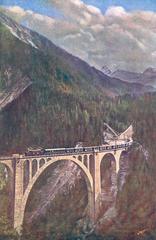


अल्बुला सुरंग का व्यापक मार्गदर्शक: ग्रेउबünden कैंटन, स्विट्जरलैंड का दौरा
दिनांक: 15/06/2025
परिचय
ग्रेउबünden (कैंटन ऑफ़ द ग्रिसन्स) की नाटकीय चोटियों के बीच स्थित, अल्बुला सुरंग स्विस इंजीनियरिंग का एक चमत्कार है और राएटियन रेलवे की अल्बुला लाइन का एक महत्वपूर्ण धमनी है—जो एक यूनेस्को विश्व धरोहर स्थल है। 1903 में पूरी हुई, सुरंग ने न केवल आल्प्स के माध्यम से यात्रा में क्रांति ला दी, बल्कि आर्थिक विकास और पर्यटन को भी बढ़ावा दिया, जिससे दूरदराज की घाटियों को दुनिया से जोड़ा गया। आज, मूल सुरंग और इसके आधुनिक उत्तराधिकारी, अल्बुला सुरंग II (जून 2024 में उद्घाटन किया गया) दुनिया की सबसे सुंदर और ऐतिहासिक रूप से समृद्ध रेलवे यात्राओं में से एक प्रदान करना जारी रखे हुए हैं (यूनेस्को; विकिपीडिया; RhB)।
यह व्यापक मार्गदर्शक आपकी अविस्मरणीय यात्रा के लिए आवश्यक सब कुछ शामिल करता है: टिकटिंग और ट्रेन शेड्यूल से लेकर आस-पास के आकर्षण, संग्रहालय का दौरा, और व्यावहारिक यात्रा सलाह तक।
ऐतिहासिक और सांस्कृतिक महत्व
विजन और निर्माण
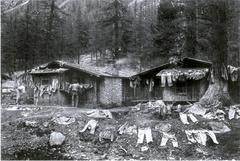
19वीं सदी के अंत में परिकल्पित, अल्बुला सुरंग को अल्पाइन आल्प्स को पार करने की चुनौती का एक साहसिक समाधान माना गया था। 1898 और 1903 के बीच निर्मित, 5,864 मीटर की सुरंग ने 1,800 मीटर से अधिक की ऊंचाई पर प्रेडा और पिनास को जोड़ा, जिससे यह अपने समय में आल्प्स में सबसे ऊँची मुख्य-लाइन रेलवे सुरंग बन गई (विकिपीडिया; यूनेस्को)। सुरंग का निर्माण चुनौतियों से भरा था: अस्थिर भूविज्ञान, पानी का रिसाव, और कठोर अल्पाइन मौसम। 1,300 से अधिक श्रमिकों—जिनमें से कई इतालवी प्रवासी थे—ने खतरनाक परिस्थितियों में श्रम किया, जिसमें परियोजना में 16 लोगों की जान चली गई (GSRA; transportationhistory.org)।
सामाजिक-आर्थिक प्रभाव
इस सुरंग ने क्षेत्र को बदल दिया, चुर और सेंट मोरिट्ज़ के बीच यात्रा के समय को 14 घंटे से घटाकर कुछ घंटे कर दिया, और पर्यटन और व्यापार के उदय का समर्थन किया (स्विस स्पेक्टेटर)। अल्बुला और बर्निन लाइनों के इंजीनियरिंग और परिदृश्य का सामंजस्यपूर्ण एकीकरण 2008 में उनके यूनेस्को विश्व धरोहर पदनाम का कारण बना।
आधुनिकीकरण: अल्बुला सुरंग II
21वीं सदी की शुरुआत तक, मूल सुरंग को बड़े उन्नयन की आवश्यकता थी। महत्वपूर्ण सेवाओं को बाधित करने के बजाय, राएटियन रेलवे ने एक नई, समानांतर सुरंग—अल्बुला सुरंग II—का निर्माण किया, जिसका उद्घाटन जून 2024 में हुआ। 5,860 मीटर की सुरंग में अत्याधुनिक सुरक्षा, वेंटिलेशन और निकासी प्रणाली है; मूल सुरंग को आपातकालीन निकास मार्ग के रूप में पुन: उपयोग किया जा रहा है (RailwayPro)। परियोजना की स्थिरता और विरासत संरक्षण के प्रति प्रतिबद्धता अल्बुला लाइन की निरंतर विरासत सुनिश्चित करती है।
अल्बुला सुरंग क्षेत्र का दौरा
सुरंग का अनुभव कैसे करें
- ट्रेन द्वारा: अल्बुला सुरंग को पार करने का एकमात्र तरीका राएटियन रेलवे पर सवार होना है। नियमित क्षेत्रीय ट्रेनें और ग्लेशियर एक्सप्रेस और बर्निन एक्सप्रेस जैसी प्रसिद्ध मनोरम ट्रेनें गुजरती हैं, जो शानदार अल्पाइन दृश्य प्रस्तुत करती हैं (myswitzerland.com)।
- टिकट: RhB के माध्यम से ऑनलाइन, स्थानीय स्टेशनों पर, या स्विस ट्रैवल सिस्टम के माध्यम से खरीदें। स्विस ट्रैवल पास और क्षेत्रीय ग्रेउबünden पास मान्य हैं; पीक सीजन में मनोरम ट्रेनों के लिए आरक्षण आवश्यक है (helenonherholidays.com)।
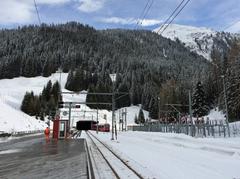
- स्टेशन: प्रेडा (उत्तरी पोर्टल) और पिनास (दक्षिणी पोर्टल) निकटतम स्टेशन हैं, जो नियमित ट्रेनों और स्थानीय बस सेवाओं से जुड़े हैं।
यात्रा घंटे और पहुंच
- सुरंग: कोई सार्वजनिक आगंतुक घंटे नहीं—सुरंग सक्रिय रेलवे अवसंरचना है।
- अल्बुला रेलवे संग्रहालय (बर्गन): दैनिक खुला रहता है, आमतौर पर सुबह 9:00 बजे से शाम 5:00 बजे तक (मौसमी विविधताओं के लिए आधिकारिक साइट देखें)।
- पहुंच: संग्रहालय और स्टेशन (प्रेडा, पिनास) व्हीलचेयर पहुंच प्रदान करते हैं; सीमित गतिशीलता वाले लोगों के लिए लंबी पैदल यात्रा के मार्ग चुनौतीपूर्ण हो सकते हैं।
टिकट की जानकारी
- ट्रेन टिकट: मानक किराए लागू होते हैं; स्विस ट्रैवल पास और यूरैल/इंटररेल स्वीकार किए जाते हैं।
- संग्रहालय प्रवेश: CHF 10 वयस्क; बच्चों/वरिष्ठों के लिए छूट।
- निर्देशित पर्यटन: कभी-कभी विशेष-पहुंच पर्यटन आयोजनों के दौरान पेश किए जाते हैं— RhB या संग्रहालय से अपडेट के लिए जांचें।
क्या देखें और करें
ट्रेन यात्रा की झलकियाँ
- सर्पिल सुरंगें और viaducts: बर्गन और प्रेडा के बीच का खिंचाव प्रतिष्ठित लैंडवासर viaduct सहित नाटकीय लूप और viaducts की विशेषता है (lostinswitzerland.com)।
- मनोरम दृश्य: सर्वोत्तम फोटोग्राफी के अवसरों के लिए खिड़की की सीटें आरक्षित करें।
अल्बुला रेलवे संग्रहालय
बर्गन में स्थित, संग्रहालय इंटरैक्टिव प्रदर्शनियों, मॉडल रेलवे और मूल कलाकृतियाँ प्रदान करता है। यह सुरंग के इतिहास और क्षेत्र की रेलवे विरासत में रुचि रखने वाले किसी भी व्यक्ति के लिए अवश्य देखने योग्य है (अल्बुला रेलवे संग्रहालय)।
अल्बुला रेलवे ट्रेल
प्रेडा और बर्गन के बीच 7 किमी की लंबी पैदल यात्रा का मार्ग रेलवे के समानांतर चलता है, जिसमें इंजीनियरिंग, भूविज्ञान और इतिहास पर व्याख्यात्मक पैनल लगे हैं। देर से वसंत से शरद ऋतु तक खुला रहता है (claudiatravels.com)।
लैंडवासर viaduct
फिलिसुर के पास यह 142 मीटर लंबा और 65 मीटर ऊंचा viaduct स्विट्जरलैंड की सबसे अधिक तस्वीरें खींची जाने वाली रेलवे संरचनाओं में से एक है और यूनेस्को सूची का हिस्सा है।
आउटडोर गतिविधियाँ
- सर्दियाँ: प्रेडा-बर्गन स्लेज रन एक क्लासिक है (6 किमी)।
- गर्मी: पार्क Ela और स्विस नेशनल पार्क में लंबी पैदल यात्रा, माउंटेन बाइकिंग और वन्यजीव देखना।
- फोटोग्राफी: रेलवे और पगडंडियों के साथ कई उत्कृष्ट स्थान।
विशेष कार्यक्रम
ओपन डोर्स एंगडिन जैसे वार्षिक कार्यक्रम और डिजिटल थीम ट्रेल दुर्लभ निर्देशित पर्यटन और गहन सीखने के अनुभव प्रदान करते हैं (outdooractive.com)।
आगंतुकों के लिए व्यावहारिक सुझाव
- हल्का सामान ले जाएं: ट्रेनों पर सामान रखने की जगह सीमित है।
- मौसम: अल्पाइन मौसम अप्रत्याशित है; परतें और जलरोधक लाएं।
- अग्रिम बुकिंग: विशेष रूप से गर्मियों और सर्दियों की छुट्टियों के दौरान, मनोरम ट्रेन सीटों और आवास को जल्दी आरक्षित करें (lonelyplanet.com)।
- भाषा: जर्मन और रोमनशी बोली जाती है; अंग्रेजी पर्यटक क्षेत्रों में व्यापक रूप से समझी जाती है।
- स्थिरता: जहां संभव हो सार्वजनिक परिवहन का उपयोग करें, चिह्नित पगडंडियों का सम्मान करें, और जिम्मेदारी से कचरा निपटाएं (claudiatravels.com)।
- आपातकालीन नंबर: 112 (सामान्य), 117 (पुलिस), 118 (अग्नि), 144 (चिकित्सा)।
अक्सर पूछे जाने वाले प्रश्न (FAQ)
Q: क्या मैं अल्बुला सुरंग से चल सकता हूँ? A: नहीं, सुरंग ट्रेनों के लिए आरक्षित है और पैदल चलने वालों के लिए खुली नहीं है।
Q: मैं अल्बुला सुरंग के लिए टिकट कैसे खरीदूं? A: टिकट RhB वेबसाइट, स्टेशनों पर, या स्विस ट्रैवल सिस्टम के माध्यम से उपलब्ध हैं। मनोरम ट्रेनों के लिए अग्रिम सीट आरक्षण की आवश्यकता होती है।
Q: यात्रा करने का सबसे अच्छा समय क्या है? A: लंबी पैदल यात्रा और दर्शनीय स्थलों के लिए देर से वसंत से शुरुआती शरद ऋतु (जून-अक्टूबर); स्लेजिंग और बर्फीले दृश्यों के लिए सर्दी।
Q: क्या यह क्षेत्र विकलांग यात्रियों के लिए सुलभ है? A: संग्रहालय और स्टेशन सुलभ हैं; लंबी पैदल यात्रा के मार्ग व्हीलचेयर के लिए उपयुक्त नहीं हो सकते हैं।
Q: क्या सुरंग के अंदर निर्देशित पर्यटन उपलब्ध हैं? A: केवल विशेष आयोजनों या वर्षगाँठों के दौरान— RhB या संग्रहालय से जांचें।
सुझाए गए कार्यक्रम
- आधा दिन: चुर या सेंट मोरिट्ज़ से प्रेडा तक ट्रेन यात्रा, स्टेशन क्षेत्र का दौरा, वापसी।
- पूरा दिन: बर्गन (संग्रहालय, गाँव) का अन्वेषण करें, अल्बुला ट्रेल पर हाइक करें, पिनास तक सुरंग के माध्यम से ट्रेन से जारी रखें।
- सर्दियों का रोमांच: प्रेडा से बर्गन तक स्लेज करें, संग्रहालय का दौरा करें, फिर सुरंग के माध्यम से ट्रेन से यात्रा करें।
स्थिरता और जिम्मेदार पर्यटन
यात्रियों को अपने पारिस्थितिक पदचिह्न को कम करने के लिए प्रोत्साहित किया जाता है—ट्रेनों का उपयोग करें, वन्यजीवों का सम्मान करें, और स्थानीय दिशानिर्देशों का पालन करें। यह क्षेत्र पार्क Ela का हिस्सा है, जो स्विट्जरलैंड का सबसे बड़ा प्रकृति पार्क है, और स्थिरता पर्यटन नीति का केंद्र है (myswitzerland.com)।
आवश्यक संपर्क और संसाधन
- राएटियन रेलवे (RhB) – समय-सारणी, टिकटिंग, कार्यक्रम।
- अल्बुला रेलवे संग्रहालय – प्रदर्शनियाँ, खुलने का समय, पर्यटन जानकारी।
- स्विस ट्रैवल सिस्टम – राष्ट्रीय रेल कनेक्शन, पास।
- Wanderland.ch – लंबी पैदल यात्रा के नक्शे।
निष्कर्ष
अल्बुला सुरंग इंजीनियरिंग की उपलब्धि से कहीं अधिक है; यह स्विस नवाचार, बुनियादी ढांचे की परिवर्तनकारी शक्ति और आल्प्स के स्थायी आकर्षण का एक जीवंत प्रमाण है। तकनीकी उत्कृष्टता, ऐतिहासिक गहराई, लुभावनी दृश्यों और स्थिरता के प्रति प्रतिबद्धता के मिश्रण के साथ, अल्बुला सुरंग और इसके आसपास के क्षेत्र का दौरा एक अनिवार्य स्विस अनुभव है। चाहे मनोरम ट्रेन पर सवार हों, रेलवे ट्रेल पर लंबी पैदल यात्रा कर रहे हों, या संग्रहालय का अन्वेषण कर रहे हों, आप ग्रेउबünden को परिभाषित करने वाली संस्कृति, इतिहास और परिदृश्य के अद्वितीय संगम की खोज करेंगे।
अपनी यात्रा की योजना बनाएं, अपने टिकट बुक करें, और स्विस आल्प्स के दिल में डूब जाएं। बेहतर अनुभवों के लिए, ऑडियो गाइड और इंटरैक्टिव मानचित्रों के लिए ऑडिएला ऐप डाउनलोड करें, और नवीनतम यात्रा प्रेरणा और विशेष प्रस्तावों के लिए हमें सोशल मीडिया पर फॉलो करें।
संदर्भ और आधिकारिक लिंक
- अल्बुला सुरंग, 2024, विकिपीडिया
- अल्बुला और बर्निन रेखाएं, 2008, यूनेस्को
- अल्बुला सुरंग परियोजना का पुनर्निर्माण, RhB
- नई अल्बुला सुरंग का आधिकारिक उद्घाटन, RailwayPro
- अल्बुला सुरंग और रेलवे आगंतुक सूचना, Claudiatravels.com
- ग्रेउबünden में सुंदर रेलवे सवारी और लंबी पैदल यात्रा, MySwitzerland.com
- अल्बुला रेलवे संग्रहालय, बर्गन
ऑडिएला 2024{“date”: “15/06/2025”, “task”: {“model”: “gpt-4.1-mini”, “query”: “Comprehensive guide to visiting Albula Tunnel, Canton Of The Grisons, Switzerland: history, significance, visitor tips, and everything tourists need to know for a memorable experience.”, “verbose”: False, “guidelines”: [“Keyword Research: Identify relevant keywords that potential visitors are likely to search for, such as ‘[Monument Name] visiting hours,’ ‘[Monument Name] tickets,’ and ‘[City] historical sites.’ Use these keywords strategically throughout the article, including in the title, headers, and body text, but avoid keyword stuffing.”, “Engaging and Informative Title: Craft a title that is both SEO-friendly and compelling to encourage clicks. Include the main keyword and make it clear what the article will cover.”, “Structured Content: Use headings (H1, H2, H3) to organize the content effectively. This helps with SEO and makes the article easier for readers to navigate. Include an introduction that hooks the reader, a detailed body that covers all relevant aspects, and a conclusion that summarizes the key points.”, “Comprehensive Coverage: Address common questions and topics of interest such as the history of the monument, its cultural significance, visitor information (e.g., ticket prices, opening hours), travel tips, nearby attractions, and accessibility. Include sections that might be unique to the monument, like special events, guided tours, and photographic spots.”, “Quality Content: Ensure the content is well-researched, accurate, and provides real value to readers. Use reliable sources and provide factual information. Write in a clear, engaging, and accessible style. Consider your audience and use language that is appropriate for those likely to visit the monument.”, “Visuals and Media: Incorporate high-quality images or videos of the monument. These should be optimized for the web (correct sizing, alt tags with keywords). Consider interactive elements like virtual tours or maps.”, “Internal and External Links: Include links to other related articles on your site to encourage deeper engagement (internal links). Link to official websites for the monument or credible sources for further reading (external links).”, “FAQ: Incorporate FAQ sections to target voice search queries and featured snippets”, “Visit and Stay Up to Date: End the article with a call to action, such as encouraging readers to download our mobile app Audiala, check out other related posts, or follow on social media for more updates.”], “max_sections”: 4, “publish_formats”: {“pdf”: False, “docx”: False, “markdown”: True}, “follow_guidelines”: True}, “title”: “Comprehensive Guide to Visiting the Albula Tunnel, Canton of the Grisons, Switzerland”, “report”: ”# Albula Tunnel Visiting Hours, Tickets, and Travel Guide in Canton of the Grisons, Switzerland\n\n#### Date: 15/06/2025\n\n---\n\n## Introduction\n\nNestled amidst the dramatic peaks of Graubünden (the Canton of the Grisons), the Albula Tunnel is a marvel of Swiss engineering and a vital artery in the Rhaetian Railway’s Albula Line—a UNESCO World Heritage Site. Completed in 1903, the tunnel not only revolutionized travel through the Alps but also catalyzed economic growth and tourism, connecting remote valleys with the wider world. Today, the original tunnel and its modern successor, Albula Tunnel II (inaugurated in June 2024), continue to offer travelers one of the most scenic and historically rich railway journeys in the world (UNESCO; Wikipedia; RhB).\n\nThis comprehensive guide covers everything you need for an unforgettable visit: from ticketing and train schedules to nearby attractions, museum visits, and practical travel advice.\n\n---\n\n## Historical and Cultural Significance\n\n### Vision and Construction\n\nConceived at the end of the 19th century, the Albula Tunnel was a bold solution to the challenge of crossing the rugged Albula Alps. Built between 1898 and 1903, the 5,864-meter tunnel linked Preda and Spinas at elevations above 1,800 meters, making it the highest main-line railway tunnel in the Alps at its time (Wikipedia; UNESCO). The tunnel’s construction was fraught with challenges: unstable geology, water ingress, and harsh alpine weather. Over 1,300 workers—many Italian migrants—labored in dangerous conditions, with the project claiming 16 lives (GSRA; transportationhistory.org).\n\n### Socio-Economic Impact\n\nThe tunnel transformed the region, reducing travel between Chur and St. Moritz from up to 14 hours to just a few, and supporting the rise of tourism and trade (Swiss Spectator). The Albula and Bernina Lines’ harmonious integration of engineering and landscape led to their UNESCO World Heritage designation in 2008.\n\n### Modernization: Albula Tunnel II\n\nBy the early 21st century, the original tunnel required major upgrades. Rather than disrupt vital services, the Rhaetian Railway constructed a new, parallel tunnel—Albula Tunnel II—opened in June 2024. The 5,860-meter tunnel features state-of-the-art safety, ventilation, and evacuation systems; the original tunnel is being repurposed as an emergency escape route (RailwayPro). The project’s commitment to sustainability and heritage protection ensures the Albula Line’s continued legacy.\n\n---\n\n## Visiting the Albula Tunnel Area\n\n### How to Experience the Tunnel\n\n- By Train: The only way to traverse the Albula Tunnel is aboard the Rhaetian Railway. Regular regional trains and famed panoramic trains like the Glacier Express and Bernina Express pass through, providing stunning alpine vistas (myswitzerland.com). \n- Tickets: Purchase online via RhB, at local stations, or through the Swiss Travel System. Swiss Travel Passes and regional Graubünden passes are valid; reservations are required for panoramic trains in peak season (helenonherholidays.com).\n- Stations: Preda (north portal) and Spinas (south portal) are the closest stations, connected by regular trains and local bus services.\n\n### Visiting Hours and Accessibility\n\n- Tunnel: No public visiting hours—the tunnel is active railway infrastructure.\n- Albula Railway Museum (Bergün): Open daily, typically 9:00 AM–5:00 PM (check official site for seasonal variations).\n- Accessibility: Museum and stations (Preda, Spinas) offer wheelchair access; hiking trails may be challenging for those with limited mobility.\n\n### Ticket Information\n\n- Train Tickets: Standard fares apply; Swiss Travel Pass and Eurail/Interrail accepted.\n- Museum Admission: CHF 10 adults; discounts for children/seniors.\n- Guided Tours: Occasional special-access tours inside the tunnel are offered during events—check RhB or the museum for updates.\n\n---\n\n## What to See and Do\n\n### Train Journey Highlights\n\n- Spiral Tunnels & Viaducts: The stretch between Bergün and Preda features dramatic loops and viaducts, including the iconic Landwasser Viaduct (lostinswitzerland.com).\n- Panoramic Views: Reserve window seats for the best photography opportunities.\n\n### Albula Railway Museum\n\nLocated in Bergün, the museum offers interactive exhibits, model railways, and original artifacts. It’s a must-visit for anyone interested in the tunnel’s history and the region’s railway heritage (Albula Railway Museum).\n\n### Albula Railway Trail\n\nA 7 km hiking trail between Preda and Bergün parallels the railway, with interpretive panels on engineering, geology, and history. Open from late spring to autumn (claudiatravels.com).\n\n### Landwasser Viaduct\n\nThis 142-meter-long and 65-meter-high viaduct near Filisur is one of Switzerland’s most photographed railway structures and part of the UNESCO listing.\n\n### Outdoor Activities\n\n- Winter: The Preda–Bergün sled run is a classic (6 km).\n- Summer: Hiking, mountain biking, and wildlife watching in Parc Ela and the Swiss National Park.\n- Photography: Numerous vantage points along the railway and trails.\n\n### Special Events\n\nAnnual events such as Open Doors Engadin and digital theme trails offer rare guided tours and in-depth learning experiences (outdooractive.com).\n\n---\n\n## Practical Tips for Visitors\n\n- Travel Light: Luggage storage is limited onboard trains.\n- Weather: Alpine weather is unpredictable; bring layers and waterproofs.\n- Advance Booking: Reserve panoramic train seats and accommodation early, especially during summer and winter holidays (lonelyplanet.com).\n- Language: German and Romansh are spoken; English is widely understood in tourist areas.\n- Sustainability: Use public transport where possible, respect marked trails, and dispose of litter responsibly (claudiatravels.com).\n- Emergency Numbers: 112 (general), 117 (police), 118 (fire), 144 (medical).\n\n---\n\n## Frequently Asked Questions (FAQ)\n\nQ: Can I walk through the Albula Tunnel? \nA: No, the tunnel is reserved for trains and not open to pedestrian traffic.\n\nQ: How do I buy tickets for the Albula Tunnel? \nA: Tickets are available from the RhB website, at stations, or via the Swiss Travel System. Panoramic trains require advance seat reservations.\n\nQ: What’s the best time to visit? \nA: Late spring to early autumn (June–October) for hiking and sightseeing; winter for sledding and snow scenes.\n\nQ: Is the area accessible for travelers with disabilities? \nA: Stations and the museum are accessible; hiking trails may not be suitable for wheelchairs.\n\nQ: Are guided tours inside the tunnel available? \nA: Only during special events or anniversaries—check with RhB or the museum.\n\n---\n\n## Suggested Itineraries\n\n- Half-Day: Train ride from Chur or St. Moritz to Preda, visit the station area, return.\n- Full Day: Explore Bergün (museum, village), hike the Albula Trail, continue by train through the tunnel to Spinas.\n- Winter Adventure: Sled from Preda to Bergün, visit the museum, then ride the train through the tunnel.\n\n---\n\n## Sustainability and Responsible Tourism\n\nTravelers are encouraged to minimize their ecological footprint—use trains, respect wildlife, and adhere to local guidelines. The region is part of Parc Ela, Switzerland’s largest nature park, and sustainability is central to tourism policy (myswitzerland.com).\n\n---\n\n## Essential Contacts and Resources\n\n- Rhaetian Railway (RhB) – Timetables, ticketing, events.\n- Albula Railway Museum – Exhibitions, opening hours, tour info.\n- Swiss Travel System – National rail connections, passes.\n- Wanderland.ch – Hiking trail maps.\n\n---\n\n## Conclusion\n\nThe Albula Tunnel is much more than a feat of engineering; it is a living testament to Swiss innovation, the transformative power of infrastructure, and the enduring allure of the Alps. With its blend of technical excellence, historical depth, breathtaking scenery, and commitment to sustainability, a visit to the Albula Tunnel and its surrounding region is an essential Swiss experience. Whether aboard a panoramic train, hiking the railway trail, or exploring the museum, you’ll discover the unique intersection of culture, history, and landscape that defines Graubünden.\n\nPlan your visit, book your tickets, and immerse yourself in the heart of the Swiss Alps. For enhanced experiences, download the Audiala app for audio guides and interactive maps, and follow us on social media for the latest travel inspiration and exclusive offers.\n\n---\n\n## References and Official Links\n\n- Albula Tunnel, 2024, Wikipedia\n- Albula and Bernina Lines, 2008, UNESCO\n- Rebuilding the Albula Tunnel Project, RhB\n- The New Albula Tunnel Official Opening, RailwayPro\n- Albula Tunnel and Railway Visitor Information, Claudiatravels.com\n- Scenic Railway Rides and Hiking in Graubünden, MySwitzerland.com\n- Albula Railway Museum, Bergün\n\n---\n\n”, “headers”: {“date”: “Date”, “title”: “Albula Tunnel Visiting Hours Tickets and Travel Guide in Canton of the Grisons Switzerland”, “conclusion”: “Summary of key points about Albula Tunnel visit and tips”, “references”: “References and links to official sources and related articles”, “introduction”: “Introduction to Albula Tunnel and its significance”, “table_of_contents”: “Contents including history visitor information travel tips and nearby attractions”}, “sources”: [”- Albula Tunnel, 2024, Wikipedia https://en.wikipedia.org/wiki/Albula_railway_line”, ”- Albula and Bernina Lines, 2008, UNESCO World Heritage https://whc.unesco.org/en/list/1276”, ”- Rebuilding the Albula Tunnel Project Details, Rhaetian Railway (RhB) https://www.rhb.ch/en/company/projects-dossiers/rebuilding-of-the-albula-tunnel/rebuilding/the-project”, ”- The New Albula Tunnel Official Opening, 2024, RailwayPro https://www.railwaypro.com/wp/the-new-albula-tunnel-is-officially-open/”, ”- Albula Tunnel and Railway Visitor Information, Claudiatravels.com https://claudiatravels.com/25-little-known-things-to-do-in-grisons-switzerland/”, ”- Scenic Railway Rides and Hiking in Graubünden, MySwitzerland.com https://www.myswitzerland.com/en-ch/experiences/rhaetian-railway-albulabernina/”, ”- Albula Railway Museum, Bergün https://www.bahnmuseum-albula.ch/en/”], “sections”: [“Historical Overview”, “Significance of the Albula Tunnel”, “Visitor Experience”, “Practical Tips for Tourists”], “conclusion”: “The Albula Tunnel embodies a remarkable fusion of technical innovation, cultural heritage, and natural splendor, securing its place as a landmark of Swiss alpine engineering and a treasured UNESCO World Heritage Site. Its construction over a century ago was a monumental feat that transformed the accessibility and socio-economic fabric of the Grisons region, opening remote valleys to year-round travel, commerce, and tourism. The recent completion of the modern Albula Tunnel II, featuring cutting-edge safety and ventilation systems, underscores Switzerland’s commitment to preserving this historic infrastructure while adapting to contemporary standards (RhB).\n\nThough the tunnel itself remains operational railway infrastructure not open for pedestrian visits, the surrounding experiences—from scenic train journeys through breathtaking alpine landscapes to immersive visits at the Albula Railway Museum in Bergün and hikes along the Albula Railway Trail—offer visitors a rich tapestry of history, culture, and nature. Photographers and railway enthusiasts will particularly appreciate iconic sites such as the Landwasser Viaduct and the engineering marvels of spiral tunnels and viaducts en route. Seasonal considerations, accessibility features, and sustainability efforts further enhance the visitor experience, ensuring the Albula Tunnel region remains a responsible and rewarding destination for travelers worldwide (claudiatravels.com; RailwayPro).\n\nFor those planning a visit in 2025 and beyond, advance ticket reservations—particularly for panoramic trains—and accommodation bookings are recommended to enjoy the full splendor of this alpine jewel. Engage with special events such as Open Doors Engadin or explore digital theme trails to deepen your appreciation of the tunnel’s legacy. Downloading the Audiala app for audio guides and interactive maps can further enrich your journey. By embracing the Albula Tunnel’s blend of heritage, innovation, and natural beauty, visitors partake in a quintessential Swiss adventure that honors the past while looking confidently towards the future (myswitzerland.com; Rhaetian Railway Official Site).”, “introduction”: “Nestled within the breathtaking landscapes of the Canton of the Grisons (Graubünden), Switzerland, the Albula Tunnel stands as an extraordinary testament to Swiss engineering ingenuity and alpine heritage. Completed in 1903, this iconic 5,864-meter railway tunnel forms a crucial segment of the Rhaetian Railway’s Albula Line, a route celebrated for its innovative spiral tunnels, majestic viaducts, and harmonious integration within the dramatic Swiss Alps. Its engineering marvel was pivotal in connecting remote alpine valleys, dramatically reducing travel time, and catalyzing economic growth and tourism in the region. Today, the Albula Tunnel, along with the Albula and Bernina railway lines, holds the prestigious UNESCO World Heritage designation, recognizing its outstanding universal value as a masterpiece of railway engineering and landscape preservation (UNESCO; Wikipedia).\n\nVisitors primarily experience the tunnel via scenic train journeys aboard the Rhaetian Railway, including renowned panoramic services such as the Glacier Express and Bernina Express, which traverse the tunnel between the picturesque villages of Preda and Spinas. While the tunnel itself is not open for pedestrian access due to safety reasons, surrounding attractions like the Albula Railway Museum in Bergün, the Albula Railway Trail, and the iconic Landwasser Viaduct offer enriching insights into the tunnel’s historical significance and spectacular alpine environment. The recent inauguration of the new Albula Tunnel II in June 2024 marks a significant modernization milestone, ensuring enhanced safety and operational efficiency while preserving the original tunnel as a vital emergency route (RhB; RailwayPro).\n\nThis comprehensive guide will equip travelers with essential information on visiting hours, ticketing, accessibility, seasonal considerations, nearby historical sites, and practical travel tips, enabling an immersive exploration of one of Switzerland’s most revered railway landmarks. Whether you are a railway enthusiast, history buff, or nature lover, the Albula Tunnel offers a unique gateway to the heart of the Swiss Alps and an unforgettable journey through engineering history (myswitzerland.com; claudiatravels.com).”, “research_data”: [{“Albula Tunnel Visiting Hours, Tickets, and History: Your Guide to Graubünden’s Iconic Railway Landmark”: ”## Introduction\n\nDiscover the Albula Tunnel, a marvel of Swiss engineering nestled in the stunning landscapes of Graubünden (Grisons), Switzerland. This iconic railway tunnel is not only a vital transport link but also a captivating historical site that attracts tourists from around the world. Whether you’re interested in its fascinating history, planning a scenic train journey, or looking for practical visiting information, this guide has you covered.\n\n## Visiting the Albula Tunnel: Hours, Tickets, and Travel Tips\n\n### How to Experience the Albula Tunnel\n\nThe Albula Tunnel itself is part of the Rhaetian Railway (RhB) network and is accessible primarily by train. Visitors can enjoy breathtaking views and experience the tunnel by taking regular passenger trains on the Albula Railway line, which runs between Thusis and St. Moritz. Tickets for these scenic rides can be purchased online via the RhB official website or at local train stations. For the best experience, consider reserving a window seat to capture stunning photos of the surrounding alpine scenery.\n\n### Visiting Hours and Accessibility\n\nWhile the tunnel is not open for pedestrian visits or guided tours inside the tunnel itself, the train services operate year-round with frequent schedules. Stations such as Preda and Spinas offer access points to the Albula line. Many of these stations have visitor facilities and nearby hiking trails, making it easy to combine your visit with outdoor activities.\n\n### Ticket Information\n\nTicket prices vary depending on your travel route and class of service. Visitors can purchase single journey tickets or opt for regional passes that include the Albula Railway and other scenic lines like the Bernina Line. Discounts are often available for Swiss Travel Pass holders, seniors, and children. Check the RhB site or local tourist offices in Graubünden for the latest information.\n\n### Travel Tips for Tourists\n\n- Best Time to Visit: Spring to autumn offers the most pleasant weather for sightseeing and photography.\n- Accessibility: Stations on the Albula line are equipped with facilities for travelers with reduced mobility, but note that the tunnel itself is a train-only route.\n- Nearby Attractions: Explore charming mountain villages such as Bergün/Bravuogn, visit the Landwasser Viaduct, or hike along the Albula Trail for memorable experiences.\n\n## Historical Overview\n\n### Early Vision and Planning\n\nThe Albula Tunnel is a central engineering achievement of the Rhaetian Railway (RhB) in Graubünden, Switzerland. Conceived in the late 19th century, it was designed to connect the remote Engadin valley with the rest of Switzerland and Europe, overcoming the formidable Albula Alps. The RhB, founded in 1889, aimed to boost economic growth and tourism, making the high valleys accessible throughout the year (Wikipedia; UNESCO).\n\n### Construction of the Original Albula Tunnel (1898–1903)\n\n#### Engineering Challenges and Innovations\n\nConstructed between 1898 and 1903, the 5,865-meter tunnel was a remarkable achievement given the technology of the time and the challenging alpine environment. The tunnel reaches 1,823 meters above sea level, making it the highest main-line railway tunnel in the Alps at its completion (Wikipedia; UNESCO Dossier, p. 2).\n\nBuilders faced complex geology, including wet lime and clay shales, quicksand, and unstable rock formations, requiring innovative construction methods like water-powered Brandt drilling machines and the Austrian sole-gallery technique.\n\n#### Workforce and Timeline\n\nA large workforce, including many Italian migrant laborers, braved harsh conditions to complete the tunnel in five years, showcasing human determination and engineering skill (GSRA).\n\n### Engineering Significance\n\nThe Albula Tunnel is the centerpiece of the 67-kilometer Albula Railway, famous for its 42 tunnels, 144 viaducts, and spiral loops that allow trains to climb steep terrain gracefully (UNESCO). Its design blends harmoniously with the alpine environment, with natural stone portals enhancing its visual appeal.\n\nThe tunnel set new standards in Alpine railway engineering and was a pioneer in adopting electric traction, influencing future European railway projects.\n\n### Socio-Economic and Cultural Impact\n\nBy opening year-round access to the Engadin region, the tunnel transformed local economies and tourism, turning isolated agricultural areas into vibrant destinations (UNESCO). The Albula and Bernina lines were declared a UNESCO World Heritage Site in 2008 for their outstanding integration of technical, architectural, and environmental qualities.\n\n## Modernization: The Second Albula Tunnel (2014–2024)\n\nFacing deterioration, the RhB decided in 2010 to build a parallel tunnel instead of renovating the original. Construction of the new 5,860-meter Albula Tunnel II began in 2014 and was completed in 2024. It features modern safety standards, higher speed limits (up to 120 km/h), and increased capacity, making it a vital upgrade for the future (Tunnelbuilder).\n\nCross-passages connect the two tunnels, with the original tunnel being refurbished as an emergency route. The project cost approximately EUR 427 million, mainly funded by the Swiss government.\n\n## Visiting Graubünden Historical Sites Nearby\n\nWhile exploring the Albula Tunnel area, visitors can also enjoy Graubünden’s many historical sites and natural attractions, including:\n\n- The Landwasser Viaduct, a spectacular railway bridge near the tunnel.\n- The charming village of Bergün/Bravuogn, known for its railway museum.\n- The Bernina Line, another UNESCO-listed scenic railway.\n- Hiking trails offering panoramic views.\n\n## Frequently Asked Questions (FAQ)\n\nQ: Can I walk through the Albula Tunnel?\nA: No, the tunnel is active railway infrastructure and is not open to pedestrians.\n\nQ: How do I buy tickets to experience the Albula Tunnel?\nA: Tickets are available from the Rhaetian Railway website, local stations, and tourist offices. Consider regional passes for broader travel.\n\nQ: What are the best places to photograph the Albula Tunnel?\nA: The tunnel portals at Preda and Spinas, the Landwasser Viaduct, and nearby hiking trails offer excellent photo opportunities.\n\nQ: Is the Albula Railway accessible for travelers with disabilities?\nA: Many stations are equipped for accessibility, but check specific facilities ahead of your trip.\n\n## Visuals and Media Recommendations\n\nInclude high-quality images showing:\n- The Albula Tunnel entrance in Graubünden.\n- Scenic views of trains crossing the Landwasser Viaduct.\n- The spiral tunnels and viaducts along the Albula Railway.\n\nInteractive maps and virtual tours available on the RhB website or UNESCO pages can enhance visitor engagement.\n\n## Conclusion\n\nThe Albula Tunnel is more than just a railway passage; it is a testament to Swiss engineering, history, and natural beauty. Whether you’re a train enthusiast, history buff, or traveler seeking alpine adventures, the Albula Tunnel and its surroundings offer unforgettable experiences.\n\nPlan your visit today, purchase your tickets, and immerse yourself in the rich heritage of Graubünden. Don’t forget to download the Audiala app for audio guides and stay updated with our related posts on Swiss railways and tourism by following us on social media.\n\n---\n\nRelated Articles:\n- [Exploring the Rhaetian Railway: A Swiss Heritage Journey]\n- [The Bernina Line: A UNESCO World Heritage Scenic Ride]\n- [Top Attractions in Graubünden: Beyond the Rails]\n\nExternal Links:\n- Rhaetian Railway Official Site\n- UNESCO World Heritage Albula and Bernina Lines\n- Graubünden Tourism\n\n\n”, {“Albula Tunnel: Visiting Hours, Tickets, and Exploring Grisons’ Historic Alpine Railway”: ”## Albula Tunnel: Visiting Hours, Tickets, and Exploring Grisons’ Historic Alpine Railway\n\n### Discover the Albula Tunnel – A Masterpiece of Alpine Railway Engineering\n\nThe Albula Tunnel stands as a testament to early 20th-century engineering prowess and innovation. Completed in 1903, the original tunnel stretches 5,864 meters (approximately 3.6 miles) beneath the Albula Pass, connecting Preda and Spinas in the Canton of the Grisons. At its highest point, the tunnel reaches 1,820 meters (5,970 feet) above sea level, making it the second-highest alpine tunnel in Switzerland after the Furka Tunnel (Wikipedia). The tunnel was a critical component of the Albula railway line, which itself is renowned for its 55 bridges and 39 tunnels over a 61.67-kilometer (38.32-mile) route, linking Thusis and St. Moritz (Wikipedia).\n\nThe construction of the Albula Tunnel was fraught with technical challenges, particularly due to water ingress and difficult geological conditions. These obstacles led to the bankruptcy of the original contractor and required the labor of 1,316 workers, with 16 fatalities recorded during the project (Wikipedia). The tunnel’s completion marked a significant achievement in overcoming the formidable natural barriers of the Alps, enabling efficient rail transport across the region.\n\n### UNESCO World Heritage Status\n\nThe Albula Tunnel, together with the Albula railway line and the Bernina railway line, was inscribed as a UNESCO World Heritage Site in 2008 under the designation “Rhaetian Railway in the Albula/Bernina Landscapes” (Wikipedia; RhB). This recognition underscores the tunnel’s outstanding universal value as an example of harmonious integration between railway technology and the dramatic alpine landscape. The UNESCO status not only highlights the tunnel’s historical and technical importance but also ensures its preservation for future generations.\n\n### Catalyst for Regional Development\n\nThe opening of the Albula Tunnel in 1903 dramatically transformed the economic and social landscape of the Grisons. Prior to the railway, travel between Chur and St. Moritz could take up to fourteen hours, even after the completion of a modern road in 1866 (Swiss Spectator). The railway, with the tunnel as its centerpiece, reduced this journey to just a few hours, facilitating the movement of people, goods, and mail. This improved connectivity spurred tourism, trade, and cultural exchange, contributing to the prosperity and cosmopolitan character of the region.\n\nThe Albula Pass, historically a vital trade and postal route since the 16th century, became even more significant with the advent of the railway. The tunnel enabled year-round, reliable access through the Alps, overcoming the limitations imposed by harsh winter conditions and the region’s challenging topography (Swiss Spectator).\n\n### Modernization and Safety: The New Albula Tunnel\n\nBy the early 21st century, the original Albula Tunnel, over 110 years old, was showing signs of significant deterioration. An assessment in 2006 revealed that more than half of the tunnel’s inner walls were in poor condition, necessitating urgent renovation and modernization to meet contemporary safety standards (RailwayPro; RhB). After evaluating the options of repair versus new construction, the Rhaetian Railway (RhB) opted to build a new tunnel parallel to the original, citing minimal cost difference, reduced disruption to train schedules, and significantly enhanced safety.\n\nThe new Albula Tunnel, officially opened in June 2024, runs 5,860 meters and is connected to the old tunnel by 12 cross passages. The project, costing CHF 407 million (EUR 420 million), ensures the continued operation of this vital rail link while the original tunnel is being converted into a dedicated safety tunnel (RailwayPro). The new tunnel incorporates state-of-the-art safety features, including pressurized escape routes and advanced evacuation systems, setting a benchmark for alpine railway infrastructure (RhB).\n\n### Sustainability and Environmental Stewardship\n\nThe construction and operation of the new Albula Tunnel were guided by rigorous environmental and heritage protection standards. The Rhaetian Railway worked closely with cantonal and federal authorities to ensure that the new structure respected the landscape and the historical value of the original tunnel (RhB). Environmental impact studies were conducted to safeguard local ecosystems, such as the coloration of Lake Palpuogna, and to implement measures that minimize the tunnel’s ecological footprint.\n\nThe project’s commitment to sustainability is further reflected in its design, which prioritizes energy efficiency, long-term durability, and the preservation of the surrounding alpine environment. The integration of the new tunnel into the UNESCO World Heritage landscape exemplifies a successful balance between technological advancement and cultural heritage conservation.\n\n### Symbol of Swiss Innovation and Identity\n\nThe Albula Tunnel is more than just a transportation corridor; it is a symbol of Swiss ingenuity, resilience, and respect for nature. Its construction and ongoing modernization reflect the country’s tradition of overcoming geographical challenges through engineering excellence. The tunnel and the railway line it serves are celebrated as national icons, attracting railway enthusiasts, historians, and tourists from around the world.\n\nThe Albula Tunnel’s significance is also cultural, as it connects diverse linguistic and cultural regions within the canton of Grisons. The Rhaetian Railway, with its panoramic trains such as the Glacier Express and Bernina Express, offers passengers not only breathtaking views but also a journey through the multicultural heart of Switzerland (Valsurses).\n\n### Tourism and Educational Value\n\nFor visitors, the Albula Tunnel and its railway line offer a unique opportunity to experience one of the world’s most spectacular rail journeys. The route features engineering marvels such as the Landwasser Viaduct and helical tunnels, set against the backdrop of the Swiss Alps (Valsurses). The Albula Railway Museum in Bergün provides in-depth insights into the history, construction, and social impact of the railway, with multimedia exhibits and original artifacts. The museum is open daily from 9:00 AM to 5:00 PM, with an admission fee of CHF 10 for adults and discounts for children and seniors (Albula Railway Museum)—making it an essential Grisons historical site for railway enthusiasts and tourists alike.\n\nThe Albula Railway Adventure Trail, running parallel to the railway between Preda, Bergün, and Filisur, allows visitors to explore the interplay of landscape and technology on foot. This trail, along with open observation cars and historic train rides, enhances the educational and experiential value of a visit to the Albula Tunnel and its surroundings (Valsurses).\n\n### Visiting the Albula Tunnel: Hours, Tickets, and Travel Tips\n\nWhile the Albula Tunnel itself is not accessible for independent pedestrian visits due to safety reasons, travelers can experience the tunnel and surrounding railway line by train. The Rhaetian Railway offers regular passenger services through the tunnel, including the famous Glacier Express and Bernina Express routes. Tickets can be purchased online via the RhB official website or at local train stations. Prices vary depending on the route and class of service.\n\nAlbula Tunnel Visiting Hours: Since the tunnel is operational railway infrastructure, there are no set visiting hours. However, the Albula Railway Museum in Bergün welcomes visitors daily from 9:00 AM to 5:00 PM.\n\nTicket Information: For scenic train journeys through the Albula Tunnel, it is recommended to book tickets in advance, especially during peak tourist seasons (summer and winter holidays). Tickets for the Glacier Express and Bernina Express include passage through the tunnel and can be purchased online or at ticket counters.\n\nHow to Reach the Albula Tunnel: The nearest train stations to the tunnel are Preda and Spinas, both accessible via the Rhaetian Railway network. These stations are well connected to major hubs like Chur and St. Moritz. Visitors can also access the area by car, with parking available near the Albula Railway Museum in Bergün.\n\nAccessibility: The Albula Railway Museum and many of the train services are wheelchair accessible. However, the Adventure Trail includes steep and uneven terrain, so visitors with mobility challenges should plan accordingly.\n\nBest Time to Visit: The railway operates year-round, but the best times to experience the stunning alpine scenery are from late spring to early autumn and during the winter months when the landscape is snow-covered.\n\n### Nearby Attractions and Accommodation\n\nVisitors to the Albula Tunnel area can explore other Grisons historical sites and alpine railway attractions, such as:\n- Landwasser Viaduct: A spectacular UNESCO-listed railway bridge near Filisur.\n- Bergün Village: Known for its charming alpine architecture and the Albula Railway Museum.\n- Swiss National Park: A UNESCO biosphere reserve offering hiking and wildlife watching.\n\nAccommodation options range from cozy alpine lodges and guesthouses in Bergün and Filisur to luxury hotels in St. Moritz and Davos. Booking in advance is recommended during peak seasons.\n\n### Strategic and Defensive Importance\n\nHistorically, the Albula Pass and its tunnel held strategic military significance. During World War II, the pass formed part of Switzerland’s defensive “Reduit” line, with fortifications and bunkers constructed to protect key transit routes (Swiss Spectator). The tunnel’s continued operation ensures the resilience and security of vital infrastructure in the region.\n\n### Frequently Asked Questions (FAQ)\n\nQ: What are the Albula Tunnel visiting hours?\nA: The tunnel itself is not open for independent visits. However, the Albula Railway Museum in Bergün is open daily from 9:00 AM to 5:00 PM.\n\nQ: How can I buy tickets for the Albula Tunnel train journeys?\nA: Tickets for trains passing through the Albula Tunnel, including the Glacier Express and Bernina Express, can be purchased online via the RhB website or at train stations.\n\nQ: Is the Albula Tunnel accessible for people with disabilities?\nA: While the tunnel is not open for independent visits, the Albula Railway Museum and many train services are wheelchair accessible.\n\nQ: What nearby attractions can I visit?\nA: Nearby attractions include the Landwasser Viaduct, Bergün village, and the Swiss National Park.\n\n### Plan Your Visit to the Albula Tunnel Today!\n\nExperience the engineering marvel and breathtaking alpine scenery of the Albula Tunnel by booking your scenic train journey now. Don’t forget to visit the Albula Railway Museum in Bergün to delve deeper into the rich history and cultural significance of this Grisons historical site.\n\nFor more travel tips and updates, download the Audiala app and explore other fascinating Swiss railway attractions. Follow us on social media to stay informed about special tours, events, and seasonal highlights.\n\n---\n\nIn summary, the Albula Tunnel’s significance is multifaceted—encompassing engineering innovation, historical transformation, cultural integration, environmental stewardship, and enduring value as a world-class tourist destination. Whether you’re a history buff, railway enthusiast, or traveler seeking stunning alpine vistas, the Albula Tunnel offers an unforgettable experience in the heart of Switzerland’s Grisons canton.”, {“Albula Tunnel Visitor Guide: Tickets, Visiting Hours, and Nearby Attractions in Graubünden”: ”## Getting to the Albula Tunnel\n\nThe Albula Tunnel, a key component of the Rhaetian Railway’s Albula Line and a UNESCO World Heritage Site, is located in the Canton of the Grisons (Graubünden), Switzerland. Connecting the villages of Preda and Spinas beneath the Albula Pass, it links the Albula Valley with the Upper Engadin. The nearest major towns are Chur and St. Moritz, both accessible via Swiss Federal Railways (SBB) and the Rhaetian Railway (RhB).\n\nTravelers typically reach the tunnel via the scenic Albula Railway, boarding at Chur, Thusis, or St. Moritz. The journey itself is renowned for its spiral tunnels, viaducts, and panoramic alpine vistas (transportationhistory.org). The closest stations to the tunnel are Preda (north portal) and Spinas (south portal), both small but well-signposted and serviced by regular trains.\n\nFor those driving, the Albula Pass road (open seasonally, typically June–October) provides access to Preda and the surrounding region. However, public transport is highly recommended due to limited parking and the region’s strong commitment to sustainable tourism (claudiatravels.com).\n\n\n\n## Visitor Facilities and Accessibility\n\n### Albula Railway Museum\n\nA key visitor hub is the Albula Railway Museum in Bergün, a short train ride from Preda. The museum offers interactive exhibits on the history and engineering of the Albula Line and the tunnel, including original artifacts, model railways, and one of the last “Crocodile” locomotives (claudiatravels.com). Multilingual displays enhance accessibility for international visitors.\n\n### Guided Tours and Tunnel Experiences\n\nAlthough the Albula Tunnel is an active railway tunnel and generally not open for public walkthroughs, special guided tours are occasionally organized during anniversaries or after major engineering milestones. These tours provide rare access to the tunnel’s interior, showcasing its construction, ventilation systems, and safety features. Visitors should check the Rhaetian Railway (RhB official site) or the Albula Railway Museum for current information on availability.\n\n### Albula Railway Trail\n\nFor an immersive experience, the Albula Railway Trail (Bahnerlebnisweg Albula) is a 7 km hiking path between Preda and Bergün. The trail closely follows the railway line, offering spectacular views of the tunnel portals, viaducts, and spiral tunnels. Interpretive panels along the route explain the history, geology, and engineering challenges of the Albula Tunnel and railway (claudiatravels.com). Suitable for families, the trail is open from late spring to autumn, depending on snow conditions.\n\n### Accessibility\n\nPreda and Spinas stations offer step-free access at platforms, and the Albula Railway Museum is wheelchair accessible. However, the Albula Railway Trail includes uneven terrain and is not suitable for wheelchairs or strollers.\n\n## Albula Tunnel Visiting Hours and Tickets\n\nThe Albula Tunnel itself does not have specific visiting hours since it is an operational railway tunnel. However, visiting the Albula Railway Museum in Bergün is an excellent way to explore the tunnel’s history and engineering. The museum is generally open from April to October, with varying hours—check their website for the latest schedule (Albula Railway Museum).\n\nTickets for train journeys through the Albula Tunnel can be purchased via the Swiss Travel System or directly through RhB. Standard Swiss Travel Passes and regional Graubünden passes cover journeys through the tunnel, but museum entry and guided tours require separate tickets (claudiatravels.com). Advance booking is recommended during peak seasons.\n\n## What to Expect: The Train Journey\n\nTraveling through the Albula Tunnel is a highlight of the Albula Line, one of the world’s most scenic railways. The tunnel is 5,864 meters (3.64 miles) long, with trains passing through in just a few minutes at speeds up to 120 km/h (75 mph) (srf.ch). The transition from the lush Albula Valley to the high Engadin plateau is dramatic, with the tunnel serving as a gateway between two distinct alpine landscapes.\n\nMost RhB trains feature panoramic windows, allowing uninterrupted views before and after the tunnel. Audio guides and printed materials providing historical and technical context are available on some services.\n\n\n\n## Seasonal Considerations\n\n### Best Time to Visit\n\nThe Albula region is accessible year-round by train, but the best time for a full visitor experience is from late spring to early autumn (June–October). During this period, the Albula Pass road is open, hiking trails are snow-free, and the museum operates extended hours (thetravellingtedaldi.com). Winter offers a different kind of beauty with snow-covered landscapes, though some outdoor activities may be limited.\n\n### Weather and Packing Tips\n\nWeather in the high Alps can be unpredictable. Even in summer, temperatures at Preda (1,789 m) and Spinas (1,814 m) can be cool, especially mornings and evenings. Average summer highs hover around 14°C (57°F), with lows near 4°C (39°F) (globalhighlights.com). Visitors should pack layers, waterproof jackets, and sturdy footwear, especially if hiking.\n\n## Practical Tips for Visitors\n\n- Tickets: Swiss Travel Passes and regional Graubünden passes cover train journeys through the Albula Tunnel. Separate tickets are needed for museum entry and guided tours (claudiatravels.com).\n- Advance Booking: Accommodation in Bergün, St. Moritz, and nearby areas fills quickly during peak season. Book well in advance (lonelyplanet.com).\n- Safety: The region is generally safe, but always check weather forecasts before hiking. Mountain conditions can change rapidly. Save the Swiss air rescue number (1414) in your phone (lonelyplanet.com).\n- Luggage: Keep an eye on your belongings when traveling by train, especially in major hubs (lonelyplanet.com).\n- Language: Romansh and German are local languages, but English is widely spoken in tourist areas.\n\n## Unique Experiences\n\n### UNESCO World Heritage Status\n\nThe Albula Tunnel is part of the Rhaetian Railway in the Albula/Bernina Landscapes, inscribed as a UNESCO World Heritage Site in 2008. This status highlights its engineering significance and harmonious integration into the alpine environment (transportationhistory.org). Interpretive materials at the museum and along the railway trail provide insights into this designation.\n\n### Engineering Marvel\n\nThe original Albula Tunnel opened in 1903, constructed by 1,316 workers over several years under harsh conditions, with significant loss of life (transportationhistory.org). The new tunnel, inaugurated in 2024 after a decade of construction and a 407 million Swiss franc investment, enhances safety and efficiency. The old tunnel now serves as an emergency escape route (srf.ch).\n\n### Photography and Sightseeing\n\nThe Albula Tunnel area is a paradise for photographers and train enthusiasts. The nearby Landwasser Viaduct is one of Switzerland’s most iconic railway landmarks. Spiral tunnels and stone bridges along the Albula Line offer numerous vantage points for dramatic shots of trains winding through the mountains (claudiatravels.com).\n\n## Combining with Other Attractions\n\n- Bergün: Picturesque alpine village with traditional Engadin architecture, the Albula Railway Museum, and access to hiking and biking trails.\n- St. Moritz: World-famous resort town reachable via the Albula Line, offering luxury shopping, dining, and access to the Engadine lakes.\n- Parc Ela: Switzerland’s largest nature park, ideal for multi-day treks and wildlife spotting (claudiatravels.com).\n- Rhine Gorge: Known as the “Swiss Grand Canyon,” accessible by train from Chur for those seeking further natural wonders.\n\n## Sustainability and Responsible Tourism\n\nThe Albula region is committed to sustainable tourism. The Rhaetian Railway exemplifies environmentally friendly transport, and local initiatives encourage visitors to use public transport, respect marked trails, and minimize ecological footprints (claudiatravels.com). Visitors should follow local guidelines, carry out trash, and be mindful of wildlife and livestock.\n\n## FAQ – Frequently Asked Questions\n\nQ: What are the Albula Tunnel visiting hours?\nA: The tunnel itself is not open for public visits due to its operational status. However, the Albula Railway Museum in Bergün, which showcases the tunnel’s history, is open seasonally with varying hours—check their website for details.\n\nQ: How can I get Albula Tunnel tickets?\nA: Tickets for train journeys through the Albula Tunnel, including the Glacier Express and Bernina Express, can be purchased online via the SBB website or app, at stations, or through passes like the Swiss Travel Pass. Panoramic trains require advance seat reservations.\n\nQ: Is the Albula Tunnel accessible for disabled visitors?\nA: Stations at Preda and Spinas are equipped for travelers with limited mobility, and the Albula Railway Museum is wheelchair accessible. The hiking trail is not suitable for wheelchairs or strollers.\n\nQ: Are there any guided tours inside the Albula Tunnel?\nA: Special guided tours inside the tunnel are rare and usually offered only during anniversaries or after major engineering milestones. Check with RhB or the museum for availability.\n\nQ: What is the best time to visit the Albula Tunnel area?\nA: Late spring to early autumn (June–October) offers the best access and visitor experience, with open roads, clear hiking trails, and extended museum hours.\n\n## Essential Contacts and Resources\n\n- Rhaetian Railway (RhB) – Timetables, ticketing, and special events.\n- Albula Railway Museum – Opening hours, exhibitions, and guided tour info.\n- Swiss Travel System – National rail connections and passes.\n- Wanderland.ch – Hiking trail maps and conditions.\n\n## Plan Your Visit Today!\n\nDiscover the breathtaking engineering and alpine beauty of the Albula Tunnel and its surroundings. Download the mobile app Audiala for audio guides and interactive maps to enhance your journey. Explore our related posts on scenic Swiss railways and Graubünden historical sites for more travel inspiration. Follow us on social media for the latest updates and exclusive offers. Start planning your unforgettable Swiss adventure now!”, {“Exploring the Albula Tunnel: Visiting Hours, Tickets, and Graubünden’s Historic Railway Marvel”: ”## Introduction\n\nNestled in the heart of the Swiss Alps, the Albula Tunnel is more than just a passageway through mountains—it’s a testament to engineering brilliance and a vital part of the Rhaetian Railway’s Albula Line, a UNESCO World Heritage Site. This article offers a comprehensive guide for visitors interested in discovering the history, cultural significance, and practical details of visiting the Albula Tunnel and its surrounding region in Graubünden, Switzerland. Whether you’re a history enthusiast, an avid hiker, or a railway fan, this guide covers everything from tickets and transportation to hiking trails and special events.\n\n## History and Cultural Significance\n\nConstructed between 1898 and 1903, the Albula Tunnel was a groundbreaking achievement of its time, enabling the railway to link remote alpine regions with the rest of Switzerland. The Albula Line, including the tunnel, is celebrated for its innovative engineering solutions, such as spiral tunnels and viaducts, that harmonize with the dramatic landscape. In 2008, the Albula and Bernina lines were recognized as UNESCO World Heritage Sites for their outstanding universal value, blending technical innovation with stunning natural scenery. Today, the original Albula Tunnel is being transformed into a safety tunnel, while the new Albula Tunnel II, opened in 2024, ensures modern standards of safety and efficiency.\n\n## Getting There and Transportation\n\n### By Train\n\nThe Albula Tunnel remains primarily accessible via the Rhaetian Railway’s Albula Line. Tourists can experience the tunnel aboard regular regional trains or the iconic panoramic trains such as the Bernina Express and Glacier Express. The line connects Thusis and St. Moritz, with the tunnel running between Preda and Spinas (myswitzerland.com). Trains are frequent, reliable, and provide breathtaking views of the Alps.\n\n- Tickets: Valid options include standard Swiss rail tickets, Swiss Travel Pass, Interrail, and Eurail passes (helenonherholidays.com).\n- Reservations: Required for panoramic trains, especially during peak seasons; regional trains offer flexible travel without reservations.\n- Travel Time: The tunnel passage is brief, but the full journey between Chur and St. Moritz takes about 2 hours and 20 minutes.\n\n### By Car\n\nAlthough the tunnel is exclusively for trains, visitors can access the region via the scenic Albula Pass road (Passo dell’Albula), open seasonally from June to October (dangerousroads.org). This 39.3 km route is famous for its hairpin bends and steep gradients (up to 15%). Parking is available near Preda and Spinas stations, but spaces are limited, especially on weekends and holidays.\n\n### By Bus\n\nLocal bus services connect nearby villages and towns. However, train travel is recommended for convenience and scenic value.\n\n## Best Times to Visit\n\n- Seasonality: The railway operates year-round, but the Albula Pass road is open only from June to October (dangerousroads.org).\n- Weather: Summer (June–September) offers ideal conditions for hiking and sightseeing, while winter (December–March) is perfect for sledding and snow activities, especially on the renowned Preda–Bergün sled run (myswissalps.com).\n- Crowds: To avoid busy periods, plan visits during shoulder seasons or weekdays, and consider early morning travel (switzerlandinsider.com).\n\n## Ticketing and Passes\n\n- Swiss Travel Pass: Provides unlimited travel on the Rhaetian Railway, including the Albula Line and tunnel (helenonherholidays.com).\n- Saver Day Pass: A budget-friendly option for unlimited single-day travel.\n- Panoramic Train Reservations: Mandatory for Bernina Express and Glacier Express; book well ahead during peak seasons (myswitzerland.com).\n- Regional Trains: No reservation needed; tickets available at stations or via the SBB Mobile app.\n\n## Accessibility and Facilities\n\n- Stations: Preda and Spinas stations offer basic amenities such as waiting rooms, ticket machines, and restrooms, and are accessible to travelers with limited mobility (rhb.ch).\n- Luggage: Storage available at major stations (Chur, St. Moritz). Onboard luggage space is limited; pack light for day trips.\n- Food and Drink: No dining facilities at tunnel portals; bring snacks or visit nearby towns like Bergün or St. Moritz.\n\n## What to See and Do\n\n### Train Journey Highlights\n\n- Albula Tunnel II: The new 5,860-meter tunnel, opened in June 2024, boasts advanced safety and ventilation systems (rhb.ch).\n- Landwasser Viaduct: A striking 142-meter-long, 65-meter-high viaduct shortly after Bergün, a marvel of early 20th-century engineering (lostinswitzerland.com).\n- Spirals and Tunnels: The Albula Line includes six viaducts and three loop tunnels between Preda and Bergün, offering dramatic altitude changes and views (lostinswitzerland.com).\n\n### Hiking and Outdoor Activities\n\n- Preda–Bergün Sled Run: In winter, enjoy one of Switzerland’s longest 6 km sledding routes following the railway’s curves (myswissalps.com).\n- Panoramic Hikes: The Spinas–Preda trail through Val Bever provides stunning views of the railway and mountains (outdooractive.com).\n- Cycling: The Albula Trail offers an 8.6 km downhill mountain biking route for experienced riders (travelandkeepfit.com).\n\n### Events and Guided Tours\n\n- Open Doors Engadin: Annual late June events in Spinas featuring guided tours and insights into the Albula tunnels and railway heritage (outdooractive.com).\n- Digital Theme Trail: An interactive trail launched in summer 2024, offering historical and engineering information about the tunnels (outdooractive.com).\n\n## Albula Tunnel Visiting Hours and Guided Tours\n\n- The Albula Tunnel itself does not have public visiting hours due to safety and operational reasons.\n- Guided tours are occasionally available during special events such as Open Doors Engadin or by arrangement through local tourist offices.\n- Visitors are encouraged to check the Rhaetian Railway website and local tourist information for updates on tours and access.\n\n## Practical Tips for a Smooth Visit\n\n### Planning and Booking\n\n- Check current train timetables on the SBB website or Rhaetian Railway to plan your journey.\n- Mountain weather can change quickly; dress in layers and bring rain gear year-round.\n- For photography enthusiasts, sit at the rear of the train to capture the curves and viaducts. Panoramic train windows offer great views but may cause reflections; regional trains allow window opening for clearer shots (helenonherholidays.com).\n\n### Safety and Regulations\n\n- The Albula Tunnel II includes state-of-the-art safety features. The original tunnel is being converted into a safety tunnel to enhance emergency responses (rhb.ch).\n- Starting in 2025, travelers from visa-exempt countries need ETIAS authorization and biometric checks when entering Switzerland; allow extra time at borders (switzerlandinsider.com).\n\n### Sustainability and Etiquette\n\n- The Albula region is part of Parc Ela, Switzerland’s largest nature park. Please stay on marked trails, dispose of litter responsibly, and respect local wildlife (myswissalps.com).\n- Observe quiet zones in some train carriages to ensure a pleasant experience for all.\n\n### Language and Communication\n\n- German, Romansh, and Italian are spoken locally; English is widely understood in tourist areas.\n- Mobile coverage is generally good but may be limited inside tunnels or remote valleys.\n\n## Local Services and Emergency Contacts\n\n- Tourist Information: Bever Tourist Information, Via Maistra 21, 7502 Bever, Tel: +41 81 852 49 45 (outdooractive.com).\n- Emergency Numbers: 112 (general), 117 (police), 118 (fire), 144 (medical).\n\n## Special Considerations for 2025\n\n- Due to increased floods and landslides in Switzerland, rail and road access can be affected. Always check travel advisories before your visit (switzerlandinsider.com).\n- The original Albula Tunnel’s conversion into a safety tunnel continues through 2026, affecting passenger traffic and guided tours (rhb.ch).\n\n## Frequently Asked Questions (FAQ)\n\nQ: What are the Albula Tunnel visiting hours?\nA: The tunnel itself is not open for public visits due to safety and operational constraints. Special guided tours may be offered during events.\n\nQ: How can I book tickets for trains passing through the Albula Tunnel?\nA: Tickets can be purchased online via the SBB website or app, at stations, or through passes like the Swiss Travel Pass. Panoramic trains require advance seat reservations.\n\nQ: Is the Albula Tunnel accessible for people with disabilities?\nA: Yes, stations such as Preda and Spinas are equipped for travelers with limited mobility. Onboard facilities vary by train type.\n\nQ: Are there any special events related to the Albula Tunnel?\nA: Yes, annual events like Open Doors Engadin and the Digital Theme Trail offer cultural and educational experiences.\n\nQ: Can I drive through the Albula Tunnel?\nA: No, the tunnel is exclusively for train traffic. However, the Albula Pass road nearby is accessible seasonally by car.\n\n## Suggested Itineraries\n\n- Half-Day: Take the train from Chur or St. Moritz to Preda, explore the station area, and return.\n- Full Day: Travel the Albula Line from Chur to St. Moritz, stop at Bergün for the railway museum or a hike, then continue through the tunnel to Spinas and explore Val Bever.\n- Winter Adventure: Sled from Preda to Bergün, then take the train through the tunnel to Spinas for a winter hike.\n\n## Visuals and Interactive Media\n\nFor a richer experience, consider exploring high-quality photos and videos of the Albula Tunnel, Landwasser Viaduct, and panoramic train rides available on official tourism websites. Virtual tours and interactive maps can also enhance your planning.\n\n## Internal Links\n\nFor more on Swiss railways and hiking in Graubünden, see our related articles:\n- Swiss Railways: A Traveler’s Guide\n- Top Hiking Trails in Graubünden\n- Swiss Travel Tips for 2025\n\n## Conclusion\n\nThe Albula Tunnel and its surrounding railway line offer a unique blend of historical significance, engineering marvels, and breathtaking alpine scenery. Whether traveling by panoramic train, hiking nearby trails, or attending special events, visitors can immerse themselves in both nature and culture. Plan ahead, respect the natural environment, and enjoy one of Switzerland’s most iconic journeys.\n\nFor the latest updates and detailed travel information, visit the Rhaetian Railway official website and the MySwissAlps guide.\n\nCall to Action:\nDownload the Audiala app for real-time travel updates, explore our related posts, and follow us on social media to stay informed about the Albula Tunnel and other Swiss travel highlights!”}], “table_of_contents”: ”- Introduction\n- History and Cultural Significance\n - Early Vision and Planning\n - Construction of the Original Albula Tunnel (1898–1903)\n - Engineering Significance\n - Socio-Economic and Cultural Impact\n- Modernization: The Second Albula Tunnel (2014–2024)\n- Visiting the Albula Tunnel: Hours, Tickets, and Travel Tips\n - How to Experience the Albula Tunnel\n - Visiting Hours and Accessibility\n - Ticket Information\n - Travel Tips for Tourists\n- Visitor Facilities and Nearby Attractions\n - Albula Railway Museum\n - Albula Railway Trail\n - Landwasser Viaduct and Surroundings\n - Accommodation and Local Services\n- Special Events and Guided Tours\n- Seasonal Considerations\n- Accessibility and Sustainability\n- Frequently Asked Questions (FAQ)\n- Practical Tips for Visitors\n- Suggested Itineraries\n- Visuals and Interactive Media\n- Conclusion”}